Retail News CRM

Tag: beauty

  • Puig Shatters Fiscal Year Predictions: Robust Sales Boost And Profit Surge In First Half Of 2025

    Puig Shatters Fiscal Year Predictions: Robust Sales Boost And Profit Surge In First Half Of 2025

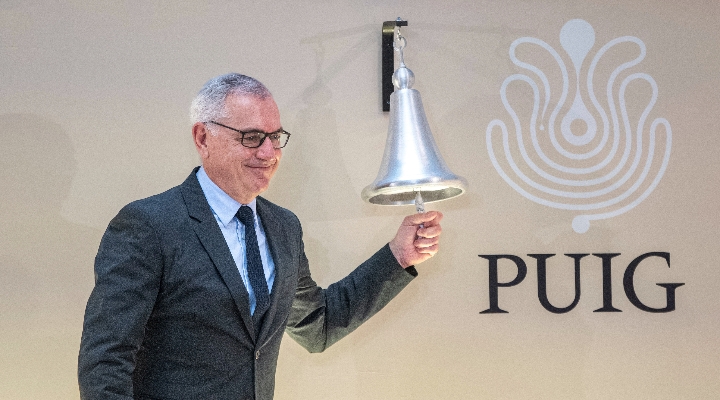
    Global beauty conglomerate Puig has announced robust interim results for fiscal year 2025, surpassing predictions with a stable surge in sales and a significant boost in profitability.

    In the first half of the year, net revenue increased by 7.6% to reach €2.3 billion (~US$2.7 billion), primarily boosted by a weaker US dollar. The adjusted net profit climbed to €247 million (~US$289 million), while the reported net profit witnessed an impressive leap of almost 79% to €275 million (~US$322 million).

    Impressive Growth and Noteworthy Profitability

    The group’s adjusted EBITDA also saw an increase of 8.6%, amassing €445 million (~US$521 million). The EBITDA margin improved to 19.4%, bolstered by revenue enhancement, cost management, and strategic promotional investments.

    The company’s fragrance and fashion sectors led the growth, making up 73% of the total revenues. Exceptional performances were seen from niche brand Byredo and the prelaunch of Carolina Herrera’s new perfume, La Bomba.

    After a period of stagnation, the makeup sector experienced a resurgence with a 2% like-for-like growth, driven by high demand for Charlotte Tilbury’s Super Nudes and Unreal collections. Skincare also experienced a substantial increase of 8.6%, propelled by Uriage’s sun care range and an expanded product line from Charlotte Tilbury.

    Geographic Expansion

    Puig has experienced considerable growth across different regions. The Americas saw a 10.9% like-for-like increase, Asia-Pacific revenues grew by 16.5%, and EMEA witnessed a 3.6% rise.

    The company also announced the appointment of Jose Manuel Albesa as the deputy CEO to supervise all divisions. Albesa, a veteran in the company since 1998, and instrumental in rebranding major labels, will directly report to Marc Puig, the chairman and CEO.

    Forecast for Second Half of FY 2025

    Puig anticipates maintaining its upward trajectory in the second half of the year, powered by the holiday season and the full launch of La Bomba. The firm aims for a 6-8% like-for-like revenue growth, alongside further expansion of adjusted EBITDA margin, with a keen focus on M&A strategies.

    Marc Puig, Chairman and CEO, expressed that the second half is typically their most active period, with holiday demand and the full launch of Carolina Herrera’s new fragrance, La Bomba still in the pipeline. He added, “The appeal of our brands, combined with our ongoing cost discipline, enables us to invest in them to ensure sustainable long-term growth. This reaffirms our optimism for the year’s forecast.”

    Questions & Answers

    What led to Puig’s strong first-half performance in FY 2025?
    A weaker US dollar, strategic marketing investments, and cost control strategies contributed to Puig’s impressive performance. Noteworthy performances from the fragrance and fashion sectors also played a key role.

    What are the growth expectations for Puig in the second half of FY 2025?
    Puig aims to continue its momentum by targeting a 6-8% like-for-like revenue growth. This will be largely driven by the holiday season and the full release of Carolina Herrera’s new fragrance, La Bomba.

    Who has Puig appointed as the new Deputy CEO?
    Puig has appointed Jose Manuel Albesa as the deputy CEO. Albesa has been with the company since 1998 and has played a crucial role in repositioning major brands.

  • Gap Inc. Expands Into Beauty Market: Pilot Launch In Old Navy Stores This Fall

    Gap Inc. Expands Into Beauty Market: Pilot Launch In Old Navy Stores This Fall

    As part of a strategic move intended to diversify its revenue, Gap Inc. is stepping outside its primary clothing retail focus to launch a pilot of beauty and personal care products in Old Navy stores this fall.

    Pilot Launch in Old Navy Stores

    Gap Inc. plans to introduce a specially chosen array of beauty and personal care items in 150 Old Navy brick-and-mortar outlets, with some of these locations featuring dedicated shop-in-shop areas managed by Beauty Associates. The product line will encompass a variety of skincare, makeup, haircare, and nail polish products, each designed to be accessible to a mass-market audience.

    Expansion Plans

    The company has plans to extend the beauty product offerings to its Gap-branded stores starting next year, initiating with the introduction of fragrances. Furthermore, there are plans to increase the accessories category across the entirety of its brands.

    Strategy behind the Expansion

    In its statement, Gap Inc. highlighted that the beauty and personal care market is among the fastest growing and most robust retail categories in the United States, with projections suggesting it will exceed $100 billion by 2025. The company has recognized a significant opportunity to branch out into this category and has plans for a phased launch.

    The decision to diversify comes as Gap Inc. continues to adapt to various macroeconomic challenges, including increased tariffs and subdued consumer spending. By reducing its reliance on apparel, the company hopes to appeal to a wider consumer base.

    Previous Growth

    Last month, Gap Inc. reported an increase in comparable sales for the second quarter, which was driven by improved results across its three core brands: Gap, Banana Republic, and Old Navy.

    Questions & Answers

    What is Gap Inc.’s new strategic move?
    Gap Inc. is diversifying its focus from clothing retail to include beauty and personal care products, starting with a pilot launch in Old Navy stores this fall.

    How does Gap Inc. plan to introduce this new category?
    Gap Inc. will introduce a curated range of beauty and personal care products in 150 Old Navy stores. Some of these stores will feature dedicated shop-in-shop areas managed by Beauty Associates.

    What factors have led Gap Inc. to diversify its offerings?
    Gap Inc. is facing several macroeconomic challenges, including increased tariffs and subdued consumer spending. By diversifying its offerings, the company aims to reduce its reliance on apparel and appeal to a wider consumer base.

  • L’Oréal Invests In Asian Manufacturing For Greener, Localized Beauty Products

    L’Oréal Invests In Asian Manufacturing For Greener, Localized Beauty Products

    As the retail landscape in Asia rapidly evolves, global brands are increasingly eyeing the region for their strategic expansion plans. A striking example is the decision by major cosmetics player L’Oréal to significantly ramp up its investment in local manufacturing capabilities, reflecting an acute understanding of the region’s unique market dynamics and consumer preferences.

    Investing in Local Manufacturing

    L’Oréal recently announced its commitment to invest over €150 million in its manufacturing facilities in various Asian markets, including Vietnam and China. This investment is not just about increasing production capacity; it’s a calculated move aimed at enhancing supply chain efficiency and ensuring that the company can quickly respond to the ever-changing trends that define the beauty industry in Asia. With products flying off the shelves at the speed of light, L’Oréal is positioning itself to capture the hearts—and wallets—of consumers who increasingly crave local and authentic experiences in their beauty regimes.

    What makes this investment even more compelling is L’Oréal’s clear intention to incorporate eco-friendly practices within their production lines. By integrating sustainable technology, the brand is not simply keeping pace with consumer expectations but is actively setting the stage for a greener retail future in a region that is becoming more environmentally conscious.

    Market Trends Fueling Growth

    The move comes amid significant shifts in consumer behavior across Asia. In particular, digital engagement and e-commerce sales are skyrocketing, with beauty products becoming some of the most sought-after items online. L’Oréal’s decision to fortify its manufacturing presence underscores a broader trend among brands aiming to localize their offerings. This not only streamlines operations but also aligns products more closely with local tastes and cultural nuances, providing a personalized shopping experience that many consumers are now demanding.

    Moreover, the beauty market in Asia is projected to grow exponentially in the coming years, bolstered by a diverse demographic and an influx of youthful consumers eager to experiment with new products and trends. With this pivotal investment, L’Oréal is not merely playing catch-up but rather, making a bold statement that it intends to lead in this dynamic marketplace.

    Consumer Engagement at the Forefront

    Brands like L’Oréal are also innovating in how they engage with consumers. Interactive campaigns on social media, coupled with influencer partnerships, are reshaping traditional marketing tactics. Rather than simply advertising products, L’Oréal is entering a dialogue with its consumers, which is often more effective. After all, in a world flooded with choices, who wouldn’t want to be engaged by the brands they love?

    Furthermore, the ability to produce and distribute products locally allows L’Oréal to experiment with limited-edition launches tailored specifically for Asian markets. The idea of creating something exclusive that resonates locally adds not just value but a tantalizing element of desirability—because, let’s face it, who doesn’t love a product that feels tailored just for them?

    A Bright Future Ahead

    With these strategic investments and innovations, L’Oréal is well-positioned to thrive in Asia’s retail sector. By balancing local production with sustainable practices, and by engaging deeply with consumers, the brand is crafting a path that many others may soon follow. As the beauty industry continues to flourish, one thing is clear: the best is yet to come, and the sparkle of local engagement combined with a global brand ethos is set to dazzle Asian consumers.

    Questions & Answers

    How much is L’Oréal investing in its Asian manufacturing capabilities?
    L’Oréal is committing over €150 million to enhance its manufacturing facilities in several Asian markets, including Vietnam and China.

    What impact do local manufacturing investments have on consumer preferences?
    By localizing production, L’Oréal can better cater to regional tastes and preferences, creating a more personalized shopping experience for consumers.

    Why is sustainability important in L’Oréal’s investment strategy?
    Integrating sustainable practices in manufacturing responds to the growing environmental consciousness among consumers, positioning L’Oréal as a responsible leader in the beauty industry.

  • Sukoshi’s Largest Store Yet: Canadian Beauty Retailer Expands Footprint With New York Launch

    Sukoshi’s Largest Store Yet: Canadian Beauty Retailer Expands Footprint With New York Launch

    Canadian beauty retailer, Sukoshi, is poised to continue its North American expansion with the opening of its largest store in New York next month. This marks a significant milestone in the company’s growth strategy, reflecting its ambition to increase its footprint in the region.

    Store Details

    The new store will be located on Third Avenue in New York City’s prestigious Upper East Side. In line with Sukoshi’s brand aesthetics, the store interior will be adorned with a ‘matcha’ green colour scheme. It will be stocked with beauty products from two notable brands: Red Chamber and Girlcult.

    Linda Dang, CEO of Sukoshi, expressed her vision for the brand, stating, “Our mission is to champion brands that set high standards and to create spaces where discovery and education make beauty more meaningful for every customer.”

    Company Overview

    Sukoshi, established in 2018, is a purveyor of Asian beauty products. Currently, it represents over 200 beauty brands across 15 stores throughout North America. Additionally, the company has ambitious expansion plans for the upcoming year, including opening more than 20 new locations in the US market.

    Sukoshi also has plans to establish a presence in several shopping centres across the US. Locations for future stores include Lenox Square, Aventura Mall, King of Prussia, and Bellevue Square.

    Previous Successes

    In the previous year, Sukoshi launched its first retail outlet, Sukoshi Mart, in the Roosevelt Field mall. This establishment was in association with Simon Property Group and featured alongside prominent retailers like Neiman Marcus, Bloomingdale’s, Nordstrom, and Macy’s.

    Questions & Answers

    What is Sukoshi?
    Sukoshi is a Canadian-based beauty company that offers Asian beauty products from over 200 brands. Since its founding in 2018, it has grown to operate 15 stores across North America.

    What is significant about Sukoshi’s upcoming store in New York?
    The upcoming New York store will be Sukoshi’s largest store to date and represents a key part of its expansion plans in the North American market.

    What are Sukoshi’s future expansion plans?
    The company plans to open more than 20 new stores in the US market this year. Additionally, it intends to launch stores in several shopping centres across the US, including Lenox Square, Aventura Mall, King of Prussia, and Bellevue Square.

  • Chatime And Maybelline Unveil Mascara-inspired Beverage Line With Unique Promotional Prizes

    Chatime And Maybelline Unveil Mascara-inspired Beverage Line With Unique Promotional Prizes

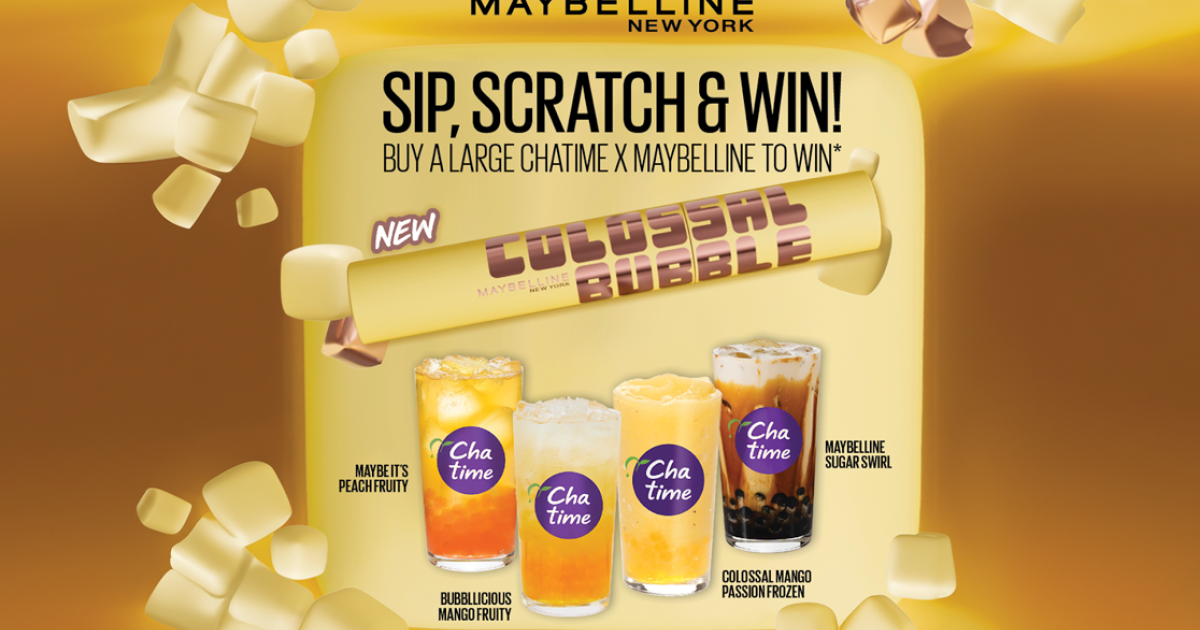
    Chatime and Maybelline New York have come together to unveil a series of four beverages that draw inspiration from Maybelline’s latest addition to its product line, the Colossal Bubble Mascara. The mascara promises to offer a voluminous yet lightweight effect.

    The Limited-Edition Beverage Collection

    The unique, limited-edition drink line-up includes Bubbillicious Mango Fruity, Colossal Mango Passion Frozen, Maybe It’s Peach Fruity, and Maybelline Sugar Swirl. These beverages aim to offer a refreshing twist and a new dimension to the beverage experience for customers, reflecting the bold and innovative nature of the two brands.

    Rachel Druce, who is in charge of marketing at Chatime, has expressed that this partnership has opened up a novel dimension in the brand’s line of collaborations. According to her, this initiative blends the worlds of beauty and beverages in a manner that is unique, enjoyable, and perfectly in tune with Chatime’s brand identity.

    An Exciting Offer for Customers

    As part of the promotion, customers who purchase any of the Maybelline-themed bubble tea drinks will receive a ‘Scratch and Win’ card. This allows them the opportunity to win a variety of prizes, including over 3000 full-size mascaras and an array of Chemist Warehouse vouchers.

    Melanie Bower, the marketing director of Maybelline New York ANZ, has expressed that this collaboration perfectly complements the launch of their new mascara. Being the leading mascara brand in Australia, Maybelline New York is constantly seeking unique and exciting ways to engage with its consumers. According to Bower, the collaboration with Chatime perfectly encapsulates this ethos by celebrating bold lashes and bold flavours together.

    The promotion is set to run nationwide from August 12th to 25th across all Chatime outlets.

    Questions & Answers

    What is the nature of the collaboration between Chatime and Maybelline New York?

    The collaboration involves the launch of four limited-edition beverages inspired by Maybelline’s new Colossal Bubble Mascara.

    What benefits do customers get from this collaboration?

    Customers who purchase any of the Maybelline-themed bubble tea drinks will receive a ‘Scratch and Win’ card, providing them a chance to win a variety of prizes, including over 3000 full-size mascaras and Chemist Warehouse vouchers.

    How long is the promotion set to run?

    The promotion is scheduled to run from August 12th to 25th across all Chatime outlets nationwide.

  • Shiseido Plans to Trim 300 U.S. Jobs Amid Challenges with Acquired Skin-Care Brand

    Shiseido Plans to Trim 300 U.S. Jobs Amid Challenges with Acquired Skin-Care Brand

    In a promising turn of events, Shiseido reported an uptick in net profits for the first half of the year, crediting proactive restructuring moves in Japan and China. Yet, while the Japanese cosmetics powerhouse shows signs of recovery, turbulence within its U.S. subsidiary has prompted a reevaluation of strategies, including potential job cuts to streamline operations.

    This dual narrative of recovery and challenge unfolded during Shiseido’s latest financial briefing, where executives revealed their contrasting fortunes across global markets. Though the company has successfully revitalized its operations in Asia, the American segment remains a troublesome spot, leading to uncertainty regarding its growth trajectory.

    Despite achieving growth milestones domestically, the question of how to conquer the U.S. market looms large, akin to trying to win a game of chess with the opponent always a step ahead. Shiseido must now navigate this complex landscape to redefine its American presence—an endeavor both urgent and fraught with risk.

    As the company looks to the future, industry insiders are awaiting clearer signals about its strategic direction, particularly in the wake of significant restructuring. Will Shiseido find the right moves to flourish in a demanding market, or will this shake-up lead to a sidestep rather than a leap forward? Only time will tell.

    Questions & Answers

    What factors contributed to Shiseido’s improved net profit?
    Shiseido’s net profit for January to June improved due to successful restructuring efforts in Japan and China.

    What challenges is Shiseido facing in the U.S. market?
    The U.S. subsidiary continues to struggle, leading the company to consider significant restructuring measures, including potential job cuts.

    What does the future hold for Shiseido in terms of growth?
    While the company shows positive signs in Asia, uncertainty persists regarding its growth strategy in the U.S. market, leaving many questions about its next steps.

  • Chinese Brands Make Waves in Southeast Asia’s Competitive Retail Landscape

    Chinese Brands Make Waves in Southeast Asia’s Competitive Retail Landscape

    Chinese skincare brands are making waves across Southeast Asia, boasting an impressive 115% compound annual growth rate (CAGR) in the mass skincare market from 2019 to 2024. This explosive growth is attributed to innovative product offerings and competitive pricing, launching them into the spotlight as formidable contenders against established players, according to a recent whitepaper by Euromonitor International.

    Chinese Brands Seize Opportunities in Southeast Asia

    The report, titled “The Rise of Chinese Brands in Southeast Asia,” delves into the dynamics of the ASEAN-6 economies—Indonesia, Malaysia, the Philippines, Singapore, Thailand, and Vietnam—collectively contributing to 95% of Southeast Asia’s impressive $4 trillion GDP. “Chinese companies are making significant strides in this region, particularly in sectors where they enjoy distinct competitive advantages such as electric vehicles, consumer electronics, and home appliances,” explains Tim Chuah, senior global insight manager at Euromonitor.

    Beauty and Beyond: A Market Revolution

    The beauty sector is witnessing an especially thrilling transformation, with Chinese brands challenging the status quo. In addition to skincare, they are quickly carving out niches in food and foodservice industries. “The aggressive expansion of Chinese brands into these sectors is reshaping the competitive landscape across Southeast Asia,” Chuah added, signaling that incumbent firms need to step up their game.

    Impact Across Industries

    Chinese brands are also shaking up the air conditioning market, rapidly increasing their market share from 9% in 2015 to a projected 25% in 2024. Meanwhile, Japanese competitors have faced a 7% decline during this same period, highlighting the ongoing shift in consumer preferences.

    Capitalizing on Culinary Trends

    In the food and beverage sector, Chinese brands are tapping into a rapidly expanding appetite for coffee, milk tea, snacks, and dairy products throughout Southeast Asia. These categories are experiencing robust double-digit growth, with the beverage segment expected to rise at an impressive 9% annually until 2029.

    Furry Friends and Digital Wallets: The New Frontier

    Not stopping there, Chinese pet care companies are venturing into the burgeoning pet care market in Southeast Asia. This segment alone is projected to grow at a 9% CAGR from 2025 to 2030—a promising landscape for brands eager to cater to pet owners. Meanwhile, while Chinese digital wallets continue to attract tourists, their reach among local consumers remains limited due to strong domestic alternatives. Achieving success in this competitive space will largely depend on forming strategic partnerships with local businesses.

    Questions & Answers

    How are Chinese skincare brands influencing the beauty market in Southeast Asia?
    Chinese skincare brands are dramatically reshaping the beauty market by delivering innovative, cost-effective products that appeal to consumers, resulting in a phenomenal 115% CAGR from 2019 to 2024.

    What sectors are Chinese companies focusing on in Southeast Asia?
    Chinese companies are expanding aggressively in electric vehicles, consumer electronics, home appliances, and increasingly in beauty and food services, posing new challenges to established local and international brands.

    What trends are emerging in the Southeast Asian food and beverage sector?
    The demand for coffee, milk tea, snacks, and dairy products is surging, driving double-digit growth with the beverage segment anticipated to grow annually by 9% until 2029.

  • Nicole Kidman Announced As Global Brand Ambassador For Japanese Luxury Brand Cle De Peau Beaute

    Nicole Kidman Announced As Global Brand Ambassador For Japanese Luxury Brand Cle De Peau Beaute

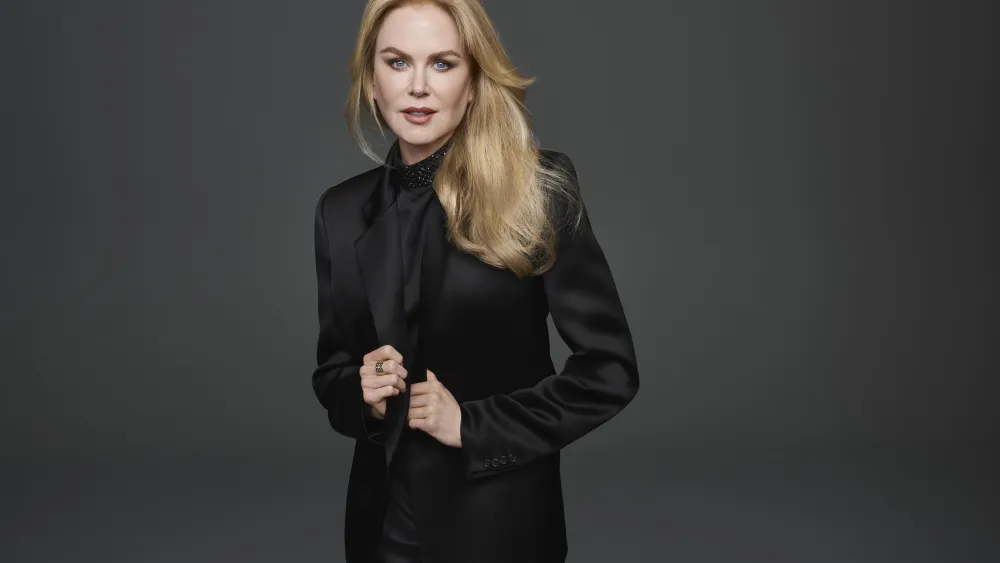
    Nicole Kidman, recognized worldwide for her acting prowess and staunch advocacy for women’s rights, has been announced as the new global brand ambassador for Cle de Peau Beaute, a renowned Japanese luxury skincare and makeup brand.

    Kidman’s appointment aligns seamlessly with Cle de Peau Beaute’s values, which revolve around intelligence, sophistication, and an uncompromising attitude, according to the company. Kidman’s embodiment of these values throughout her personal and professional life is what cemented her as the ideal figure to represent the brand on a global scale.

    Mizuki Hashimoto, the chief brand officer of Cle de Peau Beaute, elaborated on this, stating, “Radiance is about more than just physical appearance; it’s also about the inner strength that fuels positive transformation.” Hashimoto lauded Kidman for her inspiring journey, stating that it embodies the brand’s belief in the power of passion and purpose to unlock a radiant inner strength that can inspire and empower others.

    Kidman is not just known for her extensive acting career of over 40 years, but also for her dedicated humanitarian work. Her role as a UN Women Goodwill Ambassador has seen her actively promote women’s empowerment, especially in areas of education, economic opportunities, and the prevention of gender-based violence.

    Reacting to her appointment, Kidman expressed her excitement about joining the Cle de Peau Beaute family. “I am inspired by the brand’s commitment to celebrate individual beauty across all aspects of life,” she commented. “I look forward to what we can create together.”

    Cle de Peau Beaute, established in 1982, is considered a prominent brand in the luxury skincare and makeup industry. It is owned by the cosmetic giant, Shiseido.

    Questions & Answers

    Who is the new global brand ambassador for Cle de Peau Beaute?
    Nicole Kidman, the acclaimed actress and women’s rights advocate, has been appointed as the new global brand ambassador for Cle de Peau Beaute.

    What values of Cle de Peau Beaute does Nicole Kidman embody?
    Nicole Kidman aligns with Cle de Peau Beaute’s values of intelligence, sophistication, and an uncompromising attitude. Her inspiring journey also resonates with the brand’s belief in the power of passion and purpose to unlock a radiant inner strength that can inspire and empower others.

    What is Nicole Kidman’s opinion about joining Cle de Peau Beaute?
    Nicole Kidman has expressed her excitement and inspiration about joining Cle de Peau Beaute. She admires the brand’s commitment to celebrate individual beauty across all life’s aspects and is looking forward to what they can create together.

  • Beauty Spaces” Redefine Consumer Habits Amid Stagnant Product Usage In 2024

    Beauty Spaces” Redefine Consumer Habits Amid Stagnant Product Usage In 2024

    The beauty landscape is witnessing a seismic shift in 2024, as consumers increasingly tailor their product choices to fit specific daily activities. Gone are the days of rigid beauty routines; today’s buyers are embracing flexibility, informed by their real-life experiences. According to Kantar’s Face Value report, individuals are selecting beauty products based on unique moments they face throughout the day, termed “Beauty Spaces.” These include categories such as “Work Mode,” “Sweat & Reset,” and “Evening Exhale.”

    While global beauty spending is on the rise, much of this growth can be attributed to pricing increases rather than an uptick in product volume. Countries like Brazil, India, and France reported impressive spending gains of 16.8%, 12.7%, and 8.9% respectively, yet actual product usage remains stagnant or is even declining. In China, for example, beauty spending fell by 4% year-over-year, with a corresponding 1% dip in volume.

    Traditional beauty routines, including the once-popular “Rise & Shine,” are seeing negligible growth rates between 0% and 2%. In contrast, newer categories such as “Brunch Beauty” are on a rapid upward trajectory, boasting over 5% year-over-year growth in markets like the U.S., U.K., and Germany. Consumers are increasingly gravitating towards versatile, quick-acting products, with micellar waters, mists, and gels gaining particular popularity in India, France, and Indonesia.

    As shoppers seek out efficiency and adaptability, hybrid products that mix elements of skincare, haircare, and makeup are gaining traction. For instance, post-workout scalp serums and overnight hair oils are becoming staples across multiple Beauty Spaces. Notably, younger consumers are at the forefront of this trend, particularly engaged in “Sweat & Reset” and “Night Out Glow” moments.

    The report highlights a significant shift in shopping behavior, where traditional category-based selections are yielding to experience-driven layouts both online and in physical stores. Social media platforms like TikTok and YouTube Shorts are revolutionizing the way consumers discover products, focusing on not just what to buy, but also when and how to use them. In Taiwan and China, digital sales of personal care products have surged to account for 59% and 56% of their respective beauty markets. The Philippines has also seen remarkable growth, jumping from 8% in 2022 to 18% in 2024.

    Retailers are responding creatively to these changes, introducing mood-based pop-ups and interactive experiences—think scratch-and-sniff billboards—to enhance customer engagement.

    Questions & Answers

    How are consumers redefining their beauty routines in 2024?
    Consumers are moving away from rigid, traditional beauty routines and opting for flexibility, choosing products that fit specific daily moments, or “Beauty Spaces,” such as work, exercise, or relaxation.

    What is driving growth in the beauty industry despite declining product usage?
    While overall spending on beauty products is rising, much of this growth is attributed to price increases rather than increases in product volume, highlighting a possible disconnect between spending and actual usage rates.

    Which regions are experiencing significant online sales growth in the beauty category?
    Taiwan and China are leading the charge, with digital sales of personal care products making up 59% and 56% of their markets, respectively. The Philippines has also seen a dramatic increase from 8% to 18% in just two years.

  • Kolmar Korea Takes the Global Stage with Its Expansive Line of Natural K-Beauty Products

    Kolmar Korea Takes the Global Stage with Its Expansive Line of Natural K-Beauty Products

    In a bold move that underscores its commitment to innovation, Kolmar Korea is cementing its foothold in the global skincare arena by harnessing the power of traditional Korean ingredients. The rising tide of consumer interest in natural, ingredient-centric beauty products has given Kolmar the perfect platform to showcase its pioneering creations.

    Global Success Forged by Tradition

    Among its standout products is the Mung Bean pH-Balanced Cleansing Foam, developed in collaboration with skincare brand Beplain. This remarkable cleanser taps into a 1,000-year-old tradition of using mung beans for skin care and has witnessed staggering global sales, surpassing 10 million units. Its popularity has soared not just in South Korea, but also in the United States, France, China, and Vietnam, proving that ancient wisdom can indeed ride the wave of contemporary beauty trends.

    Deep Clean with a Local Touch

    Another flagship offering is Kolmar’s Relief Mud Mask, crafted with over 30% Boryeong mud and ultra-fine particles designed to deliver a deep cleanse. This product reflects Kolmar’s dedication to merging local resources with scientific advancement, ensuring a skincare experience that is both effective and uniquely Korean. One could say that Kolmar is digging deep—literally and figuratively—into the beauty pot!

    Commitment to Innovation and Research

    Behind Kolmar’s burgeoning success lies a robust focus on research and development, with more than 30% of its workforce dedicated to this crucial area. The company allocates an impressive 6% of its annual revenue to R&D efforts. Recent innovations include demonstrating the anti-aging properties of Spiraea Salicifolia and the potential for Sophora flavescens to prevent hair loss. These groundbreaking studies exemplify Kolmar’s mission to merge nature with science in the pursuit of beauty.

    Bringing Nature’s Fragrance to Consumers

    In addition to skincare, Kolmar is keen on commercializing the mesmerizing scents of Korean flora. By introducing fragrances from plants like the Rose of Sharon and lotus, the company aims to enhance sensory appeal in its product lineup. It’s an exciting endeavor that not only showcases Korea’s rich botanical heritage but also tantalizes the olfactory senses of consumers worldwide.

    Questions & Answers

    How has Kolmar Korea integrated traditional ingredients into its products?
    Kolmar Korea leverages centuries of traditional practices by incorporating ingredients like mung beans in their cleansing foam, which has garnered massive global popularity.

    What significant investments is Kolmar making in its future?
    The company invests 6% of its annual revenue in research and development, focusing on innovative products and new ingredient discoveries.

    What makes Kolmar’s Relief Mud Mask unique?
    It contains over 30% Boryeong mud and ultra-fine particles, designed for deep cleansing that reflects a blend of local resources and scientific research.

  • Indian lingerie Clovia eyes international expansion over 5 years

    Indian lingerie Clovia eyes international expansion over 5 years

    Founder and Director, Neha Kant, says that apart from the 10 EBOs in Delhi, the brand has 2 EBOs in Gujarat and 1 in West Bengal. The average size of a Clovia store is between 275 and 400 sq. ft. “Aside from this, we are also present in 50+ shop-in-shops in these three states in India.” “We have also introduced a new distribution model – Clovia Partnership Program. Under this program, we invite women around the country to educate other women about sizing and fits and run their enterprise by selling Clovia products from the comfort of their home. At present, we have around 3,000 members on board,” she adds.

    Operating Model

    The lingerie brand sells through direct sales channels including exclusive brand e-store, partner websites like Myntra, Jabong, Flipkart and Amazon among others and also through offline retail outlets.

    “As a brand we want to be present at every customer touch point and offline was a natural progression for us. The intent was to make product touch-points that can be brand builders and self-sustaining at the same time. While online continues to grow profitably, offline helped us capture a completely complementary user base, while continuing to build the brand,” asserts Kant.

    “Our Noida office is also the central design hub. Designs and raw materials are shipped out to exclusive third party manufacturing units which have been incubated by us and work exclusively with us. Our skillful use of technology helps us ensure the industry’s most efficient mind-to-market and extremely tight inventory management. On the online front, we’ve innovated to deliver some of the best sales conversion rates. These innovations have ensured the company is operationally profitable since inception,” she adds.

    TG & Product Portfolio

    The brand’s target audience includes working women between the ages of 25-35 years and young girls aged between 18 to 24 who are either in college or have just entered the workforce.

    The brand designs, manufactures and sells premium fashion lingerie, innerwear, nightwear and shapewear. Tier II and III contribute to over 60 percent of Clovia’s orders.

    “Clovia has redefined the lingerie market by going beyond standard fits, colours and sizes. We offer customers a wide variety of choices in ‘everyday essentials’, along with ‘fashion solutions’ keeping up with customer’s evolving wardrobes,” says Kant.

    “As a brand which lives on feedback, and iterates its entire portfolio basis that, we are focused on a few major categories for now and have been slowly expanding our category focus. Clovia, started predominantly as a ‘bra & brief’ brand which extended into nightwear, shapewear and loungewear with time and demand. Within the categories, we’ve identified a lot of verticals for example: in bras, we have ranges for beginners and nursing mothers, as well as sizes till 44F. We launch 200+ new options including colours and prints per month across women’s bras, briefs, nightwear, shapewear, lounge wear, resort wear, swim wear, leisure wear and active wear categories,” she explains.

    The brand, which produces all its products in India, offers 2,000+ plus styles across categories.

    Supply Chain & Production Capacity

    Clovia is a full stack lingerie brand that controls every part of its supply chain from mind-to-wardrobe.

    “We procure raw material, design in-house, manufacture in third-party facilities working exclusively for us, ensure our own 4-level quality control and sell through a host of direct sale channels. Every product we create is first made in small quantities, monitored via state-of-the-art backend technology, which predicts future sales (based on sales patterns and customer feedback) and recommends what further quantities should be produced,” states Kant.

    At the moment, the brand is manufacturing almost a million units per month and ship close to 2 million units in a quarter.

    “We deliver pan India across 970 cities and to over 13,000 pin codes,” she says, adding, “Clovia has an established operating infrastructure with a 30,000 sq. ft. capacity warehouse and a wide distribution network with logistic partners pan India.”

    A Technology Forward Company

    Clovia uses smart technology and big data analytics for smart management of inventory ensuring that they have a highly consumer-relevant range all times with high sell-through rates resulting in industry best inventory holding.

    “We have set up a unique distribution system (both online and offline) which is based on direct interaction with customers, getting their direct feedback and using the same in planning the next product range. Big data played a big role here and this led to an extremely strong connect with our customers, leading to creation of a brand on the back of experience and not pure-play marketing,” she says.

    “We use smart technology and big data analytics to plan consumptions and purchase patterns. We stock the maximum number of SKUs in the industry with minimum inventory holding. Also, using technology for geographical understanding of tastes, we’re bringing structure to a traditionally unorganised market,” she further states.

    Future Plans

    The lingerie brand is expanding both in the online and the offline space with equal vigour. The brand is putting in the effort to understand audiences and nuances of each channel to ensure a true Omnichannel experience for customers and sellers. This is the key focus for Clovia over the next five to six quarters.

    “We have been operationally profitable,” she says.

    The brand currently generates around 15 percent of its revenue from offline channels and expects the revenue to witness a 50 percent growth in the current financial year.

    “Clovia gets over 55 percent of its total online sales through its own website which will maintain its share. The rest comes from online marketplaces such as Amazon,” Kant concludes.

  • Korean beauty startups bet booming US demand outlasts tariff pain

    Korean beauty startups bet booming US demand outlasts tariff pain

    Following their impressive online achievements in the US, South Korean cosmetic start-ups are seeking to strengthen their physical presence in the world’s largest consumer market. These brands, including Tirtir, D’alba, Torriden and Beauty of Joseon, are currently in discussions with major retailers to make their products available on US shelves. The expectation is that the popularity and broad appeal of their products will outweigh any potential impact from tariffs.

    K-Beauty: Global Competitor

    Known for their high-quality products, competitive pricing, and clever marketing strategies, South Korean beauty products have successfully established a global presence. This success has been largely facilitated by the wider popularity of South Korea’s other cultural exports, including music, film, and television.

    According to Tirtir CEO An Byung-Jun, the increased interest in South Korean culture has paved the way for the country’s cosmetic industry, especially given the good quality of the products and their affordability compared to existing luxury brands such as L’Oreal or Estee Lauder.

    Tirtir’s reputation significantly increased last year due to the viral online success of its cushion foundation shades designed for dark skin. The company aims to double its US sales this year, with its products being made available in Ulta Beauty stores over the summer.

    US Expansion

    Major US retailers, including Sephora, Ulta Beauty, Costco, and Target, are currently in discussions with South Korean cosmetic brands about launching their products in physical stores. Industry experts believe Korean brands’ higher margin business models will allow them to withstand tariffs better than their competitors.

    South Korea became the world’s third-largest beauty product exporter in 2024, after France and the US. The majority of its cosmetic output, valued at $13 billion, is for export, with e-commerce sales driving most of this success.

    Challenges and Opportunities

    While tariffs pose a potential threat to South Korea’s beauty industry, the strong demand for their products is expected to mitigate some of this risk. Olive Young, South Korea’s leading beauty retailer, plans to establish its first US store in Los Angeles later this year.

    Despite concerns about tariffs, South Korean cosmetic brands are persisting with their US expansion plans. Brands such as D’alba, Torriden, and Beauty of Joseon are set to launch in Sephora stores over the summer.

    The Power of Social Media

    South Korea’s success in the cosmetic industry has been significantly bolstered by social media. Viral videos and influencer endorsements can transform a product into a global bestseller. However, industry experts caution that long-term success will require an increase in physical store sales.

    Despite rising competition and the emergence of cheaper alternatives, investors remain optimistic about South Korea’s potential in the cosmetic industry.

    Questions & Answers

    What has contributed to the success of South Korean beauty products in the global market?
    South Korean beauty products have risen in popularity due to their high quality, competitive pricing, and effective marketing strategies. They have also been boosted by the wider global interest in South Korean culture, including its music, film, and television.

    What is the current status of South Korean cosmetics in the US market?
    South Korean cosmetic start-ups are currently in discussions with major US retailers to launch their products in physical stores, following their successful online performance.

    What are the potential challenges for South Korean cosmetic brands in the US market?
    Potential challenges include tariffs and increasing competition. However, the strong demand for their products is expected to mitigate some of these concerns, and many brands have business models that allow them to withstand tariffs better than their competitors.

  • Huda Beauty Secures Independence, Parting Ways with TSG Partners for Future Growth

    Huda Beauty Secures Independence, Parting Ways with TSG Partners for Future Growth

    Huda Beauty Takes Back Control in a Bold Move

    In a significant development, Huda Kattan, the founder and Co-CEO of Huda Beauty, has bought back the equity held by TSG Consumer Partners. This strategic move marks the end of an eight-year partnership that commenced in 2017, when TSG acquired a minority stake in the beauty brand.

    With this buyback, Huda Beauty is now entirely founder-owned, making it a standout in the beauty industry where few major brands are wholly controlled by their creators. This independence signifies a exciting new chapter for Huda Beauty, emphasizing its commitment to product innovation, authenticity, and deeper engagement with a global audience.

    In line with its founding principle that “Beauty is Self-Made,” Huda Beauty is set to forge ahead, pushing the boundaries in the beauty landscape.

    Questions & Answers

    What prompted Huda Kattan to buy back the equity from TSG Consumers Partners?
    The desire for full control over Huda Beauty’s direction and operations was likely a key motivator for Kattan, allowing her to emphasize innovation and engagement directly.

    What does this buyback signify for Huda Beauty?
    This move signals a new era of independence, where Huda Beauty can fully embody its founding ethos and focus on deepening its global reach.

    How does Huda Beauty differentiate itself in the crowded beauty market?
    The brand’s commitment to being entirely founder-owned allows it to maintain authenticity and innovate in ways that truly reflect Huda’s vision and values. Talk about a glow-up!

  • K-Beauty Sector Bounces Back with $4.9M Funding Boost for Early 2025 Growth

    K-Beauty Sector Bounces Back with $4.9M Funding Boost for Early 2025 Growth

    The K-Beauty industry is experiencing a notable resurgence, with startups raising an impressive $4.9 million in funding during the first four months of 2025, as reported by Tracxn. This revival can largely be credited to the sector’s renowned high-quality products that boast innovative ingredients and unique formulations, all further fueled by the global phenomenon of Korean pop culture—think K-pop, K-dramas, and the vibrant realm of social media.

    In its glory days, the K-Beauty sector peaked in funding during 2016 and 2018, amassing $186 million and $148 million, respectively. However, last year marked a significant downturn; the sector hit rock bottom in 2024 with a meager $975,000 raised—the lowest in a decade and a staggering 90% decrease from the previous year. Notwithstanding this dip, the cumulative funding across 74 startups has reached a robust $453 million.

    South Korea reigns supreme in the K-Beauty market, having secured $250 million in funding, followed closely by the United States with $199 million, and India trailing with $4 million. Remarkably, over 55% of global K-Beauty investments have been funneled into South Korean enterprises.

    The last couple of years has been characterized by early-stage funding, with all financing in 2022, 2023, and so far in 2025 originating from this stage. Early-stage rounds have accounted for nearly 28% of total sector investments over the past five years. In contrast, late-stage funding, which once comprised 69% of the market, has gone dormant since 2019.

    Seed-stage deals have managed to raise $15.3 million so far, although 2024 was a slow year that only saw $957,000 in seed funding, and this year has yet to witness any new seed-stage deals. On the funding leaderboard, Memebox stands tall at $193 million, followed by GP Club with $67.5 million and Clio Professional with $50.1 million. In the funding categories, color cosmetics lead the charge with $245 million, followed by multi-category brands at $77 million, and skincare at $46.5 million.

    Mergers and acquisitions continue to shake up the market, with Klpartners’ $129 million acquisition of Manyo earlier this year and LG Household & Healthcare snatching up The Crème Shop in 2022 for $120 million. Notably, GP Club and Mediheal have both reached unicorn status, while APR emerged as the sole K-Beauty IPO in 2024.

    Prominent investors in the sector, such as Goodwater Capital, Pear VC, and Altos Ventures, have significantly influenced funding dynamics. The past two years have seen seed-stage activity driven primarily by 500 Global, Barlon Capital, and Blueprint, while early-stage rounds have been dominated by khfamily.kr, Company K Partners, and Smile Gate Investment.

    Could this be the comeback story of the year for K-Beauty? Grab your favorite face mask and stay tuned!

    Questions & Answers

    What was the total funding raised by the K-Beauty sector?
    The K-Beauty sector has amassed a total of $453 million across 74 startups.

    Which countries are leading in K-Beauty funding?
    South Korea leads with $250 million, followed by the U.S. at $199 million, and India at $4 million.

    What is the main type of funding seen in the K-Beauty sector recently?
    All funding for 2022, 2023, and the beginning of 2025 has come from early-stage rounds, making up nearly 28% of total investments in the last five years.

  • L’Oreal acquires South Korea’s Dr.G in skincare deal with Migros

    L’Oreal acquires South Korea’s Dr.G in skincare deal with Migros

    French cosmetics giant L’Oreal said on Monday it had agreed to buy Gowoonsesang Cosmetics, which includes South Korean skincare brand Dr.G., from Swiss retailer Migros.

    The Korean beauty market is dominated by local brands known for being among the world’s most innovative, and increasingly popular overseas as part of a trend for ‘K-Beauty’.

    Dr.G will meet rising demand for K-Beauty and effective yet affordable skincare, L’Oreal said in a statement, adding that it has a growing pan-Asian presence and global growth potential.

    “We have been following the brand and its success for many years and we look forward to accelerating its growth in South Korea and the rest of the world,” said Alexis Perakis-Valat, global president of L’Oréal’s consumer products division.

    Reuters reported on Friday that L’Oreal and Migros were in final talks on a deal. Migros announced a strategic review of its Mibelle cosmetics group in February, saying it wanted to find a new home for the owner of Gowoonsesang and other brands.

    L’Oreal did not give a valuation for the deal, which comes amid a slowdown in China, previously one of the fastest-growing beauty markets.