Retail News CRM

Tag: beauty

  • Amiri continues retail expansion with new Japan flagship store

    Amiri continues retail expansion with new Japan flagship store

    Following the recent news of the label’s Shanghai flagship store, AMIRI continues to expand their Asian presence with the opening of its latest bricks-and-mortar outpost in Tokyo, Japan.

    Situated in the city’s iconic fashion district, Minami-Aoyama, the store builds on the aforementioned international opening as a part of AMIRI’s ambitious global rollout. Embodying their relaxed, West Coast approach, the new space marries warmth, intimacy and modernism, taking cues from the brand’s established retail blueprint and expands by using the city’s personality as a springboard for design.

    Spanning two floors and a total of 155.6m2, the glass-fronted building features the likes of white concrete walls punctuated by suspended rails in brushed chrome, marble accents, oak podiums, artisanal checkerboard rugs and artwork by friend of the brand, US artist Wes Lang.

    Playing host to the full range of Men’s and Women’s ready-to-wear collections, accessories, footwear and leather goods, in typical style, the store also offers an exclusive Tokyo capsule collection for visitors which integrates a reimagining of AMIRI’s signature bones stack motif in the red and white of Japan’s national flag,

    Check out some shots of the new store below and check it out for yourself at: 5-3-27 Minami Aoyama Minato, Tokyo, Japan 107-0062.

  • Maybelline to shut all stores in China

    Maybelline to shut all stores in China

    The L’Oréal-owned American cosmetic brand Maybelline is gradually shuttering all of its physical stores across China as it aims to shift its focus in the market to online, the brand confirmed Wednesday.

    In a statement sent to local media, the brand said, “In response to changes in the market and consumer demand, Maybelline New York has been gradually strategically transforming its traditional offline channels since 2020 to achieve a cohesive online and offline shopping experience and to bring consumers a more diverse beauty shopping experience.”

    Customer service from the brand further revealed that the timeline for store closures is not clear so far, but counters within the drugstore chain Watson’s will continue to operate.

    The century-old beauty brand, acquired by L’Oréal in 1996, entered the Chinese market in 1997 and soon became a popular choice for a large number of women who moved from the countryside to big cities in pursuit of an office job as the nation was shifting to a service industry-led economy at the time.

    Maybelline was a key player in the affordable cosmetic sector through brick-and-mortar channels such as supermarkets and department stores, but the brand in recent years failed to catch up with local competitors and adapt to the disruptive Chinese e-commerce model.

    The brand withdrew from the supermarket channel in 2018 and began to leave department stores in 2020.

    This shift coincides with the rise of C-beauty brands, as well as L’Oréal gradually pivoting its focus toward the prestige category.

    Data from market researcher Qianzhan Industry Research Institute shows that Maybelline’s market share in the Chinese market fell to 4.9 percent last year from 10.7 percent in 2018, while Florasis and Perfect Diary became two of the most popular brands, taking market shares of 6.8 percent and 6.4 percent, respectively.

  • Cult skincare brand MooGoo launches into New Zealand

    Cult skincare brand MooGoo launches into New Zealand

    As of this month New Zealanders are now able to walk into pharmacies across the country and buy one of Australia’s most popular skincare lines, MooGoo, as the number of Kiwis with skin disorders is on the rise.

    New Zealand has one of the highest incidence of eczema in the world, with the skin condition now affecting one in three Kiwis, and around 15% of children.

    MooGoo CEO Melody Livingstone says the brand’s expansion into New Zealand was driven by strong interest from local customers.

    “Given the climate in New Zealand, with so many people suffering from skin conditions, we fast-tracked our entry,” says Ms Livingstone.

    “The climate is very similar to Ireland, which per capita is our biggest market outside of Australia,” she added.

    MooGoo has more than 45 natural products that help a range of skin problems, including eczema and psoriasis. All of them are now available online in New Zealand, and more than half the range will be stocked on shelves.

    In Australia demand for the products has skyrocketed, with the company seeing some 30% growth and it’s now stocked in just about every pharmacy across the country.

    “Consumers are becoming a lot more knowledgeable about product ingredients and are increasingly seeking natural and eco-friendly treatments and remedie,” explains Ms Livingstone.

    “There’s also been a lot of anxiety surrounding the pandemic, which seems to have caused an increase in eczema, psoriasis and other skin flare-ups.

    “We’re also hearing a lot of people talking about acne and perioral dermatitis, caused by heat, moisture, friction, trapped dirt and bacteria from wearing a mask for long periods of time and also suffering with painful cracked hands from continuous hand sanitising and washing.

    “The crazy weather conditions haven’t been helping either.”

    In Australia, MooGoo products are also used in neonatal, paediatric and oncology wards and in the UK the business is supported by the British equivalent of the Medicare – the NHS.

    “At MooGoo, our ingredient philosophy is simple – to make effective products with healthy ingredients for you, your loved ones and the environment,” adds Ms Livingstone.

    “We understand all consumption has an impact, and our goal has always been to minimise our impact on the environment.”

    MooGoo products can now be purchased at 58 New Zealand pharmacies and health stores, it is also available online at www.moogoo.com.au

  • Owndays launches premium concept store in Singapore

    Owndays launches premium concept store in Singapore

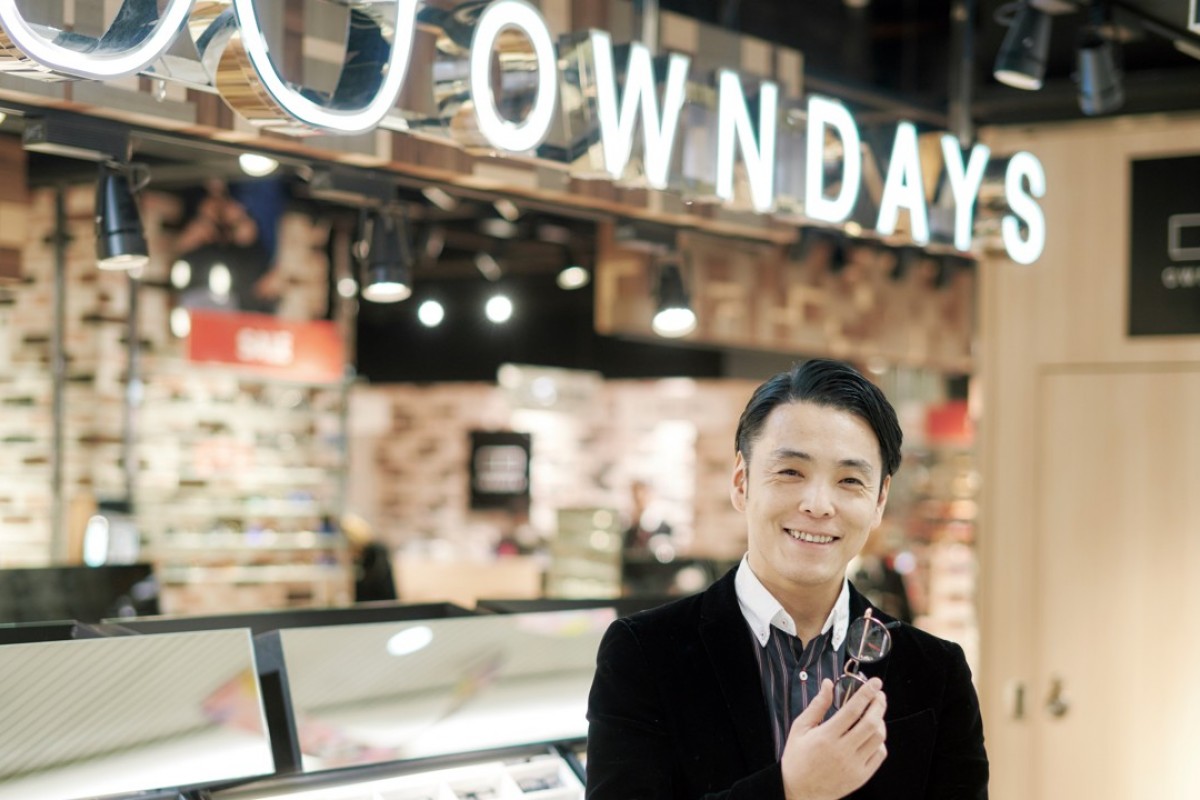
    Japanese fast fashion eyewear brand, OWNDAYS, is pleased to announce the opening of a new store at Takashimaya S.C., Ngee Ann City. This will be the brand’s second premium concept store in the world and its 33rd store in Singapore. The new store will open to public on 20 May 2022 and will house a collection of made-in-Japan eyewear and premium ophthalmic lenses curated exclusively for its premium concept stores.

    The Takashimaya S.C. store mirrors the concept of “Japanese Luxury” originally introduced at its first premium concept store at Marina Bay Sands, offering a premium eyewear shopping experience topped with Japanese hospitality and an extended product offering. Drawing inspiration from Ryoanji Temple, an UNESCO World Heritage Site and a popular attraction in Kyoto, Japan known for its famous rock garden, the new store features a distinct Japanese-styled aesthetics that pays homage to the origins of the brand while incorporating a touch of luxury.

    The main retail floor is flanked by a dry landscape complete with rock arrangements, gravel, moss and shrubs to achieve the Zen Garden interior. Beige wood elements are also heavily featured in the store interior to emphasise a sense of traditional Japanese-ness.

    Také Umiyama, Managing Director/COO of OWNDAYS INC. said, “The Takashimaya S.C. store reflects the core value of OWNDAYS, which is to constantly evolve and innovate in order to deliver quality eyewear to consumers at the best value. With a store that is located right in the heart of Orchard Road, it allows us to make well-designed, good quality eyewear more accessible to our customers. Besides, the new store is a space where we hope local consumers could enjoy a complete Japanese experience without having to physically travel to Japan. We welcome customers to visit the store even when they are not looking to purchase any spectacles and just to feel transported to Japan.”


  • Sephora makes Vietnam debut

    Sephora makes Vietnam debut

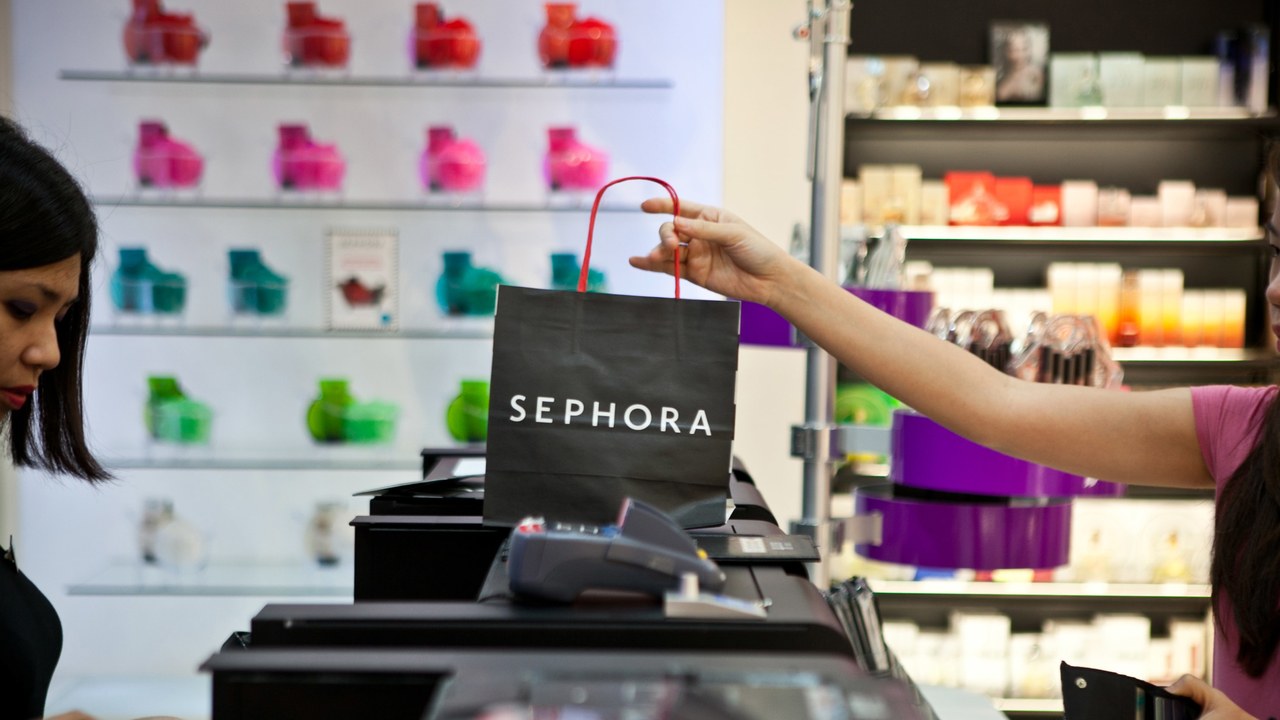
    Beauty retailer Sephora has entered the Vietnamese market with a dedicated ecommerce store after an initial trial period of five months.

    Local customers can now buy directly from Sephora online, but there is no word yet on whether the global brand will open a physical store.

    About 90% of Vietnam’s cosmetics market is filled with foreign brands, led by South Korean products and followed by European and Japanese names. Market revenue, on the other hand, is pegged at US$514 million.

    Sephora enhanced its Asian presence in 2019 with debuts in South Korea, Hong Kong, and New Zealand. It now has 200 stores in 16 Asian countries.

  • L’Occitane buys Australian skincare brand Grown Alchemist

    L’Occitane buys Australian skincare brand Grown Alchemist

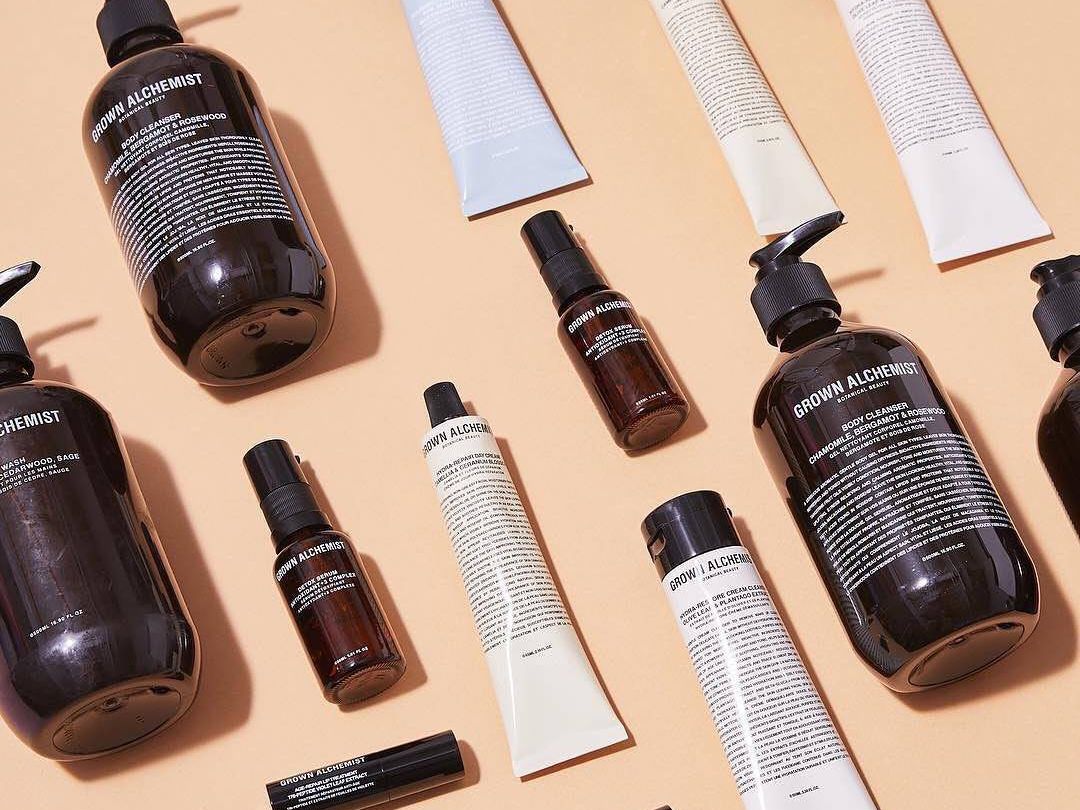
    Hong Kong-listed beauty giant L’Occitane Group has acquired a majority stake in Australian-based clean skincare brand Grown Alchemist for an undisclosed sum.

    Grown Alchemist was founded in 2008 by Melbourne siblings, Jeremy and Keston Muijis, with a focus on futuristic anti-aging technology and unique botanical skincare formulas for optimal skin health. The brand opened a flagship store in Melbourne in 2020, “gearing for the next phase of [our] journey with a full-scale omnichannel presence to further augment global sales”.

    “With a unique and inspiring brand story and international fan base, Grown Alchemist is poised for international scalability and rapid growth,” said Andre Hoffmann, vice chairman & CEO of L’Occitane Group.

    The acquisition of Grown Alchemist is part of L’Occitane’s plan to further broaden its health-conscious beauty portfolio, attracting influential millennial and Gen Z customers.

    The deal follows L’Occitane’s acquisition of Sol de Janeiro’s 83-per-cent stake last November, which is known for the Brazilian Bum Bum Cream brand.

  • 7-Eleven to sell body scrub online made from coffee

    7-Eleven to sell body scrub online made from coffee

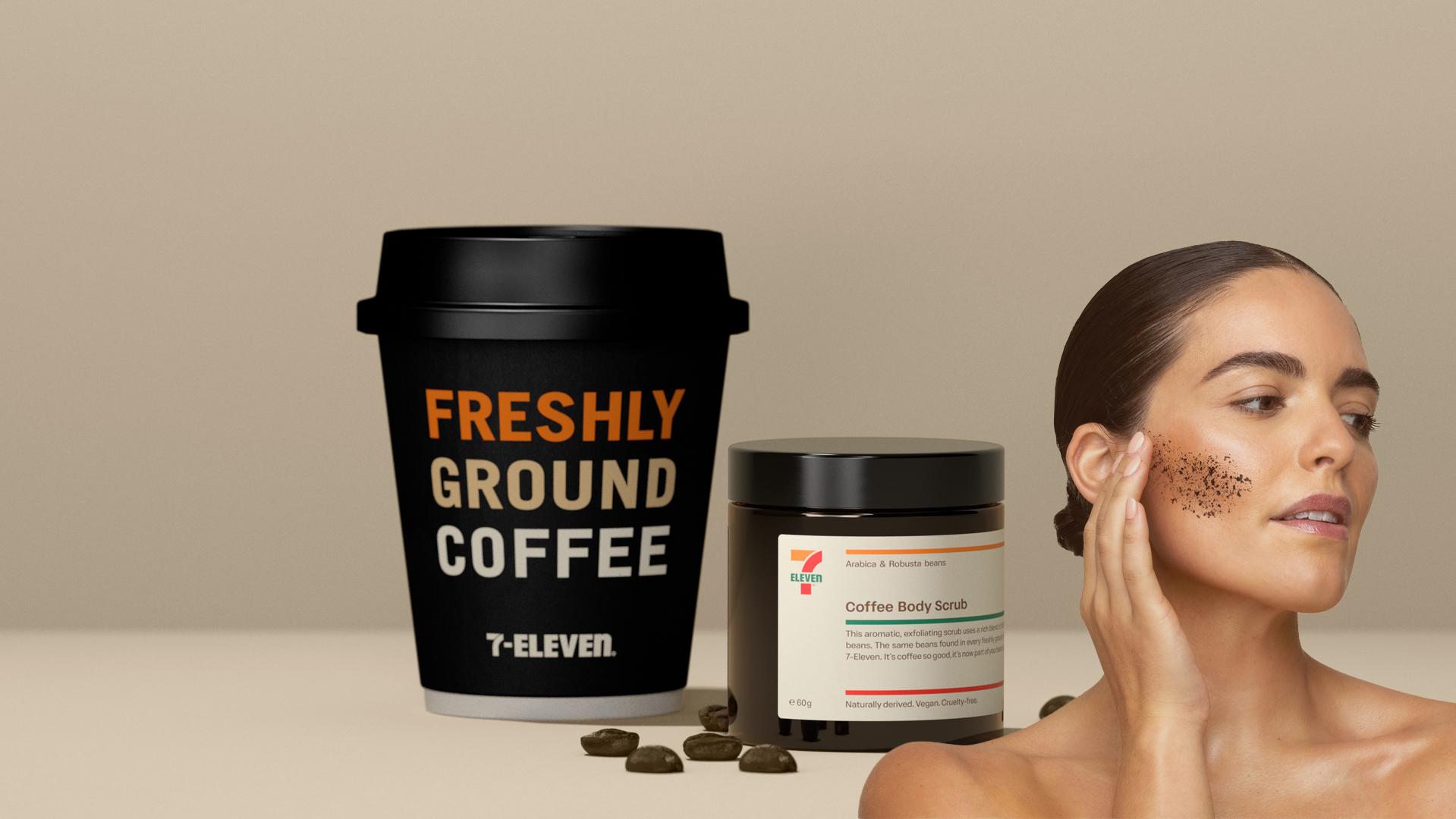
    In what’s likely the most unexpected beauty launch of the year, 7-Eleven has officially entered the world of beauty with the release of their $1 coffee body scrub.

    The strictly limited edition scrub, which will be sold exclusively via online retailer Adore Beauty from Tuesday 22 March, is made from the same aromatic Arabica and Robusta beans found in the millions of cups of freshly ground coffee sold each year at 7-Eleven.

    Much like the retailer’s coffee, the product’s very reasonable price tag is sure to excite beauty lovers, with the body scrub retailing for just $1.

    Australian actor Olympia Valance has also been revealed as the face of the new product, saying, “Coffee and skincare products are two things I can’t live without, so being the face of 7-Eleven’s Coffee Body Scrub was a no brainer. Now I can exfoliate, rejuvenate and caffeinate with the same great coffee Australians have been enjoying for years.”

    7-Eleven’s Head of Marketing Communications, Adam Jacka, added that the Coffee Body Scrub is a fun and innovative way to showcase the quality of coffee that Australians enjoy every day.

    “We’re thrilled to be launching 2022’s most unexpected arrival in beauty, the 7-Eleven Coffee Body Scrub. We take great pride in sourcing great quality beans from across the world to provide great coffee to customers every day,” he said.

    The product is made from the same Arabica and Robusta beans found in 7-Eleven’s famous coffee.

    “We wanted to showcase the quality of our coffee beans in new ways. More than 71 million cups are already enjoyed across Australia each year but we know some are still yet to try our iconic coffee. Seriously, our coffee beans are so good we’ve made a coffee scrub out of them!”

    The 7-Eleven Coffee Scrub is produced locally in Australia, is 100% naturally derived, vegan and cruelty-free.

    The limited-edition 7-Eleven Coffee Body Scrub will be available to purchase for $1 with every purchase over $20 via Adore Beauty on 22nd March 2022, strictly while stocks last.

  • Boohoo launches vegan makeup and beauty range

    Boohoo launches vegan makeup and beauty range

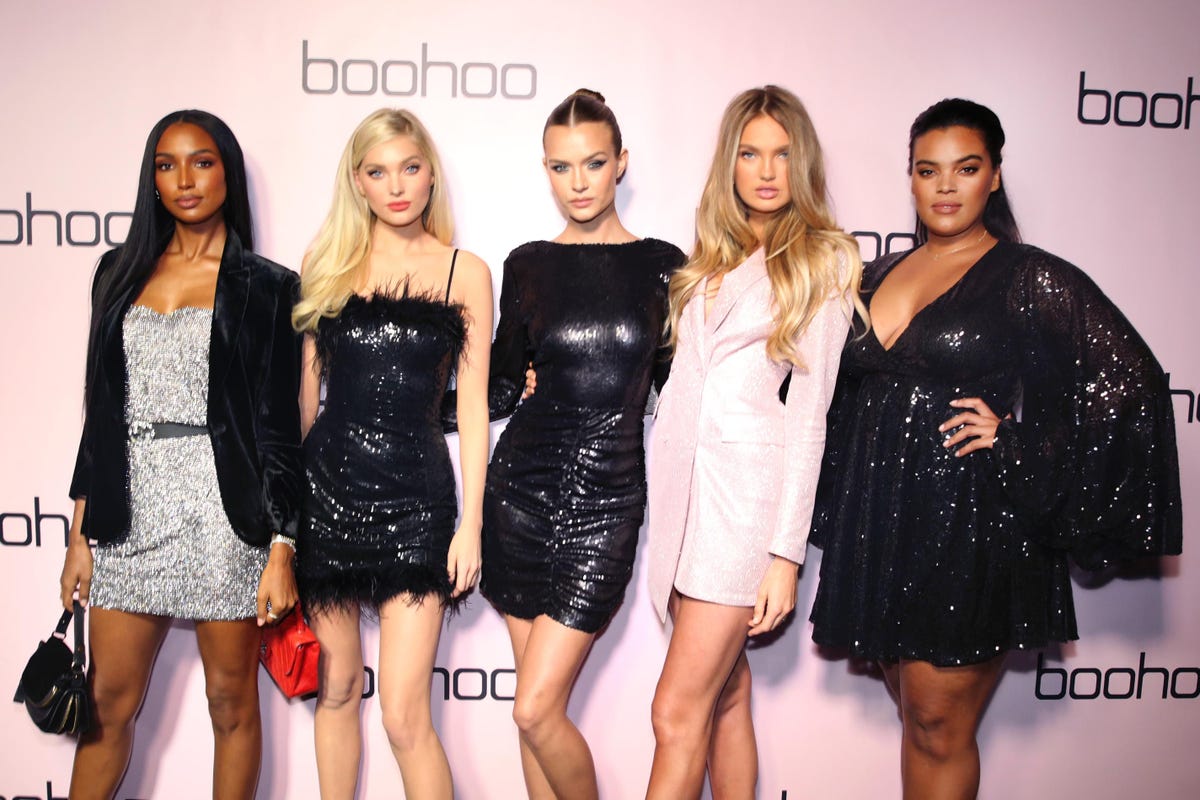
    The range called Boohoo Beauty, features items for brows, lips, eyes, and face, and is available in various shades to suit multiple complexions and skin tones. It comprises lip gloss, lip liner, blusher, bronzer lipstick, and a contour stick.

    Customers can also buy tools and accessories including a brush cleaner, light-up mirror, fast-drying wrap for hair, and a false lash applicator.

    Available to purchase on boohoo.com, prices range from £5 for a lip gloss to £38 for a make-up palette.

    Lou Maddison, lead hair and make-up artist at Boohoo, said: “As well as the range being 100% cruelty-free and made with a vegan formula, all packaging used within this collection is recyclable. Products are boosted with ingredients such as hyaluronic acid, aloe, coconut oil, and botanical extracts.

    “The products are lightweight, water-resistant, and transfer-proof, perfect for everyday use and taking a look from day to night.”

  • L’Occitane takes majority stake in beauty brand Sol de Janeiro

    L’Occitane takes majority stake in beauty brand Sol de Janeiro

    The L’Occitane group has acquired an 83 percent stake in Brazilian-inspired body care brand Sol de Janeiro as part of a strategy to expand its premium beauty offer.

    Upon the deal’s closure, Sol de Janeiro will become a majority-owned subsidiary of L’Occitane group. The value of the deal has not yet been disclosed.

    L’Occitane said Sol de Janeiro is a strategic fit in terms of brand recognition and identity, product quality, management capability, as well as growth, profitability, and cash generation prospects.

    “With a compelling brand story and an experienced and entrepreneurial management team, Sol de Janeiro reflects our values and premium beauty image,’ said Andre Hoffmann, vice chairman & CEO of L’Occitane.

    “Sol de Janeiro’s digital presence and established body care business are complementary to the group’s balanced geographical strategy to build a portfolio of strong brands in all major geographical regions,” the company said in a statement.

    Sol de Janeiro is expected to strengthen L’Occitane’s international presence to expand into new markets.

    Founded in 2015 in the US, Sol de Janeiro has become one of the fastest-growing premium skincare brands in North America and is known for its body care, fragrance, and hair care products designed for multi-generational consumers.

  • Shiseido sees ‘turning point’ ahead in tourism sales

    Shiseido sees ‘turning point’ ahead in tourism sales

    The chief executive of Japanese cosmetics giant Shiseido Co believes inbound tourism will return next year as the pandemic abates, beginning a gradual recovery in sales of high-end goods to travelers.

    A halt in tourism amid the COVID-19 pandemic has cut off sales to Chinese visitors, a critical segment in years past. China may start to ease travel curbs after hosting the Winter Games in Beijing, and a reciprocal opening in Japan would start a “welcome back” of tourist shoppers, Chief Executive Masahiko Uotani said.

    “Next summer will be a turning point,” he said in an interview.

    Like other companies in the luxury sector, Shiseido has been hit hard by COVID-19 related lockdowns that shuttered department stores and airport shops. Operating profit plunged 87% to 15 billion yen ($131.7 million) in the year through December 2020. The company is expecting a partial recovery to 27 billion yen this year.

    Shiseido is aiming to reach 15% operating margin by 2023 and become the global leader in skincare by 2030. To get there, the company is divesting of some lower-priced brands.

    In February, it announced the sale of skincare and shampoo brands to private equity firm CVC Capital Partners for 160 billion yen. Shiseido said in August it would sell three make-up brands for $700 billion to U.S.-based investor Advent International.

    “When we made the plan last year, no one thought that the corona situation in Japan would last this long,” Uotani said. “If economic activity in Japan reaches the level of Europe and the U.S., I think the cosmetics industry will recover all at once.”

    “What I’m hoping for is the spring of next year,” he added.

    On mainland China, there are signs of economic slowdown and concerns of tighter regulation, but the market remains an attractive overseas market.

  • Shiseido to sell beauty brands BareMinerals, Buxom, Laura Mercier

    Shiseido to sell beauty brands BareMinerals, Buxom, Laura Mercier

    Shiseido Americas is selling cosmetics brands, BareMinerals, Buxom, and Laura Mercier to AI Beauty Holdings Ltd, a newly-formed affiliate of private equity investment firm, Advent International. The terms of the deal were not disclosed.

    Upon completion of the transaction, Pascal Houdayer, the former chief executive of NAOS (Bioderma, Esthederm, Etat Pur) will serve as CEO of the standalone business.

    Launched in 1995, BareMinerals is a leader in mineral-based cosmetics; Buxom, created in 2007, is a colour cosmetics brand ranked among the top five US brands across various lip categories. Prestige makeup brand Laura Mercier was founded in 1996.

    “We are strong believers in the BareMinerals, Buxom, and Laura Mercier brands,” said Tricia Glynn, a managing director at Advent. “They are clear leaders in prestige beauty and are widely recognised for their quality, authenticity, and innovation, with differentiated products and devoted customers.”

  • BWX takes controlling stake in Go-To Skincare, as profit soars

    BWX takes controlling stake in Go-To Skincare, as profit soars

    ASX-listed company BWX has snapped up a controlling stake in beauty entrepreneur and young rich lister Zoë Foster Blake’s business Go-To Skincare in an $89 million deal.

    BWX scooped up 50.1 percent of Go-To with the deal valuing the business, which sells its range of moisturizers, face masks and bubble bath online and through Mecca stores, at $177 million.

    Ms Foster Blake started Go-To in 2014 and the business has boomed during the coronavirus pandemic, recording revenue of $38 million last year as consumers treated themselves with skincare products. She owns a stake in the business.

    She started her career writing a beauty column at Cosmopolitan. Ms Foster Blake is the author of several books including The Wrong Girl and No One Likes A Fart and headed up Australia’s most recent tourism campaign with her husband, comedian Hamish Blake.

    Ms Foster Blake drew on her beauty expertise to found Go-To and garnered a loyal customer base through savvy use of her extensive social media following.

    The peach packaged brand has expanded to include Gro-To, plant-based skincare for babies and Bro-To, which is marketed to boys and men and has expanded internationally into the United States.

    Go-To will remain a standalone brand with Ms Foster Blake as strategic shareholder, chief creative officer and board director of Go-To and the company’s other co-founders will also remain in the partnership.

    Ms Foster Blake said two Australian beauty companies coming together to cement Australia’s reputation in the sector was “very exciting” and would accelerate Go-To’s growth internationally.

    “When we embarked on this process we wanted a compatible-like minded partner who as culturally aligned, shared our values on sustainability, inclusivity and quality, really ‘got’ our brands, and who could assist in unlocking Go-To’s international potential,” she said. “BWX immediately made sense. They live and breathe skincare and have a proven track record globally.”

    BWX already owns the Sukin, Andalou Naturals, Mineral Fusion, and Nourished Life brands and in its full-year results on Friday reported a 61 percent lift in net profit to $23.7 million for the year and a 3 percent increase in revenue to $194.1 million.

    BWX chief executive Dave Fenlon said Go-To was an authentic brand with a loyal customer following and an exciting growth outlook.

    “Zoë is a proven brand-builder and innovator,” he said.

    “This partnership will provide BWX with an opportunity to accelerate our international growth strategy, increase our sales via the direct-to-consumer channel, while also providing access to a potential new growth customer demographic and exposure to a premium brand which complements our existing portfolio.”

  • Aromatica converts Korean store into zero-waste space

    Aromatica converts Korean store into zero-waste space

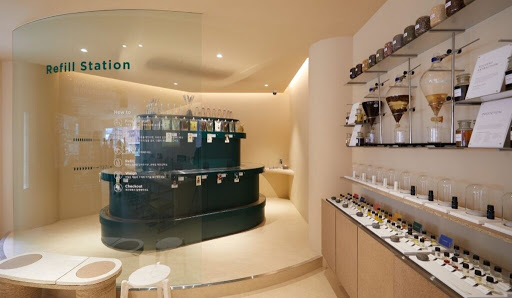
    South Korean sustainable beauty brand Aromatica has introduced its zero-waste beauty refill space, Aromatica Zero Station, in Seoul.

    Aromatica said the space is a combination of retail, refill station, aromatherapy, recycling, and upcycling centre – and features a tea house.

    Aromatica Zero Station features 18 products, including rosemary shampoo, aloe vera gel, conditioner, body oil, and toner. All products are organic, vegan, and directly produced at Aromatica’s eco-friendly smart factory in Osan, Gyeonggi-do. Consumers can buy their post-consumer recycled plastic or glass bottle at the store or bring their own.

    Aromatica Zero Station has an ‘Aromatherapy Zone’ where customers can try a range of natural and organic raw materials and essential oils used in its products. It also displays the traditional method of extracting oils from each raw material – leaves, stems, trees, and roots.

    The tea house offers 11 tea drinks, including Rosemary Mint Green Tea, Jasmine White Tea, Milky Oolong Tea, and Hibiscus Kombucha. Take-out beverages are only available in tumblers – there are no single-use plastics.

    Meanwhile, the recycling space helps visitors learn to separate, recycle and dispose of their empty containers properly according to the material.

    Aromatica is not the first beauty brand to roll out the beauty refill station concept in South Korea. Last October, Amorepacific launched its first refill station in a key area in ‘Amore Store Gwanggyo’, selling the shampoo and body wash by volume.

  • Online marketplace YesAsia launching Hong Kong IPO

    Online marketplace YesAsia launching Hong Kong IPO

    Online marketplace YesAsia is set to raise US$17 million in an IPO launch in Hong Kong.

    The company aims to offer 39,540,00 new shares, 90 percent of which will be available for placing with institutional and professional investors while 10 percent will be available for subscription by the public in Hong Kong.

    Founded in 1988, YesAsia offers Asian fashion & lifestyle, beauty, and entertainment products to global customers. The company launched its key opinion leader initiative in 2018, and subsequently its YesStyle Influencer Program in 2019.

    Revenues generated from its influencer marketing initiatives accounted for 1.2 percent, 7.9 percent, and 17.4 percent of the total revenue of YesStyle for the three years ended last December, respectively.

    “We had been able to achieve above-industry revenue growth during the Track Record Period even in the midst of the Covid-19 pandemic, mainly due to our continuous effort in strengthening our marketing strategy to support customer retention and acquisition as well as long-term ecosystem development,” said Lau Kwok Chu, founder and executive director and CEO at YesAsia.

  • L’Occitane posts record profit as China becomes its largest market

    L’Occitane posts record profit as China becomes its largest market

    Beauty products retailer L’Occitane International has reported sales and profit beyond expectation after successfully adapting to the challenges of selling products during a global pandemic.

    Despite the Covid crisis, like-for-like net sales of US$1.83 billion were down just 1.1 percent against the previous year, but net profit grew by 36.3 percent to a record $187 million, representing 10.2 percent of net sales.

    China is now the company’s largest market, with year-on-year growth of 36 percent.

    The overall performance was largely driven by a strong focus on online sales in the absence of travel retail business and long periods of physical store closures – more than 75 percent of the company’s outlets were closed at the peak of the pandemic. Global e-commerce turnover soared 69.2 percent and accounted for more than one-third of overall sales.

    Social selling was a key component of the online push, with 68 projects in Europe alone, including personal shopping concierge services, live streaming, and online consultation services.

    “Thanks to the group’s agility and adaptability in a socially distant world, the strong sales recovery in the second half of the year helped recover most of the ground lost earlier in the year, resulting in only a slight sales decline,” said chairman Reinold Geiger in a Hong Kong stock exchange filing.

    “Importantly, the group made tremendous progress in expanding its bottom line – recording an operating margin of 14.3 percent with contribution from its online channels, excellent performance in key markets in Asia, strong results from its newer brands, as well as greater operational efficiency.”

    He put the strong performance down to the group adhering to five pillars of its strategy to build trust, sustainable growth and profitability: empowering teams; executing fundamentals, especially in a retail context; adopting an omnichannel, mobile and digital approach; engaging customers; and strengthening brand commitments.

    Geiger said China was undisputedly the group’s best-performing market, coinciding with it being among the first to emerge from Covid-19. During the fourth quarter, L’Occitane International’s China sales grew by more than 50 percent, boosted by successful Chinese New Year and Women’s Day promotional campaigns, as well as a low base the previous year. Physical roadshows during Chinese New Year encouraged product sampling and conversion.

    Meanwhile, Geiger says two major restructuring activities will help the business achieve greater efficiency in future years.

    Last October, the company announced a reorganization that led to the loss of some 300 positions globally from its 9000-strong workforce, mostly at corporate offices. And in January, its US subsidiary, L’Occitane, Inc, commenced voluntary Chapter 11 bankruptcy protection in order to accelerate its store rationalization process. By the end of March, 25 underperforming US stores were closed. The Chapter 11 process is expected to achieve savings of up to $12 million annually for the next four to five years.