Tag: beauty

  • For some Indie beauty brands, getting into Sephora can be better than getting into an incubator

    For some Indie beauty brands, getting into Sephora can be better than getting into an incubator

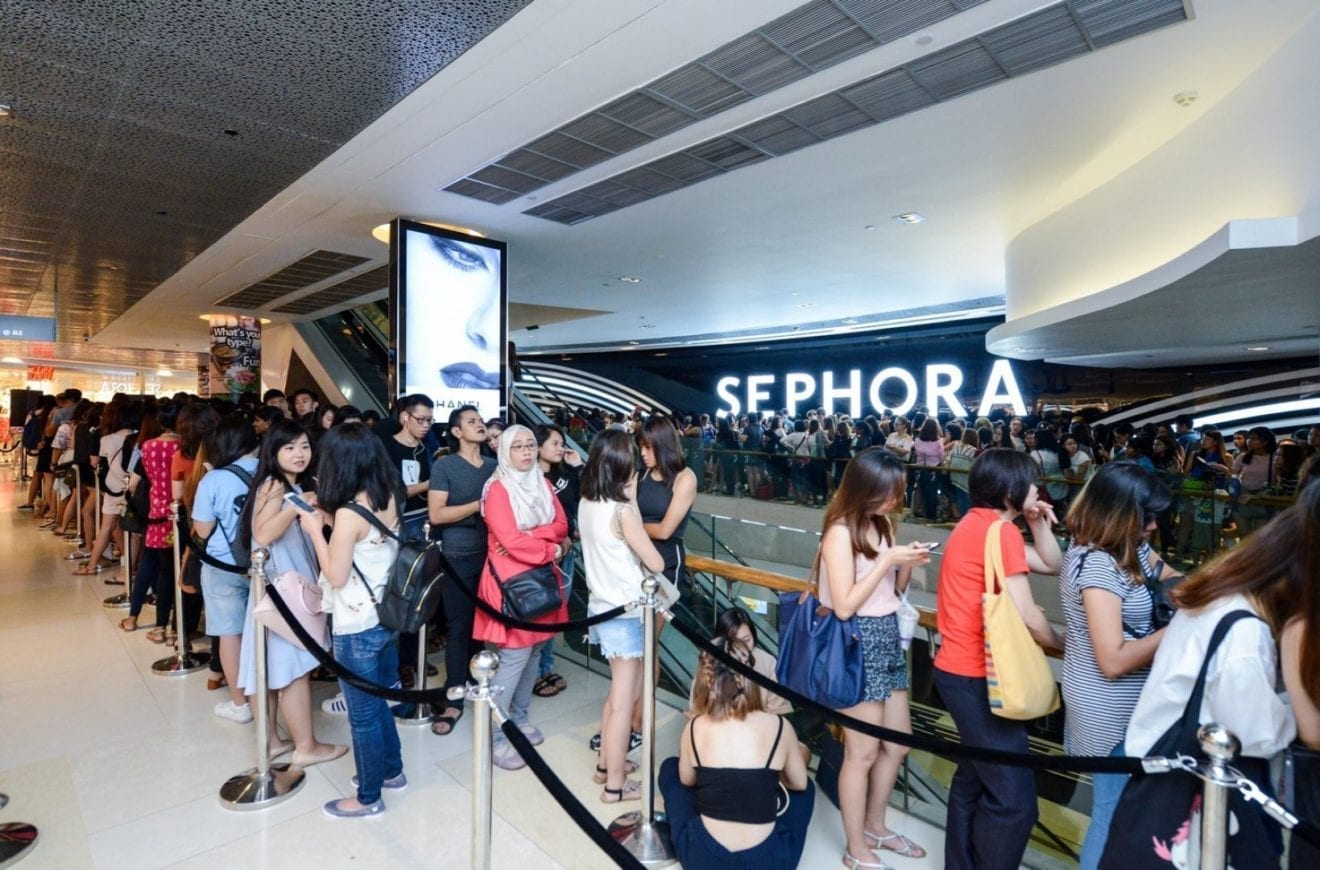
    For Supergoop’s Holly Thaggard, getting into Sephora helped her small sunscreen brand look bigger than it was. Over the six years since she got onto the shelves of Sephora – the world’s largest beauty retailer with more than 2,300 stores worldwide, including more than 350 in the United States – Sephora has been especially helpful in promoting the brand, developing new products and navigating the regulatory complexities of launching in multiple countries in Asia.

    That’s typical of how Sephora deals with the small brands it helps launch. Think of Sephora as part retailer, and part incubator for indie beauty brands.  To get in to Sephora, startups need to have not only a strong product, but also a strong story the beauty retailer can tell. Sephora, a division of luxury conglomerate LVMH, has gotten flack for stocking LVMH brands over those of cosmetics giants L’Oréal and Estee Lauder.

    But for the startup brands it works with, its execs will brainstorm on product development, help with social-media promotion, and offer a roadmap for how to go from small to big based on a template it’s been using successfully for years. “We work very closely with these brands,” says Priya Venkatesh, Sephora’s vice of merchandising for skincare and haircare. “That is the model of Sephora.”

    Over the years, it’s given big boosts to indie makeup brands like Urban Decay, a cult favorite purchased by L’Oréal in 2012, and Too Faced, a popular indie brand bought by Estee Lauder last year for $1.4 billion. “Sephora is constantly looking to support new and indie brands,” says Amanda Davenport, a retail consultant at The Grayson Co. For the brands that make it onto the shelves, she notes, “they have done a lot of things right, and they have the opportunity to scale.”

    Consider a startup haircare brand, Ouai (pronounced “way”) added the name of celebrity stylist Jen Atkin, who founded the line, to its products’ packaging at the urging of Sephora. “Jen didn’t want that,” says Ouai co-president Andrew Knox. “If Sephora didn’t push that, we might not have done it.” The startup, which expects sales above $20 million this year, also worked closely with Sephora on the launch of a dry shampoo foam in February, creating how-to videos and Instagram content for the retailer about it. As co-president Deanna Kangas says: “They understand small brands, and how to build small brands. That is part of Sephora’s DNA.”
  • Blue Chip Group targets travel retail expansion for its emerging Korean brands

    Blue Chip Group targets travel retail expansion for its emerging Korean brands

    Asian travel retail distribution company Blue Chip Group is aiming to expand its business with existing and new travel retailers following its debut at this year’s TFWA Asia Pacific Exhibition.

    The company, which specialises in travel retail distribution of emerging Asian – in particular Korean – brands, also offers advertising and media, e-commerce and logistics services. Its headquarters are in Hong Kong and has offices in Shanghai, Seoul and Singapore.

    At TFWA Asia Pacific, Blue Chip Group highlighted leading Korean beauty brands CLIO, SNP, Jayjun and Papa Recipe. Colour cosmetics brand CLIO ran an advertising campaign at Singapore Changi Airport to drive traffic to the distributor’s stand at the show. Blue Chip Group also represents Banila co, Missha, Dr Jart + and Atopalm among other brands.

    Blue Chip Group Vice President Flora Lee said: “The show was very successful, we had a number of meetings with prospective business partners and operators and it proves that Korean beauty is in strong demand from the market.”

    Blue Chip Group has been the main distributor of Korean beauty brands to DFS Group since 2014. It has launched more than 20 brands in 22 DFS stores around the world, including T Galleria Siem Reap, T Galleria Cairns, T Galleria Hawaii, Hong Kong International Airport, San Francisco International Airport and Ho Chi Minh Airport.

    The company also partners with Shilla Duty Free, Dufry, Shenzhen Duty Free and China National Service Corporation for Chinese Personnel Working Abroad (CNSC).

    Blue Chip Group has recently launched Jayjun, Papa Recipe and Guerisson at Duty Free Americas’ Venetian Macau Resort Hotel stores. In Q3 of 2017, it will launch Leaders and Mediheal with Dufry onboard the Norwegian Joy cruise ship and will make its move into the inflight channel with Banila co.

    The company said it is targeting key Chinese customers on the Hong Kong/China border with a partnership with Free Duty at Lok Ma Chau railway station. Four beauty brands, including CLIO, are available there.

    Lee added: “This year, we have set the company objective to expand the business with existing travel retail operators as well as new partners, and to enrich their brand profiles, not limited to Korean or Asian brands but also to develop worldwide quality brands. That is why we finally made our first appearance at TFWA Asia Pacific.”

  • Sulwhasoo to enter French cosmetics market

    Sulwhasoo to enter French cosmetics market

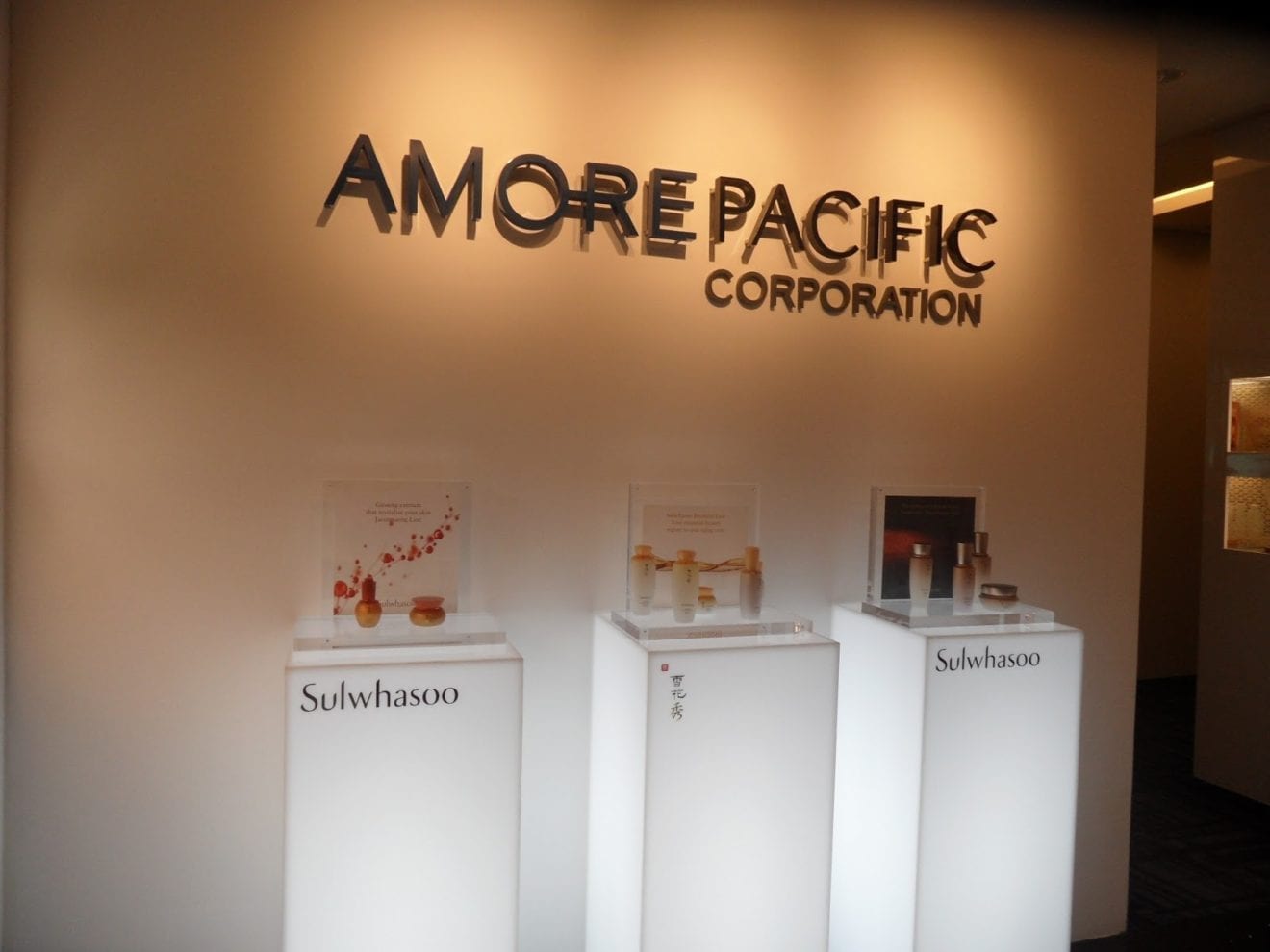
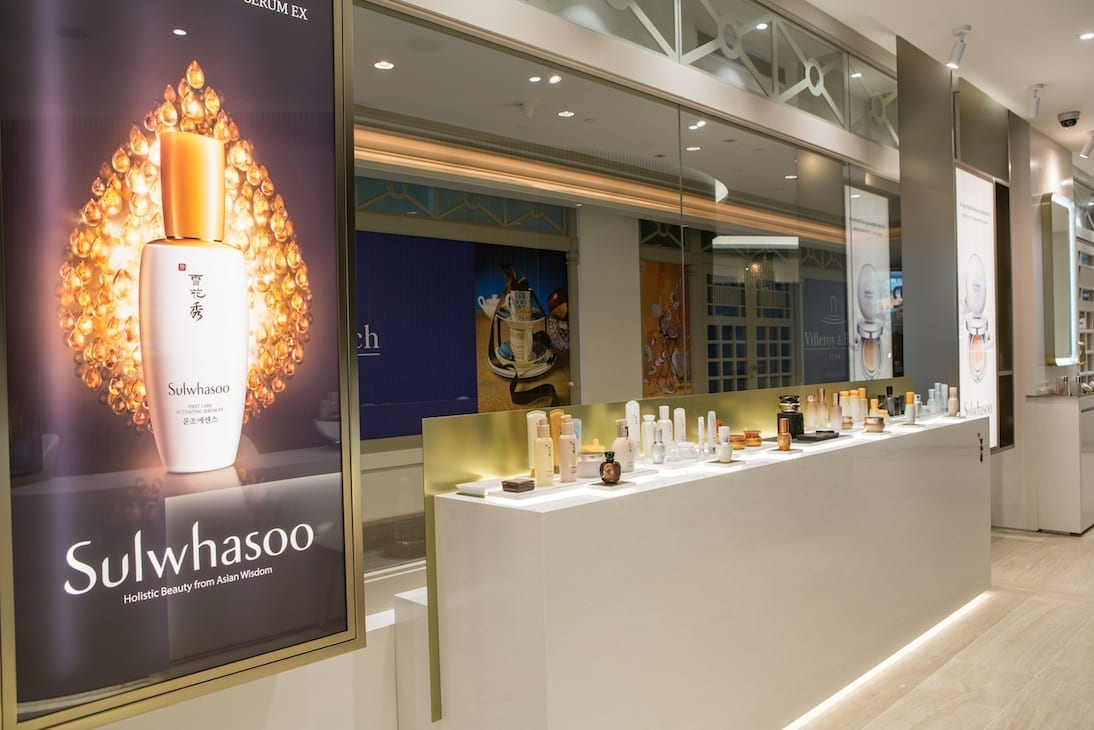
    Amorepacific’s cosmetics brand Sulwhasoo will launch an independent store at France’s largest department store chain Galeries Lafayette this September.

    The French upmarket department store is the largest chain of its kind in the country, and is famous for selling designer labels and luxury beauty brands favored by customers with deep pockets.

    It will offer the brand’s best-selling products, such as its First Care Activating Serum and Concentrated Ginseng Renewing Cream, which are Sulwhasoo’s signature products.

    The store will be designed with oriental herbal medicine motifs, and traditional raw materials such as ginseng displayed, with an aim to attract French customers based on philosophy and authenticity as Korea’s leading cosmetics brand. Sulwhasoo’s products will also be sold on Galeries Lafayette’s online mall.

    The entry into Galeries Lafayette is a meaningful challenge for Amorepacific in that it will target the French market, also known as the birthplace of beauty products. AmorePacific’s first entry into the French market was the export of the “SOON” brand in October 1988.

    In August 1990, AmorePacific established a local corporation in Chartres, produced the Liricos brand and made a discreet foray into France. However, due to the lack of consideration for local customers and the loss of sales rights, the two brands were in a crisis.

    AmorePacific then established a strategy to target the fragrance category in the French cosmetics market. AmorePacific established a factory equipped with ultra-modern facilities in Chartres in April 2004 and took over the luxury brand “Annick Goutal” in August 2011 to strengthen its perfume brand portfolio. The firm is now expanding their perfume business into new overseas markets.

    By entering Galeries Lafayette, Sulwhasoo will continue to strengthen its presence as a true global brand not only in Asia and the Americas but also in the European market, delivering Korean beauty and value throughout the world.

  • Kiko Milano seeks to open 100 stores in India

    Kiko Milano seeks to open 100 stores in India

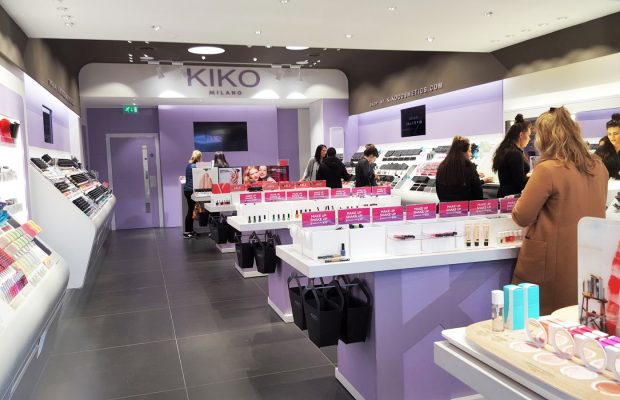
    Beauty isn’t skin-deep: It’s mega business for specialist cosmetics brands such as Kiko Milano. The Italian company, at the forefront of Europe’s expanding beauty and wellness industry, now seeks to harness an increasingly affluent India’s desire to look better, and would invest about GBP 25 million to open 100 stores in the country in the next five years.

    Millennials’ obsession with digital platforms and more disposable cash with them would be the ideal investment draw-cards for Kiko Milano, which expects the South Asian nation to be among its top ten markets in a decade.

    “Potentially, India is absolutely huge and I don’t think it is an immediate market and it is changing, and it will take 6-8 years,”said Stefano Percassi, founder of the 20-year-old specialist cosmetics company Kiko. “In the next ten years, India will be among the top ten markets for us. But it depends on the availability of malls and the (overall) economic situation.”

    Like Europe, where the number of new beauty and wellness shops exceeded that of any other type of retailing outlet in 2016, India is witnessing a boom in the fashion and beauty industries. Beauty salons are now ubiquitous across most Indian towns and cities, with larger shopping malls in metropolitan centres stocking beauty products of major mainstream cosmetic brands.

    The demand for beauty and wellness products has risen exponentially as telecom tariffs reduce in India, and the social media become available to its 1.3-billion people.

    “In countries with not much entertainment or low access to entertainment, people take to the social media dramatically,” Percassi said.

    “For example, in the Middle East, it is either shopping centres or their homes. So, what they do is a lot of social media: They have look good and that means more and more business for us.” Euromonitor expects India’s beauty and personal care market to swell 67 per cent to Rs.1.43 lakh crore by 2020 from about Rs.85,414 crore in 2016.

    Kiko entered India in September last year in a 51-49 per cent joint venture with DLF Brands, and has so far opened three outlets here. Percassi is in New Delhi to roll out its 1,000th global outlet at Ambience Mall in Gurgaon, on the outskirts of the capital. Kiko chose India over the Netherlands for opening its 1,000th shop.

  • Pandora opens first store in India

    Pandora opens first store in India

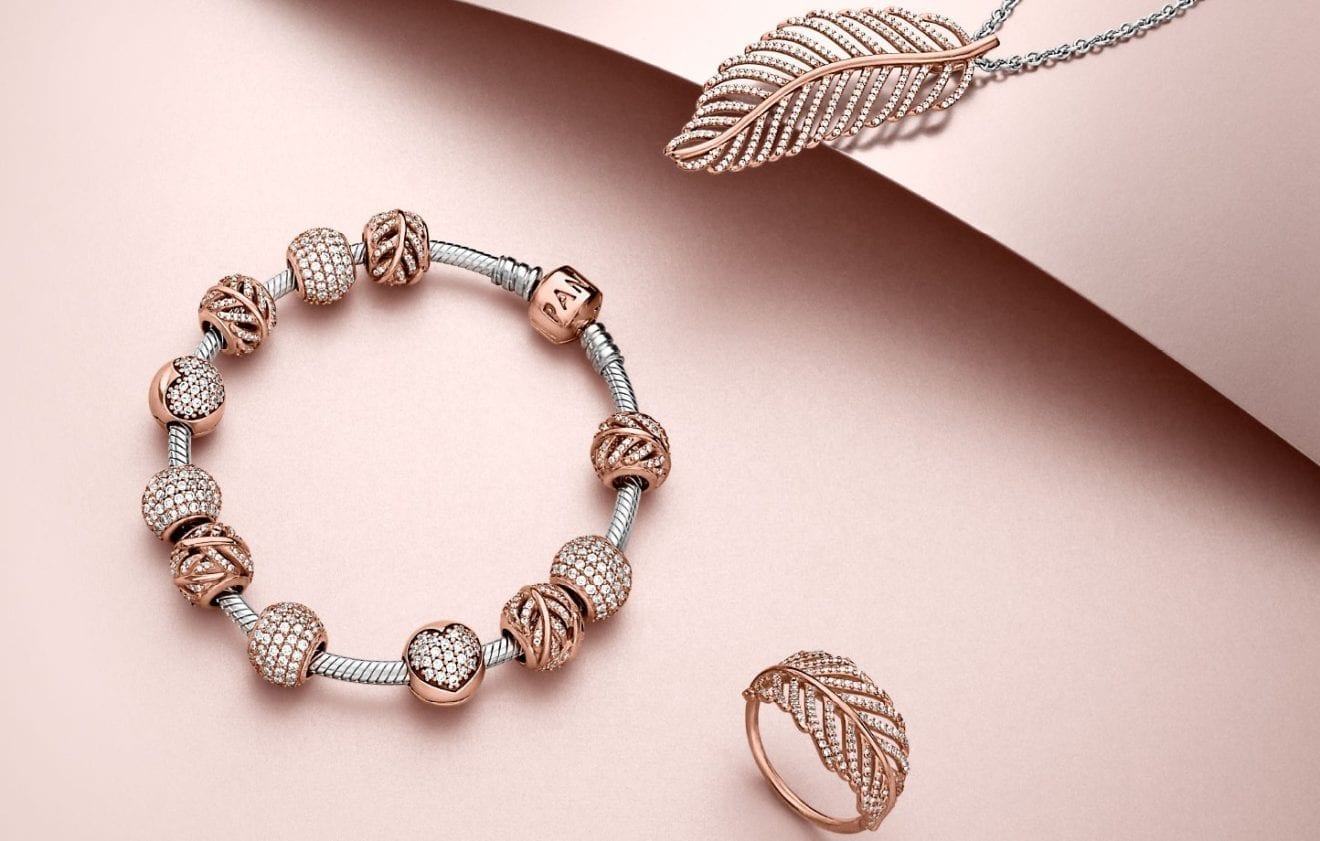
    Denmark-based jewellery brand Pandora has entered India’s jewellery market by opening its first store in the country. Pandora has granted exclusive distribution rights for their jewellery in India to Pan India Charms & Jewellery Private Limited (Pan India).

    The concept store is located on the ground floor of DLF Mall in Noida and carries Pandora’s jewellery collections, including the brand’s Moments collection, the Essence collection as well as the Rose collection.

    “The modern aspirational Indian woman is a section that represents the veering away from wearing predominantly gold jewellery and becoming more fashion conscious and finding unique ways to express their style. Making the brand Pandora accessible to these very customers is what excited us to pursue this business,” Devika Bakshi and Kanika Bakshi Talwar, Managing directors of Pan India, said in a joint statement.

    Through its distribution partner Pan India, Pandora is aiming to establish branded sales distribution focusing on concept stores and shop-in-shops, initially in Delhi, Mumbai and Bangalore.

    Pan India is expected open around 50 concept stores in India over a three year period, with around five stores expected to be opened in 2017.

    The jewellery market in India, which is predominantly a gold and diamond market, is one of the largest jewellery market in the world and in 2015 had a value of INR 2,947 billion (approximately DKK 300 billion), corresponding to an increase of 18% compared to 2014.

    In the period 2016-2021, the market is expected to grow with a compound annual growth rate (CAGR) of 7%, according to Euromonitor.

  • Kao’s net income up 16% in Q1, yearly forecasts confirmed

    Kao’s net income up 16% in Q1, yearly forecasts confirmed

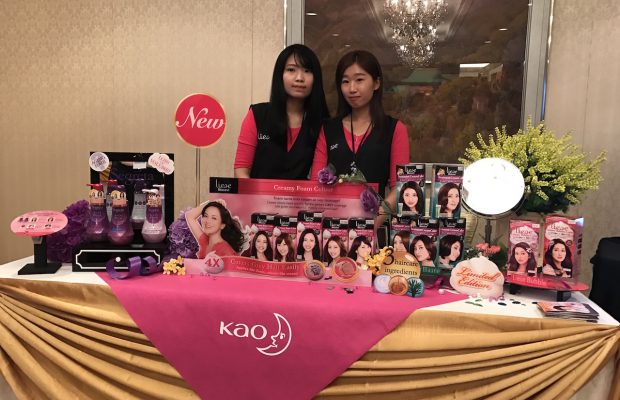
    Japanese cosmetics group Kao has posted a 16% rise in net income in the first quarter 2017, boosted by rising sales in Asia and reductions in costs, and has confirmed its prudent annual forecast.

    Between January and March, the group’s net income rose to JPY24.17 billion (nearly €200 million based on the exchange rates applied by Kao), while EBIT grew 12% reaching JPY38.6 billion.

    The profitability results come on the back of a 3% rise in revenue for Kao, up to JPY345.18 billion. Excluding exchange rate effects, revenue was actually up 8.6%, driven by solid skincare and personal care product sales in Japan and Asia.

    In Japan, where the group generates two thirds of its revenue, sales slumped slightly within a stagnating market. Demand by tourists, especially Asian ones, also recorded a shortfall, having been very strong in the last few years but being very sensitive to exchange rate fluctuations. The group is hoping to improve its performance thanks to a series of new cosmetics launches in the second part of the year.

    Elsewhere in Asia, revenue rose by 11.4%, with “solid growth in China, Indonesia and other countries.” At constant exchange rates, the increase was as high as 23.4%.

    Revenue was on the up in other regions too, growing 10.8% in the Americas and 2.2% in Europe.

    Kao’s consumer goods brands (beauty, house cleaning and diet food) were flat overall, but the chemical products division was very positive, up 14.7% as the trend of the infrastructure market improved in Japan, and Chinese automotive production was also buoyant.

    In terms of annual results, Kao has confirmed the forecasts published in February, with sales growing 0.9% to JPY1.470 trillion, a net income of JPY138 billion (+9%) and an EBIT of JPY200 billion (+7.8%), all of this within a “tough competitive environment.”

  • Memebox will no longer sell Korean beauty products to the US

    Memebox will no longer sell Korean beauty products to the US

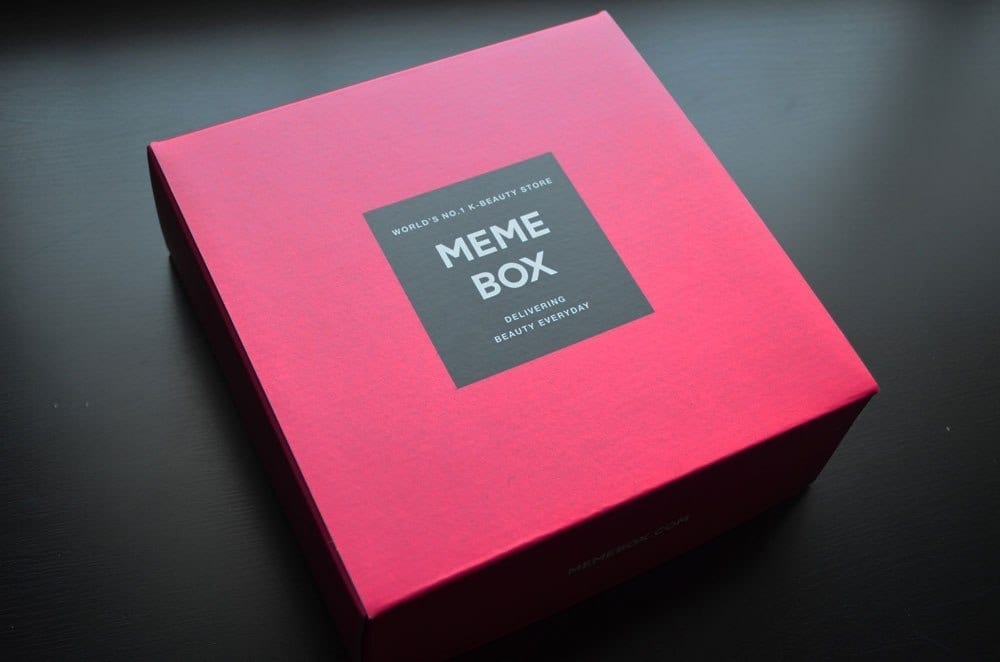
    Online Korean beauty shop Memebox was known for selling popular K-beauty products to the United States. However, the retailer revealed it will change its model from selling beauty products to focusing on educating consumers about Korean products through information, reviews and tutorials.

    Though it will continue selling K-beauty products to Korea and China, the site will send its US customers to Amazon to shop. According to Memebox founder Dino Ha, the restructuring will turn Memebox into an educational site and search function rather than online shop. “What we learned is that what we really need is the education and the content piece to let the users know what K-beauty really means,” he said. Memebox’s new model will also integrate YouTube tutorials and Instagram posts featuring K-beauty products into its search function, and allow users to search for products based on ingredient or skin type.

    With the new model, Memebox will earn money through affiliate links rather than direct sales. It currently has an affiliate agreement with Amazon, and Ha says the brand is in talks to create a similar deal with Sephora.

    Ha also says Memebox has seen longer engagement from visitors since introducing YouTube videos to the site. Though the site currently has no official agreement with YouTube or Instagram personalities, Ha says he has received requests from influencers to make their content more visible on Memebox. Eventually, the site may add a live chat feature with influencers.

    Memebox still maintains its four private beauty labels, and will soon introduce a fifth, but the site will send US shoppers to Amazon to purchase the products.

    Currently, Memebox has 1.5 million customers, and wishes to increase its customer base to 10 million by the end of the year. Ha says the site might see its profits dip with the new model, but hopes to see more engaged users and fruitful partnerships. “Whoever can do the best job sending these products to users is where we’ll partner as much as we can.”

  • Sa Sa International’s shares decline on profit warning

    Sa Sa International’s shares decline on profit warning

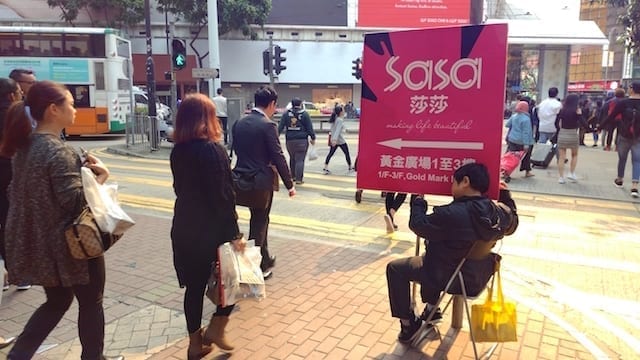
    Shares of Sa Sa International Holdings, Hong Kong’s largest cosmetics chain, declined almost 1% here on Wednesday morning after the company warned of a profit decline for the financial year ended in March.

    Although Sa Sa’s turnover during the three months through March was 2.02 billion Hong Kong dollars ($260 million), increasing 4.9% from the same period a year earlier, investors were discouraged by a separate filing that indicated net profit for the full financial year could fall anywhere from 10% to 20%.

    The group carries both its own brands and international cosmetics. It boasts over 280 stores across Asia. While sales in its major markets of Hong Kong and Macau recovered toward the end of 2016, online sales were below expectations.

    Simon Kwok Siu-ming, Sa Sa’s chairman and CEO, said in a statement that the group’s efforts to adjust its product lineups to better align with a market demanding trendy products has “caused a continued downward pressure on gross profit margin.”

    Hong Kong’s entire retail environment is facing headwinds due to fewer tourist arriving from mainland China. Retail sales in the territory last year dropped 8.1%.

    Some analysts see a recovery — at least one led by mainland tourists — as hard to come by.

    “Retail sales in Hong Kong are not going to have a strong boost from Chinese tourists like before,” said Andes S.C. Lau of Prudential Brokerage in Hong Kong.

    Still, further big drops are unlikely.

    Lau sees Sa Sa’s share price, which is hovering at a year-to-date low, as being “supported by investors buying on weakness.”

  • Here’s where K-beauty is driving Western skin care, cosmetics

    Here’s where K-beauty is driving Western skin care, cosmetics

    New research from Mintel, presented at in-cosmetics Global, is taking a look at the size of South Korea’s beauty market, the changes Korean beauty has brought to the global market and what trends to expect in the coming year.

    Mintel notes that South Korea is among the top 10 global beauty markets, with its market size sitting at $13 billion in 2017, with facial skin care composing $6.5 billion in retail sales. It’s expected that facial skin care will grow at a 5.8% compound annual growth rate for the next five years, hitting $47.2 billion in 2020. Color cosmetics make up the second-largest segment of the Korean beauty market, and Korean shoppers spend $45 per capita on color cosmetics, compared with the $37 per capita spend in the U.S.

    “The Korean beauty market remains buoyant thanks to fast-paced innovations and highly engaged consumers who don’t hesitate to adopt novel products delivering new beauty experiences,” Mintel senior beauty analyst Jane Jang said. “The success of the market has been heavily driven by the boom of facial skincare, but is also highlighted by the impressive per capita spend on color cosmetics which is more than double the global average.”

    In addition to the size of the beauty market in Korea, the trends that have driven its growth have gone global, with such retailers as CVS looking to capitalize on it with and expanded K-beauty selection that includes exclusive brands and products. Mintel projects continued influence from Korea on product innovation and launches.

    “Looking at facial skincare, 2017 will be the year of extreme segmentation. Products will become increasingly targeted and multi-functional, responding to the needs of knowledgeable and demanding consumers,” Jang said. “South Korean Beauty routines can consist of up to 10 steps, and a common obsession for specific claims – especially moisturizing, brightening, whitening and anti-ageing — means that most products combine multiple functions. The goal is to achieve the so-called ‘chok-chok’ skin, which is supposed to look bright, fair, plump, dewy and youthful.”

    Trends in skin care will include such hybrid concoctions as exfoliating moisturizers, anti-wrinkle whitening tone-up creams and nourishing oil serums, Jang said, as well as transformative textures — powder-to-serum, oil-to-foam and water-to-cream products. Jang also notes that natural is a big factor in K-beauty, with 69% of 2016 South Korean skin care launches including herbal or botanical claims.  And sheet masks are here to stay, Jang noted.

    When it comes to cosmetics, Mintel predicts that the skin care trends of hybrid textures and formats will carry over, with focuses on jellies, gels, mousses and watery oils. The main category seeing growth from hybrid formats has been the lip care category. Cushion compacts from Korea also have broken into the U.S. market, with 54% of global cushion compact launches taking place in Europe and the United States from October 2015-Setpember 2016.

    “Because of K-beauty’s growing popularity worldwide, Western brands are constantly looking to South Korea for their next inspiration, seeking to adapt popular South Korean beauty formats for Western consumers,” Jang said. “The popularity of South Korean beauty products is due to their high performance combined with fun packaging and sensorial cues, as well as affordable prices. By gaining the attention of bloggers, vloggers and the media, the K-beauty wave is spreading to retailers outside of Asia. While color cosmetics will be the active innovation area to cater to an increasing number of sophisticated beauty consumers.”

  • Malaysia’s shooting-star bauxite industry faces burn-up

    Malaysia’s shooting-star bauxite industry faces burn-up

    Already under fire for widespread environmental damage, Malaysia’s once lucrative bauxite mining industry is facing a likely death knell from neighbouring Indonesia’s move to allow a resumption of exports.

    This time last year, Malaysia was the world’s biggest supplier of the aluminium-making raw material to top buyer China, but its exports tumbled after government action aimed at reining in the little regulated industry.

    The latest move could spell the end for a sector that only sprang to life in late 2014 after Indonesia banned ore exports, and illustrates the risks facing miners across South-East Asia from increasingly uncertain government policy.

    Copper giant Freeport-McMoRan Inc warned last week it could slash output from Indonesia amid a long-running dispute with the government, while the Philippines has ordered the closure of more than half the country’s mines on environmental grounds.

    “Policy risk is huge in mining right now,” said Daniel Morgan, mining analyst at UBS in Sydney. “In supplier policy, you’ve got changes to Indonesia’s mining policy, the Philippines and Malaysia.” A host of mining operations sprang up along Malaysia’s bauxite-rich east coast to fill a supply gap after Indonesia in 2014 barred exports of mineral ores in a bid to push miners to build smelters.

    In 2015, Malaysia shipped more than 20 million tonnes to China, well ahead of nearest rival Australia and up nearly 700% on the previous year. In 2013, it shipped just 162,000 tonnes.

    But the dramatic rise came at a cost as largely unregulated miners failed to secure stockpiles of bauxite. The run-off from monsoon rains turned rivers and coastal seas red, contaminating water sources and leading to a public outcry.

    The government imposed a mining moratorium in early 2016, and shipments to China from existing stockpiles fell to 165,587 tonnes in December, with little indication the government is set to change its mind.

    Malaysia’s natural resources and environment ministry said any decision to lift the moratorium would be based on how well miners follow regulations to preserve the environment rather than economic gain.

    Recent rains in Kuantan have caused some bauxite runoffs from existing stockpiles, minister Datuk Seri Wan Junaidi Tuanku Jaafar told Reuters.

    “The heavy rains proved that the mitigation was not adequate. Now by having this before me, I am not yet prepared to allow them to start the operations,” he said, declining further comment on the topic.

    Indonesia introduced new rules last month that will allow exports of nickel ore and bauxite and concentrates of other minerals in a sweeping policy shift, but did not specify when it would resume exports.

    The announcement could be the final nail in the coffin for Malaysia’s industry, as its miners expect China to switch to Indonesia’s better quality and cheaper ore, due to lower production costs.

    “Indonesian bauxite miners kept a lot of stockpiles … They can sell cheap,” said a miner from local company based in Kuantan, a key bauxite mining area in the state of Pahang.

    “If the volume coming out of Indonesia is over 10 million tonnes, Malaysia has to say goodbye.”

    Unlike recent ructions in nickel supply from Indonesia and the Philippines that pushed up prices, Malaysia’s near exit from bauxite has had little impact on the supply chain as new suppliers emerged, particularly in Guinea in West Africa.

    “Some of these commodities are pretty plentiful, like bauxite for instance,” noted UBS’s Morgan.

    “When we talk to aluminium companies in China, we haven’t detected that they’re worried about a bauxite shortage.” The greater effect may be on Malaysia’s export-based economy where bauxite surged to become a key mineral shipped to China, its largest trading partner. At a bauxite price of US$50 a tonne, Malaysia’s 2015 exports were worth over US$1bil.

  • Vietnam’s beauty and cosmetics industry needs green makeover

    Vietnam’s beauty and cosmetics industry needs green makeover

    Though the market is relatively small, growth in most beauty and personal care categories is expected to continue to expand over the next decade as per capita spending rises commensurate with the upward trend in GDP per person per year and the country moves into the middle-income ranks.

    According to experts at a recent conference in Ho Chi Minh City, the average spending by Vietnamese for items related to body care, colour cosmetics, fragrances, facial care, soap, bath and shower, hair care and sun care remains relatively low.

    They estimated, citing a study by Nielsen that was performed in 2013, that the average per capita spending in Vietnam is slightly more than US$4, which is one-fifth the average spending of US$20 per person per year in Thailand.

    A speaker from the Society of Cosmetics Chemists of Ho Chi Minh City noted a Society report estimates there are roughly 400 cosmetics manufacturers in the country commanding a paltry 10% retail market share.

    The Society report indicates that the foreign sector dominates the cosmetics market with a 90% market share divided up as follows – the Republic of Korea 30%, EU 23%, Japan 17%, Thailand 13%, US 10%, and others 7%.

    Cosmetic products from the ROK have benefited from a good brand image most often associated with the qualities of youth, affordability, and fashion the Society report shows.

    Meanwhile US products are viewed as expensive, good quality and brands for older middle aged people whereas Japanese brands are viewed as economical, possessing good quality and value for the money.

    An additional report by the Vietnamese market research firm Q&Me mentioned at the conference notes on average 44% of Vietnamese women wear makeup once a week while only 24% women use it every day, underscoring the proposition that wearing makeup is not mainstream.

    The report indicates that most cosmetic consumers in Vietnam are women and they base their purchasing decision based on recommendations from friends and internet websites primarily aimed at the female audience such as eva.vn and phunutoday.vn.

    Domestic brands left out to dry

    The most popular domestic brands of Saigon Cosmetic, Thorakao and Lan Hao have had only limited success in both the domestic and foreign markets as they suffer from a cheap low quality brand image.

    Most of the cosmetics made in Vietnam are currently sold only at the traditional live markets while cosmetics imported from abroad are sold in the large retail supermarkets and trade centres, principally located in the large metropolitan areas of the country.

    This dire plight of the domestic sector and its inability to establish a base in the beauty and cosmetics market has left many of its advocates frustrated.

    There has been virtually no foreign investment in the manufacture of beauty and cosmetics says Nguyen Thi Thanh Thao, vice chair of the Cosmetics Society, sombrely and what little there was picked up and moved to Thailand after only a short stint in Vietnam.

    Still other actors in the industry are adamant that the quality of Vietnamese products is on par with that of the foreign sector.

    Though Vietnamese products have only a 10% market share they can easily compete with foreign products in terms of quality, says the deputy chair of Vietnam Essential Oils, Aromatherapy and Cosmetics Association. They just haven’t focused sufficiently on brand development and packaging.

    However, others take an opposing view, saying that the quality just isn’t there. They also suggest that the overwhelming majority of Vietnamese cosmetic manufacturers are only able to produce shampoo, shower gels and similar simple products.

    Representatives of Phuong Mai JSC, a newcomer to the domestic industry, says their company is taking a different tack, focusing on producing natural products with 100% organic ingredients.

    What the domestic beauty and cosmetics industry in Vietnam needs, the reps say— is a green makeover and innovation to get on path to prosperity and sustainability.

  • AmorePacific operating profit tops 1 trillion won in 2016

    AmorePacific operating profit tops 1 trillion won in 2016

    AmorePacific Group’s yearly operating profit surpassed 1 trillion won in 2016 for the first time on diverse retail offerings in Korea and momentum in the global market.

    The company’s operating profit rose 18.5 percent year on year, reaching 1.08 trillion won ($940 million). Its revenue also jumped 18.3 percent compared to the previous year, hitting 1.7 trillion won.

    The group’s main affiliate of the same name that owns brands like Sulwhasoo and Laneige raked in 5.6 trillion won in 2016. The country’s No. 1 cosmetics company explained such growth was due to expanded channels of some of its high-end lines.

    Sulwhasoo, the company’s luxury line that is popular among older women for its anti-aging products, opened a flagship store in affluent Cheongdam-dong last year. The company said the store played a pivotal role in building up the brand’s luxury image to Asian consumers.

    The company’s global business also grew thanks to its so-called five champion brands: Sulwhasoo, Laneige, Mamonde, Innisfree and Etude House. Their sales in Asian countries soared 38 percent year-on-year to generate 1.6 trillion won.

    Hera, another high-end brand under AmorePacific, entered the Chinese market last year for the first time with its fortified makeup line.

    Sulwhasoo expanded its retail offerings in China by opening storefront and shops inside department stores.

    AmorePacific’s sales performance in North America region also saw a boost. It grew 10 percent in 2016 compared to the previous year as the company opened Sulwhasoo and Laneige shops in Canada.

    Its European sales saw a 4 percent year-on-year growth.

    Sales of the group’s other affiliated brands that are not under AmorePacific, such as Innisfree and Etude House, also surged.

    Innisfree, a nature-friendly brand that is in the lower price range, had a 30 percent year-on-year soar in revenue of 767.9 billion won. Its operating profit was 196.5 billion won, a 56 percent growth compared to the previous year. Innisfree focused on adding a cultural kick to its stores so consumers could better understand its brand. The company opened a shop with a cafe inside and a shop with a virtual-reality zone where consumers could experience Jeju Island with model Lee Min-ho.

    Etude House’s operating profit skyrocketed 1,153 percent year-on-year in 2016 to 29.5 billion won.

    Meanwhile, the group’s household product business performed poorly last year due to the massive recall of its toxic toothpaste line in September.

    The recall cost the company an additional 10 billion won in the fourth quarter, following 35 billion won in the third quarter. The group’s operating profit in the fourth quarter tumbled 16.5 percent to 134.4 trillion won.

    “In addition to the recall cost, the depressed domestic economy took toll on the company’s Q4 performance in Korea,” said a spokesperson.

  • China’s beauty market has a new era

    China’s beauty market has a new era

    The total FMCG spending sees a slowdown in nearly everywhere across the globe in 2016 and significantly reached a 5-year low in China. However, China’s beauty market is booming and has been growing strongly and consistently on a double-digit rate for years, according to “Decoding beauty market for China” report released by Kantar Worldpanel.

    Premiumization, regime sophistication, omni-channels, mobile interaction and young consumers are the key growth drivers of Beauty market. Consumers are also buying across all price tiers, with premium items increasing the share of basket and contributing to 82% of total market growth.

    In the same way, in terms of regimen sophistication, the average number of cosmetic items purchased per buyer have increased continuously from 2012 to 2016. In that sense, facial masks have advanced from the 6th most important skin-caring regimen to the 4th in 4 years.

    Consumers are leading the changes in cosmetics channels in China. On average, Chinese consumers shop at 2.5 channels with 6.4 trips a year for cosmetics purchases, 23% of them are omni-channel users buying from at least 3 types of trade. Their average spending, RMB 1,314 a year and 15-29 year-old age group is key contributor, accounting for 58% of these omni shoppers.

    “These Omni shoppers are young and category heavy buyers. They choose different products in different channels as each channel has different expertise that meets different needs and purposes”, said Marcy Kou, CEO of Kantar Worldpanel Asia. ”For example, they shop online to try something new while going to cosmetics stores to try on makeups”. 

    Girls in their 20s play an important role for personal care sales, because in a 14.3% of total population, they contribute 38% of makeup sales value. They also have a clear profile showing that they use a variety of niche categories, like to try new products, are good at mix-and-match brands, purchase premium sectors, use omni-channel users and embrace e-commerce. 

    Finally, in spite of China’s beauty market experiencing a strong growth, it’s still far to reach Korea, an advanced market that serves as a good reference fort the beauty industry in the region. Now some of the trends in Korea are the situational care for micro moments, multi-function products are growing from 8% to 17% from 2011 to 2015, and formats and benefits keep diversifying. It is expected that the China beauty market picks up those trends as well.

    “Considering what is happening in China and in Korea, we believe that situational care leads the way to the future of beauty market, meaning that consumers will change their beauty routine according to the needs, events, mood and emotions at the moment”, said Marcy Kou, CEO of Kantar Worldpanel Asia. “Today, brands may still be able to get ahead by winning consumer’s loyalty, but in the future, only those who are able to breathe with consumers through highs and lows in life will win”.

  • Philippines International Beauty Trade Show to be held on May 2017

    Philippines International Beauty Trade Show to be held on May 2017

    Philbeauty, the pioneer and the only international beauty trade show in the Philippines, is back for its third year in 2017. The iconic event will be held from Wednesday to Friday, 31 May to 2 June 2017 at the SMX Convention Centre in Pasay City, Manila and expects to host more than 200 key leading exhibitors from across countries and regions, including mainland China, Japan, India, Korea, Singapore, Thailand, Taiwan and Malaysia. The three-day exhibition is expected to attract over 200 leading local and international exhibiting companies and more than 6000 local and international trade visitors.

    Bridging The Gap — philbeauty, the professional beauty trade fair that provides a major contribution to the growing beauty industry in the Philippines.

    philbeauty 2017 will not only be packed with a variety of beauty products, services and technological solutions, but will also feature a business matchmaking programme, a series of workshops, knowledge seminars, international beauty conference and networking opportunities that will provide crucial insights into future scientific advances, emerging trends and regulations, and most importantly, to create new business opportunities.

    Referring to Trade Map from International Trade Centre, the value of imported beauty or make-up preparations for the care of the skin in 2013-2014 and 2014-2015 increased by 13% and 19%, respectively, and in 2015 it was valued at 96,458,000 USD.

    The Philippine economy grew an annual 6.3% in the December 2015, accelerating from an upwardly revised 6.1% expansion in the previous three months and above market consensus. It is the highest growth since the fourth quarter of last year, as all sectors of economy showed an expansion at a fast rate, whilst government expenditure remained robust.

  • Beauty brands add colour to dull retail scene

    Beauty brands add colour to dull retail scene

    Amid a soft retail scene, one segment has been bucking the trend: beauty products. In fact, beauty brands are growing their bricks- and-mortar presence here in and around Orchard Road.

    At least three international brands are expanding beyond department stores and multi-label beauty chain Sephora to establish standalone stores.

    French company Nars Cosmetics will open its first boutique in Ngee Ann City later this month, a spokesman told. The company’s products are currently available at Sephora, Tangs at Tang Plaza and Robinsons Orchard.

    The move follows double-digit year-on-year growth through its current channels, said the spokesman, and the standalone store will facilitate a multi-channel business model, including e-commerce.

    American brand Urban Decay, previously available only at Sephora, launched its first boutique in VivoCity in 2015 – also its first in the region. It now has stores in Bugis Junction and a flagship outlet in Ngee Ann City which opened last month. It said sales were “outperforming the market”.

    Sales of colour cosmetics here are expected to grow annually to reach more than this amount by 2020, up from an estimated $230.5 million for last year, according to Euromonitor International.

    Meanwhile, MAC Cosmetics, which has 12 stores in Singapore, opened its 1,980 sq ft flagship outlet in ION Orchard last month.

    American brand NYX Professional Makeup opened its first two boutiques in October and November in Bugis Junction and Plaza Singapura, with plans to open more.

    Sales of NYX products at Sephora outlets have more than doubled between 2015 and 2016, but standalone stores allow the company to showcase more products, said marketing manager Jerraine Lim.

    Ms Esther Ho, assistant director at Nanyang Polytechnic’s School of Business Management, said that challenging economic times create opportunities for brands as malls compete to fill the spaces vacated by other retailers.

    Vacancies for retail properties rose to 8.4 per cent at the end of the third quarter of last year – the highest level since the first quarter of 2011, according to data from the Urban Redevelopment Authority.

    “Rentals could be sufficiently depressed to attract new tenants such as Nars into the shopping malls,” said Ms Ho.

    Sales of colour cosmetics in Singapore are expected to grow annually to reach more than $278 million by 2020, up from an estimated $230.5 million for 2016, according to market research firm Euromonitor International.

    This comes even as retail sales, excluding motor vehicles, have fallen every month since February last year, with the latest government data estimating a fall of 0.3 per cent in October over the same period in 2015.

    Still, retail experts said cosmetics sales may be getting a boost as consumers trade big-ticket purchases for “small luxury” items such as expensive lipstick.

    Said Singapore Polytechnic senior retail lecturer Sarah Lim: “Shopping is psychological; the more you buy, the better you feel.”

    Cosmetics stores have an advantage as consumers like to try out products on their skin, while social media influencers help to boost sales by building hype, she added.

    Apart from touting a wider selection of products and exclusive collections, the new boutiques have also incorporated experiential elements.

    Nars’ store will feature a virtual try-on function and photo booth, while NYX’s two stores have interactive beauty bars for customers to follow make-up tutorials. Social media content is also integrated in NYX’s and Urban Decay’s stores.

    “Cosmetics stores are doing well in creating an experience for shoppers; other retailers should take note,” said Ms Lim.

    Healthcare worker Erin Baker, who spends up to $300 a month on cosmetics, said she is excited that more brands are opening boutiques here. “I like going into the store and trying on make-up, and boutiques have a nicer atmosphere and more personal and attentive service,” said the 27-year-old.