Tag: beauty

  • Men more into beauty products online than women in Vietnam

    Men more into beauty products online than women in Vietnam

    The survey, conducted by Ho Chi Minh City-based market research firm DecisionLab, found that in the preceding three months, 58 percent of the male respondents said they had purchased beauty products online, compared to 49 percent of women.

    The survey polled more than 1,900 people.

    More men also bought clothing, footwear, cooking ingredients, mobile phones, home appliances and long distance travel packages online last year.

    The research also found variation across categories depending on where the pre-shopping research was conducted.

    Online research was mostly done for big ticket items like mobile phones, home appliances, hotel stays, cinema tickets, travel, insurance and beauty products.

    For non-durables like food and beverages, people chose to shop offline.

    In the use of mobile devices to shop online, Facebook was the most popular gateway in Vietnam, especially for clothes and beauty products, the survey found.

    The World Bank has forecast that Vietnam’s $200-billion economy is likely to grow to a trillion dollars by 2035.

    More than half of its population, compared to only 11 percent today, is expected to join the ranks of the global middle class with consumption of $15 a day or more.

    Across the country, the ratio of people using smartphones among mobile phone subscribers reached 84 percent in 2017, up from 78 percent the previous year, according to the 2017 Nielsen Vietnam Smartphone Insights Report.

    Online sales in Vietnam have expanded rapidly in recent years, currently accounting for 3.39 percent of the country’s retail market. The total retail market grew 10.9 percent last year to $173.27 billion, local media reports said.

  • Vietnamese brands look plain as foreigners wear the beauty industry crown

    Vietnamese brands look plain as foreigners wear the beauty industry crown

    The beauty care industry is doing better than expected in Vietnam, but foreign brands are the ones sitting pretty.

    Nguyen Van Minh, chairman of the Vietnam Essential Oils Aromas and Cosmetics Association (VOCA), said companies in the beauty and personal care industry have seen stronger growth than they’d forecast.

    “Vietnam is an emerging market for the beauty care industry, with annual growth rate averaging 30 percent in recent years,” he said.

    In 2016 alone, the industry generated $1.2 billion in revenue, a figure that the association had previously predicted for 2020.

    The import value of beauty care products surged almost twofold from around $3 billion in 2016 to $5.5 billion last year, but exports stayed insignificant at just VND500 million ($21,520) last year, it said.

    These figures match findings by British research firm Euromonitor International, which said last year that up to 90 percent of beauty products in Vietnam are imported.

    It also said the market value of this industry had crossed $1 billion since 2015 and repeatedly recorded double digit growth in recent years.

    A representative of Medicare, a drug and beauty care retailer based in Ho Chi Minh City, said that imported products or those produced in Vietnam by foreign companies make up most of its sales, and that imported brands will have more opportunities to expand their market shares than domestic rivals in the future.

    At the Mekong Beauty Show 2018, an international beauty and cosmetics expo that was held in the city in June, 110 of more than 300 international exhibitors were South Korean companies who came to find potential importers and business opportunities in Vietnam.

    Dominic Oh, general director of Korea International Exhibition and Convention Center (Kintex), the event’s organizer, said that Vietnam was considered one of the key markets for South Korea’s beauty care sector.

    In 2016, Singapore was the biggest exporter to Vietnam’s beauty care sector, accounting for 34 percent of its total imports. The EU followed with 19 percent, Thailand, 9 percent, and South Korea, 8 percent, according to Euromonitor International.

    In its report on beauty and personal care in Vietnam, the research firm said the market was dominated by global brands, thanks to innovative products, strong distribution network and dynamic marketing.

    Three foreign companies, Unilever Vietnam International Co Ltd, Procter & Gamble Vietnam Ltd and Colgate-Palmolive Co Ltd were in the top three positions in 2017, it added.

    Local firms held back

    According to VOCA, as their incomes improve, Vietnamese people are paying more attention to beauty and personal care, creating a lot of opportunities for businesses.

    In a report released early April, the World Bank said 70 percent of Vietnam’s population are now classified as economically secure, including the 13 percent who are now part of the global middle-class.

    These income classes are growing rapidly, rising by over 20 percentage points between 2010 and 2017.

    An average of 1.5 million Vietnamese have joined the global middle class each year since 2014, confirming that households continue to climb the economic ladder after escaping poverty.

    The WB also predicted that as many as 33 million Vietnamese will be in the middle class by 2022.

    Despite this fertile ground for beauty care products, Vietnamese brands have struggled to do well.

    Even top companies with decades in the market, like Saigon Cosmetics Corporation and Lan Hao Cosmetics Co Ltd, have stopped at making low and mid-range products.

    Minh, chairman of VOCA, said local firms were held back by a lack of serious investment in packaging, design and advertisement.

    Medicare, an HCMC-based drug and beauty care retailer, said it looked for Vietnamese partners to produce Medicare-branded beauty and personal care products, but local firms did not have the capacity to make products that could compete with foreign rivals.

    As organic beauty products is the new trend, VOCA chairman Minh said local firms should make good use of natural ingredients that are plentiful in Vietnam to create high quality products so that they can start competing with foreign firms.

    However, doing this will require bigger investments in more advanced technologies; and given the current state and scale of domestic firms, the upgrade is easier said than done, Minh said.
  • Korean beauty brands finally out of Thaad’s shadow

    Korean beauty brands finally out of Thaad’s shadow

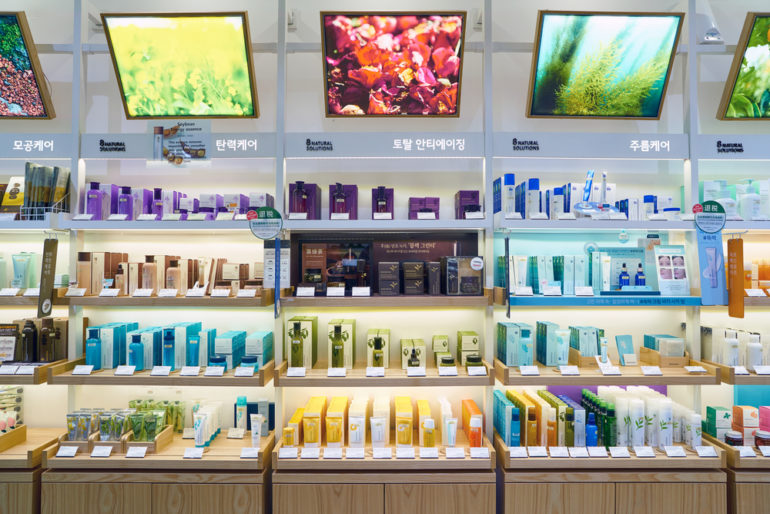
    The top two domestic beauty companies have posted strong second quarter earnings, indicating that they are finally recovering from the loss of Chinese customers following the Thaad deployment last year.

    Both Amorepacific and LG Household & Health Care announced their earnings this week, with LG taking the lead with record-high second quarter earnings.

    Amorepacific Group’s second-quarter earnings released on July 26 showed that the beauty giant finally made a turnaround for quarterly results. It raised 170.3 billion won (US$152 million) in operating profits, a jump of 30.6 percent from the same period last year, and 1.55 trillion won in revenue, a 10 percent increase year on year.

    The company has recorded minus growth in both revenue and operating profit for the last four quarters.

    Amorepacific was hit hard by the installment of the U.S.-led Terminal High Altitude Area Defense (Thaad) antimissile system here that caused Chinese consumers to boycott Korean brands and a suspension of group tourists entering the country. Prior to the Thaad deployment, China made up 70 percent of Amorepacific’s overseas revenue.

    The incident spurred the company to diversify its global business portfolio. Second quarter results showed that efforts made last year are slowly starting to bear fruit: Operating profit from overseas businesses rose 129.3 percent on-year and revenue was up 16.7 percent.

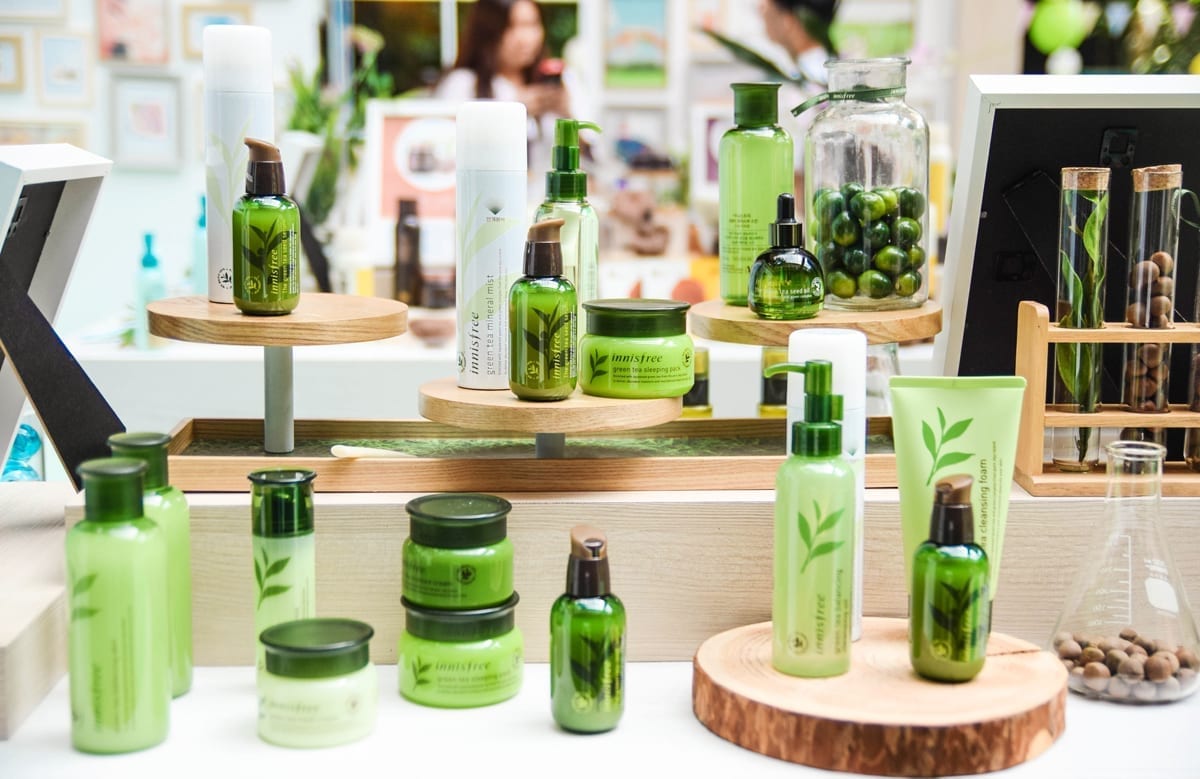
    “The Asian market saw two-digit growth thanks to more luxury brand stores and localized products,” said Amorepacific in a statement. “The advancement of Innisfree and Laneige in the United States expanded our customer base.”

    Despite improved second quarter earnings, the company’s performance in the year’s first half retreated from last year. Revenue for the first six months was slightly down by 1.5 percent on-year to 3.22 trillion won and operating profit reduced 11.9 percent to 448.4 billion won.

    The general consensus among analysts was that Amorepacific’s earnings will improve thanks to a base effect from last year and relations with China having improved. The question is when. Some experts remarked that the speed of recovery so far has been slower than expected, partly because the number of Chinese tourists has not returned to pre-Thaad levels.

    LG Household & Health Care, announced a record result for the first half thanks to its strong luxury brands that helped maintain sales among Chinese consumers. Its revenue rose 8.7 percent year on year to 3.31 trillion won and 12 percent in operating profit at 550.9 billion won.

    It also broke a record in the second quarter with revenue of 1.65 trillion won, an 11.1 percent rise from last year, and operating profit of 267.3 billion won to represent a 15.1 percent increase.

    LG said The History of Whoo, a best seller in China, reached 1 trillion won in revenue as of July thanks to high duty-free sales. Its SU:UM and O HUI also successfully appealed to Chinese consumers as luxury brands, contributing to a 36 percent increase year on year in the company’s cosmetics sales overseas during the second quarter.

    Analysts generally had a positive outlook on the company’s strong luxury line as consumption of premium beauty brands in China is rapidly rising.

    “Luxury brands are expected to lead [LG’s] revenue growth in the second half,” said Yoo Min-sun, an analyst at Kyobo Securities. “The company’s annual growth rate for duty-free revenue in 2018 is likely to reach 40 percent year on year.”

  • Giorgio Armani Beauty launches in Thailand

    Giorgio Armani Beauty launches in Thailand

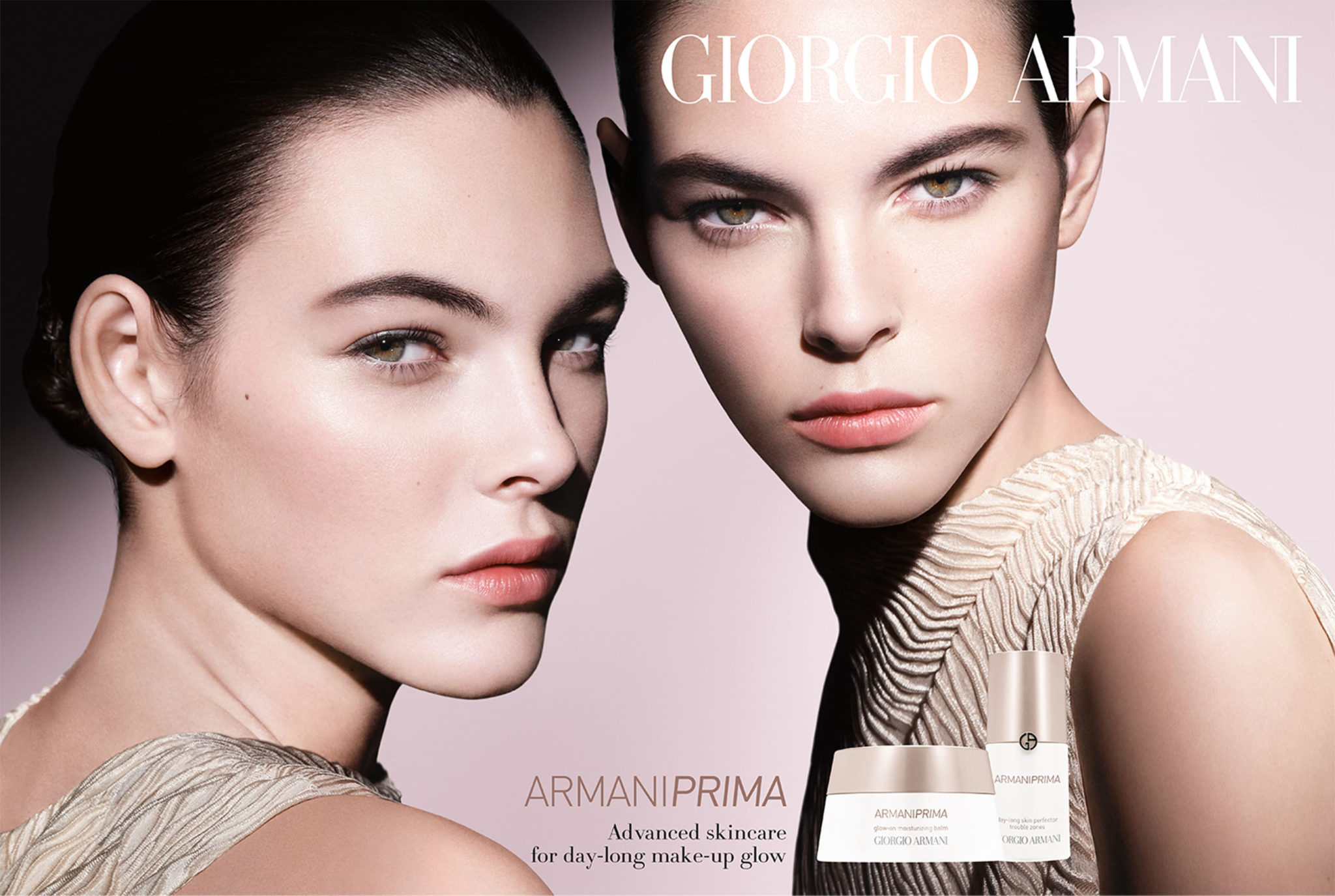
    High-end fashion brand Giorgio Armani Beauty has launched its first boutique for southeast Asia, at Central Lat Phrao.

    Part of the L’Oreal Group, the store stocks Luminous Silk Foundation, Maestro Foundation and My Armani To Go Cushion, as well as the Lip Maestro line. Also available are skincare products and floral fragrances.

    On the second floor of Gaysorn Village, the first Jurlique Concept Store in Thailand offers skincare products and treatments including the all-natural creams and lotions for which the ingredients are grown at Jurlique’s organic farm in Australia’s Adelaide Hills.

    Spanning 170sqm, the store uses natural materials in its five full-scale treatment rooms.

    Also in stock are Pandora’s new necklaces in sterling silver and leather. And, for the first time ever, the collection includes tassels combined with sterling silver inspired by Native American culture, plus handcrafted feather earrings in sterling silver finished with turquoise enamel.

    As it celebrates the 10th anniversary of the first Cosmolite case, Samsonite is releasing an exclusive gold/silver limited edition to mark this milestone. It has golden embellishments and special executions.

    The pull handle, the zipper pullers and details are accentuated by traces of gold and it has a black embossed lining.

  • Korea now fifth-biggest beauty exporter to EU

    Korea now fifth-biggest beauty exporter to EU


    Korea is now one of the top beauty product exporters to the European Union, surpassing Japan to take the No. 5 spot in terms of value.

    According to a report released by the International Trade Association on 5 June, Korea exported 135 million euros (US$158 million) of beauty products to the EU last year, pushing Japan down to the No. 6 spot.

    The United States took the top spot last year, with 1.2 billion euros of exports to the EU. China came in second with 630 million euros, followed by Switzerland with 574 million euros and Canada with 137 million.

    Although it placed fifth overall, Korea actually recorded the highest year-on-year increase among the top five, at 46.8 percent. The report added that the 135 million euros was a 10-fold increase compared to 2010.

    A major contributor to the rise in popularity of Korean beauty goods across Europe is the growing trend for eco-friendly or vegan lifestyle. The analysis, from Korea International Trade Association’s (KITA) Brussels office, pointed out that Korean brands managed to cater to these changing tastes as they heavily promote the use of natural ingredients like ginseng, green tea and aloe plants.

    This was backed by a survey conducted by Cosmetics Europe in April last year: 52 percent of respondents answered that a product’s effect on the environment was a major factor they considered when making beauty purchases.

    The analysis said that there is a growing perception in Europe that Korean beauty products are good quality. Korean brands also offer products that are otherwise hard to find from European brands, like sheet masks and cushion foundations.

    For companies that aim to launch businesses in Europe, KITA advised that it’s necessary to verify that product ingredients are not animal-tested, as such testing was banned by the European Union in 2013.

    “Several European companies said Korean brands have to work more to increase awareness and particularly make sure to emphasize that they are Korean, as a lot of European consumers know that animal-testing is mandatory for beauty products in China,” said the report.

  • The Fragrance Shop opens more stores

    The Fragrance Shop opens more stores

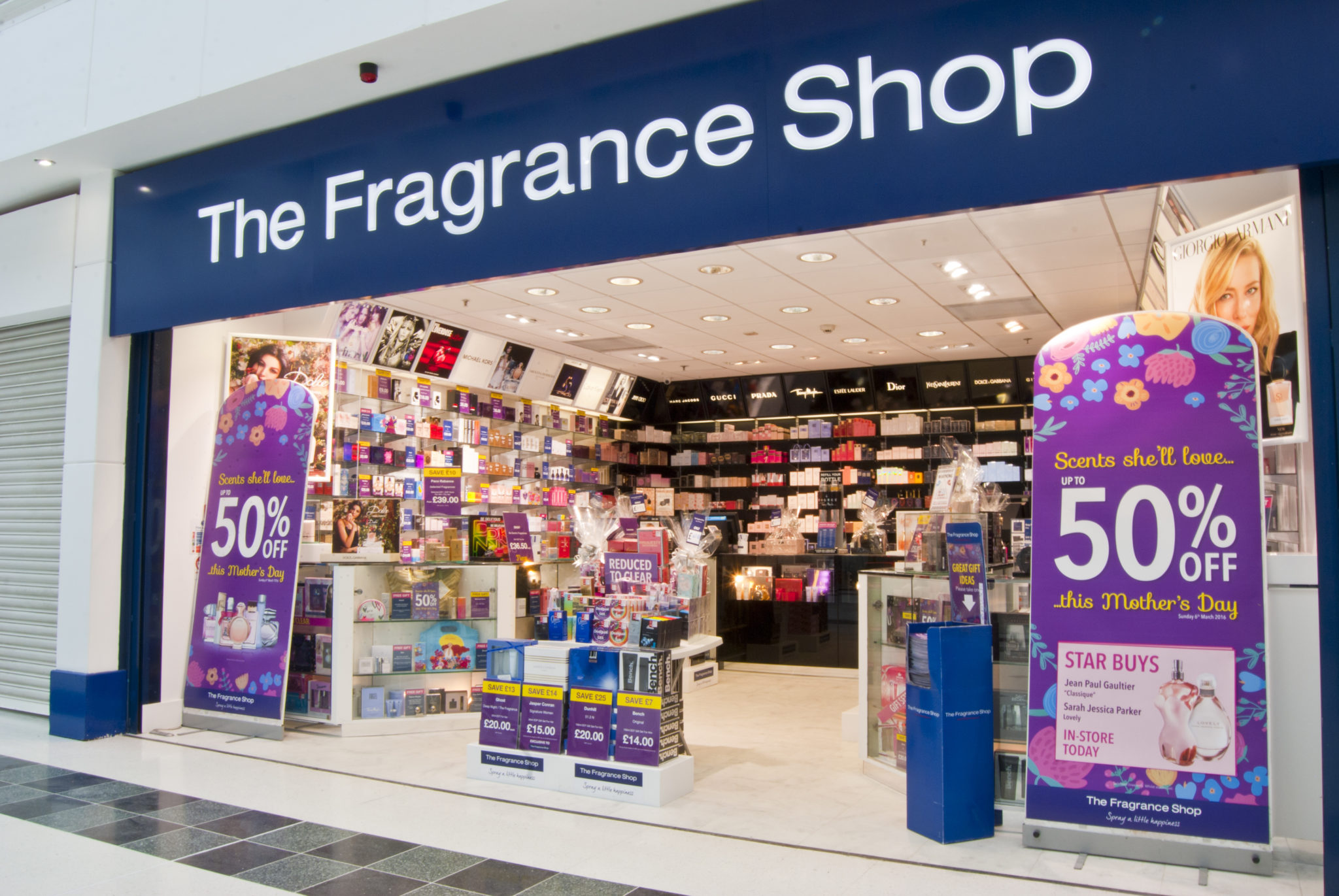
    UK perfume retailer The Fragrance Shop expanded its store portfolio to 33 stores last year.

    The retailer has enjoyed another bumper year with net sales up to £121 million, a 6 per cent increase, thanks to blockbuster launches from brands such as Chanel, Jean Paul Gaultier and Emporio Armani; and increased distribution on Tom Ford and Dior.

    Online operations continued to expand, with year-on-year e-commerce sales rising 27 per cent.

    Founded in 1995, The Fragrance Shop now operates 214 stores nationwide.

  • Sephora creates long queues during new shop opening

    Sephora creates long queues during new shop opening

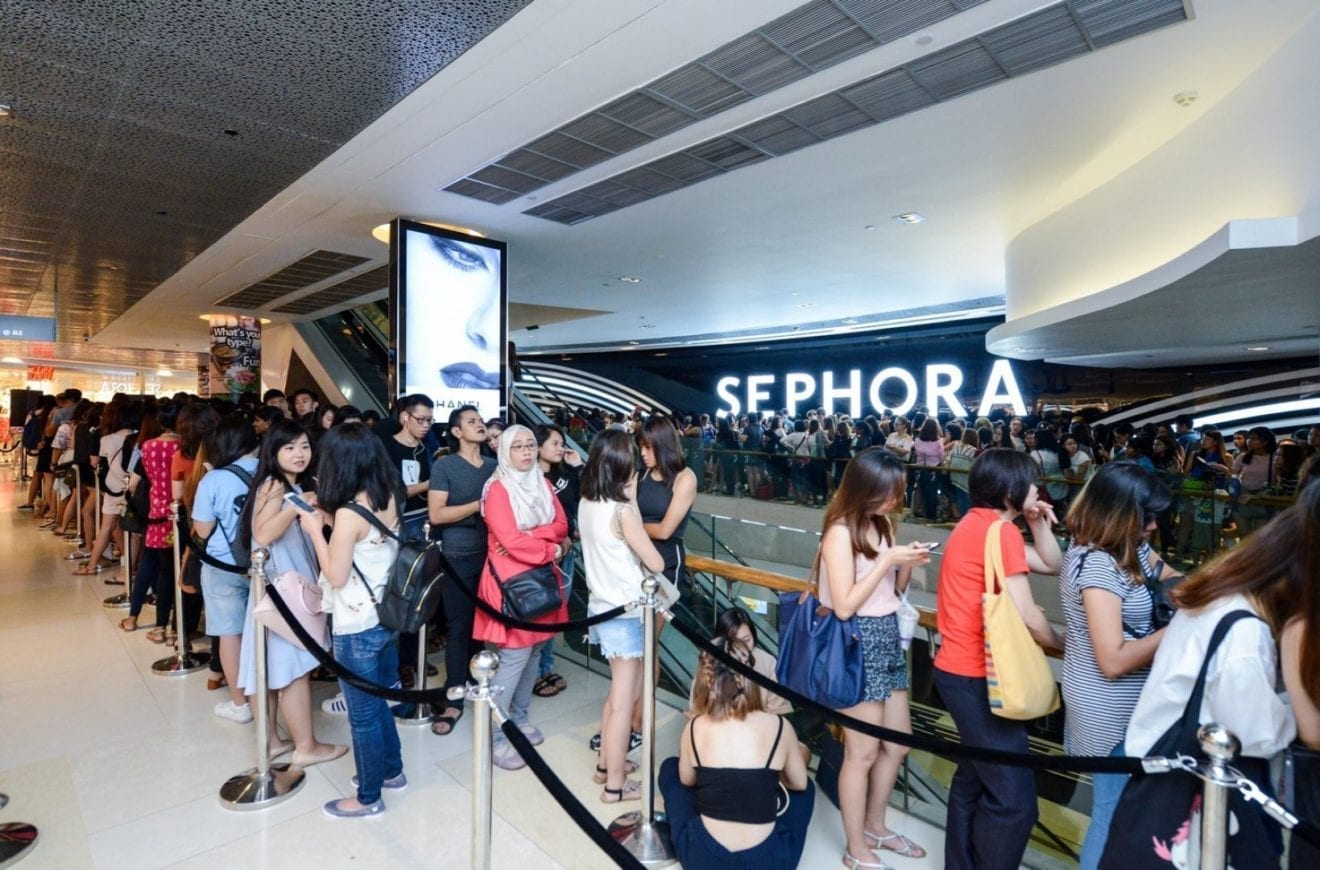
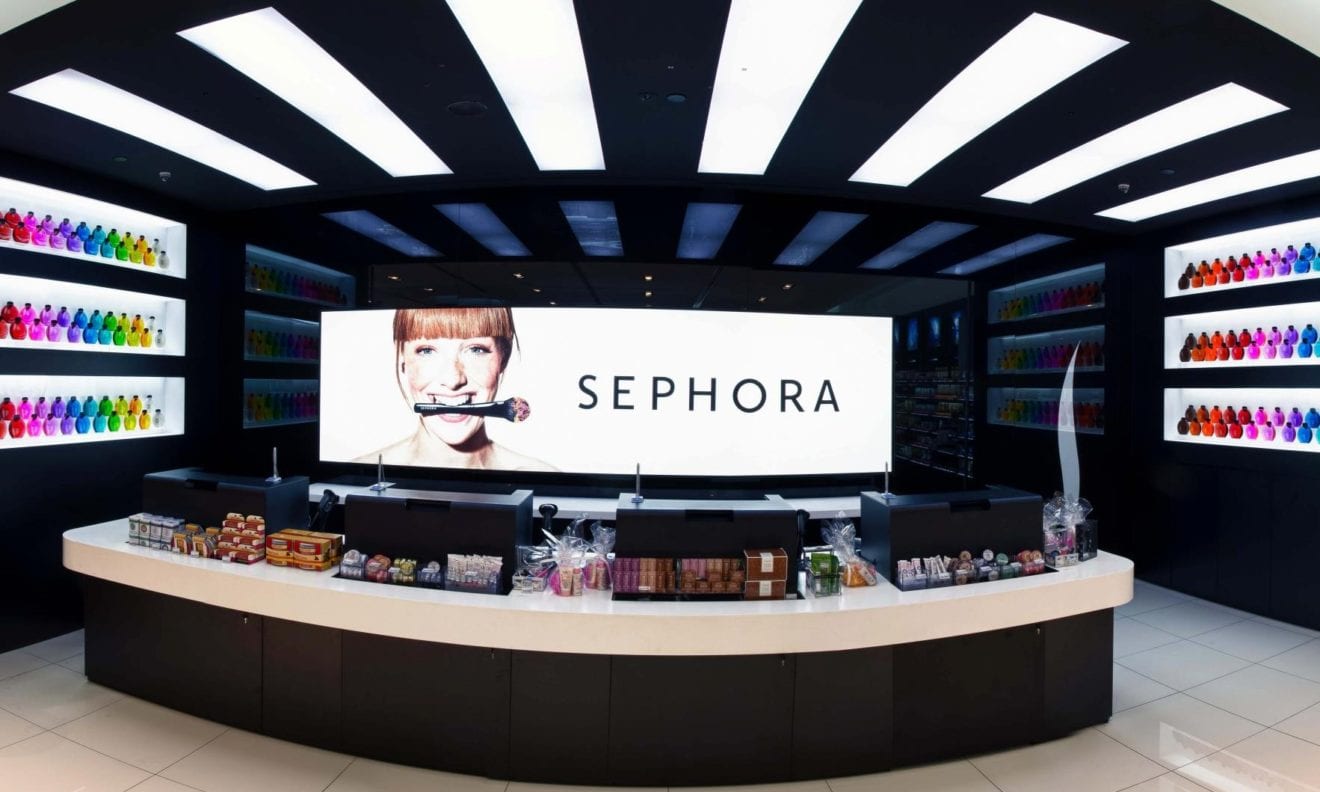
    Sephora has drawn a crowd to the opening of its first store of the year in Queensland, as shoppers queued overnight to access the international cosmetics giant’s new Robina Town Centre store.

    At one point on Thursday morning the line outside the new location was more than 300 metres long, snaking around to adjacent areas of the centre.

    The launch is a good start for the business, which expanded to Australia in 2015, after it announced last month that it would open the Gold Coast location, drawing in customers with new virtual artists that allow visitors to try on products virtually in-store.

    Its decidedly less positive for Sephora’s competitors though, of which there are many.

    Myer, David Jones, Priceline and L’Occitane all have stores in QIC’s Robina Town Centre, signalling yet another increase in competitive pressure in the beauty sector.

    “Sephora always generates great crowds because they are the undisputed global beauty leaders and people are always keen to try out and play with their wide selection of brands,” Savills’ Leighton Hunziker said of the opening.

    It’s not the first-time international entrants have drawn big crowds, when others like H&M, Zara and Forever 21 opened their stores in Sydney’s Pitt St Mall shoppers flocked, creating queues that lasted for days.

    But increasing competition and subdued consumer sentiment have put pressure on established beauty retailers in recent months, driving elevated levels of discounting in the sector that’s weighing on margins.

    Reporting its half-year financials last month, Priceline owner Australian Pharmaceuticals Industries said lacklustre beauty sales had driven a 1.7 per cent decline in comparable store sales in the first-half.

    “The amount of discounting and competition that has emerged inside the health and beauty sector has ramped up significantly,” API chief executive and managing director Richard Vincent said in April, revealing that price deflation was between 3-4 per cent in the half.

    For the likes of Myer and David Jones the growing influence of international competitors is particularly disruptive, given the already weakened statuses of both businesses.

    Louise Grimmer, a lecturer in marketing at the University of Tasmania, said customers are increasingly turning to specialists in the beauty category over department stores in search of education and personalisation.

    “Increasingly we are witnessing consumers abandoning department stores for specialist retailers such as Sephora,” Grimmer said.

    “If they weren’t already, department stores should be on notice that customers now demand much more than has been on offer. They want high levels of customer service, knowledgeable staff, specialist product offerings and a multichannel experience.”

    Robina Town Centre is Sephora’s 14th Australian store, and alongside the continued expansion of other international beauty brands such as Mecca and MAC, its unlikely competition will ease any time soon.

  • YSL Beaute goes high-tech

    YSL Beaute goes high-tech

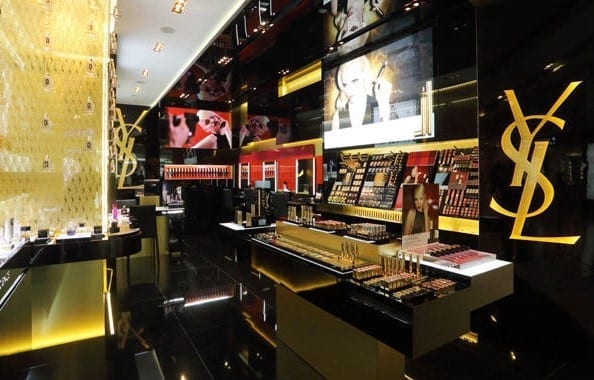
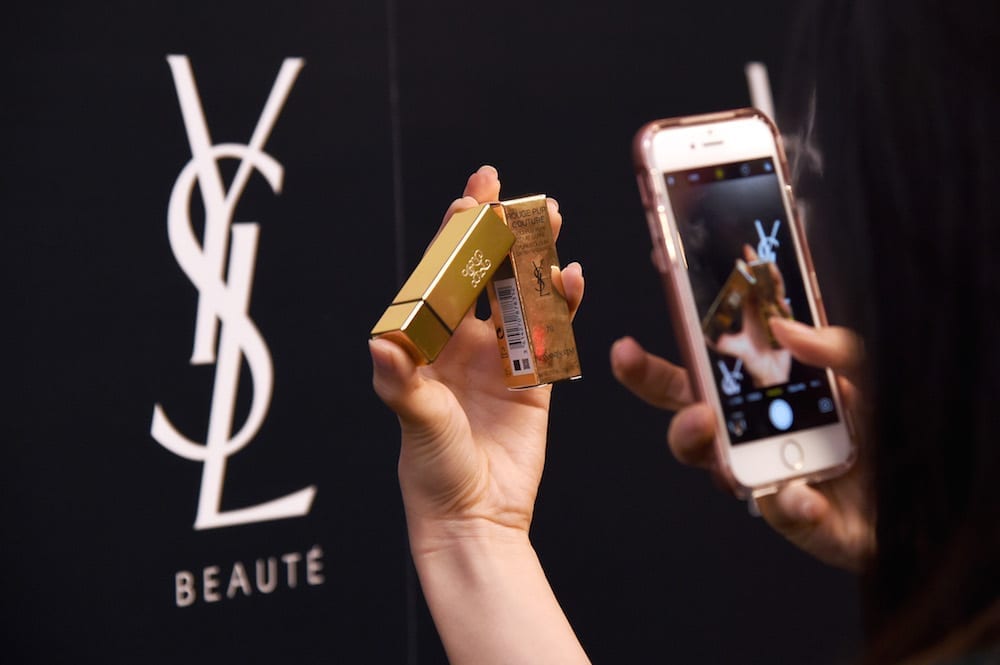
    YSL Beaute teamed with Tencent and marketing group Mindshare for the launch of its Mon Paris Couture perfume in Hong Kong.

    It was the first time in the colony a luxury make-up brand has used facial-recognition technology in a WeChat mini program.

    Consumers visiting YSL’s pop-up store at Harbour City, Tsim Sha Tsui, were able to create their own personalised perfume in a specially engraved bottle. To avoid a queue as has happened previously, a “Mon Paris ID” was created for each participant for use before and during the event for personalised shopping experiences.

    Before the event, participants could upload their headshots via WeChat, linked to YSL Beaute’s mini-program for both WeChat and Weixin users, or a web page for local digital users.

    An interactive panel using Tencent technology could verify customers by recognising their faces, with the system able to automatically arrange, create and engrave the perfume bottles within seconds.

  • Asia Pacific drives Estee Lauder’s third quarter sales record

    Asia Pacific drives Estee Lauder’s third quarter sales record

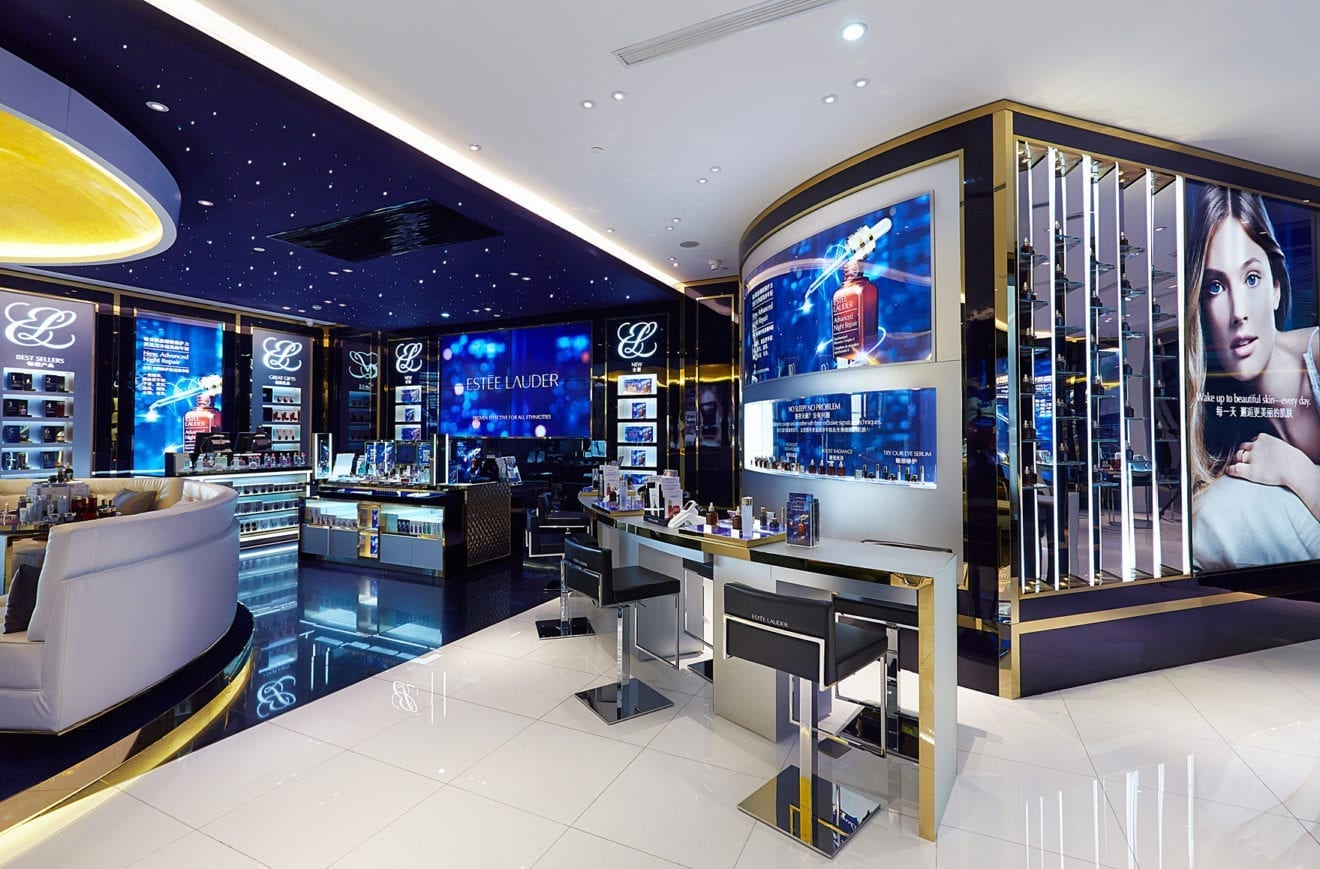
    Solid growth in Asia Pacific, including in Australia, has helped cosmetics giant Estee Lauder deliver an 18 per cent increase in third quarter sales, ahead of Wall Street estimates.

    Delivering its financials for the quarter ended 31 March in the US on Wednesday, Estee Lauder said “solid sales increases” in Australia, Japan and Thailand, alongside double-digit sales growth in China, drove a 30 per cent increase in net sales from Asia Pacific to US$773 million.

    Asia Pacific operating income was up 57 per cent to US$179 million, offsetting a 62 per cent fall in American earnings to deliver the company a total 16 per cent increase in operating income to US$497 million for the period.

    Declining retail traffic weighed on Estee Lauder’s US-based bricks-and-mortar stores, but momentum in Asia Pacific has buoyed the business, which expects full year revenue to increase by 15 – 16 per cent, slightly higher than market consensus forecasts.

    President and chief executive Fabrizio Freda said it was an “excellent” quarter for the business in what he expects will be an “outstanding fiscal year”.

    “Among our multiple engines of growth, travel retail, online and Asia again were standouts, and we experienced strong momentum in other high growth channels and markets,” he said.

    “Our performance this quarter reflected robust global demand across our portfolio, with virtually all our brands posting sales growth.”

    Asian skincare sales and fragrance were standouts for the business, offsetting operating losses in make-up and relatively flat growth in haircare products during the quarter.

    The company’s MAC makeup brand performed particularly well in Asia Pacific during the quarter, while La Mer and Estee Lauder drove growth in skincare.

  • Sofina Beaute continues its growth

    Sofina Beaute continues its growth

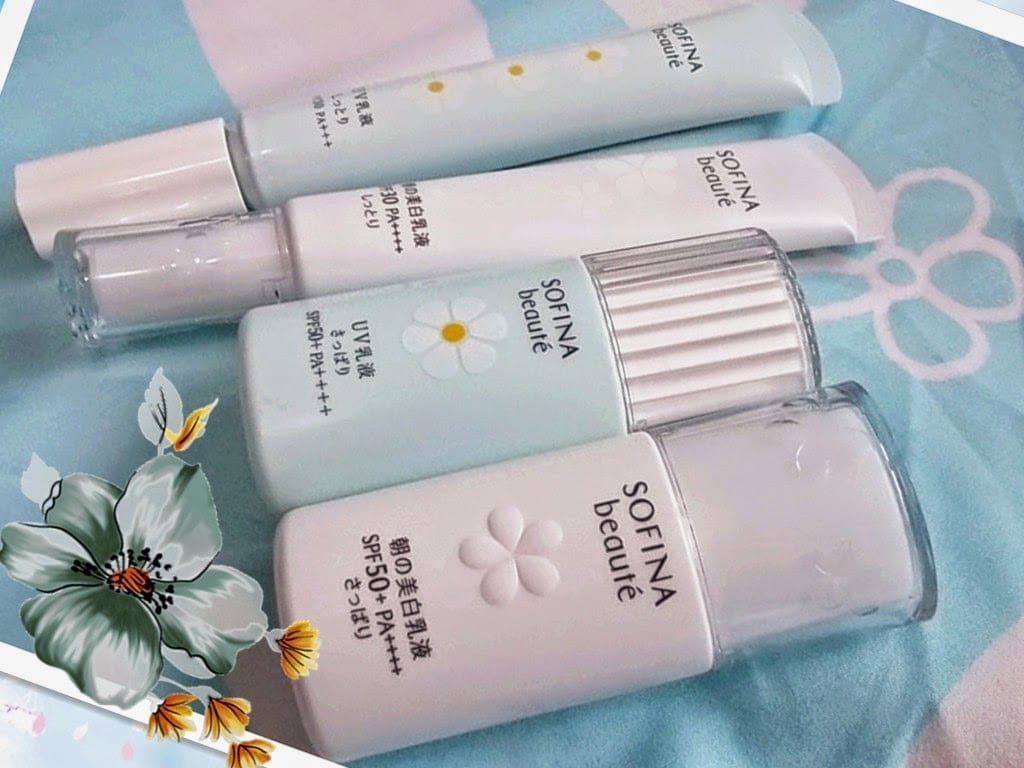
    Japanese brand Sofina Beaute has arrived in Singapore as part of its rollout in Asean countries.

    Under the wing of cosmetics group Kao Corporation, the brand’s offshore expansion has already included Taiwan, Hong Kong and Mainland China.

    Its Singapore counters will offer skin-analysis technology with consultants available for beauty advice.

  • China performs best for L’Occitane International

    China performs best for L’Occitane International

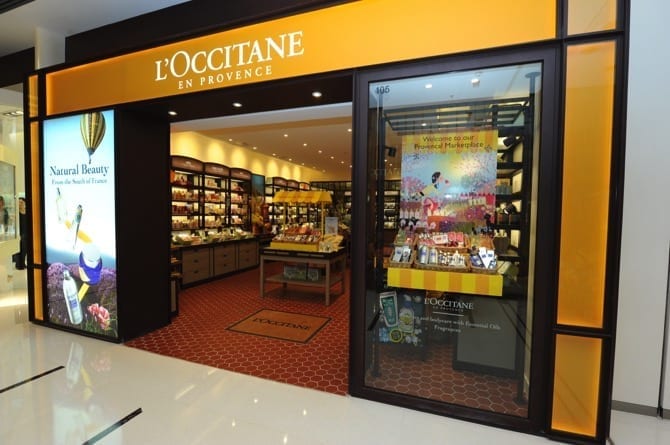
    China continued to outperform for fragrance group L’Occitane International during the year ended 31 March, its unaudited trading figures show.

    Along with Brazil, Hong Kong and the US it showed the highest sales growth in local currencies.

    China’s sales growth was 20.5 per cent in local currency with same-store sales growth of 15.1 per cent as it maintained strong momentum online and offline.

    The group’s net sales reached €1.3 billion (US$1.5 billion), growing 4.6 per cent at constant rates. Unfavourable foreign-exchange rates saw net sales at reported rates ease by 0.3 per cent over last year.

    During the 12 months, the company disposed of Le Couvent des Minimes while LimeLife became a subsidiary in January. Excluding Le Couvent des Minimes, LimeLife and a one-off deal for L’Occitane au Bresil in September 2016, the group’s sales growth at reported rates and constant rates were -1 and 3.7 per cent respectively.

    Emerging brands Melvita, Erborian and L’Occitane au Bresil (excluding the one-off deal) continued double-digit growth.

    The group opened 41 stores and renovated 153 during the year, compared with 51 openings and 104 renovations the previous year.

  • Ecommerce sales record for Yves Saint Laurent

    Ecommerce sales record for Yves Saint Laurent

    Yves Saint Laurent Beaute has set a record for the most sales by a beauty brand in its first day on Tmall, reports the Chinese B2C shopping platform.

    In just 14 hours, the L’Oreal-owned brand generated more than RMB30 million (US$4.77 million) in sales when it opened its Tmall flagship store. Ten hours later, sales had reached RMB38 million, with the store’s followers totalling 1.2 million.

    French fashion brand Givenchy set the previoussingle-day sales record of RMB29 million when it made its Tmall debut last month.

    L’Oreal says the appetite for high-end make-up has accelerated this year, largely driven by Chinese consumers. Its luxury labels also include Giorgio Armani Beauty, Kiehl’s and Lancome.

    “The luxury market is really flying right now,” says L’Oreal Group chairman/CEO Jean-Paul Agon. “In geographic terms, the highlight of the first quarter is the return to strong growth in the new markets, especially in Asia Pacific.”

    Interactive offering

    YSL Beaute has also joined Tmall’s Luxury Pavilion, making it one of the first brands to launch on the site’s dedicated section for premium brands. Tmall and YSL Beaute have developed interactive features that can display make-up shades in various ways. For example, when Tmall app users tilt their smartphones they can see images of models with and without lipstick applied.

    “Our product pages should be the coolest on Tmall to date,” says YSL Beaute China brand director Sebastian Xing.

    Tmall is more than a sales channel, he says. It is able to tell brand stories and heighten engagement with consumers.

    YSL Beaute is already tapping into the platform’s consumer analytics to inform product research and development, and will design marketing campaigns catering to Tmall user preferences, says Xing.

    Tmall’s latest figures show that more than half of YSL Beaute customers on the platform fall within the 18-25 age group, while consumers’ 26 to 30 years old make up 22.4 per cent – a far younger turnout compared to YSL Beaute offline counters, where the average customer age is about 27.

  • Hera Singapore plans more boutique stores

    Hera Singapore plans more boutique stores

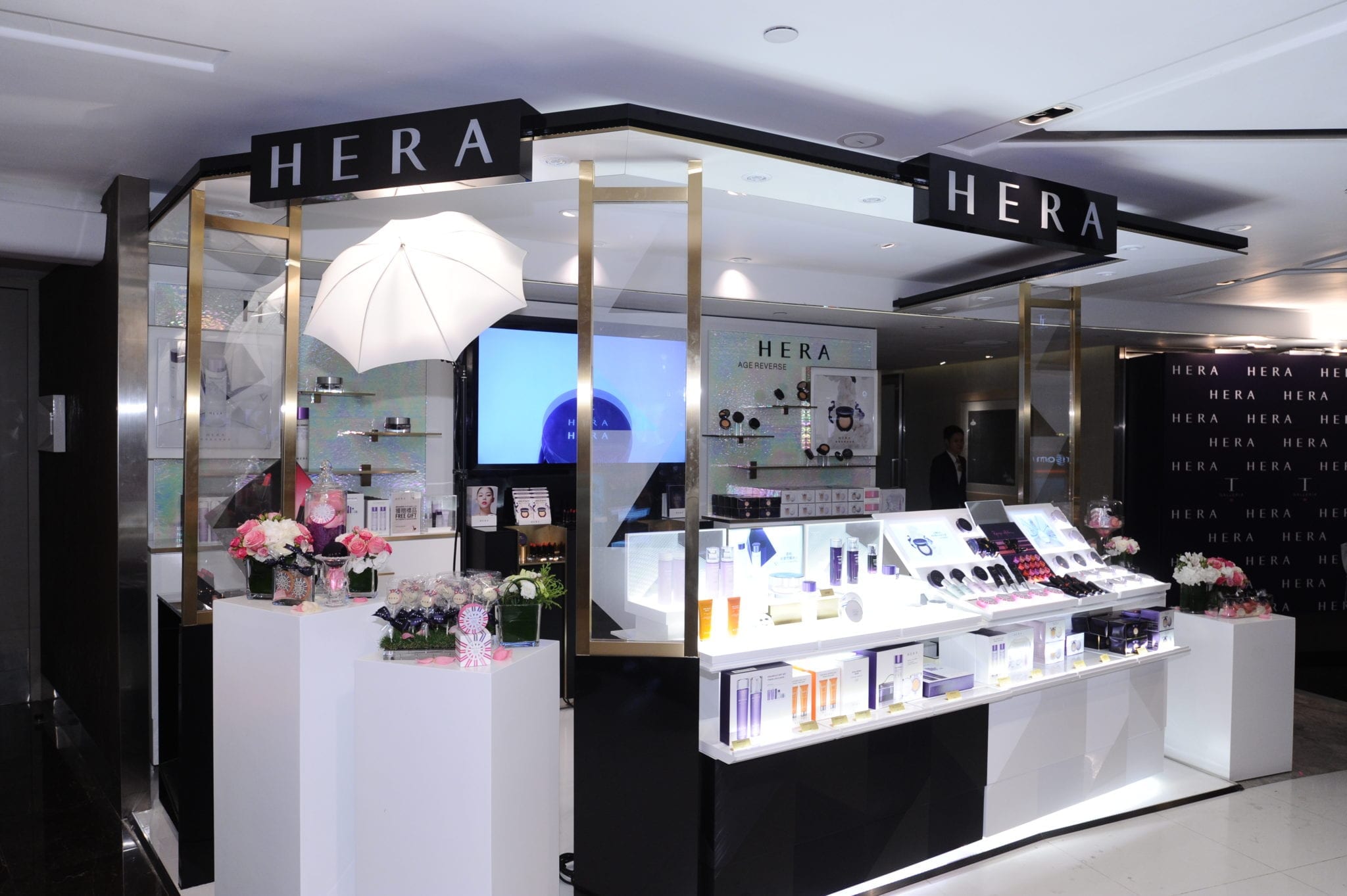
    Korean cosmetics brand Hera Singapore will officially launch at Takashimaya Department Store on May 10.

    And the brand will also open a standalone boutique store within the second half of this year.

    Hera’s parent company Amorepacific considers Singapore a strategically important market for international expansion, due to consumers’ strong demand for global brands and their interest in trends.

    Hera  launched in China, its first overseas market, in 2016.

    Amorepacific also plans to bring its haircare brand Amos to Singapore this year.

  • Sephora to open a new highly competitive centre

    Sephora to open a new highly competitive centre

    Sephora will look to Queensland for its first Australian store opening of 2018, announcing plans to open a location in QIC’s highly competitive Robina Town Centre in May.

    It will be Sephora’s 14th store launch in Australia since bringing its offer Down Under at the start of 2015.

    With the likes of Myer, David Jones, L’Occitane, Lush, Priceline and The Body Shop already trading in the centre, competition will be fierce.

    But the beauty brand will look to sweeten the deal for its sunshine coast customers by introducing a new virtual artist within the store, which will allow customers to virtually try on products.

    Sephora Country Manager Libby Amelia said the Robina opening followed the success of its Pacific Fair store, opened in 2016, and would provide customers with an experience-focused offer.

    “Our teams of talented beauty advisers are on-hand to provide foundation matching and a wide variety of makeup services, but the beauty of Virtual Artist is that you can try on hundreds of colours all on your own, and from the traction we have via our app, we know our customers absolutely love it,” Amelia said.

    The Robina store will be the first Sephora in Australia to trade with the technology, although a broader roll out is anticipated.

    Sephora will also trade a range of exclusive brands in the new store such as Fenty Beauty, Huda and Anastasia Beverly Hills.

    Robina Town Centre general manager Shaine Beveridge said he was happy about the addition of Sephora to the centre.

    “We are delighted to welcome global cosmetics retailer Sephora to our growing and diverse portfolio,” he said.

    “The addition of this internationally renowned brand signals another exciting chapter for our Centre as we continue to strengthen our retail offer.”

  • UL-OS to appoint its new brand ambassador

    UL-OS to appoint its new brand ambassador

    TVXQ ‘Yunho (Jeong Yun-ho)’ was selected as the first solo male cosmetics brand model.

    UL-OS, a male total skin care brand in Otsuka Pharmaceutical Korea, announced on  that the brand selected Yunho, the leader of group Dong Bang Shin Ki (TVXQ).

    An UL-OS official said, “We decided to choose Yunho as a new model, judging that Yunho’s healthy skin and sophisticated image fit well with the Ul-os brand image.”

    Yunho finished shooting a new TV advertisement of UL-OS’s representative product of all-in-one moisturizer. In this advertisement, Yunho’s stylish and manly charm will appeal to viewers with his UL-OS brand message and will be aired from January 1, 2018

    Yunho said “I am very interested in skin care products for normal moist and healthy skin.” “I am very pleased to be a model of the UL-OS brand that helps people to understand skin troubles and needs accurately and to provide effective skin care.”

    Yunho, who was selected as the fourth model of UL-OS after Cha Tae Hyun, Jung Woo and Eric, is the 13th year of his debut this year, as a K-POP leader, Korea’s best male idol, and he has been loved by fans home and abroad. He has been still active in the five major dome tours in Japan since November 2017.

    Meanwhile, men’s total skin care brand UL-OS presents three all-in-one moisturizers (skin milk, skin lotion, and skin conditioner) as men’s all-in-one products and has a full skin care line including scalp shampoo, skin wash, sunblock and face sheet.

    In particular, UL-OS Skin Milk has recently been selected as a men’s cosmetics standard at the Olive Young 2017 Health & Beauty Awards, and received continuous support from male consumers, including the Olive Young Health and Beauty Award in the men’s all-in-one category for the second consecutive year.