Retail News CRM

Tag: beauty

  • Unilever buys digital-first skincare brand Paula’s Choice

    Unilever buys digital-first skincare brand Paula’s Choice

    Unilever is to add digital-led skincare brand Paula’s Choice to its portfolio after reaching a purchase agreement with TA Associates.

    The value of the deal – expected to be completed in the third quarter this year – has not yet been disclosed. According to Unilever, Paula’s Choice will join its Prestige division which manages other skincare brands such as Tatcha, Murad, and Dermalogica.

    “Developing Unilever’s portfolio in the high-growth premium skin-care segment is one of our strategic priorities,” said Sunny Jain, president of beauty & personal care at Unilever.

    “Paula’s Choice is a true pioneer in the digital space for beauty and has created a mission-based brand rooted in truth and transparency,” said Vasiliki Petrou, VP and CEO of Unilever Prestige.

    Founded in 1995 by Paula Begoun, the direct to consumer brand Paula’s Choice is known for its science-backed products and digital tools, including its ‘Ingredient Dictionary’ that breaks down the research behind nearly 4000 ingredients, and ‘Expert Advice’, a curated online hub of skincare and ingredient knowledge.

  • Zara launching beauty range

    Zara launching beauty range

    Soon, you’ll be able to wear Zara from head to toe and from face to toenails. Yesterday, the retailer unveiled Zara Beauty, the company’s first-ever comprehensive beauty collection. It will be launching online and in select stores on May 12.

    To help create a line of cosmetics that felt playful, innovative, and fresh, the brand tapped world-renowned makeup artist Diane Kendal, who regularly dreams up editorial and international runway looks we inevitably end up thinking about a lot.

    “When Zara approached me to lead the creative direction of Zara Beauty, I saw an opportunity to make something that everyone would want to use. Zara has always reached such a diverse audience, and I wanted to bring that same big vision to beauty with a collection that is clean, refillable, and accessible to all,” Kendal said in a release. “I am really proud of what we have created: an expansive array of consciously unique formulas for eyes, lips, face, and nails.”

    When Kendal says “an expansive array,” she isn’t exaggerating in the slightest. The collection is launching with over 130 colors, six lip products (matte lipstick, satin lipstick, demi-matte lipstick, tinted balm, lip oil, lip gloss), six-shade eye-shadow palettes, smaller shadow duos, a matte-black eyeliner, loose metallic pigment, bronzer, blush palettes, highlighter, 39 nail polishes, and six makeup brushes — and that’s just to start.

    To showcase the endless possibilities and combinations you can make within the world of Zara Beauty, Kendal created a series of different looks that were captured by nine different talents —Steven Meisel, David Sims, Marilyn Minter, Oliver Hadlee Pearch, Zoë Ghertner, Craig McDean, Nadine Ijewere, Mario Sorrenti, and Fabien Baron — who each shot and shared their own personal vision of beauty for the campaign.

    Scroll through to get a taste of what will be in store next week and start plotting what you’re going to add to your cart — prices will range from $8 to $26, with refills starting at $5, so you should be able to cram in a good amount.

  • Estée Lauder names Kōki as new Global Brand Ambassador

    Estée Lauder names Kōki as new Global Brand Ambassador

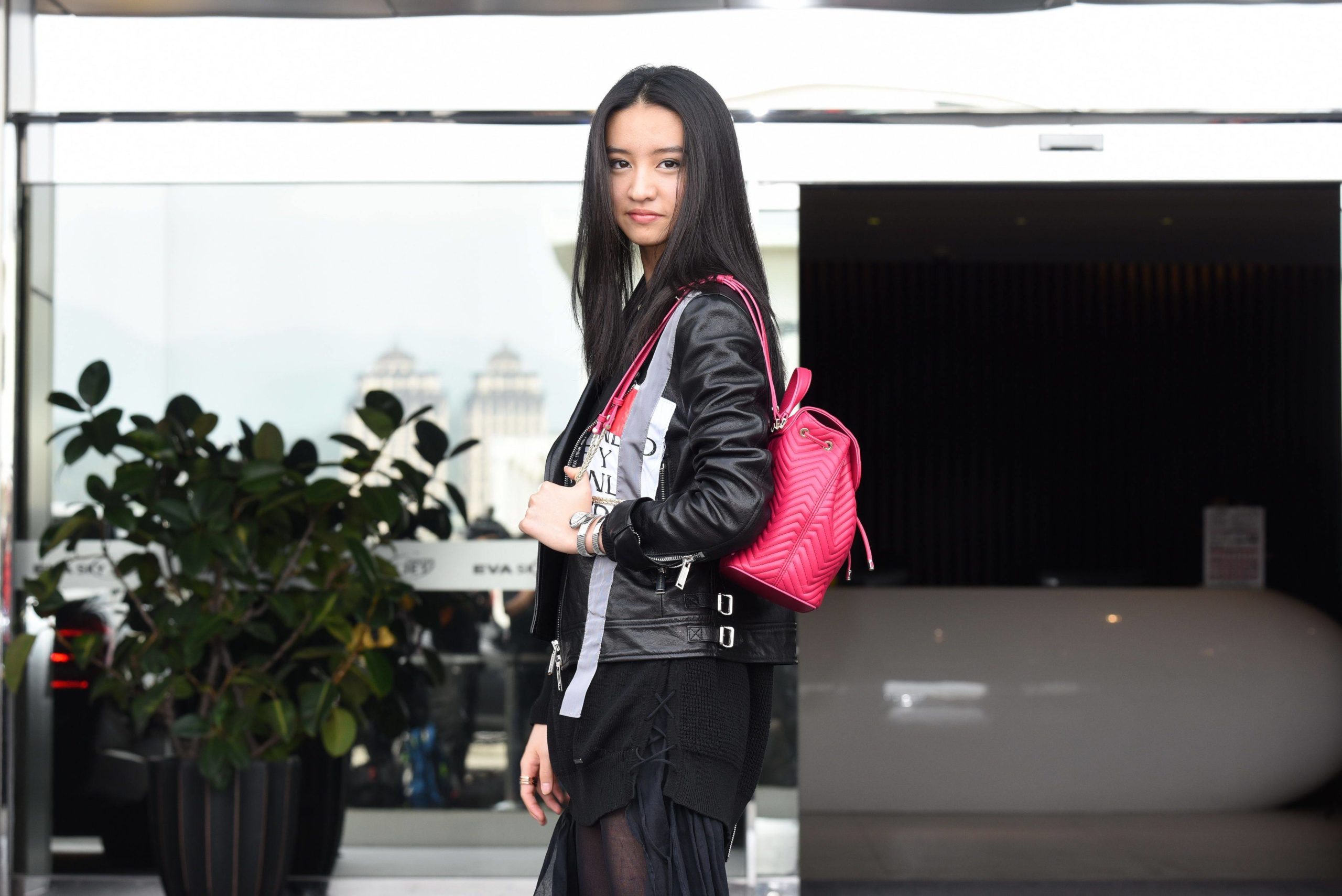
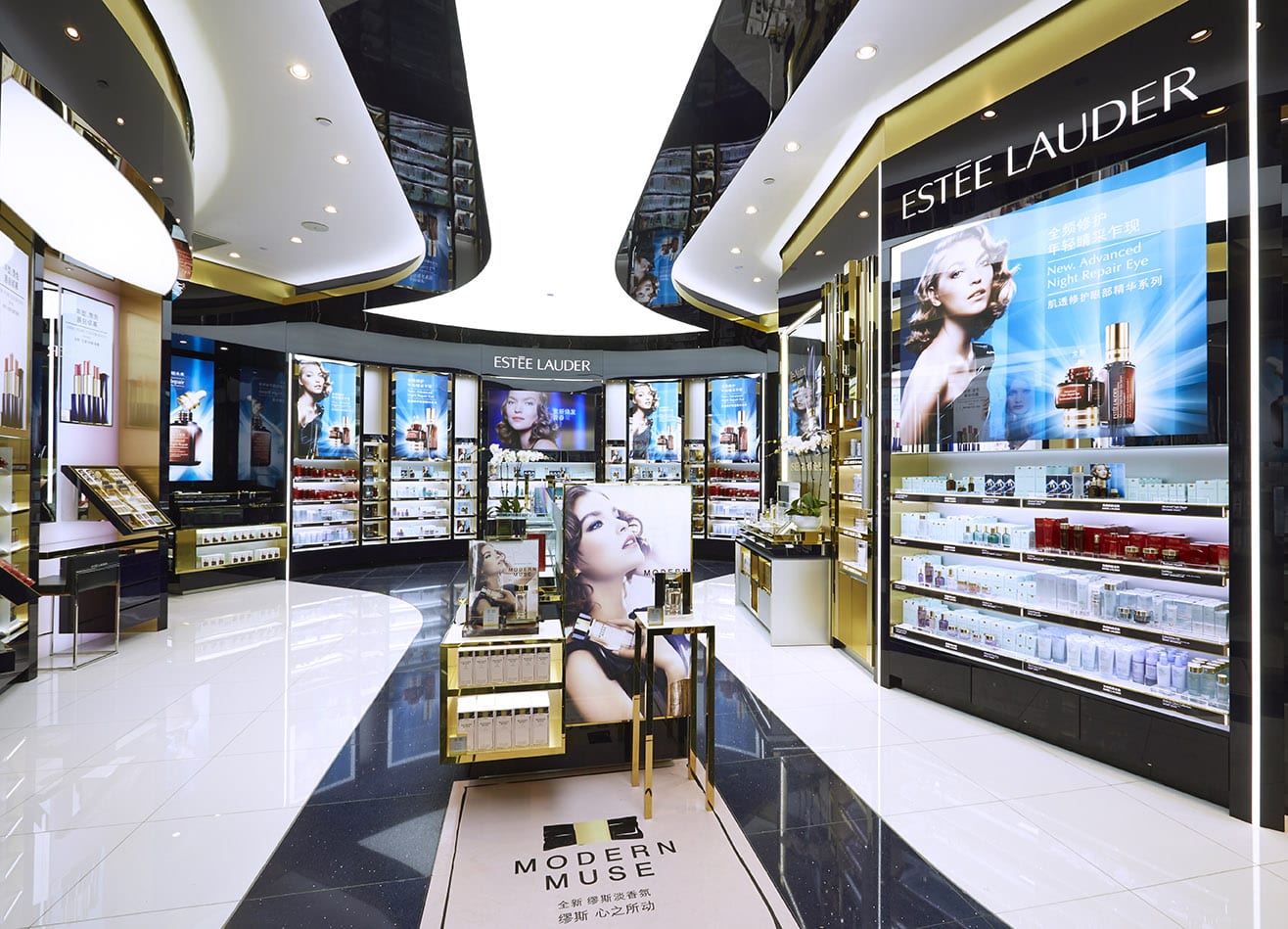
    The Estée Lauder Companies has named Japanese model Kōki as the newest global brand ambassador for its flagship Estée Lauder brand.

    She will feature across the brand’s digital, television, in-store, and print media, in domestic and travel retail markets, beginning with a makeup campaign in April. Kōki will also appear in all of Estée Lauder’s digital campaigns beginning in the Autumn.

    Kōki — real name Mitsuki Kimura — was born and raised in Tokyo. She began her modeling career in 2018 and appeared on the covers of several high-profile fashion magazines in Japan and in the wider Asia Pacific region. This includes Harper’s Bazaar Hong Kong, ELLE Japan, ELLE Hong Kong, Marie Claire Japan and InStyle China among others.

    In 2018, Kōki won the Elle Cinema Rising Star Award. The following year, she made her runway debut at the Chanel Cruise Collection fashion show. She is also currently serving as a brand ambassador for other leading luxury brands such as Bvlgari, Coach, and Louis Vuitton.

    Kōki joins a stellar roster of Estée Lauder brand ambassadors which include South Sudanese Model Anok Yai, Italian model/actress/socialite Bianca Brandolini D’Adda, American model Carolyn Murphy, Indian model Diana Penty, American models Grace Elizabeth and Karlie Kloss, Chinese Actress Yang Mi and recently-appointed Cuban actress Ana de Armas.

    “Kōki brings a fresh energy to the Estée Lauder brand,” commented The Estée Lauder Companies Group President and Estée Lauder and AERIN Global Brand President Stéphane de La Faverie. “We are excited to amplify her rising star power to connect our brand with a new generation of consumers in Japan and around the world while continuing the brand’s legacy of celebrating women across all backgrounds, ages, and ethnicities.”

    Commenting on her role, Kōki said: “It is a dream come true to join the Estée Lauder brand. It is such an iconic brand that is loved by so many women around the world. I am honored and grateful to be a part of it.”

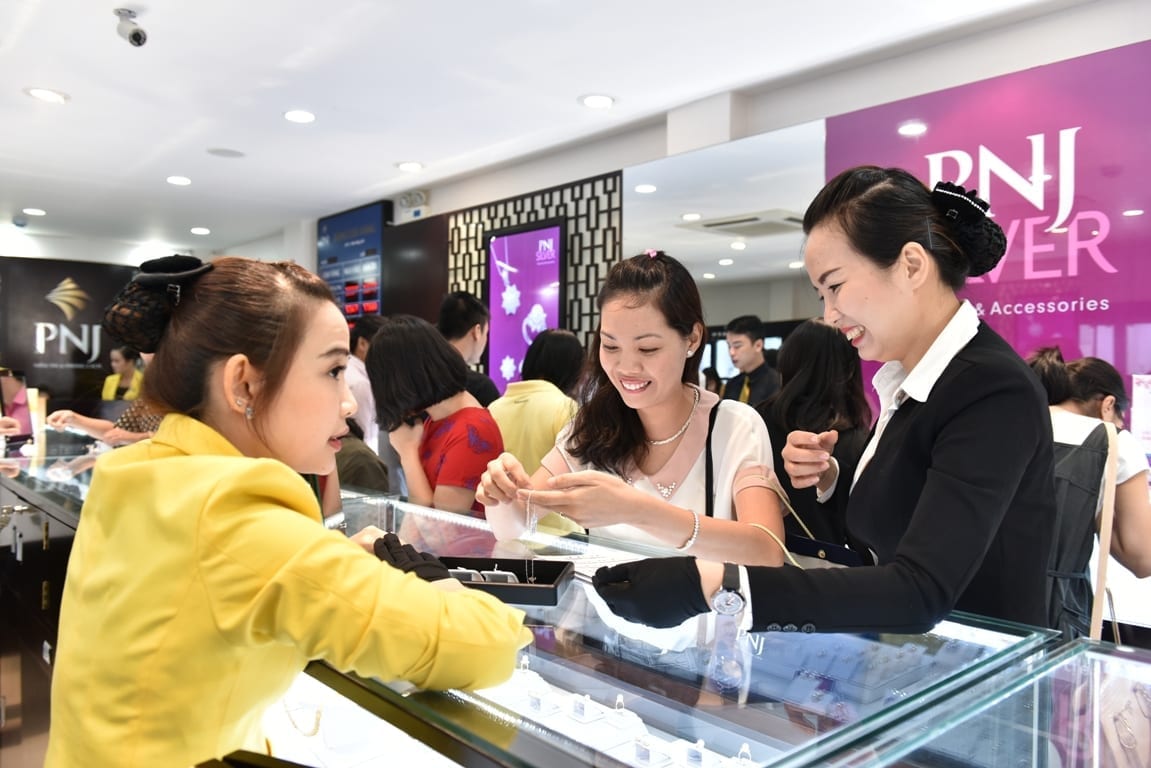
  • Jewelry firm PNJ eyes 15-pct post-tax profits growth

    Jewelry firm PNJ eyes 15-pct post-tax profits growth

    At its annual general meeting Saturday, it also announced a revenue target of VND21 trillion, up 20 percent.

    But Phu Hung Securities Corporation has forecast revenues of VND18.4 trillion and profits of VND1.09 trillion, explaining that the volatility in gold prices and consumers’ increasing preference for imported jewelry would keep numbers down.

    BSC Securities expected the jewelry industry to recover this year, and forecast PNJ a 22 percent rise in profits to VND1.3 trillion on revenues of VND19.8 trillion (up 13 percent).

    PNJ chairwoman Cao Thi Ngoc Dung said the targets are achievable since the pandemic would be contained this year and the economy would recover.

    The company aims to open 40-45 stores in 2021 and buy machinery for its jewelry workshops.

    Its CEO, Le Tri Thong, said demand for jewelry among young people in major cities is high, and this would boost the company’s revenues and profits. Smaller cities and rural areas too however show promise, he said.

    Last year, revenues edged up 3 percent to VND17.5 trillion, but Thong pointed out though the growth was lower than the average of 32 percent in recent years, the fact that PNJ managed to grow its revenues amid the pandemic was a success for it.

    It opened 29 stores and closed 36 existing ones in 2020, most of them were silver jewelry stores in shopping malls with modest business and high rentals.

  • L’Oreal predicts ‘Roaring 20s’ retail resurgence post Covid

    L’Oreal predicts ‘Roaring 20s’ retail resurgence post Covid

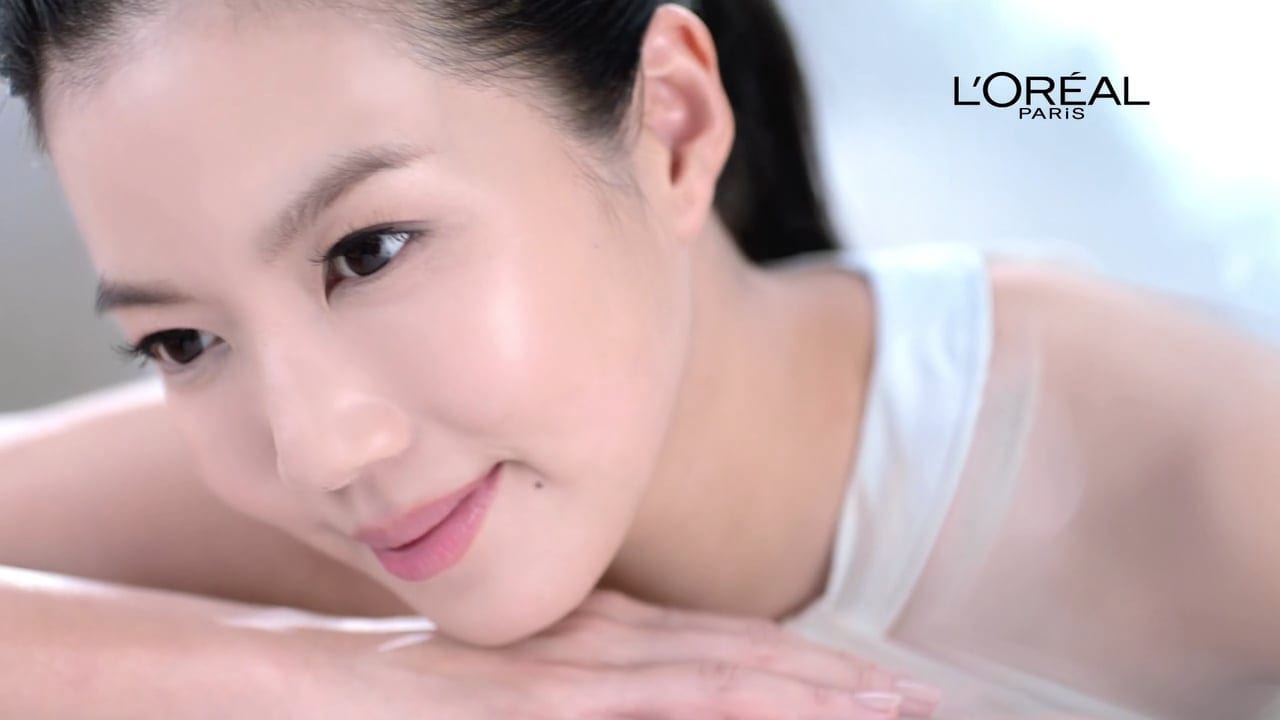
    Beauty giant L’Oréal, besides posting financial results that beat expectations, is offering high-level optimism, promising a resurgence in sales and a new “Roaring ’20s.”

    “Like a flower after winter, beauty is ready to blossom after COVID goes away,” says Nicolas Hieronimus, the Paris-based conglomerate’s incoming chief executive officer, in a webcast for investors.

    Adding that the company is already seeing fiesta-like gains in China, “we are confident that, like in the roaring ’20s, there will be a big beauty party. Beauty is and always will be essential.”

    Those upbeat remarks are likely to cheer up many in the industry. Between working from home, wearing masks and keeping six feet away from anyone, consumers felt little reason to buy makeup or spritz on fragrances, depressing sales.

    The NPD Group, a market research company that tracks beauty sales, reports that prestige cosmetics tanked 19% for the full year, falling to $16.1 billion. Makeup dropped the most, down 34%.

    L’Oreal’s Hieronimus made his remarks as the company presented solid quarterly results. Even as industrywide sales tumbled, L’Oréal bucked the trend. Comparable sales rose 4.1% in its fourth quarter, and the company says it is winning significant market share gains in many categories.

    The company’s ecommerce revenues soared 62%, with gains in all geographic regions. It now accounts for a record 26.6% of the total sales for the year. “The huge surge is helping to democratize beauty,” he says. “And consumers of beauty remain strong. We saw rapid recovery everywhere when stores reopened.”

    Hieronimus also says he expects the company to continue to benefit from skincare’s growing importance, which now accounts for 40% of sales.

    In terms of marketing, he says digital spending now accounts for 60% of its budget.

    Describing beauty as “both a need and an aspiration,” Hieronimus says he believes the company will continue to outperform competitors because of its focus on data, AI, research and innovation. “We are ahead of the curve in digitalization.”

    And he says consumers will continue to reward companies with a strong brand purpose, a commitment to social values and “acting for the greater good. We create the beauty that moves the world.”

  • L’Occitane files for bankruptcy in US

    L’Occitane files for bankruptcy in US

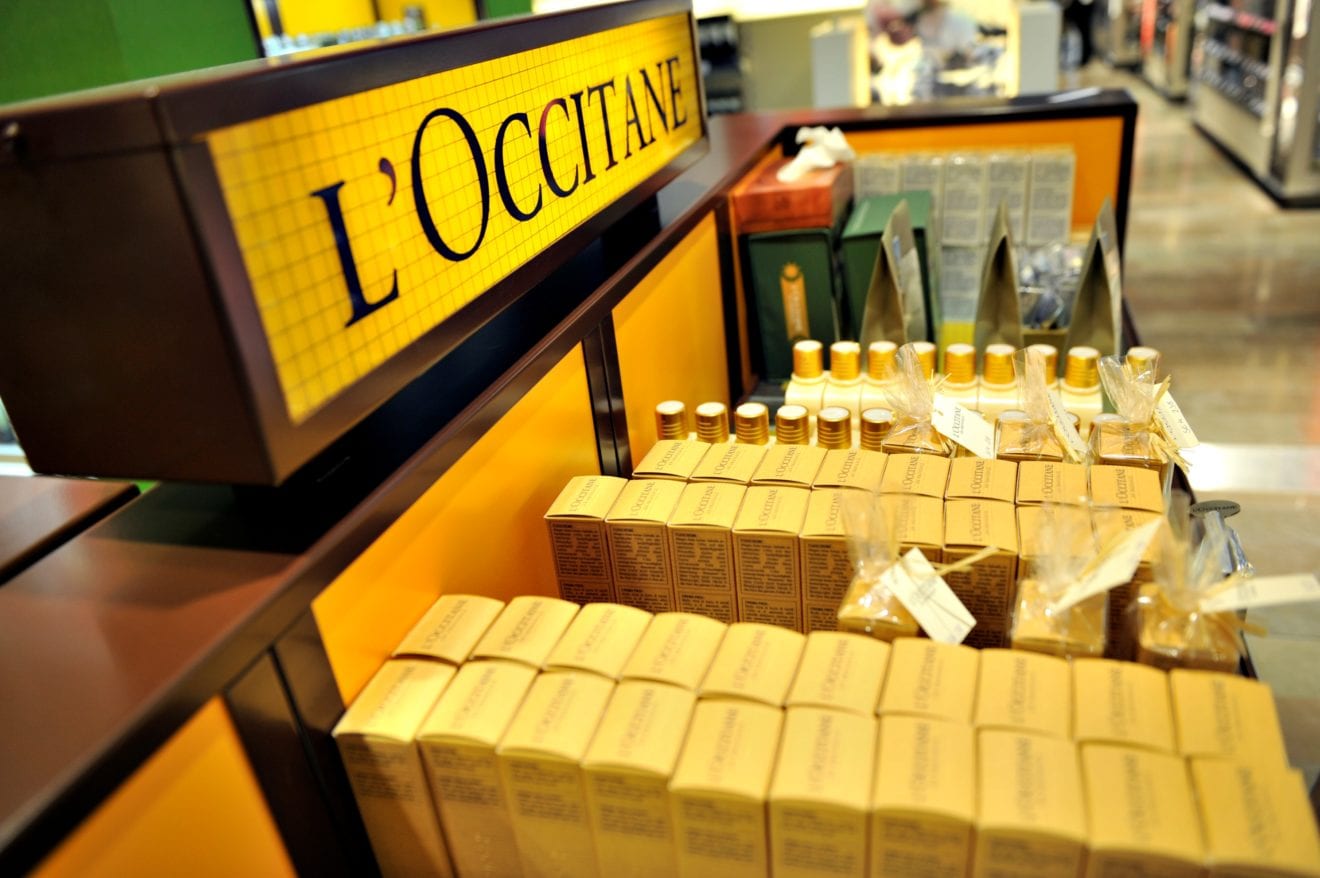
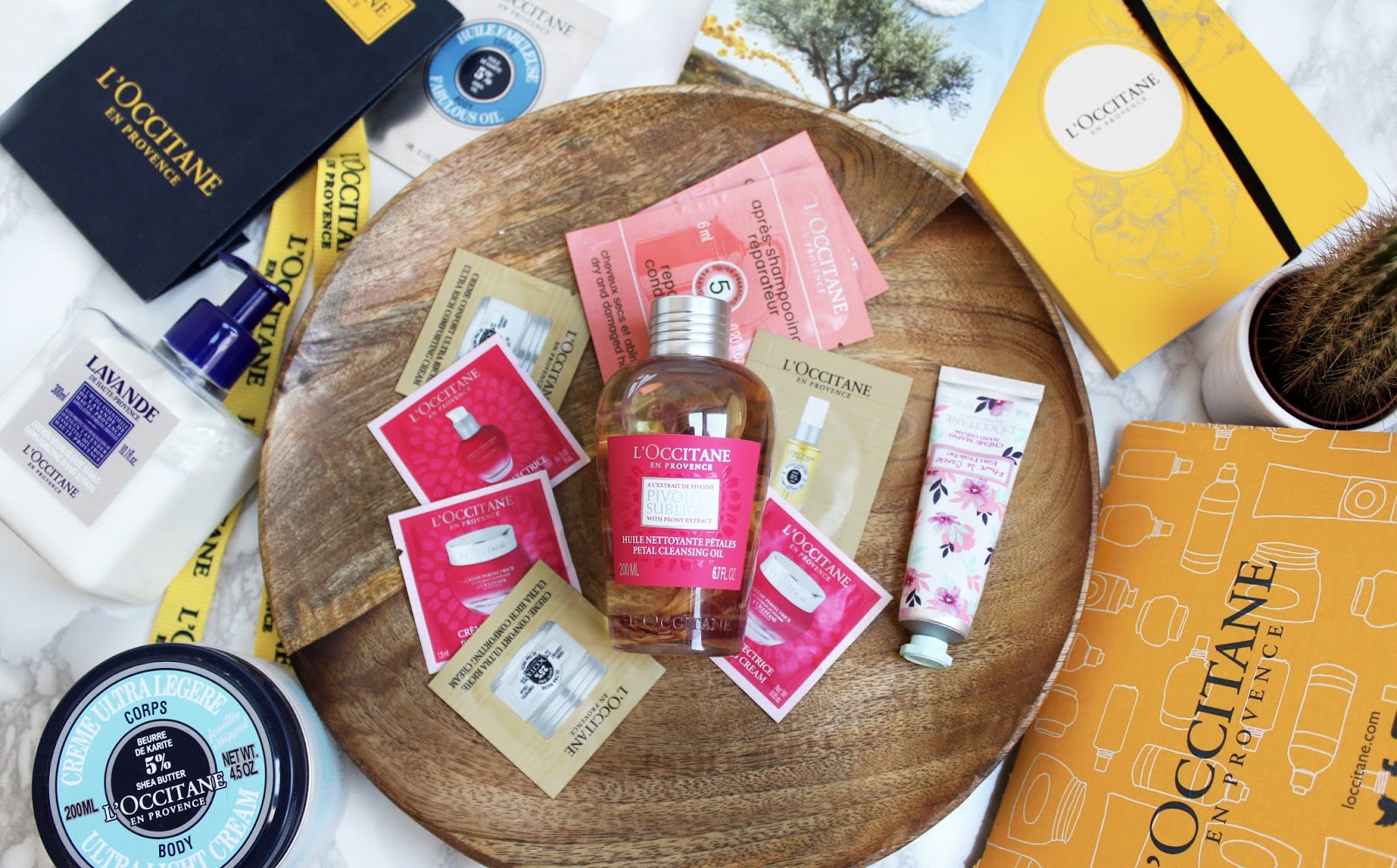
    L’Occitane U.S. filed Chapter 11 bankruptcy protection in New Jersey on Tuesday, seeking to close stores. The business cited declines in brick-and-mortar sales and the ongoing coronavirus pandemic as the reasons for the filing.

    “Like most retailers in the United States, the debtor has been impacted by the COVID-19 pandemic, which has significantly limited retail operations throughout the country and suppressed consumer willingness to shop in person,” L’Occitane regional managing director Yann Tanini wrote in a declaration for the court.

    “Even prior to the pandemic, the debtor was experiencing a decline in sales revenue from its brick-and-mortar boutiques, while its e-commerce revenue has dramatically increased,” Tanini said in court papers.

    L’Occitane had already starting downsizing its real estate footprint but wants to further reduce lease obligations due to the pandemic, the company said in court papers. The company hired Hilco Real Estate as a consultant to negotiate with landlords, but they have been reluctant, which prompted the bankruptcy filing. L’Occitane intends to reject 23 leases and “right-size its brick-and-mortar footprint,” it said.

    The company is the U.S. subsidiary of L’Occitane Groupe SA which is publicly listed in Hong Kong and also owns Erborian, LimeLife, and Elemis. U.S. operations account for about 9.1 percent of total company sales, the company said in court papers.

    The U.S. operations have 166 stores in 36 states and Puerto Rico, mostly in regional malls. Net sales have declined during COVID-19, the company said. Between April and December 2020, net sales dipped 21 percent year-over-year to $111 million. Brick-and-mortar sales made up 34 percent of that total, while e-commerce sales skyrocketed.

    L’Occitane has about 1,051 U.S. employees and furloughed and laid off certain workers during the pandemic. The company said that of 325 furloughed employees, 165 have come back, and 40 have been let go.

    The company has $161 million in assets and almost $162 million in liabilities, per court papers. L’Occitane U.S.’s biggest unsecured creditor is its parent company, which is owed $26 million related to loans and $4.5 million related to inventory.

  • Pandemic batters South Korea’s K-beauty shop

    Pandemic batters South Korea’s K-beauty shop

    Three years ago, Suh Kyung-bae was the second-richest person in South Korea. Today he’s barely Top 10, a stark reversal in a K-beauty boom known for minting billionaires, not breaking them.

    Suh’s $3.6 billion fortune, down from roughly $8 billion in 2017, is largely comprised of shares in his family’s cosmetics conglomerate, Amorepacific Group, which have fallen more than 40% from a mid-January high. The parent of brands like Innisfree, Laniege and Sulwhasoo, Amorepacific was struggling even before covid-19, and the pandemic has ushered in a slew of lifestyle changes that have made cosmetics less central to women’s daily routines.

    That’s brought a halt to the wealth created by the rapid rise in popularity of Korean beauty products and the deal-making frenzy that followed. From 2010 to 2014, foreign companies spent at least $215 million to acquire cosmetics firms there, according to a September report by Samjong KPMG. In the five years that followed, the country became the world’s fourth-largest exporter of beauty products, and the deal volume ballooned to $5 billion, not including transactions for undisclosed sums.

    Estee Lauder Cos. made Have & Be Co., widely known for its Dr. Jart+ line, its first acquisition of an Asian beauty brand in November 2019. That deal, worth $1.1 billion, turned founder ChinWook Lee into a billionaire. Goldman Sachs Group Inc. bought a minority stake in GP Club Co., best known for face masks, making founder Kim Jung-woong one of the country’s richest people. Unilever Plc, L’Oreal SA and other multinational companies also got stakes in Korean cosmetics firms, creating massive windfalls for their founders.

    But the pandemic has taken a double hit on K-beauty. Social distancing and remote work have lessened demand for makeup and led to store closures. For Korea, coronavirus travel restrictions have also cut off the flow of big-spending Chinese tourists and individual merchants who buy tax-free goods in bulk and sell them back home. Meanwhile, China’s customers have more access to global brands and are increasingly interested in products made locally.

    “Now it’s naive to think that cosmetic products with made-in-Korea tags would simply win over Chinese customers,” said Lina Oh, a Seoul-based analyst at Ebest Investment & Securities Co.

    Neither Have & Be nor GP Club have released financial information for 2020; GP Club’s plan for an initial public offering in 2019 hasn’t been rescheduled.

    For Amorepacific, consolidated revenue for the first nine months of the year fell 23% to 3.7 trillion won ($3.4 billion) from the same period in 2019, according to a company filing. For the first time in its history, the group announced last month a plan to offer voluntary retirement targeting employees who have worked for more than 15 years. The company declined to comment on its plans or on Suh’s personal fortune.

    At the same time, the pandemic has accelerated the shift to online in the beauty industry. Amorepacific’s revenue for the segment has seen substantial growth, pushing it to prioritize that part of the business. Cosmetics giant L’Oreal, whose sales dropped 12% in the first half of 2020, launched 300 digital services this year, including live beauty tutorials.

    Amorepacific plans to reduce the number of Innisfree stores in China but anticipates that overall, digital sales will make up half its business there next year, according to Yuanta Securities Korea. In the domestic market, the company sees the share of online revenue growing to 30% from 20%.

    “Spending on cosmetics was already down before Covid,” said Hye-mi Kim, an analyst at Cape Investment & Securities Co. in Seoul. “Covid made it even less necessary. Only must-have items like skincare products or those for facial problems are doing okay.”

    Meanwhile, South Korea has new billionaires rising, like Seo Jung-jin, founder of pharmaceutical firm Celltrion Inc., which is developing a Covid-19 antibody treatment. Seo’s wealth has almost tripled this year to $14.6 billion, making him the country’s new second-richest man.
  • Shiseido plans sale of consumer product lines for over $1.45 billion

    Shiseido plans sale of consumer product lines for over $1.45 billion

    Japanese cosmetics firm Shiseido Co Ltd said on Friday it was in talks to sell its lower-priced skincare and shampoo lines to private equity firm CVC Capital Partners in a deal reported to be valued at over $1.45 billion.

    Shiseido said it was in talks to sell its “personal care” business in the first half of the year to CVC but that no decision had been made.

    The business includes its Tsubaki shampoo and Sea Breeze deodorant brands which are sold at drugstores and convenience stores throughout Asia.

    The talks were first reported by Bloomberg News, which put the value of the deal at between 150 billion to 200 billion yen ($1.45 billion-$1.93 billion).

    Shiseido said it was considering taking a stake in the business and remaining involved in its development.

    The talks come as Shiseido has been eyeing possible asset sales to focus on premium cosmetics, including its namesake line and brands such as Cle de Peau and NARS sold at department store counters.

    Global private equity firms such as CVC and Carlyle Group have recently been looking to expand in Japan, taking advantage of large Japanese companies coming under pressure to sell non-core assets and improve returns to shareholders.

    CVC last year raised $4.5 billion for its fifth Asia Pacific fund.

    Like other companies in the luxury sector, Shiseido was hit hard by the coronavirus as people shopped less and wore less make-up. A halt in tourism has been particularly painful as the company depended heavily on Chinese visitors.

    The company said in November that it expects a net loss of 30 billion yen in 2020, worse than a previous forecast loss of 22 billion yen.

    Shiseido shares rose 4% in morning trade on the Tokyo Stock Exchange. A CVC representative declined to comment.

  • L’Oreal turns to Google as coronavirus spurs virtual make-up shift

    L’Oreal turns to Google as coronavirus spurs virtual make-up shift

    Shoppers searching Google for cosmetics will be able to try them on virtually through a deal with L’Oreal, as the French group looks to make up for lost store sales caused by coronavirus lockdowns by expanding online.

    Maybelline maker L’Oreal, which returned to comparable sales growth in the third quarter when coronavirus restrictions eased, has sped up some of its web initiatives as a result of the pandemic, its digital chief Lubomira Rochet said.

    “There’s been an acceleration in all our partnerships due to COVID-19,” Rochet said in an online presentation on Thursday.

    The Google GOOGL.O partnership relies on technology designed by ModiFace, a Canadian augmented reality specialist acquired by L’Oreal in 2018, and will also extend to the U.S. group’s YouTube video sharing platform, Rochet said.

    People seeking lipsticks or eye shadows by L’Oreal brands, which include Lancome and Urban Decay, who come across their adverts on Google or YouTube can then try them online.

    YouTube is one of the go-to sites for cosmetics users who often seek out make-up tutorials online, or want to learn from others how to curl their hair.

    L’Oreal, which already had a ModiFace partnership with social media site Facebook FB.O, has seen the usage of virtual make-up tools rise fivefold during COVID-19 lockdowns this year, and the conversion rate from an advert to purchase was three times higher with the try-ons, Rochet said.

    Consumers used it to mimic hair dye colors in particular during coronavirus shutdowns, Rochet added.

    Many countries in Europe including France and Belgium have now re-entered lockdown, forcing beauty chains and hair salons to close, and hitting travel retail sales. Online sales of beauty products, especially in China, have made-up for part of the losses and Rochet expects half L’Oreal’s sales are likely to come from the web within the next three to seven years, up from around a quarter now.

  • Indonesian beauty retailer Sociolla lands in Vietnam

    Indonesian beauty retailer Sociolla lands in Vietnam

    Beauty technology company Social Bella announced its first overseas expansion with the launch of the beauty e-commerce platform Sociolla in Vietnam.

    Demand from beauty enthusiasts in Vietnam was one of the company’s considerations, following a US$58 million funding from investors, such as Singaporean state investment fund Temasek and its private equity subsidiary Pavilion, alongside Singaporean venture capital firm Jungle Ventures.

    The beauty and self-care market in Vietnam has stayed robust and adaptive amid the COVID-19 pandemic, a website on cosmetics and the personal care industry. The beauty sector in Vietnam has seen rapid growth in online sales.

    Christopher Madiam, cofounder and president of Social Bella, said the company was excited to expand its market internationally. “As one of the fastest-growing beauty and self-care markets in Southeast Asia with a population of a digitally literate young generation, Vietnam bears a resemblance to Indonesia,” Christopher said in a statement. “We’re certain that Vietnam is the right country for our first international expansion.”

    John Rasjid, cofounder and CEO of Social Bella, said the company intended to provide access for Indonesian beauty brands to consumers abroad through the expansion. “We’ve witnessed how local beauty brands are getting innovative in releasing quality yet affordable products that can compete with international products,” John said. “With the expansion, we’re not only opening distribution access, but we’re also giving comprehensive support to ensure that their products receive a warm welcome in Vietnam. We are collaborating with a number of our local partners to support a holistic business growth plan in Vietnam.”

    ESQA is among the Indonesian brands Sociolla brings to Vietnam. Cindy Angelina, the cofounder of ESQA Cosmetics, said the firm was proud to be part of the expansion. “We’ve experienced significant growth since joining Sociolla in April 2017. Hopefully, this success will continue in Vietnam,” Cindy said.

    Established in 2015, Social Bella has several business units, including offline stores under the Sociolla brand, Beauty Journal, and Lilla by Sociolla. In July, the company appointed renowned Indonesian make-up artist Archangela Chelsea as the makeup director of Sociolla.

  • Asia underpins stable and strong Estee Lauder result

    Asia underpins stable and strong Estee Lauder result

    Estee Lauder Cos reported better-than-expected quarterly results on Monday, as people confined to their homes bought more of its skincare products online and sales improved in its Asian markets. The M.A.C brand owner has ramped up investments in its online business and seen growth in demand for its skincare products as customers opted for serums and moisturizers instead of make-up items during the Covid-19 pandemic.

    “Before, online was mainly the destination of younger people. Now it’s for everyone. Everyone is online,” CEO Fabrizio Freda told analysts on a call.

    The company’s shares rose as much as 8.3 percent to a record high on Monday as online sales soared 40 percent in the first quarter.

    Its sales in the Asia-Pacific market rose 9 percent on the back of strong growth in South Korea, with demand at the company’s duty-free shops in China getting a boost from the government’s move to raise the annual tax-free shopping limit for tourists in the southern province of Hainan.

    Total sales at the company’s duty-free shops were flat year over year, after dropping roughly 30 percent in the previous quarter due to widespread restrictions on air travel.

    Total net sales fell 9 percent to $3.56 billion but exceeded analysts’ expectations of $3.46 billion, Refinitiv data showed.

    Estee forecast net sales to decline between 3 and 5 percent in the second quarter, compared with estimates of a near 5 percent decline.

  • Singapore’s BHG Bugis opens reimagined Beauty Hall

    Singapore’s BHG Bugis opens reimagined Beauty Hall

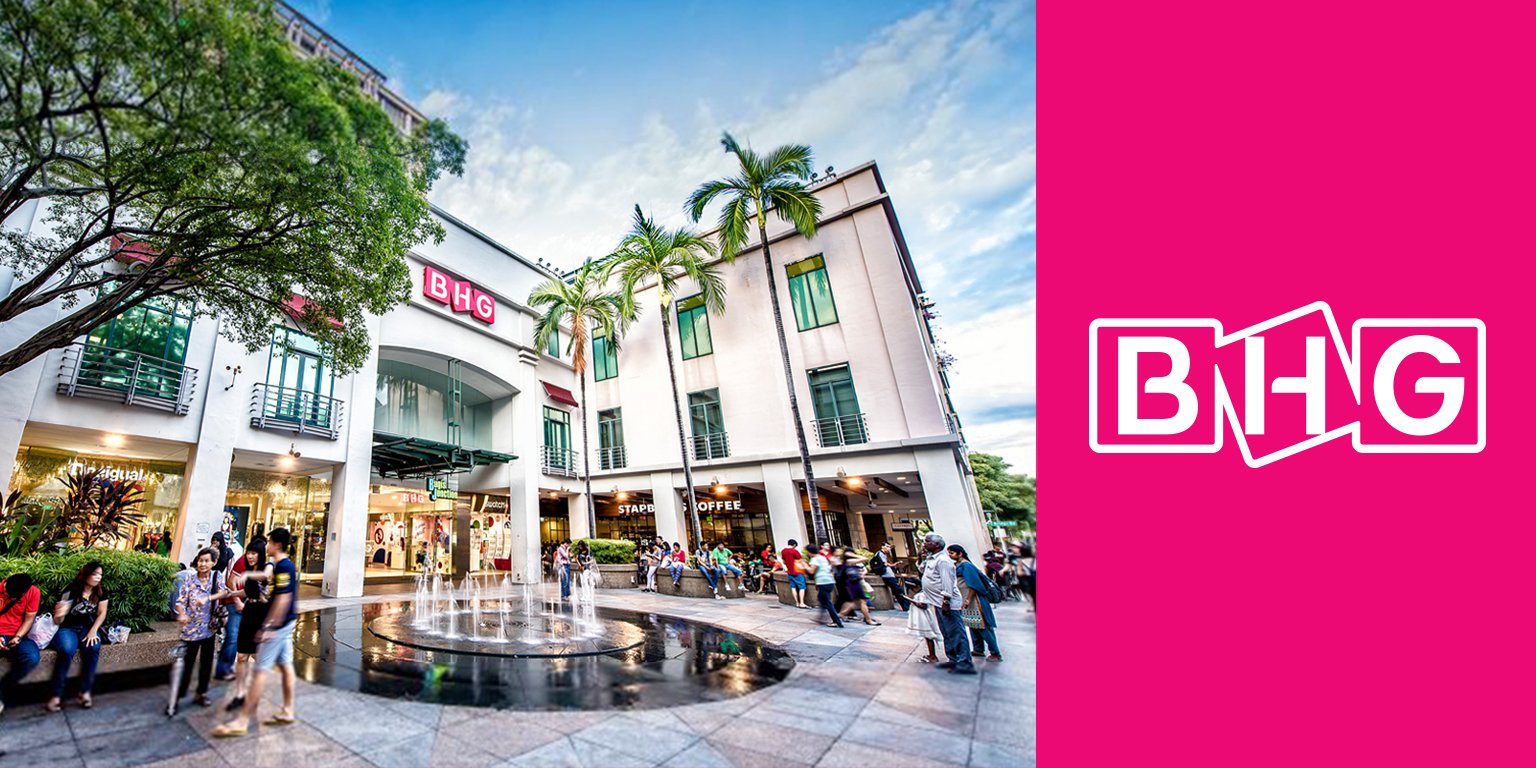
    BHG Bugis has launched a Beauty Hall, spanning more than 13,000sqft, featuring 27 beauty brands and 45 fragrance labels, 12 new beauty counters, a ‘Beauty Library’, and five spa concepts.

    According to the company, the launch is part three of BHG’s reinvention plan, following the launch of its e-commerce platform, and the introduction of in-house locally designed fashion labels.

    The concept space Beauty Library features nature-inspired beauty products, including local skincare brand Rooki and a selection of vegan makeup products from Makeup Store.

    The Beauty Hall offers several digital touchpoints, including Lift and Learn digital walls where customers can find information about products. Exclusive gamification and a social wall at HoneyWorld Counter allow customers to collect points they can exchange for HoneyWorld products.

    The precinct also houses SkinCeuticals’ largest departmental store counter, where customers are welcomed by an AI Robot Assistant.

    The Beauty Hall also features store-in-store cashiers, allowing customers to purchase within the brand area without having to go in search of a traditional cashier counter.

    BHG was originally opened as a joint venture between Japan’s Seiyu and Hong Kong’s Wing On in 1995. Seiyu took over Wing On’s share in 1998 and in 2005 the stores were bought out and renamed BHG.

  • L’Occitane sales recover fast in APAC

    L’Occitane sales recover fast in APAC

    Beauty products brand L’Occitane saw sales momentum improve significantly in the September quarter as consumers resumed shopping in the wake of Covid-19 lockdowns in much of the world.

    The year-on-year decline in sales improved from 22.2 percent in the June quarter to a more modest 4.5 percent in the subsequent three months.

    Sales for the combined first half-year reached US$726.2 million, down 13.1 percent in the same period a year earlier. Growth in South Korea was the most spectacular – up 37.4 percent year on year, with China close behind, up by 30.5 percent, and Taiwan up by 15.3 percent.

    While foot traffic into physical stores began to recover, the company’s online channels outperformed brick and mortar shops, soaring 80.8 percent to account for 40.7 percent of total sales in the September quarter.

    L’Occitane chairman Reinold Geiger said all of the company’s brands saw significant improvements in sales momentum in the second quarter, compared to the first. L’Occitane en Provence was particularly resilient — its sales decline narrowing from 25.7 percent to 4.1 percent. The travel retail business also showed some improvements, particularly in Asia.

    The group recently commenced a reorganization process aiming to be more efficient and flexible, which will likely lead to the loss of about 300 jobs, primarily in corporate roles, from its global workforce of 9000.

  • Guardian unveils revamped Singapore store

    Guardian unveils revamped Singapore store

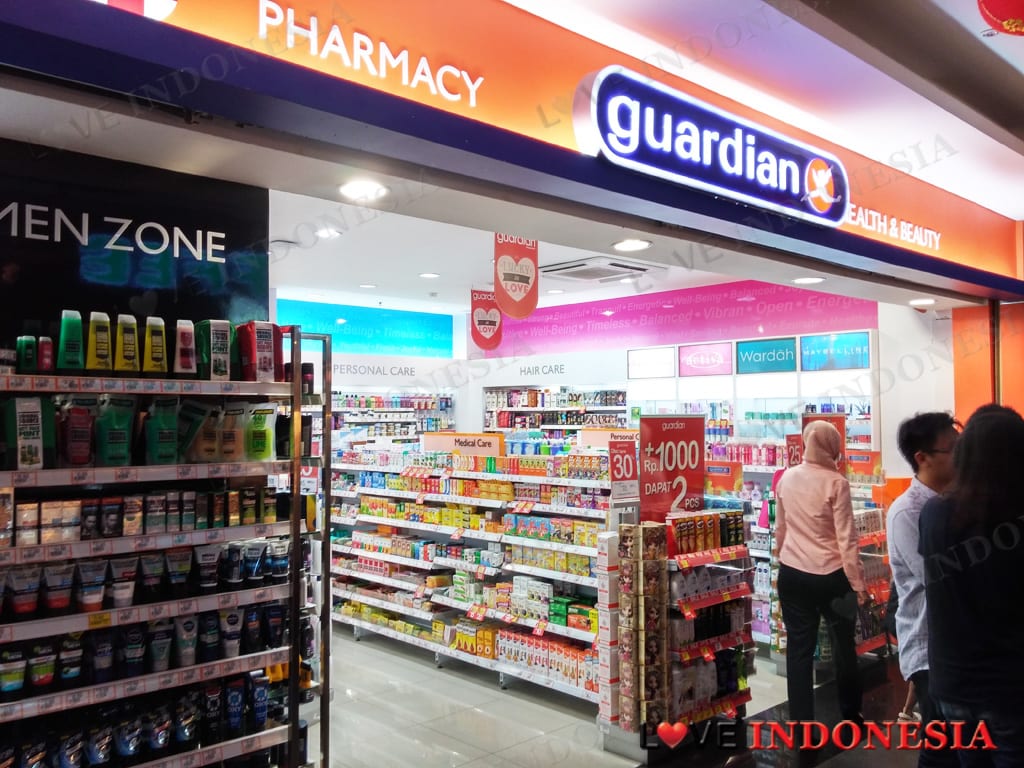
    Beauty Flash: Grooming giant Guardian’s latest and largest store, christened Guardian Plus, had officially opened at Takashimaya Shopping Centre, and boasts a number of firsts sure to make any beauty buff excited.

    For starters, the store at 6,000 square feet is an expansive wonderland of products and cool features, most notable of which is an interactive section outfitted with tablets and touchscreens. With a few swipes of their fingers, shoppers can pinpoint the location of a particular brand or product they’re looking for, as well as research on brands, compare prices and print out their own shopping lists.

    Another nifty touch is a Play, Trial & Test area. Here, you’ll get to test-drive products before you commit, get your skin analyzed by high-tech gadgets, and consult a power team of nutritionists, health, and beauty advisers.

    Choose from over 150 skincare brands and 85 haircare labels, some of which include insider favorites like No7, Mark Hill, Skincode, and Rodial. Guardian says that a mind-boggling 20,000 health and beauty products will be lining the aisles at Guardian Plus, so grab a girlfriend or two and have fun browsing over the weekend!

  • BlackPink’s Lisa becomes M.A.C’s new global brand ambassador

    BlackPink’s Lisa becomes M.A.C’s new global brand ambassador

    MAC Cosmetics just announced its newest Global Brand Ambassador as none other than Lalisa Manoban, otherwise known as Lisa. You know the Thai rapper and dancer as 1/4 of the record-breaking K-pop group BLACKPINK, and her new beauty gig is not only exciting for Blinks, but it’s also the first time a female K-pop star will front an international MAC campaign.

    If you’re new to K-pop or BLACKPINK — first, check out the group’s Netflix documentary — you should know that Lisa is more than just a musical sensation and dancing queen; she’s also a fashion trendsetter who loves to experiment with makeup.

    When it comes to her personal beauty philosophy, the performing artist says she’s always loved MAC makeup, and she aligns with the brand’s focus on self-expression. “To me, beauty is confidence,” Lisa said. “I think beauty comes from one’s confident inner self and one’s attitude — makeup and styling are the cherries on top.”

    Whether she’s performing at Coachella, dancing in a Selena Gomez music video, or sitting front row at Fashion Week, Lisa always serves up a different look. However, in her real life, she favors low-key glam. “I usually enjoy natural makeup,” she tells us, adding that she has a delicate prescription for leveling up her look. “I like to start with a simple base and finish with slightly bolder lip color to add some vibrance. Especially for lip makeup, I like to make an ombré lip that naturally gradates by tapping from the center of my lips.”

    For obvious reasons, MAC is thrilled about Lisa joining the legacy cosmetics brand as its Global Ambassador. Describing her as an “unparalleled talent” with “bold, fashion-forward style,” the company couldn’t imagine a more perfect match. “Always confident and never one to shy away from risks, she embodies our commitment to celebrating individuality and self-expression above all else,” explained Senior Vice President and Global Creative Director, Drew Elliot. “We can’t wait for her fans to see what she has in store for them through our collaboration.”

    As for what we can expect, Lisa says that the partnership will pay homage to her fellow BLACKPINK members as well as the millions of Blinks who have supported the group over the years. “My BLACKPINK members and our fans are my driving forces,” she explains of her humble motivation to keep growing as an artist, both on and offstage. “Thank you for always being there for me through all the happiest and the saddest moments. I am truly grateful.”