Retail News CRM

Tag: Beijing

  • Beijing Probes State Backers of Ant IPO

    Beijing Probes State Backers of Ant IPO

    Beijing is reportedly investigating how Chinese entrepreneur Jack Ma quickly won approvals for the later pulled listing of Ant Group, in yet another sign that scrutiny of the fintech giant and its founder remains incomplete.

    China’s central government first kicked off the investigation early this year.

    The investigation is aimed at regulators that approved the IPO, local officials that advocated it and large state firms that stood to gain from the listing.

    Jack Ma’s relationships with these state entities will also be probed, the report added.

    Ant Group’s troubles with Beijing persists despite a series of hits to the fintech giant which included its $37 billion IPO pullout, a major overhaul of its businesses and, more recently, considerations for the potential divestment of Ma’s ownership.

    Ant Group’s business prospects have been significantly moderated and its expected valuation has plummeted from the initial $320 billion to as low as $29 billion, according to a recent forecast by Bloomberg.

  • Beijing Auto Show Delayed Due To Coronavirus

    Beijing Auto Show Delayed Due To Coronavirus

    Organizers of Beijing auto show, which is scheduled to be held in late-April, said on Monday the event will be delayed event due to the coronavirus outbreak.

    Across mainland China, officials said the total number of coronavirus cases rose by 2,048 to 70,548, with 1,770 deaths.

  • Kjus opens Beijing flagship store

    Kjus opens Beijing flagship store

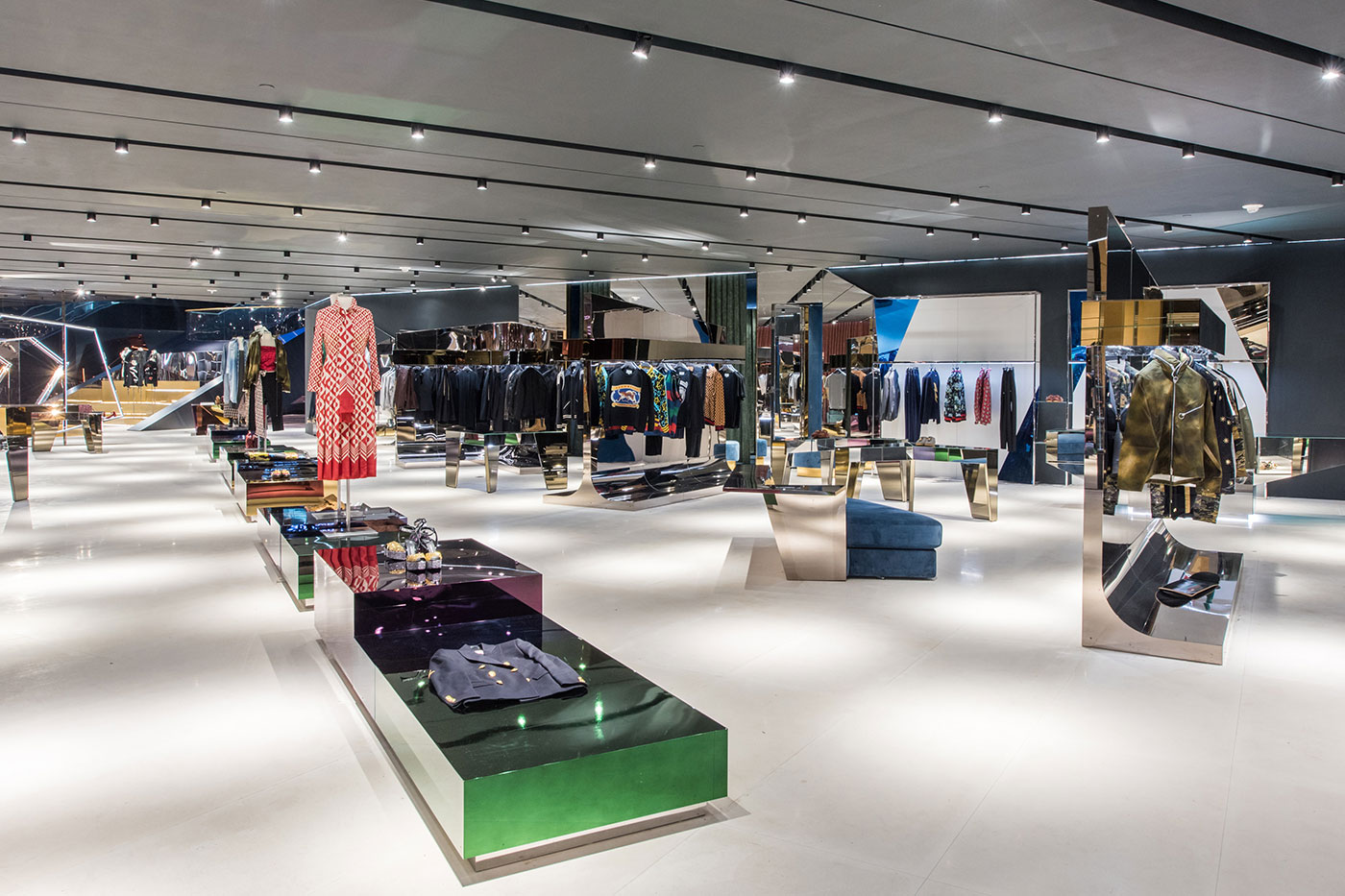
    Luxury sportswear brand Kjus China has opened a flagship store in Beijing, incorporating a VIP lounge with a cafe and highlighting the luxury image of the brand.

    Designed by 5 Star Plus Retail Design, the store features a futuristic, high-tech and luxurious ambiance using cool high-end materials in metal and stone.

    “We used cool, modern, and high-end materials such as metal and stone,” a 5 Star Plus spokesperson explained about the design of the store.

    “Using stone elements in retail fixtures and stone-look flooring helped to create a more luxurious feeling to the store.

    While Kjus stores elsewhere in the world typically use wood, the 5 Star team thought wood would not achieve a futuristic feeling in this location as it is considered something of classic material.

    “However, using wood on a smaller-scale helps to draw a connection to the Switzerland-born brand. We used a wooden background for some of the high-rack equipment, as well as wooden tables, which help to create some warmth in an otherwise cool space.”

    Another important element of the Kjus China store which communicates luxury is to ensure there is enough empty space in the store, without displaying too many SKUs.”

    Special lighting effects and technological advancements are used to explain product features, key products and collections.

  • JD’s 7Fresh launches two new concepts in Beijing

    JD’s 7Fresh launches two new concepts in Beijing

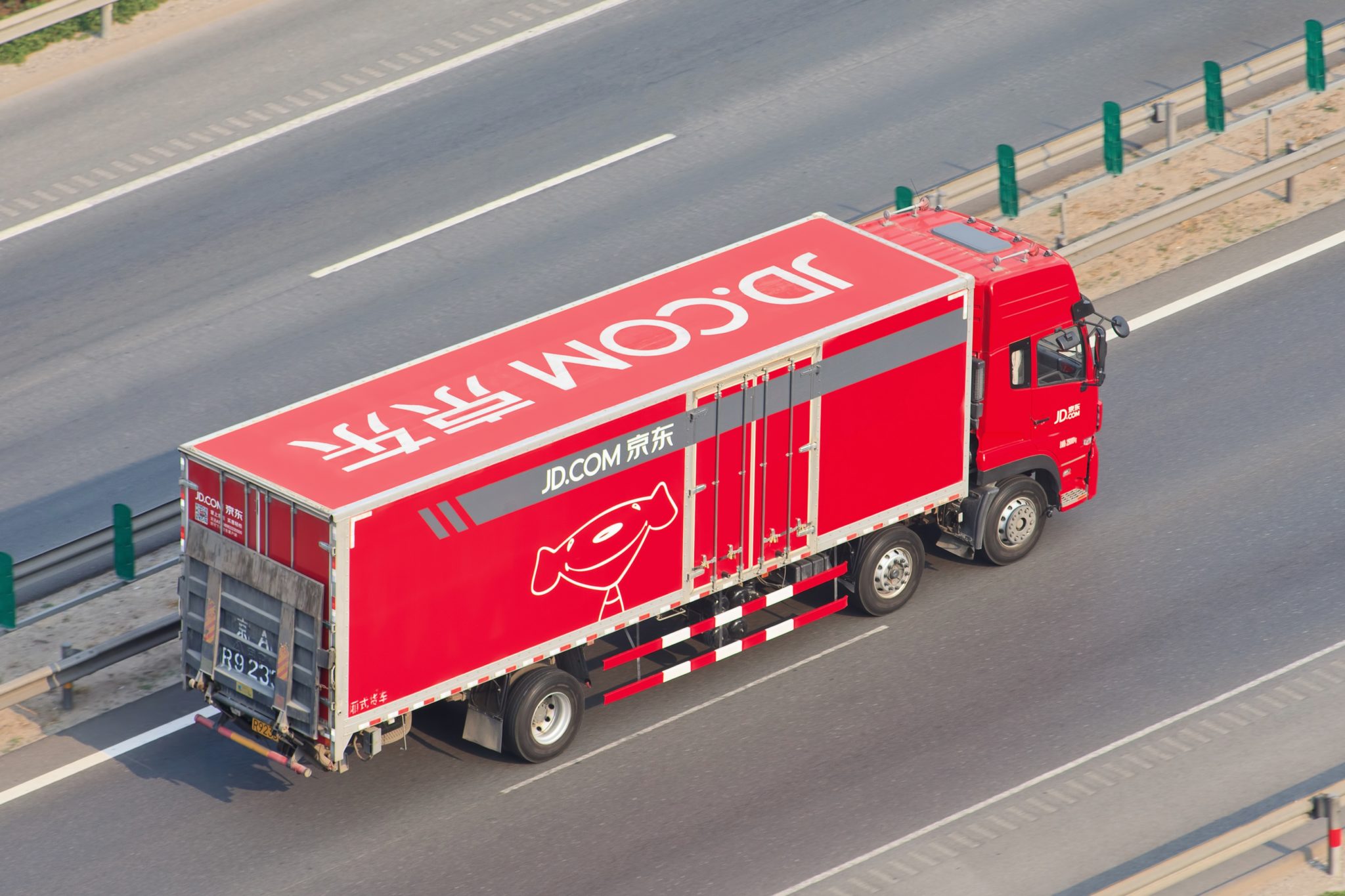
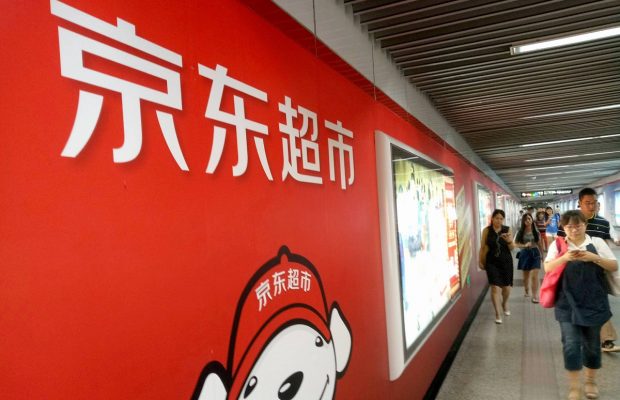
    E-commerce giant JD.com has opened a 24/7 store chain, 7Fresh Life, in Beijing.

    At the same time, the firm has launched its first Seven Fun lifestyle space in Beijing, intended to serve as a “third place” for working professionals.

    The 7Fresh Life food chain supermarket, which launched last month, offers mealtime solutions within a 300–400sqm area. The venue is located in the Huilongguan residential area in northern Beijing, one of the largest residential neighbourhoods in Asia.

    Targeting especially young mothers and kitchen owners, the chain is conceived of as a restaurant, fresh food store and convenience store combination, providing more than 3000 selected fresh items of produce, daily groceries and also ready-to-cook and ready-to-eat food, equipped with an in-store dining area.

    It also provides a location-based online channel through its app for consumers to buy from the community shop anytime and have items delivered to their doorstep within as fast as 30 minutes from the time of order. The home-delivery service covers a 1.5km radius, including 38 surrounding communities and three office areas, reaching 50,000 families and 1000 office professionals.

    As a brand under 7Fresh, Seven Fun consumers can order anything in the store from the same 7Fresh app to be delivered to their doorstep.

    In addition to the items offered in-store, a large number of products from JD’s e-commerce platform can be ordered through the chain’s online channel, such as seasonal, large-size, beauty and baby and maternal products. It also provides services such as power bank rental, 24-hour parcel pick-up lockers, bill payment, top up, courier and a dry cleaning service, among others.

    “With JD’s deep understanding of consumers and our strong supply chain providing global and local fresh produce and mealtime solutions, 7Fresh has become a trusted source for consumers buying fresh food offline,” said JD’s head of 7Fresh Jonathan Wang. “7Fresh Life will better serve the diverse and unique needs of Chinese families, providing for each person at any time for any need, online or offline.”

    Dine, drink and socialise

    The firm’s Seven Fun concept is a dining, drinking and social venue offering breakfast from sunrise and late night drinks as well as lunch, afternoon tea, snacks and daily groceries.

    Located in Galaxy Soho on the second ring road of Beijing, the roughly 1000sqm store is designed specifically to cater to working professionals aged between 26 and 45 in first-tier cities. It was designed to meet the trend of global consumers shifting from going to the store to buy products to going to the store to experience products and buy services.

    The inaugural Seven Fun outlet offers more than 3500 products such as fresh food, baked goods, fresh flowers, and groceries. It features 12 selected eateries targeting the 200,000 working professionals within a 1km radius of the store.

    “As a lifestyle retailer, Seven Fun is innovating the retail landscape in China,” said Wang. “Through this concept, JD provides an unprecedented “Solomome” (social, local, mobile and personalised) offline experience that serves as a pioneering model for future brick-and-mortar stores.”

    Future expansion of Seven Fun is expected to focus on tier-one cities, targeting working professionals with an annual income of more than RMB100,000 (US$14,360).


  • JD takes stake in Beijing Digital Telecom

    JD takes stake in Beijing Digital Telecom

    Chinese online retail platform JD is acquiring 9 percent of Beijing Digital Telecom.

    The consumer electronics retailer, which operates from around 3000 physical stores throughout China selling predominantly phones and computers, will expand JD’s offline presence within the market, including lower-tier cities.

    The transaction value has not been disclosed, as it falls below the amount that requires public notification under US Securities and Exchanges Commission regulations.

    At the same time, Beijing Digital Telecom is entering a joint venture with a network-technologies developer and provider Suqian Jiashi, which is wholly owned by JD. The firm is investing RMB191 million (US$28.5 million) for a 49 percent stake, while Suqian Jiashi is putting in RMB 204 million ($29.6 million).

  • Selected unveils Future You store concept

    Selected unveils Future You store concept

    Retail design agency Dalziel & Pow has created an elevated retail experience for Bestseller Fashion Group China’s “Selected” brand.

    The new premium Future You store concept is to be launched initially in a series of stores in Beijing, delivering a space “ready to connect, change, and dress the future consumer”. The design is an attempt to raise Selected’s profile as the destination for on-trend, quality workwear, as well as building an aspirational lifestyle model around the brand.

    Integrating a dynamic, hyper-connected experience to impress China’s digital natives, the store includes projections, kinetic signage and a live social media feed behind the cash desk to evoke a sense of change and “newness”. A “magic mirror” within the fitting rooms area allows customers to swipe through products to find their perfect outfit, which once chosen can then be shared via WeChat.

    Integrated throughout the store on the perimeter rails are pocket-sized screens, called “Debriefs” which showcase bite-sized snippets of product information, education on materials and fashion inspiration.

    The design language for the store was developed to create a feeling of “one space”, a concept designed for people and not for genders; a fluid space creating flow between categories and reflecting the fact that Chinese couples often shop together. A single product rail flows through the whole store, symbolically unifying the space.

    Selected’s fitting rooms form a key architectural feature as well as a social space, as is the cash desk. There are also separate shop-in-shop areas for Chinos and Denim, enhanced by miniature screens detailing fit and fabric qualities.

  • The Palace Museum in Beijing promotes beauty products

    The Palace Museum in Beijing promotes beauty products

    For 500 years the Forbidden City in central Beijing was the seat of power in imperial China. Today it is home to the Palace Museum, a tourist magnet that houses some of the country’s most treasured cultural relics from the Ming and Qing dynasties. But this shrine to the past is rapidly becoming a very modern fashion phenomenon thanks to a new range of beauty products that have proved a massive hit with young Chinese women.

    Online buyers snapped up more than 100,000 lipsticks developed by the Palace Museum within four days of their launch earlier this month, helping to turn the historic landmark into a trendy consumer brand.

    What captured their hearts was the lipstick’s elegant packaging inspired by the national treasures on display in the museum – the lipstick tube bears patterns such as royal embroideries, antique furniture and fairy cranes – heavenly birds symbolising longevity.

    Lizzy Wong, a 24-year-old from the southern metropolis of Guangzhou, is one of millions of loyal new fans of the Palace Museum.

    “I bought them mainly for the beautiful cases. Their functionality doesn’t really matter to me,” Wong said. “We girls just can’t resist the charm of pretty designs.”

    For several years, the former imperial palace has attracted something of a cult following by developing and selling its own original products, from Chinese-style paper tapes to modern essentials like phone cases, with designs or branding inspired by the past.

    Before cosmetics, the Palace Museum found success with products which usually added a humorous twist to the serious traditional culture.

    Veronica Wang, associate partner at OC&C Strategy Consultants, which specialises in consumer goods, said the Palace Museum has turned itself into something more than a brand.

    “Young consumers are seeking things that are different and new. The Forbidden City captured this need,” Wang said.

    The success of the make-up range hasn’t been without challenges. The museum has two online outlets, the Palace Museum Cultural and Creative Store – which is accessed via WeChat and the Palace Museum’s Taobao store, and this has caused some confusion.

    The Palace Museum’s brand management was chaotic and would benefit from marketing and brand professionals, said Shaun Rein, the managing director of China Market Research Group.

    “When you think of The Metropolitan Museum of Art (in New York), you know that the quality will be pretty good and authentic. But when it comes to the Forbidden City, we really don’t know what the position is,” he added.

    Analysts also worry about whether the Palace Museum can replicate its past successes in the future.

    “The sustainability of this success will depend on their products and capability to continually innovate,” said Wang.

  • BreadTalk, Song Fa JV launch first Beijing restaurant

    BreadTalk, Song Fa JV launch first Beijing restaurant

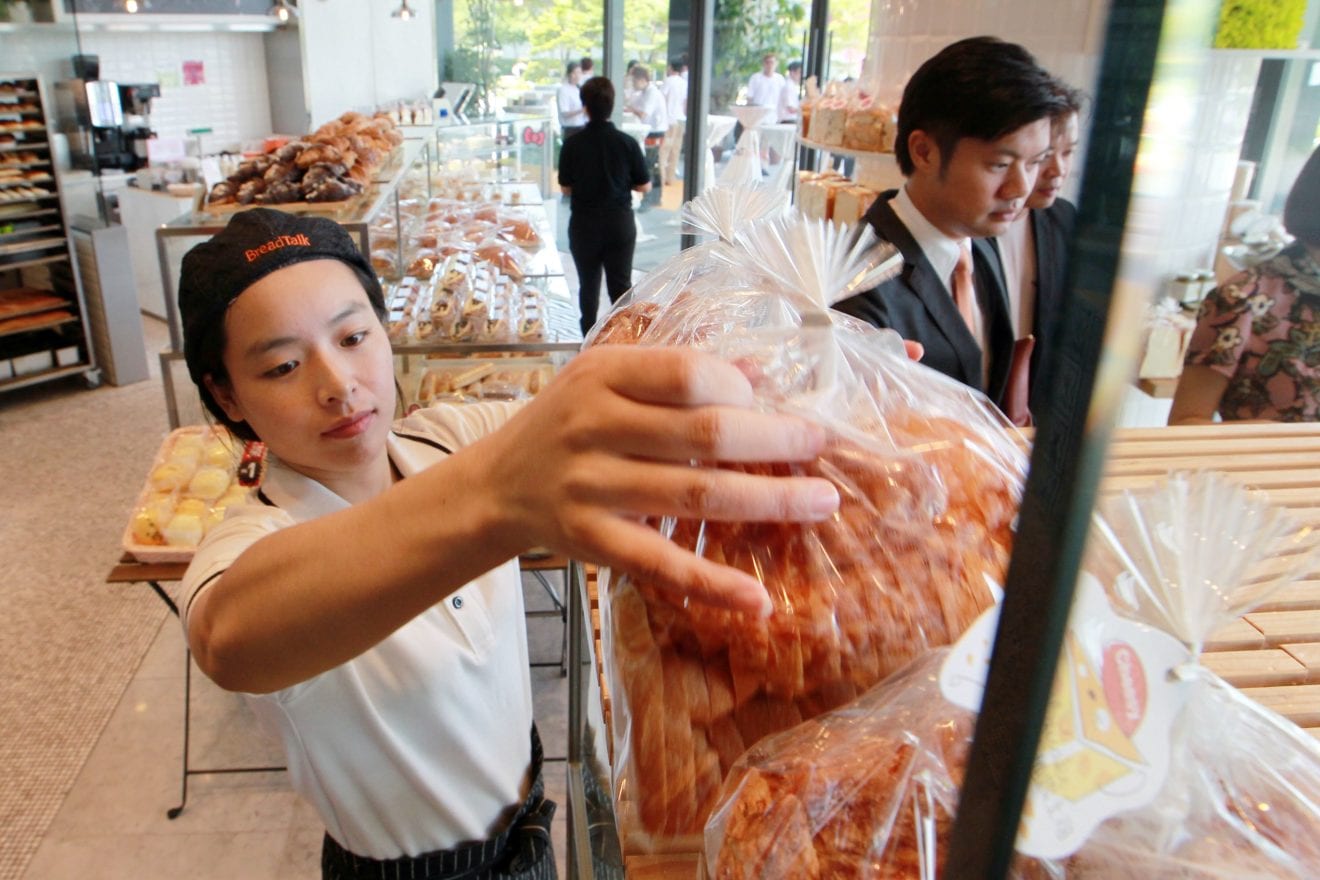
    BreadTalk and Song Fa have launched their first restaurant in northern China at Beijing’s APM Mall. Saturday’s opening follows the successful launch of the first Song Fa restaurant in Shanghai Jing An Kerry Center in January last year, where it averaged RMB1 million (US$145,570) in monthly sales. It is the fourth restaurant opened following the signing of the joint-venture agreement between BreadTalk and Song Fa Holdings in July 2017.

    The restaurant is located on level 5 of the mall, featuring a spacious interior accommodating close to 100 diners with Nanyang nostalgia decor and contemporary seating.

    “Since the opening of our first Song Fa outlet in Shanghai last year, we were encouraged and overwhelmed by the positive response from consumers in China,” said BreadTalk Group CEO Henry Chu. “This vote of confidence enabled us to open another three restaurants successfully in Shanghai last year.

    With the opening of our first restaurant in Beijing, we will continue to harness and leverage BreadTalk Group’s brand operations and management experience to bring the Song Fa brand to northern China and provide local consumers with high quality Teochew Bak Kut Teh cuisine.”

    “The Bak Kut Teh culture is one of the most iconic food cultures of Singapore,” added Song Fa’s second-generation helmsman and MD Yeo Hart Pong. “It is Song Fa’s mission to spread this culture and continue to serve generations of Bak Kut Teh fans. Besides our Singapore homeground and Indonesia, China is our most-valued market outside Southeast Asia. We feel very honoured to be able to collaborate with BreadTalk Group and introduce the Teochew Bak Kut Teh culture to epicures in China.”

  • Canada Goose opens store in Beijing

    Canada Goose opens store in Beijing

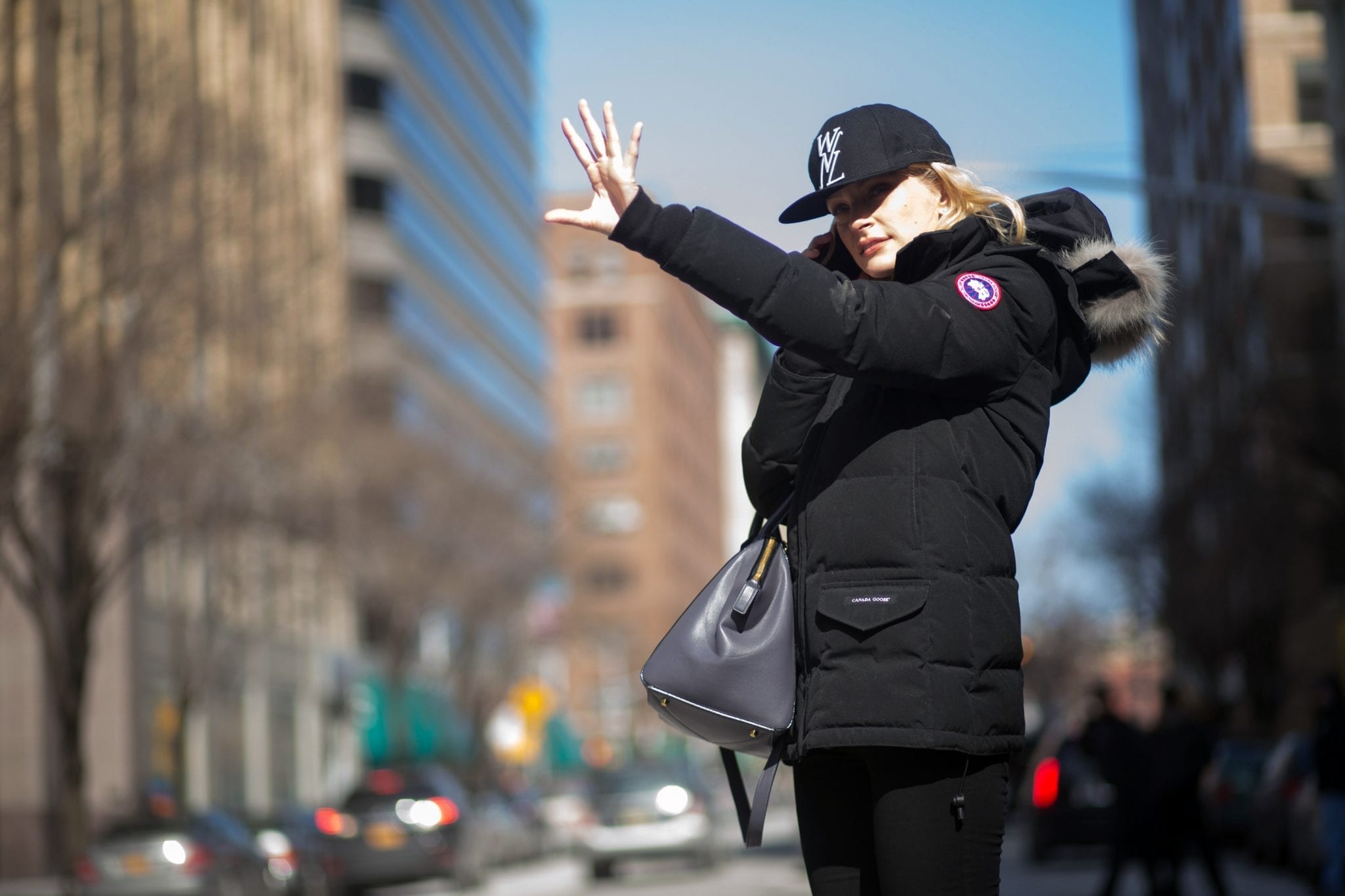
    Winter clothing firm Canada Goose has finally opened its first Mainland Chinese store in Beijing. In a launch rumoured to be delayed due to political tensions between China and Canada – and dismissed by the firm as the result of construction delays – extensive queues saw shoppers waiting for over an hour for the opportunity to purchase the CNY9000 (US$1300) parka jackets.

    The brand has previously enjoyed significant popularity in Hong Kong.

    An email from the firm to news agency Reuters read “We are proud of our newest store in China and look forward to welcoming our fans”.

    Calls to boycott the brand were made on social media following Canada’s arrest of Huawei Technologies’ CFO Meng Wanzhou, a situation that has sparked a 37 per cent drop in the value of Canada Goose shares in Toronto.

  • JD stores open in Beijing and Mongolia

    JD stores open in Beijing and Mongolia

    Chinese online retail giant JD has opened two new innovative stores at Beijing Capital International Airport (BCIA) and Hohhot East Railway Station in Inner Mongolia. In a move to further expand the firm’s “boundaryless retail” strategy, the JD travel retail stores use the e-commerce company’s latest retail technology in order to make it easier and more enjoyable for travellers to purchase on the go. The openings add airports and railway stations to JD’s offline retail offerings, which already include convenience stores, supermarkets, and partnerships with hotels.

    Located in the departure lounge of Terminal 3 at BCIA for the next three months, JD’s pop-up store will offer popular travel items such as daily necessities, clothing, mobile accessories, beauty products, and bags and suitcases. The store uses JD’s smart store technology to understand how customers interact with products as well as which products to offer them. The integrated JD Zu Chongzhi platform can analyse customer behaviour and traffic flow, such as generating heat maps, in order to assist with product selection and inventory management, ensuring smooth store operations.

    “[Stocked] with items popular among travellers, the new shop will not only offer the products they want to buy most on their journeys – it will also allow them to personally experience what shopping of the future will be like, brought to them by China’s largest and most innovative retailer,” a spokesperson for BCIA said.

    The 100sqm unmanned Hohhot East Railway Station JD travel retail store opened in partnership with China Railway Express. It also makes the most of JD’s technological capabilities, with features such as facial-recognition payment and smart vending machines. Later, the store will make use of a Mini Program in WeChat so that customers can choose to buy on the spot and take their purchases with them, or shop online and have them delivered to a convenient location.

    JD Logistics and China Railway Express have been cooperating in logistics transportation since 2014, and have worked together to help facilitate the JD Luxury Express “white glove” delivery service as well as fresh food delivery via high-speed rail.

    “Many of our customers enjoy shopping while traveling and we’re determined to make sure they benefit from the convenience of JD wherever they are,” JD’s GM of social e-commerce and retail innovation, Bing Zhang, said.

    The new JD travel retail stores in Beijing and Inner Mongolia will provide them with a truly seamless experience that is unrivalled anywhere”.

  • Louis Vuitton personalisation service launches in Asia

    Louis Vuitton personalisation service launches in Asia

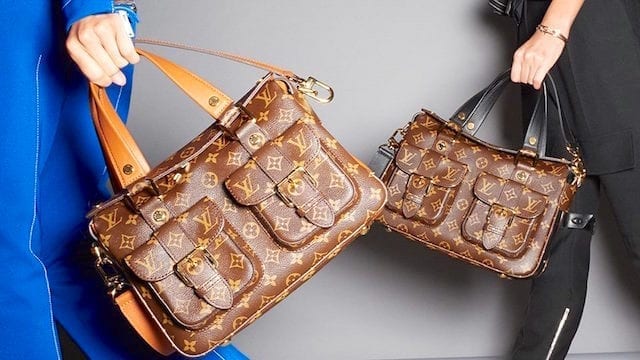
    Luxury retailer Louis Vuitton is offering a personalisation service for a selection of men’s ready-to-wear items in a limited number of global stores. The My LV World Tour Louis Vuitton personalisation service offers clients the opportunity to customise their purchases with a variety of patches and embroideries inspired by vintage travel labels and varsity lettering of the kind Gaston-Louis Vuitton used to adorn his own luggage. The service was previously limited to leather goods.

    The patch themes include world-famous cities and heritage LV graphics, some of which will be available seasonally as limited-edition items.

    The Louis Vuitton personalisation service is available in only eight Asian stores: Hong Kong’s Canton Road and Pacific Place; Shanghai’s Plaza 66; Beijing’s Shin Kong; Japan’s Omotesando and Shinsaibashi; Singapore’s Marina Bay Sands and Seoul’s Shinsegae Main.

  • Acne Studios Opens First Store in Beijing

    Acne Studios Opens First Store in Beijing

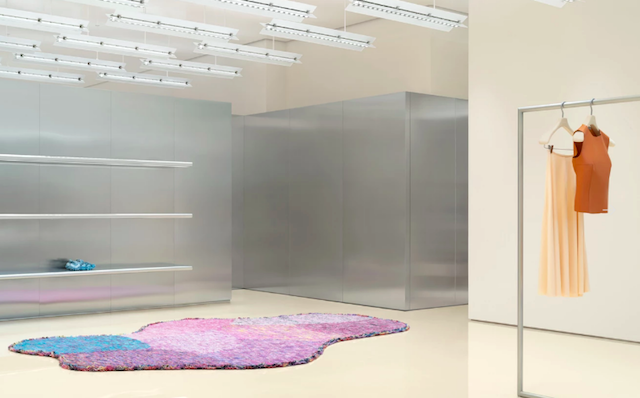
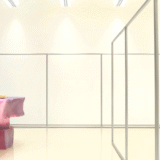
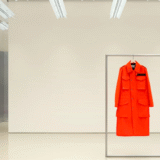
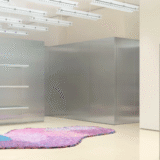
    Acne Studios China has opened its third store, in Beijing. The Swedish luxury fashion brand launched in China two years ago, offering its eclectic mix of minimalist ready-to-wear fashion and denim. The new store’s interior features straight lines with glass, high-gloss white walls and contrasting stainless steel railing and shelves. A large display created by British designer Max Lamb stands in the centre of the store, painted in the label’s trademark shade of pink. It’s matched with purple rugs created by Lamb which contrast with the stark white interior.

    Acne Studios creative director Jonny Johansson said it had been a long-held dream to open a store in Beijing. “It is also my hope that this store will bring us the opportunity to create many special projects in the future.” Lines exclusive to Acne Studio China will be sold at the new boutique to mark its opening.

    The store is located in Taikoo Li North Village on Sanlitun Road.

  • Olympic Committee Launches the First Olympic Store for Chinese Fans with Alibaba

    Olympic Committee Launches the First Olympic Store for Chinese Fans with Alibaba

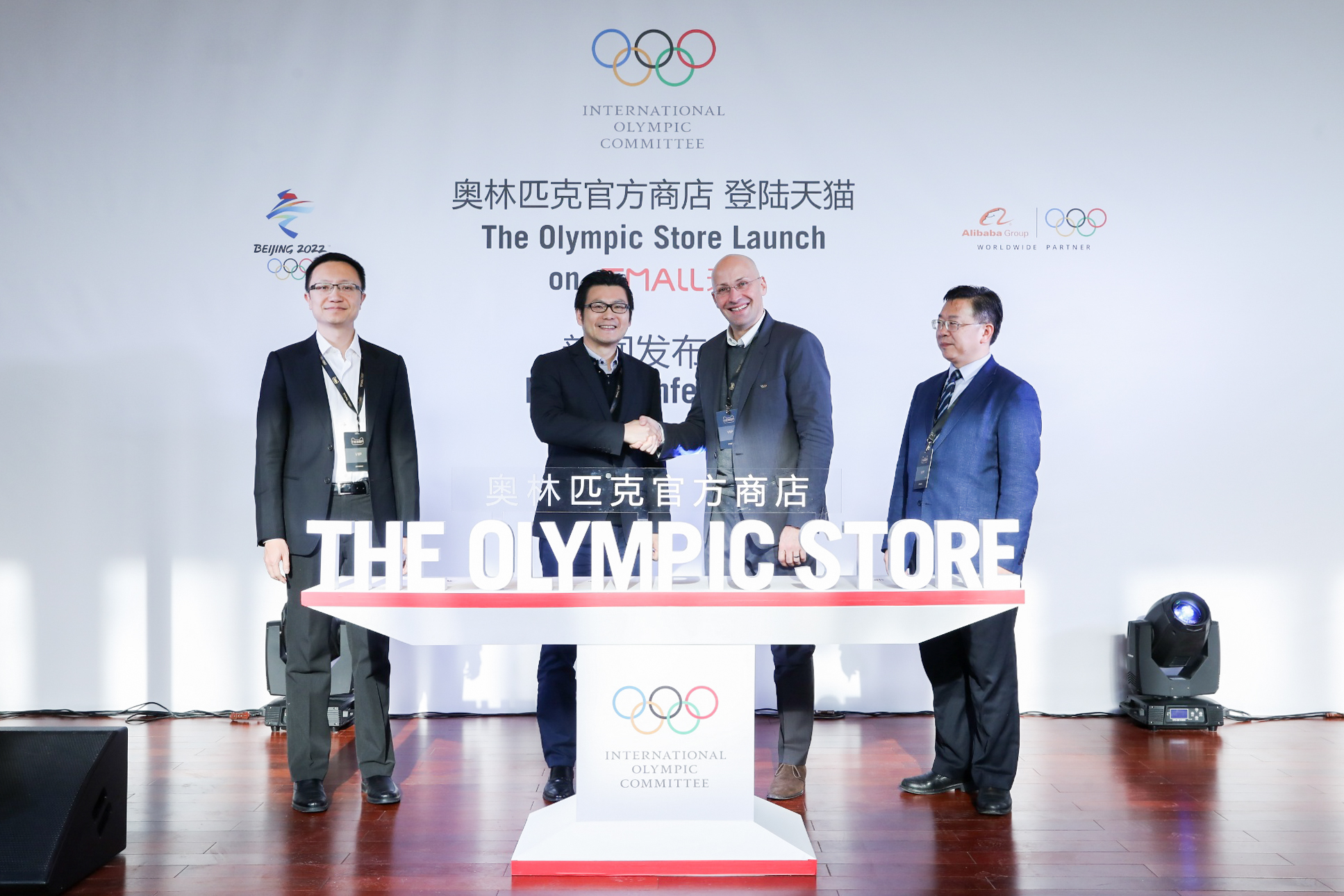
    The International Olympic Committee and Worldwide TOP Partner Alibaba Group (NYSE: BABA) announced the launch of the firstever Olympic store on Tmall, China’s largest B2C marketplace for brands and retailers, during the weekend. The new Olympic store will be initially available to Chinese fans on Alibaba’s Tmall, with additional plans in development to create a global ecommerce platform for fans around the world.

    The Olympic store on Tmall has been launched as part of the new IOC Global Licensing Strategy, which aims to engage and connect with fans seeking official Olympic branded merchandise, in line with Olympic Agenda 2020. The launch was announced at the second annual Tmall Winter Festival in Zhangjiakou, a three-day online and offline retail event to generate excitement for winter sports among Chinese consumers. The Olympic store on Tmall will offer official products developed as part of three Olympic core licensing collections, aimed at engaging Chinese fans all year round.

    The Olympic Games Collection celebrates the upcoming Olympic Games and includes branded products from the Beijing 2022 and Tokyo 2020 Games, such as pins, apparel and other memorabilia. The Olympic Heritage Collection will feature products that include art and design elements from previous Games editions, such as postcards of historical Olympic posters, connecting fans and connoisseurs with the rich heritage of the Olympic Games. Finally, the Olympic Collection will target a young and active audience through unique branded products, mainly sports equipment and toys.

    Timo Lumme, IOC TMS Managing Director, said: “We are delighted to launch our first Olympic store on Alibaba’s Tmall in China, one of the world’s largest ecommerce marketplaces. The launch was made possible thanks to the support of our Worldwide Olympic Partner Alibaba’s technology and expertise, as well as our partnership with the Beijing Organising Committee for the Olympic and Paralympic Winter Games 2022. The Olympic Winter Games Beijing 2022 will be a landmark moment for China and the Olympic Movement, and from today we look forward to offering the latest exciting Olympic products to Chinese Olympic fans through our new Olympic store on Alibaba’s platform.”

    Chris Tung, Alibaba Group Chief Marketing Officer, commented: “The launch of the first Olympic store on Alibaba’s Tmall is an important milestone in our long-term partnership with the IOC. We are proud to leverage Alibaba’s technology and ecosystem to provide more opportunities for Chinese fans to celebrate the heritage of the Games and join in the excitement for Tokyo 2020 and Beijing 2022. We look forward to our continued collaboration with the IOC to connect more fans in China and from around the world to the Olympic Movement in the digital era.” Piao Xuedong, Director of the Beijing 2022 Marketing Department, said: “We are proud to work with both the IOC and Alibaba to present the Olympic store on Tmall to Chinese Olympic fans today. It is the first time in the history of the Olympic Movement that Olympic fans can use an online store to look for licensed products both from the historical Olympic Games and the upcoming Olympic Games. Beijing 2022 is getting full value by innovating the licensing programme today. Our licensing team will keep supporting the Olympic store on Tmall by providing more wonderful products in the future.”

    In December 2017, Alibaba Group, in partnership with the Beijing 2022 Organising Committee, introduced the official online shop for Beijing 2022 on Tmall to help promote the Games among fans in China. Alibaba Group and the IOC entered a historic, long-term strategic partnership in January 2017 to help transform the Olympic Games for the digital era. Alibaba Group serves as the official “Cloud Services” and “E-Commerce Platform Services” Partner of the IOC, and is a Founding Partner of the Olympic Channel through to the 2028 Games.

  • Iconic Toy Store FAO Schwarz to Open in Beijing

    Iconic Toy Store FAO Schwarz to Open in Beijing

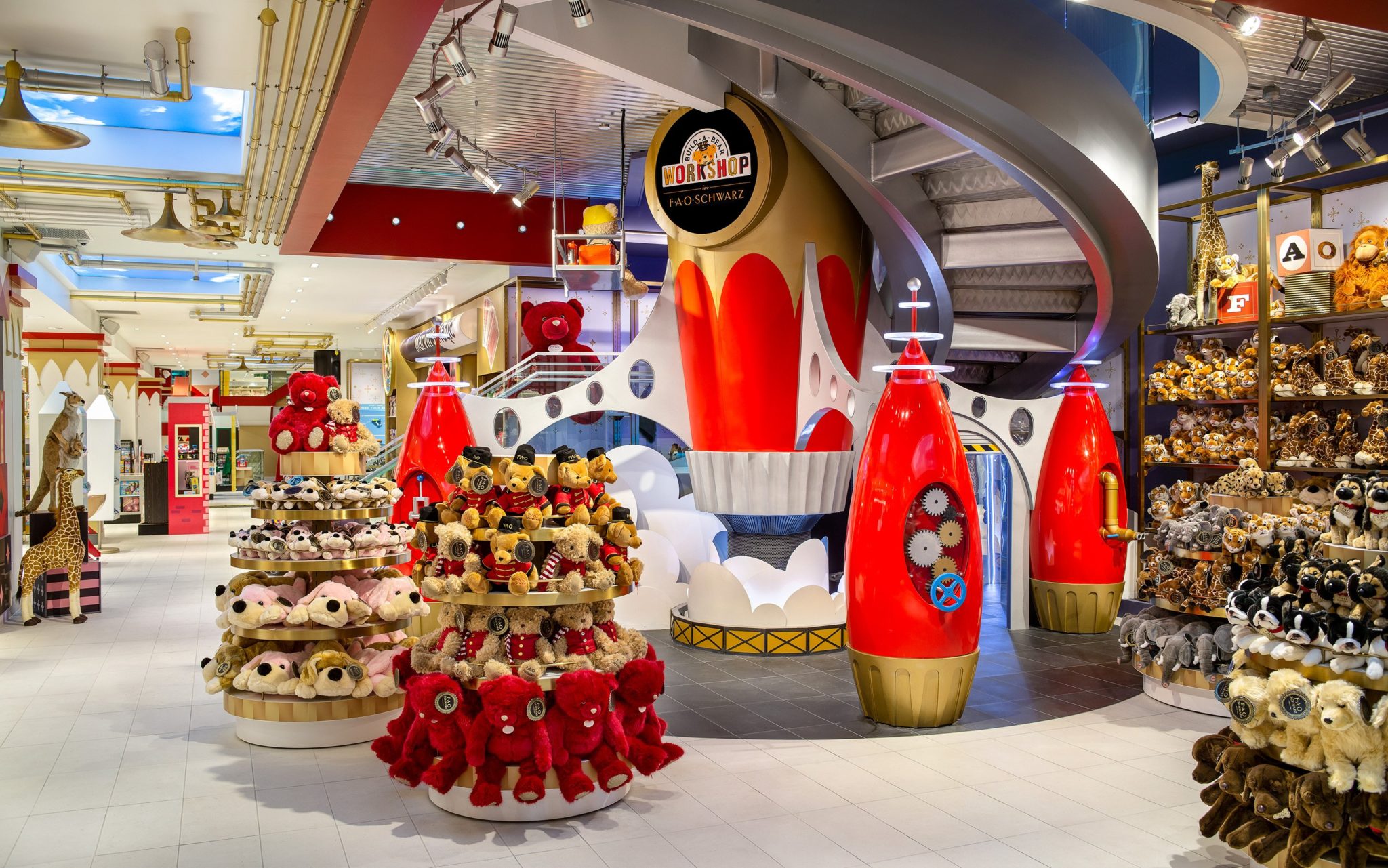
    Heritage toy store brand FAO Schwarz is headed for Beijing after relaunching in New York City. The original store, which featured in Hollywood movies such as Tom Hanks hit “Big”, closed its flagship near Central Park, unable to meet rising rental costs. Its current smaller location under new owners ThreeSixty stands to benefit from significant nostalgia for the old store amongst New Yorkers.

    Beyond plans for China, ThreeSixty intends to open pop-ups in department stores both in the US and abroad.

    It faces the same competition from e-commerce and discount chains like Walmart and Target that toppled toy empire Toys R Us earlier this year.

    Chief merchandising officer David Niggli said the key to the new stores is experience.

    Attractions include magic tricks, certificates to “adopt” a doll and a Build-a-Bear Workshop.

  • Link REIT Buys Beijing Mall for RMB 2.56B

    Link REIT Buys Beijing Mall for RMB 2.56B

    Link REIT has reached a conditional agreement to acquire a RMB2.560 billion (US$368.8 million) shopping centre in Beijing. The property, Beijing Jingtong Roosevelt Plaza, is a seven-storey mall housing 268 retail tenants, with 576 car parks on two additional underground levels. Link said in a stock exchange filing that the property is located in Tongzhou, the eastern gateway to China’s capital, a rapidly developing district about 20km from central Beijing. It is in an established residential area with 30 per cent of the district’s population living within a 3km radius.

    The property has good connectivity, located on Beiyuan South Road, the district’s main artery, is a high-quality community mall with an occupancy rate of 96.2 per cent and a dynamic mix of retailers including food and beverage, fashion/accessories, kids/education and lifestyle, health and beauty, along with a cinema.

    Leases for about 20 per cent of the four year old centre’s tenancies (by space) expire in 2020, providing Link with an opportunity to enhance rental reversion and performance of the property by upgrading the trade mix.

    Link expects the net property income of the mall will increase, in turn bosting the capital value of the property, benefiting unitholders.