Retail News CRM

Tag: Beijing

  • Casa Perú Opens Its Doors In Beijing Mall

    Casa Perú Opens Its Doors In Beijing Mall

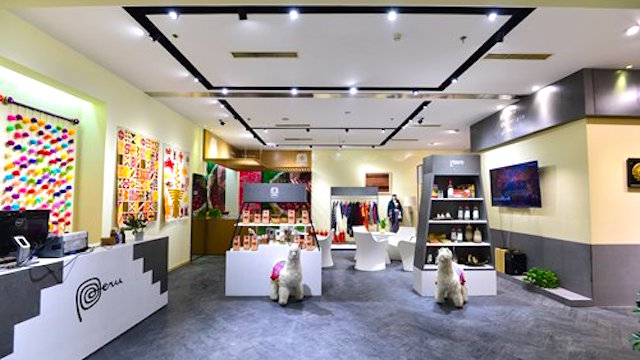
    The Peruvian Ministry of Foreign Commerce venture House of Peru has opened a store in Beijing. The outlet, which opened in Shimao Gongsan Plaza, Sanlitun, serves as a promotional platform for products from the South American nation as well as to popularise tourism in the region among consumers in China.

    Local store representative Huang Zhaohui commented that Peru is well-known for its alpaca wool clothing. The warm, light material has been promoted globally by Peru since establishing the Alpaca label in 2014.

    At the opening ceremony, Huang Zhaohui was awarded the title of “Peru-china Friendship Envoy” by the foreign trade and tourism minister of Peru to honour her contribution to the trade and exchanges between both countries.

    The store also retails food, coffee and Pisco wine.

  • Bob’s Select Space combines bar and retail store together

    Bob’s Select Space combines bar and retail store together

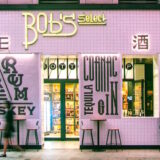
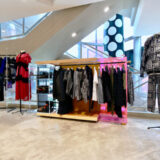
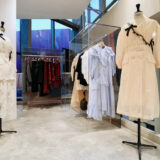
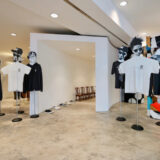
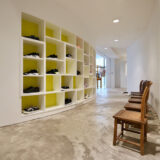
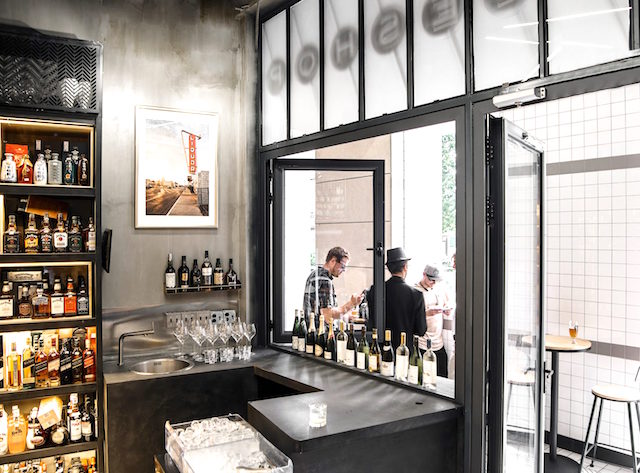
    Architectural studio Designreserve has created a new store in Beijing’s Sanlitun integrating a bar into the retail experience, according to a report. Bob’s Select Space is the flagship store for liquor retailer Bob’s Wine, aimed at creating a community space in a busy shopping area. The design explores the traditions of communication in liquor culture and merchandise.

    Designreserve co-founder Feng Yue said: “We wanted to create a strong visual identity. So we invited a graphic artist to design special fonts for each major alcohol type displayed on the facade. For us it is a kind of public art

    “Previous shops of Bob’s Wine are popular for their wide range of bottle selection as well as for their relaxing atmospheres, but the spaces were geared towards retail rather than bar.”

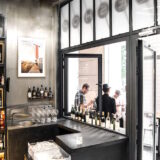
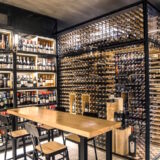
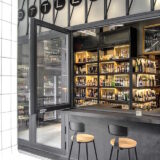
    The 60sqm space is divided into three rooms that transition visitors from the public domain to a more intimate “hideout”.

    “Experience is the key determining factor for the success of retail spaces,” said Yue. “Therefore, our job as designers is to create spaces where people feel inspired and hopeful that city life can still be fun.”

    View the gallery below (4 images) :

  • Solid six months for Link Reit

    Solid six months for Link Reit

    Link Reit has improved like-for-like revenue by 7 per cent in the first half year, with car park revenues up 10 per cent and retail up 6.6 per cent. The valuation of Link’s investment properties portfolio reached HK$209.8 billion, an increase of 3.3 per cent compared to March 31.

    In a results announcement, the company said its portfolio “continued to demonstrate its resilience and provide a productive platform for our tenants to thrive” during a time of geopolitical and economic uncertainty.

    “Our efforts invested in asset management have yielded positive results for our retail portfolio,” the company said. “As at September 30, occupancy rate for the portfolio remained stable at 95.5 per cent and the overall portfolio reversion rate stood at 22.5 per cent. Average monthly unit rent improved to $65.7 per square foot (psf) as at September 30, up from $62.4 psf as at March 31.

    Four asset enhancement projects were completed during the six-month period: Fu Shin Shopping Centre, Homantin Plaza, Sam Shing Commercial Centre and Wan Tsui Commercial Complex. Link’s asset enhancement pipeline is filled with projects in various stages, including 10 projects currently underway, five preparing to commence and 19 projects undergoing review.

    On the mainland, Link’s three properties – EC Mall in Beijing, Metropolitan Plaza in Guangzhou, and Link Square 1 & 2 in Shanghai – performed “satisfactorily”, contributing a combined revenue of $490 million and net property income of $390 million. Increases of 22.8 per cent and 25.8 per cent, respectively. The retail portfolio occupancy rate was 98.8 per cent.

    “The latest addition to the portfolio, Metropolitan Plaza, continues to be a growth engine with vast potential to be unlocked. EC Mall’s reversion rate stayed at a satisfactory level and the new tenants have been warmly welcomed by the local community. Reversion rate of retail portfolio stood high at 43.2 per cent. We will continue to tailor asset management strategies to enhance our asset qualities and offerings to the neighbourhoods,” the company said.

    CEO George Hongchoy said Link is “well-placed to sustain its long-term growth trajectory while keeping foundation of business fundamentally sound and resilient”.

    The company is considering acquisitions and/or divestments that can drive sustainable return long term.

  • Lenovo opened an unmanned store in Beijing

    Lenovo opened an unmanned store in Beijing

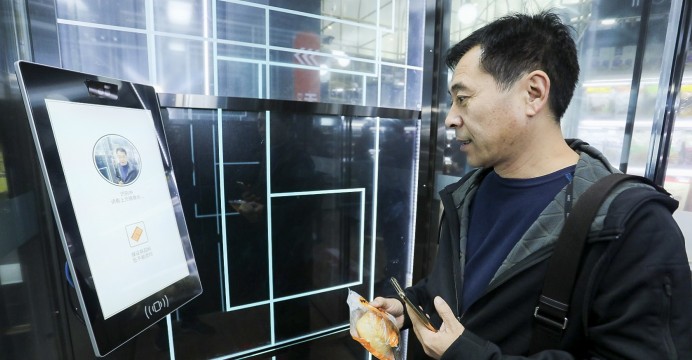
    Lenovo China has launched an automated store in Beijing based on facial recognition technology. The Lenovo Go store also features a mobile payment system. A blog post put out by the Taiwanese tech giant reads: “Shopping at the store is quite simple. You walk up to the door, cameras recognise your face, you browse the aisles, pick out what you want as usual, then – and here’s the magic – you just walk out, and your account is automatically settled via your mobile payment.”

    Lenovo’s head of research and technology Daryl Cromer said: “We can now understand some of the technologies and challenges our customers face, allowing us to make better devices and tailored solutions.

    The store becomes a powerful pilot program for technologies that move beyond the Lenovo campus.”

    Lenovo plans to use data gathered at the store to power future technologies, such as an espresso machine that can brew coffee to individual preferences based on facial recognition.

  • Nine West Closes Last Beijing Shoe Shop as It Retreats From China Market

    Nine West Closes Last Beijing Shoe Shop as It Retreats From China Market

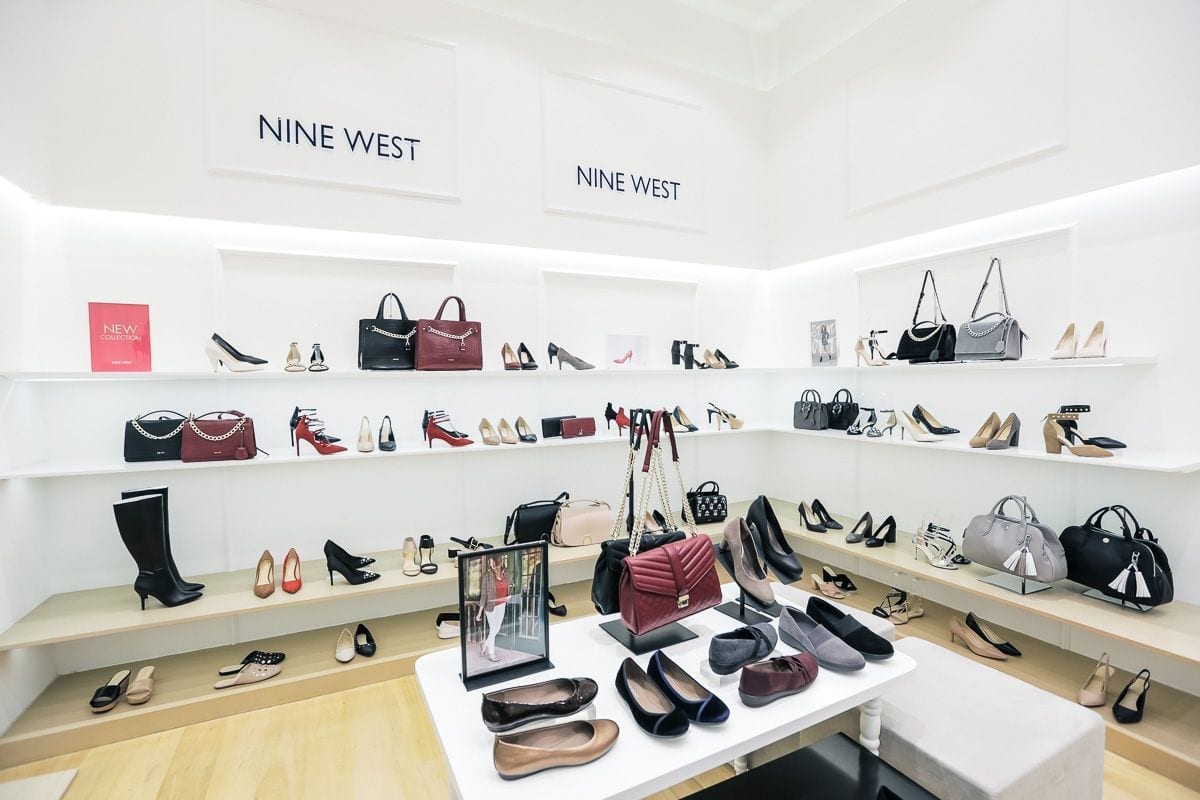
    Nine West China has closed its last Beijing store.

    The New York-headquartered women’s footwear retailer, which filed for bankruptcy in April, was popular in China from the mid-90s but has struggled with increasing competition. It is now pulling out of the region entirely, citing poor management of its stores. It closed its online store last month.

    Nine West China’s regional agency GRI Group has reported financial difficulties and withdrawn from Taiwan and Hong Kong.

    Nine West Holdings is now focusing on jewellery and apparel, rather than shoe retailing.

    Its Nine West and Bandolino footwear brands were sold to Authentic Brands Group in June for US$340 million.

  • Dover Street Market Beijing launched with revamp

    Dover Street Market Beijing launched with revamp

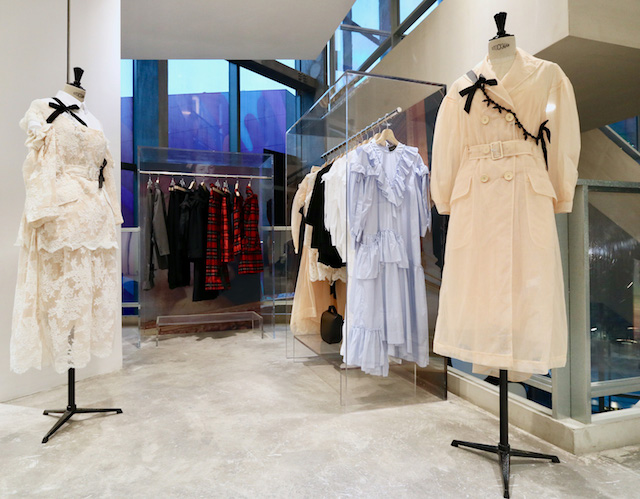
    Dover Street Market Beijing, formerly I.T Beijing Market, has opened for business with a brand-new interior.

    The four-storey, 2200sqm glass house fashion landmark was restructured and redesigned, before a soft opening in April. This week, I.T Group has formally launched the new store, with further upgrades and additions, while renewing the brands and visual displays in line with other DSM stores around the world.

    Much of the interior was redesigned by Rei Kawakubo of the Comme des Garcon team.

    New features include a “village hut” installation at the entrance as well as diverse and contrasting layouts, materials, and colors on every floor, attempting the DSM signature “Beautiful Chaos” style.

    Highlights include a Molly Goddard white dress and wooden-blind partition theme on the second floor; raw industrial metallic silver displays weaving throughout the third floor, and a dynamic white sneaker space and T-shirt space gallery on the fourth level.

    The market has released a full adjusted space and brands schedule for the Fashion Week 2018 season.

    View the full gallery below (9 picture) :

  • Japan’s Ryohin Keikaku opens second Muji Hotel in Beijing

    Japan’s Ryohin Keikaku opens second Muji Hotel in Beijing

    Japan’s Muji hotel & store has just opened in Beijing in a key location overlooking Tiananmen Square.

    The hotel’s first basement-level retail store sells travel essentials and everyday items, many of which feature in the guest room amenities.

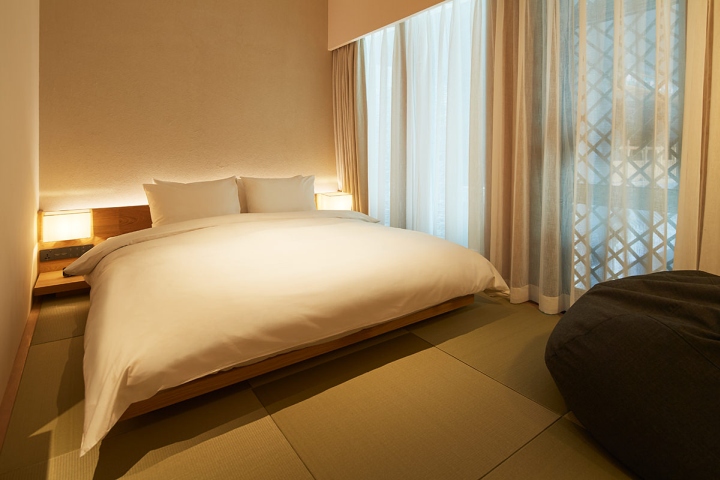
    Designed as an antidote to the brute gorgeousness of boutique and luxury properties and the cheapness of budget accommodation, the hotel’s understated zen-like interior grounded in undisturbed sleep is intended to stand in keeping with the world heritage sites in the hotel’s immediate surrounding district.

    The property also features a Muji Café&Meal venue serving simple, health-conscious food offerings, and a diner featuring classic East Asian cuisine.

    Another Muji hotel opened in Shenzhen last January.

    Check how Muji Hotel Beijing looks in the gallery below (10 images) :

  • Breitling opens first flagship boutique in Asia in Beijing

    Breitling opens first flagship boutique in Asia in Beijing

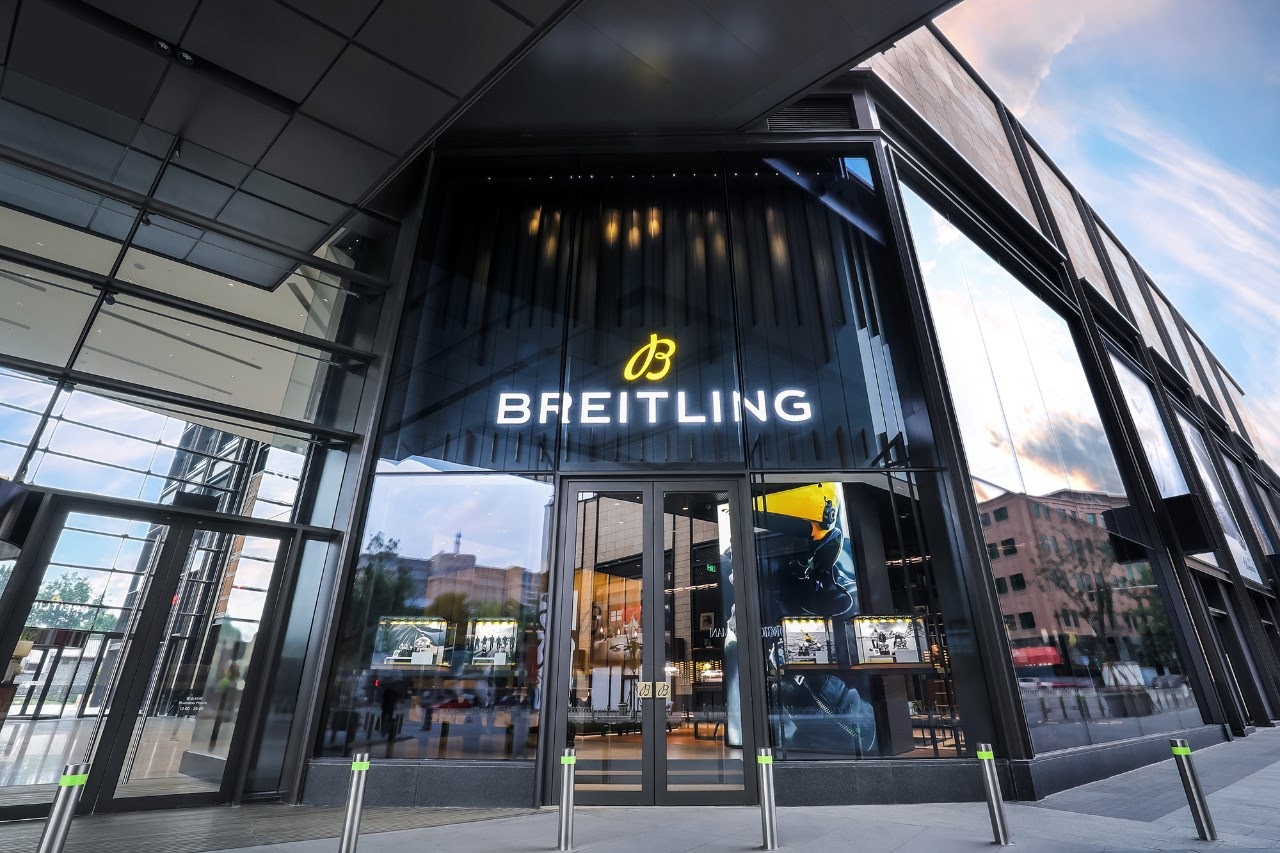
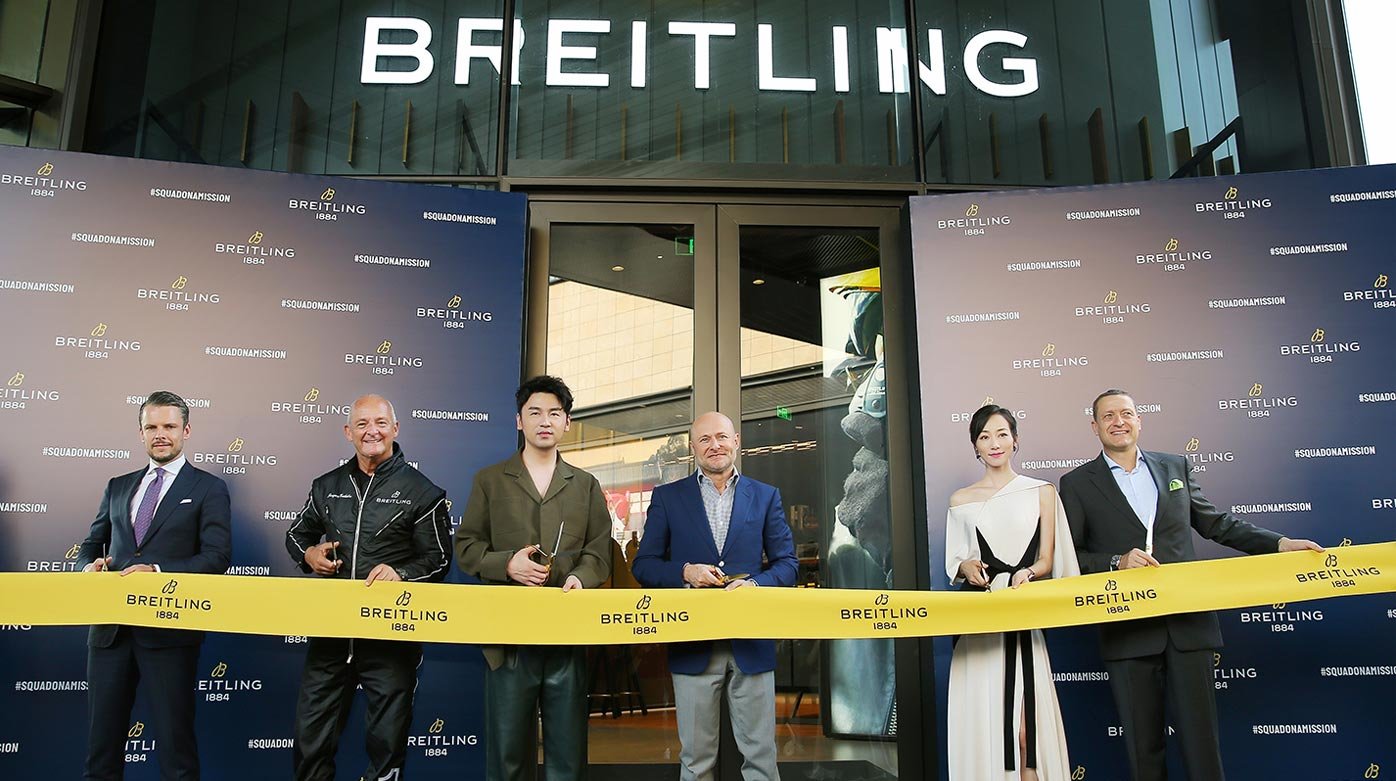
    Swiss luxury watchmaker Breitling has opened its first Asian flagship boutique in Beijing’s WF Central.

    The 152sqm Breitling Beijing boutique’s design features display space for more than 200 timepieces representative of the brand’s entire product range, including some exclusive limited editions. The interior is styled to present an artful, modern interpretation of mid-twentieth-century industrial loft interior design.

    More than 10,000 Japanese bricks were used in its construction to build a prominent wall display of the brand’s 1960s-era logo. It also features waxed concrete and American walnut flooring. An entrance bar doubles as a watch display area and includes a professional pool table for visitors to the store.

    Breitling’s design director Guy Bove said: “With our redesigned boutiques, we are respecting our long, impressive heritage, but are doing so by creating a relaxed, stylish environment. We are opening our doors to a new generation of Breitling enthusiasts”.

    CEO Georges Kern said launching the new Breitling Beijing flagship underscores the importance of Asian markets – particularly China – to the brand.

  • Papa John’s sells company-owned restaurants in Beijing

    Papa John’s sells company-owned restaurants in Beijing

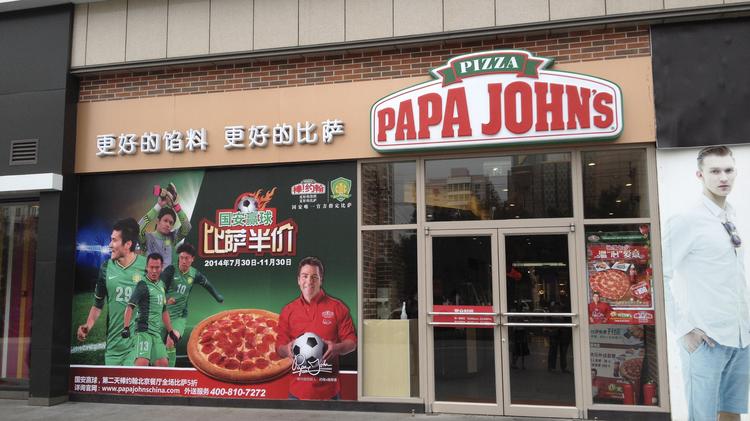
    Papa John’s International has sold its restaurants in Beijing and Tianjin in China.

    The 34 stores have been bought by Asia Gourmet Holdings (Shanghai), a portfolio company of Advantage Partners, a private equity firm in Asia.

    “Asia Gourmet Holdings (Shanghai) is an experienced and successful operator with significant interests in the restaurant industry in China,” said Tim O’Hern, president, international, Papa John’s.

    “The new franchisee shares our commitment to quality and will represent our ‘Better ingredients. Better pizza’ brand promise well moving forward in the region.”

    Nam Jeongil, chairman of Asia Gourmet Holdings, said the company was looking forward to building on the success Papa John’s had built in China to date.

    “There is a bounty of opportunities for Papa John’s in Beijing and Tianjin. We will apply Asia Gourmet Holding’s knowledge of the region and success with our existing restaurant concepts, such as Zheng Yi Wei, a leading chain of restaurants offering Korean cuisine, to the Papa John’s business.”

  • Tmall and Intersport launch interactive megastore in Beijing

    Tmall and Intersport launch interactive megastore in Beijing

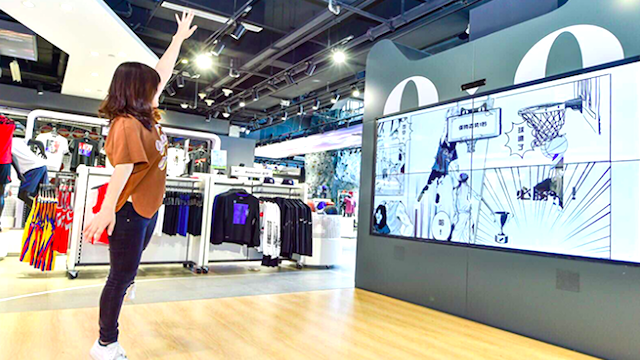
    Tmall and Intersport unveiled a co-branded store in Beijing yesterday, complete with interactive features that offer consumers in China a more engaging and informative shopping experience.

    Under the new name “Tmall x Intersport,” the two-story, 1300sqm space that sits in Beijing’s tourist hotspot Qianmen has been transformed into a futuristic megastore. The revamp underscores that more global brands are recognising the power of New Retail—tech-driven retail model pioneered by Alibaba that captures the best of online and offline shopping experiences.

    “We believe Tmall is the ideal partner in our endeavour to further our engagement with Chinese consumers by providing them the best-quality and most-fashionable sports goods in the market,” said Victor Duran, CEO of the Switzerland-based sportsgoods retailer Intersport.

    Established in 1968, Intersport has more than 5000 branches in 44 countries. It sells sports brands such as Nike, Puma, Reebok, Adidas, North Face and Dynatour. Intersport made its foray into China in 2013 and opened its Tmall flagship store in September 2016.

    “These new in-store technologies provide consumers in China an unprecedented shopping experience that is both entertaining and educational so they can have fun while shopping for the exact products that meet their unique demand,” the CEO said.

    Currently, Intersport has 24 stores in China with the goal of expanding to at least 100 – a combination of larger flagship stores in major cities and smaller specialty stores – during the next couple of years. “It makes sense to have Tmall technologies to be the link to connect all the stores together,” Duran said.

    New Retail is the new solution

    Many industry watchers have pointed to New Retail as the solution for brick-and-mortar retailers feeling the squeeze from e-commerce. By harnessing engaging technologies, store owners can attract more customers through both online and offline channels. Moreover, these technologies can generate insights to help businesses gain a more-precise view of China’s market trends and customer preferences.

    “We are excited to see an extensive range of Tmall’s New Retail technologies and features under one roof in Intersport’s store,” said Jessica Liu, president of Tmall Fashion and Luxury. “What’s even more encouraging is to see our merchants embracing the New Retail concept and exploring its potential. When customers try out these features firsthand, we are confident that they will see the convergence of online and offline shopping as the future of retail.”

    The Tmall and Intersport store is the latest example of how Alibaba’s New Retail technology is helping brands build up and reimagine their business in China since the push began in late 2015. To date, Tmall Fashion has collaborated with over 400 brands, including top names such as Burberry and Zara, and upgraded more than 50,000 storefronts all over China. Liu said the goal is to increase the collaboration to 1000 brands and help digitise 200,000 storefronts nationwide in the next year.

    Educate your customers

    At the grand reopening yesterday, customers were welcomed by an array of state-of-the-art technologies and augmented reality-powered interactive games. For example, the Smart Shelf and the Smart Shoe Mirror can instantly tell customers all the information they need about a certain shoe they pull from the shelf. This way, the customer can make a more-informed decision on whether or not the products fit their individual demands.

    Education on how a product suits an individual’s needs is an especially crucial element in the sportswear and gear market in China, said Tom Birtwhistle, director of China digital strategy at PricewaterhouseCoopers.

    With a government-led mandate to become more physically fit, and as China gears up to host the 2020 Summer Olympic and the 2022 Asia Games, Chinese customers are becoming more interested in adopting an active lifestyle, he added.

    “Chinese consumers are massively curious in learning about new brands and products. For new sports they want to be educated on the activity and understand how technical features can enhance their performance,” said Birtwhistle.

    His research indicates growth in the athletic fashion category is outpacing China’s overall fashion market. The segment is forecast to see 9 per cent growth annually in sales between 2017 to 2020, versus just 4 per cent for men’s and women’s fashion.

    At the smart megastore, shoppers can also get wardrobe tips from an AI Shopping Assistant – an interactive mirror that recommends related accessories or items that complement the article of clothing they are trying on.

    Can’t find what you want in the store? No problem. The megastore is equipped with Cloud Shelf technology, a virtual shelf that quadruples the volume and production selection customers can choose by simply tapping on the touchscreens, according to Tmall.

    A 24-hour interactive window display at the store’s main entrance means people can shop at the megastore around the clock. By using motion-sensor technology, the giant screen wall can distinguish the gender and approximate age of the passersby and recommend the best type of shoes for that person.

    Those who don’t want to lug heavy shopping bags or bulky shoe boxes around the streets of Beijing can opt to have their purchases delivered to a designated address anywhere in the country. Cainiao, Alibaba’s logistics service, can make the delivery in as quickly as two hours for locations within 5km of the store. Next-day delivery is also available for locations outside of Beijing.

    By scanning the QR code of a product on their phones, customers of the Tmall and Intersport store can also place the products in their Virtual Shopping Bag, so they can still buy the item online after they leave the store.

  • Candystud Factory: The New Valentino Popup Store in Beijing

    Candystud Factory: The New Valentino Popup Store in Beijing

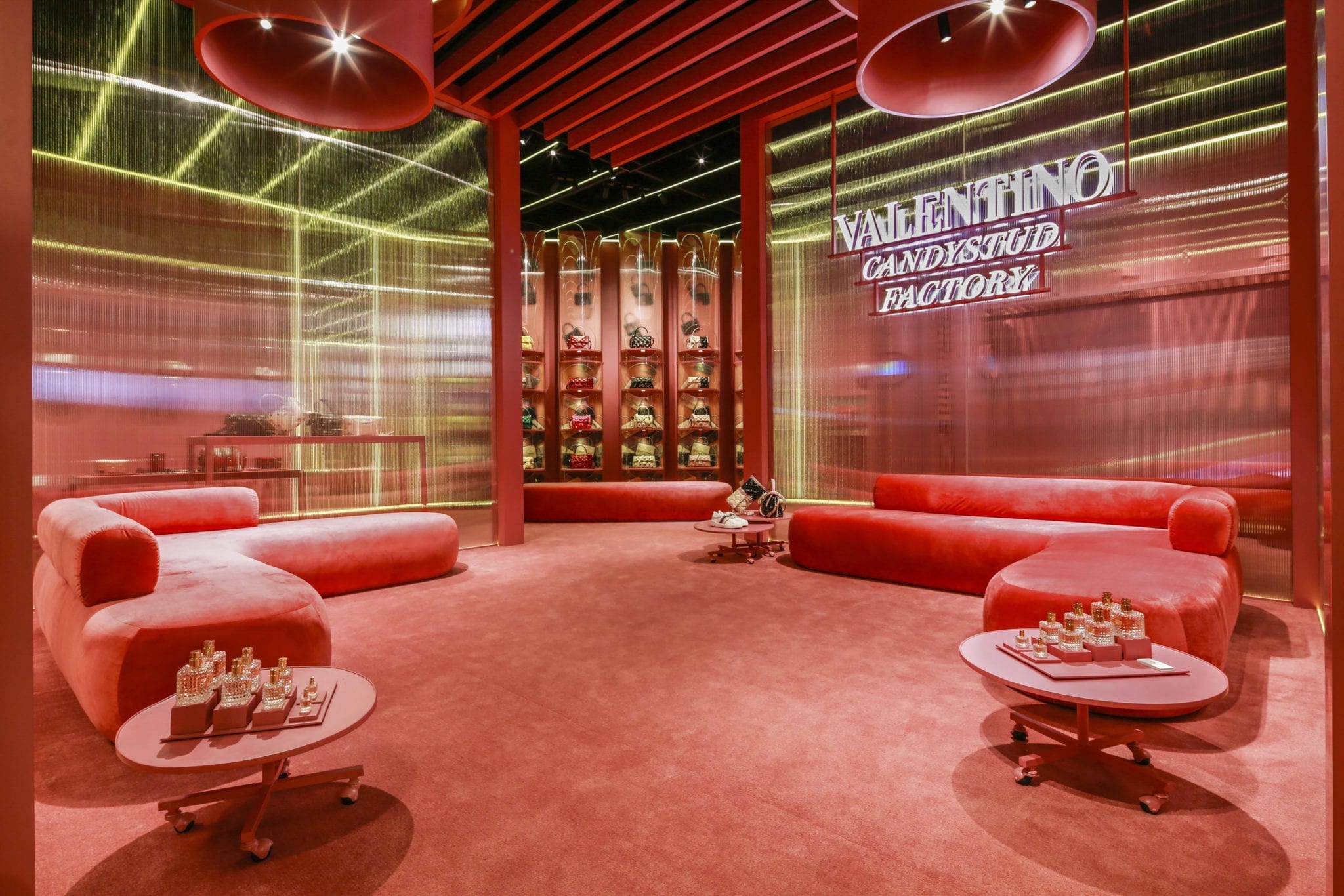
    Candystud Factory. A handbag factory just like a candy factory. Pink, entertaining, imaginary.

    Valentino will open a Pop Up store in the young and dynamic Sanlitun neighborhood in Beijing that creates a cinematographic atmosphere of a handbag f actory.

    The pop up s tore will open on the 26 th of April 2018 and will run until the 17 th of May 2018.

    For this occasion, two new limited edition Candystud bags will be pr esented.

    Fun, spherical, in the spirit of frivolity, Candystud is a small object of high craftsmanship the blends the excellence and the savoir faire of Maison Valentino with a new desire of pleasure and of joie de vivre. The Candystud Pop Up store translates this idea in a shopping and amusing experience.

    One enters is a colored and ethereal world to discover the beauty and the allure of the Valentino items together with the humanity and the e xcellence of those that cr eated them.

    The Candystud Factory collection also includes four new exclusive sneakers and a series of exclusive small leather goods such as iPhone c overs, mirror bags and charms.

    #CandyStudFactory

  • Beijing maintained steady economic growth in 2017

    Beijing maintained steady economic growth in 2017

    The Beijing Municipal Bureau of Statistics and the Survey Office of the National Bureau of Statistics in Beijing released the “2017 Statistical Communique on the Economy and Social Development of Beijing” on Feb. 27. According to the report, Beijing last year kept at a steady momentum of economic development and maintained social harmony and stability. The report lists new achievements made by the capital city in economic development, social progress, urban construction and improvements in people’s livelihood over the past year.

    The city’s annual GDP totaled 2.8 trillion yuan (US$443.6 billion); the per capita GDP of its registered residents reached 129,000 yuan. It added 422,000 more jobs across the urban regions, and registered urban unemployment rate stayed at 1.5 percent. The consumer price index rose modestly, by 2 percent year on year.

    Upgrading economic structure 

    At the end of 2017, Beijing formulated guidelines on accelerating scientific and technological innovation to build a series of industries with high-grade, precision and advanced economic structures. The guidelines emphasized on constructing a national center for scientific discovery and technology innovation with worldwide influence and brought forward accelerating the development of 10 high-grade, precision and advanced industries. One of these emerging industries of strategic importance is driverless vehicles, for which Beijing boasts resources, competitive advantages and development potentials. Earlier this February, the city began field testing driverless cars, developed by companies including Baidu, BAIC BJEV and FOTON, in Haidian district.

    Beijing’s industrial structure continuously improved to be more high-grade, precise and advanced, with the development mode changing from accumulation of resources to phasing-out of non-capital functions. According to the new report, the value added of the high-tech industry accounted for 22.8 percent of the city’s GDP, a 0.1 percentage point increase over the previous year; the value added of the strategic emerging industry contributed to 16.2 percent of the city’s GDP, with a rise of 0.2 percentage points over the previous year. The service sector accounted for over 80 percent of the city’s economy, to which finance, information services, and science and technology services contributed over 50 percent.

    Meanwhile, the city continued to upgrade the makeup of its consumer spending. Spending on services accounted for 51.3 percent of total consumer spending, and contributed to 70 percent of the growth in total spending. Infrastructure investment saw rapid growth, which continued to prioritize on public transportation and people’s living standard. Investment in commercial services and information services as key sectors increased by 120 percent and 42.8 percent respectively. Foreign investment in information services, commercial services, and science and technology services accounted for 54.2 percent, 9.4 percent, and 8.3 percent respectively.

    Improving development quality

    In 2017, Beijing saw more blue skies than previous years as its air quality continued to improve. The annual average concentration of fine particles (PM2.5) reached 58 micrograms per cubic meter, a drop of 20.5 percent over the previous year. Annual average concentration of nitrogen dioxide and sulfur dioxide in Beijing reached 46 micrograms per cubic meter and 8 micrograms per cubic meter respectively, down by 4.2 percent and 20 percent over the previous year.

    Better efficiency and more effectiveness from businesses had also led to improvement in residents’ sense of gain. In 2017, the per capita disposable income of Beijing residents was 57,230 yuan, up by 8.9 percent year on year, or 6.9 percent after adjustment to inflation, outperforming economic growth by 0.2 percentage points. Social security also improved, with minimum wage standard for employees and minimum standard for unemployment insurance benefits up by 110 yuan and 80 yuan respectively over the previous year. Basic pension and welfare payment standard for urban and rural residents increased twice in 2017.

    In addition, Beijing maintained effort in accelerating the construction of a livable city with convenient life, bountiful services and beautiful environment. Its subway routes extended 35 kilometers in 2017, reaching a total of 609 kilometers at the end of the year. About 5 percent more households began using natural gas for heating, bringing the total to 9.45 million households. Moreover, the city increased its 100,000-square meter central heating locations to cover 630 million square meters.

    The city built 34 more kindergartens in 2017, bringing the total to 1,604. It added 349 health institutions, totaling 10,986. The book collection of its public libraries grew by 2.9 percent, and it opened one more museum to the public free of charge. The treatment rate of municipal sewage reached 92 percent, up by 2 percentage points, and the per capita green park area reached 16.2 square meters, up by 0.1 percent.

    Seeking innovation

    The value added of the new economy in 2017 accounted for 32.4 percent of Beijing’s GDP with an increase of 0.2 percentage points over the previous year. The added value of the high-tech industry and the strategic emerging industry among industries above a designated scale were both up by double digits, each contributing to over 50 percent of the city’s industrial growth.

    The online retail volume of wholesale and retail enterprises above the designated scale accounted for 20.5 percent of the total retail sales of consumer goods, up by 1.9 percentage points over the previous year. The business income of the financial information services and non-financial institutions payment services in the internet financial services sector increased by 35.1 percent and 62.7 percent respectively.

    “Beijing has yielded fruitful results in scientific and technological innovation, laying a foundation for the establishment of a science and technology innovation center with international influence,” said an official from the Beijing Municipal Bureau of Statistics. The R&D expenditure in the city amounted for 5.7 percent of its GDP, staying atop the country.

    According to the report, the enthusiasm for innovation and entrepreneurship was strong owing to Beijing’s favorable policies. The number of various innovative and entrepreneurial service institutions such as shared workspaces, incubators, accelerators and university science parks reached 400 in the city in 2017, with a total area of 6 million square meters, offering services to over 30,000 enterprises and teams.
  • FAO Schwarz Sets Its Sights on China

    FAO Schwarz Sets Its Sights on China

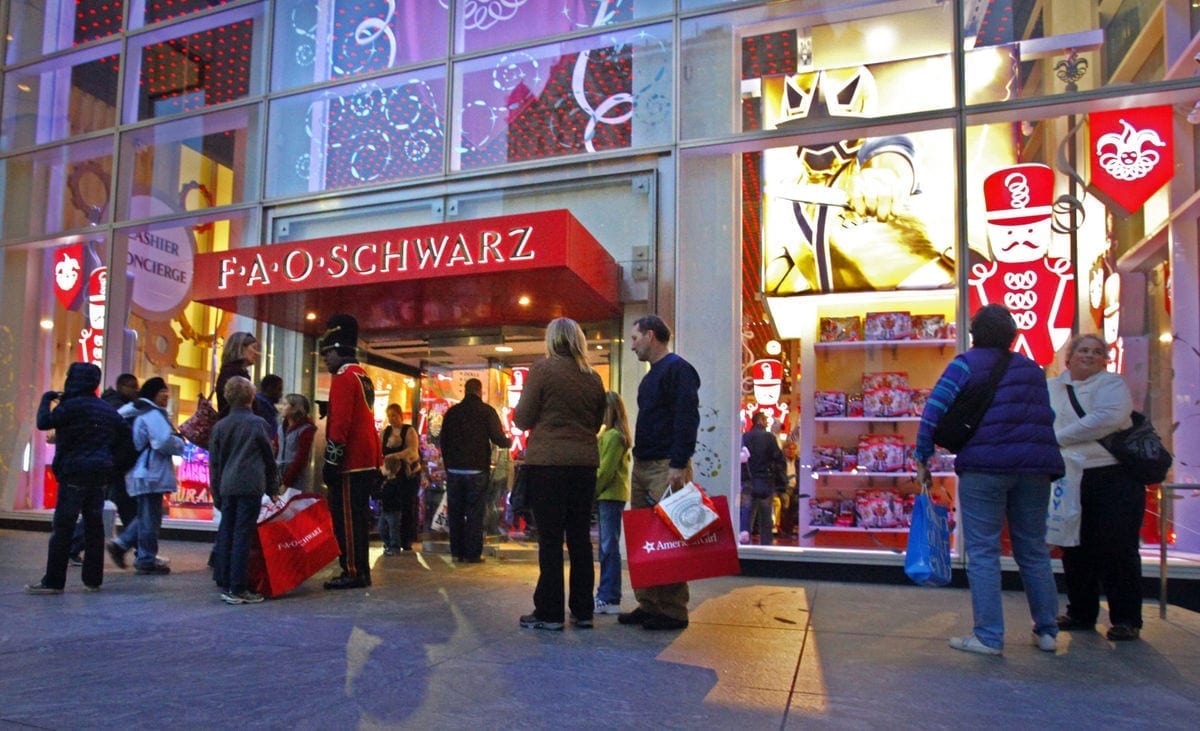
    As it continues its revival, US retail toy giant FAO Schwarz has set its sights on China.

    It plans to open stores in Beijing and Shanghai this year through a collaboration with China toy distributor Kidsland.

    Kidsland will also open 30 FAO Schwarz shops in 200 department stores across China over the next five years.
    “With customers looking for authentic brands and memorable encounters, we believe the brand will become a game changer in China’s toy industry,” says Kidsland International chairman/CEO Lee Ching Yiu.
    Founded in 1862, FAO Schwarz was the oldest toy store in the US when its sole remaining outlet, a flagship on Manhattan’s Fifth Avenue, closed in 2015. But its branded products continued to live on at Toys R Us, which bought the brand in 2009. In October 2016, Toys R Us sold FAO Schwarz to ThreeSixty Group, which designs, makes and distributes toys and other consumer products under a portfolio of owned and licensed brands.

    Meanwhile, FAO Schwarz has signed a licence agreement with Wild and Wolf, which designs and makes wooden toys, puzzles and games.

  • 8 best citie to live on this side of the world

    8 best citie to live on this side of the world

    Time Out’s City Life Index, a survey of 15,000 people in 32 global cities, has been released, and it shows which ones promise the most fun and excitement in 2018. Eight of them are on this side of the world.

    The survey, conducted by Tapestry Research, questioned residents on a variety of aspects of city life.

    It ranked cities in categories across food, drink, culture, friendliness, affordability, happiness, and liveability.

    It also “found the key factors that make residents find their city exciting,” from dining out often to feeling proud of where they are from.

    Here, their ranking in ascending order along with their overall scores:

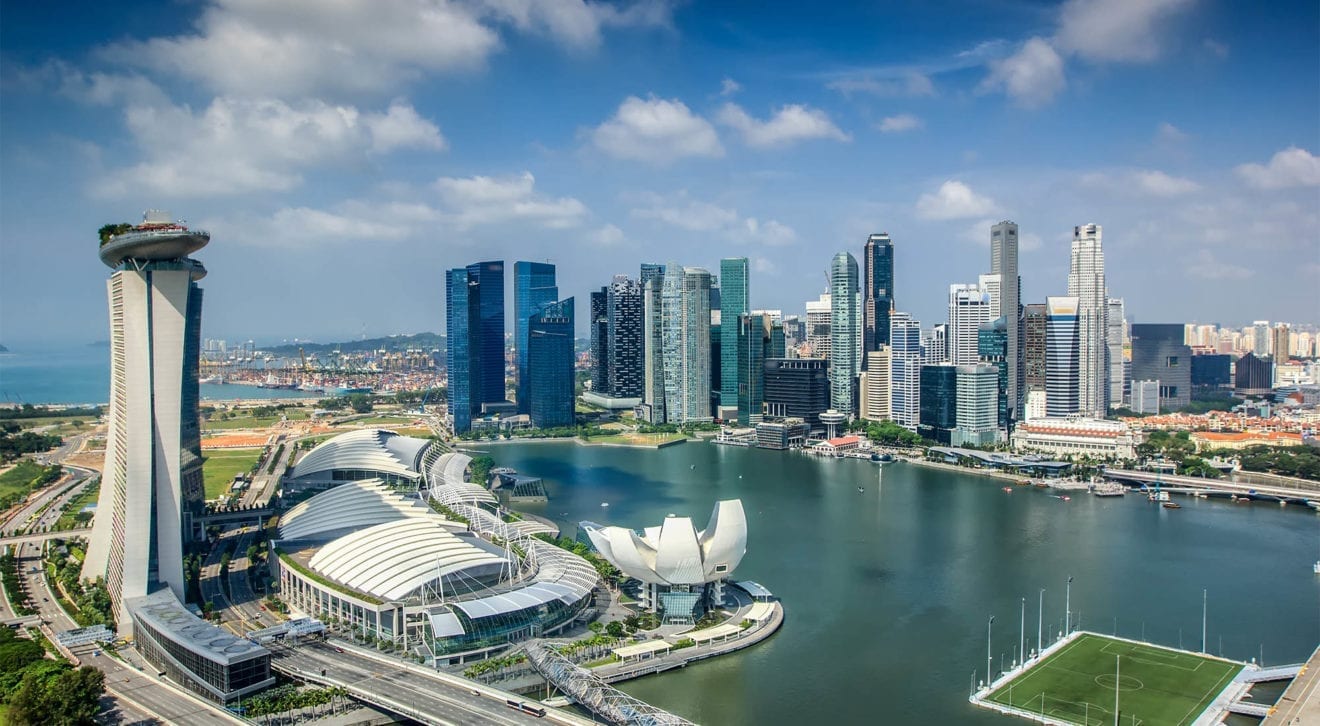
    31. Singapore (98.7) — Those from Singapore may not rate its culture scene highly, but they do value the city’s safety and are perfectly comfortable walking around at night.

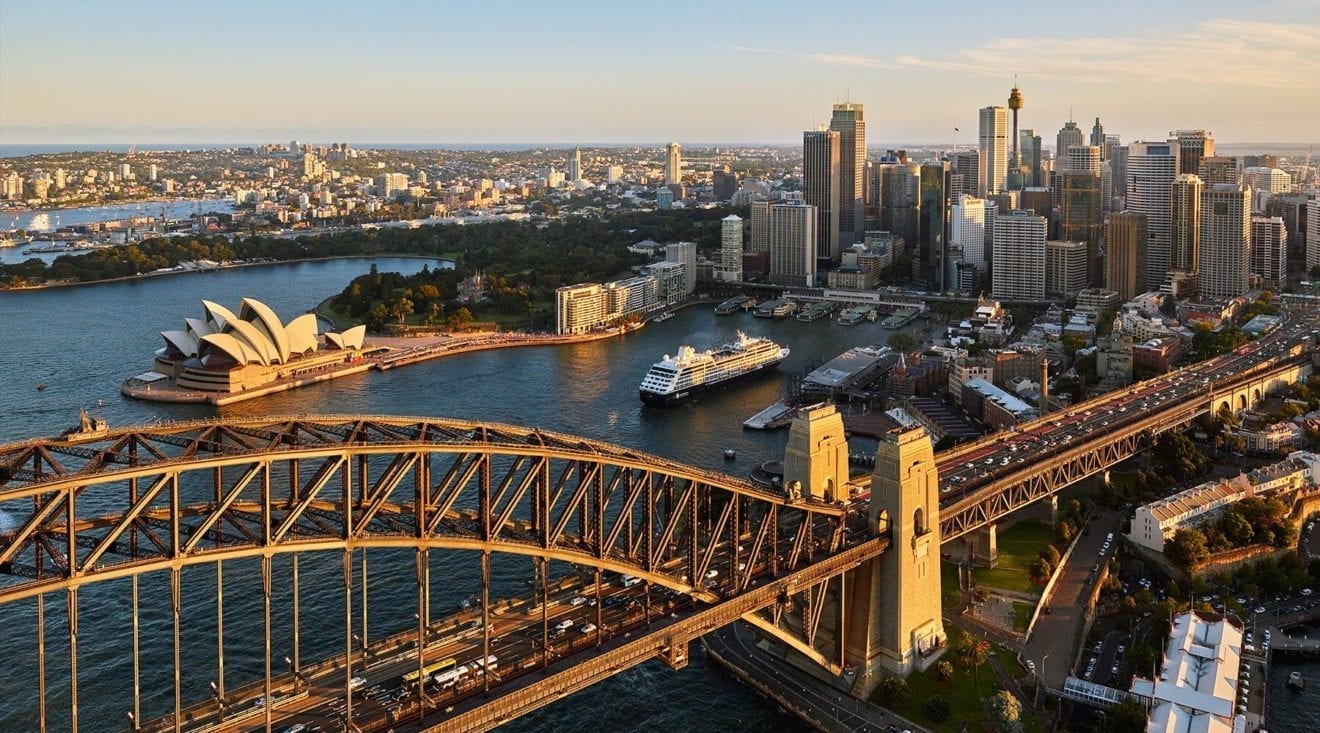
    28. Sydney (106.1) — While they may think the city is lacking in things to do and good restaurants, Sydney residents live a healthy life, with 66% having exercised in the past week and 38% never having taken drugs. They know how to party, though, and are the world’s No. 1 vodka drinkers.

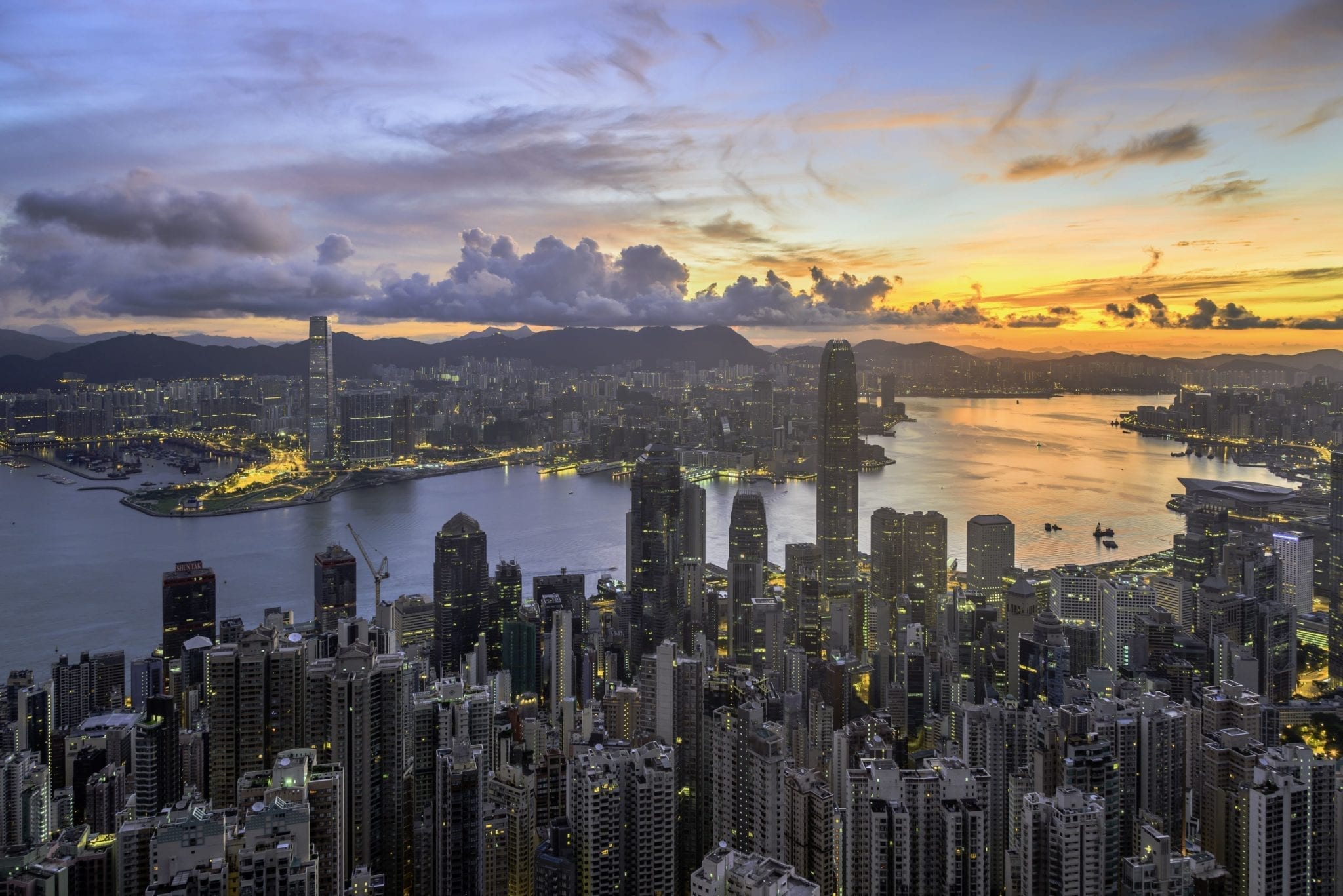
    26. Hong Kong (109.6) — Seventy-five percent of residents said the public transport in Hong Kong was great, contributing to the city’s overall score. They’re also among the biggest restaurant-goers in the world.

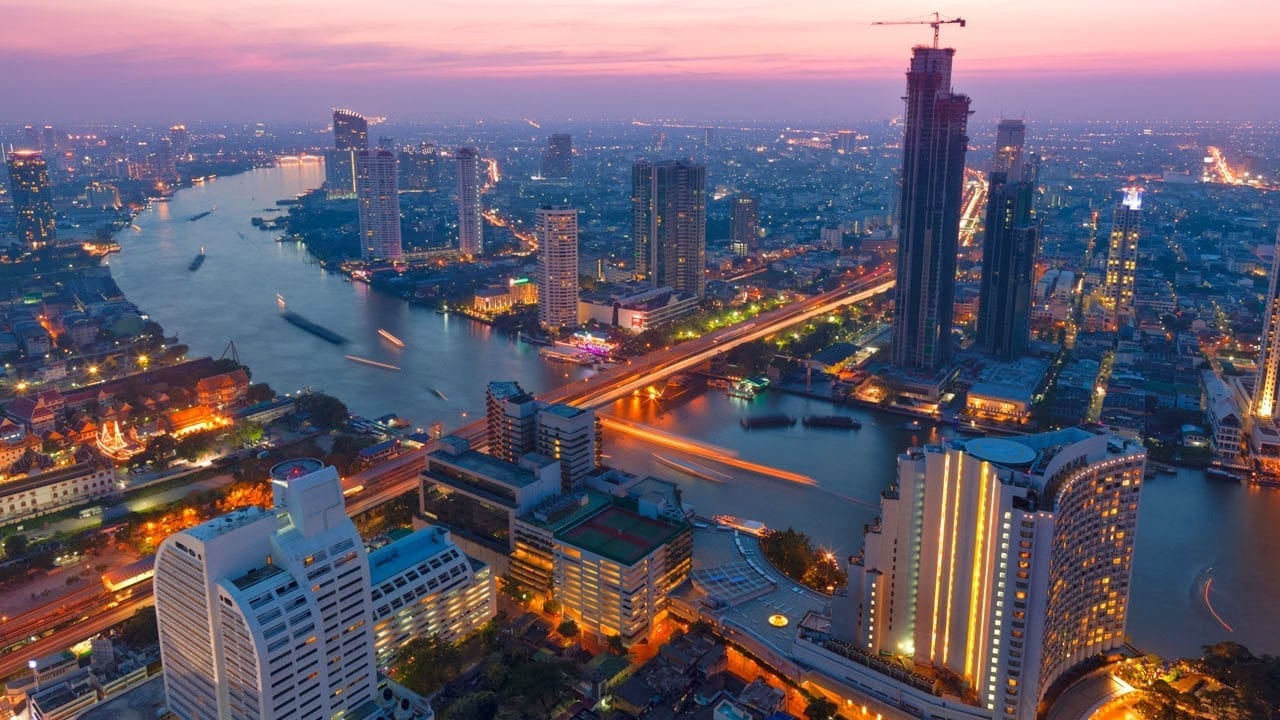
    24. Bangkok (111.0) — The survey revealed Bangkok as the world’s street-food capital, with more people eating on their feet than anywhere else — 42 times a year, on average. They’re also the biggest restaurant-goers, with 94% of respondents having visited a restaurant in the past week.

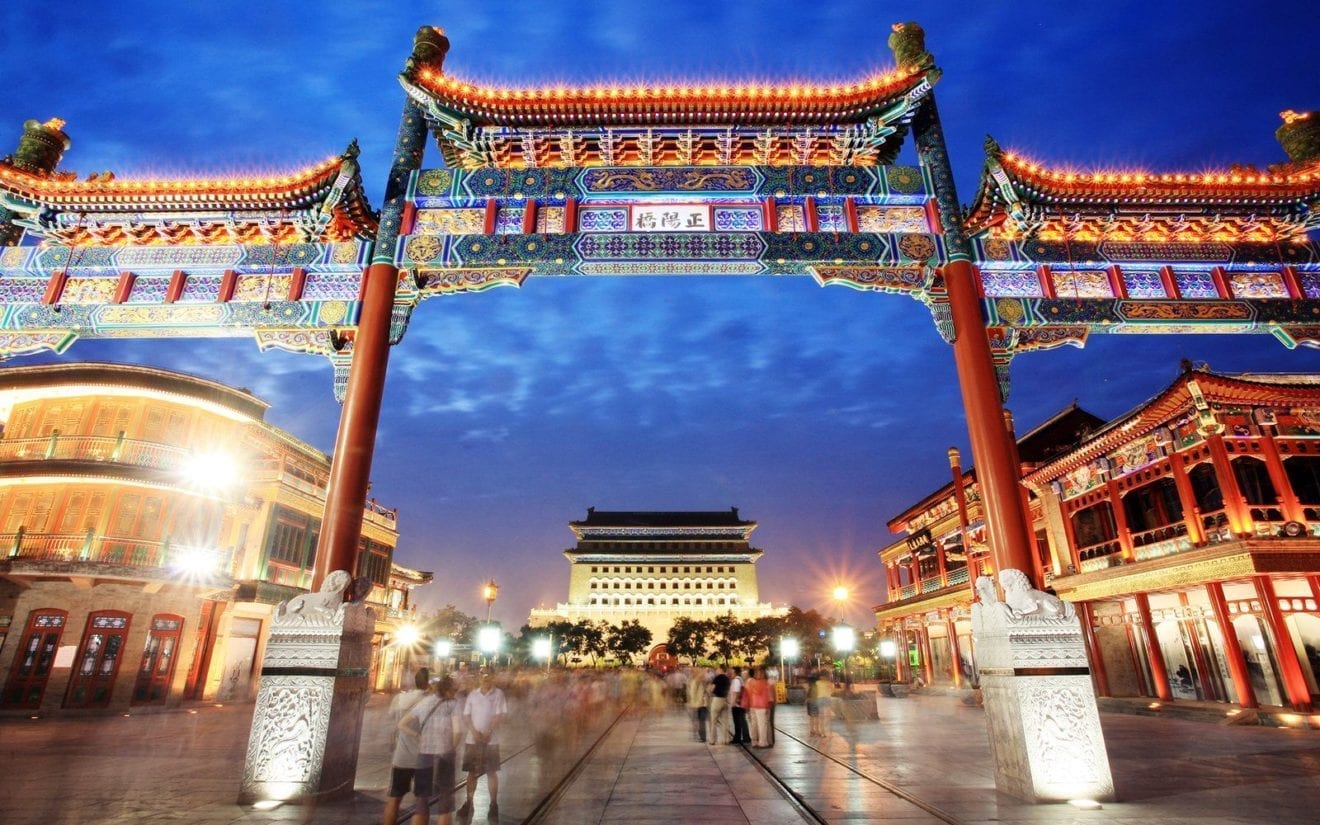
    22. Beijing (113.0) — The city may be exciting, but the commute is long, with 6% of Beijing residents even commuting for two to three hours a day.

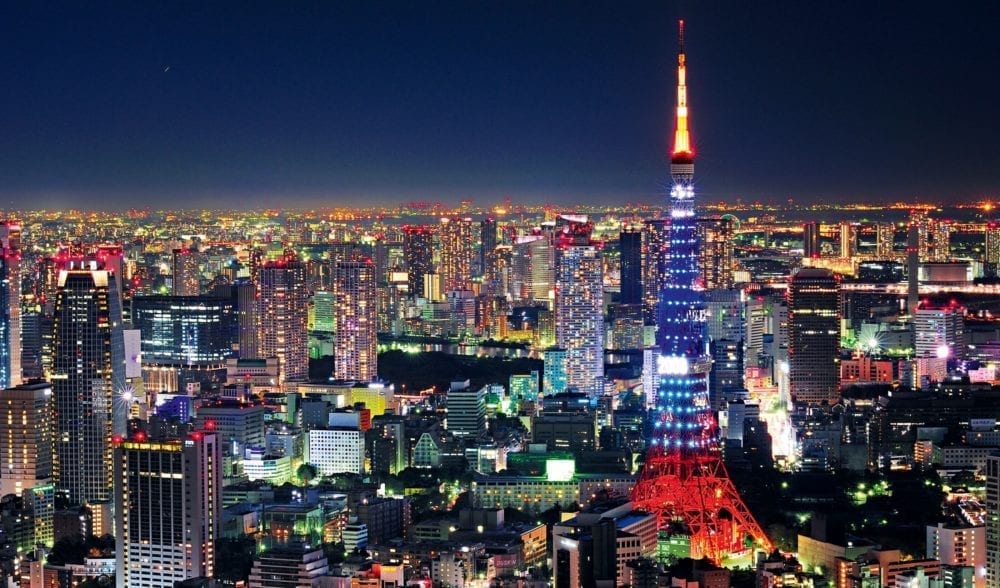
    19. Tokyo (117.7) — Tokyo residents love their food — they visit restaurants more than most other cities on the list.

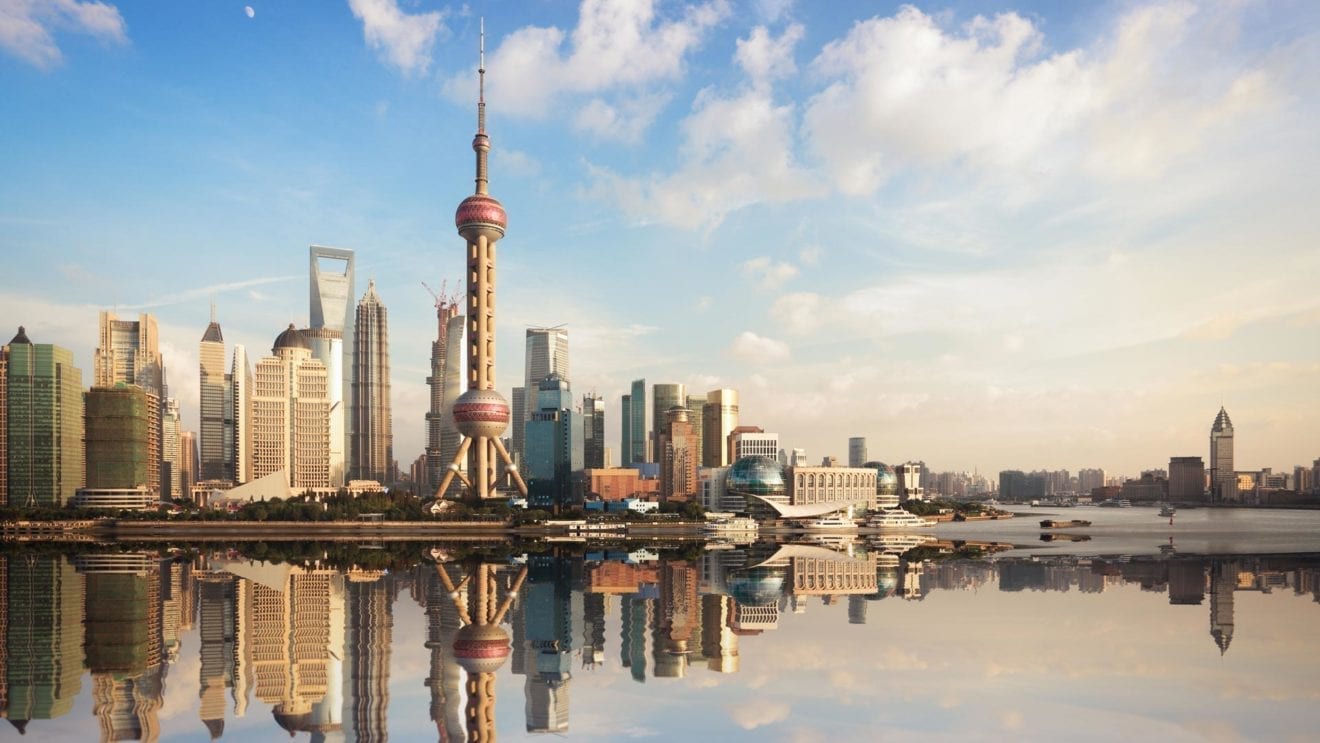
    16. Shanghai (119.5) — It may not come cheap, but there’s plenty to do in Shanghai, where residents say that while it is tough to find love, 79% believe it is easy to find a more casual encounter.

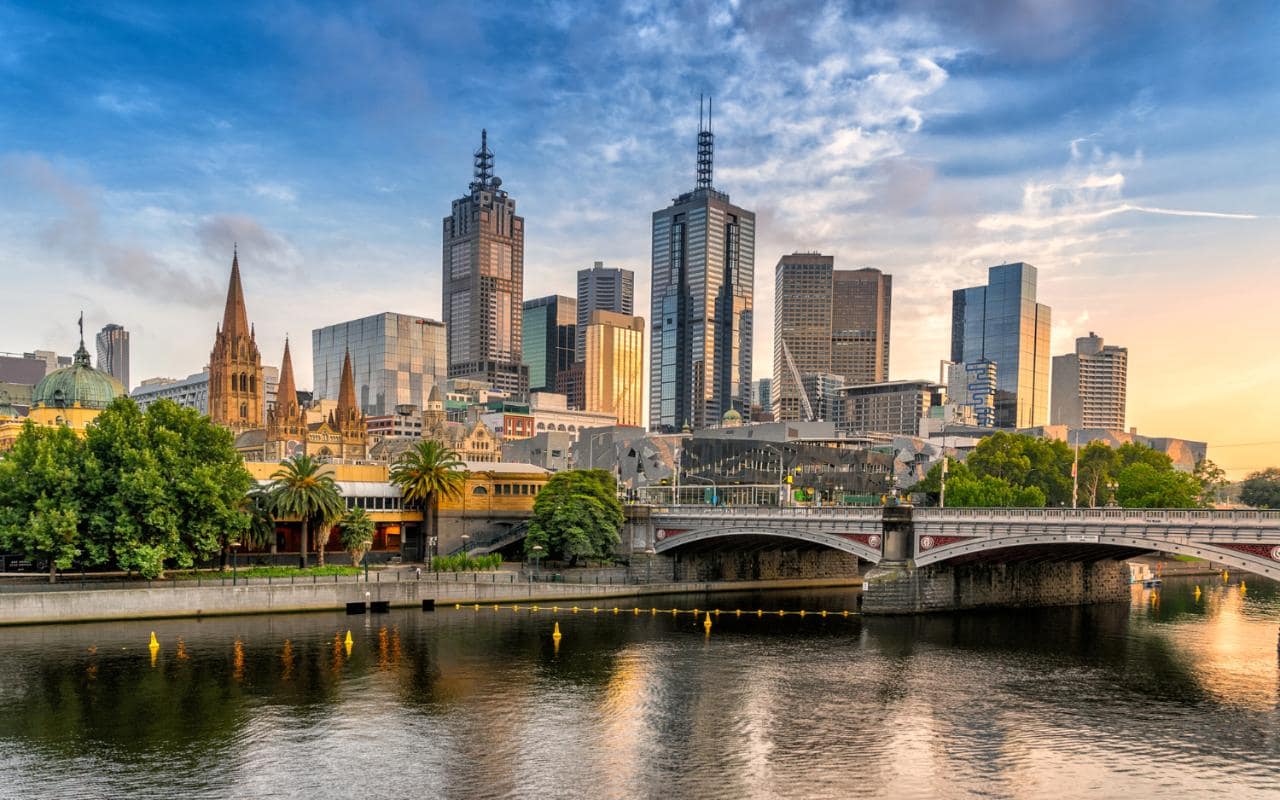
    4. Melbourne (132.3) — This Australian city came out above all others in terms of happiness, with nine in 10 residents saying they felt happy within the past 24 hours. They also find it easy to make friends and think the food-and-drink scene is one of the city’s best features.

  • Hyundai opens Beijing brand experience space

    Hyundai opens Beijing brand experience space

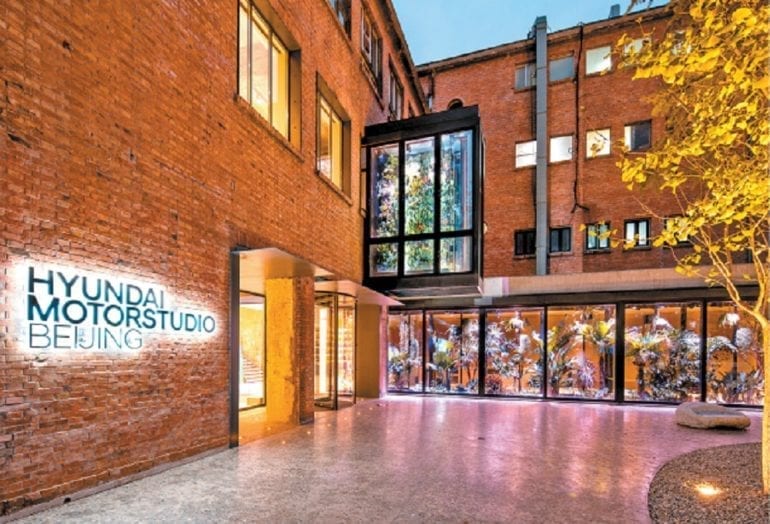
    Hyundai Motor Group, Korea’s largest automaker, opened its sixth brand experience space in Beijing to reach more Chinese consumers.

    Hyundai Motorstudio Beijing is located in the city’s 798 Art District, known for its galleries and cafes. The center will be a cultural space and not feature any cars. The Motorstudio is the second overseas location of its kind after one in Moscow.

    Chung Eui-sun, the company’s vice chairman, attended the opening ceremony in Beijing on Nov 1, indicating just how vital the Chinese market is to the automaker. Hyundai Motor has been struggling in the country and hopes the center will boost its fortunes in the world’s largest auto market.

    “Hyundai Motorstudio Beijing represents the direction of Hyundai Motor’s future path, which centers on sustainability and creative energy that can solve social problems,” Chung said. “It feels more meaningful that such venue could be established in this experimental and innovative neighborhood of 798 Art District.”

    Hyundai Motorstudio Beijing includes a book lounge and cafe on the first floor and gallery on the second floor. A vivarium occupies one side of the building’s exterior, and other art installations are scattered across the studio space.

    Along with the space, the automaker is running a program called Hyundai Blue Prize to support emerging artists and select a few to display their work in the Motorstudio.

    The opening comes amid a thaw in relations between Seoul and Beijing. The Korean and Chinese governments agreed to a rapprochement after months of diplomatic cold shoulders over a U.S. missile defense system in Korea that China believes threatens its security.

    Chung said at the ceremony that he expects a “positive effect” from the promise of better relations between the two countries.