Retail News CRM

Tag: Beijing

  • Beijing tells Apple China to withdraw phone

    Beijing tells Apple China to withdraw phone

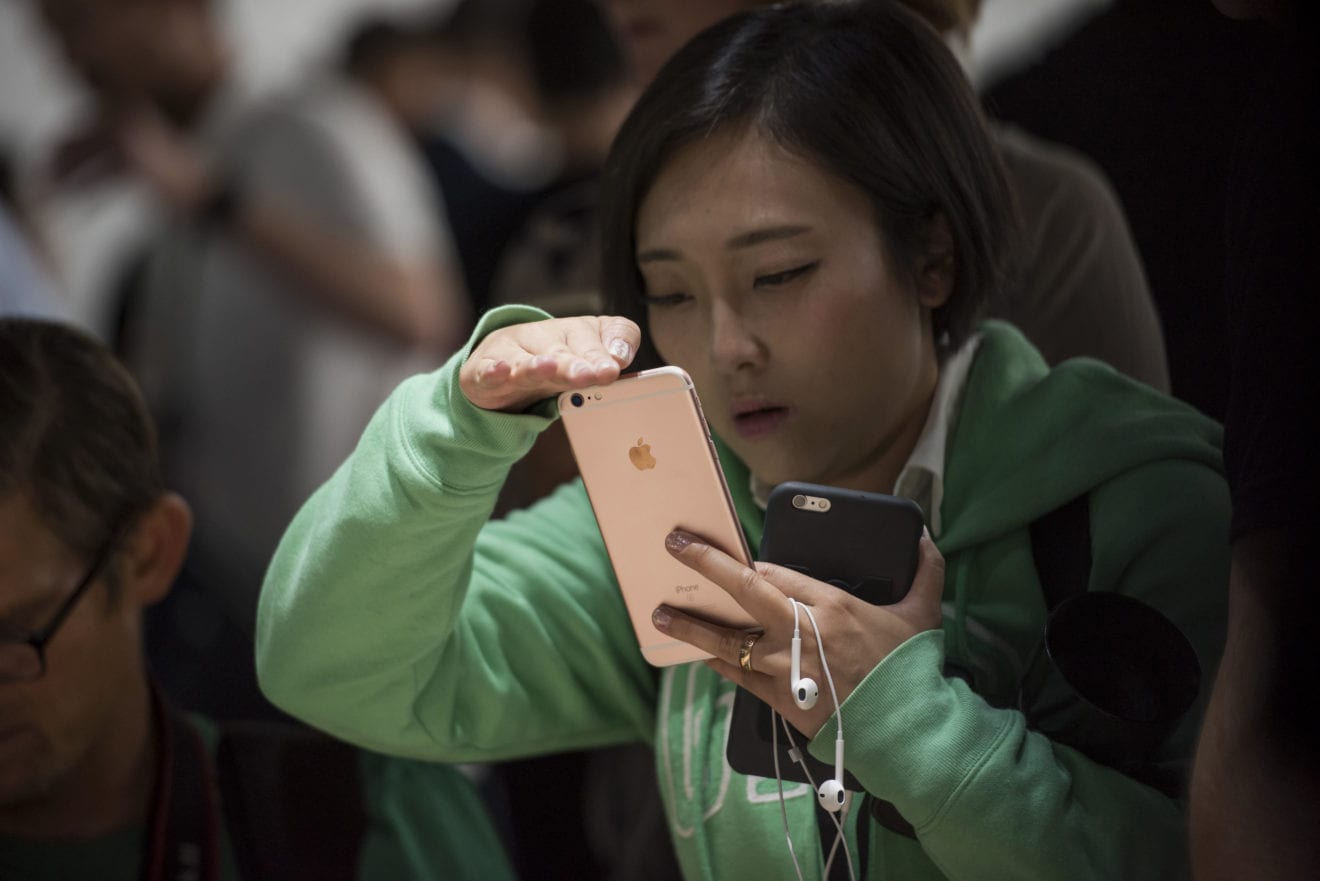
    A Chinese tribunal has ordered Apple China to stop selling its iPhone 6 in Beijing, claiming the design is too similar to a Chinese-made smartphone.

    Apple has appealed, and is continuing to sell its iPhone 6 while awaiting the decision.

    The Beijing regulator found that the iPhone 6 and iPhone 6 Plus look too much like the 100C smartphone made by Shenzhen Beili, a small Chinese brand.

    If its appeal fails, Apple will lose ground to such Chinese competitors as Huawei and Xiaomi. China accounted for more than a quarter of Apple’s revenue last year, making it the second-biggest source of income for the company.

    This dispute follows a series of problems for Apple in China. A Chinese court last month decided a company can use the iPhone trademark on its bags, wallets and other leather products, and in April, Apple had to suspend iBooks and iTunes Movies after the Chinese government said the services were breaking the rules for foreign publishers.

    Apple has also been pushing against fake Apple stores in China.

  • Apple CEO Tim Cook in China hails Chinese app developers

    Apple CEO Tim Cook in China hails Chinese app developers

    Apple CEO Tim Cook has hailed Chinese app developers and their contribution to world’s second biggest economy, as he began his visit here days after the tech-giant invested $1 billion in local ride hailing app Didi Chuxing.

    “The momentum is absolutely incredible,” Cook said in a meeting with developers, government officials and journalists.

    He said developers in China have earned over $7 billion, more than half of it in last one year.

    Their apps are popular around the world, with many of them having been downloaded in hundreds of countries, Cook said.

    “We are in the early phases of a tremendous growth,” the 55-year-old CEO said.

    “Government policies like Internet Plus act as the foundation of why I think the growth can be so incredible from here. They foster innovation and entrepreneurship throughout the Chinese economy,” state-run Xinhua news agency quoted him as saying.

    Cook is on his eighth China visit since becoming Apple CEO in 2011.

    He took a Didi taxi with Jean Liu Qing, president of Didi, to meet the developers.
    The Apple chief regularly meets entrepreneurs when in China, and he said he continues to be impressed by them.

    “[China] is one of the most vibrant places in the world. There are so many entrepreneurs now that they’ll drive the next generation of innovation in China,” he said.

    Apple Inc chief executive Tim Cook visited Beijing last Monday, days after announcing a $1 billion deal with ride-hailing app Didi Chuxing, and as the US firm tries to reinvigorate sales in China, its second-largest market after the United States.

    Cook explained that Apple had chosen to invest in Didi as it has been “an incredibly great success story on the App Store,” aside from being a leading ride sharing service both in and outside China.

    He said the investment reflected Apple’s excitement about Didi’s fast-growing business and Apple’s “continued confidence” in China’s economy in the long term.
    Cook did not give a direct answer when asked about rumours that the Didi investment has some connection with Apple’s own plans for an electric car.

    Currently, he said, Apple’s focus when it comes to the car market is on CarPlay, it’s device for connecting Apple smartphones to in-car entertainment systems.

    “We’ll see where that takes us,” he said.
    But Cook became far more direct when asked whether the investment was a sign of Apple losing its innovative edge.

    “No, no, there is no truth behind that at all,” he said, arguing that it was a sign of Apple placing greater focus on China.

    Apple has already put a lot of money into opening retail stores in China, which is Apple’s second biggest market after the US.

    It is expecting the 37th Apple Store to open this Saturday, approaching Cook’s goal of having 40 before the end of 2016.

  • Indonesia to take part in Beijing Tourism Expo

    Indonesia to take part in Beijing Tourism Expo

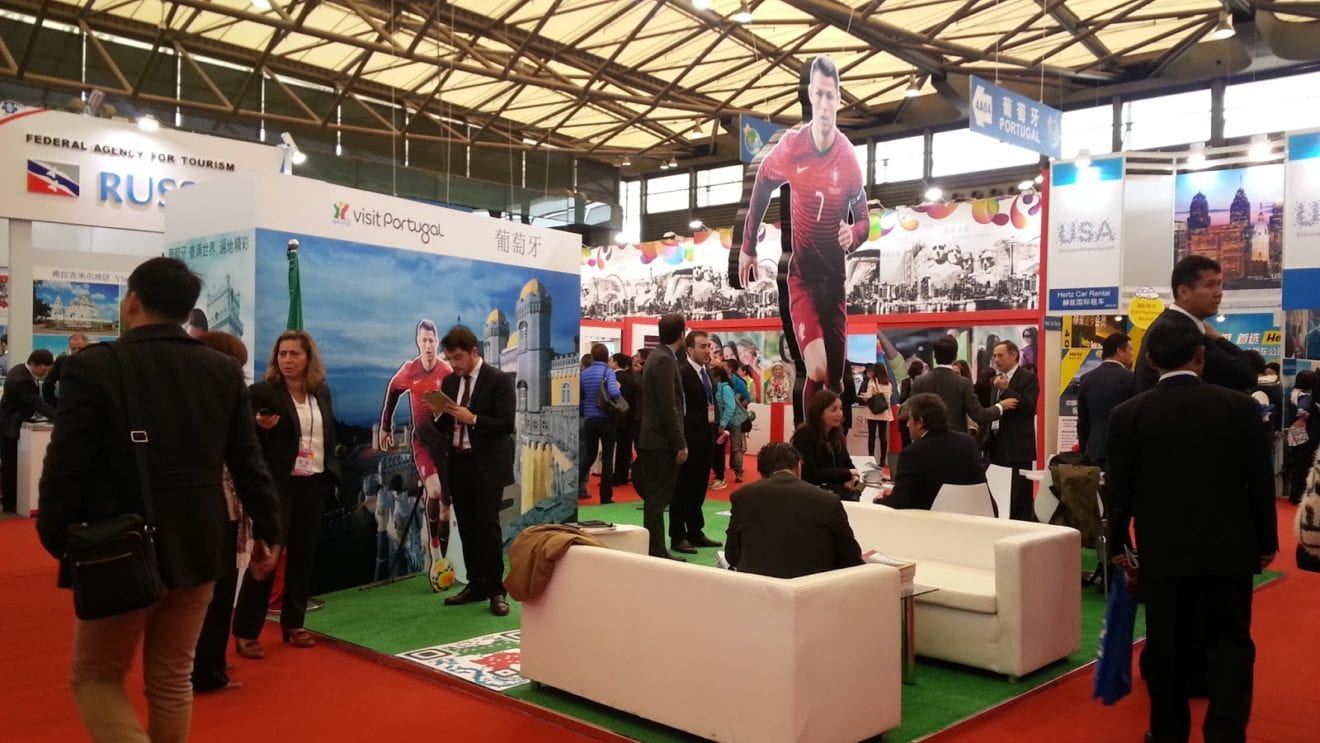
    The Indonesian government will participate in the Beijing International Tourism Expo (BITE) to be held on May 20-22 to realize its target of attracting two million Chinese tourists this year.

    The Indonesian Tourism Ministry would be one of the main sponsors of the expo, Deputy Tourism Minister in charge of International Tourism Marketing Development I Gede Pitana stated here, Friday.

    The ministry was optimistic that Indonesia would be able to attract Chinese tourists during the long holiday from October 1 to 7 this year, he noted.

    China has become Indonesias main tourist contributor, according to Tourism Minister Arief Yahya.

    Last year, some 987 participants from 81 countries took part in BITE, which was visited by some 120 thousand people.

    BITE has been organized annually for the past 13 years, and Indonesia has taken part in the expo twice.

    Other countries expected to participate in BITE this year are the United States, the Maldives, Seychelles, Thailand, Sri Lanka, Japan, Taiwan, South Korea, Malaysia, India, and some European countries, among others.

    Indonesia has set a target of attracting 20 million foreign tourists by 2019, from 9.7 million last year.

    This year, Indonesia hopes to lure some 12 million foreign tourists.

  • Apple’s book and film services go dark in China

    Apple’s book and film services go dark in China

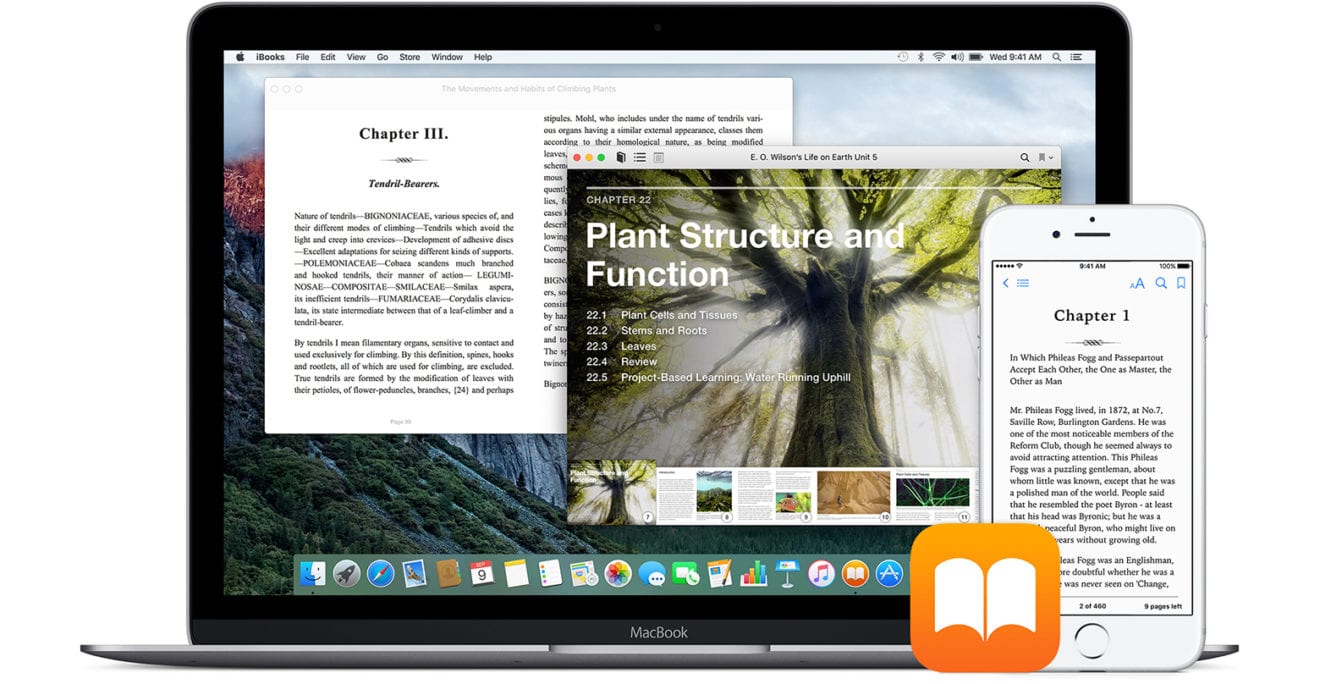
    Apple Inc’s online book and film services have gone dark in China, after Beijing introduced regulations in March imposing strict curbs on online publishing, particularly for foreign firms.

    Attempts by Reuters on Friday to access Apple’s iBooks Store and iTunes Movies services were met with a message in Chinese saying they were “unusable.”

    China’s media regulator, the State Administration of Press, Publication, Radio, Film and Television, demanded Apple halt the service, the New York Times reported, citing two unnamed people. The regulator did not respond to a faxed request from Reuters for comment.

    “We hope to make books and movies available again to our customers in China as soon as possible,” said a Beijing-based Apple spokeswoman, who declined to provide further comment.

    This is not the first time an Apple service has been made unavailable in China.

    The company’s News app, launched last year, can be used in many countries by people who downloaded the app from the U.S., United Kingdom or Australia App Stores. But those people trying to access the service on the mainland are shown the message “News isn’t supported in your current region.”

    The Apple spokeswoman in Beijing said News had only launched in the U.S., United Kingdom and Australia, but declined to comment on how the app could still be used in places like South Korea and Hong Kong but was blocked in mainland China.

    Apple’s second-largest market by revenue is Greater China, which includes Taiwan and Hong Kong, driven by the iPhone’s popularity in the world’s biggest smartphone market.

    But the company has at times met with official resistance from Beijing, with state media once branding the U.S. tech behemoth’s iPhone a danger to national security.

    In March, regulations came into effect that prohibit foreign ownership and joint ventures in online publishing and stipulate that all content be stored on servers in China. The move sparked fear of greater curbs on foreign businesses.

    In an effort to shape public opinion, President Xi Jinping’s government has implemented an unprecedented tightening of internet and media controls and sought to codify the policy within the law, a campaign that critics say ignores human rights and is a burden for business.

    Earlier this month, the U.S. labeled China’s internet censorship a trade barrier in a report for the first time since 2013, saying worsening online restrictions are damaging the business of U.S. companies.

    Officials say internet restrictions are needed to ensure security in the face of rising threats such as terrorism and foreign ideology that could destabilize China.

  • Kung Fu in Hublot store in Beijing

    Kung Fu in Hublot store in Beijing

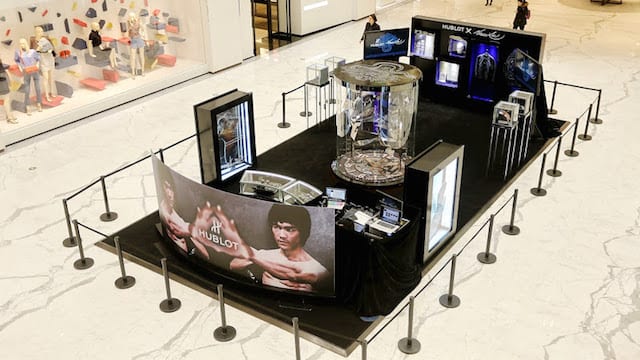
    In a collaboration with the Bruce Lee Foundation, a special tribute exhibition for the Kung Fu superstar marks the launch of the Swiss watch brand Hublot’s store at the high-end Shin Kong Place (SKP) shopping centre in Beijing.

    Hublot new store Beijing at Shin Kong Place SKP 3

    On display until March 6, the Be Water, My Friend – Legend of Bruce Lee Memorial Exhibition features precious items the actor owned himself, as well as limited-edition Hublot timepieces.

    Lee’s daughter, foundation founder Shannon Lee, cut the ribbon of the new store along with Hublot Greater China GM Loic Biver.

    Hublot new store Beijing at Shin Kong Place SKP 4

    Hublot participated in the design of the Bruce Lee exhibition. “As an icon of the 20th century and the most iconic Kung Fu star in history, Bruce Lee embodies the real ‘art of fusion’ of East-West culture,” says Biver.

    Hublot also worked with the foundation on the Bruce Lee 75th Anniversary Memorial Exhibition in Hong Kong, and this time released a second limited-edition timepiece as a tribute to Lee.

    Hublot new store Beijing at Shin Kong Place SKP


    The actor’s personal items on display include a Tang-style Kung Fu jacket, a genuine copy of the Way of the Dragon script, a replica of the life mask of Kato in The Green Hornet, and the business card for the Bruce Lee Martial Arts Studio he founded.

    Exhibition guests can also experience the Bruce Lee Mirror, a cylindrical glass photo frame featuring Lee’s classic Kung Fu postures. Made of glass fragments, it uses 3D special effects integrating the Hublot Unico In-House chronograph movement.

    Hublot new store Beijing at Shin Kong Place SKP 2


    Inspired by the dragon pattern on Bruce Lee’s desk, Hublot has designed a limited-edition (100 pieces) watch, Spirit of Big Bang Bruce Lee Be Water. It features a tonneau case in all-black microblasted ceramic and is fitted with the HUB4700 skeletonised automatic winding movement. Echoing Lee’s philosophy of water, the strap is made of blue alligator leather sewn on natural rubber.

    Hublot new store Beijing at Shin Kong Place SKP 1

    The Hublot SKP Beijing boutique follows the brand-specific black, featuring dark grey carpet and black leather furniture combined with glass and metal counters. Subtle scientific and technological elements in the window display tell the story of the brand, connecting its past with the future with projections on a book. Big Bang, Classic Fusion, King Power are among the pieces and novelties on display.

  • Glashutte Original expands in Asia

    Glashutte Original expands in Asia

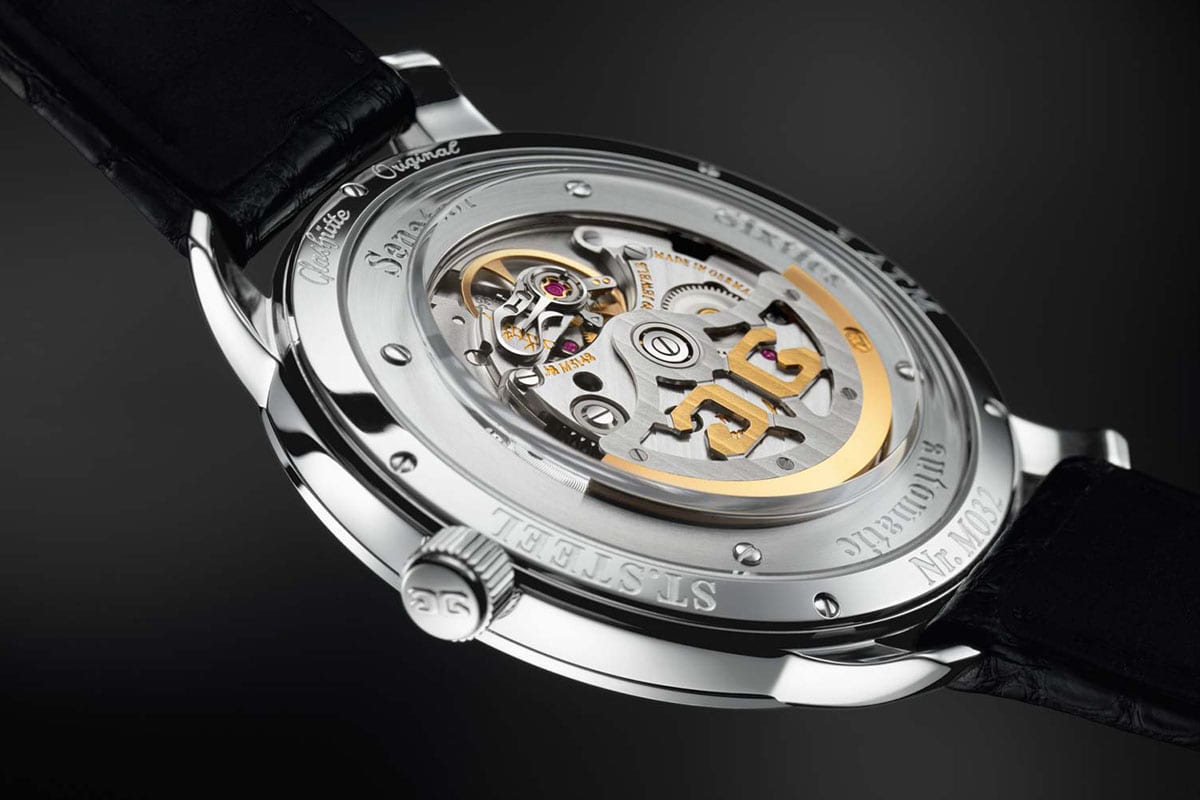
    German watchmaker Glashutte Original is rapidly building its network of Asian boutiques as it tries to build its share of global luxury watch sales.

    During the last three months, Glashutte has opened three new stores in Asia, including its first in Southeast Asia inside The Shoppes at Marina Bay Sands in Singapore.

    Glashuette Singapore MBS

    “The fine art of German watchmaking has its friends all over the world.  With the opening of not three new boutiques in Asia, Glashutte Original has added impressive strength to its presence, bringing even more of its manufactory art to China and Singapore,” the company said in a statement.

    The boutique at AMP in Wangfujing Rd in Beijing is the latest of the new stores as the brand continues to execute its international expansion strategy. Only at the end of December, the Saxon-based manufacturer opened its first in the city, in the popular Beijing SKP.

    “All three new boutiques offer a warm welcome to international connoisseurs of fine watches:  in keeping with the brand concept they offer visitors a world of experience that takes them straight to the heart of the German art of watchmaking.

    “Carefully chosen materials, stylish interiors and a contemporary environment present an essential expression of the brand DNA.”

    The Wangfujing Rd boutique, at 147 sqm, is the largest of the brand’s five Chinese retail stores.

    A watchmaker on the premises offers information and insights into his centuries-old art and puts his knowledge and experience to good use in answering any questions customers may have. Also awaiting customers is a luxurious lounge area that enhances the visual, emotional and individual experience of the visit, along with an interactive presentation allowing each visitor to explore in depth, using a touch-screen, the fascination of Glashutte Original.

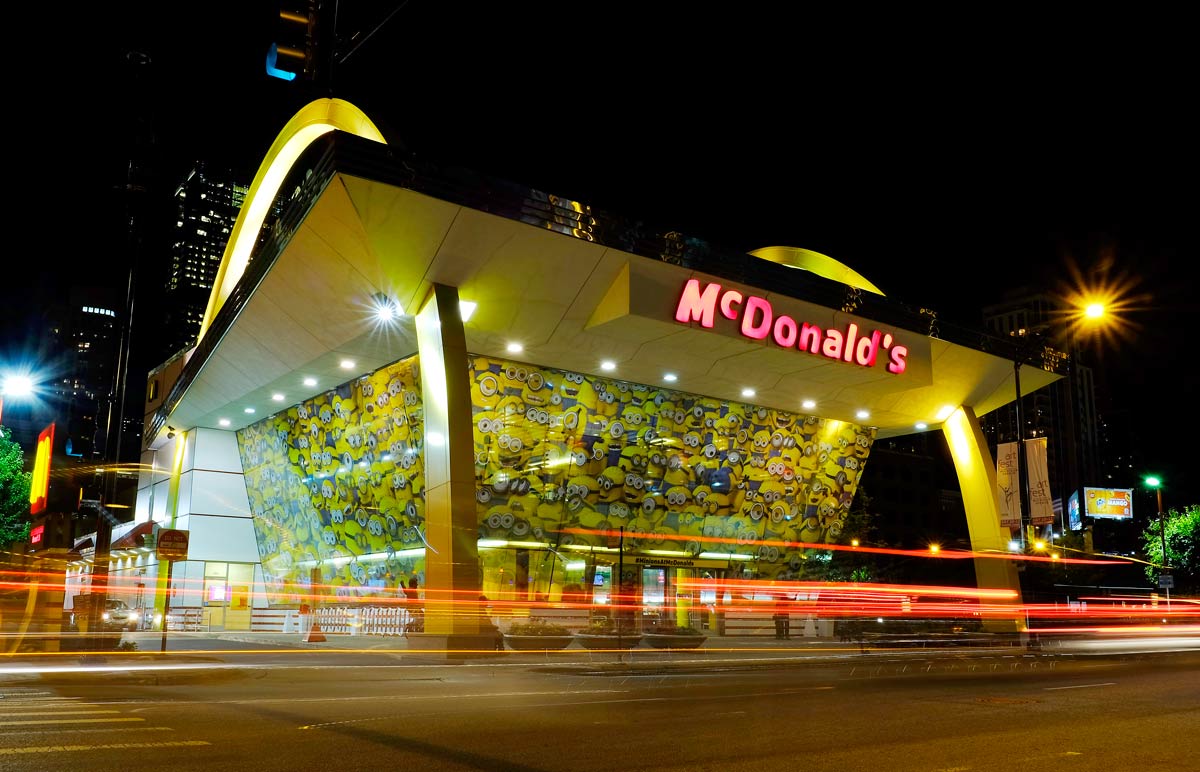
  • McDonald’s China plans 250 new stores in 2016

    McDonald’s China plans 250 new stores in 2016

    McDonald’s China is shifting its focus from tier 1 and 2 markets to smaller cities as it expands its footprint in the mainland.

    The US fast food operator plans to open 250 new stores in the lower-tier cities in 2016 which represents its biggest expansion plan in any international market.

    Phyllis Cheung, CEO of McDonald’s China, says the company will target third and fourth tier cities, along with developing digital ordering and offering customised burgers.

    Cheung says 150 stores in Beijing, Shanghai, Shenzhen and Guangzhou will have self-service kiosks introduced this year allowing customised ingredients. The build-your-own concept is called My Burger and has already been introduced in some Asian markets, including Thailand.

    “Within two to three years, we hope mobile ordering and other digital capabilities would cover all of our restaurants in China, and we will also launch our proprietary smartphone application for ordering by the end of this year,” Cheung said in an interview.

    The Us chain opened its ‘Experience of the future’ flagship restaurant in Beijing’s Wangfujing St this week which features table service for customers who order using the WeChat app.

    McDonald’s China boasts more than 2200 stores already.

  • Baccarat crystal opens in Beijing

    Baccarat crystal opens in Beijing

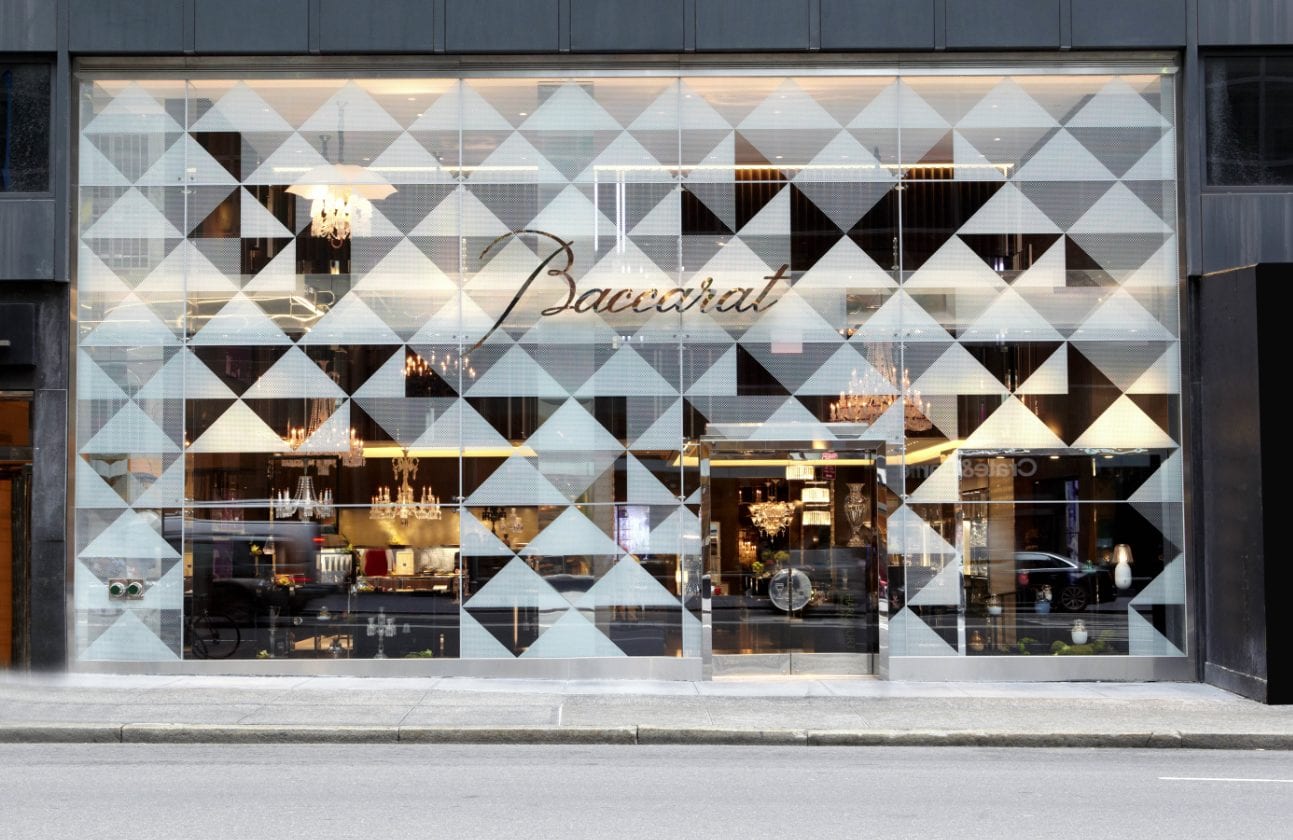
    French fine crystal manufacturer Baccarat has opened its first Chinese flagship store, in Beijing’s China Central Place complex.

    A stainless-steel mirror at its storefront draws attention to the two-storey boutique outlet, designed byGilles & Boissier of France.

    Attending the opening ceremony were Baccarat crystal global CEO Daniela Riccardi and Beijing Guohua Real Estate chairman Fang Chao. Singer Lin Yi Lun was among the guests. The Beijing opening follows the company launching a luxury hotel in New York last year to mark its 250th anniversary.

    Baccarat’s history goes back 200 years, and it represents the French art of living, according to theChina Central Place website. The new store offers an extensive product display, and includes many elements of the Baccarat flagship store in Paris, including a bar. Its decor also combines French and Chinese elements, with a Zenith 64-light chandelier illuminating the crystal works on display.

    Baccarat store Beijing


    Some of the products being offered are limited edition, including the Sun Mirror designed by Georges Chevalier in 1948, a set of crystal chess pieces by Oki Sato, founder of the Japanese design studioNendo, vases by Dutch designer Marcel Wanders, and panthers by French sculptor Jan Tésar.

    Baccarat’s store is on the ground floor of China Central Place, which is in the Trade Center in Jianguo Road, Chaoyang District. Among its international brands the mall also features Apple, Meissen, Rimowa and Tesla.

  • 100th store for Toys R Us China

    100th store for Toys R Us China

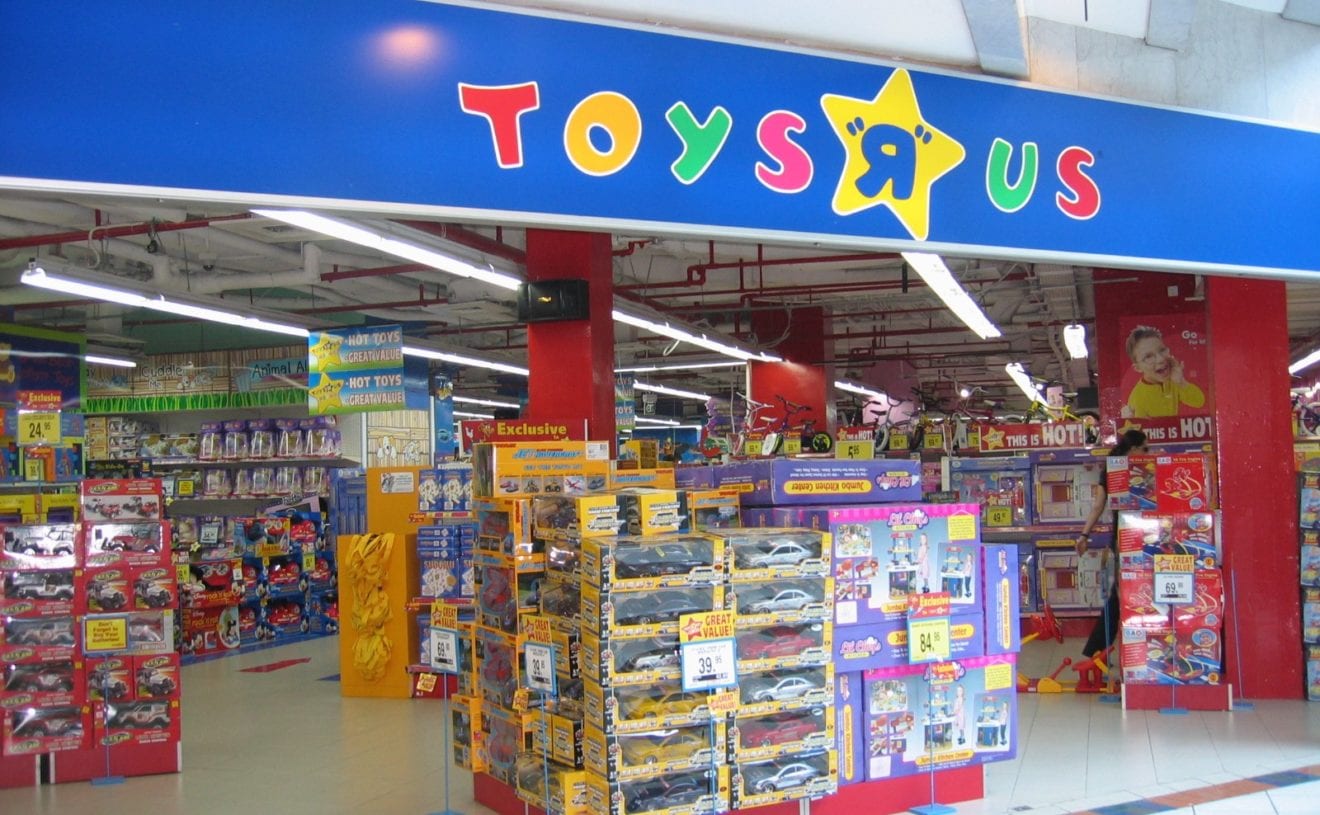
    Toy and baby products retailer Toys R Us has opened its 100th store in China.

    Ten years after entering the market, the US-based chain has its milestone outlet in the APM Shopping Mall in Wang Fu Jing, Beijing.

    During the past year, Toys R Us China has opened 27 stores across the nation.

    “International expansion, particularly throughout China and Southeast Asia, continues to be an important part of our long-term growth strategy,” says chairman/CEO Dave Brandon, who was at the Beijing opening ceremony. He notes an increasing demand in this market for quality children’s products and family entertainment experiences.

    Opening its first store in China in 2006, the company now has outlets in 44 cities, and plans to open another 30 stores this year.

    As part of the grand opening in Beijing, families were invited to meet such popular mascots as Balala Emma, Barbie, Geoffrey the Giraffe, Ninjago Kai and Ultraman. The store showcases the latest in “retailtainment”, digital technology and customer interaction. Customers can use a 70in. digital screen at the store entrance to browse through promotional items, make purchases, take “selfies” with special photo frames, play games and join the company’s Star Card loyalty program.

    Beijing’s store also features exclusive products not available elsewhere in the market, and throughout the APM mall are several new features sponsored by Toys R Us.

    Founded more than 65 years ago with headquarters in Wayne, New Jersey, Toys R Us formed a joint venture in 2011 with its licence partner in China and Southeast Asia, Fung Retailing. It took a 70 per cent interest in Fung Retailing’s stores in Brunei, China, Hong Kong, Malaysia, Singapore, Taiwan and Thailand.

    Toys R Us also has a T-mall Store in China, launching its eCommerce website in 2012. It also has a mobile-optimised website in China. Toys R Us has 1 million WeChat followers, with 80 per cent of them joining the Star Card membership program.

    As well as 863 outlets in the US and Puerto Rico, the company has more than 755 international stores and more than 250 licensed stores in 38 countries. In Asia, there are more than 400 stores in Brunei, Hong Kong, Japan, Malaysia, Singapore, Thailand, Taiwan as well as mainland China. There are also licensed stores in Korea, Macau and The Philippines.

  • Alibaba to focus on China’s biggest cities

    Alibaba to focus on China’s biggest cities

    Alibaba Group CEO Daniel Zhang has laid out the eCommerce giant’s strategic direction for 2016, saying Alibaba will be looking to grow its already large operations in China’s biggest cities.

    That change of focus follows a year in which it made global expansion and greater penetration of China’s underserved rural markets priorities during 2015.

    “We are going to consolidate and expand our current market, particularly by enhancing reputation, optimising user experience and increasing our market share in first-tier cities,” Zhang told employees at the company’s campus in Hangzhou.

    Although he provided few details, this refocusing on the country’s wealthy mega-cities was foreshadowed in September when Alibaba announced it would add China’s capital, Beijing, as a second headquarters.

    The company has been bolstering its Beijing operations in areas such as the online sale of groceries and consumer electronics, and plans to use the city as a gateway to better serve some 400 million people in northern China, where penetration and support infrastructure is less developed than it is in the country’s southeastern provinces.

    Outlining a three-prong expansion strategy that he stopped short of calling “Alibaba everywhere,” Zhang said in addition to targeting first-tier Chinese cities, the company in 2016 would continue to promote eCommerce among rural Chinese residents and globally through its international eCommerce websites.

    “Global import, rural eCommerce, and top-tier cities are the three key battlefields for Alibaba in 2016,” he said.

    Zhang last year said the globalisation of Alibaba’s mostly Chinese operations was a top priority. The company hired former top Goldman Sachs executive Michael Evans to oversee international expansion, boosted its presence in Europe and made cross-border online shopping a highlight of its annual 11.11 Shopping Festival.

    This year, Zhang said, the company will continue to build up channels that allow international brands and merchants to sell online to Chinese consumers.

    The focus of this effort will be Alibaba’s Tmall Global, a cross-border shopping solution that provides Western merchants with a simplified channel for selling online in China, and g.taobao.com, a niche channel within the company’s giant Taobao Marketplace that helps consumers discover quality products sourced from around the world.

    “We are going to build our businesses around the two brands, in order to raise their awareness among customers and offer optimal user experience,” Zhang said.

    Meanwhile, the company plans to invest in operations that not only allow to retailers tap the growing purchasing power of rural Chinese consumers, but also in platforms that help farmers in the hinterlands sell and deliver agricultural products to online shoppers in the country’s big cities.

    “In 2016, we are going to ramp up our efforts to bring quality goods to rural buyers, and deliver local produce to urban customers,” Zhang said, “so the rural market can be connected to the whole country and even the whole world.”

    Alibaba has built more than 10,000 village-level service centers that promote eCommerce and provide delivery services in more than 20 provinces.

    Zhang added that Alibaba this year would continue to drive innovation in omnichannel retailing and build up its on-demand services offerings.

  • Young, rich, e-savvy will transform Chinese economy

    Young, rich, e-savvy will transform Chinese economy

    China has been one of the world’s fastest-growing consumer markets in recent decades and there’s no sign that is going to change anytime soon, slowing economy or not, US management advisory firm Boston Consulting Group says in a new report.

    However, the profile of Chinese consumers and the products they buy will change over the coming five years, according to BCG’s report, The New China Playbook: Young, Affluent, E-savvy Consumers Will Fuel Growth, which predicts three trends to watch in the country’s consumer market through 2020: upward mobility, a new generation of consumers and the continued rise of eCommerce.

    BCG expects China’s upper middle class and affluent households to overtake the emerging middle class as the main drivers of consumption growth. At the same time, a younger generation of sophisticated consumers will rise in prominence, and eCommerce through online marketplaces such as Alibaba Group’s Taobao and Tmall.com will play an increasingly important role in the Chinese economy.

    “The growing role of richer, younger, Internet-savvy consumers will boost demand for different kinds of products purchased through different kinds of retail channels,” BCG said in the report. “Indeed, this emerging consumer class will transform the structure of China’s economy.”

    This transformation is already underway as Chinese consumers increasingly go online to make purchases via desktop computers and smartphones, according to BCG. In 2010, eCommerce made up just three per cent of total private consumption, but that number will reach 20 per cent five years from now, generating $1.6 trillion in sales. In the US, eCommerce accounted for 7.4 per cent of total consumption in the third quarter of this year, according to the US Department of Commerce. Also, within this category, 15 per cent of Chinese eCommerce transactions will be cross-border, another burgeoning sales channel as the Chinese government takes steps to make the import and export of goods via eCommerce easier for both consumers and retailers.

    The report, which was carried out in partnership with AliResearch, the research arm of Alibaba Group, arrives as investors across the globe watch growth targets for China’s gross domestic product decline in the face of decreased exports, once the backbone of the economy. But Chinese consumers are unfazed, BCG said.

    The consultancy predicted that even if China’s economic growth slows to 5.5 per cent – well below the 6.5 per cent target – the country’s consumer economy will expand by about half to $6.5 trillion by 2020 from $4.2 trillion now. The $2.3 trillion differential over those five years is still 1.3 times larger than Germany’s entire $1.8 trillion consumer market.

    Rising incomes will help to fuel that growth. The number of upper middle class and affluent households – those with more than $24,000 and $46,000 in annual disposable income, respectively – will double to 100 million by 2020, and they’ll account for 81 per cent of total consumption growth during that period.

    Increasing affluence will also help to push shopping trends in new directions and to new locales. Where consumer goods such as personal care products once dominated sales, the next five years will see the demand for services take over, especially in areas such as healthy foods, education and travel, BCG researchers wrote. Moreover, merchants that want to reach this growing demographic will have to move beyond major cities such as Beijing, Shanghai and Guangzhou. BCG said that about half of the 46 million new upper middle class and affluent households expected by 2020 will be located in fourth-tier cities or lower, or those outside China’s top 100 cities.

    eCommerce sites such as Taobao have made moves to capture this growth in services. The report pointed to Taobao’s lifestyle service channel, which had customers in 300 cities only six months after launch. And most of those customers were 35 or younger and they were making online arrangements for home-based services such as house cleaning, with as many as 2600 maids booked in a single day at one point.

    Omnichannel retailing, where consumers are driven from online promotions to offline services accessed via smartphones, will be another key area of growth, BCG said. eCommerce purchases made on mobile devices currently generate 51 per cent of all online sales in the country – well above the global average of 35 per cent. Mobile transactions will account for nearly three out of every four online purchases by 2020, BCG predicted, as Chinese consumers increasingly rely on the internet to obtain local services and purchase products, such as organic foods, that they can’t find in local brick-and-mortar stores.

    An ability to attract a younger demographic, those born in the 1980s, ’90s and the first decade of the 2000s, will increasingly spell success or failure for companies selling into China, BCG said. The country’s up-and-coming crop of college-educated shoppers under the age of 35 are sophisticated and brand conscious in ways the previous generation was not. Their consumption is growing at 14 per cent annually, double that of consumers over 35, and they spend more than their elders – as much as 40 per cent more in many product categories. By 2020, BCG said the young generation’s share of total consumption is projected to reach 53 per cent in 2020 from 45 per cent.

    Companies that wish to remain competitive in China – or those entering for the first time – will need to adjust their strategies to fit in with these shifting demographics, BCG said, as the days of ubiquitous and insatiable Chinese demand across all product categories are over.

    “Even though overall consumption will continue to boom in China over the medium term, targeting the wrong income segment, playing in the wrong categories, and being underrepresented in the fast-growing online channels will be a formula for slow growth,” the report said.
  • Dior China opens largest flagship yet

    Dior China opens largest flagship yet

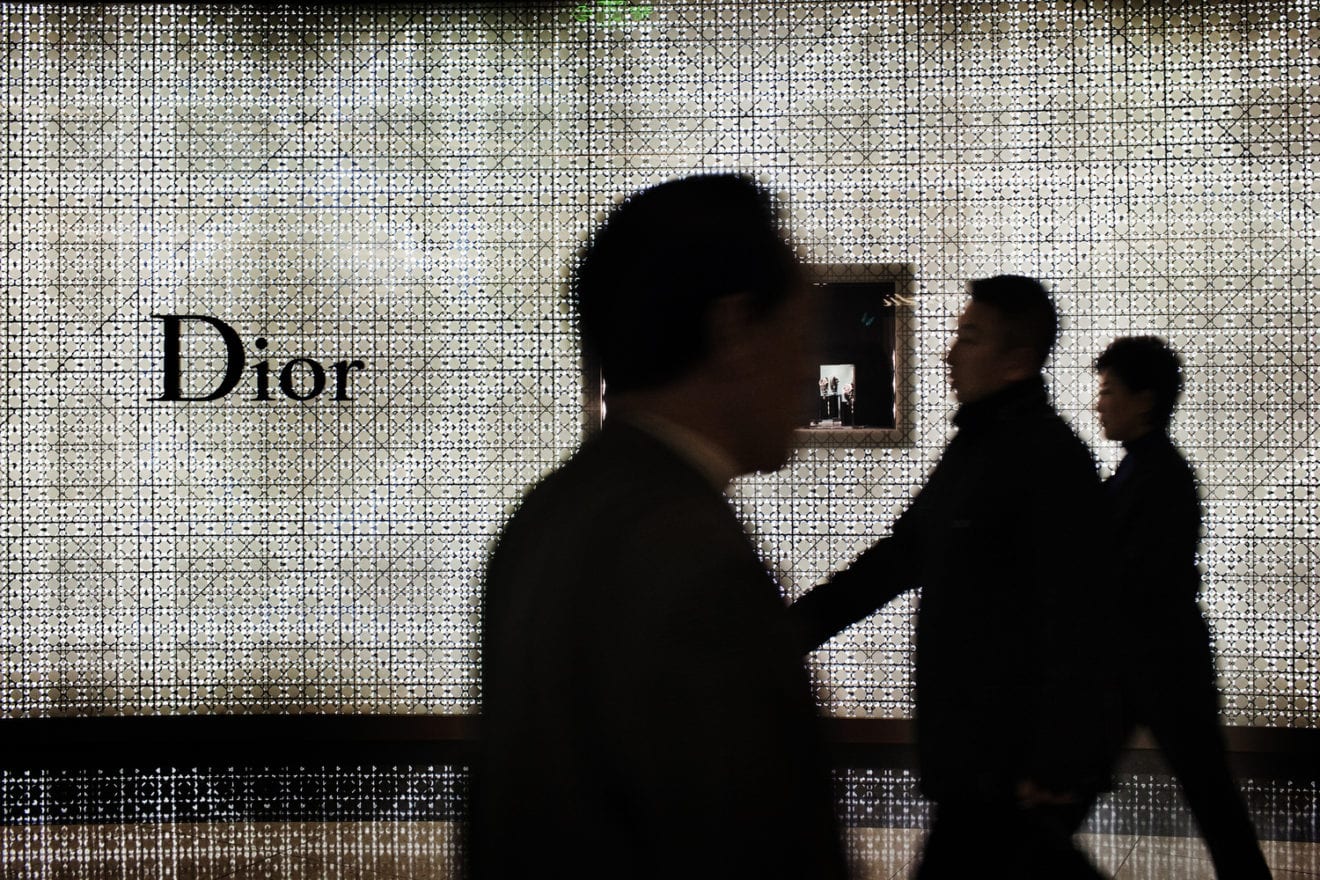
    Dior’s new Beijing China World boutique is the French luxury label’s largest flagship store in China.

    Dior China opened the store this week in conjunction with its re-staged Spring/Summer 2016 presentation. The retail space is split across two levels, featuring a floor-to-ceiling, double layer glass facade that emulates the fine feminine fabric in the fashion house’s Cannage print.

    Dior Beijing China 1

    Designed by Peter Marino, the interior is inspired by Dior’s Paris flagship and dotted with a carefully curated group of artworks by contemporary artists. Each of the 10 pieces, which include a bench by Terence Main and a video art wall by Yorame, reflect the codes of the house.

    There is also a sculpture Siamese Metal 5 from British artist Richard Deacon, the work Waterwall, Roselyn by Gregory Ryan and table lamps by Veronique Rivemale are also displayed in the store.

    On the second floor, the footwear section is adorned by a Gaia Imprint Low Table, designed by Vincent Dubour.

    Dior Beijing China 2

    Classic furniture pieces from Guillaume Piechaud, Paolo Giordano and Timothy Horn have been placed strategically throughout the space, and the store features a private VIP salon decorated with two Mineral Commodes designed by Juan & Paloma.

    The new Dior China flagship is located in Beijing’s Chaoyang district.

    dior beijing

  • First Marks & Spencer Beijing store opens

    First Marks & Spencer Beijing store opens

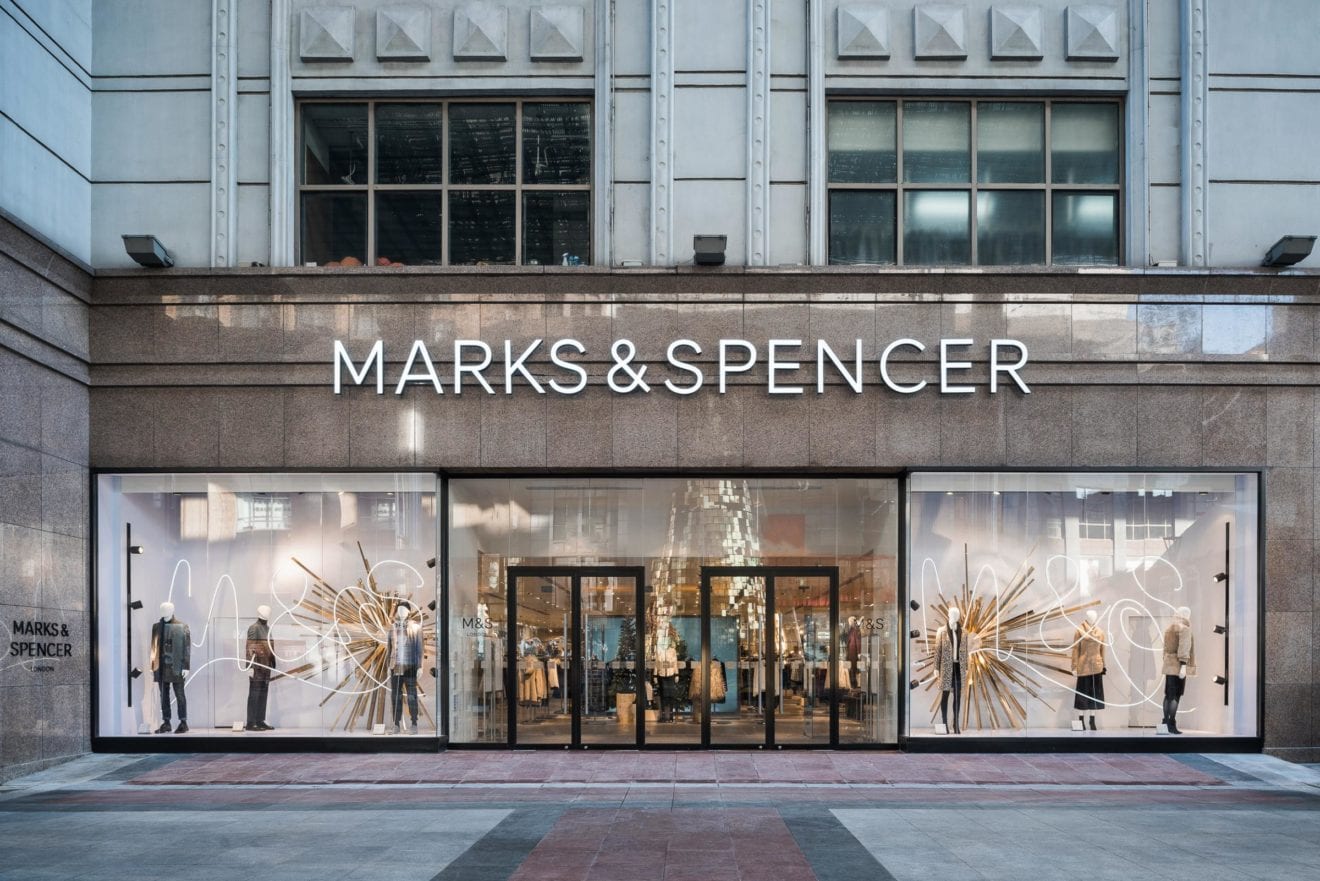
    UK department store operator Marks and Spencer has opened its first store in Beijing.

    The new 1500 sqm M&S Beijing store has opened in The Place shopping centre, selling clothing and food.

    M&S operates 10 stores in Shanghai and the move to Beijing is in line with a strategy to gradually expand in China’s tier 1 cities, albeit at a slower pace than originally forecast.

    “We’re looking at places which are very much ‘tier 1’… where you have an upper middle class consumer base… where we will do well even in the context of a slowdown in the economy,” executive director of marketing & international, Patrick Bousquet-Chavanne said last September.

    M&S has closed some smaller stores in China and is now focusing on larger stores in major cities.

    It has 20 in Hong Kong.

  • Carrefour has opened its biggest store in Asia

    Carrefour has opened its biggest store in Asia

    Carrefour SA, a French retailer, as of late opened its biggest store in Asia in the Chinese capital, Beijing. The divulging comes as the firm plans to capitalize on the expanding interest for imported sustenance from medium-and top of the line customers.

    The two-story hypermarket is situated on the North Fourth Ring Road, adjoining the sprawling office of Swedish outfitting retailer Ikea. It houses more than 80 stores, including Uniqlo, Decathlon and the first-ever Baidu Concept Store.

    The Carrefour Beijing outlet, which is spread over a territory of 71,380 square meters, offers more than 40,000 items, 15 percent of which are foreign things.

    Serving as the French retailer’s twentieth store in the city, the hypermarket likewise has 800 free parking spots, 15 electric charging stations for transport transports, and five underground charging stations for electric autos.

    “We are concentrating on imported nourishment items as there has been an ocean change in the sustenance inclinations of Chinese purchaser,” Laurent Olszewski, local chief for the North-West China district at Carrefour, said. “It is very unique in relation to what I saw when I first came to China in 1995.”

    “Chinese buyers need to take a stab at everything,” he included, refering to imported French salt and Australian meat as samples. Olszewski additionally shared that Carrefour is growing its e-trade business in 2016. The firm will concentrate on its Web-based administrations by January one year from now in the wake of completing their work on their Tianjin-based logistics focus.

    As per specialists, this move of Carrefour is an approach to acquire shoppers fitting in with the high-pay class.

  • Apple’s Fifth Retail Store in Beijing Opens November 28

    Apple’s Fifth Retail Store in Beijing Opens November 28

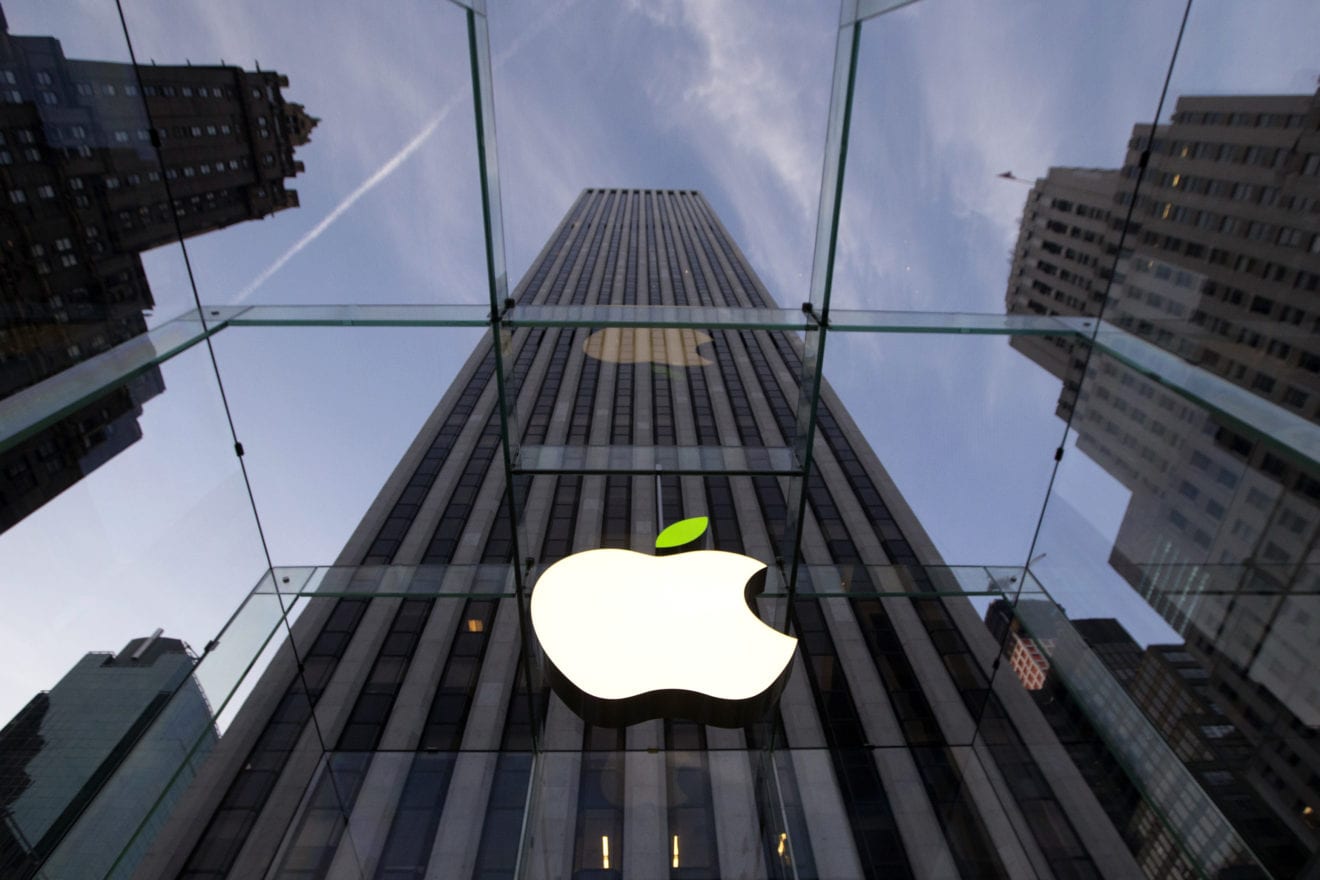
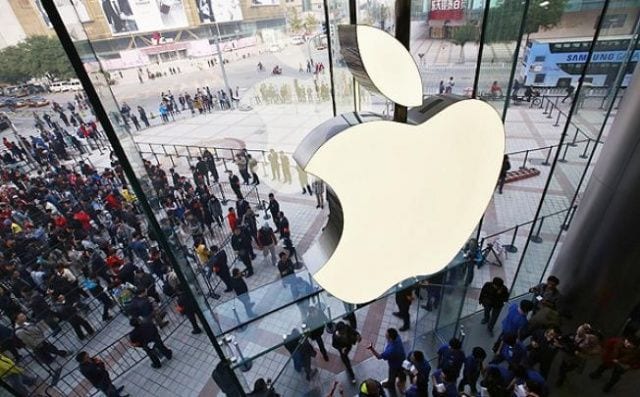
    Apple has announced that its fifth retail store in Beijing, and 27th in China, opens Saturday, November 28 at 10 AM local time. The store will be located in the new Chaoyang Joy City shopping mall at 101 Chaoyang North Road in Beijing’s city proper Chaoyang District.

    The new store will be open 10 AM-10 PM local time everyday and offer traditional Apple Store services, including the Genius Bar, Workshops, JointVenture, events and seminars. Apple’s four other retail stores in Beijing are located at China Central Mall, Sanlitun, Wangfujing and Xidan Joy City.

    Apple has opened more than seven new retail stores in China this year, including locations in Chongqing, Dalian, Hangzhou, Hong Kong, Nanjing and Tianjin. The company is committed to expanding its footprint in China, an increasingly important market, under the leadership of retail chief Angela Ahrendts.