Tag: Beijing

  • Canada Goose opens store in Beijing

    Canada Goose opens store in Beijing

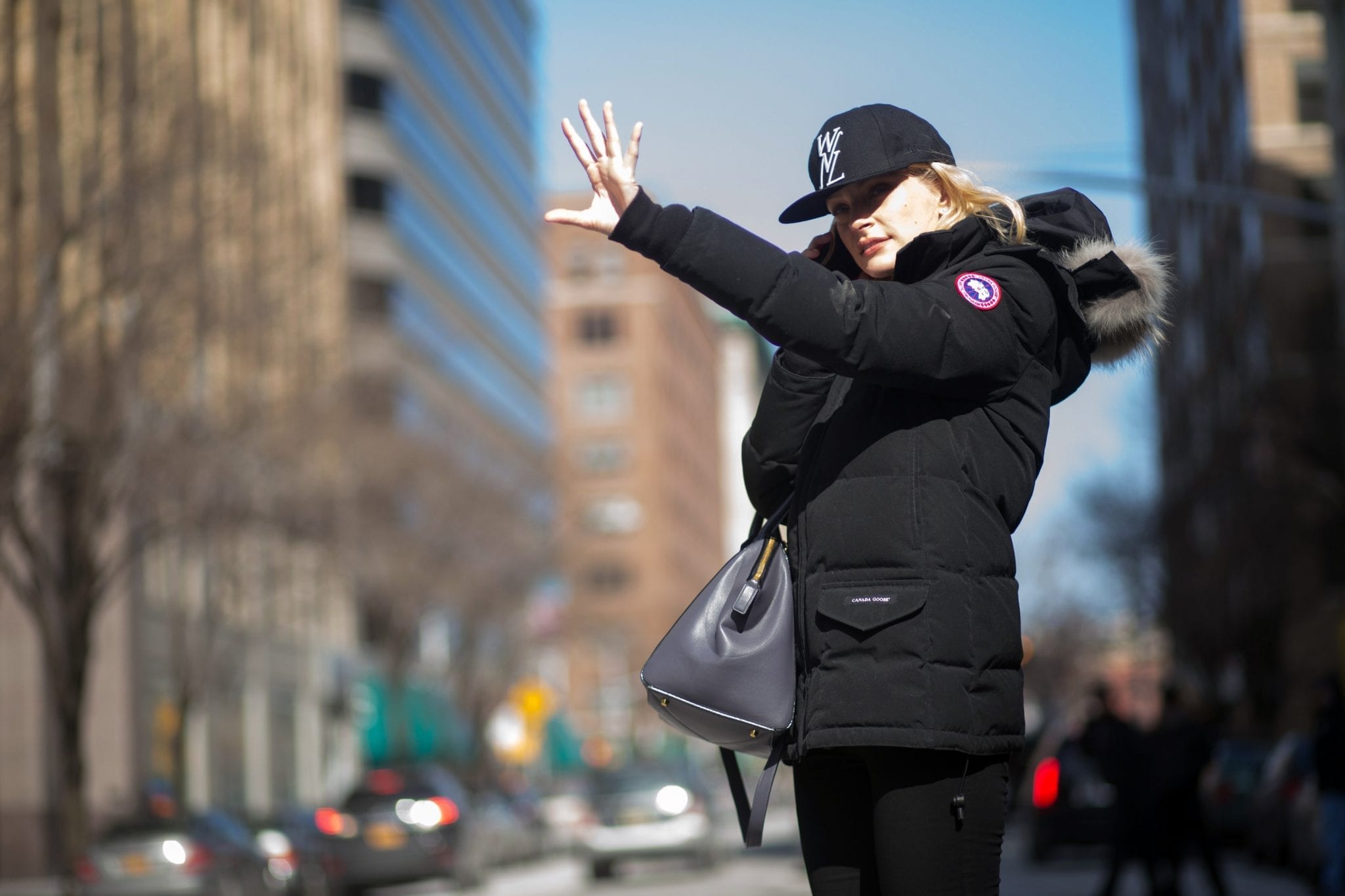
    Winter clothing firm Canada Goose has finally opened its first Mainland Chinese store in Beijing. In a launch rumoured to be delayed due to political tensions between China and Canada – and dismissed by the firm as the result of construction delays – extensive queues saw shoppers waiting for over an hour for the opportunity to purchase the CNY9000 (US$1300) parka jackets.

    The brand has previously enjoyed significant popularity in Hong Kong.

    An email from the firm to news agency Reuters read “We are proud of our newest store in China and look forward to welcoming our fans”.

    Calls to boycott the brand were made on social media following Canada’s arrest of Huawei Technologies’ CFO Meng Wanzhou, a situation that has sparked a 37 per cent drop in the value of Canada Goose shares in Toronto.

  • JD stores open in Beijing and Mongolia

    JD stores open in Beijing and Mongolia

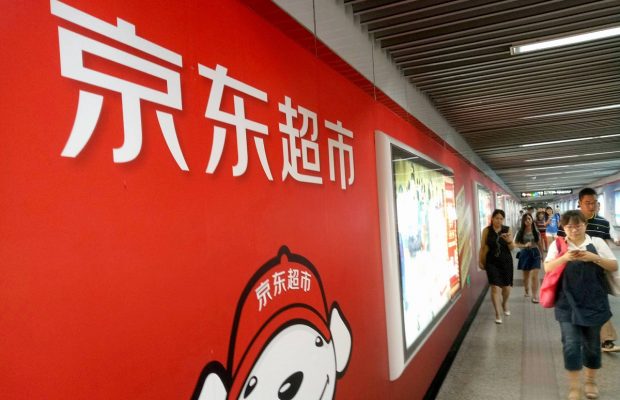
    Chinese online retail giant JD has opened two new innovative stores at Beijing Capital International Airport (BCIA) and Hohhot East Railway Station in Inner Mongolia. In a move to further expand the firm’s “boundaryless retail” strategy, the JD travel retail stores use the e-commerce company’s latest retail technology in order to make it easier and more enjoyable for travellers to purchase on the go. The openings add airports and railway stations to JD’s offline retail offerings, which already include convenience stores, supermarkets, and partnerships with hotels.

    Located in the departure lounge of Terminal 3 at BCIA for the next three months, JD’s pop-up store will offer popular travel items such as daily necessities, clothing, mobile accessories, beauty products, and bags and suitcases. The store uses JD’s smart store technology to understand how customers interact with products as well as which products to offer them. The integrated JD Zu Chongzhi platform can analyse customer behaviour and traffic flow, such as generating heat maps, in order to assist with product selection and inventory management, ensuring smooth store operations.

    “[Stocked] with items popular among travellers, the new shop will not only offer the products they want to buy most on their journeys – it will also allow them to personally experience what shopping of the future will be like, brought to them by China’s largest and most innovative retailer,” a spokesperson for BCIA said.

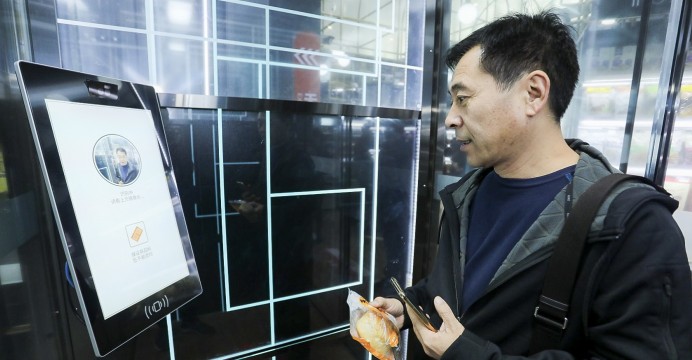
    The 100sqm unmanned Hohhot East Railway Station JD travel retail store opened in partnership with China Railway Express. It also makes the most of JD’s technological capabilities, with features such as facial-recognition payment and smart vending machines. Later, the store will make use of a Mini Program in WeChat so that customers can choose to buy on the spot and take their purchases with them, or shop online and have them delivered to a convenient location.

    JD Logistics and China Railway Express have been cooperating in logistics transportation since 2014, and have worked together to help facilitate the JD Luxury Express “white glove” delivery service as well as fresh food delivery via high-speed rail.

    “Many of our customers enjoy shopping while traveling and we’re determined to make sure they benefit from the convenience of JD wherever they are,” JD’s GM of social e-commerce and retail innovation, Bing Zhang, said.

    The new JD travel retail stores in Beijing and Inner Mongolia will provide them with a truly seamless experience that is unrivalled anywhere”.

  • Louis Vuitton personalisation service launches in Asia

    Louis Vuitton personalisation service launches in Asia

    Luxury retailer Louis Vuitton is offering a personalisation service for a selection of men’s ready-to-wear items in a limited number of global stores. The My LV World Tour Louis Vuitton personalisation service offers clients the opportunity to customise their purchases with a variety of patches and embroideries inspired by vintage travel labels and varsity lettering of the kind Gaston-Louis Vuitton used to adorn his own luggage. The service was previously limited to leather goods.

    The patch themes include world-famous cities and heritage LV graphics, some of which will be available seasonally as limited-edition items.

    The Louis Vuitton personalisation service is available in only eight Asian stores: Hong Kong’s Canton Road and Pacific Place; Shanghai’s Plaza 66; Beijing’s Shin Kong; Japan’s Omotesando and Shinsaibashi; Singapore’s Marina Bay Sands and Seoul’s Shinsegae Main.

  • Acne Studios Opens First Store in Beijing

    Acne Studios Opens First Store in Beijing

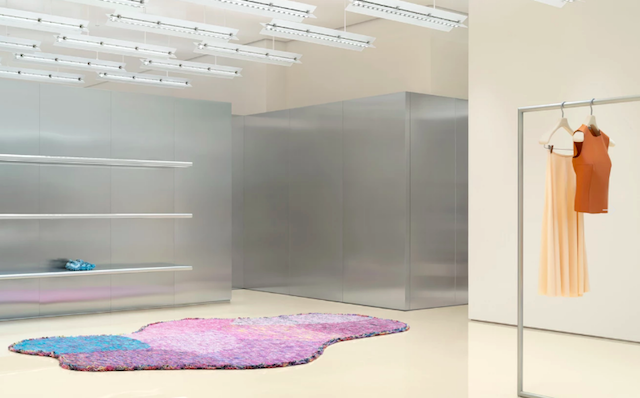
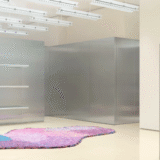
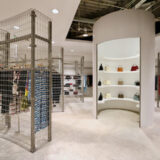
    Acne Studios China has opened its third store, in Beijing. The Swedish luxury fashion brand launched in China two years ago, offering its eclectic mix of minimalist ready-to-wear fashion and denim. The new store’s interior features straight lines with glass, high-gloss white walls and contrasting stainless steel railing and shelves. A large display created by British designer Max Lamb stands in the centre of the store, painted in the label’s trademark shade of pink. It’s matched with purple rugs created by Lamb which contrast with the stark white interior.

    Acne Studios creative director Jonny Johansson said it had been a long-held dream to open a store in Beijing. “It is also my hope that this store will bring us the opportunity to create many special projects in the future.” Lines exclusive to Acne Studio China will be sold at the new boutique to mark its opening.

    The store is located in Taikoo Li North Village on Sanlitun Road.

  • Olympic Committee Launches the First Olympic Store for Chinese Fans with Alibaba

    Olympic Committee Launches the First Olympic Store for Chinese Fans with Alibaba

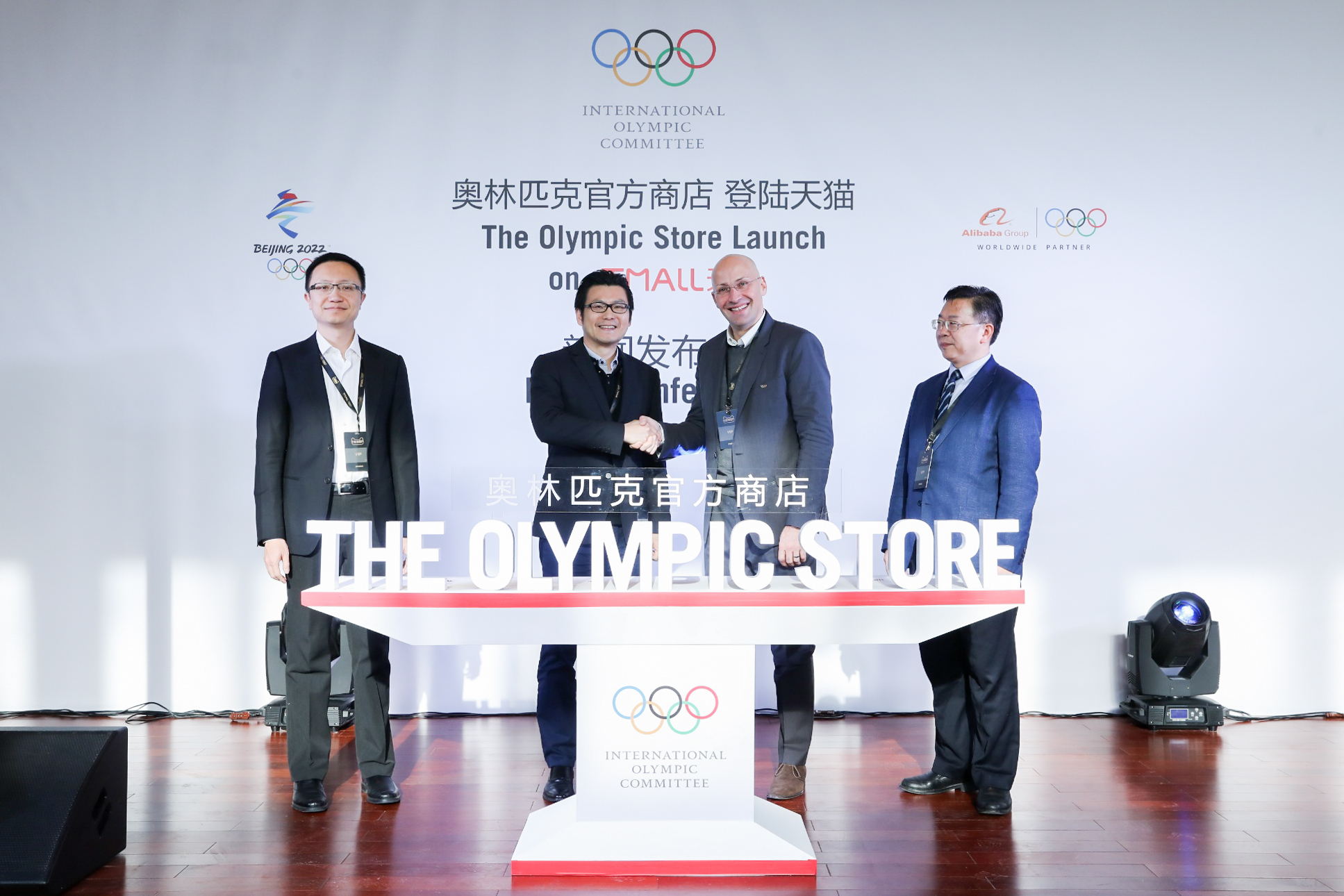
    The International Olympic Committee and Worldwide TOP Partner Alibaba Group (NYSE: BABA) announced the launch of the firstever Olympic store on Tmall, China’s largest B2C marketplace for brands and retailers, during the weekend. The new Olympic store will be initially available to Chinese fans on Alibaba’s Tmall, with additional plans in development to create a global ecommerce platform for fans around the world.

    The Olympic store on Tmall has been launched as part of the new IOC Global Licensing Strategy, which aims to engage and connect with fans seeking official Olympic branded merchandise, in line with Olympic Agenda 2020. The launch was announced at the second annual Tmall Winter Festival in Zhangjiakou, a three-day online and offline retail event to generate excitement for winter sports among Chinese consumers. The Olympic store on Tmall will offer official products developed as part of three Olympic core licensing collections, aimed at engaging Chinese fans all year round.

    The Olympic Games Collection celebrates the upcoming Olympic Games and includes branded products from the Beijing 2022 and Tokyo 2020 Games, such as pins, apparel and other memorabilia. The Olympic Heritage Collection will feature products that include art and design elements from previous Games editions, such as postcards of historical Olympic posters, connecting fans and connoisseurs with the rich heritage of the Olympic Games. Finally, the Olympic Collection will target a young and active audience through unique branded products, mainly sports equipment and toys.

    Timo Lumme, IOC TMS Managing Director, said: “We are delighted to launch our first Olympic store on Alibaba’s Tmall in China, one of the world’s largest ecommerce marketplaces. The launch was made possible thanks to the support of our Worldwide Olympic Partner Alibaba’s technology and expertise, as well as our partnership with the Beijing Organising Committee for the Olympic and Paralympic Winter Games 2022. The Olympic Winter Games Beijing 2022 will be a landmark moment for China and the Olympic Movement, and from today we look forward to offering the latest exciting Olympic products to Chinese Olympic fans through our new Olympic store on Alibaba’s platform.”

    Chris Tung, Alibaba Group Chief Marketing Officer, commented: “The launch of the first Olympic store on Alibaba’s Tmall is an important milestone in our long-term partnership with the IOC. We are proud to leverage Alibaba’s technology and ecosystem to provide more opportunities for Chinese fans to celebrate the heritage of the Games and join in the excitement for Tokyo 2020 and Beijing 2022. We look forward to our continued collaboration with the IOC to connect more fans in China and from around the world to the Olympic Movement in the digital era.” Piao Xuedong, Director of the Beijing 2022 Marketing Department, said: “We are proud to work with both the IOC and Alibaba to present the Olympic store on Tmall to Chinese Olympic fans today. It is the first time in the history of the Olympic Movement that Olympic fans can use an online store to look for licensed products both from the historical Olympic Games and the upcoming Olympic Games. Beijing 2022 is getting full value by innovating the licensing programme today. Our licensing team will keep supporting the Olympic store on Tmall by providing more wonderful products in the future.”

    In December 2017, Alibaba Group, in partnership with the Beijing 2022 Organising Committee, introduced the official online shop for Beijing 2022 on Tmall to help promote the Games among fans in China. Alibaba Group and the IOC entered a historic, long-term strategic partnership in January 2017 to help transform the Olympic Games for the digital era. Alibaba Group serves as the official “Cloud Services” and “E-Commerce Platform Services” Partner of the IOC, and is a Founding Partner of the Olympic Channel through to the 2028 Games.
  • Iconic Toy Store FAO Schwarz to Open in Beijing

    Iconic Toy Store FAO Schwarz to Open in Beijing

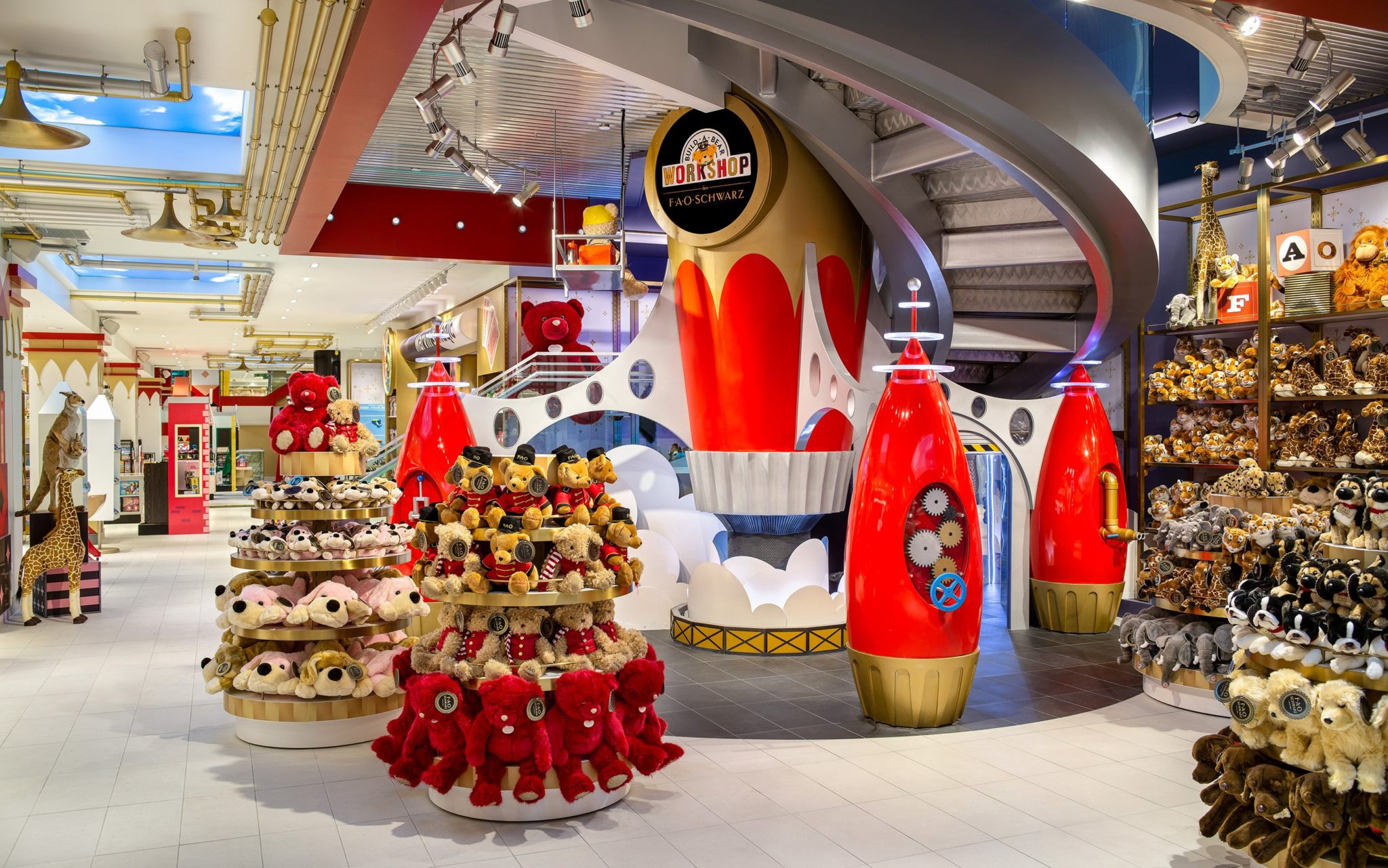
    Heritage toy store brand FAO Schwarz is headed for Beijing after relaunching in New York City. The original store, which featured in Hollywood movies such as Tom Hanks hit “Big”, closed its flagship near Central Park, unable to meet rising rental costs. Its current smaller location under new owners ThreeSixty stands to benefit from significant nostalgia for the old store amongst New Yorkers.

    Beyond plans for China, ThreeSixty intends to open pop-ups in department stores both in the US and abroad.

    It faces the same competition from e-commerce and discount chains like Walmart and Target that toppled toy empire Toys R Us earlier this year.

    Chief merchandising officer David Niggli said the key to the new stores is experience.

    Attractions include magic tricks, certificates to “adopt” a doll and a Build-a-Bear Workshop.

  • Link REIT Buys Beijing Mall for RMB 2.56B

    Link REIT Buys Beijing Mall for RMB 2.56B

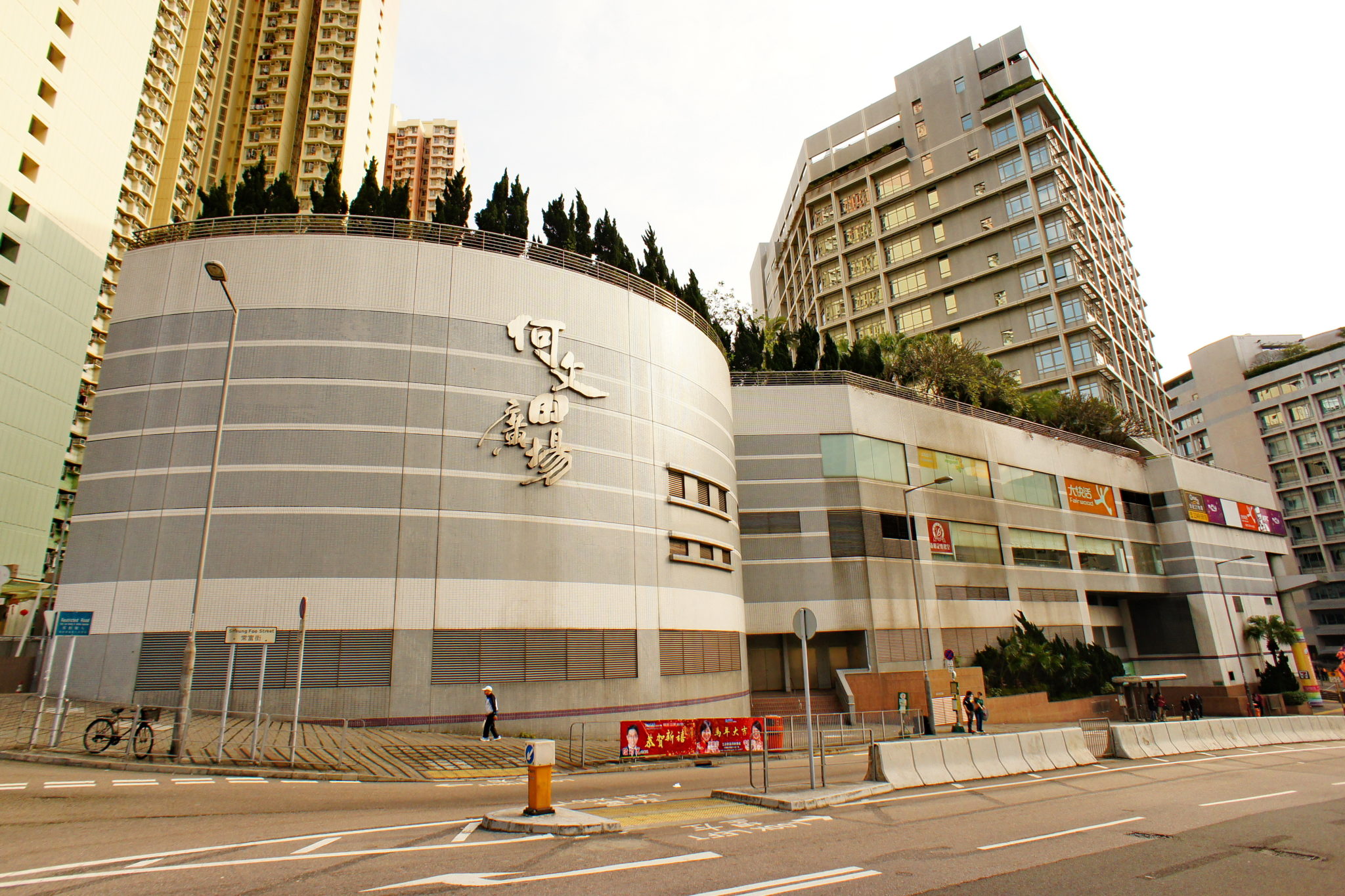
    Link REIT has reached a conditional agreement to acquire a RMB2.560 billion (US$368.8 million) shopping centre in Beijing. The property, Beijing Jingtong Roosevelt Plaza, is a seven-storey mall housing 268 retail tenants, with 576 car parks on two additional underground levels. Link said in a stock exchange filing that the property is located in Tongzhou, the eastern gateway to China’s capital, a rapidly developing district about 20km from central Beijing. It is in an established residential area with 30 per cent of the district’s population living within a 3km radius.

    The property has good connectivity, located on Beiyuan South Road, the district’s main artery, is a high-quality community mall with an occupancy rate of 96.2 per cent and a dynamic mix of retailers including food and beverage, fashion/accessories, kids/education and lifestyle, health and beauty, along with a cinema.

    Leases for about 20 per cent of the four year old centre’s tenancies (by space) expire in 2020, providing Link with an opportunity to enhance rental reversion and performance of the property by upgrading the trade mix.

    Link expects the net property income of the mall will increase, in turn bosting the capital value of the property, benefiting unitholders.

  • Casa Perú Opens Its Doors In Beijing Mall

    Casa Perú Opens Its Doors In Beijing Mall

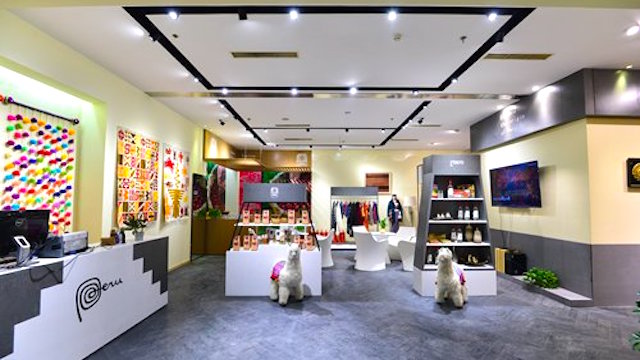
    The Peruvian Ministry of Foreign Commerce venture House of Peru has opened a store in Beijing. The outlet, which opened in Shimao Gongsan Plaza, Sanlitun, serves as a promotional platform for products from the South American nation as well as to popularise tourism in the region among consumers in China.

    Local store representative Huang Zhaohui commented that Peru is well-known for its alpaca wool clothing. The warm, light material has been promoted globally by Peru since establishing the Alpaca label in 2014.

    At the opening ceremony, Huang Zhaohui was awarded the title of “Peru-china Friendship Envoy” by the foreign trade and tourism minister of Peru to honour her contribution to the trade and exchanges between both countries.
    The store also retails food, coffee and Pisco wine.

  • Bob’s Select Space combines bar and retail store together

    Bob’s Select Space combines bar and retail store together

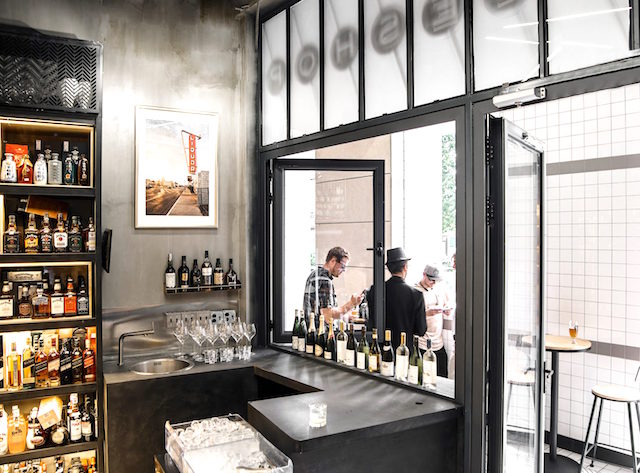
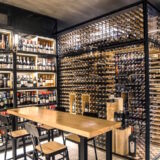
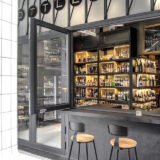
    Architectural studio Designreserve has created a new store in Beijing’s Sanlitun integrating a bar into the retail experience, according to a report. Bob’s Select Space is the flagship store for liquor retailer Bob’s Wine, aimed at creating a community space in a busy shopping area. The design explores the traditions of communication in liquor culture and merchandise.

    Designreserve co-founder Feng Yue said: “We wanted to create a strong visual identity. So we invited a graphic artist to design special fonts for each major alcohol type displayed on the facade. For us it is a kind of public art

    “Previous shops of Bob’s Wine are popular for their wide range of bottle selection as well as for their relaxing atmospheres, but the spaces were geared towards retail rather than bar.”

    The 60sqm space is divided into three rooms that transition visitors from the public domain to a more intimate “hideout”.

    “Experience is the key determining factor for the success of retail spaces,” said Yue. “Therefore, our job as designers is to create spaces where people feel inspired and hopeful that city life can still be fun.”

    View the gallery below (4 images) :

  • Solid six months for Link Reit

    Solid six months for Link Reit

    Link Reit has improved like-for-like revenue by 7 per cent in the first half year, with car park revenues up 10 per cent and retail up 6.6 per cent. The valuation of Link’s investment properties portfolio reached HK$209.8 billion, an increase of 3.3 per cent compared to March 31.

    In a results announcement, the company said its portfolio “continued to demonstrate its resilience and provide a productive platform for our tenants to thrive” during a time of geopolitical and economic uncertainty.

    “Our efforts invested in asset management have yielded positive results for our retail portfolio,” the company said. “As at September 30, occupancy rate for the portfolio remained stable at 95.5 per cent and the overall portfolio reversion rate stood at 22.5 per cent. Average monthly unit rent improved to $65.7 per square foot (psf) as at September 30, up from $62.4 psf as at March 31.

    Four asset enhancement projects were completed during the six-month period: Fu Shin Shopping Centre, Homantin Plaza, Sam Shing Commercial Centre and Wan Tsui Commercial Complex. Link’s asset enhancement pipeline is filled with projects in various stages, including 10 projects currently underway, five preparing to commence and 19 projects undergoing review.

    On the mainland, Link’s three properties – EC Mall in Beijing, Metropolitan Plaza in Guangzhou, and Link Square 1 & 2 in Shanghai – performed “satisfactorily”, contributing a combined revenue of $490 million and net property income of $390 million. Increases of 22.8 per cent and 25.8 per cent, respectively. The retail portfolio occupancy rate was 98.8 per cent.

    “The latest addition to the portfolio, Metropolitan Plaza, continues to be a growth engine with vast potential to be unlocked. EC Mall’s reversion rate stayed at a satisfactory level and the new tenants have been warmly welcomed by the local community. Reversion rate of retail portfolio stood high at 43.2 per cent. We will continue to tailor asset management strategies to enhance our asset qualities and offerings to the neighbourhoods,” the company said.

    CEO George Hongchoy said Link is “well-placed to sustain its long-term growth trajectory while keeping foundation of business fundamentally sound and resilient”.

    The company is considering acquisitions and/or divestments that can drive sustainable return long term.

  • Lenovo opened an unmanned store in Beijing

    Lenovo opened an unmanned store in Beijing

    Lenovo China has launched an automated store in Beijing based on facial recognition technology. The Lenovo Go store also features a mobile payment system. A blog post put out by the Taiwanese tech giant reads: “Shopping at the store is quite simple. You walk up to the door, cameras recognise your face, you browse the aisles, pick out what you want as usual, then – and here’s the magic – you just walk out, and your account is automatically settled via your mobile payment.”

    Lenovo’s head of research and technology Daryl Cromer said: “We can now understand some of the technologies and challenges our customers face, allowing us to make better devices and tailored solutions.

    The store becomes a powerful pilot program for technologies that move beyond the Lenovo campus.”

    Lenovo plans to use data gathered at the store to power future technologies, such as an espresso machine that can brew coffee to individual preferences based on facial recognition.

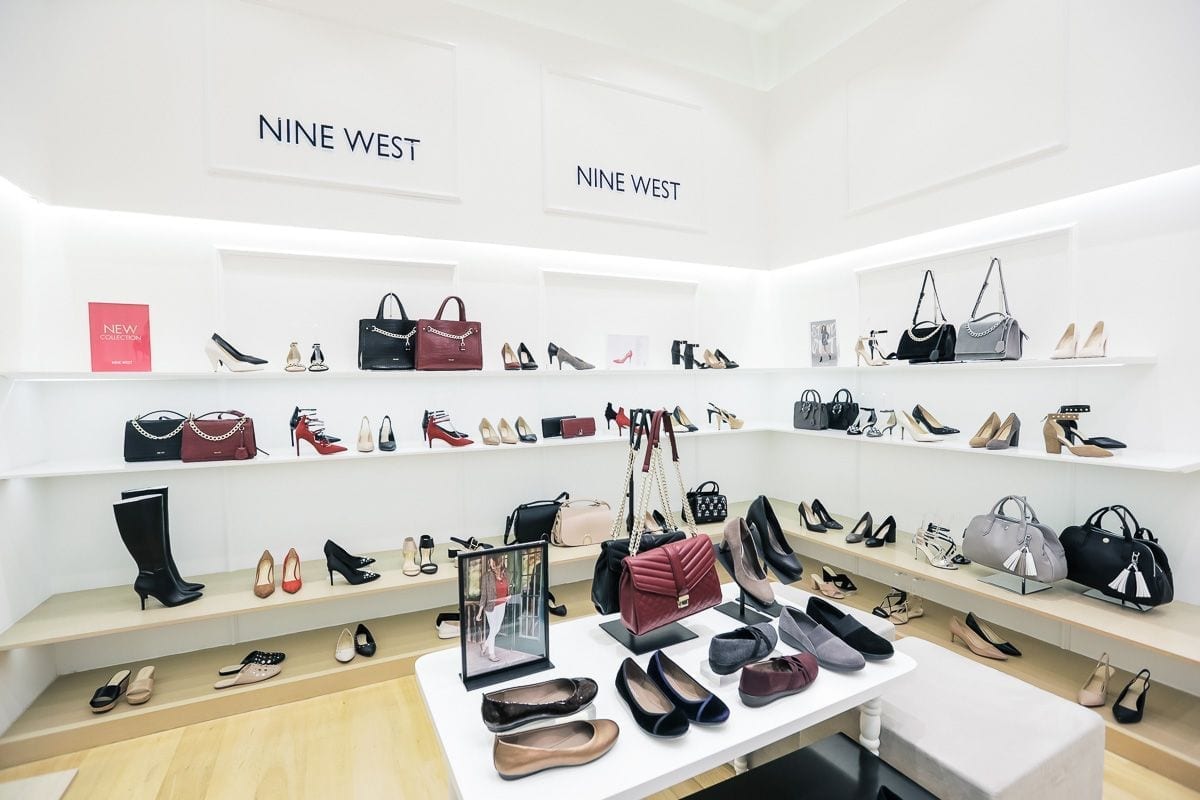
  • Nine West Closes Last Beijing Shoe Shop as It Retreats From China Market

    Nine West Closes Last Beijing Shoe Shop as It Retreats From China Market

    Nine West China has closed its last Beijing store.

    The New York-headquartered women’s footwear retailer, which filed for bankruptcy in April, was popular in China from the mid-90s but has struggled with increasing competition. It is now pulling out of the region entirely, citing poor management of its stores. It closed its online store last month.

    Nine West China’s regional agency GRI Group has reported financial difficulties and withdrawn from Taiwan and Hong Kong.

    Nine West Holdings is now focusing on jewellery and apparel, rather than shoe retailing.

    Its Nine West and Bandolino footwear brands were sold to Authentic Brands Group in June for US$340 million.

  • Dover Street Market Beijing launched with revamp

    Dover Street Market Beijing launched with revamp

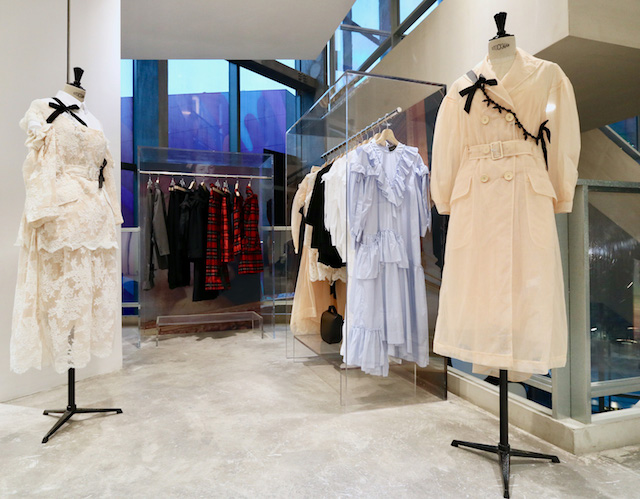
    Dover Street Market Beijing, formerly I.T Beijing Market, has opened for business with a brand-new interior.

    The four-storey, 2200sqm glass house fashion landmark was restructured and redesigned, before a soft opening in April. This week, I.T Group has formally launched the new store, with further upgrades and additions, while renewing the brands and visual displays in line with other DSM stores around the world.

    Much of the interior was redesigned by Rei Kawakubo of the Comme des Garcon team.

    New features include a “village hut” installation at the entrance as well as diverse and contrasting layouts, materials, and colors on every floor, attempting the DSM signature “Beautiful Chaos” style.

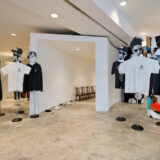
    Highlights include a Molly Goddard white dress and wooden-blind partition theme on the second floor; raw industrial metallic silver displays weaving throughout the third floor, and a dynamic white sneaker space and T-shirt space gallery on the fourth level.

    The market has released a full adjusted space and brands schedule for the Fashion Week 2018 season.

    View the full gallery below (9 picture) :

  • Japan’s Ryohin Keikaku opens second Muji Hotel in Beijing

    Japan’s Ryohin Keikaku opens second Muji Hotel in Beijing

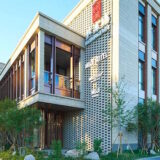
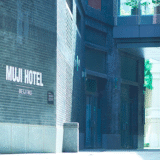
    Japan’s Muji hotel & store has just opened in Beijing in a key location overlooking Tiananmen Square.

    The hotel’s first basement-level retail store sells travel essentials and everyday items, many of which feature in the guest room amenities.

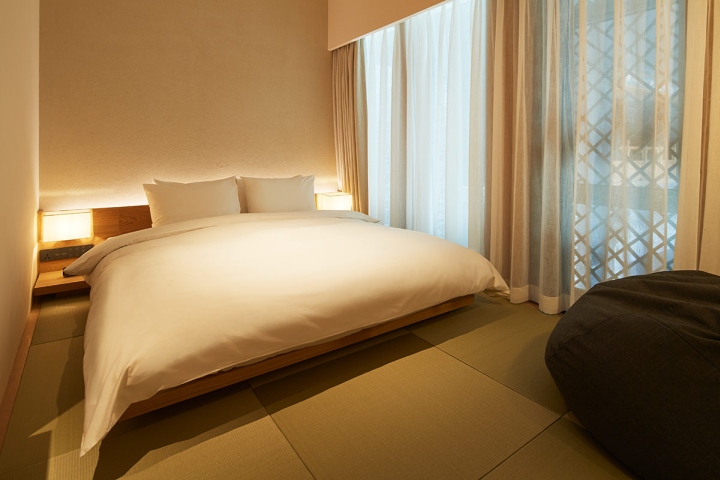
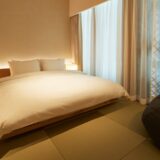
    Designed as an antidote to the brute gorgeousness of boutique and luxury properties and the cheapness of budget accommodation, the hotel’s understated zen-like interior grounded in undisturbed sleep is intended to stand in keeping with the world heritage sites in the hotel’s immediate surrounding district.

    The property also features a Muji Café&Meal venue serving simple, health-conscious food offerings, and a diner featuring classic East Asian cuisine.

    Another Muji hotel opened in Shenzhen last January.

    Check how Muji Hotel Beijing looks in the gallery below (10 images) :

  • Breitling opens first flagship boutique in Asia in Beijing

    Breitling opens first flagship boutique in Asia in Beijing

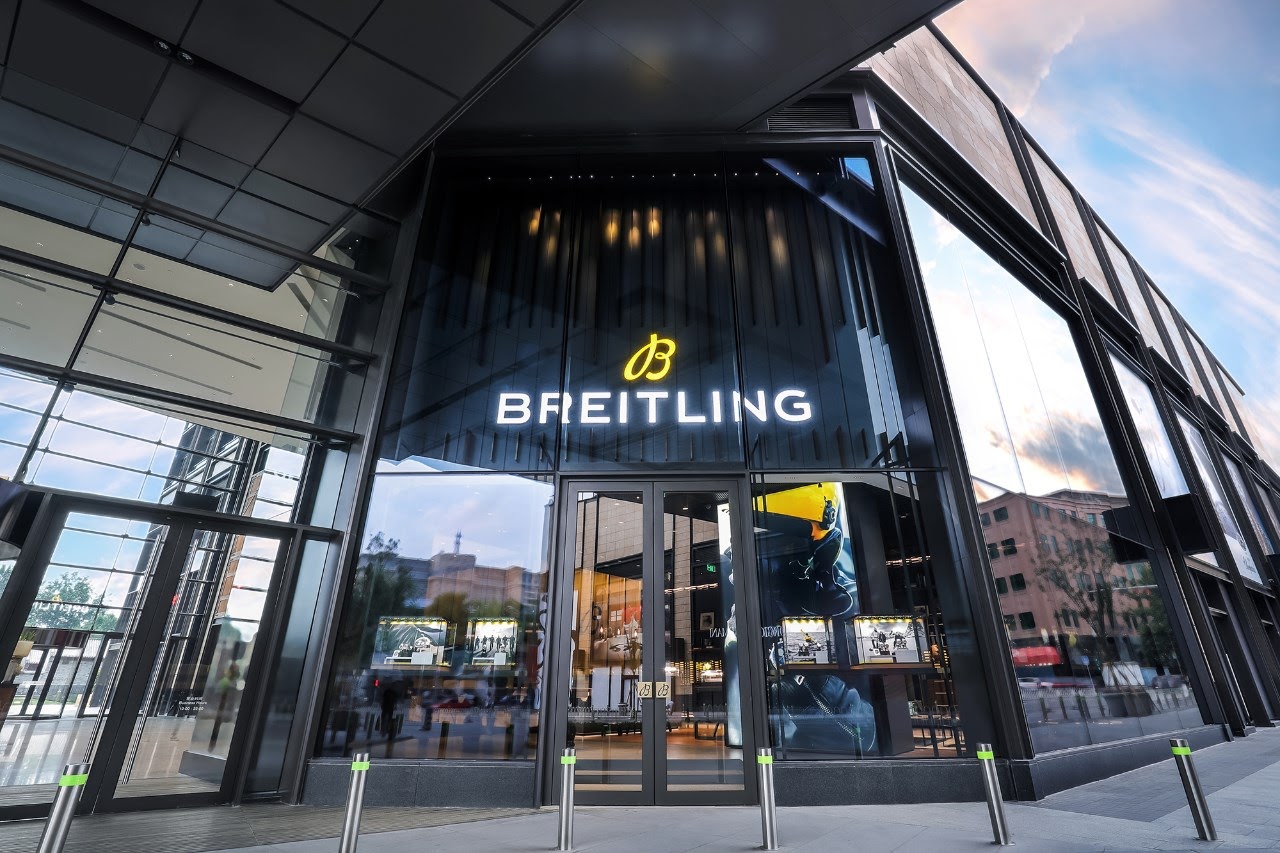
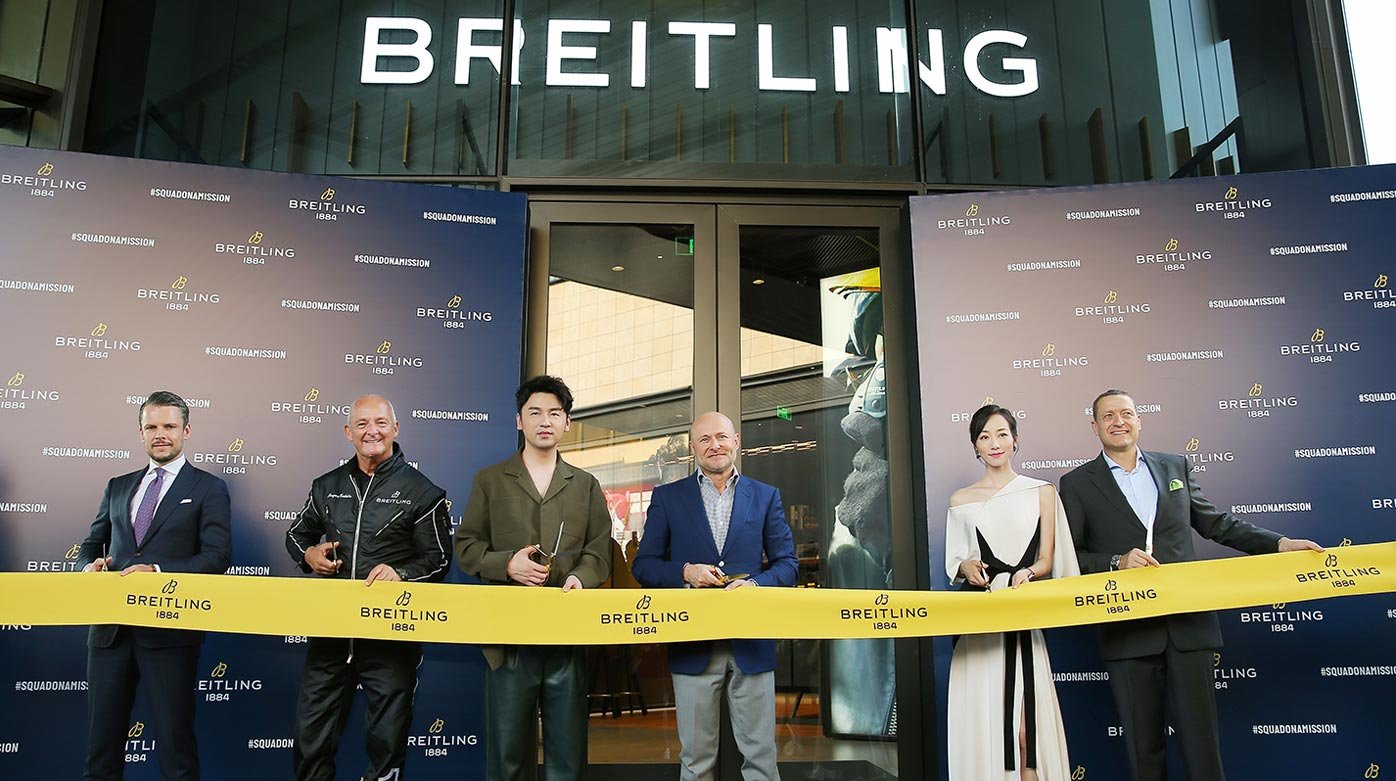
    Swiss luxury watchmaker Breitling has opened its first Asian flagship boutique in Beijing’s WF Central.

    The 152sqm Breitling Beijing boutique’s design features display space for more than 200 timepieces representative of the brand’s entire product range, including some exclusive limited editions. The interior is styled to present an artful, modern interpretation of mid-twentieth-century industrial loft interior design.

    More than 10,000 Japanese bricks were used in its construction to build a prominent wall display of the brand’s 1960s-era logo. It also features waxed concrete and American walnut flooring. An entrance bar doubles as a watch display area and includes a professional pool table for visitors to the store.

    Breitling’s design director Guy Bove said: “With our redesigned boutiques, we are respecting our long, impressive heritage, but are doing so by creating a relaxed, stylish environment. We are opening our doors to a new generation of Breitling enthusiasts”.

    CEO Georges Kern said launching the new Breitling Beijing flagship underscores the importance of Asian markets – particularly China – to the brand.