Tag: Beijing

  • AirAsia named “Most Influential Airline in China” at Beijing awards ceremony

    AirAsia named “Most Influential Airline in China” at Beijing awards ceremony

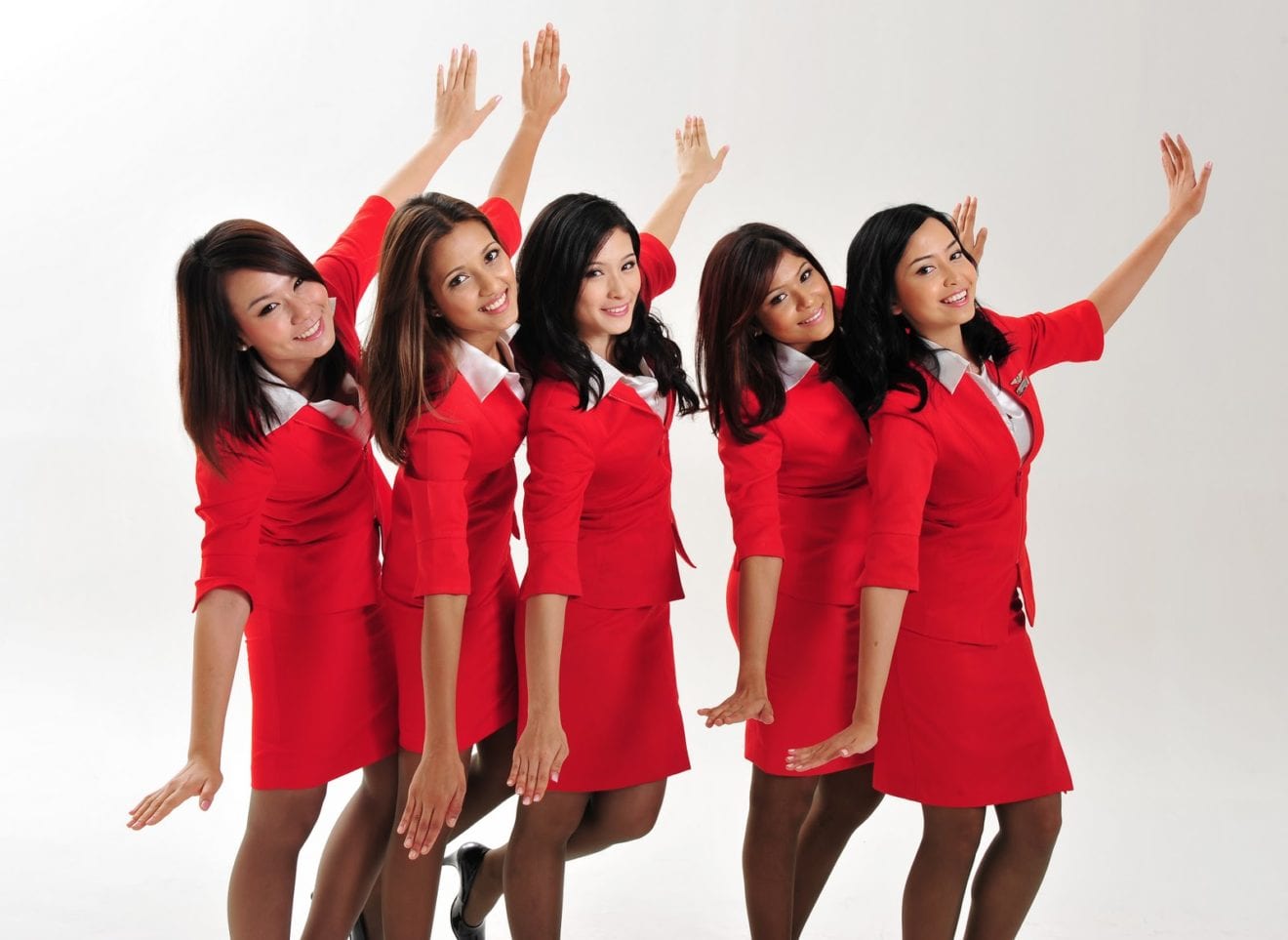
    AirAsia was named The Most Influential Airline in China at the 2016 New Power of Travel Awards held in Beijing on Friday.

    The awards, hosted by Sina Travel and Youku Travel websites, review the development and trends of China’s travel industry.

    In statement today, AirAsia said Sina is the world’s largest Chinese-language web portal, while Youku is one of China’s top video and online streaming platforms.

    “The two websites evaluate travel-related companies and products based on the content and readership by over 800 million people who visit it.

    “The awards honour outstanding companies and products as voted by users, and provide travel guides on airlines, hotels and destinations for travellers.

    “The awards committee said AirAsia had influenced free and independent travellers in China with its young, passionate and creative brand image since entering the market,” it added.

    Meanwhile, AirAsia North Asia President Kathleen Tan said the airline is focused on presenting the very best content on Chinese social media, as the country is a very important market for it.

    “China is an incredibly dynamic market and we want to deliver an even better travel experience to our fans in China. This includes information on where to find the best food, hidden gems and great travel destinations where amazing memories can be made.

    “In line with this, we are working hard with our travel tourism partners and local governments to bring the world to China and vice versa,” she added.

  • Top 10 controversies in China’s luxury industry for 2016

    Top 10 controversies in China’s luxury industry for 2016

    From geopolitical disputes to debates over cultural appropriation, China tends to be a place where it’s easy for foreign brands to get embroiled in controversies no matter how hard they try to avoid it. That’s no different for the luxury industry, which saw its fair share of issues this year.

    Below is Jing Daily’s list of 10 major controversies in China’s luxury industry over the course of 2016, in no particular order: 

    1. Lancôme’s canceled Denise Ho concert. Thanks to antagonism by the Global Times, what was supposed to be a lighthearted promotional pop concert sponsored by the French beauty brand turned into a flashpoint in the ongoing tensions between China and Hong Kong. 

    2. Jack Ma’s statement that fake luxury goods are “better quality” and made in the “same factories” as real ones. In a speech to investors in June, Jack Ma incited luxury executives’ anger when he made his declaration about “fake” goods, which he later clarified in a Wall Street Journal op-ed to mean off-brand items. 

    3. The mutiny over Alibaba at the International AntiCounterfeiting Coalition. In another controversy over fakes on Alibaba platforms stirred up this year, luxury brands revolted when the IACC admitted Alibaba in a special “general membership” category. After Gucci, Michael Kors, and Tiffany & Co. quit the group in protest, Alibaba’s membership was suspended.

    4. A Daimler executive’s racist rant in Beijing. A People’s Daily report stating that a Daimler executive in Beijing shouted a racist remark and used pepper spray over a parking dispute resulted in the man being promptly relieved from his position. That didn’t keep the controversy from going viral online and sparking anger, however.

    5. Victoria’s Secret’s mix of dragons with lingerie at its annual fashion show. In a possible attempt to reach Chinese consumers, the brand featured several outfits with China-inspired designs for the Victoria’s Secret Fashion Show, but not all of China’s netizens were impressed.

    6. The revelation of tensions in the 2015 Met Gala planning process. This one isn’t much of a “controversy” per se, but this year’s release of Met Gala documentary The First Monday in May showed the behind-the-scenes debates over the curation of the China-themed exhibition. 

    7. A ban from China for the actress Birkin handbags are named after. While Chinese buyers have been paying record prices for Birkin handbags at auction, 60s icon Jane Birkin has been using her namesake handbag to display political messages. When she wasn’t granted a visa to perform at a concert in Shanghai this summer, Chinese media mentioned her participation in 2008 Tibet protests in France and her use of the handbag to display a Tibetan flag.

    8. China’s K-pop ban poses a problem for luxury brands. Long a source of major publicity for luxury brands in China, Korean pop stars have attracted investment from LVMH through its stake in Korean entertainment company YG Entertainment. But a recent reported ban on Korean TV shows on Chinese television and Korean pop stars entering China has the industry worried about the future.

    9. Taiwan’s mainland tourist slump. Politics have been known to cause significant shifts in where mainland Chinese tourists decide to travel in Asia, and Taiwan learned that lesson the hard way this year. After cross-Strait relations soured following the presidential victory of Tsai Ing-wen, mainland visitor numbers plunged, with a 69 percent decrease during Golden Week.

    10. Donald Trump’s China-related conflicts of interest. As Trump’s business interests around the world remain under scrutiny over conflict-of-interest issues, his China ties are receiving less scrutiny at the moment than links to Russia, but China plays no small role in his business. He’s personally bragged on the campaign trail about the multi-million-dollar luxury apartments he’s sold to elite Chinese buyers, while AFP reported that the Trump Hotel Collection negotiated a memorandum of understanding with China’s largest state-owned enterprise worth around $100 to $150 million.

  • KFC launches first AI-enabled outlet in Beijing

    KFC launches first AI-enabled outlet in Beijing

    Kentucky Fried Chicken (KFC) has launched its first artificial intelligence-enabled store in the Chinese capital city and plans to further expand its layout of smart restaurants, creating more innovative and interesting dining experiences for customers.

    With the cooperation of Baidu Inc, China’s largest search engine, KFC started its first smart restaurant in the Financial Street area in Beijing.

    At the store, customers are able to take pictures with a machine, which will recognise the diner’s face, sex, age, mood and other features, then help to recommend suitable food and set meals and complete the ordering process.

    “If the consumer visits the store again and takes a picture with the machine, it will be able to recognise his or her face and show the previous purchase history, remember the customer’s dining habits, and help to place an order faster,” Wu Zhongqin, deputy director of the Institute of Deep Learning of Baidu Inc, which helped to develop the technology said.

    With another machine with an augmented reality, or AR function, customers are able to interact with the machine, change facial expressions by shaking their heads in front of the machine, take photos, and save them to their phones.

    In April, KFC, an affiliate of Yum China Holdings Inc, started its first Chinese smart restaurant in Shanghai.

    The outlet is equipped with intelligent robot ordering, debuting the use of artificial intelligence in chain restaurants, state-run China Daily reported.

    Zhao Li, general manager of Beijing KFC, said smart restaurants are not only about the cool hardware, but more about providing convenience to consumers.

    “Our innovations make use of the cutting-edge technologies and they will help to attract more young consumers who prefer fashionable new things. The digitalisation of the restaurant will also help to provide faster and easier services,” she said.

    “We believe that the restaurant dining experiences must continue to upgrade. With 5,000 stores in China, we plan to expand such services nationwide soon, to adapt to the digital age and enable more consumers to experience enjoyable ordering experiences.”

  • Amazon Beijing showroom opens at Sanlitun Square

    Amazon Beijing showroom opens at Sanlitun Square

    Continuing its focus on expansion in China, online retailer Amazon has opened a showroom in Beijing’s Sanlitun Square.

    Designed to look like a giant shipping container, the Amazon Beijing showroom displays imported goods from Amazon’s UK and US websites. As well as browsing, testing and consulting experts, customers can buy items via Amazon’s Chinese site by scanning a product’s barcode with their mobile device, reports PYMNTS.com.

    A section of the showroom is dedicated to the Amazon Prime service, which had its China debut in October. Chinese Prime customers are offered free shipping on orders for overseas products with a minimum purchase of US$29.50. Goods sold in China have free shipping. Prime membership is $57 in China, compared with $99 in the US.

    Amazon is the preferred marketplace for Chinese e-tailers seeking to sell internationally, beating out AliExpress by 62 to 40 per cent.

  • Foreign convenience stores in China to face lower-tier challenge

    Foreign convenience stores in China to face lower-tier challenge

    • Convenience store growth is surging, bucking the trend of weakening physical retail store sales. 7-Eleven is the market leader, though FT Confidential Research’s latest consumer brands survey found that other foreign chains were increasingly popular.
    • This is, however, a highly fragmented market and foreign chains will struggle to expand into lower-tier cities, where domestic operators offer greater competition, sometimes supported by local governments.
    • International operators are also coming under pressure from other big foreign retailers in China, while domestic newcomers are expanding aggressively in the belief that online-to-offline (O2O) services will help them seize market share and overcome short-term profitability issues.

    Convenience stores continue to eat into the retail market share of larger formats. In a second-quarter FT Confidential Research survey, 83.4 per cent of urban consumers described themselves as regular convenience store patrons, 0.9 percentage points up on our previous survey in the fourth quarter of last year, while the proportion regularly frequenting supermarkets or hypermarkets fell 1.2 percentage points (see chart).

    The convenience store format has been a standout in an otherwise gloomy market for bricks-and-mortar retailers. Though nationwide sales of fast-moving consumer goods rose 13.2 per cent last year, according to Kantar Retail, a consultancy, hypermarket sales slipped 0.2 per cent and sales at traditional, independent grocery stores fell 10.4 per cent.

    Convenience store chains are stealing market share, with store count growing an average 10 per cent each year from 2010 to 2015. Our survey found that 88.6 per cent of younger shoppers, aged 24-29, frequently go to convenience stores, up 3.4 percentage points from our survey six months ago. In contrast, the proportion of this cohort regularly going to supermarkets or hypermarkets fell 0.8 percentage points in that time.

    Despite growing demand, the convenience store market remains fragmented, with no national leader. The most popular chain was different in 10 of the 11 major markets in China, according to our survey (see chart).

    Beyond Shanghai

    Growth is concentrated in first-tier cities such Beijing and Shenzhen and certain second-tier cities. Shanghai, the biggest market by far, is now saturated, with store count increasing just 2.9 per cent in 2015, having shrunk in 2013, according to the China Chain Store & Franchise Association. Shanghai had one convenience store for every 3,466 residents, a far greater concentration than in Beijing (7,185 people per store) and Chongqing (28,846 people per store). Second-tier Harbin, Wuhan and Changsha were the three cities with the fastest-growing store count in 2015, while Beijing came in seventh (see chart).

    Foreign chains out in front

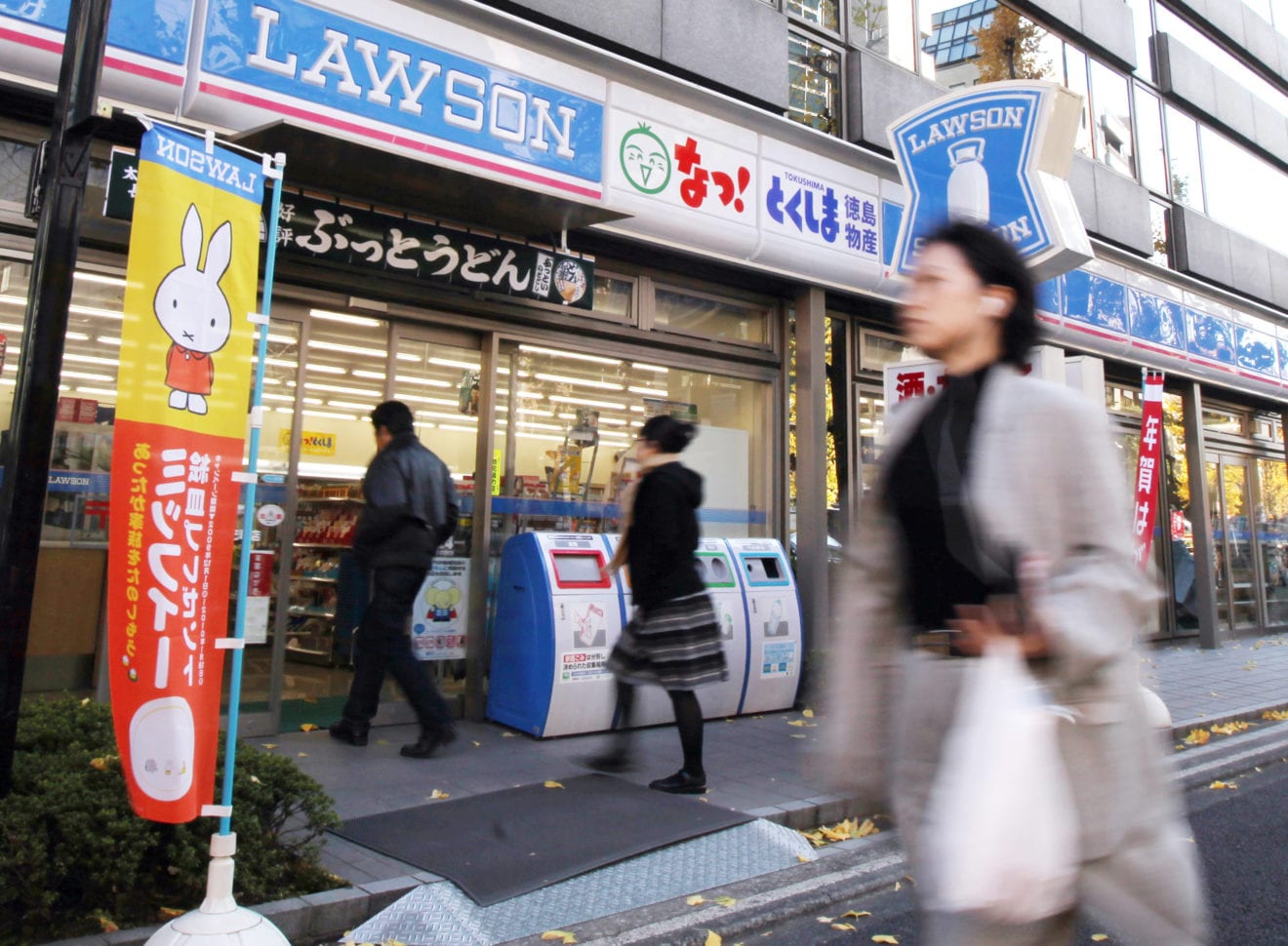
    Our survey found that foreign brands remain more popular than their domestic peers. Japanese brand 7-Eleven was the most popular, with 20.4 per cent of respondents saying they frequently shopped at its stores, up 1.1 percentage points from the fourth quarter of last year (see chart). The popularity of two other Japanese chains, FamilyMart and Lawson, also rose, up 0.8 and 1.2 percentage points, respectively.

    After years of losses, foreign brands may finally have found ways to consistently turn profits in China. Shanghai FamilyMart, a joint venture between FamilyMart Japan and Ting Hsin Group formed in 2004, turned a profit for the first time in 2013. This ¥745m ($7.4m) profit expanded to ¥1.5bn last year.

    FamilyMart’s clean, reliably stocked outlets appeal to white-collar workers, but it is the prepared fresh food options that have really proved popular. The company now has four factories preparing ready-made food in or around Shanghai and reportedly sells about 300,000 bento boxes each day in the city. Prepared fresh food makes up roughly half of the total sales of each FamilyMart store, according to Ting Hsin vice-president Wei Yingxing.

    Bottlenecks to expansion

    The nature of convenience stores makes brand loyalty tough to engender: is a Shanghai urbanite going to walk further to their favourite chain for something as basic as a bottle of water?

    This is helps explain why the expansion of foreign brands into lower-tier cities has been harder than they anticipated. In 2010, FamilyMart set a goal of opening 4,500 stores in China, but had only reached one-third of that by February 2016. Three years ago, Lawson targeted 1,500 stores in Shanghai and 500 in Chongqing by 2015. As of May 2016 it had opened just 506 and 111, respectively. Among the top 10 chains nationally, the market share of domestic chains has actually rebounded slightly since 2012, while the rapid growth of foreign chains has slowed, according to Kantar (see chart).

    Domestic competition tough to overcome

    Shanghai has provided domestic companies with a case study in how to compete against foreign entrants. Almost all big domestic convenience store chains have beefed up their offerings of ready-to-eat food products, mimicking FamilyMart’s success in Shanghai. Many are now accelerating store openings in areas dominated by foreign chains, while some have managed to poach middle managers from international companies.

    This competition from domestic chains is dragging on store count growth for the multinationals: the number of 7-Eleven stores in Chengdu dropped to just 56 by May this year from 87 in February 2013 (see chart). FamilyMart has also expanded only slowly in Chengdu. In contrast, local leader Hongqi has 1,543 outlets in the city, and reported a 15.2 per cent increase in operating revenue and a 5.3 per cent rise in net profits to Rmb170m ($26m) in 2015.

    The target demographic of foreign convenience stores is much smaller in second-tier cities than in the major coastal hubs, given lower incomes and different consumption patterns. In Beijing in 2015, the daily revenue of each 7-Eleven outlet was, on average, more than Rmb16,000. The equivalent figure in Tianjin and Chengdu rarely breaks Rmb10,000. This has forced foreign companies to be more strategic about where they open outlets in these cities.

    Government policy may also limit expansion. Since 2009, the Chinese government has banned retailers with foreign backgrounds from selling cigarettes nationwide, a business we estimate could account for a third of convenience store sales. In Shanghai, the municipal government also offers subsidies to state-owned firms, and in second-tier cities the relationship between local companies and local government is usually even closer.

    In response, Lawson has signed a franchise contract with Wuhan Zhongbai, authorising Hubei’s leading retailer to open Lawson convenience stores in the province — even though Zhongbai has its own convenience store chain, named Haobang. These sorts of tie-ups may be a solution for foreign chains to expand in the provinces, but maintaining service quality will prove a challenge.

    Here come the newcomers

    Furthermore, the market’s rapid growth is luring in new players. Large, established foreign retailers are looking to leverage their brand popularity and existing infrastructure. Carrefour, for example, has already opened 13 Carrefour Easy convenience stores in Shanghai. Germany’s Metro also recently opened its first two My Mart convenience stores in the city.

    Domestic entrants are even more aggressive. Quanshi has opened 270 stores in Beijing since it was established in 2011. In comparison, 7-Eleven had 192 stores in Beijing as of May 2016, having entered the market in 2004.

    Quanshi’s ampm brand (not to be confused with BP’s chain of service stations) is one of a swath of Chinese operations, across numerous industries, banking on O2O services to drive growth. The chain claims that short-term profitability issues from its model can be overcome once economies of scale are achieved. Companies like Quanshi see O2O services, including package storage but also delivery, as the future of the convenience store business.

    The commercial viability of this strategy is so far unproven. A deal between JD.com and Taiyuan Tangjiu, a Shanxi chain, in which the online mall hosts the convenience store’s online presence while its couriers provide one-hour delivery, has not been a success.

    Given such intense competition, we believe the convenience store market will remain fragmented and locally focused. For now, it is unclear that a national leader will emerge, as 7-Eleven has in Japan. In second- and third-tier cities, lower incomes and local protectionism mean that foreign chains may take over bustling, high-rent street corners, but will struggle to establish a dominant position.
     

  • Outlet malls booming in China as department stores feel the pinch

    Outlet malls booming in China as department stores feel the pinch

    Designer outlet malls are sprouting up all over mainland China, even as department stores find themselves struggling amid a slump in retail sales.

    At least 17 new outlet malls are scheduled to open in China in the second half of 2016, according to a report by Outlet Sight, which tracks the industry. Some developers are betting on outlet malls because they typically offer off-season or factory excess goods priced at a discount to the in-season products sold by the same brands in department stores.

    “We think designer outlets are more defensive than high-street retail,” said Chris Reilly, Asia-Pacific managing director at TH Real Estate, a property fund that manages nearly US$100 billion of real estate in Asia, Europe and the US. “Their fundamentals are better in terms of supply and demand.”

    China’s department store sector has been battered in recent years by sluggish sales growth and declining profits, with store closures intensifying since 2015. Offline sales at the mainland’s top 50 retailers declined 3.1 per cent year on year in the first half of 2016, according to figures from the National Commercial Information Centre of China.

    However, the discount mall sector appears ripe for strong growth; for a country with China’s population and spending power, there are relatively few factory outlet malls – just 40 at present – compared with as many as 300 in the US, said Zhong Beichen, chief executive of outlet developer Beijing Capital Juda, which has already opened four such outlets, in Beijing, Hainan, Zhejiang and Jiangsu.

    “We aim to open outlets in more than 20 cities by 2020 and become the largest outlet operator in China,” Zhong told the South China Morning Post. “Discount malls can perform well despite economic ups and downs” because they offer customers cheaper price points, he said. “When the economy expands, people shop to dress nice, but outlets will still be the first choice for those seeking affordable luxury in an economic slowdown.”

    Juda was spun off from state-owned property developer Beijing Capital Land Ltd and listed in Hong Kong in 2015.

    The boom is attracting developers and investors to the fray.

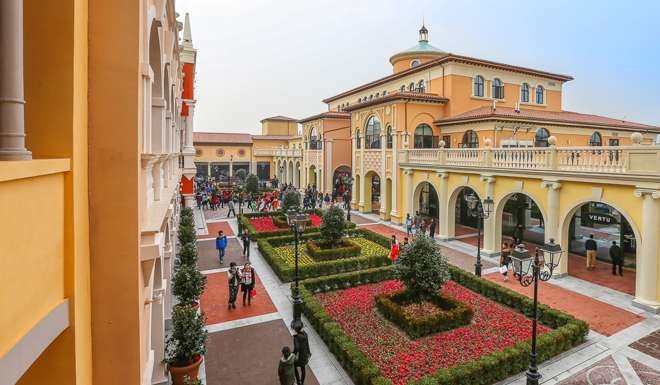
    London-based TH Real Estate launched an US$850 million fund in China, with two Italian village-themed outlet malls in Wuqing in Tianjin city and Shanghai.

    “Our target shopper is the Chinese household earning more than US$20,000 a year,” said TH Real Estate’s Reilly. “This demographic group is already the largest in the world, and we expect the number to more than double over 10 years with the rise of the Chinese middle class.”

    With TH Real Estate’s Florentia Village in Shanghai 90 per cent occupied, and its Florentia Village Wuqing full to capacity, Reilly said he is confident the China Outlet Mall Fund can grow to US$2 billion by 2020. Four more Florentia Village malls are slated to open in Chengdu, Wuhan, Chongqing and Qingdao by 2017.

    Factory outlets face stiff competition from online retailers, but have the advantage of providing a complete experience, Juda’s Zhong said.

    “Our strategy is to build outlets in places with beautiful scenery to attract families for the shopping experience,” he said, citing their 110,000 square meter outlet in Beijing’s Fangshan District, which is located near a forest park.

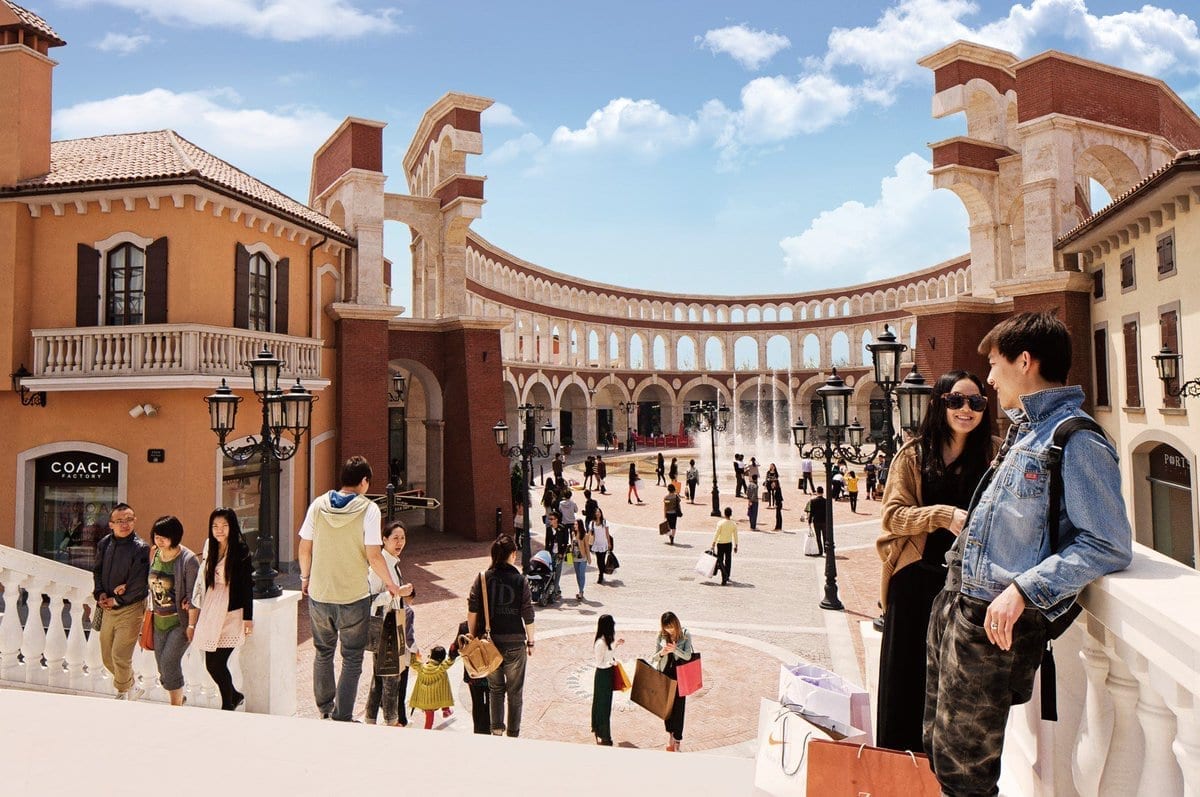
    Themed malls, such as the Florentia Village brands, are also becoming popular. Covering 90,000 square meters and with 3,000 car parking spaces, Florentia Shanghai reconstructs scenes of Florence including an Italian-styled city plaza, paved streets, porches, fountains and luxury brands such as Versace, Ferragamo and Zegna.

    “Shoppers like to visit outlets for the discounts, they want to try on designer brands, but what’s more important, it’s like a day out,” Reilly said.

    -Originally written by Summer Zhen, SCMP

  • Beijing tells Apple China to withdraw phone

    Beijing tells Apple China to withdraw phone

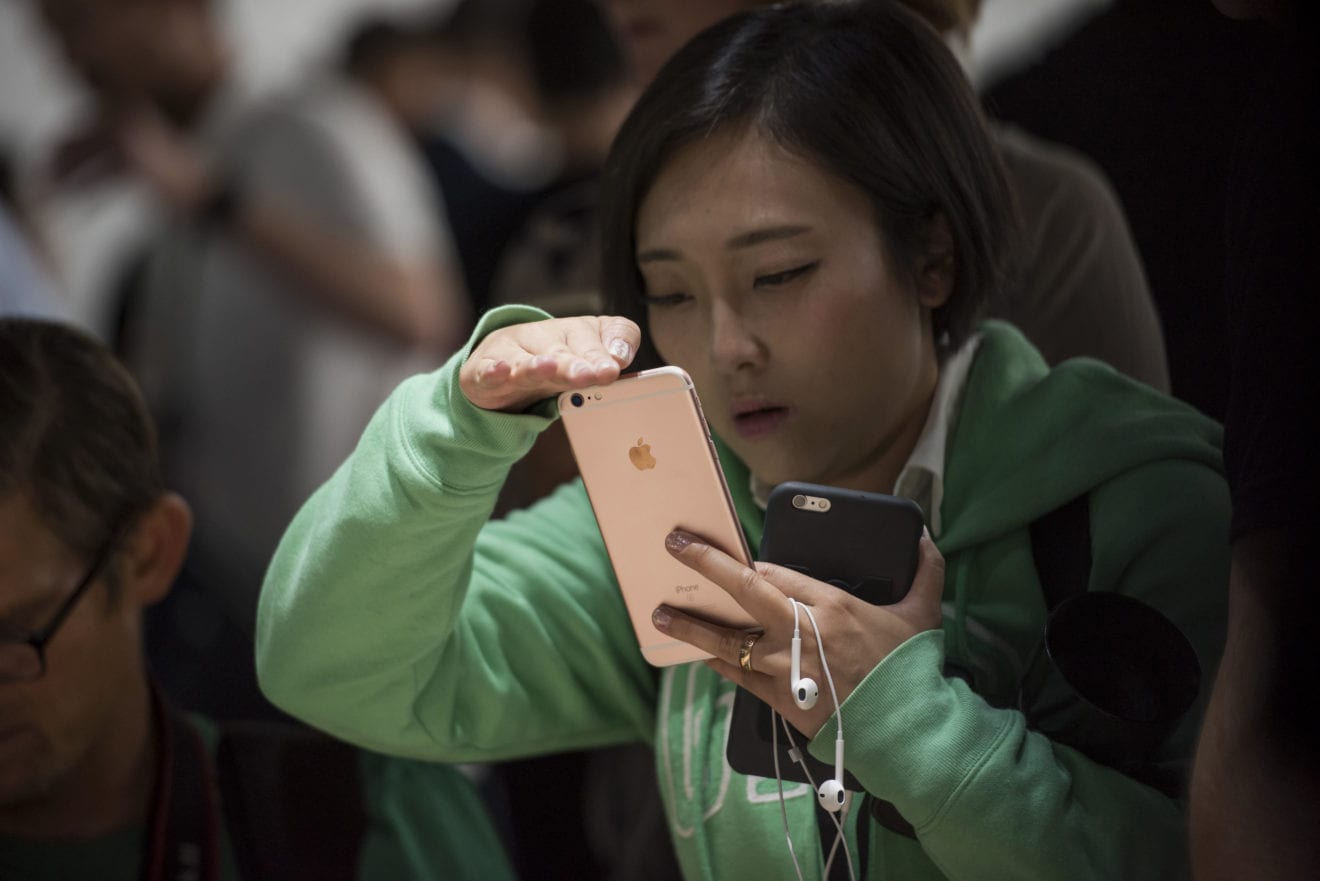
    A Chinese tribunal has ordered Apple China to stop selling its iPhone 6 in Beijing, claiming the design is too similar to a Chinese-made smartphone.

    Apple has appealed, and is continuing to sell its iPhone 6 while awaiting the decision.

    The Beijing regulator found that the iPhone 6 and iPhone 6 Plus look too much like the 100C smartphone made by Shenzhen Beili, a small Chinese brand.

    If its appeal fails, Apple will lose ground to such Chinese competitors as Huawei and Xiaomi. China accounted for more than a quarter of Apple’s revenue last year, making it the second-biggest source of income for the company.

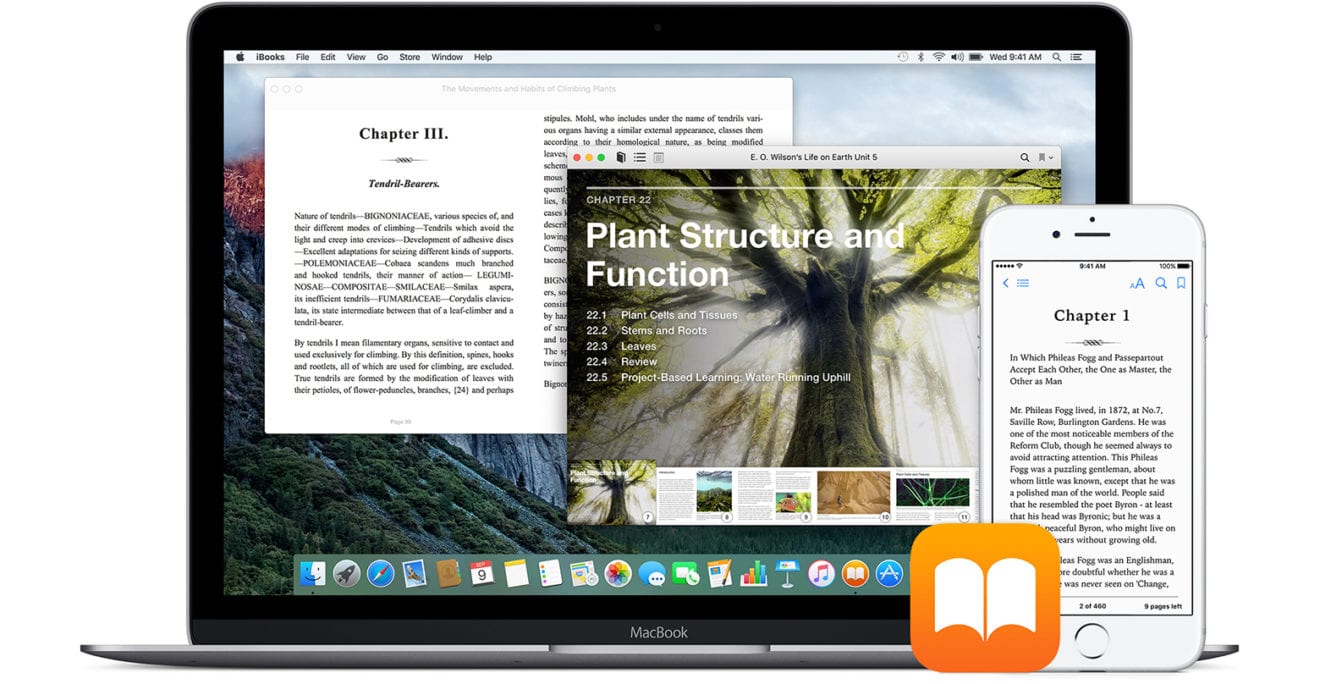
    This dispute follows a series of problems for Apple in China. A Chinese court last month decided a company can use the iPhone trademark on its bags, wallets and other leather products, and in April, Apple had to suspend iBooks and iTunes Movies after the Chinese government said the services were breaking the rules for foreign publishers.

    Apple has also been pushing against fake Apple stores in China.

  • Apple CEO Tim Cook in China hails Chinese app developers

    Apple CEO Tim Cook in China hails Chinese app developers

    Apple CEO Tim Cook has hailed Chinese app developers and their contribution to world’s second biggest economy, as he began his visit here days after the tech-giant invested $1 billion in local ride hailing app Didi Chuxing.

    “The momentum is absolutely incredible,” Cook said in a meeting with developers, government officials and journalists.

    He said developers in China have earned over $7 billion, more than half of it in last one year.

    Their apps are popular around the world, with many of them having been downloaded in hundreds of countries, Cook said.

    “We are in the early phases of a tremendous growth,” the 55-year-old CEO said.

    “Government policies like Internet Plus act as the foundation of why I think the growth can be so incredible from here. They foster innovation and entrepreneurship throughout the Chinese economy,” state-run Xinhua news agency quoted him as saying.

    Cook is on his eighth China visit since becoming Apple CEO in 2011.

    He took a Didi taxi with Jean Liu Qing, president of Didi, to meet the developers.
    The Apple chief regularly meets entrepreneurs when in China, and he said he continues to be impressed by them.

    “[China] is one of the most vibrant places in the world. There are so many entrepreneurs now that they’ll drive the next generation of innovation in China,” he said.

    Apple Inc chief executive Tim Cook visited Beijing last Monday, days after announcing a $1 billion deal with ride-hailing app Didi Chuxing, and as the US firm tries to reinvigorate sales in China, its second-largest market after the United States.
    Cook explained that Apple had chosen to invest in Didi as it has been “an incredibly great success story on the App Store,” aside from being a leading ride sharing service both in and outside China.

    He said the investment reflected Apple’s excitement about Didi’s fast-growing business and Apple’s “continued confidence” in China’s economy in the long term.
    Cook did not give a direct answer when asked about rumours that the Didi investment has some connection with Apple’s own plans for an electric car.

    Currently, he said, Apple’s focus when it comes to the car market is on CarPlay, it’s device for connecting Apple smartphones to in-car entertainment systems.

    “We’ll see where that takes us,” he said.
    But Cook became far more direct when asked whether the investment was a sign of Apple losing its innovative edge.

    “No, no, there is no truth behind that at all,” he said, arguing that it was a sign of Apple placing greater focus on China.

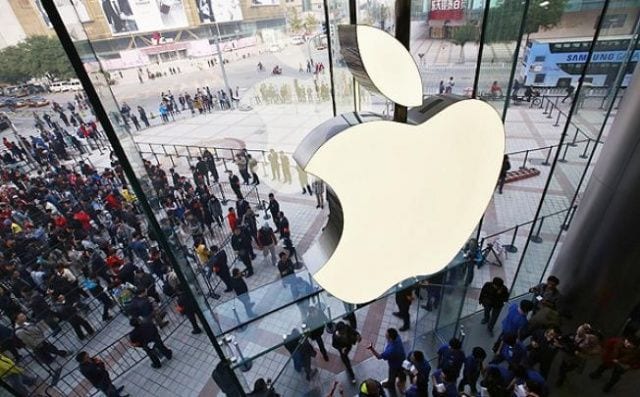
    Apple has already put a lot of money into opening retail stores in China, which is Apple’s second biggest market after the US.

    It is expecting the 37th Apple Store to open this Saturday, approaching Cook’s goal of having 40 before the end of 2016.

  • Indonesia to take part in Beijing Tourism Expo

    Indonesia to take part in Beijing Tourism Expo

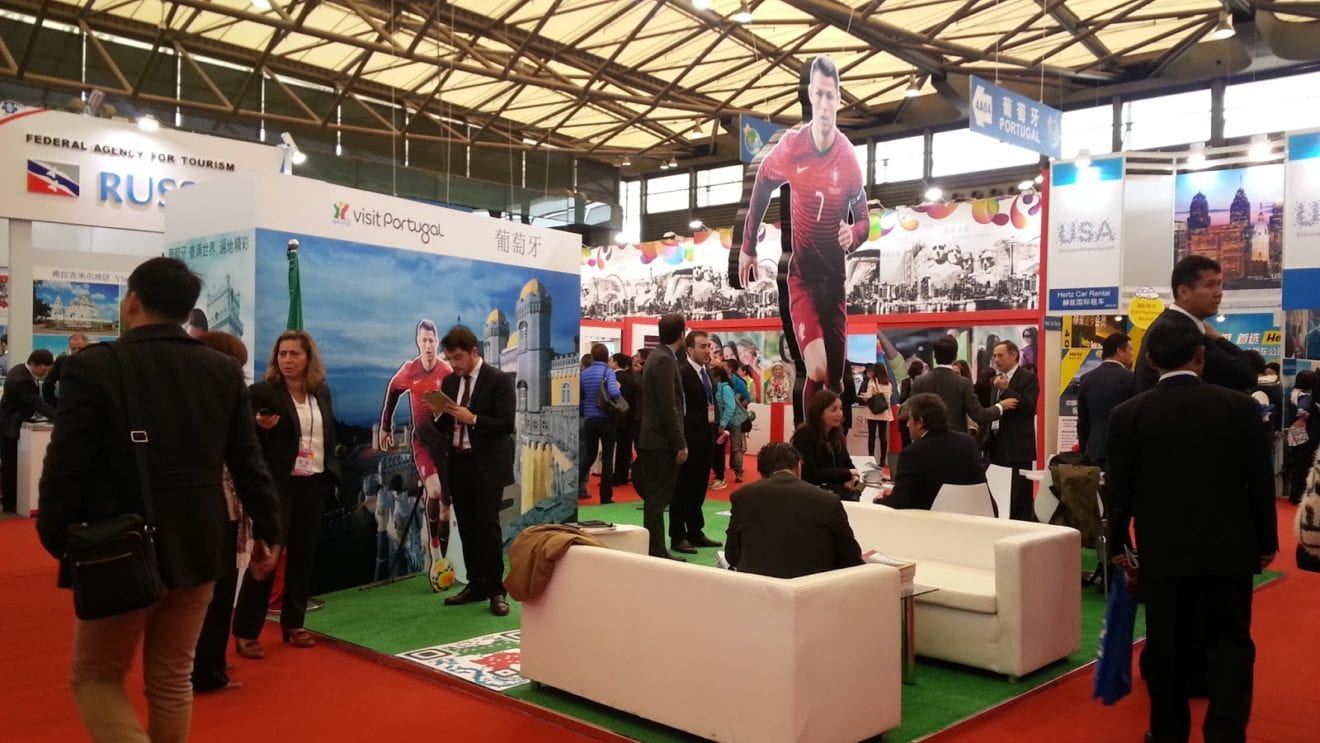
    The Indonesian government will participate in the Beijing International Tourism Expo (BITE) to be held on May 20-22 to realize its target of attracting two million Chinese tourists this year.

    The Indonesian Tourism Ministry would be one of the main sponsors of the expo, Deputy Tourism Minister in charge of International Tourism Marketing Development I Gede Pitana stated here, Friday.

    The ministry was optimistic that Indonesia would be able to attract Chinese tourists during the long holiday from October 1 to 7 this year, he noted.

    China has become Indonesias main tourist contributor, according to Tourism Minister Arief Yahya.

    Last year, some 987 participants from 81 countries took part in BITE, which was visited by some 120 thousand people.

    BITE has been organized annually for the past 13 years, and Indonesia has taken part in the expo twice.

    Other countries expected to participate in BITE this year are the United States, the Maldives, Seychelles, Thailand, Sri Lanka, Japan, Taiwan, South Korea, Malaysia, India, and some European countries, among others.

    Indonesia has set a target of attracting 20 million foreign tourists by 2019, from 9.7 million last year.

    This year, Indonesia hopes to lure some 12 million foreign tourists.

  • Apple’s book and film services go dark in China

    Apple’s book and film services go dark in China

    Apple Inc’s online book and film services have gone dark in China, after Beijing introduced regulations in March imposing strict curbs on online publishing, particularly for foreign firms.

    Attempts by Reuters on Friday to access Apple’s iBooks Store and iTunes Movies services were met with a message in Chinese saying they were “unusable.”

    China’s media regulator, the State Administration of Press, Publication, Radio, Film and Television, demanded Apple halt the service, the New York Times reported, citing two unnamed people. The regulator did not respond to a faxed request from Reuters for comment.

    “We hope to make books and movies available again to our customers in China as soon as possible,” said a Beijing-based Apple spokeswoman, who declined to provide further comment.

    This is not the first time an Apple service has been made unavailable in China.

    The company’s News app, launched last year, can be used in many countries by people who downloaded the app from the U.S., United Kingdom or Australia App Stores. But those people trying to access the service on the mainland are shown the message “News isn’t supported in your current region.”

    The Apple spokeswoman in Beijing said News had only launched in the U.S., United Kingdom and Australia, but declined to comment on how the app could still be used in places like South Korea and Hong Kong but was blocked in mainland China.

    Apple’s second-largest market by revenue is Greater China, which includes Taiwan and Hong Kong, driven by the iPhone’s popularity in the world’s biggest smartphone market.

    But the company has at times met with official resistance from Beijing, with state media once branding the U.S. tech behemoth’s iPhone a danger to national security.

    In March, regulations came into effect that prohibit foreign ownership and joint ventures in online publishing and stipulate that all content be stored on servers in China. The move sparked fear of greater curbs on foreign businesses.

    In an effort to shape public opinion, President Xi Jinping’s government has implemented an unprecedented tightening of internet and media controls and sought to codify the policy within the law, a campaign that critics say ignores human rights and is a burden for business.

    Earlier this month, the U.S. labeled China’s internet censorship a trade barrier in a report for the first time since 2013, saying worsening online restrictions are damaging the business of U.S. companies.

    Officials say internet restrictions are needed to ensure security in the face of rising threats such as terrorism and foreign ideology that could destabilize China.

  • Kung Fu in Hublot store in Beijing

    Kung Fu in Hublot store in Beijing

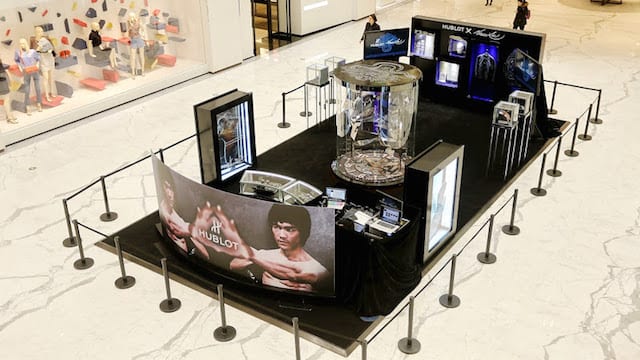
    In a collaboration with the Bruce Lee Foundation, a special tribute exhibition for the Kung Fu superstar marks the launch of the Swiss watch brand Hublot’s store at the high-end Shin Kong Place (SKP) shopping centre in Beijing.

    Hublot new store Beijing at Shin Kong Place SKP 3

    On display until March 6, the Be Water, My Friend – Legend of Bruce Lee Memorial Exhibition features precious items the actor owned himself, as well as limited-edition Hublot timepieces.

    Lee’s daughter, foundation founder Shannon Lee, cut the ribbon of the new store along with Hublot Greater China GM Loic Biver.

    Hublot new store Beijing at Shin Kong Place SKP 4

    Hublot participated in the design of the Bruce Lee exhibition. “As an icon of the 20th century and the most iconic Kung Fu star in history, Bruce Lee embodies the real ‘art of fusion’ of East-West culture,” says Biver.

    Hublot also worked with the foundation on the Bruce Lee 75th Anniversary Memorial Exhibition in Hong Kong, and this time released a second limited-edition timepiece as a tribute to Lee.

    Hublot new store Beijing at Shin Kong Place SKP


    The actor’s personal items on display include a Tang-style Kung Fu jacket, a genuine copy of the Way of the Dragon script, a replica of the life mask of Kato in The Green Hornet, and the business card for the Bruce Lee Martial Arts Studio he founded.

    Exhibition guests can also experience the Bruce Lee Mirror, a cylindrical glass photo frame featuring Lee’s classic Kung Fu postures. Made of glass fragments, it uses 3D special effects integrating the Hublot Unico In-House chronograph movement.

    Hublot new store Beijing at Shin Kong Place SKP 2


    Inspired by the dragon pattern on Bruce Lee’s desk, Hublot has designed a limited-edition (100 pieces) watch, Spirit of Big Bang Bruce Lee Be Water. It features a tonneau case in all-black microblasted ceramic and is fitted with the HUB4700 skeletonised automatic winding movement. Echoing Lee’s philosophy of water, the strap is made of blue alligator leather sewn on natural rubber.

    Hublot new store Beijing at Shin Kong Place SKP 1

    The Hublot SKP Beijing boutique follows the brand-specific black, featuring dark grey carpet and black leather furniture combined with glass and metal counters. Subtle scientific and technological elements in the window display tell the story of the brand, connecting its past with the future with projections on a book. Big Bang, Classic Fusion, King Power are among the pieces and novelties on display.

  • Glashutte Original expands in Asia

    Glashutte Original expands in Asia

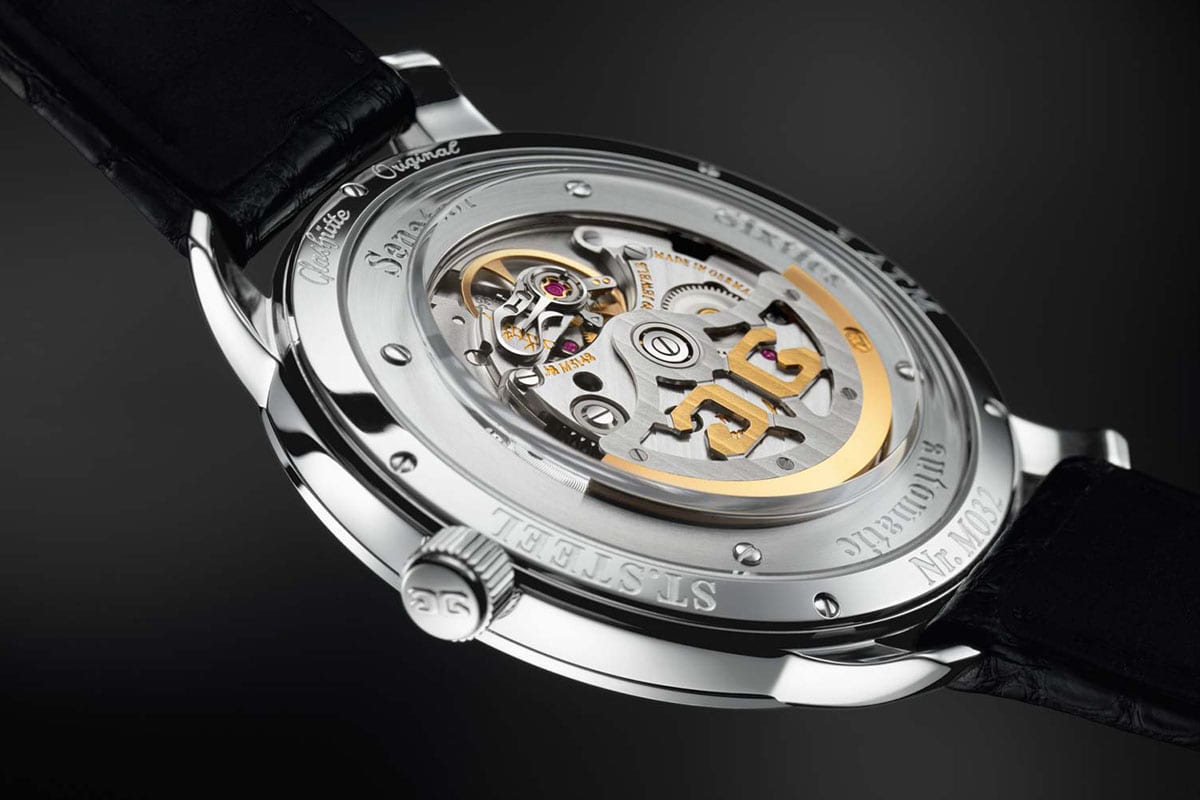
    German watchmaker Glashutte Original is rapidly building its network of Asian boutiques as it tries to build its share of global luxury watch sales.

    During the last three months, Glashutte has opened three new stores in Asia, including its first in Southeast Asia inside The Shoppes at Marina Bay Sands in Singapore.

    Glashuette Singapore MBS

    “The fine art of German watchmaking has its friends all over the world.  With the opening of not three new boutiques in Asia, Glashutte Original has added impressive strength to its presence, bringing even more of its manufactory art to China and Singapore,” the company said in a statement.

    The boutique at AMP in Wangfujing Rd in Beijing is the latest of the new stores as the brand continues to execute its international expansion strategy. Only at the end of December, the Saxon-based manufacturer opened its first in the city, in the popular Beijing SKP.

    “All three new boutiques offer a warm welcome to international connoisseurs of fine watches:  in keeping with the brand concept they offer visitors a world of experience that takes them straight to the heart of the German art of watchmaking.

    “Carefully chosen materials, stylish interiors and a contemporary environment present an essential expression of the brand DNA.”

    The Wangfujing Rd boutique, at 147 sqm, is the largest of the brand’s five Chinese retail stores.

    A watchmaker on the premises offers information and insights into his centuries-old art and puts his knowledge and experience to good use in answering any questions customers may have. Also awaiting customers is a luxurious lounge area that enhances the visual, emotional and individual experience of the visit, along with an interactive presentation allowing each visitor to explore in depth, using a touch-screen, the fascination of Glashutte Original.

  • McDonald’s China plans 250 new stores in 2016

    McDonald’s China plans 250 new stores in 2016

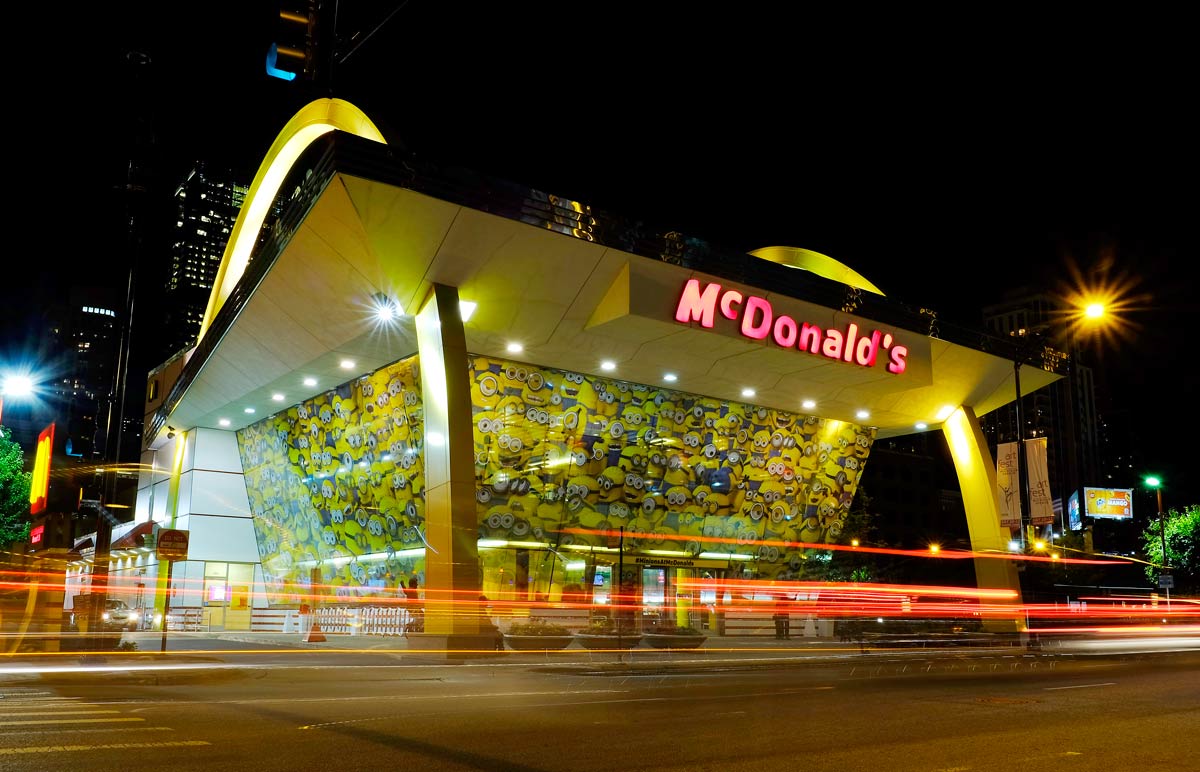
    McDonald’s China is shifting its focus from tier 1 and 2 markets to smaller cities as it expands its footprint in the mainland.

    The US fast food operator plans to open 250 new stores in the lower-tier cities in 2016 which represents its biggest expansion plan in any international market.

    Phyllis Cheung, CEO of McDonald’s China, says the company will target third and fourth tier cities, along with developing digital ordering and offering customised burgers.

    Cheung says 150 stores in Beijing, Shanghai, Shenzhen and Guangzhou will have self-service kiosks introduced this year allowing customised ingredients. The build-your-own concept is called My Burger and has already been introduced in some Asian markets, including Thailand.

    “Within two to three years, we hope mobile ordering and other digital capabilities would cover all of our restaurants in China, and we will also launch our proprietary smartphone application for ordering by the end of this year,” Cheung said in an interview.

    The Us chain opened its ‘Experience of the future’ flagship restaurant in Beijing’s Wangfujing St this week which features table service for customers who order using the WeChat app.

    McDonald’s China boasts more than 2200 stores already.

  • Baccarat crystal opens in Beijing

    Baccarat crystal opens in Beijing

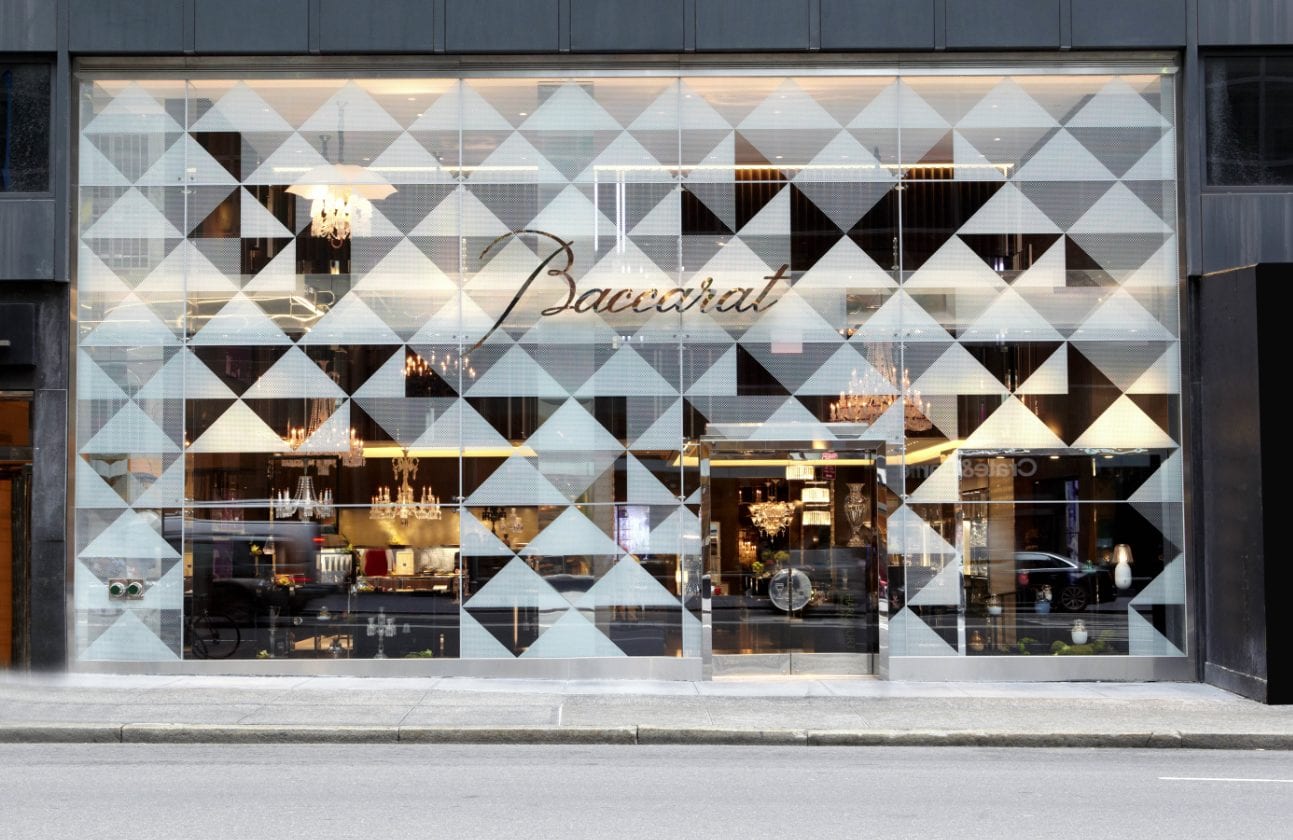
    French fine crystal manufacturer Baccarat has opened its first Chinese flagship store, in Beijing’s China Central Place complex.

    A stainless-steel mirror at its storefront draws attention to the two-storey boutique outlet, designed byGilles & Boissier of France.

    Attending the opening ceremony were Baccarat crystal global CEO Daniela Riccardi and Beijing Guohua Real Estate chairman Fang Chao. Singer Lin Yi Lun was among the guests. The Beijing opening follows the company launching a luxury hotel in New York last year to mark its 250th anniversary.

    Baccarat’s history goes back 200 years, and it represents the French art of living, according to theChina Central Place website. The new store offers an extensive product display, and includes many elements of the Baccarat flagship store in Paris, including a bar. Its decor also combines French and Chinese elements, with a Zenith 64-light chandelier illuminating the crystal works on display.

    Baccarat store Beijing


    Some of the products being offered are limited edition, including the Sun Mirror designed by Georges Chevalier in 1948, a set of crystal chess pieces by Oki Sato, founder of the Japanese design studioNendo, vases by Dutch designer Marcel Wanders, and panthers by French sculptor Jan Tésar.

    Baccarat’s store is on the ground floor of China Central Place, which is in the Trade Center in Jianguo Road, Chaoyang District. Among its international brands the mall also features Apple, Meissen, Rimowa and Tesla.

  • 100th store for Toys R Us China

    100th store for Toys R Us China

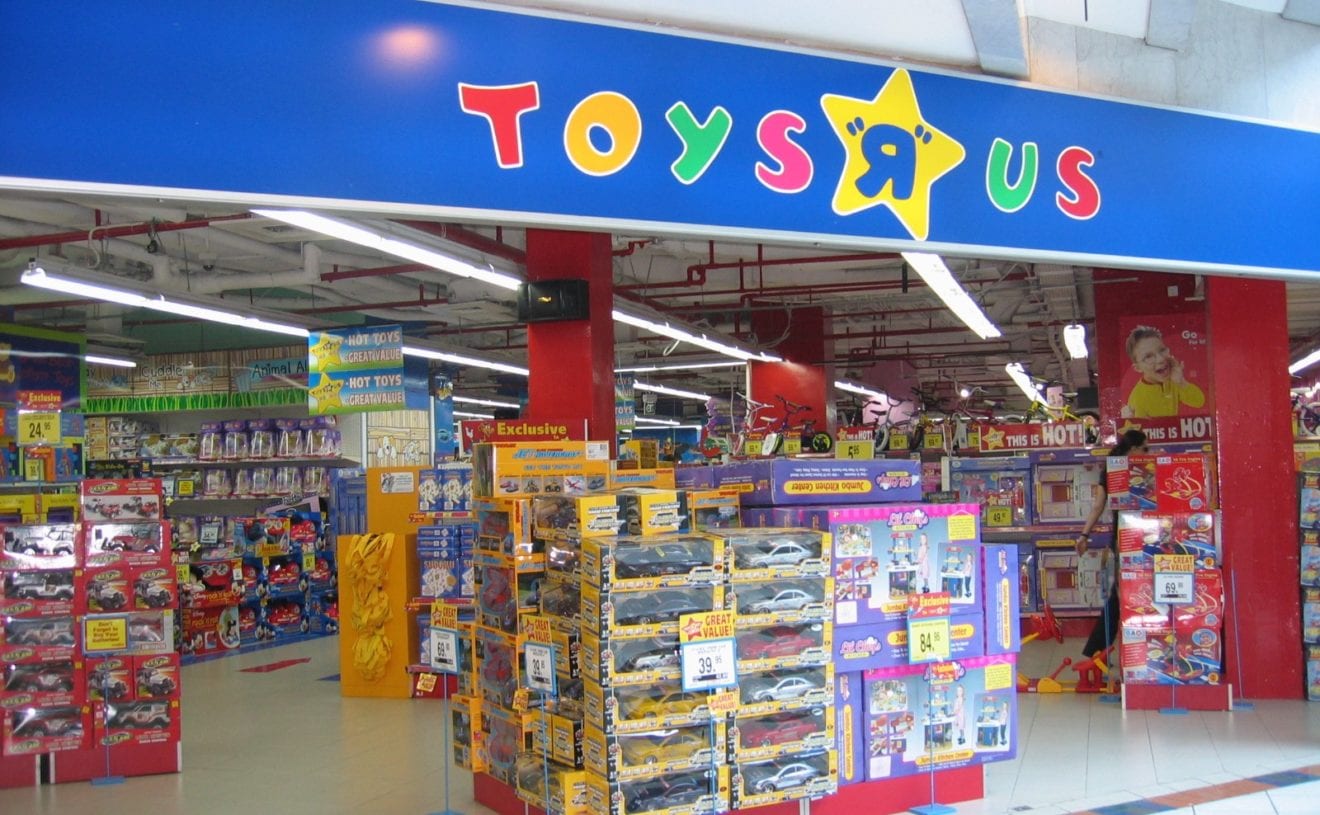
    Toy and baby products retailer Toys R Us has opened its 100th store in China.

    Ten years after entering the market, the US-based chain has its milestone outlet in the APM Shopping Mall in Wang Fu Jing, Beijing.

    During the past year, Toys R Us China has opened 27 stores across the nation.

    “International expansion, particularly throughout China and Southeast Asia, continues to be an important part of our long-term growth strategy,” says chairman/CEO Dave Brandon, who was at the Beijing opening ceremony. He notes an increasing demand in this market for quality children’s products and family entertainment experiences.

    Opening its first store in China in 2006, the company now has outlets in 44 cities, and plans to open another 30 stores this year.

    As part of the grand opening in Beijing, families were invited to meet such popular mascots as Balala Emma, Barbie, Geoffrey the Giraffe, Ninjago Kai and Ultraman. The store showcases the latest in “retailtainment”, digital technology and customer interaction. Customers can use a 70in. digital screen at the store entrance to browse through promotional items, make purchases, take “selfies” with special photo frames, play games and join the company’s Star Card loyalty program.

    Beijing’s store also features exclusive products not available elsewhere in the market, and throughout the APM mall are several new features sponsored by Toys R Us.

    Founded more than 65 years ago with headquarters in Wayne, New Jersey, Toys R Us formed a joint venture in 2011 with its licence partner in China and Southeast Asia, Fung Retailing. It took a 70 per cent interest in Fung Retailing’s stores in Brunei, China, Hong Kong, Malaysia, Singapore, Taiwan and Thailand.

    Toys R Us also has a T-mall Store in China, launching its eCommerce website in 2012. It also has a mobile-optimised website in China. Toys R Us has 1 million WeChat followers, with 80 per cent of them joining the Star Card membership program.

    As well as 863 outlets in the US and Puerto Rico, the company has more than 755 international stores and more than 250 licensed stores in 38 countries. In Asia, there are more than 400 stores in Brunei, Hong Kong, Japan, Malaysia, Singapore, Thailand, Taiwan as well as mainland China. There are also licensed stores in Korea, Macau and The Philippines.