Retail News CRM

Tag: beverages

  • Asahi Beverages Expands Product Line With Zesty Hard Rated Alcoholic Orange

    Asahi Beverages Expands Product Line With Zesty Hard Rated Alcoholic Orange

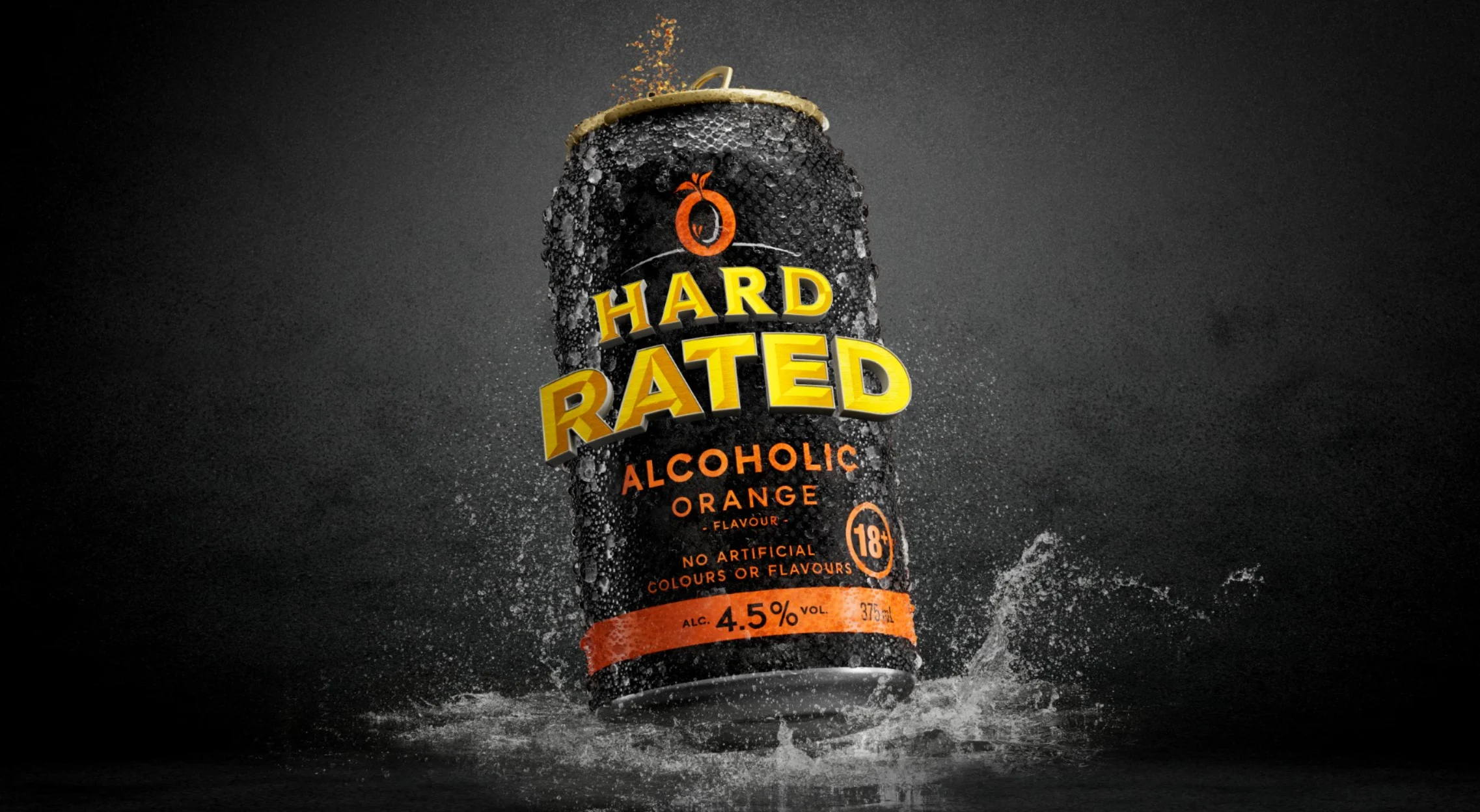
    Asahi Beverages, the multinational Japanese beverage company, is broadening its Hard Rated product range with the introduction of a fresh orange variant. This move aims to build on the achievements of its lemon variant, which was successfully launched in 2023.

    The New Orange Flavour

    The latest addition to the Hard Rated line boasts a distinct, low-bubble, sweet, and zesty orange profile. It maintains a 4.5 per cent alcohol by volume (ABV), and in keeping with the company’s commitment to quality and naturalness, this new variant contains no artificial colours or flavours.

    Sarah Wilcox, who heads the ready-to-drink (RTD) and cider divisions at Asahi Beverages, acknowledges the robust market demand for orange-flavoured alcoholic drinks. She also noted the undeniable growth in the RTD sector since the company first introduced Hard Rated in 2023.

    Wilcox added that the introduction of Hard Rated Alcoholic Orange seeks to sustain Hard Rated’s position as Australia’s top white spirit premix. It aspires to meet consumer demand for a tangy orange flavour that has not been readily available on the market.

    Distribution and Pricing

    The Hard Rated Alcoholic Orange is available through major alcohol retailers and venues across Australia. It comes in two variants – a four-pack priced at $30 and a 10-pack valued at $60.

    Questions & Answers

    What is the new addition to Asahi Beverages’ Hard Rated portfolio?
    The new addition is the Hard Rated Alcoholic Orange, which boasts a low-fizz, sweet, and zesty orange profile.

    What is the alcohol percentage of the new Hard Rated Alcoholic Orange?
    The Hard Rated Alcoholic Orange has an alcohol by volume (ABV) of 4.5 per cent.

    How much does the Hard Rated Alcoholic Orange cost?
    It is available in two variants – a four-pack priced at $30 and a 10-pack valued at $60.

  • Von Dutch Diversifies: Fashion Brand Ventures Into Food, Beverage, And Hospitality Sectors

    Von Dutch Diversifies: Fashion Brand Ventures Into Food, Beverage, And Hospitality Sectors

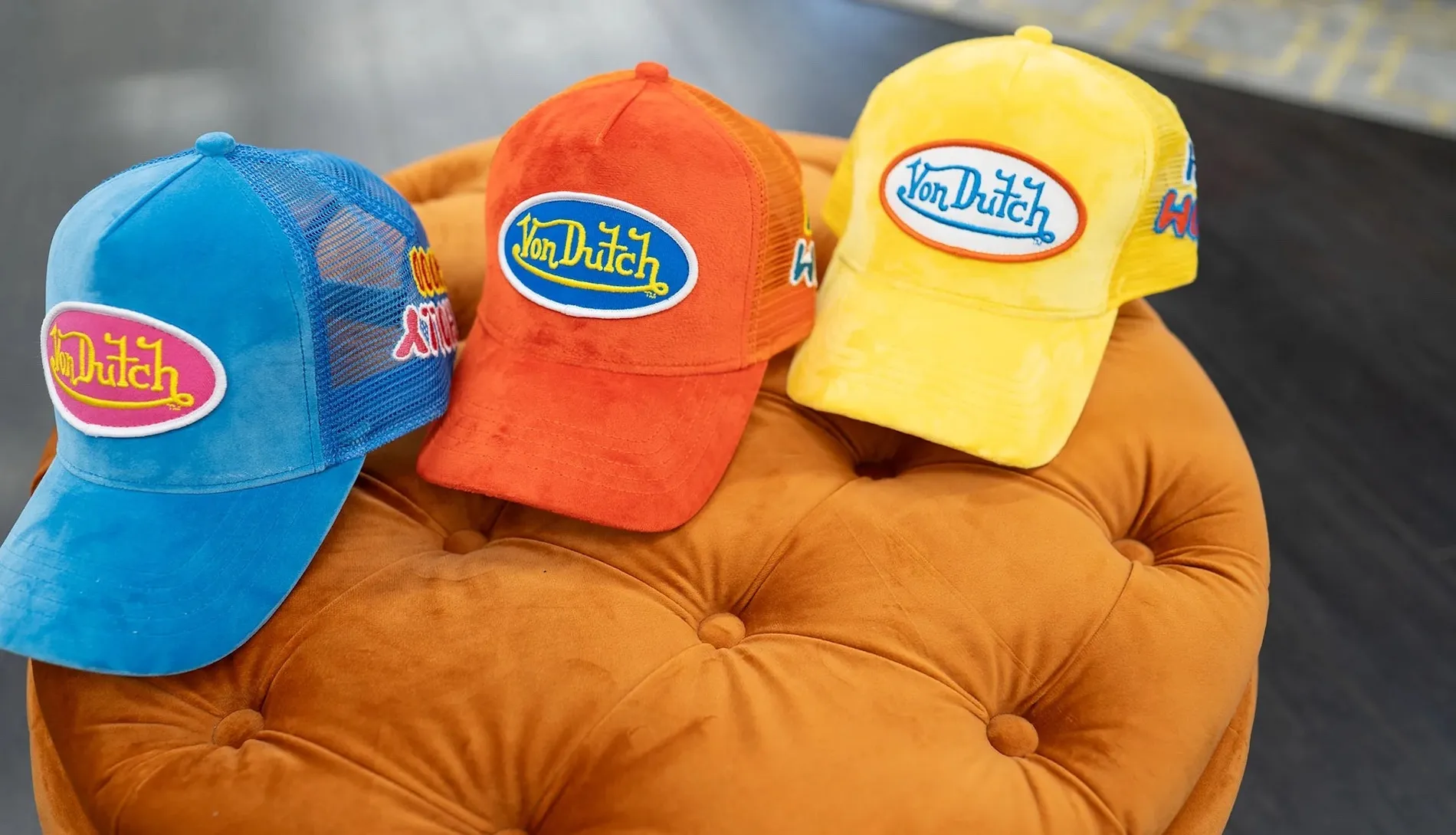
    Fashion label, Von Dutch, is broadening its horizons by venturing into sectors of food, beverage, and hospitality. The company has officially disclosed a worldwide food and beverage licensing agreement. As a result of this agreement, the brand will introduce a collection of drinks, snacks focussed on health and wellness, and a blend of cafe-lounges under the name of Von Dutch F&B. This initiative is under the leadership of CEO Joe Wallace, a seasoned executive known for securing millions in funding and pioneering a variety of products in food tech, consumer goods, and hospitality.

    As expressed by Wallace, the vision is to create an empire far beyond just a food brand. The brand’s philosophy will hinge on entertainment, authenticity, wellness, hospitality, and a fresh vitality.

    New Product Launches

    In partnership with beverage incubator Flavor House, Von Dutch F&B will launch an organic, plant-based line of sodas and mocktails. Other exciting ventures include a new alcohol line featuring vodka, tequila, beer, and hard seltzers. This move complements the brand’s existing product – Von Dutch Water, known as a high-quality hydration product that has gained popularity across various outlets from convenience stores to bars and music festivals.

    Von Dutch Cafes and Sub-Brand Launch

    Von Dutch plans on opening its brand-new cafes in New York and Los Angeles over the next year. These spaces will transition from being daytime hubs for coffee and snacks to after-hours hotspots featuring cocktails, mocktails, and live entertainment.

    The brand, which was taken over by the White Space Group (WSG) in 2024, also plans on launching an engaging sub-brand called ‘Von Dutch Loves.’ This sub-brand will highlight music, nightlife, and underground culture through exclusive releases, artist partnerships, festival collaborations, and community-centered events.

    WSG CEO Jack Cheika expressed his excitement about the partnership, stating that the goal is to create cultural relevance in every aspect of people’s lives, from how they dress to how they dine, drink, and socialize.

    Questions & Answers

    What is the new venture of Von Dutch?
    Von Dutch is expanding its brand into the food, beverage, and hospitality sectors under the name Von Dutch F&B.

    What products will Von Dutch F&B be launching?
    Von Dutch F&B plans to launch a range of organic, plant-based sodas and mocktails as well as a new alcohol line including vodka, tequila, beer, and hard seltzers.

    What is the aim of the ‘Von Dutch Loves’ sub-brand?
    The ‘Von Dutch Loves’ sub-brand is designed to highlight music, nightlife, and underground culture through exclusive releases, artist partnerships, festival collaborations, and community-centered events.

  • Ribena Reveals Bold New Brand Identity: Striking Balance Between Heritage And Modernity

    Ribena Reveals Bold New Brand Identity: Striking Balance Between Heritage And Modernity

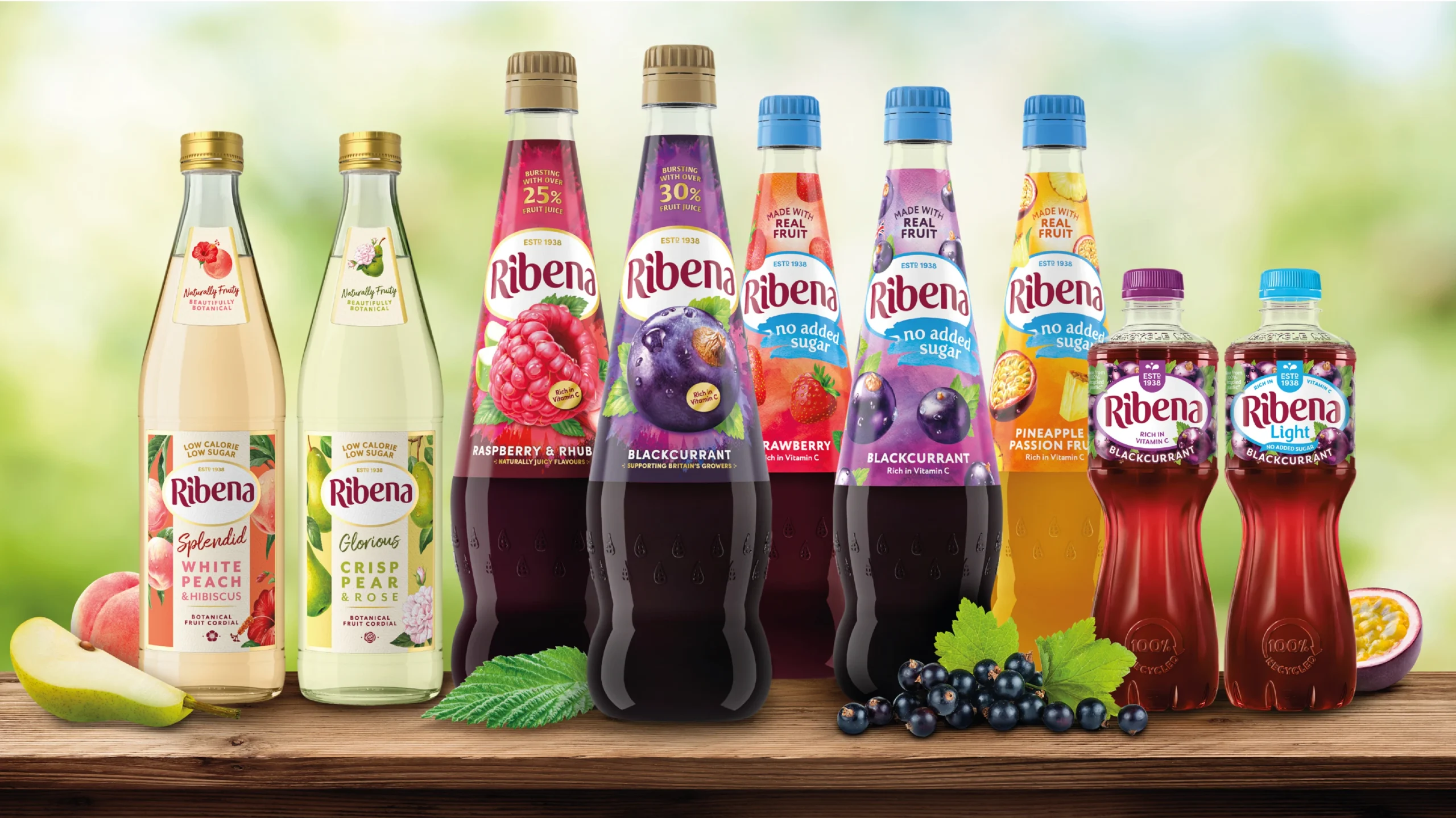
    Iconic beverage label Ribena has recently introduced a new brand identity, developed with help from the renowned creative team at Elmwood. With the aim of maintaining the brand’s familiarity while enhancing its shelf appeal, the revamped identity features a bold new logo while retaining key elements of its heritage.

    A New Twist to An Old Favorite

    The updated visual identity for Ribena features a reimagined logo where the traditional blackcurrant-colored wordmark is replaced by a bolder red hue. The curvature in the old lettering has been transformed into a more streamlined and clean baseline. The alterations also extend to the letterforms, which have been molded to look more “plump and juicy”, further emphasizing the brand’s fruity image.

    Striking the Balance Between The Old And The New

    Charlotte Distefano, Elmwood’s Creative Director, explained that their mission was to strike a balance between ‘familiar difference’. They observed that despite customers’ love for Ribena’s taste, the brand was often overlooked on store shelves. Therefore, the goal was to create a design that was immediately recognisable as Ribena, whilst boosting brand visibility and establishing a consistent look and feel.

    The Blend of Heritage and Modernity

    Key, heritage-linked elements, such as Ribena’s blackcurrants, have been retained in the rebranding, but are now subtly positioned in the background. A fresh “juicy droplet icon” has been introduced beneath the fruit, complemented by a vibrant purple backdrop and gold accents to further augment the brand’s aesthetic appeal.

    Elmwood confirmed that in trials, the refreshed packaging showed significant improvements across measures such as purchase intent, recall, and perceived taste, while still being easily identifiable as Ribena. Ribena, a company established in 1938, is currently held by Suntory Beverage & Food GB&I.

    Questions & Answers

    What are the key changes in Ribena’s new logo?
    The former blackcurrant-hued wordmark has been replaced by a bolder red logo and the curved old lettering has been simplified into a cleaner, straight baseline.

    What was the goal of Ribena’s redesign?
    The aim was to create an instantly recognisable yet distinctive design that enhanced the brand’s visibility and created a consistent look and feel.

    How has the reaction been to the new packaging?
    The new design performed well in trials, showing improvements in purchase intent, recall, and perceived taste, while maintaining its recognisability as Ribena.

  • Arkadia Beverages Unveils Expanded Premium Syrup Collection: New Flavours, Recipes, And Bottle Size Introduced

    Arkadia Beverages Unveils Expanded Premium Syrup Collection: New Flavours, Recipes, And Bottle Size Introduced

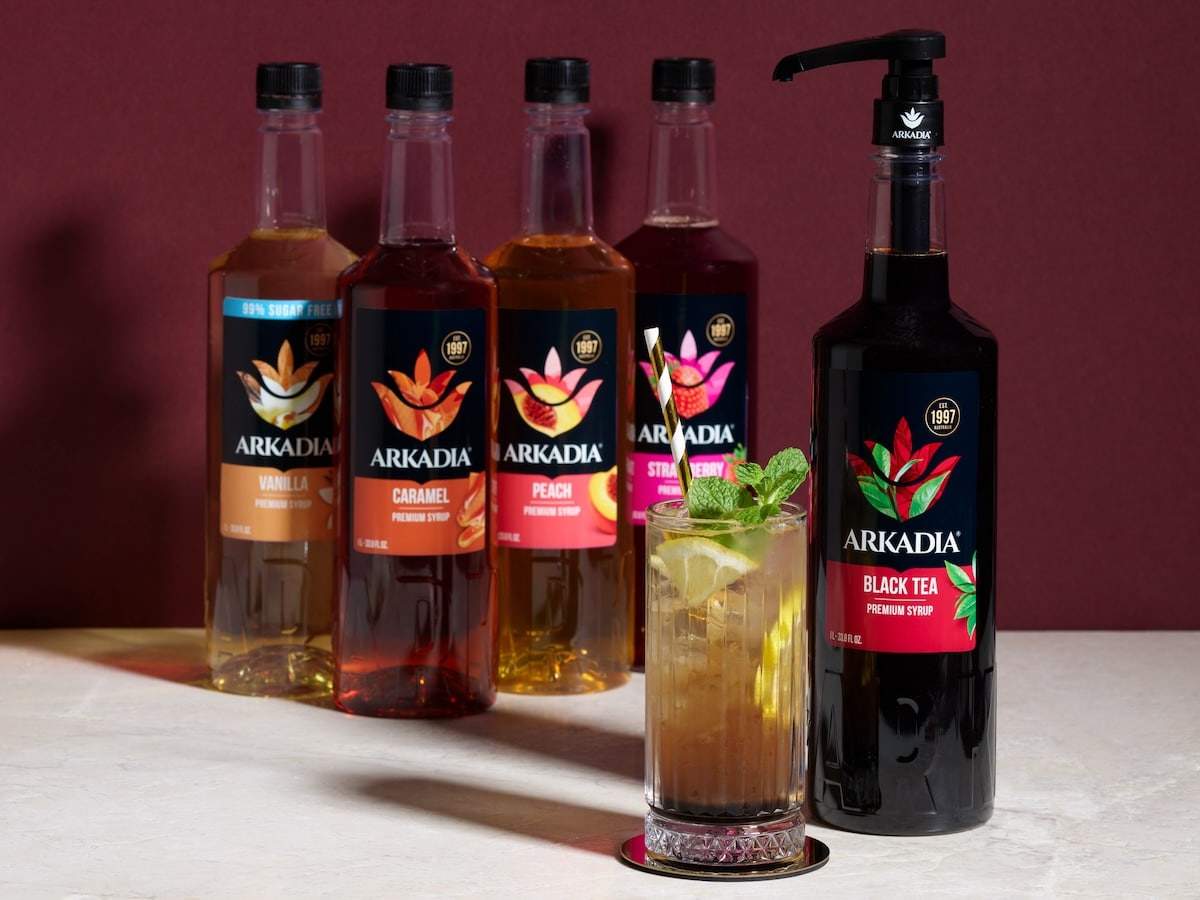
    Arkadia Beverages has breathed new life into its premium syrup collection. The company has not only updated the branding design, but also expanded the collection with a new 1L bottle size, additional flavours, and complementary drink options.

    With a selection of over 26 flavours, such as lychee, peach, and coconut, Arkadia has introduced its new fruit syrups, the Arakadia Syrups. The brand has transitioned from a 750ml bottle size to a more generous 1L size, all sporting creative new label designs.

    In addition to these updates, Arkadia Beverages has also launched new recipes for its Arkadia Lychee Syrup. These include inventive concoctions like Kayla Reid’s Butter, Corn & Rye, boasting a rich and spiced rye taste with hints of butterscotch, and Francesco Emmulo’s Petal & Pearl, which offers a delicate floral undertone.

    Ramona Culda, the Chief Brand Officer of Arkadia Beverages, highlighted that their transition from the 750ml to the 1L bottle was motivated by feedback from businesses, both local and international. She emphasized that this move would enhance value, efficiency, and consistency across the entire hospitality industry.

    Questions & Answers

    Why has Arkadia Beverages decided to change its bottle size?
    The decision to change from a 750ml to a 1L bottle size was driven by feedback from local and global businesses. They believed it would deliver greater value, efficiency, and consistency for the hospitality industry.

    What new recipes has Arkadia Beverages launched?
    Arkadia Beverages has launched new recipes for its Arkadia Lychee Syrup, including Kayla Reid’s Butter, Corn & Rye and Francesco Emmulo’s Petal & Pearl.

    What are the new flavours introduced in the Arakadia Syrups line?
    The new Arakadia Syrups line introduces flavours such as lychee, peach, and coconut.

  • Asahi Beverages appoints Amanda Sellers as new group CEO

    Asahi Beverages appoints Amanda Sellers as new group CEO

    Asahi Group Holdings has named Amanda Sellers as the new group CEO of Asahi Beverages, the company’s Oceania business.

    Sellers has been the Group’s interim CEO since June, following the resignation of the previous CEO, Robert Iervasi.

    “The board of Asahi Group Holdings has huge confidence in Amanda’s ability to continue with the impressive growth trajectory of our business in Oceania while also delivering our sustainability commitments and setting us up for long-term success in Australia and New  Zealand,” said Atsushi Katsuki, president and CEO, Asahi Group Holdings.

    Sellers has been working as the CFO for Asahi Beverages for almost five years. She has more than 20 years of experience in the beverages industry and has held senior positions at Treasury Wines, where she served as CFO for Asia and Europe and previously as CFO for Australia and New Zealand.

    With her appointment, Sellers has become the first woman to hold the CEO position of a regional headquarters within the Asahi Group.

    “As interim group CEO over the past six months, I’ve had the pleasure of getting to know our customers and suppliers much better,” said Sellers.

    “I’m confident that through these valued partnerships and the plans we’ve developed together, we’ll grow our businesses and deliver even more  for our consumers.”

  • Asahi Beverages’ Vibe launches functional soda range

    Asahi Beverages’ Vibe launches functional soda range

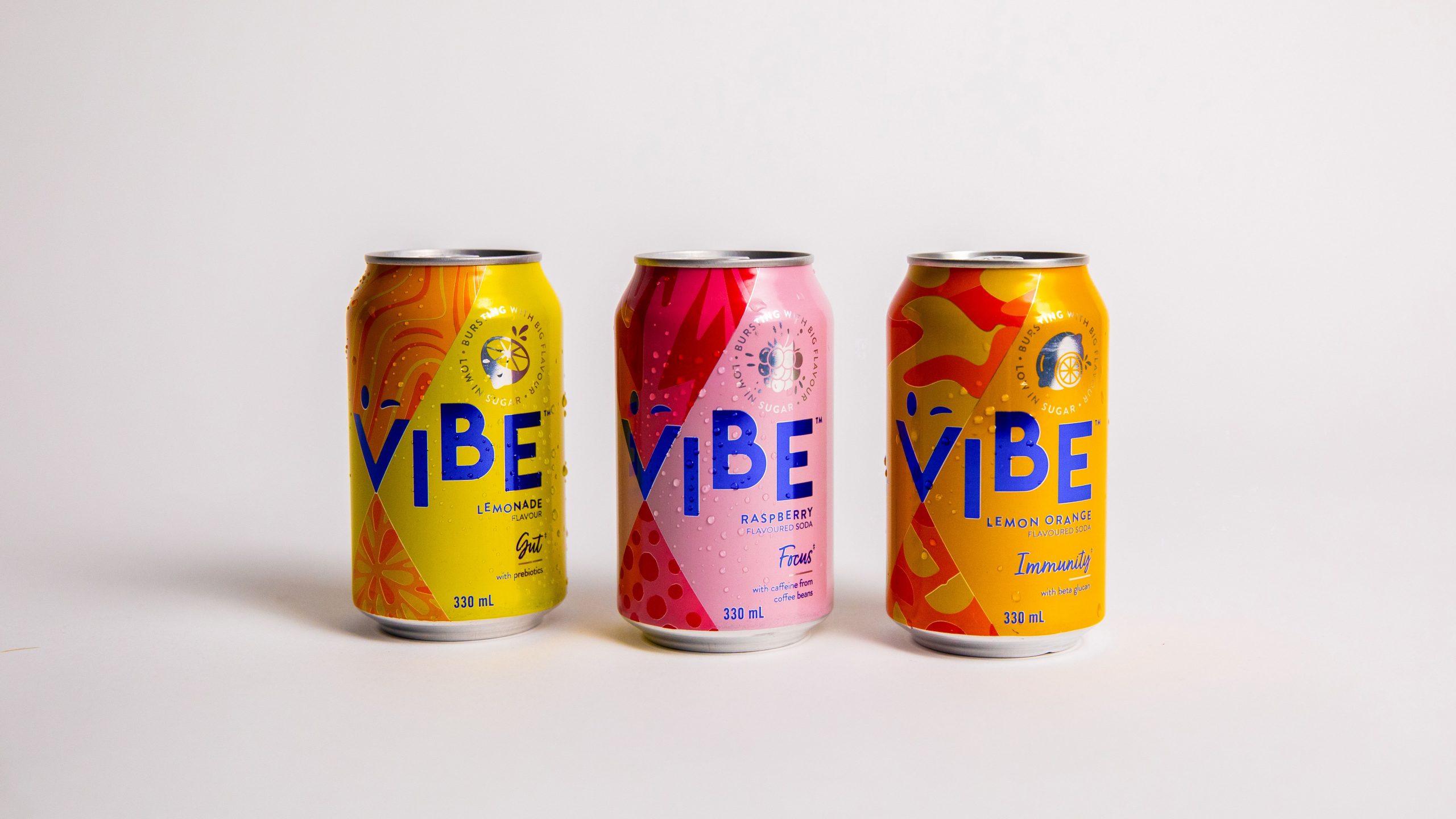
    Beverage brand Vibe has launched a functional beverage soda range in three flavours.

    The company says it undertook consumer market research to ensure the drink meets evolving consumer needs.

    Parent company Asahi Lifestyle Beverages’ GM for marketing, Lauren Fildes, said: “When choosing an alternative to soft drink, people want great taste first, then something that’s low in sugar and has a range of functional benefits to choose from.”

    Flavours in the range include – Lemonade Gut – which contains prebiotics for gut microbiota. Lemon Orange Immunity – formulated with beta-glucan to help support immune health and Raspberry Focus – which has caffeine to improve concentration and alertness.

    The range retails for $9.50 and comes in 330 ml cans, available across Woolworths stores nationally.

  • Beverage industry lobbies against taxing sweetened drinks

    Beverage industry lobbies against taxing sweetened drinks

    Drink makers are lobbying against levying a special consumption tax on sweetened beverages, arguing that they do not contribute to health problems such as obesity.

    At a Wednesday workshop to discuss draft amendments to the Law on Special Consumption Tax, Nguyen Thi Lam, former deputy director of the National Institute of Nutrition, cited data showing that obesity is related to an imbalance between energy intake and outtake, and the frequency of physical activity.

    “Fat in food causes overweightness and obesity more than drinking soft drinks. There is no link between sweetened beverages and obesity,” she said.

    The Ministry of Finance is again considering imposing a tax on sweetened beverages eight years after failing to get other ministries to back it. The ministry said that a “reasonable” special consumption tax on sugary drinks would help protect people’s health in line with World Health Organization recommendations and international practices.

    Chris Vanloon, Chairman of the American Chamber of Commerce (Amcham) in Da Nang, said there is currently no definition of “sugary drinks,” so on the basis that the Ministry of Finance provides, the special consumption tax could be imposed on milk, dairy products, special foods for children and women, as well as sports drinks with electrolytes.

    Do Thai Vuong at the Vietnam Beer-Alcohol-Beverage Association said the beverage industry is still recovering from the Covid pandemic, facing global economic uncertainties and increased production costs.

    Beverage businesses need a stable tax policy environment to return to the numbers they were putting up pre-pandemic, Vuong said.

    He added that imposing the tax would be discriminatory without solving any public health problems.
    The proposed policy would also cause unwanted consequences for related industries, such as sugar, retail, and packaging, he said.

    A manager of Heineken Vietnam stated that the Ministry of Finance’s introduction of barley and non-alcoholic beverages into the taxable category was unreasonable.

    According to him, similar factors in terms of materials, processing, forms and flavors are not a legal basis for imposing a special consumption tax.

    “It is also inconsistent with the purpose of this tax — restricting or discouraging the consumption of products that are harmful to health,” he said.

    Businesses say they want to give regulators more time to analyze and evaluate relevant factors comprehensively and thus develop a suitable tax schedule to avoid negative impacts on consumers and businesses.

    However, Dinh Trong Thinh, an expert from the Vietnam Academy of Finance, said the tax rate could be 10%, similar to what Cambodia now applies.

    In 2014 the Ministry of Finance had formerly proposed a similar 10% special consumption tax on sweetened beverages, but other ministries opposed it.

    It is also considering hikes in the special consumption tax on beer, other alcoholic beverages and cigarettes.

    Between 2016 and 2019 it had increased the rate on beer and certain alcoholic beverages from 55% to 65% and on cigarettes and cigars from 70% to 75%.

    At the workshop, businesses suggested delaying the hikes, at least until 2025.

  • Asahi Beverages buys premium mixer brand Strangelove

    Asahi Beverages buys premium mixer brand Strangelove

    Founded by mates James Bruce and Stafford Fox in 2013, the adult soft drink, premium mixer and mineral water business “set out to revolutionise the Australian soft drink market with eclectic, sophisticated flavours and local ingredients”.

    StrangeLove claims that it has more than doubled in volume and revenue in the last two years. The brand is now stocked by many of Australia’s “best” restaurants, high-end grocers and, more recently, premium Woolworths stores.

    Asahi Beverages Group CEO Robert Iervasi says it’s clear Australians want more sophisticated and lower-sugar soft drinks, fuelling demand for StrangeLove’s products in recent years.

    “We are really excited about the impact that StrangeLove is going to have in restaurants, cafes, hotels and pubs,” he says.

    “We expect StrangeLove to really shake things-up in the on-premise premium mixer and adult soft drink space, with a high-quality, Australian-made brand.

    “This deal will also strengthen our offer to retailers, which are dedicating more shelf-space to premium non-alcohol beverages. StrangeLove complements our leading portfolio of beverages, and we are absolutely thrilled to add StrangeLove to the Asahi Beverages family.”

    Mr Bruce says the deal represents an amazing opportunity to speed up StrangeLove’s mission to revolutionise the adult soft drink market with more imaginative and high-quality beverages.

    “With their FMCG-expertise and long-standing customer relationships in retail, hospitality and beyond, Asahi Beverages will help grow StrangeLove in a way we couldn’t on our own,” he says. “They share our absolute commitment to quality and we’ve been impressed by how they’ve supported their other craft partners to retain their unique identity and foster innovation.

    “The StrangeLove management team and I will remain in our roles at the business, and we’re excited and committed to its long-term growth. This means the acquisition won’t affect day-to-day operations and nothing will change for our customers and consumers.

    “We’ll continue to challenge the status quo with imaginative, innovative and adult flavours, using real ingredients sourced, where possible, from local farmers and producers.”

  • The Alley Singapore to open two more outlet stores

    The Alley Singapore to open two more outlet stores

    Taiwanese bubble tea chain The Alley Singapore is opening two outlets in mid-April.

    The first of a new global concept called The Alley Luxe is set to open in Cineleisure. The concept carries what the brand describes as its finest collection of beverages on a curated menu distinctive to Singapore.

    The outlet will offer European baked treats such as croissants, ‘cruffins’ and Kouign-amann. Customers can opt for take-away, or dine-in while enjoying a view over Orchard Road.

    The Alley Luxe


    The second outlet will be launched in Jewel Changi Airport about the same time.

    Having opened its first outlet in 2013, The Alley now has more than 300 stores around the world.

  • Vietnam’s coffee traders cut output forecast by 10 percent

    Vietnam’s coffee traders cut output forecast by 10 percent

    Traders in Vietnam lowered their coffee output forecasts by 10 percent this week as a bumper harvest came to an end. They now expect an output of about 27 million bags of 60 kg each for the 2018/19 crop year that began on Oct. 1, compared with earlier forecasts of 30 million bags. “We are not surprised to see a lower output as stubbornly low domestic prices have discouraged many farmers to fertilize and water their trees, while weather condition was also not supportive,” a trader based in the province of Dak Lak said on Thursday.

    “Farmers in the Central Highlands have harvested all of the fresh beans of the 2018/19 crop year,” he said.

    Farmers in the Central Highlands, the country’s key coffee growing area, sold coffee at 33,500-34,000 dong ($1.44-$1.47) per kg on Thursday, compared with 33,200 dong-33,700 dong a week earlier.

    “Though output is lower, domestic prices have not risen due to external factors, including larger forecasts by foreign agencies,” said another trader based in Ho chi Minh City.

    Vietnam’s coffee exports in January are forecast to be between 150,000 tonnes and 180,000 tonnes, compared with an estimated 160,000 tonnes in December.

    Traders in Vietnam offered 5 percent black and broken grade 2 robusta at a $40 per tonne discount to the March contract, compared with a $45-$50 discount last week.

    Meanwhile, in Indonesia, trading continued to be muted with traders saying premium for the grade 4 defect 80 robusta stayed unchanged for a fourth straight week at $20-$30 to the March contract.

    “Supply may only start coming around April because some areas in Bengkulu will have some harvest then,” said a trader, referring to a province neighbouring Lampung.

    Main robusta harvest in southern Sumatra typically takes place around the mid-year, but a smaller harvest usually happens a few months earlier.

  • Vietnam’s Sabeco, taxman at loggerheads

    Vietnam’s Sabeco, taxman at loggerheads

    HCMC tax authorities have failed to collect $135.73 million in taxes and fines, while brewer Sabeco has cried foul. The Tax Department of Ho Chi Minh City informed Vietnam’s largest brewer Sabeco on December 24 that it would withdraw VND3.1 trillion ($135.73 million) from the beer company’s bank account to collect overdue special sales tax from 2007 to 2015 and penalties for administrative violations.

    However, the move failed because there was no money left in Sabeco’s Vietcombank account.

    Le Duy Minh, deputy head of the department, said that his agency has temporarily blocked Sabeco’s Vietcombank account.

    “We have asked Sabeco to provide details of other bank accounts but it has not fulfilled that request,” he said.

    But Sabeco claims that it has not violated the law.

    Sabeco general director Neo Gim Siong Bennett said in a statement Sunday that Sabeco has not violated regulations on the declaration, calculation and payment of special sales tax.

    He said the enforcement action by the HCMC Tax Department was a violation of Vietnamese laws, as it was taken “without a valid administrative decision” and “contradicts with the very written guidance issued by the Ministry of Finance, General Department of Taxation and Tax Department of HCMC.”

    He said Sabeco’s “legitimate interests are being threatened by the inconsistent views among State authorities.”

    As Sabeco is set to meet with Prime Minister Nguyen Xuan Phuc, the tax department will await the meeting’s results before taking further steps, Minh said.

    Following Sabeco’s meeting with Prime Minister Nguyen Xuan Phuc on Wednesday, the latter has asked the tax department to defer its enforcement actions.

    Mai Tien Dung, Chairman of the Prime Minister Office said that government bodies are carefully examining the case as it involves “foreign factors.”

    In December 2017, Thai Beverage acquired a 53.59 percent stake in Sabeco from Vietnam’s Ministry of Industry and Trade for $4.84 billion through a local entity, Viet Beverage (VietBev).

    Sabeco, formally known as Saigon Beer Alcohol Beverage Corp, recorded revenues of VND25.5 trillion ($1.1 billion) in the first nine months 2018, meeting 70 percent of its annual target.

    It occupies approximately 42.8 percent of the domestic beer market, according to the Ho Chi Minh City Securities Corporation. It produced nearly 1.8 trillion litres of beer in 2017.

  • Vive cake boutique launches hot beverages this winter

    Vive cake boutique launches hot beverages this winter

    Embracing the joyous holiday season, celebrity-loved Vive Cake Boutique launches a selection of luscious winter drinks specially curated by Founder, Ms Vivien Lau, to pair with VIVE’s delectable sweet treats. A selection of premium organic teas sourced from Taiwan are also introduced to add to its repertoire of beverages.

    “The holiday season is one that inspires the sharing of love and joy between family and friends,” says Vivien Lau. “Our new hot drinks are ‘warm, comforting and the perfect thing to cozy up with as the weather gets colder. Pair them with our signature cakes; it is soul-warming.”

    The new non-alcoholic So Grape-ful (HK$68), is a sophisticated yet whimsical libation designed to emulate mulled wine. Made with grape juice, tangy orange and lemon zest, a dash of cinnamon, cloves, and star anise, this warm drink not only brings to mind a winter wonderland classic, but also inspires a sense of playfulness with its presentation in a classic Christmas bauble sitting in a Martini glass.

    Lovers of sweetness and tradition will enjoy the classic S’mores (HK$50) concoction. A classic hot chocolate topped with roasted marshmallows, featuring butter cake crumbs, the smooth and satisfying drink conjures the classic Christmas moment shared by family and friends in front of a fireplace.

    The chilly winter season need not only be a time exclusively for indulgences. VIVE introduces a repertoire of three organic premium teas personally sourced by Vivien Lau from Taiwan, unrivalled for its high quality teas.

    Each of these teas is recommended to be paired with VIVE’s repertoire of signature desserts. The long-lasting, mellow sweetness of the Golden Honey Black Tea (HK$42) which invokes a scent of honey, floral, fruity, and milky aroma is recommended to be paired with Berry Jolly (HK$58), a layered sponge cake with mascarpone mousse and strawberry fillings. The slight astringency of black tea will make that mascarpone mousse really sing.

    The sweet, floral, and honey-fragrant Oriental Beauty Tea (HK$42) with its unique flower and honey aroma is best paired with the Berry Almond Tart (HK$48), made with seasonal fruits set atop an almond cake base and a crisp, sweet tart shell.  The tea is light enough to not overpower the fruits, but flavorful enough to make this simple sweet treat shine.

    Tea lovers who fancy the classic clean and grassy aroma with a tinge of roast, will love the mellow and brisk taste of Alpine Roast Oolong Tea (HK$42), which leaves tea drinkers with a lingering sugar cane sweetness. This tea is best paired with Treasure Hunt (HK$58), a rich caramel glazed cake, layered with dark chocolate sponge, caramel & chocolate mousse, set on a crunchy base.  The fragrant florals of lightly oxidized oolongs will bring out the fruity and earthy flavors of dark chocolate.

    Tea-ophiles may also take these naturally grown, chemical-free teas home with them. Tea connoisseurs may enjoy Golden Honey Black Tea for a natural caffeine boost, Alpine Roast Oolong Tea, and Oriental Beauty Tea at the comforts of their own homes. The packaged tea box with priced HK$218, including 15 individual tea bags (each flavour of 5), is a perfect personal or corporate gift.

    Vive Cake Boutique has proved a roaring success story since being launched with online orders in 2014 by founder and creative director Vivien Lau, who discovered her passion and talent by chance, making her first cake for a friend’s birthday. Her signature ‘handmade with love’ cakes, cupcakes, macarons, cookies, confectioneries and tailor-made cakes for weddings and special occasions, are all made from scratch from finest ingredients sourced from all over the world.

    VIVE’s widespread acclaim includes Time Out’s listing among the “crème de la crème of Hong Kong’s bespoke dessert makers” – with a massive celebrity and socialite following including Aaron Kwok, Charlene Choi, Gillian Chung, Niki Chow, Sharon Chan, Miki Yeung, Ella Koon, Myolie Wu and more.
  • Homeplus hosts 1st beer sommelier competition

    Homeplus hosts 1st beer sommelier competition

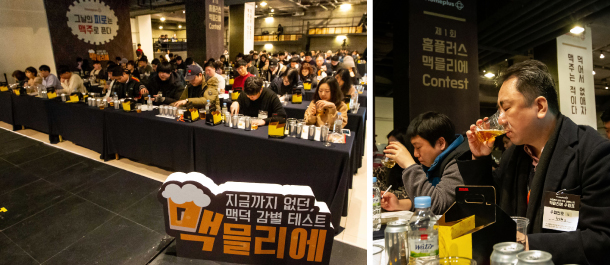
    Twenty-seven people have been awarded the auspicious title of beer sommelier by discount chain Homeplus. The discount chain’s first Macmelie Contest – macmelie is a portmanteau of the Korean word maekju, or beer, and sommelier – on Saturday saw 200 contestants gather at a convention center in Gangnam District, southern Seoul, to take a comprehensive test for a chance to become Homeplus-certified beer sommeliers.

    A total of 10,000 people had taken an online preliminary test to qualify to attend the Macmelie Contest.

    The 27 contestants who passed the test on Saturday with over 70 points out of a 100 were awarded Macmelie ID cards. They were also given the opportunity to be the first to try out Homeplus’ newest beer imports and work together with the company to develop new beer products.

    The test included a written paper, worth 60 points, and a more interactive round – inevitably including a beer tasting test – worth 40 points.

    Some of the written questions tested contestants’ basic knowledge of beer, for example by asking for the German city that hosts Oktoberfest or the brew’s four core ingredients. Other questions were more difficult. One asked for the historic period when Duke Wilhelm IV of Bavaria adopted the German Beer Purity Law, while another asked for the number of indents that beer bottle caps have.

    The interactive questions were also challenging. Contestants had to guess how many milliliters of beer a cup held and also identify beer types by taste.

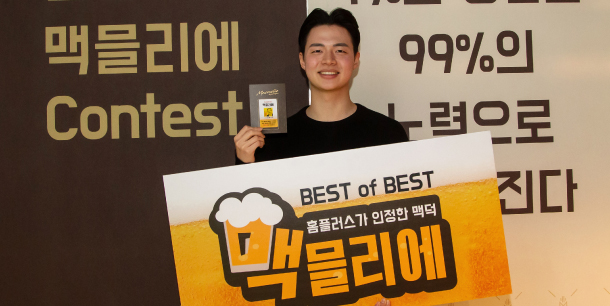
    Lee Ik-jin scored the highest out of all contestants with 84 points. “I didn’t expect to win first place, but I think my experience drinking a lot of beer in the past helped.”

    Homeplus currently offers around 690 types of local and foreign beer. The company says it hopes to enrich Korea’s beer consumption culture through its Macmelie contest.

    “We’ve been offering beer from around the world to meet rising demand that we are now even called the beer mecca,” said Kim Min-soo, a brand marketing manager at Homeplus.

  • Luckin Coffee worth $2.2 billion in quite short time

    Luckin Coffee worth $2.2 billion in quite short time

    Fast-growing Chinese cafe chain Luckin Coffee has raised US$200 million in its latest funding round, effectively valuing the company at a stunning $2.2 billion. That’s up to $700 million more than its value was estimated just one month ago when the quest for funding was announced.

    Launched only in January, the company had already opened more than 1700 outlets in 21 Mainland China cities by last month. Its rapid growth is based on an inexpensive delivery service concept and online ordering system.

    An aggressive competitive strategy involves an IT-focused approach whereby all customers must purchase coffee via an app, with which they can then monitor brewing progress via livestream. Its pricing is considerably less than Starbucks.

    Luckin said the latest funding round was led by Singapore Government sovereign wealth fund GIC and China International Capital Corp. They were likely attracted by a mid-term plan for an IPO of the Luckin business in either Hong Kong or New York. GIC was a participant in a similar capital raising in July.

  • Alibaba powers Starbucks virtual store launch in China

    Alibaba powers Starbucks virtual store launch in China

    Starbucks launched its first virtual store in China powered by technology from Alibaba Group, providing a unified, one-stop digital experience across the Starbucks app and mobile apps within the Alibaba ecosystem, including Taobao, Tmall, and Alipay.

    The first-of-its-kind virtual store leverages an online management hub developed specifically for Starbucks by Alibaba. It provides consumers integrated access to Starbucks’ digital offerings, including “Starbucks Delivers,” “Say it with Starbucks” social gifting and merchandise available from Starbucks’ Tmall flagship store.

    Alibaba’s technology streamlines the shopping process, pulling offers that were available in multiple digital apps into a single access point. Adopting a centralized approach to its mobile presence enabled by the Alibaba ecosystem, Starbucks now has a complete overview of its consumers’ actions online. Moreover, the integration of membership between Starbucks and the range of Alibaba apps is expected to fuel strong growth in Starbucks Rewards membership in China.

    The new virtual store steps up the collaboration announced by Alibaba and Starbucks in August 2018, when the companies agreed a deep, strategic “New Retail” partnership. Ele.me, China’s leading on-demand food delivery platform, owned by Alibaba, provides Starbucks delivery service for 2,000 stores across 30 Chinese cities.

    In October 2018, Starbucks also piloted its first “Star Kitchens” within two FRESHIPPO (previously known as Hema) supermarkets in Shanghai and Hangzhou. As the first retail brand to establish a dedicated back-of-house presence in FRESHIPPO locations, each Star Kitchen utilizes the distinct fulfilment and delivery capabilities on-site to complement the handcrafted beverages offered through existing Starbucks stores.

    The launch of Starbucks’ virtual store is also the latest example of how the so-called “Alibaba Operating System” empowering traditional retailers. After years of development in this digital age, Alibaba has created a unique system to support enterprises in the process of digital transformation that covers critical areas such as retail, marketing, finance and logistics.