Retail News CRM

Tag: beverages

  • Herschel teams up with Starbucks for launch in China

    Herschel teams up with Starbucks for launch in China

    Does a new new designer collaboration revealed this week represent growing Starbucks fashion cred? Accessories and apparel brand Herschel has created a capsule collection inspired by Starbucks China’s Sumatra coffee blends.

    It follows the release of two seasonal ranges of homewares designed by Los Angeles label Ban.Do in the coffee company’s Asia-Pacific stores, the first of them on sale in July last year.

    Vancouver-based Herschel established a headquarters in Shanghai this year and is currently working on expansion plans within the territory along with retail partners nationwide. A permanent store location will open in the third quarter, and 15–20 Herschel Supply stores are are expected to be open before the end of next year.

    Cofounder Lyndon Cormack said: “Coffee is significant in one aspect or another in just about every part of the world. Of course, it’s a huge part of our culture in Vancouver, here in the Northwest, just a few hundred kilometres away from Starbucks’ birthplace in Seattle.

    “To work with one of the most globally recognised brands and collaborate with them directly is an incredible opportunity to bring both of our stories to life in a unique and meaningful way. We’ve also been active in the market for years and certainly experienced robust growth.

    “To receive the stamp of approval, so to speak, from the Starbucks China team shows us we’re off to an amazing start and that there’s a lot of opportunity for us to expand in the territory.”

    The Starbucks fashion-influenced range, which is currently sold exclusively at Starbucks locations within China, includes carryalls, mugs and a Starbucks card featuring a custom Sumatra Cherry Woodland Camo print.

  • Bo’s Coffee plans big expansion ahead

    Bo’s Coffee plans big expansion ahead

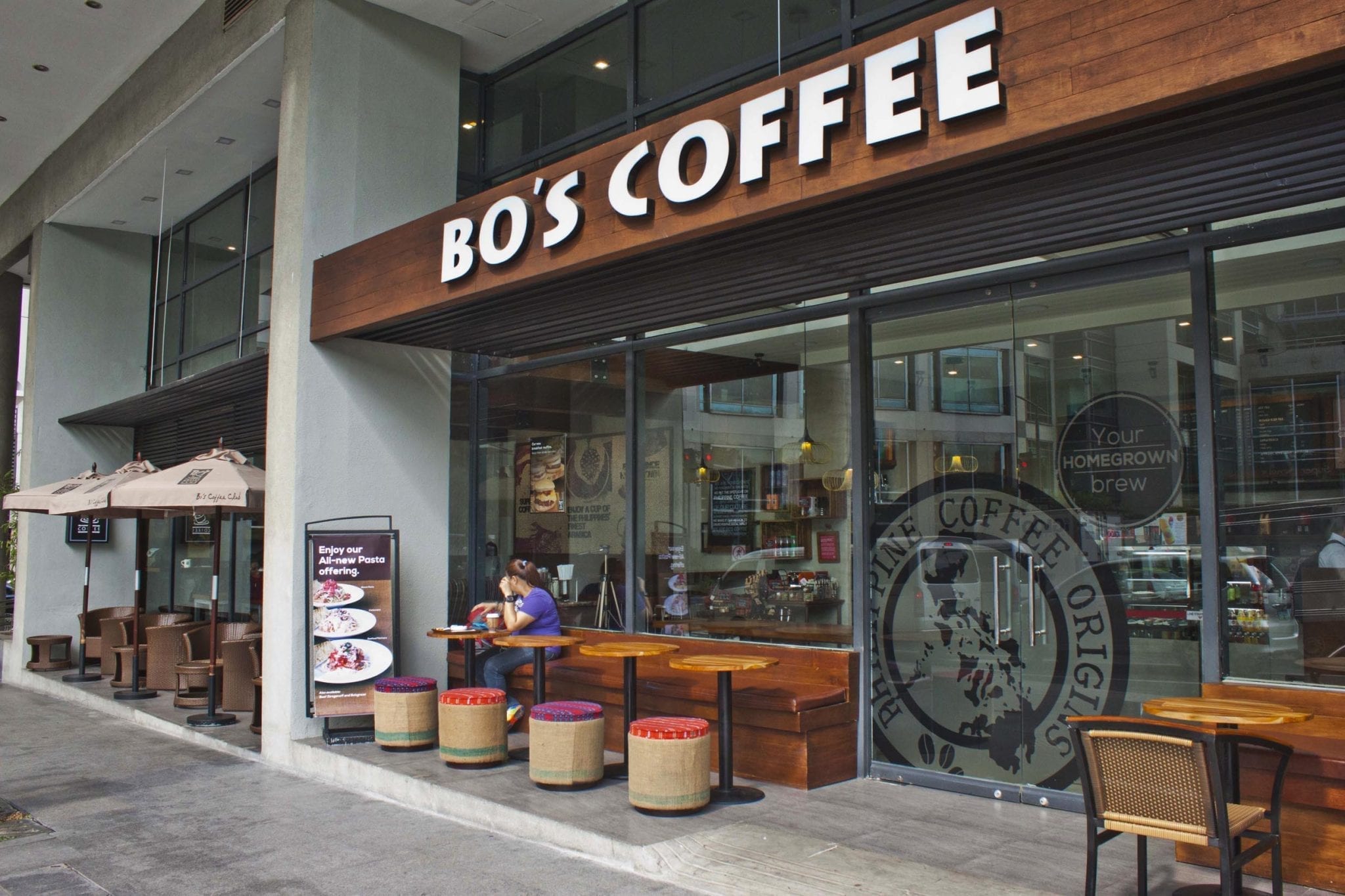
    Filipino cafe chain Bo’s Coffee plans to more than double its store network within four years and is also eyeing expansion into the Middle East. In an interview, founder Steve Benitez says the ambitious growth plan has been fuelled by strong local demand. With 103 cafes currently, Benitez is targeting between 200 and 250 by 2022.

    “Our job is to make sure that we are able to popularize coffee and be able to supply so much, not only in the Philippines but globally,” he said.

    In its home market, Bo’s Coffee, which was founded in 1996, will be targeting Luzon, especially given the brand has “only scratched the surface” there to date.

    In the Middle East, Bo’s Coffee plans to open a second store in Qatar shortly, followed by three more within two years. Other markets in the region are now in its sights.

    The expansion plans will be accelerated following an investment by Philippine-focused Navegar Fund which was attracted to Bo’s Coffee by its efforts to support local coffee-growing communities.

    “Seventy to 80 per cent of our coffee beans are sourced locally,” said Benitez. “We were trailblazers. We started featuring Philippine coffee and the other shops followed after.”

    Bo’s Coffee recently opened a 300sqm flagship store in Cebu which supports social enterprises by partnering with local micro-small entrepreneurs in their store interiors, products, and merchandise inside.

  • October retail sales tide in Hong Kong turns up

    October retail sales tide in Hong Kong turns up

    October retail sales in Hong Kong rose by 5.9 per cent year on year, more than double the pace of September, which was affected by Typhoon Mangkhut. A government spokesman indicated that growth in retail sales picked up somewhat in October after a deceleration in the preceding month, supported by the faster increase in visitor arrivals and continued income growth.

    The Census and Statistics Department (C&SD) estimated the total value of October Hong Kong retail sales at HK$39.7 billion.

    After netting out the effect of price changes over the same period, the volume of October retail sales in Hong Kong increased by 5.2 per cent.

    C&SD’s revised estimate of the growth in the value of retail sales in September was unchanged at 2.4 per cent, the lowest figure year to date.

    For the first 10 months of this year retail sales rose by 10.6 per cent year on year, while the volume (netting out inflation) rose by 9.1 per cent.

    The spokesman strong inbound tourism and favourable job and income conditions should continue to support the retail sector in the near term.

    “Yet, consumer sentiment could increasingly be affected by the external uncertainties and weaker asset markets.”

    By broad type of retail outlet (in descending order of the category’s impact on the overall figure) sales of jewellery, watches and valuable gifts increased by 3.3 per cent in October. This was followed by electrical goods and other consumer durable goods, not elsewhere classified (up 16.1 per cent); commodities in department stores (up 3.5 per cent); apparel (up 2.3 per cent); medicines and cosmetics (up14.9 per cent); other consumer goods, not elsewhere classified (up 12.7 per cent); motor vehicles and parts (up 13.6 per cent); fuels (up 10.3per cent); footwear and accessories (up 9.3 per cent); books, newspapers, stationery and gifts (up 5.8 per cent); furniture (up 0.8 per cent); Chinese drugs and herbs (up 0.6 per cent); and optical shops (up 3.2per cent).

    The only categories to record a decline in sales were commodities in supermarkets, down 0.9 per cent, and food, alcoholic drinks and tobacco, down 2 per cent.

  • Restructuring continue benefits 7-Eleven Malaysia

    Restructuring continue benefits 7-Eleven Malaysia

    New store openings are maintaining a modest 7-Eleven Malaysia sales growth rate – but improved margins are driving solid profit improvement. The listed convenience store operator released its third-quarter results on Friday, which showed third-quarter sales growth of 1 per cent and year-to-date growth of 1.3 per cent. But net profit was up 4.1 per cent for the quarter and 13.3 per cent year to date.

    CEO Colin Harvey said net profit grew 27.6 per cent quarter on quarter.

    “However, this is only the first step in the right direction towards where the organisation should be, and there is scope for improvement. I am confident that our strategy roadmap focussed on strengthening the key areas of, assortment, supply chain, operational excellence, store base, and digitally enabling the organisation will bear fruit in terms of financial performance, and overall customer shopping experience.”

    He said the group’s net revenue of RM1.66 billion year to date was driven by growth in new stores and consumer promotion activity.

    Continued store expansion has taken the network to 2259 stores.

    7-Eleven Malaysia expects trading conditions for the next quarter to improve with the anticipated heightened consumer sentiment.

    “We expect to see further improvements in the next quarter by pursuing our core strategy pillars of operations excellence, cost management and commercial innovation,” the company said.

  • Kenanga Malaysia raises earnings outlook for Carlsberg

    Kenanga Research has increased its FY18 and FY19 earnings for Carlsberg Brewery Malaysia Bhd on the back of improved contributions from Lion Brewery in Sri Lanka.

    “We increased our FY18E and FY19E earnings by 4.3% and 3.5% respectively as we improved contributions from Lion Brewery. Additionally, we increased our Malaysian demand assumptions following the stronger results,” it said in its report today.

    For the nine months ended Sept 30, the group reported core Patami of RM205 million, which amounted to 82% of Kenanga Research’s full-year expectations.

    “We deem this to be above but within our consensus estimates, mainly due to better-than-expected contribution from its Sri Lankan associate, Lion Brewery. Malaysian sales were also better than expected, subsequent to our previous adjustments for softer demand post-Sales and Services Tax (SST),” it said.

    Moving forward, it expects Carlsberg’s on-trade sales (at food and beverage establishments) to be dented by Sales and Services Tax finally kicking in, as these establishments would have to bear the brunt of both taxes.

    “We anticipate demand to be skewed towards the off-trade market (retails, supermarkets), albeit being a lower margin channel. Still, the group’s continued emphasis on its premium mix could bolster the overall performance in the local scene,” it said.

    Meanwhile, HLIB Research does not expect any hike in alcohol excise duty as the structure is already the third highest globally.

    “We opine a hike in excise duty would result in growth in the illicit market at the expense of the legal volumes, which will result in reduced tax collection. For this reason, a hike in alcohol excise duties is unlikely,” it said in its report.

    It expects the government and Royal Malaysian Customs to continue their efforts to fight contraband and strengthen the legitimate tax paying portion of the beer market in Malaysia and hence the government’s revenue collection of excise duty.

    On the recent increase in the minimum age for purchasing alcohol to 21, it expects this to result in lower industry volumes due to a smaller pool of legal consumers.

    HLIB Research maintained its “buy” call with an unchanged target price of RM22.70.

    Carlsberg’s share price fell 1.62% or 32 sen to close at RM19.40 with 51,600 shares traded. It was one of the top losers on the bourse this week.

  • Cafe Amazon preparing Coffee Shop concept to challenge Starbucks

    Cafe Amazon preparing Coffee Shop concept to challenge Starbucks

    Thai oil company PTT plans to spin off its Cafe Amazon division and build a coffee chain it says will one day rival Starbucks. The company says it will open 20,000 cafes globally, nearly 10 times the current network of 2300 outlets in Thailand, the Philippines, Laos, Cambodia, Myanmar and Japan.

    PTT will invest US$1.3 billion in the Cafe Amazon brand over the next five years to develop the franchise business.

    “We aim to build the Cafe Amazon into a top 10 global brand over the next five years,” said PTT Oil and Retail CEO Jiraporn Khaosawas.

    The move signals PTT’s turn towards the retail business at a time when it stands poised to be floated next year, initially into China and the Middle East via franchise partnerships.

    PTT announced plans earlier this year to sell off half of its retail holdings, which generate 20 per cent of the group’s profits, including takings of THB10 billion (US$303 million) from Cafe Amazon last year. The firm has declined to reveal how much it expects to raise in the floatation, although experts have valued the firm’s retail unit at roughly THB120 billion ($3.6 billion).

    PTT’s executive VP for the retail oil business Suchat Ramarch said: “We will not only expand Cafe Amazon, but we will also expand our petrol stations and our lube oil retail business. However, Cafe Amazon will be the highlight, with strong potential to grow.”

    Informed estimates suggest it would cost about THB2.3 million ($70,000) to open a Cafe Amazon shop in a PTT gas station, and from $100,000 to $300,000 for a stand-alone outlet.

  • Chai Point to open 20 more outlets by FY 2019

    Chai Point to open 20 more outlets by FY 2019

    Tea, which conquers 70 percent of the non-alcoholic beverage market in India, is unofficially the national beverage of the country. Tea lovers never shy away from enjoying a hot cuppa, be it any season or any time of the day. Even the social and emotional lives of Indians are linked with tea. In an effort to brew never-ending excitement around tea, Amuleek Singh Bijral took a plunge into the tea business around eight years ago and since then there has been no looking back.

    Talking about the retail mapping of the brand, Bijral says, “We are into an Omnichannel business and have close to 106 stores. Apart from this, we also have about 2,000 plus milk-based dispensers – boxC – installed at corporate houses and our own line of packaged
    products.”
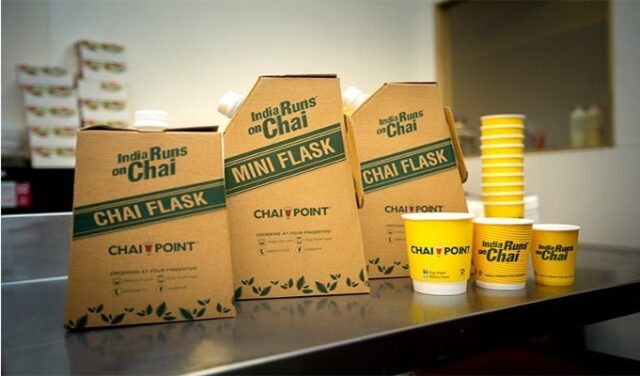
    “Going forward, we want to build a globally relevant tea platform and we are doing this with the help of our cloud-based platform – SHARK, which allows us to manage all our channels in a comprehensive fashion, connects to a common supply chain and allows us to serve customers their various demands and ensures to offer similar customer experience across all the channels,” he states.

    Initial Challenges

    According to Bijral, the initial challenges were to find the prime real estate locations as builders and landlords were not convinced about why such a concept would succeed when tea is available in every nook and corner of the city.

    “However, this notion has now changed over a period of time and the credit goes to customers who have become hygiene conscious and no longer enjoy having their tea on the roadside.”

    Marketing Strategy

    The beverage-centric brand, which gets 25-30 percent contribution towards its revenue from food, has never felt the need to do aggressive ATL spends as stores are their core brand platform.

    According to Bijral, all the brand’s spends are BTL-centric and that is the strategy Chai Point will continue to evolve and adopt.

    “Apart from this, we are very aggressive on digital awareness as our audience is digitally-savvy. We are centred around white-collared corporates and that is an area where our spends can be categorised as ATL and are likely to get more sophisticated and aggressive over time,” he explains.

    Technology Rules

    Bijral, who hails from a technology background, believes technology is an important part of the business. The tea lover has amalgamated technology with tea to provide a frictionless experience to customers.

    Explaining this further, Bijral states, “When customers enter the store, they do not want to stand in the queue, they do not want to punch in numbers to give their loyalty code, they do not want to carry loyalty cards in their wallet, but they want to be served at the earliest possible, so how will the brand solve all these problems? The answer to this problem is facial recognition.”

    “We have successfully piloted facial recognition across five stores and now we are at a stage where we are confident enough of rolling it out across other stores,”says Bijral.

    Even the loyalty program of the brand – PrioriTea – bets big on technology by combining facial recognition with Artificial Intelligence to offer enhanced experience to customers.

    Future Plans

    Singh explains, “ There is an immense opportunity in the tea business. Iced Tea which is a huge market abroad has not even opened up in India.”

    The brand is planning to open 20 more outlets in the next three to four months. As of now, all the outlets are company-owned and company-operated and going further, Chai Point will continue with the same operating model.

    “The brand is still at a relatively nascent stage and we believe that we need to have our own store to cement the system, processes and more importantly aggressively redefine and improve customer experience,” asserts Bijral.

    “Stores remain core to our brand. Delivery and boxC are faster-growing segments, which support the store format,” he adds.

    At present, stores and delivery from stores contribute 56 percent to the total revenue, 4 percent comes from packaged food business and the remaining 40 percent from BoxC business.

    “We have been operating profitable for last six years. We are aiming to be EBITDA level 100 percent profitable by this fiscal-end, covering all the expenses that we have taken towards our Omnichannel growth,” reveals Bijral.

    On a run rate basis, the brand is targeting Rs 200 crore by the end of fiscal.
  • Brewhouse Ice Tea secures US$ 2 mn loan

    Brewhouse Ice Tea secures US$ 2 mn loan

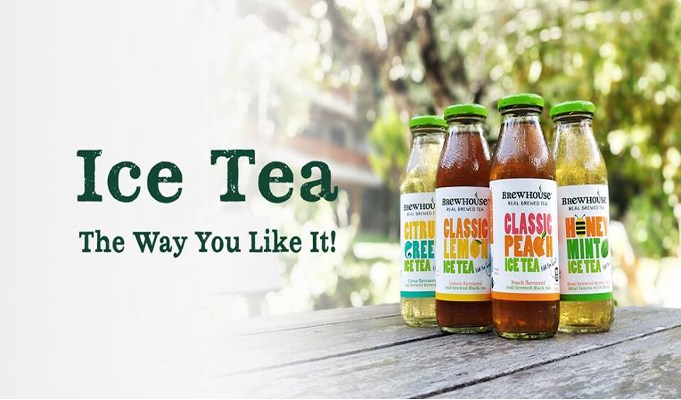
    Bottled ice tea brand Brewhouse Ice Tea Monday said it has secured US$ 2 million loan from Singapore-based FMCG firm Food Empire Group to expand its footprint and product offerings. Food Empire Group had previously invested US$ 6,00,000 in Positive Food Ventures in November 2017. Positive Food Venture Pvt Ltd, maker of bottled ice tea brand Brewhouse, has secured a loan of US$ 2 million from Food Empire Holdings, the company said in a statement.

    “Currently, we are present at over 2,000 points of sale in major cities and are expanding our operation pan India. We plan to invest the loan amount from Food Empire Group towards expanding our reach to 10,000 points of sale in 2020 and to introduce newer and interesting variants,” Siddharth Jain, Founder, Brewhouse Ice Tea said.

    The brand started operations in Delhi in May 2017 and at present has presence in over 10 cities, including Delhi, Chennai, Bangalore, Mumbai, Pune, Kolkata, Hyderabad, Jaipur, Chandigarh, Lucknow and are retailing with over 300 restaurant and cafe partners.

  • Tealive makes debut with opening first store in China

    Tealive makes debut with opening first store in China

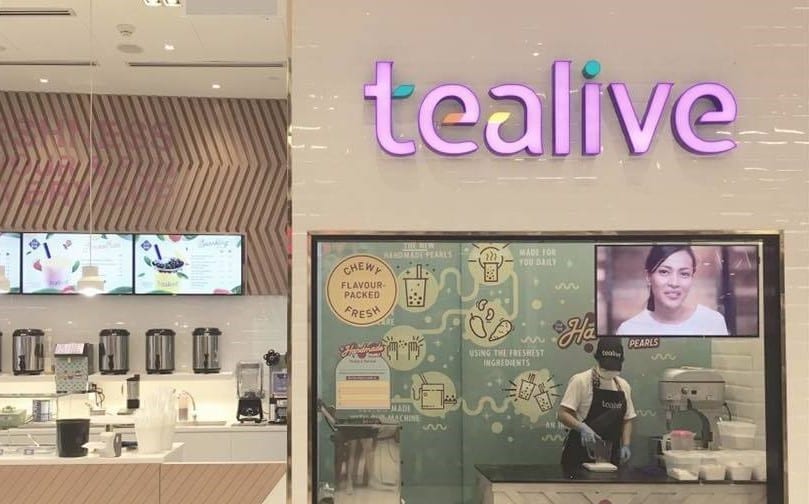
    Malaysian bubble-tea brand Tealive has launched the first of 500 stores planned for China. Located inside SML Center in Shanghai’s Huangpu district, the store attracted long queues on the opening day. “With China being the world’s largest tea market and the fourth overseas market for Tealive, we decided to create a specific menu for China to showcase Southeast Asian ingredients including durian, cempedak, gula melaka, Bentong ginger and Sabah-origin tea,” said Tealive’s parent company Loob CEO Bryan Loo.

    “More outlets will be opened in Shanghai and we plan to have 20 outlets in China by June next year,” he added.

    Loob had entered into a joint venture with two Chinese companies, Zhejiang Boduo International Trade and Shanghai Panfei International Trade to open 500 stores in China within three years.

    After the dispute with Chatime, Tealive has expanded to overseas markets. It entered Vietnam last October, and now has six stores in the country, with two more planned by the end of this year.

    The brand also expanded into Australia in July, with its first store opening in Melbourne.

    In India, Loob has appointed a master franchisee with the target of opening 200 outlets within five years.

  • All Starbucks in Korea to get paper straws from yesterday

    All Starbucks in Korea to get paper straws from yesterday

    Starbucks Korea is stocking all 1,225 of its stores nationwide with paper straws in a bid to cut down on its plastic usage. Starting last Monday, Starbucks began stocking all of its stores with white paper straws, which it found during trials to be more popular than green ones. The paper straws will also be coated with soy oil both inside and outside in response to customer complaints that its original trial straws were too flimsy.

    Starbucks trialed paper straws at 100 stores in Seoul, Busan and Jeju Island over the last two months.

    Though all stores now have paper straws, some branches will continue to offer customers plastic ones until they deplete existing stocks.

    Additionally, on Monday Starbucks began stocking all of its stores with plastic cup lids that don’t require straws. These special lids, which resemble those used with hot drinks that come in paper cups, will be provided for take-out orders of regular cold drinks. Paper straws and regular lids will be provided for specialty cold drinks like Frappuccinos and drinks topped with whipped cream that are difficult to drink without straws.

    “We developed the plastic cup lids to minimize disposable waste consumption and also offer an alternative to customers who prefer drinking without straws,” said a Starbucks spokesman.

    Starbucks will also remove the straws and stirring sticks it previously left out for customers and instead place them behind counters and only provide them on request. It will replace all plastic stirring sticks with wooden ones as well.

    Last year, Starbucks Korea used 180 million plastic straws, nearly enough to circumnavigate the earth if laid end-to-end.

    “With the adoption of paper straws we will be able to prevent consumption of at least 180 million plastic straws from next year,” said a Starbucks spokesperson.

  • The ThickShake Factory eyes 1,000 plus outlets across India

    The ThickShake Factory eyes 1,000 plus outlets across India

    The ThickShake Factory, a premium thick shake brand that recently completed a century of being operational with more than 100 outlets in India, is planning to expand its footprint in Telangana, Tamil Nadu, Andhra Pradesh, Karnataka, Gujarat, Maharashtra and many more states in the coming few months.

    According to a ANI report: The brand, which brings the concept of running a cold dessert beverage quick service business (QSB) for the first time in the country, has won a number of accolades in the recent past, including ‘The Times Nightlife – Best Beverages, 2015 & 2018’, ‘Coca-Cola Golden Spoon Awards 2018’, ‘IMAGES, Most Admired Startup of the Year’, Best Shakes Parlour Award at ‘Indian Restaurant Awards 2018’, ‘Best Business Growth in F&B’, ‘Best Beverages Swiggy Award 2018’, ‘Franchisor of the Year Award, Franchise India 2016’, and many more.

    The ThickShake Factory serves over 50 types of shakes with more than 40 topping/ mix-ins. It is famous for their ‘Shape your Shake’ feature where customers can choose what they want from the variety of toppings. The brand brings the best flavours in the form of not just ThickShakes, but a complete range of cold coffee varieties, slushies, chocolate and fruit-flavoured drinks.

    The ThickShake Factory has had an excellent journey and has only moved forward since the opening of its first outlet in 2013 with winning ‘Franchisor of the Year’ award twice, one in 2016 and the other in 2018 along with many other awards.

    The company has the vision to have over 1,000 outlets pan-India, along with a strong global presence and has created more than 300 jobs so far, mostly at the bottom of the pyramid and the lesser privileged sections of the society. Recognised as one of the fastest growing QSR chains in India, the company’s current business model is such that the outlets which are currently operational, most of them are franchise-operated and some are company operated.

    “With each day passing, we at The ThickShake Factory are only going ahead as there is no looking behind. We started with our first outlet in 2013 in Hyderabad and have come a long way from there with more than 100 outlets already. Our main focus is to provide the customers with the thickest and most delicious shakes and hence that’s the only thing in our menu. With over 50 types of shakes on the menu, we have something for everyone to suit their palate. We are excited to serve the tastiest and thickest ice cream based shakes in more cities across India,” M. Yeshwanth Nag, Founder of The ThickShake Factory said.

    The founders, M. Yeshwanth Nag and Ashwin Mocherla, were inspired by the global trend of growing appetite for sweet savouries and therefore brought the most appealing range of tastiest ‘Thick’ Shakes to India. The brand never ceases to impress with their heavenly ‘ThickShakes’ through its wide range of offerings.

  • Vietnam brewer Sabeco lifts foreign ownership cap

    Vietnam brewer Sabeco lifts foreign ownership cap

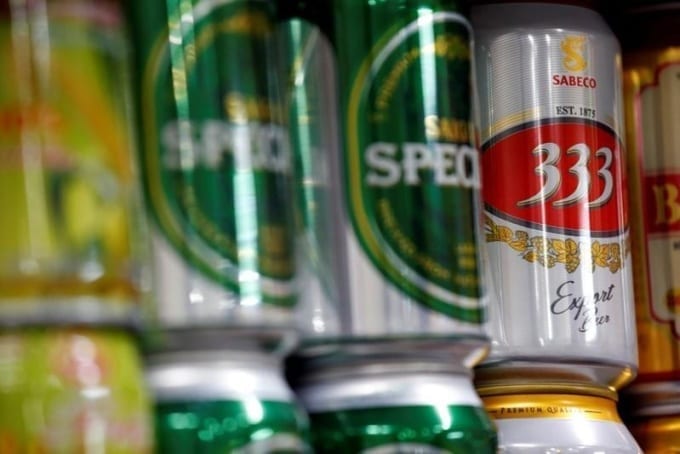
    Vietnam’s largest brewer Sabeco says it has removed its foreign ownership limit, in a statement on its website Monday. The company, known for its Bia Saigon and 333 brand, said that its board of directors had issued a resolution on Oct. 30 that approves “unrestricted foreign ownership percentage in Sabeco.”

    Last December, Thai Beverage acquired a 53.59 percent stake in Sabeco from Vietnam’s Ministry of Industry and Trade for $4.84 billion through a local entity, Viet Beverage (VietBev).

    Under the government’s Decree 60 dated June 26, 2015, listed companies, except those working in conditional business fields like banking, are allowed to determine their foreign ownership cap. They just need to register the limit with the State Securities Commission.

    The Ministry of Finance last week presented a draft securities law that would remove the current 49 percent foreign ownership cap in many sectors, except some conditional sectors.

    However, the draft has not been finalized and submitted to the National Assembly for approval.

    In Vietnam, conditional sectors refer to industries subject to additional regulations that would override limits set out by the securities law.

    Sabeco, formally known as Saigon Beer Alcohol Beverage Corp, recorded revenues of VND25.5 trillion ($1.1 billion) in the first nine months of this year, meeting 70 percent of its annual target.

    It occupies approximately 42.8 percent of the domestic beer market, according to the Ho Chi Minh City Securities Corporation. Last year, it produced nearly 1.8 trillion litres of beer.

  • Changi Airport Group seeks partners for latest food & beverage concessions

    Changi Airport Group seeks partners for latest food & beverage concessions

    Changi Airport Group (CAG) is seeking partners for four brand name restaurant concessions at Singapore Changi Airport Terminal 3 through a Direct Marketing Exercise. The units are located in the Departures Check-In Hall, Level 3 and are each around 190sq m in size.

    CAG said: “We are looking for brands with a proven track record over the years or innovative concepts that will enhance, add value and differentiate the dining experience for passengers in Terminal 3.”

    For each brand name proposed, interested companies may submit a proposal with separate rental bids for Concessions A to D respectively. If bidders intend to propose and operate more than one brand name, separate proposals must be submitted.

    The concession terms are three years each, with the option of a three-year extension at CAG’s discretion. Contracts for the four concessions begin in March, April, July and September 2018.

    Changi Airport Group won the prestigious FAB Award for Airport F&B Offer of the Year last week in Toronto; the award was accepted by General Manager, Advertising, Marketing and Promotions, Airside Concession Division Edwin Lim As reported, Changi Airport captured the award for Airport Food & Beverage Offer of the Year at last week’s FAB Awards, organised by The Moodie Davitt Report in Toronto. A special edition of The Foodie Report e-Zine will feature full details on the winners.

  • Hong Kong International issues latest F&B tender in Terminal 1

    Hong Kong International issues latest F&B tender in Terminal 1

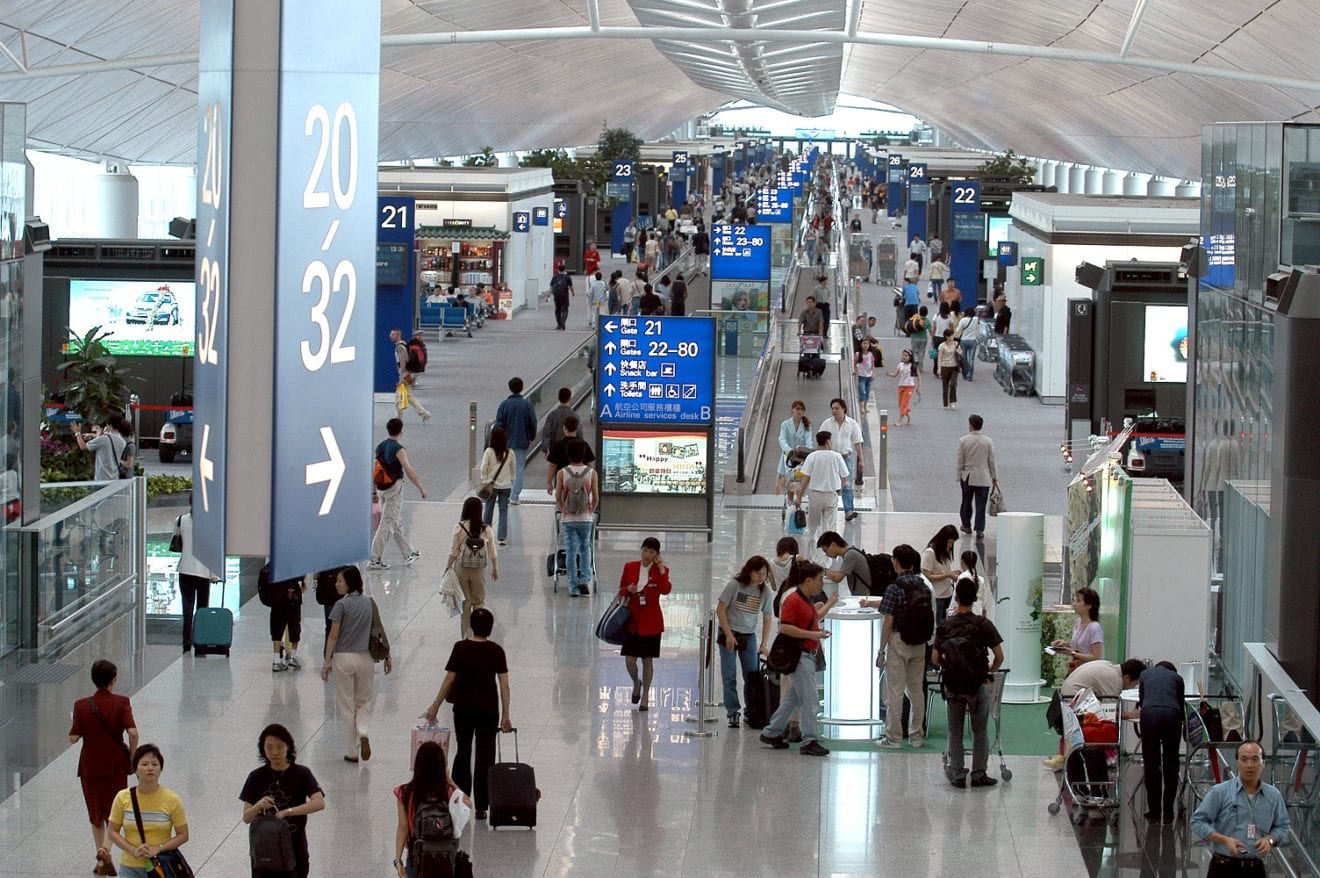
    Airport Authority Hong Kong has issued a tender for a bar and restaurant concession in Terminal 1 airside at Hong Kong International.

    The 258sq m outlet is located on Level 7 in the East Hall departures area.

    The airport company said the tender represents “a unique business opportunity for Bar & Restaurant operators in this prestigious aviation hub in Asia”.

    The closing date for offers is 6 July. The latest F&B tender represents “a unique business opportunity” says Airport Authority Hong Kong

    Other current bid opportunities at HKIA include, as reported, the airport’s confectionery retail licence, where the submission deadline for the eight-store contract is 4 July.

    Separately, Airport Authority Hong Kong has called for offers for a baby essentials & kidswear concession in the T1 West Hall. At stake is a 74sq m unit, with bids due by 8 June.

  • EU wants more access to Indonesian F&B market

    EU wants more access to Indonesian F&B market

    The EU demands Indonesia to ease trade barriers in the food and beverage (F&B) sector to give European producers more access to  Southeast Asia’s largest market, an official representing the world’s largest trading bloc has said.

    EU Commissioner of Agriculture and Rural Development Phil Hogan said many European producers had expressed their interest to enter the Indonesian market. However, both tariff and non-tariff measures, such as import quotas and local content requirements, held them back from doing so.

    “Many businesses are interested in Indonesia but they are waiting for improvement in market access,” Hogan said during the 6th EU-Indonesia Business Dialogue in Jakarta on Tuesday.

    He also mentioned the requirement to provide halal certificate as an obstacle for European F&B companies that wanted to explore opportunities in the world’s largest Muslim-majority country. Some European producers, Hogan said, had experiences in producing halal products, but some others did not.

    “We respect religion, but it [halal certification] prevent exports to Indonesia,” he said.

    He suggested that halal certification should be an option instead of being obligatory. Then producers that had not yet obtained certification could still export their products to Indonesia.

    Indonesia and the EU are currently in talks for the Comprehensive Economic Partnership Agreement (CEPA). The anticipated agreement, expected to be concluded by 2019, will remove various trade barriers between both parties.