Tag: beverages

  • PepsiCo Launches House of Brands Campaign as Only 18% Know Wider Range

    PepsiCo Launches House of Brands Campaign as Only 18% Know Wider Range

    In September 2026, PepsiCo launched a House of Brands campaign across retail channels after finding only 18 per cent of consumers associate the group with products beyond its core carbonated drink.

    The push highlights major portfolio names such as Lay’s, Cheetos, Gatorade and Quaker Oats under the corporate parent banner.

    Closing the Portfolio Perception Gap

    Consumer recognition remains heavily concentrated in beverages despite decades of multi-category expansion into snacks and packaged foods. The campaign uses hypothetical names such as Lay’s-Co, Cheetos-Co and Quaker-Co to demonstrate the scale of brands operating under the central corporate identity.

    Supermarket retailers across Asia-Pacific traditionally manage these product lines across separate aisle categories rather than as a single supplier block. Grouping savory snacks, sports beverages and breakfast staples under one umbrella strengthens supplier use during retail category reviews and joint promotional scheduling.

    Shifting Consumer Perception on Shelf

    Rival consumer goods conglomerates face similar challenges when corporate holding identities remain detached from daily shopping baskets. Linking individual product equities back to a central masterbrand helps defend shelf placement against store-brand lines across packaged grocery aisles.

    The strategy also introduces distinct exposure risks for the manufacturer. Any consumer scrutiny affecting carbonated beverage categories can transfer more readily to packaged grains or hydration products once corporate links become explicit.

    Retail performance metrics and cross-category purchasing data will show whether the awareness push drives higher basket conversion across Australian grocery chains.

  • Universal Robina Launches Great Taste Premium Roast Instant Coffee at PHP 12.95

    Universal Robina Launches Great Taste Premium Roast Instant Coffee at PHP 12.95

    Universal Robina Corporation rolled out Great Taste Premium Roast Coffee Mix across the Philippines on September 23. The single-serve sachets retail at PHP 12.95 each.

    The instant blend offers a bolder roast profile. URC is pitching it to commuters, blue-collar workers and office staff who need extra caffeine during transit and shifts.

    Sachet Pricing and Market Reach

    Each PHP 12.95 pack combines dark roast extract with a creamer base. URC designed the sachet format for neighborhood sari-sari stores, convenience chains and supermarkets across Luzon, Visayas and Mindanao.

    Distribution runs through URC’s nationwide logistics network to reach thousands of micro-retailers. These small shops generate most FMCG sales in the Philippines. Single-serve portions drive local coffee revenue as consumers manage tight daily cash budgets.

    Expanding the Instant Coffee Mix

    This rollout follows the earlier debut of Great Taste White Sugar Free Coffee. That formulation targeted urban consumers who wanted to cut sugar intake without abandoning white coffee.

    Developing high-caffeine and low-sugar options helps the company defend shelf space against multinational rivals. The Great Taste lineup now covers standard three-in-one mixes, sweet white coffee, sugar-free variants and dark roast blends.

    Rivalry in the Philippine Beverage Sector

    Competition in the local coffee aisle remains fierce. Nestlé Philippines holds substantial volume through its Nescafé lines, while PT Mayora Indah’s Kopiko brand commands heavy market share in white and high-caffeine categories.

    For sari-sari stores, inventory turnover hinges on brand loyalty and prices between PHP 10 and PHP 15 per pack. Rising costs for robusta beans and dairy substitutes squeeze margins. Still, producers must keep shelf prices steady so shoppers do not switch brands.

    Product Diversification Across Regional Markets

    Across Southeast Asia, the launch fits a broader pattern of FMCG category expansion. URC has rolled out extensions in snacks, biscuits and ready-to-drink beverages across Thailand, Malaysia and the Philippines in recent quarters.

    Fourth-quarter sales across convenience stores and general trade outlets will show whether Philippine consumers trade up to premium roast mixes in sachet format.

  • AB InBev Adds Functional Beers and Smaller Packs to Target Frugal Shoppers

    AB InBev Adds Functional Beers and Smaller Packs to Target Frugal Shoppers

    Anheuser-Busch InBev is rolling out smaller pack sizes and functional drinks with added protein or electrolytes. The brewer wants to win back price-sensitive shoppers and lift global sales volumes.

    The world’s largest brewer by market value also plans to capture more revenue from non-beer categories like energy drinks. Executives value that addressable market at 25 billion dollars.

    Sizing Down for Developing Markets

    Management revealed the strategy to investors at a London event on September 22. The plan targets occasional drinkers who cut back as inflation squeezed household budgets.

    Chief Marketing Officer Marcel Marcondes told investors that reshaping pack architecture offers clear room for growth. In developing markets, the brewer will introduce smaller single-serve containers alongside larger bulk formats that reduce unit costs.

    Data is showing us huge opportunities to make beer more affordable, especially in developing markets.

    Functional Beer and Zero-Alcohol Innovation

    Beyond packaging, the group is reformulating core drinks to meet health trends. Product teams will focus on zero-alcohol beers with distinct flavours, fewer calories and functional ingredients.

    Trials are already under way in Latin America, where the company launched a protein-fortified Spaten beer in Brazil. Electrolyte-infused recipes will follow. Executives want non-alcoholic beer treated as an everyday meal drink rather than an occasional substitute.

    Challenging Beyond Beer Categories

    Growth plans also reach past modified malt drinks. Ready-to-drink canned cocktails, led by Cutwater in the US, and energy drinks now form a central growth pillar.

    Chief Executive Michel Doukeris told shareholders the company acts like an insurgent outside traditional brewing. Strong distribution and retail shelf access give it use against established beverage conglomerates.

    Pressure on Traditional Volumes

    Beer consumption has dropped across mature markets like North America. Younger consumers increasingly turn to spirits, seltzers or sobriety. Rivals face the same headwind, pushing big brewers to diversify away from standard lager.

    Retail buyers and convenience operators will see the resized packs and fortified zero-alcohol lines enter distribution channels ahead of the next financial year.

  • South Australia Launches $109 Million Wine Sector Rescue Package

    South Australia Launches $109 Million Wine Sector Rescue Package

    South Australia launched a A$109 million ($74 million) support package on September 21. The funding aims to restructure its wine industry and tackle persistent global oversupply.

    The state generates 80 per cent of Australia’s premium wine output and sustains 90,000 regional jobs. It also accounts for A$2.4 billion in annual economic value.

    Capital for Vineyard Transitions and Debt Relief

    At the core of the plan is a A$100 million government-backed loan scheme. It will help grape growers repurpose unviable vineyards into alternative commercial land uses. Eligible growers can apply for concessional loans of up to A$500,000. These facilities include a two-year holiday on both principal and interest repayments to give landholders immediate cash relief.

    Alongside the debt facility, the state allocated A$1 million over two years for independent farm business planning to guide growers through crop diversification. Another A$500,000 will fund industry-led programs to process or clear unsold bulk wine stocks that depress spot grape prices.

    Export Funding and Marketing Expansion

    International market recovery receives direct capital through a A$5 million two-year extension of the Global Wine Growth Program. That funding targets overseas distributor networks and retail shelf placement across key export destinations. An additional A$675,000 marketing campaign will promote South Australian wine and culinary tourism to domestic and international visitors.

    To support corporate producers and family operators managing vineyard removals, the government committed A$2 million to solve waste management challenges associated with copper chrome arsenate treated timber posts. The funding establishes regional collection and aggregation hubs across key growing districts.

    Supply Discipline and Export Realities

    For wine exporters and regional beverage conglomerates, the intervention tackles structural volume imbalances rather than offering temporary operating subsidies. Producers in volume-heavy zones like the Riverland have faced low grape prices as red wine inventories backed up. Trade disruptions and shifting global drinking patterns caused the glut. Treasury Wine Estates and rival brand owners have already shifted emphasis toward luxury tiers, leaving commercial-grade growers bearing the cost of excess acreage.

    Distributors across the Asia-Pacific region face risks around execution speed and grower uptake. If commercial growers use concessional loans merely to service existing debt rather than pulling vines, the domestic surplus will continue to weigh on retail margins. Pairing exit loans with planning deregulation offers a path to balance supply against actual export demand.

    Planning Reforms in Key Growing Zones

    Recommendations from an industry forum convened by the South Australian government helped shape the package to address falling farmgate returns. Planning authorities are introducing the Riverland Economic Recovery Joint Code Amendment. The change rezones selected agricultural parcels to unlock new housing and industrial employment uses across the Murray-Darling basin.

    A newly appointed Wine Industry Coordinator will oversee administrative delivery across state departments and industry groups. Regional winemakers also backed the structural focus of the intervention.

    “South Australia’s wine industry is built on generations of investment, innovation and regional expertise, and this support provides important confidence as the sector responds to changing global markets and consumer preferences,” said Kerrin Petty, Chief Supply Sustainability Officer at Treasury Wine Estates.

    State agencies will release operational guidelines and application dates for the A$100 million transition loan facility in the coming weeks.

  • Asian Fast Food Chains Accelerate Australian Expansion Beyond 10 Outposts

    Asian Fast Food Chains Accelerate Australian Expansion Beyond 10 Outposts

    Asian quick-service restaurant operators are accelerating their Australian rollouts. Chinese beverage group Mixue leads the charge. It has expanded beyond 10 locations across the country since entering Sydney in 2023.

    The push targets Australia’s youth demographic. Consumers aged 15 to 24 represent the largest single group buying takeaway food, according to IbisWorld data.

    New entrants target metropolitan centres

    Arrivals across Sydney and Melbourne picked up sharply after 2023. Malaysian halal fried chicken chain Marrybrown, Japanese cafe brand Nana’s Green Tea, Philippine soft-serve seller Miguelitos and Chinese tea group Molly Tea have all opened corporate or franchised doors.

    Indonesian restaurant operator Sederhana opened in Melbourne to serve West Sumatran Minang dishes. In Sydney, Chinese tong sui specialist Makkee Dessert launched its first storefront with street-level queues on opening day. Korean fried chicken franchisor NeNe Chicken laid early groundwork for Asian QSR formats when it entered Melbourne in 2015.

    Operational shifts favour grazing and small transactions

    These incoming concepts rely on high-turnover, small-ticket sales rather than traditional full-meal sittings. Menus built around single-portion fried chicken, sweet soups, soft-serve ice cream and brewed teas match changing routines geared toward all-day snacking.

    Store footprints are configured around digital ordering infrastructure. Outlets deploy self-service touchscreen kiosks, QR-code ordering tables and flexible modular seating. This setup cuts labour overheads and handles heavy foot traffic during afternoon and late-evening peaks.

    Merchandising drives youth brand loyalty

    Visual branding and proprietary merchandise drive customer retention across these chains. Operators sell accessories including cooler bags, character magnets and toy outfits alongside drinks and meals. Collectable goods anchor repeat business.

    Mascots give these brands instant visibility. Mixue uses its Snow King snowman across store facades and packaging, while Marrybrown deploys Brownie the chipmunk. Both characters provide social media cut-through in prime urban retail strips that carry high commercial rents.

    Pipeline builds for late 2026 rollouts

    Japanese curry specialist Coco Ichibanya is preparing its first Melbourne opening before the end of the year, introducing its spoon-wielding cat mascot to the local market. Philippine fast-food giant Jollibee is also tracking Australian real estate after signaling entry plans for several years.

    Industry attention now turns to execution. Rivals are watching how fast Coco Ichibanya scales its initial Melbourne footprint and whether Jollibee secures its first Australian flagship site.

  • Coca-Cola Commits P157 Million to Aid 15,000 Philippine Micro-Retailers

    Coca-Cola Commits P157 Million to Aid 15,000 Philippine Micro-Retailers

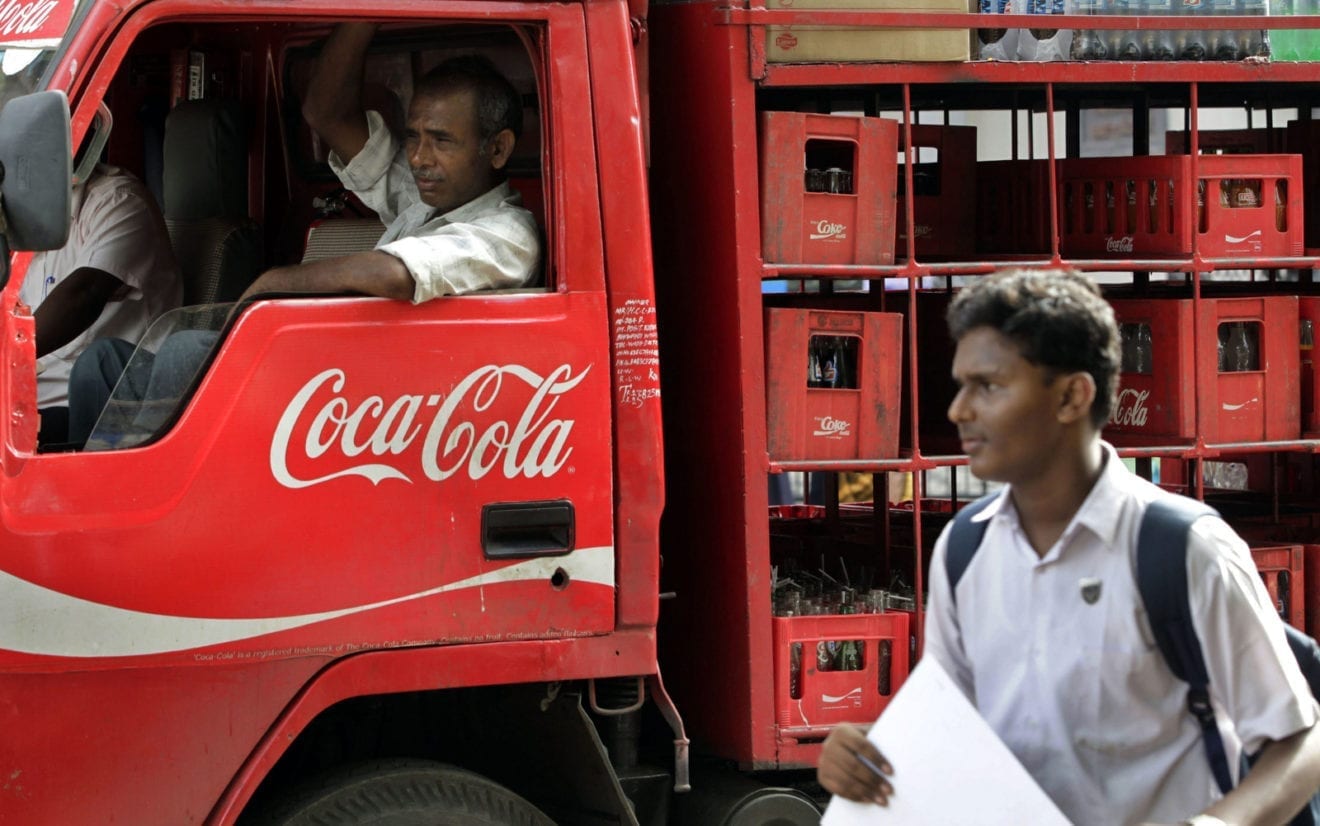
    Coca-Cola Philippines launched a 157 million peso support fund in 2020 to help more than 15,000 sari-sari store operators resume trading safely across the country. The capital injection targets micro-retailers hit by extended pandemic lockdowns and economic disruptions.

    Micro-retailers represent the commercial backbone of Philippine fast-moving consumer goods distribution, accounting for more than one million outlets nationwide. Industry survey data from the Philippine Association of Sari-Sari Store and Carinderia Owners showed that 42 per cent of sari-sari stores and 75 per cent of small eateries shut during peak lockdown periods, while surviving outlets scaled back inventory and operating capacity by up to 90 per cent.

    Restoring neighborhood retail channels

    The company rolled out the initiative, titled the Rebuilding Sari-Sari Stores Through Access to Resources and Trade (ReSTART) program, alongside the Department of Trade and Industry. Participating vendors receive cash assistance, digital training modules, and retail guidance designed to meet national health and safety compliance rules.

    Bottling arm Coca-Cola Beverages Philippines, Inc. Paired the state-backed scheme with direct balance-sheet relief for distributors. The bottler revised credit terms and payment schedules for route partners while working with the Philippine Disaster Resilience Foundation to deliver 10,000-peso starter inventory packs, including 3,000 pesos of beverage stock, to 400 vulnerable store owners.

    Distribution push for returning workers

    Beyond existing store networks, the group is recruiting displaced overseas workers into its wholesale logistics chain. More than 285,000 overseas Filipino workers faced sudden repatriation during global travel halts and regional economic contractions.

    Through the OFW RISE program, run with the Department of Labor and Employment and technical training body TESDA, the beverage maker offers business coaching and exclusive wholesale rights. The companion Balik Pinas initiative expands that commercial pipeline nationwide, establishing family-run beverage distributorships backed by brand credit lines.

    “This is why we have continued and intensified investments in the country and have launched initiatives like Balik Pinas for returning OFWs,” said Gareth McGeown, President and Chief Executive Officer of Coca-Cola Beverages Philippines, Inc.

    Supply chain defense in traditional trade

    Fast-moving consumer goods manufacturers in Southeast Asia face immediate revenue loss when informal retail stalls. Unlike modern supermarket chains with centralized warehouses, traditional trade in the Philippines relies on daily cash turns and high-frequency neighbourhood purchases. When micro-retailers lack working capital to restock beverage coolers, beverage volume drops instantly at the factory gate.

    Direct financial intervention protects downstream volume more effectively than conventional consumer marketing during a retail slump. Competitors in the packaged food and beverage categories face identical route bottlenecks, but deploying balance-sheet liquidity directly into vendor restock programs locks in shelf space before independent retailers switch working capital to dry goods or alternative suppliers. The credit risk sits with repayment rates among cash-strapped micro-entrepreneurs, yet writing off trade support costs less than rebuilding lost distribution reach.

    Targets for the nationwide network

    The micro-retail recovery packages build on continuous capital deployment across the bottler’s domestic infrastructure. CCBPI maintains 19 operational manufacturing plants across Luzon, the Visayas, and Mindanao, supported by a proprietary fleet logistics footprint.

    Execution milestones now rest on onboarding the targeted 15,000 micro-retailers into the ReSTART network while scaling wholesale recruitment for returning workers across provincial distribution hubs.

  • Good Drinks Australia and Molson Coors Launch Miller Dry 3.5 per Cent

    Good Drinks Australia and Molson Coors Launch Miller Dry 3.5 per Cent

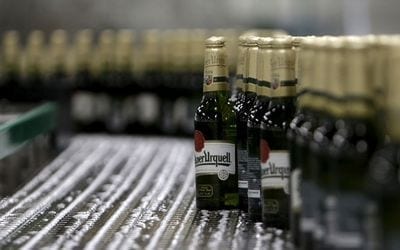
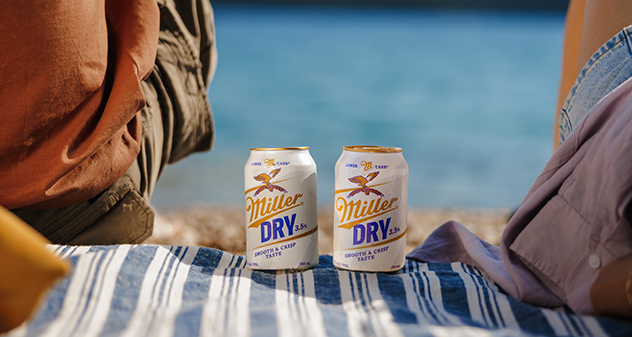
    Good Drinks Australia, in partnership with Molson Coors, launched Miller Dry 3.5 per cent in September 2026. The release targets Australia’s contemporary beer segment, which accounts for roughly 40 per cent of national volume.

    Bottles and cans in 355ml formats sell at a recommended retail price of $19 per six-pack. Distribution is national.

    Targeting Lower Alcohol and Carb Demand

    Formulated with a reduced-carbohydrate profile, the brew carries a 3.5 per cent alcohol-by-volume level. Molson Coors built the recipe for Australian drinkers. Consumer demand has swung sharply toward lighter options without losing standard lager characteristics.

    For bottle shops, the product fills a high-velocity gap between premium imports and domestic mid-strength beers. Shelf space has tightened. Category managers are pruning slow craft lines to give more room to lighter contemporary styles that move faster across high-traffic suburban networks.

    Shifting Margins in APAC Beverage Retail

    Brewers across the Asia-Pacific region face rising excise rates and softer drinking volumes. Lower-alcohol recipes help defend margins. Trimming the ABV reduces tax exposure in alcohol-tiered markets while holding retail price points, protecting gross margins for both distributors and store owners.

    The rollout tightens the commercial partnership between the two beverage makers in Oceania. Good Drinks Australia previously secured exclusive local manufacturing and distribution rights for Molson Coors brands, including Miller Genuine Draft and Coors. That shift brought production onshore to cut supply chain lead times and freight costs.

    Retailers will track rate-of-sale data through the initial summer trade period to determine permanent ranging allocations across national banner groups.

  • Chalk Hill Wines Names Former Top Shelf Chief Trent Fraser as CEO

    Chalk Hill Wines Names Former Top Shelf Chief Trent Fraser as CEO

    Australian producer Chalk Hill Wines named former Top Shelf International executive Trent Fraser as chief executive officer on Monday. He brings two decades of premium drinks leadership to the business.

    Fraser spent four years at ASX-listed distiller Top Shelf International, leading operations as chief executive for two years. He now takes charge of commercial strategy at Chalk Hill.

    Luxury drinks veteran takes charge

    Prior to joining Top Shelf in 2021, Fraser spent 11 years at French luxury conglomerate Moët Hennessy. He served as global chief executive for Volcan De Mi Tierra Tequila. He also worked as vice president of prestige champagne house Dom Pérignon. Those roles gave him direct oversight of international distribution channels across the Americas, Europe and Asia.

    At Chalk Hill, Fraser partners directly with managing director Tom Harvey. The family-owned wine business was established in 1964. It produces estate-grown wines across multiple vineyard sites in South Australia. The new leadership structure pairs traditional viticultural assets with an executive experienced in scale distribution and premium brand marketing.

    Shifting dynamics in premium wine

    Wine producers across Australia face tight domestic retail competition and shifting export patterns in major regional markets like China, Japan and Southeast Asia. Independent wineries rely on premiumisation to protect gross margins against rising production costs. Chalk Hill is aligning its executive team around commercial operators who understand high-end hospitality and overseas accounts.

    Fraser’s background in global spirits distribution changes how the South Australian maker can position its portfolio against corporate wine groups. Smaller independent labels frequently struggle to secure overseas shelf space without multinational sales networks. Bringing in an executive with Moët Hennessy credentials signals a sharper push toward premium tiering and select export programs.

    Building beyond spirits turnaround

    The appointment returns Fraser to the wine sector following a turnaround period at Top Shelf International. He relocated to Australia in 2021 to build out Top Shelf’s agave and whisky operations in Queensland and Victoria before taking the top post. His move to Chalk Hill shifts his focus from emerging Australian craft spirits to an established regional wine label.

    Next, the company plans to outline its initial joint operational priorities with managing director Tom Harvey before the vintage harvest cycle begins.

  • Tealive Unveils Layan Coffee Series with Da Hong Pao Tea in Malaysia

    Tealive Unveils Layan Coffee Series with Da Hong Pao Tea in Malaysia

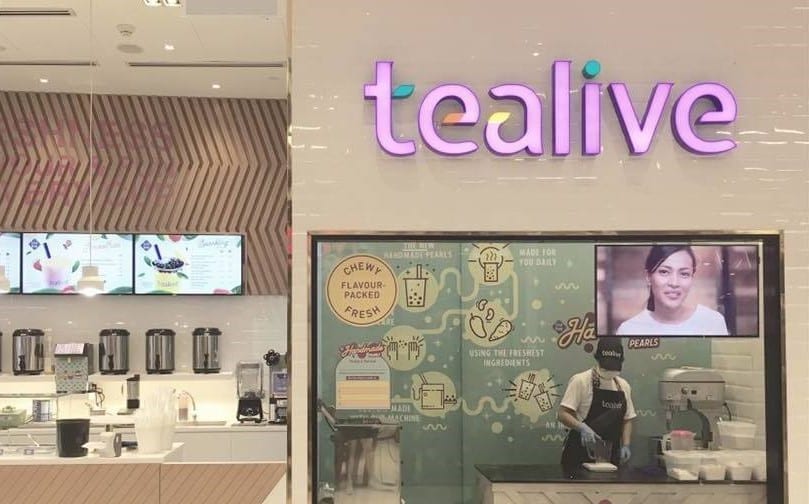
    Tealive unveiled its Layan Coffee lineup in Malaysia this week. The drinks combine brewed espresso with Da Hong Pao oolong tea across its domestic store footprint.

    That updates the traditional Malaysian coffee-and-tea blend known locally as cham and in Hong Kong as yinyeung, pairing 2 staple beverages.

    Upgrading Traditional Cham Recipes

    The new menu pairs concentrated coffee extractions with steeped Da Hong Pao, a roasted oolong tea cultivar. By substituting standard black tea with specialty oolong, Tealive targets consumers looking for higher-grade drinks at quick-service prices.

    Outlets sell the beverages in hot and iced formats. The rollout expands Tealive’s portfolio beyond core bubble milk tea selections and fruit teas.

    Chasing Value in Malaysia’s Coffee Rush

    Regional low-cost coffee chains continue to crowd Malaysian mall basements and shoplots. Local operators must now compete directly against aggressive discounting from these value brands.

    Leaning into cham allows Tealive to tap familiar domestic taste profiles that foreign rivals rarely prioritize. For store operators, tea-coffee fusions lift ticket averages during morning and afternoon dayparts without adding complex kitchen hardware or extra supply chains.

    Menu Innovation Across Regional Networks

    Expansion through drive-through locations and suburban shoplots established Tealive’s footprint across Malaysia and neighboring markets. Adding specialty tea to coffee follows earlier regional efforts to cross-sell traditional tea drinkers into daily coffee routines.

    Store-level sales figures and repeat purchase rates across Malaysian outlets will determine whether premium tea fusions claim a permanent share on company menus.

  • Heytea Expands US Footprint with Philadelphia Store as Chinese Chains Scale Up

    Heytea Expands US Footprint with Philadelphia Store as Chinese Chains Scale Up

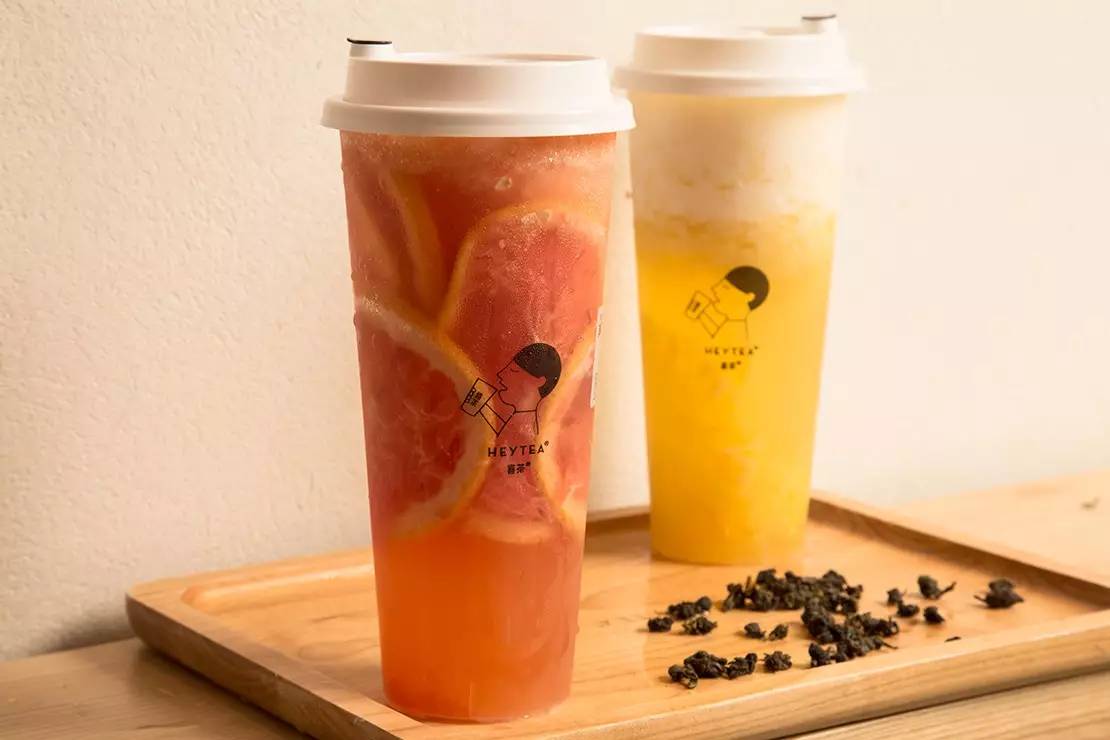
    Staff deployed crowd-control barriers at 10th and Arch Streets as Heytea opened its first Philadelphia store. Lines for its chilled fruit teas stretched down the block.

    Headquartered in Shenzhen, the chain operates more than 4,000 stores worldwide. It sells drinks like King Jasmine Guava tea for $7.99 while ramping up its international footprint.

    That debut follows a launch on New York’s Upper West Side weeks earlier. Heytea press representative Yinnan Shen said more than 600 people lined up across three city blocks for that opening. Founded in Guangdong in 2012, the company specialises in what it calls new-style tea. It blends brewed whole-leaf tea with fresh fruit rather than powdered mixes.

    Challenging the First Generation of Boba Retailers

    This expansion reflects a broader shift across North American beverage retail. Scaled mainland Chinese operators are pushing past first-generation Taiwanese bubble tea concepts. Early entrants like Vivi Bubble Tea, Kung Fu Tea, and Mr. Wish established US footprints between 2015 and 2017, alongside Gong Cha, Chi Cha San Chen, and Tiger Sugar. Most of those networks operate between 80 and 300 locations globally. That leaves them exposed to rivals backed by deeper capital and larger supply chains.

    Mainland brands rely on industrial throughput and heavy digital marketing. Smaller franchise networks and independent operators now face rising rents across prime Chinatown strips. In those corridors, quick-service and beverage chains continue to displace legacy family restaurants, pharmacies, and dry goods merchants.

    The Scale Race Led by Chinese Coffee and Tea

    Scale gives these mainland chains their chief advantage. Luckin Coffee entered Manhattan in 2025 and already operates 25 outlets in New York City out of 36,310 stores globally. Its buyout of specialty roaster Blue Bottle earlier this year strengthened that network. Budget rivals Cotti Coffee and Mixue run more than 18,000 and nearly 60,000 global stores respectively. Both entered New York in 2025.

    Western cafe chains build around seating and customer dwell time. By contrast, these Chinese operators design compact stores for fast mobile app pickups. High transaction volume and lean store footprints allow them to absorb steep urban rents.

    Franchise Proliferation Across East Coast Hubs

    Standardised franchise systems are multiplying across the East Coast. Over the past twelve months, Philadelphia has absorbed a string of mainland franchise concepts. Arrivals include dessert and snack operators Kyo Matcha and Yin Ji Rice Roll, alongside yogurt drink chain Hey I Am Yogost.

    Taiwanese brands spent the past decade establishing Asian tea across Western metropolitan centres. Now, mainland competitors are testing whether volume models built in tier-one Chinese cities can generate profit on expensive American real estate.

    Heytea is scouting further locations across the US Northeast corridor. Future sites will target high-density student and commercial districts in New York and Pennsylvania.

  • Waterdrop Rolls Out Hydration Cubes Across 150 7-Eleven Stores

    Waterdrop Rolls Out Hydration Cubes Across 150 7-Eleven Stores

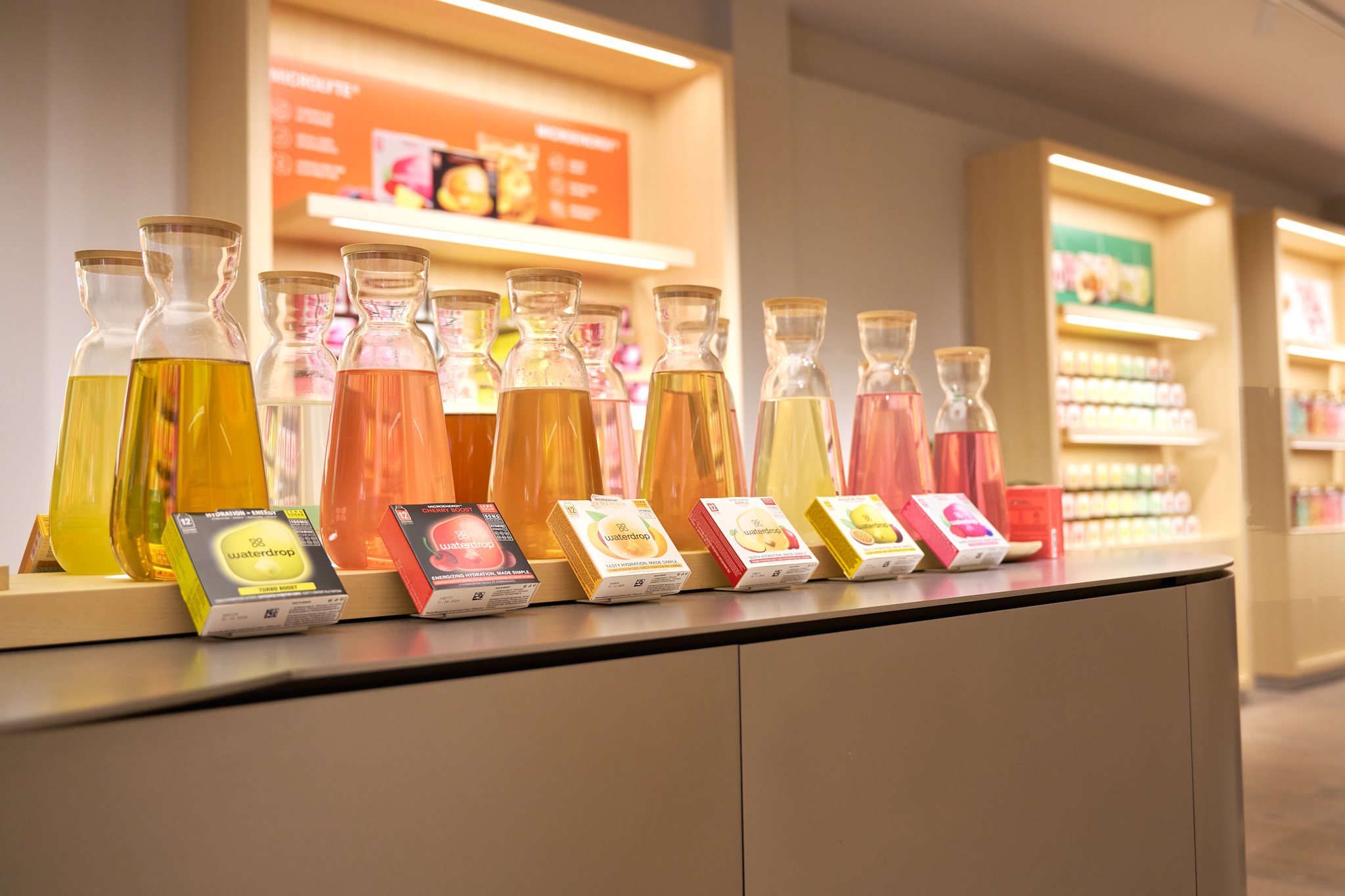
    Vienna-based hydration brand Waterdrop expanded its functional beverage line into 150 7-Eleven stores nationwide in September 2026.

    The rollout features three-pack units of Berry Recharge and Vitamin Apple priced at $7. Berry Recharge provides essential electrolytes and vitamins for rapid rehydration, while Vitamin Apple is formulated with natural fruit and plant extracts.

    Convenience Formats Challenge Bottled Drinks

    Convenience stores typically dedicate cold vaults to heavy ready-to-drink plastic bottles and energy cans. Placing lightweight, ambient dissolvable cubes on front-of-counter shelves alters the revenue math per square centimetre for franchise operators.

    A three-pack footprint takes up less than a tenth of the shelf space required by three 600ml beverage bottles. For 7-Eleven, the compact format delivers higher gross margins per unit while appealing to urban commuters who carry reusable bottles to avoid single-use plastics.

    Pricing and Channel Strategy

    At $7 for three servings, Waterdrop costs roughly $2.33 per prepared drink. That price point undercuts imported sports drinks and functional sodas in Australian convenience fridges, which regularly retail between $4.50 and $6.00 per bottle.

    Consumer habit presents the primary obstacle. Selling dissolvable cubes in convenience retail requires shoppers to plan ahead rather than grabbing a cold drink for instant thirst. Competitors in sports hydration have largely stuck to ready-to-drink bottles or multi-serving tubs sold through grocery chains and specialty supplement shops.

    Expanding Beyond Direct-to-Consumer Channels

    Waterdrop built its initial business through direct-to-consumer online sales and dedicated brand kiosks in European and North American transit hubs. The push into Australian convenience stores shifts the company toward everyday impulse foot traffic in the Asia-Pacific region.

    Early sales will test whether convenience shoppers adopt compact cube formats without extensive educational marketing at the counter. Performance across these first 150 7-Eleven sites will decide whether the brand expands into the retailer’s wider network of more than 750 stores nationwide.

  • Southern Alps Brewing Launches NZ Low-Gluten Lager for $27 to $30

    Southern Alps Brewing Launches NZ Low-Gluten Lager for $27 to $30

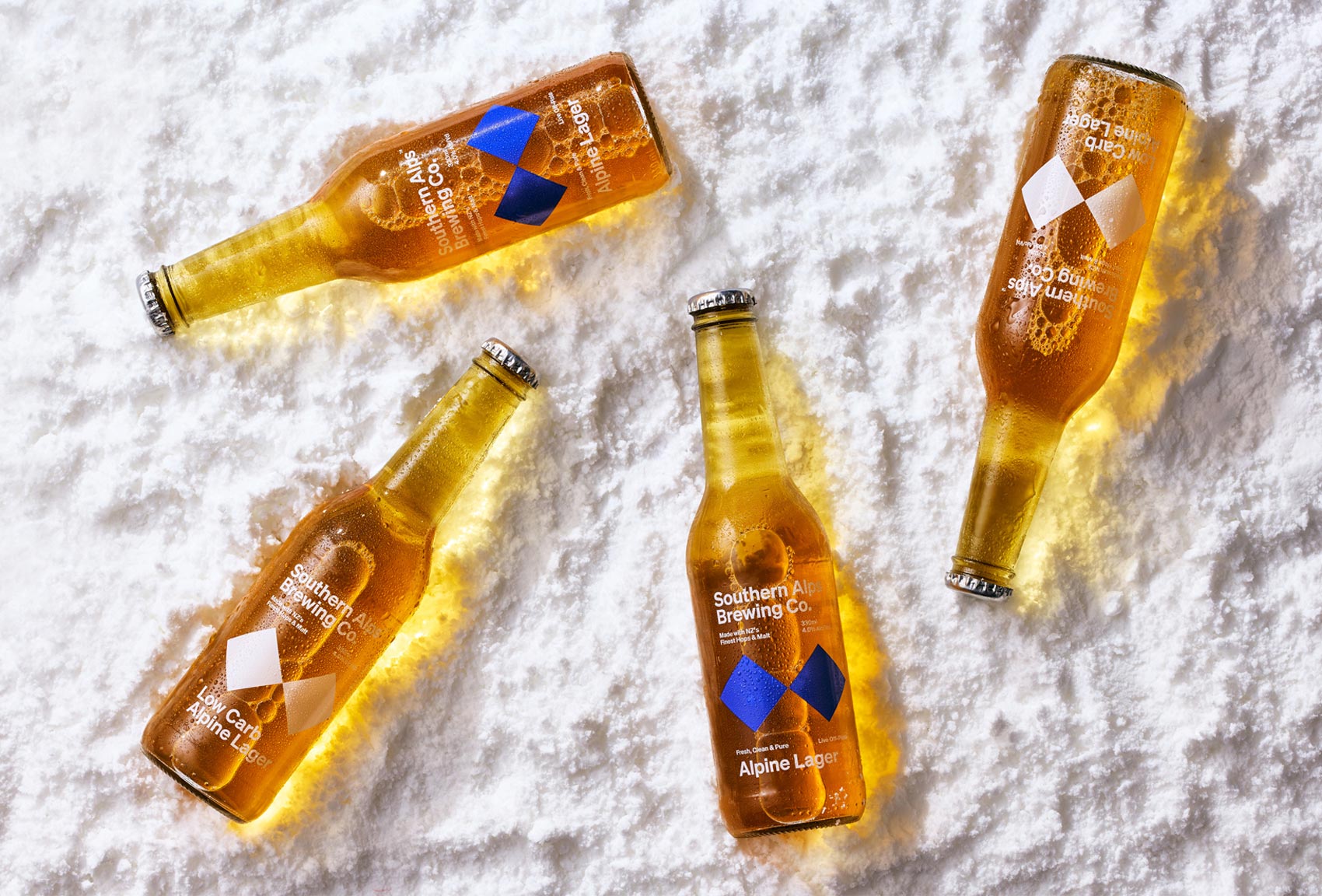
    In September 2026, Southern Alps Brewing launched New Zealand’s first premium low-gluten lager, priced between $27 and $30 for a 12-pack.

    The 4.8 per cent ABV beverage comes in 330ml packs and uses an enzymatic process that reduces gluten content to below 10 parts per million while maintaining a standard beer profile.

    Enzymatic reduction and local sourcing

    Southern Alps Brewing, a portfolio brand of Marlborough-based Moa Brewing Company, brews the product with New Zealand malt and southernmost-grown hops, with independent testing by Assure Quality verifying the gluten threshold.

    Traditional gluten-free beers rely on sorghum, rice, or millet, which often changes the body and flavor profile of the brew. By keeping barley malt and deploying enzymes to degrade the problem proteins, the brewer keeps the standard lager profile intact.

    Shelf space pressure in liquor aisles

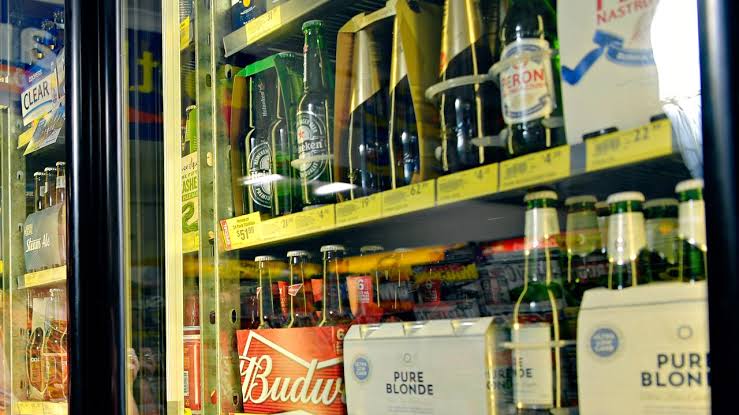
    Supermarket operators and specialty liquor chains across Australasia face mounting competition in the better-for-you drinks category. Low-carbohydrate, zero-alcohol, and functional drinks have occupied an expanding share of refrigerated retail space over the past three years. For bottle shop owners, stocking low-gluten lines allows them to capture drinkers who might otherwise migrate entirely toward seltzers, cider, or spirits.

    Retail margins in the craft segment remain tight due to elevated excise rates and rising packaging inputs. A 12-pack priced up to NZ$30 places the product directly against mainstream craft four-packs and imported premium labels. Retailers will test whether mainstream shoppers pay a premium strictly for verified gluten reduction.

    Premium pricing in functional brewing

    Breweries across the region spent the last five years rationalizing standard stock keeping units while testing dietary variants. Moa Brewing Company has adjusted its brand portfolio to defend domestic market share against both international conglomerates and neighborhood microbreweries.

    Distribution now expands across New Zealand liquor merchants and retail grocers ahead of peak southern hemisphere summer beverage demand.

  • Retail Drinks Australia Demands Action as NSW Store Crime Surges 67 per Cent

    Retail Drinks Australia Demands Action as NSW Store Crime Surges 67 per Cent

    Retail Drinks Australia called on New South Wales lawmakers on September 11 to enact bipartisan protections for shop staff. The push follows a 67 per cent surge in state retail crime across five years.

    Independent bottle shops and chain operators bear the brunt of the surge. They face escalating theft, break-ins, intimidation and violent physical assaults.

    Break-ins and Staff Assaults Across Sydney

    Recent offences include commercial break-ins across Sydney’s Northern Beaches and an assault in Mascot, where teenage shoplifters pushed floor staff while stealing stock. Industry body Retail Drinks Australia said small business operators and front-line workers face daily exposure to organised theft and threatening behaviour.

    Brazen offenders increasingly target high-value spirits and packaged alcohol during trading hours. Confrontational groups enter outlets, leaving floor teams with little recourse against physical intimidation.

    Operating Costs and Security Pressure

    Liquor retailers across the state now divert working capital into private security guards, reinforced entry shutters and electronic surveillance upgrades. Smaller independent bottle shops operate on thin margins. For these stores, recurring inventory shrink and security outlays directly erode profitability.

    Regional and suburban operators face the steepest operational burden. When private security costs outstrip gross margin on late-night trade, stores cut opening hours. Those cuts reduce foot traffic and hurt convenience retail precincts.

    A Five-Year Wave of Offending

    Reported retail offences surged 67 per cent across five years of compounding losses in New South Wales. Industry groups have tracked a steady transition from opportunistic pilfering to aggressive, coordinated group raids since 2021.

    State parliament in Sydney will next weigh the lobbying push and decide whether to introduce stiffer statutory penalties for assaults on retail workers.

  • DB Breweries Rolls Out Draught Zero-Alcohol Beer to 300 Venues

    DB Breweries Rolls Out Draught Zero-Alcohol Beer to 300 Venues

    DB Breweries will install draught dispense systems for zero-alcohol beer across roughly 300 New Zealand hospitality venues ahead of the summer trading season.

    The nationwide deployment follows April pilot trials at two Auckland venues, the Empire Tavern and Moretons.

    Expanding Draught Dispense Beyond Packaged Formats

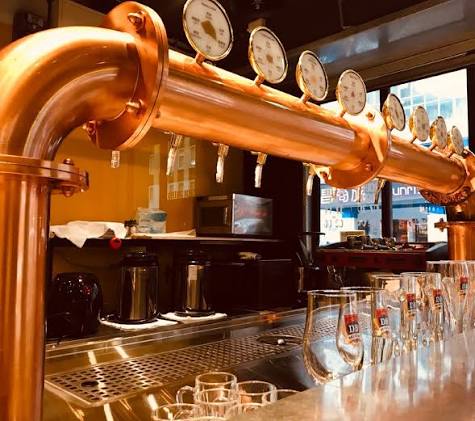
    Breweries across the Asia-Pacific region historically limited non-alcoholic lines to packaged bottles and cans. Keg stability and line hygiene constraints drove that approach. By introducing dedicated tap systems at scale, the brewer gives on-premise operators a direct draught alternative that mirrors standard beer service.

    DB Breweries managing director Peter Hart said the technology gives consumers choosing zero-alcohol beer an experience comparable to drinking conventional draught.

    Commercial Stakes for On-Premise Operators

    For bar and pub operators, draught zero-alcohol options command higher margins than single-serve bottles. They also keep non-drinking patrons in venue rounds longer. The model shifts zero-alcohol beer from a refrigerated afterthought into active tap lineups.

    Keg throughput and line maintenance remain the chief operational challenges. Non-alcoholic beer lacks the natural alcohol preservatives that protect against bacterial spoilage. Venues taking the hardware must maintain strict cleaning cycles to protect product quality across high-turnover summer taps.

    Scaling Up from Auckland Trials

    Operational feedback from the April trials at Empire Tavern and Moretons guided the rollout. Those tests measured equipment performance and pour rates, establishing dispense protocols before DB Breweries committed capital to a 300-site expansion.

    Technicians will install hardware across the 300 targeted venues over coming months, with all taps scheduled to pour before peak summer patronage begins.

  • Harrods Develops Bespoke Collaboration with Hong Kong Brand Silk

    Harrods Develops Bespoke Collaboration with Hong Kong Brand Silk

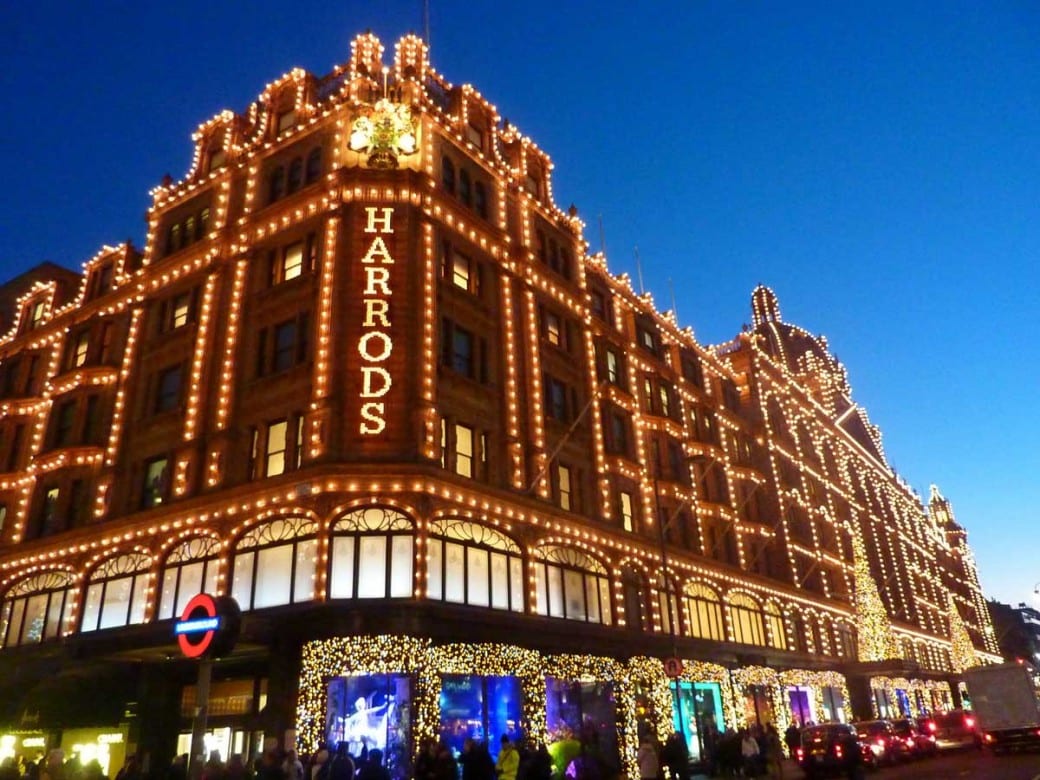
    In September 2026, London department store Harrods flew members of its global marketing team to Hong Kong to develop a bespoke collaboration with Silk, a young local beverage brand. The partnership aims to place Hong Kong-style bubble tea directly into premium lifestyle culture.

    Silk was founded on the conviction that Hong Kong-style bubble tea deserves a place in premium retail. For the young beverage maker, working directly with 1 of the world’s most recognisable department stores confirms its place in high-end lifestyle branding.

    Global Retailers Target Local Asian Culture

    Department stores across Europe and Asia increasingly look past standard licensing deals in favour of direct, culturally rooted partnerships. Securing authentic local products gives established department stores cultural credibility with younger Asian travellers and domestic luxury shoppers.

    For Silk, entering a joint project with Harrods validates a premium pricing and branding strategy for a product category traditionally sold at low street prices. The commercial risk sits in execution: luxury consumers expect elevated ingredients, distinct packaging and narrative depth rather than standard co-branding.

    Shifting Playbook for Independent Beverage Brands

    Regional beverage brands in Asia previously relied on regional franchise networks or overseas store openings to build global scale. Partnering directly with legacy international retailers offers an alternative route to worldwide visibility without the capital expense of offshore physical stores.

    The Harrods project mirrors broader retail shifts where Western heritage operators seek relevance in Asian consumer hubs through high-profile regional collaborations. The development process required London brand teams on the ground in Hong Kong to oversee formula and packaging design.

    Next Steps for the Collaboration

    Harrods and Silk will confirm rollout schedules and retail availability across physical counters and export channels once final product formulations clear development.