Retail News CRM

Tag: bitcoin

  • Things to know about Bitcoin

    Things to know about Bitcoin

    Bitcoin is the world’s most widely used crypto currency. Mark Karpeles, the former CEO of collapsed Bitcoin exchange MtGox, went on trial in Tokyo on charges stemming from the disappearance of hundreds of millions of dollars worth of the virtual currency from its digital vaults.

    Here are some key facts about the world’s most widely used crypto currency:

    What is Bitcoin?

    Bitcoin is a virtual currency created from computer code. Unlike a real-world unit such as the US dollar or euro, it has no central bank and is not backed by any government.

    Instead, Bitcoin’s community of users control and regulate it. Advocates say this makes it an efficient alternative to traditional currencies because it is not subject to the whims of a state that may devalue its money to boost exports, for example.

    Just like other currencies, Bitcoins can be exchanged for goods and services — or for other currencies — provided the other party is willing to accept them.

    Where does it come from?

    Bitcoin was launched in 2009 as a bit of encrypted software written by someone using the Japanese-sounding name Satoshi Nakamoto.

    Last year secretive Australian entrepreneur Craig Wright said he was the creator of Bitcoin, but some have raised doubts over his claim.

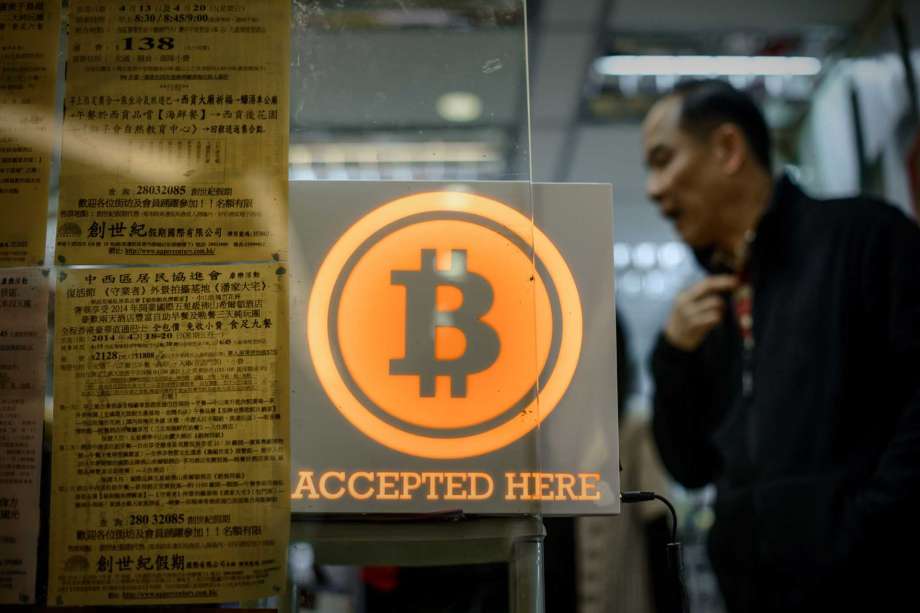
    Hundreds of other digital currencies followed but Bitcoin is by far the most popular, with an increasing number of merchants accepting digital currencies for payments.

    Transactions happen when heavily encrypted codes are passed across a computer network. The network as a whole monitors and verifies the transaction in a process that is intended to ensure no single Bitcoin can be spent in more than one place simultaneously.

    Users can “mine” Bitcoins — bring new ones into being — by having their computers run complicated and increasingly difficult processes.

    However, the model is limited and only 21 million units will ever be created.

    What’s it worth?

    Like any other currency, it fluctuates. But unlike most real-world units, Bitcoin’s value has swung wildly in a short period.

    When it first came into existence it was worth a few US cents. Several years later Bitcoin topped $1,000. It’s now worth more than $2,300, with commentators suggesting some are buying it as an alternative bet in times of global economic uncertainty.

    The chaotic withdrawal of high-value notes in India, and Chinese controls on the purchase of foreign currency have also been cited for its meteoric rise.

    There are presently more than 16 million units in circulation. Some economists say the limited number of Bitcoins mean its price will increase over the long run, making it less useful as a currency and more a vehicle to store value, like gold.

    But detractors point to Bitcoin’s volatility, security issues and other weaknesses as flaws that will eventually undermine it.

    What’s the future?

    Some commentators say that like many technological developments, the first iteration of a product will encounter difficulties, possibly terminal ones. But the trail it blazes might smooth the way for the next crypto currency.

    Problems include an apparent vulnerability to theft when Bitcoins are stored in digital wallets.

    A major Hong Kong-based Bitcoin exchange suspended trading last year after $65 million in the virtual unit was reportedly stolen by hackers.

    The virtual currency movement also faces legitimacy issues because of the way it allows for anonymous transactions — the very thing that libertarian adopters like about it.

    Detractors say bitcoin’s use on the underground Silk Road website, where users could buy drugs and guns with it, is proof that it is a bad thing.

    If Bitcoin does become more widely accepted, experts say, it could lead to more government regulations, which would negate the very attraction of the concept.
  • Japan’s BITPoint to Add Bitcoin Payments to Retail Outlets

    Japan’s BITPoint to Add Bitcoin Payments to Retail Outlets

    BITPoint Japan, the company behind Peach Aviation Ltd.’s move to let travelers use bitcoin to pay for tickets, is planning to give hundreds of thousands of Japanese retail outlets the ability to accept the digital currency.

    “We’re holding discussions with a retail-related company,” Genki Oda, BITPoint’s president, said in a recent interview. “By going through a company providing payment terminal services to shops, we have the possibility of increasing its use at one stroke. It’s easier than talking to lots of individual retailers.”

    BITPoint is joining a flurry of companies embracing regulations, enacted in Japan last month, that recognize digital currencies as a form of payment. That has helped to make yen trades one of the world’s largest transaction pools, exceeding China’s pole position at the end of 2016, according to Oda. Bic Camera Inc., one of the country’s biggest electronics retailers, began accepting bitcoin at two stores in Tokyo last month.

    “We’re also talking to a big convenience store operator about using it,” said Oda, 36, who also runs BITPoint parent Remixpoint Co., which had a market value of about 21 billion yen ($189 million) on Friday. He said he’s aiming to make an announcement by early next year.

    The shares of Remixpoint rose as much as 18 percent to their daily price limit. Last week, Remixpoint said it will convert debt issued to BITPoint into equity, raising its ownership in the subsidiary to 97.7 percent.

    Bitcoin, which debuted eight years ago, is gaining wider use as a way to pay for goods and services, and lets people transact without oversight from governments, regulators or central banks. The virtual currency has been rallying against the dollar and other fiat currencies and was trading at $2,210 on Monday, near record highs.

    While BITPoint operates as a bitcoin exchange, it’s pushing to promote the use of the cryptocurrency in stores and other retail outlets, instead of as a speculative instrument. The company currently has ties with tens of retailers and plans to expand that number, Oda said.

    A change in Japanese law on April 1 formalized rules around anti-money laundering and put in place standards for security and audits. Restaurant booking site Gurunavi Inc. will start letting diners pay with bitcoin later this year, the Nikkei newspaper reported last month.

    “It’s funny how the whole narrative of bitcoin being risky or dangerous has changed, and it is now seen as a form of pride to regulate and embrace it,” said Thomas Glucksmann, head of marketing at Hong Kong-based bitcoin exchange Gatecoin.

    Asked about the recent climb in bitcoin’s value, Oda said he’s wary of the sudden jump and doesn’t think it’s sustainable. At the same time, Japanese investors and day traders are taking a serious look at bitcoin as an asset class, thanks to the new regulations, he said, adding that several large foreign exchange brokerages will begin bitcoin trading in the coming months, boosting volumes.

    Still, it’s unclear whether bitcoin payments can become more than a marketing gimmick. The biggest hurdles include long network confirmation times and high transaction fees. While many bitcoin community members rallied around a new proposal last week to fix the problem, deep differences within the group have led to several similar solutions falling through since 2015.

  • Bitcoins are to be accepted in more than 260,000 stores in Japan

    Bitcoins are to be accepted in more than 260,000 stores in Japan

    Major bitcoin exchanges in Japan are teaming up with retailers to start a transaction revolution that would allow stores to accept Bitcoin payments.

    Bitcoin is an example of a cryptocurrency, i.e., a digital currency that’s based on a data structure called Blockchain. A blockchain is a digital ledger that allows for recording and keeping transactions in a decentralized and cryptographically secured manner.

    Each block in a blockchain is maintain by so-called “miners” through servers spread all over the world. These miners then receive cryptocurrencies in exchange. While most markets have been slow to accept cryptocurrencies, some retailers are beginning to test the new form of payment.

    According to the Nikkei Asian Review, Japanese consumer electronics retail chain Bic Camera is going to try out a payment system using Bitcoin in two of its stores in Tokyo. To do this, it will partner with Bitflyer, which is the largest bitcoin exchange by volume in Japan. At the same time, Recruit Holdings’ retail support arm Recruit Lifestyle plans to work with Coincheck bitcoin exchange to implement a similar system: “Bitcoin will be accepted at 260,000 shops by this summer,” the company stated.

    Currently, about 4,500 stores in Japan accept Bitcoin as payments. Furthermore, in a Bitcoin.com interview this January, said Kagayaki Kawabata, Coincheck’s Business Development Lead, disclosed that there are already more than 5,000 merchants and websites in Japan that accept Bitcoin payments using the company’s system.

    The move to adapt Bitcoin isn’t an arbitrary one, of course. Aside from security, another reason for opting for cryptocurrency is the relative ease with which transactions can be conducted. Bitcoin allows tourists to make purchases in Japan without having to go through currency exchange rates. Additionally, if more outlets accepted Bitcoin, more individual consumers would likely be persuaded to get Bitcoin accounts.

    The rise of cryptocurrencies like Bitcoin may be ushering in a new way of conducting financial transactions. To date, over 20 million people worldwide now use Bitcoin. Bitcoin is no longer seen as something to be hoarded — it’s used for shopping. As Japanese stores adapt Bitcoin, this cryptocurrency is steadily making its way into mainstream financial transactions.

  • Bitcoin penetrates deeper into Indonesian market

    Bitcoin penetrates deeper into Indonesian market

    Bitcoin, a cryptocurrency that uses cryptography to make transactions anonymous, has penetrated deeper into the Indonesian market even though there is currently no legal umbrella for the currency’s use in the country.

    Bitcoin Indonesia currently has 250,000 members, up from 80,000 at the end of 2015, with a daily transaction value of Rp 20 billion (US$1.48 million).

    Bitcoin Indonesia business development manager Suasti Atmastuti Astaman said it was natural to see such a positive trend as Bitcoin had successfully gained global trust, especially following the recent Russian government’s decision to legitimize Bitcoin as an official currency at the end of November 2016.

    “Bitcoin’s value completely depends on supply and demand in the market. At present, as more and more countries have relaxed their stances on digital currency, including the United States, China and Russia, more and more people are putting their trust in it. That’s why Bitcoin’s value has been rapidly surging,” Suasti said.

    However, Suasti also said the Indonesian government might need more time to learn the know-how of Bitcoin, while waiting for its real impact in other countries that had legitimized the digital currency. “So, if someone asks when will Indonesia make Bitcoin an official currency, only God knows,” she said.

    As of Monday, Bitcoin was priced at $1,018 with a market capitalization of $16.36 billion, seeing an annual increase of 151.7 percent, according to CoinMarketCap.

  • Vietnam to develop legal framework for Bitcoin

    Vietnam to develop legal framework for Bitcoin

    The government is looking to cash in on taxes from the virtual money. Amid concerns that Bitcoin can be used for money laundering, creating chaos in the financial markets, Vietnamese regulators, rather than banning Bitcoin, are looking to manage the virtual money through a new legal framework.

    Since Bitcoin transactions are mainly conducted on the internet, it makes it difficult for the government to collect taxes. This means losses to the budget revenue due to tax evasion, said a recent government proposal.

    The proposal also pointed out that Bitcoin can be used to launder money, purchase illegal weapons and arms, and enable corruption and bribery.

    The justice ministry, along with the central bank, the information ministry and the trade ministry, has been tasked with bringing a regulatory framework to the table by the end of next year.

    Vietnamese lawmakers admit that they are behind other countries when it comes to defining virtual currency and how it can be regulated.

    They are also aware that electronic payments are on the rise in Vietnam, with over 2.2 million electronic wallets currently active across the country.

    Besides, as Vietnam is experiencing an e-commerce boom, Bitcoin and other types of virtual money could be used as non-cash payments in the future.

    Vietnam expects revenue from online retail to hit $10 billion by 2020, accounting for 5 percent of total nationwide revenue from sales of goods and services, according to the government’s e-commerce development plan for 2016-2020.

    The Southeast Asian country forecasts rapidly growing demand for online shopping with 30 percent of the population buying goods and services over the internet.

    The justice ministry said that there are no rules in place to regulate Bitcoin as well as other electronic forms of money, and this must change.

  • Indonesian Bitcoin Market Rises, Rapid Increase in User Base Reported

    Indonesian Bitcoin Market Rises, Rapid Increase in User Base Reported

    Bitcoin Indonesia, a prominent online Bitcoin marketplace for Indonesian traders and investors, revealed a rapid development in its user base after adding over 170,000 members within 12 months.

    At the beginning of 2016, Bitcoin Indonesia served 80,000 active users on its marketplace. Tens of thousands of members purchased and sold Bitcoin through Bitcoin Indonesia through simplistic deposit and withdrawal methods such as bank over-the-counter cash settlement and online transfer.

    Over the past year, Bitcoin Indonesia’s user base grew from 80,000 to more than 250,000 active members. In January of 2015, Bitcoin Indonesia operated a platform with less than 50,000 members, thus, in essence, throughout the entire year of 2015 the platform only added 30,000 consumers.

    In comparison, this year’s growth is equivalent to nearly 6x of the average user base growth of last year, which can be considered to be an optimistic sign for the long-term development of Bitcoin Indonesia and the Indonesian Bitcoin market in general.

    Massive increase in daily trading volume

    Bitcoin Indonesia revealed a massive increase in its daily transaction volume, which currently stands at $1.48 mln. While the platform’s trading volume is only a fraction of other major Bitcoin exchanges, it is substantially larger than other markets such as the Philippines and Thailand.

    Suasti Atmastuti Astaman, the business development manager at Bitcoin Indonesia, attributed the growth of the platform’s user base and trading volume to the legalization of Bitcoin in various countries including China, the US and Russia.

    The clear regulatory framework and policies on Bitcoin are allowing local Indonesian users to better understand the benefits and advantages of using Bitcoin instead of fiat or other banking services.

    Astaman said in an interview with a local publication:

    “Bitcoin’s value completely depends on supply and demand in the market. At present, as more and more countries have relaxed their stances on the digital currency, including the United States, China and Russia, more and more people are putting their trust in it. That’s why Bitcoin’s value has been rapidly surging.”

    However, the operators of Bitcoin Indonesia and other startups in the region must attempt to educate users on the basic concepts of Bitcoin to prepare for the inevitable legal conflicts that will arise in the future.

    If certain governments such as China attempt to ban Bitcoin and the entire motivation of using Bitcoin relies on the current regulatory frameworks, it may significantly affect the long-term survivability of the company.

  • Bitcoin plunges after Hong Kong exchange hacked

    Bitcoin plunges after Hong Kong exchange hacked

    The digital currency Bitcoin plunged Wednesday after Bitfinex, an exchange based in Hong Kong, said it had been hacked and funds stolen.

    The exchange said it had halted trading, deposits and withdrawals while it investigated which users had been affected. Bitcoin’s trading value fell about 20 percent early Wednesday, local time in Hong Kong, but had recovered about half the loss by afternoon.

    Zane Tackett, Bitfinex’s director of community and product development, did not immediately respond to requests for comment. But he said in a posting on Reddit that 119,756 Bitcoins had been stolen.

    Before the hacking was made public, that number of Bitcoins would have been worth about $72 million. Now that the currency has slumped, the figure is closer to $65 million. The exchange, one of the world’s largest, said in a blog post that any outstanding settlements would be made at the price before the hacking.

    “As we account for individualized customer losses, we may need to settle open margin positions, associated financing, and/or collateral affected by the breach,” Bitfinex said in the post.

    Local Business

    It added that customers’ losses would be addressed later.

    Security breaches of this type have raised questions about the viability of Bitcoin. The most notable episode was the collapse in 2014 of Mt. Gox, an exchange based in Tokyo, in which hundreds of thousands of Bitcoins were stolen in a heist that experts and law enforcement officials are still trying to unravel. This past June, a hacker stole more than $50 million worth of Ether, another digital currency, from an experimental virtual currency project called the Decentralized Autonomous Organization.

    Jack Liu, chief strategy officer at OKCoin, a large digital currency exchange, said he was not concerned about the security of his company because it uses a different system. But he noted that there should be more discussion between exchanges over best practices.

    “We care about the health of the ecosystem,” he said, although he emphasized that nobody should be dictating how Bitcoins are secured. “Hackers are only getting better, and so adoption of the same solution may not be the safest for the industry.”

    Although some view Bitcoin as the future of finance, allowing for faster and cheaper transactions, the Bitcoin community has been rived with infighting over the development of the technology. The blockchain ledger, part of the coding that underlies the currency, has also gained more mainstream traction, as banks see an opportunity to use the technology to speed up trades.

    Bitfinex said the theft had been reported to law enforcement.

  • KinerjaPay Enters Partnership With Bitcoin Indonesia

    KinerjaPay Enters Partnership With Bitcoin Indonesia

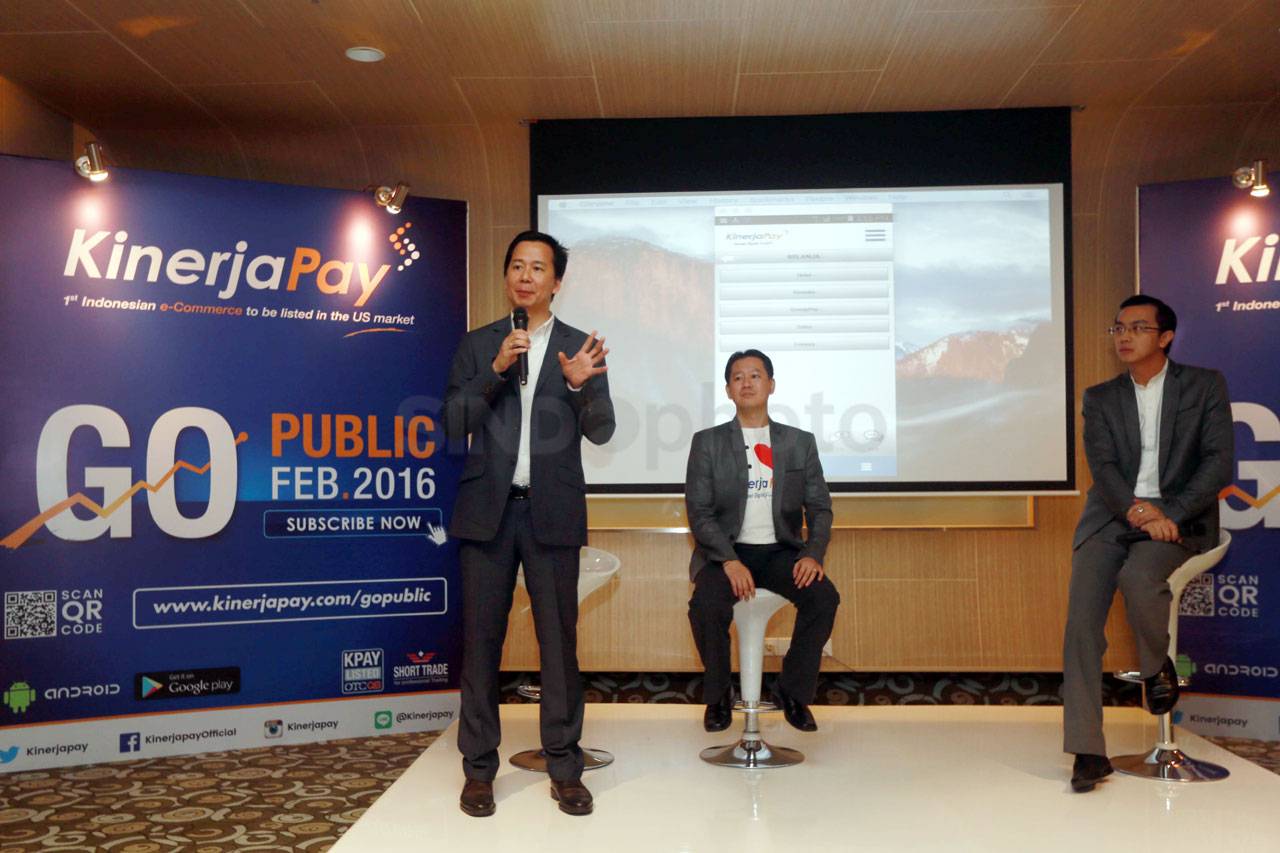
    Customers in Indonesia can now pay online with bitcoin as the country’s leading payment solutions provider KinerjaPay has added the digital currency as one of the payment options on its platform. KinerjaPay, in a recent press release, has announced its partnership with Bitcoin Indonesia to facilitate the Bitcoin option for its merchant partners.

    Apart from offering payment gateway solutions to online merchants, KinerjaPay also operates its own e-commerce portal where people can directly buy goods from the platform itself. By including Bitcoin payments, KinerjaPay has now become the first e-commerce platform in Indonesia to do so. Now customers can convert their bitcoin to Indonesian rupiah on the fly while making a transaction over the payment gateway to pay their bills, transfer money and purchase goods on the internet.

    KinerjaPay and the growth of e-payments in Indonesia

    KinerjaPay is currently one of the fastest growing digital payments platforms in Indonesia. In the past two months, the company has grown by over 300 percent as its user base has increased from around 12000 customers to 50,000. According to the company’s report, this has also led to an increase in the average number of transactions processed per day.

    With over 1500 transactions per day, compared to previous 300 transactions, the company can expect the numbers to grow further with the integration of bitcoin payments. Currently, there are not many online merchants who accept digital currency payments in Indonesia and now the partnership with Bitcoin Indonesia means that the company’s partner merchants will be able to accept bitcoin payments from their customers soon. This will open up a lot of options for bitcoin users in the country.

    In order to make bitcoin payments more popular, KinerjaPay has announced that it will be providing special offers to customers of Bitcoin Indonesia. With these special offers, the company intends to convert at least some of the 150,000 Bitcoin Indonesia customers into theirs as well. In a country where a majority of the population is hesitant to use online payment solutions due to concerns about credit/debit card fraud, KinerjaPay is working hard to build their trust by offering great deals and addressing their concerns. A currency like bitcoin where the user doesn’t have to share his/her bank account or card details will present an attractive option to the masses.

    As a part of its incentives galore, the company is also working on its own branded mining setup, where people can mine digital currency. While speaking about the new developments, the CEO and Chairman of KinerjaPay, Edwin Ng is quoted saying –

    “This partnership enables us to establish relationships with Bitcoin Indonesia’s membership, currently in excess of 150,000 accounts, which we expect will boost the volume of transactions on our platform going forward… We are also working to create a unique bitcoin mining element on our platform, something we believe will be very appealing to our users and will provide KinerjaPay with a real competitive advantage in the e-commerce sector.”

    KinerjaPay is constantly innovating to push the growth of online payments in Indonesia. Partnering with Bitcoin Indonesia is just one among the many which the company intends to follow in order to gain customer confidence and make them change their mind about online payments and digital currency. More developments in the sector can be expected soon.

  • BitMEX Launches Leveraged China A50 Stcok Index Trading with Bitcoin

    BitMEX Launches Leveraged China A50 Stcok Index Trading with Bitcoin

    BitMEX (Bitcoin Mercantile Exchange) has announced this week they are launching the world’s first bitcoin denominated futures contract on a Chinese A Share index. The new instrument from the bitcoin derivatives focused venue allows cryptocurrency investors to access the walled-off equity market in China and trade with up to 25 to 1 leverage.

    The China A50 Equity Index is comprised of the fifty biggest public companies in China and priced in Chinese yuan (CNY). However, investors using the BitMEX product will receive 0.0001 Bitcoin (XBT) per 1 CNY move in the index. Additionally, unlike the Chinese stock exchanges that only open Monday to Friday, the BitMEX contract trades 24/7. The new contract has monthly expiries based on the closing price of the FTSE CHINA A50 Index to two decimal places.

    Speaking with Finance Magnates Arthur Hayes, co-founder and CEO of BitMEX, explains the rationale for the new product: “Trading the China A share market for most investors is quite difficult. Due to various restrictions, obtaining long and especially short exposure with leverage is almost impossible. For retail investors without large brokerage accounts, it is even more difficult.

    BitMEX aims to provide retail investors globally access to the China A share market using a Bitcoin denominated futures contract (commonly referred to as a quanto futures contract). Investors with only a few hundred USD of Bitcoin can now trade the China stock market. As long as an investor can exchange his or her domestic currency for Bitcoin, he or she can trade the BitMEX China A50 Index Futures contract.”

  • FamilyMart Taiwan accepts bitcoins

    FamilyMart Taiwan accepts bitcoins

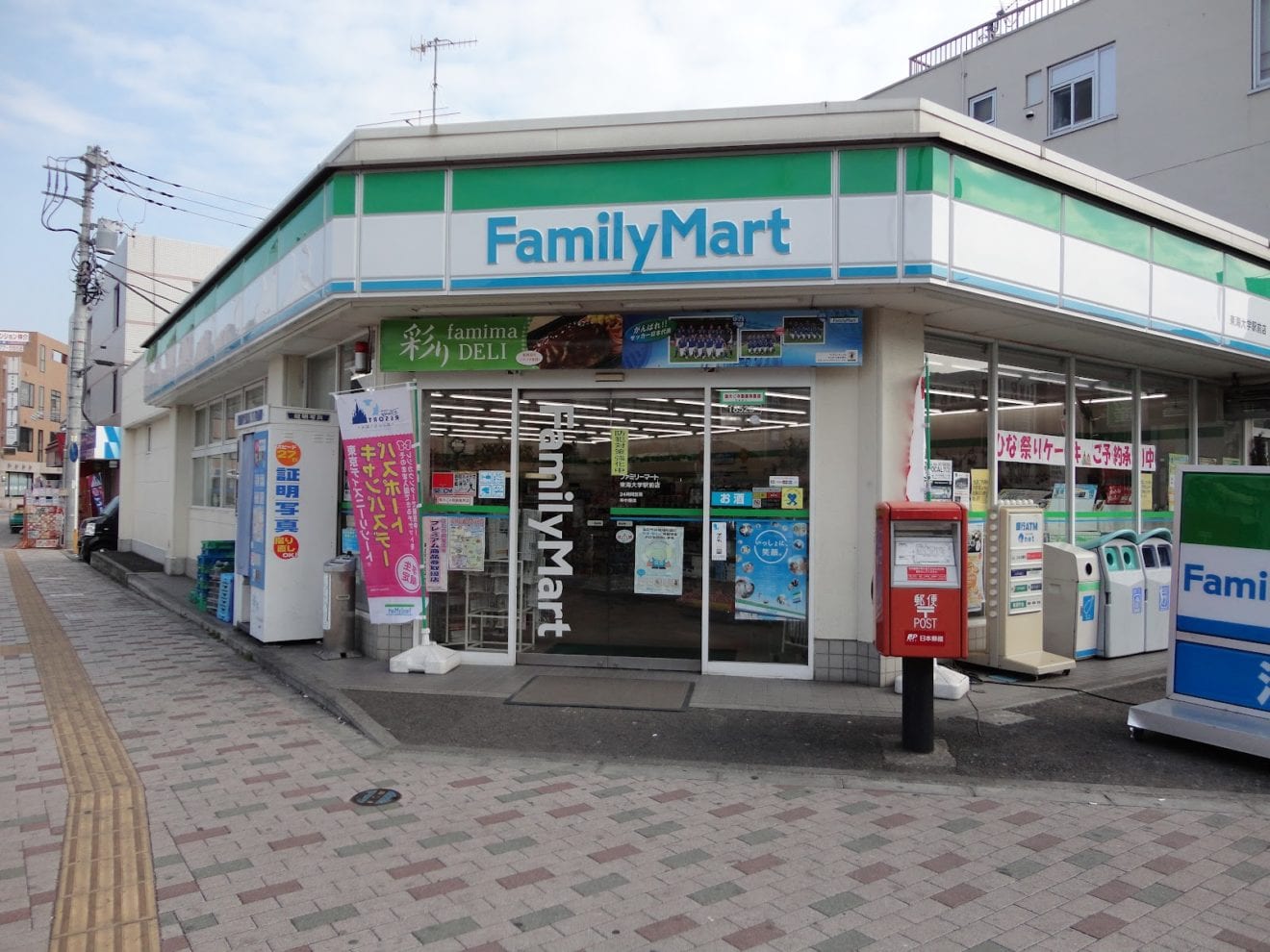
    FamilyMart Taiwan says a growing number of customers are paying by bitcoin since it struck a deal with local wallet provider BitoEX.

    The convenience retailer started accepting the cryptocurrency at its 3000 stores across Taiwan on October 24 and has recorded more than 500 transactions since then.

    Most customers are using bitcoin to buy coupons dispensed by FamiPort terminals which Taiwanese use to pay for a variety of things including utility bills, cinema tickets, parking fines or train tickets.

    FamilyMart PR manager Chen Chia-Chi told the Taiwanese news agency United Daily News that the bitcoin acceptance is aimed at travellers to Taiwan and a growing domestic bitcoin userbase.

    BitoEX, meanwhile, claims to have more than 40,000 web wallet users, a customer base growing 30 per cent annually.

    “There are more and more users of our bitcoin wallet now, but the market in Taiwan is still small, and it’s still growing,” said Rica Chiang, deputy GM of BitoEX.

    Last year, BitoEX struck a deal with FamilyMart to sell bitcoins. That relationship raised the retailer’s awareness of the currency’s acceptance and consumer interest, leading to October’s payment introduction.

    “Since last year [FamilyMart] saw a growing number of bitcoin sales. That’s why they were cautiously thinking about accepting bitcoin to see if it there’s a bigger market out there,” said Chiang.

    Among the local users of the service are gamers who take a break to grab a refreshment at a familyMart store – and pick up some bitcoins on the way to use online.

    “We noticed a lot of transactions taking place in the middle of the night, so we were curious. We found out they were gamers,” said Chiang.

    “Sometimes they say, ‘Please give me bitcoin, I’m in a hurry – I’m in the middle of a game!’.”

    BitoEX says people using bitcoin for remittances, investors and speculators are its next largest customer groups.

  • Bitcoin debit card makes cryptocurrency more accessible

    Bitcoin debit card makes cryptocurrency more accessible

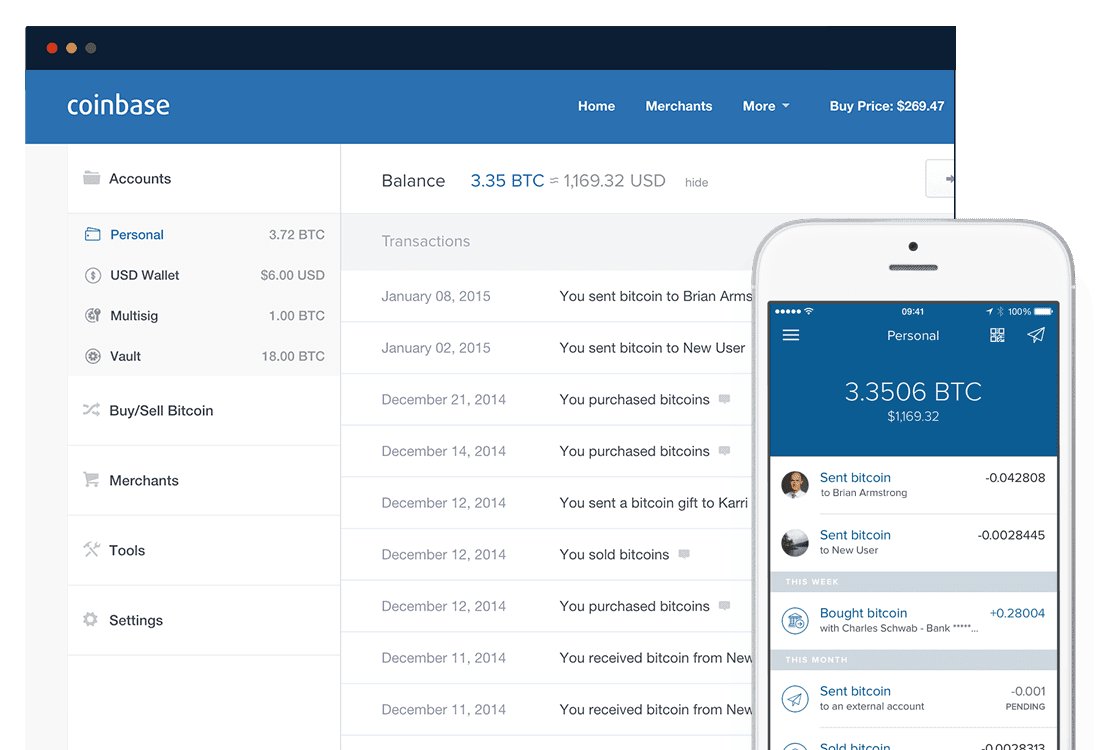
    Coinbase has launched a debit card that enables US users to spend bitcoins anywhere Visa is accepted.

    The launch of a debit card – and the recognition of the currency by the Visa card system is further evidence that the new generation cryptocurrency is building momentum globally.

    The card is a result of a partnership between Shift Payments and Coinbase. The former aims to integrate multiple currencies into a single card, while the latter provides digital ‘wallets’ where 2.8 million users across the world go to for their bitcoin transactions. With a Shift Card, users can link their Coinbase account to a physical Visa debit card, which they can use to pay at participating stores in real life or online, wherever Visa is accepted (the team is also working on incorporating airline miles and other loyalty points.)

    For now, apart from the US$10 card issuance charge, there are small fees – domestic transactions fees from BTC to USD are charged at zero per cent, and ATM withdrawals are US$2.50.

    The Shift Card could make bitcoin more accessible, and counter its lack of usage, which is caused largely by the misconception among consumers that not many businesses accept it. (They’re wrong: 38 million merchants worldwide do).

    Unlike conventional currencies, cryptocurrency is an open network not controlled by any bank or government, but managed by its users. It is hoped that the system will provide a more democratic, transparent, and cheaper way to trade, upgrading the status quo, which some argue were not designed for the digital era.

  • Coinbase Penetrates Singapore With New Retail Bitcoin Service

    Coinbase Penetrates Singapore With New Retail Bitcoin Service

    Coinbase, one of the biggest bitcoin exchanges and wallet services in the United States, has unveiled retail buy-and-sell operations in Singapore and Canada. 

    The operations is part of the San-Francisco-based company’s expansion into Asia to make digital currency more accessible around the globe, Brian Armstrong, Coinbase CEO and co-founder, disclosed.

    The cryptocurrency exchange and wallet service firm in Singapore, set to open on Thursday, will allow clients to buy and sell virtual cash with the Singapore currency.

    At around 8 a.m. today Singapore local time, customers in the country can buy and sell digital cash using Singapore Dollars via Coinbase.

    Coinbase has also unveiled a buy and sell service as well as a bitcoin exchange for professional online traders in Canada earlier this week.

    According to Coinbase International Expansion head David Farmer, The Lion City is a major market for the company. “At present, over 15,000 people in Singapore have signed up for a Coinbase Wallet.”

    With more and more customers realizing the importance of bitcoin, Coinbase is making sure they give what the people need. Famer added: “By extending our buy and sell service in Singapore, we are helping to make their on-ramp to the Bitcoin world as simple and as safe as possible as we move ahead.”

    Unlike conventional currencies, digital money is purchased and sold via peer-to-peer network immune to government control. Being independent in nature, Bitcoin is not supported by a central bank, and its value fluctuates based on user demand.

    Singapore has a reputation for financial trust and confidentiality, and is well-established to serve a big chunk of the rapidly-evolving emerging markets like Thailand, Vietnam, Indonesia, and Philippines.

    Today, Coinbase has business centers in nearly 30 geographical locations around the globe. The company aims to have a presence in 40 countries by the end of the year, Armstrong said.

    Coinbase is being funded by 21 investors, totalling $107 million. Based on analysts estimates, the company is worth more than $400 million.

    Bitcoin was trading at $229.35, rising 0.6 pct on the day as of Wednesday.

  • Indonesian FinTech start-ups raise stakes for banks

    Indonesian FinTech start-ups raise stakes for banks

    A string of innovative financial products from Indonesian start-ups are circumventing the traditional payment and investment system, helping to broaden financial inclusion and challenging the established banks.

    Indonesia’s tech-savvy youth have already given rise to pioneering start-ups with social and religious missions and the so-called FinTech industry is set to disrupt traditional banks by offering everything from Bitcoin remittances to mobile pawn shops and retail lending platforms.x

    New alternatives

    With a large swath of the population still unbanked – in part due to the country’s challenging geography – new technologies in banking, transactions and payments offer significant growth potential, with banks under increasing pressure to respond to the trend.

    Banks and regulators in Asia are at difficult levels of understanding of the sector, explained Mohit Mehrotra, an executive director at Deloitte Consulting. “Asia has a huge potential for FinTechs. Countries like India and Indonesia, with their low financial services penetration and large unbanked and underserved populations, are perfect breeding grounds with several white spaces for FinTechs to play an important role,” he told local media in May.

    But collaboration with the FinTech sector is also an option and represents a potential source of growth, particularly for larger banks. “Big banks, by nature of their legacy set-ups, find it increasingly difficult for forging new digital-enabled business models that FinTechs specialise in,” said Mehrota.

    This is starting to be acknowledged by the big banks. Jamie Dimon, chairman of JPMorgan Chase & Co, in a letter to shareholders in May warned there were “hundreds of start-ups with a lot of brains and money” working on various alternatives to traditional banking services.

    Rapid rise

    With Indonesia’s demographic trends favouring smaller and more flexible solutions, start-ups are set to gain a competitive advantage over established banks in areas such as mobile payments and crowd funding, which are increasingly popular in the new web-based financial services field.

    Regional investors have been quick to spot the trend. On June 1, Japan-based venture capital firm CyberAgent Ventures announced a new $50m fund for South-east Asian start-ups, with more than half of the new fund’s activity directed towards the Indonesian market. The firm has predominantly focused on series A Indonesian start-ups until now, but the new fund will open the doors to tech start-ups in the seed, series A and series B stages.

    “We are very bullish, especially on Indonesia,” Steven Vanada told regional media. “It doesn’t only have to be in consumer business or e-commerce… We’re keeping our eyes on other sectors too,” he added.

    Such moves will likely draw interest towards firms like Blossom, a product targeting the global Muslim community. Based out of south Jakarta, the firm brings together Bitcoin, microfinance and Islamic finance, the latter of which is increasingly popular in Indonesia.

    The company’s model involves collecting money from global investors for entrepreneurs who want to start a small business. Blossom does not give the funds to business owners directly, but works through an intermediary or a local microfinance institution. After a 12-month investment cycle, Blossom collects profits from the microfinance institutions and distributes them to the investors.

    Bitcoin rise

    Due to Indonesia’s large underbanked population, Bitcoin is expected to gain significant traction as consumers bypass banks and other financial institutions. World Bank inclusion data from 2014 put the percentage of people above 15 years of age in Indonesia with a financial account at 36%, up from 20% in 2011 and the percentage with a loan from a financial institution at 13%. This compares poorly with regional peers with more than two-thirds of the population in East Asia and the Pacific having an account.

    Artabit, a US and Indonesian start-up, is tapping into the market by combining payment solutions using the Bitcoin network. One use of its products is for remittance services. Hong Kong-based Bitspark recently joined forces with Artabit to provide a remittance service for Indonesian workers in Hong Kong who want to send money back home.

    But despite the huge potential for digital payments in countries such as Indonesia, some industry participants say that infrastructure is still lacking. “Given the size of Indonesia, it may take some time before digital payments are widely used for retail e-commerce because the required infrastructure will have to be in place first,” said Raj Dharmodaran, MasterCard Asia Pacific’s group head for emerging payments.

    He also highlighted the importance of having a regulatory framework that supports the growth of digital payments, saying that a country should have globally standardised regulations conducive to the growth of digital payments.

    For now, the Indonesia government is maintaining a strict stand against the digital currency. The central bank does not recognise Bitcoin as a legal form of currency and has warned people to use it at their own risk. However, the Indonesian public are beginning to embrace the technology and related services as new FinTech start-ups help to make them more accessible and easier to use.