Retail News CRM

Tag: bitcoin

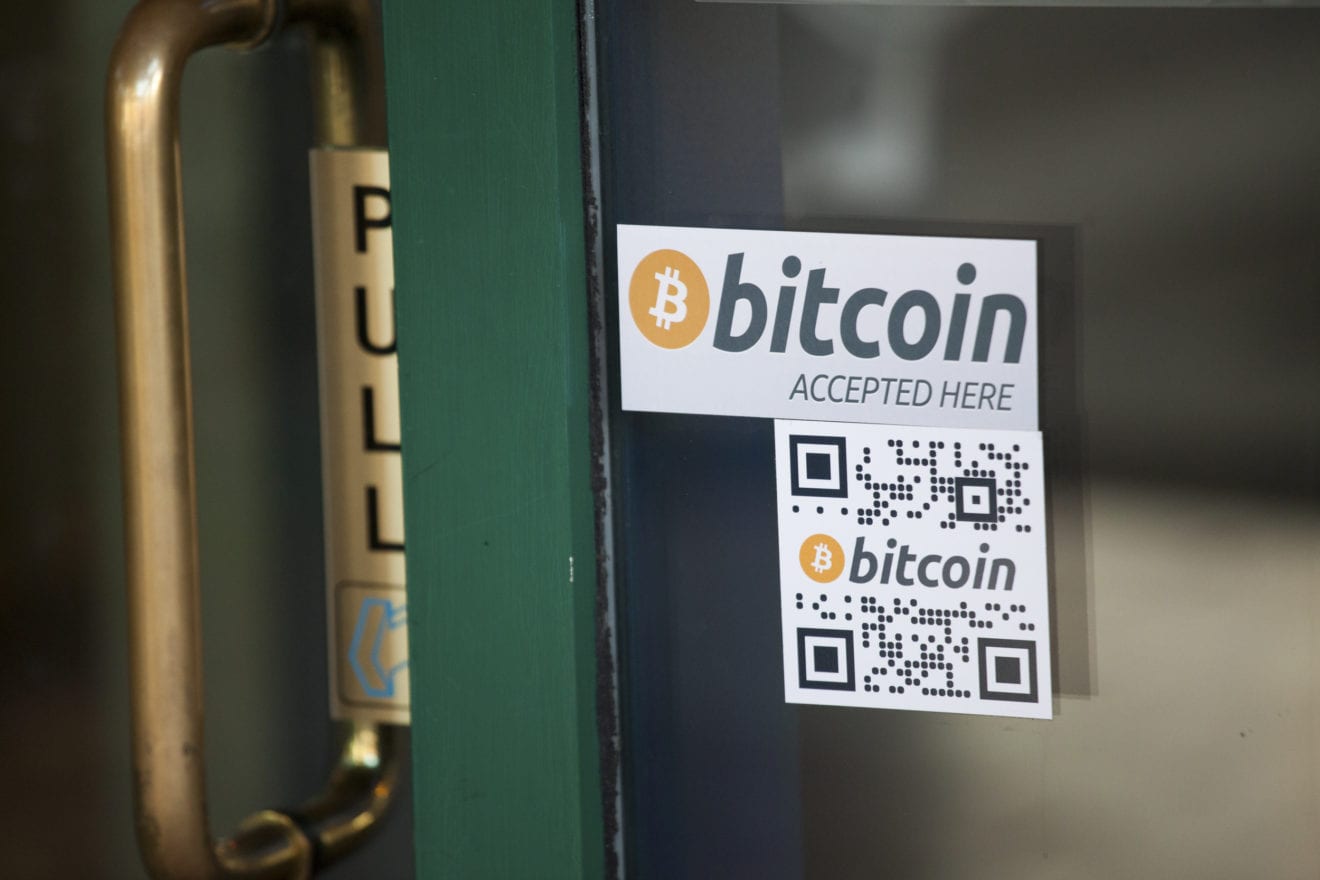
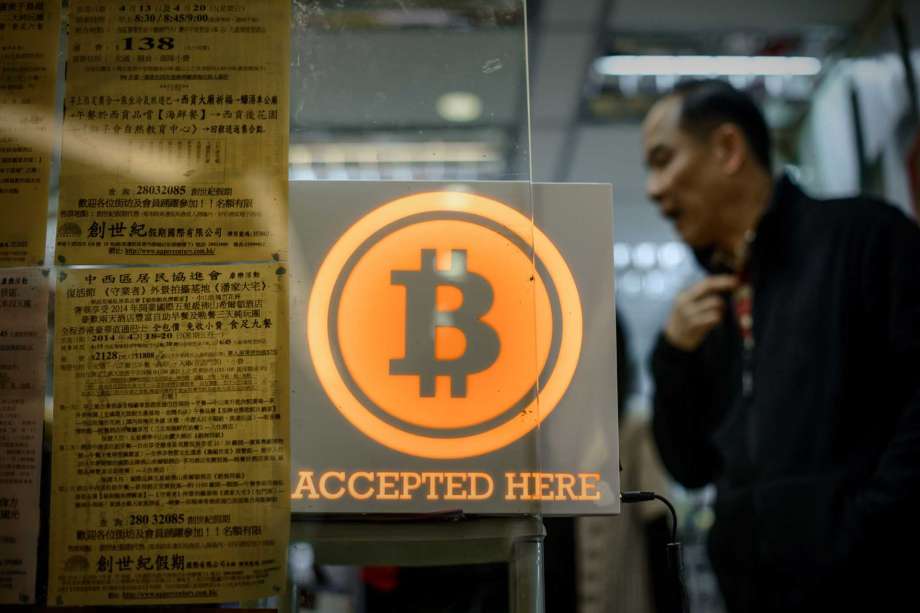
  • Bitcoin to be accepted in Seoul Mall

    Bitcoin to be accepted in Seoul Mall

    Seoul’s giant Goto Mall has partnered with a Korean cryptocurrency exchange to enable its retail tenants to accept bitcoin as payment.

    The exchange, HTS Coin, launched in October and developed a smart payment system using cryptocurrencies before launching a mobile app.

    Goto Mall – also known as the Gangnam Terminal Underground Shopping Centre – has 620 tenants and hosts nearly 500,000 shoppers daily. Stores will begin accepting bitcoin payments by the middle of December, reports Bitcoin.com.

    “I think it is very meaningful to be able to settle the bitcoin used by foreigners and young people at Goto Mall,” said mall CEO Chung Gwi Yeon.

    Some stores in the mall have been accepting bitcoin payments directly in a trial, but Bitcoin.com reports there were problems with store owners losing their passwords and unable to spend the bitcoins they had accepted.

    Newspaper Bridge Economy observed that when the new World Duty-Free store opens in Gangnam Central City next year, Goto Mall can expect to further increase its foreign customer base. “Goto Mall is expected to turn into a bitcoin mecca.”

    Bitcoin will join cash, credit cards and Alipay is primary payment options at the shopping centre.

  • Deutsche Bank to advice investors to avoid bitcoin

    Deutsche Bank to advice investors to avoid bitcoin

    Deutsche Bank has joined the ranks of those warning about the virtual currency bitcoin as an investment.

    “I would simply not recommend this to the everyday investor,” Ulrich Stephan, chief strategist at Germany’s largest lender, said on Wednesday.

    Stephan said that fluctuations are too great and regulation too scant. He noted that German investors were reluctant to invest in stocks, but were generating hype about bitcoin.

    Bitcoin smashed through the $8,000 level for the first time over the weekend and traded at $8,216 at 1523 GMT on Wednesday, with many experts saying $10,000 is possible.

    An eightfold increase in the value of the volatile cryptocurrency this year has led to multiple warnings of a bubble, and institutional investors are broadly staying away.

    Retail investors, however, as well as some hedge funds and family offices, are piling in despite JPMorgan Chase & Co Chief Executive Officer Jamie Dimon earlier this year calling bitcoin a “fraud”.

    Although UBS Chairman Axel Weber urged caution on bitcoin last week, he also said there was potential for the technology underpinning it.

    “At this point, I‘m very cautious about bitcoin as an entity. I‘m much more optimistic about the underlying technology,” Weber added.

    Sweden’s central bank is one organization which is investigating the potential for digital currencies.

    “An e-krona would have the potential to counteract some of the problems that could arise on the payment market in the future when the use of cash is rapidly declining,” the Riksbank said in a report in September.

  • Blockchain becoming the rage at US business schools

    Blockchain becoming the rage at US business schools

    U.S. business schools are beefing up training in the software that underlies digital currency bitcoin, a technology expected to be a game changer in many industries.

    The move makes sense as more students seek careers in financial technology, or “fintech,” which has captivated leading Wall Street banks and been called “the most important technology since the internet.”

    In January, the Haas School of Business at the University of California at Berkeley will offer its first ever course in blockchain software.

    The Haas school, which is near San Francisco and Silicon Valley, will handpick 60 students from the departments of business, engineering and law and split them into groups of six to explore possible applications of the technology.

    “When people think about blockchain they think about cryptocurrencies,” said Haas school lecturer Greg LaBlanc, who sees the technology as potentially disrupting many sectors.

    “We believe it will have the biggest impact on contracting, logistics and supply chains, healthcare, public administration, assets clearing, property, transactions,” he said.

    “Pretty much every function of businesses are going to be affected by this.”

    ‘Very transformational’

    Blockchain runs by recording transactions as “blocks” that are updated in real time on a digitized ledger that can be read from anywhere and does not have a central recordkeeper.

    It was originally developed as the accounting method for bitcoin. But while that cryptocurrency remains controversial with some players in finance, bankers increasingly see exposure blockchain as a must.

    Blockchain is “something we are very optimistic about,” JPMorgan Chase chief financial officer Marianne Lake said on a conference call last month.

    Newer technologies could be “very transformational for the financial services industry and we are forward-leaning and optimistic about that,” Lake added.

    The technology, which lets users trace items back through their supply chains, also could offer a means to limit tainted food problems, or to guard against “blood diamonds” that come from a war-ravaged area.

    In finance, blockchain could be used to permit parties to check the solvency of counterparties, significantly reducing costs.

    Training students for that function and other evolving roles in finance is altering curricula at universities and shifting how students structure their programs.

    Students who wish to work in trading must learn how to code, while bankers need to understand algorithms and big data to be able to attract new clients and devise strategies for fast-changing markets.

    Traditional skills still required 

    “Anyone who is coming into the financial industry is expected to have some skills in technology,” said Stephen Daffron, a founder of Motive Partners, a private equity firm specializing in fintech investment.

    “If they don’t understand how to evaluate a company that tries to employs blockchain, then they won’t probably be a good fit for us,” said Daffron, who lectures at the Yale School of Management.

    Barbara Hewitt, senior associate director in the career services office at the University of Pennsylvania, home to the Wharton School, also noted the rising interest in new skills and technology.

    “I increasingly see students opting to explore technical minors, such as in computer science, to be well prepared for the growing use of technology in many fields,” she said.

    But if exposure to fintech has become more important to hireability, traditional skills such as accounting, mathematics and understanding of economics remain the top criteria for recruiters, the schools say.

    Companies “want people with strong technical skills, people with management skills,” said Abigail Kies, assistant dean of career development at Yale.

    At Yale, about 20 percent of 2016 graduates found jobs in finance, according to figures supplied by the university.

    Fritz Foley, a finance professor at Harvard Business School said jobs in this sector still “require strong analytical abilities, an understanding of institutional details, and good judgment.”

    “These requirements have not changed as innovations have occurred.”
  • Indonesia’s Blockchain Scene Heats Up

    Indonesia’s Blockchain Scene Heats Up

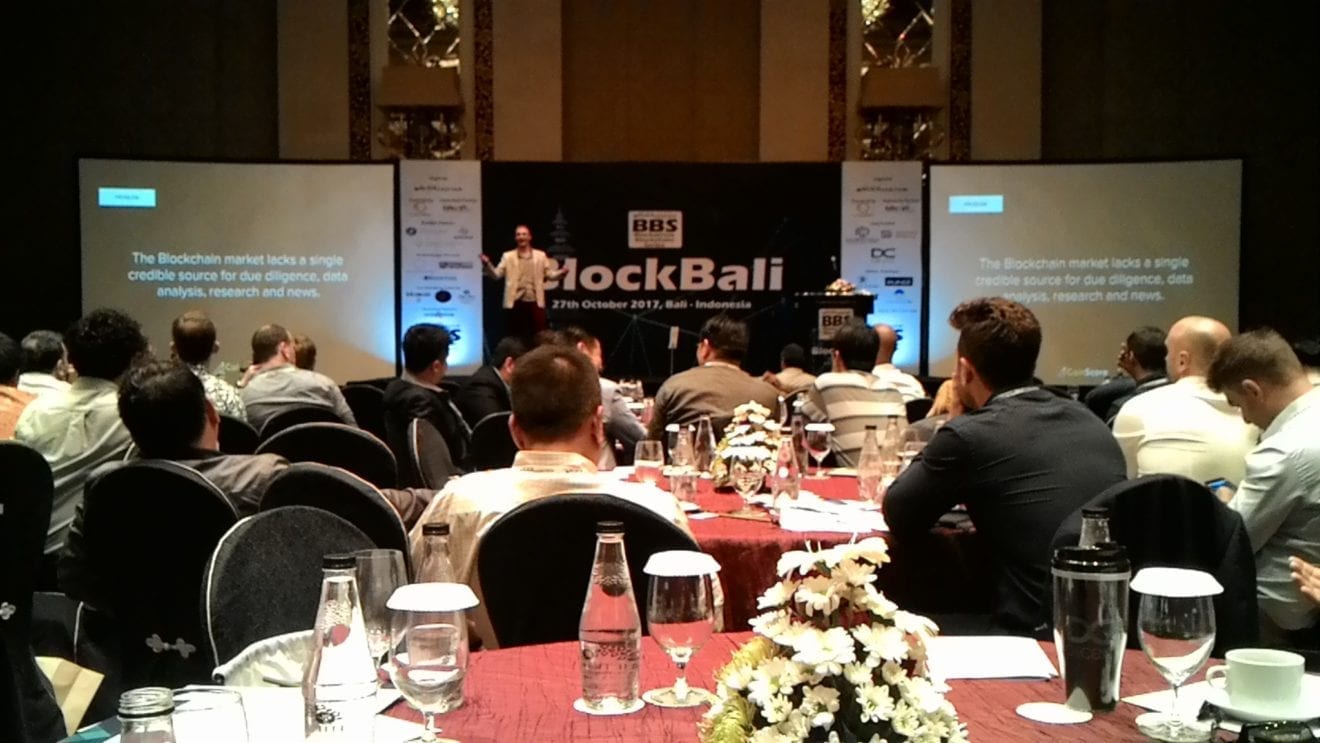
    Bali’s first-ever blockchain conference happened in the grand ballroom of The Trans Resort Bali, a five-star resort hotel a short drive from Bali’s famous tourist areas of Kuta and Seminyak. It was organized by Black Arrow Conferences, which have also organized successful blockchain conferences in Mumbai, India and Jakarta, Indonesia — together with a local organizing team comprised of Bali-based cryptocurrency afficionados.

    The event was surprisingly large for a small island. Conference sponsorship slots and attendee tickets were completely sold out, filling the room to capacity with 315 registered attendees and 33 partners, supporters and sponsoring organizations and companies from around the world.

    A mix of Indonesian and international companies were in attendance: Bitcoin Indonesia, PundiX, BlockchainZoo, Coindo, Blocktech, BBW, Cybermiles, Genesis Mining, Decent, Emurgo, Cointed, Waves, MiCai, Eximchain, Coinscore and Datum as well as representatives from the Indonesia and Bali Chamber of Commerce and Industry and the National Police Anti-Terrorism Unit Densus 88.

    Bali a Blockchain, Cryptocurrency and Historic

    As we reported here at Bitsonline previously, Indonesia has a thriving trading community and blockchain startup scene.

    Bali is a popular place for blockchain companies looking for a place to temporarily relocate for some focus time on their projects, while also enjoying the lush beauty in the hills of Bali near the town of Ubud. Companies like Consensys, Changetip, Satoshipay and personalities well-known to many in the community — such as Joel Dietz, Toni Lane Casserly and Andreas Antonopoulos — have all spent quality time here.

    Ubud is also a favorite of Sir Richard Branson, who once toyed with the idea of buying a villa not far from town. In decades past, Charlie Chaplin, Buckminster Fuller and others have come to rest and recover, and to test new ideas that they would bring back to the world.

    Blockchain Companies Work Together to Strengthen the Industry in Indonesia

    Bitcoin Indonesia, the country’s largest exchange, boasts 550,000 registered members, and is developing an international focus. Its representatives meet with regulators often, in order to keep abreast of changing opinions within the bank, which have the effect of being treated as law.

    Just last week, Bitsonline reported that the Bank of Indonesia is forbidding payments platform providers from using cryptocurrency. However any service which converts currencies from bitcoin to Indonesian rupiah — for the purpose of completing a transaction — is exactly the same thing as a purchase with a foreign credit card in Indonesia.

    This resulted in Bitcoin Indonesia closing its popular cryptocurrency payment platforms TokoBitcoin.com and Bitbayar.com.

    Companies Already Building Legal Workarounds

    However, companies are already developing legal workarounds (don’t you just love blockchain?). PundiX CEO Zac Cheah demonstrated cryptocurrency exchange POS devices which complete a bitcoin conversion — which is legal — before the customer makes and settles payment in Indonesian Rupiah.

    The heads of the Indonesian and Bali Chambers of Commerce and Industry attended, and showed their support in working with blockchain companies in Indonesia to find a regulatory solution that would allow the industry to continue to grow.

    A representative from the Densus 88 Special Forces Anti-Terrorism Unit in charge of ending terrorist financing, presented the American version of anti-money laundering and anti-terrorist financing regulations. However he admitted there was only one known case of terrorism financing using cryptocurrencies that he was aware of — without going into details.

    BlockBali Conference Will Become an Annual Event

    Bitsonline interviewed speaker Roberto Capodieci, CEO of Blockchain Zoo — which is about to open a Blockchain Center in the town of Ubud. He told us:

    “Crypto in paradise! The god’s island of Bali, home to thousands of digital nomads, and my home since 2004, is indeed the right place to hold this kind of conference. Not only is there already a large audience on the island, but it makes a great reason for international experts to participate and extend their stay for a day or two and enjoy a short tropical holiday! Furthermore, BlockBali was organized in an excellent manner, had several key people from the industry to present, and a variety of topics to keep the audience constantly attentive and interested. I really look forward to more conferences like this one.”

    Sarfraz Patel, CEO of Blackarrow Conferences, was similarly optimistic for a future conference:

    “The success of BlockBali has been outstanding. A great turnout of 300+ people from 31 countries. This being our second conference in Indonesia, we have seen a 50 percent growth in attendance and we can clearly see the Indonesian community rising up to blockchain and cryptocurrency. This definitely paves the way for much bigger and better conferences in the future.”


    credits: Bitsonline

  • Bitcoin transactions remain illegal in Vietnam

    Bitcoin transactions remain illegal in Vietnam

    The only payment methods allowed in the country are issued or controlled by the State Bank. Cryptocurrencies such as Bitcoin remain illegal in Vietnam, the State Bank affirmed in a statement released on Saturday.

    “From January 1, 2018, the act of issuing, supplying or using illegal means of payment may be subject to prosecution in accordance with the provisions of Article 206 of the Penal Code 2015,” the statement said.

    The only payment methods allowed in the country are issued or controlled by the State Bank.

    People who attempt to use illegal means of payment will be subject to a fine ranging from $6,600-9,000.

    Earlier this week, Vietnam’s top technology university FPT announced plans to allow students to pay for their tuition fees using Bitcoin.

    Some service providers have already started accepting Bitcoin and other cryptocurrencies in Vietnam, but they are mostly used for trading and speculation on the free market.

    The central bank has warned organizations and individuals in Vietnam not to invest in Bitcoins or conduct transactions in the currency, saying they would be taking a huge risk with no legal protection.

    “Bitcoin transactions are anonymous and can be used for money laundering, drug trafficking, tax evasion and illegal payments,” the bank claimed.

  • Vietnamese tech university to accept controversial Bitcoins for tuition fees

    Vietnamese tech university to accept controversial Bitcoins for tuition fees

    Experts say the decision is risky for both the school and its students as Vietnam has yet to legalize the crypto-currency.

    Vietnam’s top technology university FPT has raised eyebrows by announcing plans to allow students to use Bitcoins to pay for their tuition fees at a time when the country is still groping for ways to manage the virtual money.

    Le Truong Tung, the university chairman, has confirmed the plan, saying FPT University will allow foreign students to use Bitcoins first.

    Tung said in a Facebook comment following his post that the digital currency is a feasible solution for students from Africa because they always face difficulties transferring money out of their countries.

    But critics of the move say it may pit FPT against the government because Vietnam is yet to recognize Bitcoins as legal currency.In an interview with Tuoi Tre (Youth) newspaper on Friday, he said Bitcoin is a technology product and as a tech university in the age of Industry 4.0, FPT sees it necessary to try using the digital currency.

    Others were worried that the regulation will encourage FPT students to spend most of their time and efforts mining Bitcoins, a process that experts have warned is very risky.

    For now, Bitcoins will remain illegal in Vietnam, according to the central bank, but the government is looking to manage the virtual money through a new legal framework.

    Several government ministries and the central bank have been tasked with drawing up such framework by the end of next year, and tax policies for cryptocurrencies must be finalized by June 2019.

    Since news of this legal framework was released, Bitcoin has become more attractive in Vietnam, with computer component providers saying they have ran out of graphics cards due to the increasing demand for Bitcoin hardware.

    As explained by Business Insider and Investopedia, the process of mining Bitcoins involves miners solving complex mathematical problems, and the reward is more Bitcoins generated and awarded to them.

    Bitcoin’s value has been on the rise since early this year, hitting a new all-time high by breaking $6,000 last week.

    Yet financial expert Nguyen Tri Hieu told VnExpress earlier that investing in Bitcoins at this time is a bold move because miners may face legal action or risk going broke as it is possible that the latest price rise in Bitcoins is a speculative bubble.

    In late May, nearly $4 billion was wiped off of the value of Bitcoin in just four days after a correction that saw the cryptocurrency’s price fall almost 19 percent to $2,260.

    The central bank has warned organizations and individuals in Vietnam not to invest in Bitcoins or conduct transactions in the currency, saying they would be taking a huge risk with no legal protection.

  • Blockchain technology impact stretches way beyond Bitcoin

    Blockchain technology impact stretches way beyond Bitcoin

    Blockchain technology – the foundation beneath Bitcoin – has “immense potential to disrupt and transform the world of money, business, and society” in the years ahead.

    The technology tops a new list of IT projections from Dimension Data, which also cites artificial intelligence, machine learning, robotics, and virtual and augmented reality as having the greatest potential to deliver disruptive outcomes and reshape digital business next year.

    “Companies that have not started the digital investment cycle are at high risk of being disrupted,” says Dimension Data Group CTO, Ettienne Reinecke.

    Blockchain, he says, has gone from strength to strength.

    “Last year, when we looked at the top digital business trends for 2017, we predicted that centralised transaction models would come under attack. We were spot on. In the financial services sector, we’ve seen the US and European capital markets moving onto Blockchain platforms, and similar activity in markets such as Japan. Considering how conservative and compliance-focused this sector is, that’s quite remarkable.

    “It’s ironic that the cybercriminals who perpetrated the recent WannaCry ransomware attack could hold a federal government to ransom and demand to be paid in Bitcoin. Bitcoin might be a crypto-currency, but it’s based on Blockchain, and if cybercriminals are confident that Bitcoin provides a safe mechanism for the payment of ransoms, it indicates just how secure the distributed ledger approach is. I believe that Blockchain has the potential to totally re-engineer cybersecurity, but the industry has yet to come to terms with it,” says Reinecke.

    He predicts Blockchain will also deliver on the promise of Internet of Things (IoT) in the year ahead.  “In the world of IoT you’re generating millions of small transactions that are being collected from a distributed set of sensors. It’s not feasible to operate these systems using a centralised transactional model: it’s too slow, expensive, and exclusive. To extract the true value from IoT technology you have to be able to operate in real time. Once a sensor alert is received from a control system you must react to it, meter it, and bill for it instantly – all of which negates the viability of a centralised transactional authority. The cost of the transaction has to be near-zero or free, and the cost elements of a centralised model simply don’t support the potential business model in IoT,” he explains.

    In 2018, some interesting applications of Blockchain and IoT in the area of cybersecurity will emerge. Significant attacks have recently been launched from low-cost IoT endpoints, and there’s very little incentive for manufacturers of these devices to incur the cost of a security stack, which leaves them extremely vulnerable. Blockchain can play a fundamental role in securing these environments.

    Wireless feeds IoT

    Another exciting trend to look forward to is the boom in new wireless technologies that will enable IoT and bring us a step closer to the dream of pervasive connectivity. Some of these advancements will include 5G and Gbps Wi-Fi, new controls, virtual beacon technology, and low power, long distance radio frequency.

    There’s also a “digital fight-back” coming on the part of certain incumbent players. Established businesses that have proactively transformed into digital businesses, modernised their architectures, and embedded high levels of automation into their operations have a window of opportunity to claw back market share in the year ahead. That’s because there’s been an increase in the number of cloud-born start-ups themselves starting to be disrupted in certain industries.

    “I predict that a number of digitally transformed incumbents will successfully start reclaiming their markets because they have more credibility, longer histories, an established customer base, and assets that can stand the test of time,” says Reinecke.

    Andy Cocks, CTO for Dimension Data Asia Pacific, concurs with Reinecke and adds: “Blockchain has immense potential to disrupt and transform the world of money, business, and society. But, it is the companies that have not started the digital investment cycle which are at the highest risk of being disrupted.”

  • Bitcoin suffers its biggest plunge in a month

    Bitcoin suffers its biggest plunge in a month

    Bitcoin’s price fell by the most in a month after US regulators signaled the cryptocurrency might come under more scrutiny. Other large cryptocurrencies, including ether and bitcoin cash, were also sharply lower.

    A primer by the Commodity Futures Trading Commission said virtual tokens used in initial coin offerings, the process of launching digital currencies, were characterized as securities, which could bring them under its regulatory scope.

    “There is no inconsistency between the SEC’s analysis and the CFTC’s determination that virtual currencies are commodities and that virtual tokens may be commodities or derivatives contracts depending on the particular facts and circumstances,” the report said.

    On 18 October 2017, at 10:21 a.m. ET, bitcoin was down by 8.5%, to $5,125 a coin.

    The volatile cryptocurrency has previously fallen on reports that China was closing local exchanges, though it quickly rebounded to nearly $6,000 a coin.

  • Why Bitcoin Traders are Moving From China to Japan; Better Regulations

    Why Bitcoin Traders are Moving From China to Japan; Better Regulations

    This article was posted on Thursday, 21:10, UTC.

    It has been less than two weeks since the nationwide ban on Chinese bitcoin exchange ban was finalized and already, bitcoin traders in the Chinese market are already moving to Japan.

    OKCoin and Huobi, two of the largest bitcoin exchanges in China that have been responsible for around 75 percent of bitcoin trades in the Chinese market, were given leeway by local financial regulators to operate until the end of October. That means, Chinese traders have at least a month to close their accounts, move their funds and search for other ways to trade bitcoin.

    But, almost immediately after leading bitcoin exchanges in China announced their plans to halt their operations in the upcoming weeks, Chinese traders migrated to neighboring markets in Asia: Japan and South Korea.

    Prior to the imposition of a nationwide ban on Chinese exchanges, the Chinese bitcoin exchange market accounted for around 10 to 13 percent of global bitcoin trades. At the time of reporting, South Korea has overtaken the Chinese market in terms of bitcoin trading volume, becoming the third largest bitcoin exchange market in the world and evolving into a powerhouse within the global cryptocurrency sector.


    Today, the Chinese bitcoin exchange market accounts for less than 5 percent of global bitcoin trades and in four weeks time, China’s bitcoin exchange market will have no trading activity at all.

    Despite the short-term impact of China’s crackdown on bitcoin exchanges, many experts including billionaire early-stage investor Tim Draper have viewed the exit of the Chinese market from the global bitcoin exchange market as a positive event, mostly because the Chinese government does not have any leverage to work with to potentially manipulate the bitcoin market or lower the value and the market cap of bitcoin.

    Essentially, the Chinese government has used the last card in the deck in imposing a nationwide ban on bitcoin trading platforms and it has finally run out of leverage against the global bitcoin market. That provides a positive precedent and future for bitcoin price development and long-term health of the bitcoin market. In months ahead, the bitcoin market will demonstrate increased stability and distribution. As Draper noted:

    “The deadwood of the Bitcoin ecosystem is leaving now. Our faith in the crypto economy will be well rewarded.”

    More importantly, it is beneficial for the long-term health of the global bitcoin market that trading volumes from China are moving to Japan and South Korea, two countries that have the most practical and efficient regulatory frameworks for both bitcoin investors and businesses. Earlier this year, the Japanese government fully eliminated double taxation on bitcoin and legalized bitcoin as a payment method. Deloitte’s annual tax report read:

    “The supply of virtual currency will be exempt from Japanese Consumption Tax (“JCT”). Currently, virtual currencies such as Bitcoin do not fall under the category of exempt sales, and as a result, the sale of virtual currencies in Japan have been treated as taxable for JCT purposes. Following the enactment of the amended Fund Settlement Law in May 2016, which newly defined “virtual currency” as a means of settlement, the sale of virtual currency as defined under the new Fund Settlement Law will be exempt from JCT. This change will apply to sales/purchase transactions performed in Japan on or after 1 July 2017.”

    Consequently, large-scale multi-billion dollar technology and financial conglomerates have emerged in the Japanese bitcoin exchange market and industry. GMO, a major Japanese technology company, has already launched a trading platform for institutional investor and established a manufacturing line to create bitcoin ASIC miners and other mining equipment.

    In the upcoming months, an increasing number of institutional investors and retail traders in Japan and South Korea will drive the price of bitcoin to all-time highs. Bitcoin trading volumes and market cap will likely be high than ever before, all due to the swift recovery of the global bitcoin market and the exit of an unstable bitcoin exchange market.

  • Bitcoin bursts through $5,000 for first time

    Bitcoin bursts through $5,000 for first time

    Bitcoin was worth only a few U.S. cents when it was launched in 2009. Bitcoin surged through the $5,000 level on Thursday for the first time since the launch of the unregulated virtual currency more than 8 years ago.

    The cryptocurrency struck a new record high of $5,183.97 around 08:20 GMT according to financial data provider Bloomberg.

    Bitcoin, a virtual currency created from computer code, was worth only a few U.S. cents was launched in 2009 by someone using the Japanese-sounding name Satoshi Nakamoto.

    Unlike a real-world unit such as the U.S. dollar or euro, bitcoin has no central bank and is not backed by any government. Just like other currencies, bitcoins can be exchanged for goods and services — or for other currencies — provided the other party is willing to accept them.

    Bitcoin’s community of users control and regulate the currency, and the anonymity of transactions that endears it to libertarians has raised concerns that it can be abused by criminals.

    The lack of transparency has also sparked concerns that the swings in its value may be due to speculative trading.

  • Goldman Sachs studying whether to trade bitcoins

    Goldman Sachs studying whether to trade bitcoins

    Large banks have until now avoided trading in bitcoin due to its reputation as a conduit for illicit activity.Goldman Sachs is exploring whether to launch a trading  venture in bitcoin in response to client demand, a person familiar with the matter said Monday.

    Goldman’s consideration of the digital currency could give bitcoin a boost at a time when it is under criticism in China and by some large banks.

    Goldman is looking at establishing a team that could trade bitcoin and other digital currencies, said a person familiar with the bank’s thinking.

    The venture might resemble other Goldman teams that trade euros or treasury bonds. Goldman has received interest from a variety of parties, including investment funds, insurers and corporate clients. The study is at an early stage and may not yield a decision to proceed with such a venture, the person said.

    “In response to client interest in digital currencies, we are exploring how best to serve them in the space,” said Goldman spokeswoman Tiffany Galvin.

    Large banks like Goldman Sachs have until now avoided trading in bitcoin due to its reputation as a conduit for illicit activity.

    At the same time, financial companies have been active in the development of “blockchain,” the underlying technology of bitcoin, which is seen as a potentially important technology.

    Bitcoin critics include JPMorgan Chase chief executive Jamie Dimon, who called the digital currency a “fraud” that will eventually “blow up.”

    But Morgan Stanley chief executive James Gorman offered measured praise for bitcoin last week, calling it “obviously highly speculative” but “not something that’s inherently bad.”

    Bitcoin has retreated since breaching the psychologically important $5,000 level on September 1. On Monday, it traded at $4,375.

  • Bitcoin rush: Miners on the rise with Vietnam set to regulate virtual currencies

    Bitcoin rush: Miners on the rise with Vietnam set to regulate virtual currencies

    The cryptocurrency reached an all time high of $4,700 this week, so if you’ve got a head for numbers…The demand for hardware to mine Bitcoins in Vietnam is on the rise following a government decision to develop a legal framework to manage digital currencies.

    Assigned ministries will have until the end of next year to complete the legislation, while tax policies for cryptocurrencies must be finalized by June 2019.

    As for now, Bitcoins remain illegal in Vietnam, according to the central bank. But that does not make the virtual currency any less attractive, and Vietnamese people have already started mining.

    The process of mining Bitcoins involves miners solving complex mathematical problems, and the reward is more Bitcoins generated and awarded to them.

    The participant who solves the puzzle first gets to place the next block on the block chain, a public ledger that records all Bitcoin transactions, eliminating the need for a third party to process payments, and claim the rewards.

    Miners verify transactions and prevent fraud, so more miners equals faster, more reliable and more secure transactions. According to current Bitcoin protocol, 21 million is the cap and no more will be mined after that number has been reached.

    Bitcoin has quadrupled in value since early this year, hitting a record high of more than $4,700 on Tuesday.

    Hardware for mining Bitcoins is now on sale on different sites in Vietnam for VND30-60 million ($1,300-2,600) per system. Each system usually has six to eight graphics cards.

    Two months ago, computer component providers in Vietnam started running out of graphics cards due to the increasing demand for Bitcoin hardware.

    Hai, the owner of a computer store in Hanoi’s Hai Ba Trung District, said he has earned up to VND200 million in revenue this month from selling hardware to Bitcoin miners.

    However, not many miners have been successful because Bitcoin mining is still a new concept in Vietnam, not to mention that the currency is not yet popular or legal.

    “Many of my customers do not understand how to mine for Bitcoins, so they have called it a day and sold the hardware back to me. Several others are leasing their kit out to new prospectors.”

    Miners are also facing fiercer competition and higher input costs. The average miner has to spend more than VND2 million each month on electricity, and the equipment can easily break because it has to run around the clock.

    Financial expert Nguyen Tri Hieu said investing in Bitcoins at this time is a bold move because miners may face legal action or risk going broke as it is possible that the latest price rise in Bitcoins is a speculative bubble.

    He said it would be better if miners had got involved when Bitcoin first appeared in 2009 to guarantee profits.

    In late May, nearly $4 billion was wiped off of the value of Bitcoin in just four days after a correction that saw the cryptocurrency’s price fall almost 19 percent to $2,260.

    The central bank has warned organizations and individuals in Vietnam not to invest in Bitcoin or conduct transactions in the currency, saying they would be taking a huge risk with no legal protection.

  • Major South Korean Conglomerate Enters Bitcoin Remittance Market

    Major South Korean Conglomerate Enters Bitcoin Remittance Market

    South Korean conglomerate, Dongbu Group, has announced a partnership with Bitcoin remittance service provider Sentbe in its bid to enter the Bitcoin remittance market.

    The group is collaborating with Sentbe through its savings bank subsidiary, the Dongbu Savings Bank.

    According to an official of the savings bank, a Memorandum of Understanding (MOU) was already signed by the partners to prepare for the fourth industrial revolution era.

    “We have been working on this business alliance to prepare for the fourth industrial revolution era under the traditional savings bank business.”

    Brief background of the partners

    South Korean firm Sentbe was a recipient of a financial technology (fintech) award for its foreign remittance service utilizing Bitcoin in 2016.

    Through the service, customers can send money to China, Vietnam, Japan, Indonesia and the Philippines at a fee that is up to 95 percent lower than those charged by traditional banks.

    The Dongbu Group, meanwhile, is a major conglomerate in South Korea. It produces industry, chemical, shipping, financial and insurance products. Its subsidiary, Dongbu Savings Bank, is a member of the World Savings and Retail Banking Institute (WSBI).

    Through WSBI, the bank collaborates with many financial institutions around the world, including Sweden’s Swedbank, Fra-Spa of Germany, Philippine Postal Savings Bank, the Indonesia National Housing Bank, the Sri Lanka National Savings Bank and the Thai Government Savings Bank.

    South Korea’s legalization of Bitcoin remittances

    The South Korean government has amended the Foreign Exchange Transactions Act in order to legalize Bitcoin remittances. The amended law took effect on July 18, 2017.

    Under the law, fintech companies planning to provide Bitcoin foreign exchange transfers should register with the Financial Supervisory Service (FSS). They should also comply with certain financial requirements like a paid-in capital of more than two bln Won (around $1.77 mln), and a debt-to-equity ratio of less than 200 percent.

  • Australia to regulate virtual currency exchanges like Bitcoin

    Australia to regulate virtual currency exchanges like Bitcoin

    Virtual currencies offer an efficient and anonymous way to store and transfer funds online. Australia is set to regulate virtual currency exchanges such as Bitcoin and strengthen the powers of its financial intelligence agency AUSTRAC as it cracks down on money laundering and terrorism financing.

    The changes came two weeks after AUSTRAC took the country’s biggest bank, the Commonwealth, to court for alleged “serious and systemic non-compliance” of money laundering and terror financing laws.

    It follows similar reforms by Japan to regulate virtual currency, after the country found itself at the epicenter of a multi-million dollar embezzlement scandal following the collapse of the Tokyo-based MtGox Bitcoin exchange.

    “Stopping the movement of money to criminals and terrorists is a vital part of our national security defenses and we expect regulated businesses in Australia to comply with our comprehensive regime,” Justice Minister Michael Keenan said Thursday.

    He added that the digital currency exchange sector was being regulated for the first time, while low-risk industries such as cash-in-transit would be subject to fewer regulations.

    Virtual currency has grown rapidly since the 2009 launch of Bitcoin, and there are now more than 100 crypto-currency options.

    But the sector has suffered from highly publicized scandals like the 2014 collapse of MtGox.

    Backers say virtual currencies offer an efficient and anonymous way to store and transfer funds online.

    But critics argue the lack of a legal framework governing the currency, the opaque way it is traded and its volatility, make it dangerous.

  • Japanese Retail Giant Accepts Bitcoin Nationwide after Successful Trial

    Japanese Retail Giant Accepts Bitcoin Nationwide after Successful Trial

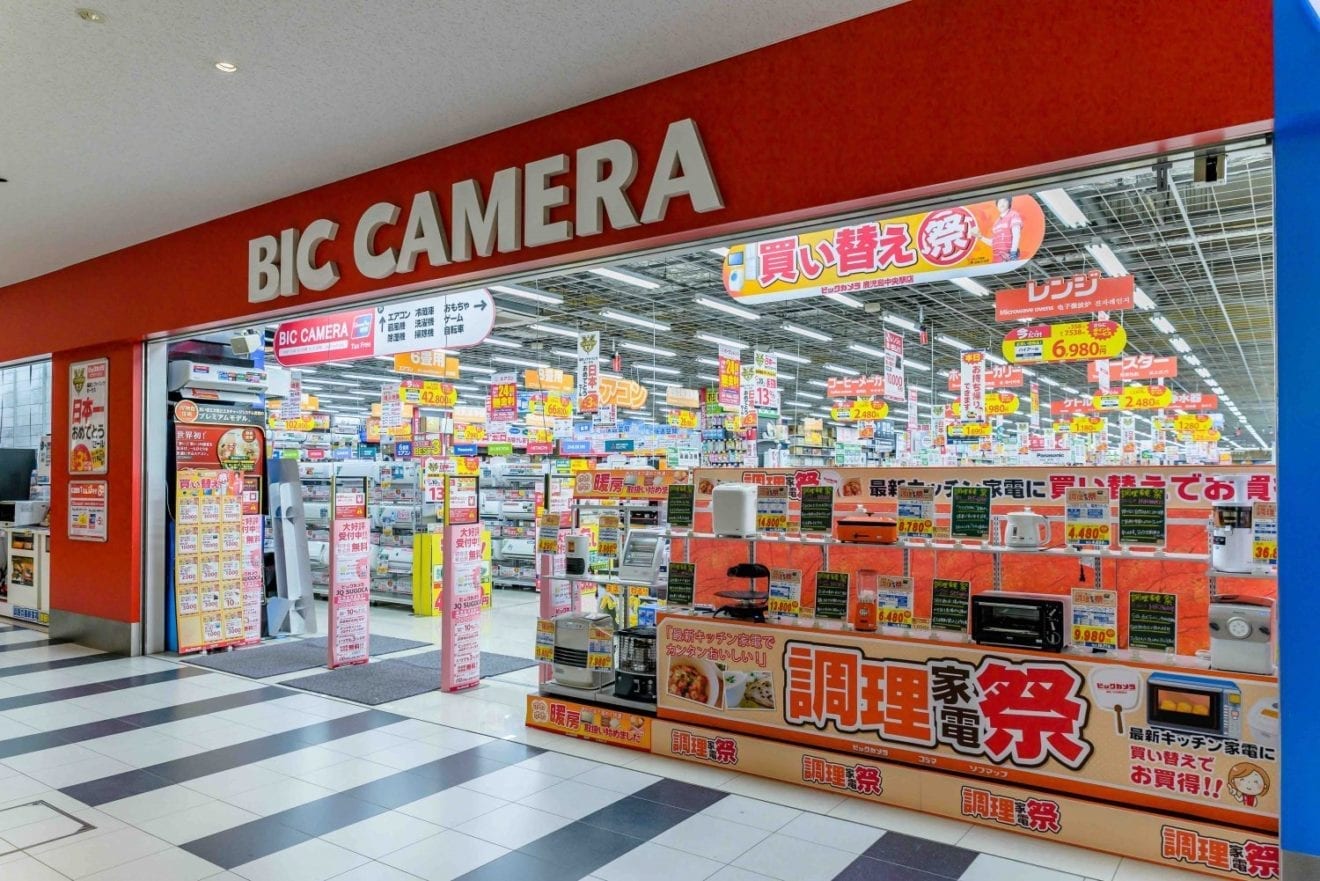
    Japanese electronics retailer Bic Camera will enable bitcoin payments across all stores in the country this month. Tokyo-based consumer electronics retail chain Bic Camera becomes the latest major retailer to accept bitcoin throughout Japan, a report confirmed today.

    The trial proved to be beyond successful.

    According to today’s report, the ‘more-than-expected’ popularity of bitcoin payments has led to Bic Camera expanding bitcoin payments at more than 40 stores domestically.

    Bic Camera first announced a trial run of accepting bitcoin payments from shoppers at the retail group’s flagship store in Tokyo and another store in the city. Customers could pay up to ¥100,000 (approx. $900) for purchases of consumer electronics such as cameras, laptops, audio equipment and more.

    The retailer partnered Tokyo-based bitFlyer, an industry startup and Japan’s largest bitcoin exchange, to install the point-of-sale (PoS) payments infrastructure. As a payments processor, bitFlyer’s gateway converts the bitcoin into fiat immediately upon payment. These fiat funds are then transferred to the retailer the following day. bitFlyer charges a 1% service fee on transactions.

    Bitcoin’s growing popularity in Japan, following recent legislation that acknowledged bitcoin as a legal method of payment, will also see Bic Camera accept bitcoin at 139 subsidiary Kojima stores in suburbs across Japan.

    Last month, bitFlyer’s chief financial officer Midori Kanemitsu revealed that the number of retail storefronts accepting bitcoin is “expected to rise to 300,000” this year. Japanese bitcoin startup BITPoint was revealed to be in discussions with a payments terminal operator that could see digital currencies accepted at hundreds of thousands of Japanese retailers.

    Japan also ended the 8% consumption tax on bitcoin purchases in July, making adoption attractive for new investors and consumers preferring cashless payments.

    All of this, at a time when the Japanese government is making marked moves toward embracing cashless payments by mandating a growth strategy to double digital payments over the next decade.