Tag: BMW

  • German Automotive Giants BMW, Mercedes, and VW Transform for a New Era of Innovation

    German Automotive Giants BMW, Mercedes, and VW Transform for a New Era of Innovation

    Under mounting pressure from Washington and Beijing, German automotive stalwarts BMW, Mercedes-Benz, and Volkswagen are stepping back into the limelight at IAA Mobility in Munich. With billions poured into new electric models and a refreshed global strategy, these industry titans aim to reaffirm their critical role in shaping the future of mobility.

    At the IAA Mobility, the local heavyweights take center stage, as BMW, Mercedes-Benz, and Volkswagen look to reclaim their spotlight amid fierce competition from a growing influx of Chinese brands. With 14 Chinese manufacturers showcasing their innovations, nearly half of all exhibitors hail from the East, challenging traditional automotive powerhouses in new ways.

    Reclaiming Ground on Home Turf

    The three German carmakers are leveraging the event to unveil their latest fully electric models, signaling their intent to keep Chinese competitors in check while also eyeing expansion into the U.S. market, despite the challenges of the ongoing trade war initiated by former President Donald Trump.

    The German automotive sector has faced tumultuous years marked by restructurings, job cuts, and strategic overhauls. The rise of Chinese manufacturers has intensified competition, compelling the industry to innovate rapidly. Initially burdened by hefty U.S. tariffs of 27.5 percent, later reduced to 15 percent but still looming, the industry has pivoted decisively toward electric drivetrains, software, and artificial intelligence.

    Volkswagen’s CEO, Oliver Blume, declared, “We are going on the offensive,” while Mercedes-Benz’s Ola Källenius portrayed a “wind of optimism” enveloping an industry that is investing like never before to face a rapidly changing landscape.

    French Motors Make a Splash

    Renault is also making its presence felt in Munich, showcasing its successful electric models such as the R5, Megane, and Scenic, while premiering the sixth generation of its renowned Clio. Celebrated for over three decades, the Clio now boasts over 33 percent recycled materials, a 160 hp hybrid drive, and upgraded connectivity features.

    The Chinese Challenge Intensifies

    Yet, the road ahead won’t be easy. Chinese brands have doubled their foothold in the European market over the past year, skyrocketing from 2.9 percent to 5.9 percent. Stella Li, vice president of BYD, the world’s largest seller of electrified vehicles, asserted, “BYD is here to stay.” In Munich, they are showcasing the innovative Seal 6 DM-i Touring plug-in hybrid, crafted in Hungary, along with cutting-edge charging technology that can provide 400 kilometers of range in just five minutes — talk about quick pit stops!

    Other hopefuls like Leapmotor are targeting younger buyers with stylish compact models, while Xpeng announces ambitions to enter 60 countries by the end of 2025, kicking off with Switzerland this month and launching a new AI-driven P7 sedan development center in Munich.

    BMW has unveiled its Neue Klasse iX3 SUV, boasting an impressive range of up to 800 kilometers and adding 369 kilometers in just ten minutes of charging—an homage to design aesthetics from the 1960s. Mercedes focuses on the electric GLC, featuring a 713-kilometer range alongside an illuminated Maybach-style grille. Meanwhile, Volkswagen is reviving its roots with the iD.Polo, expected to launch in 2026 at a price under 25,000 euros, including a sporty GTI variant.

    Volkswagen faces a dilemma, grappling with losses in China and significant expenses stemming from U.S. tariffs, which are especially affecting Audi and Porsche. Audi recently fell out of Germany’s leading DAX index, following a stock decline exceeding 45 percent since its IPO due to weak Taycan sales in the Chinese market and high costs associated with in-house EV development. Blume’s dual role as CEO of both Porsche and Volkswagen adds to the complexity.

    Amid these struggles, Volkswagen has over 5,000 employees at its Tennessee plant and is eyeing further investment, contingent upon positive signals from the U.S. market, though specifics remain under wraps.

    Questions & Answers

    What challenges are German automakers currently facing in the market?
    German automakers are contending with increased competition from Chinese manufacturers, significant losses in the Chinese market, and the financial burdens of U.S. tariffs that have weighed heavily on companies like Audi and Porsche.

    What new electric models are being introduced by the German carmakers at IAA Mobility?
    BMW premiered its Neue Klasse iX3 SUV with a range of up to 800 kilometers, Mercedes showed off the all-electric GLC with a 713-kilometer range, and Volkswagen is set to reintroduce the iD.Polo, a sporty model priced under 25,000 euros.

    How have Chinese automotive brands impacted the European market?
    Chinese brands have significantly increased their market share in Europe, doubling from 2.9 percent to 5.9 percent in just one year, showcasing a strong commitment to becoming key players in the region with innovative electric vehicles.
  • BMW narrows gap with market leader Mercedes in Vietnam’s luxury car scene

    BMW narrows gap with market leader Mercedes in Vietnam’s luxury car scene

    Mercedes, the best-selling luxury auto brand in Vietnam for years, is seeing BMW close the gap rapidly following the start of local production.

    Mercedes sold 3,416 units last year, a 57% decline from 2022 but still the highest for the seven luxury brands in Vietnam.

    BMW jumped from fourth place in 2022 to second last year with sales of 2,023, a 108% increase. It was the only brand to achieve an increase in sales.

    In third place was Lexus with 1,532 units, a marginal drop from 2022. Volvo, Audi, Porsche, and Land Rover followed it. Together the seven sold 8,638 vehicles, down 36%.

    Mercedes used to outsell BMW 6-8:1, but the gap has narrowed to around 1.5 times. Its share of the luxury auto market has dropped from 60% in 2022 to 40% while BMW’s has jumped from 7% to 23%.

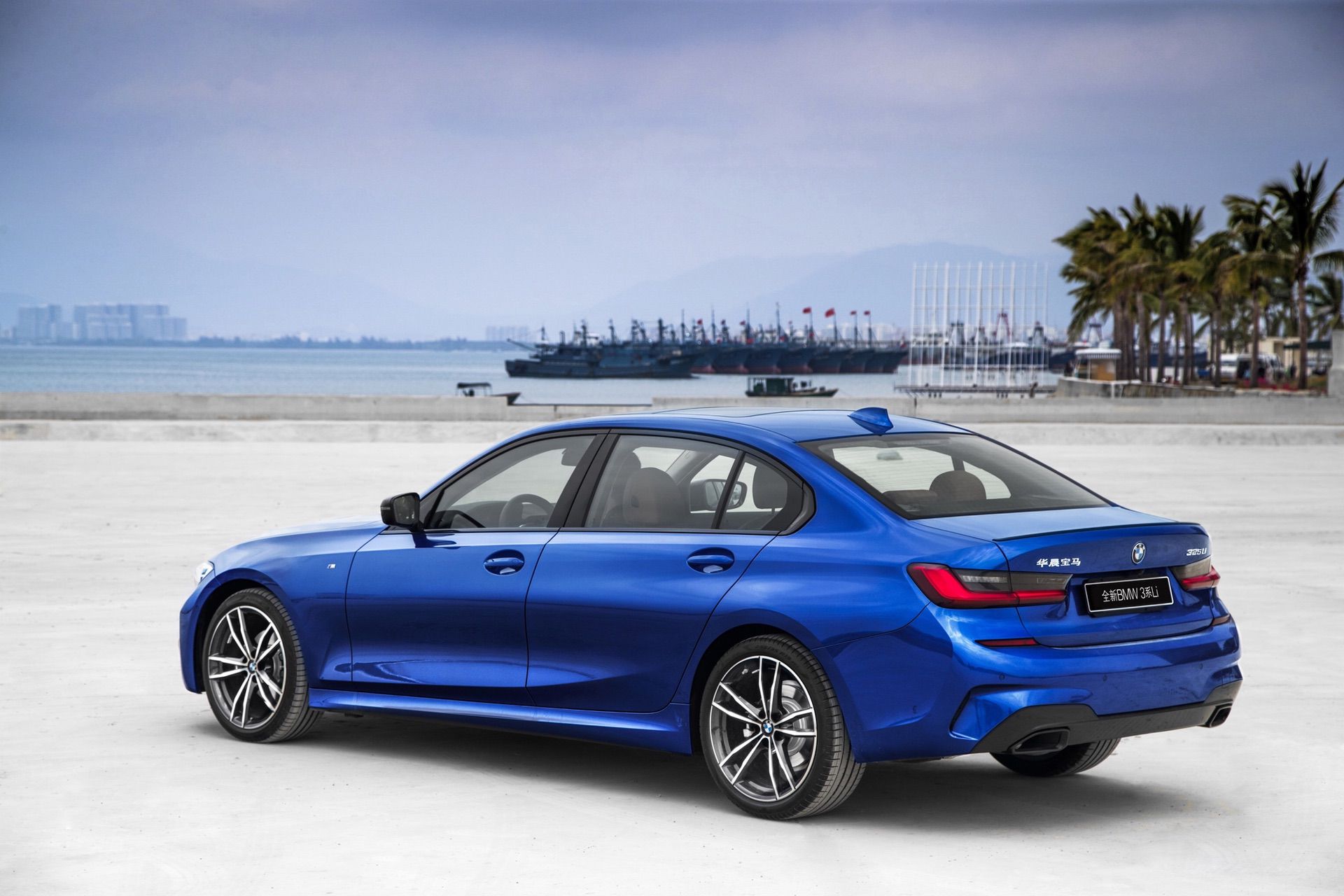
    The rise is attributed to BMW’s manufacture in Vietnam by Thaco. The first BMWs made in Vietnam were sold at the end of 2022, and now four models are sold at cheaper prices than imported units.

    Among the models are Series 3 and X3, which are considered the main competitors to Mercedes’s C-class and GLC.

    Brad Kelly, CEO of Mercedes Vietnam, said that the race between Mercedes and BMW has become more even and similar to their competition globally. But others in the luxury segment have also been gearing up.

    In March Audi opened its third showroom in HCMC and fifth in the country. It is in a residential area and includes a quick maintenance facility.

    This is its new type of urban showroom, and it plans to open more in Vietnam to reach 18 by 2032. Managing director of Audi Vietnam, Ferry Enders, expects luxury vehicle sales to surpass the auto industry average.

    Volvo Vietnam earlier this year opened its fourth showroom. Land Rover opened a showroom in Hanoi last year and plans to open one in HCMC latest by next year. Mercedes now has 17 showrooms and BMW, 15.

  • BMW Introduces Digital Key Plus For Android Smartphones

    BMW Introduces Digital Key Plus For Android Smartphones

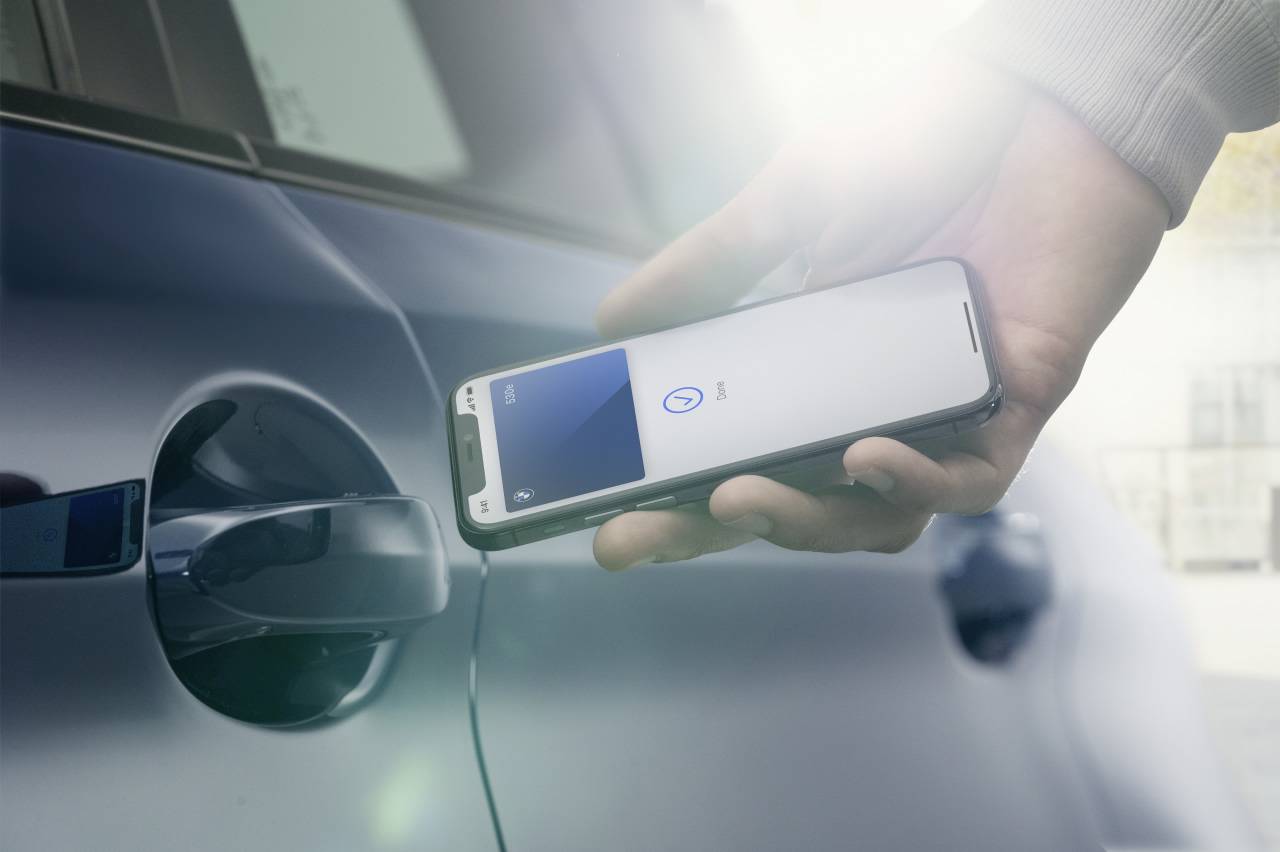
    BMW introduced the smartphone as a digital vehicle key in 2018 and since then the company has been pressing ahead with the development and popularisation of its BMW Digital Key feature. The feature was made available to iPhone users in January 2021, and BMW has now added the same feature to Samsung & Google Android phones as well. The BMW Digital Key Plus is a convenient and secure way to unlock and start your car without taking your smartphone out of your bag or pocket, similar to a physical key that supports keyless entry & start.

    The new, additional features enabled by the BMW Digital Key Plus are based on Ultra-Wideband technology. This short-range, high-bandwidth digital radio technology is characterised by an exceptionally precise localization with the greatest possible security. UWB’s precision also ensures that relay attacks, where the radio signal is jammed or intercepted, are not possible.

    With the Car Connectivity Consortium (CCC), BMW has been working closely with Google as well as Apple to develop the corresponding specification with partners and established it as a global standard for the automotive industry. This has also enabled secure, cross-platform sharing of Digital Key between iPhone and compatible Android devices via email, SMS or any other messaging service. Until now, the feature was restricted to only iPhone & Apple watch users, but it will now be added to Select Samsung & Google devices – running Android 13.1 or later – which include Samsung Galaxy S23+, S23 Ultra, S22+, S22 Ultra, S21+, S21 Ultra, Z Fold4, Z Fold3, Note20 Ultra, and Google Pixel 7 Pro & Pixel 6 Pro.

  • BMW Has Partnered With AirConsole To Deliver Games On Its EV Infotainment Systems

    BMW Has Partnered With AirConsole To Deliver Games On Its EV Infotainment Systems

    BMW has partnered with AirConsole which will enable the implementation of causal video games on infotainment systems of electric BWMs. Drivers and passengers of BMW vehicles can access the games. The partnership has happened via the BMW Startup Garage Program which works as a venture client unit for early stage startups. The BWM startup garage program takes startups that have graduated from accelerator programs and help them validate their prototypes.

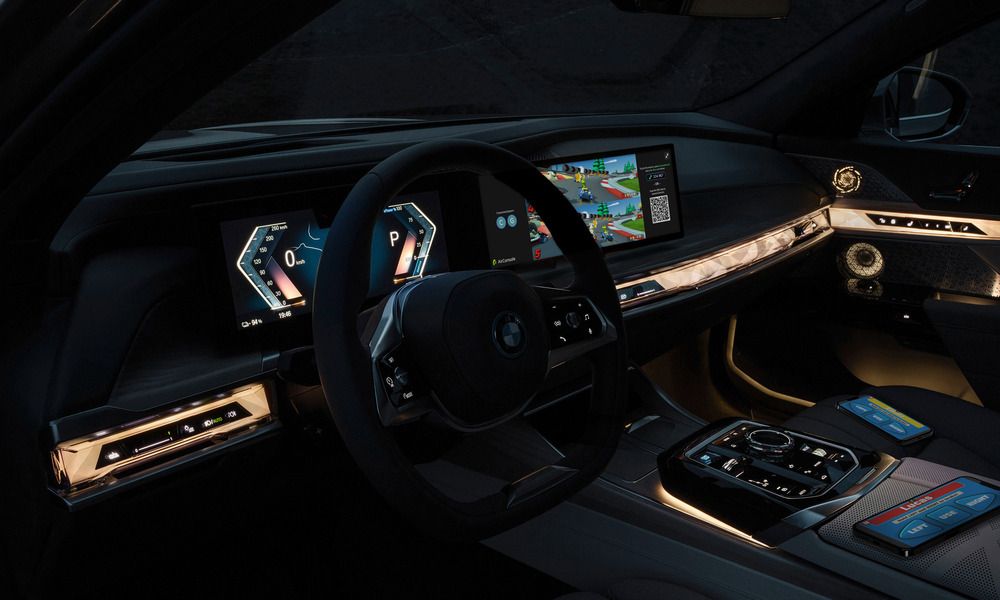
    New games will be added to BMW vehicles via over-the-air updates. The games will be available on BMW vehicles that have curved screens and its EVs. Drivers will only need their smartphone to use as a controller and they can connect to the system by scanning a QR code.

    “With AirConsole we will leverage innovative technologies combined with a broad variety of fun and multiplayer games. This will make every waiting situation inside the vehicle, such as charging, an enjoyable moment,” said Senior VP, Stephan Durach, who leads the connected company at BMW.

    BMW is looking to offer cordless console experiences to its customers in a bid to emulate what Tesla has achieved with its infotainment system.

    “We are extremely proud to spearhead gaming inside vehicles with BMW and are excited to create new games for in-car entertainment. Our ingenious architecture coupled with the ease of access of our platform will change the way people get entertained in their vehicles,” said Anthony Cliquot, the CEO of N-Dream.

    No word has been shared on to which games will be available at launch. AirConsole will share more information near the launch in 2023.

  • BMW To Create Up To 6,000 New Jobs Next Year

    BMW To Create Up To 6,000 New Jobs Next Year

    Germany’s BMW plans to create up to 6,000 new jobs next year to prepare for growing demand for its electric vehicles, the carmaker’s chief executive told daily Muenchner Merkur.

    BMW is on a very good path through the transformation and has its plants prepared for e-mobility, Oliver Zipse was quoted as saying in an interview published on Wednesday. “That is why we will increase our workforce by up to five percent next year.”

  • BMW’s CEO Expects Chip Shortage To Last Into 2023

    BMW’s CEO Expects Chip Shortage To Last Into 2023

    A shortage of semiconductors is likely to remain a problem for the auto industry into 2023, German carmaker BMW’s Chief Executive Oliver Zipse said in an interview with newspaper Neue Zuercher Zeitung (NZZ) published on Monday.

    “We are still in the height of the chip shortage,” Zipse was quoted as saying. “I expect us to start seeing improvements at the latest next year, but we will still have to deal with a fundamental shortage in 2023.”

    BMW said during its annual press briefing in mid-March that it expected the chip shortage to last throughout 2022.

    Zipse’s comments echoed similar statements by Volkswagen’s CFO Arno Antlitz on Saturday who said he expected that supply of chips would not be able to meet demand until 2024.

  • BMW To Create Up To 6,000 New Jobs Next Year

    BMW To Create Up To 6,000 New Jobs Next Year

    Germany’s BMW plans to create up to 6,000 new jobs next year to prepare for the growing demand for its electric vehicles, the carmaker’s chief executive said.

    BMW is on a very good path through the transformation and has its plants prepared for e-mobility, Oliver Zipse was quoted as saying in an interview published on Wednesday. “That is why we will increase our workforce by up to five percent next year.”

  • BMW Claims Outperforming Mercedes-Benz In Sales For The First Time In Six Years

    BMW Claims Outperforming Mercedes-Benz In Sales For The First Time In Six Years

    BMW AG is claiming that it outperformed Mercedes-Benz in terms of sales in 2021. The carmaker has beaten its German counterpart for the first time in the last six years as Mercedes-Benz had been the highest-selling luxury carmaker since 2015. Pieter Nota, Head Of Sales – BMW Group took to LinkedIn saying, “Proudly claiming number one position in the global premium automotive segment for the BMW brand in 2021,” Nota has credited the sales growth to the carmaker’s product range and operational performance.

    That said, BMW is yet to disclose the annual sales numbers of 2021 but has said that deliveries have been tracking ahead of the Daimler AG brand for much of this year. According to reports, the Bavarian carmaker has been comparatively less impacted by the semiconductor shortage crisis. In fact, there is a good chance that Mercedes-Benz’s sales have been impacted mainly due to the semiconductor issue that disrupted production. Mercedes on Monday said scarce supply of components will continue to grip the industry during the first half of the year.

    According to news reports, BMW will publish its full-year sales data on January 12 which is when we’ll get an idea of its sales. The carmaker delivered sold 1.7 million units in the first three quarters of 2021 and exceeded Mercedes-Benz’s by over 1.12 lakh units. Even in India, BMW Group recorded the highest ever sales growth in a decade this year at 35 percent selling 8,876 cars (BMW + MINI) and 5,191 motorcycles in 2021.

  • Electric Vehicle Battery Startup ONE Backed By BMW

    Electric Vehicle Battery Startup ONE Backed By BMW

    Michigan-based Our Next Energy, which is developing an advanced battery for electric vehicles, has raised $25 million from investors ranging from German automaker BMW to a clean technology venture firm headed by Microsoft co-founder Bill Gates, the young company said on Monday.

    Investors in ONE’s Series A round include BMW iVentures, Detroit-based Assembly Ventures and Chicago-based Volta Energy Technologies, which is partnered with Argonne National Laboratories. Another investor is Singapore-based electronics manufacturer Flex Ltd, which is also a strategic partner with ONE.

    The round was led by Breakthrough Energy Ventures, the investment arm of Breakthrough Energy, founded by Gates in 2015 to support and fund innovations to counter climate change. Among the Kirkland, Washington company’s investments: Battery recycler Redwood Materials, electric aircraft maker ZeroAvia and solid-state battery developer QuantumScape.

    ONE, a year-old startup that only recently emerged from stealth mode, is working on a dual battery that combines a structural cell-to-pack design that uses cobalt- and nickel-free cathodes, with a second, high-energy pack that can recharge the first, potentially doubling vehicle range to 750 miles.

    ONE founder and chief executive Mujeeb Ijaz, a battery systems engineer with more than 30 years’ experience at Ford Motor Co, Apple Inc and A123 Systems, said of the financial backers, “We wanted to surround ourselves with people who are in this for the long term. They can help our company grow, and they are also magnets for other technology.”

    The new investment will help fund research and development, ranging from battery software and power electronics to artificial intelligence and machine learning, Ijaz said.

    “We plan to go from raw materials all the way to (battery) cell manufacturing,” he said, adding that ONE may seek additional funding and partners next year to help the company scale-up manufacturing.

  • Land Rover Range Rover Teased Ahead Of Debut

    Land Rover Range Rover Teased Ahead Of Debut

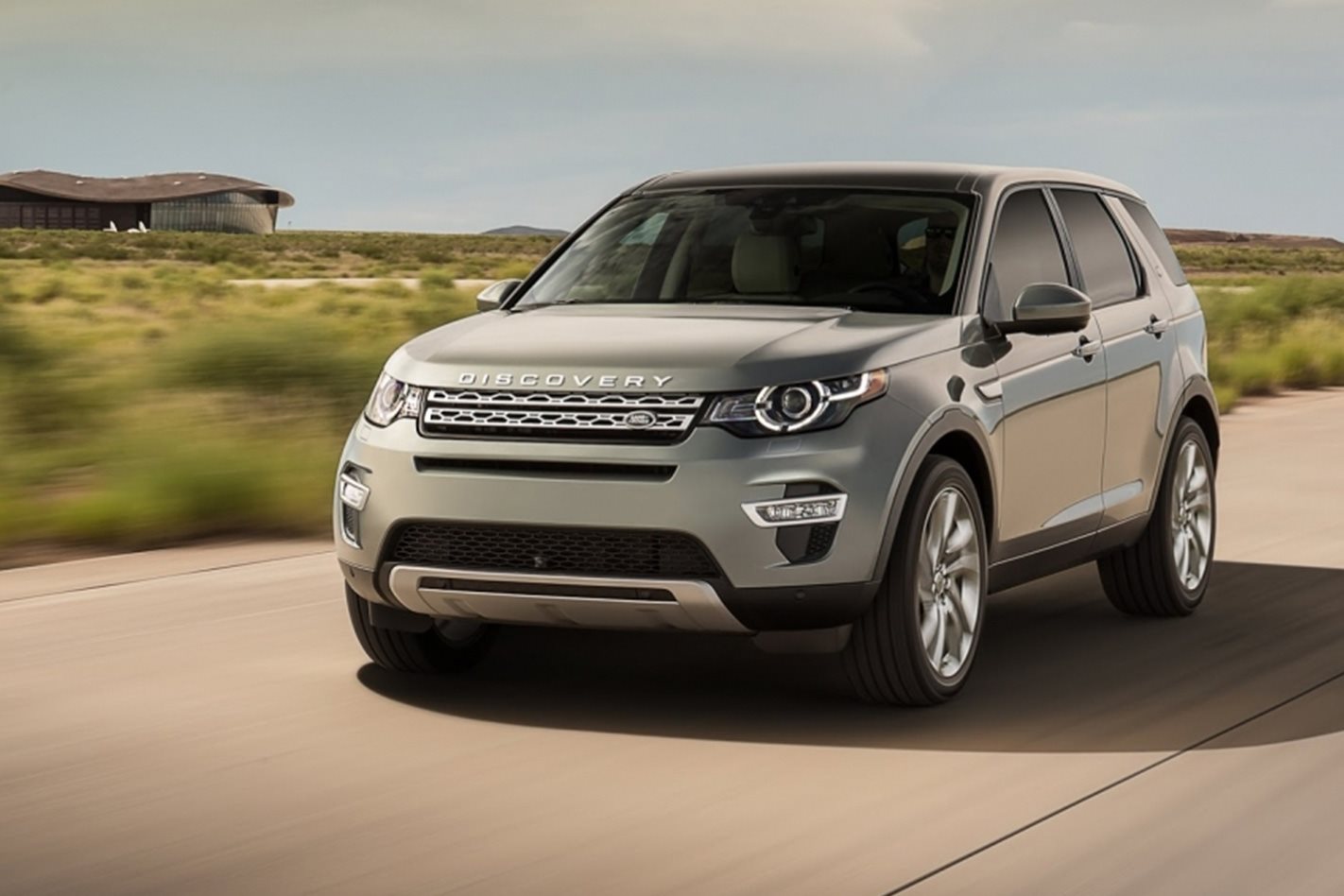
    The Land Rover Range Rover is no ordinary SUV and the arrival of the new-generation model is always special. It’s one of the oldest brands in the full-size luxury SUV segment and the next-generation model will rival the likes of the Mercedes-Maybach GLS and BMW X7 and other premium SUVs like the Aston Martin DBX, Porsche Cayenne, and even the Lamborghini Urus gave its pricing. Land Rover has released the first teaser of the 2022 Range Rover which is a new-generation model and is all set to make its official debut on October 26, 2021.

    Now the teaser image doesn’t give us much insight of the design but we get a sense that the overall silhouette has been retained. That said, expect to see some significant updates made to the front end and even at the rear. The bronze color SUV in the teaser image also gives us an idea that Land Rover might introduce some new body colors on the new Range Rover. Then, it is also expected to be an all-new model by transitioning to Jaguar Land Rover’s new MLA platform. Then, the 2022 Range Rover will be offered with a variety of powertrain options which will include plug-in hybrid (PHEV) as well, and of course in both configurations. The latter is probably scheduled to arrive later in the model’s life cycle. And finally, expect a performance version as well with the 4.4-liter, twin-turbo V8 engine sourced from BMW.

    Switching to the new platform should bring some significant updates as well like more room on the inside where a potential increase in the vehicle’s size is expected. Land Rover’s latest Pivi Pro infotainment system is one of the safest guesses on the inside, given its flagship status and some variants are also rumored to get rear-wheel steering offering tighter turning radius at lower speeds and better agility at higher speeds

  • BMW And Volkswagen Join Quantum Technology Consortium

    BMW And Volkswagen Join Quantum Technology Consortium

    BMW and Volkswagen have joined the Quantum technology consortium which features 10 German corporations that strive to develop quantum computing applications for vehicles. The Quantum technology and application consortium (QUTAC) will develop further the fundamentals of quantum computing and applications that could be used in the automotive space.

    The founding members of this consortium include BASF, BMW, Boehringer, Ingelheim, Bosch, Infineon, Merck, Munich Re, SAP, Siemens and Volkswagen Group.

    “It is clear to the BMW Group that quantum computing is a pioneering technology that holds great potential for a multitude of applications – from materials research to battery cell chemistry and the future of automated driving using quantum machine learning,” says BMW’s Frank Weber.

    “This technology is at an early stage of development and we want to provide the best possible support for cutting-edge research and its transfer into industrial applications,” he added.

    The stimulus and future package that the German government has released accommodates for a boost in the development of Quantum Computer technology. The intent is to work together, identify, develop, run trials and share new-age applications. Applications could be developed for logistics, transport, chemicals and the financial sector which these German corporations can explore. The results and decisions that the consortium comes up with are intended to benefit all participants in the ecosystem, especially in Germany. The QUTAC has to set forth specific steps – which includes the need for the identification of quantum computing in the German economy, and the identification of applications and their implantation at an industrial scale.

  • BMW Expects At Least Half Of Sales To Be Electric Cars By 2030

    BMW Expects At Least Half Of Sales To Be Electric Cars By 2030

    BMW expects at least half of its sales to be zero-emission vehicles by 2030, setting a more conservative target than some rivals in the race to embrace cleaner driving. In the short term, the German carmaker forecast on Wednesday a big rise in pretax profit for this year, with a strong performance in all areas – from MINIS through its upmarket BMW brand to top-of-the-range Rolls-Royces. Its shares rose as much as 4.9% to a 2-1/2 year high of 84.42 euros, buoyed by its forecast for a strong recovery from a pandemic-hit 2020.

    BMW said around 90% of its market categories would have fully-electric models available by 2023 and the electric BMW i4 would be launched three months ahead of schedule this year.

    Bernstein analyst Arndt Ellinghorst said BMW had entered 2021 “very confidently.” “In terms of electromobility, BMW is making good progress and is taking significantly fewer risks than VW,” he said.

    Volkswagen has said it expects 70% of European sales at its core VW brand to be electric by 2030 and this week unveiled ambitious plans to expand in electric driving – including building half a dozen battery cell plants in Europe – sending its shares sharply higher.

    BMW said around 90% of its market categories would have fully-electric models available by 2023 and the electric BMW i4 would be launched three months ahead of schedule this year. The carmaker said its MINI brand would be fully electric “by the early 2030s” and electric models would account for at least 50% of group deliveries by 2030.

    When asked if BMW could set a date for ending sales of internal combustion engines, as some rivals have, Chief Technology Officer Frank Weber said: “it’s not us who decides on the end of the internal combustion engine, but it’s the markets.”

    In an industry chasing electric carmaker Tesla and facing tightening CO2 emissions standards in Europe and China, some automakers have promised a faster shift in technology, despite the huge costs and manufacturing changes involved.

    Sweden’s Volvo said this month its lineup would be fully electric by 2030, and Ford said in February its lineup in Europe would be too. Sales of electric and plug-in hybrid cars in the European Union almost trebled to over 1 million vehicles in 2020 and accounted for more than 10% of overall sales, taking zero-emission models from niche products into the mainstream.

    Chief Executive Oliver Zipse told a news conference that BMW could accelerate its plans if consumers embraced electric models more quickly than expected.

    “Should demand in certain markets shift completely to fully electric vehicles in the coming years – we can deliver,” he said.

    Last week, BMW said 2021 had started well after its profit recovered in the second half of 2020 from pandemic shutdowns, thanks largely to strong sales in China.

  • BMW’s New-Gen iDrive System To Provide Level 2 Autonomous Capability

    BMW’s New-Gen iDrive System To Provide Level 2 Autonomous Capability

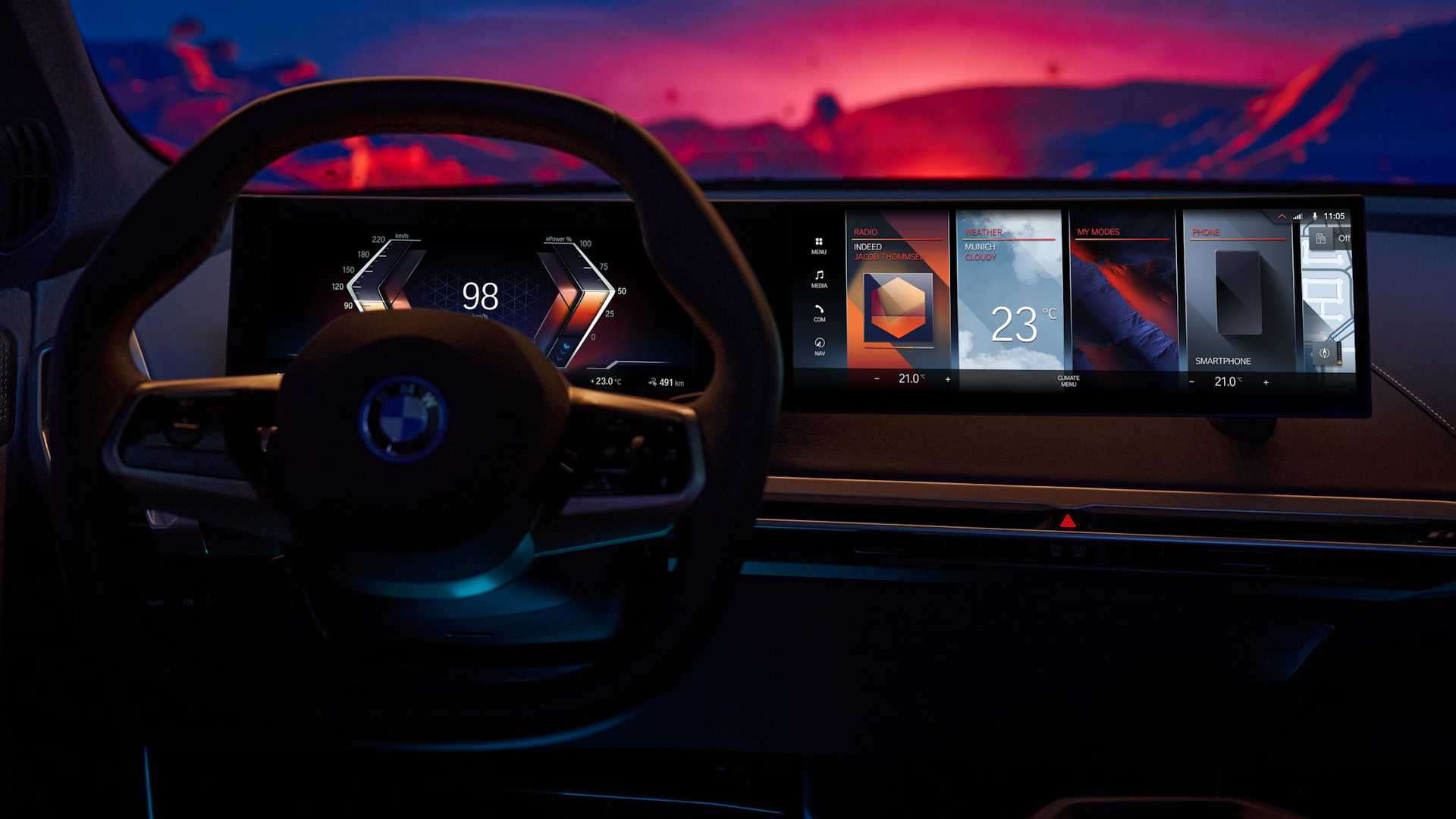
    BMW has shown off its next-generation iDrive system, which is the software and hardware platform which comprises the infotainment system and in-car experience that has been prevalent since the dawn of the new millennium. Now, approaching its eighth generation, it has a new curved display that starts behind the steering wheel extending across the dashboard.

    BMW has basically merged the 12.3-inch instrument cluster with the 14.9-inch infotainment system — curved into a single unit facing the driver. Of course, not every vehicle will have the same screen size, but the panels will have the appearance of being “floating”.

    This new system will debut on the iX electric SUV as well as the i4 electric sedan. The big deal here is that the onboard computer will be able to process 20 to 30 times, more data than the previous models. This will enable greater synergy with the sensors that the cars will come equipped with enabling higher levels of autonomy.

    BMW’s chief technology officer Franker Weber himself describes the new iDrive as a major step towards fully autonomous technology — with support for level 2 and level 3 systems.

    “It is not an evolutionary step from what we had in the previous generation,” Weber said. “It’s an all-new, all-new system when it comes to sensors, computing, and the way it was developed,” he added.

    Level 2 systems include lane-keeping, blind-spot detection, automatic emergency braking, and adaptive cruise control. Level 3 autonomous driving involves more automation called conditional automation where the driver still has to be in a position to take over the control of the vehicle when requested. This feature is however is contingent on approval from local authorities.

    Weber hasn’t confirmed whether BMW will be providing access to level 3 automation however, he has hinted that level 3 testing is ramping up on the new version of iDrive.

  • BMW Group Invests In Innovative Method For CO2-Free Steel Production

    BMW Group Invests In Innovative Method For CO2-Free Steel Production

    The BMW Group announced that it is investing in an innovative method for CO2-free steel production developed by American startup Boston Metal, through its venture capital fund, BMW i Ventures. Over the coming years, Boston Metal plans to expand the new method for steel production on an industrial scale. The investment is part of the BMW Group’s far-reaching sustainability activities aimed at significantly reducing CO2 emissions across the supplier network.

    With its versatile properties, steel is one of the most important materials in car production and will be no less important for future vehicle generations. Even with the dynamic ramp-up of electromobility, steel will remain an important building material for car bodies and many components. BMW Group press plants in Europe process more than half a million tonnes of steel per year.

    The blast furnaces used in conventional steel production generate carbon dioxide. The startup Boston Metal uses electricity for its new technology, which, by means of an electrolysis cell, produces molten iron that is later processed into steel. If electricity from renewable energies is used for this process, then steel production is carbon-free. The young company will build demonstration facilities for this process over the next few years and further develop it for use on an industrial scale.

    The BMW Group established close contact with Boston Metal already last year in the context of its own research activities and through the BMW Startup Garage. The company is now investing in the startup as part of its i Ventures activities.

    To safeguard reserves of raw materials, the BMW Group has set itself the goal of further increasing its percentage of recycled raw materials, so-called secondary material, by 2030 and using raw materials multiple times in a circular economy.

    All steel waste produced at the press plants – for example, when doors are punched out – is either reused through a direct material cycle or sent back to the steel producer via steel traders and processed into new steel. The use of secondary material reduces CO2 emissions substantially compared to primary material, conserves natural resources and also reduces the amount of energy needed for production.

  • Motorbike sales slump, blamed on pandemic

    Motorbike sales slump, blamed on pandemic

    Motorbike sales fell 16.6 percent to 2.71 million units last year, according to the Vietnam Association of Motorcycle Manufacturers.

    The industry group comprises five major companies, Honda, Piaggio, Suzuki, SYM, and Yamaha, who account for most of the market.

    Industry insiders said sales fell in double digits because of the Covid-19 pandemic, which hit people’s incomes.

    Although VAMM’s report did not list each company’s sales, Honda said it accounted for nearly 80 percent.

    Other brands not included in report were VinFast, Kymco, BMW Motorrad, Ducati, Harley-Davidson, Kawasaki, and others.

    In the second half last year several companies introduced.