Retail News CRM

Tag: BMW

  • BMW recalling 154,472 vehicles over fuel pumps

    BMW recalling 154,472 vehicles over fuel pumps

    BMW is recalling 154,472 vehicles registered in the United States and Canada for a fuel pump problem that could cause stalling, according to a filing with U.S. safety regulators and BMW.

    BMW told regulators that no injuries have been reported. Since 2014, the German-based company has conducted safety recall campaigns in China, Japan and South Korea for the same issue, according to a filing posted on Friday by the U.S. National Highway Traffic Safety Administration.

    Of the vehicles recalled in North America, 88 percent are registered in the United States.

    BMW is recalling certain vehicles in the United States and Canada for model years 2007-2012. Among them in the United States are the X5 3.0si, X5 4.8i, X5 M, X5 xDrive30i, X5 xDrive35i, X5 xDrive48i and X5 xDrive50i, 2008-2011 X6 x Drive35i, X6 xDrive50i and X6 M, 2010-2011 X6 ActiveHybrid, according to the filing.

    Also the 535i xDrive Gran Turismo, 535i Gran Turismo, 550i xDrive Gran Turismo and 550i Gran Turismo, 2011-2012 528i, 535i, 535i xDrive, 550i and 550i xDrive and 2012 535i ActiveHybrid, 640i Convertible, 650i Convertible, 650i xDrive Convertible, 650i Coupe and 650i Coupe xDrive vehicles.

    BMW will notify owners and dealers to replace a fuel pump module free of charge beginning in early December. BMW owners can call BMW customer service for details.

  • BMW recalls 110,000 cars in Japan over Takata airbags

    BMW recalls 110,000 cars in Japan over Takata airbags

    BMW Group said today it is recalling about 110,000 cars in Japan over potentially faulty airbag inflators made by Takata Corp., as part of the auto industry’s largest ever global call back.

    The automaker recalled 44 models including its 1-series 116i and 118i hatchbacks and the 3-series 320i sedan to replace passenger-side airbags made by the supplier, according to a filing to Japan’s transport ministry.

    Affected vehicles were produced between 2004 and 2012.

    Defective Takata airbags have been linked to at least 14 deaths and 150 injuries worldwide as the ammonium nitrate-based propellant used in its inflators has a tendency to explode following prolonged exposure to hot, humid conditions, spraying metal shrapnel at the car’s occupants.

    Today’s recall comes after Japan’s transport ministry in May ordered automakers to recall an additional 7 million vehicles in Japan equipped with Takata airbag inflators which do not contain a drying agent, in phases by 2019, following an expanded recall by U.S. authorities.

    Battered by the recalls, Takata is looking for a financial backer to help overhaul its business and carry ballooning costs as its stock price has crumbled almost 90 percent since early 2014 and it faces potentially billions of dollars of liabilities.

  • Tesla may open first dealership in Korea

    Tesla may open first dealership in Korea

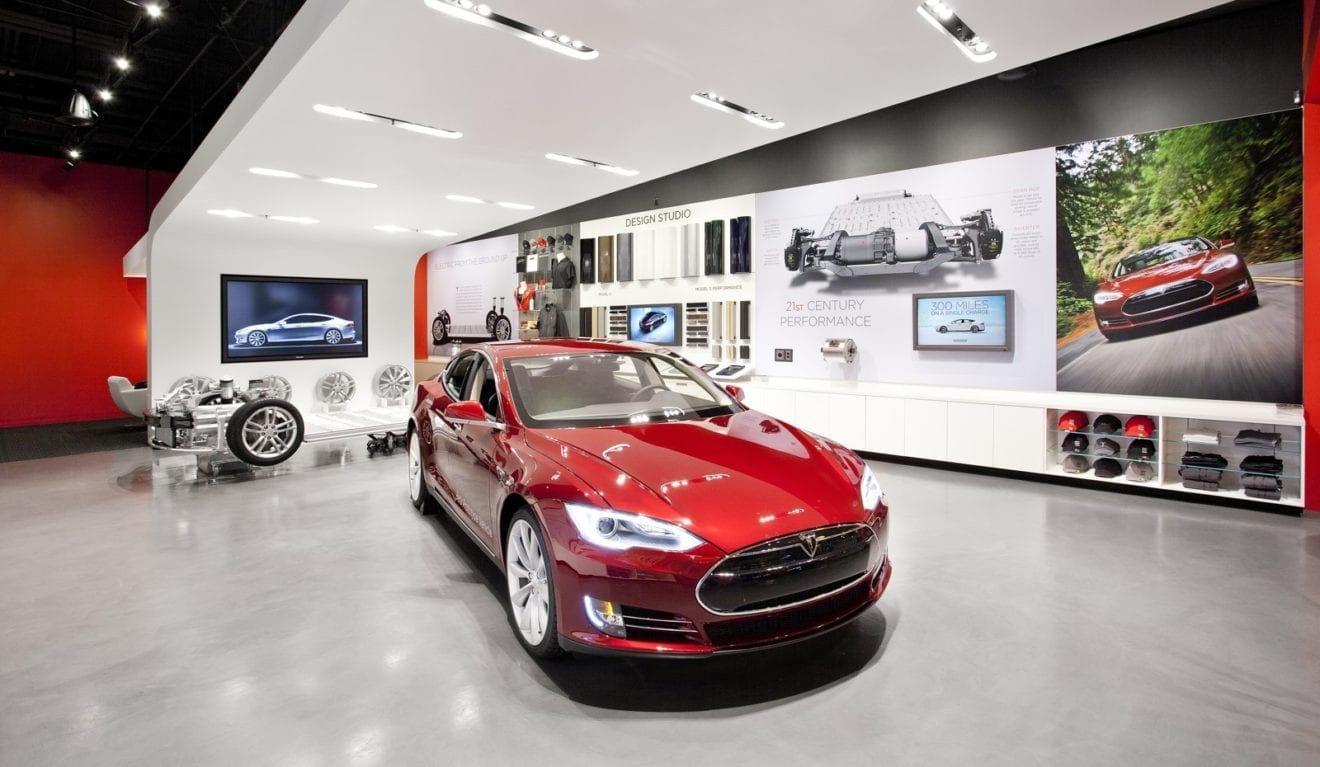
    Tesla Motors, the Silicon Valley-grown electric vehicle manufacturer, may open its first Korea dealership in a Shinsegae Group shopping complex within this year.

    “The talks are positive, for sure, but the final confirmation has yet to be reached,” said a Shinsegae Group spokesperson.

    “If the final confirmation is made, Shinsegae Property, which is pursuing the deal with Tesla, will give us notice,” he added.

    According to industry sources Thursday, if negotiations succeed, Tesla will open its first Korean dealership in Shinsegae’s Starfield Hanam shopping complex in Gyeonggi as early as November. The complex is a 30-minute drive from Seoul’s Gangnam District.

    Tesla CEO Elon Musk also confirmed Seoul as one of his next targets along with Taipei and Mexico City for the company’s high-end electric vehicles.

    “We are also accelerating store openings and plan to add a new retail location every four days on average during the remainder of Q3 and through Q4,” said Musk in an earnings report distributed Wednesday.

    “We are adding stores in new population-dense markets like Taipei, Seoul, and Mexico City, while also adding stores in our most mature markets like California,” he added.

    Scheduled to open early next month, Starfield Hanam is Shinsegae Group Vice Chairman Chung Yong-jin’s ambitious project to make a retail complex that includes not only shopping venues but all sorts of entertainment- and leisure-related facilities such as a waterpark, cinema and aquarium. Korea doesn’t have such a complex.

    In addition to offering some 750 retail brands, the complex will also house Asia’s first BMW dealership that handles both the original BMW and Mini vehicles. Luxury motorcycle brand Harley Davidson will have a store that displays not only vehicles but also its clothes and accessories lines.

    Since last December, Tesla has been gearing up to enter Korea by registering the corporate name Tesla Korea Limited and sending out job advertisements for car dealers and mechanics.

    Korea’s retail giants have been sending out feelers to the prestige car company, counting on its attractiveness to the general public.
    Lotte World Mall in Jamsil District, eastern Seoul was considered a candidate to house a Tesla shop, but the negotiation fell apart early this year.

    Opening an independent dealership in Gangnam District was raised as another possible choice and Tesla is still reported to be considering that option.

    Tesla is known for a unique way of directly operating and managing its branches, instead of franchising dealerships as most carmakers do.

    Its first New York showroom, which Musk located in the funky Red Hook neighborhood of Brooklyn earlier this year, symbolizes the concept. It shows that a Tesla shop is not exclusively for car shoppers but is open to anyone interested in futuristic car technology. That also explains why many Tesla dealerships are in U.S. shopping malls.

    “The quality of our new locations is also improving as many shopping malls now consider us the new standard for an anchor tenant based on the amount of foot traffic that we draw and our very high revenue per square foot,” said Musk in the earnings report released Wednesday.

    If Shinsegae’s negotiations with Tesla succeed, its shop in Starfield Hanam will operate as a display until the Korean government allows the luxury electric vehicles on Korean roads

    In the meantime, Tesla’s second quarter earnings announced on Wednesday fell short of analysts’ expectations. It posted a $293 million net loss in the second quarter, a more than 60 percent drop compared to last year’s Q2 operating loss of $184 million.


  • BMW to develop driverless car technology with Intel, Mobileye

    BMW to develop driverless car technology with Intel, Mobileye

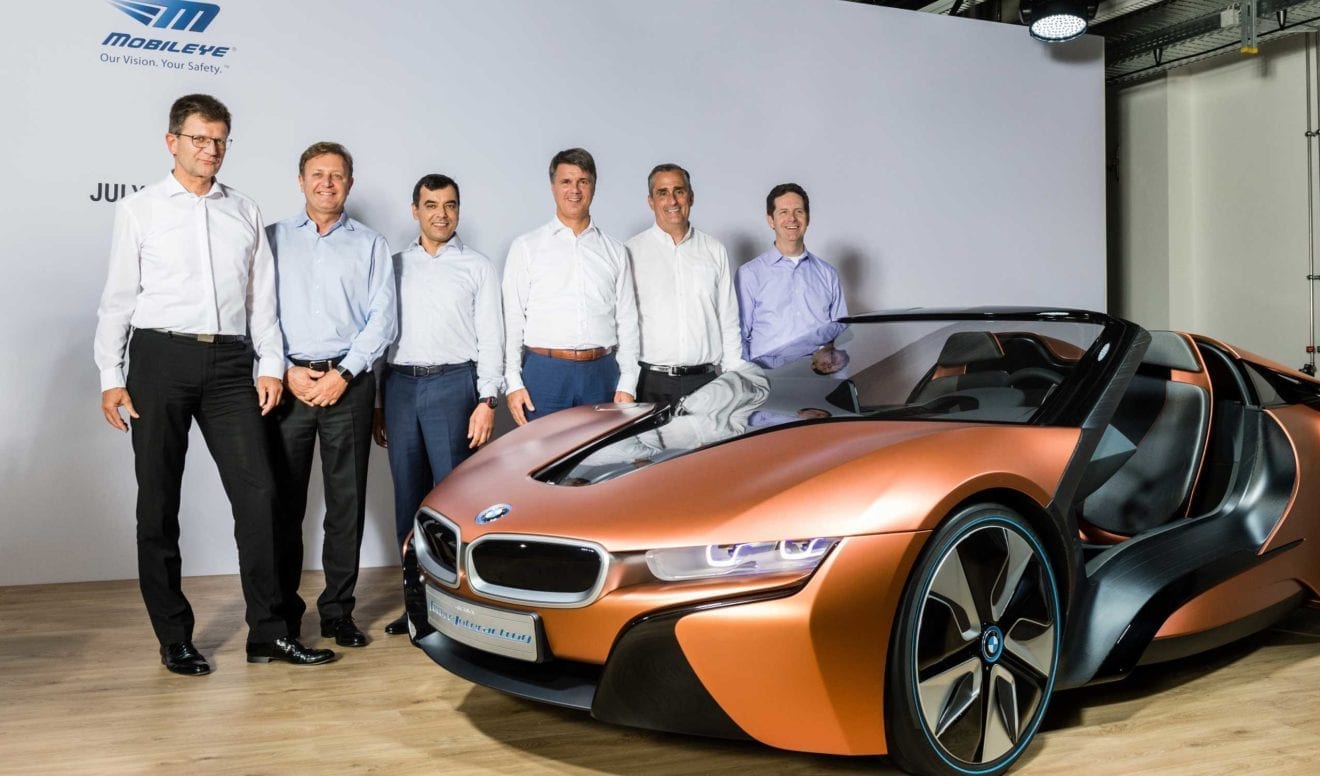
    BMW is teaming up with Intel and Mobileye to develop new technology for the auto industry that could put self-driving cars on the road by around 2021.

    The alliance highlights a shift in the dynamics of research and development in the car industry, which until recently saw automakers largely dictating terms for suppliers to manufacture their proprietary technologies at specified volumes and prices.

    Now carmakers are increasingly striking up partnerships with technology firms using open technology standards, seeking to harness their expertise in areas including machine learning and mapping as they race against Silicon Valley companies such as Google, Tesla and Apple to develop driverless vehicles.

    “Highly autonomous cars and everything they connect to will require powerful and reliable electronic brains to make them smart enough to navigate traffic and avoid accidents,” Intel Chief Executive Brian Krzanich said on Friday at a joint news conference announcing the alliance.

    The three companies said their new platform would be made available to multiple carmakers and they expected vehicles with highly and fully-automated driving would be brought into mass production by 2021. It is too early to say which other carmakers would join the alliance, BMW Chief Executive Harald Krueger said at a news conference on the outskirts of Munich on Friday.

    Sophisticated cruise control systems already enable “hands off” driving as cameras and computers allow cars to automatically brake, steer and accelerate in traffic at low speeds. But drivers are required to stay in control.

    Now BMW, Intel and Mobileye will develop cars with even higher levels of automation described as “eyes off,” “mind off,” and “driver off”. This requires much more computing power and software know-how, forcing traditional carmakers to collaborate more closely with technology specialists.

    Both industries see huge revenue opportunities in the market for autonomous vehicles, although it is unclear how many drivers will be prepared to relinquish control and how quickly laws will be put in place to allow fully autonomous vehicles on the roads.

    But creating common technology standards would help all manufacturers update their vehicles faster, Intel Chief Executive Brian Krzanich said. “That will be critical for advancing the safety aspects of this.”

    A common approach to standards will also make it easier for regulators to understand and approve the roadworthiness of a vehicle while still leaving enough scope for individual car manufacturers to customize their cars, Mobileye Chairman Amnon Shashua said.

    Beyond technological hurdles there are legal questions over who is responsible when a crash occurs. On Thursday, the driver of a Tesla Model S car, operating in Autopilot mode, was killed in a collision with a truck in the United States, prompting an investigation by federal highway safety regulators.

    When asked about the crash, BMW CEO Harald Krueger said: “The accident is very sad …. We believe today the technologies are not ready for series production,” he added, explaining the alliance had not forecast that until 2021.

    “For the BMW group, safety comes first,” he said.

    As part of the new alliance, Intel, the world’s largest computer chip maker which has been looking to expand into the automotive electronics market, will supply the microprocessors – or central processing units – to control an array of sensors.

    Auto camera and software maker Mobileye will supply its Road Experience Management (REM) technology and make its latest EyeQ5 chip available to be deployed on Intel computing platforms.

    The three companies said they would demonstrate their technology in a prototype in the near future.

  • The next Korea’s largest retail multiplex

    The next Korea’s largest retail multiplex

    Shinsegae Group will open a multiplex shopping mall in Hanam in South Korea’s Gyeonggi province, around September.

    It says it will be the country’s biggest shopping multiplex with a dining area bigger than the Olympic stadium in Seoul. It will have four storeys above ground and another four below.

    As well as luxury brands, the mega-mall will even have vehicle showrooms including BMW, Hyundai and Harley Davidson.

    A Shinsegae department store and wholesale retailer E-mart Traders will bookend the mall.

    On the rooftop will be outdoor swimming pools and spas, while the fourth floor will feature a sports area with badminton, basketball and tennis courts.

    Shinsegae CEO Chung Yong-jin says the mall will be the culmination of the group’s retail know-how.

  • BMW revamps “i” electric car division to focus on self-driving tech

    BMW revamps “i” electric car division to focus on self-driving tech

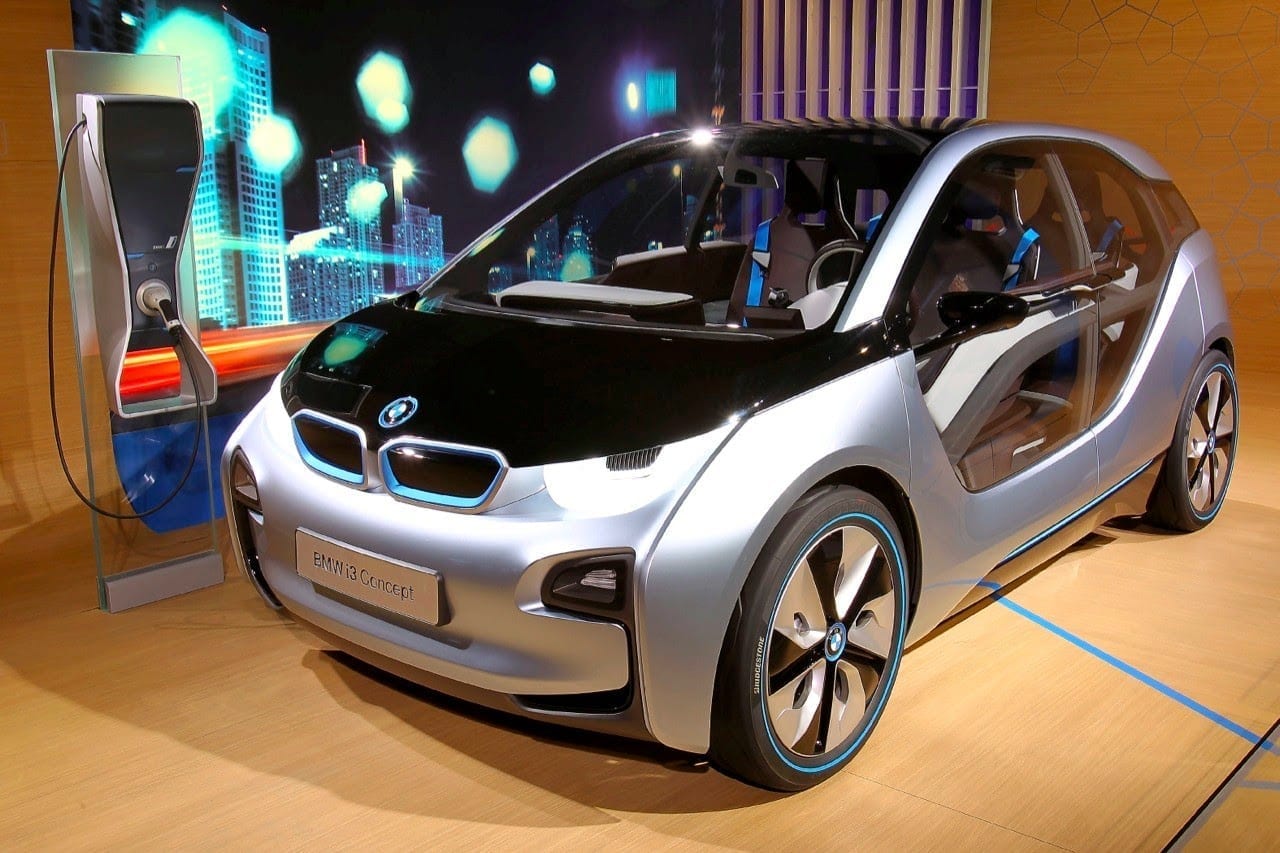
    BMW has transformed its “i” division into a development center for self-driving cars, a board member told Reuters, a major strategic shift for the unit previously focused on making a family of lightweight electric vehicles.

    While Tesla’s (TSLA.O) Model 3 will hit showrooms in 2017, and as rivals Porsche and Audi are working on all-electric cars for release by 2019, the German carmaker appears to have put such cars on the back burner. Its next fully-electric car is not due until 2021.

    The company has changed tack after its only fully battery-powered car, the i3, failed to gain traction with the public, with only 25,000 sales last year. By contrast, Tesla has already received more than 370,000 orders for its Model 3.

    Now, rather than seeking to match the likes of Tesla and Porsche with a new zero-emissions sports limousine for release within the next two years, its main focus will be on developing an electric car with the next generation of technology: autonomous driving.

    In an interview at the company’s headquarters in Munich, BMW board member Klaus Froehlich, who is in charge of development, said he had relaunched the i division in April as a unit devoted to producing cars that drive themselves.

    “It is now in ramp-up stage. We call it Project i Next.”

    The revamp also follows at least four high-profile staff defections from the division this year. Dirk Abendroth, manager of BMW’s “i” powertrain group, Henrik Wenders, vice president product management BMW “i”, and Carsten Breitfeld, vice president engineering, head of the i8 vehicle program, were poached by a Chinese electric vehicle startup.

    As part of its autonomous driving push, BMW is hiring experts in machine learning and artificial intelligence. It is also integrating the functions of existing computer driven assistance systems like cruise control, emergency braking, lane-keeping support and automatic parking.

    RIDE-HAILING

    With a fully autonomous vehicle, BMW could launch a ride-hailing business without having to pay drivers, Froehlich said, giving carmakers a competitive edge over new ride-hailing companies like Uber [UBER.UL] and Lyft which are eroding car sales by making part-time use as convenient as ownership.

    Earlier this month Toyota Motor Corp (7203.T) said it would invest in Uber, and Volkswagen (VOWG_p.DE) announced a $300 million investment in Gett, a smaller ride-sharing company.

    BMW too may partner with a ride-hailing firm, particularly in markets like China, but the Bavarian carmaker’s strategy on potential partnerships with companies in this space is still being worked on, Froehlich said.

    Sales of highly autonomous vehicles – ones where permanent active input from the driver is not required – are not expected to gain traction until 2020, but could then rise to around 9 million a year by 2025, according to analysts at Exane BNP Paribas.

    China, the world’s largest car market, is likely to be the market where autonomous cars will first emerge on a large scale, Froehlich said.

    “China is extremely fast implementing technology. Last year more electric cars were sold in China than in all the other global markets combined,” he added.

    BMW is also considering expanding in the area of reserving parking spaces and electric car charging stations over mobile phones, a market which is still fragmented within countries. The carmaker has already invested in ParkNow and Parkmobile, two digital parking and payment services.

    “We want to actively participate in a consolidation process,” Froehlich said.

  • Mercedes puts up fight in China

    Mercedes puts up fight in China


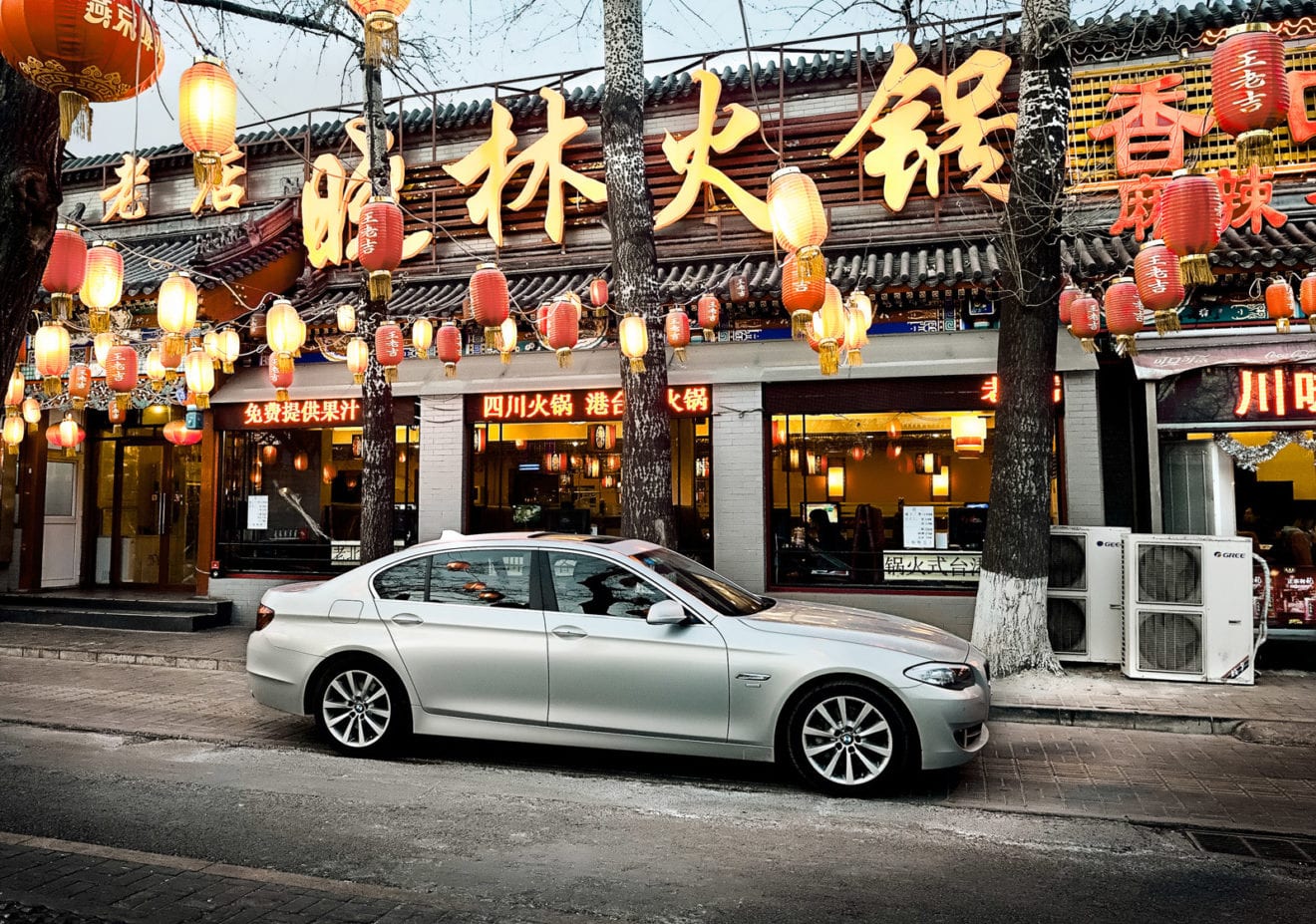
    BMW and Mercedes — China’s No. 2 and No. 3 luxury brands — were virtually dead-even in that market last month, selling roughly 35,000 vehicles apiece.

    But Mercedes sales jumped 32 percent year on year, while BMW deliveries fell more than 7 percent. Audi, China’s top-selling luxury brand, boosted sales 9 percent to 49,576 vehicles.

    Mercedes has been on a tear in China since 2013, when it shook up management and consolidated its two warring distribution channels.

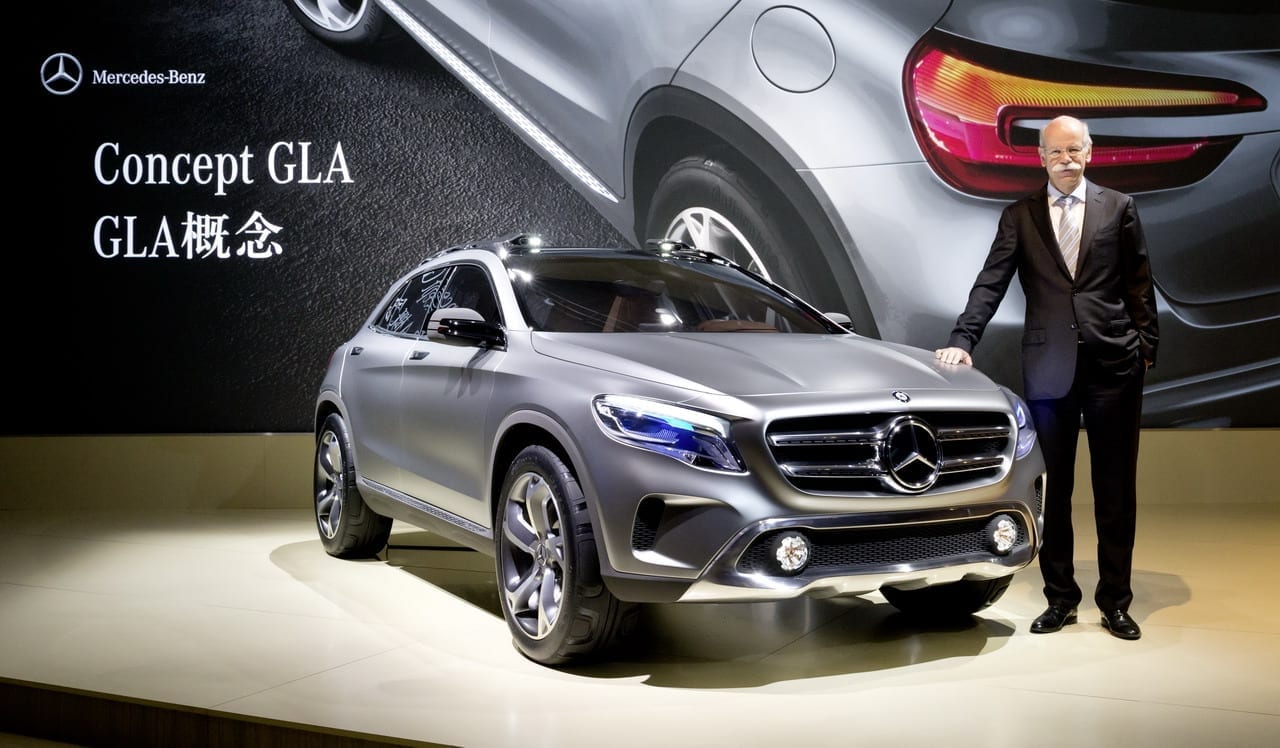
    BMW is feeling the heat. In April, the company replaced its China sales chief, and now it’s hustling to introduce new models. BMW is introducing a long-wheelbase X1 in China to compete with the Audi Q3 and Mercedes GLA.

    Those three models are battling for share in China’s red-hot market for compact crossovers.

    For the first four months, Audi remained on top, with sales of 189,611 vehicles, while BMW delivered 162,221 units. Mercedes is still No. 3, with sales of 142,266, but it is steadily closing the gap.

    We suspect BMW realizes that objects in its rearview mirror are closer than they appear.

  • BMW cafe says Hello to Korea

    BMW cafe says Hello to Korea

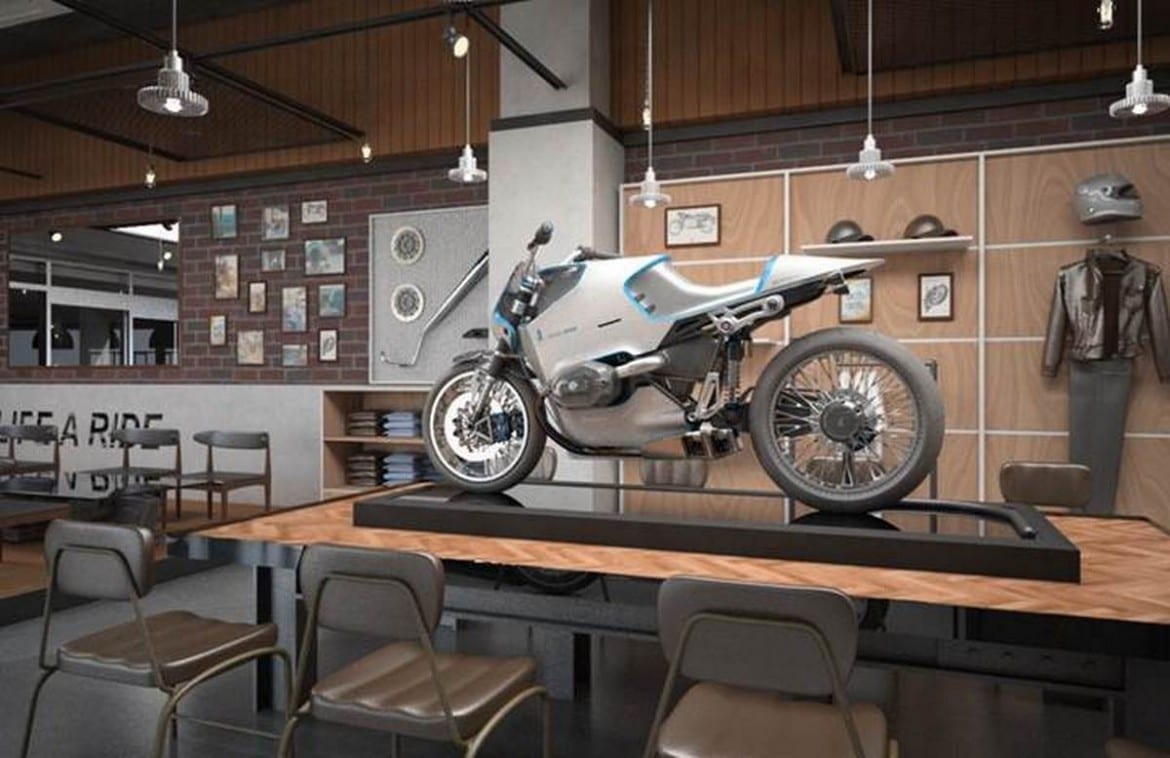
    A BMW cafe in Korea has opened inside a Lotte department store in Incheon.

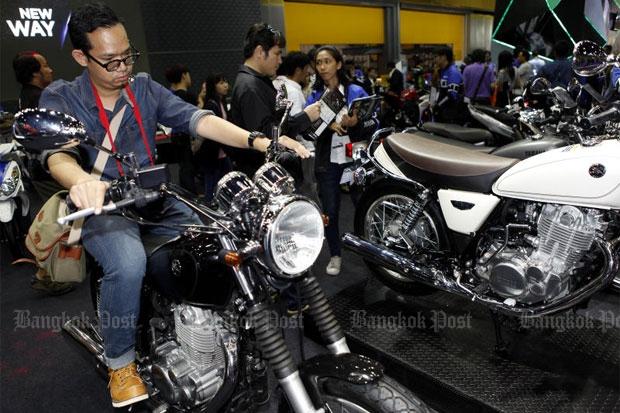
    Lotte Department Store’s Premium Outlet allows visitors to enjoy the BMW motorcycles and related accessories such as clothing and helmets. The cafe open today, May 27.

    Free consultations about motorbikes and other products are also offered to customers.

    BMW Cafe Korea 1


    “We tried to make a store that targets men who are interested in motorcycles,” said a Lotte spokesman.

    “We’ll try to expand our shopping spaces that cater to male customers.”

    The number of Korean motorcycle fans has increased in recent years, doubling the number of imported high-capacity motorbikes from 10,300 in 2012 to 20,800 in 2015.

  • BMW expects China sales to rise by single digit percentage

    BMW expects China sales to rise by single digit percentage

    BMW expects its car sales in China to rise by a mid-single-digit percentage this year, in line with the overall growth of the world’s biggest passenger car market, board member Ian Robertson said on Monday.

    Last year, BMW sold 460,000 cars in China, marking a 1.7 percent rise, said Robertson, who is responsible for marketing and sales.

    Growth is expected to accelerate once the long wheelbase BMW X1 is launched, helping BMW to increase the number of locally manufactured vehicles to six, Robertson said.

    BMW expects its sales in the United States and across the globe to rise by a single digit percentage this year, Robertson said.

  • Wearable technology goes beyond watches

    Wearable technology goes beyond watches

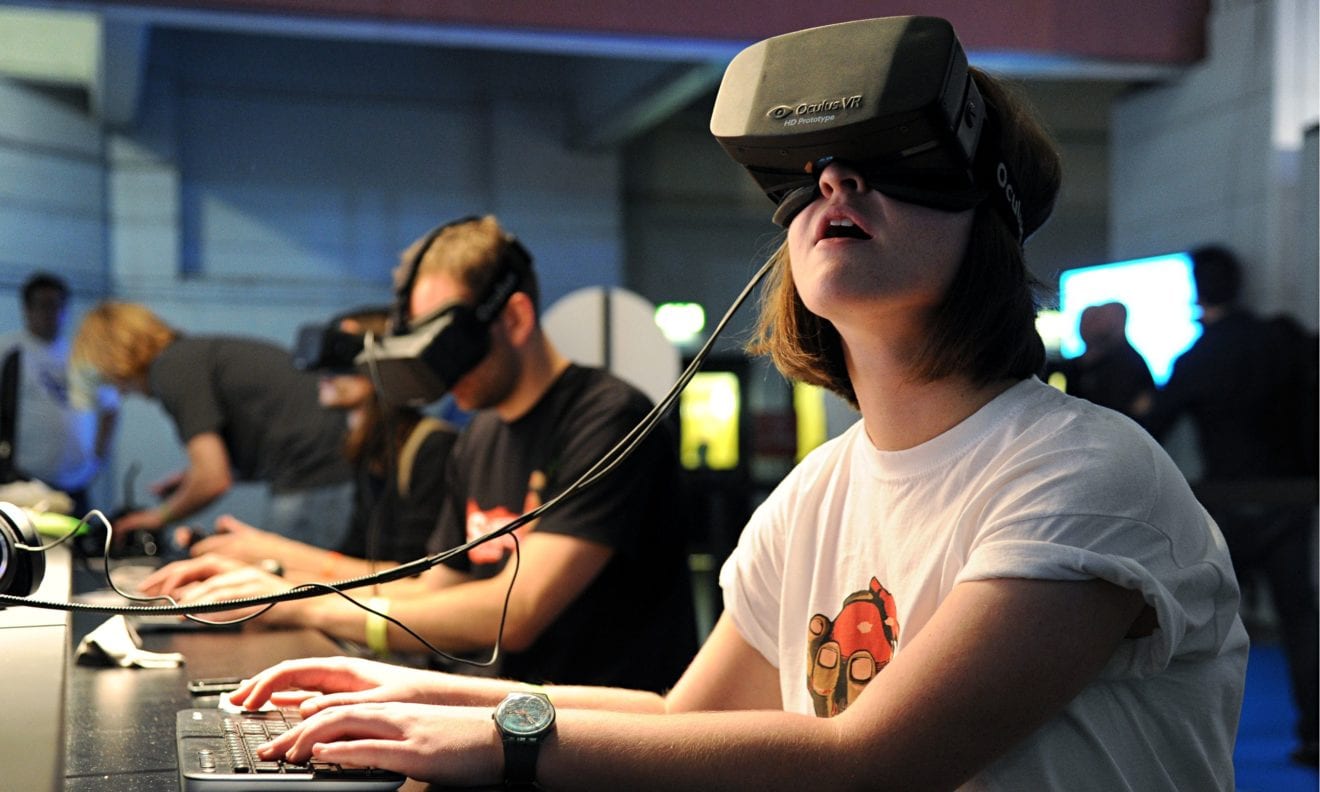
    There is more to wearable technology than wrist devices, with more than 25 exhibitors out to prove this at a consumer technology expo coming up in Shanghai.

    They will be showcasing the latest in wearable innovation at CES Asia, which returns to Shanghai from May 11 to 13.

    Owned and produced by the Consumer Technology Association (CTA) and co-produced by Intex Shanghai, the event is being hosted at the Shanghai New International Expo Centre (SNIEC).

    CTA research expects wearable sales in the emerging Asia-Pacific region to increase by 56 per cent this year.

    “Wearables are one of the fastest-growing areas of technology. They not only count our steps, they also track our mood, sleeping habits and even our pets,” says CES senior vice-president Karen Chupka.

    “The possibilities in this product category are endless.”

    Key companies exhibiting wearables at CES Asia include Garmin, Monster and Ximmerse, plus there is a wearables pavilion organised by the China Electronic Chamber of Commerce.

    New this year will be a CTA-hosted session entitled Innovative Wearables, at the Kerry Hotel on May 12. The panel will discuss innovations coming to market, as well as user interface and design.

    So far, 250 companies representing 20 countries across 15 product categories have signed up to exhibit at CES Asia, including 360, BMW, Hisense and Huawei.

    Formerly the Consumer Electronics Association, CTA is the trade association representing the $287 billion US consumer technology industry. It covers more than 2200 companies, 80 per cent of which are small businesses and startups.

  • BMW Thailand bully for big-bike boom

    BMW Thailand bully for big-bike boom

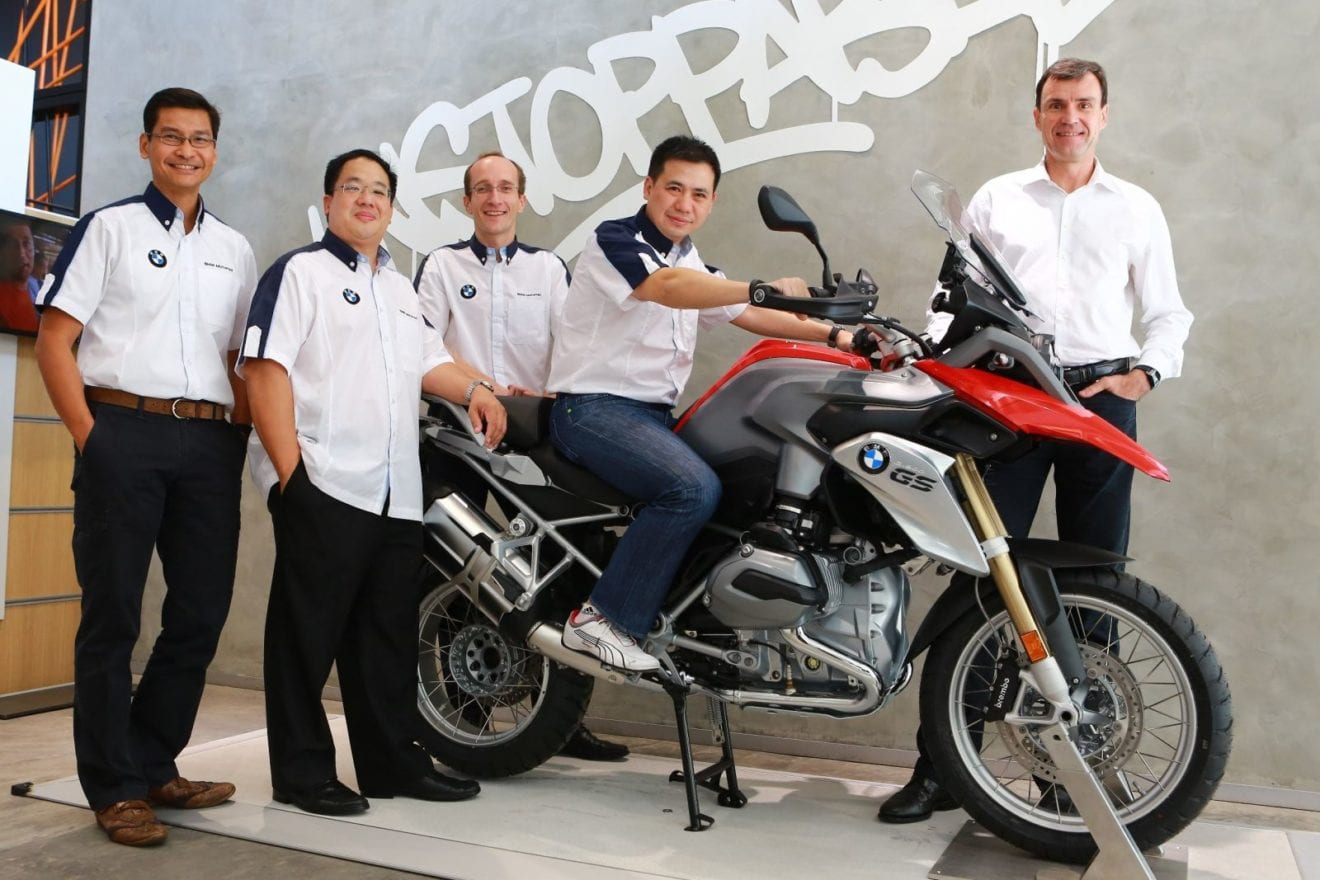
    German luxury car maker BMW Group Thailand is bullish about the prospects of the big-bike market, expecting double-digit growth this year.

    Markus Glaeser, head of BMW Motorrad Thailand, said the market had developed over several years, with many brands and manufacturers making the Thai big-bike market more interesting.

    “As most Thai bikers want to own a second motorcycle, the market will remain very attractive and continue growing going forward,” he said.

    Some 18,000 motorcycles above 500cc were sold here last year, up by 20% from 2014, bucking the bearish overall market, where sales fell by 3.67% to 1.64 million units.

    BMW Motorrad Thailand sold a record 1,280 motorcycles last year, up by 83%, in the top three for sales worldwide last year along with China and Malaysia.

    The group is keen on the local big-bike market because it localised its assembly production at Rayong’s Amata City Industrial Estate in 2014, making BMW Motorrad’s retail prices 30-40% cheaper than imported models.

    Last year, the company spent 1.1 billion baht to double annual production of BMW and Mini models to 20,000 cars and raise production of BMW motorcycles to 10,000 a year from 1,000. New production is due to start this year.

    The Rayong facility makes eight models for BMW and one for Mini, while the eight for BMW Motorrad are the F700GS, F800R, F800GS, F800GT, S1000R, S1000RR, R1200GS and R1200GS Adventure. This is the only site in BMW’s global network with full operations for all three brands.

    Mr Glaeser said BMW Motorrad produced 2,700 motorcycles at its Rayong factory last year, with 1,000 shipped to China and Malaysia. The group is studying the feasibility of exporting more motorcycles to Asian markets this year, as these markets are growing quickly.

    In Thailand the company will introduce the mid-sized G310R motorcycle in the first quarter but has not said whether it would be built locally or imported from India. Mr Glaeser said the mid-sized market was very attractive, with 20,000 sales last year for 250-500cc engines.

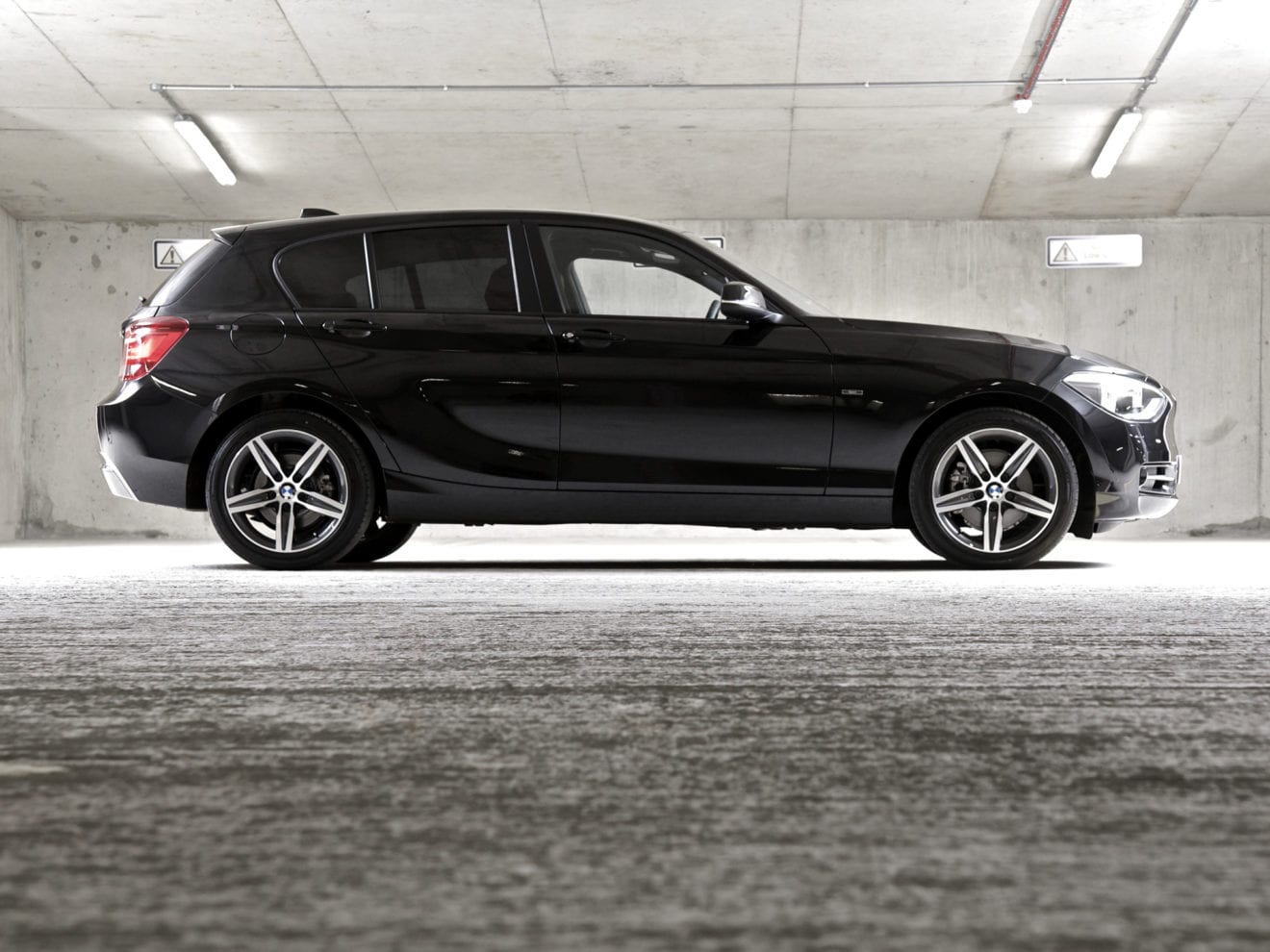
  • Launched: 118i Sport by BMW Malaysia

    Launched: 118i Sport by BMW Malaysia

    BMW Group Malaysia has introduced the new BMW 118i Sport. Its estimated retail price (on the road, without insurance with BMW Malaysia’s latest 5-year Unlimited Mileage Warranty and Free Scheduled Service Program) is RM188,800.

    Introducing the latest product offering from BMW Group Malaysia, the group’s managing director and CEO, Alan Harris, said: “The new BMW 1 Series still remains the only rear-wheel drive car in its segment, making the car the most sportier and dynamic option in its class.”

    Harris added that the new 118i Sport now also introduces the segment to a new generation engine with the latest BMW EfficientDynamics technology, the latest driver assistance systems and mobility services courtesy of BMW ConnectedDrive as well as a host of safety features, making the premium segment hatchback also one of the safest in its class.

    Exterior Design

    The proportions, lines and surface design of the new 1 Series bear all the classical hallmarks of a BMW with its set-back passenger compartment, long bonnet and short overhangs, in particular, give the new premium hatchback a uniquely sporting presence. The new car features subtle but key differences to refine yet further the overall package.

    At the front, a new lower apron with larger air intakes and a horizontal bar combines with the reshaped BMW kidney grilles and front ornamental grille in chrome surround with its exclusively designed kidney bars in high gloss black to provide the sight that the new 118i Sport was designed with dynamism and sportiness in mind. Full LED headlamps with low and main beam have also been added to the new variant of the 1 Series.

    At the rear, new tail lamps with the now familiar BMW ‘L’ shape design adopt striking LED technology. Further to this, a single round exhaust tailpipe in chrome matt finish and the rear bumper with specific design elements in black-high further accentuates the sporty expression of the new 118i Sport.

    In terms of wheel options, the new 118i Sport offers 17’’ light alloy wheels Star Spoke 379 71/2 J with 17’’ tyres 225/ 45 R17.

    Interior Design

    The driver-focused cockpit of the new 1 Series is an even more welcoming, sporty, comfortable place to sit, thanks to enhancements to the design and the use of Sensatec Leather for its upholstery. The instrument cluster with red highlight and chrono scaling as well as interior trim finishers in Black High-Gloss with highlight trim finishers in Coral Red Matt further adds the sporty feel inside the car. Further driving this sporty expression inside the car are the sports leather multifunction steering wheel and the sports seats for both the driver and front passenger.

    The BMW Radio Professional and iDrive operating system continues to be standard across the entire range so the all new 1 Series model also features the segment leading freestanding, 6.5-inch Control Display, the controller wheel mounted on the centre console and the direct menu control and favourites buttons.

    The controls arranged below the Control Display have also benefited from detailed refinements. Both the air vents and the controls for the radio and the automatic air conditioning now feature high-quality chrome surrounds. The radio and automatic air conditioning keypads, meanwhile, are set against high-gloss black panelling.

    Engines: An Award Winning Member of the Family

    The new 118i Sport sees the introduction of the new Engine of the Year 2015 award winning 3-cylinder petrol engine to the premium compact segment. The innovative BMW TwinPower Turbo 1.5-litre 3-cylinder petrol engine, which is the same power plant in the all-new BMW i8, delivers a maximum output of 136 hp, torque of 220 Nm and accelerates from 0 to 100 km/h in 8.7 seconds. The combined fuel consumption of the new 118i stands at 5.1 litres per 100 km with C02 emissions of 119 g/km.

    Adding to the dynamism of the its engine capabilities, the new 118i Sport also features the segment leading 8-Speed Steptronic automatic transmission and Driving Experience Control modes with the efficient ECO PRO mode, another class leading feature which makes the 118i Sport stand out from the rest in the premium compact segment.

    As a car built with a sporty expression, the new BMW 118i Sport is also not short in terms of safety features. The compact premium sports hatchback offers complete air bags for front and rear passengers, side air bags for driver and front passengers which are integrated into the front seat backrest and head airbags at the front and rear with curtain head protection and splinter protection capabilities. Doubling up on the safety measures are child seat ISOFIX attachments for the rear seats and a central locking system with electronic immobiliser and crash sensor.

    BMW ConnectedDrive: Connecting the Driver to the Car to the Outside World

    A leading feature amongst its peers in the industry, the new 118i Sport offers Intelligent Emergency Call, Teleservices and Remote Services functionalities.

    A SIM card built into the vehicle enables customers to enjoy optimum connectivity and access to the unrivalled range of services from BMW ConnectedDrive without the need for a smartphone.

    Intelligent Emergency Call, a standard feature in the new 118i Sport, ensures maximum safety on the road. If the airbags are triggered in an accident, this system uses the built-in SIM card to automatically transmit the severity of the accident, the potential risk of injury to the occupants and the vehicle’s location to the BMW Call Centre.

    This information is then used to arrange the best possible emergency response while the Call Centre stays in contact with the occupants if desired. The manual emergency call function also allows rapid help to be summoned for other road users in emergency situations at a touch of an SOS Button.

    Remote Services, on the other hand, transforms the owner’s smartphone into an intelligent and convenient remote control for the vehicle – via the MY Remote app (BMW iRemote app) or the BMW Call Centre. Users can use their smartphone to lock and unlock their car or find it immediately by flashing the headlights or sounding the horn.

    The new 118i Sport is available in colour options of Black Sapphire, Mineral Grey, Crimson Red, Midnight Blue and Alpine White and the new compact premium sport hatchback will be available at all authorised BMW dealerships across the country from next Wednesday, Nov 25.
  • European Markets Dropped On Renewed China Worries

    European Markets Dropped On Renewed China Worries

    The European markets ended Monday’s session in negative territory, as renewed concerns over China weighed on investor sentiment. Concerns over the upcoming snap elections in Greece and the likelihood of a near-term U.S. interest rate hike also contributed to the negative mood at the start of the new trading week.

    The Financial Times reported that the Chinese government has decided to abandon attempts to boost the stock market through large-scale share purchases. Senior regulatory officials told the Financial Times China’s leaders feel they mishandled their efforts to rescue the stock market.

    The Chinese government resumed large-scale stock buying late in the trading day last Thursday to help the Shanghai Composite Index finish sharply higher, but officials said the government will refrain from further large-scale buying of equities.

    The Euro Stoxx 50 index of eurozone bluechip stocks decreased by 0.52 percent, while the Stoxx Europe 50 index, which includes some major U.K. companies, lost 0.30 percent.

    The DAX of Germany dropped by 0.38 percent and the CAC 40 of France fell by 0.47 percent. The SMI of Switzerland finished higher by 0.45 percent, but the FTSE of the U.K. was closed for a banking holiday.

    In Frankfurt, Volkswagen decreased by 1.14 percent. Japan’s Suzuki Motor Corp said that it would buy back the 19.9 percent stake it sold to the German automaker after an international court settled a dispute between the automakers over their soured partnership.

    BMW fell by 0.90 percent and Daimler lost 0.97 percent.

    Insurer Allianz rose by 0.18 percent, on reported that its infrastructure arm is weighing bids for London City Airport.

    RWE sank by 4.25 percent and E.ON dropped by 1.60 percent.

    In Paris, Renault surrendered 2.28 percent and Peugeot weakened by 1.19 percent. Car parts maker Valeo also decreased by 1.45 percent.

    Total tumbled by 0.91 percent and Technip lost 0.99 percent.

    Givaudan gained 0.73 percent in Zurich, after it agreed to acquire Induchem Holding, a cosmetic ingredient producer.

    Shares of NeuroVive Pharmaceutical AB plunged by 39.13 percent in Stockholm after the mitochondrial medicine company announced that it would not pursue development of CicloMulsion in the indication of acute myocardial infarction.

    Eni SpA climbed by 1.53 percent in Milan. The company announced over the weekend that it has discovered a massive natural gas discovery off the coast of Egypt.

    Eurozone inflation remained unchanged at a very low level in August as further fall in oil prices curbed its ability to move upward. Inflation came in at 0.2 percent in August, the same rate as seen in July and June, preliminary data from Eurostat showed Monday. It was forecast to ease to 0.1 percent.

    Germany’s retail sales rebounded in July to grow at the fastest pace in nine months, signaling that consumer spending boosted economic growth at the start of the third quarter. Retail sales advanced 1.4 percent on a monthly basis in July, Destatis reported Monday. This was the fastest growth since October 2014, when sales climbed 1.8 percent.

    Italy’s retail sales dropped for the second straight month in June, figures from the statistical office Istat showed Monday. Retail sales fell a seasonally adjusted 0.3 percent month-over-month in June, following a 0.2 percent decrease in the previous month. In April, sales had risen 0.7 percent.

    Greece’s retail sales declined in June after rising in the previous month, preliminary figures from the Hellenic Statistical Authority showed Monday. The volume of retail sales decreased 0.4 percent year-over-year in June, in contrast to a 4.1 percent sharp gain in May, which was revised down from 4.2 percent. In April sales had fallen 1.8 percent.

    China’s trade deficit in services widened in July, the State Administration of Foreign Exchange said Monday. The deficit on trade in services increased to $17.6 billion in July from $14.9 billion in June. At the same time, the merchandise trade showed a surplus of $46 billion in July.

    Business activity in the Chicago area unexpectedly grew at a slower rate in the month of August, according to a report released by MNI Indicators on Monday. MNI Indicators said its Chicago business barometer dipped to 54.4 in August from 54.7 in July. While a reading above 50 indicates growth, economists had expected the index to inch up to 54.9.