Retail News CRM

Tag: BMW

  • Nissan, BMW, Porsche face fuel economy probes in South Korea

    Nissan, BMW, Porsche face fuel economy probes in South Korea

    South Korea has filed a complaint against Nissan Motor’s South Korean unit alleging that the Japanese car maker manipulated the fuel economy test results of its Infiniti Q50 sedan, a government official said on Tuesday.

    The transport ministry is also investigating BMW and Porsche on a similar matter, the official, Koh Sung-woo, told Reuters.

    The Seoul Central District Prosecutors’ Office has launched a probe into Nissan after a criminal compliant was filed by the ministry, a spokesman at the office said.

    Makers of imported cars, which have surged in popularity in recent years in South Korea, have been facing growing scrutiny in the country following Volkswagen’s emissions-test cheating scandal.

    The latest government action follows an announcement by South Korea’s environment ministry last month that the sale of 10 models of Nissan, BMW and Porsche had been banned after the carmakers were found to have fabricated documents on emissions and noise-level tests. The models banned include BMW’s X5M and Porsche’s Cayenne and Macan models.

    The probe was then expanded to whether the three car makers have falsified documents on fuel economy tests of the 10 models as well, Koh said.

    Koh said Nissan overstated the fuel economy of the Q50 so that it is 3.4 percent higher than the actual test result. “They manipulated the test results of the car to make the fuel economy look better,” he said.

    Nissan Korea said it reported “some inappropriate problems” in certification documents to authorities last year, saying the errors were caused by the misconduct of a manager at the company.  “We express sincere regret over those issues,” a spokeswoman said.

    Representatives of BMW and Porsche in Seoul said the companies have not been notified of the probe.

    The complaint adds to the troubles in South Korea for Nissan, which is already accused of cheating on emissions of its Qashqai diesel model. Last week, a South Korean court sided with the government which had said the Japanese automaker used a so-called defeat device in its Qashqai sport utility vehicle to turn off its emissions reduction device during regular driving.

  • BMW Group achieves new sales record in China in January

    BMW Group achieves new sales record in China in January

    German automaker BMW Group announced on Friday that its sales in China achieved double-digit growth in January, hitting a new record.

    A total of 51,345 units of the premium brands BMW and Mini have been delivered to Chinese customers, representing a year-on-year increase of 18.2 percent.

    It is the first time the Bavarian automobile company delivered more than 50,000 units in a single month in China, the largest market in Asia for BMW Group, the announcement said.

    In January 2017, a total of 163,288 vehicles were sold worldwide, an increase of 6.8 percent year-on-year. Among them, 21,219 vehicles were delivered to customers in the United States, down by 0.5 percent compared with January 2016.

    “We’ve started the year well. We’re confident that the new models we’re bringing to market this year will ensure further momentum as the year goes on,” said Ian Robertson, member of the board of management responsible for sales and marketing.

  • SKT, Ericsson, BMW achieve 3.6Gbps for 5G connected car trial

    SKT, Ericsson, BMW achieve 3.6Gbps for 5G connected car trial

    SK Telecom achieved what it says is the world’s fastest 5G speed for a connected car during a demonstration conducted with Ericsson and BMW Korea.

    SKT said the trio has successfully tested its pilot 5G network on a connected car running at 170 kilometers per hour, reaching a 3.6Gbps transmission speed over the 28-GHz band.

    The demo was conducted at the German car maker’s driving center in Yeongjong Island, Incheon, where the trio first successfully tested its pilot 5G network for multi-vehicular communications last November.

    SK Telecom said with 5G avoiding obstacles is difficult at high speeds, but the operator achieved this through the application of advanced beamforming and beamtracking technologies.

    “Connected car is regarded as the barometer for 5G as it can only be realized through the combination of all 5G technologies. As ultra-high speed and ultra-low latency are prerequisites for realizing autonomous driving and immersive media services, the 3.6Gpbs transmission speed we successfully demonstrated today not only brings us a step closer to realizing autonomous driving, but will also have a great impact on a broader range of industries,” SK Telecom said in a statement.

    The demo significantly enhances the stability of connected car services by improving image recognition and V2X (Vehicle to Everything Communication) technologies, the operator added.

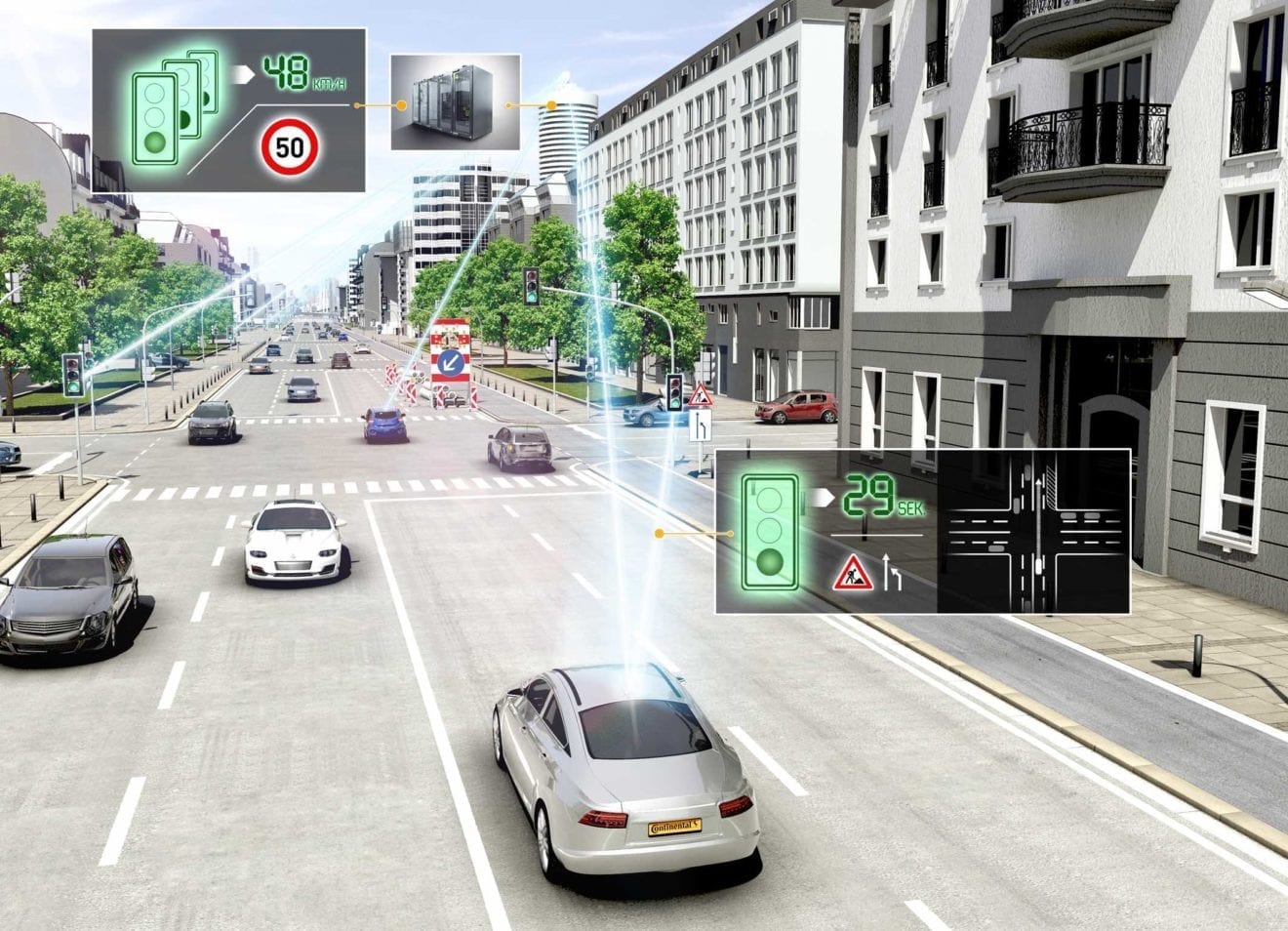
    “That is, a vehicle will be able to communicate, in real time, with other vehicles, traffic lights and surveillance cameras to understand and respond to unexpected situations and obstacles… in a much shorter time.”

  • BMW to invest RM126mil to build PHEVs in Thailand

    BMW to invest RM126mil to build PHEVs in Thailand

    It appears that the production of BMW plug-in hybrid models in the region is set to increase, with BMW Group Manufacturing Thailand set to invest 1 billion baht (RM126.2 million) in the production of petrol-electric vehicles at its plant in the Amata City Industrial Estate, Rayong.

    The investment has been earmarked for the improvement of line operations there, in order to facilitate the increase of plug-in hybrid production. Of that amount, 488 million baht (RM61.6 million) has already been spent to kick off production of these vehicles last November. The company has spent 3.7 billion baht (RM467 million) on the plant from 2000 to 2015.

    The rest of the investment will be used to double the production capacity in Thailand this year; the company currently builds 20,000 BMW and MINI cars and 10,000 BMW Motorrad motorcycles a year. President of BMW Group Thailand Stafan Teuchert said that the two-year investment is meant to prepare for future demand both domestically and abroad, with Munich seeking any opportunity to export vehicles from Thailand.

    The company has exported a limited amount of cars to Malaysia since 2006 and around 1,000 motorcycles to Malaysia and China since 2015, but began shipping large amounts of completely built up (CBU) X3s and X5s to China last year. It aims to export 10,000 units of those models in 2017 – mostly to China – and is also eyeing other markets in ASEAN for opportunities.

    Locally, BMW plans to bring in more advanced technology to build plug-in hybrid batteries in Rayong by mid-2018, further reducing retail prices in Thailand. The company currently imports the batteries from Europe.

    Existing Thai-built BMW plug-in hybrids include the 330e Luxury and X5 xDrive40e M Sport, priced at 2.59 million baht (RM326,900) and 4.69 million baht (RM592,000) respectively – around 490,000 baht (RM61,800) and 690,000 baht (RM87,100) lower than if they were imported. Teuchert said that the company plans to produce the 740e this year and the 530e in 2018.

    In order to support the increase in the number of plug-in hybrid vehicles in Thailand, BMW plans to increase the number of charging stations in Bangkok to 12 this year, up from the current five. It expects sales of electric cars, mainly PHEVs, to rise from 5% of total car sales to 15% in 2017.

    Meanwhile, BMW currently assembles the 330e Sport, 330e M Sport and X5 xDrive40e in Malaysia, priced at RM248,800, RM258,800 and RM388,800 respectively, on-the-road without insurance. It also expects to export the 3 Series, 5 Series and 7 Series from Malaysia to Vietnam and the Philippines from next year.

  • Tesla Model S, BMW i3 fall short of IIHS Top Safety Pick+ award

    Tesla Model S, BMW i3 fall short of IIHS Top Safety Pick+ award

    The Tesla Model S and BMW i3 fell short of earning the Insurance Institute for Highway Safety’s 2017 Top Safety Pick+ award. For a vehicle to qualify for the Top Safety Pick award, IIHS said it must earn “good” ratings in all five crashworthiness tests — small overlap front, moderated overlap front, side, roof strength, and head restraints and seats — and come with a front crash prevention system that earns an advanced or superior rating.

    The “+” is awarded to vehicles that meet all the above criteria and come with “good” or “acceptable” headlights.

    Ratings for crashworthiness and headlights are good, acceptable, marginal and poor.

    Tesla’s Model S earned a good rating in all IIHS crashworthiness evaluations except the small overlap front crash test, in which it earned an acceptable rating.

    The Model S earned a good rating in all IIHS crashworthiness evaluations except the small overlap front crash test, in which it earned an acceptable rating.

    IIHS said the Model S “ran into problems in the test when the safety belt allowed the dummy’s torso to move too far forward. That allowed the dummy’s head to hit the steering wheel hard through the airbag.”

    IIHS noted that the Model S ratings apply to 2016 and 2017 cars built after October 2016.

    Tesla told IIHS that it made a production change on Jan. 23 to address the head-contact problem and IIHS will test the updated Model S for small overlap protection as soon as it can be delivered.

    The current Model S has not been rated for front crash prevention, IIHS noted, because while automatic braking equipment comes standard, the automaker has not activated the software for all vehicles.

    IIHS also noted the 2017 Model S isn’t available with anything other than poor-rated headlights. The automaker told IIHS that it is working with its supplier to improve the headlights. IIHS will evaluate the new ones when they are available.

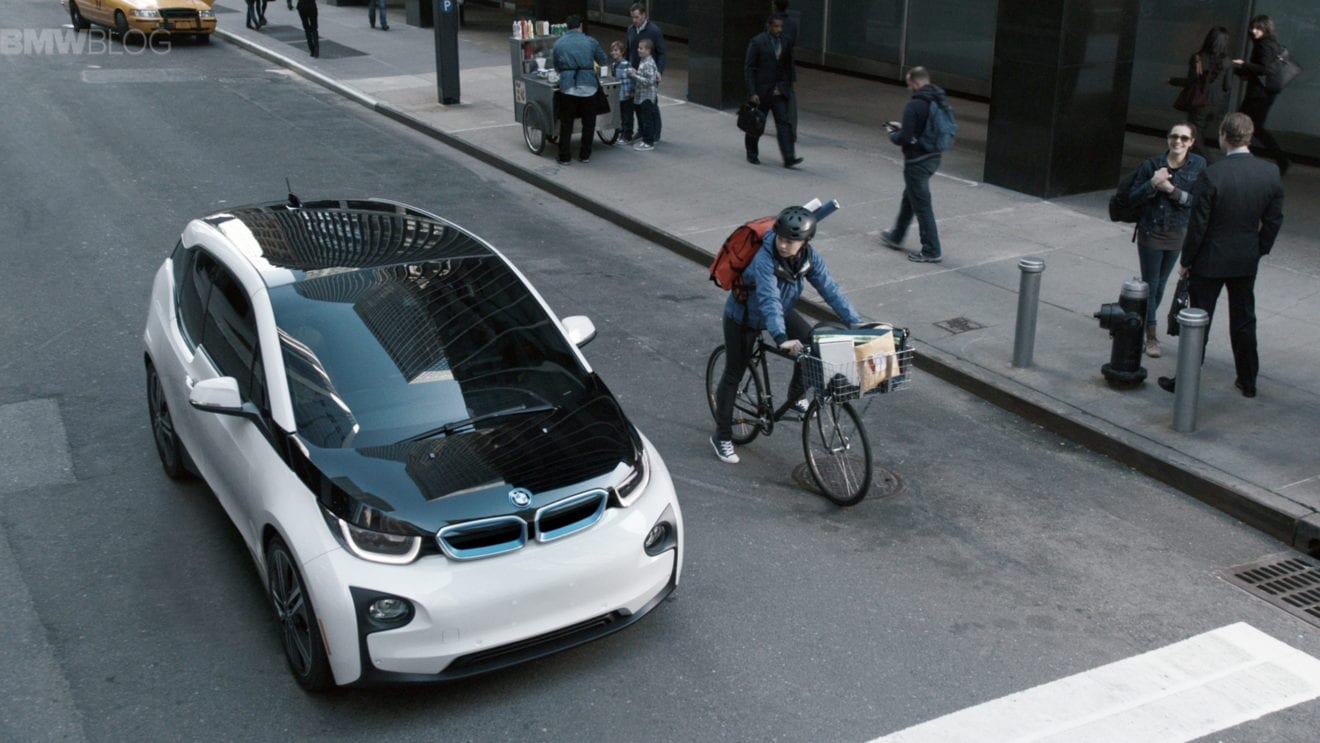
    The BMW i3 was hindered by its acceptable rating in the head restraints and seats evaluation, IIHS found. The car’s only available headlight system earned an acceptable rating.

    One Model S variant in particular, the high-performance P100D, was also dinged for its roof strength. The P100D has the same roof structure as other Model S variants, IIHS said, but noted that because the car has a larger, and heavier, battery it earned only an acceptable rating for that test.

    The BMW i3 was hindered by its acceptable rating in the head restraints and seats evaluation, IIHS found. The car’s only available headlight system earned an acceptable rating.

    The i3 earned good ratings in other crashworthiness tests and is available with an optional front crash prevention system that earned an advanced rating, IIHS said.

    “There’s no reason the most efficient vehicles can’t also be among the safest,” said David Zuby, IIHS’ chief research officer, in a statement. “We hope Tesla and BMW will continue to refine the designs of their electric models to maximize driver protection and, especially in the case of Tesla, improve their headlights.”

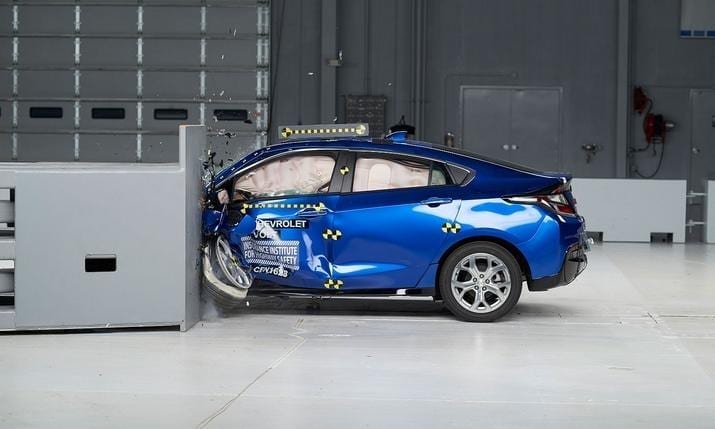
    Two other green vehicles, the Toyota Prius Prime and Chevrolet Volt, earned the Top Safety Pick+ designation for crash test and crash avoidance performance, the organization said.

    IIHS plans to test the latest EV to enter the market, the Chevrolet Bolt, once it becomes widely available this year.

  • BMW and Daimler may combine forces to compete with Uber

    BMW and Daimler may combine forces to compete with Uber

    Automakers have been dabbling in the ride-sharing industry, but Uber remains the titan to beat. In true “Power Rangers” fashion, two automakers are reportedly forming a Megazord of ride-sharing in order to bring the fight to Uber’s doorstep.

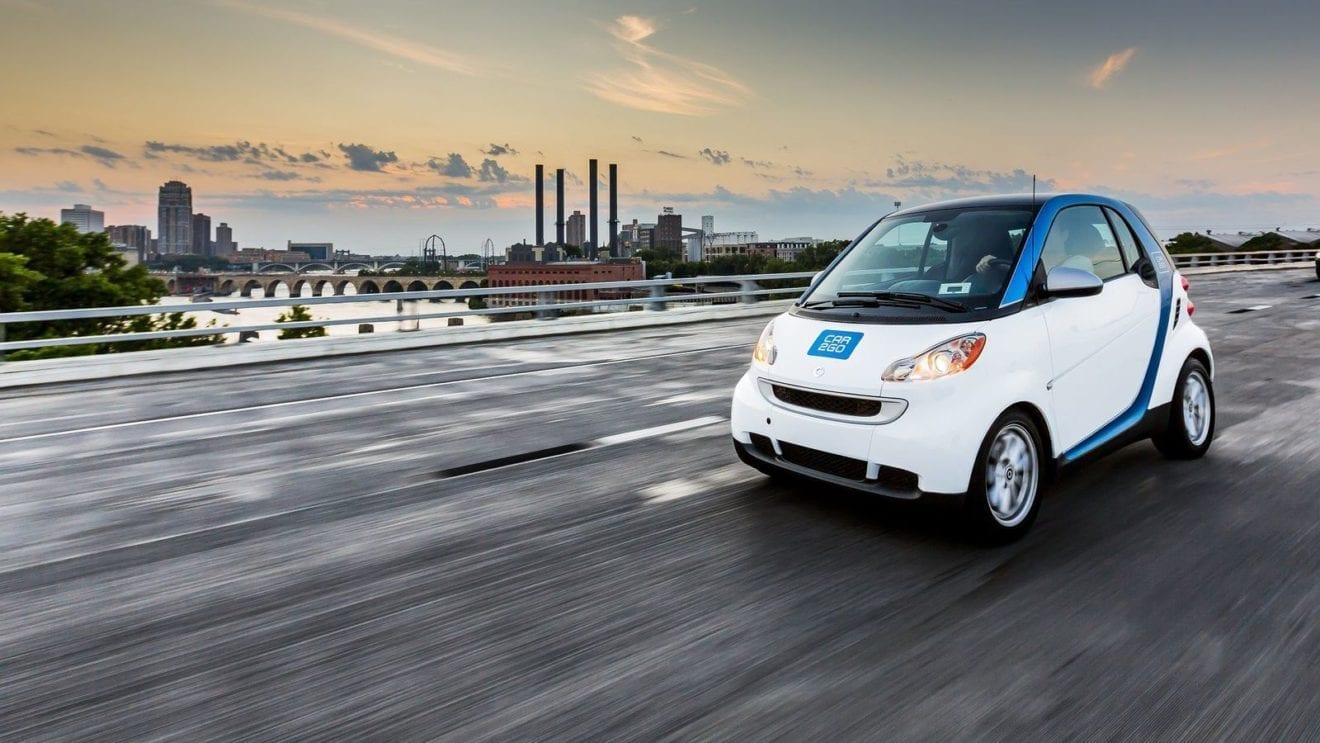
    BMW and Daimler may combine their ride-sharing efforts to better compete with Uber, citing sources speaking to Germany’s Manager Magazin. BMW operates DriveNow (called ReachNow in the US), and Daimler runs Car2Go, both of which have achieved some success in the US, but not enough to tackle Uber.

    In addition to that pairing, the companies are reportedly considering adding other mobility services into the fold. Back in July, Daimler merged its Mytaxi service with Hailo, another cab-hailing startup. Daimler also operates Moovel, which includes a booking and payment system for various mobility services. BMW also operates ParkNow and ChargeNow. It’s reasonable that many of these operations could be lumped together under the same name.

    Neither BMW nor Daimler immediately responded to a request for comment.

    Uber has been on a tear lately. It finally worked with cities to get ride-sharing pick-ups and drop-offs at certain airports. It’s also dabbling in autonomy, most recently rolling out some self-driving Volvos in San Francisco, but the legality of that arrangement is still up in the air. But it’s not all flowers and gentle breezes with the ride-sharing titan, which constantly finds itself the subject of some gnarly lawsuits.

  • Mercedes-Benz to overtake BMW as largest premium carmaker

    Mercedes-Benz to overtake BMW as largest premium carmaker

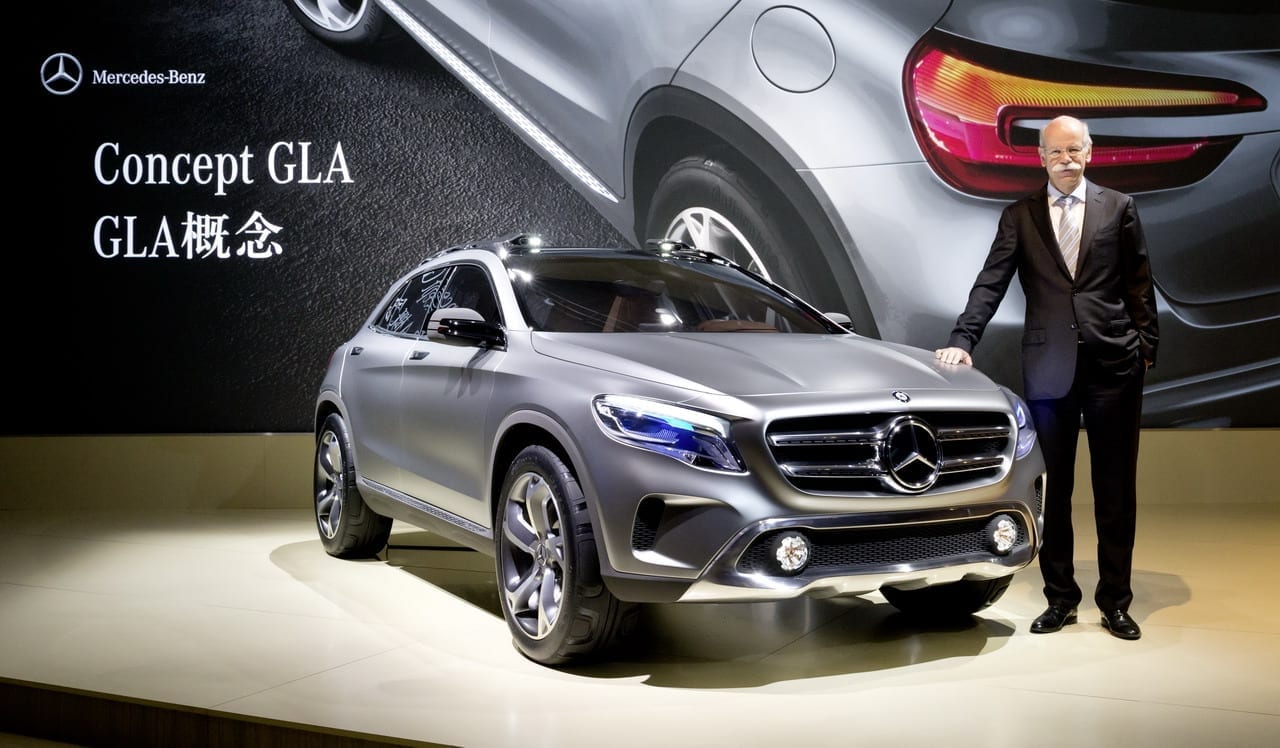
    Mercedes-Benz is expected to reach its goal of becoming the largest premium carmaker four years early – a feat achieved, ironically, only after it stopped chasing market share and focused on making stylish high-tech cars loved by consumers.

    Introducing an elegant, sporty design and establishing itself as a pioneer in new technologies like autonomous driving has helped revive the Mercedes brand which analysts say will help keep the Stuttgart-based carmaker ahead of the pack.

    The achievement is a coup for Daimler Chief Executive Dieter Zetsche, who struggled to revive the company following a messy divorce from mass market brand Chrysler in 2007. Less than four years ago Zetsche faced restive shareholders, worried that the automaker was lagging behind rivals BMW and Volkswagen AG’s Audi brand.

    “We had some deficits, cost and quality problems. Design was not top-notch. And with Chrysler we were no longer a pure premium carmaker,” Zetsche told Reuters in an interview held late in 2016 in his office at Daimler’s headquarters in Stuttgart, Germany.

    On Sunday, Daimler said it had sold 2.08 million Mercedes-Benz branded passenger cars in 2016, a lead that BMW, which has held the premium sales crown since 2005 and is due to release annual sales figures on Monday, is not expected to beat.

    Including sales of the Smart brand, Daimler sold 2.23 million passenger cars last year, the company said.

    Zetsche has presided over a renaissance in the design and technology of Mercedes vehicles, refocused the company on technological superiority instead of short-term sales goals, and adapted the entrepreneurial mindset of Silicon Valley to the traditionally risk averse culture of Stuttgart.

    Daimler is also preparing for a new era when the auto industry’s business model moves beyond manufacturing and selling cars, to lure customers interested in pay-per-minute transport solutions provided by autonomous cars.

    Zetsche set the goal of making Mercedes the best-selling luxury carmaker by 2020 at the company’s 125th anniversary in 2011, a year when even Audi sales overtook those of Mercedes, pushing it into third place.

    “Since then we worked hard and today we are leading or among the leaders when it comes to innovation, quality, design and security,” Zetsche said.

    Daimler traditionalists were shocked by the volume target, fearing that selling too many vehicles may dilute the exclusivity of their cars and reduce the appeal of the Mercedes brand in the long run.

    But consumer electronics companies like Apple had already proven that the pull of their brand did not suffer with increased volume sales so long as they offered the best customer experience.

    Audi was gaining traction with customers thanks to cool designs, so Zetsche appointed a young designer, Gorden Wagener to head up Mercedes design. He introduced an elegant and sporty style to spruce up Stuttgart’s Teutonic limousines. Mercedes cars were also equipped with state-of-the-art digital display technology, luring smartphone savvy customers.

    It was a change for Mercedes where engineers always believed they were producing the best cars in the world, but measured quality mainly using technical or engineering criteria, a strategy which often led to powerful cars with expensive and complex technical innovations.

    Today, Mercedes-Benz follows its motto “the best or nothing” by thinking about whether customers would notice or benefit from a new technological innovation, and by benchmarking the brand against competitors, Zetsche said.

    The company’s renaissance began in earnest in May 2013 with the launch of a new flagship S-class. To burnish its credentials as a technology leader, Mercedes developed a prototype version which drove around 100 kilometres (62 miles) autonomously the same year.

    Rather than designing a limousine which appealed mainly to rear seat passengers, the new S-Class featured large digital display screens on the dashboard, a deliberate attempt to appeal to a younger, driver-focused audience.

    The same youthful design approach was used for the new C-Class and E-class designs, which are now the company’s volume sellers.

    Mercedes also revived the Maybach brand, a marque targeting the ultra-luxury sector which the company had stopped making after the prior bespoke design failed to gain traction, leading the car to sell only 200 times in its final year of production.

    Since Maybach’s latest revival in February 2015, Daimler has sold 15,000 cars.

    “The rewards we are reaping today are the logical consequence of careful preparation,” Zetsche said.
  • BMW to recall over 1.93 lakh vehicles in China over defective airbags

    BMW to recall over 1.93 lakh vehicles in China over defective airbags

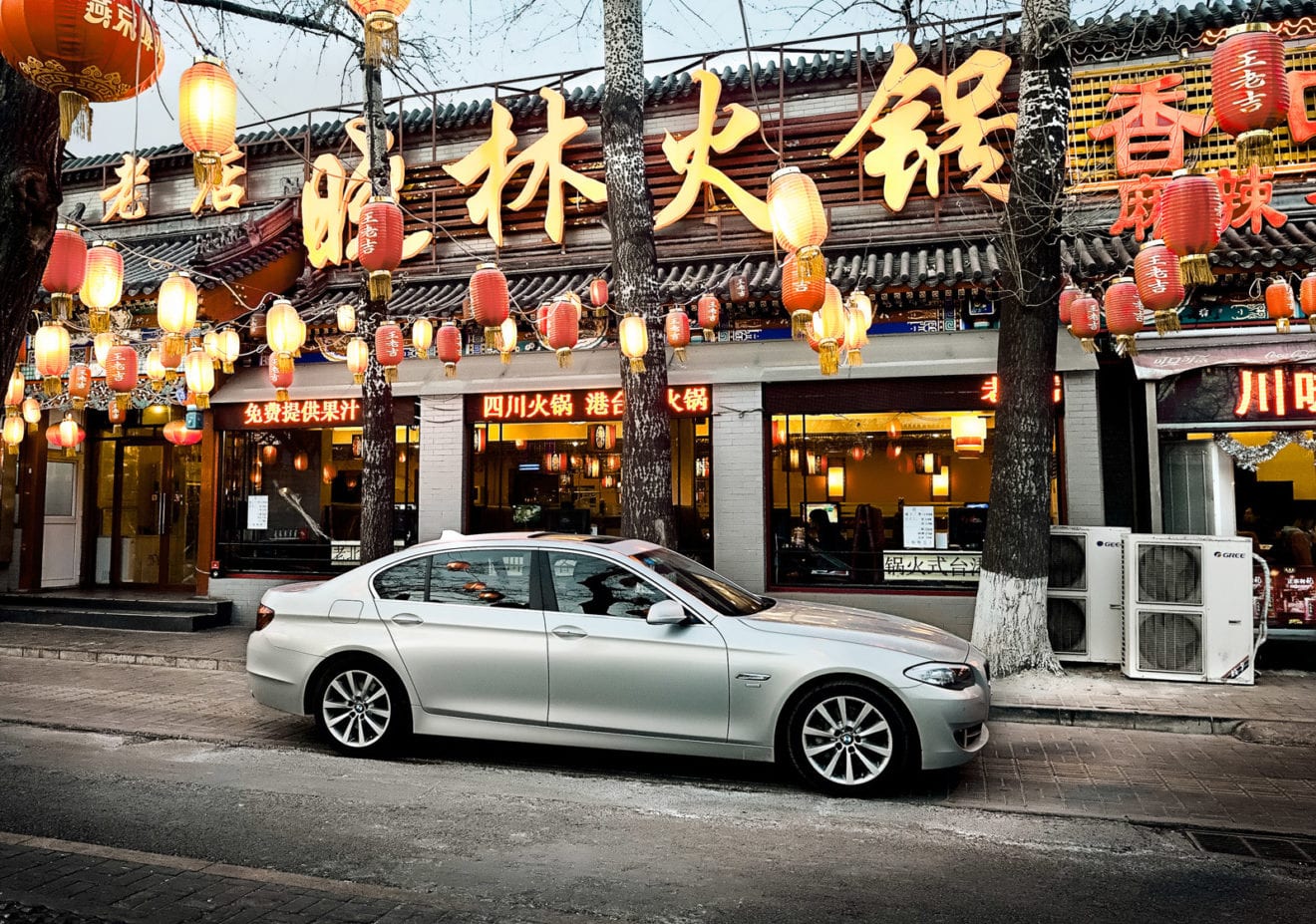
    German automaker BMW will recall 1,93,611 cars in China over a defect in their airbags, a quality watchdog here said today.

    About 1,68,861 imported cars manufactured between December 9, 2005 and December 23, 2011 as well as 24,750 sedans made between July 12, 2005 and December 31, 2011 will be recalled from August 1, 2017, the General Administration of Quality Supervision, Inspection and Quarantine said.

    When the driver and front passenger airbags of the affected vehicles inflate, the gas generators inside may become damaged and cause flying debris, posing safety risks to passengers, the statement said.

    BMW has promised to replace the defective parts free of charge, state run Xinhua news agency reported.

  • Tencent Singapore office targets tourists

    Tencent Singapore office targets tourists

    Chinese-based online social media platform parent Tencent has opened a Singapore office to help drive Asian brands improve their reach to Chinese consumers.

    Tencent, which owns the WeChat messaging and browsing platform, has created an International Business Group charged with raising awareness of the opportunities offered by WeChat, especially targeting people who live outside China.

    While WeChat is as mainstream in the mainland as facebook is outside China, its takeup across the rest of Asia is limited.  The new Tencent Singapore team believes there are huge opportunities marketing to Chinese when they are travelling outside their home country.

    A growing number of luxury brands are establishing a presence on Wechat – Gucci even sells handbags worth several thousand US dollars on the platform, and BMW reaches out to prospective customers. Other consumer retailers like Hong Kong’s Sa Sa have developed extensive interactive eCommerce platforms which work across channel and drive customers in-store.

    Benny Ho, senior director of business development at Tencent, told The Drum that inbound marketing is a big opportunity in Singapore, especially.

    “These tourists are setting their own itinerary and they know precisely what store to buy from and in what colour before they arrive; they come to buy, not to shop. This means you need to build all the brand consideration and purchase intent way before they arrive and that is part of the core service we are trying to offer,” he said.

    WeChat alone has just over 800 million monthly active users.

    “That’s a huge number,” said Ho. “Every market we go to, we educate the market and tell them the numbers and it’s mind blowing. Our role is to make something that big [more] understandable.”

  • BMW November sales up 5.9 percent, Mercedes poised to overtake

    BMW November sales up 5.9 percent, Mercedes poised to overtake

    Daimler’s Mercedes-Benz is on track to overtake rival BMW to take the title of the world’s biggest luxury carmaker, sales figures for November released on Monday showed.

    November sales of BMW branded luxury cars were up 5.9 percent to 177,740 taking year-to-date sales to 1,824,490. By contrast Mercedes-Benz passenger car sales were up 12.7 percent to 182,602 increasing year-to-date sales to 1,893,619.

    Sales of BMW’s core brand reached 1.91 million in 2015 on strong demand for sports utility vehicles like the X5, the 11th year in a row the Munich-based carmaker clinched the title in 2005.

    Mercedes sold to 1.87 million cars in 2015, compared with 1.80 million luxury vehicles sold by Volkswagen’s Audi

  • South Korea to disallow sales of some Nissan, BMW and Porsche models

    South Korea to disallow sales of some Nissan, BMW and Porsche models

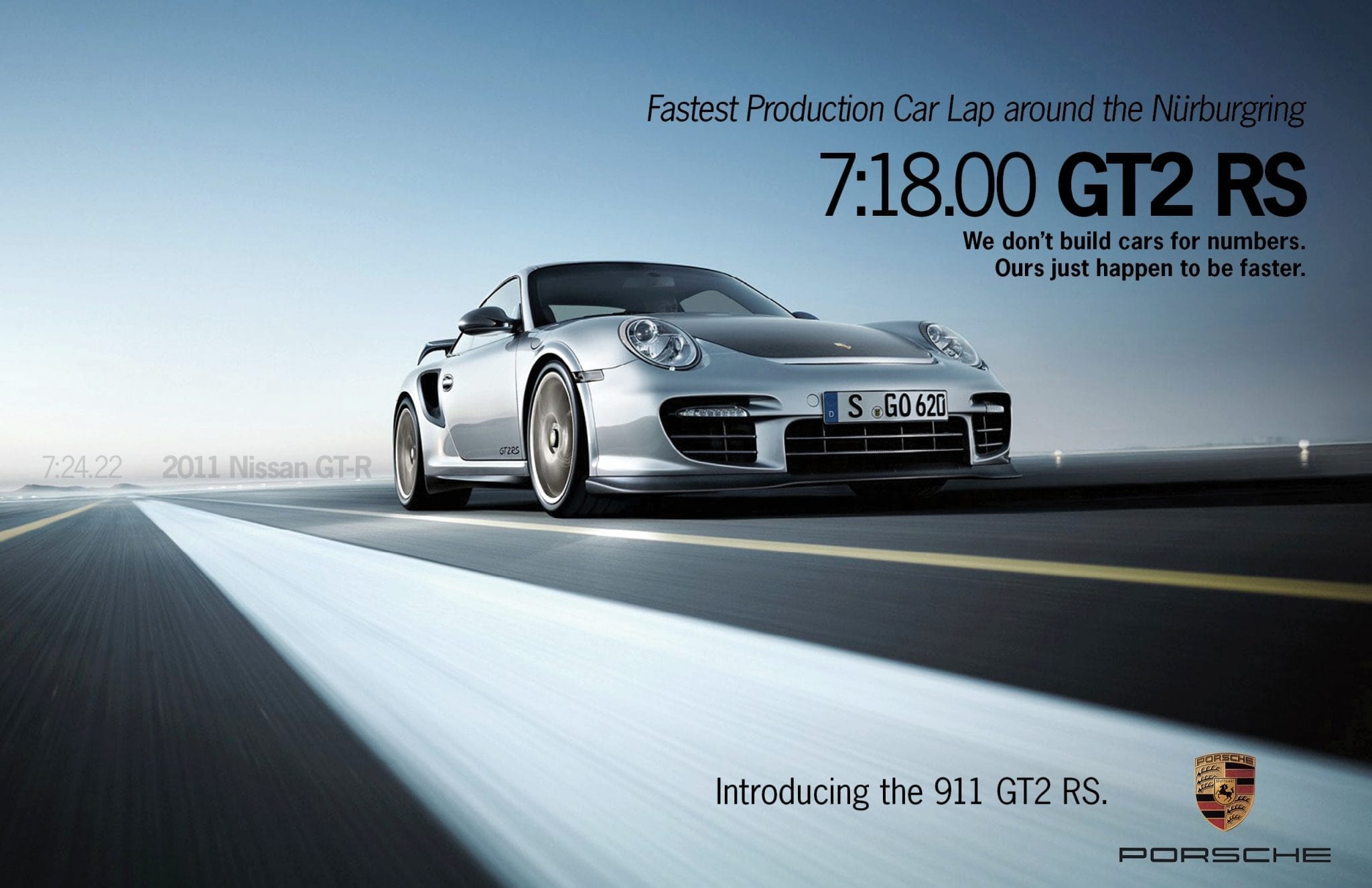
    South Korea said on Tuesday it plans to disallow sales of two Nissan Motor Co Ltd, one BMW AG and three Porsche AG car models after finding errors in certification documents for the car makers’ imported models.

    South Korea’s environment ministry said in a statement it also plans to fine the local units of the foreign car makers a combined 6.5 billion won ($5.56 million) after finding certification errors in two Nissan, one BMW and seven Porsche models.

    Out of the seven Porsche models, four have discontinued sales, the ministry said.

    The decisions on the sales halt and fines will be finalised in December after a hearing, the environment ministry said.

    The ministry announced the results of a probe into whether foreign car makers besides Volkswagen AG falsified documents for certification, following a similar finding on Volkswagen earlier this year.

    A Nissan Korea spokesman said the company plans to cooperate with the environment ministry and clarify its position in the hearing.

    Spokespersons for BMW and Porsche could not be immediately reached for comment.

  • German carmaker BMW launches Indonesian-made sedans in luxury push

    German carmaker BMW launches Indonesian-made sedans in luxury push

    German automaker BMW on Wednesday launched its 7 series sedans in Indonesia that will be assembled in the country as it seeks to tap into the long-term demand for luxury vehicles in Southeast Asia’s biggest economy.

    Other luxury car companies such as Daimler AG’s Mercedes-Benz are also increasingly shifting part of their production to the country of 250 million people to reduce costs and distribute their vehicles more quickly to consumers.

    “We are very positive about the future of Indonesia and therefore we also see an increased potential in the luxury market,” Axel Pannes, managing director of BMW Group Asia, told Reuters on the sidelines of a media launch in Jakarta.

    The German company has invested more than 210 billion rupiah ($15.5 million) over the last five years to assemble a greater number of car models in Indonesia, the 7 series being the latest addition to its local line-up.

    The group sold a total of 3,638 vehicles in Indonesia last year, up 5.7 percent from a year earlier. BMW executives declined to give sales projections for this year or for 2017.

    Global carmakers would benefit from lower import tariffs for certain components if they were to set up local assembly plants, said Jongkie Sugiarto, co-chairman of the Association of Indonesia Automotive Industries.

    The move would also be positive for Indonesia as it brings investment into the country and generates employment, he added.

    The Indonesian government is offering incentives for foreign companies to build cars domestically, said I Gusti Putu Suryawirawan, director-general for metal, machines, transport equipments and electronics at the industry ministry.

    “The aim is for them to produce here and therefore involve local suppliers,” Suryawirawan said, adding that the automotive sector was a key sector for Indonesia’s economic growth.

    Gross domestic product is expected to grow 5 percent this year and up to 5.4 percent in 2017, according to the central bank’s latest estimate.

    The premium car market should be supported next year by the government’s economic stimulus and the roll-out of infrastructure projects, said Kariyanto Hardjosoemarto, a sales operation and product management executive at Mercedes-Benz in Indonesia.

    Indonesia’s tax amnesty scheme, launched in July, may also help to boost luxury car sales as those who were previously concerned by being chased by the tax office would now be less hesitant about making such purchases, Hardjosoemarto added.

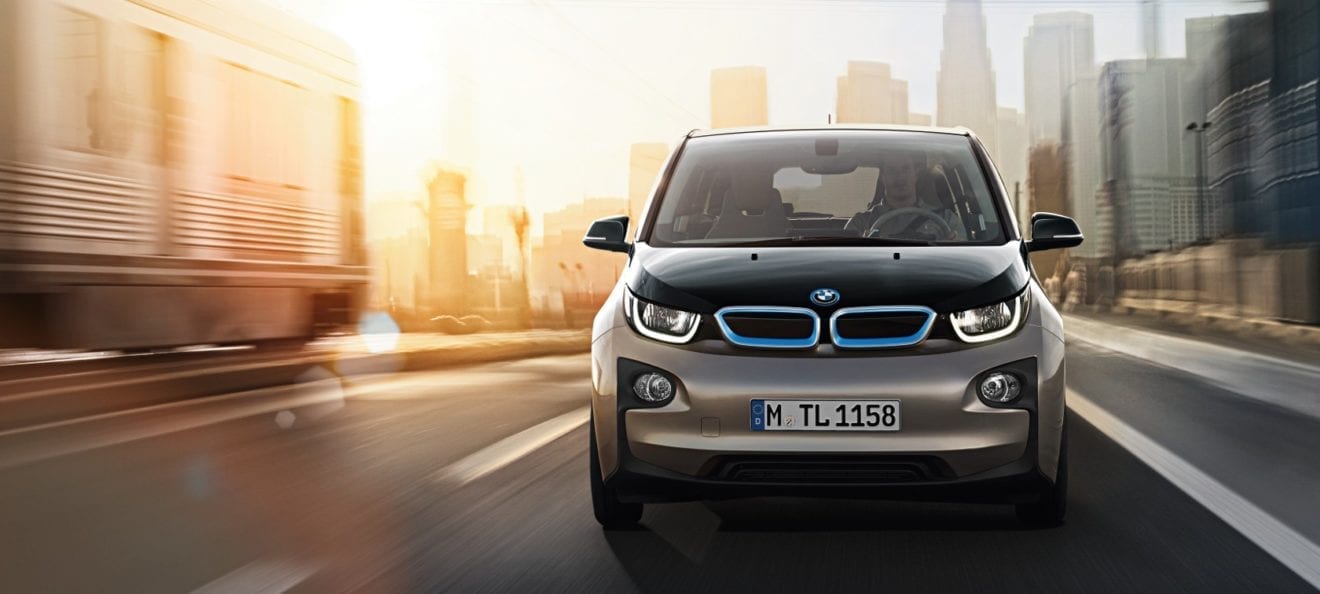
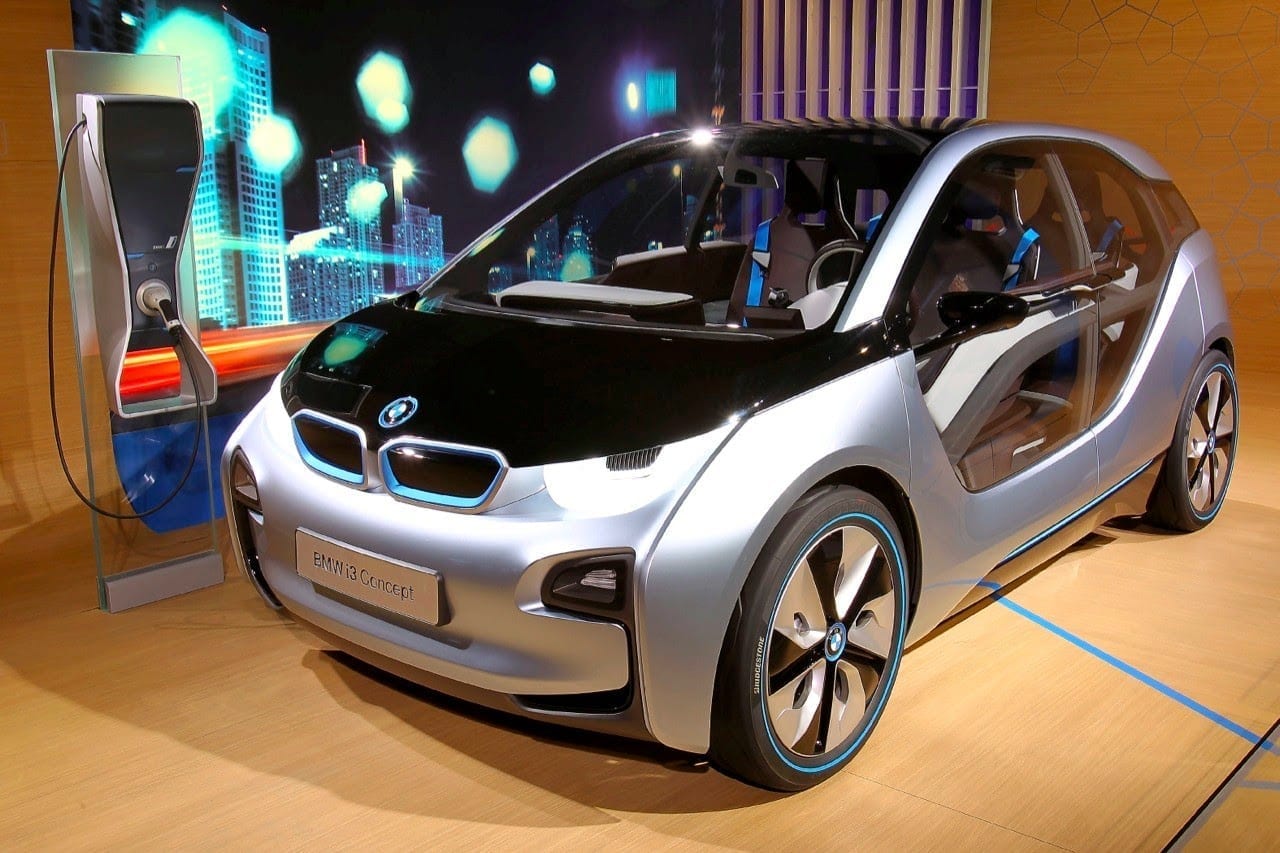
  • BMW to offer new version of i3 electric car in 2017

    BMW to offer new version of i3 electric car in 2017

    German luxury carmaker BMW plans to launch a new version of its i3 electric car next year with a longer range and revamped design, German weekly Welt am Sonntag reported, citing company sources.

    BMW will rework the front and rear of the i3 and equip the car with a new battery to increase its range substantially beyond the current 300 km maximum, the paper said, adding that the increase would be below 50 percent.

    BMW has been torn about whether to accelerate development of new electric cars given its expensive early investment has only resulted in lacklustre sales, with 25,000 i3s delivered last year.

    To help improve sales, BMW has already increased the battery range of its i3 city car by 50 percent this year.

    BMW was not immediately available for comment on the newspaper report.

  • BMW eyes 100,000 electric car sales in 2017

    BMW eyes 100,000 electric car sales in 2017

    BMW wants to boost sales of electric cars by two-thirds next year to 100,000 vehicles as the luxury automaker is offering more battery-powered models, citing Chief Executive Officer Harald Krueger.

    Munich-based BMW expects to increase its deliveries of fully electric and hybrid vehicles to around 60,000 units this year, Krueger said. Sales of battery-powered BMW models have totaled about 100,000 cars since 2013, he noted.

    “Electric mobility will come, but demand is not going through the roof at the moment,” the newspaper quoted Krueger as saying.

    To help improve sales, BMW is also increasing the battery range of its i3 city vehicle by 50 percent this year. The i3, BMW’s only fully battery-powered car, sold only 25,000 units last year.

    The company, which has dropped behind Daimler’s Mercedes-Benz in global luxury-car sales rankings, wants to expand the share of electric cars and hybrid models to between 15 percent and 25 percent of sales by 2025, the newspaper reported.

  • BMW warns profits under pressure as car margins slip

    BMW warns profits under pressure as car margins slip

    BMW’s profit margins on cars fell in the third-quarter, hit by spending on more engineering staff and new electric car technologies against a backdrop of stiffer price competition in the U.S. luxury car market.

    BMW and its rivals are struggling to maintain profit levels amid heavy investment in new technology including electric and self-driving cars, cleaner diesel engines as well as new ride-hailing business models to rival Uber.

    The Munich-based carmaker reiterated its full-year target of a slight increase in group pretax profit but warned that margins would remain under pressure due to continued investment.

    “Costs generally rise towards the end of the year so we expect this to have a dampening effect on earnings,” Chief Financial Officer Friedrich Eichiner told analysts on a call on Friday to discuss BMW’s results.

    “Capital expenditure will also be higher in the last three months of the year, mainly due to the start of production and ramp-up of the new BMW 5 Series,” Eichiner said, adding that research and development spending would remain high into 2017.

    While sales of BMW, Mini and Rolls-Royce cars rose 7.1 percent in the quarter ending in September, the return on sales at BMW’s core automotive division fell to 8.5 percent from 9.1 percent a year earlier.

    By contrast, archrival Mercedes-Benz Cars’ (DAIGn.DE) third-quarter operating margin was 11.4 percent while Audi’s was 6.9 percent for the first nine months of the year.

    BMW’s shares took a hit in early trading, but had recovered by late afternoon to trade unchanged at 1530 GMT, outperforming German blue-chips .GDAXI which were 0.8 percent lower overall.

    BMW said the dip in automotive profits was mainly attributable to higher personnel expenses as staff numbers rose 3.6 percent, along with changes in the mix of vehicle models sold.

    Customers are migrating to less profitable smaller sport utility vehicles (SUVs) while BMW’s popular 5-series is at the end of its lifecycle and competing with a brand new Mercedes-Benz E-class.

    BMW said sales in the United States, a market where sales of highly profitable large sport utility vehicles has been strong, had fallen 3.6 percent in the quarter.

    “Pricing remains a challenge in North America in particular,” Eichiner told analysts.

    The more competitive sales environment has already forced German premium auto maker Audi to cut its sales forecast for the year and to warn that its operating margin would remain below its 8 to 10 percent target range this year.

    BMW said it plans to keep the return on sales at its automotive division between 8 and 10 percent, a goal it has achieved for the last 26 quarters in a row.

    At a group level, BMW said third-quarter earnings before interest and taxes (EBIT) were 2.38 billion euros ($2.6 billion), in line with a 2.37 billion consensus forecast in a Reuters poll and little changed from 2.35 billion last year.

    The group benefited from a profit boost from its financial services business and a gain from derivatives hedging.

    “Operational performance on a group level came in as expected but for automotive below expectations,” DZ Bank analyst Michael Punzet said in a note on Friday.