Retail News CRM

Tag: BMW

  • Ford says no plans to hike China prices despite new tariffs

    Ford says no plans to hike China prices despite new tariffs

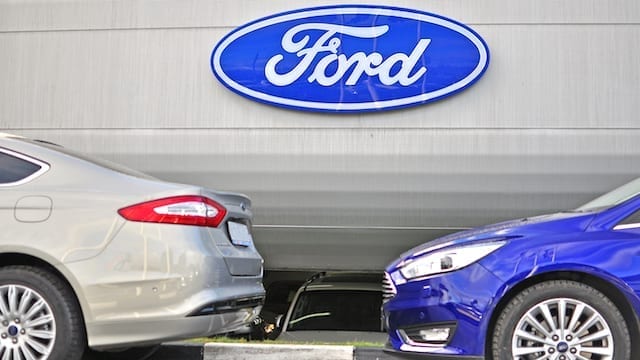
    Ford Motor Co said on Thursday that for now, it will not hike prices of imported Ford and higher-margin luxury Lincoln models in China, thus absorbing the additional cost of tariffs on U.S.-made vehicles due to be applied starting on Friday.

    The U.S. carmaker, which has faced sluggish sales in the world’s largest auto market, said in a statement that “it has no current plans to increase the manufacturer’s suggested retail price (MSRP) on its import line-up in China.”

    Ford’s move, which would reduce the profit margins on its cars imported to China, makes it the first foreign automaker to address pricing issues ahead of the new tariffs that will affect around $34 billion of U.S. imports, from soybeans and cars to lobsters.

    German automaker Daimler AG said last month that its 2018 pre-tax profits would fall versus last year because new import tariffs on cars exported from the United States to China would hurt sales of high-margin Mercedes-Benz sports utility vehicles.

    Ford has much to lose if rising trade tensions between China and Republican U.S. President Donald Trump escalate into a full-blown tariff war. Last year, it shipped about 80,000 vehicles to China from North America, more than half of them its upper-end Lincolns – including the Lincoln Continental sedan and the Lincoln MKX crossover SUV.

    China, which just days ago cut tariffs on all imported automobiles, plans to slap an additional 25 percent levy on 545 American products, including U.S.-made cars, should Trump’s administration proceed with plans to implement tariffs on $34 billion of Chinese imports beginning on Friday.

    Ford encouraged the United States and China to resolve their dispute, and said it would “monitor the situation as it evolves.”

    Most of the vehicles Ford sells in China are made locally with its joint venture partners.

    All Lincoln vehicles that Ford sells in China are imported from North America. The brand last year sold 54,124 vehicles in China, up 66 percent from 2016. It is unclear how long it will take for any impact on profit margins at Ford, as the automaker will likely have a couple of months’ supply of imported vehicles already on the ground in China.

    Ford and Lincoln both cut prices on imported models in May after China announced steep tariff cuts for automobiles and car parts that took effect on July 1.

    Trade-related issues are cropping up for Ford at a time when it is suffering from a big sales slump in China caused by a lack of new models in its line-up. Last year, its sales fell 6 percent even as overall vehicle sales in China rose 3 percent.

    Other firms that export U.S.-made cars to China include BMW, Daimler’s Mercedes and Tesla. Those automakers did not immediately respond to requests for comment.

    China is General Motors’s largest market. A GM spokesman said that aside from a very small number of Chevrolet Camaro cars, virtually all of its vehicles and parts sold in China are made there. The automaker is still assessing what to do about that small number of imported vehicles, the spokesman said.

    Fiat Chrysler Automobiles NV (FCA) produces the bulk of the vehicles it sells in China locally, but exports the Jeep Wrangler, Jeep Grand Cherokee and Chrysler Pacifica minivan to China.
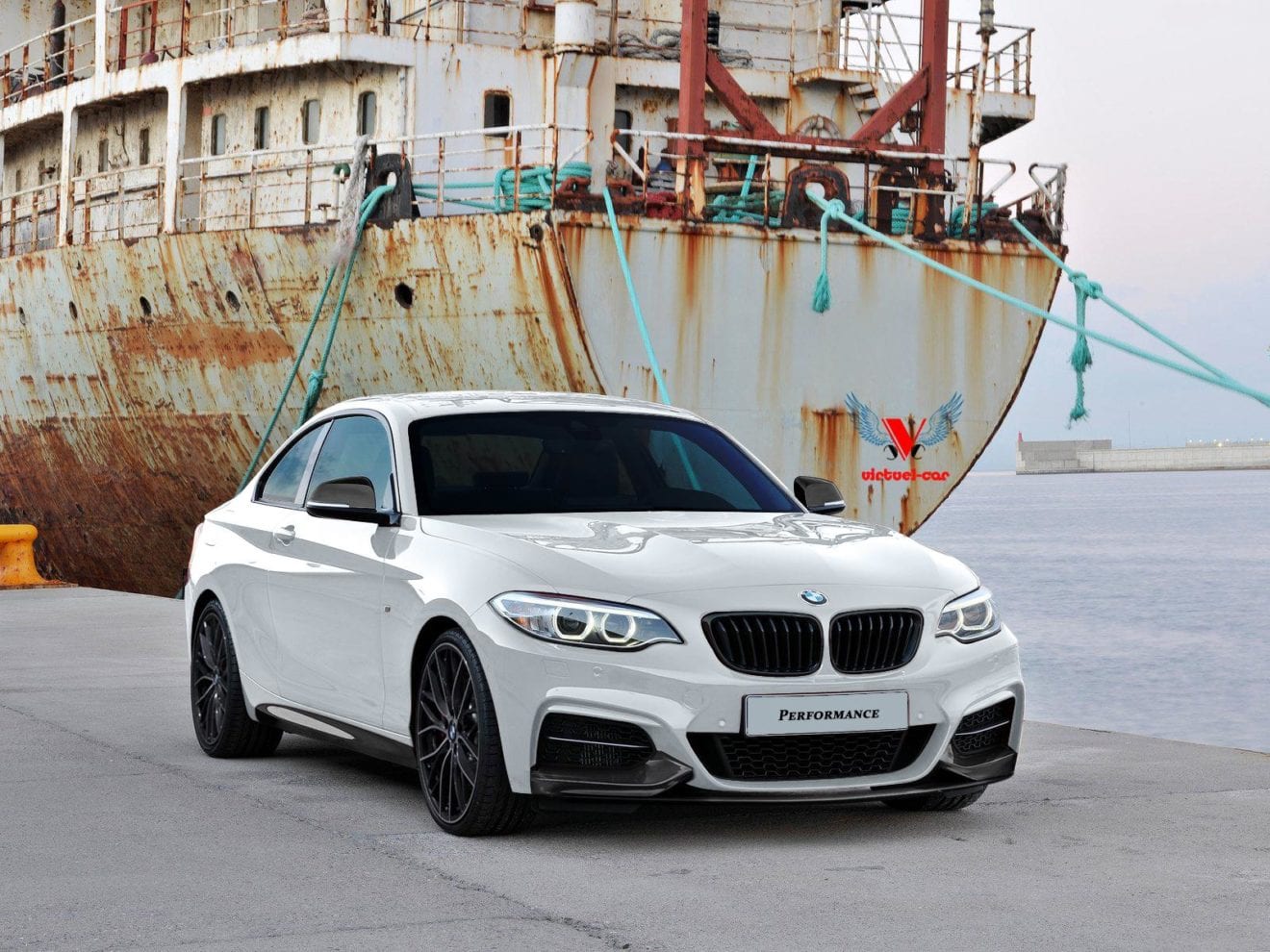
     

  • BMW is Recalling some of their cars

    BMW is Recalling some of their cars

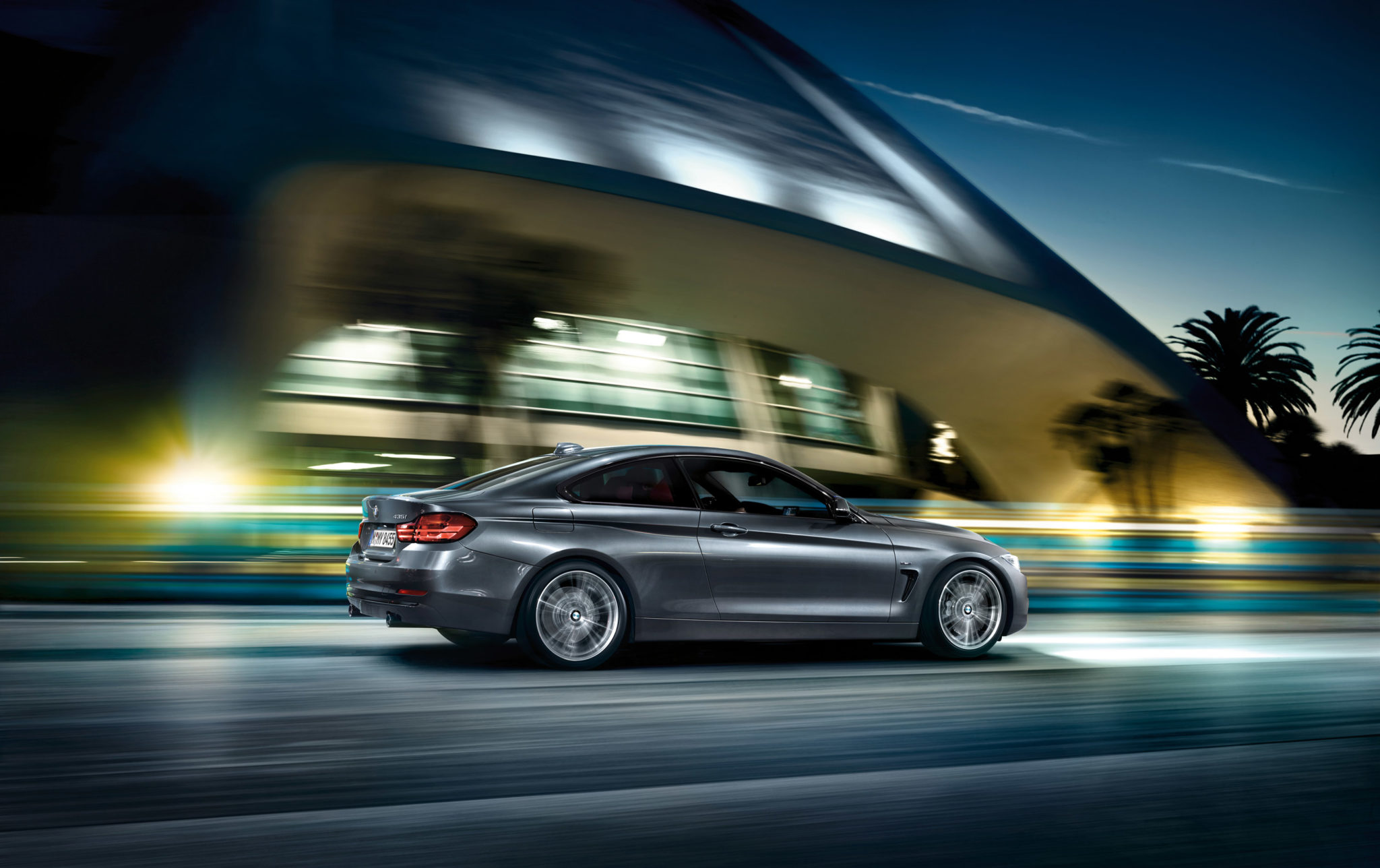
    BMW started the company in the opinion of their own cars. This is the second necessary measure from the German automaker. Last year was recalled about 36,000 of the cars, including the BMW 1 Series, 3 Series, Z4.

    The reason have a problem with the electrical part of the machine during the movement of the car. As a result, there is a risk not only stop the machine but also the fire.

    The case was investigated by the British authorities. It identified 19 cases of failures of electronics.

    BMW say that the current problem cars were not covered by initial opinion. Therefore, to increase the security of the owners made an additional request of car.

    At the moment, BMW is conducting additional testing 417 machines. This level of sampling on statistics helps to understand the essence of the problem and corresponds to the code of business ethics prevailing in the automotive industry.

  • BMW Contract Assembler to Make Engines in Malaysia

    BMW Contract Assembler to Make Engines in Malaysia

    Malaysian conglomerate Sime Darby Motors and BMW Group Malaysia open a 132 million ringgit ($33.5 million) engine plant for locally assembled vehicles and to support exports to regional markets including Vietnam and the Philippines.

    Sime Darby Managing Director Dennis Ho tells reporters the plant will produce 10,000 units a year in a single shift.

    The 91,493-sq.-ft. (8,500-sq.-m) engine plant is the first of its kind for contract manufacturer Sime Darby. Until now, locally assembled BMW and Mini models have used engines imported from Germany or Austria.

    The new facility will assemble 3- and 4-cyl. gasoline engines, 4-cyl. diesel engines and 3- and 4-cyl. gasoline engines for plug-in hybrid vehicles. It is the second BMW engine plant in the region after Rayong, Thailand.

    The new engine operation is alongside the assembly plant and regional parts-distribution center.

    Ho says there is no compromise in the quality of engines being built at the plant in Padang Meha 233 miles (375 km) north of Kuala Lumpur. “The standards of the quality checks are similar to those used in Germany,” he says. “The parts and components are imported from Germany.”

    BMW Group Malaysia CEO Harald Hoelzl says Malaysia plays a major role in BMW’s plans for Southeast Asia.

    “In Malaysia, BMW has already successfully achieved a 15% increase in the deliveries of BMW, Mini and BMW Motorrad vehicles, with 3,000 vehicles in the first quarter,” he says.

    Malaysian motoring analyst Paul Tan says the inclusion of diesel engines is interesting because BMW Malaysia no longer has diesel models in its lineup. “This means that the company is likely looking to introduce new oil-burning models soon,” Tan says on his website.

    Sime Darby Chairman Abdul Aziz Wan Abdullah says the company aims to be the preferred contract-assembly partner for the most dynamic automakers in the region.

    “We aim to produce more than 50,000 vehicles (including Mazda and Hyundai vehicles produced at the company’s Inokom plant), as well as the engine parts and components for the vehicles by the year 2020,” he says in a statement.

  • BMW, Mercedes win with diesels in Korea

    BMW, Mercedes win with diesels in Korea

    It’s only been a couple of weeks since the 2018 Winter Olympics in Pyeongchang concluded, but for two of Germany’s major premium brands the hunt for gold in South Korea continues. BMW’s and Mercedes-Benz’s sales are booming and, unlike Europe, diesels have been a major driver of the success.

    Models such as the BMW 520d or Mercedes-Benz E 220d routinely rank as the best-selling imports.

    Typically, when experts talk about strategically important car markets, the Korean peninsula doesn’t come up. Instead the focus lies mainly on the BRIC countries: Brazil, Russia, India and China.

    While China has become the single-biggest market for Mercedes, BMW and Audi, the other three have failed to live up to their potential. Instead, a market of only 1.53 million light vehicles has stepped into the vacuum. Sales of Mercedes cars in South Korea increased by 20 percent last year. Remarkably, that represents a slowdown over 2016, when volumes surged by a third.

    Some of the growth can be attributed to a 2011 free trade agreement with South Korea that first reduced the 8 percent tariff on cars imported from the EU before eventually eliminating it entirely. Executives say what is even more important has been a change in attitude. A rising number of consumers are eschewing brands controlled by large family-owned conglomerates known as the chaebol, including Hyundai, in favor of foreign makes.

    Several such groups have become embroiled in scandals where the government helped keep chaebol executives found guilty of bribery and corruption out of jail. Now it’s no longer considered your patriotic duty to help the domestic brands, especially if you can afford better.

    “There’s a new spending paradigm called YOLO: You Only Live Once,” said IHS Markit senior analyst Andy Bae. “Thanks to supportive financial and promotion programs, YOLO consumers do not hesitate to purchase premium cars from Mercedes and BMW.”

    Mercedes now counts South Korea as its sixth-largest market worldwide, only narrowly trailing France with nearly 69,000 cars sold last year. BMW wasn’t far behind with a little less than 60,000. South Korea even eclipsed Japan last year as BMW brand’s second-biggest market in Asia.

    “There’s a strong relationship between South Korea and Germany, and they are attracted by German products, so we could utilize that,” Mercedes global sales boss Britta Seeger told journalists in Los Angeles last November.

    Seeger might be the best example of the growing importance of understanding South Korea. Prior to her promotion to the board of Mercedes parent Daimler, her first major assignment was running the automaker’s national sales company in South Korea from 2013 to 2015. Her unique experience there is also influencing what decisions she makes now. As part of her goal to open up the brand to new audiences, not just customers, Seeger decided that Mercedes should sponsor eSports competitive video gaming. “It may not be considered a mainstream sport, but it’s the fastest growing sport in the world,” said Seeger, who was attracted by sold-out stadiums around the globe and almost 500 million streaming hours watched per month. “I lived in South Korea. There it’s very normal — like soccer.”

    So, it’s that much more painful that smaller premium brand Audi has effectively been frozen out of this lucrative market after regulators decertified thousands of its diesels and imposed a ban on new registrations in August 2016 because of parent Volkswagen Group’s emissions-cheating scandal. This caused volumes to plummet from a peak of 32,538 in 2015 to less than 1,000 in 2017, crippling its dealer network.

    “Korean customers migrated from Audi to BMW and Mercedes during the sales ban,” IHS Markit’s Bae explained. “VW (Group) is preparing to start sales again.” Perhaps Audi will be able to benefit from what remains of the Olympic spirit.

  • BMW raises R&D spending for electric, autonomous cars

    BMW raises R&D spending for electric, autonomous cars

    German carmaker BMW will increase research and development (R&D) spending to an all-time high of up to 7 billion euros ($8.6 billion) this year as part of efforts to bring 25 electrified models to market by 2025.

    The Munich-based maker of BMW, Rolls-Royce and Mini vehicles said that despite higher spending it expects group pretax profit to be over 10 billion euros in 2018, at least in line with last year’s level.

    In its annual report, BMW also warned of a possible impact from trade barriers and any anti-dumping customs duties in the United States and added that Brexit could have an adverse long term effect.

    Spending on developing electric and autonomous cars pushed R&D costs a billion euros higher last year, reaching 6.1 billion euros.

    “Investment will rise by a further high three-digit million euro amount year-on-year, primarily from the ongoing new model initiative as well as continued work on e-mobility and autonomous driving,” BMW said in a statement on Wednesday.

    BMW’s R&D ratio for 2018 is expected to be between 6.5 percent and 7 percent of sales. In the next two years the R&D ratio is expected to remain above its usual target corridor of 5 percent to 5.5 percent range, BMW said.

    LUXURY CARS IN DEMAND

    BMW this month reported a 5.3 percent rise in 2017 operating profit on surging demand for high-margin sports utility vehicles, helping to offset higher research spending.

    Sales of luxury cars are expected to continue rising, contributing to new record unit sales this year, it said.

    “In the automotive segment we expect to achieve new all-time highs in 2018. As long as conditions remain stable, we should see a light increase in deliveries from growth in China and the U.S. in particular,” BMW Chief Financial Officer Nicolas Peter said in a statement.

    BMW did inject a note of caution over trade tensions and Britain’s looming exit from the European Union.

    “A possible introduction of trade barriers, including anti-dumping customs duties, by the U.S. administration could have an adverse impact on the BMW Group’s operations,” BMW said in its annual report.

    Separately, BMW said the prospect of diesel bans had hit the second-hand values of some cars, leading to a rise in the credit loss ratio to 0.34 percent, from 0.32 percent a year earlier, reflecting “the situation in the used car markets in North America and Europe.”

    The increase was mainly due to the debate on diesel engines in parts of Europe, BMW said. BMW said risks related to the residual value of used cars were covered by risk provisions.

    BMW shares traded 0.6 percent higher at 0935 GMT.

  • German automakers gain ground in South Korea, outselling GM for first time

    German automakers gain ground in South Korea, outselling GM for first time

    Mercedes and BMW both sold more cars in South Korea than General Motors for the first time last month, helped by the growing popularity of German premium brands and as consumers shied away from GM after it announced a major restructuring.

    While home-grown automakers Hyundai Motor and Kia Motors Corp dominate the local market, high-end German vehicles have made inroads in recent years with more diverse offerings for brand-conscious consumers.

    BMW saw the biggest jump with February sales nearly doubling to 6,118 vehicles, industry data showed. That was just a tad behind Mercedes which led the imported car rankings with 6,192 cars, up 12 percent from the same period a year earlier.

    South Korea last year became the sixth biggest market for Mercedes, climbing from eighth place.

    GM’s announcement last month that it plans to shut down of one of its four factories in South Korea and was weighing the fate of the three other plants resulted in domestic retail sales nearly halving in February to 5,804.

    With consumers worried about loss of after-care services and residual value, GM lost its long-held spot as South Korea’s No. 3 automaker, slipping to sixth place.

    The U.S automaker, whose South Korean operations are primarily geared toward exports, is seeking financial aid from Seoul as well as concessions on wages and benefits from its local union to stay operating in the country.

    Talks with the labor union on Wednesday failed to produce concrete results although some 2,500 workers have applied for voluntary redundancy package.

    “We hope to wrap up talks with the labor union and the government swiftly,” a GM Korea spokesman said.

    “A drawn-out restructuring will hurt consumer trust,” he added.

  • BMW expects jump in electric car sales in 2018

    BMW expects jump in electric car sales in 2018

    BMW expects its sales of electric and hybrid vehicles to jump next year, its research and development chief said as the premium carmaker races to catch up with rivals such as U.S. electric car pioneer Tesla.

    Sales in 2018 will exceed a 2017 sales target of 100,000 vehicles by a medium double-digit percentage, Klaus Froehlich said at an event, without being more specific.

    In the first 10 months of 2017, BMW sold 78,100 electric cars and plug-in hybrids.

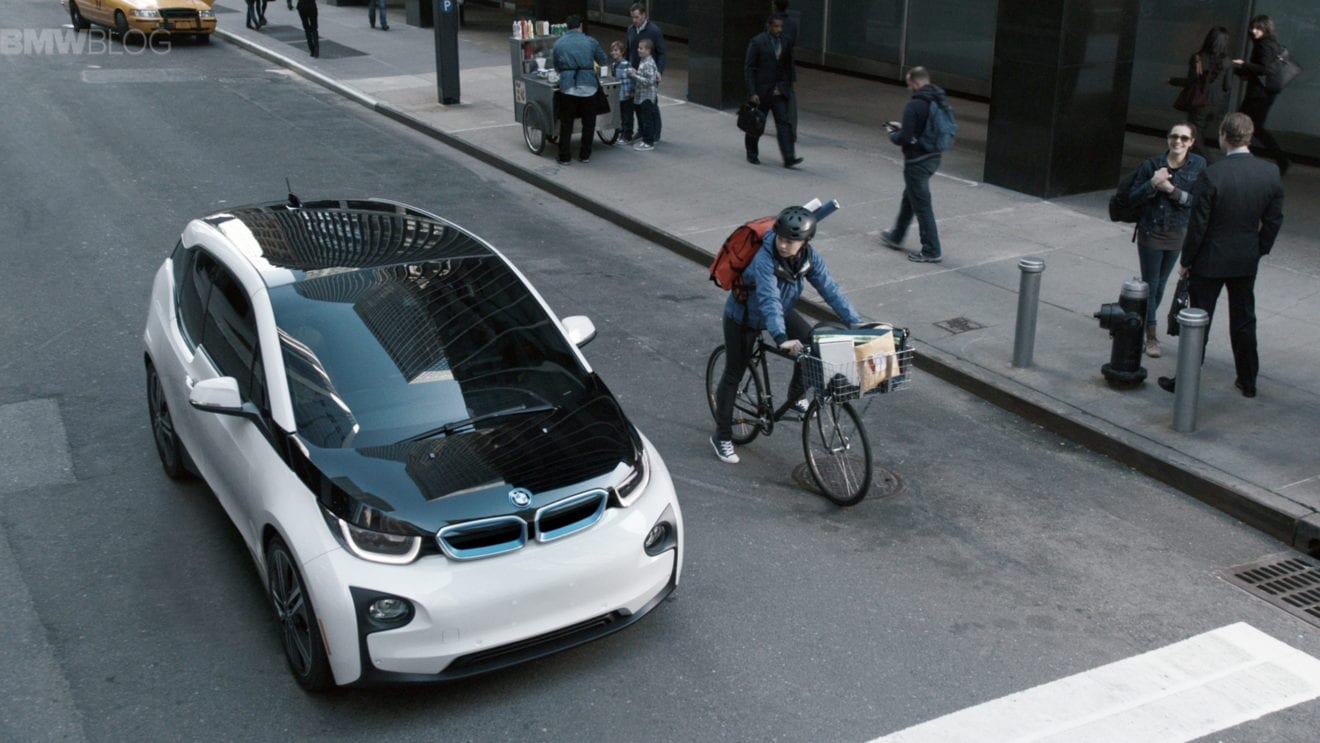
    BMW, which launched the i3 electric car in 2013, is gearing up to mass produce electric cars by 2020 and aims to have 12 different models by 2025.

    Chief Executive Harald Krueger said BMW aimed to keep its return on sales around 8 to 10 percent even with the added costs of developing electric cars.

    Carmakers are trying to lower the cost of electric vehicles by investing in the development of affordable but powerful batteries and through modular production systems.

    BMW’s Froehlich said he expected such modular systems to benefit the development of autonomous cars as well.

    BMW earlier this year teamed up with U.S. chipmaker Intel and Israel-based camera specialist Mobileye to develop autonomous driving technologies.

    Frohlich said another carmaker was to join them by the end of the year. He said the aim was to have partners from Europe, North America and Asia.

    So far, U.S.-based Fiat Chrysler and auto parts makers Delphi and Magna have joined the partnership, along with Germany’s Continental.

  • BMW to spend $237 million on battery cell center

    BMW to spend $237 million on battery cell center

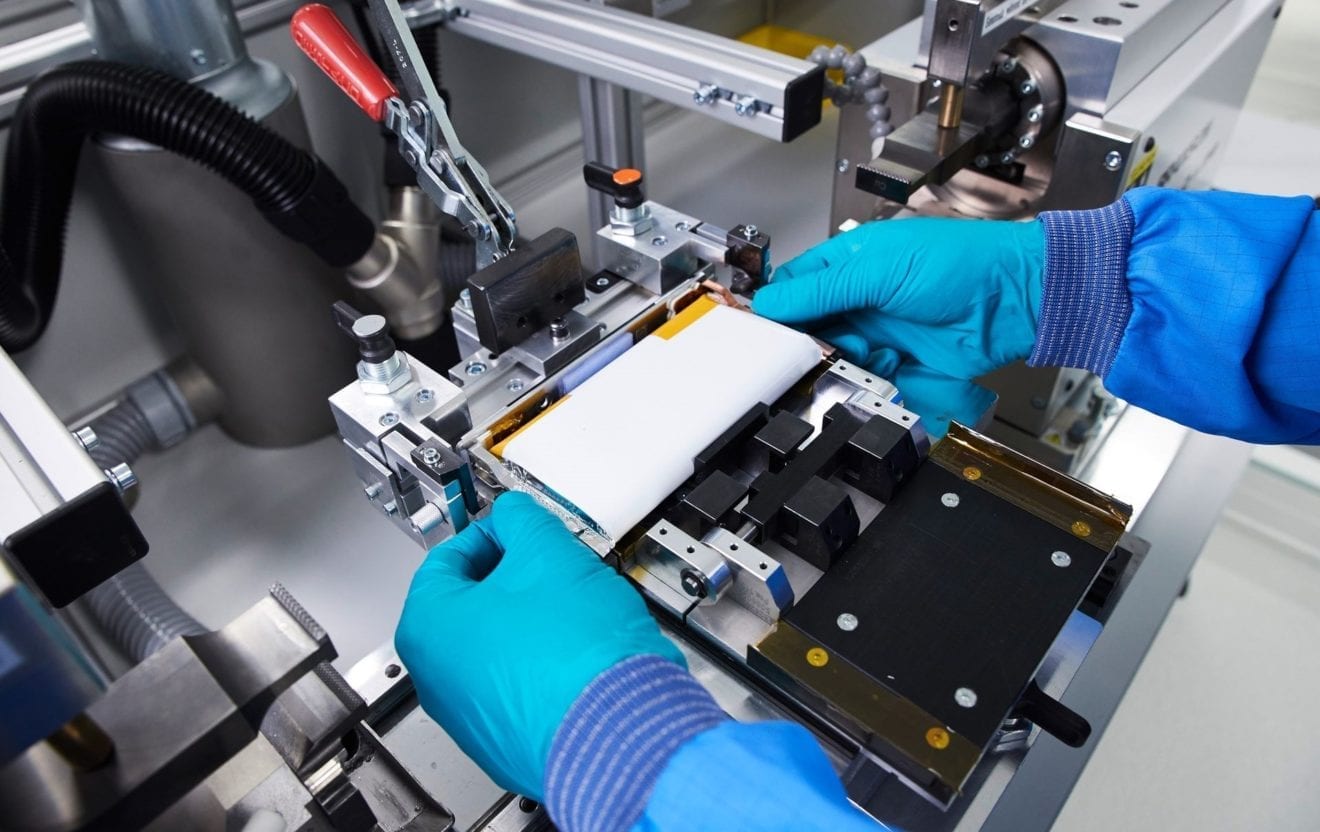
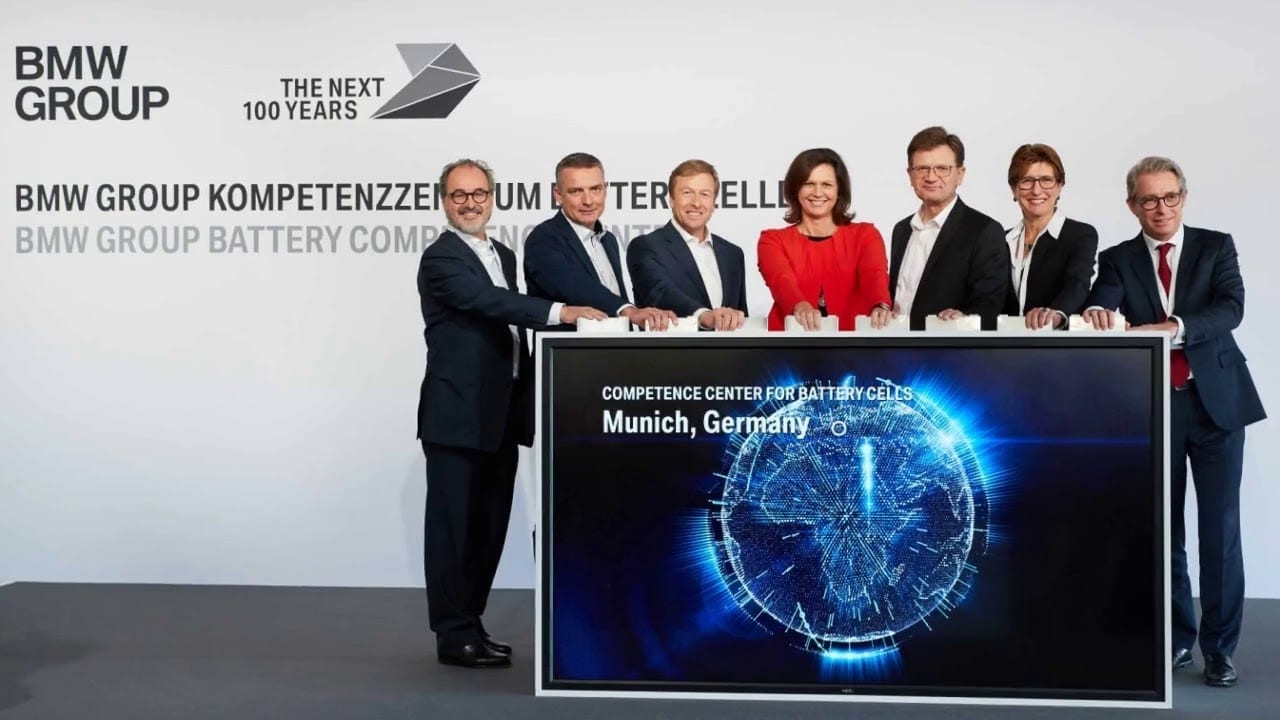
    BMW will bundle its battery cell expertise in a new competence center, the German luxury carmaker said on Friday, adding it would invest 200 million euros ($237 million) in the site over the next four years.

    “By producing battery-cell prototypes, we can analyse and fully understand the cell’s value-creation processes. With this build-to-print expertise, we can enable potential suppliers to produce cells to our specifications,” BMW board member Oliver Zipse said in a statement.

    “The knowledge we gain is very important to us, regardless of whether we produce the battery cells ourselves, or not.”

    The center will open in early 2019, BMW said.


  • German automakers set for record output expect further growth in 2018

    German automakers set for record output expect further growth in 2018

    German automakers, on course for record production this year, expect further output growth in 2018 powered by strong demand in Asia, the VDA carmakers’ lobby said.

    Producers including Volkswagen, Daimler and BMW may increase output “significantly” this year from 2016 levels to between 5.6-5.7 million units in Germany and about 10.8 million in the rest of the world, VDA President Matthias Wissmann said.

    “The automotive sector is and will remain a growth market,” Wissmann told an industry conference on Tuesday, citing momentum in China and India.

    “Current projections indicate that 2018 will also be a stable year,” he said, without being more specific.

    Separately, Wissmann said he expects demand in Germany for electric cars to show “a further significant gain” over the next three years as German carmakers plan to more than triple their offerings of purely battery-powered vehicles and plug-in hybrids to nearly 100 models from about 30 at present.

  • BMW recalling 1 million vehicles

    BMW recalling 1 million vehicles

    BMW AG said on Friday it is recalling about 1 million vehicles in North America for two separate issues involving fire risks and said it may expand the recalls to other countries.

    One recall covers 670,000 2006-2011 U.S. 3-Series vehicles to address a wiring issue for heating and air conditioning systems that may overheat and could increase the risk of a fire.

    The second recall covers 740,000 U.S. 2007-2011 vehicles with a valve heater that could rust and lead to a fire in rare cases. The recall includes some 128i vehicles, 3-Series, 5-Series and X3, X5 and Z4 vehicles.

    BMW spokesman Michael Rebstock said the recalls overlap and cover about 1 million vehicles, nearly all in the United States and about 15,000 in Canada. He said the recalls may be expanded.

    “We are examining whether it will be necessary in the future to widen this (recall) into other countries,” he said.

    BMW said both recalls followed recent meetings with the U.S. National Highway Traffic Safety Administration (NHTSA).

    In the heating and air conditioning recall, BMW told NHTSA it first got a report of an incident in 2008 involving heat- related damage to a 2006 3-Series sedan, but did not determine a root cause. The automaker continued to monitor additional field incidents in the following years.

    In 2011, BMW made a quality improvement to the blower-regulator wiring harness. No injuries were reported between 2007 and 2014, but in 2015, BMW was made aware of three incidents in which there were allegations of injuries. In early September, BMW learned of another incident involving a 2011 BMW 3 Series vehicle.

    Dealers will replace a wiring harness if necessary and potentially additional parts.

    In the valve heater issue recall, BMW first received a report in 2009 of an incident in a 2007 X5 involving heat-related damage to the engine compartment, the company told NHTSA. It received other reports and continued to review the issue and inspect returned parts, but had no reports of injuries or crashes related to the issue. Dealers will replace the valve heater.

  • Magna joins BMW-Intel self-driving car project

    Magna joins BMW-Intel self-driving car project

    Canadian auto parts producer Magna International Inc said on Tuesday it had joined a consortium including BMW and Intel Corp to develop a self-driving vehicle platform for the use of auto makers by 2020.

    The move comes as automakers are increasingly seeking alliances to share the high costs of developing self-driving vehicle technology, which requires extensive research and development and software expertise outside the traditional domain of carmakers.

    Magna is the latest addition to the BMW-Intel alliance, which aims to develop new technology that could put self-driving cars on the road by around 2021. (reut.rs/2y9llha)

    The consortium also includes Mobileye, Fiat Chrysler and auto suppliers Delphi Automotive and Continental AG.

    Earlier this year, Intel bought Mobileye, the world’s largest supplier of systems used in automotive collision detection systems, for $15 billion.

    Magna will also help automakers industrialize the platform designed by the consortium, the Canadian company in a statement.

  • BMW to build new 8 series at German Dingolfing plant from 2018

    BMW to build new 8 series at German Dingolfing plant from 2018

    Carmaker BMW plans to build its new 8 series model at its plant in the southern German town of Dingolfing from 2018, strengthening the site’s role in the production of premium models in addition to electric vehicle components.

    The plant currently makes BMW’s 3 to 7 series models and expects to beat its record annual output of 369,000 vehicles this year, BMW said in a statement on Saturday.

    It reiterated that its new electric, autonomous iNEXT model was to be built at Dingolfing from 2021, and that the plant will be involved in the supply of electric motor, components and a battery for the electric MINI to be built in Oxford.

    “And that is certainly not the end of it,” Andreas Wendt, head of the plant, said in a statement.

  • Autosports Group announecs acquisition of BMW Melbourne

    Autosports Group announecs acquisition of BMW Melbourne

    Autosports Group Ltd acquisition of Bmw Melbourne.

    Expects to pay for the bmw melbourne businesses a consideration of approximately $22 million.

    Unit enters agreement with bmw melbourne to buy businesses such as bmw melbourne ,mini garage melbourne ,south bank motor cycles and bmw body shop.

  • Geodis to manage BMW’s distribution centre in Korea

    Geodis to manage BMW’s distribution centre in Korea

    In April 2017, BMW Korea opened a new regional parts distribution centre for BMW, MINI and motorcycle spare parts in Anseong, Gyeonggi Province, 70 kilometres south of Seoul. GEODIS is entrusted with the logistics of this over 50,000 sqm site, one of BMW’s biggest Regional Distribution Center in the world.

    On this new site, GEODIS annually manages over one million order lines and handles up auto parts deliveries across South Korea. The Group deals with thousands automotive parts stored, more than twice the volume compared to the previous facility.

  • BMW’s 5-series launch helps drive forecast-beating second quarter profit

    BMW’s 5-series launch helps drive forecast-beating second quarter profit

    German luxury carmaker BMW posted a forecast-beating 7.5 percent rise in second-quarter profits as sales of its new 5-series helped to offset slowing demand for luxury cars in the United States.

    Earnings before interest and tax (EBIT) rose to 2.92 billion euros ($3.46 billion), compared with an average forecast for 2.82 billion in a Reuters poll of banks and brokerages.

    BMW affirmed its guidance for a slight increase in full-year group pretax profit and an operating margin of 8 to 10 percent at its automotive business, which posted a second-quarter margin of 9.7 percent, up from 9.5 percent a year earlier.

    BMW said it now forecasts a solid increase in automotive segment revenues for the full year.