Retail News CRM

Tag: boost

  • HSBC’s $2B Singapore Insurance Unit Sale to Allianz: A Strategic Boost for Both Giants

    HSBC’s $2B Singapore Insurance Unit Sale to Allianz: A Strategic Boost for Both Giants

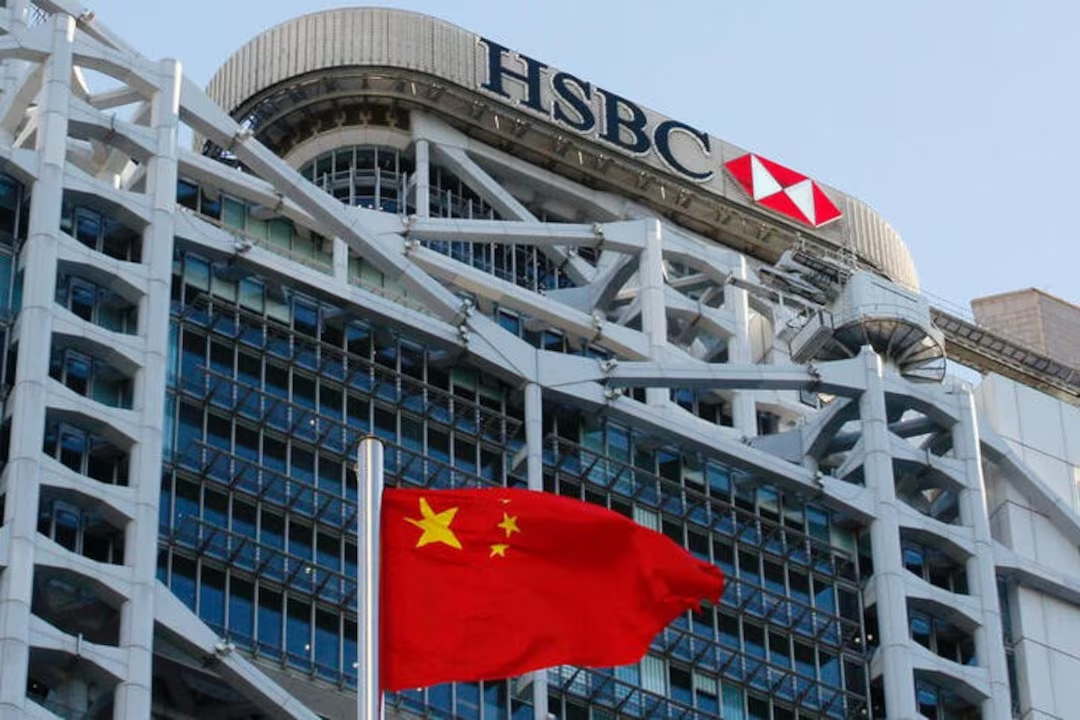
    HSBC has announced that it will sell its life and health insurance division in Singapore to Germany’s Allianz. The deal, which values the unit at SGD2.7 billion (US$2.09 billion), is expected to produce a pre-tax gain of US$1.8 billion for HSBC and potentially enhance the HSBC Group’s common equity tier 1 ratio by up to 15 basis points.

    Simplifying Operations and Boosting Capital Returns

    This sale signifies another move in HSBC CEO Georges Elhedery’s strategy to streamline operations at Europe’s largest bank and reinvest capital into sectors and markets that promise better yields. Simultaneously, he aims to maintain Singapore’s position as a vital hub for wealth and wholesale banking.

    The deal presents Allianz with a unique chance to expand in Singapore, a wealthy, strictly regulated market where distribution networks and bank-insurance partnerships carry high value. Anusha Thavarajah, Allianz’s Asia Pacific Regional CEO, states that the transaction underscores her company’s confidence in Singapore and recognizes HSBC Life Singapore’s fast-growing business, local expertise, and solid reputation among customers and partners.

    The planned divestment, set to occur in early 2027, will lead HSBC to enter a 15-year bank-insurance distribution agreement with Allianz. This agreement involves selling insurance products in Singapore, supported by an upfront payment of SGD200 million.

    Expanding Insurance Business

    The deal arrives in the wake of HSBC’s broader expansion in the insurance sector. Despite the bank’s ongoing effort to reshape its global footprint and focus on core Asian wealth and corporate banking markets, insurance income has seen a 16% year-on-year rise in the first quarter. This trend has contributed to an 18% boost in quarterly wealth revenue.

    Past investment interests include HSBC Holdings’ acquisition of French insurer Axa’s Singapore assets for US$529 million in 2022. However, the bank is also known for trimming smaller or less scalable retail and insurance operations in parts of Asia, while fiercely vying for affluent clients in the region.

    This sale follows Singapore’s Overseas-Chinese Banking Corp’s announcement in May of its Indonesian unit’s acquisition of certain HSBC wealth and premier banking portfolio assets and liabilities. HSBC is currently also reviewing its retail operations in Turkey, Australia, and Egypt.

    Questions & Answers

    What is the value of the deal between HSBC and Allianz?
    The deal values HSBC’s Singapore life and health insurance unit at SGD2.7 billion (US$2.09 billion).

    What will be HSBC’s strategy after the planned divestment in 2027?
    HSBC plans to enter into a 15-year bancassurance distribution agreement with Allianz to sell insurance products in Singapore.

    What has been the trend in HSBC’s insurance income?
    HSBC’s insurance income has seen a 16% year-on-year rise in the first quarter.

  • Lucio Tans Sky-High Ambitions: Philippine Airlines to Boost Fleet with 20 Boeing Dreamliners

    Lucio Tans Sky-High Ambitions: Philippine Airlines to Boost Fleet with 20 Boeing Dreamliners

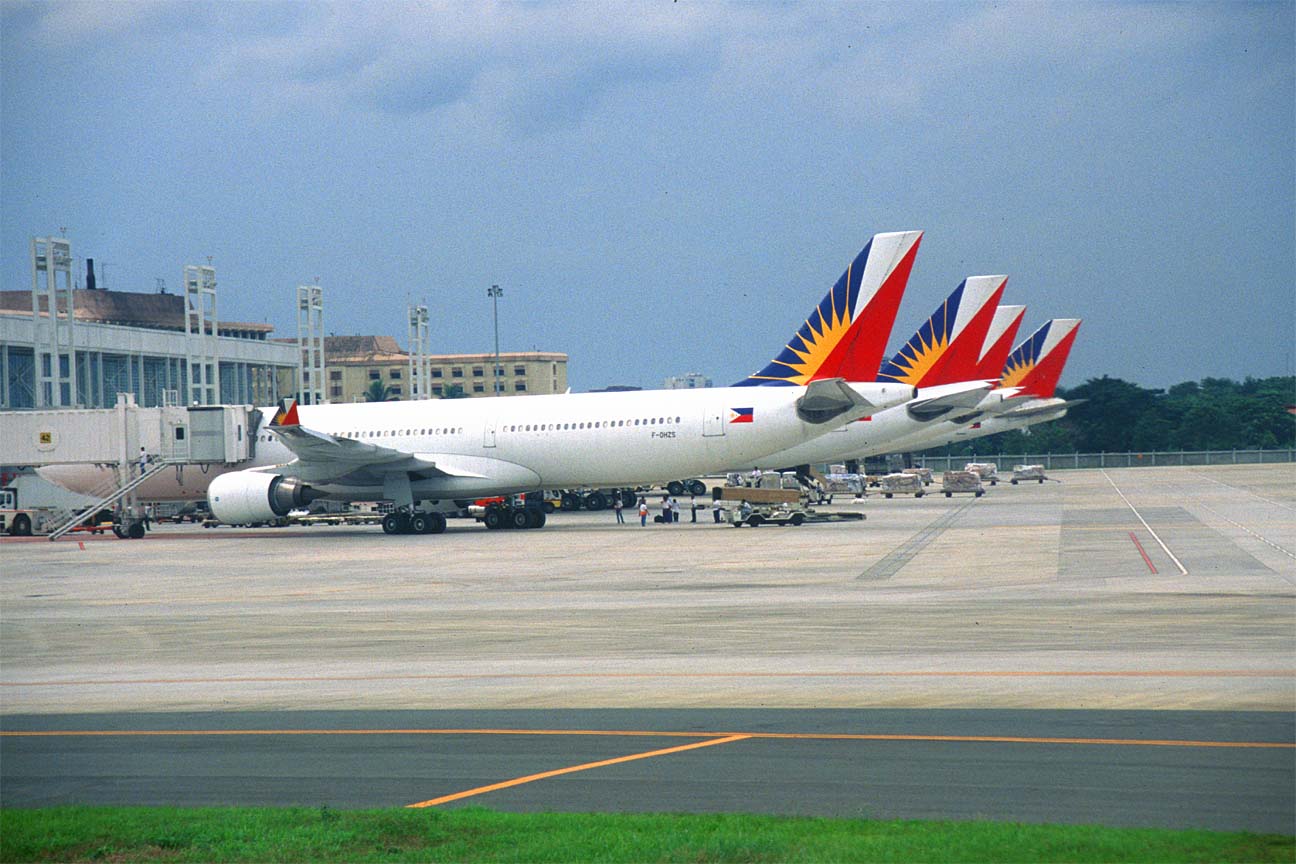
    Philippine Airlines, under the leadership of banking and tobacco magnate Lucio Tan, intends to acquire up to 20 Boeing 787-10 Dreamliner jets as the company upgrades its fleet in response to increased demand in air travel. The national airline has committed to purchasing at least 15 Dreamliners, with the option to buy another five, as stipulated in a preliminary agreement established in the United Kingdom.

    A Historic Purchase for Philippine Airlines

    The new order represents Philippine Airlines’ initial acquisition of Boeing aircraft in nearly 20 years, with delivery slated between 2031 and 2034. While the financial details of the agreement were not disclosed, the overall deal could potentially exceed $7.1 billion based on listed prices. A single Dreamliner typically ranges from $150 million to $200 million, even though its list price can reach a peak of $355 million.

    The procurement follows Philippine Airlines’ successful fundraising of $300 million from its inaugural bond sale after emerging from Chapter 11 bankruptcy in the U.S. in December 2021. The generated funding will contribute to the rejuvenation and expansion of the 85-year-old airline’s fleet.

    Lucio Tan III, president of PAL Holdings, the airline’s parent company, said, “This investment exemplifies our faith in the future of Philippine Airlines and the projected growth of air travel.” He added, “The Boeing 787-10 will augment our medium and longhaul fleet, enabling us to offer an enhanced travel experience for our passengers while improving operational efficiency.”

    A Broader Strategy for Efficiency and Sustainability

    The acquisition of the 787 Dreamliners is part of a larger plan to build a more efficient, sustainable, and competitive airline. The new aircraft will be powered by GE Aerospace’s GEnx-1B engines. Philippine Airlines, which boasts a fleet of over 80 aircraft, provides service to various destinations across the Philippines and 40 international routes in Asia, North America, Australia, and the Middle East.

    Since 2024, the airline has been actively expanding and upgrading its fleet, following a record profit in 2023 spurred by a post-pandemic travel surge. In December, the airline also added five Airbus A320 aircraft to its fleet.

    In addition to aviation, Tan’s business portfolio extends to banking, beer, spirits, tobacco, and real estate through his publicly traded LT Group. His net worth is estimated to be $2.9 billion.

    This purchase also represents a significant win for Boeing, which has also recently secured orders for 100 aircraft from leasing company SMBC and 28 jets from Riyadh Air.

    Questions & Answers

    What is the significance of this purchase by Philippine Airlines?
    This is the first time in nearly two decades that Philippine Airlines has placed an order for Boeing aircraft, marking a significant milestone in the company’s fleet upgrade strategy.

    How will this acquisition benefit Philippine Airlines?
    The acquisition of the Boeing 787-10 Dreamliner aircraft is expected to enhance operational efficiency and the overall travel experience for passengers, particularly for medium and long-haul flights.

    What are Lucio Tan’s other business interests besides aviation?
    Apart from aviation, Lucio Tan’s business interests span across various sectors, including banking, beer, spirits, tobacco, and real estate through his publicly listed LT Group.

  • Thailand Plans $362M Mega Cruise Terminal on Koh Samui to Boost Tourism

    Thailand Plans $362M Mega Cruise Terminal on Koh Samui to Boost Tourism

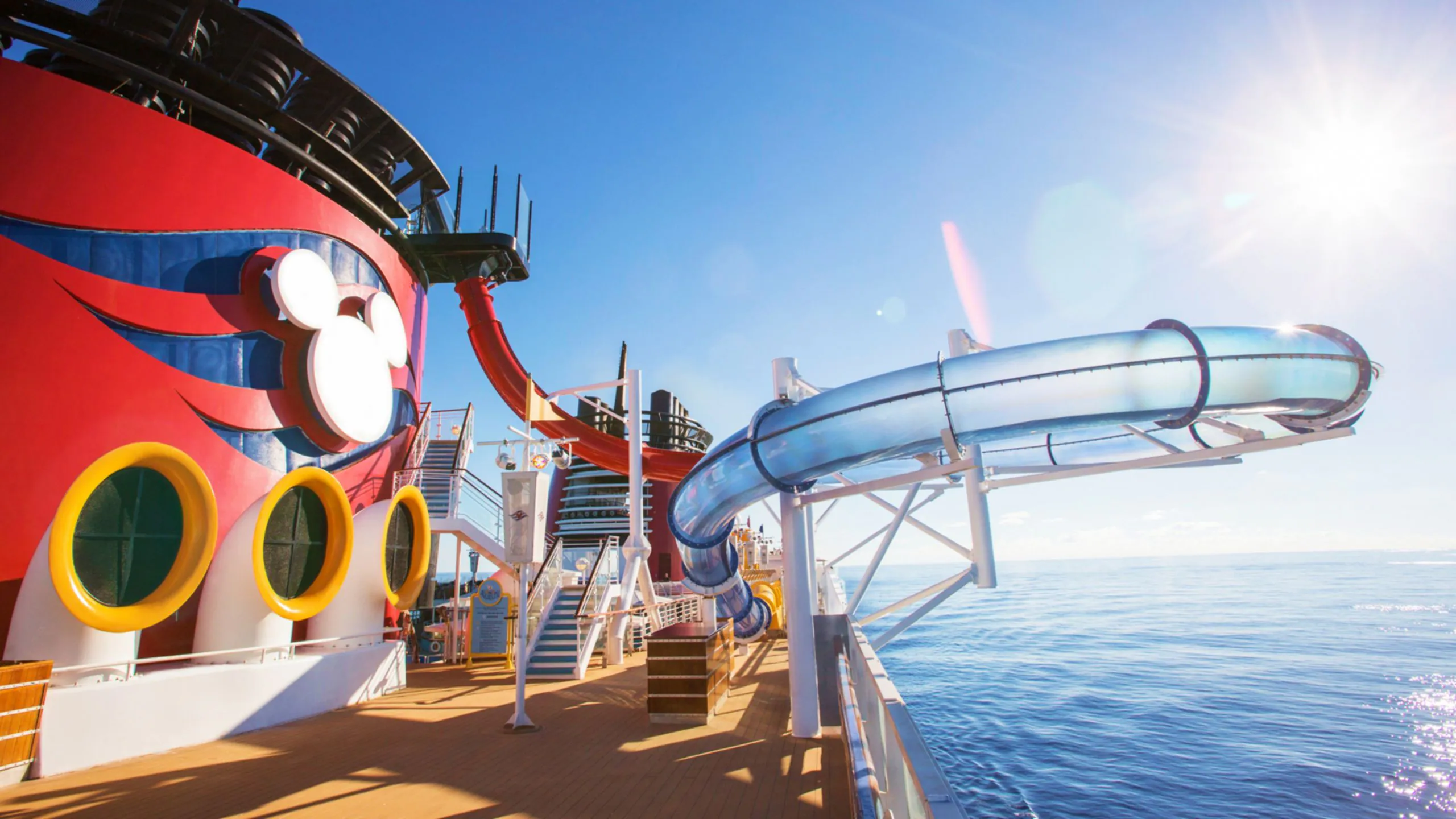
    Thailand is advancing a significant cruise terminal project, valued at THB12.2-billion (US$362-million), on Koh Samui, the country’s second-largest island. The terminal has been designed to accommodate large cruise ships and is part of 262 substantial transport initiatives slated for completion by 2027. The collective investment for these projects totals THB229.76 billion, as divulged by the Transport Ministry.

    Project Management and Approval Process

    The Marine Department is overseeing this major development, which aims to bolster maritime transportation, host larger cruise vessels and facilitate the growth of Thailand’s cruise tourism industry. The project is presently under review by the Transport Ministry, and once approved in principle, it will be put forward to the Cabinet for further approval.

    Simultaneously, applications for land usage under the jurisdiction of pertinent agencies such as the Royal Forest Department are being processed. The ministry expects Cabinet approval by 2027, followed by the bidding process in 2028. Construction is anticipated to begin shortly after and operations are projected to start by 2032, with an operational period of 30 years.

    Projected Benefits and Economic Impact

    Upon completion, the terminal is slated to serve between 200,000 and 400,000 tourists annually and should be able to manage approximately 240 cruise ship dockings each year. A study of the project estimates that the terminal could produce around THB46 billion in economic value over its 30-year lifespan, with an economic rate of return exceeding 15%.

    Koh Samui, located in the Gulf of Thailand and approximately 700 kilometers south of Bangkok, is the country’s second-largest island after Phuket. The island is renowned for its stunning beaches, luxurious resorts, vibrant nightlife, and access to nearby marine attractions such as the Mu Ko Ang Thong National Marine Park.

    Questions & Answers

    What is the main purpose of the cruise terminal project on Koh Samui?
    The cruise terminal project aims to enhance maritime transportation, accommodate larger cruise vessels, and support the growth of Thailand’s cruise tourism industry.

    When is the terminal expected to commence operations?
    The terminal is projected to start operations by 2032, with an operational period of 30 years.

    What is the expected economic impact of the terminal?
    The terminal could generate approximately THB46 billion in economic value over 30 years, with an economic rate of return surpassing 15%.

  • Chinese Airlines Secure $17.8 Billion Airbus Deal to Boost Capacity and Modernize Fleets

    Chinese Airlines Secure $17.8 Billion Airbus Deal to Boost Capacity and Modernize Fleets

    Three major Chinese airline companies are set to acquire 95 aircraft from Airbus, in deals collectively valued at approximately $17.8 billion. This comes as part of a concerted effort by these airlines to expand their capacities and modernise their fleets with more fuel-efficient aircraft amidst the bourgeoning growth of China’s aviation market – the second-largest globally.

    Air China and its subsidiary Shenzhen Airlines have agreed to purchase 55 Airbus aircraft for a total value of $12.4 billion. Conversely, Hainan Airlines has independently agreed to buy 40 A320neo-family jets, with a list price of up to $5.4 billion.

    Air China will acquire 15 A350-900 wide-body jets, while Shenzhen Airlines will separately buy 40 narrow-body A320neo-family aircraft. The A350-900 jets, valued at roughly $6.09 billion, are set for delivery between 2030 and 2032. The 40 A320neo-family aircraft, worth approximately $6.35 billion, are slated for delivery between 2029 and 2032. Meanwhile, Hainan Airlines has scheduled the delivery of its 40 A320neo jets between 2028 to 2032.

    However, Air China has clarified that the actual transaction prices will be lower than the listed values, stating that Airbus has granted significant discounts in line with standard practice for large-scale aircraft orders.

    This surge of orders is indicative of the ongoing recovery and expansion of Chinese carriers post-pandemic, despite notable challenges. Recently, Air China reported a potential net loss of up to 2.6 billion yuan for the first half of this year, attributing the financial squeeze to rising fuel prices.

    Other Chinese carriers have also been investing in large orders with Airbus. Previous notable investments include those by China Eastern Airlines and China Southern Airlines, which have made substantial aircraft purchases in recent months.

    These new jets are predicted to increase the total capacity of the Air China group and Shenzhen Airlines by 7.1% and 4.3% respectively, based on their combined passenger and cargo capacity as of December 31, 2025. In addition, some of the new aircraft will replace older models set to be retired.

    Competition-wise, the A320neo family rivals the Boeing 737 MAX on medium-haul routes, while the A350-900 is favored for long-haul international services.

    According to the IATA World Air Transport Statistics, the U.S. remained the world’s largest aviation market last year with 890.1 million passengers, with China following closely at 776.1 million passengers.

    Questions & Answers

    What is the total value of the Airbus aircraft orders by the three Chinese airlines?
    The total list price of the 95 Airbus aircraft ordered by Air China, Shenzhen Airlines, and Hainan Airlines is approximately $17.8 billion.

    Which aircraft models are being purchased by the Chinese airlines from Airbus?
    The three airlines have agreed to purchase various models, with Air China acquiring 15 A350-900 wide-body jets and Shenzhen Airlines buying 40 narrow-body A320neo-family aircraft. Hainan Airlines will be purchasing 40 A320neo-family jets.

    How will these purchases affect the total capacity of the Air China group and Shenzhen Airlines?
    The acquisition of these new jets is expected to boost the total capacity of the Air China group by about 7.1% and Shenzhen Airlines by 4.3%, based on their combined passenger and cargo capacity as of December 31, 2025.

  • Vietnam Customs Expedite Clearance for Durian, Other Ag Exports: A Boost for Border Trade

    Vietnam Customs Expedite Clearance for Durian, Other Ag Exports: A Boost for Border Trade

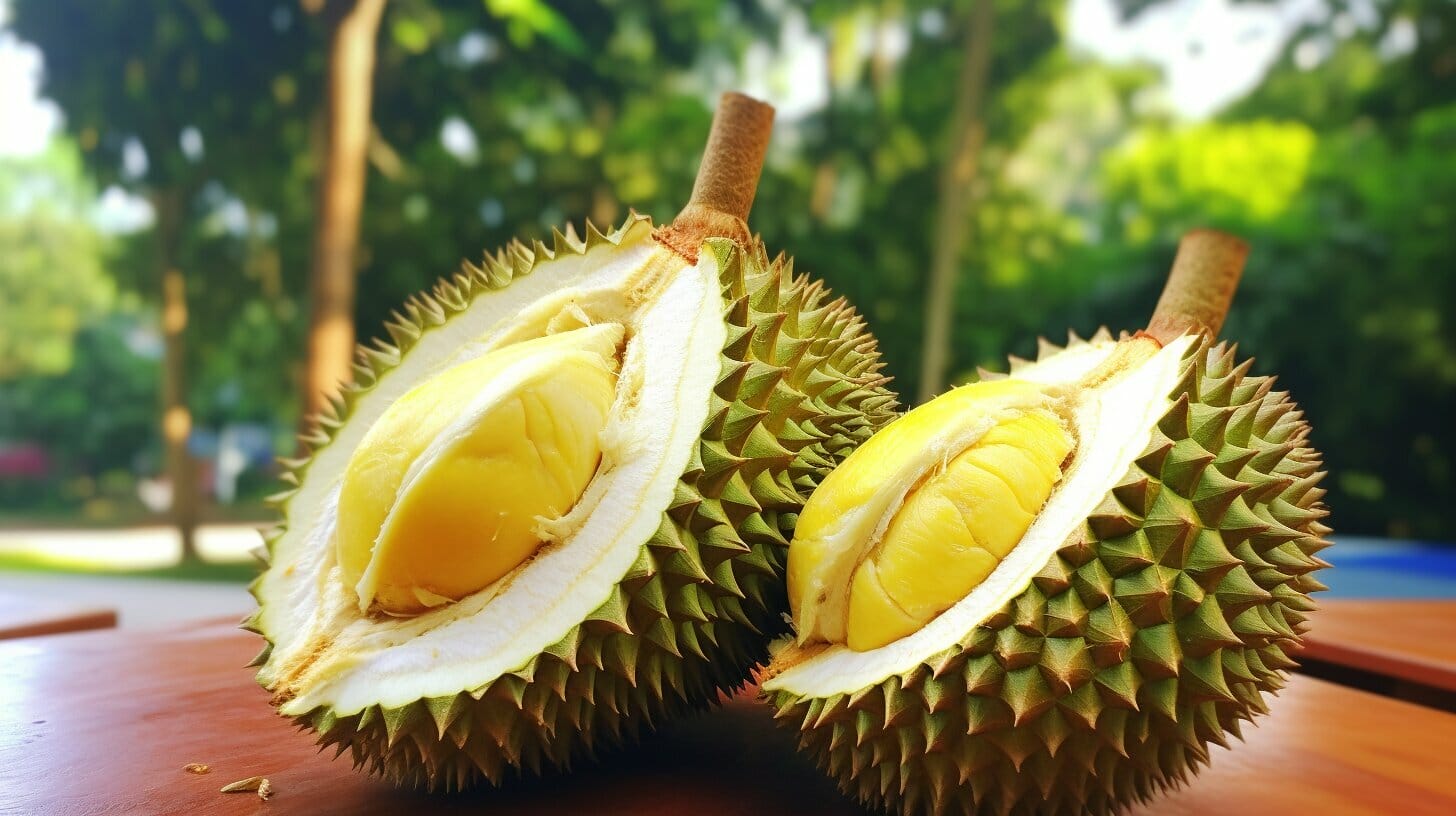
    In a bid to streamline border operations and facilitate smoother trade of agricultural goods, particularly durian exports, Vietnam’s Department of Customs has instructed its local sub-departments to hasten customs clearance processes at border checkpoints.

    This directive, which was issued recently, calls for the regional customs branches to provide maximum assistance and ensure same-day clearance of exported agricultural, forestry, and fishery products. This is to be implemented even outside standard operational hours. Furthermore, the order advised the appointment of officers to oversee export shipments and handle customs procedures, even during off-hours, such as evenings, weekends, and public holidays.

    Sub-departments have been directed to swiftly resolve any issues that may arise during customs clearance. Should the situation exceed their jurisdiction, they are to promptly refer the matter to the department for further guidance.

    Cooperation and Coordination

    The directive also emphasized the need for collaboration with warehouse and storage operators at border gates. This collaboration is essential to ensure the availability of proper facilities for the storage and sorting of goods awaiting export. This measure will help maintain the quality of agricultural, forestry, and fishery products.

    Regular updates regarding the progress of agricultural, forestry, and fishery exports are required, along with offering timely information and advice to exporters using local border gates. Coordination with relevant authorities is needed to control traffic and prevent congestion that could disrupt customs clearance.

    Constant dialogue is also critical with customs authorities at corresponding Chinese border gates. This is to ensure the swift resolution of issues that may arise during customs clearance, as well as keeping Vietnamese exporters abreast of any changes to China’s customs management and inspection policies for compliance assurance.

    For shipments that have exited Vietnam but are denied entry into China, customs authorities have been asked to prioritize and expedite re-import procedures based on the request of enterprises.

    The department has also explicitly forbidden any acts of obstruction, harassment, or unnecessary delays in customs clearance, which could escalate costs and result in losses for businesses.

    Questions & Answers

    What is the main aim of the directive issued by Vietnam’s Department of Customs?
    The aim is to expedite customs clearance at border gates for agricultural exports, particularly durian shipments, and to ensure smooth trade operations.

    How will the regional customs sub-departments facilitate this process?
    They are instructed to provide maximum assistance, ensure same-day clearance of exports, resolve issues promptly, and maintain regular communication with corresponding Chinese border gates.

    What measures are being taken to prevent potential issues during customs clearance?
    The sub-departments must coordinate with warehouse and storage operators at border gates for appropriate facilities, provide regular updates, inform exporters of changes in China’s customs policies, and prioritize re-import procedures for rejected consignments.

  • Uniqlo Owner Fast Retailing Reports Stellar 45.7% Profit Boost Amidst Global Challenges

    Uniqlo Owner Fast Retailing Reports Stellar 45.7% Profit Boost Amidst Global Challenges

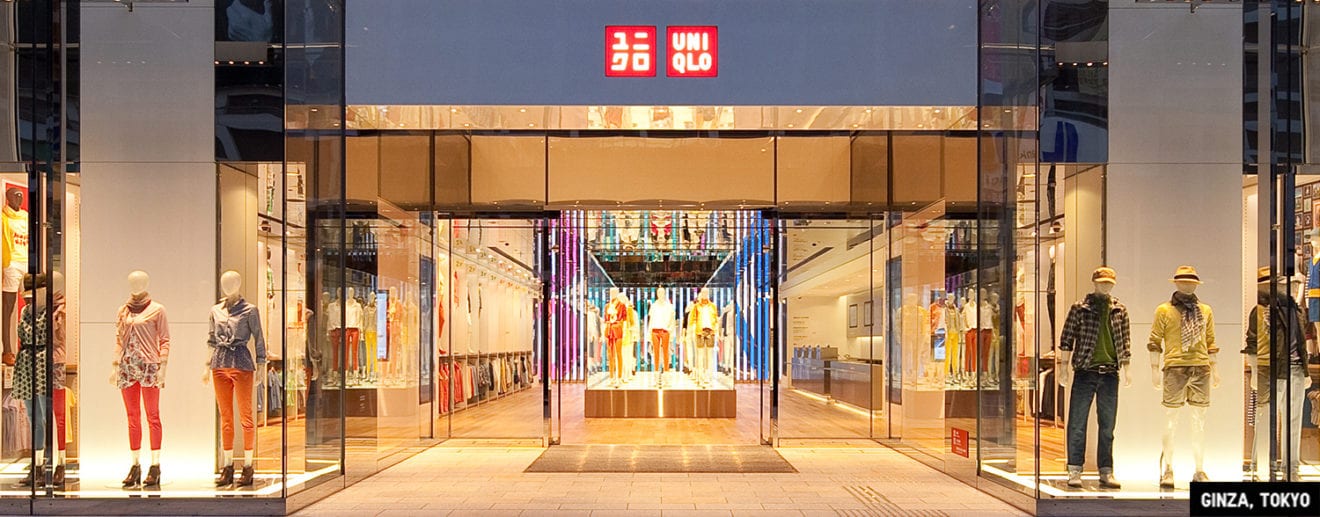
    Fast Retailing, the Japanese firm that owns the popular clothing brand Uniqlo, reported a 45.7% quarterly profit surge, despite facing challenges from the Iran war’s impact on supply chains and logistics. Achieving this milestone puts the company on track for its fifth consecutive year of record earnings.

    Over the three months through May, Fast Retailing’s operating profit reached 213.79 billion yen (US$1.32 billion), a substantial increase compared to 146.74 billion yen during the same period in the previous year. This figure significantly surpassed the average estimate of seven analysts, which stood at 177.73 billion yen. As a result of this positive performance, Fast Retailing raised its full-year operating profit forecast from 700 billion yen to 730 billion yen.

    Uniqlo’s Global Appeal and Challenges

    Fast Retailing’s success is a key indicator of consumer spending trends in Japan and mainland China, with nearly 900 stores in these regions. Starting as a single store in Hiroshima, western Japan, in 1984, the company now operates more than 2,500 Uniqlo stores worldwide, with its products primarily manufactured in Asian hubs.

    In recent times, the brand has seen rapid expansion in Europe and North America as it seeks growth beyond China, its largest overseas market. However, this expansion has come with challenges. In Japan, sales have been bolstered by a tourism boom and a weak yen, but growth in China has slowed, leading to store closures and restructuring.

    The ongoing Middle East conflict and changing weather patterns have also posed challenges for Fast Retailing, along with other global fashion retailers. Supply and logistic disruptions, as well as weather impact on clothing demand, have become significant concerns.

    Fast Retailing’s CFO, Takeshi Okazaki, highlighted these issues earlier this year, indicating that the Iran war had complicated air freight from production bases in Southeast Asia, and that sustained oil price increases could affect the costs of synthetic fibers.

    Questions & Answers

    What was Fast Retailing’s operating profit for the three months through May?
    The company’s operating profit was 213.79 billion yen (US$1.32 billion) during this period.

    How has Fast Retailing’s expansion into Europe and North America impacted the company?
    While the expansion has opened up new markets for Fast Retailing, it has also presented challenges such as coping with the effects of the Middle East conflict on supplies and logistics, and adapting to changing weather patterns impacting clothing demand.

    What factors have affected Uniqlo’s growth in China?
    The growth of Uniqlo in China has been affected by weak consumer sentiment, which led to store closures and restructuring.

  • Sapporo Joins Forces with Carlsberg in $643M Southeast Asian Venture to Boost Premium Beer Sales

    Sapporo Joins Forces with Carlsberg in $643M Southeast Asian Venture to Boost Premium Beer Sales

    Japanese brewing company Sapporo is set to enter into a strategic partnership with Danish brewer Carlsberg, which entails a $643 million investment for a 25% stake in a Singapore-based joint venture. This venture, which will span across Southeast Asia and Hong Kong, is anticipated to begin operations in December 2026, with Carlsberg owning a majority stake of 75%.

    A Regional Expansion

    Sapporo intends to use this partnership as an opportunity to extend its existing collaborations in Malaysia, Hong Kong, and Singapore to other countries including Vietnam, Laos, and Cambodia. The company’s goal is to significantly increase the sales of its flagship product, Sapporo Premium Beer, in these target markets. By 2035, Sapporo aims to sell around ten times the number of units sold in 2025, an ambitious objective that will be facilitated by Carlsberg’s strong market presence across the region.

    Anticipated Benefits

    As part of the agreement, Sapporo will provide the joint venture with a long-term license for Sapporo Premium Beer. The Japanese brewer expects to see a variety of financial benefits as a result of this arrangement, including diversified revenue streams. These will emanate from dividends, royalty income, and manufacturing-related earnings.

    Questions & Answers

    What is the nature of the strategic partnership between Sapporo and Carlsberg?
    The partnership involves Sapporo investing $643 million for a 25% stake in a Singapore-based joint venture with Carlsberg, which will span across Southeast Asia and Hong Kong.

    What is Sapporo’s sales goal for the Sapporo Premium Beer?
    Sapporo aims to increase sales of the Sapporo Premium Beer in the target markets to approximately ten times the sales level of 2025 by the year 2035.

    How will Sapporo benefit from this joint venture?
    Sapporo anticipates gaining from diversified revenue streams, which will come from dividends, royalty income, and manufacturing-related earnings.

  • Manila’s Record-Breaking 12% Minimum Wage Boost Benefits Over a Million Workers

    Manila’s Record-Breaking 12% Minimum Wage Boost Benefits Over a Million Workers

    The Philippine government has sanctioned an unprecedented 12% increase in the daily minimum wage for Metro Manila, providing an additional 85 pesos (US$1.4) in two separate instalments beginning later this month. This decision is set to impact over 1.1 million minimum wage workers in Metro Manila with the largest single wage adjustment ever made in the capital region.

    Increased Wages and Phased Approach

    The wage hike will be implemented in two parts, with an initial 60 pesos increase on July 19, and a follow-up rise of 25 pesos on January 20, 2027. Once both increases have been fully enacted, non-agriculture workers will earn a daily minimum wage of 780 pesos (US$12.73). The hike also extends to other sectors, with workers in agriculture, service and retail establishments employing 15 or fewer staff, and manufacturing companies with fewer than 10 workers experiencing a 13% increase to their daily minimum wage, reaching 743 pesos.

    The adjustment comes at a time when the price of fuel and basic goods in the Philippines have surged since March, due to the conflict between the U.S. and Iran. This has consequently escalated inflation and diminished consumer purchasing power.

    Inflation in the Southeast Asian nation decreased to 6.8% in May from a three-year peak of 7.2% in April, though it still considerably surpasses the central bank’s maximum target of 4%.

    Metro Manila: Highest Minimum Wage in the Country

    Metro Manila, which is composed of 16 cities, currently holds the record for the country’s highest legislated daily minimum wage. According to research, the living wage for an average family of five in the capital region is 1,289 pesos.

    John Paolo Rivera, a senior research associate at the government-operated Philippine Institute for Development Studies, has expressed that the wage increase will provide “meaningful relief” to workers by “boosting purchasing power in a high-inflation environment and facilitating household consumption.” However, he also cautioned that it could elevate costs for small and medium-sized businesses, which may respond by increasing prices or slowing recruitment.

    “The overall effect will hinge on the adaptability of firms and whether productivity improvements accompany higher wages,” he stated. The Trade Union Congress of the Philippines, however, has criticized the two-part implementation and characterized the increase as “grossly inadequate considering the erosion of workers’ purchasing power.”

    Questions & Answers

    What is the new minimum wage for Metro Manila?
    The new minimum wage for non-agriculture workers in Metro Manila will be 780 pesos (US$12.73) once both increases have been fully implemented.

    When will the wage increase take effect?
    The wage increase will be implemented in two stages, with the first increase of 60 pesos starting on July 19, and the second increase of 25 pesos on January 20, 2027.

    What are the potential impacts of this wage increase?
    While the wage hike is expected to provide “meaningful relief” to workers by boosting purchasing power in a high-inflation environment, it may also raise costs for small and medium-sized enterprises, potentially leading to higher prices or slower hiring.

  • Sa Sa International Skyrockets Profits by 160% with Boost in Online Sales Strategy

    Sa Sa International Skyrockets Profits by 160% with Boost in Online Sales Strategy

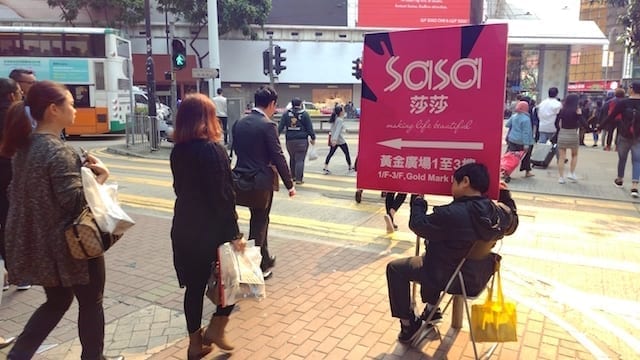
    Sa Sa International, a leading cosmetics retailer listed in Hong Kong, concluded the previous fiscal year with a significant boost in sales and profits. The company’s annual profit, which ended on March 31, witnessed an impressive growth of 160.5% amounting to HK$200.5 million (US$25.5 million). Additionally, the total turnover increased by 14.2% to HK$4.38 billion, while the gross profit augmented by 10.5% reaching HK$1.67 billion.

    A Remarkable Turnaround

    This remarkable financial performance reflects a complete shift from the previous year when the company experienced a 9.7% decrease in sales and a 64% drop in profits. The management attributes this achievement to an increase in regional operational efficiency. The company strategically shut down its physical operations in Mainland China, shifting its focus towards online sales and enhancing operations in its primary markets – Hong Kong and Macau.

    Hong Kong and Macau account for nearly 80% of the total turnover. Both markets registered a 16% growth in offline sales and a 20% rise in online sales, with the company operating 85 stores as of March 31. The markets also observed significant increases in the same-store sales, the number of transactions, the average sales per transaction, and the number of items per transaction, leading to a 62.7% surge in profits.

    In contrast, online sales in Mainland China experienced a slight dip of 5.4%. However, the closure of physical stores allowed Sa Sa to reallocate resources, resulting in a profit of HK$9.1 million within the year.

    Regional Performance and Future Prospects

    The Southeast Asia region, encompassing Singapore and Malaysia, increased offline sales by 9% and online sales by 40% across its 75 stores. However, the region suffered a loss of HK$14.8 million due to the escalating cost of living and macroeconomic challenges.

    Moving forward, Sa Sa aims to expand its footprint in high-traffic tourist districts and residential areas, with plans to open six to seven new stores in the first half of the new fiscal year. The company will also introduce measures to enhance product display and operational efficiency.

    In the first quarter ending on June 21, the company reported a 24% increase in turnover, marked by a 30.9% rise in offline sales and a 3.2% dip in online sales.

    Questions & Answers

    What growth did Sa Sa International experience in the last fiscal year?
    Sa Sa International saw a 160.5% increase in annual profit and a 14.2% increase in total turnover in the last fiscal year.

    How did the company’s operational shift affect its performance in Mainland China?
    After closing its physical stores in Mainland China, Sa Sa was able to reallocate resources, which contributed to a profit of HK$9.1 million in the year.

    What are Sa Sa’s future expansion plans?
    Sa Sa plans to further expand its presence in high-traffic tourist districts and residential areas, with the opening of six to seven new stores planned for the first half of the new fiscal year. The company will also implement measures to optimise product display and operational efficiency.

  • Boost in Personalized E-Commerce Experience Demanded by Savvy Singapore Shoppers

    Boost in Personalized E-Commerce Experience Demanded by Savvy Singapore Shoppers

    Singaporean consumers are increasingly expecting more from their online shopping experiences, favoring personalised and relevant product discovery over novelty. This finding is according to a recent report called the Spark of Discovery 2026.

    Efficiency and Personalisation

    The study shared that Singaporeans are progressively seeking out efficient, customised experiences. Nearly half of the respondents (43%) stated that a swifter, more streamlined shopping process would be the most valuable improvement that retailers could offer them.

    In addition, the survey indicated that 63% of surveyed participants still find enjoyment crucial in online shopping, 62% prefer to stick with planned purchases, and 60% remain open to discovering new items. These data points signify a more purposeful approach to online browsing and purchasing.

    Trust Over Influence

    Trust is more important than influence when it comes to online shopping. Only 28% of Singaporean consumers admitted that content from influencers generates excitement about brands, which falls below the Asia-Pacific average of 34%. Meanwhile, positive reviews and readily accessible customer support emerged as the strongest factors driving engagement.

    Singapore is seen as a key indicator of the direction in which e-commerce in the Asia-Pacific region is moving, according to Sukesh Singh, MD, SEA at Criteo. Singh goes on to explain: “Consumers here are highly digitally literate; they know exactly what a great shopping experience looks like, and they have no patience for anything less. They want discovery to find them at the right moment, not interrupt them at the wrong one.”

    Artificial Intelligence and Personalisation

    These findings have emerged as retailers are boosting investments in artificial intelligence to enhance personalisation. Over half of the respondents declared that they are comfortable with brands leveraging their purchase history to provide customised recommendations, while 44% noted that timely and relevant advertisements enhance the shopping experience.

    On the retailer side, the report found that a vast majority (92%) plan on utilising AI to improve customer experiences, while 91% intend to employ it to make product discovery more efficient. These figures suggest that retailers are increasingly shifting their focus towards data-driven targeting as opposed to broad-reaching campaigns.

    The report also underscored the significant influence of shopping festivals on Singapore consumers, with 85% stating that they are swayed by such events. This reinforces the importance of providing pertinent recommendations during peak spending periods.

    Questions & Answers

    What value do Singaporean consumers see in online shopping experiences?
    Efficiency and personalisation are highly valued by Singaporean consumers in their online shopping experiences. A streamlined, less time-consuming shopping process is seen as the most valuable improvement that retailers could offer.

    How important is trust for Singaporean consumers when shopping online?
    Trust is crucial for Singaporean consumers when shopping online. Positive reviews and accessible customer support are among the strongest factors driving engagement.

    How are retailers responding to the demand for personalised experiences?
    Retailers are increasingly investing in artificial intelligence to enhance personalisation. They plan to utilise AI to improve customer experiences and make product discovery more efficient.

  • Mondelez Injects $8M into Melbourne Candy Plant for Technological Boost: Celebrating 50 Years of Sweet Success

    Mondelez Injects $8M into Melbourne Candy Plant for Technological Boost: Celebrating 50 Years of Sweet Success

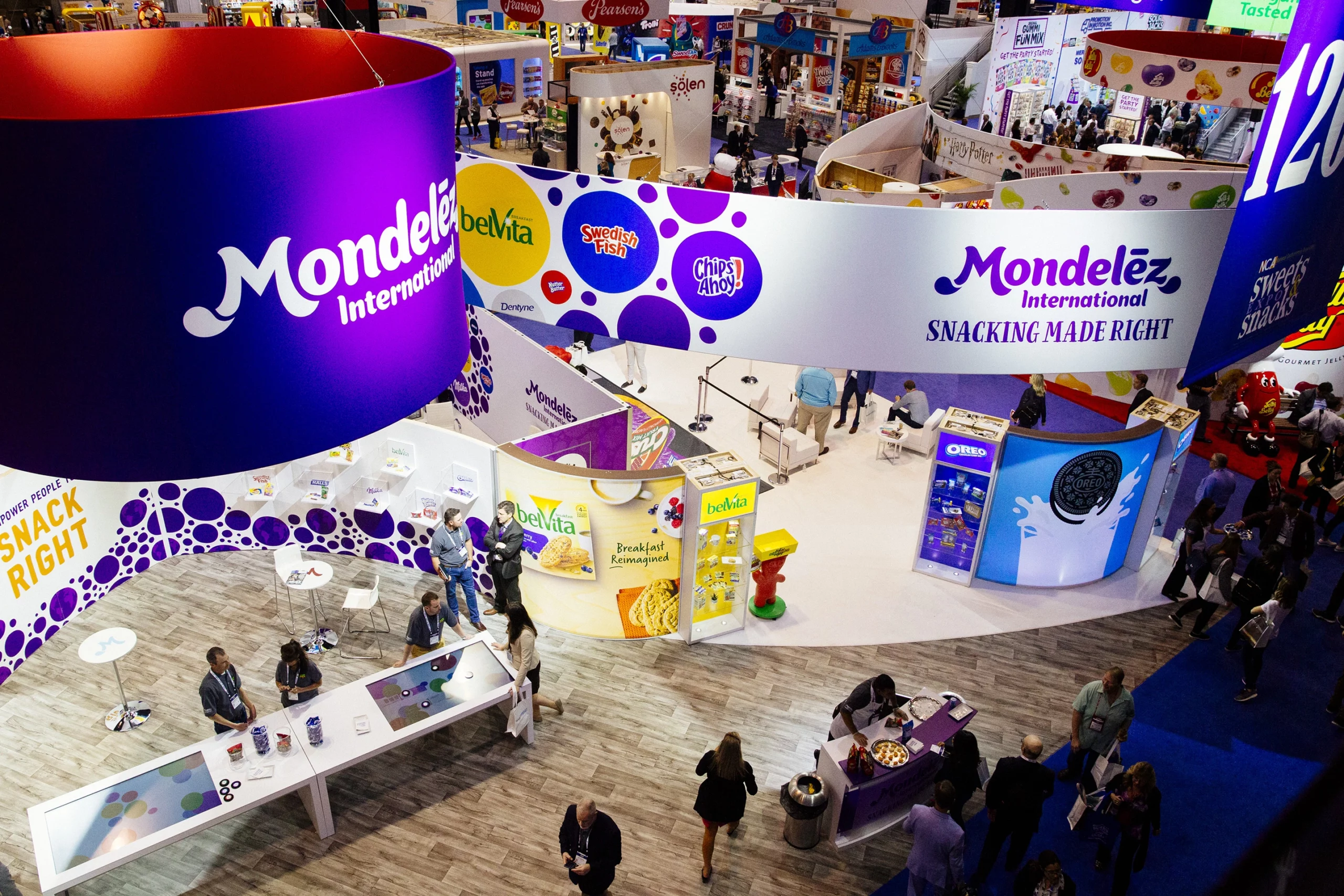
    Mondelez International recently commemorated the 50th anniversary of its Scoresby confectionery factory in Melbourne’s east, coinciding with a $8 million investment in new packaging technology. This crucial advancement will bolster the production of over 120 products, including snack-sized bags from brands like Cadbury Pascall Clinkers, Sour Patch Kids, and The Natural Confectionery Company.

    This new funding takes the total investments in the Scoresby location to $30 million since 2022. The company has clarified that this financial boost is specifically aimed at sparking regional innovation across various aspects like product flavours, range, and packaging. It will also enable the plant to accommodate ever-evolving consumer trends.

    A Commitment to Local Production

    Toby Smith, the president of Mondelez International for Australia, New Zealand, and Japan, highlighted the strategic importance of the packaging upgrade. He stated that it lay the groundwork for securing the future production at the local facility.

    This move falls in line with the company’s long-term growth projections. By 2035, Mondelez International anticipates an equal split in business growth between chocolate and non-chocolate products.

    Smith expressed immense pride in the Scoresby factory’s 50-year manufacturing history and the numerous employment opportunities it has created for Victorians in Melbourne’s east.

    Mondelez International currently employs over 1200 individuals across its operations in Victoria. Their reach extends to locations in South Melbourne, Ringwood, Scoresby, Dandenong South, and a national distribution centre in Truganina.

    Of note is the Scoresby plant’s commitment to sustainable operations, running on 100% renewable electricity. The plant is responsible for manufacturing jelly candies such as Snakes and Party Mix.

    Earlier this year, Mondelez International reintroduced its In A Biskit Crispy Potato flavour in the Australian market, a product that initially gained popularity in the 1990s.

    Questions & Answers

    What was the purpose of the $8 million investment by Mondelez International?
    It was directed towards new packaging technology, with the intention of enhancing the production of over 120 products and to adapt to changing consumer trends.

    What is the future business growth expectation for Mondelez International?
    By 2035, Mondelez International expects to see an equal split in business growth between chocolate and non-chocolate products.

    What is significant about the Scoresby plant’s operations?
    The Scoresby plant, which manufactures various jelly candies, operates on 100% renewable electricity, underlining the company’s commitment to sustainability.

  • OCBC Joins Forces with Major Business Chambers to Boost China-ASEAN Trade

    OCBC Joins Forces with Major Business Chambers to Boost China-ASEAN Trade

    OCBC, Singapore’s second-largest bank, is amplifying its efforts to harness the expanding economic ties between Greater China and Southeast Asia. This new endeavor sees the bank forming a strategic partnership with two prominent business chambers, the Singapore Chinese Chamber of Commerce & Industry (SCCCI) and the China Chamber of Commerce for Import and Export of Machinery and Electronic Products (CCCME). This partnership aligns with OCBC’s recently announced corporate strategy, The Next Frontier. A crucial element of this strategy is the ‘Asia Shift’, which aims to boost trade and investment flows between ASEAN and Greater China.

    Riding the Intra-Asia Growth Trend

    OCBC’s strategic alliance combines the bank’s regional banking prowess with the expansive network of the CCCME, which involves more than 10,000 Chinese enterprises, and the SCCCI’s robust business connections across Southeast Asia.

    This initiative is in response to the continued expansion of Chinese companies into ASEAN markets. As per OCBC’s data, there was a 50 percent increase in 2025 in the number of new Chinese businesses the bank assisted in setting up operations in Southeast Asia. This significant rise follows a 30 percent growth in the preceding year.

    The cooperation agreement stipulates the support of small to mid-sized enterprises and corporations seeking cross-border trade and investment opportunities in both regions.

    Focus on Strategic Sectors

    The collaboration will be focused on industries predicted to fuel future growth. These include green technologies, sustainable development, digitalization, and advanced manufacturing. Additionally, the partners aim to reinforce trade and financing ecosystems that stimulate cross-border business activities.

    To manage this initiative, a joint coordination group will be set up. This group will be tasked with tracking progress and ensuring the successful execution of plans.

    Roy Tan, Head of Enterprise Banking International at OCBC, shared that Chinese enterprises have quickened their globalization pace in recent years, which necessitates robust on-the-ground assistance when penetrating new markets. The partnership will enable the bank to merge financing solutions with business matching and market-entry support. Tan believes this will enhance the efficiency of Chinese companies venturing into ASEAN while generating opportunities for businesses on both fronts.

    Singapore is positioning itself as a primary gateway for Chinese companies seeking expansion into Southeast Asia. This strategic move also aims to allow local businesses to take advantage of the escalating intra-Asian trade and investment flows.

    Questions & Answers

    What is the main goal of OCBC’s new partnership with SCCCI and CCCME?
    The partnership aims to capitalize on the growing economic ties between Greater China and Southeast Asia by supporting small to mid-sized enterprises and corporations seeking cross-border trade and investment opportunities.

    Which sectors will the collaboration focus on?
    The collaboration will focus on sectors expected to drive future growth, including green technologies, sustainable development, digitalization, and advanced manufacturing.

    How does this partnership align with Singapore’s position in the global market?
    The partnership aligns with Singapore’s efforts to fortify its role as a gateway for Chinese companies looking to expand into the ASEAN region, and to benefit local businesses from growing intra-Asian trade and investment flows.

  • Unprecedented GDP Growth Spurs HSBC to Boost Hong Kong Economic Forecast

    Unprecedented GDP Growth Spurs HSBC to Boost Hong Kong Economic Forecast

    Hong Kong’s robust economic performance earlier this year has culminated in an improved financial forecast from HSBC, despite minimal influence from the Middle East conflict.

    Bright Economic Outlook and Impacts of Conflict

    HSBC’s Global Investment Research revised its GDP growth predictions for 2026 and 2027 from 2.7% and 2.8% to 3.8% and 3% respectively. This adjustment comes on the heels of Hong Kong recording a first-quarter GDP growth rate of 5.9%, a figure near a five-year high. Essential factors contributing to this positive outlook include the minimal direct effects of the Middle East conflict and evidence of domestic economic stability.

    Hong Kong’s economy is primarily service-based. Although most energy is imported, a significant amount originates from mainland China, while only a minor portion is sourced from the Middle East. To offset the potential impacts, the government has introduced direct support measures such as fuel subsidies and tunnel toll concessions. In the midst of increased uncertainty, Hong Kong’s reputation as a safe haven may draw in capital inflows seeking stability.

    Moreover, the surge in demand stimulated by advancements in AI and an uptick in trade with mainland China are expected to provide a safety net for trade activities this year. However, if the Middle East conflict continues and suppresses global demand, this could lead to potential economic risks.

    Recovery and Growth within Domestic Markets

    As for the domestic landscape, the residential property market’s recovery is creating positive wealth effects, and improvements in the labor market indicate signs of amplified consumption.

    HSBC predicts this year’s consumption to gravitate more towards discretionary goods and services. The swift enactment of major government projects such as the Northern Metropolis, in addition to AI-driven demand, will bolster investment activity. Fiscal support through infrastructure bonds and a relatively favorable monetary setting should also aid in maintaining investment momentum.

    Questions & Answers

    What factors contributed to the increased GDP growth predictions for Hong Kong?
    The first-quarter GDP growth reaching almost a five-year peak and the limited direct impact from the Middle East conflict contributed to the revised GDP growth predictions.

    How has the government aided in mitigating the impact of the Middle East conflict on the Hong Kong economy?
    The government has introduced direct support measures such as fuel subsidies and tunnel toll concessions.

    What is expected to drive consumption in Hong Kong this year?
    The consumption shift is predicted to lean towards discretionary goods and services, driven by the positive wealth effects from the recovering residential property market and improvements in the labor market.

  • DFI Retail Group Sees Robust Sales Boost Driven by Beauty and Health Segment Amid Global Challenges

    DFI Retail Group Sees Robust Sales Boost Driven by Beauty and Health Segment Amid Global Challenges

    The Hong Kong-based DFI Retail Group has recently announced a steady increase in sales for the first quarter of the year, primarily fueled by their health and beauty sector.

    Driving Growth with Health and Beauty

    Excluding cigarette sales, the DFI Retail Group reports a 4% sales rise on a year-on-year basis, using a constant currency, and a 3% increase on a like-for-like (LFL) basis. The health and beauty division is credited with a large part of this growth, with a 7% boost in LFL sales, thanks to increased transaction counts and larger basket sizes.

    In Hong Kong, Mannings saw notable growth due to a surge in tourist store sales, driven by an uptick in visitor arrivals. Similarly, Guardian’s sales in Southeast Asia reflected a robust performance in the wellness category. Standout growth was seen in Indonesia and Vietnam, which delivered double-digit LFL sales growth due to increased customer traffic.

    Divisional Performance and Growth

    Excluding cigarette sales, the convenience division, which includes 7-Eleven, saw a 2% growth on a LFL basis. Sales at 7-Eleven increased by 3% in both Hong Kong and Singapore, while sales in South China remained stable.

    The food division showed signs of improvement, with a reported 1% sales increase in Hong Kong. Home furnishings (Ikea) also showed positive trends, with a 4% growth. Both Hong Kong and Taiwan saw mid-single-digit LFL sales growth, owing to Chinese New Year promotions. Meanwhile, Indonesia bolstered its omnichannel strategy with robust online sales growth.

    Profit Growth Despite Market Challenges

    Operating profit from continuing businesses, excluding impacts from the divestment of the Singapore food business and the closure of Mannings China, grew by 12%. The underlying profit from ongoing businesses significantly increased by 49%.

    Despite a dynamic trading environment and increasing geopolitical uncertainties, DFI management stated the group remained resilient. This resilience was attributed to sourcing improvements and cost optimization, which supported price competitiveness and mitigated the impact of oil price volatility.

    DFI confirmed its full-year guidance of an underlying profit in the range of US$270 million to $300 million, supported by an organic revenue growth of approximately 2-3%.

    Questions & Answers

    What division drove the most growth for DFI Retail Group in the first quarter?
    The health and beauty division was the primary driver of growth in the first quarter, with a 7% increase in LFL sales.

    How did geopolitical uncertainties impact DFI Retail Group’s performance?
    Despite geopolitical uncertainties, DFI remained resilient due to sourcing improvements and cost optimization, which helped maintain price competitiveness and minimize the impact of oil price volatility.

    What is the projected full-year guidance for DFI’s underlying profit?
    DFI’s projected full-year guidance for underlying profit is in the range of US$270 million to $300 million, supported by an expected organic revenue growth of about 2-3%.

  • Pickup Coffee Eyes Explosive Growth with Anticipated $8M Funding Boost from Convertible Notes

    Pickup Coffee Eyes Explosive Growth with Anticipated $8M Funding Boost from Convertible Notes

    Pickup Coffee, a budget coffee chain based in the Philippines, is reportedly seeking additional funding. This endeavor includes issuing up to $8 million in convertible notes to Venturi Partners and new investor Antler.

    The Equity Fundraising

    It is believed that this equity fundraising could potentially bring in an extra $20 to $40 million. Reports suggest that this process was successfully finalized a few months earlier.

    The Birth of Pickup Coffee

    Pickup Coffee was founded in 2022 by Diego Lorenzo and Jamie Fernandez. Initially, it operated as a delivery-only coffee brand. However, the business eventually transitioned to a hybrid model, launching food-truck-style stalls. This innovative format allowed Pickup Coffee to sell its beverages at prices lower than those usually seen in traditional coffee chains.

    Menu Offerings

    Pickup Coffee’s menu offers a range of traditional coffee drinks, iced teas, hot chocolates, and unique specialty mixes. The latter includes the Ube Latte, Iced Pistachio Milk, and Avocado Latte.

    Company Growth

    Since its launch, Pickup Coffee has seen significant growth. The company has opened approximately 500 stores in the Philippines and has broadened its reach on an international scale, establishing 50 outlets in Mexico.

    The new capital injection is predicted to help support Pickup Coffee’s expansion plans. The company is concentrating on fortifying its operations in existing markets.

    Questions & Answers

    Who are the founders of Pickup Coffee?
    Diego Lorenzo and Jamie Fernandez founded Pickup Coffee.

    What is Pickup Coffee’s business model?
    Initially, Pickup Coffee operated as a delivery-only coffee brand. However, the business eventually transitioned to a hybrid model, launching food-truck-style stalls, which allows them to offer drinks at lower prices than traditional coffee chains.

    What is the purpose of the additional funding that Pickup Coffee is seeking?
    The new capital injection is predicted to help support Pickup Coffee’s expansion plans, particularly focusing on strengthening its operations in existing markets.