Tag: boost

  • DFI Retail Group Sees Robust Sales Boost Driven by Beauty and Health Segment Amid Global Challenges

    DFI Retail Group Sees Robust Sales Boost Driven by Beauty and Health Segment Amid Global Challenges

    The Hong Kong-based DFI Retail Group has recently announced a steady increase in sales for the first quarter of the year, primarily fueled by their health and beauty sector.

    Driving Growth with Health and Beauty

    Excluding cigarette sales, the DFI Retail Group reports a 4% sales rise on a year-on-year basis, using a constant currency, and a 3% increase on a like-for-like (LFL) basis. The health and beauty division is credited with a large part of this growth, with a 7% boost in LFL sales, thanks to increased transaction counts and larger basket sizes.

    In Hong Kong, Mannings saw notable growth due to a surge in tourist store sales, driven by an uptick in visitor arrivals. Similarly, Guardian’s sales in Southeast Asia reflected a robust performance in the wellness category. Standout growth was seen in Indonesia and Vietnam, which delivered double-digit LFL sales growth due to increased customer traffic.

    Divisional Performance and Growth

    Excluding cigarette sales, the convenience division, which includes 7-Eleven, saw a 2% growth on a LFL basis. Sales at 7-Eleven increased by 3% in both Hong Kong and Singapore, while sales in South China remained stable.

    The food division showed signs of improvement, with a reported 1% sales increase in Hong Kong. Home furnishings (Ikea) also showed positive trends, with a 4% growth. Both Hong Kong and Taiwan saw mid-single-digit LFL sales growth, owing to Chinese New Year promotions. Meanwhile, Indonesia bolstered its omnichannel strategy with robust online sales growth.

    Profit Growth Despite Market Challenges

    Operating profit from continuing businesses, excluding impacts from the divestment of the Singapore food business and the closure of Mannings China, grew by 12%. The underlying profit from ongoing businesses significantly increased by 49%.

    Despite a dynamic trading environment and increasing geopolitical uncertainties, DFI management stated the group remained resilient. This resilience was attributed to sourcing improvements and cost optimization, which supported price competitiveness and mitigated the impact of oil price volatility.

    DFI confirmed its full-year guidance of an underlying profit in the range of US$270 million to $300 million, supported by an organic revenue growth of approximately 2-3%.

    Questions & Answers

    What division drove the most growth for DFI Retail Group in the first quarter?
    The health and beauty division was the primary driver of growth in the first quarter, with a 7% increase in LFL sales.

    How did geopolitical uncertainties impact DFI Retail Group’s performance?
    Despite geopolitical uncertainties, DFI remained resilient due to sourcing improvements and cost optimization, which helped maintain price competitiveness and minimize the impact of oil price volatility.

    What is the projected full-year guidance for DFI’s underlying profit?
    DFI’s projected full-year guidance for underlying profit is in the range of US$270 million to $300 million, supported by an expected organic revenue growth of about 2-3%.

  • Pickup Coffee Eyes Explosive Growth with Anticipated $8M Funding Boost from Convertible Notes

    Pickup Coffee Eyes Explosive Growth with Anticipated $8M Funding Boost from Convertible Notes

    Pickup Coffee, a budget coffee chain based in the Philippines, is reportedly seeking additional funding. This endeavor includes issuing up to $8 million in convertible notes to Venturi Partners and new investor Antler.

    The Equity Fundraising

    It is believed that this equity fundraising could potentially bring in an extra $20 to $40 million. Reports suggest that this process was successfully finalized a few months earlier.

    The Birth of Pickup Coffee

    Pickup Coffee was founded in 2022 by Diego Lorenzo and Jamie Fernandez. Initially, it operated as a delivery-only coffee brand. However, the business eventually transitioned to a hybrid model, launching food-truck-style stalls. This innovative format allowed Pickup Coffee to sell its beverages at prices lower than those usually seen in traditional coffee chains.

    Menu Offerings

    Pickup Coffee’s menu offers a range of traditional coffee drinks, iced teas, hot chocolates, and unique specialty mixes. The latter includes the Ube Latte, Iced Pistachio Milk, and Avocado Latte.

    Company Growth

    Since its launch, Pickup Coffee has seen significant growth. The company has opened approximately 500 stores in the Philippines and has broadened its reach on an international scale, establishing 50 outlets in Mexico.

    The new capital injection is predicted to help support Pickup Coffee’s expansion plans. The company is concentrating on fortifying its operations in existing markets.

    Questions & Answers

    Who are the founders of Pickup Coffee?
    Diego Lorenzo and Jamie Fernandez founded Pickup Coffee.

    What is Pickup Coffee’s business model?
    Initially, Pickup Coffee operated as a delivery-only coffee brand. However, the business eventually transitioned to a hybrid model, launching food-truck-style stalls, which allows them to offer drinks at lower prices than traditional coffee chains.

    What is the purpose of the additional funding that Pickup Coffee is seeking?
    The new capital injection is predicted to help support Pickup Coffee’s expansion plans, particularly focusing on strengthening its operations in existing markets.

  • Inditex, Zara’s Parent Company, Reports Stellar Sales Boost Across All Brands in Annual Profit Surge

    Inditex, Zara’s Parent Company, Reports Stellar Sales Boost Across All Brands in Annual Profit Surge

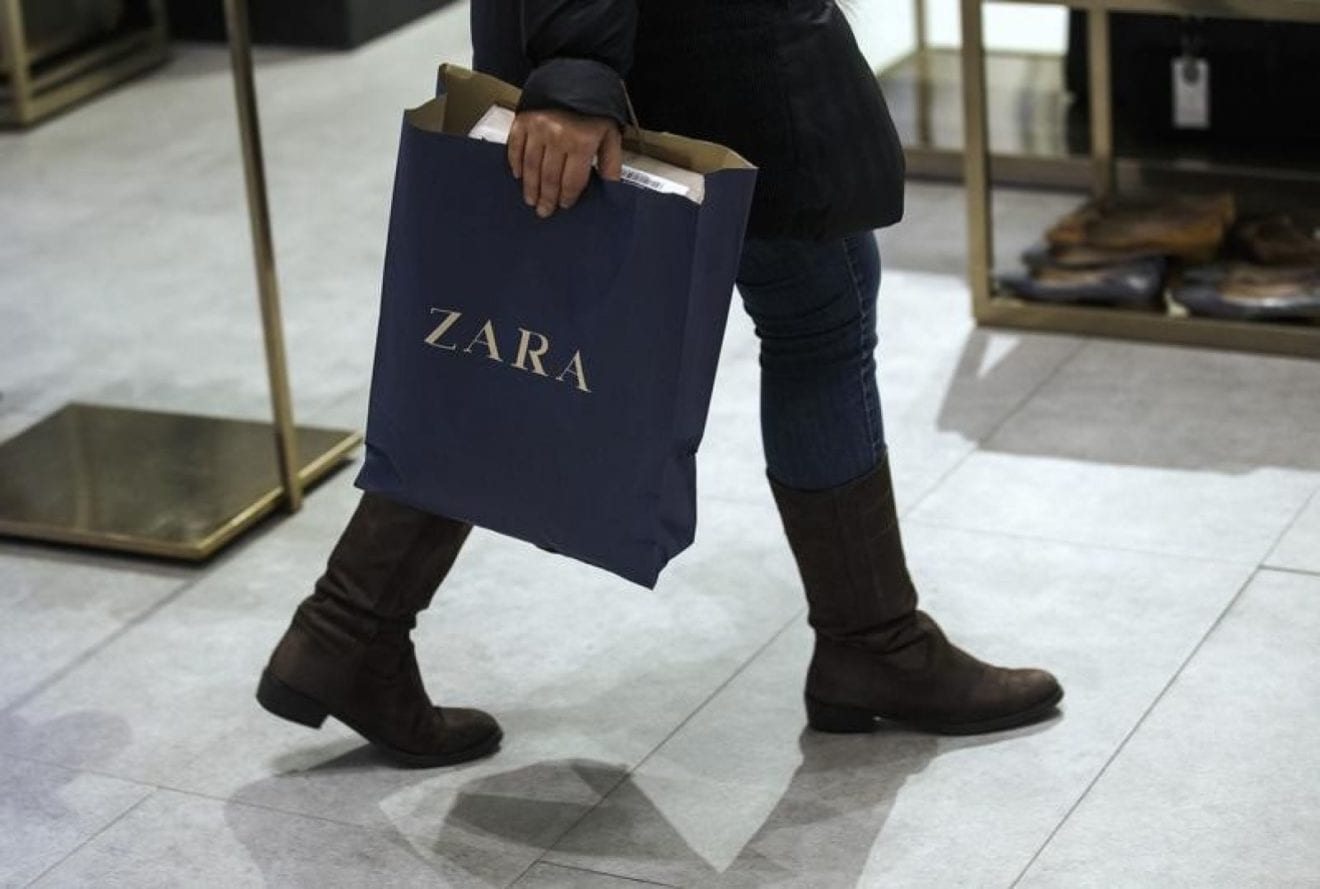
    Inditex, the parent company of Zara, has seen considerable increases in its gross and net profits, fueled by robust sales across all its brands.

    The company’s total net revenue for the fiscal year ending January 31, 2025, climbed 3.2 per cent to €39.9 billion (US$46 billion). Taking into account the currency exchange, sales experienced a 7 per cent rise. Over the past three years, Inditex’s sales have surged by 22 per cent, with a concurrent decrease in the number of retail outlets by 6 per cent. This demonstrates the firm’s constant growth despite a decrease in physical retail presence.

    All brands within the Inditex group enjoyed sales growth throughout the fiscal year. The primary Zara enterprise, inclusive of Zara, Zara Home, and Lefties brands, saw a 1 per cent sales increase, reaching €28 billion.

    Profitable Performance By Other Brands

    Among other Inditex brands, Oysho topped the growth chart with a 15 per cent surge, closely trailed by Stradivarius and Bershka, each boasting over a 12 per cent rise. Additionally, Pull&Bear and Massimo Dutti each reported growth rates of 3.1 per cent and 3 per cent respectively.

    Inditex’s gross profit saw a 3.9 per cent increase to €23.2 billion, while the gross margin improved by 42 bps, bringing it to 58.3 per cent. Net income for the same period rose by 6 per cent to €6.2 billion.

    CEO of Inditex, Óscar García Maceiras, praised the company’s teams for their ability to maintain the trust of their customers across their eight commercial formats. He emphasized the importance of connecting with customers, understanding their needs, and providing top-tier products and services in driving long-term growth expectations.

    Positive Outlook

    At the conclusion of FY2025, Inditex managed 5460 stores across 214 markets. The company has continued to perform well into the new fiscal year, recording a 9 per cent increase in store and online sales between February 1 and March 8, after adjusting for the constant currency.

    Questions & Answers

    What was Inditex’s total net revenue for FY25?
    Inditex’s total net revenue for FY25 was €39.9 billion (US$46 billion).

    Which brand under Inditex reported the highest sales growth?
    Oysho, an Inditex brand, reported the highest sales growth with a 15 per cent increase.

    What was the net income for Inditex for the fiscal year ending January 31, 2025?
    Inditex’s net income for the fiscal year ending January 31, 2025, increased 6 per cent to €6.2 billion.

  • McDonald’s Malaysia Unveils $254M Expansion: 100 New Restaurants, Digital Boost, and 10,000 Jobs on the Horizon

    McDonald’s Malaysia Unveils $254M Expansion: 100 New Restaurants, Digital Boost, and 10,000 Jobs on the Horizon

    McDonald’s Malaysia has announced an aggressive expansion plan that involves an investment of RM1 billion (approximately $254 million) over the next five years. The investment will be used to open 100 new outlets, revamp existing restaurants, and enhance the company’s digital capabilities.

    Allocation of Funds and Expansion Strategy

    Datuk Azmir Jaafar, Managing Director and Local Operating Partner, shared that a majority of the investment, around 60%, will be used for the launch of new restaurants. 20% of the funds will be directed towards the modernization of over 150 existing branches of McDonald’s in Malaysia. The remaining 20% will be invested in technology and digitalization initiatives.

    The expansion plan was revealed during a press conference following the reopening of the first McDonald’s drive-thru outlet in the country, located at Jalan Pahang, Titiwangsa. Jaafar expressed the company’s intention to broaden its reach in Sabah, Sarawak, and throughout Peninsular Malaysia, with a specific focus on areas with high demand and those popular among tourists.

    Jaafar explained, “There is considerable growth potential in Sabah and Sarawak, as these regions have many towns that are yet to house a McDonald’s outlet. We also aim to expand in the Klang Valley and in other high-growth locations within Peninsular Malaysia.”

    Building a Strong Franchise Network

    Additionally, McDonald’s Malaysia intends to enhance its franchise network. Currently, 11 franchisees nationwide operate 25 outlets. The goal is to establish between 70 and 100 restaurants within the next five to ten years.

    Jaafar underscored the promising return on investment in franchising. “A substantial investment of about MYR5 million to MYR7 million is needed per restaurant. The payback period is typically three to five years, indicating a healthy return,” he stated.

    Job Creation and Operational Efficiency

    This ambitious expansion is expected to generate over 10,000 new job opportunities for locals, in line with McDonald’s Malaysia’s hiring policy of employing only local workers.

    Despite a challenging business environment, the quick-service restaurant chain has already witnessed a 26% year-on-year growth in 2025, operating more than 370 outlets across the country.

    Jaafar stressed the importance of operational efficiency to maintain competitive menu prices. “In 2025, our menu price increase was about half of Malaysia’s inflation rate. This was due to continuous improvements in supply chain efficiency and restaurant operations,” he elaborated.

    After being a part of the Malaysian landscape for 43 years, McDonald’s Malaysia continues to contribute towards nation-building. The company aims to do so by creating jobs, providing skills training, supporting local suppliers, and getting involved in community activities.

    Questions & Answers

    What is the investment plan of McDonald’s Malaysia?
    McDonald’s Malaysia plans to invest RM1 billion over the next five years to open 100 new restaurants, upgrade existing outlets, and enhance its digital capabilities.

    How does McDonald’s Malaysia plan to allocate the investment funds?
    60% of the funds will be used to open new restaurants, 20% will be allocated towards the modernization of existing branches, and the remaining 20% will be invested in technology and digitalization initiatives.

    What is McDonald’s Malaysia’s franchising plan?
    McDonald’s Malaysia aims to expand its franchise network from the current 25 outlets run by 11 franchisees nationwide to between 70 and 100 restaurants over the next five to ten years.

  • KK Super Mart Eyes $750M IPO Boost: A New Milestone in Malaysia’s Thriving Equity Markets

    KK Super Mart Eyes $750M IPO Boost: A New Milestone in Malaysia’s Thriving Equity Markets

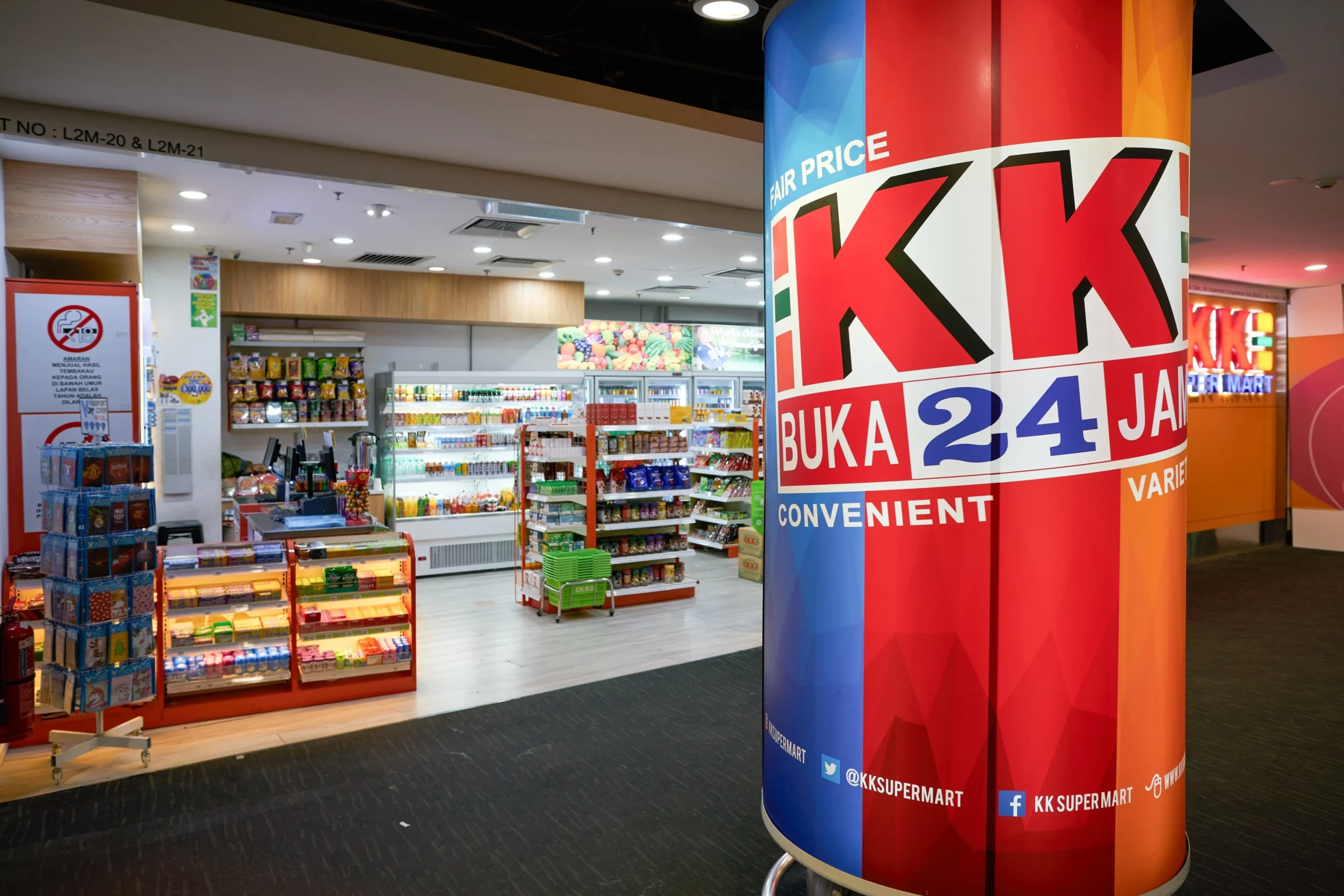
    KK Super Mart, a prominent convenience-store chain in Malaysia, is purportedly preparing for an initial public offering (IPO) that could potentially reach a staggering US$750 million in the latter half of this year.

    Company Ownership and Valuation

    The anticipated IPO is estimated to encompass over 25 percent of the company’s total valuation. A significant 95 percent stake in the business is held by the Chairman, KK Chai. The remaining 5 percent is owned by his spouse and fellow director, Loh Siew Mui. This proposed IPO is predicted to play a significant role in shaping the company’s financial future and market standing.

    KK Super Mart’s Presence and Operations

    Known to many as KK Mart, the company operates an impressive network of more than 900 stores across Malaysia, India, and Nepal. Their broad geographical presence has established them as a significant player in the retail sector in these regions.

    Malaysia’s Equity Market Resurgence

    This revelation emerges amidst a resurgence in Malaysia’s equity markets. The Kuala Lumpur Composite Index has reached its highest trading levels since 2018. Moreover, the country listed a record 60 companies in the previous year, marking the highest number in over two decades.

    Market Position and Competition

    As Malaysia’s second-largest minimarket chain, KK Super Mart holds a substantial presence in the retail industry. A successful listing could place it in direct competition with other publicly traded counterparts like 99 Speedmart, boasting over 3000 stores, and Eco-Shop Marketing with upwards of 400 outlets.

    Questions & Answers

    What is the projected value of KK Super Mart’s IPO?
    The company’s IPO is rumored to be worth up to US$750 million.

    Who holds the majority stake in KK Super Mart?
    KK Chai, the Chairman of the company, holds a commanding 95 percent stake.

    Where does KK Super Mart operate?
    KK Super Mart has a network of over 900 stores spread across Malaysia, India, and Nepal.

  • Pop Mart’s Aggressive US Expansion: Over 20 New Stores Set to Boost Presence in American Malls

    Pop Mart’s Aggressive US Expansion: Over 20 New Stores Set to Boost Presence in American Malls

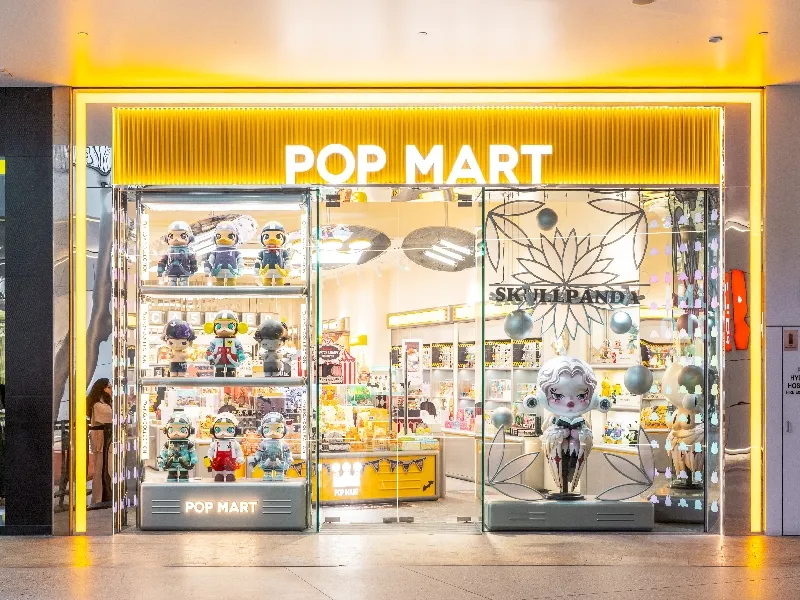
    Pop Mart, renowned for producing the popular Labubu figures, is set to expand its presence in the United States. This decision has been well-received by the corporation’s shareholders.

    Pop Mart has unveiled an ambitious plan to inaugurate more than 20 new outlets across malls in the United States. The company intends to join forces with Simon Property Group to realize this expansion. With the completion of this initiative, Pop Mart’s total outlets in the U.S. and Canada will exceed 60.

    Pop Mart marked its initial foray into the U.S. market by launching its first store in the American Dream Mall, New Jersey, in September 2023. By 2024, the firm had expressed intentions to manage as many as 200 stores within the region.

    The company observed a decline in its share price from its peak in August. However, the announcement of the U.S. expansion and subsequent investment brought about a significant turnaround. The company’s shares noticed a single-day increase of 10% – marking the most substantial growth since August 20.

    The first half of the previous year saw a dramatic 1142% year-on-year revenue increase in the U.S., amounting to US$315 million. This figure considerably surpassed the 135% growth recorded in China during the corresponding period.

    Questions & Answers

    What is Pop Mart’s expansion plan in the United States?
    Pop Mart has announced plans to open more than 20 new stores in American malls in collaboration with Simon Property Group.

    What was the response of Pop Mart’s shareholders to the U.S. expansion plan?
    The shareholders responded positively to Pop Mart’s U.S. expansion plans, evident from the 10% single-day increase in the company’s shares following the announcement.

    How did the U.S. market contribute to Pop Mart’s revenues in the first six months of last year?
    The U.S. market contributed significantly to Pop Mart’s revenues during the first half of last year, with a year-on-year increase of 1142% amounting to US$315 million.

  • Hapas Eyes $15M Boost to Amplify Omnichannel Presence and Southeast Asia Expansion

    Hapas Eyes $15M Boost to Amplify Omnichannel Presence and Southeast Asia Expansion

    Hapas, a fashion accessories retailer based in Vietnam, is reportedly setting its sights on raising a minimum of $15 million in a forthcoming funding round. The objective of this fundraising effort is to bolster its omnichannel footprint and facilitate expansion across the Southeast Asia region.

    The Role of Index Partners

    Reports suggest that Index Partners is taking on the role of sell-side advisor for the transaction. This role typically involves providing guidance on the selling strategy, facilitating negotiations, and working to ensure a favorable outcome for Hapas.

    An Impact-Linked Investment

    In 2022, Hapas received an impact-linked investment from Beacon Fund, which is the SME lending branch of Patamar Capital. This investment was reportedly influenced by the fact that 80% of Hapas’ management personnel are women entrepreneurs. Beacon Fund, however, has since withdrawn its investment.

    Specialization and Expansion Strategy

    Hapas was originally established as a provider of affordable luxury products, specializing in bags and accessories. Presently, Hapas manages 16 brick-and-mortar stores in Vietnam, and places emphasis on e-commerce platforms such as the TikTok Shop and Shopee.

    Furthermore, the company is making conscious efforts to fortify its direct-to-consumer channels to help diminish its dependence on third-party marketplaces. As part of this initiative, Hapas has commenced online sales in Thailand and is formulating plans to extend its physical retail presence to other regional markets. These include Thailand and Indonesia, and the expansion is slated to occur within the next few years.

    Questions & Answers

    What is Hapas planning to do with the new funding?
    Hapas aims to use the funds raised to enhance its omnichannel presence and to facilitate its expansion across the Southeast Asian region.

    Who is acting as a sell-side advisor for the transaction?
    Index Partners is reported to be serving as the sell-side advisor for this transaction.

    What is Hapas’ expansion strategy?
    Hapas has recently begun selling online in Thailand and aims to expand its physical retail presence to regional markets like Thailand and Indonesia in the next few years.

  • Beauty Retailer Sasa’s Sales Skyrocket by 12.5% Amid Intense Promotions and Online Boost

    Beauty Retailer Sasa’s Sales Skyrocket by 12.5% Amid Intense Promotions and Online Boost

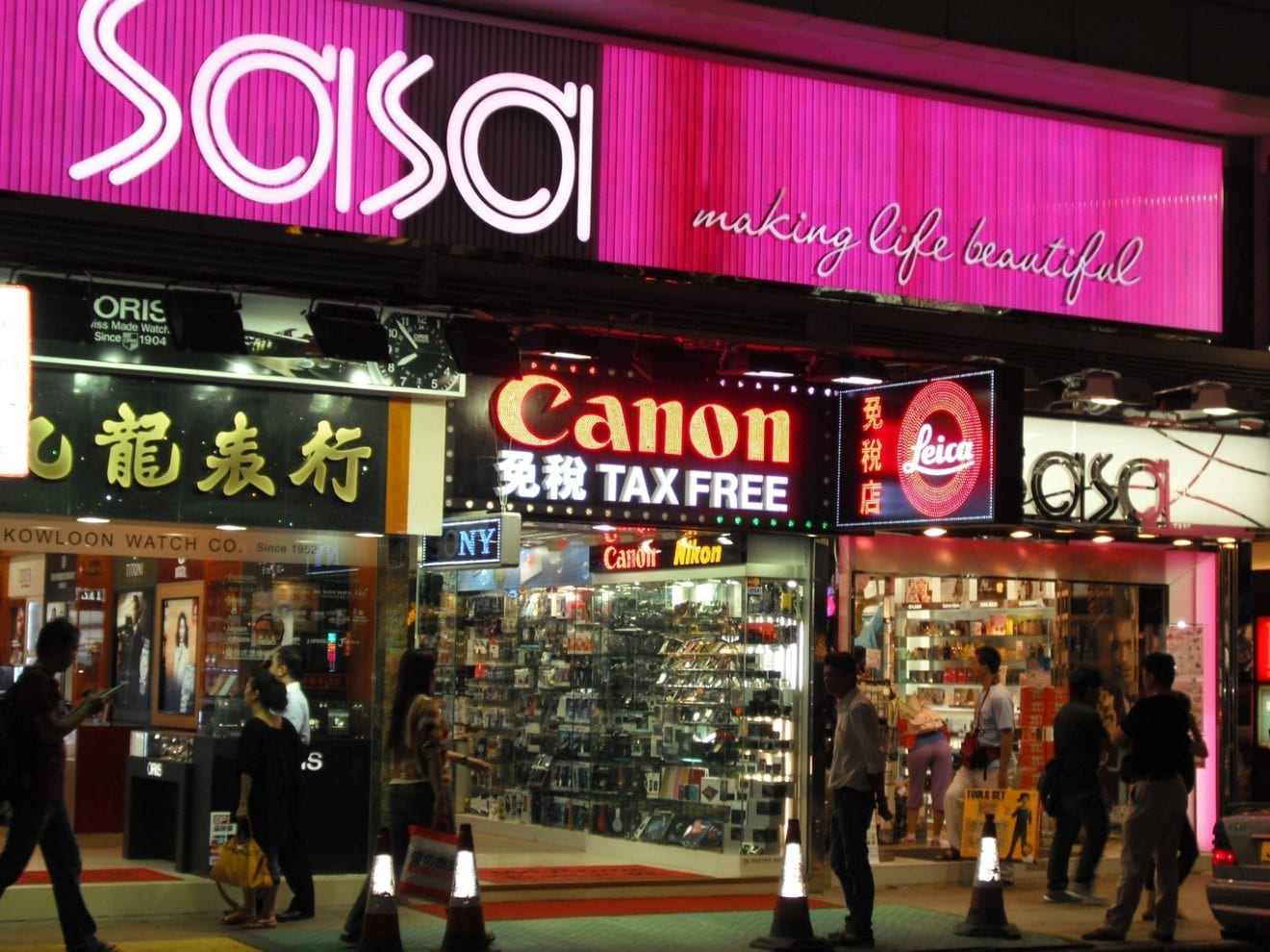
    Sa Sa International, the prominent Hong Kong beauty retailer, has reported a widespread increase in sales during the fiscal third quarter. After a lengthy phase of dwindling profits, which the company previously attributed to a “languid macroenvironment”, Sa Sa International has witnessed a revenue surge of 12.5% in Q3 compared to the same period last year.

    Online Sales Growth

    The upturn was driven by a 14.9% rise in online sales, whilst in-store sales across Hong Kong, Macau, and Southeast Asia also showcased impressive growth of over 10%. In the third quarter, Sa Sa International posted revenues of HK$1.15 billion (US$147 million).

    A spokesperson for the company outlined the strategic moves that led to the turnaround: “The group ramped up promotional activities and rolled out time-limited offers in association with brand partners at key events. This included the National Day Golden Week in October, the Sasa mega sale in November, and the Christmas holidays in December. The result was a notable year-on-year growth in both online and brick-and-mortar sales.”

    The Chinese Mainland Tourist Factor

    The spokesperson further highlighted the role of increasing Chinese mainland tourist arrivals in Hong Kong and Macau. It was observed that traditional tourist districts of Hong Kong and Macau saw a satisfying increase in store sales.

    Sa Sa International also saw an uplift in the total number of transactions recorded in Q3, which increased by 2.9% year-on-year. Concurrently, the average sales per transaction showed a 9.4% rise in the same period.

    Questions & Answers

    What was the percentage increase in Sa Sa International’s revenue in Q3?
    Sa Sa International’s revenues increased by 12.5% in Q3 compared to the same period the previous year.

    What factors contributed to the growth in Sa Sa International’s sales?
    The growth was due to an increase in promotional activities, time-limited offers in association with brand partners at key events, and a rise in Chinese mainland tourist arrivals in Hong Kong and Macau.

    Did the total number of transactions and average sales per transaction rise in Q3?
    Yes, the total number of transactions recorded in Q3 increased by 2.9% year-on-year, and the average sales per transaction also rose by 9.4% in the same period.

  • AliExpress Joins Forces with Homart to Boost Wellness Category with Quality Australian Products

    AliExpress Joins Forces with Homart to Boost Wellness Category with Quality Australian Products

    AliExpress, a renowned e-commerce platform, recently announced a strategic alliance with Homart Group, a prominent Australian health and wellness manufacturer. This collaboration seeks to enhance AliExpress’s local product offerings through the inclusion of Homart Group’s products.

    Strengthening Local Product Offerings

    As part of the agreement, AliExpress will assist Homart in establishing and promoting its primary store on the platform. The store’s initial launch will feature approximately 40 products from four distinct brands, namely, Top Life, Spring Leaf, Grandpawpaw, and Cheri. The plan is to broaden this to encompass around 200 products over the course of the next three years.

    The product offering will span across different categories, including vitamins, skincare, and wellness products.

    Lynn Yeh, CEO of the Homart Group, expressed excitement about the partnership with AliExpress. She underscored the importance of showcasing the merits of Australian-made products, which are known for their quality, reliability, and innovation, to both local and international consumers.

    Health and Wellness Category

    AliExpress has a dedicated health and wellness category designed to provide Australian consumers with access to regulated supplements and lifestyle products. The collaboration with Homart is in alignment with AliExpress’s larger agenda of investing in Australian businesses.

    The partnership is projected to create numerous opportunities for local brands and distributors to gain international exposure and marketing support via AliExpress’s campaigns. These campaigns include initiatives like 6.18, Double 11, and Black Friday.

    Alfy Zhang, the country manager for AliExpress ANZ, stated that the partnership with Homart is a significant progression in AliExpress’s effort to bring more reliable, Australian-made health and lifestyle products to local consumers. He further added that the blend of AliExpress’s international reach and digital prowess with Homart’s solid product reputation would facilitate the growth of local brands. At the same time, it would provide Australians with access to credible, high-quality products that cater to their daily needs.

    The agreement was officially ratified last week at the China International Import Expo in Shanghai. This was followed by a ribbon-cutting ceremony at Homart’s booth.

    Questions & Answers

    What is the aim of the strategic collaboration between AliExpress and Homart Group?
    The primary goal of the partnership is to broaden AliExpress’s local product offerings by including Homart Group’s health and wellness products.

    What will the product range offered by Homart on AliExpress encompass?
    The product range will initially contain around 40 items from four brands, spanning categories such as vitamins, skincare, and wellness. The plan is to expand this selection to around 200 products within the next three years.

    What are the potential benefits of this agreement for local Australian brands and distributors?
    The partnership is anticipated to provide local brands and distributors with opportunities for global exposure and marketing support through campaigns by AliExpress.

  • Thailand to Levy Taxes on All Foreign Online Purchases in Boost to Local Businesses

    Thailand to Levy Taxes on All Foreign Online Purchases in Boost to Local Businesses

    Beginning January next year, Thailand will impose taxes on all foreign goods sold through online platforms, thereby ending the current exemption on low-value imports priced under 1500 baht (US$46.30).

    Creating a Fair Market

    According to Panthong Loikulnan, the Director-General of the Customs Department, the objective of this move is to level the competition for local businesses and increase government revenue. The current situation gives foreign goods an edge over Thai businesses, putting Small and Medium-sized Enterprises (SMEs) at a disadvantage.

    New Tax System for Imports

    The newly instated system will subject all imported goods, regardless of their value, to customs duties and Value-Added Tax (VAT) as required by the law. This change supersedes the existing tariff exemption, which will be phased out by the end of this year.

    Goods priced below 1500 baht currently represent over 30 billion baht ($927 million) in annual imports. Loikulnan estimates that imposing an average 10 per cent duty could generate at least an additional 3 billion baht ($92.7 million) in government revenue each year.

    The proposed system will primarily rely on data verification from online platforms and random inspections to ensure compliance. Furthermore, Thailand’s customs department is currently in discussions with major e-commerce operators to directly link their sales and import data.

    Protecting Domestic Retailers

    Loikulnan believes that this reform will help establish a fair market for domestic retailers who are already paying taxes and are particularly impacted by the wave of low-cost imported products.

    In his opinion, delaying the implementation of such a system would put Thailand at a disadvantage since many other countries are grappling with the same issue: domestic sellers pay taxes, while foreign goods are imported tax-free.

    Lump-sum Tax Proposal

    For the long term, Loikulnan suggests introducing a “lump-sum tax”, which implies a flat rate of 20 to 30 per cent per imported package. This would simplify the system and increase efficiency. However, he acknowledges that such a change would necessitate legislative amendments and would take time to implement.

    Questions & Answers

    What is the objective of Thailand’s new tax system?
    The aim is to level the playing field for local businesses and increase government revenue.

    How will the new system work?
    All imported goods, regardless of their value, will be subject to customs duties and VAT. The system will rely on data verification from online platforms and random inspections to ensure compliance.

    What is the proposed “lump-sum tax”?
    The “lump-sum tax” refers to a flat rate of 20 to 30 per cent per imported package, suggested as a long-term solution to simplify the system and increase efficiency.

  • Amazon’s Q3 Profit Skyrockets, Thanks to Cloud Services and AI-Driven Sales Boost

    Amazon’s Q3 Profit Skyrockets, Thanks to Cloud Services and AI-Driven Sales Boost

    Amazon recently announced robust profit growth for the third quarter, showing sustained double-digit growth due to advancements across the company.

    Strong Sales and Revenue Growth

    The net income for the quarter ending on September 30 experienced a 13% increase, reaching a total of $180.2 billion. Sales in North America grew by 11%, while international sales saw a 14% rise. AWS sales also experienced substantial growth, increasing by 20%.

    According to CEO Andy Jassy, Amazon’s sustained momentum and growth during this quarter can be attributed to the meaningful improvements brought about by AI across all aspects of the business. “AWS is growing at a rate we haven’t seen since 2022. We are witnessing strong demand in AI and core infrastructure, and our focus has been on boosting capacity,” Jassy remarked.

    Key Business Developments

    The most notable achievement for Amazon this quarter was its ability to sustain the high momentum from the last reporting period. This was driven by broad developments across all business areas, which included a 16.3% increase in service revenue and a 9.6% rise in product sales.

    Despite a $2.5 billion legal settlement with the FTC and severance fees related to layoffs, net income increased by 38.2% to $21.2 billion. However, these extra costs resulted in flat operating income growth. Excluding these costs, operating income would have seen a 24.6% rise.

    The 30.2% growth in technology and infrastructure costs signified Amazon’s increased investment in areas like fulfillment and technology, despite its current success. While these investments are critical to foster new growth avenues and maintain competitive sharpness, there is a need for increased efficiency, which is being partially achieved through the elimination of certain roles and corporate hierarchy streamlining.

    Robust Retail Business

    Amazon’s retail business continues to exhibit strong growth, fueled by the ongoing expansion of fast delivery services into more rural areas and the competitive pricing and convenience of household essentials.

    Considering the broader Amazon ecosystem, the increasing sophistication of seller services is helping drive fee revenue and push up advertising sales, while also ensuring one of the widest possible selections for shoppers.

    For the fourth quarter, the company projects net sales to grow between 10% and 13%. Operating income is expected to range from $21.0 billion to $26.0 billion, compared to the $21.2 billion from the previous year.

    As Amazon looks to the future, potential for growth remains. The company is well-positioned to leverage AI more effectively to personalize customer journeys and decision making, and to drive efficiency savings in operations and logistics.

    Questions & Answers

    What led to Amazon’s growth in the third quarter?
    Amazon’s growth in the third quarter was primarily due to improvements across the business, driven by AI and broad advances in all business areas.

    What challenges did Amazon face in its operations this quarter?
    Operational challenges for Amazon this quarter included a $2.5 billion legal settlement with the FTC and severance fees related to layoffs, which affected operating income growth.

    What are Amazon’s plans and expectations for the fourth quarter?
    Amazon expects net sales to grow between 10% and 13% in the fourth quarter, with operating income estimated to be between $21.0 billion and $26.0 billion.

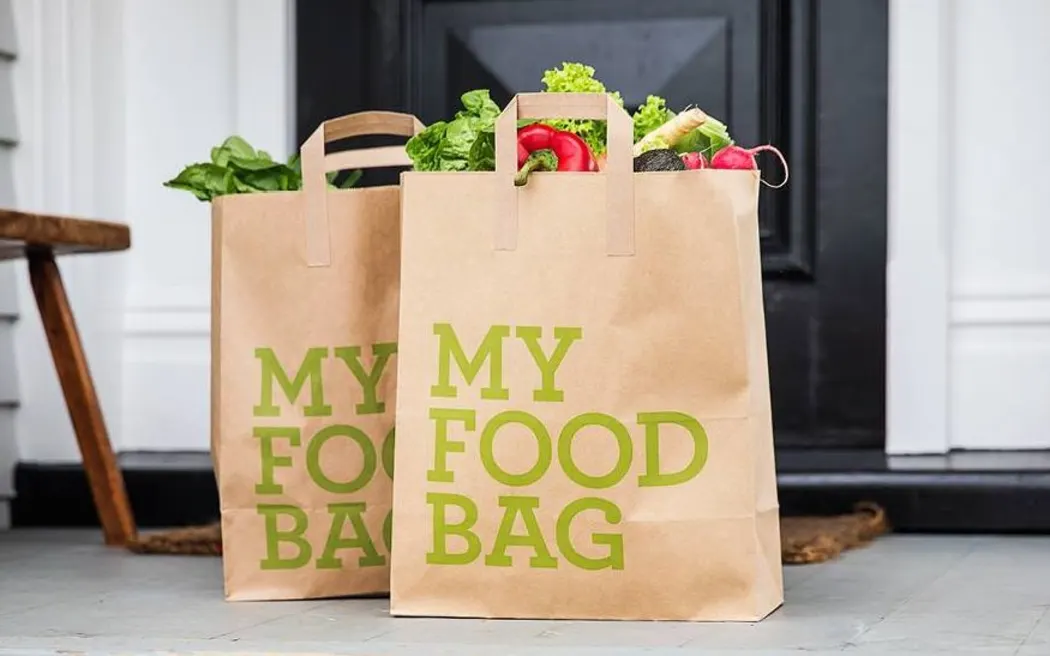
  • My Food Bag Group Sees Profit Surge, Launches Innovative Non-subscription Platform Amid Continued Growth

    My Food Bag Group Sees Profit Surge, Launches Innovative Non-subscription Platform Amid Continued Growth

    My Food Bag Group, a prominent meal kit company, has experienced a favorable upward trend in growth during the second half of the fiscal year 2025 (FY25). This positive trajectory is reflected in the company’s increased profitability and the successful launch of its innovative non-subscription sales platform.

    For the financial year ending on March 31, the company reported a steady revenue of $162.1 million, mirroring the previous year’s figures. The second half of the financial year, however, saw a 5% growth in revenue compared to FY24, and an uptick of 1.9% from the first half of FY25.

    The company’s annual net profit surged by 5%, totaling $6.3 million. The Earnings Before Interest, Taxes, Depreciation, and Amortization (EBITDA) also experienced a slight increase, reaching $16.1 million. Concurrently, the margins improved and the net debt plunged from $11.8 million to $6.9 million.

    Strategic Developments and Partnerships

    The company’s CEO, Mark Winter, expressed his optimism about the company’s efforts translating into sustained business performance and renewed growth.

    A primary strategic progression was the launch of My Food Bag Shop in November, an online platform offering one-time meals and gift boxes catering to non-subscribers.

    The company also enhanced its primary brands, namely My Food Bag, Fresh Start, and Bargain Box, by relaunching its Gluten-Free range and incorporating new specialized options. These new offerings include Low Carb, High Protein, and a Diabetes Plan, which was designed through a collaboration with Diabetes New Zealand.

    FY25 marked digital advancements, such as a revamped website and application to augment user experience. The company joined forces with the NZ Olympic Team and Auckland FC to enhance brand engagement.

    According to Winter, the enhanced user experience on the web and app facilitates an easier navigation for customers to find suitable meals. The partnerships with the NZ Olympic Team and Auckland FC have strengthened the company’s local foothold and boosted its relevance among New Zealanders.

    Future Focus

    The company reported a positive start to the early FY26 trading. Its focus remains on personalization, expanding its Bargain Box offering, and broadening the Shop platform to cater to cost-conscious and flexible consumers.

    Questions & Answers

    What was a significant strategic move by My Food Bag Group in FY25?
    In FY25, My Food Bag Group launched My Food Bag Shop, an online platform that provides one-time meals and gift boxes to non-subscribers.

    How did My Food Bag Group enhance its brand offerings?
    The company reintroduced its Gluten-Free range and added new specialized options including Low Carb, High Protein, and a Diabetes Plan, which was developed in collaboration with Diabetes New Zealand.

    What are the company’s plans for FY26?
    The company plans to focus on personalization, expand its Bargain Box offering, and broaden the Shop platform to meet the demands of cost-conscious and flexible consumers.

  • South Korean Convenience Stores See Sales Boom Following Government-issued Consumption Vouchers

    South Korean Convenience Stores See Sales Boom Following Government-issued Consumption Vouchers

    In the week following the introduction of government-issued consumption vouchers, South Korea’s convenience store chains reported a significant rise in sales. The four major chains – CU, GS25, 7-Eleven, and Emart24 – witnessed an increase of more than 10% in weekly sales from July 22 to 28 as compared to the same period in the previous month. Middle-aged consumers and families were primarily responsible for the surge in sales, using the vouchers to make large purchases, especially within the ₩20,000–₩30,000 range.

    Redemption Points at Convenience Stores

    Department stores and hypermarkets were not directly eligible for the voucher scheme due to their corporate-owned structure. On the other hand, convenience stores, which are mainly franchise-based, served as accessible redemption points. This led to a noticeable increment in basket sizes, with customers spending considerably more than the average pre-voucher spend of approximately ₩7000 per visit.

    Emart24 experienced a sales growth of over 10%, while GS25 observed a comparable rise in average transaction value. More customers were using shopping baskets and purchasing a broader range of products such as fresh food, daily necessities, and even rice and meat – items not usually associated with convenience stores.

    Beverages and Cigarettes Sales

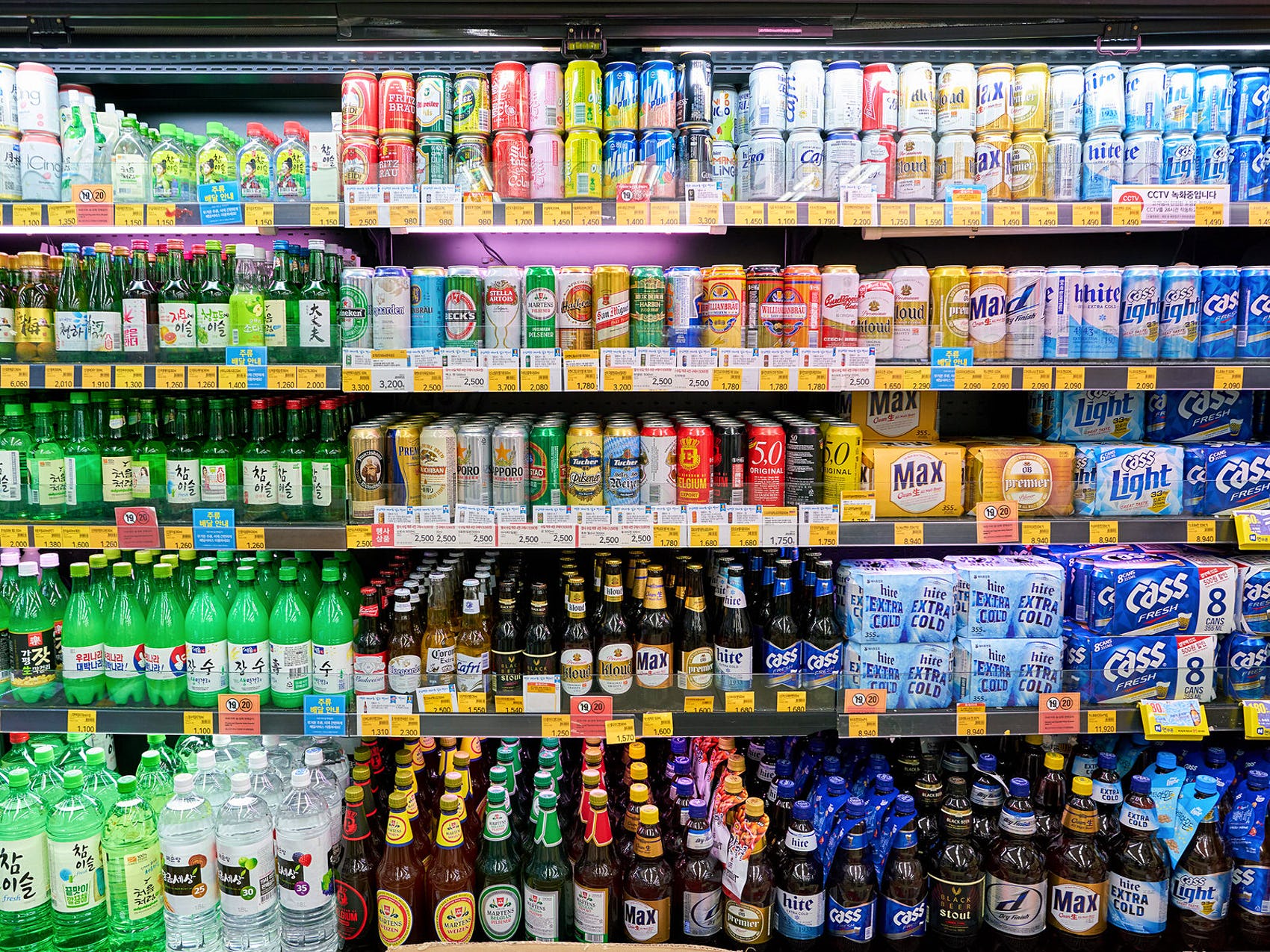
    Sales of alcoholic beverages, specifically beer and soju, saw a significant increase. Beer sales were up by 31.7% at GS25, 30.0% at 7-Eleven, 29.2% at CU, and 20.0% at Emart24. Soju sales increased by 16.2% at GS25 and 12.4% at CU. Overall, liquor sales were up by over 10%.

    Cigarettes, which were also eligible for voucher use, reported a rise in sales with more customers buying full cartons instead of single packs. However, due to potential concerns surrounding “stockpiling” and illegal resale for cash, the exact figures were withheld due to the sensitivity of the product.

    Increased Demand for Health Supplements and Meal Replacements

    Voucher-driven expenditure also led to a surge in demand for health supplements and meal replacements, categories that convenience stores have been emphasizing in their long-term growth strategies.

    According to retail analysts, this trend underlines a significant shift in consumer behaviour. With an increase in single and two-person households, more people have been turning to grocery shopping at convenience stores. The introduction of government vouchers has accelerated this shift, causing large retailers to worry about the potential loss of customers permanently.

    Questions & Answers

    Why did the government issue consumption vouchers?
    The government-issued vouchers were part of a stimulus strategy to boost consumer spending and support local businesses impacted by the COVID-19 pandemic.

    What impact did these vouchers have on convenience stores?
    The launch of these vouchers led to a significant increase in sales at convenience stores, with customers making larger than average purchases and buying a broader range of products.

    Are larger retailers affected by this change in consumer spending habits?
    Yes, larger retailers are concerned about losing customers permanently as the introduction of government vouchers has accelerated a shift towards shopping at local convenience stores.

  • K-Beauty Sector Bounces Back with $4.9M Funding Boost for Early 2025 Growth

    K-Beauty Sector Bounces Back with $4.9M Funding Boost for Early 2025 Growth

    The K-Beauty industry is experiencing a notable resurgence, with startups raising an impressive $4.9 million in funding during the first four months of 2025, as reported by Tracxn. This revival can largely be credited to the sector’s renowned high-quality products that boast innovative ingredients and unique formulations, all further fueled by the global phenomenon of Korean pop culture—think K-pop, K-dramas, and the vibrant realm of social media.

    In its glory days, the K-Beauty sector peaked in funding during 2016 and 2018, amassing $186 million and $148 million, respectively. However, last year marked a significant downturn; the sector hit rock bottom in 2024 with a meager $975,000 raised—the lowest in a decade and a staggering 90% decrease from the previous year. Notwithstanding this dip, the cumulative funding across 74 startups has reached a robust $453 million.

    South Korea reigns supreme in the K-Beauty market, having secured $250 million in funding, followed closely by the United States with $199 million, and India trailing with $4 million. Remarkably, over 55% of global K-Beauty investments have been funneled into South Korean enterprises.

    The last couple of years has been characterized by early-stage funding, with all financing in 2022, 2023, and so far in 2025 originating from this stage. Early-stage rounds have accounted for nearly 28% of total sector investments over the past five years. In contrast, late-stage funding, which once comprised 69% of the market, has gone dormant since 2019.

    Seed-stage deals have managed to raise $15.3 million so far, although 2024 was a slow year that only saw $957,000 in seed funding, and this year has yet to witness any new seed-stage deals. On the funding leaderboard, Memebox stands tall at $193 million, followed by GP Club with $67.5 million and Clio Professional with $50.1 million. In the funding categories, color cosmetics lead the charge with $245 million, followed by multi-category brands at $77 million, and skincare at $46.5 million.

    Mergers and acquisitions continue to shake up the market, with Klpartners’ $129 million acquisition of Manyo earlier this year and LG Household & Healthcare snatching up The Crème Shop in 2022 for $120 million. Notably, GP Club and Mediheal have both reached unicorn status, while APR emerged as the sole K-Beauty IPO in 2024.

    Prominent investors in the sector, such as Goodwater Capital, Pear VC, and Altos Ventures, have significantly influenced funding dynamics. The past two years have seen seed-stage activity driven primarily by 500 Global, Barlon Capital, and Blueprint, while early-stage rounds have been dominated by khfamily.kr, Company K Partners, and Smile Gate Investment.

    Could this be the comeback story of the year for K-Beauty? Grab your favorite face mask and stay tuned!

    Questions & Answers

    What was the total funding raised by the K-Beauty sector?
    The K-Beauty sector has amassed a total of $453 million across 74 startups.

    Which countries are leading in K-Beauty funding?
    South Korea leads with $250 million, followed by the U.S. at $199 million, and India at $4 million.

    What is the main type of funding seen in the K-Beauty sector recently?
    All funding for 2022, 2023, and the beginning of 2025 has come from early-stage rounds, making up nearly 28% of total investments in the last five years.

  • Starbucks and Luckin Coffee Boost Sales in China by Targeting Emerging Smaller Cities

    Starbucks and Luckin Coffee Boost Sales in China by Targeting Emerging Smaller Cities

    The operations of American beverage titan Starbucks in China have recently shown signs of resilience, reporting flat same-store sales for the quarter ending March 30. This performance stands in stark contrast to an 8% decline in the same category for the year ending September 29. Notably, the company’s operating revenue rose by 5% year on year, reaching an impressive US$740 million in the latest quarter.

    Starbucks’ Strategy Shines Through

    Richard Lin, chief consumer analyst at SPDB International, praised Starbucks’ strategy of exchanging lower ticket sizes for increased transaction volumes. According to Lin, this reflects the company’s determination to protect its market share amidst ongoing price competition in China. Over the past year, Starbucks has poured significant resources into expansion, adding 665 new stores to its network, bringing its total to 7,758 outlets and solidifying its status as the largest non-U.S. market for the brand.

    Luckin Coffee’s Bold Moves

    In the race for coffee supremacy, Luckin Coffee, Starbucks’ chief competitor, is making notable strides as well. The company’s operating revenue jumped by a staggering 41% in the first quarter to CNY 8.9 billion (approximately US$1.2 billion), with net profits of CNY 737 million reversing a loss from the same period the previous year. Luckin also expanded aggressively, adding 1,743 stores across China and reaching a total of 24,097 locations. Same-store sales at its company-operated sites increased by 8%, driven by a strategic focus on afternoon tea products designed to attract a broad customer base.

    Analysts from China Merchants Securities have observed that Luckin’s store expansion has surpassed expectations, coupled with rising customer spending. With their stable supply chain and cost advantages, the company is poised to continue capturing market share, despite some short-term increases in coffee bean prices.

    Emerging Markets: The Untapped Goldmine

    The growth narrative doesn’t end with the major cities. A burgeoning trend is evident as data reveals that smaller cities in China are emerging as surprising growth hubs for beverage chains, eclipsing their larger counterparts in growth potential. Over the past year, more than 66,900 coffee shops opened, with remarkable growth in “new first-tier” cities—urban locales that are increasingly asserting their influence on the national stage. Chengdu, for instance, witnessed the launch of nearly 2,000 new coffee shops, while Hangzhou added over 1,700 to its burgeoning coffee scene.

    Interestingly, third-tier cities and smaller towns are now home to almost 45% of China’s coffee shop population. Recent findings from shopping platform Meituan highlighted a staggering 97% increase in coffee orders in these less urbanized areas, accompanied by a 159% rise in coffee shop numbers.

    As Lin pointed out, while the coffee market in higher-tier cities nears saturation, the lower-tier markets represent fertile ground for expansion. He believes that as chains keep prices affordable, they will cultivate a new generation of coffee drinkers who are eager to learn more about their brews.

    With China’s coffee industry boasting a market value of CNY 624 billion in 2024, projections indicate that this figure could skyrocket to CNY 1 trillion this year, presenting a tantalizing vista for both established players and eager newcomers alike.

    Questions & Answers

    What contributed to Starbucks’ stable performance in China?
    Starbucks has adopted a strategy of lowering ticket sizes to boost transaction volume, which has helped maintain its market share amid fierce price competition.

    How has Luckin Coffee fared against Starbucks?
    Luckin Coffee has experienced impressive growth, achieving a 41% increase in operating revenue, and reversing previous losses through aggressive expansion and innovative product offerings.

    What trends are emerging in China’s coffee market?
    Smaller cities are rapidly becoming more significant players in the coffee market, demonstrating higher growth rates in both coffee shop openings and consumer demand than their larger urban counterparts.