Tag: broadband

  • Indonesia’s Telkom Initiates Phased Transfer Of Fiber Assets To Boost Digital Transformation

    Indonesia’s Telkom Initiates Phased Transfer Of Fiber Assets To Boost Digital Transformation

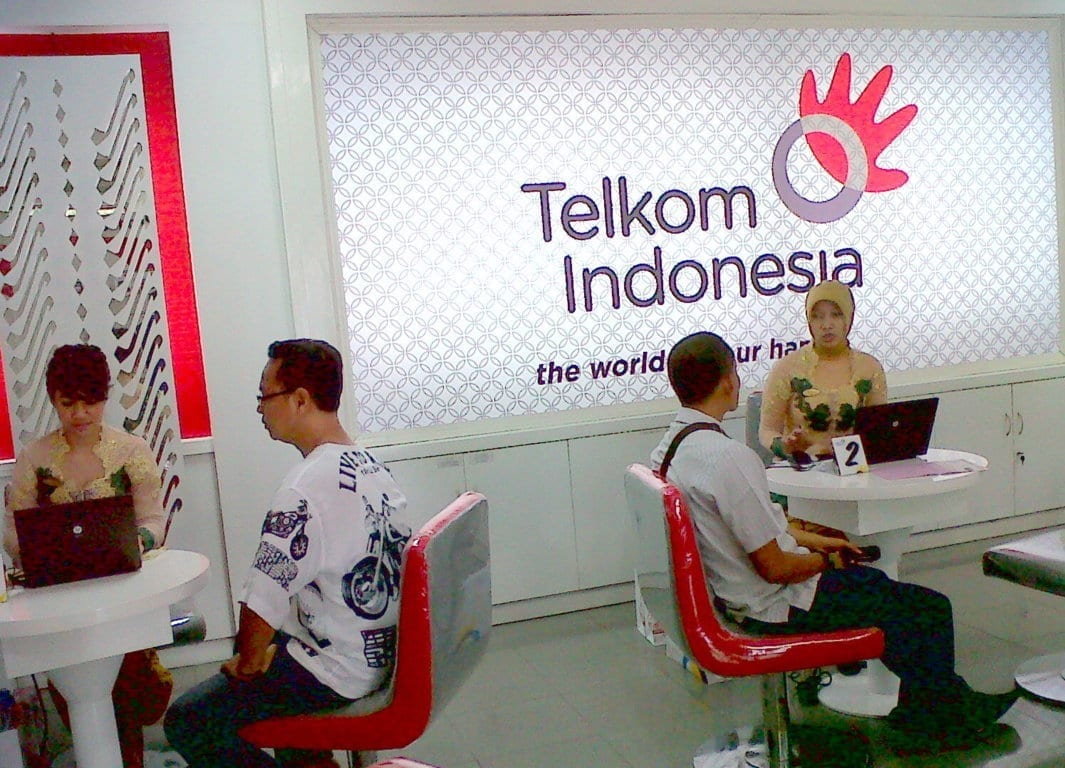
    Indonesia’s Telkom has confirmed that it will undertake a phased transfer of its fiber assets. The transaction, viewed as a significant and affiliated party transaction under Indonesian regulations, is expected to have a minimal impact on Telkom’s financial condition, the company announced.

    Phased Transfer of Assets

    The asset transfer process will take place incrementally. The initial phase is expected to handle more than half of the fiber assets. Telkom’s disclosure to the Indonesia Stock Exchange (IDX) outlined that this move qualifies as a material and affiliated party transaction as per the country’s Financial Services Authority (OJK) regulations.

    Restructuring and Approval

    The restructuring process will include backbone fiber, aggregation access, and infrastructure assets. Before the deal can be finalized, it requires approval from shareholders and regulators. The completion of the deal is anticipated to take place between the end of 2025 and the beginning of 2026.

    Benefits and Aims

    Telkom has stated that the partial spin-off has several aims. These include refining operational focus, attracting new investment, quickening network expansion, and unlocking new revenue streams. The new setup will enable TIF to specialize in fiber deployment and maintenance. This specialization will simplify the process for infrastructure funds and strategic partners to assess and invest in the business.

    By forming a dedicated entity, Telkom plans to streamline network upgrades and manage its growing fiber footprint more efficiently. This move will also empower the company to monetize its wholesale leasing and dark-fiber products more assertively.

    Future Plans and Commitment

    As part of its future plans, Telkom is committed to addressing the escalating demand for rapid connectivity across Indonesian households, startups, and enterprises. The company aims to position itself at the forefront of the nation’s digital transformation as the digital economy continues to grow.

    Ketut Budi Utama, President Director of PT Telkom Infrastruktur Indonesia, indicated that the split would provide TIF with the momentum to operate more efficiently and maintain network infrastructure more effectively.

    Questions & Answers

    What is the expected impact of this transaction on Telkom’s financial condition?
    The transaction is expected to have a minimal effect on Telkom’s financial condition.

    What are some of the aims of the partial spin-off?
    Telkom aims to refine operational focus, attract new investment, accelerate network expansion, and unlock new revenue streams through the partial spin-off.

    What is Telkom’s commitment amid the growing digital economy in Indonesia?
    Telkom is committed to supporting the escalating demand for high-speed connectivity across households, startups, and enterprises in Indonesia. The company aims to place itself at the forefront of the nation’s digital transformation.

  • Starlink Devices Seized In Myanmar’s Crackdown On Booming Cyber Fraud Hubs

    Starlink Devices Seized In Myanmar’s Crackdown On Booming Cyber Fraud Hubs

    In a targeted action against one of Myanmar’s most infamous cyber fraud hubs, the country’s ruling military junta reportedly confiscated several Starlink satellite internet devices. This operation follows an investigation, which exposed the significant increase in the use of these devices in the burgeoning illicit trade.

    The Thriving Cyber Fraud Industry

    Since the onset of the Covid-19 pandemic, cyber crime centers that primarily target unsuspecting foreigners have proliferated in Myanmar’s war-torn border regions. These cyber dens run various fraudulent schemes ranging from business scams to romantic deceptions. The ongoing pandemic and the resultant closure of casinos in these regions have further fueled this burgeoning industry.

    A joint operation by Thai, Chinese, and Myanmar authorities, which commenced in February, led to the deportation of thousands of suspected scammers. While some willingly engage in these fraudulent activities, others are coerced into it by organized crime syndicates.

    A recent examination detected swift construction progression at fraud hub locations and installation of Starlink devices, a satellite internet service owned by Elon Musk, on their rooftops.

    A Fraction of the Whole

    Myanmar’s state media revealed that the military had recently executed operations near the Myanmar-Thai border at KK Park, confiscating 30 sets of Starlink receivers and associated equipment. However, this number represents just a fraction of the Starlink devices identified via satellite imagery and drone photography. One building at KK Park was found to have approximately 80 internet dishes installed on its roof.

    Despite not being authorized in Myanmar, Starlink dominated the country’s internet providers’ ranking from July 3rd to October 1st. The surge in Starlink traffic came after an extensive crackdown in February.

    Increasing Scrutiny

    The US Congress Joint Economic Committee has initiated an investigation into Starlink’s potential involvement with these fraud centers. While it has the authority to summon Musk for a hearing, it cannot compel him to testify. Starlink’s parent company SpaceX, has yet to comment on this matter.

    Vast Network of Scams

    The military junta reportedly commandeered around 200 buildings and located nearly 2,200 workers at the scam site. Furthermore, 15 individuals of Chinese descent were arrested on charges of online fraud, online gambling, and other unlawful activities.

    According to a report by the UN Office on Drugs and Crime, Southeast Asian scam operations swindled victims out of $37 billion in 2023. Myanmar has emerged as a major hub for these scam centers, prompting increased scrutiny and action from local and international authorities.

    Questions & Answers

    What is the Starlink?
    Starlink is a satellite internet service owned by Elon Musk.

    What has been the impact of the Covid-19 pandemic on the cyber fraud industry in Myanmar?
    The pandemic has led to a significant increase in cyber fraud activities in Myanmar, particularly in the country’s war-torn border regions.

    What is the extent of the scam network in Southeast Asia?
    According to a report by the UN Office on Drugs and Crime, Southeast Asian scam operations defrauded people of $37 billion in 2023, with Myanmar emerging as a major hub for these activities.

  • Why Subsea Cables Are Essential to the Future of the Digital Economy

    Why Subsea Cables Are Essential to the Future of the Digital Economy

    “In this digital age, data has become the world’s most valuable resource, and subsea cables are the arteries through which it flows,” said Najib Khan, Chief Business Services Officer at Ooredoo Group. This vivid characterization underscores the escalating significance of subsea connectivity in today’s fast-paced, data-dependent world.

    In a revealing interview with Telecom Review, Khan articulated the shift of subsea cables from obscure utilities to critical assets for national security and economic growth. He elaborated on how Ooredoo’s substantial investments are reconfiguring the Gulf’s digital landscape and its ambitions to establish the Middle East as a prominent global digital hub.

    Why Are Subsea Cables More Essential Than Ever?

    Subsea cables, which already carry over 95% of the world’s internet traffic, are no longer the unsung heroes of the digital economy; their importance is soaring alongside an unprecedented surge in data generation. Whether it’s artificial intelligence, cloud computing, fintech, or the Internet of Things, the deluge of traffic is pushing subsea systems to the forefront.

    Simultaneously, governments and businesses are racing towards digital transformation, necessitating low-latency, resilient, and secure connections linking data centers, hyperscalers, and end-users. Hyperscalers alone now represent over 60% of global investments in subsea infrastructure, highlighting the strategic shift towards these underwater lines not just as conduits of connectivity, but as vital components of innovation and sovereignty.

    Tackling Geopolitical Challenges with Ooredoo’s Fibre in the Gulf

    The world’s digital fabric currently leans heavily on the Red Sea-Suez route, with about 95% of Europe-Asia data traffic routed through Egypt. This dependency exposes vulnerabilities, as disruptions can ripple through global operations.

    Enter Ooredoo’s Fibre in the Gulf (FIG) system, designed to revolutionize this landscape. Working with Alcatel Submarine Networks, Ooredoo is building a comprehensive, high-capacity subsea network that will interconnect all seven Gulf Cooperation Council (GCC) countries—including Qatar, Oman, the UAE, Bahrain, Saudi Arabia, Kuwait, and Iraq. When realized, FIG will boast an astonishing capacity of 720 terabits per second across 24 fiber pairs—far surpassing the capabilities of existing and planned Gulf cables.

    Positioned to deliver low-latency and secure service, FIG promises to unlock new digital avenues for hyperscalers, businesses, and governments, while enhancing the region’s access to European markets.

    The Symbiotic Relationship Between Subsea Cables and Data Centers

    It’s difficult to envision one without the other; subsea cables act as the highways for digital traffic, while data centers serve as its repository and processing unit. For businesses and hyperscalers, proximity to landing stations is crucial, as it impacts efficiency and competitiveness.

    With this understanding, Ooredoo is strategically investing not only in the FIG subsea system but also in expanding its AI-ready data center capabilities. Together, these elements create a cohesive ecosystem where connectivity, cloud solutions, and edge computing converge, ultimately providing clients with seamless, low-latency services essential for driving innovations—and perhaps even the next viral video.

    Ooredoo’s Strategy to Become the Partner of Choice

    Ooredoo’s strategy centers on two pillars: trust and scale. The company’s extensive regional presence aligns perfectly with the needs of global players, allowing Ooredoo to leverage key partnerships that infuse the latest technology into local operations.

    This dual focus empowers Ooredoo to ensure that advanced technological capabilities not only meet international standards but also conform to local regulations, solidifying its position as a trusted partner in the industry.

    The Middle East’s Digital Renaissance

    Strategically located at the confluence of Asia, Europe, and Africa, the Middle East now stands before a unique opportunity—to transform from a technology consumer to a regional hub of innovation.

    The FIG project lies at the center of this vision. Paired with emerging data center infrastructures and cloud ecosystems, it lays the groundwork for economic diversification. The region’s increasing reliance on artificial intelligence and the processing of large data sets necessitates such robust infrastructural enhancements.

    While these cables may be hidden beneath the ocean waves, their impact is unmistakable—fostering job creation, economic diversification, and digital empowerment.

    Looking Ahead: The Future of Subsea Connectivity

    The trajectory for subsea connectivity is clear: the demand for data and digital infrastructure will only intensify. Future subsea systems are expected to accommodate unimaginable data loads while incorporating intelligence and sustainability at their core.

    However, the true essence lies not merely in the technology but in what it enables—whether it’s a start-up in Doha reaching a global audience, a hospital sharing medical expertise across borders, or an energy firm harnessing AI to anticipate operational failures. At Ooredoo, the goal is not only to ensure the Middle East is connected to this exciting future but actively shapes it. With innovative digital infrastructure, the region has the potential to turn connectivity into empowerment.

    Questions & Answers

    Why are subsea cables becoming critical now?
    With a growing demand for data from AI, cloud technology, and more, these cables are now seen as essential to national security and economic growth.

    What advantage does Ooredoo’s Fibre in the Gulf offer?
    It creates a robust interconnection among GCC countries with a high-capacity system, enhancing digital access and reducing vulnerabilities associated with existing routes.

    How does Ooredoo ensure it meets both global standards and local needs?
    By forging partnerships that integrate advanced technology while maintaining compliance with regional regulations, Ooredoo establishes itself as a dependable local partner for global players.

  • APTelecom Revolutionizes Global Connectivity with Resilient Submarine Solutions

    APTelecom Revolutionizes Global Connectivity with Resilient Submarine Solutions

    Submarine cables have become essential arteries for connectivity in the Asia Pacific, managing the surge in data traffic that accompanies the region’s digital revolution. With over half of the globe’s internet users calling this area home, the demand is fuelled by a variety of factors including cloud adoption, e-commerce growth, streaming services, and gaming, along with swift industry digitization.

    The Asia Pacific’s Digital Growth Catalyst

    Navigating this dynamic and complex landscape is no simple task, but APTelecom is leading the charge by executing critical submarine cable projects that focus on resilience and sustainability. In an exclusive interview with Telecom Review Asia, APTelecom President and Co-Founder Sean Bergin offered insights into the challenges and opportunities that are shaping connectivity across the Asia Pacific region.

    The Future of Submarine Cables

    As the epicenter of global data growth, the Asia Pacific region is witnessing an unprecedented demand for new submarine cable systems. “More than half of the world’s internet users live here,” Bergin noted, emphasizing that the appetite for new cables is being driven not just by raw data needs, but by a quest for security and resilience in data infrastructure. Both large-scale regional systems and specialized builds aimed at enhancing redundancy are currently in the pipeline.

    What’s intriguing is that as digital traffic rises, so does the focus on trusted supply chains and dependable routes, both of which have become just as important as sheer capacity. APTelecom is at the crossroads of commercial demand and practical execution, guiding clients through the design and financing of new systems, while addressing local regulatory needs and establishing sustainable partnerships.

    Strategies for Local Success

    APTelecom’s vast experience across diverse markets reveals a critical lesson: the “one size fits all” mentality simply doesn’t apply to digital infrastructure. Each market boasts its unique regulatory landscape and investment climate. Bergin explained that the company merges global best practices with thorough local engagement, fostering trust and understanding with regulators, investors, and customers alike.

    This approach is particularly effective in bridging cultural gaps — whether it’s translating a hyperscaler’s needs to a regional operator or helping a Southeast Asian carrier negotiate with a global buyer. In developed markets, the dialogue often revolves around sustainability and ESG compliance, while emerging markets prioritize bankability and basic infrastructure diversity.

    Powerful Partnerships for Connectivity

    At the heart of APTelecom’s strategy lies collaboration. No single player—be it a carrier, government, or hyperscaler—can realize these complex systems alone. A prime example of this is APTelecom’s recent collaboration with a consortium of regional operators to enhance connectivity linking Vietnam to vital hubs in Thailand, Singapore, and Malaysia. This project not only strengthens Vietnam’s integration into the regional network but also boosts resilience and diversification in critical data routes.

    Involvement with partners in Africa and the Middle East is also on the rise, as Asia’s systems increasingly serve as key connections to Europe and beyond. Such partnerships are more than just ambitious ventures; they generate real benefits, translating into increased capacity, improved reliability, and enhanced service offerings for stakeholders that rely on robust, scalable infrastructure.

    Preparing for Tomorrow’s Connectivity Needs

    Looking ahead, APTelecom’s immediate priorities include supporting projects that balance commercial viability with strategic resilience. For clients, futureproofing involves diversification — ensuring multiple cable routes and a mix of terrestrial and subsea connections. This flexibility extends to contract structures that accommodate scaling capacity, integrating new technologies, and bringing on additional partners.

    Another facet of APTelecom’s mission is addressing workforce development. In many of the markets they serve, talent is in short supply, so equipping local engineers and operators with the necessary skills is a fundamental part of sustaining infrastructure longevity.

    In a fast-evolving sector, embracing technological advancements while mitigating risks is crucial. By helping clients establish dependable partnerships and build infrastructure that earns the trust of carriers and hyperscalers, APTelecom is not just adapting; they are setting the stage for the future of connectivity in Asia. Because let’s face it, in this high-stakes game of digital chess, every move counts.

    Questions & Answers

    How is APTelecom responding to the growing demand for submarine cables?
    APTelecom is actively spearheading new submarine cable projects and enhancing existing ones to address the significant demand driven by factors such as cloud adoption, e-commerce, and digitalization across industries.

    What role does local engagement play in APTelecom’s strategies?
    Local engagement is crucial; APTelecom tailors its approaches to each market’s regulatory and investment climate, building trust with key stakeholders, which ultimately helps in successful project execution.

    Why are partnerships important for APTelecom?
    Partnerships are essential because they combine resources and expertise from various entities to tackle complex connectivity challenges, ensuring that projects deliver real value and enhance regional resilience effectively.

  • Revamping IP Strategies Amid IPv4 Limitations: Navigating Today’s Telecom Challenges

    Revamping IP Strategies Amid IPv4 Limitations: Navigating Today’s Telecom Challenges

    As demand for high-performance connectivity surges across the Asia Pacific, telecom operators are feeling the heat. The increasing appetite for data, coupled with expanding subscriber bases, has resulted in a pressing need for enhanced network infrastructures. However, the looming specter of global IPv4 exhaustion has many operators leaning heavily on carrier-grade network address translation (CGNAT) as a temporary solution. While CGNAT has allowed for immediate growth without necessitating a shift to IPv6, it is beginning to expose its limitations—and they are not pretty.

    CGNAT: What’s Working and What’s Not

    CGNAT effectively enables numerous users to share a single public IPv4 address, allowing operators to delay the costly transition to IPv6. It has proven particularly beneficial for low-usage subscribers in mobile and residential broadband sectors. However, this strategy brings several critical challenges that can no longer be overlooked.

    Firstly, performance issues arise due to NAT translation overhead, which increases latency and diminishes throughput, especially during peak usage times. Secondly, the compatibility of applications takes a hit; services like Voice over Internet Protocol (VoIP), online gaming, virtual private networks (VPNs), and smart home devices often stumble under shared IP scenarios. Lastly, compliance becomes a maze, with the need for detailed record-keeping to meet regulations in markets such as India and Singapore.

    For some operators, these complexities are proving to be cost-prohibitive. Maintaining CGNAT compliance often means logging every user’s port and timestamp activity for months, accumulating terabytes of data daily for large subscriber bases. One study estimated that 10,000 users could produce almost 4.7 TB of logs each year—an astonishing amount that complicates regulatory compliance and erodes any initial cost savings.

    IPv4 Leasing: A Clever Pivot

    As an innovative response, telecoms are beginning to pivot towards IPv4 leasing as a more flexible and scalable alternative. “Leasing offers operators access to clean, reputation-safe IPs on demand, restoring end-to-end connectivity for essential services and customers without locking them in for the long haul,” explains Ramutė Varnelytė, CEO of IPXO.

    IPXO, a global marketplace for IPv4 lease and management, enables internet service providers (ISPs) to efficiently lease address space from various regional internet registries (RIRs). Equipped with tools for resource public key infrastructure (RPKI), geolocation updates, and reputation monitoring, this approach not only simplifies address management but also accelerates deployment timelines, enhances customer experience (CX), and meets compliance requirements.

    A Real-World Success Story

    The APNIC’s 2024 survey highlights a shift across the Asia-Pacific, where organizations are adopting alternative strategies to combat the scarcity of IPv4 addresses. While 45% are deploying NAT and 40% are turning to IPv6, an impressive 15% are opting for IPv4 leasing. Notably, organizations in East Asia, at 27%, are the most inclined to lease addresses.

    In one striking case, a regional ISP in Southeast Asia, with over a million users, was overwhelmed with complaints related to CGNAT—from latency to failed peer-to-peer services. Rather than investing heavily in new CGNAT infrastructure or costly IP acquisitions, the ISP chose to lease 50,000 IPv4 addresses. This strategic decision liberated them from many complications associated with shared IPs, providing allocated IPs for business clients, remote workers, and high-usage residential subscribers. Within just six months, the ISP noted a remarkable 35% drop in CGNAT-related support tickets and an uptick in performance metrics.

    The Case for a Balanced Hybrid Approach

    While CGNAT still serves its purpose for light usage—think messaging, browsing, and occasional video watching—it can’t cope with latency-sensitive applications and real-time services that demand reliability. A hybrid model allows operators to employ CGNAT for everyday traffic while leveraging leased IPv4 addresses for business-to-business (B2B) clients, gamers, and others who depend on stable connectivity.

    This approach not only optimizes network performance but also sidesteps potential service quality issues, making it a savvy solution amid growing demands.

    Operational Efficiency without Commitment

    The economic and operational benefits of leasing are especially appealing. Operators can mitigate capital expenditures (CapEx) while enjoying the flexibility to expand their address space in line with market needs—without the burden of long-term asset ownership. Many leasing platforms seamlessly include adherence to compliance measures such as RPKI signing and reputation management, allowing operators to focus on growth rather than paperwork.

    Leased IPs can also smoothly integrate into cloud environments like AWS, Azure, or Google Cloud, enhancing consistency for cloud-native applications. For telecoms venturing into 5G or edge deployments, flexible access to IP resources is crucial, ensuring that essential IoT workloads and low-latency services operate smoothly, free from IPv4 limitations.

    Is It Time to Rethink the IP Strategy?

    With skyrocketing demand, the limitations of CGNAT, and the slow march toward IPv6 adoption, telecom operators across Asia are at a crossroads. IPv4 leasing emerges as a viable method to alleviate network strain, foster new services, and uphold customer satisfaction. Far from being merely a temporary solution, IPv4 leasing can be integral to a broader, more adaptable IP strategy that bridges the gap as the industry transitions.

    Questions & Answers

    How does CGNAT impact network performance?
    CGNAT can cause latency issues and reduce throughput due to the overhead involved in Network Address Translation, especially during peak usage times.

    Why are telecom operators moving towards IPv4 leasing?
    Leasing provides operators with immediate access to clean IP addresses without the hefty investments required for IPv4 acquisitions, allowing for scalability and improved customer connectivity.

    What are the benefits of a hybrid model in IP management?
    A hybrid model allows operators to use CGNAT for general traffic while allocating leased IPv4 addresses to users with higher demands, ensuring efficient network operation without compromising service quality.

  • Rakuten and Amazon Join Forces to Take on Starlink in Japan’s Satellite Market

    Rakuten and Amazon Join Forces to Take on Starlink in Japan’s Satellite Market

    Japan’s satellite communications landscape is on the brink of transformation as Rakuten Group and Amazon gear up to launch their own services, challenging the long-standing dominance of SpaceX’s Starlink. With operations expected to begin as early as next year, this competition promises to reshape the market and improve connectivity for consumers across the country.

    Starlink, spearheaded by Elon Musk’s SpaceX, has established itself as the go-to satellite service in Japan, especially through partnerships like KDDI, which allows for direct smartphone-to-satellite connections. This capability has proven invaluable in rural locations and areas prone to natural disasters, where traditional infrastructure is often lacking.

    In a significant move to diversify the market, Japan’s Ministry of Internal Affairs and Communications (MIC) has initiated work on new spectrum regulations that are set to pave the way for increased competition by 2025. This regulatory shift will create opportunities for Rakuten and Amazon to enter and thrive in the satellite communications arena.

    Rakuten’s Bold Ambitions

    Rakuten Mobile is wasting no time in making its mark, with plans to roll out its satellite service between October and December 2025. Collaborating with U.S. startup AST SpaceMobile, Rakuten’s initial offering will focus on text messaging. But that’s just the beginning—plans are afoot to expand services to include money transfers and video streaming. The company emphasizes that this initiative aims to enhance connectivity in underserved areas while providing a reliable backup during emergencies—a win-win for users reliant on stable communication.

    Amazon’s Satellite Strategy

    Not to be outdone, Amazon is preparing to launch its Project Kuiper satellite network in Japan, which aims to deploy over 3,200 satellites by 2029. This ambitious project aligns with the MIC’s plans to amend regulations after April 2025, ensuring that Amazon can compete in this burgeoning market. The retail behemoth’s foray into satellite communications underscores a broader trend of tech giants expanding their reach beyond traditional digital services.

    As Japan stands on the threshold of this new era in satellite communications, the impending rivalry between these giants has all the makings of an exciting battle for connectivity supremacy—let’s just hope consumers don’t have to wait on hold for years while they hash it out!

    Questions & Answers

    What changes can consumers expect in Japan’s satellite communications market?
    Consumers can anticipate increased competition, primarily from Rakuten and Amazon, which will enhance connectivity options, especially in rural areas and during emergencies.

    When are Rakuten and Amazon expected to launch their services?
    Rakuten plans to debut its satellite services between October and December 2025, while Amazon’s Project Kuiper is set for a rollout, targeting more than 3,200 satellites by 2029.

    How might these new services impact existing providers like Starlink?
    The entry of Rakuten and Amazon is likely to intensify competition, potentially leading to improved services and pricing options for consumers who currently rely on Starlink.

  • Telin Unveils New Cable Landing Station in Manado-Minahasa, Boosting Indonesia’s Connectivity!

    Telin Unveils New Cable Landing Station in Manado-Minahasa, Boosting Indonesia’s Connectivity!

    PT Telekomunikasi Indonesia International (Telin) has officially unveiled its new cable landing station (CLS) in Kalasey, Minahasa, a development poised to enhance Indonesia’s international connectivity and digital infrastructure. This milestone is particularly crucial for the eastern regions of the country, as Telin continues to strive for improved digital integration.

    High-Profile Inauguration Ceremony

    The inauguration ceremony gathered notable executives from Telkom Group, including Honesti Basyir, CEO of CFU WIB Telkom Group, and Muhammad Rofik, President Commissioner of Telin, among others. The event also welcomed officials like Bambang A. Margono, Telin Commissioner, and several board members who play pivotal roles in steering the company toward its ambitious goals. The presence of key industry leaders emphasized the importance of this new facility in the broader context of regional digitalization.

    A Leap Forward in International Connectivity

    Central to this project is the CLS Manado-Minahasa, which forms an integral part of the Bifrost Cable System—an international subsea cable initiative developed alongside Keppel and Meta. This cutting-edge system enables a direct connection from Southeast Asia to North America, cleverly bypassing traditional transit routes by charting courses through significant maritime corridors like the Java and Celebes Seas. This new pathway reinforces Indonesia’s critical position within the global digital traffic network, much like a high-speed rail linking cities across a vast landscape.

    Milestones Achieved Since 2021

    Since the announcement of the Bifrost cable system in 2021, Telin has swiftly reached a number of crucial milestones. These include site selection, a groundbreaking ceremony in October 2024, and the successful landing of the cable in early 2025, followed by completing the construction of the CLS. After the Jakarta CLS’s cable landing last year, the Manado-Minahasa CLS is now primed for operation, ready to integrate seamlessly into Telkom’s expanding network and drive Indonesia further into the digital future.

    Positive Projections for Future Connectivity

    Honesti Basyir highlighted the strategic importance of this investment, stating,

    “The Manado-Minahasa cable landing station marks a bold step in positioning Indonesia as a vital digital gateway for the Asia Pacific. By connecting directly across the Pacific via Bifrost and preparing for future cables, we are building the foundation for a more connected, innovative, and prosperous digital future for our nation and region.”

    Meanwhile, Budi Satria Dharma Purba, CEO of Telin, concurred, emphasizing the role of the station in facilitating economic opportunities and technological advancements:

    “The Manado Cable Landing Station is more than just infrastructure; it is a gateway for Indonesia to lead in the digital era.”

    Infrastructure Built for Growth

    The CLS Manado-Minahasa boasts robust and scalable infrastructure designed to accommodate a variety of submarine cable systems. Equipped with beach manhole (BMH) integration and impressive front-haul connections, this facility is well-positioned to serve as a landing point for future subsea cables and digital platforms.

    The launch of the Manado-Minahasa cable landing station symbolizes a significant stride in Indonesia’s digital transformation journey. By bolstering Bifrost and supporting other international cable initiatives, this strategic asset is set to enhance regional connectivity, drive economic progress, and solidify Indonesia’s role as a crucial hub in the global digital landscape.

    Questions & Answers

    What is the significance of the new cable landing station in Minahasa?
    The cable landing station is a critical component in enhancing Indonesia’s international connectivity, particularly for the eastern regions of the country, and supports various upcoming international digital projects.

    How does the Bifrost Cable System affect Indonesia’s digital landscape?
    The Bifrost Cable System directly connects Southeast Asia to North America, bypassing traditional routes and significantly strengthening Indonesia’s position in the global digital traffic network.

    What are the future prospects for the CLS in Minahasa?
    With its advanced infrastructure designed for scalability and future connectivity, the CLS is poised to support multiple subsea cable systems and promote economic growth throughout the Asia-Pacific region.

  • DITO Enhances Fixed Wireless Broadband to Propel 5G Expansion Efforts

    DITO Enhances Fixed Wireless Broadband to Propel 5G Expansion Efforts

    Amid the bustling telecommunications landscape, DITO Telecommunity is set on a trajectory of robust growth within its broadband sector, confidently paving the way for future investments in cutting-edge 5G technology. During a recent media briefing in Taguig City, DITO’s President and CEO, Ernesto (Eric) Alberto, underscored the potential of their fixed wireless access (FWA) service, saying, “Today, we have a capacity of about 3.6 million FWA subscribers, and we’re barely scratching the surface with 250,000. So there’s a lot of room.”

    Ambitious Subscriber Goals on the Horizon

    With a keen eye on the future, the company has set ambitious goals to ramp up its FWA subscriber base to between 1.5 million and 2 million by 2026. Alberto noted a shift in consumer behavior post-pandemic: “We’re seeing that the market, particularly after the pandemic, has become social media active. They’re now purchasing online, and we’re seeing that traction, plus the reception for our services, is now moving faster in conversion. So, we can be a little bit more ambitious.” This optimism is infectious and mirrors the fast-paced changes unfolding across the retail landscape in Asia.

    Reinvestment Plans Fuel Growth Strategy

    DITO is consistently bringing in new users at an impressive rate of 1,200 per day, and the company intends to reinvest revenues from its FWA service to bolster its 5G network. Alberto illustrated the promise of the technology, stating, “Wireless broadband eliminates the need for expensive and time-consuming installations and repairs, allowing us to reach areas that fiber cannot serve.”

    Addressing Broadband Access Gaps

    Supporting this vision, Adel Tamano, DITO’s Chief Revenue Officer, highlighted a startling statistic: only 8 to 9 million households in the country currently enjoy broadband access, with quality of service often described as “highly inconsistent.” DITO is striving to change that narrative, with about 50% of its subscribers already receiving 5G-ready connectivity. Since its inception in March 2021, the company has rapidly gained traction, amassing over 13 million mobile subscribers, as it challenges the telecom duopoly of Globe Telecom and PLDT. With an eye towards profitability by 2028, DITO is not just a player; it’s positioning itself as a formidable contender in the rapidly evolving telecommunications market.

    Questions & Answers

    What is DITO Telecommunity’s goal for its FWA subscriber base by 2026?
    DITO aims to increase its FWA subscriber base to between 1.5 million and 2 million by 2026 as it capitalizes on evolving consumer behavior.

    How does DITO plan to maintain its growth momentum?
    The company plans to reinvest revenues generated from its FWA service into expanding its 5G network, addressing broadband access challenges.

    What is DITO’s current user growth rate?
    DITO is adding approximately 1,200 new users each day, showcasing the demand for its services in the competitive telecom market.

  • Starlink Poised for Final Approval to Launch in India, Revolutionizing Connectivity!

    Starlink Poised for Final Approval to Launch in India, Revolutionizing Connectivity!

    Elon Musk’s satellite internet venture, Starlink, is on the verge of a breakthrough in India, nearing the final regulatory stamp of approval needed to commence operations. The Indian National Space Promotion and Authorization Centre (IN-SPACe) has issued a draft agreement, which awaits Starlink’s signature before granting formal authorization.

    Competition Heats Up in the Satellite Arena

    This pivotal step places Starlink in the same competitive league as established players like Eutelsat OneWeb and Jio Satellite, both of which are already licensed to provide satellite communication (SATCOM) services throughout the country. Recently, Starlink secured its Global Mobile Personal Communication by Satellite (GMPCS) licence, becoming the third entity authorized to offer SATCOM services in India.

    Awaiting Ground Infrastructure Before Launch

    However, don’t expect Starlink to flip the switch immediately. The company needs to develop ground infrastructure, including satellite gateways and a control center, along with proving its compliance with security protocols — a non-negotiable step for all SATCOM operators. To date, neither OneWeb nor Jio Satellite has ticked this important box, with both providers recently having their trial spectrum extended by six months for ongoing testing.

    Security Concerns and Regulatory Requirements

    Concerns have been raised by security agencies regarding the unregulated use of Starlink terminals in border regions. In March, the Ministry of Home Affairs directed the Department of Telecommunications (DoT) to probe Starlink’s hesitance in sharing essential operational data. Compliance with Indian regulations mandates that all SATCOM traffic be routed through Indian gateways, with monitoring of transmissions and the establishment of buffer zones along international borders.

    Pricing Rules Could Shape Industry Dynamics

    Meanwhile, the DoT is finalizing pricing schemes for satellite spectrum, with the Telecom Regulatory Authority of India (TRAI) suggesting a five-year administrative allocation that includes an annual fee of 4% of adjusted gross revenue (AGR). Urban users might have to pay ₹500 per year, but those in rural areas could find themselves exempt from these fees — a move that may well tantalize new subscribers.

    Starlink’s Vision for Connectivity

    Communications Minister Jyotiraditya Scindia recently engaged with SpaceX officials to explore partnerships in satellite technology. Should all approvals come through, Starlink could become a transformative player in enhancing internet connectivity across India, particularly in areas where access is limited. As the demand for reliable internet continues to grow, the prospect of Starlink bringing connectivity to the remotest corners of India is certainly one to keep an eye on.

    Questions & Answers

    What key regulatory step is Starlink approaching in India?
    Starlink is close to receiving the final regulatory approval required to commence its satellite internet operations in India, pending the signing of a draft agreement by IN-SPACe.

    What infrastructure must Starlink develop before launching its services?
    Before launching, Starlink needs to establish its ground infrastructure, which includes satellite gateways and a control center, and demonstrate compliance with security requirements.

    How is the pricing structure for satellite spectrum being determined in India?
    The DoT is finalizing pricing rules that include an annual fee of 4% of adjusted gross revenue for providers, with urban users potentially paying ₹500 annually while rural users may be exempt.

  • Thailand’s Broadband Surge Sparks Robust Market Growth in the Retail Sector

    Thailand’s Broadband Surge Sparks Robust Market Growth in the Retail Sector

    The Thai telecommunications landscape is poised for steady growth, with fixed communication services expected to see a compound annual growth rate (CAGR) of 2.6%, rising from USD 2.2 billion in 2024 to USD 2.5 billion by 2029. According to GlobalData, this uptick is largely fueled by an expanding fixed broadband sector, leaving the era of traditional voice services gasping for breath.

    Declining Voice Services Amid Rising Broadband

    While the overall revenue picture appears promising, the outlook for fixed voice services tells a different story. GlobalData highlights a projected decline in revenue at an alarming CAGR of 8.6% from 2024 to 2029, reflecting a significant shift as consumers prioritize mobile and over-the-top (OTT) communication platforms over conventional voice services. It’s a classic case of out with the old and in with the new; as fancy apps become our preferred method of chatting, old landlines are quietly becoming relics of the past.

    Fiber-Optic Services Lead the Charge

    In a more favorable turn, the fixed broadband segment is on track to grow at a CAGR of 3.2% during the forecast period, benefitting from advancements in fiber-optic technology. The rise of fiber-to-the-home and fiber-to-the-business subscriptions is paving the way for this growth, bolstered by improvements in fixed wireless access (FWA) as consumers seek high-speed internet at home and in the office.

    A Fiber-Driven Future

    Sarwat Zeeshan, a Telecom Analyst at GlobalData, emphasized the importance of fiber technology, noting that fiber lines accounted for approximately 89.2% of all fixed broadband lines in 2024. This dominance is expected to continue through 2029, driven by increasing demand for robust, high-speed connectivity, enhanced fiber networks in urban centers, and targeted efforts by government and telecom operators to expand fiber coverage across the nation. As soon as the buzz of fiber networks fills the air, expect consumers to clamor for faster connections.

    Leading the charge in the fixed broadband market is Advanced Info Service Public Co., Ltd. (AIS), which is projected to retain its subscriber share dominance through 2029, followed closely by True Corp Public Co., Ltd.

    Questions & Answers

    What is the projected growth rate for fixed communication services in Thailand?
    Revenue is anticipated to grow at a CAGR of 2.6%, increasing from USD 2.2 billion in 2024 to USD 2.5 billion by 2029.

    Which segment within fixed communication services is expected to decline?
    Fixed voice services are projected to experience a decline at a CAGR of 8.6% during the same period, largely due to a shift towards mobile and OTT communication methods.

    What technology is driving growth in fixed broadband services?
    Growth in fixed broadband services is primarily powered by fiber-optic technology, particularly fiber-to-the-home and fiber-to-the-business subscriptions, which are increasingly in demand for high-speed connectivity.

  • Indonesia’s Fixed Communication Services Market Projected to Reach $3.7 Billion by 2029—A Growing Opportunity!

    Indonesia’s Fixed Communication Services Market Projected to Reach $3.7 Billion by 2029—A Growing Opportunity!

    Indonesia’s fixed communication services market is poised for significant growth, projected to reach USD 3.7 billion by 2029, up from USD 3 billion in 2024, according to insights from GlobalData, a leading data and analytics firm. This upward trajectory is set against the backdrop of the Indonesian government’s concerted efforts to expand high-speed internet access across the archipelago.

    Broadband Boom in the Archipelago

    The nation’s expansion of fixed broadband services is expected to be the primary engine for this growth, with an anticipated compound annual growth rate (CAGR) of 4.3%. With aspirations for internet speeds reaching up to 100 Mbps at affordable prices, the government is not just aiming for wider connectivity but also striving for digital inclusivity and transformative national goals.

    Voice Services Face Challenges

    Conversely, fixed voice services are on a downward trend, forecasted to decline at a CAGR of 1.3%. This is mainly due to a diminishing number of circuit-switched subscriptions and decreasing average revenue per user (ARPU) as consumers increasingly turn to over-the-top (OTT) and app-based communication platforms. Even the most robust services can’t escape the irresistible lure of free messaging apps — it seems love is indeed digital.

    Fiber Takes the Lead

    In 2024, fiber lines were responsible for an impressive 83.1% of all fixed broadband connections and are projected to maintain their dominance through 2029. Neha Mishra, a Telecom Analyst at GlobalData, attributes this trend to the surging demand for dependable and high-speed broadband, further amplified by government initiatives for a nationwide fiber rollout.

    Competition Fuels Innovation

    As service providers venture deeper into underserved territories, competition is expected to escalate, characterized by service differentiation through bundled offerings, network reliability, and enhanced customer experience. Operators that make astute investments in infrastructure and innovate their pricing strategies will be most effectively positioned to reap long-term benefits in this evolving digital landscape. With everyone vying for a slice of the digital pie, the stakes have never been higher.

    Questions & Answers

    What is driving the growth of Indonesia’s fixed communication services market?
    The growth is primarily fueled by the expanding fixed broadband segment, which is expected to grow at a CAGR of 4.3% as the government pushes for high-speed internet access.

    How are fixed voice services performing in Indonesia?
    Fixed voice services are predicted to decline at a CAGR of 1.3%, largely due to a decrease in circuit-switched subscriptions as users shift to OTT and app-based communication.

    What technology is dominant in Indonesia’s fixed broadband sector?
    Fiber lines dominated the market in 2024, accounting for about 83.1% of all fixed broadband connections, and are expected to remain the top technology through 2029.

  • Starlink Wins Regulatory Green Light to Launch Satellite Internet Services Across India!

    Starlink Wins Regulatory Green Light to Launch Satellite Internet Services Across India!

    Elon Musk’s Starlink Inc. has received the green light from India’s telecom ministry, paving the way for the launch of its satellite internet services within the country. This much-anticipated approval marks a significant milestone for the U.S.-based company as it seeks to tap into India’s expansive internet user base of over 900 million—a crucial market following its exclusion from China.

    A New Era for Internet Access in India

    Starlink’s entry is set to transform the Indian internet landscape, which has largely relied on conventional cell towers and fiber-optic cables. By introducing satellite technology, the company aims to bridge the connectivity gap, particularly in underserved areas. Imagine connecting to the internet from the comfort of your backyard rather than needing a thick bundle of wires!

    Expanding Horizons Beyond the Skies

    But Musk isn’t stopping with internet services. He is also ramping up Tesla’s ambitions in India’s automotive market by shipping vehicles, hiring local talent, and establishing showrooms across the nation. It seems that Musk is launching everything but the kitchen sink in his quest for innovation in India.

    Building on Global Success

    Since the launch of its first satellites in 2019, Starlink has rapidly amassed around 5 million customers across more than 100 countries, outpacing its competitors. However, to start operations in India, the company must secure spectrum licenses to conduct trial services, expected to last between three to six months. The approval process for trial spectrum is anticipated to take about two to three weeks, so stay tuned!

    Strategic Partnerships for a Robust Rollout

    In a strategic move, Starlink has forged partnerships with India’s top telecom players, signing agreements in March with Reliance Jio Infocomm Ltd. and Bharti Airtel Ltd. These alliances will help bolster its rollout efforts in the expansive Indian market. India’s Telecom Minister, Jyotiraditya Scindia, has emphasized the crucial role satellite internet will play in enhancing connectivity in remote areas and during disaster recovery scenarios, underscoring a pivotal shift in the way India accesses the internet.

    Questions & Answers

    What is the significance of Starlink entering India?
    Starlink’s entry provides innovative internet access to over 900 million users, transforming connectivity especially in underserved regions.

    How does Starlink’s technology differ from traditional internet?
    Unlike conventional services relying on cell towers and cables, Starlink uses satellite technology, which allows it to reach remote areas more effectively.

    What is the timeline for Starlink to begin operations in India?
    After securing the necessary spectrum licenses, Starlink anticipates conducting trial services for three to six months, with approval for trial spectrum expected within two to three weeks.

  • Singtel and Telkom forge deeper ties in regional data centres and fixed broadband

    Singtel and Telkom forge deeper ties in regional data centres and fixed broadband

    Singtel and its Indonesian partner Telkom, the parent company of Singtel’s regional associate Telkomsel, have signed two memoranda of understanding (MOU) which was witnessed by Indonesia’s minister of state-owned enterprises Erick Thohir and vice minister of state-owned enterprises Kartika Wirjoatmodjo. The first of the two MOUs covers collaboration in the area of data centres, which marks a significant step in advancing Singtel’s regional data centre strategy. The second MOU involves a collaboration to support Telkomsel’s transformation into Indonesia’s leading consumer fixed broadband and mobile operator through a fixed mobile convergence strategy with Telkom.

    Expansion of regional data centre footprint to Indonesia

    To capture growth opportunities arising from the unprecedented digitalisation and cloud adoption in ASEAN, Singtel has focused on establishing a data centre platform that will work with partners to build and acquire data centres in the region. ASEAN has been experiencing robust data centre growth and the Singapore and Indonesia markets are projected to more than double in size, accounting for over 60% of regional growth by 2025.

    As strategic partners for over two decades, this move into data centres expands on the close collaboration between Singtel and Telkom to build out Indonesia’s mobile communications and digital infrastructure.

    Singtel Group CEO Yuen Kuan Moon said, “As businesses rapidly digitalise, and with the growing adoption of IoT, artificial intelligence and 5G across the region, demand for high-quality data centres is on the rise. This partnership with Telkom is an important step for our data centre strategy, bringing together the prime assets, expertise and networks of two market leaders in data centre operations in Indonesia and Singapore. As the largest digital economy in ASEAN, Indonesia is a strategic data centre market which expands our platform’s footprint to cover the three fastest-growing locations in the region – Indonesia, Singapore and Thailand. The platform will support the digital transformation needs of customers wanting to deploy into Indonesia, and Indonesian businesses looking to grow beyond the country. We look forward to deepening our longstanding collaboration with Telkom to capitalise on the favourable trends and tremendous market opportunity.”

    Telkom CEO Ririek Adriansyah said, “Telkom Group is currently consolidating our data centre business to answer the challenges of digital transformation. The regional data centre platform is a continuation of this data centre consolidation strategy and demonstrates our commitment to respond to customer needs and capture opportunities that will pave the way for our company to become a data centre player on a global level. These efforts require strategic partnerships with operators who have proven capabilities and track records. With its strengths and experience, Singtel is one of the strategic partners for Telkom in developing this regional data centre business.”

    Singtel is a leading operator of data centres in Singapore and has carved out its top-tier data centres, DC West and Kim Chuan 2, into a separate Singtel-owned entity with approximately 60 MW of capacity. In addition to securing a site in Tuas for a new integrated cable landing and data centre facility which will be ready in three to four years and add 30-40 MW in capacity, Singtel will continue to explore adding further capacity.

    An experienced data centre operator, Telkom has an existing data centre portfolio of 27 data centres in Indonesia and the region. It is also building a hyperscale data centre with 75 MW capacity to serve local and foreign companies and hyperscalers. Selected data centre assets from Telkom will be placed in the data centre platform. The companies will also collaborate on development opportunities and explore bringing third-party investors or partners into the platform.

    Besides Indonesia, Singtel has set its sights on the Thai data centre market. In February, Singtel signed a joint development agreement with Gulf Energy and Singtel’s regional associate AIS to start developing data centres in Thailand, and the new joint venture will be launched soon.

    Fixed mobile convergence strategy

    Singtel and Telkom will also jointly explore a fixed mobile convergence strategy for Telkomsel which will see an integration of its mobile business with Telkom’s consumer fixed broadband business. By combining the strengths of the two companies, Telkomsel will be able to enjoy significant synergies and enhance its leading position in the market with converged solutions that will give customers the best digital experience. This strategy will strengthen customer value proposition, in turn increasing customer lifetime value and household penetration.

  • Global broadband less affordable in 2021

    Global broadband less affordable in 2021

    Internet connectivity became less affordable around the world in 2021, according to the latest statistical analysis by the International Telecommunication Union (ITU) and the Alliance for Affordable Internet (A4AI).

    The share of people’s incomes spent on fixed broadband and mobile Internet services increased globally last year, in parallel with upticks in demand and usage compared to 2020, reveals an ITU-A4AI policy brief, “The affordability of ICT services 2021”.

    Relative prices of fixed broadband services climbed to 3.5% of gross national income (GNI) per capita globally in 2021, up from 2.9% in 2020. The relative prices of mobile broadband services around the world also edged up to 2% of GNI per capita, from 1.9% a year earlier.

    Yet people have sacrificed other goods and services to maintain reliable Internet access during the COVID-19 pandemic. Those who can have largely stayed connected, even at relatively higher prices.

    “Broadband services have ceased to be a mere luxury,” said ITU secretary-general Houlin Zhao. “They are a necessity for communication, teleworking, online education, and other essential services. Still, we must urgently address the issue of affordability if we hope to achieve our goal of universal and meaningful connectivity.”

    Affordability gaps have persisted or widened over the past year. Fewer economies now meet the affordable cost target of 2% of monthly GNI per capita for entry-level broadband service, as set out by the United Nations Broadband Commission.

    Consumers in low- and middle-income economies typically paid five to six times more, relative to their income, to use information and communication technology (ICT) services than consumers in high-income economies did in 2021.

    At the regional level, users in Africa paid more than three times the global median price for mobile broadband services, and over five times the global median for fixed broadband.

    “The affordability gap for Internet access between those living in low- and middle-income countries and those living in high income countries is inexcusably high,” said Sonia Jorge, executive director of A4AI. “Moreover, people in rural areas, and women everywhere, are disproportionately affected. A continued failure to address this worsens the situation for those who need help the most. The public and private sectors must work together to connect humanity with affordable and meaningful access.”

    Worldwide, only 96 economies met the UN Broadband Commission target for the prices of data-only mobile broadband prices in 2021, seven fewer than in 2020. At the same time, only 64 economies met the Commission’s target for fixed-broadband prices, down by two from 2020.

    “These findings are a warning sign, and significant improvement is needed as the Broadband Commission’s 2025 target date for achieving global broadband affordability edges ever closer,” said Doreen Bogdan-Martin, director of ITU’s Telecommunication Development Bureau. “The past few years have proven that connectivity is vital. As we move to post-pandemic recovery, we need to make connectivity affordable for everyone to ensure that we leave no one behind in this digital era.”

    Among the world’s 46 least developed countries, entry-level fixed or mobile broadband Internet costs less than 2% of GNI per capita in only four cases: Bangladesh, Bhutan, Myanmar, and the Republic of Nepal.

    Fixed broadband services saw the highest jump, with prices increasing by 8% last year (as measured in US dollars, adjusting for inflation).

    This meant fixed broadband became less affordable for many users, with relative prices climbing from 2.9% of GNI per capita in 2020 to 3.5% in 2021. The price of mobile broadband services also increased slightly, from 1.9 to 2.0% of GNI per capita worldwide.

    Historically, global demand for broadband services and their overall affordability have appeared to climb hand in hand, with price drops typically prompting more subscriptions.

    Even with last year’s price rises, both data usage and the number of fixed and mobile broadband subscriptions continued growing globally, suggesting people were cutting other expenses to be able to keep using the Internet.

    To some extent, the relative price increase for broadband services reflects a global economic downturn triggered by the COVID-19 pandemic. Many countries have seen GNI reductions, offsetting gains for consumers even where prices declined.

    On the positive side, broadband operators in many countries increased the data allowance included in their benchmark baskets. Users who could afford those baskets, therefore, received greater value for money.

  • Cebu Pacific Equips Airbus A330neo fleet with SITA Swiftbroadband Cockpit Connectivity

    Cebu Pacific Equips Airbus A330neo fleet with SITA Swiftbroadband Cockpit Connectivity

    Cebu Pacific Air, the Manila, Philippines-based low cost airline, will equip its fleet of Airbus A330neo aircraft with an upgraded form of SITA for Aircraft’s AIRCOM cockpit connectivity technology with Swiftbroadband-Safety (SB-S).

    The AIRCOM connectivity is being factory-installed on a fleet of 16 new A330neos from an Airbus order first placed by Cebu Pacific in 2019, that now also includes a Flight Hour Services (FHS) materials management contract signed by the two companies during the 2022 Singapore Air Show last month. SITA first signed a global connectivity services distribution agreement with Inmarsat in 2017 to start leveraging Swiftbroadband-Safety within its suite of cockpit communication applications that it now brands as AIRCOM Cockpit Services.

    SB-S is Inmarsat’s Aircraft Communication, Addressing and Reporting System (ACARS) over Internet Protocol (IP) networking technology that permits previous aircraft data transmissions solely done over the legacy ACARS network to be done faster and cheaper using IP as a gateway for air-to-ground and aircraft-to-controller data transmissions and messaging.

    Sumesh Patel, President of Asia Pacific, SITA, said in a statement that “Cebu Pacific is the first airline to take advantage of these capabilities to boost safety and deliver greater operational efficiencies on their new fleet.”

    Three specific connection types are provided over SB-S, including character-based ACARS data services for Automatic Dependent Surveillance – Contract (ADS-C) and Controller Pilot Data Link Communications (CPDLC). ADS-C, CPDLC, real-time prison reporting, and flight data streaming along with aircraft performance data downloads can also be provided over the SB-S prioritized IP channel. Additionally, the regular IP channel can be used as a voice and data communication channel for Airline Administrative Control (AAC) and Airline Operations Center (AOC) applications.

    According to SITA, some of the specific applications Cebu Pacific can use on AIRCOM with SB-S that are not enabled without Swiftbroadband include real-time updates for flight optimization tools and graphical weather applications.

    The SITA cockpit connectivity agreement for Cebu Pacific comes following the airline’s announcement earlier this month that it will begin expanding its domestic network, including re-starting flights to Siargao, Surigao, and Calbayog after closing those and many other routes due to COVID-19 related travel restrictions.

    Cebu Pacific received its first A330neo in December and now has two of the 459-seat aircraft in its fleet. Mike Szucs, Chief Executive Adviser at Cebu Pacific, expects every Airbus model aircraft in its fleet to feature the new engine option variant by 2027.

    “We turned to SITA given their expertise in the aircraft domain to help us navigate the challenges and complexities of the aircraft communications landscape, and prepare us for that future,” Javier Massot, Chief Operations Adviser, Cebu Pacific Air, said in a statement. “Having high-speed connectivity and greater capacity is essential to access more advanced digital applications that support decision-making onboard. It will enable our pilots and operational staff to access information in real-time and deliver a better service for our passengers.”