Tag: Business

  • Calvin Klein seeking a New Creative Lead

    Calvin Klein seeking a New Creative Lead

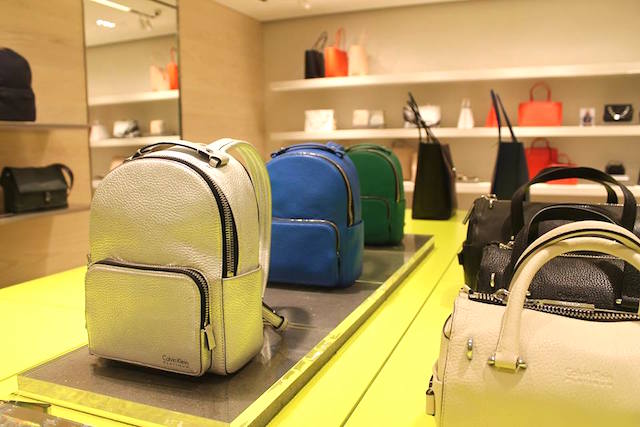
    Less than a month after announcing the departure of Raf Simons, Calvin Klein is looking for a new creative lead, said a person with knowledge of the business. Chief executive officer Steve Shiffman said in a separate statement on Thursday that the brand will close its 654 Madison Avenue flagship store, which Simons renovated in 2017, relaunch its ready-to-wear line and consolidate some teams in North America.

    Shiffman said the brand will relaunch the 205W39NYC ready-to-wear line under a different name and a new creative direction. He kept the details vague, stating that the business will be “designed to evolve the traditional luxury fashion model by connecting with a diverse range of communities, offering an unexpected mix of influences and moving at an accelerated pace.”

    Some had speculated after Simons’ departure that Calvin Klein would not hire another creative face of the company, but instead take a collaboration approach similar to Moncler‘s recent strategy. But the search for a new design lead indicates otherwise.

    The source with knowledge of the business also said that several of Simons’ longtime collaborators have exited the business, specifically Pieter Mulier, creative director, and Matthieu Blazy, the design director of women’s ready-to-wear. Michelle Kessler-Sanders, president of the 205W39NYC business, will stay on in an executive position.

    Shiffman’s statement also announced the formation of a new consumer marketing division focused on consumer engagement and shopper experience. According to the source, this department is led by chief marketing officer Marie Gulin-Merle.

    Calvin Klein in North America will see further changes: Shiffman said the brand will consolidate the men’s sportswear and the Jeans businesses, and also integrate the retail and e-commerce teams.

    “Our industry is witnessing a historic transformation in consumer behavior which presents a significant growth opportunity as we look to grow the brand to $12 billion in global retail sales over the next few years,” said Shiffman.

  • Vietnam office space remains lucrative

    Vietnam office space remains lucrative

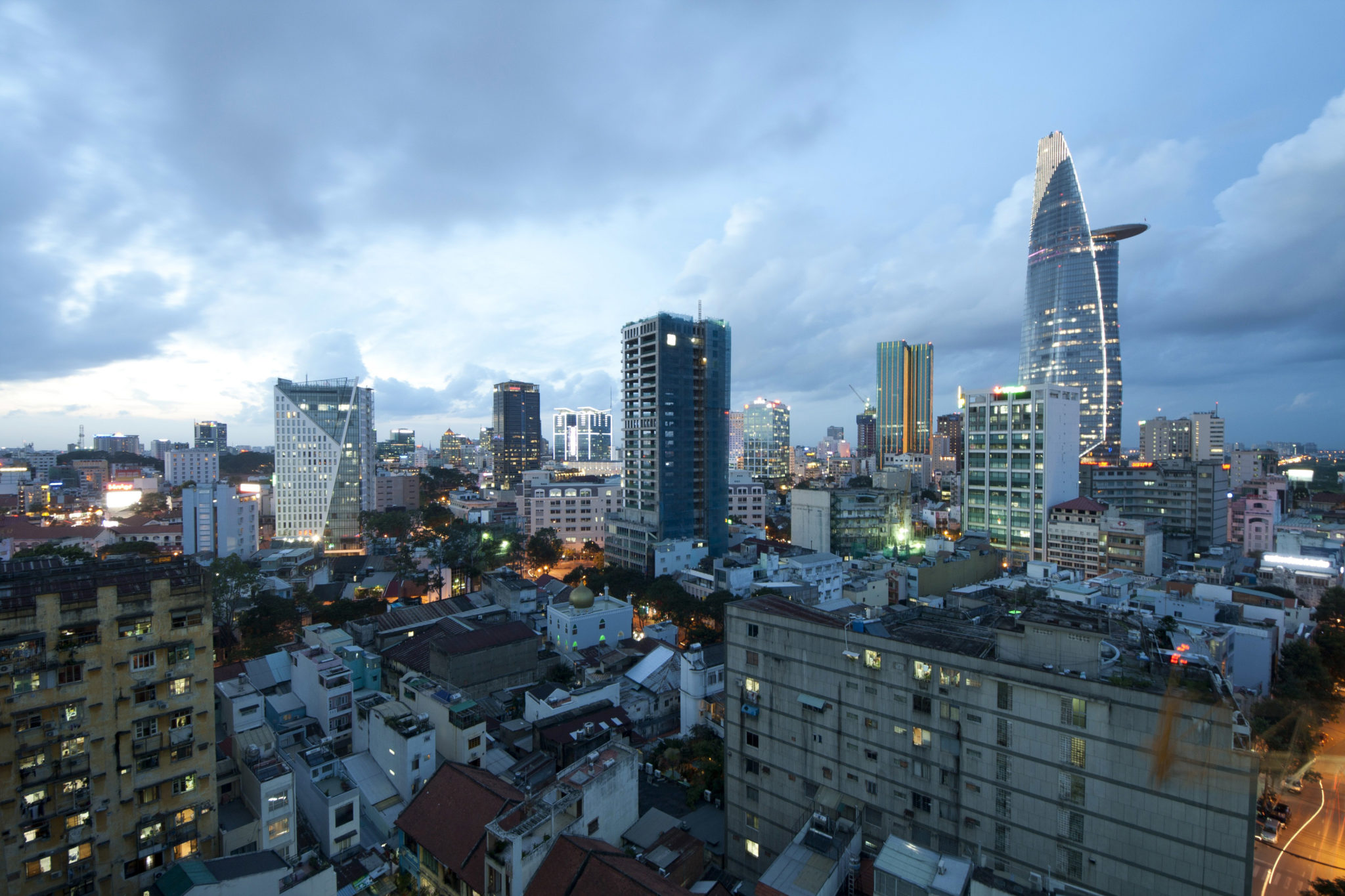
    Hanoi and HCMC will continue to be among the best performing office space markets globally in 2019, top property consultants have predicted. Troy Griffiths, deputy managing director of real estate service firm Savills, said that it was the case last year and this would continue on the back of very strong demand amidst supply constraints.

    “The demand driver is very strong, especially that from the booming financial services sectors like insurance and banking.”

    He said rentals would rise across the board as a consequence.

    “The Hanoi market’s rental might grow somewhere between 7 to 15 percent across all grades this year, while it will probably be slightly lower in HCMC, at 11 percent for A grade.

    “Rental will continue to trend up until supply catches up. Occupancy will be very strong at 90 percent and above. This will be much a story for 2019.”

    Official statistics show that at more than $19 billion, foreign direct investment (FDI) disbursement for 2018 in Vietnam was the highest in a decade.

    The country’s commitment in free trade agreements (FTAs) including the Comprehensive and Progressive Agreement for Trans-Pacific Partnership (CPTPP), which came into force on January 14, 2019, is also expected to boost economic prospects, resulting in a positive demand in office market.

    Dung Duong, head of valuation, research and consulting at CBRE, also said Hanoi and HCMC will continue to be two of the world’s the best performing office space markets this year.

    “Grade A average asking rent in HCMC is expected to increase by 4 percent in 2019, while occupancy will reach as high as 96 percent.”

    In Hanoi market, positive rental growth is expected in both Grade A and B, especially in Grade A on the back of new quality supply in the central business districts (CBD) in 2019, she said.

    “This will become the newest Grade A supply after three years of no new supply. In terms of demand, apart from traditional sectors such as banking, insurance, manufacturing and IT, co-working space is expected to continue to be a major source of demand.”

    According to a recent report by another real estate services provider, JLL, the HCMC market added 60,269  square meters of new supply from two grade B and four grade C buildings in 2018, taking the total inventory to nearly 1.97 million sq.m.

    The robust demand had pushed the occupancy rate to more than 96 percent by the end of last year, the report said.

    “Technology, IT companies and flexible space operators continued to show signs of expansion, while tenants in services, finance and manufacturing continued to dominate leasing demand in the market.”

    Average rent was $23.6 per square meter per month, up 4 percent from the previous year.

    There was no new grade A supply last year and only one new grade A building will be added this year, the Lim Tower 3 in Nguyen Dinh Chieu Street, District 1.

    In Hanoi, given the buoyant Grade A demand and limited premium supply, some buildings in the CBD with high occupancy rates continued to increase rents in the fourth quarter of 2018.

    Thai Square fronting two streets in the capital’s Hoan Kiem District, Tong Dan and Tran Quang Khai, is expected to come into the market in the first quarter of 2019, adding more than 25,000 sq.m to the inventory.

    By the end of 2019 some 153,000 sq.m of space is expected to be added in Hanoi, the report said.

    While the opportunities in office investment in the HCMC and Hanoi CBDs are obvious, Griffiths said foreign investors interested in them would find a lot of challenges.

    “The reality is that land in CBDs in HCMC and Hanoi have a great deal of domestic ownership.”

    He advised foreign investors to seek good long-term joint venture partnerships.

    “There are more and more domestic real estate companies listed on local bourses and they are very active in the property market. That gives an opportunity for greater liquidity and great foreign ownership. I think it’s pretty essential for foreign investors to have good joint venture partnerships with such firms.”

  • Rihanna to launch a fashion house with LVMH

    Rihanna to launch a fashion house with LVMH

    WWD reported that, according to multiple sources, the Rihanna is working with French luxury conglomerate LVMH to launch a luxury house under her name. It would be the first time LVMH has launched a brand new label since Christian Lacroix in 1987. No word on an official launch date, but perhaps that is why Rihanna is suing her father now over the ‘Fenty’ name as he could be holding up proceedings with LVMH.

    The pairing makes sense. In 2015, Rihanna appeared in Christian Dior’s “Secret Garden IV” ad shot at Versailles, the first Black woman to front a campaign for the French fashion house. She also created a line of Dior sunglasses in 2016.

    What is more, she launched Fenty Beauty by Rihanna under the Kendo, LVMH’s incubator to produce products that ultimately end up in Sephora, or in this case, change the way beauty products are marketed.

    WWD reported that Fenty Beauty made close to $100 in a matter of weeks — a great sign for Rihanna’s impending luxury offering.

    Sources tell WWD Rihanna is a “hands-on type” who is very involved in the range’s product development (she was reportedly said to be the same way while creating for Puma and Savage x Fenty).

    It is believed LVMH started forming a team six months ago, handpicking employees from Louis Vuitton and Celine to work on the fashion house’s ready-to-wear, leather goods and accessories. And hold on to your Fenty x Savage hats here, the line is to be released in tandem with her ninth album expected to drop later this year.

    We already cannot wait to be fresh off of Rihanna’s runway.

  • Tiffany sales reported drops

    Tiffany sales reported drops

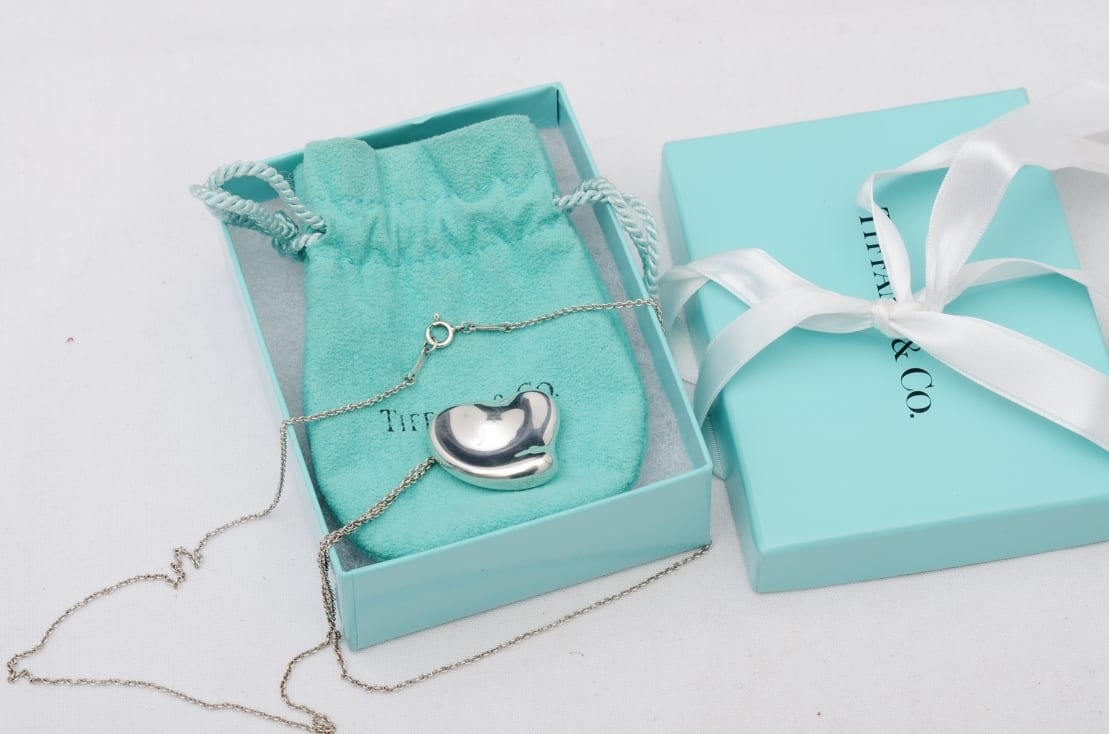
    US jewellery retailer Tiffany & Co has reported a 1 per cent drop in worldwide net sales and 2 per cent drop in comparable sales for the two months to December 31. While Tiffany sales grew strongly in China over the holiday period, softening in other markets that are more dependent on foreign tourist spending led total net sales across Asia Pacific to fall 3 per cent from the prior corresponding period to US$226 million. Comparable sales in the region fell 4 per cent.

    “With continued strong sales growth in mainland China (by a double-digit percentage), solid results in Japan and healthy growth in e-commerce sales, overall holiday sales results came in short of our expectations which had called for modest year-over-year growth,” Tiffany CEO Alessandro Bogliolo said.

    “We attribute the difference partly to lower sales to foreign (primarily Chinese) tourists globally, and to softening demand attributed to local customers in the Americas and Europe, which we believe may have been influenced more than expected by external events, uncertainties and market volatilities.”

    Total sales across the Americas declined 1 per cent to US$514 million, while Europe dropped 4 per cent to US$132 million.

    Japan, however, saw positive growth over the period of 4 per cent – increasing to US$150 million, attributed to higher spending by local customers.

    Based on these results, the business now expects worldwide net sales for fiscal 2018 will increase by 6 to 7 per cent compared to the prior year, as opposed to the high-single digits previously expected.

    “Now the focus is to grow to new heights,” Bogliolo said. “To this purpose, we will continue to pursue the six key strategic priorities we introduced earlier in 2018 … which will require our ongoing effort and commitment for years to come.

    “We acknowledge that external pressures, difficult year-over-year sales comparisons and annualised internal spending are expected to have some negative effects on fiscal 2019 results, mostly in the first half of the year, but we believe Tiffany is on a solid path for improved sales, margins, earnings and cash flow generation over the long term.”

  • Vietnam trade deficit could balloon to $3 billion

    Vietnam trade deficit could balloon to $3 billion

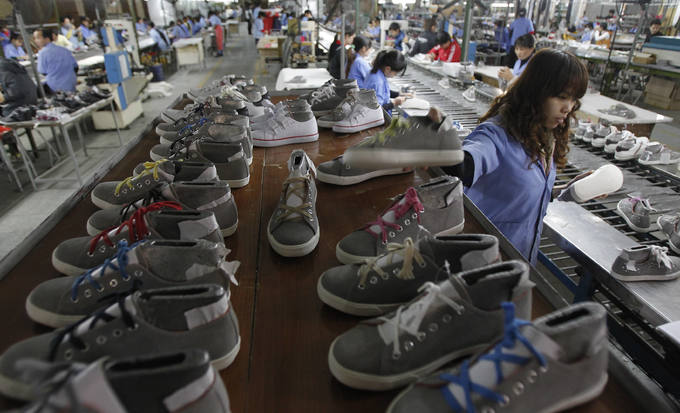
    Vietnam could face a trade deficit of $3 billion this year, after achieving the highest trade surplus in a decade in 2018. Export turnover in 2019 is expected to reach about $265 billion, down 17.4 percent from 2018. However, imports are expected to rise by 13.2 percent, reaching $268 billion, meaning a trade deficit of $3 billion, the Ministry of Industry and Trade has predicted.

    The volatility of trade policies of major economies like the U.S. and EU could hurt Vietnam’s exports this year, Deputy Minister of Industry and Trade Hoang Quoc Vuong said at a recent review conference.

    Geopolitical tensions and monetary policies which were tightened earlier than expected in many economies are other challenges for Vietnam’s export sector this year, he added.

    Global agricultural supply this year is expected to rise as countries hike up production of own agriculture sectors to avoid reliance on imports, and competition for agricultural and seafood products is set to intensify.

    Meanwhile, imports are forecast to continue to grow in manufacturing sectors that rely on imported materials or machinery.

    “Trade protection looks to be on the rise, especially after the U.S. has raised tariffs on imports from other countries. The US-China trade war is also not showing signs of cooling down,” Vuong said.

    Nguyen Xuan Cuong, Minister of Agriculture and Rural Development, said at the conference that 2019 was going to be a more difficult year after 2018’s windfall.

    “We’ve hit very high targets last year, so going even higher is extremely difficult. In addition, world trade is unstable, U.S.-China trade relations have not returned to normal, and Brexit remains unfinished. These are difficult challenges for our industrial and agricultural sectors this year,” said Cuong.

    He suggested that the Ministry of Industry and Trade supports growth in the agricultural sector, using its influence on supply chain areas like marketing and distribution.

    Vietnam had an export surplus of $7.2 billion in 2018, three times higher than that of 2017 and the highest in the past decade.

  • Burger house competition in Hong Kong

    Burger house competition in Hong Kong

    In 2018, two international burger chains have opened restaurants and branched out in the city. In May 2018, Shake Shack brought the modern day roadside burgers, to Hong Kong with its partner Maxim’s Caterers Limited. Maxim’s Caterers Limited is a Hong Kong based food, beverage and restaurant chain founded in 1956, and the company operates over 1,000 outlets in Hong Kong including The Cheesecake Factory and Simplylife Cafe.

    “We see tremendous opportunity for Shake Shack in Hong Kong and Macau,” said Randy Garutti, CEO of Shake Shack. “We are thrilled to bring the joy of Shake Shack to our fans in these dynamic communities as we continue to expand our footprint in Asia.”

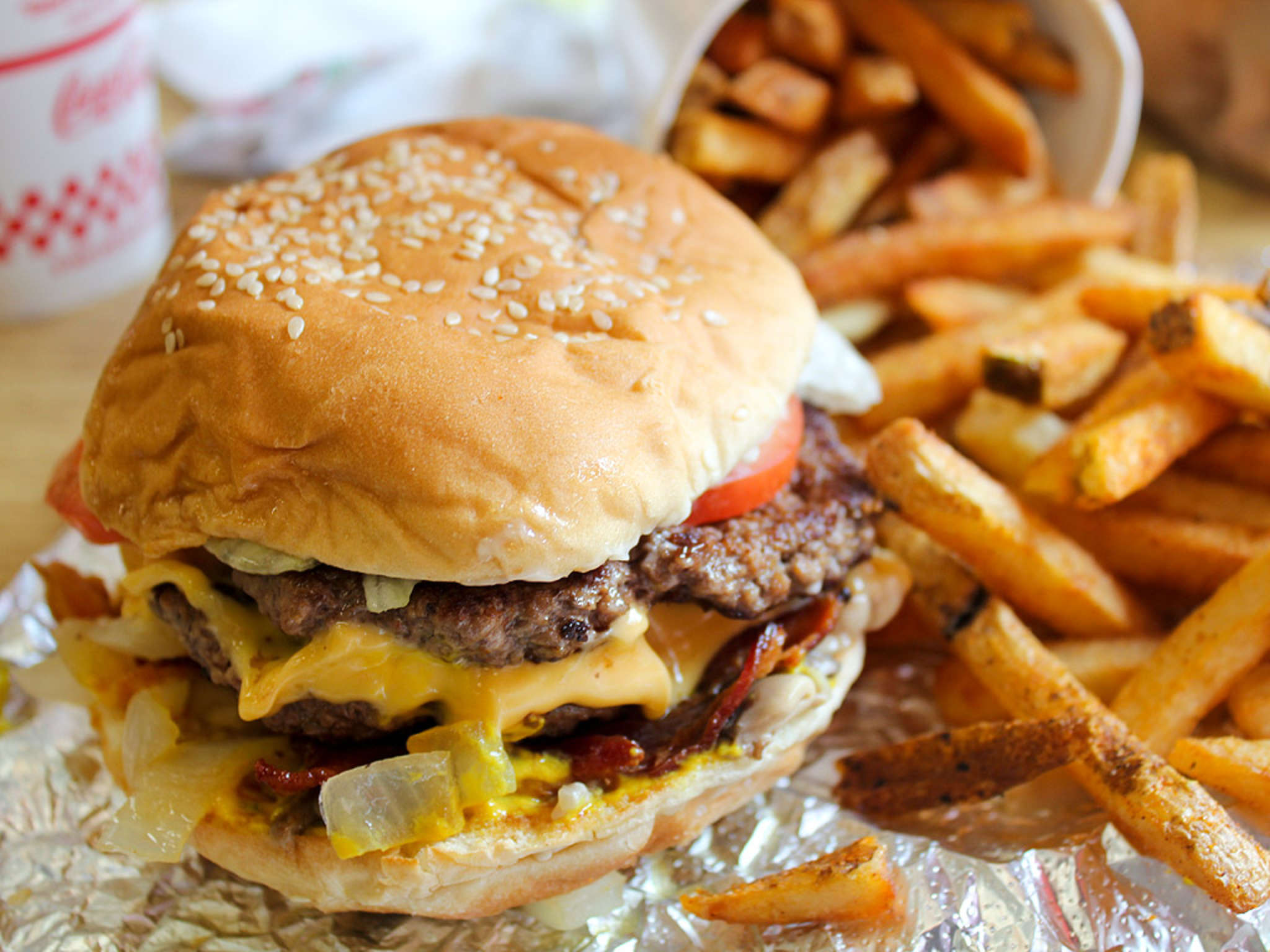
    On 19 November 2018, after months of staring longingly at the red and white hoarding, the day to check out Five Guys’ first Hong Kong restaurant has finally arrived. The popular fast food chain is now serving up all the American-style burgers, hotdogs, milkshakes, and fries. Naturally, burger lovers in Hong Kong were excited to get a chance to check it out.

    After 2 months,there is still a queue outside Five Guys owing to the all-you-can-eat peanuts and Coca-cola Freestyle. Coca-cola Freestyle is a concept similar to the Big Gulp offered by the 7-Eleven, customers may choose and drink all the provided soft drinks freely for only $30 Hong Kong dollars.

    This increasing number of burger outlets landing in HK just leaves us with one question – when is In-N-Out Burger making its way to Hong Kong?

  • Hyundai takes top honors at Nactoys

    Hyundai takes top honors at Nactoys

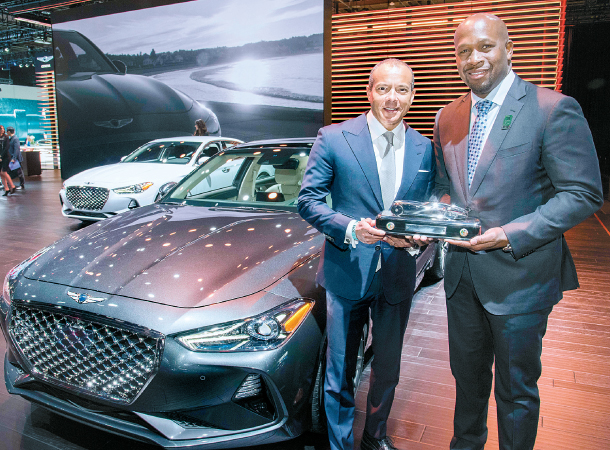
    Hyundai Motor Group took home the top prizes in two of three categories at the 2019 North American Car, Utility and Truck of the Year Awards (Nactoy), the company said last Tuesday. It is the first time a Korean carmaker has won in two categories at the annual awards. Hyundai Motor’s Kona and Kona Electric crossover utility vehicle won in the utility category, while the G70 sedan sold under the carmaker’s Genesis brand won in the car category.

    A jury consisting of journalists and analysts based in the United States and Canada voted for the winners of each category, choosing between three finalists. This year, 54 journalists from print, online and broadcast media participated in the assessment.

    The award organizer said in a press release that jurors voted on the finalists based on segment leadership, innovation, design, safety, handling, driver satisfaction and value for the dollar.

    Hyundai’s Kona competed with Honda’s Acura RDX and the Jaguar I-Pace.

    “The Kona Electric is the first mass-market electric car that truly works for the mass market,” said Jamie Page Deaton, executive editor at U.S. News & World Report Best Cars. “A livable EV range, affordable price and practical cabin combine with lively driving dynamics to make the Kona EV a true pleasure.”

    The G70 competed with the Honda Insight and Volvo S60. The Genesis-brand was evaluated to exceed luxury segment mainstays like the BMW 3 Series, Audi A4 and Mercedes-Benz C-Class in driver engagement and value for the dollar.

    The last Hyundai car to win top honors at the awards was the Avante sedan, sold as the Elantra in North America, in 2012.

    Previously the award only had two categories – car and truck – however, utility vehicles earned an independent category from 2017, considering the rising popularity of the segment.

    A Hyundai spokesperson said it will market the Kona and G70 more actively in the North American market with boosted presence from the awards.

    The winners were announced at the North American International Auto Show in Detroit on Monday. Hyundai also introduced its Veloster N TCR high-performance racing car at the show, while Kia Motors premiered its Telluride SUV. The SUV will only be sold in the North American market.

  • Flipkart secures more funding to face competition

    Flipkart secures more funding to face competition

    Indian e-commerce firm Flipkart has received US$201 million funding for its wholesale business from its Singapore-incorporated parent. The investment comes during a period of intensifying competition between the firm and its Amazon-backed competitor in a market estimated to be worth $18 billion. It signals a prioritising of sales growth by the retailer since its acquisition by Walmart.

    A report last year indicated that Flipkart has seen a more than 80-per-cent increase in transactions in recent months, prompting the company to expand into new business lines such as furniture and groceries over the next three years.

    Separate reports show that Amazon also looks to invest significant funds into the market in order to challenge Flipkart’s present lead in the territory.

  • Sears saved by chairman’s last minute $5.2 billion bid

    Sears saved by chairman’s last minute $5.2 billion bid

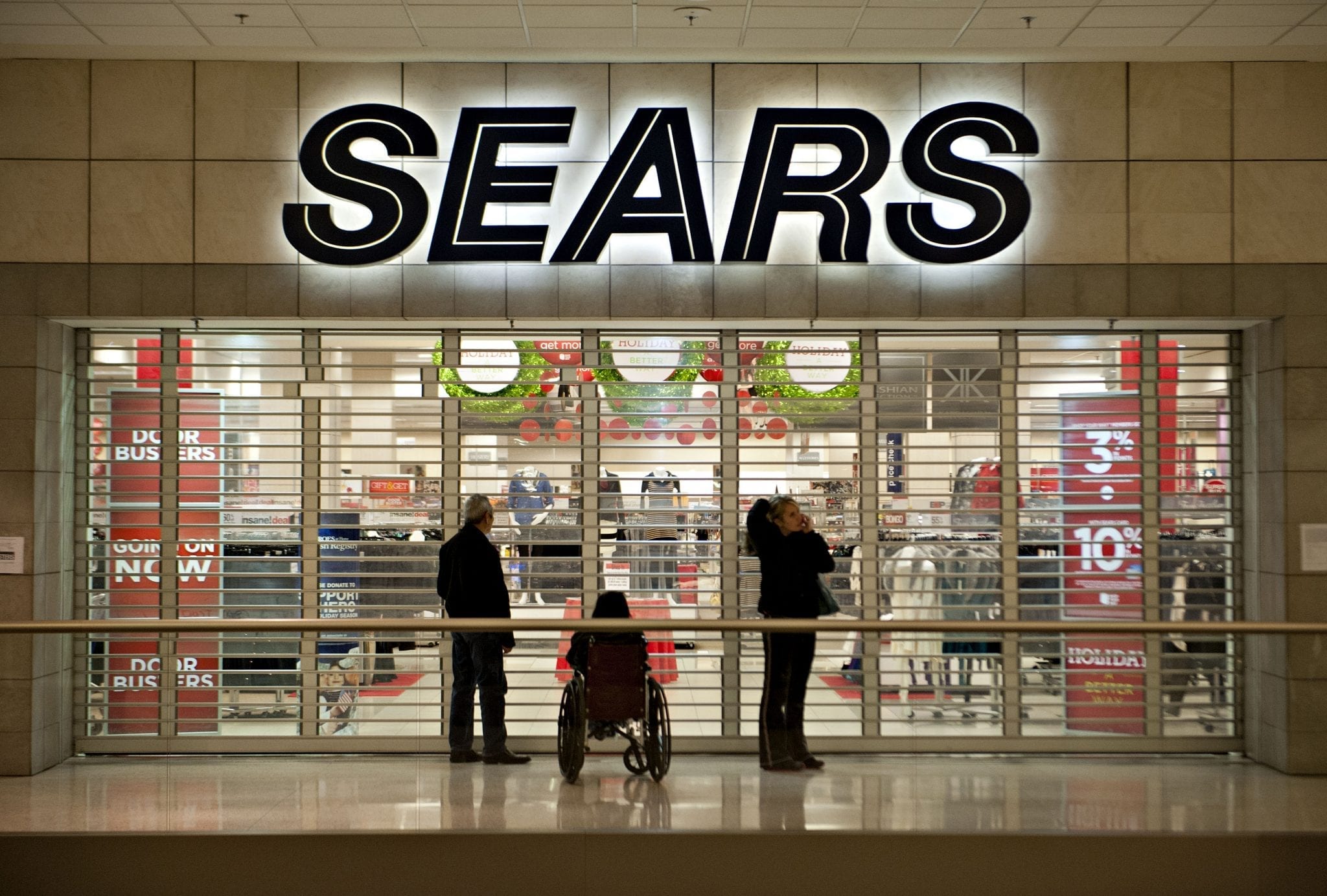
    Bankrupt US retailer Sears has been saved from liquidation following a successful, last-minute US$5.2 billion bid by chairman Eddie Lampert, subject to court approval. The acquisition includes substantially all of the company’s assets as an on-going concern and preserves the positions of 45,000 employees.

    “We are pleased to have reached a deal that would provide a path for Sears to emerge from the chapter 11 process,” Sears’ restructuring committee of the board of directors wrote in a release to investors.

    “Importantly, the consummation of the transaction would preserve the employment for tens of thousands of associates, as well as the relationships with many vendors and suppliers who provide Sears with goods and services.”

    Provided the sale is approved by the Bankruptcy Court, the transaction is expected to close on February 8, 2019.

    The retailer had previously announced plans to close up to 120 stores, though it is not clear whether these closures will go forward with the successful bid.

    Lampert made the last-minute bid after several prior offers were turned down for being “administratively insolvent” – unable to cover fees and vendor payments owed by the retailer.

    After initially offering US$4.4 billion to purchase the business, as well as a secondary offer to purchase just 250 of its locations, Lampert was forced to raise his bid to US$5 billion in an effort to get the sale completed.

    But even this bid was deemed insufficient, and Lampert, through bidding vehicle ESL Investments, upped the offer to US$5.2 billion.

    The new bid, while successful, will mean roughly 5000 fewer staff able to keep their jobs as a result of the bankruptcy.

    Sears applied for bankruptcy in October 2018, citing a failing turnaround effort to transform the business and unlock the value of its assets.

    GlobalData Retail managing director Neil Saunders pointed to Sears’ efforts to “shrink its way to profitability”, and that continuing to do so under the guise of bankruptcy was unlikely to result in a successful outcome for the business.

    “Ultimately, Sears needs not just to fix its financial problems,” Saunders said.

    “It also needs to repair the deficiencies in terms of retail strategy… only a complete change of management will bring this about.”

  • Nissan Korea fined 900 million won for inflating mileage figures

    Nissan Korea fined 900 million won for inflating mileage figures

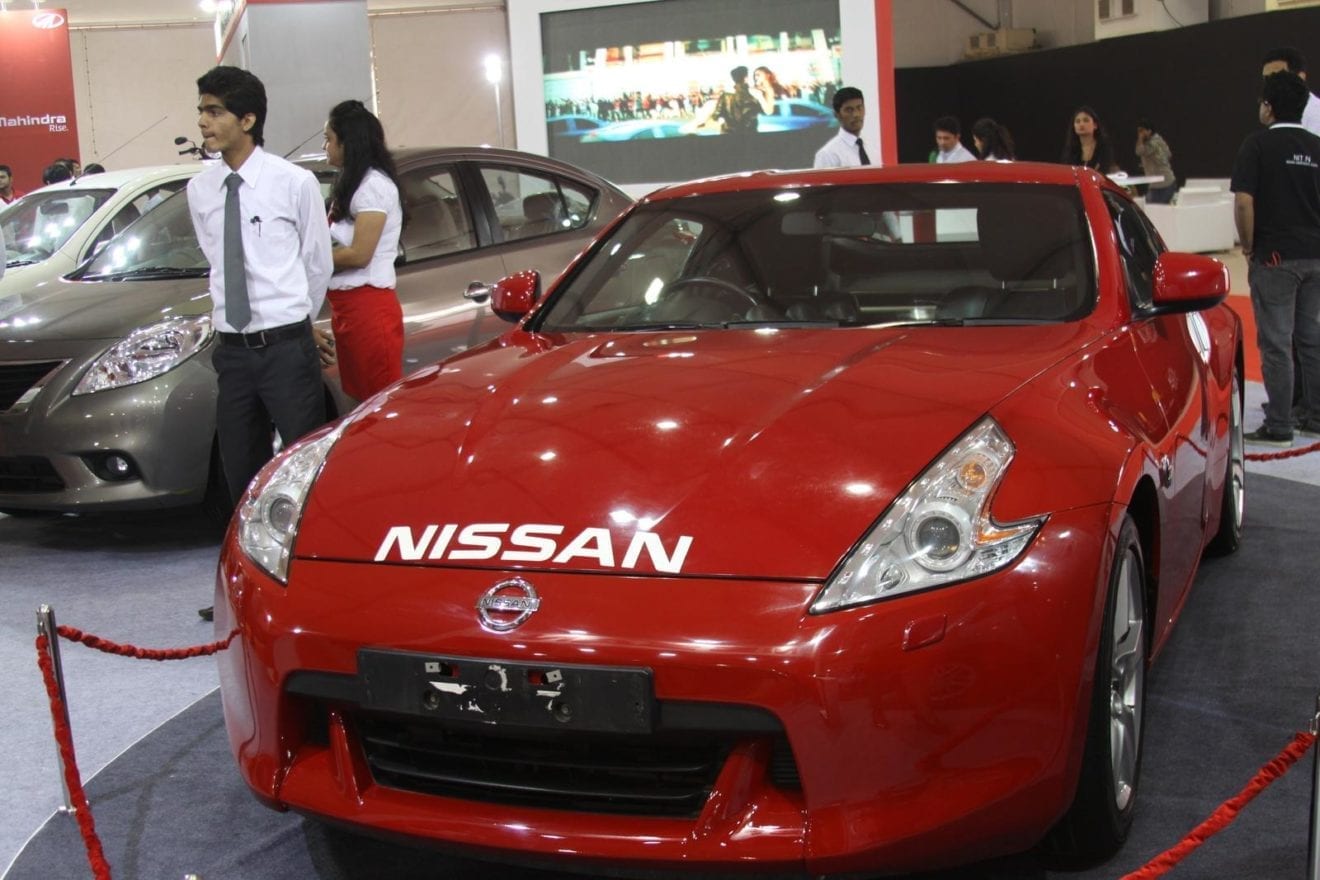
    Korea’s antitrust watchdog said Wednesday that it has fined Nissan Korea 900 million won ($802,100) for inflating gas mileage figures for its Infiniti Q50 2.2d sedans. The Japanese car’s fuel efficiency reaches 14.6 kilometers per liter (34.3 miles per gallon), but the local unit of the Japanese carmaker overstated the fuel efficiency as 15.1 kilometers per liter in its stickers, catalogues and magazines between February and November 2014, according to the Fair Trade Commission.

    Nissan Korea sold 2,040 Infiniti Q50 2.2d sedans valued at 68.68 billion won during the cited period.

    “There are concerns that Nissan Korea’s advertising could hurt fair trade by distorting consumers’ reasonable choice, considering that fuel efficiency is a priority factor when they buy vehicles,” the commission said.

    Repeated calls to Nissan Korea seeking comment went unanswered.

  • SK Telecom announces plan to take on KakaoTalk

    SK Telecom announces plan to take on KakaoTalk

    SK Telecom introduced a new messaging service on Tuesday in an attempt to compete with Korea’s dominant chat app, KakaoTalk. The new service will look a lot like Apple’s iMessage. Users won’t have to download a separate app. It is offered to SK Telecom subscribers only. Messages will be sent on data networks. Group chat and check whether your message has been read will also be offered.

    Later in the year, SK Telecom promises more features so that users can share mobile gift coupons and transfer money. These are all services already offered by KakaoTalk.

    SK Telecom is trying to make its service competitive by offering freebies. Transfers of picture or video files of less than five megabytes will be free from data charges. It is also running promotions through June that will allow sharing of files up to 100 megabytes for free.

    The carrier is also preparing to launch a dedicated message service targeting business customers within the first half of this year.

    That service is based on Rich Communication Services (RCS), a communication protocol developed by the Global System for Mobile Communication Association better known as GSMA, to replace SMS messages.

    The telecom said it is planning on making the message service compatible for customers of different carriers in Korea.

    In December, KT introduced a message service dubbed Chatting based on the same RCS specifications. Basic features are identical for the two services, but they differ in some features depending on what telecom a person uses.

    Last year, KT promoted a chatting bot service on the new message service. Simple inquiries about the company’s products and services could be handled by the chat bot. In the future, it is planning to linking shopping services to the chat bot.

    Luring customers away from KakaoTalk will not be easy. Chat app users are resistant to change because all their friends use the same app.

    In the initial stage, SK Telecom’s chat service will only be offered to owners of Samsung Electronics’ flagship smartphones Galaxy Note9, S9, S9+. By February, Galaxy Note8, S8, S8+ users will also get in through an update.

    The upcoming Galaxy S10 smartphone will come with the RCS-based message app pre-installed.

  • Imports of commercial vehicles fell last month in Korea

    Imports of commercial vehicles fell last month in Korea

    Sales of imported commercial vehicles plunged 38 percent last month from a year earlier amid slower economic growth, a local automobile association said Tuesday. The number of newly-registered imported commercial vehicles fell to 283 units in December from 390 a year ago, the Korea Automobile Importers and Distributors Association (KAIDA) said in a statement.

    “The construction industry faces a slowdown as the government pushes for regeneration projects in residential areas instead of building new apartments or homes. This is driving down demand for commercial vehicles,” a spokeswoman for Volvo Trucks Korea said.

    Imported commercial vehicles are widely viewed as being more upmarket than domestically produced rivals and offer more choices for users.

    For the whole of 2018, the number of imported commercial vehicles sold in Korea declined 1.6 percent to 4,394 units from 4,464 a year earlier, the statement said.

    Major imported commercial vehicle brands are MAN, Mercedes-Benz, Volvo Trucks, Scania and Iveco.

    There are three kinds of trucks. Two of them are regarded as commercial vehicles, but the third, referred to as a dump truck, is classified as construction equipment.

    KAIDA began to compile sales data for imported commercial vehicles in January 2017.

  • Luckin, Starbucks rivalry heats up

    Luckin, Starbucks rivalry heats up

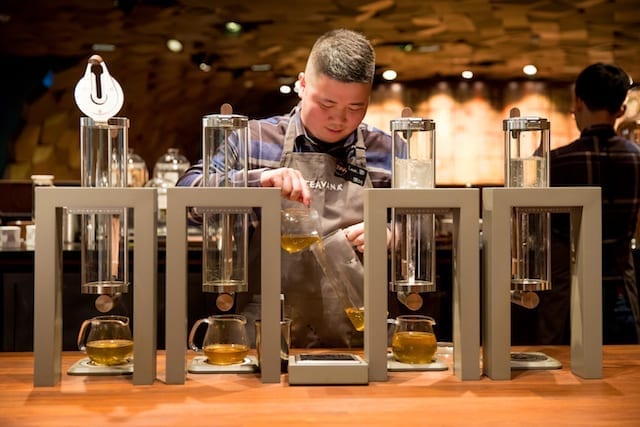
    Luckin vs Starbucks: baristas and technology are engaged in a gigantic battle for Chinese coffee drinkers’ loyalty. Seattle, Washington-based Starbucks Corporation has been the indisputable market leader in the Chinese coffee industry ever since its Beijing World Trade Center branch opened its doors in January 1999. Yet Starbucks’ two decades of coffee dominance in China appears to be reaching its end.

    While “China watchers” and retail industry insiders have been expressing concerns about Starbucks for months, it has taken Wall Street a few months to catch on; just last week, Goldman Sachs downgraded the Starbucks stock from “buy” to “neutral” for the first time in recent memory, specifically citing Starbucks’ bleak business trajectory in China as a major concern.

    Most of this concern is linked to Luckin Coffee 瑞幸咖啡 Ruixing Kafei, the young tech-forward coffee startup that has managed to build more than 2000 outlets throughout 30 mainland cities in just about 14 months of operations, reaching startup “unicorn status” seemingly overnight.

    While China is Starbucks’ largest market after the US, with roughly 3600 stores across 150 cities, it took Starbucks nearly 13 years to achieve Luckin’s current size. Perhaps even more shocking, Luckin is showing absolutely no signs of slowing down any time soon; the Luckin team has publicly announced its goal of reaching 4500 outlets across China by the end of 2019, and as of November, Luckin Coffee’s overall value was estimated to be about US$2 billion, a figure that has almost certainly risen since.

    Luckin is clearly trying to develop a mass-market coffee product that can bring the “coffee shop experience” to the working class at an ultra-competitive price point.

    While its early success may seem unfathomable, it mostly comes down to three distinct points of difference within its business model: the Luckin app, delivery infrastructure, and competitive pricing. For outsiders visiting China or first-time Luckin customers, the most noticeable quirk of Luckin’s business model is that customers are forced to use the Luckin app to purchase a coffee in a Luckin store or have Luckin coffee delivered to their office or home. Luckin does not accept cash payments at all: there are no tills inside Luckin stores. Fortunately, Luckin offers new users a free beverage after their first download, to lessen the pain a little. While this may seem perplexing to many outsiders, this is a feature that distinctly appeals to an increasingly app-focused Chinese consumer base who prefer digital payments to cash.

    Tensions rising

    With tensions rising between China and the US, Luckin has another unique competitive advantage: its status as a truly Chinese coffee brand, owned by Chinese people and tailored specifically to the unique tastes of the Chinese market. If these tensions continue to grow worse, one can expect Luckin to follow the trend of many other Chinese companies by appealing directly to this patriotic sentiment and further distancing itself from the distinctly American image of Starbucks.

    With Luckin’s CEO Jenny Qian Zhiya and most of its senior leadership coming directly from UCAR, a ride-hailing service spun out of rental car giant Car Inc, it should come as no surprise that transportation and delivery are two key focus points of the business. With the exception of a few sit-down locations in hot real estate areas, the vast majority of Luckin Coffee locations do not offer customers a place to sit. While many locations have space for customers to wait in line and pick up drinks, roughly half of Luckin stores are “preparation stores” that focus solely on preparing beverages for the endless queue of Luckin delivery drivers. Thanks to this elaborate and effective delivery system, customers can usually expect to get their coffee quickly; Luckin claims the average delivery time is roughly 18 minutes, (and even during the busy morning hours in my Beijing office park, I never had to wait longer than 30 minutes). With young Chinese city-dwellers becoming more and more reliant on delivery services like Ele.me and Meituan Waimai, Luckin’s impressive delivery capabilities allow the company to remain convenient and attractive. As a side benefit, this store setup also allows Luckin to place most of its shops in cheaper out-of-the-way locations with limited foot traffic, allowing for significant real estate savings.

    Price the differentiator

    Perhaps the most important point of differentiation between Luckin and Starbucks is price.

    While Starbucks generally charges at least 35 RMB (US$5) for most of its coffee drinks, Luckin’s prices generally fall in the 20 to 25 RMB range, with only a 6 RMB surcharge for delivery.

    Luckin also regularly runs promotions that bring the price per cup down to as little as 10 RMB, prices no competitor has been willing to match. While the exact price of a Luckin coffee fluctuates dramatically due to promotions, customers can generally expect to pay 30-40 per cent less than they would pay for a similar drink at Starbucks. Perhaps even more appealing, Luckin’s widely used “refer a friend” system rewards users who convince their friends to download the Luckin app with a free beverage.

    These three aspects of Luckin’s business platform have clearly caught on with young Chinese customers and urban office workers, who are increasingly looking for cheaper and more convenient coffee options. It appears that Starbucks ultimately has little chance of competing with Luckin in this lower end of the market. While Starbucks does have an app developed for the Chinese market, it is not nearly as intuitive or eye-catching as Luckin’s well-developed system. Similarly, after Starbucks failed to catch the wave of China’s food-delivery boom, it may be too late for Starbucks to substantially overhaul its delivery capabilities. Starbucks did not implement its own internal delivery service until August last year, arguably three years too late.

    Until last summer, Chinese customers have been forced to improvise their own “hacked” Starbucks deliveries through the app Ele.me; those wanting Starbucks coffee had to use an unwieldy two-step process using two separate apps to get their drinks delivered.

    While Starbucks could use its resources to develop a more effective app and more efficient delivery system for the Chinese market, it is likely too little, too late; after ignoring these two major trends in Chinese retail over the past few years, Starbucks is already considered an inconvenient option by rushed coffee customers, an image that will prove hard to shake off. And after spending nearly two decades cultivating the company’s image as a high-end aspirational brand for the emerging Chinese middle class, it is unlikely Starbucks can drop its prices enough to compete with Luckin’s promotional pricing.

    Going high

    Ultimately, it seems Starbucks has no choice but to “go high” in this market. While Luckin has already cemented itself as the most popular option among working-class coffee drinkers looking for an everyday beverage option, the startup has yet to grab the attention of the more status-driven higher end of the coffee market. As many industry insiders have pointed out, Luckin’s “take-and-go” model and delivery focus does not offer customers the high-end experience of whiling away an afternoon sitting at a coffee shop. So while Starbucks executives certainly have significant reason to be concerned over their dwindling market share, Starbucks still maintains a solid grasp on the market for customers seeking a true coffee experience, rather than just caffeine boost to get them through the day.

    This split in the market has been happening naturally, and is quite apparent: if you visit a Luckin outlet in any tier-one Chinese city, you will most likely encounter either a delivery man holding several bags to be delivered or a young office worker making the coffee run for his or her office, taking 10 or 20 cups back up to the office. Meanwhile, the most common sight at an urban Starbucks location is a store filled with tables, each crammed with Chinese millennials or parent groups chatting the afternoon away. In a sense, this harkens back to the ethos of the company’s original entry into China in the late 1990’s: Starbucks built its business in China by providing customers with第三空间 di san kong jian, a “third place” between home and work that functioned as a public conference room or a relaxing respite from the busy world outside, an important societal role that was traditionally satisfied by China’s ancient tea house culture. As Gwynn Guilford, reporter for Quartz, puts it: “In China, Starbucks doesn’t sell coffee to make its millions… it rents couches.”

    If the statistics are to be believed, there is certainly space in the market for both companies; Chinese citizens drink just four to six cups of coffee per year on average, compared to 250 among British residents and 360 for Americans. While Starbucks will likely continue to face struggles as the company redefines its hold in the Chinese market, this year we will see how Luckin Coffee’s unique business model fares – will Luckin continue to set record-breaking growth numbers, or will it shatter before showing any profit?

    Hunter White-

  • Jack Wills bags cash injection to save the business

    Jack Wills bags cash injection to save the business

    Creditors of fashion label Jack Wills under HSBC have ordered an assessment of the firm’s finances, according to a report. The news comes just weeks after Jack Wills achieved new investment of £10 million (US$12.8 million), followed by speculation that the company may soon need further financial help – prompting the appointment of advisers from auditing firm EY.

    The new investment reportedly comes from an unnamed wealthy Italian family, which has previously invested in Jack Wills’ majority shareholder, BlueGem Capital Partners. BlueGem itself is thought to have provided a similar injection of cash. The identity of the investor is likely to be revealed following reports expected to be filed at Companies House.

    Brand co-founder Peter Williams was ejected from the firm’s board last year, with new executives brought in to effect a turnaround.

    Jack Wills operates more than 90 stores worldwide, including five stores in Hong Kong and two in Singapore.

  • Investment in Vietnamese startups triples in 2018

    Investment in Vietnamese startups rose to $889 million in 2018, three times that of 2017. According to a report recently released by Topica Founder Institute (TFI), a startup accelerator program in Vietnam and Thailand run by Hanoi-headquartered multinational educational technology company Topica, 92 investment deals totalling $889 million were struck in 2018.

    Domestic funds invested over $500 million, over half of total investments in startups, director of TFI Mai Duy Quang said. “This means that domestic funds are paying more attention [to Vietnamese startups], and that there is an abundance of domestic capital available for startups right now.”

    Of these, the top 10 investments alone totaled $734 million, accounting for 83 percent of the total value of all investments in startups. The three biggest deals were made by Vietnamese multichannel media giant Yeah1 ($100 million), e-commerce company Sendo ($51 million) and tech education company Topica ($50 million).

    The five most profitable fields for startups were fintech, e-commerce, traveltech, logistics and edtech. Fintech returned to the top spot in investment volume in 2018 with 8 deals totaling $117 million.

    In second place was e-commerce, which saw just 5 deals worth around $104 million, down from 21 deals in 2017. Traveltech (technology services related to tourism) was an unexpected third, with 8 deals worth $64 million by online hotel booking service Vntrip, homestay platform Luxstay, cheap flight booker Atadi, and business to business travel network Vleisure.

    Logistics and edtech fields respectively attracted 3 and 4 deals worth a combined $50 million.

    “Vietnam is a vibrant startup market full of potential for breakthroughs if proper investments are made,” said Yinglan Tan, founder of Insignia Venture Partners.

    According to the TFI report, startups struck 92 investment deals in 2017, too, but the total investment capital was just $291 million.