Tag: cafe

  • Fore to ramps up network in Indonesia

    Fore to ramps up network in Indonesia

    Indonesian coffee chain Fore Coffee is plotting an aggressive expansion plan that will make it the largest coffee operator in the country.

    Fore Coffee says it has partnered with hotel operator Airy to open 1000 new locations at the latter’s hotels across Indonesia.

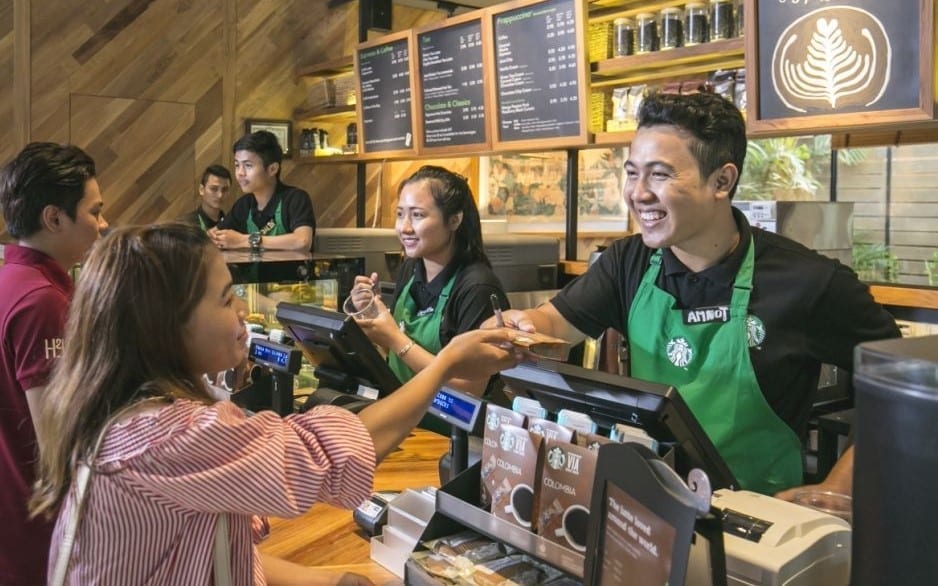
    The new outlets will add to its current network of more than 100, making it the largest player in Indonesia’s coffee chain market, currently dominated by Starbucks, which has around 450 outlets.

    The expansion comes after Fore Coffee secured fresh funding from venture capital firm East Ventures earlier this year.

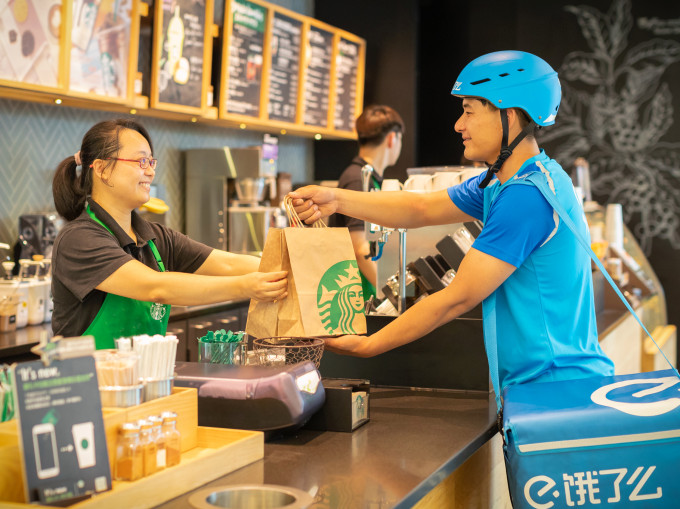
    Launched in August 2018, Fore Coffee offers a seamless customer experience with its mobile app allowing customers to order coffee via the app and have it delivered to them or pick it up in-store. It says it is inspired by Chinese coffee chain Luckin, which embraced digital commerce by offering in-app purchases.

    Indonesian coffee chain Fore’s app has added 70,000 registered users since its launch in December last year. It has collaborated with digital wallet companies Ovo and Go-Pay, and plans to team up with many more to expand its mobile payment options.

    Fore is not the only coffee chain vying for the biggest slice of Indonesia ́s coffee chain market. Rival Kopi Kenangan plans to grow its network from around 80 outlets currently to 1000 by 2021, having raised US$20 million from Sequoia India.

  • % Arabica to open four stores in Indonesia

    % Arabica to open four stores in Indonesia

    Bali, a beloved destination for tourists and popular amongst Australians has been setting up the coffee scene with Starbucks opening its largest Southeast Asian location at 20,000 sq ft earlier this year.

    Now, Kyoto-based coffee chain % Arabica has announced plans to enter the Indonesian market with four new store locations by the end of next year. Announced on the company’s Instagram feed, the new franchises will be located in Jakarta and Bali, with two of the Jakarta stores opening at District 8 and Central Park Mall.

    The first Bali store is planned for Ubud during the first quarter of next year, and will be designed by Ubud-based German designer Alexis Dornier, who previously created other % Arabica stores.

    Meanwhile, the independent coffee chain has opened its 44th global store in Hong Kong at K11 Musea designed by Pritzker Prizer winner Rem Koolhaas and David Gianotten in the shape of a golden cube kiosk.

  • South Korea’s coffee shop boom – 1 in 10 are losing money

    South Korea’s coffee shop boom – 1 in 10 are losing money

    The number of coffee shops in South Korea continues to grow. More than 71,000 coffee shops are now operating nationwide, with 14,000 openingsz last year alone.

    According to a report by KB Financial Group Management Research Institute, the increase in the number of coffee shops is because the number of new shops opening has dramatically outpaced the number of shop closures.

    In 2009, 27,000 new shops were opened and 4000 closed. On the other hand, 14,000 opened last year and 9000 closed.

    Meanwhile, 11 percent of local coffee shops were found to be operating in the red. This rate is higher than the 4.8 percent of restaurants that are also unprofitable.

  • Taiwanese milk-tea brand CoCo continues rapid Philippines expansion

    Taiwanese milk-tea brand CoCo continues rapid Philippines expansion

    Taiwanese milk-tea brand CoCo Fresh Tea & Juice is slated to open its third store in Cebu City, Philippines in 2020.

    CoCo debuted in the urbanized city in March this year when it opened at the SM Seaside City shopping mall, followed by a second outlet six months later.

    GM Larry Evans Tan says “Cebu City was one of the most-requested areas that the company received for CoCo to be present in”.

    Originating in Taiwan, CoCo is operated by Tobistro Foods in the Philippines. Having opened its first store in the country in 2015, it now has 35 nationwide. And it is looking to take the number to 40 by the end of the year, expanding into other markets including Davao, Cagayan de Oro, and Iloilo.

    The milk-tea brand CoCo says that the bubble-tea craze is so high in the Philippines that people order via food delivery service GrabFood at a pace of one cup every four minutes in Metro Manila alone.

  • Nespresso launches farm-to-table sustainability initiative

    Nespresso launches farm-to-table sustainability initiative

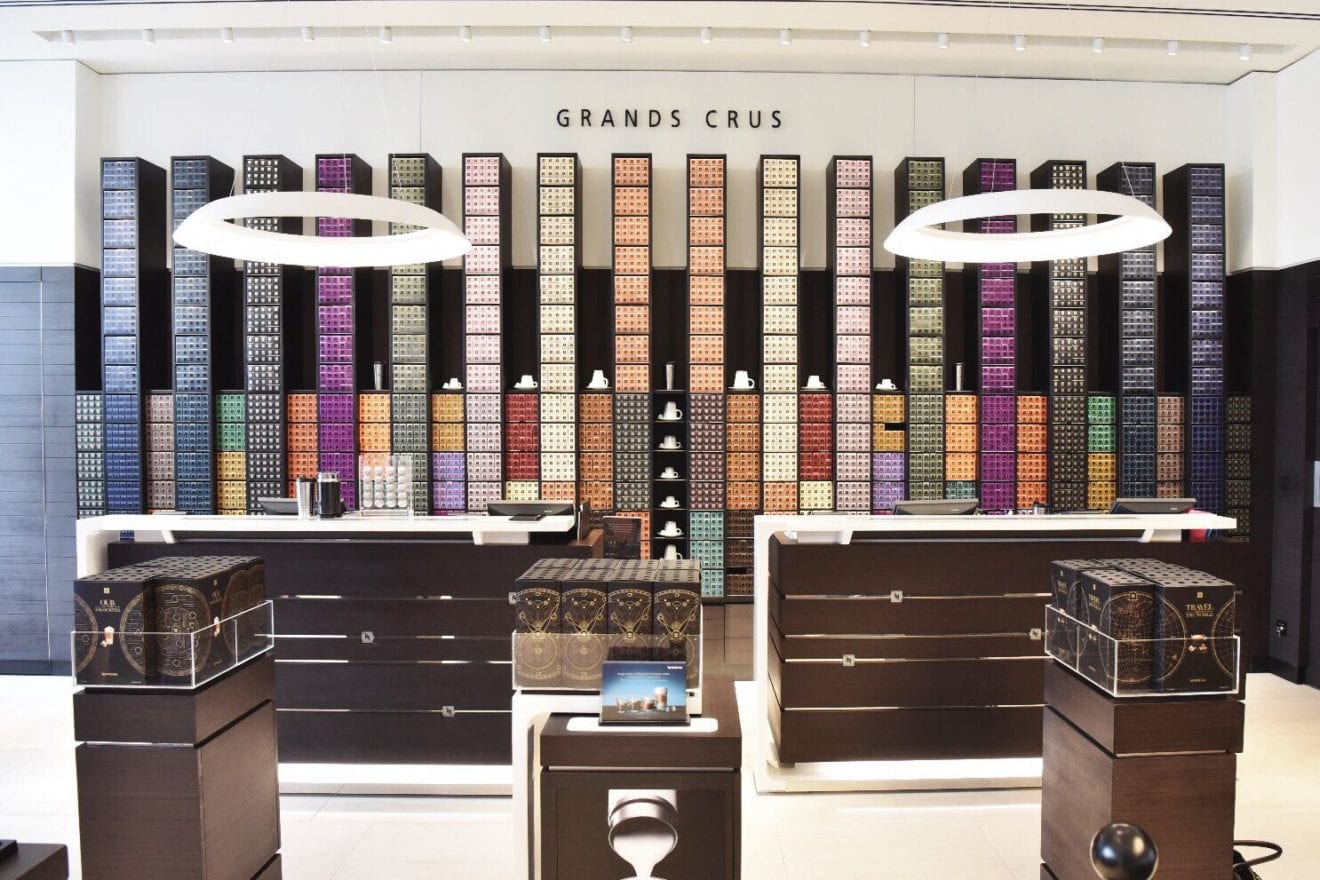
    Capsule coffee brand Nespresso is inviting business partners to join an exclusive farm-to-table culinary experience designed by Chef Vicky Cheng, owner and executive chef of Michelin-starred Vea Restaurant and Lounge in Hong Kong.

    To further encourage the public to participate in the Nespresso’s sustainability initiatives, Cheng will extend the unique farm-to-table experience to the acclaimed restaurant with a special gift. From November 11 to December 14, diners will receive a complimentary jar of rosella jam, made with rosella grown using recycled coffee grounds at the Nespresso Farm.

    As the chief ambassador of Nespresso Hong Kong, Cheng will be creating a one-of-a-kind luncheon using fresh vegetables harvested straight from the Nespresso Farm.

    Guests will not only indulge in the gourmet-coffee pairing menu but will also see how used coffee grounds from recycled Nespresso capsules are repurposed as compost and given new life.

    “As chef ambassador of Nespresso, I have had the opportunity to travel to the brand’s headquarters and even to the coffee farms in Colombia,” said Cheng. “From these experiences, I have witnessed the brand’s deep commitment to quality, craftsmanship, and sustainability, which are shared values that I believe are key to delivering the ultimate experiences to customers … It is a delight to be able to craft this Nespresso farm-to-table menu and cook using top quality, fresh ingredients grown from repurposed coffee grounds; I hope this inspires people to join the sustainability journey.”

    Nespresso capsules are fully recyclable, from the aluminum capsules to the coffee grounds within them. The brand’s current local capsule recycling rate is running at 24 percent. Club members can drop off their used capsules at any Nespresso Boutique or use the Recycling@Home service – a doorstep collection system where used capsules are picked up when a new order is delivered.

  • Contaminated water forces seven Vietnamese Starbucks stores to close

    Contaminated water forces seven Vietnamese Starbucks stores to close

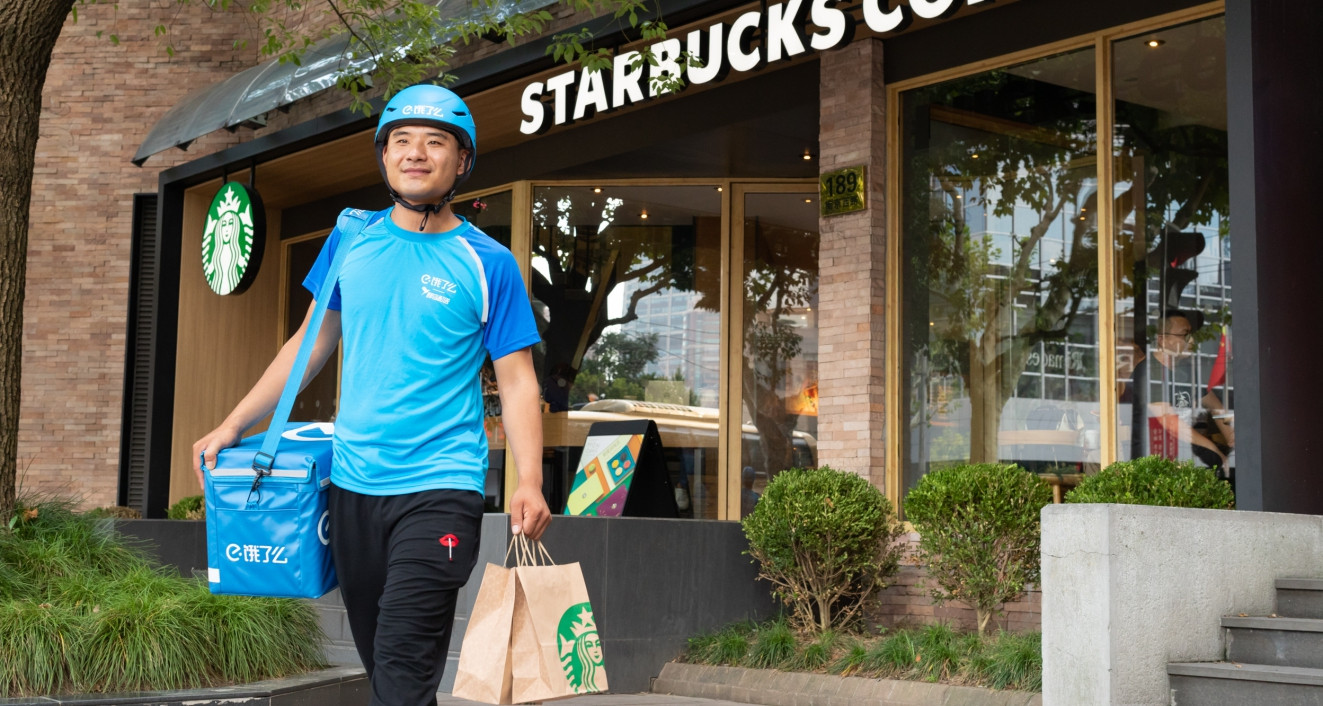
    Coffee chain Starbucks has temporarily closed seven outlets in Hanoi, Vietnam as the city copes with serious oil contamination of its water supply.

    According to a customer service staff member, the Starbucks Hanoi stores are closed in areas where water comes from the Da River, including Cau Giay, Ha Dong and Nam Tu Liem districts. The coffee chain has not confirmed a reopening date.

    The contamination traces back to a truck seen dumping used oil into a mountain creek in Phu Minh Commune, Hoa Binh Province last week which has led to contaminated tap water for about 1 million Hanoi residents.

    While Starbucks is not alone in closing stores, other major coffee chains and eateries in the contaminated areas have arranged alternative sources of water and remain open.

    Local news media report that tap water has now passed safety tests, but Hanoi officials advise consumers against drinking or cooking with it.

    Meanwhile, there are widespread reports of bottled water prices soaring in the city as people rush to buy safe water. While tap water in Vietnam is not considered safe to drink it is generally acceptable to use it for cooking.

  • Vietnam coffee chains ready for a marketshare battle

    Vietnam coffee chains ready for a marketshare battle

    Major Vietnam coffee chains are targeting new customers by adopting take-away business models on city streets.

    In Ho Chi Minh City, the largest of the local Vietnam coffee chains, Highlands Coffee, which is majority-owned by Jollibee Foods, has been selling its product in coffee booths set up at roadsides from 7am – 9am when traffic is at its busiest.

    According to Highland’s staff, the company will be building more sidewalk trolleys to serve the increasing needs of customers on the road, most of whom drive motorcycles. Instead of going into the coffee shops, customers now can just stop on the roadside and grab a coffee to go.

    Other major coffee brands, including Passio and Vinacafe, set up morning coffee booths on some busy streets a few months ago. As the new model is easy to run and needs low-cost investment, the Vietnam coffee chains have been able to lower their prices to attract more customers.

    Targeting low- and middle-income customers, Vietnamese coffee company Trung Nguyen has recently launched a small-scale coffee franchise called E-Coffee. According to Vo Thi Ha, communications director of Trung Nguyen Group, the takeaway coffee model only costs around one-eighth of a normal store’s investment.

    “As the mid and high-end segments become increasingly saturated, the affordable and low-income groups are increasingly seen as potential revenue generators. This consumer segment is large and easy to serve, so could generate big profits because of low investment costs, as long as businesses find the right model,” a marketing expert in Ho Chi Minh City told local newspaper VN Express.

    However, Coffee Bike director, Do Quoc Anh, described the current street-trolley coffee business model as unprofessional and unsustainable. He said if it was not developed properly and carefully, it would die out as a trend.

  • Thai Cafe Ama​zon opens first China outlet

    Thai Cafe Ama​zon opens first China outlet

    Thai coffee chain Cafe Amazon has launched its first outlet in China.

    The new cafe has opened at a Sinopec-branded petrol station in the Guangxi provincial capital of Nanning.

    Cafe Amazon is owned by Thai petrol firm PTT Oil and Retail Business (OR), which is aiming to expand the chain globally. The Chinese operator is OR subsidiary PTT OR China (Shanghai), which will roll out the chain at other Sinopec petrol stations nationally.

    China is the 10th market in which the brand has launched.

  • Starbucks Japan lets customers pay with a pen

    Starbucks Japan lets customers pay with a pen

    Starbucks Japan has launched a new pen-shaped digital wallet called “Starbucks Touch The Pen” allowing customers to buy their coffee without taking out their wallets.

    The pen’s design resembles a drip coffee machine and comes in three colours – black, silver, and white. The new cashless-payment device is run by NFC (near-field communications) technology through FeliCa chip and contains “coffee brown” gel ink, meaning it works as a digital wallet and has the same function as a normal pen.

    Starbucks’ Touch The Pen will cost ¥4000 (US$37) including ¥1000 preloaded credit when it is available to purchase online next week.

    Before The Pen, the cafe chain had three other digital payment models including The Drip (a key fob), The Cup (a phone case) and The Hug (a keyring handbag).

  • Osaka’s Micasadeco & Cafe opens outlet outside Japan

    Osaka’s Micasadeco & Cafe opens outlet outside Japan

    Japanese fluffy-pancake franchise Micasadeco & Cafe is launching its first flagship outside of Japan at Langham Place in Mong Kok.

    Opening on September 20 in an airy basement, Micasadeco & Cafe will be serving diners breakfast till dinner Monday through Sunday. Limited-edition tote bags will be presented to early diners in celebration of the Hong Kong opening.

    The new venture presents the brand’s signature Ricotta Cheese Pancake, which received the highest ranking of three stars at the Sarah Japan Menu Award last year, alongside an extensive menu mixing sweet and savoury items.

    For the sake of authenticity, four chefs stationed in Hong Kong were invited to to Micasadeco & Cafe’s original branch in Osaka to learn how to make perfect pancake towers and other delicacies.

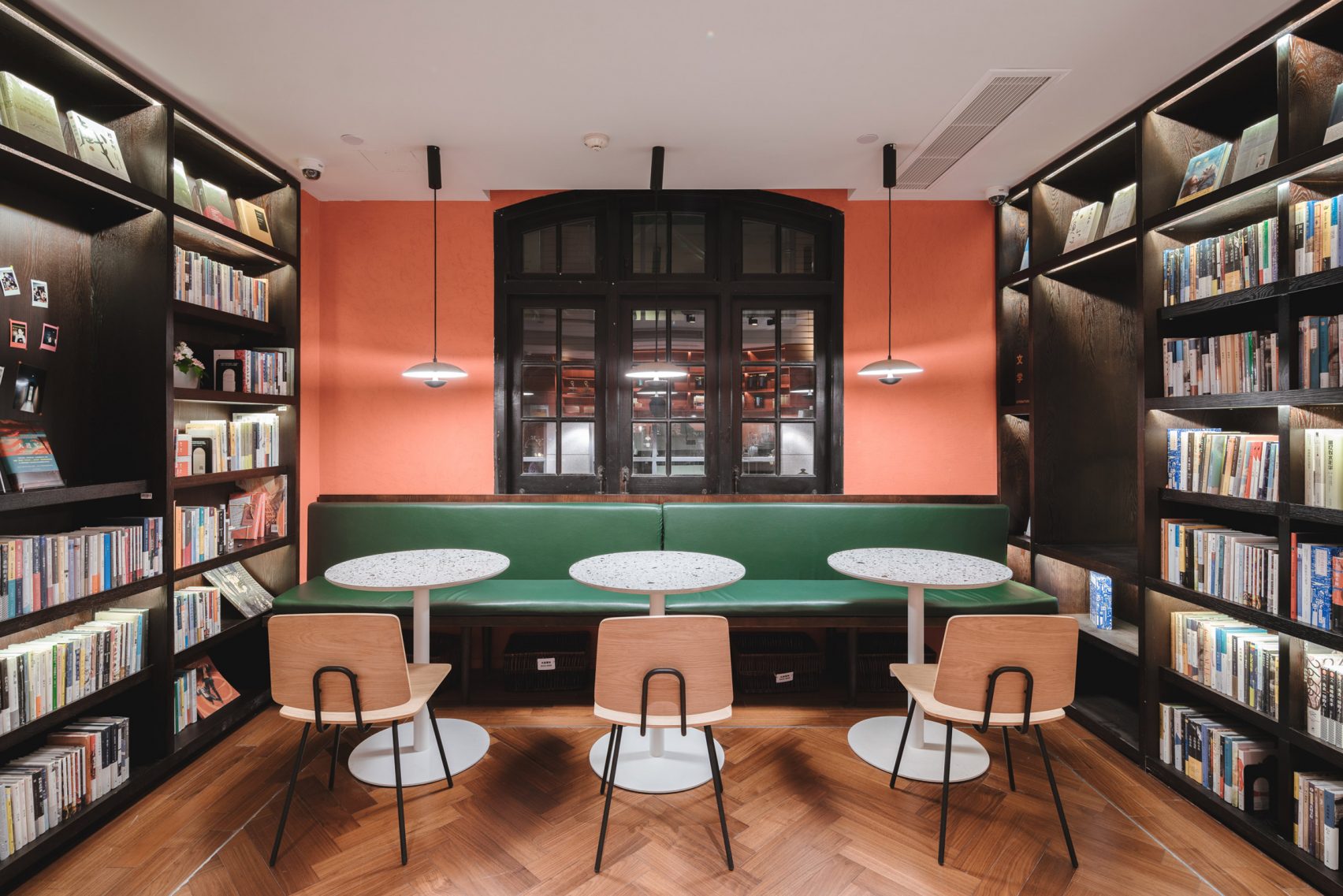
  • Cafes and bookstores in China riding wave of creative boom

    Cafes and bookstores in China riding wave of creative boom

    China’s cultural and creative industries are entering a positive era, according to a new report by Mintel, Cultural And Creative Products Retailing.

    And cafes and bookstores in China are among the primary beneficiaries.

    The firm found that with China shifting from a primarily manufacturing economy toward a more service- and creative-centric one, Chinese consumers are paying more attention to cultural and leisure lifestyles.

    The research revealed that as many as three in five (60 per cent) of urban Chinese respondents said that they have been visiting more cafes in the past six months, while more than half of respondents have increased visits to libraries (56 per cent) and bookstores (55 per cent). What’s more, two in five (40 per cent) of urban Chinese respondents say they have been visiting more museums and over a-third (36 per cent) say the same of art galleries.

    Meanwhile, lower tier cities in China present great potential for cultural and creative industries. Mintel found that 61 per cent of respondents from Tier 2 cities visited libraries more in the past six months as compared to just over half (51 per cent) of respondents in Tier 1 cities. Similar figures held for bookstores and art galleries.

    “Chinese consumers, today, are paying more attention to cultural and leisure lifestyles, and therefore, are spending more money on leisure and entertainment,” said Mintel China Reports category research director, retail Chih-yuan Wang.

    “As discussed in our report Mintel Trend ‘Slow it All Down’, as lives become faster and more hectic, there is a wider appreciation for taking one’s time. Cultural and creative products present the opportunity for Chinese consumers to enjoy a degree of slow-paced escapism—also why cafes, libraries and bookstores are now at the centre of cultural and creative leisure lifestyles in China. We are seeing the emergence of new-format bookstores and lifestyle stores featuring comfortable spaces, aligning with consumers’ pursuit of leisure and better living. It’s not just about selling products; it’s also about selling a way of life.”

    Research from the flagship report shows that Chinese consumers are actually spending more on leisure and entertainment; total expenditure in the sector reached an estimated RMB2,048 billion (US$289.1 billion) last year, growing 9.7 per cent from 2017. Mintel research also reveals that going to the cinema has become the most popular cultural activity, with three-quarters (74 per cent) of urban Chinese respondents having purchased film tickets within the past six months. This is followed by spending on exhibitions (40 per cent) and concerts, operas, dramas or plays (35 per cent).

    “Despite the popularity of video streaming services, our research shows that Chinese consumers love going to the cinema,” said Wang. “Going to the cinema is perceived as a leisure activity rather than a cultural one, showcasing the potential to explore the cultural aspects of cinema and the overall film industry. Transforming cinema from a leisure venue into a cultural venue will open up opportunities for the film- or play-related merchandise market.”

  • Starbucks China sales and transaction volume grows

    Starbucks China sales and transaction volume grows

    Starbucks China sales growth out-paced the rest of Asia in the third quarter, up 6 per cent on a same-store basis and 2 per cent by transaction volume.

    But the coffee giant appears to be getting the most traction from its home market, where sales grew 7 per cent in the 13 weeks to June 30, the average ticket price was up by 4 per cent and the number of transactions rose 3 per cent.

    “Starbucks continues to be focused and disciplined in the execution of our three key strategic priorities that we established last year: accelerating growth in the US and China, expanding the global reach of the Starbucks brand through our Global Coffee Alliance with Nestle, and increasing shareholder returns,” said Kevin Johnson, president and CEO, referring to the Growth at Scale program.

    The company opened 442 net new stores in the quarter, with nearly one third of those in China and 48 per cent in other international markets outside the US. It ended the period with 30,626 stores worldwide, 7 per cent more than a year earlier.

    Johnson said Starbucks delivered strong operating performance demonstrating the success of the Growth at Scale agenda.

    “Our two targeted long-term growth markets, the US and China, performed extremely well across a number of measures as a result of our focus on enhancing the customer experience, driving new beverage innovation and accelerating the expansion of our digital customer relationships. Given the strong momentum across our business, we are raising our full-year financial outlook.

    “With our efforts to streamline the company and elevate the Starbucks brand, we are positioning the company to deliver predictable and sustainable operating results while building an enduring company that creates meaningful long-term value for Starbucks shareholders,” he concluded.

    Global comparable store sales increased 6 per cent, driven by a 3 per cent increase in average ticket and a 3 per cent increase in comparable transactions.

  • China·Chengdu Panda Cafe opens in Naples

    China·Chengdu Panda Cafe opens in Naples

    China·Chengdu Panda Cafe, a coffee house featuring panda elements, officially debuted in Naples, Italy last weekend.

    The cafe, presents Chengdu-themed performances to guests, quickly attracted local customers curious to try the brand’s unique “Chengdu Flavour” coffee. It also features a number of interactive events, including panda painting, calligraphy, and Chengdu-themed postcard writing.

    “Baby pandas” in the cafe warmly invite all Italians to “drink coffee today in Naples, and in 2021 drink Panda covered-bowl tea in Chengdu”. The activity serves as an invitation to the 31st Summer Universiade, to be hosted in Chengdu. Naples was the previous host of the sports event.

    To promote the opening, a Panda-themed flash mob performed the “Panda Swing Dance” at many famous scenic spots across Naples.

  • Snoopy-themed cafe opens at Kumoya Café

    Snoopy-themed cafe opens at Kumoya Café

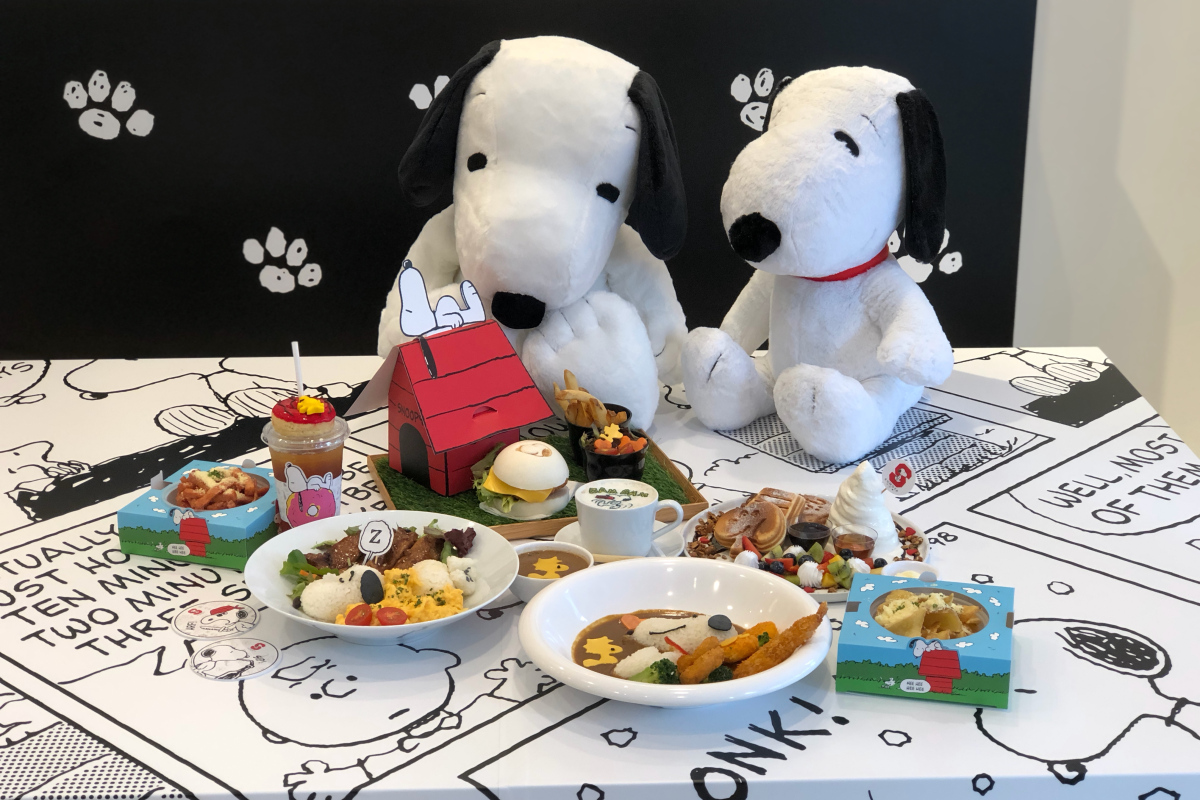
    Singapore’s first Snoopy-themed cafe has opened at Kumoya Cafe.

    Open until September, the cafe offers an exclusive Snoopy-themed menu, curated by Kumoya’s kitchen team and Instagram food artist Shirley Wong.

    Featuring dishes include Snoopy’s Doghouse Fantasy Ebi Burger, Sweetest Friend Chocolate Caramel Frappe, and Snoopy-On-A-Donut Iced Lychee Momo Tea, Hand-Cut Truffle Fries, Snoopy Sizzling Seafood Tempura With Japanese Curry Rice, Snoopy Matcha Madness Azuki Lava Cake.

    At the door, there is Snoopy’s doghouse for customers to snap photos with.

    Inside the cafe, Snoopy decals cover the cafe’s walls, with tabletops covered with Peanuts comic strips featuring the beagle and his friends.

    Snoopy merchandise on sale includes Snoopy plush, keychains, pouches and toy figurines.

  • Arabica Singapore Opens

    Arabica Singapore Opens

    Coffee chain % Arabica Singapore is to open three stores initially, the first at 56 Arab Street on June 28.

    After many delays due to construction and interior works, the Arab Street outlet of the Japanese coffee house will opened with seating for 20 and featuring a minimalist white design.

    Two other stores will follow at Chip Bee Gardens at Holland Village, and 313@Somerset on Orchard Road.

    There are plans to serve food at the Chip Bee Gardens outlet.

    Established in 2011, % Arabica has 16 stores in Hong Kong, Japan, Kuwait, the UAE, Oman, the Philippines and China.