Tag: cafe

  • Japanese-born Pronto Caffe & Bar is opening in Singapore

    Japanese-born Pronto Caffe & Bar is opening in Singapore

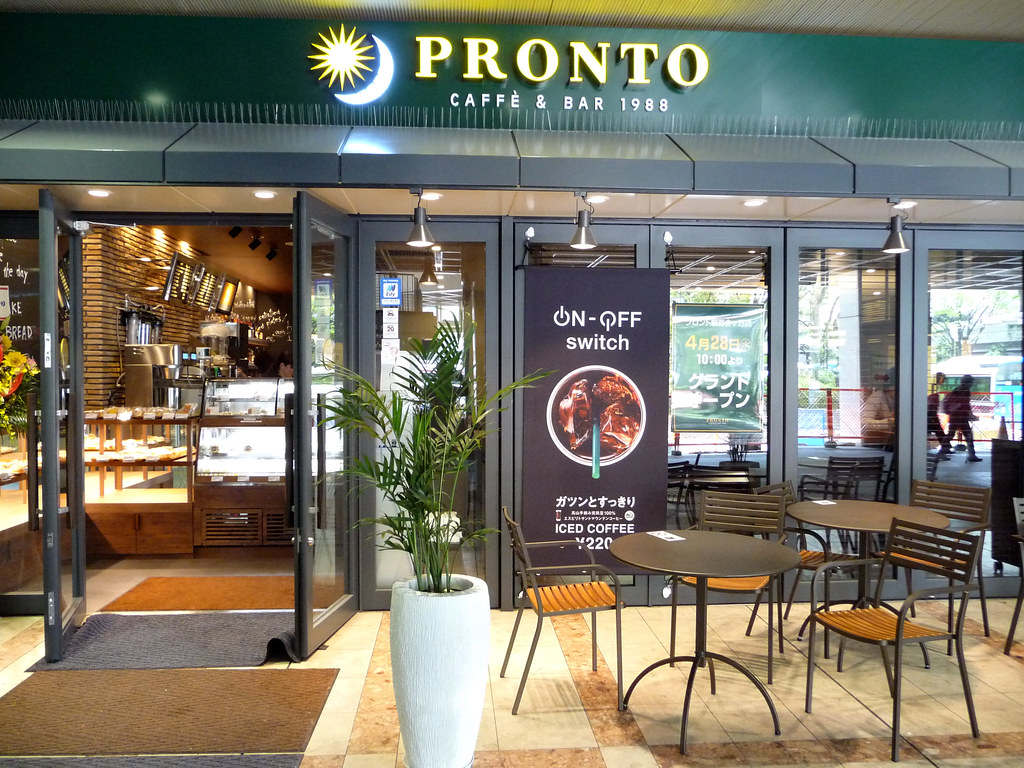
    Japanese-Italian cafe chain Pronto Caffe & Bar is opening in Singapore this week.

    Set to open on Thursday (June 13) at Capital Square, the outlet will serve breakfast sets, pastas, pizzas, desserts and coffee by day; and alcohol and bar food by night.

    The menu features a mixture of Japanese-influenced dishes, including Japanese Style of Pork and Spicy Greens, along with more traditional western fare, such as Eggplant with Bacon in Tomato Sauce pasta.

    Green tea beverages are available as well as coffee.

    First opened in 1988, and jointly owned by Suntory and UCC, Pronto now has more than 260 outlets in Japan.

    There are plans to open more outlets in Singapore next year.

  • Gram Cafe & Pancakes Opening in Singapore

    Gram Cafe & Pancakes Opening in Singapore

    Japanese-based Gram Cafe & Pancakes will open its first Singapore franchised outlet at VivoCity mall.

    Gram is being brought to Singapore by three locals who travelled to Japan and ‘adored’ the chain’s pancakes. A Japanese business partner linked them up with Gram’s owner Takeda Takeshi.

    Established in Osaka in 2014, Gram has six franchised international outlets in Hong Kong, Bangkok, San Francisco, and now, Singapore.

    The 40-seat VivoCity cafe will offer savoury pancakes, such as chilli beef version, as well as an exclusive Japanese Curry pancake set.

    For those who are not pancake fans, the cafe serves French Toast topped with fresh cream, maple syrup, bananas, chocolate sauce and a scoop of vanilla ice cream.

  • Cafe Amazon Opens in Singapore

    Cafe Amazon Opens in Singapore

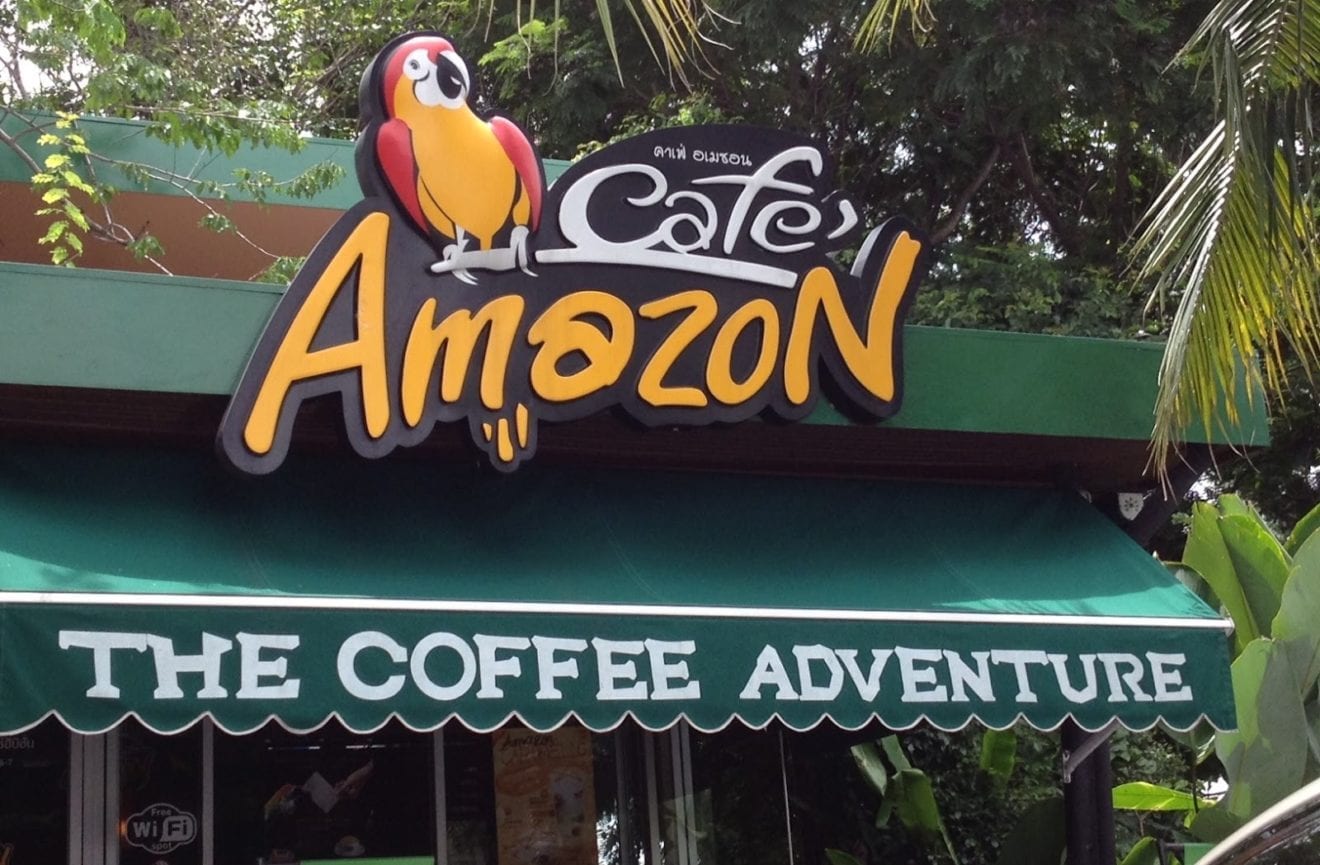
    Thai coffee chain Cafe Amazon has opened its first outlets in Singapore.

    One store is located at Jewel Changi, the other at Jurong Point shopping center.

    An opening ceremony was held at Cafe Amazon Jewel Changi, which marked the 2750th branch of the franchised chain worldwide. The chain was founded in 2002 to provide beverages and food to travelers refueling at the company’s gas stations.

    PTT Oil and Retail Business Public Company Limited (PTTOR) chairman Auttapol Rerkpiboon said the company was pleased to open in the Lion City.

    “Throughout 15 years of business, we’re proud to say that Cafe Amazon has received an overwhelming response in every country it operates.”

    Singapore joins Laos, Cambodia, Myanmar, the Philippines, Japan and Oman on the list of countries Cafe Amazon has entered. It has about 2500 stores in Thailand and nearly 200 abroad.

    To adapt to Singaporean taste, Cafe Amazon has adjusted its snack and beverage menu, making Yin Yang, a premium matcha latte its signature drink.

    PTTOR plans to invest US$1.3 billion to open 20,000 branches of Cafe Amazon over the next five years under a franchise business model.

  • Starbucks launches Starbucks Now cashless in China

    Starbucks launches Starbucks Now cashless in China

    Starbucks China has launched its new mobile order & pay experience Starbucks Now to 300 selected stores in Beijing and Shanghai.

    The firm is planning to introduce this feature across China over the course of the next year.

    Starbucks Now allows customers to place an order in advance of their visit and pick up their beverage and food at a Starbucks store. The new feature is exclusively available to the cafe chain’s loyalty program members through the Starbucks China mobile app.

    “Starbucks Now represents a significant opportunity for Starbucks China to drive new innovative customer experiences,” said Starbucks China CEO Belinda Wong.

    “This builds on the latest of several digital initiatives in China, including Starbucks Delivers and locally relevant gifting and e-commerce experiences. We are excited to offer this special mobile order & pay service exclusively to our Starbucks Rewards members to provide convenience and speed to suit their on-the-go lifestyle and seamlessly integrate Starbucks into their daily lives.”

    The rollout of Starbucks Now builds on the digital capabilities and infrastructure of the recently introduced Starbucks Delivers program last year. Starbucks Now will provide customers in China a unique and convenient way to order, pay and pick up their favourite Starbucks beverage and food item without the wait.

    The service allows customers to choose a store location based on their GPS location to browse, customise a beverage, select a food offering, view order time, and pay – wherever they may be. Following confirmation of the order, baristas prepare each beverage and ensure the order is ready to hand to the customer when they arrive at the store.

    Starbucks Now is curated to enable customisation as part of the mobile order experience. Through the feature, customers can modify the beverage size, select the number of espresso shots and select their dairy preferences. In a first-ever mobile order feature for Starbucks, beverage options have been expanded to include: type of espresso shot, amount of whipped cream, and room for milk.

  • Starbucks China opens First Signing Coffee Store in Guangdong

    Starbucks China opens First Signing Coffee Store in Guangdong

    Starbucks China has opened its first Signing Store, staffed entirely by deaf or hearing-impaired people.

    The store is in Guangzhou, in Guangdong Province which is home to about 4 percent of China’s deaf population. It is Starbucks’ third Signing Store, following outlets in Washington DC and Malaysia.

    Sign language symbols are printed on umbrellas in front of the store, and there are indicators throughout the store. Deaf baristas will wear aprons with the word “Starbucks” embroidered in sign language.

    The store is equipped with a customized ordering system. Customers and partners will be able to communicate using notepads and two-way digital displays. For customers new to sign language, there will be a dedicated area for customers to write down their orders on an electronic board and wireless vibrating pagers will notify customers when their orders are ready.

    The cafe also features exclusive artwork and unique merchandise designed by deaf artists.

    The initiative aims to offer employment and career-advancement opportunities for the deaf and hard-of-hearing community as well as “a welcoming hub for those passionate about improving accessibility and experiences for all”. It is located near the Guangdong Disabled Association and Guangdong Deaf People Association.

    “Starbucks is committed to creating equal opportunities for everyone, as well as a unique third-place experience that addresses a wide range of community needs,” said Belinda Wong, CEO of Starbucks China. “The new Signing Store is an example of how we are building inclusive environments and careers for our partners.”

    Store staff, who have been recruited from across China, are fluent in Chinese sign language.

    To create an inclusive environment and encourage customers to learn more about the deaf community, the store will also offer sign-language lessons and coffee workshops in sign language.

    “The Guangdong Deaf People Association is proud to partner with Starbucks to provide training and opportunities for the deaf and hard of hearing community,” said Yitao Fan, vice chairman, China’s Deaf People Association and president of Guangdong Deaf People Association. “Thanks to Starbucks, deaf partners are empowered to develop their careers in a vibrant and supportive environment, while the store provides a strong platform to drive societal awareness around deaf culture and the needs of the community.”

  • Dome Cafe Singapore Closing Doors

    Dome Cafe Singapore Closing Doors

    The last Dome Cafe Singapore cafe is to close next month. The Australian casual-bistro concept which specializes in light meals and coffee will exit Singapore after 20 years on June 23 when the last outlet, at Parkway Parade, shuts its doors.

    Opened in 1993, under a Singaporean joint venture called Dome Holding, it was one of the first cafes serving specialty coffee on the island.

    A second outlet opened five months later, and by 1996, there were five Dome Singapore cafes.

    In the same year, Suntec Investment acquired a 51 percent stake in Dome Holding, forming Suntec Dome Holding and by 2009 the chain had grown to 10.

    “The food and beverage scene has evolved tremendously since the first Dome Cafe opened in Singapore more than 20 years ago,” said Rebecca Lim, Suntec F&B Holdings MD in a statement.

    “As a group, we have to progress with the times to stay relevant in this competitive industry. We will be channeling our resources to concepts that are aligned with the interests and welfare of the customers we serve.”

    Dome Cafe has more than 100 outlets internationally.

  • Pazzion footwear launches cafe concept

    Pazzion footwear launches cafe concept

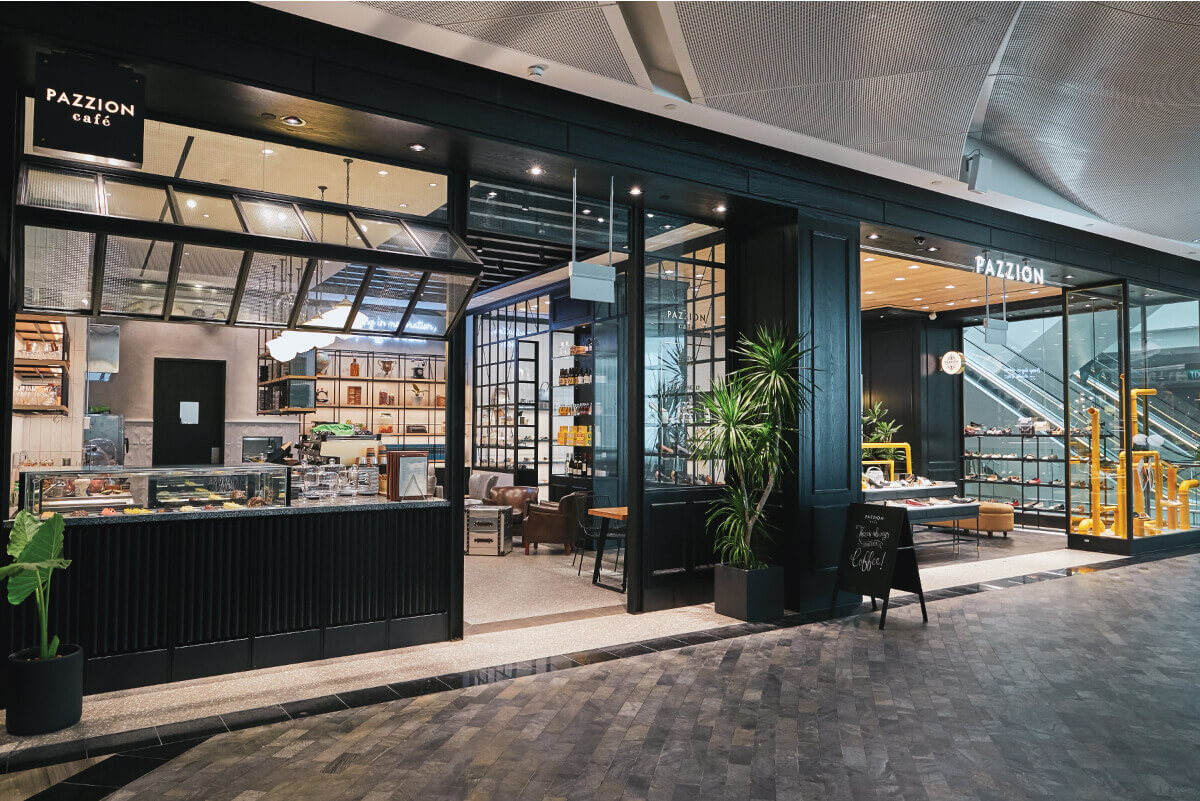
    Footwear retailer Pazzion has unveiled a cafe concept at Jewel Changi.

    Located next to the Pazzion boutique, the 45-seat Pazzion Cafe is designed in monochromatic tones of black and white, peppered with grey and gold, and vintage-style pendant lights.

    A feature wall with an inset shelving unit displays vintage-looking props, including a typewriter, telephone and metal globe, making the cafe an Instagram-worthy spot.

    More seating is arranged outside, overlooking the Rain Vortex.

    “Pazzion cafe provides our customers with a much-needed cosy spot to rest their feet while enjoying our specially curated menu and a cup of coffee,” said Tom Ng, Pazzion’s founder.

    Established in 2002, Pazzion has stores in Brunei, Cambodia, China, Indonesia, Japan, Malaysia, Thailand and Vietnam.

  • Tiffany Cafe in Tokyo marks first for New York jeweller

    Tiffany Cafe in Tokyo marks first for New York jeweller

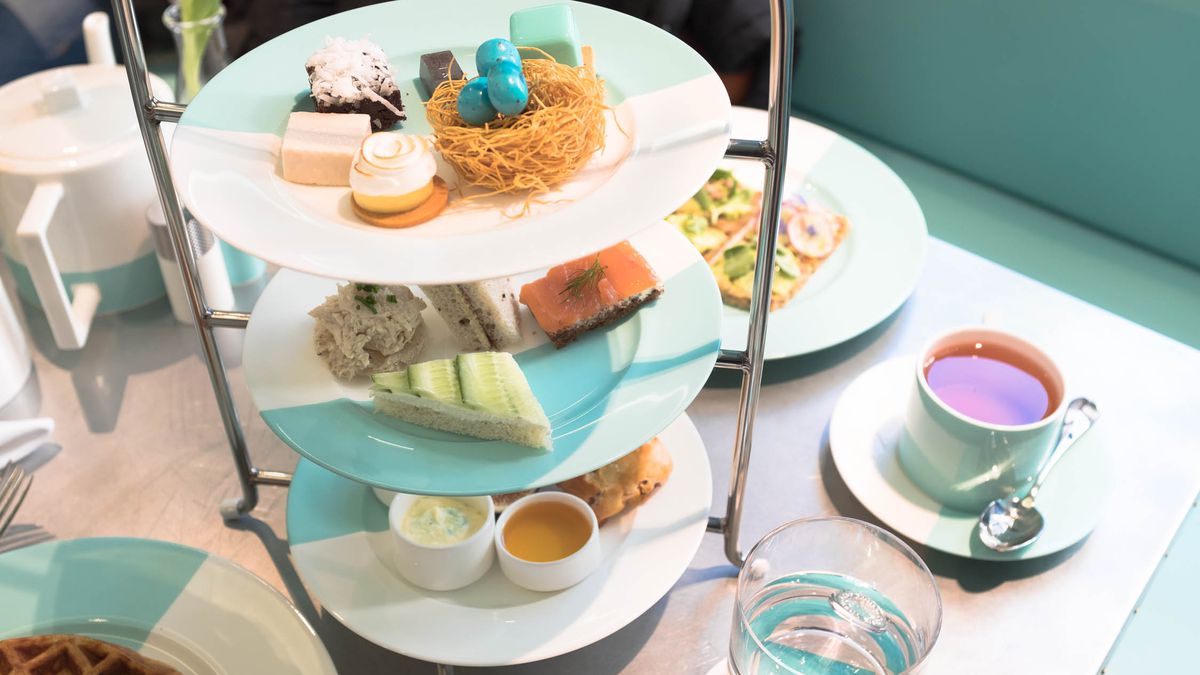
    Jeweller Tiffany & Co is launching its first Tiffany Cafe in Tokyo.

    The new Tiffany @ Cat Street concept store is located on the top floor of the Tadao Ando-designed Bank Gallery, in the Harajuku district. It follows the launch of the brand’s Blue Box Cafe in New York in November 2017.

    The lower five levels house a more futuristic-looking Tiffany fitout than the brand uses elsewhere, including a variety of areas for jewellery customisation designed to appeal to the young creative market who frequent the district.

    The Tiffany Cafe in Tokyo also includes a jewellery vending machine and photo booth, expected to be a popular background for social media images.

  • Cardboard cafe opens in Mumbai

    Cardboard cafe opens in Mumbai

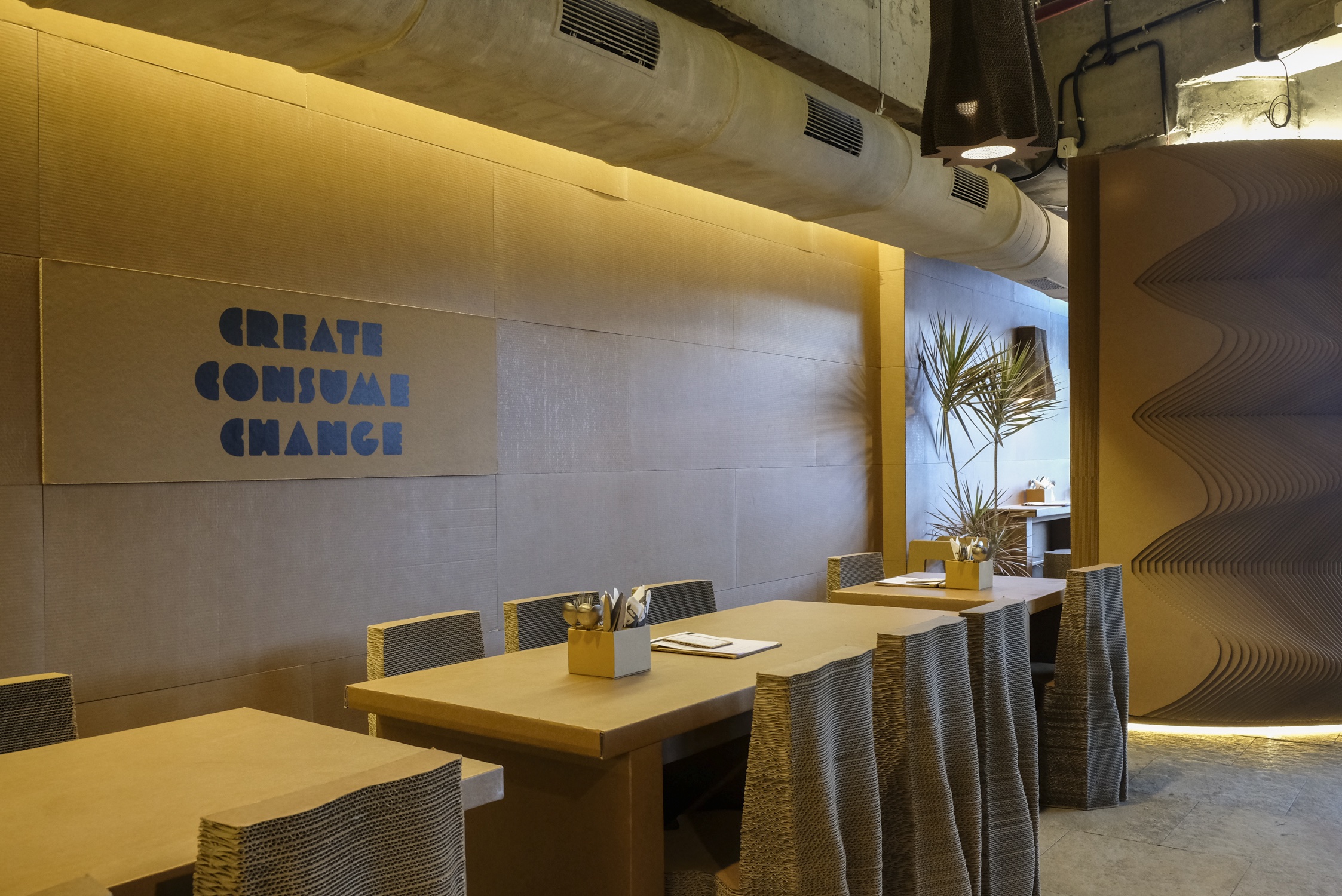
    An entire cafe has been built out of corrugated cardboard in Mumbai, India by local architectural studio Nudes, according to a report in Dezeen.

    In an attempt to demonstrate its versatility, every structure in the cardboard cafe outside the core frame is made from recycled, biodegradable materials, including the furniture. The features were constructed by compiling numerous layers of the cardboard, which was then sculpted into shape. Some furniture in the cardboard cafe, including high chairs for children, are built in segments that can be assembled at will.

    According to Dezeen, the cardboard “is also an insulating material that absorbs sound well in a noisy cafe environment.”

    “Building with cardboard meant constant exploration and inquiry into material performance,” said a Nudes spokesperson. “The table tops are impregnated with wax treatment to prevent water absorption and facilitate ease of maintenance.

    “We are hoping that this space evolves into a vibrant hub for dialogue and conversation on the role of design, material & technology in protecting the earth’s resources towards a sustainable future.”

  • Soul Origin offers free toast

    Soul Origin offers free toast

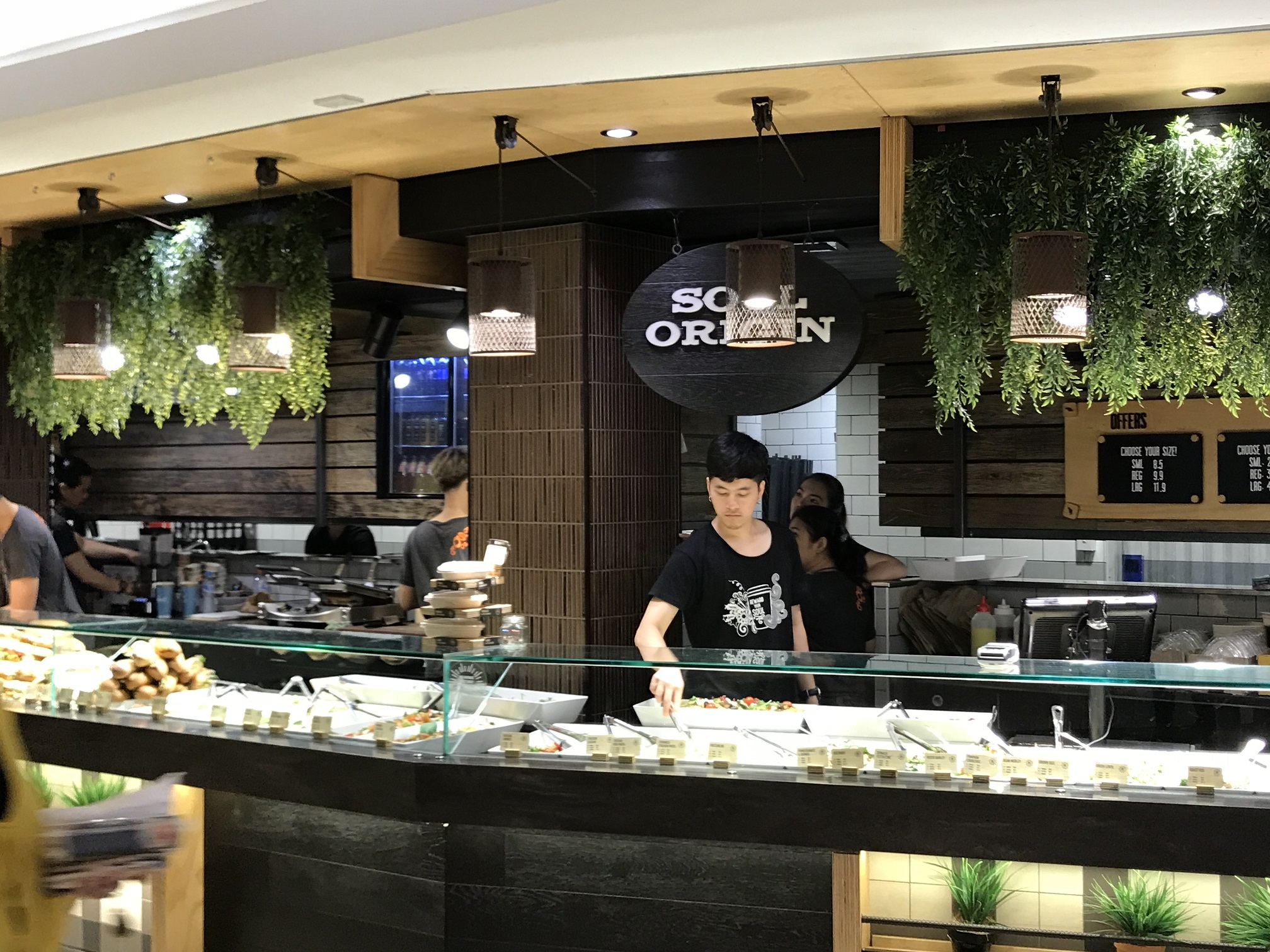
    Cafe chain Soul Origin is giving away a free slice of Vegemite toast with any coffee purchase on Wednesday, after an imprompt national debate broke out yesterday over the correct amount of Vegemite on a slice of toast.

    The debate started when a customer took issue with the scant serving of Vegemite on their toast and posted an image to the Breakfast sub-Reddit page, calling the Soul Origin cafe in the Domestic Terminal of Sydney Airport that served it to them “un-Australian”.

    The image was widely shared across social media, where thousands of Vegemite fans and haters weighed in.

    “I’m fairly sure that’s illegal in Australia,” one Redditor commented on the original photo, while another noted, “I hate the stuff and even I know that isn’t quite enough.”

    On the other side of the fence, some pushed for the option to throw the toast in the bin and replace it with peanut butter instead.

    Soul Origin chief executive Chris Mavris took the frenzy in stride. He released a statement Tuesday afternoon announcing customers would receive a free slice of Vegemite toast with any coffee purchase on Wednesday, and encouraging customers to tell their local cafe exactly how they like it.

    “There’s nothing more Australian than Vegemite on toast but it’s no secret that everyone has their own personal way of enjoying this national delicacy,” Mavris said.

  • Industry leaders at Café Asia, Singapore’s largest coffee and tea show welcome the inaugural Restaurant Asia 2019

    Industry leaders at Café Asia, Singapore’s largest coffee and tea show welcome the inaugural Restaurant Asia 2019

    This morning, business leaders and key players from the coffee, tea and bakery industries gathered at the official opening ceremony of the 7th Café Asia 2019, the 7th International Coffee & Tea (ICT) Industry Expo, and the 6th Sweets & Bakes Asiashows at Marina Bay Sands Singapore Expo & Convention Centre. This year, the three shows are held concurrently with the inauguralRestaurant Asia 2019 (RA 2019).

    The official opening ceremony was graced by Guest-of-Honour, Mr Chee Hong Tat, Senior Minister of State, Ministry of Trade and Industry & Ministry of Education.

    Together, the four exhibitions form a dedicated platform to host some 250 exhibitors from 28 countries, who are here to meet the needs of cafes and restaurants all over ASEAN and beyond. The one-stop convenient sourcing hub for the coffee, tea, pastry and the F&B industries is organised to foster new collaborations, explore opportunities, and to present the latest trends and developments to trade professionals and members of the public. Spanning a gross exhibition area of 7,000 square metres, the shows are expected to attract over 10,000 restaurateurs, baristas, café and coffee purveyors, coffee roasters, tea and baking ingredients suppliers, equipment distributors, and members of the public over the next three days.

    Restaurant Asia 2019 presents a dedicated showcase of the latest in cutting-edge restaurant, kitchen and culinary equipment, as well as solutions and supplies that will address the needs of restaurant owners, from front of house reception to the back of house operations. Restaurant Asia will also present its first Restaurant Asia Symposium 2019. Speakers at the symposium themed, Futureproof F&B: The Next Lap, will share invaluable insights on productivity, capability development and leverage on relevant technologies to future-proof the F&B business.

    Among the topics to be presented at the symposium is Menu Re-engineering for Profit Maximisation, led by Mr Chen Xin Shi, Managing Director of the illustrious Han Yuan Academy, a Taiwan-based organisation which provides consultations and classes for restaurateurs and the food & beverage industry. Classes and consultations conducted by Mr Chen are known to have leaders and players of the local and international food & beverage industry flocking into Taiwan for his invaluable insights and knowledge. During the presentation, Mr Chen will share knowledge on actionable steps to increase top-line through an understanding of customers and restaurants’ value perceptions and needs. Through strategic menu design and mixed management, restaurant owners will be able to enhance customer satisfaction and maximise unrealised profits.

    The launch of the inaugural Restaurant Asia expo this morning also bore witness to the signing of the Memorandum of Understanding between restaurant associations in the region to facilitate the forming of the ASEAN Restaurant Association Alliance. Present at the ceremony were representatives of the Cambodia Restaurant Association, the Indonesian Hotel and Restaurant Association, the Malaysian Food & Beverage Executives Association, the Hotel & Restaurant Association of the Philippines, the Restaurant Association of Vietnam and the Restaurant Association of Singapore.

    The MOU is the first step to the associations in ASEAN working towards promoting each other’s events and jointly organising activities for the business benefit of members of the collaborating associations, promoting the industry’s best practices, the creation of strong business relations among members of MOU partners and more.

    A key highlight of Café Asia this year is the inaugural ASEAN Coffee Federation (ACF) Specialty Coffee Auction which will make its debut on the second day of the show. A joint event by the ACF and Conference & Exhibition Management Services Pte Ltd (CEMS), the auction will feature coffee of specialty grade from participating exhibitors of Café Asia and also from ASEAN. All the beans on auction have been graded to meet ASEAN’s very own set of Coffee Standards which focuses on coffee beans cultivated in the ASEAN region. The set of ASEAN Coffee Federation Standards which was announced at Café Malaysia earlier this year, also makes its debut at Café Asia and is an excellent tool to boost the growth of the coffee industry in ASEAN which features key differentiations from existing standards originating from the west. The auction is attractive because the specialty coffee beans offered observe a dedicated process to acquire better quality beans.

    Café Asia’s packed comprehensive programme includes three high-octane National Coffee Championships which will see Singapore’s home-grown baristas, brewers, latte artists, and students contend in the Singapore Latte Art Championship, Singapore Cup Tasters Championship and the Singapore Coffee in Good Spirits Championship. Winners of the respective national titles will represent Singapore on the international stage at the world championships later this year.

    As part of the multi-sensorial and a highly interactive experience promised by Sweets and Bakes Asia 2019, visitors and bread-lovers will get to attend cooking studio workshops and demonstrations at the show. Activities will include hands-on sessions on baking the classic Ham Mayo Bread treat, workshops on baking the soft and fluffy Soufflé Cheesecake, as well as demonstrations on how to bake the all-time favourite flourless Gateau au Chocolat. Coffee cocktail lovers who visit Café Asia will also be feted with three daily demonstrations by coffee experts on how to concoct coffee cocktails using the finest coffee liqueur.

    Café Asia 2019, the International Coffee & Tea Industry Expo 2019, and Sweets & Bakes Asia 2019 are organised by CEMS. Café Asia 2019 and International Coffee & Tea Industry Expo 2019 are hosted by Singapore Coffee Association. The inaugural Restaurant Asia 2019 is organised by the Restaurant Association of Singapore (RAS) in partnership with CEMS.

  • Australians love their pets

    Australians love their pets

    Venture to the local shops and you’ll probably see dogs outside on the footpath waiting for their owners. Perhaps the store has provided a hook for dog leads and a bowl of water for thirsty canines. But travel further from home, into the city centre for example, and you are unlikely to see many dogs, or other pets. The same applies to most parks and beaches, and certainly to cafés, bars, restaurants, department stores, and public transport.

    Although Australia is a nation of pet owners and pet lovers, our non-human companions are not welcome in most public spaces in our towns and cities.

    Pets outnumber people

    Some 62% of Australian households have a pet. While these rates are similar to those in the United States (65%), they are much higher than the United Kingdom (40%) and continental Europe (around 40%), where pets are much more visible and tolerated in public places.

    There are 4.8 million pet dogs, 4.2 million pet birds and 3.9 million pet cats in Australia. Of those of us who don’t have a pet, 59% report we would like one in the future. The ratio of pets to people in Australia is 101:100 – there are more animal companions than Homo sapiens.

    In fact, more of us live in a house with a cat and/or a dog than with a child. For many people, especially those without children, pets are increasingly being anthropomorphised and replacing human family members.

    Pet ownership rates are not rising significantly in Australia, but our spending on pet-related goods and services is increasing substantially. In 2016 we spent A$12.2 billion on pets and pet-related goods and services.

    Businesses are responding to the growth of the pet supplies sector by developing and marketing everything from vegetarian pet food to sophisticated smartphone surveillance apps. The market for pet insurance, pet day care, pet taxis, grooming and funeral services is robust, providing many opportunities for entrepreneurs and start-ups to tap into consumer demand for pampered pets.

    High-density housing and shrinking yards

    At the same time as spending on pets is increasing, our backyards are shrinking, with many of us choosing high-density apartment living. In addition, new housing developments feature larger houses and garages, which dominate the block at the expense of front and back yards. This means there is much less room for our pets at home than ever before.

    Historically, the Australian dream was a house on a quarter-acre block with plenty of outside space for pets, but blocks and yard space are shrinking in new housing developments.

    With outdoor living space disappearing, pets and their owners must increasingly turn to public spaces for social activity and interaction.

    Pets in public places

    The problem is that pets are not welcome in many public places. In most local council areas, the presence of domesticated animals is heavily restricted and governed by myriad council by-laws.

    Local parks and beaches are mostly off-limits. The fines for non-compliance are hefty.

    If you want to take your dog to a local café, you’ll have to sit outside. Even if you go to a “human-friendly” dog or cat café you won’t be served food because most pet cafés aren’t permitted to make or serve human food.

    In most cities, pets are not allowed to travel on trains, trams, buses or ferries; travelling with pets is either outlawed altogether or managed with strict guidelines for restraining pets and restricted travelling times.

    Research confirms the many benefits of pet ownership. In terms of general health and well-being, they improve our mental health and often provide the impetus to exercise. These are important issues for our time-poor, fast-paced and stressed-out society.

    Pet ownership also allows for interaction with others in social settings and in local communities. The importance of pets in fostering social interaction has been established in a study that found owning a pet is incredibly important for well-being and increasing social connectedness in neighbourhoods. In fact, 60% of participants in the study who owned a dog knew their neighbours better than those without a dog. Even 25% with a different type of pet reported the same.

    City planning for pets

    There is clearly a need to provide more public places for animals and humans to interact, particularly in settings that allow for greater social interplay. As city planners work towards cities that are “smart”, “green” and “walkable”, the focus should also be on making our towns and cities much more pet-friendly by providing outdoor spaces that encourage and foster interaction between animals and humans.

    We need an approach that recognises the benefits of human-animal connection and makes provisions for “animal-friendly” cities by opening up more areas for pets and their owners.

    Given Australia’s passion for pets, we should be able to interact with them in public. This will help us strengthen social ties, build local communities, improve our health and reduce social isolation.

  • Starbucks Reserve® Roastery Tokyo opened door

    Starbucks Reserve® Roastery Tokyo opened door

    This week, Starbucks celebrates the opening of the Starbucks Reserve® Roastery Tokyo, a four-story tribute to premium coffee quality, innovation and human connection. This will be the fifthRoastery globally, opening to the public on Thursday, February 28, at 7 a.m. JST, reaffirming the company’s 23-year commitment to Japan. The Roastery pays tribute to the important role that Starbucks Japan has played in shaping the foundation of the Company’s international growth. The Roastery introduces customers to more than 100 unique coffee and tea beverages and merchandise, as well as a menu of artisanal Princi Italian fare for the first time in Japan.

    It also celebrates the Japanese culture of connection and craftsmanship through the first AMU Inspiration Lounge –from the Japanese “amu,” meaning “knit together”–to host community gathering events and is planned to become Starbucks first Specialty Coffee Association certified training location in Japan.
    “As the first international market outside of North America, Starbucks Japan has contributed 23 years of innovation for the company globally,” said Kevin Johnson, CEO, Starbucks Coffee Company.

    “The opening of the Tokyo Roastery will further amplify what Starbucks Japan has done across all stores in the market for more than two decades—innovating and delivering the finest quality coffee one person, one cup and one neighborhood at a time.” Takafumi Minaguchi, CEO, Starbucks Japan, added, “The Roastery will amplify and inspire coffee passion across all Starbucks stores, and will serve as a catalyst for a new wave of growth centered on the customer experience and passion for coffee and service. Beginning with the “Make it Yours” campaign that will commence at every store in Japan upon the opening of the Roastery, customers will be invited to experience the first Starbucks coffee roasted exclusively in Tokyo, for Japan, and available in a variety of coffee beverage styles.”

    Collaborative Design Highlights Japan’s Natural Beauty

    Located in Tokyo’s vibrant and creative neighborhood of Nakameguro, the Roastery’s enchanting design was inspired by the famous cherry blossom trees lining the Meguro River.

    The building’s glass walls and terraced floors seamlessly fold into the fabric of the neighborhood, bringing visitors eye-level with the cherry blossoms and the four seasons of the river to reflect the natural beauty and sense of harmony found across Japan.

    The Tokyo Roastery is the only Starbucks Roastery location designed in collaboration with a local architect from the ground up.

    The exterior was brought to life in collaboration with renowned Japanese architect Kengo Kuma. Envisioned by Liz Muller, Starbucks chief design officer and lead designer for all five Roasteries globally, the Roastery highlights the work of local craftsmen and women to create an enchanting destination for coffee exploration and discovery.

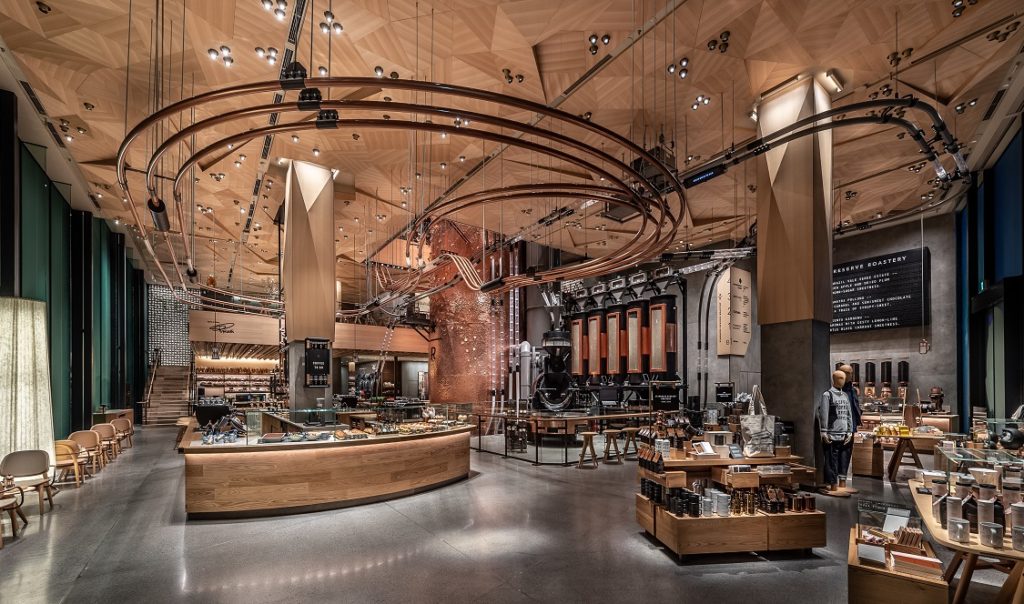
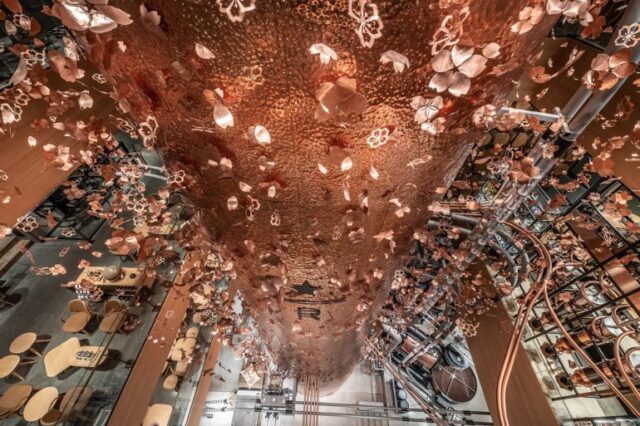
    The Tokyo Roastery merges traditional and modern design to deliver a unique and inspired experience across all four floors. Upon entering the Roastery, customers are greeted by the world’s largest Starbucks Roastery coffee cask, four-stories and over 55 feet of blush-tinted copper adorned with hand-crafted copper cherry blossoms, which changes hues throughout the day in different lights.
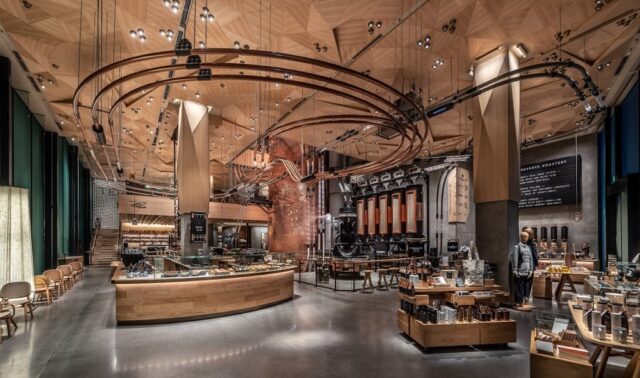
    The expansive cask was built using the technique of tsuchime, a tradition of copper beating, where each person involved in the building of the Roastery was offered the chance to hammer a portion to create its texture and pattern. The cask’s unique color is balanced against the light wood which has been carried into the interior to give the store a brightness found throughout traditional Japanese architecture.

    Throughout the Roastery, local craftsmen and women were brought together to incorporate their expertise and traditional craft into the design elements.

    The wood-tiled ceiling was inspired by the art of origami, providing a stunning visual experience. The light and airy space carries the light wood used on the exterior to the inside, giving the experience an enchanting aura.

    The wood, sourced locally, has been treated throughout with a traditional technique which prevents it from aging, ensuring the brightness is maintained inside and outside in the years to come.

    Enchanting Immersive Coffee, Tea and Mixology Experience

    The coffee journey at the Reserve Roastery Tokyo is an immersive experience and education in coffee, and its process—from green bean to cup—which begins at the Main Bar on the first floor.

    The open floor plan draws customers into the immersive experience, introducing them to the skilled art of roasting, brewing and hand-crafting beverages. The Reserve Roastery serves the freshest cup of coffee and it is here on the first floor that customers can taste Reserve coffee beverages such as Barrel-Aged Cold Brew.

    The Princi bakery serves handcrafted, authentic artisanal Italian fare that is baked fresh in the Roastery throughout the day. For the first time in Japan, customers can enjoy freshly-baked breads, cornetti, focaccias, pizzas, salads and more.

    An airy staircase leads to the second floor, where customers will be transported into the tradition of Japanese tea at the world’s largest Teavana Bar.

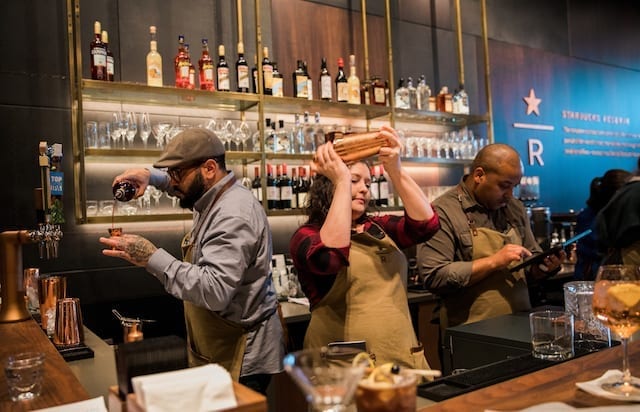
    Exclusive tea beverages, such as the Pop’n Tea Sakura Jasmine, featuring a vibrant hibiscus and cherry popsicle atop a floral jasmine tea, will delight customers with their charming appearance, Japanese ingredients and unique flavor combinations, modernizing the tea experience. On the terraced third floor, Starbucks Japan’s first cocktail bar, Arriviamo™, puts innovation, mixology and cocktail craft on full display.

    The two walls of spirits bring together the Arriviamo menu, featuring coffee and tea-inspired cocktails only available at the Tokyo Roastery, including the Nakameguro Espresso Martini made with chestnut liqueur, crème de cacao and espresso, then paired with decadent chocolate  from Nakameguro’s “green bean to bar CHOCOLATE” brand. Wine, beer and classic mixology beverages will also be available.

    Conversations with an Impact

    Starbucks Japan has more than two decades contributing to the communities it serves.

    The fourth floor of the Starbucks Reserve Roastery Tokyo is home to AMU Inspiration Lounge–a dedicated space for the community to gather for hosted social impact conversations. The concept of “AMU,” which means “to knit together” in Japanese, is founded on human connection and passions coming together, something Starbucks has long believed in. For the first time at any Starbucks location in the world, this intimate space will serve as a platform to host change-makers and creative thinkers from across Japan. The first event in April will celebrate the role of women leaders in Japan.

    The Roastery is planned to become Starbucks first certified Specialty Coffee Association (SCA) location offering training for coffee professionals in the near future.“We believe that where passions connect, the future is sparked, and we will offer the Tokyo Roastery as a gathering space to spark new ideas and create an impact,” said Minaguchi.

    “The Roastery signifies our commitment to fostering moments of human connection over a cup of coffee and using these moments to create positive social impact in the communities we serve.”

    With more than 37,000 partners who proudly wear the green apron across Japan’s 47 prefectures and 250 at the Roastery itself, Starbucks Japan will amplify coffee craft and innovation by freshly roasting small-batch coffees from around the world every day in Tokyo and introducing new beverages, concepts and inspiration to all 1,400 stores across Japan. This amplification will begin with Tokyo Roast coffee, a Starbucks Japan-exclusive coffee, available throughout the market on opening day.
  • Wayne’s Coffee debuts in China

    Wayne’s Coffee debuts in China

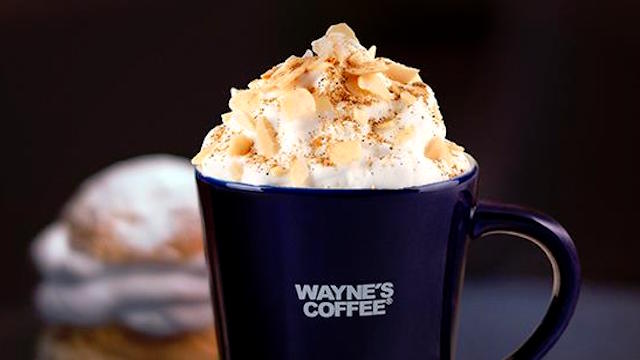
    Swedish cafe chain Wayne’s Coffee has opened its first outlet in China. The new store on Shanghai’s Nanjing Xi Lu serves coffee, sandwiches and Swedish pastries to consumers. The move represents a courageous first step in a market dominated by international and local competitors. China is Wayne’s second market in Asia after the brand launched in Vietnam in June last year. It currently operates seven locations in Ho Chi Minh City.

    While the brand has been criticised for lacking a distinctive look and presumed by some observers to be a local Starbucks clone, the brand has in fact been running in Sweden since 1994, where it was the first venue in the country to serve cafe latte. It was also the first to serve the latte in Saudi Arabia when it opened there in 2010.

    Wayne’s more aggressive expansion phase was recognised when the brand won “Franchise chain of the year 2017” in Stockholm. It currently operates more than 140 locations internationally.

  • Starbucks Malaysia celebrates Reserve’s success

    Starbucks Malaysia celebrates Reserve’s success

    Starbucks Malaysia plans to open two or three of its premium Reserve concept stores annually. The brand’s eighth Starbucks Reserve store opened at the end of last month, a 5000sqft flagship at Berjaya Times Square, three years after the first outlet launched at The Gardens Mall.

    “We did not anticipate such a strong reception for the new concept store”, said Starbucks Malaysia & Brunei MD Sydney Quays. “We were surprised because a lot of people were interested to learn about coffee and the various ways of brewing.

    “This is what inspired us to open more Starbucks Reserve stores. The opening of the Starbucks Reserve Berjaya Times Square amplifies our passion for coffee and our ongoing commitment to continue providing unprecedented coffee experiences and knowledge to the Malaysian community, while fostering a culture of human connection”, he said.

    The new rollout schedule aims to cater to Starbucks’ loyal customers’ burgeoning interest in coffee. The brand is planning 30 Starbucks outlets per year including the Reserve venues, as well as regular stores, drive-thrus and small-format stores.