Tag: car

  • Thailand Auto Industry Braces as Car Exports Skid amid Middle East Tensions and EV Competition

    Thailand Auto Industry Braces as Car Exports Skid amid Middle East Tensions and EV Competition

    In May, Thailand’s automotive industry experienced a sharp decline in vehicle production, which fell 17.94% year-on-year to 114,214 units. The slump was primarily due to decreased exports amidst political tensions in the Middle East and reduced demand in key markets. Consequently, the combined production for the first five months of the year fell by 1.13% to 587,759 units, as reported by the Federation of Thai Industries.

    Factors Influencing the Decline

    According to Surapong Paisitpattanapong, an advisor to the federation’s Automotive Industry Club chairperson, production for exports decreased by a staggering 36.20% in May. Completely built-up (CBU) vehicles saw a significant drop, down 26.69% year-on-year to 59,434 units in the same month.

    The federation identified two major contributors to this downturn. The first was the political instability in the Middle East, which resulted in a 66.14% plunge in exports due to the conflict between the U.S. and Iran. The second was the Australian and Oceania market, where exports slipped 37.18% due to stricter carbon control regulations and increased competition from Chinese electric vehicles. Consequently, exports of CBUs fell 24.36% year-on-year to 41.72 billion baht (approximately US$1.28 billion) in May.

    Growth in Domestic Sales and Electric Vehicles

    Contrary to the declining exports, domestic vehicle sales in Thailand increased by 10.6% year-on-year to 57,765 units in May. This was majorly driven by the increasing popularity of battery electric vehicles (BEVs). Electric passenger car sales surged by 61.19% to 18,034 units as consumers sought to mitigate higher fuel costs.

    Over 150 billion baht was invested in the industry in the first five months of the year. Government economic stimulus measures also helped to increase confidence. However, growth in the pickup truck market, a significant segment of Thailand’s automotive industry, was minimal at 0.21%.

    Despite mixed production figures, Thailand’s EV industry remained optimistic. New registrations for BEVs hit 21,619 units in May, marking an increase of 55.14%. The total registered BEVs in Thailand reached 468,757 units as of May 31. Meanwhile, motorcycle production also saw an uptick in May, growing 9.67% year-on-year to 230,691 units.

    Questions & Answers

    What led to the decline in vehicle production in Thailand?
    The reduction was primarily due to a decrease in exports, fuelled by geopolitical tension in the Middle East and lower demand in major markets.

    Which segment of the automotive industry in Thailand saw an increase despite the overall decline?
    Domestic sales and the electric vehicle segment experienced growth, with the latter seeing new registrations rise to 21,619 units in May.

    What is the outlook for the electric vehicle industry in Thailand?
    Despite mixed production numbers, the electric vehicle industry in Thailand is showing positive signs of growth, with increasing new registrations and consumer interest.
  • Electric Cars Take the Lead: Singapore Embraces EV Revolution, Toppling Traditional Players

    Electric Cars Take the Lead: Singapore Embraces EV Revolution, Toppling Traditional Players

    In a historic shift, electric vehicles (EVs) constituted 57.6% of new vehicle registrations in the first quarter of this year in Singapore. This marks the first time EVs have outpaced both combustion engine and hybrid models in new registrations. The proportion of EVs has seen a significant increase, rising from 45% the previous year. Specifically, about 7,700 new electric vehicles were registered out of a total of 13,300 units.

    Chinese Brands Leading the Charge

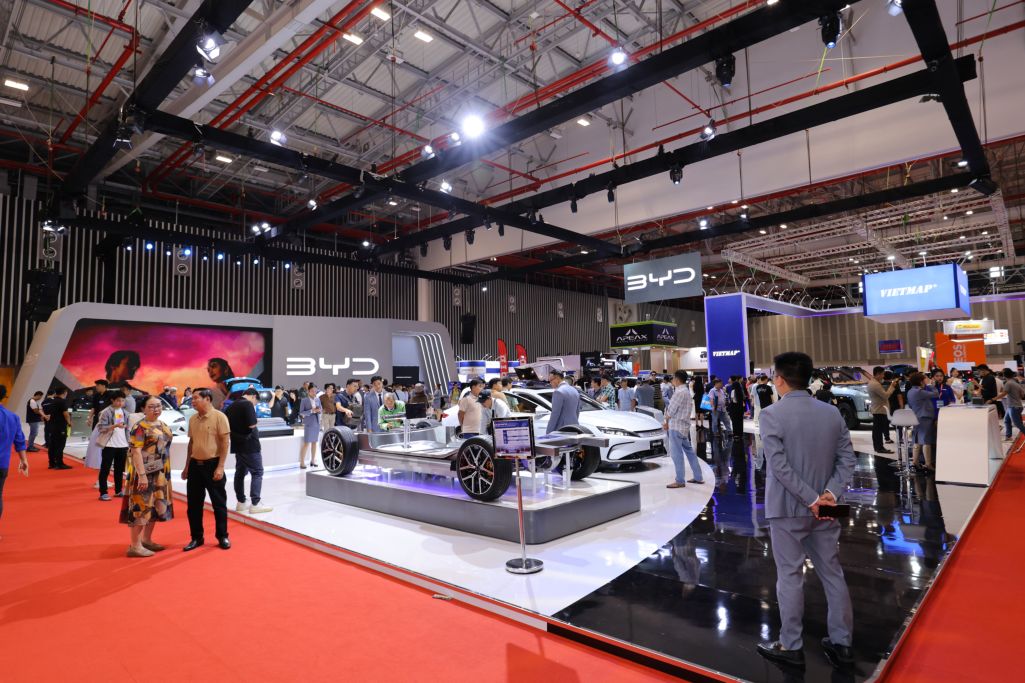
    BYD, the automotive giant from China, led the pack with 3,239 registrations, accounting for 24% of the total new vehicles. The company expanded its market share from 21% at the end of 2025. Furthermore, three other Chinese brands—Chery, GAC, and MG—made their debut in the top ten best-selling car brands in Singapore. These new entrants replaced Hyundai, Kia, and Mazda, which held the seventh, eighth, and ninth spots, respectively, in 2025.

    Toyota and Tesla Maintain Strong Presence

    Despite a relatively modest EV lineup, Toyota managed to secure second place with 1,932 registrations, holding a 14.5% market share in the first quarter of 2026, a slight increase from the previous year. Tesla, the US-based EV manufacturer, secured 11.4% of the market with 1,515 registrations. This performance propelled Tesla to the third spot among best-selling brands in Singapore, up from sixth place in 2025.

    Incentives and Challenges in EV Adoption

    Current incentives in Singapore, designed to reduce the cost of owning an EV, offer buyers rebates of up to $30,000 on upfront vehicle taxes. In contrast, non-electric vehicles may face penalties of up to $35,000, depending on their emissions.

    However, Walter Theseira, a transport economist at the Singapore University of Social Sciences, pointed out that while EV adoption is gaining momentum, it is still a challenge for all new car registrations to be fully electric—particularly for high-mileage drivers, for whom hybrid models may be more suitable.

    Change in the Automotive Landscape

    Automotive consultant Say Kwee Neng observed a fundamental shift in the dynamics of the car industry, which began with the rise in EV adoption in 2024 and 2025. According to Hal Serudin, a partner at automotive consultancy Lumina 3 Sixty, the increase in sales of Chinese and EV brands is in line with trends observed in other regional markets such as Malaysia and Thailand; these brands have disrupted both mass-market and luxury segments.

    Questions & Answers

    What proportion of new car registrations in Singapore were electric vehicles in the first quarter of this year?
    Approximately 57.6% of new car registrations were electric vehicles.

    Which Chinese automotive brands are among the top ten best-selling car brands in Singapore?
    BYD, Chery, GAC, and MG are among the top ten best-selling car brands in Singapore.

    What incentives are currently offered in Singapore to promote EV adoption?
    Currently, Singapore offers rebates of up to $30,000 on upfront vehicle taxes for electric vehicle buyers.

  • Singapore’s Top Used-Car Hub Faces Uncertainty: Dealers Scramble to Raise $53M for Lease Extension

    Singapore’s Top Used-Car Hub Faces Uncertainty: Dealers Scramble to Raise $53M for Lease Extension

    Owners of the 76 units at Automobile Megamart, the largest used-car hub in Singapore, are faced with a SGD68 million (US$53 million) bill, due by May 15, to extend the complex’s lease until 2040. However, unanimous agreement between all owners is required, and it remains uncertain whether this will be reached.

    Automobile Megamart: A Prime Location

    Located within the Ubi industrial estate, close to the Paya Lebar Air Base, Automobile Megamart is the country’s largest dedicated used-car center. Spanning eight stories, the complex features 121 showrooms and offices.

    Tenants of the hub include car dealerships offering both new and used vehicles, as well as businesses offering related services such as car financing and leasing.

    The Lease Extension Dilemma

    The land lease for the complex was initially acquired by a consortium of car dealers in 1996 for a 30-year term. The lease is set to expire this year, and if a unanimous decision to extend it is not made by the tenants, they will be required to vacate by July 18.

    This looming deadline comes after a final four-week extension was granted by the Singapore Land Authority (SLA), following several previous extensions.

    During the renewal negotiations, a unanimous decision could not be reached, causing the initial renewal offer to lapse. The SLA then revised the terms and issued a second offer.

    The renewal premium will be divided among unit owners based on variables such as the size and location of their respective units.

    Stakeholder Sentiments

    Lease renewal committee chairman Raymond Tang expressed gratitude to the SLA for the lease extension and extra time for payment, but highlighted the uncertainty of the situation, cautioning that the renewal could fall through if even a single owner fails to make their full payment.

    Neo Tiam Ting, director of Think One Group, which owns four units in the complex, revealed that some older owners have chosen to sell their units, as they do not plan to continue in the trade for the long term.

    Henry Heng of Prime Car Traders praised Automobile Megamart as being the only “proper” used-car center in Singapore, pointing to its tenant mix, convenient parking, and display facilities. Despite acknowledging the uncertainty, he expressed confidence that the lease renewal would go through, stating that he has no backup plan if it doesn’t.

    Future Possibilities

    The SLA indicated that it is open to considering extending the tenancy for the locations 7 Ubi Close, current home to Alpine Group and a BYD showroom operated by Harmony Auto, both of which have been rented since 2025.

    Questions & Answers

    Why does the lease renewal at Automobile Megamart require unanimous agreement from all tenants?
    The requirement for unanimous agreement is likely due to the terms of the initial leasing contract, which can vary based on multiple factors such as the nature of the property and the lease duration.

    What will happen to the tenants of Automobile Megamart if the lease renewal does not go through?
    If the lease is not renewed, all tenants will have to vacate the premises by July 18, which could potentially disrupt their business operations.

    What factors determine how the renewal premium is divided among the unit owners?
    The division of the renewal premium among unit owners is typically based on factors such as the size and location of each unit within the complex.

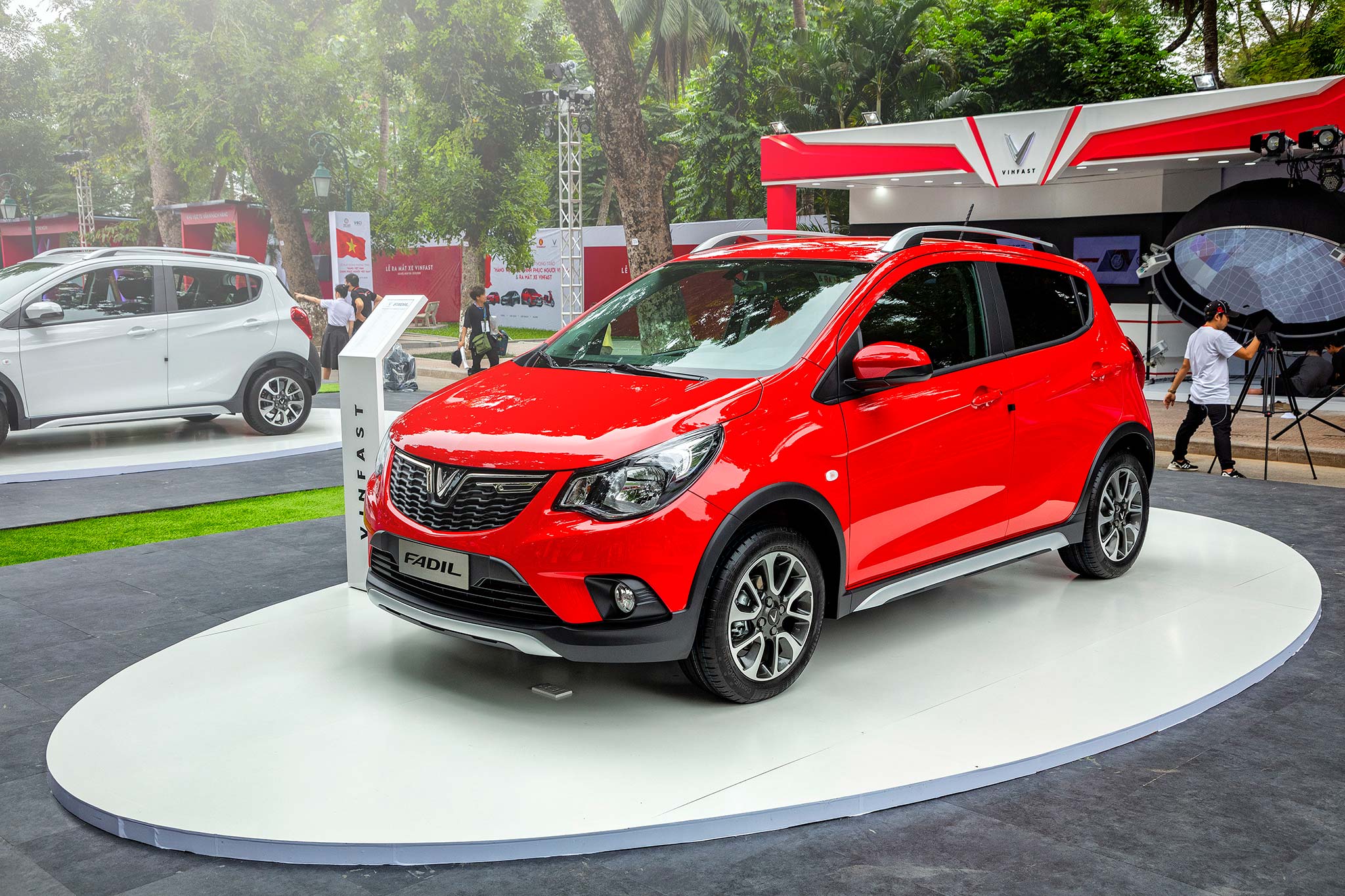
  • VinFast Shatters Records: Skyrocketing EV Sales and Revenue Propel Vietnamese Automaker into Global Spotlight

    VinFast Shatters Records: Skyrocketing EV Sales and Revenue Propel Vietnamese Automaker into Global Spotlight

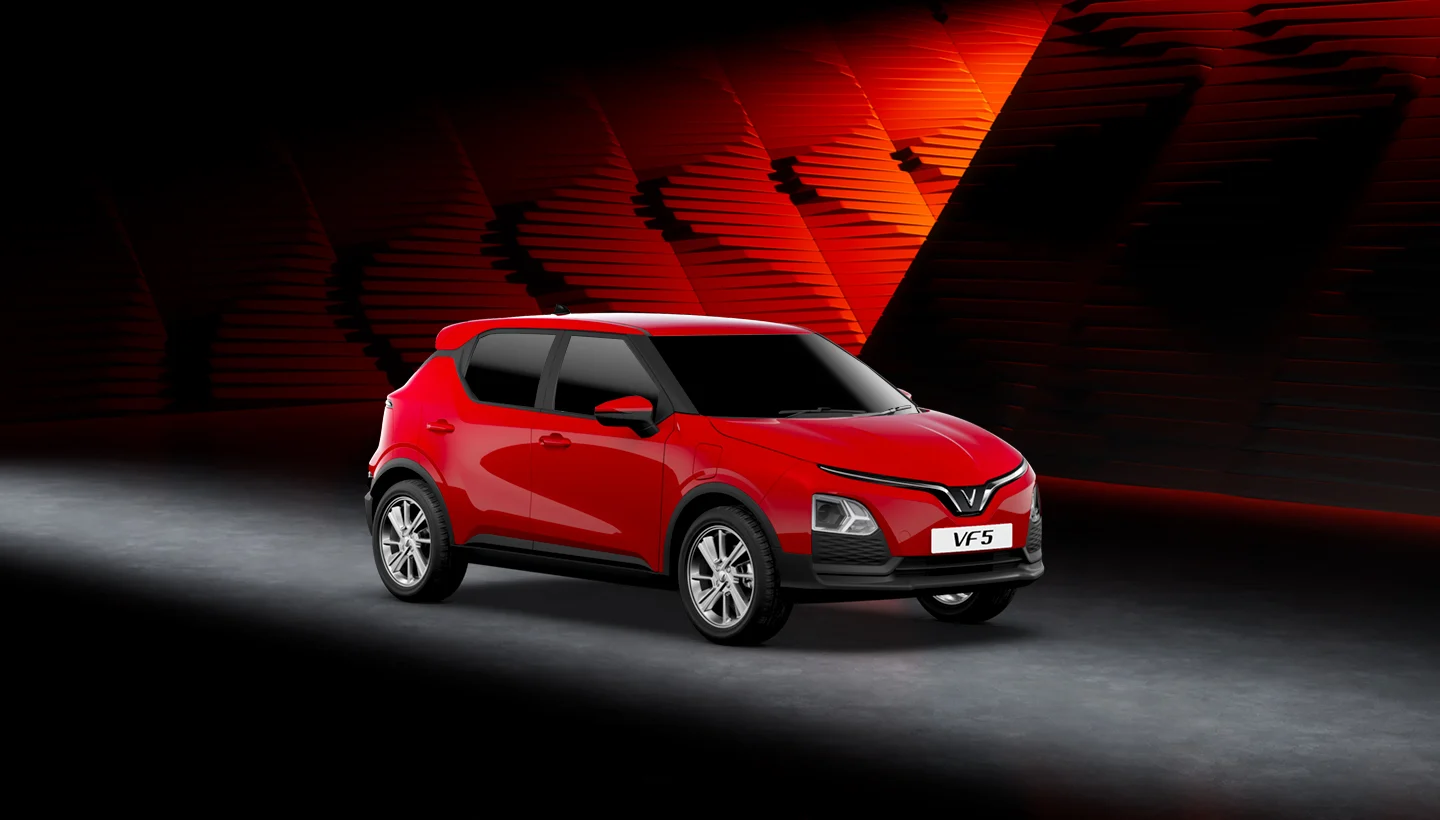
    Vietnamese electric vehicle manufacturer, VinFast, achieved record-breaking figures in both revenue and EV deliveries during 2025. The impressive results, which saw a 102% increase in electric cars delivered compared to 2024, were fueled by a global surge in demand for the company’s products and swift expansion into significant markets.

    VinFast’s unaudited financial results, released on Monday, revealed that the company generated VND90.43 trillion (US$3.6 billion) last year, a year-on-year increase of 105.4%. These results surpassed the company’s goal to double deliveries from the preceding year, marking the highest annual delivery volume in the company’s history.

    Final Quarter Analysis

    In the final quarter of 2025 alone, VinFast delivered 86,557 electric cars, an increase of 127% from the previous quarter and 63% year-on-year. The company’s Green brand and EC Van vehicles accounted for approximately 49% of deliveries during this quarter.

    International markets also saw considerable growth, contributing to about 18% of total global deliveries.

    Growth in Electric Motorbike and E-bike Segment

    VinFast also reported a substantial growth in its electric motorbike and e-bike segment. According to the released data, 171,962 units were delivered in the final quarter of 2025, a 43% increase from the previous quarter and a staggering 452% year-on-year increase. Throughout the entire year of 2025, the segment’s total deliveries reached 406,498 units, marking a 473% hike compared to 2024.

    Robust Revenue Growth

    VinFast’s revenue growth remained robust throughout the year. In the fourth quarter alone, the company’s revenue reached VND39.41 trillion, a 138.9% year-on-year increase and an increase of 117.7% from the previous quarter.

    By the end of 2025, VinFast had grown its global retail network to 424 showrooms worldwide, making its EVs more accessible to customers in various markets.

    Questions & Answers

    What was the year-on-year increase in VinFast’s electric vehicle deliveries in 2025?
    The increase in electric vehicle deliveries in 2025 compared to 2024 was 102%.

    What percentage of VinFast’s deliveries in the final quarter of 2025 were made up of its Green brand and EC Van vehicles?
    Approximately 49% of the deliveries in this period were VinFast’s Green brand and EC Van vehicles.

    How much did VinFast’s electric motorbike and e-bike segment grow in 2025 compared to the previous year?
    VinFast’s electric motorbike and e-bike segment grew by a striking 473% in 2025 compared to the previous year.

  • Vietnam’s Motorbike Market Accelerates, Topping Southeast Asia with Electric Bike Boom

    Vietnam’s Motorbike Market Accelerates, Topping Southeast Asia with Electric Bike Boom

    The Vietnamese motorcycle market experienced a significant expansion of 14.9% in the previous year, marking the most substantial growth rate within Southeast Asia. This surge was, in part, propelled by a substantial increase in sales of electric motorcycles.

    Vietnam reportedly sold 3.4 million units, positioning it as the second-largest market in the region, with Indonesia leading at 6.5 million units. This sales volume also marks Vietnam as the fourth largest global motorcycle market and the third largest market for electric motorcycles.

    Reshaping the Two-Wheeler Market

    The landscape of the motorcycle market in Vietnam is undergoing a significant transformation due to investments in electric two-wheelers. This shift is not only fueled by China’s major manufacturers but also by domestic producers.

    In parallel with this market transformation, a mature market is also experiencing growth, characterized by discerning consumer demand and steadfast brand loyalty. Honda, in particular, continues to enjoy a strong consumer base.

    Adopting Electric Vehicles Amid Environmental Policies

    The adoption of electric vehicles is accelerating in response to strict environmental policies. A notable factor expediting this shift towards electrification is the announcement by Hanoi authorities of a prohibition on internal combustion engine vehicles by July 2026.

    Pressure on Traditional Manufacturers

    Traditional motorcycle manufacturers are increasingly feeling the heat from specialists in electric scooters. Honda, a market leader for over seven decades, reported a meager growth of 1.3%. Their long-standing competitor, Yamaha, experienced a decline of 17.3%, subsequently losing its second-place standing.

    Interestingly, VinFast, a domestic electric mobility brand, has claimed the second spot, with a remarkable 532% growth. This development underscores the swift rise of domestic electric mobility.

    Several other players focused on electric models are also reporting robust growth. China’s Yadea, for example, has seen a 61.6% increase. Local manufacturers Pega and Dibao reported growth rates of 60% and 75% respectively, ranking them fourth, fifth, and sixth.

    Questions & Answers

    What was the growth rate of the Vietnamese motorcycle market last year?
    The Vietnamese motorcycle market grew by 14.9% last year, the highest growth rate in Southeast Asia.

    What are some factors that are reshaping the motorcycle market in Vietnam?
    Investments in electric two-wheelers by both domestic and Chinese manufacturers are significantly reshaping the Vietnamese motorcycle market.

    What is the impact of environmental policies on the adoption of electric vehicles in Vietnam?
    Tightening environmental policies, such as Hanoi’s ban on internal combustion engine vehicles from July 2026, are accelerating the adoption of electric vehicles in Vietnam.

  • Vietnam Mobility Show 2025: Pioneering Green Technology In The Automotive Industry

    Vietnam Mobility Show 2025: Pioneering Green Technology In The Automotive Industry

    The Vietnam Mobility Show 2025 is slated to take place in Hanoi from December 26 to 28. This event will present the latest models of cars, motorbikes, and accessories, showcasing cutting-edge technologies and sustainable practices in the automotive industry.

    Eco-friendly Focus

    The show will prominently feature car brands that are employing green technologies and utilizing environmentally friendly materials in an effort to decrease emission and fuel consumption. Aiming to address the pressing environmental issues of our time, the event will also host a seminar titled “Removing Barriers to Accessing Green Vehicles”. This session will gather car manufacturers, distributors, and authorities to discuss viable solutions, goals, and roadmaps for the widespread use and development of electric, hybrid, and other eco-friendly vehicles in Vietnam.

    Experience the Latest Models

    One of the most eagerly awaited components of the exhibition is the test-drive program. Visitors will have the opportunity to experience the latest models, especially those with high performance, on specially designed tracks. Each brand is set to bring a broad range of vehicles for test drives, minimizing wait times for participants.

    Highlighting Electric Motorbikes

    Electric motorbikes will be a vital part of the event, as cities like Hanoi and Ho Chi Minh City are planning to restrict the use of internal-combustion vehicles. This focus on sustainable transportation options aligns with the exhibition’s broader goal of assisting consumers in making educated decisions about their vehicle preferences by blending viewing with test-drive experiences.

    A Celebration for Enthusiasts

    Not just an exhibition, the Vietnam Mobility Show 2025 is also a festival for vehicle enthusiasts and families. The event will feature a dedicated zone for high-performance vehicles, alongside areas for services, accessories, and food. With safety and education in mind, demonstrations on safe charging and how to assist children in escaping from a locked car will be conducted. The event is expected to draw hundreds of thousands of visitors.

    Questions & Answers

    What is the aim of the Vietnam Mobility Show 2025?
    The show aims to present the latest models of cars and motorbikes, spotlighting brands that employ green technologies and sustainable materials. It also seeks to educate visitors, offering test-drive experiences and safety demonstrations.

    What is the focus of the seminar “Removing Barriers to Accessing Green Vehicles”?
    The seminar will bring together manufacturers, distributors, and authorities to discuss strategies, goals, and roadmaps for the development and adoption of electric, hybrid, and other eco-friendly vehicles in Vietnam.

    What experiences will be offered at the event?
    Visitors will have the opportunity to see and test drive the latest car and motorbike models, especially electric and high-performance vehicles. The show will also provide safety demonstrations and various services, accessories, and food options.

  • VinFast Smashes Sales Record in November with Unprecedented Delivery of Electric Vehicles

    VinFast Smashes Sales Record in November with Unprecedented Delivery of Electric Vehicles

    VinFast, a leading automaker, reported a record-breaking delivery of 23,186 electric vehicles in November. This figure contributes to the company’s impressive tally of 147,450 units supplied since the start of the year, reinforcing its dominant position in the market.

    Driving Success:

    VinFast’s Green line, particularly the Limo Green model, spurred the company’s sales in November. The Limo Green model alone achieved the highest monthly sales for any single VinFast model, with 9,642 units delivered.

    After-Sales Service Expansion:

    Alongside its escalating sales, VinFast is also expanding its service network. By November, the company had inaugurated its 350th service workshop and is ambitiously aiming for a total of 400 by the end of the year. This progress solidifies VinFast’s status as the automaker with the most extensive after-sales network in Vietnam.

    December Deliveries:

    VinFast has significant plans for December. The company is set to commence deliveries of the mini EC Van and the four-seat Minio Green, indicating its ambition to fortify its presence in the rapidly expanding Vietnamese electric vehicle market.

    Questions & Answers

    What was a significant contributor to VinFast’s sales record in November?
    The Green line, particularly the Limo Green model, significantly contributed to VinFast’s sales record in November.

    How is VinFast expanding its after-sales service?
    VinFast is expanding its after-sales service by increasing the number of its service workshops. The company had inaugurated 350 service workshops by November and aims to reach 400 by the end of the year.

    What are VinFast’s plans for December?
    In December, VinFast plans to begin deliveries of the mini EC Van and the four-seat Minio Green to strengthen its presence in the electric vehicle market.

  • Singaporean Woman Fined $15,300 Over Lamborghini Sale Featuring Mileage Discrepancy

    Singaporean Woman Fined $15,300 Over Lamborghini Sale Featuring Mileage Discrepancy

    A woman from Singapore, named Virginia Wong, has been mandated by the court to pay SGD20,000 (US$15,300) in damages to dealership Purpose Automobiles due to a discrepancy in the mileage of a Lamborghini Urus she sold them. Wong sold the vehicle to Purpose Automobiles in April 2023, assuring them its mileage was at 9,000 kilometers.

    However, a third-party inspection later uncovered that the actual mileage was over 18,000 km, which was twice the amount initially stated by Wong. Following this discovery, Purpose Automobiles took legal action against Wong, claiming SGD145,500 in damages. They argued that they lost a potential sale due to the SUV’s incorrect mileage.

    Court Finds No Breach of Contract

    On November 17, District Judge Sim Mei Ling found that the failed sale was not a result of Wong’s contract violation. Therefore, Purpose Automobiles was not eligible to receive the profits they might have obtained if the deal had proceeded. The judge pointed out that the potential buyer chose not to finalize the purchase once it became apparent that the car’s warranty had been voided by the authorized dealer.

    Judge Sim clarified that Purpose Automobiles was only entitled to compensation for the losses directly linked to Wong’s breach, and not for damages related to the warranty cancellation. As a result, Wong was instructed to pay SGD20,000 in damages, plus interest. This amount represents the difference in the car’s value once the actual mileage was taken into account.

    Judge Sim also mentioned that there was no concrete evidence showcasing what caused the mileage discrepancy or if Wong manipulated the odometer.

    Dealings & Transactions

    Purpose Automobiles initially acquired the car from Wong, the registered owner, for SGD908,000 in April 2023. In June 2023, a potential buyer expressed interest in purchasing the car for SGD965,000, pending an inspection at authorized dealer Eurosports Auto.

    It was during this inspection that it became evident that the mileage recorded on several independent electronic components, and shown on the diagnostics protocol downloaded during recovery, was twice the amount displayed on the vehicle’s odometer.

    Purpose Automobiles explained that the original sale did not go through, and they were only able to sell the Lamborghini Urus for SGD800,000 in August 2023.

    Questions & Answers

    What was the discrepancy in the Lamborghini Urus’ mileage?

    The car was initially reported to have 9,000 km of mileage. However, a subsequent inspection revealed that the actual mileage was over 18,000 km.

    How much in damages was the seller ordered to pay?

    The seller, Virginia Wong, was ordered by the court to pay SGD20,000 (US$15,300) in damages.

    Why did the potential sale of the car fall through?

    The prospective buyer decided not to proceed with the purchase after discovering that the car’s warranty had been voided by the authorized dealer.

  • Tesla Shifts Gears: Embracing Apple CarPlay in Game-Changing Move

    Tesla Shifts Gears: Embracing Apple CarPlay in Game-Changing Move

    Tesla, a renowned auto manufacturing powerhouse, is said to be on the cusp of incorporating Apple CarPlay into its vehicles. This decision is a significant shift from the stance of Tesla’s CEO, Elon Musk, who had previously opposed the integration of Apple’s entertainment system into Tesla cars.

    Tesla and Apple’s Gradual Convergence

    iPhone-using Tesla drivers have long awaited the integration of Apple CarPlay into their vehicles. Over the years, Tesla has been gradually integrating components of Apple’s ecosystem into its models. In 2022, it incorporated Apple Music, followed by the addition of Apple Podcasts in 2023. However, offering full CarPlay integration remained a stubborn line the company wouldn’t cross.

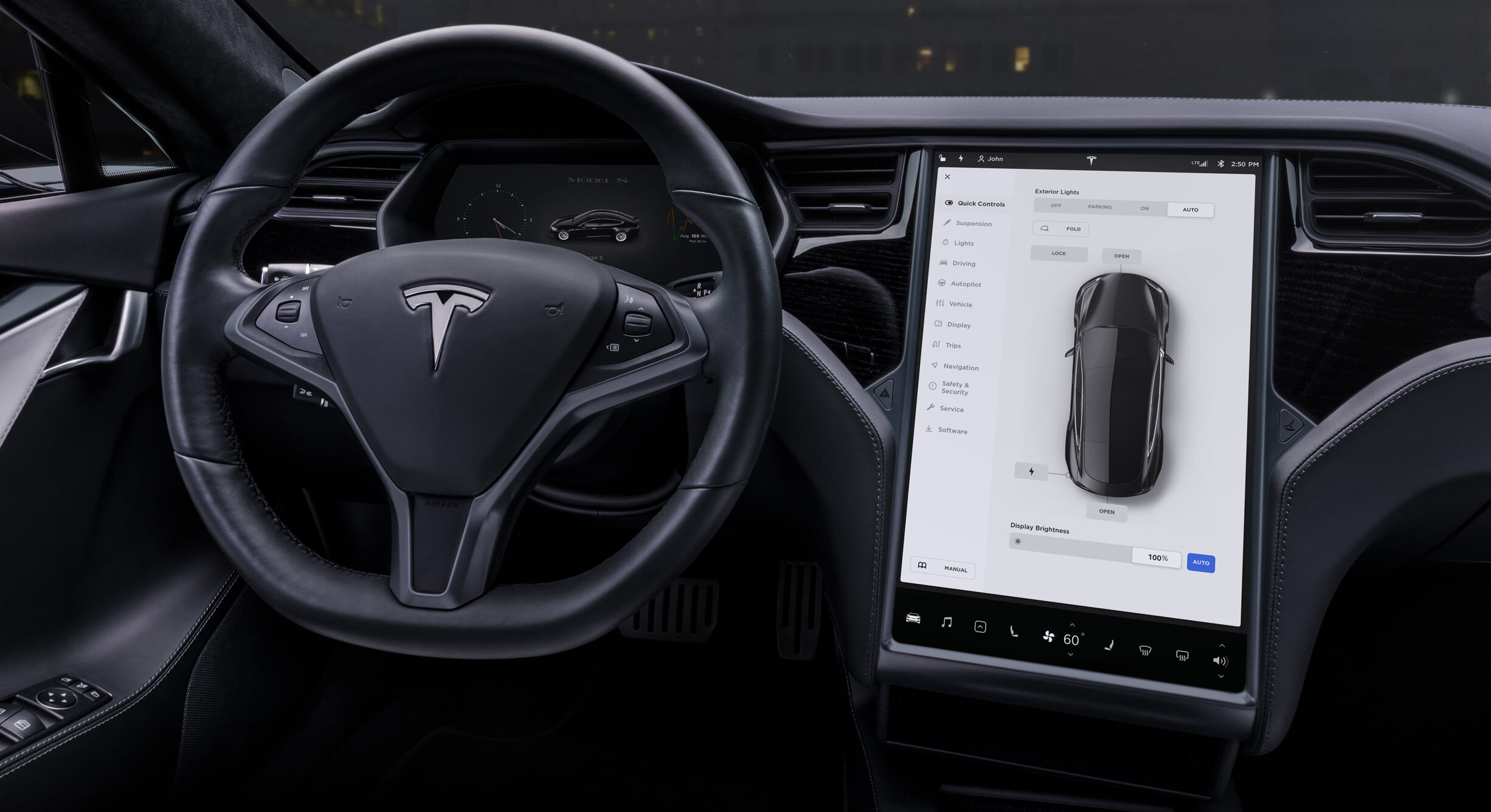
    This situation is on the verge of changing, however. Reportedly, Tesla is gearing up to launch full support for CarPlay, a move expected to occur in the coming months. For Tesla drivers immersed in the Apple ecosystem, this is a welcome development. It enables them to use their iPhone’s mapping, music and messaging applications seamlessly on the vehicle’s large display, offering what many consider a long-desired feature.

    Why the Change in Tesla’s Stance?

    Elon Musk’s resistance to CarPlay integration has been reportedly linked to the protection of Tesla’s proprietary infotainment system, a key aspect of the vehicles’ user experience. So, what caused this change in attitude? The primary reason appears to be the increasing competition in the electric vehicle market.

    Reports indicate that the evolving electric vehicle landscape has prompted this shift in Tesla’s strategy. The absence of CarPlay has increasingly become a notable drawback as global competition intensifies, potentially affecting Tesla’s sales. The expected standard of vehicle integration has been established by CarPlay, and its exclusion is a conspicuous deficit.

    Another contributing factor is Apple’s decision to halt its car production ambitions. It is speculated that Musk would have held out on integrating CarPlay if Apple continued to be a direct competitor in the car industry. However, with the absence of this potential threat and with sales targets to meet, Tesla has deemed it necessary and strategic to integrate the Apple system.

    Tesla Embraces the ‘If You Can’t Beat ‘Em, Join ‘Em’ Philosophy

    Tesla seems to be adopting the old adage: ‘If you can’t beat ’em, join ’em.’ Many believe this move has been long overdue. While slick, Tesla’s native system is not an iPhone. The advantage of CarPlay lies in its seamless, effortless integration with the device many people use for their entire digital life.

    Forcing users to use a different proprietary system for navigation and media, despite its high quality, creates friction. The persistent opposition to CarPlay has often been perceived as a personal vendetta rather than a decision made with the user’s best interests in mind. By integrating CarPlay, Tesla is improving the user experience for drivers by eliminating a major point of frustration and making their high-tech cars feel truly connected to the driver’s digital life.

    Questions & Answers

    Why has Tesla decided to integrate Apple CarPlay into its vehicles?
    This decision is primarily motivated by increasing competition in the electric vehicle market and the need to meet customer expectations for seamless, device-integrated experiences.

    Wasn’t Elon Musk resistant to integrating Apple CarPlay into Tesla vehicles? What changed?
    Reportedly, Musk’s resistance was rooted in the protection of Tesla’s own proprietary infotainment system. However, the evolving electric vehicle landscape and Apple’s withdrawal from car production have necessitated this strategic adjustment.

    What does the integration of Apple CarPlay into Tesla vehicles mean for drivers?
    The move means that drivers can now enjoy a seamless connection between their iPhones and their vehicles, using their favorite maps, music, and messaging apps directly from the car’s display, enhancing the driving experience and usability of the vehicle.

  • Rolls-royce Unveils Phantom Centenary Collection: An Exquisite Tribute To A Century Of Automotive Excellence

    Rolls-royce Unveils Phantom Centenary Collection: An Exquisite Tribute To A Century Of Automotive Excellence

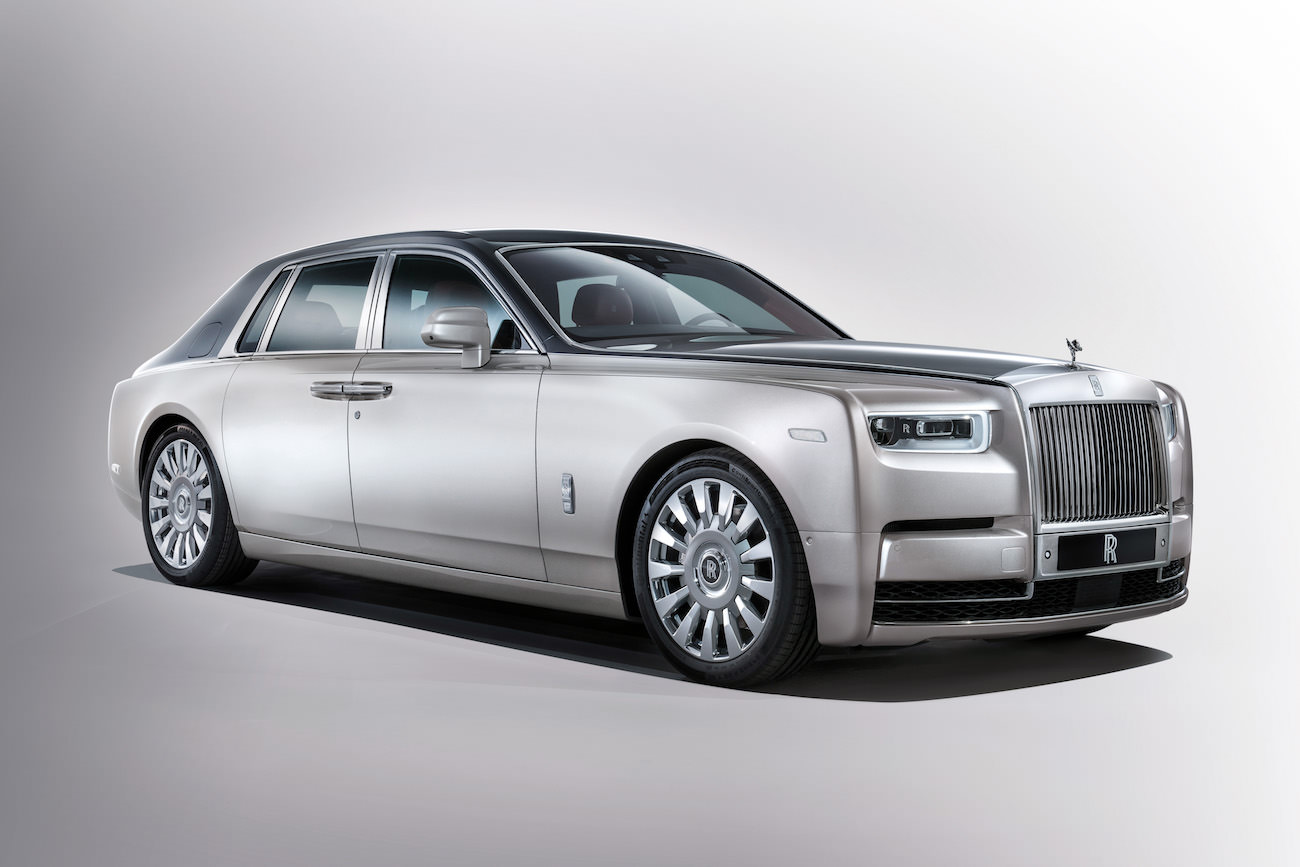
    Rolls-Royce has introduced the Phantom Centenary Private Collection, a 25-unit series based on the Phantom, in celebration of the model’s 100th anniversary. The automaker describes the collection as the most intricate and technologically advanced private series it has ever produced, with more than 40,000 hours dedicated to its development.

    Exterior Design

    The exterior of the Centenary Private Collection is completed in a classic Black & White style. The paint finish is further enhanced with Rolls-Royce’s Super Champagne Crystal finish, which incorporates champagne-coloured iridescent glass flakes in the clear coat to add an additional layer of depth. The Spirit Of Ecstasy hood ornament is influenced by the original design and is made from 18-carat gold with a 24-carat gold plating. The hood ornament also carries a custom ‘Phantom Centenary’ hallmark from the Hallmarking & Assay Office in London, while the base is completed in enamel. The Rolls-Royce badges and unique ‘Phantom’ wheels are finished in 24-carat gold and white enamel.

    Interior Inspiration

    The interior of the car draws from past Phantom models and honors the company’s founders. The rear seats, inspired by the ‘Phantom of Love’, a custom-made model from 1926, feature artwork embedded into the seat upholstery. This artwork highlights the Phantom’s history and includes depictions of the company’s original Conduit Street premises in London, special Phantom models, and significant Phantom owners over the past century. The seat artwork is a result of a 12-month collaboration with a fashion atelier.

    Thoughtful Details

    The front seats feature laser-etched upholstery with artwork referencing codenames of past Phantoms. The gallery includes 3D-printed brushed aluminium fins arranged vertically, each bearing sculpted letters that form quotes from various reviews over the years. This artwork is backlit, with the lighting programmed to mimic the shimmer of fireworks.

    The doors also showcase remarkable craftsmanship. The rear doors feature artwork depicting landscapes where Sir Henry Royce, the company’s co-founder, had his summer and winter homes, achieved through 3D ink layering, laser etching, and 24-carat gold inlays. The front doors present a depiction of the Goodwood-era Phantom’s Journey across Australia.

    Attention to Every Inch

    Not to be overlooked are the seatback tables, one of which features a wood-inlay representation of the 1925 Phantom 1, while the other shows the current model. This artwork is also carefully embroidered onto the leather-finished back of the table. The Starlight headliner displays floral artwork inspired by the trees at the company’s Goodwood headquarters and references to prior Phantoms.

    Even the engine bay features a bespoke white-finished engine cover with gold inlays, highlighting Rolls-Royce’s attention to detail and commitment to luxury.

    Questions & Answers

    What is the Phantom Centenary Private Collection?
    The Phantom Centenary Private Collection is a 25-unit series based on the Rolls-Royce Phantom, produced to celebrate the nameplate’s 100th anniversary.

    What unique features does the collection have?
    The collection is characterized by its intricate artwork, lavish materials, and advanced technologies. Key features include the Super Champagne Crystal finish, laser-etched upholstery, 3D-printed gallery artwork, and numerous gold inlays.

    What inspired the design of the collection?
    The collection draws inspiration from past Rolls-Royce Phantom models and pays homage to the brand’s founders. The unique artwork embedded into the interior of the cars references the history of the Phantom and the landscapes connected to the company’s co-founder, Sir Henry Royce.

  • Ferrari Unveils SC40 Supercar: A Modern Tribute To The Iconic F40

    Ferrari Unveils SC40 Supercar: A Modern Tribute To The Iconic F40

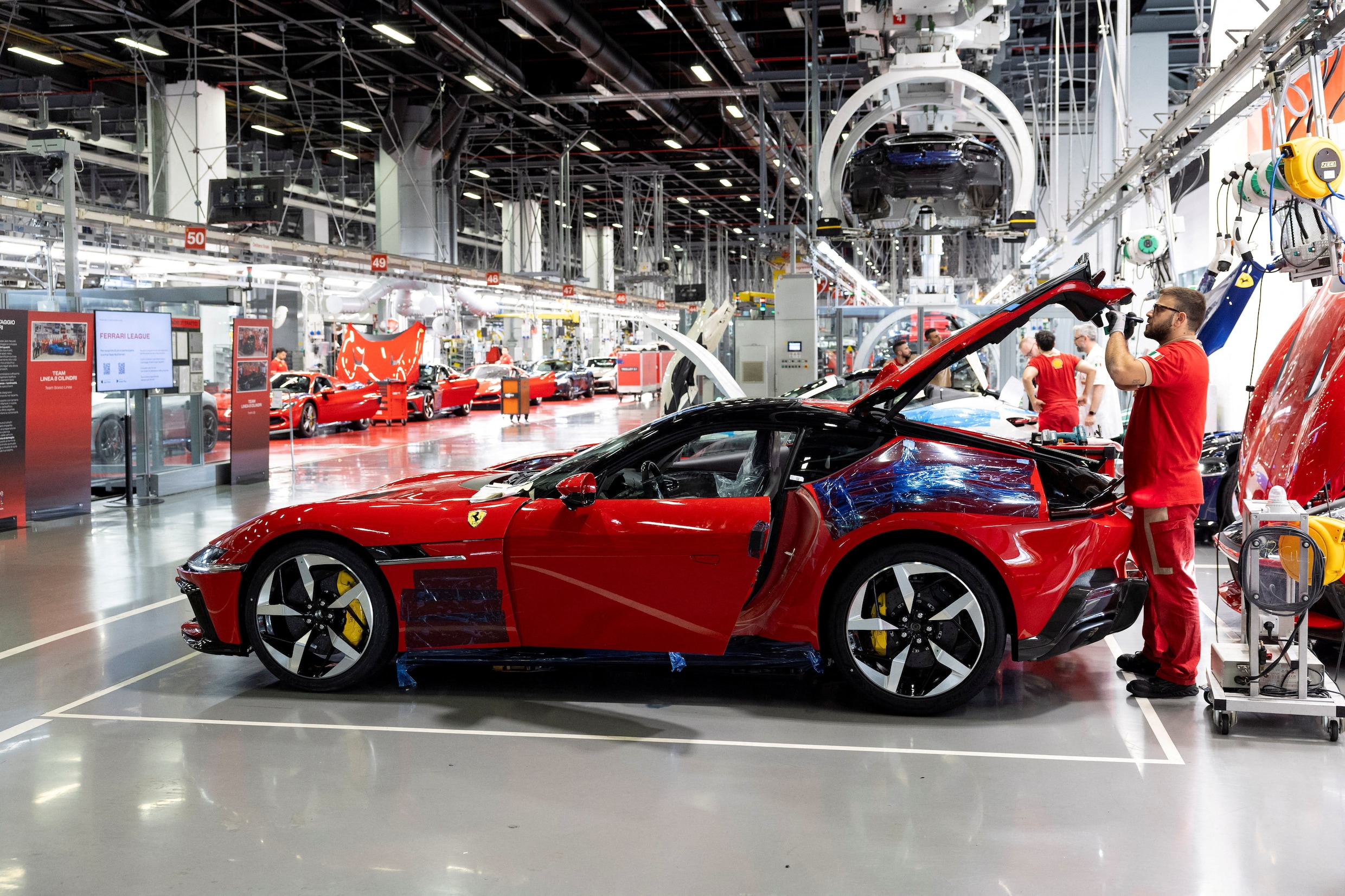
    The esteemed Italian automobile manufacturer, Ferrari, has recently unveiled its latest creation, the SC40 supercar, in Maranello. This unique model is the latest addition to the Special Projects Program and draws its inspiration from the iconic F40 supercar. An exclusive client specifically commissioned the SC40, which is modeled after the mid-rear-engined 296 GTB. It shares its structural design, rear-wheel drive chassis, and V6 turbo-hybrid powertrain with the 296 GTB.

    The Power Behind the SC40

    The Ferrari SC40 employs the same powertrain and chassis as the 296 GTB. This indicates that the SC40 is equipped with a potent 3.0-liter V6 engine, capable of generating up to 830 horsepower in its hybrid configuration.

    While the SC40 and the 296 GTB share the same power unit, the SC40 stands out with distinct visual features that pay homage to the F40 supercar. These include smoked Lexan louvres and an open-mesh rear face that serves to cool the turbocharged engine. In addition, the SC40 insignia is etched in relief on the side of the rear wing. The side profile is marked by triangular carbon-fiber accents and large intercooler air intakes, which are modern reinterpretations of the classic NACA ducts and louvres that defined the F40’s design.

    Modern Design Meets Classic Aesthetics

    Directed by Flavio Manzoni at the Ferrari Styling Center, the SC40 is a harmonious blend of classic design elements and contemporary aesthetics. Although the SC40 is inspired by the F40, Ferrari asserts that it has a number of unique distinguishing features. These include vertical lines that shape the front wings, door cuts, and engine cover. The front of the SC40 is characterized by headlights positioned at the outer corners of the bonnet, a full-width lower air intake, and rectangular brake intakes. The car is finished in a bespoke Bianco SC40 paint, which completes the exterior transformation.

    The F40 was one of the first cars to utilize carbon-Kevlar, and this material has made a return in the SC40, being used in areas such as the footwells, behind the seats, and on the steering wheel and dashboard. The interior also boasts charcoal Alcantara and red Jacquard fabric, imparting a sporty feel with a high-end, race-inspired touch.

    Questions & Answers

    What is the power output of the Ferrari SC40?
    The Ferrari SC40 features a 3.0-liter V6 engine capable of generating up to 830 horsepower in its hybrid configuration.

    What are some unique features of the Ferrari SC40?
    The SC40 stands out with distinct visual features that pay homage to the F40 supercar. These include smoked Lexan louvres, an open-mesh rear face, triangular carbon-fiber accents, large intercooler air intakes, and a bespoke Bianco SC40 paint finish.

    What materials are used in the interior of the Ferrari SC40?
    The SC40’s interior uses carbon-Kevlar in areas such as the footwells, behind the seats, and on the steering wheel and dashboard. The cabin also features charcoal Alcantara and red Jacquard fabric.

  • Ferrari Unveils Unique Sound Strategy For First Electric Vehicle: Authenticity Over Simulation

    Ferrari Unveils Unique Sound Strategy For First Electric Vehicle: Authenticity Over Simulation

    Ferrari is on the brink of releasing its debut electric vehicle, causing mixed feelings amongst fans of the brand. Despite some concerns surrounding the introduction of an electric offering, the Maranello-based automaker is making concerted efforts to ensure that all aspects of the vehicle are perfected. Among these, significant attention is being given to the vehicle’s sound, which had been rumored to mimic that of a traditional internal combustion engine. Ferrari, however, has been transparent about its approach to the sound of their forthcoming electric model.

    Ferrari’s Authentic Sound Approach

    In a clear stance, Ferrari has dismissed the concept of simulating engine noises for their electric vehicle. Instead, the luxury car maker aims to embrace what it refers to as the ‘authentic’ sound of the motor. The company further expressed its intention to enhance the auditory output of the power units.

    If Ferrari can realize this goal, it could mark a significant moment within the automotive industry. Other traditional car manufacturers have grappled with the challenge of creating a satisfactory sound experience for electric vehicles. This comes in light of the absence of the familiar rumble found in performance vehicles powered by gasoline engines.

    Automakers have made numerous attempts at curating suitable sounds for electric vehicles to date. Notable examples include Dodge’s efforts using what was termed a “Fratzonic Chambered Exhaust”. In contrast, other manufacturers have opted to leave the natural sound of the electric motors untouched. Ferrari, however, is pursuing a unique strategy.

    Finding Inspiration in Unexpected Places

    The solution to Ferrari’s acoustic challenge was found in the unlikely form of an electric guitar. Inspired by the instrument’s engineering, Ferrari plans to capture and then enhance the vibrations generated by the drivetrain components. This optimal balance will be attained through a highly sensitive sensor positioned on the rear axle. This sensor will pick up the frequencies of the powertrain and amplify them, projecting the sound into the vehicle’s environment.

    The design approach specifically employs an accelerometer to capture vibrations from the drive unit, which are subsequently amplified to match the sound of the electric motor. Ferrari asserts that the resulting sound will provide practical utility, offering valuable feedback to the driver.

    Ferrari further clarified that the latency between the vibrations and sound is imperceptible to the human ear. During high-speed driving, the driver will be able to hear the motor accelerate, regenerate, or even disengage. This is due to the front motors of the forthcoming Elettrica model, which are designed with a disconnect feature, enabling the vehicle to switch to rear-wheel drive.

    Questions & Answers

    What approach to sound is Ferrari taking for its electric vehicles?
    Ferrari is aiming to capture and enhance the ‘authentic’ sound of the electric motor, rejecting the idea of simulating traditional engine noises.

    What technology is Ferrari using to capture the sound of its electric vehicles?
    Ferrari is using a high-precision sensor, similar to an accelerometer, positioned on the rear axle to capture the frequencies of the powertrain, which are then amplified and projected into the surroundings.

    What will the sound offer to the driver of the Ferrari electric vehicle?
    Ferrari claims that the resulting sound will be functionally useful, providing real-time feedback to the driver about the speed, regeneration, and engagement status of the motor.

  • Grab Introduces Electric Car Service In Hanoi, Challenging Xanh Sm’s Market Dominance

    Grab Introduces Electric Car Service In Hanoi, Challenging Xanh Sm’s Market Dominance

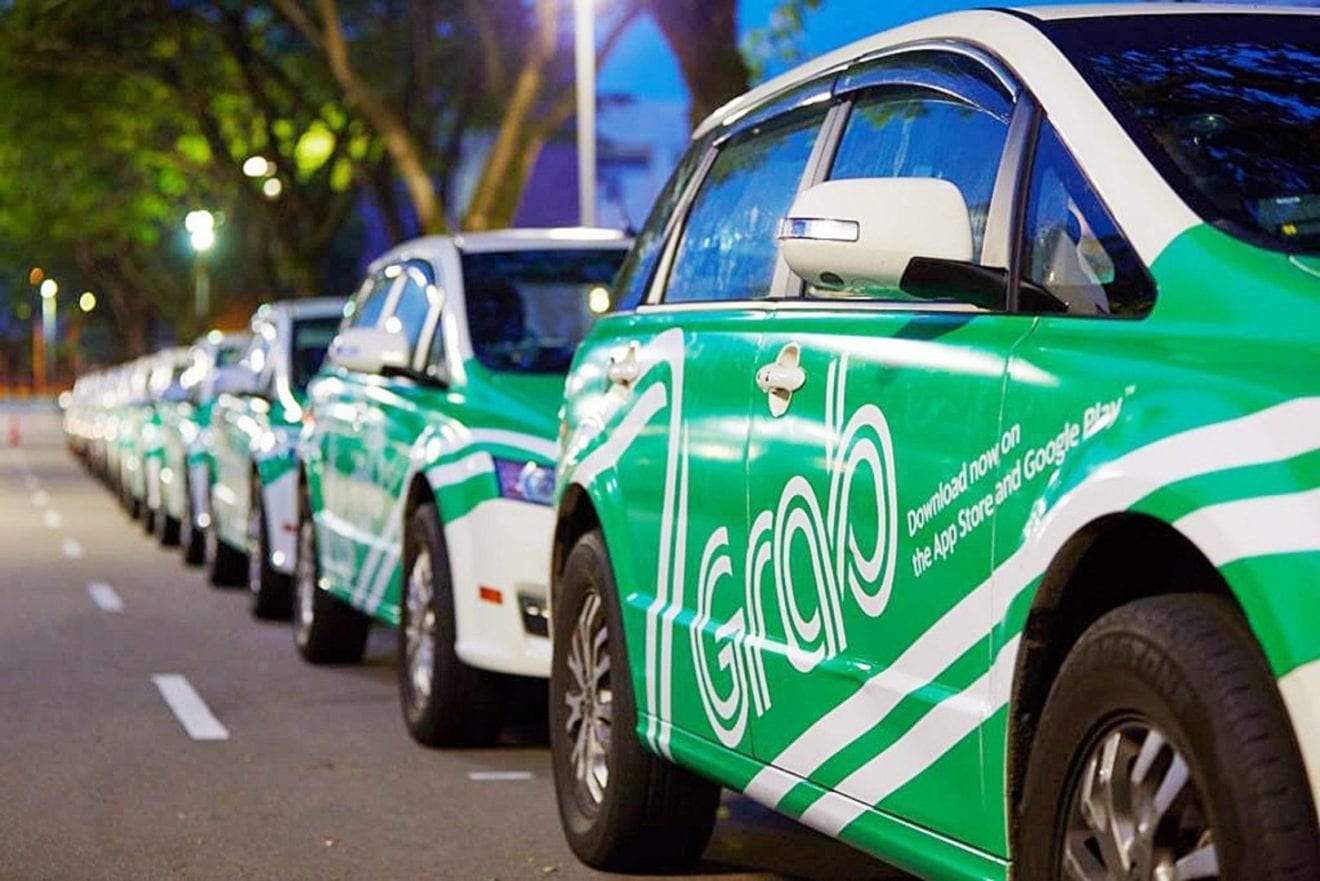
    Grab, the renowned ride-hailing company, has launched its electric car service in Hanoi, marking a significant entry into the predominantly electric taxi market, primarily controlled by Xanh SM. This move is a strategic approach by Grab to expand their customer base and champion sustainable transportation options.

    Strategies and Goals

    Nguyen Hanh Linh, the director of Grab Vietnam’s mobility division, revealed that the newly introduced service aims to diversify income opportunities for their driver-partners. This strategy is expected to boost their confidence to make a shift toward electric vehicles. After its launch in Hanoi, Grab has ambitious plans to roll out the service in HCMC.

    The current ride-hailing market in Vietnam is mainly controlled by three major players: Grab, Be, and Xanh SM. Xanh SM stands out by exclusively using electric cars constructed by its sister company, VinFast.

    Customer Choices

    It is noteworthy that Grab users do not have the option to specifically request electric cars. Whether the customer gets a VinFast or BYD electric car is a matter of chance. Grab’s decision to launch the electric vehicle service was influenced by the rising number of electric vehicles on its platform, a trend which has been encouraged by driver incentives in recent years.

    Market Trends and Predictions

    A 2024 report estimated Vietnam’s ride-hailing and food delivery market to be valued at US$4 billion, with the potential to reach up to $9 billion by 2030. A survey conducted in May indicated that 55% of users in major cities chose Grab for ride-hailing services, compared to 32% for Xanh SM and 9% for Be.

    A report by Mordor Intelligence stated that Xanh SM took the lead in the ride-hailing market in the last quarter of 2024, holding a 44.68% share in the second quarter of this year. Grab Vietnam, however, disputed these figures, claiming that the research methods used and data sources were unverifiable and misleading.

    Questions & Answers

    What was the strategic aim behind Grab launching its electric car service in Hanoi?
    The launch aimed to expand Grab’s user base and promote environmentally friendly transportation.

    What is the next city where Grab plans to roll out its electric car service?
    After Hanoi, Grab plans to introduce the service in HCMC.

    How did Grab respond to Mordor Intelligence’s report about Xanh SM’s market lead?
    Grab disputed the findings, claiming that the data sources were unverifiable and the research methods were inadequate, leading to misleading conclusions.

  • Thailand Unveils New 45% Tax on Vintage Cars: A Bold Move for Classic Car Enthusiasts

    Thailand Unveils New 45% Tax on Vintage Cars: A Bold Move for Classic Car Enthusiasts

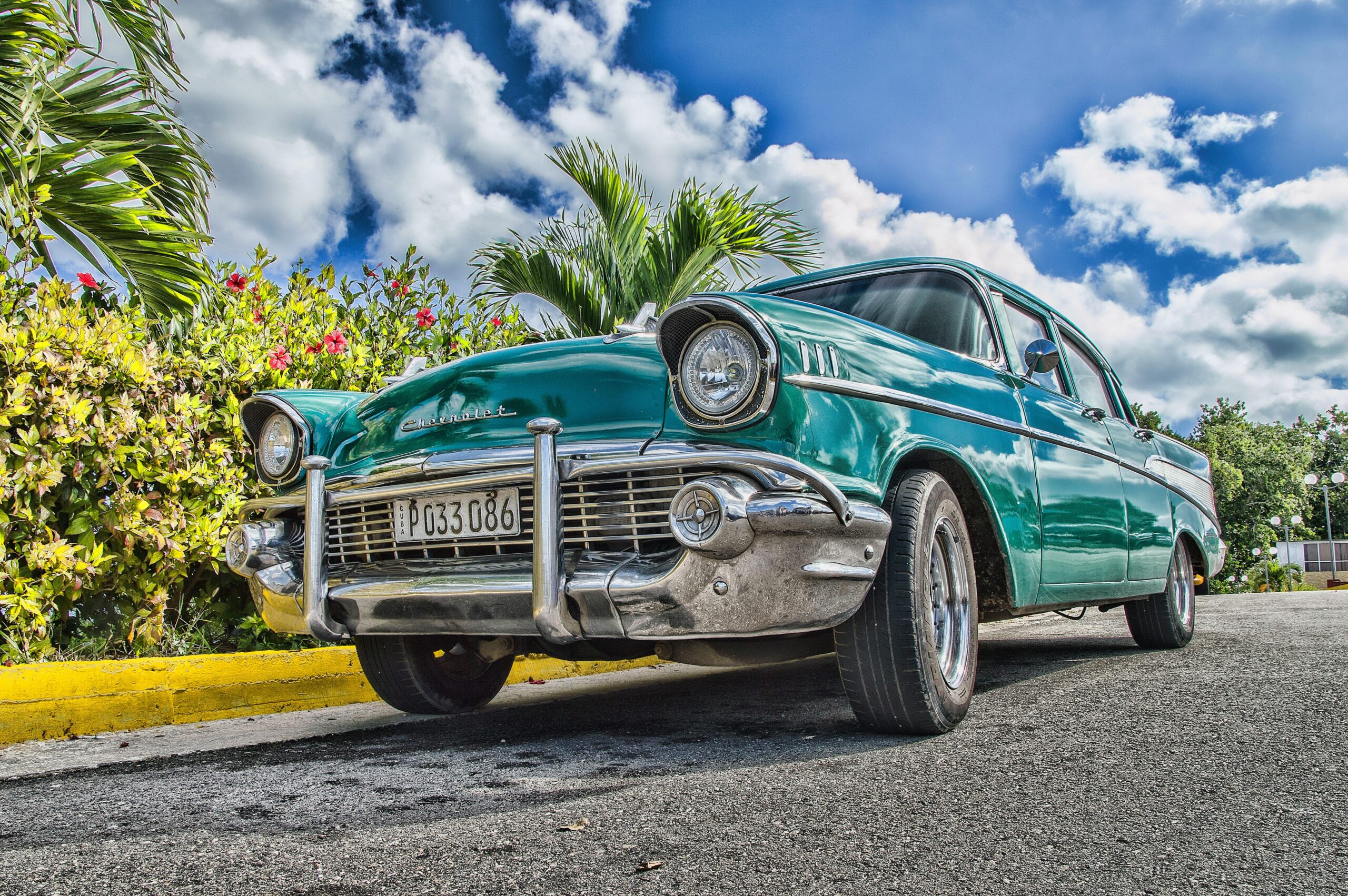
    Thailand will introduce a 45% tax on imported vintage cars in fiscal year 2026, a strategic move projected to boost government revenue by an additional THB1-2 billion (US$31.4-62.9 million) annually.

    The regulations accompanying this tax will restrict these classic vehicles to use only on Saturdays, Sundays, and public holidays, although exceptions may be made for special events with prior police approval.

    Revving Up Vintage Car Culture

    Kulaya Tantitemit, the director-general of the Thai Excise Department, explained that the new tax aims to transform Thailand into a vibrant hub for vintage car exhibitions while also supporting the local car restoration industry. “We want Thailand to be the go-to destination for vintage enthusiasts,” Kulaya said, perhaps envisioning a future where restored beauties cruise down Bangkok’s streets like it’s 1955.

    Who’s Affected? The Details of the Tax

    This tax will specifically target vintage cars that are imported, with the initial classification declaring a vehicle must be at least 30 years old. Future regulations may provide further specifications on models and reference international pricing to ensure fairness. However, be advised: vintage motorbikes and cars already registered in Thailand will remain untouched by this levy.

    Revenues Surpassing Expectations

    The announcement comes on the heels of encouraging news from the Excise Department, which is optimistic about surpassing its revenue goals for the current fiscal year. For the first 11 months of fiscal year 2025, the department reported collections of THB489 billion, marking a 1.6% increase from the previous year.

    Questions & Answers

    What prompted Thailand to implement this new tax on vintage cars?
    The tax aims to boost government revenue while positioning Thailand as a key player in the vintage car exhibition scene and supporting the domestic car restoration industry.

    Who will be affected by the 45% tax on vintage cars?
    The tax specifically targets vintage cars imported into Thailand, defined as vehicles that are at least 30 years old. It will not apply to vintage motorbikes or vehicles already registered in the country.

    How much revenue is expected to be generated from this tax?
    The government expects the new tax to raise between THB1-2 billion (US$31.4-62.9 million) annually, significantly contributing to the national coffers.

  • Malaysia Slashes Subsidized RON95 Fuel Price to $0.47 per Liter to Alleviate Cost of Living Concerns

    Malaysia Slashes Subsidized RON95 Fuel Price to $0.47 per Liter to Alleviate Cost of Living Concerns

    In a significant move to alleviate rising living costs, Malaysia will lower the price of the widely used RON95 fuel to RM1.99 (US$0.47) per liter, effective September 30.

    New Pricing Dynamics in Malaysia

    Prime Minister Anwar Ibrahim announced the price reduction from the previous RM2.05 per liter during a regular briefing at the Prime Minister’s Department on Monday. This adjustment reflects the government’s ongoing efforts to tweak fuel subsidies amidst the challenging economic climate.

    Targeted Subsidy Allocation

    The revised subsidized fuel price will exclusively benefit Malaysians who hold a valid driver’s license. In a move aimed at fair distribution, non-citizens will face a higher price of RM2.60 per liter at the gas pump. The government has also put a cap on fuel purchases, limiting it to 300 liters per month per person, although ride-hailing drivers may see exceptions to this rule.

    Investing in Infrastructure and Public Welfare

    Any savings generated from these subsidy alterations are intended for enhancing public infrastructure and providing assistance to those most in need, according to Anwar. This shift, initially hinted at in July, marks a significant policy evolution, though the administration opted not to pursue earlier suggestions to completely remove RON95 subsidies for wealthier segments of the population.

    A Broader Economic Strategy

    Anwar’s administration is enacting various measures to bolster national revenue and productivity. These strategies include implementing a minimum wage increase, raising electricity tariffs for heavy users, and expanding the sales and services tax. It appears Malaysia is not just applying a bandaid to fuel prices, but carefully stitching together a broader economic fabric aimed at sustaining growth.

    Questions & Answers

    What is the new price for RON95 fuel in Malaysia?
    The new price for RON95 fuel will be RM1.99 (US$0.47) per liter, effective September 30.

    Who will benefit from the subsidized fuel price?
    The subsidized price will be available only to Malaysians with a valid driver’s license, while non-citizens will pay RM2.60 per liter.

    How will the government utilize savings from the subsidy changes?
    The government plans to channel any savings from these subsidy changes into improving public infrastructure and providing aid to those in need.