Tag: car

  • Tesla Surmounts Supply Chain Woes With Blockbuster Q4 Deliveries

    Tesla Surmounts Supply Chain Woes With Blockbuster Q4 Deliveries

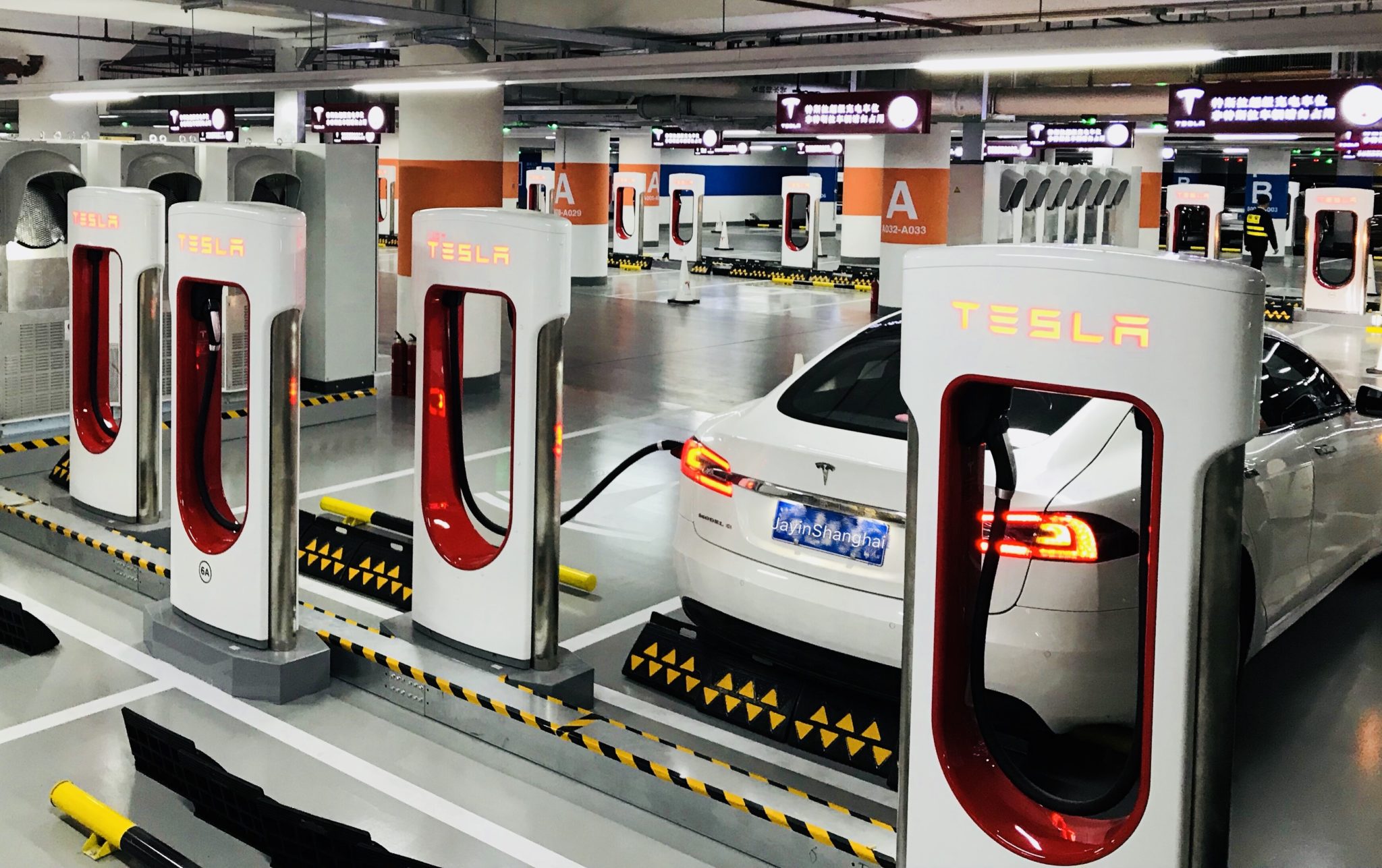
    Tesla Inc on Sunday reported record quarterly deliveries that far exceeded Wall Street estimates, riding out global chip shortages as it ramped up China production.

    It was the sixth consecutive quarter that the world’s most valuable automaker posted record deliveries. Tesla, led by billionaire CEO Elon Musk, delivered 308,600 vehicles in the fourth quarter, far higher than analysts’ forecasts of 263,026 vehicles. Tesla’s October-December deliveries were up about 70% from a year earlier and nearly 30% higher from record deliveries the preceding quarter.

    “Great work by Tesla team worldwide!” Musk wrote on Twitter.

    His electric car company ramped up production in China even though competition rose and regulatory pressure mounted following consumer complaints over product safety. On an annual basis, the automaker boosted its deliveries by 87% from a year earlier to 936,172 vehicles in 2021. Tesla ships China-made models to Europe and some Asian countries.

    On an annual basis, the automaker boosted its deliveries by 87% from a year earlier to 936,172 vehicles in 2021.

    Musk said in October last year that Tesla will be able to maintain an annual growth rate of more than 50% for “quite a while.”

    “They have beaten all the odds,” Gene Munster, managing partner at venture capital firm Loup Ventures, said on Sunday.

    “The first is the demand for their products is through the roof. And the second is they’re doing a great job of meeting that demand,” he said.

    Munster said he expected Tesla’s deliveries to grow to 1.3 million vehicles this year despite headwinds in production at its new factories and supply chain problems.

    Tesla Chief Financial Officer Zachary Kirkhorn said in October that it was difficult to predict how quickly the company will be able to boost production at new factories in Texas and Berlin, which will use new vehicle technologies and new teams.

    Tesla said in October that it aimed to build its first production cars at both facilities by the end of 2021, but it is not known whether it met that target. Tesla did not respond to a question from Reuters about the plants. Its Berlin factory had initially been scheduled to begin production last summer.

    Deutsche Bank said in a report on Friday that it expected Tesla to make nearly 1.5 million vehicle deliveries this year, although chip shortages remain a risk to production.

    In 2020, automakers cut chip orders as the pandemic and lockdown measures hit demand. But Tesla never reduced its production forecast with suppliers to support its rapid growth plan, which helped it weather the chip shortage, Musk has said.

    Tesla, which designs some chips in-house unlike most automakers, also reprogrammed software to use less scarce chips, according to Musk.

    Musk, who previously said, “2021 has been the year of super crazy supply chain shortages,” said in October that he was optimistic that those issues would pass in 2022.

    The strong sales came even after Tesla hiked U.S. vehicle prices sharply this year to offset higher supply chain costs.

    Tesla hit over $1 trillion in market capitalization in October after rental car company Hertz said it ordered 100,000 of its vehicles. The company’s shares lost some ground after Musk wrote on Twitter in November that he was considering selling 10% of his stake in Tesla.
  • VW investors demand faster progress in dieselgate reforms

    VW investors demand faster progress in dieselgate reforms

    Volkswagen needs to do more to regain the confidence of investors in the wake of its emissions scandal, despite a swift recovery in earnings, several shareholders told the German carmaker at its annual meeting on Wednesday.

    The world’s largest automaker reported better-than-expected first-quarter profits and has announced a raft of plans to recover from the biggest business crisis in its history, including cost cuts and investment in cleaner cars.

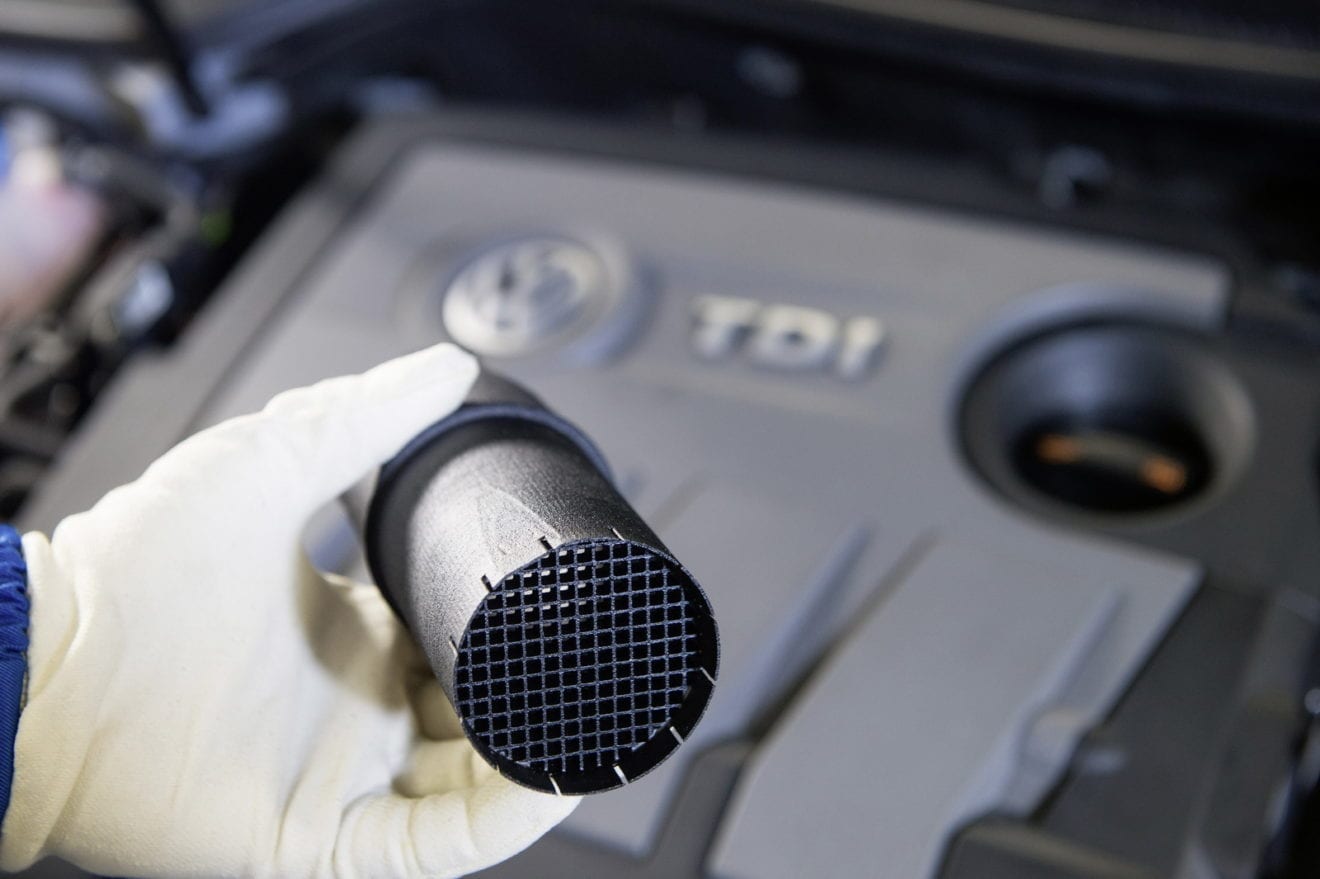
    But some shareholders said its emissions test cheating on diesel engines would continue to haunt it for years if it did not publish the results of an investigation into the scandal, address outstanding claims and improve corporate governance.

    “I am shocked and speechless, that was the case at the time and it still is today,” said Gerd Kuhlmeyer, head of staff shareholders group Community of VW, referring to a scandal that broke 20 months ago. “An end of ongoing investigation proceedings and possible further effects is not in sight.”

    Volkswagen (VW) has agreed to spend up to $25 billion in the United States to address claims from owners, environmental regulators, states and dealers and offered to buy back about 500,000 polluting U.S. vehicles.

    But it still faces billions of euros in claims from about 3,500 customer lawsuits and about 2,000 investor suits globally.

    The German group, which is tightly controlled by its founding families and home state of Lower Saxony, rejected calls by Kuhlmeyer and other investors for it to publish the results of a company-commissioned investigation by U.S. law firm Jones Day into the scandal, saying it couldn’t for legal reasons.

    “There is no written concluding report by Jones Day and there will not be one,” VW Chairman Hans Dieter Poetsch said.

    “I ask for your understanding that VW for legal reasons is prevented from publishing such a final report,” he told the gathering of about 3,000 shareholders.

    TRUST

    The carmaker initially pledged to inform shareholders about the findings of the Jones Day report which was used as the basis for a $4.3 billion settlement with the U.S. Justice Department, but has since abandoned this plan.

    It says the report was incorporated in the “statement of facts” published by the Justice Department, and that as part of the settlement deal it cannot publish separate findings.

    But some shareholders criticized this explanation.

    “Your reference to the statement of facts agreed in the U.S. is completely insufficient and almost insulting to all those who are interested in complete clarification of responsibilities,” said Christian Strenger, supervisory board member at DWS Deutsche Asset Management GmbH.

    Hermes EOS, representing large institutional investors, called on VW to seek agreement with U.S. authorities to be allowed to publish at least a summary of Jones Day’s findings.

    “That’s the only way to regain lost trust with investors and to win back customers,” Hans-Christoph Hirt, head of Hermes EOS said. “Only then, it can be found out whether the company is drawing the right conclusions.”

    VW shares have bounced back from their post-scandal lows, but are still trading below the level when it broke in September 2015. At 1500 GMT, the stock was up 0.2 percent at 144.6 euros.

    Separately, Chief Executive Matthias Mueller said VW would support without reservation Larry Thompson, a former U.S. deputy attorney general, who has been picked by the Justice Department to oversee the company for three years.

    Thompson and his team will have access to VW documents and assess the efforts of its board of management and senior management to comply with environmental laws.

    “I see this as an opportunity,” Mueller said. “The work of the monitor can and will contribute to bringing risk management, compliance and integrity within the group to new levels.”

  • Geely Defies Global Expansion Pause with Plans for New Auto Plant in Vietnam

    Geely Defies Global Expansion Pause with Plans for New Auto Plant in Vietnam

    Geely’s ambitious plan is to construct a US$168-million manufacturing plant in northern Vietnam is set to unfold as scheduled, despite broader concerns cast by its chairman and founder, Li Shufu. Just last Saturday, Shufu pointed out the global automotive industry is grappling with a “serious overcapacity,” leading Geely to pause new plant constructions and expansions at existing facilities, according to British news agency Reuters.

    Geely’s Promising Venture in Vietnam

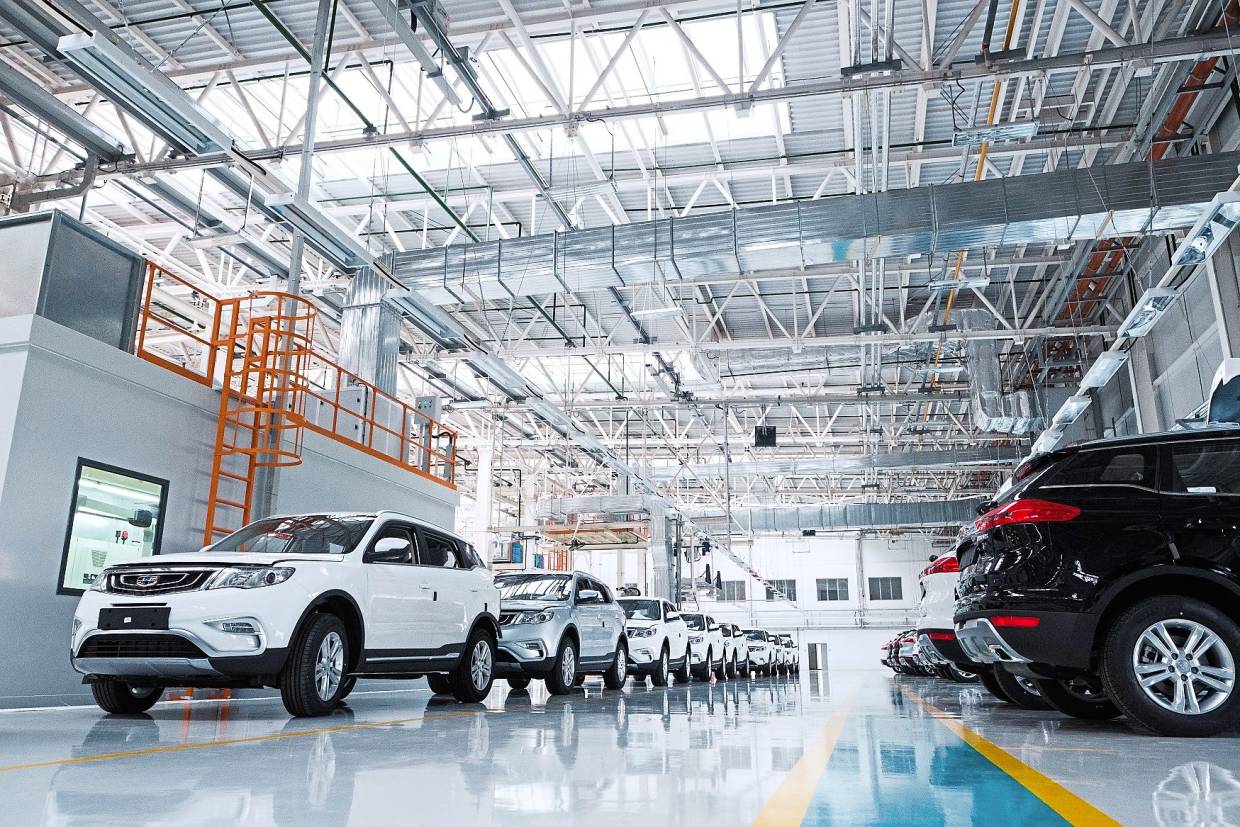
    The Vietnam plant is a collaboration between Geely and local distributor Tasco, with Geely holding a significant 64% stake. Groundbreaking is slated for this quarter in Thai Binh Province, where a sprawling 30-hectare site will eventually operate at a capacity of 75,000 vehicles annually in its initial phase.

    These vehicles will include models from Geely and its Chinese counterpart, Lynk & Co, specifically designed to cater to domestic demand and facilitate exports to countries with free trade agreements with Vietnam. The factory holds the potential for future expansion as it may begin assembling a wider variety of Geely vehicles.

    All cars produced at the plant will be constructed from “completely knocked down” kits—meaning they are assembled from parts sourced from various locations. The first vehicles are expected to hit the Vietnamese market early next year, while Geely currently offers the Coolray CUV imported from Malaysia.

    Geely is a prominent player in China’s automotive sector, boasting a diverse portfolio that includes brands like Zeekr and Galaxy, along with a stake in the premium Swedish manufacturer Volvo. With 22 factories in China and three spread across the globe, Geely’s growth ambitions are clear.

    The Race for Automotive Investment in Vietnam

    Interestingly, Geely isn’t the only Chinese automaker eyeing Vietnam. Chery, another industry titan, plans to break ground on their own factory in Thai Binh Province in the third quarter through its partner Geleximco. With an investment of $800 million, Chery’s venture will focus on producing Omoda and Jaecoo models, with other potential vehicles in the pipeline.

    While Chery sets its sights on this strategic investment, major players such as BYD and SAIC have also explored opportunities in Vietnam but have yet to make significant moves. At present, the majority of Chinese passenger vehicles sold in Vietnam are imported from China, Thailand, or Malaysia.

    In a noteworthy development, the number of Chinese automotive brands in Vietnam jumped to 14 last year, surpassing Japan’s nine for the first time. However, their market presence remains relatively small compared to established Japanese and Korean brands, as well as the domestic contender, VinFast.

    As Geely prepares to roll out its manufacturing plant, the automotive landscape in Vietnam is likely to get even more interesting—where the thrill of competition could soon turn up the heat among industry giants.

    Questions & Answers

    What is Geely’s investment in the Vietnam plant?
    Geely is investing US$168 million in its new manufacturing facility in northern Vietnam.

    What models will be produced at the new plant?
    Initially, the factory will produce vehicles from Geely and Lynk & Co, catering to both domestic and export markets.

    When will the first vehicle arrive for Vietnamese consumers?
    The first vehicle is expected to be available to Vietnamese customers early next year.

  • Pham Nhat Vuong, Vietnam’s richest man, donates $800M to boost automaker VinFast’s ambitions

    Pham Nhat Vuong, Vietnam’s richest man, donates $800M to boost automaker VinFast’s ambitions

    Billionaire Pham Nhat Vuong, the chairman of the private conglomerate Vingroup and recognized as Vietnam’s wealthiest individual, has injected a staggering VND20.5 trillion (approximately US$790 million) into the automaker VinFast between November and May. This generous contribution is part of his promise of VND50 trillion made last year, as disclosed by the company on Monday.

    Financial Support Fuels Expansion

    In the past six months, VinFast has also secured a loan of VND30.57 trillion from its parent company, reinforcing its financial backbone. Vingroup remains committed to supporting VinFast, pledging a maximum of VND35 trillion to ensure the company’s sustained growth. Vuong, who wears multiple hats as CEO and founder of VinFast, experienced a remarkable surge in his wealth—an increase of $3 billion over the last two months—bringing his total fortune to over $10 billion, according to Forbes.

    Impressive Growth Amid Losses

    VinFast reported exceptional growth for the first quarter, showcasing a 150% increase in revenues year-on-year, reaching VND16.31 trillion. The company delivered a remarkable 36,330 electric cars and an astonishing 44,904 motorcycles and bicycles during this period, translating to impressive increases of 296% and 473% respectively. However, despite these successes, VinFast also reported a loss of VND17.69 trillion, which marks a 20% rise in losses compared to the previous period. To respond to the challenges and capitalize on its momentum, the company plans to adjust its sales target for the year from 200,000 to 280,000 units, as shared by deputy CEO Thai Thi Thanh Hai.

    Who knew the complex world of electric vehicles could be this exhilarating?

    Questions & Answers

    How much has Pham Nhat Vuong invested in VinFast?
    Pham Nhat Vuong has gifted VinFast VND20.5 trillion (around US$790 million) over the past six months.

    What has been VinFast’s recent sales performance?
    VinFast delivered 36,330 electric cars and 44,904 motorcycles and bicycles in the first quarter, marking significant increases in both categories.

    What loss did VinFast report despite impressive growth?
    The company reported a loss of VND17.69 trillion, a 20% increase compared to the previous period, even amid record revenue growth.

  • Thailand’s Car Sales Surge Back to Life After Nearly Two-Year Decline

    Thailand’s Car Sales Surge Back to Life After Nearly Two-Year Decline

    Domestic car sales in Thailand experienced a glimmer of hope in April, marking a 1% year-on-year increase—the first boost in nearly two years, as reported by the Federation of Thai Industries (FTI). This slight recovery comes as a welcome surprise amid a string of declines in both vehicle production and exports.

    Ongoing Challenges in Vehicle Production

    Despite the uptick in sales, production figures told a different story. In April, car manufacturing dipped by 0.4% from the previous year, totaling 104,250 units. This marks the 21st consecutive month of declining production, following a relatively steep 6.1% drop in March. Meanwhile, the export of vehicles fell by 6.3% compared to the same period last year, although this decline represents a gentler decrease than the 14.9% seen in the prior month.

    Thailand’s Role in the Automotive Landscape

    As Southeast Asia’s premier auto manufacturing hub, Thailand plays a crucial role as an export base for some of the globe’s leading car manufacturers, including heavyweights like Toyota, Honda, and China’s BYD. While car sales may be on the rise, the industry continues to grapple with production challenges—proving that the road to recovery is still a winding one. Who knew car sales could be just as turbulent as a roller coaster ride!

    Questions & Answers

    What factors contributed to the rise in car sales in Thailand?
    The increase in car sales is attributed to growing consumer demand, providing a much-needed boost after an extended period of decline.

    How has production been affected recently?
    Car production fell by 0.4% in April compared to the same time last year, marking the 21st straight month of decreased output.

    What is Thailand’s position in the automotive sector?
    Thailand remains Southeast Asia’s largest automotive production center and serves as an export base for major car manufacturers like Toyota, Honda, and BYD.

  • April Sees Impressive 21% Year-on-Year Surge in Auto Sales

    April Sees Impressive 21% Year-on-Year Surge in Auto Sales

    The latest sales figures reveal a significant dip in vehicle sales, with a total of 20,766 passenger vehicles sold in April—evidently a 7% decline compared to March. The commercial vehicle sector mirrored this trend, seeing sales drop to 8,619 units, also down by 7%. In contrast, special-purpose vehicles rose by 11%, reaching 200 units.

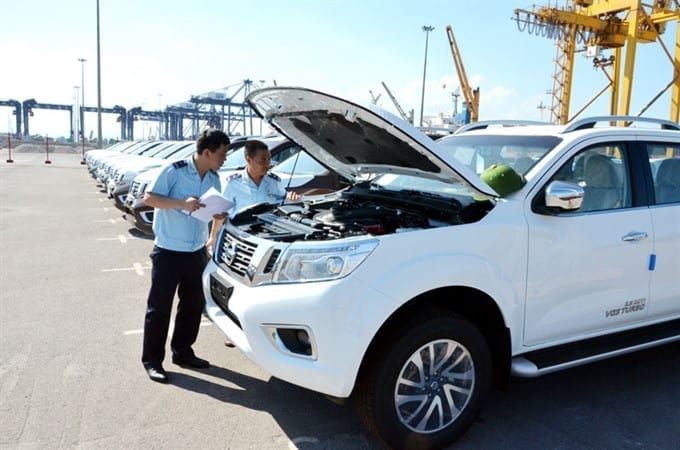
    Domestically assembled vehicles faced a similar fate with a 7% decrease, resulting in 13,890 units delivered. Alarmingly, Vietnam’s imports of completely built-up (CBU) vehicles fell sharply, plummeting 60% to just 15,695 units.

    Yet amidst the fluctuations, Toyota kept its crown as the market leader, selling 5,566 units in April. Close behind were Ford with 3,997 units, Mitsubishi at 2,038, THACO Mazda contributing 2,736, and THACO Kia with 2,055 units. The Mitsubishi Xpander stood out as the best-selling model of the month, registering 4,031 units sold, followed by the Ford Everest with 1,090 and the Toyota Yaris Cross at 1,030.

    Shifts in Vehicle Preferences

    The SUV trend remains robust, leading the product categories with sales of 5,867 vehicles. MPVs followed with 3,798 units, while sedans accounted for 3,292.

    In the realm of commercial vehicles, pickup trucks and minivans continued to reign supreme. Notably, the hybrid segment is basking in positive growth, with sales of hybrid vehicles reaching 973 in April alone—an impressive total of 3,535 since the start of the year, reflecting an 82% upswing from the previous year.

    A Booming Start to 2025

    As for the first four months of 2025, the market showcased a remarkable rebound, achieving total sales of 101,834 units—a 23% increase year-on-year. Passenger car sales climbed 22%, while commercial vehicles jumped 27%, and special-purpose vehicles skyrocketed by 49%.

    The surge in sales of imported vehicles saw a healthy 35% rise, alongside a 13% increase in domestically assembled units. Experts believe this momentum, fueled by rising consumer demand and supportive policies from automakers, bodes well for the automotive sector as it gears up for an even more prosperous second and third quarter.

    As the industry gears up for future challenges, one can’t help but wonder what surprise moves automakers might unveil next.

    Questions & Answers

    What were the total sales figures for passenger and commercial vehicles in April 2025?
    A total of 20,766 passenger vehicles and 8,619 commercial vehicles were sold in April.

    Which brand retained its market leadership in April?
    Toyota maintained its market leadership with 5,566 units sold.

    How did the hybrid vehicle segment perform?
    The hybrid segment saw a significant rise, recording 973 vehicles sold in April and a total of 3,535 so far in the year, which is an 82% increase from last year.

  • BYD Surpasses Toyota as Singapore’s Best-Selling Car Brand for the First Time

    BYD Surpasses Toyota as Singapore’s Best-Selling Car Brand for the First Time

    In an electrifying twist in the automotive landscape, BYD has officially claimed the title of Singapore’s top-selling car brand for the first time this year, outpacing Japanese giant Toyota. With its sights firmly set on global expansion, the Chinese electric vehicle manufacturer has demonstrated remarkable sales prowess, demonstrating the power of innovation in a competitive market.

    BYD Surges Ahead

    During the first four months of 2025, BYD reported sales of 3,002 vehicles, capturing a remarkable 20% of the total car sales in Singapore, according to government data. In contrast, Toyota managed to sell 2,050 units, while Tesla lagged behind with 535 vehicles sold in the same timeframe. This impressive performance marks a significant shift in a market traditionally dominated by Toyota, which recorded sales of 7,876 cars in 2024 compared to BYD’s total of 6,191.

    The Strategy Behind Success

    BYD’s surge in sales highlights its strategic direction toward international markets, particularly amidst fierce price wars in China. Recent reports reveal that the leading automaker from China aims to sell half of its vehicles outside its home market by 2030—a bold target that positions it as a serious contender against established global players.

    Entering the Singapore consumer car market in 2022, BYD has gained traction at a swift pace, eclipsing Tesla’s growth. In 2023, BYD’s sales nearly doubled to 1,416 units, while Tesla saw a modest increase of just 7%, reaching 941 units.

    The Price of Ownership

    Owning a car in Singapore is no small feat, given the city-state’s reputation for high vehicle ownership costs. For instance, the popular compact BYD Atto 3 SUV is priced at a minimum of S$165,888 (approximately US$127,500), while other models like the Toyota Corolla Altis come in at around S$170,888. Despite these premium prices, BYD’s growing presence reflects a shifting consumer preference toward more sustainable vehicle options.

    As BYD expands its footprint in Southeast Asia, with Thailand currently its largest overseas market, plans are in place for further expansion into Europe and Latin America, redefining the boundaries of the automotive industry.

    Will BYD maintain its momentum in Singapore? Will prey meet its rival head-on in the price wars? And can we expect to see a BYD-branded amusement park with all the thrills of eco-friendliness?

    Questions & Answers

    **What led to BYD overtaking Toyota in Singapore?**
    BYD’s strategic focus on international expansion and significant sales growth in electric vehicles have positioned it ahead of Toyota for the first time this year.

    How does the pricing of cars in Singapore compare between BYD and its competitors?
    The compact BYD Atto 3 SUV starts at S$165,888, while the Toyota Corolla Altis is priced around S$170,888, highlighting the competitive pricing in a notoriously expensive car market.

    What are BYD’s future expansion plans?
    BYD is looking to grow its footprint beyond Singapore, targeting markets in Europe and Latin America, aiming to have half of its sales occur outside China by 2030.

  • VinFast Plans to Launch 100+ Electric Vehicle Service Centers Across the Philippines

    VinFast Plans to Launch 100+ Electric Vehicle Service Centers Across the Philippines

    VinFast, Vietnam’s rising star in electric vehicle (EV) manufacturing, is gearing up to revolutionize the automotive landscape in the Philippines. In an exciting announcement, the company revealed a partnership with four key Philippine firms to roll out over 100 authorized service centers throughout the country in 2025.

    Forging Strategic Partnerships

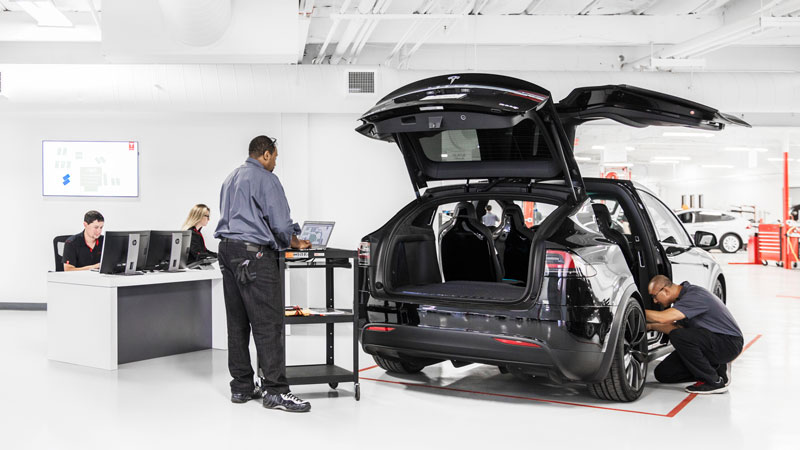
    The collaboration features prominent names like Goodyear Philippines, Tire King and Rubber Products, Power Tread Services, and Marcjan Cavite. These partners will manage VinFast service centers, ensuring that maintenance, repairs, and customer support for EVs meet global standards—something that has become a hallmark of the VinFast brand.

    Excitingly, VinFast and Goodyear plan to kick off their endeavor with the launch of 50 authorized service centers this year, while Marcjan Cavite will launch eight, and Tire King and Power Tread will each establish seven. These centers aren’t just ordinary workshops; they must adhere to stringent regulations regarding facilities, equipment, and technician qualifications. Genuine parts and exceptional service will be prioritized for VinFast vehicle owners.

    Supporting the Network Expansion

    To assist in this ambitious rollout, VinFast is committed to providing extensive support to its partners. This includes personnel training, technical consulting, and operational expertise, ensuring a smooth and rapid expansion of their service network.

    This latest initiative builds on previously signed memoranda of understanding with Philippine partners JIGA and Motech, firmly positioning VinFast to enhance after-sales services while expanding its footprint in the burgeoning EV market.

    Just shy of a year since VinFast made its debut in the Philippines, the company is already making waves with its innovative smart EV models, competitive sales strategies, and an expanding after-sales network.

    Charting a Path for Sustainable Future

    In its quest for a greener tomorrow, VinFast is dedicated to cultivating a comprehensive “For a Green Future” ecosystem in Southeast Asia. This ambitious vision focuses on developing robust charging infrastructure and service centers—an operational model that has already proven effective in Vietnam and is now being replicated in dynamic markets like the Philippines.

    For those wondering if the EV boom will take off as swiftly as a VinFast model off the assembly line, one might find it hard to resist a ride in one of their electric beauties!

    Questions & Answers

    What are the partnerships VinFast has formed in the Philippines?
    VinFast has partnered with Goodyear Philippines, Tire King and Rubber Products, Power Tread Services, and Marcjan Cavite to establish over 100 authorized service centers.

    When will the service centers be operational?
    The first wave of 50 service centers is expected to launch in 2025, with additional centers rolling out throughout the year.

    How does VinFast support its service partners?
    VinFast provides comprehensive support, including training for personnel, technical consulting, and operational expertise, to facilitate the rapid establishment of its service network.

  • Proton Launches $134,000 EV in Singapore, Boosting Brand Growth in Retail Sales

    Proton Launches $134,000 EV in Singapore, Boosting Brand Growth in Retail Sales

    Proton Makes a Charge into Singapore’s EV Market

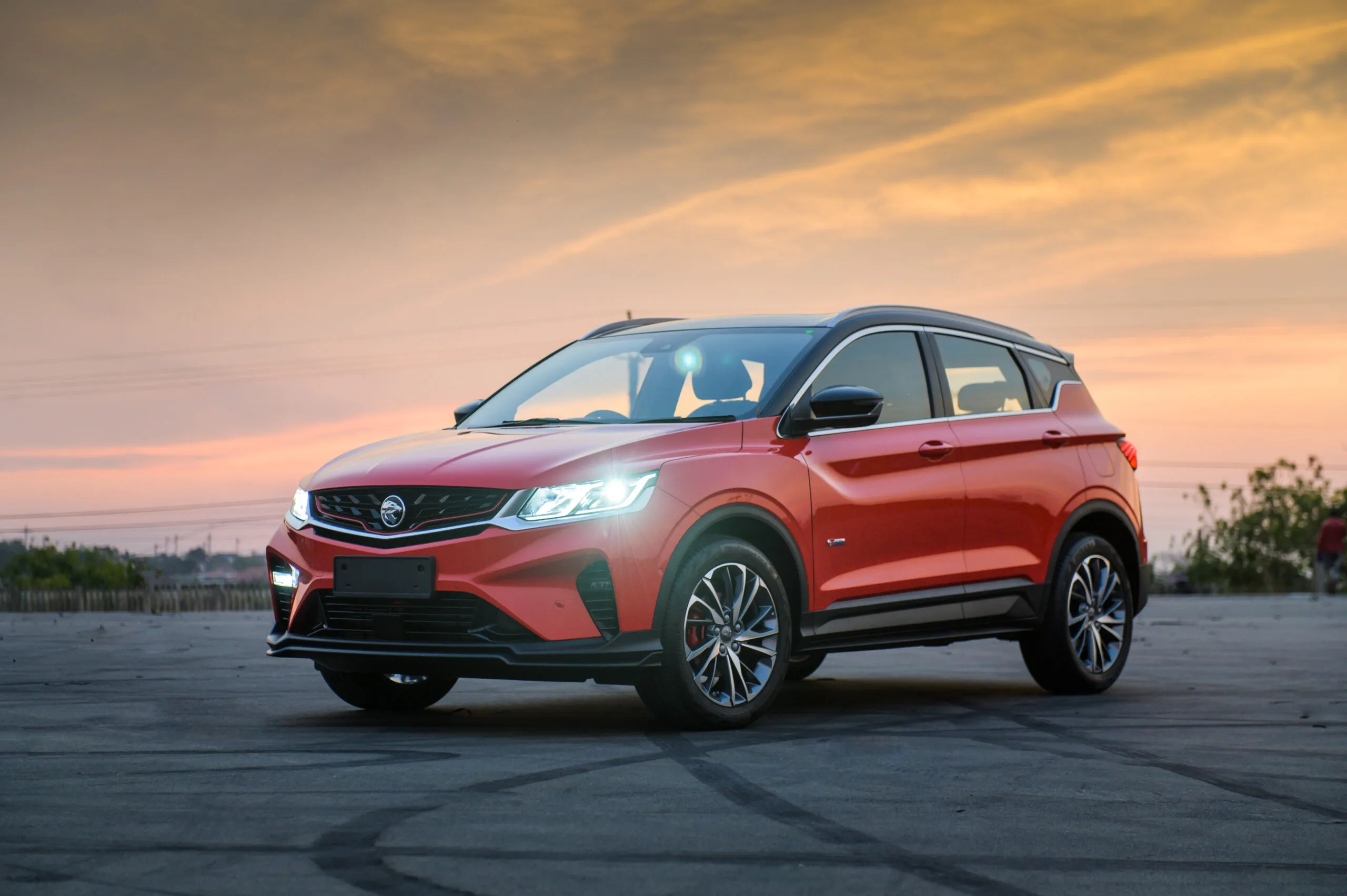
    In a strategic comeback, Malaysia’s national carmaker Proton is re-entering the Singaporean automotive scene after a decade, unveiling its first electric vehicle, the e.MAS 7. Set to start at approximately S$174,000 (around US$134,000), this move aligns perfectly with Singapore’s growing commitment to sustainable mobility.

    A Showcase of Innovation

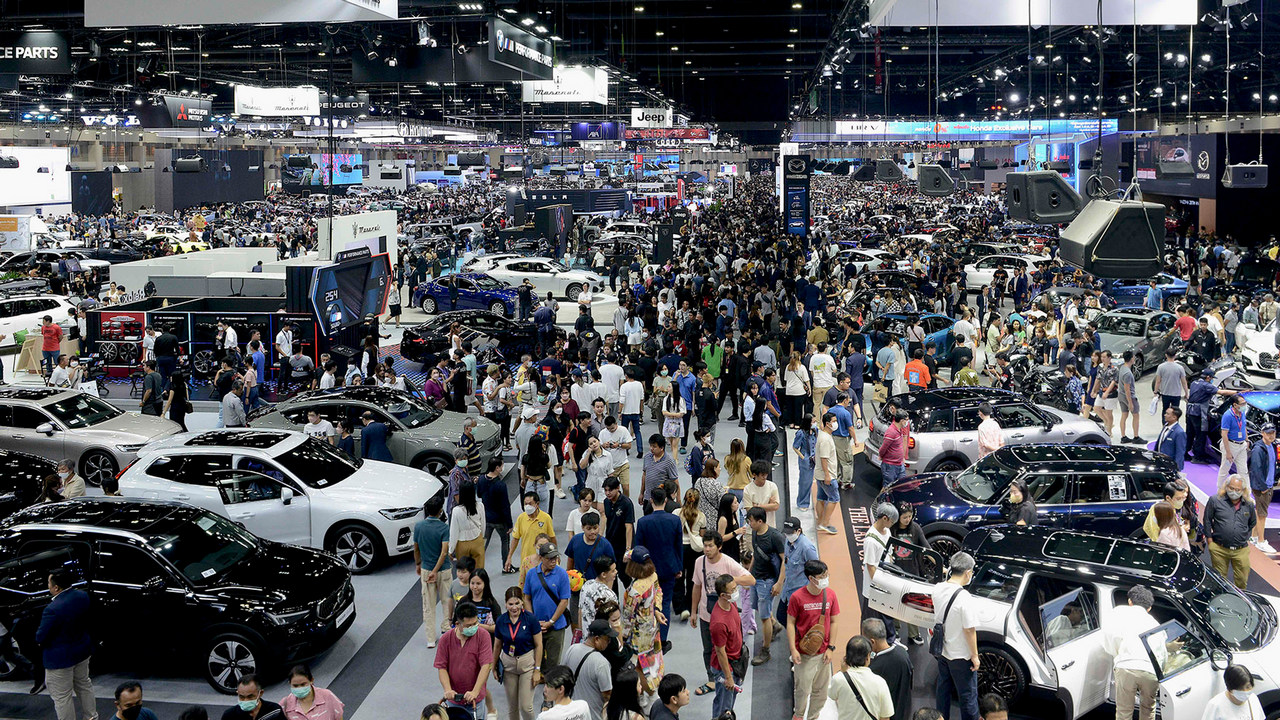
    The e.MAS 7 was introduced at The Car Expo 2025 in Singapore over the weekend, generating excitement among attendees and industry experts alike. Available in two variations—Prime and Premium—this electric vehicle features a cutting-edge 12-in-1 electric drive system paired with an advanced Aegis short blade battery, underscoring Proton’s commitment to innovation and performance.

    Proton’s return dovetails with Singapore’s ambitious plans for greener initiatives, reflecting a wider trend in consumer demand for electric vehicles. The city-state has seen a steady increase in electric vehicle adoption, with market share rising from 12% in 2022 to 18% in 2023. Projections suggest this could soar to 55% by 2027.

    A Limited Edition Launch

    As part of its reintroduction, Proton plans to release a limited Founders Edition of the e.MAS 7. Automotive enthusiasts can expect this model to be available in Singapore showrooms as early as this August, with local dealer Vincar stepping in as Proton’s official distributor. Vincar will also establish a flagship showroom in the prominent Leng Kee motor belt to enhance its presence.

    While Proton has not confirmed pricing details for Singapore, automotive news sources estimate the e.MAS 7 will start at around S$174,000. Comparatively, the model is priced starting at RM105,800 (approximately US$32,400) in Malaysia, where it has quickly risen to become the best-selling electric vehicle in the first quarter of 2025.

    A New Era for Proton

    Proton’s last engagement in Singapore dates back to 2014, prior to the company’s acquisition by Chinese automotive group Geely, which has since revitalized the brand’s product offerings. Geely’s influence extends across several platforms in Singapore, including well-known names like Lotus, Polestar, Volvo, and Zeekr.

    Proton’s resurgence not only marks a pivotal moment for the brand but also contributes to the broader evolution of the retail automobile market in Southeast Asia, where consumer trends are increasingly leaning towards sustainable options.

    Conclusion

    Proton’s entry with the e.MAS 7 not only signifies the brand’s expansion into a competitive market but also underscores a pivotal shift in consumer preferences towards electric vehicles. As adoption rates climb, this development may shape future strategies across the automotive sector.

    Questions & Answers

    1. What is Proton’s new electric vehicle model? Proton has introduced the e.MAS 7, its first electric vehicle, in its comeback to the Singapore market.

    2. How much will the e.MAS 7 cost in Singapore? The anticipated starting price for the e.MAS 7 in Singapore is around S$174,000 (US$134,000).

    3. What are the expected consumer trends for electric vehicles in Singapore? Electric vehicle adoption in Singapore is projected to grow significantly, from 18% in 2023 to an estimated 55% by 2027.

  • Mercedes-Benz Vietnam Clarifies Controversial Statement in Singer’s Car Fire Incident

    Mercedes-Benz Vietnam Clarifies Controversial Statement in Singer’s Car Fire Incident

    Luxury automaker addresses claims stemming from a controversial incident involving a customer’s vehicle

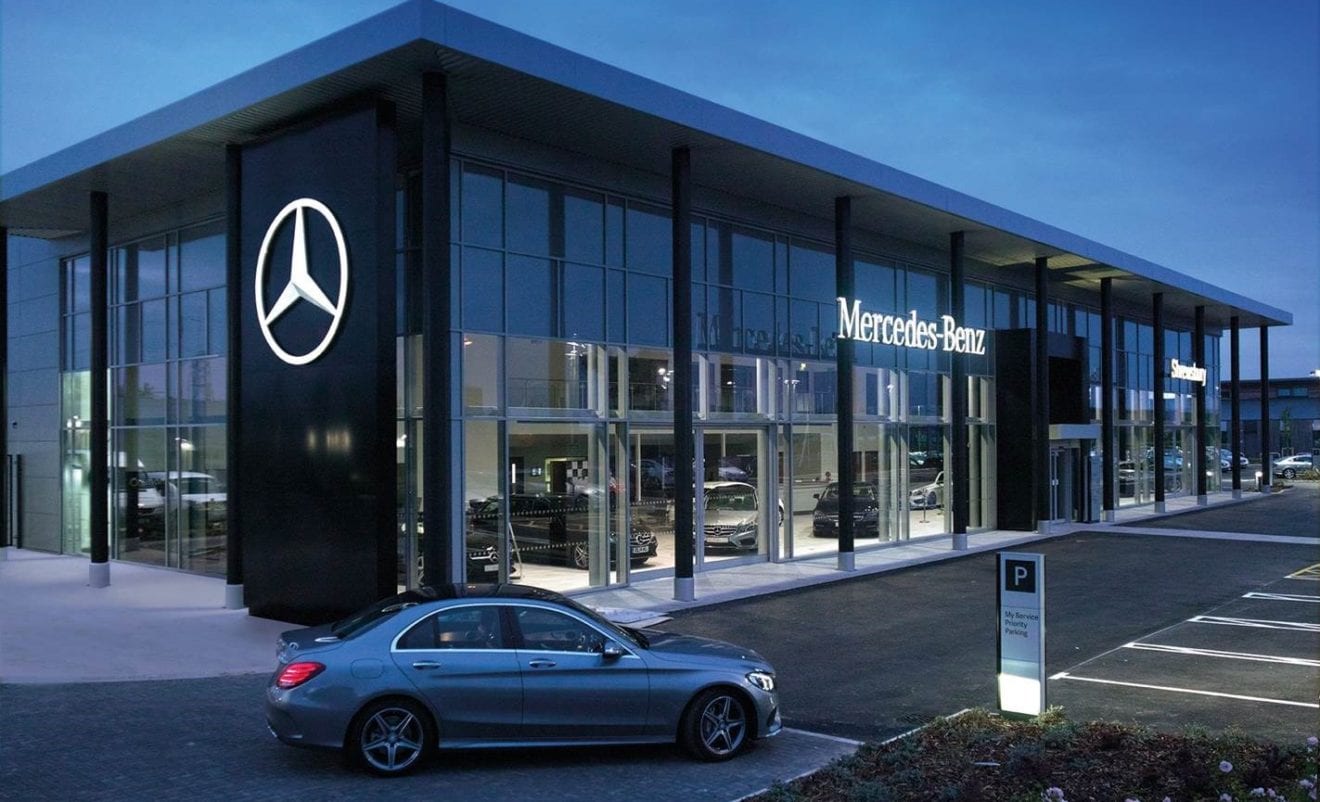
    Mercedes-Benz is taking a proactive stance in response to recent allegations concerning an incident involving a customer’s S 450 L that caught fire. The luxury brand has clarified that statements attributed to a dealership employee are not representative of its official position, amidst growing consumer scrutiny.

    Incident Overview

    The situation unfolded when Vietnamese singer Duy Manh reported that his 2020 Mercedes-Benz S 450 L, valued at over VND 5 billion (approximately US$192,570), ignited while parked at an apartment complex in 2023. At the time of the fire, the vehicle was not in operation, prompting the apartment’s security team to forcibly open the hood to extinguish the flames.

    Ultimately, the property insurance provider compensated Duy Manh to the tune of VND 2.9 billion after the incident. There has been significant media attention surrounding the cause of the fire, with initial assertions from Mercedes-Benz suggesting rodent activity was to blame.

    Clarity Amid Confusion

    While Mercedes-Benz cited evidence of rodent droppings and debris found in the vehicle, a police investigation has determined that an electrical short circuit triggered the fire. This conflicting information has led Duy Manh to question the dealership’s liability should the flames have spread to the apartment complex.

    In an exchange that escalated tensions, a dealership representative reportedly stated that “the rat” would be responsible for any broader consequences, leading Duy Manh to pursue legal action following unsuccessful mediation attempts.

    Mercedes-Benz has since emphasized that a joint inspection, which included experts both from Vietnam and abroad, indicated that the damage was not due to a technical flaw but rather attributed to rodent interference.

    Brand’s Ongoing Commitment

    As the legal proceedings continue, a spokesperson for Mercedes-Benz indicated that the company is unable to provide further comment due to the ongoing nature of the case. However, they are committed to maintaining transparency and accountability, reinforcing their dedication to consumer safety.

    Duy Manh, also known as Nguyen Duy Manh, has a notable career in Vietnam’s music scene. After graduating from the HCMC Conservatory of Music, he gained prominence in 2004 and now works across various venues, specializing in compositions as well as performances.

    The Broader Implications

    This incident raises pertinent questions about the responsibilities of luxury brands in product safety and consumer communication. As each step unfolds in this case, it serves as a crucial reminder for car manufacturers to uphold stringent quality controls while also being responsive to consumer concerns.

    Questions & Answers

    1. What sparked the controversy involving the Mercedes-Benz S 450 L? The controversy began when Duy Manh reported that his car caught fire while parked, leading to debates over the cause attributed to either rodent activity or an electrical short circuit.
    2. How did Mercedes-Benz respond to the allegations? Mercedes-Benz clarified that statements made by a dealership employee were unauthorized and that a joint inspection revealed rodent activity as the cause of the damage, not a manufacturing defect.
    3. What are the potential implications for Mercedes-Benz in the retail sector? The ongoing legal case highlights the importance of transparent communication and accountability in the luxury automotive sector, which could affect consumer trust and brand reputation moving forward.
  • Gas Prices Climb from 5-Year Low, Impacting Retail Sales

    Gas Prices Climb from 5-Year Low, Impacting Retail Sales

    Gasoline Prices in Vietnam See Modest Recovery After Five-Year Low

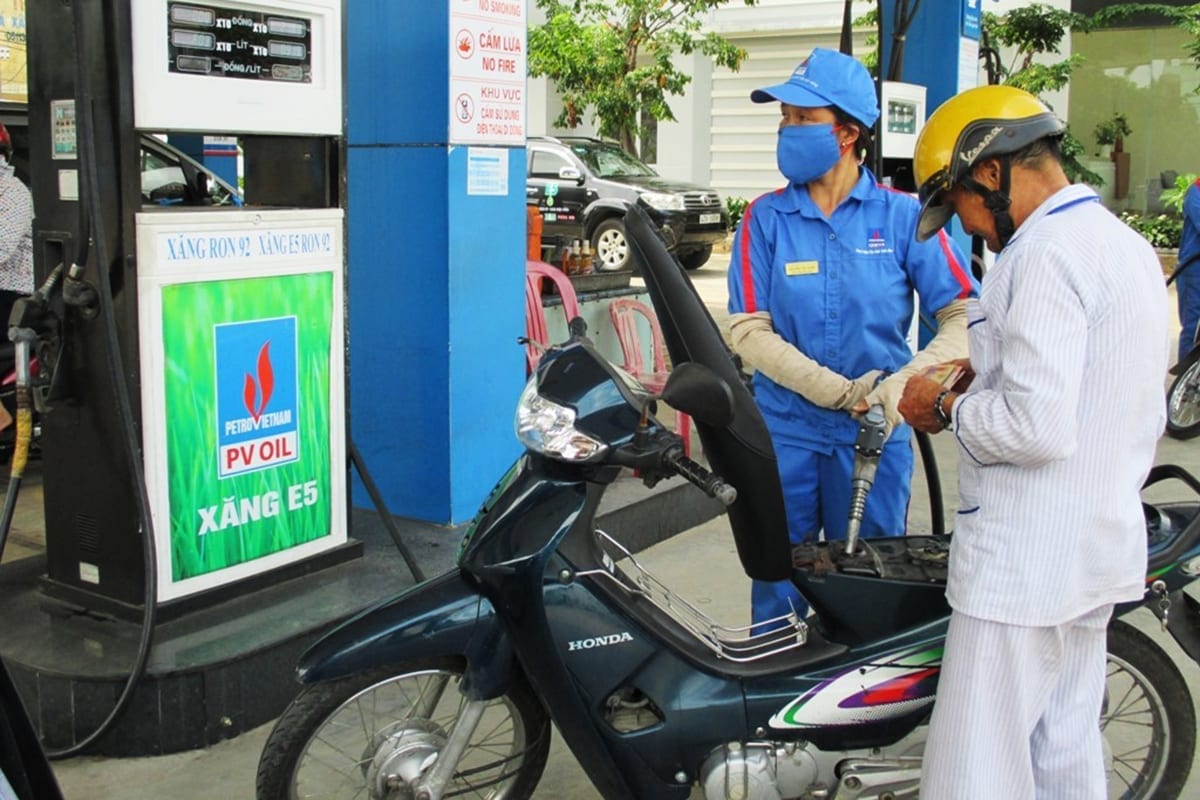
    Vietnam’s gasoline prices have marked a slight upward shift, coming off their lowest levels in five years. This change comes as various factors in the global oil market begin to stabilize and reshape consumer trends in fuel purchasing.

    Price Surge for Popular Fuels

    On Thursday afternoon, the fuel landscape in Vietnam experienced an increase:

    • RON95: Up by 4.14%, now priced at VND19,630 per liter.
    • Biofuel E5 RON92: Rose 4% to VND19,230 per liter.
    • Diesel: Increased by 2.88%, reaching VND17,520 per liter.

    These price adjustments reflect surging consumer demand and market corrections following the previous lows.

    Factors Driving the Increase

    The recent fluctuations in gasoline prices can be attributed to multiple catalysts within the global oil market. Key influences include:

    • A recent report from the U.S. Energy Information Administration indicating a rise in U.S. crude oil inventories.
    • Policy changes from the Trump administration affecting goods taxes from trading partners.
    • Anticipated increases in OPEC+ oil production shortly.

    The global benchmark prices have also seen upward movement, with RON95 surging to $77.3 per barrel, up by 5%, while diesel increased by 3% to $80.90 per barrel.

    Impact on the Retail Sector and Consumers

    The recovery in gasoline prices could have significant implications for retail, particularly in sectors relying heavily on transportation and logistics. As fuel prices stabilize, consumers might see a gradual adjustment in product pricing, influencing overall spending behaviors.

    Questions & Answers

    1. What led to the recent increase in gasoline prices in Vietnam? The increase is primarily due to a rise in global oil prices influenced by U.S. crude inventory changes and adjustments in OPEC+ production.
    2. How much have prices changed for popular fuel types in Vietnam? RON95 rose 4.14% to VND19,630, Biofuel E5 RON92 increased 4% to VND19,230, and diesel saw a 2.88% increase to VND17,520.
    3. What might be the impact of rising gasoline prices on consumers and the retail sector Rising gasoline prices could lead to higher transportation costs, potentially resulting in increased prices for consumer goods and altering spending patterns in the retail sector.
  • Volvo ES90 Electric Sedan Unveiled

    Volvo ES90 Electric Sedan Unveiled

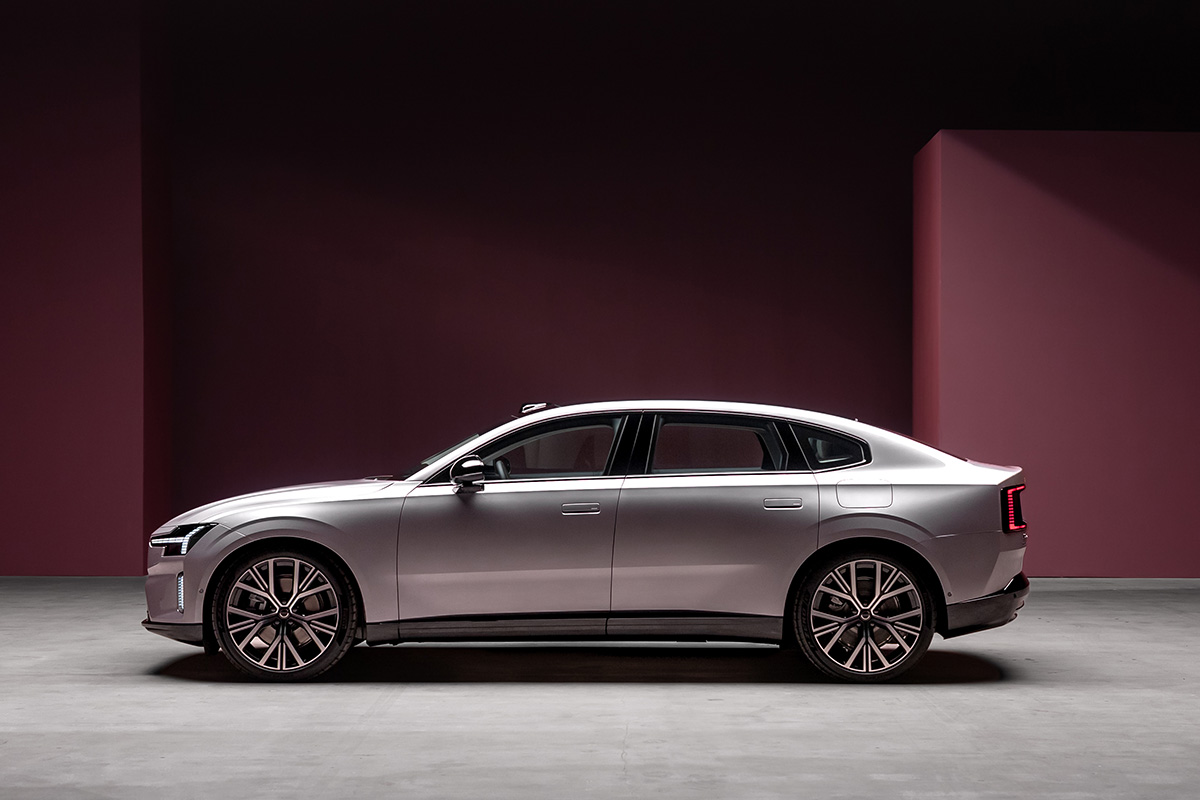
    Volvo has unveiled its first all-electric sedan, the ES90 for the global market. Built on the carmaker’s SPA2 platform, the ES90 is the sixth all-electric model in Volvo’s portfolio after the EX90, EM90, EX40, EC40 and EX30. The carmaker has stated that the ES90 will initially go on sale in European markets in the coming months with other markets to follow.

    Visually, the ES90’s design is in line with the rest of Volvo’s EV lineup, borrowing many elements. The front end of the EV gets headlamps that are similar to the likes of the EX30 with Volvo’s signature ‘Thor’s Hammer’ LED daytime running lamps. Below the headlamp clusters sit vertical fog lamps on both ends, with a rectangular air dam in between.

    In profile, the ES90 sports a prominent shoulder line, with creases around the wheel arches and towards the lower half of the doors. Being a liftback, the ES90 has a short rear overhang while the roofline flows into the short rear deck. The rear end of the ES90 gets C-shaped tail lamps, similar to the units on previous Volvo sedans. The boot space of the EV amounts to 424 litres, and the EV also gets a 22-litre frunk.

    On the inside, the interior layout of the EV is largely similar to that of the EX30 and EX90 and is headlined by a large 14.5-inch portrait-oriented central infotainment touchscreen. The infotainment system gets Google built-in, which includes services such as Google Maps, Google Assistant and more apps on Google Play. The cabin also has ambient lighting, with six themes, and gets a panoramic glass roof. Buyers can also option an electrochromic glass roof where you can adjust the transparency of the glass. The ES90 can also be had with a 25-speaker Bowers & Wilkins sound system.

    The ES90 is offered with three powertrain options – single-motor (338 bhp, 480 Nm), twin-motor (455 bhp, 670 Nm), and twin-motor Performance (690 bhp, 870 Nm). While top speed is identical across all three variants (180 kmph), 0 to 100 kmph times are 6.9 seconds (single-motor), 5 seconds (twin-motor), and 4 seconds (twin-motor performance) respectively.

    The single-motor variant of the sedan will feature a 92 kWh battery pack that delivers a range of up to 650 km. The twin-motor variants of the ES90, on the other hand,  will come equipped with a 106 kWh battery pack and have a WLTP figure of up to 700 km. Volvo says that the new sedan will be its fastest-charging EV to date with the 800V electrical architecture allowing for DC fast charging at rates of up to 350 kW – up from the EX90’s 250 kW. The company says this will allow users to juice up the battery from 10-80 per cent in as little as 20 minutes, up to 30 per cent faster than all other Volvo EVs currently on sale.

  • Fuel prices drop

    Fuel prices drop

    Gasoline and diesel prices in Vietnam mostly fell Thursday afternoon.

    The popular gasoline RON95 was priced at VND20,920, down 0.38% from seven days ago.

    E5 RON92 gained 0.25% to VND20,440. Diesel fell 0.99% to VND19,050.

    Regulators said that fuel prices in the last seven days were affected by increasing U.S. crude oil reserve, President Donald Trump’s halt on slapping tax on imports from Mexico, and concerns of a new trade war between the U.S. and China.

    Analysts have said that China’s retaliation with high tariffs on U.S. oil and gas products will divert the U.S. exports to other countries.

    In another development, the U.S. President declared “maximum pressure” on Iran. In response, the Iranian President also called on members of the Organization of the Petroleum Exporting Countries (OPEC) to unite against possible U.S. sanctions.

    Analysts expressed concern that if this sanction is reinstated, supply could be disrupted, pushing oil prices up.

    In the last seven days RON95 dropped 0.7% while oils fell 0.5-1.6%. RON95 is now at $86.2 per barrel and diesel $91.8.

  • Thailand’s car production in 2024 drops to four-year low

    Thailand’s car production in 2024 dropped 20% from the previous year to a four-year low, owing to weaker domestic sales and exports, the Federation of Thai Industries (FTI) said.

    Car output dropped to 1.47 million units from 1.83 million in 2023. Production on a year-on-year basis contracted for the 17th successive month in December, falling 17.4% to 104,878 units, according to the FTI.

    Domestic sales fell 26.2% to the lowest level in 15 years, at 572,675 units, due to weaker demand as banks have tightened auto loan rules amid high household debt, said Surapong Paisitpattanapong, spokesperson for the FTI’s automotive industry club.

    Car exports last year fell 8.8% to 1 million units, due to geopolitical issues, competition from EVs and strict carbon emission measures in several countries, he added.

    This year, car production is projected at 1.5 million units, of which 1 million will be for export and the rest for the local market. The improvement will be supported by higher production of electric vehicles required under a state incentives scheme, and an expected rise in sales following government stimulus measures.

    Thailand is Southeast Asia’s biggest auto production center and an export base for some of the world’s top carmakers, including Toyota and Honda.

    Earlier this month, a luxury car importer reported that domestic sales of luxury cars in Thailand were estimated at 30,000 in 2024, down 25% from 40,000 the year before, as prospective buyers have been unable to avoid the impact of the sluggish economy.

  • Czech’s top automaker Skoda to complete Vietnam factory this quarter

    Czech’s top automaker Skoda to complete Vietnam factory this quarter

    Czech’s biggest automaker Skoda is set to complete its $500 million factory in northern Vietnam, its first in Southeast Asia, by the end of March.

    The company plans to launch two locally assembled models this year after the completion of the plant, which it develops with Thanh Cong – a local distributor of Hyundai cars, according to the Vietnam Government Portal.

    The plant, located in the northern province of Quang Ninh, has a capacity of 120,000 vehicles a year.

    Its chairman Klaus Zellmer told Prime Minister Pham Minh Chinh Sunday that the Vietnam factory is an important milestone in the company’s expansion strategy in Southeast Asia.

    The PM requested the company to accelerate its research and development of electric vehicles in the country and increase its localization rates as part of a technology transfer effort.

    He said that the Vietnamese government would offer incentives to investors who meet requirements related to technology transfer, increasing scientific and technological content, and helping Vietnamese businesses participate deeper the supply chain.

    Skoda chairman Klaus Zellmer affirmed the company’s commitment to long-term investment in Vietnam.

    He promised to pump up the current localization rate of 40%.

    He considers Vietnam a strategic gateway to access the rest of the Southeast Asian market. The country has potential to become a production and export hub for Skoda vehicles to other countries.

    He expressed hope that the Vietnamese government would continue to support and provide favorable policies for businesses.

    Skoda said earlier that it saw the region’s potential when it started exporting completely-built units to Vietnam in 2023.

    “We realized Skoda has a future in Vietnam and Asia,” chief marketing officer Vu Manh Cuong said previously in an interview.

    He added: “It takes time to show [cars] to the customer, for people to try the product, feel it out.”