Tag: car

  • General Motors Cuts Some 350 Jobs In Thailand Operations

    General Motors Cuts Some 350 Jobs In Thailand Operations

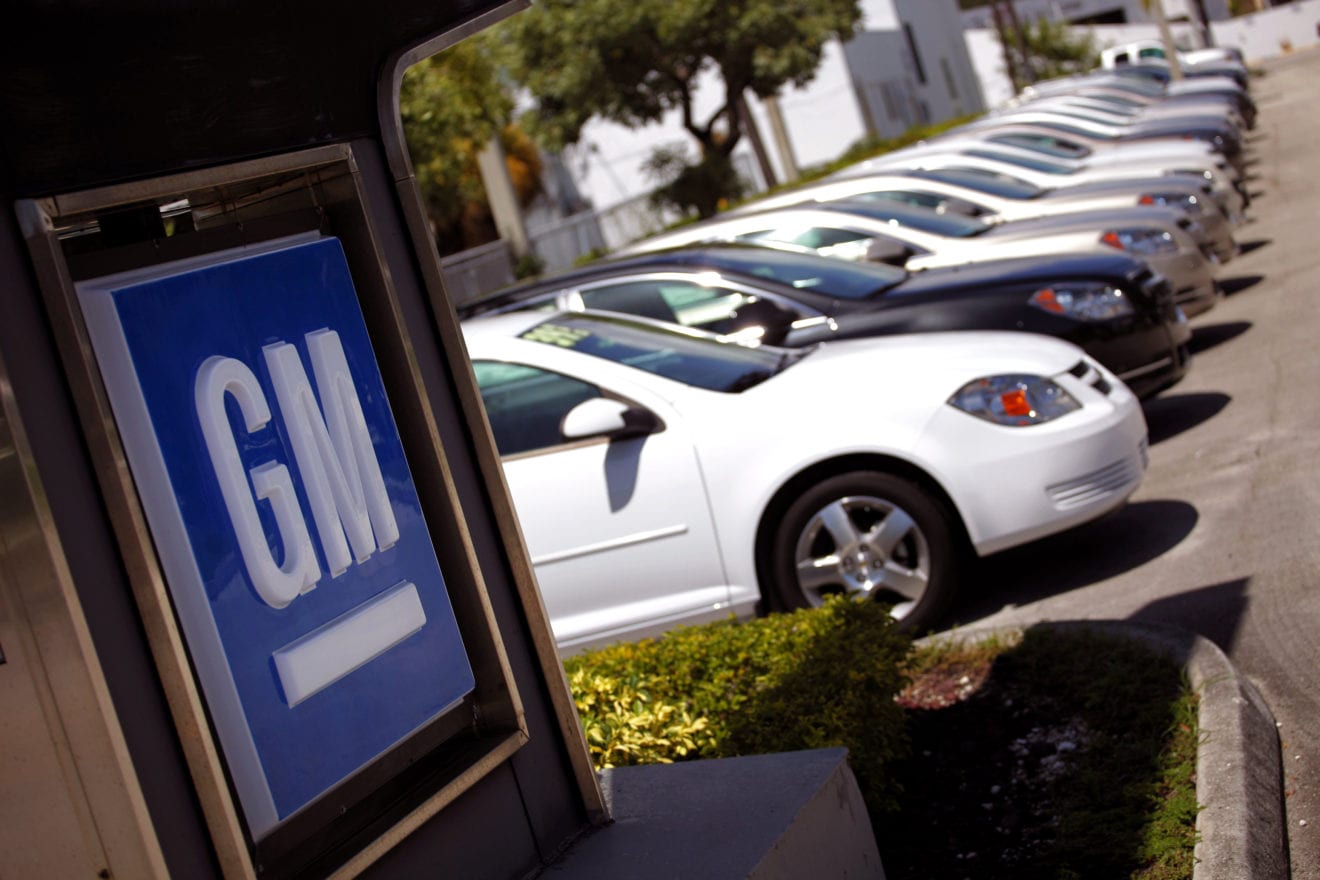
    General Motors has cut about 350 jobs from its Thai subsidiary’s operations, a labor representative said on Friday, slashing more than 15% of the workforce for the U.S. automaker that has two factories in Thailand.

    Thailand is a major manufacturing hub in the competitive Southeast Asian auto market.

    Boonyeun Sookmai, coordinator for Labor Relations Group for Eastern Thailand, told Reuters more than 350 employees and contractors at General Motors (Thailand) were affected by the cuts, which employees and contractors were told about this week.

    GM did not confirm the number of layoffs but said in a statement it was “necessary to right-size” its operations.

    “We are taking every measure to support employees whose roles are impacted,” the statement said.

    It added: “There is no change to our ongoing business in Thailand – we continue to build and sell world-class trucks, SUVs and engines for Thailand and the world.”

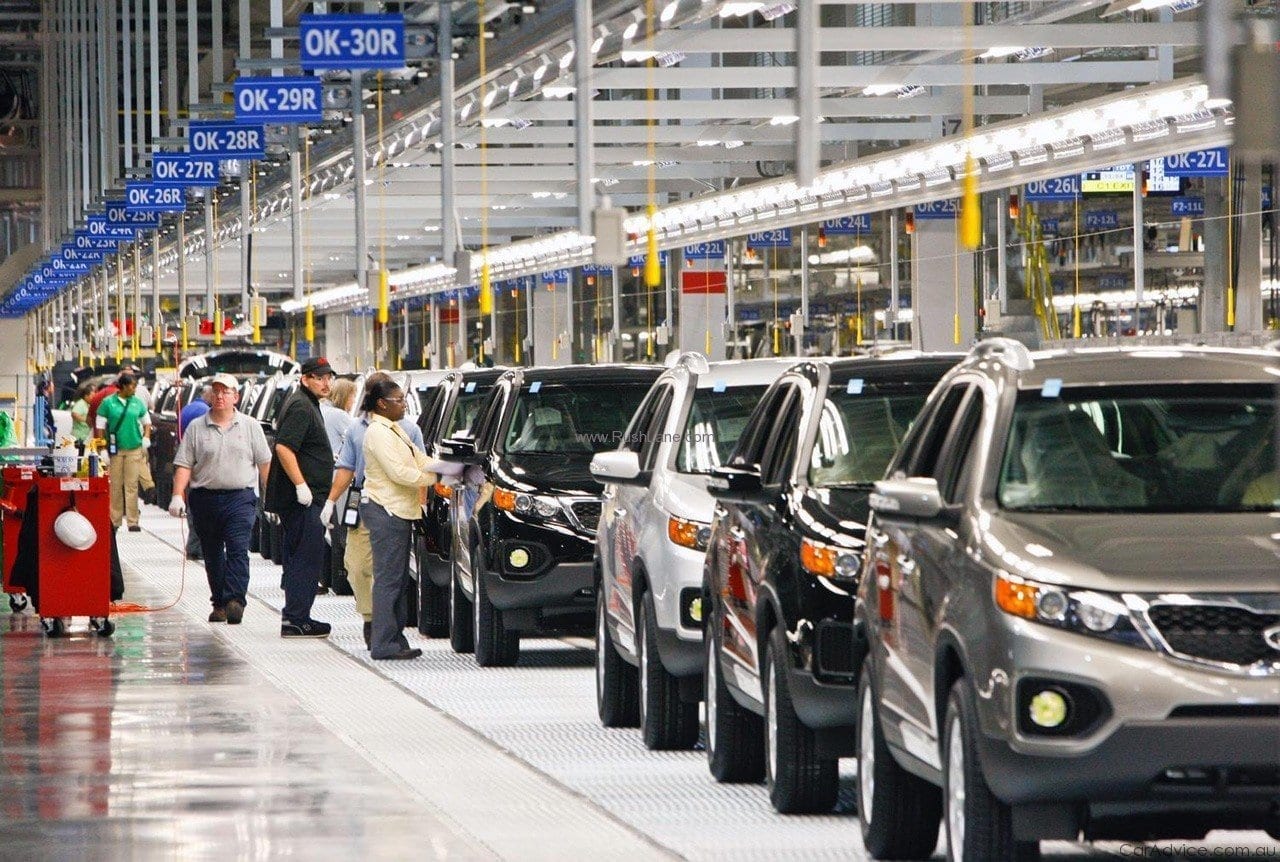
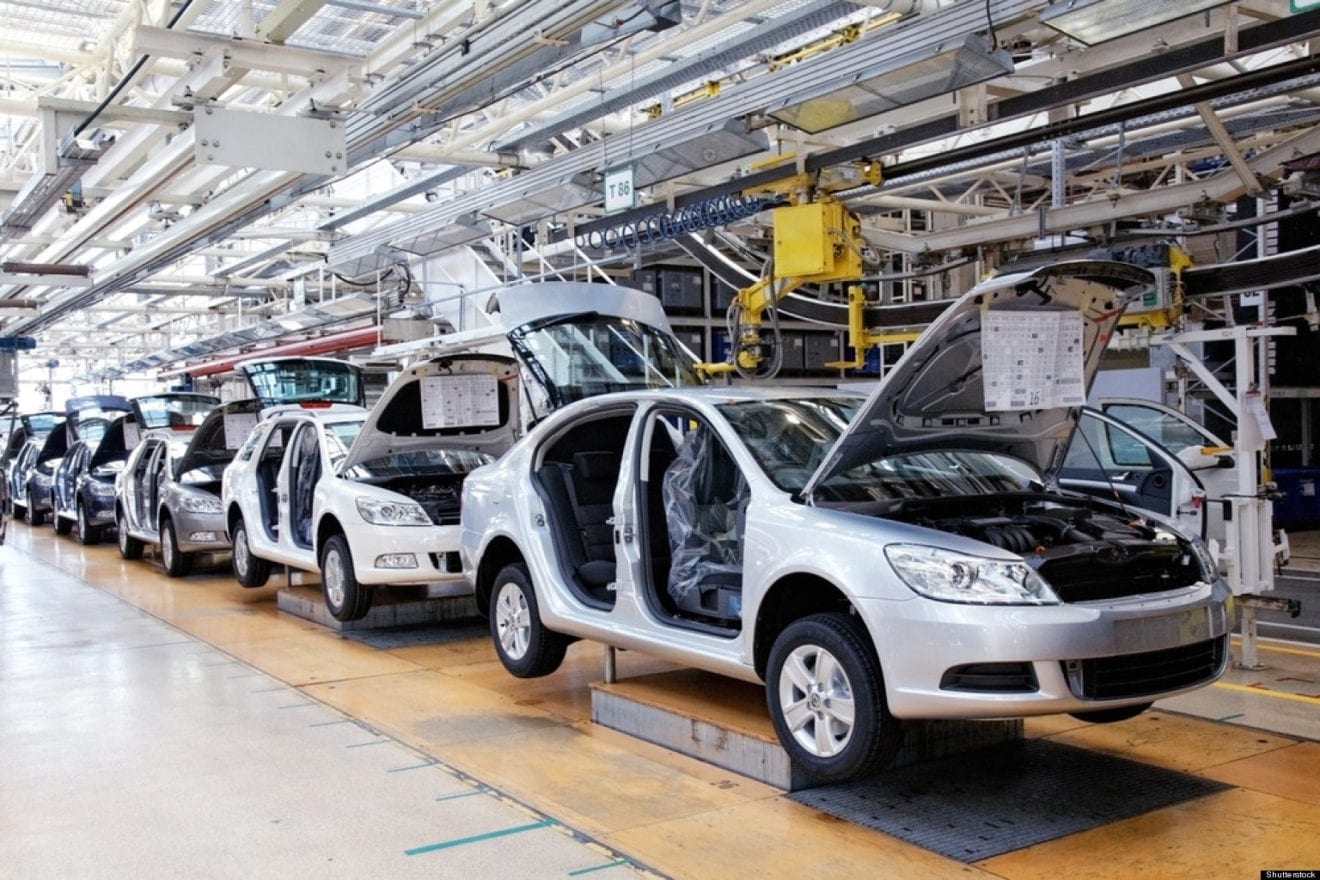
    The company has about 1,900 employees in Thailand, according to the Bangkok Post, in operations that include a vehicle assembly plant that produces 180,000 units per year.

    Thailand is a regional vehicle production and export base for the world’s top vehicle manufacturers, including Toyota, Honda and Harley-Davidson.

    The auto industry accounts for about 10% of the Thai economy and has been one of a few growth drivers at a time of falling exports.

    Previously booming domestic auto sales have cooled in Thailand with finance firms using stricter lending criteria. Thai domestic car sales contracted in July for a second straight month, down 1.1% from a year earlier.

    GM has two plants in Rayong, a province on Thailand’s eastern seaboard, for vehicle assembly and another for powertrain and engines. Its vehicle assembly plant began operations in 2000 and the latter in 2011.

    The plants in Thailand produces vehicles for the domestic market and export under the Chevrolet and Holden nameplates.
  • Maruti Suzuki Expands Its Arena Retail Channel To 450 Showrooms Across India

    Maruti Suzuki Expands Its Arena Retail Channel To 450 Showrooms Across India

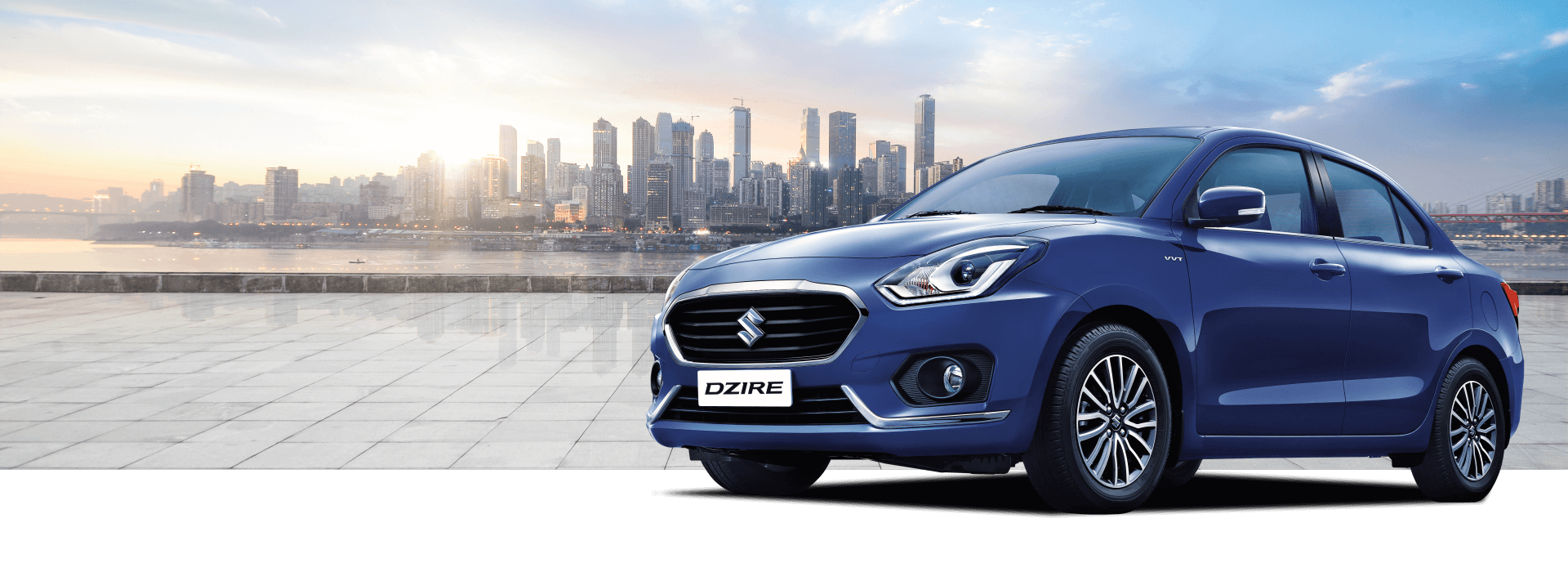
    Maruti Suzuki started transforming its dealerships to a more modern and digitally integrated Arena Experience Centres back in 2017. Within two years the company has expanded to a total of 450 Arena showrooms across 323 cities in India. Maruti decided to go premium with separate Nexa dealerships for models like the Baleno, S-Cross, Ignis and the Ciaz, which helped it position the brand as an upmarket carmaker, but there was a concern that required to be addressed. Following the digitalization trend and upgrading its showrooms to suit the liking of new-age customers, the rationale behind Arena was also to make sure that its existing and small car customers don’t feel left out.

    Speaking on the new milestone, Shashank Srivastava, Executive Director (Marketing & Sales), Maruti Suzuki India said, “We launched Maruti Suzuki Arena with a strategy to transform our network and meet the expectations of offering an evolved car buying experience to the young, dynamic and contemporary Indian customers. The two-year milestone is a marquee statement to showcase our commitment towards customer satisfaction. We are delighted to celebrate over 450 Arena showrooms and we look forward to offering experiences with revolutionary design and innovative technology that are at par with global benchmarks.”

    Arena showrooms are equipped with touchscreens to give every detail to the customers before they approach towards the car to get hands on experience. Specifications, features, color options, EMI options, Accessories, etc information are available on the touchscreen panel and customers even get the option of online and offline purchase. Maruti Suzuki is also integrating iCreate configurator in Arena dealerships to offer a 360-degree view of the car. Maruti Suzuki claims that users are also active on the Arena website and it has around 4.74 million visitors every month.

  • More Jobs In Auto Lost, Toyota And Hyundai Cut Production

    More Jobs In Auto Lost, Toyota And Hyundai Cut Production

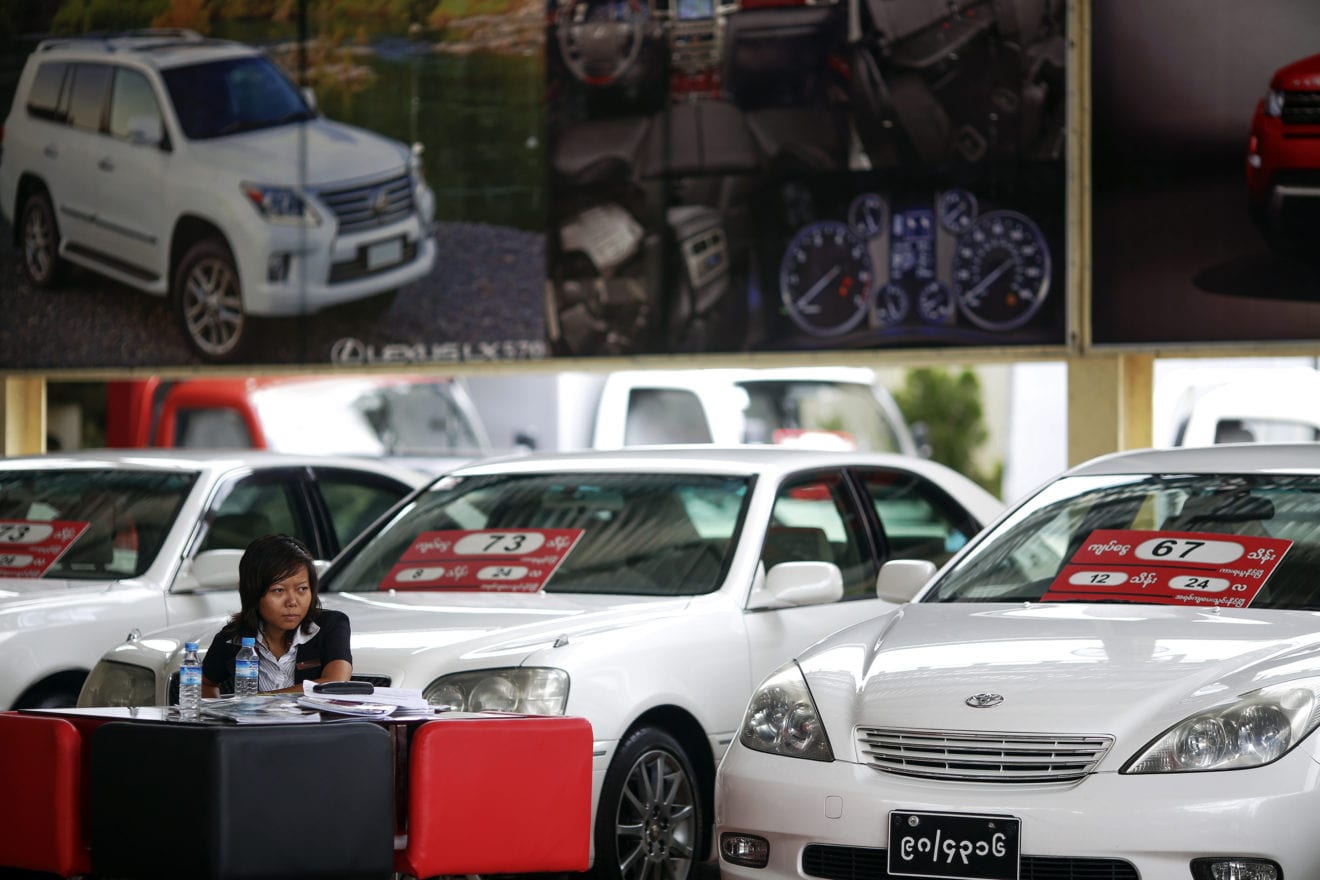
    With India’s auto sales declining for the ninth straight month in July, more automotive manufacturers are laying off workers and temporarily halting production to keep costs in check, according to sources and documents seen by Reuters.

    Japanese carmaker Toyota Motor and South Korea’s Hyundai Motor are the latest in a string of companies to briefly halt some parts of production at plants to combat slumping sales, according to company memos to employees, reviewed by Reuters.Passenger vehicle sales in July fell at the fastest pace in nearly two decades.

    The sales declines have triggered major job cuts in India’s auto sector, with many companies forced to shut down factories for days and axe shifts.

    Sources have told Reuters that even more companies have now begun to lay off temporary workers as the slowdown worsens.

    Denso Corp’s India unit, which makes powertrain and air-conditioning systems for cars, has cut some temporary workers at its Manesar plant in north India, four sources familiar with the matter told Reuters.

    A spokeswoman for Denso said the information was incorrect and declined to elaborate further.

    In a separate email, another company official disputed that the firm employed temporary workers at its Manesar plant.

    Bellsonica, which is part-owned by India’s biggest carmaker Maruti Suzuki and makes auto framework parts, has also let more than 350 workers go in Manesar, two sources said.In an email, Bellsonica said the workers that had been let go were temporary workers, and most had been let go earlier in the year.Reuters earlier this month reported automakers, component manufacturers and dealers had already cut 350,000 jobs

    In a meeting with India’s finance ministry on Aug 7, industry executives asked for tax cuts, and easier access to finance for dealers and buyers, in an effort to revive sales.Toyota, in a notice dated Aug 13, told its workers the company would halt production at its plants in Bengaluru in southern India on Aug 16 and 17 “due to low market demand of vehicles” and high stock of about 7,000 vehicles. N Raja, deputy managing director, at Toyota’s India unit, told Reuters that while the company had a flexible production system it had to resort to five no-production days in August to prevent the build up of stock.”The industry is deeply concerned with the reality of poor customer sentiment faced by the sector,” said Raja, adding he hoped the government would step in to support the industry

    Hyundai, in a memo on Aug 9, also said it would halt production for several days in August across various departments including the body shop and paint shop as well as its engine and transmission plants. A Hyundai Motor India spokesman said the company expected sales to pick up in the festive season starting next month and added that the company had not laid off any workers.

  • Volvo XC90 To Come In A 3-Seater Excellence Trim In India

    Volvo XC90 To Come In A 3-Seater Excellence Trim In India

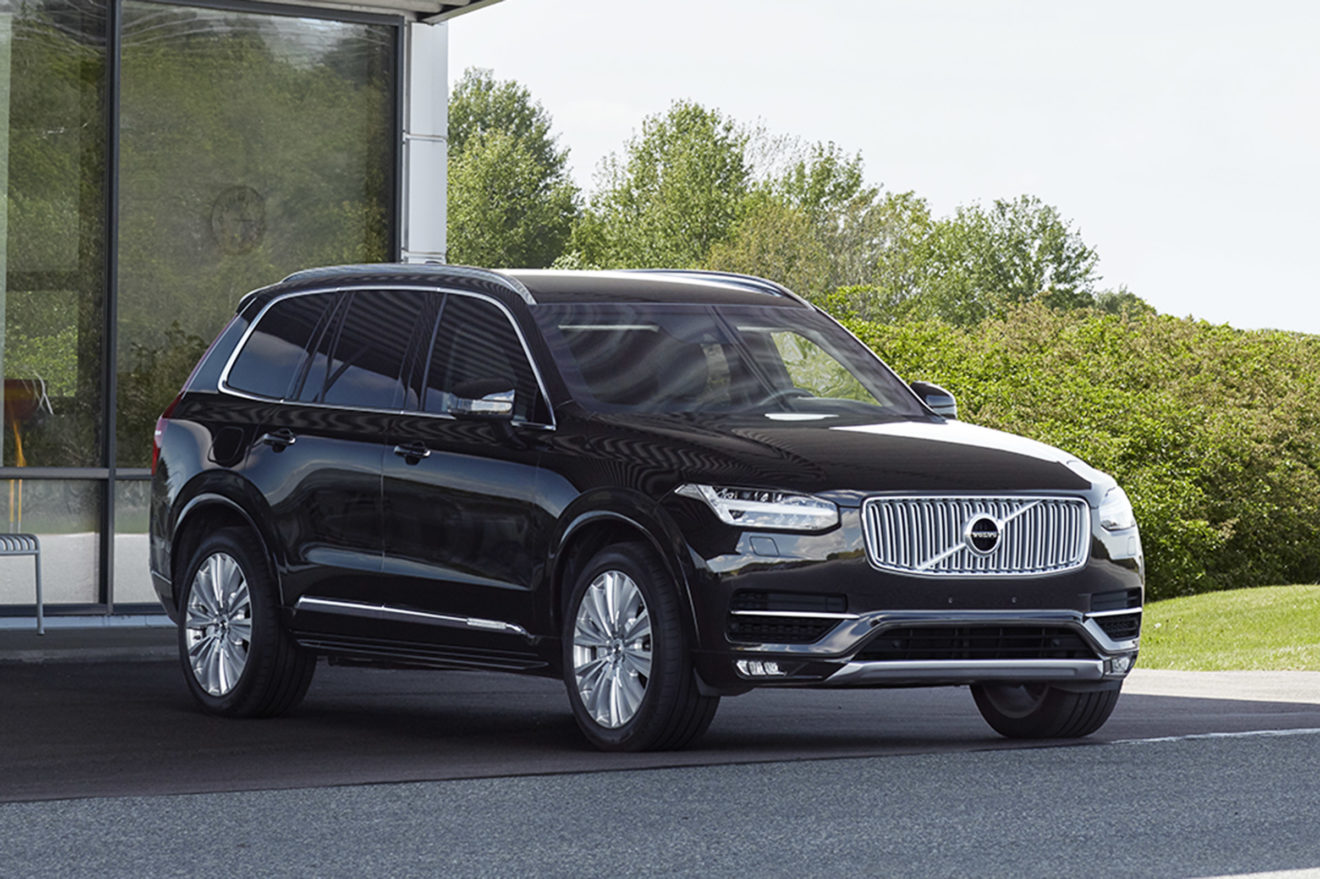
    Volvo Auto India is all set to launch the XC90 Excellence variant in India on September 3, 2019. The Excellence option is only on offer in select markets and India gets to be one of them. The regular XC90 Inscription trim cabin is already pretty upscale, but the Excellence adds to that. So there’s a lot more on offer and yes, you’re quite literally in the lap of luxury. To begin with the XC90 Excellence comes with individual seats at the rear and this makes it a 3-seater which means there’s a lot of space for anyone sitting at the rear. The seats can be reclined and adjusted electrically. There’s a lot provided at the rear to pamper the passengers and this includes features like a massage function – which along with the rest of the seat functions (including ventilated cooling and seat heating) can be operated using a pop-up touchscreen that sits between the two seats.

    Volvo also provides tray tables that can be folded out of the central armrest. The armrest also has a storage bin housed below it which contains charging and USB points. Between the seats is the in-car refrigerator where you can store and cool any beverage of your choice. The Excellence comes with its own exclusive set of crystal glasses and special champagne flute holders, that can be housed inside the fridge to keep them cool. Now, that’s taking exclusivity to a whole new level. There is a holder between the seats to stick the specially designed flutes too.

    Now with all these features at your disposal, you certainly want a bit of peace and quiet so what Volvo has done is put a glass partition between the cabin and the cargo area to make sure that the cabin is quiet and of course cooler. The cabin will be finished in two colors – black or beige. All these luxurious features will certainly cost you. Currently, the XC90 lineup starts at around ₹ 80 lakh and goes up to ₹ 1.31 crore, we expect the XC90 Excellence to be priced at ₹ 1.3 crore.

  • Volkswagen Polo & Vento Facelifts To Be Launched Next Month

    Volkswagen Polo & Vento Facelifts To Be Launched Next Month

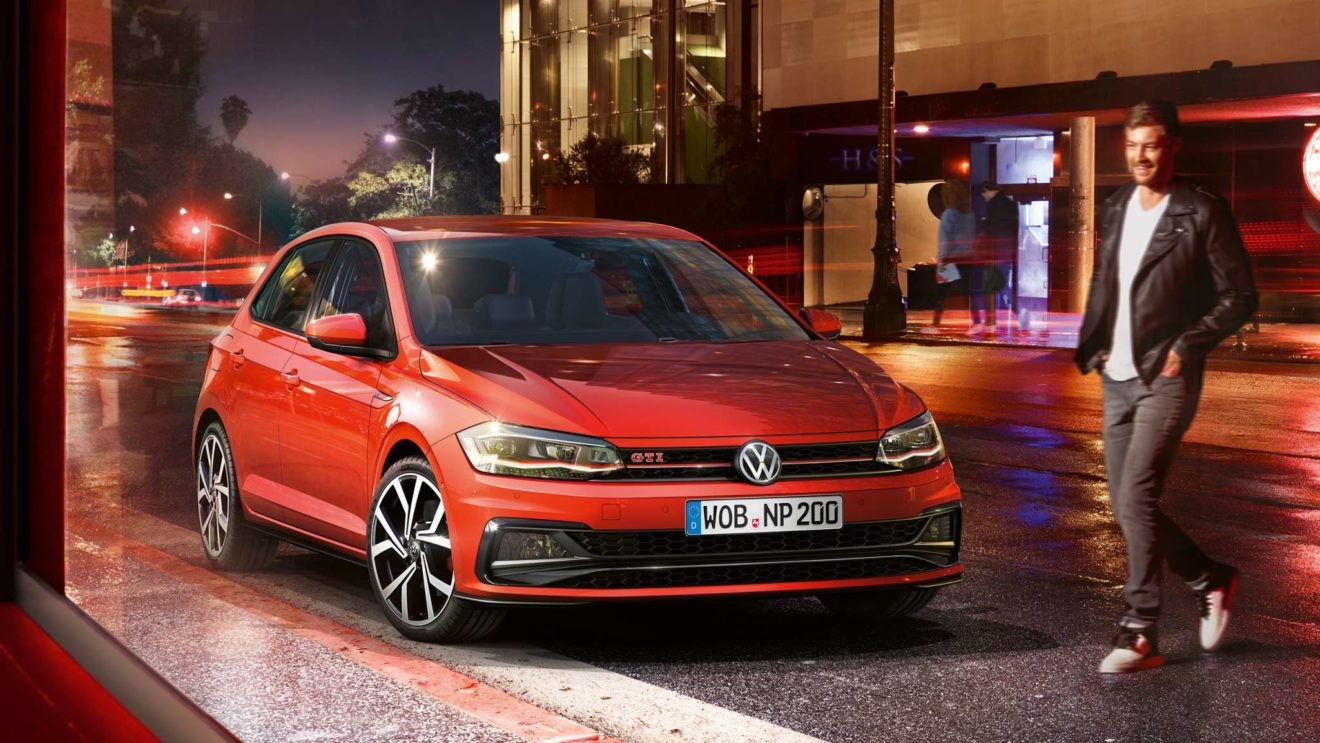
    Volkswagen India will be introducing the facelifted versions of the Polo and the Vento models on September 4, 2019. VW’s most popular models in the country are set to get subtle cosmetic changes for the new model year along with feature upgrades. The updated cars were spotted testing earlier this year too, and the changes will keep the model fresh, with the next generation Polo and Vento for India still some time away from launch. We recently told you that the new generation Polo for India will be based on the MQB A0 platform, which will also spawn the new Vento.

    Based on what we’ve seen on the previous spy shots, the Volkswagen Polo and Vento facelifts will sport a revised front that includes changes to the grille that takes inspiration from the GTI models, while the front and rear bumper have been tweaked as part of the update. The silhouette on both cars remains unchanged. The updated versions will also get new alloy wheels finished in grey. In addition, the Volkswagen Polo and Vento facelifts will get a number of mandatory features as standard including front seatbelt reminders, rear parking sensors, and speed alert system. Dual airbags and ABS are already standard across all variants. It needs to be seen if the infotainment system gets any changes on the cars.

    0Comments

    The Volkswagen Polo completed 10 years in India this year and has largely remained the same barring the cosmetic upgrades and feature additions from time to time. The Vento too has gone through a similar process during its life in the country. With Skoda in charge of the VW Group in India, the company’s focus is on bringing the new range of SUVs first as part of the Volkswagen 2.0 plan, which will be followed by the new Polo and Vento that are likely to arrive by 2021. We do expect to hear a few official announcements at the Auto Expo next year.

  • Honda Develops New Front Airbag Technology

    Honda Develops New Front Airbag Technology

    The development and testing of the new airbag was led by engineers at Honda R&D Americas, Inc. in Ohio in partnership with Autoliv

    Jim Keller, President of Honda R&D Americas, Inc, said, “This new airbag technology represents Honda’s continuing effort to advance safety performance in a wider variety of crash scenarios and reflects the innovative thinking that our engineers are bringing to the challenge of reducing traffic injuries and fatalities.”

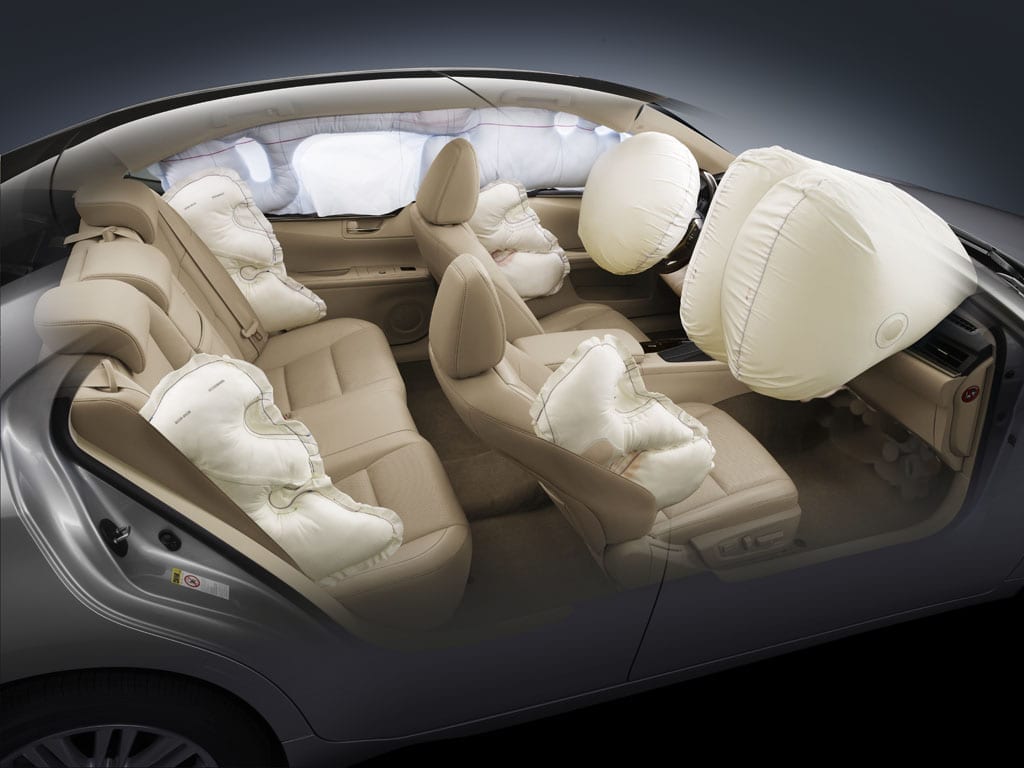
    Unlike conventional airbag systems that rely on a single inflatable compartment, the new system utilises four major components: three inflated compartments – a center chamber and two outward-projecting side chambers that create a wide base across the dash – along with a sail panel that stretches between the two side chambers at their outermost edge. Operating something like a baseball catcher’s mitt, the sail panel catches and decelerates the occupant’s head while also engaging the side chambers, pulling them inward to cradle and protect the head, mitigating the potential for injury.

    It is particularly beneficial in angled frontal impacts in which lateral collision forces can cause an occupant’s head

    Honda also is working to develop and deploy advanced passive safety and active safety systems that can reduce the severity of a collision or help avoid it entirely. In addition to passive safety systems such as airbags, seatbelts and advanced crash safety structures like the company’s Advanced Compatibility Engineering (ACE) body structure, Honda is aggressively deploying its Honda Sensing and AcuraWatch suites of safety and driver-assistive systems. The company has committed to making this broad suite of technologies standard on nearly all of its vehicles by 2022.

  • China’s Car Wreckage Cries Out For Consolidation

    China’s Car Wreckage Cries Out For Consolidation

    Chinese carmakers are involved in a slow-motion wreck. Falling sales hit Geely Automobile Holdings and Great Wall Motor harder in the first half than rivals partnered with foreign marques. Both companies have started seeking JVs, too. A better route to recovery would be industry consolidation, and soon.

    Domestic manufacturers are getting crunched from every direction. The withdrawal of government incentives last year caused customers to accelerate their purchases. Geely, whose parent company owns Volvo, blamed new emissions standards for its aggressive price cuts, and by extension a 40% fall in profit through the end of June. The bottom line at $9 billion SUV maker Great Wall shrank 60% for similar reasons. Beijing is also now slashing subsidies for electric vehicles, putting even more pressure on margins.

    Some sympathy might be expected from the central government, which considers autos a “pillar” industry. Yet Beijing is also aware the country has far too many car companies, and that too many of them rely too heavily on shared revenue from overseas JVs, which has crippled their export competitiveness. Sales of BMW models, for example, made up 90% of revenue at $5 billion Brilliance China Automotive, whose profit fell just 9% in the first half; Guangzhou-based GAC relies on its relationship with Toyota to compensate for slackening demand for its unfortunately named Trumpchi sedan.

    Local manufacturers are losing market share at home. It was down to 36% in July, after they ceded 3.9 percentage points from a year earlier. Even Geely and Great Wall, which had found some market traction for their own models, have started flirting with overseas rivals. The better ones, however, are mostly taken.

    Domestic mergers make more sense. Geely and Great Wall are up against mordant state-backed giants such as FAW, along with dozens of smaller rivals and hundreds of EV startups. Local officials stubbornly prop up weak manufacturers to preserve employment, which keeps them running but weak. The long-expected combination of FAW with Dongfeng and Changan, for example, has yet to happen. It’s time to start revving up these sorts of deals.

  • Porsche Invests In Israeli Road Visibility Startup TriEye

    Porsche Invests In Israeli Road Visibility Startup TriEye

    Israel’s TriEye, whose short-wave-infra-red sensing technology enables vision in adverse weather and night-time conditions, has expanded its funding round to $19 million with an investment from German sports car manufacturer Porsche. TriEye said on Wednesday the additional funds will be used for product development and operations as well as team growth.

    In May, TriEye announced early funding round, led by Intel Capital. Other investors in the round include Israeli businessman Marius Nacht and TriEye’s existing investor Grove Ventures. To date, TriEye has raised $22 million, including a seed investment of $3 million led by Grove Ventures in 2017.The company said its camera, whose initial samples are due to launch in 2020, is designed to save lives on the roads.

    Porsche Ventures said it seeks strategic investments in businesses relating to customer experience, mobility and digital lifestyle, as well as artificial intelligence, blockchain and virtual and augmented reality.

  • MG Motor Introduces Waiting Period Benefits For Its Existing Customers

    MG Motor Introduces Waiting Period Benefits For Its Existing Customers

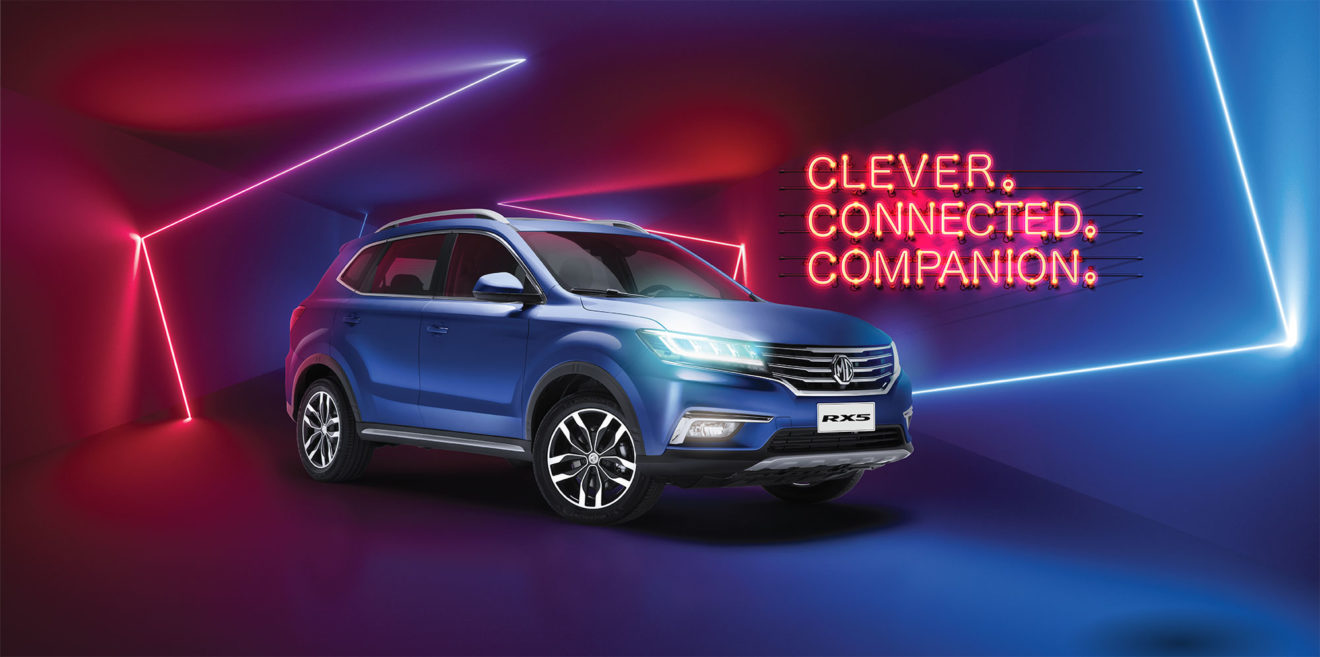
    MG Motor has come out with an interesting and unique approach for those customers who have already booked the Hector but are waiting to get the delivery. It has started a new reward scheme under which it is giving 1000 points per week to its customers till the time they get their SUV delivered. The points can be redeemed to purchase MG’s range of accessories the company is offering on the Hector or can be spent on the prepaid maintenance package it had announced at the time of launch. However, the company has not clarified the value of these points in terms of Rupees which may vary.

    Commenting on the new initiative, Rajeev Chaba, President & Managing Director, MG Motor India said, “As part of our commitment to customer satisfaction, our ‘Worth Waiting For’ programme has been further augmented with a unique rewards initiative. Apart from driving the cause of girl child education, the rewards initiative brings delight to our HECTOR customers as they take deliveries.”

    The latest initiative is in succession to the IIMPACT NGO scheme MG had announced earlier according to which it would educate one girl child for every two weeks’ waiting period. MG Motor had stopped taking bookings for the Hector after it bagged 28,000 bookings. The company has said that it wants to prioritise the deliveries first for its existing customers and then proceed ahead with further bookings. On an average, there is a six month waiting period for MG Hector.

  • India Has Not Set Deadline To Launch Electric Vehicles

    India Has Not Set Deadline To Launch Electric Vehicles

    The Indian government has not set a deadline to launch electric vehicles or to ban manufacturing of petrol and diesel cars, a government official said on Wednesday.

    The Indian auto industry has been caught in the middle of slowing economic growth that has led to a slump in demand for vehicles, forced plant shutdowns and large layoffs.

    Prime Minister Narendra Modi has been working to push electric vehicles in an effort to cut India’s fuel import bill and curb pollution.

    In June, a government think-tank that plays a key role in policy making had recommended that only electric models of scooters and motorbikes with engine capacity of more than 150 cc must be sold from 2025.

  • Hyundai India Market Share Hits All Time High

    Hyundai India Market Share Hits All Time High

    Amidst all the gloom in the automobile sector, Hyundai Motor India has found some cheer. The country’s second-largest car manufacturer has been able to increase its market share in July to 19.4 percent. This is the largest share of India’s car market that Hyundai has ever been able to command. That it comes at a time the market is depressed means that overall volumes are of course lower than previous year levels for the sector.

    Yet if you make simplistic percentage correlations, Hyundai lost only 3.8 percent sales in July 2019 at 57,310 units over the same month in the previous year; while market leader Maruti Suzuki saw a much more drastic 35.1 percent year-on-year drop in sales. Hyundai has traditionally held on to between 17 and 18 percent of the market for the past several years. It’s the first time it’s share has crossed 19 percent.

    SS Kim, MD, Hyundai Motor India said, “We have maintained the sales momentum and grew to 1.7% in FY 18-19 vis-a-vis FY 17-18. We sold 5,45,243 units in the domestic market and exported 1,62,105 units in FY 18-19. In July 2019, with the tremendous response for Venue, we sold close to 39000 units, out of which 9585 units sold were of Venue. Despite current market challenges, Hyundai has been the only brand to maintain its leadership position and has increased its market share by 3% registering 19.4% market share in July 2019.”

    H1 data released by Jato Dynamics suggests that Maruti saw its market share erode marginally to settle at 51.07 percent in the first half of 2019 when compared to H1 2018 when it held 51.57 percent of India’s car bazaar. Others who also saw their share drop are Tata Motors (down from 6.49 to 5.90 percent) and Ford (down from 3.07 to 2.66 percent).

    The Tata Tigor and Zest, and Ford EcoSport have been draggers for the respective manufacturers as competition has driven customers elsewhere. Ironically the drag for Maruti off late is coming from the Vitara Brezza – a Diesel-only best selling model that’s been hurt by Maruti’s apparent stance to drop smaller displacement diesels from April 1 2020. Hyundai meanwhile has benefitted at its expense as it’s new Venue subcompact SUV that rivals the Vitara Brezza has two petrol engine options and has now emerged as the market leader in its segment. The Mahindra XUV300 also offers petrol and has therefore benefitted.

    Hyundai is also expected to see a small surge in compact hatchback sales as its new generation Grand i10 Nios drives in alongside the outgoing model which will stay on in the market for some months. It’s Creta continues to perform well and while it may take a slight hit as the Kia Seltos comes to market, Hyundai will pad up for the second generation Creta launch in 2020.

  • Ferrari Will Expand Its Line-up Of Road Cars

    Ferrari Will Expand Its Line-up Of Road Cars

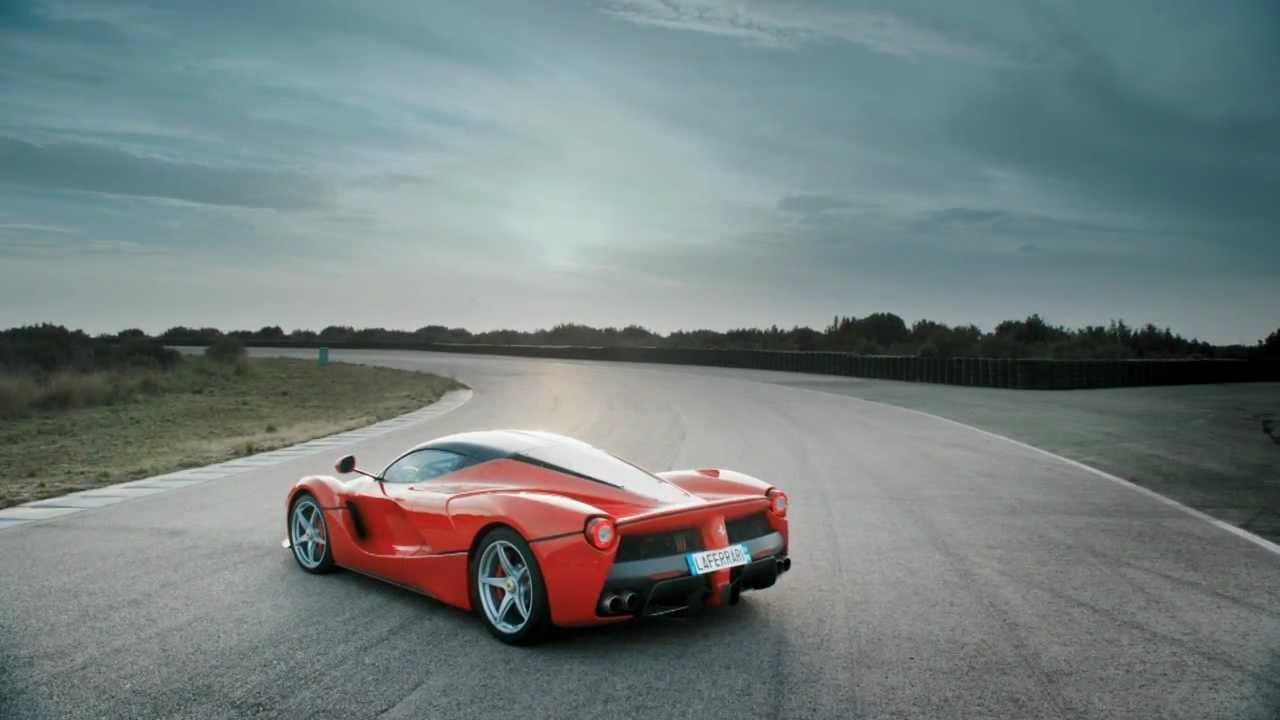
    Italian premium sports car maker Ferrari NV will expand sales of easier-driving grand touring cars, but will not try to chase rival Porsche’s annual sales volume, Ferrari Chairman John Elkann told an audience of classic car enthusiasts gathered at this storied golf resort on the Pacific coast.

    Elkann also reiterated that Fiat Chrysler Automobiles NV, of which he is chairman, remains open to opportunities to combine with other automakers, but is positioned to remain independent. Fiat Chrysler in May proposed a merger with French automaker Renault SA, but the deal fell apart after the French government intervened and Elkann withdrew the proposed merger.

    Fiat Chrysler Chief Executive Mike Manley sent the same message to Renault and other would-be partners earlier this month. Elkann visited Pebble Beach during the annual Concours d’Elegance, during which wealthy collectors bring some of the world’s rarest vintage automobiles to be admired – and sold – and premium manufacturers showcase exotic new models.

    Ferrari is best known for flashy, high-performance sports cars. Among fans of vintage Ferraris, more understated GT, or grand touring, cars from the 1960s, some with seating for four people, are among the most popular models on auction blocks and at enthusiast events. GT cars were designed to be comfortable on long road trips.

    Elkann hinted Ferrari will unveil a new GT type car in November. Ferrari has said previously that about 40 percent of its total sales could come from GT cars by 2022, up from 32 percent now.

    Ferrari has outlined plans to expand revenue to 5 billion euros ($5.54 billion) by 2022 from 3.4 billion euros in 2017. The company has said it plans to add a model called the Purosangue to compete with a growing stable of sport utility vehicles wearing premium sports car brands, such as the Lamborghini Urus.

    Rival Porsche AG, a unit of Volkswagen AG, has expanded its sales to more than 250,000 sports cars and sport utility vehicles annually. Elkann said Ferrari is not aiming for Porsche’s level of sales.

  • Maserati Unveils Limited Edition Quattroporte And Levante At Monterey Car Week

    Maserati Unveils Limited Edition Quattroporte And Levante At Monterey Car Week

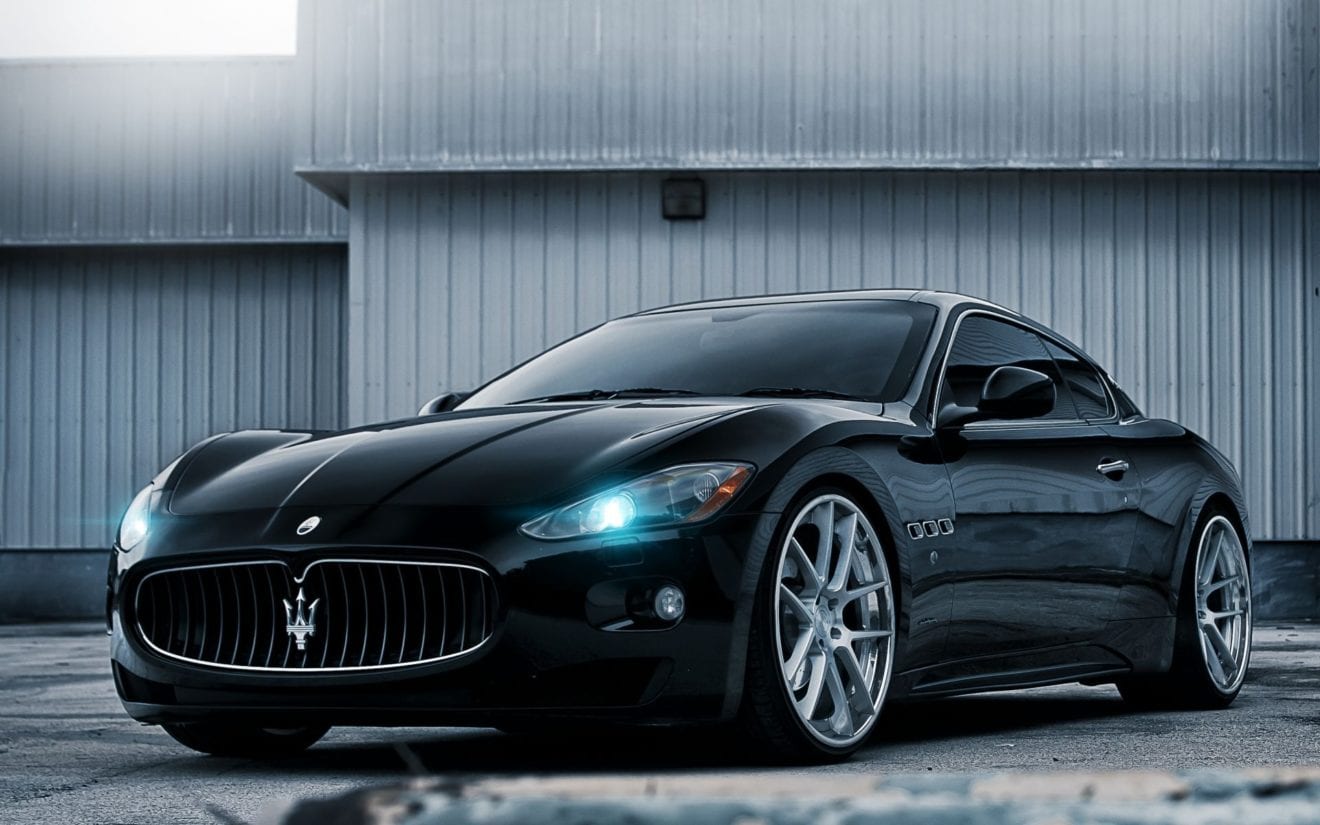
    Monetary car week is one event that sees plenty of limited edition and one-off models and automakers wait for this time to show some of their special cars to the world. Maserati has also seized the opportunity to unveil the limited edition models of the 2020 Quattroporte S Q4 Granlusso sedan and the Levante S GranSport SUV. Both models have been draped in Pelletessuta interior which makes the cabin look as opulent as it can get. They sport thin strips of Nappa leather which is woven together to replicate the traditional hand-woven fabrics. Maserati claims that it’s the only car company to offer such an exclusive interior, thanks to its longstanding partnership with Zegna.

    The cabin of both models sports thin strips of Nappa leather which is woven together to replicate the traditional hand-woven fabrics. The Quattroporte is finished in a custom ‘Blu Sofisticato’ metallic exterior paint and it features blue brake calipers, sport seats and dedicated Zegna Edition interior badge. The cabin of the Quattroporte is finished in Brown Pelletessuta interior trim and Maserati has specifically mentioned that this will be the only time this configuration will be available for purchase.

    The Levante S GranSport SUV is painted in an exclusive ‘Bronzo tri-coat’ color and gets all-black Pelletessuta interior along with Radica wood trim. The limited-edition Levante features black brake calipers and 21-inch polished Helos alloy wheels. Maserati has also said that this combination will be made for a limited time and it has no plans to do it again on any other model.

    The Levante S GranSport SUV is painted in an exclusive ‘Bronzo tri-coat’ color and gets all-black Pelletessuta interiors.

    The Italian carmaker will be making just 50 units of both models and will take orders on first come first serve basis. It has not announced any prices for the limited edition models and will be starting with the deliveries only in 2020.

  • EESL Partners With Apollo Hospitals To Install Public Charging Stations

    EESL Partners With Apollo Hospitals To Install Public Charging Stations

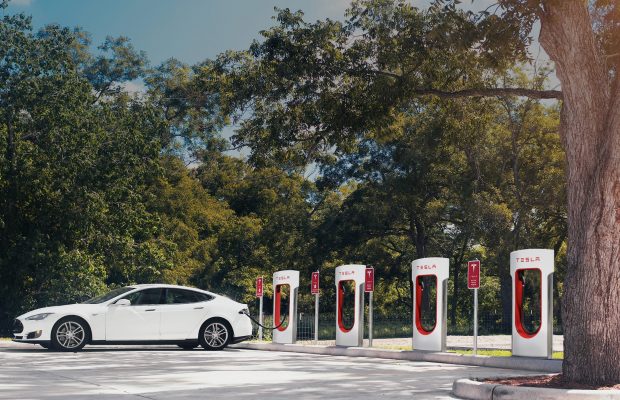
    Energy Efficiency Services Limited (EESL), a joint venture of PSUs under the Ministry of Power has announced its first partnership with the private sector. The world’s largest public energy services company (ESCO) has signed a 10-year Memorandum of Understanding (MoU) with Apollo Hospitals to install public charging stations across its hospitals in India. The aim is to boost e-mobility across the country and the tie-up will help set-up the charging infrastructure for electric vehicles. Under the MoU, EESL will make the entire upfront investment on specified services and deploy the manpower required for the operation and maintenance of the public charging infrastructure. Meanwhile, Apollo Hospitals will provide the requisite space and power connections for the charging network to EESL.

    Commenting on the announcement, Venkatesh Dwivedi, Director – Projects, EESL said, “Developing a strong supporting infrastructure is vital to build consumer confidence in electric vehicles. Our MoU with Apollo Hospitals reinforces the role of the private sector in achieving the goal of National Electric Mobility Programme. Electric mobility is vital to reducing airborne emissions and enhancing air quality, a cause the healthcare sector can resonate with. We look forward to more such multi-sectoral partnerships to accelerate the adoption of EVs across the country.”

    The move is part of the government’s National Electric Mobility Programme. EESL has commissioned 300 AC and 170 DC chargers across India and has established 55 public operational charging points in Delhi-NCR. The company has also partnered with Urban Local bodies in Hyderabad, Noida, Ahmedabad, Jaipur, Chennai, among other locations, to further penetrate the charging infrastructure.

    EESL procures the electric vehicles and chargers in bulk, which allows the company to source them at significantly discounted rates, lower than the actual market value. This allows the company to carry out operations at competitive project costs, which it says has helped the firm establish a sustainable business model that is affordable for the end consumer.

    With the government aggressive towards the adoption of electric vehicles in India, the charging infrastructure that remains nascent at present has always been a concern. Initiatives like these though will certainly help create enough charging locations to support electric mobility that is just gaining traction in the country.

  • Mclaren Announces New Ultimate Series Supercar

    Mclaren Announces New Ultimate Series Supercar

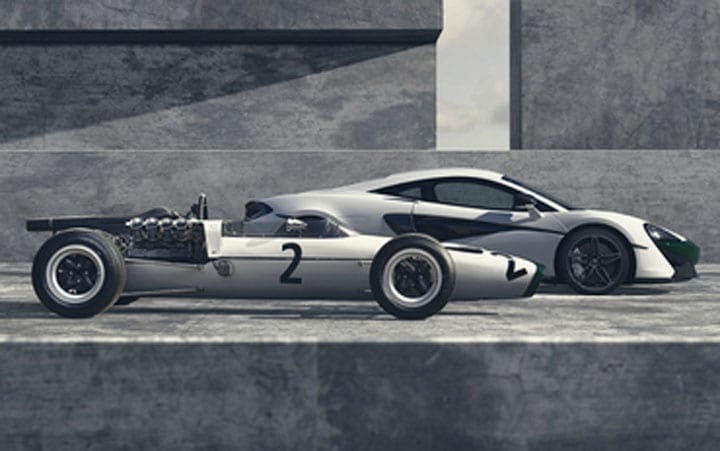
    Mclaren announced an all-new ultimate series supercar during the Pebble Beach Concours d’Elegance. The yet-named model is a two-seat, open cockpit roadster that will be the latest offering in McLaren’s range-topping Ultimate series lineage of supercars that includes the P1TM, Senna and Speedtail. The production of this car is limited to 399 units but the roadster will be different both the McLaren Senna; whose focus is on being the ultimate road-legal track car, and the Speedtail’s high-speed aerodynamic efficiency by offering the purest distillation of road-focused driving pleasure and an unrivaled sense of driver connection with the surrounding environment.

    The new car gets classical roadster proportions, elegant sweeping lines, and low-profile dihedral doors. While designed more for the road than the track, the new model will utilize McLaren’s carbon fiber construction making it the lightest car ever produced by McLaren Automotive and will be powered by a version of the twin-turbocharged V8 engine currently employed in the Senna.

    Mike Flewitt, CEO, McLaren Automotive said, “At McLaren Automotive we are consistently pushing the boundaries to deliver the purest and most engaging driving experience whether for the road or track. Our two current Ultimate Series cars, the Senna and Speedtail, offer unique and distinct driving experiences. Now this new addition to the Ultimate Series, an open-cockpit roadster, will take road-focused driving pleasure to new levels.”

    The ultimate series model will make its debut in late 2020 and will be priced between the Senna and the Speedtail.