Tag: car

  • Rolls-Royce Appoints Jozef Kaban As The Head Of Design

    Rolls-Royce Appoints Jozef Kaban As The Head Of Design

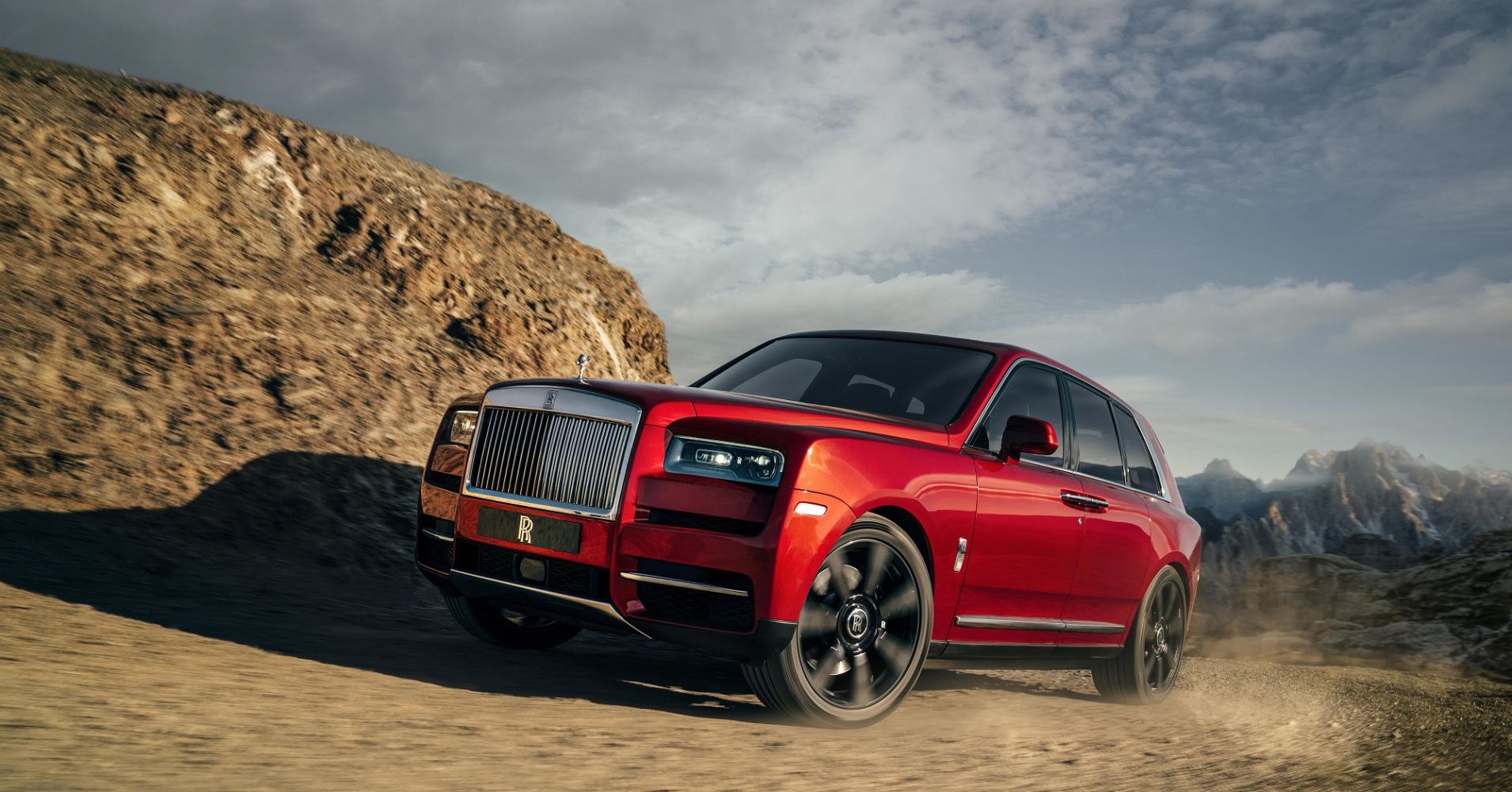
    Rolls-Royce Motor Cars has appointed Jozef Kaban as the new design chief. 46-year-old Kaban who was earlier the Head of Design Studio at its parent company- BMW started working with the Group two years back in 2017. Kaban started his career as a car designer with the Volkswagen Group after he graduated from the Royal College of Art, London in 1997 and in 1998 he got the project lead for the iconic Bugatti Veyron.

    On Kaban’s joining, Torsten Muller-Otvos, Chief Executive Officer, Rolls-Royce Motor Cars said, “I am delighted to announce that Jozef Kaban has been appointed Head of Design. He is an exceptionally talented designer with a strong track record and a wide breadth of ability. It is testament to the success of our business that, as the world’s leading luxury house, we are able to attract the world’s very best design talent.” He continued, “This is an exciting time for our brand and I look forward to welcoming Jozef to the Rolls-Royce family.”

    Prior to joining the BMW Group, Kaban worked as a lead designer of Exterior roles, first at Audi AG and then Skoda Auto.

  • Ford Unveils Their Puma Crossover

    Ford Unveils Their Puma Crossover

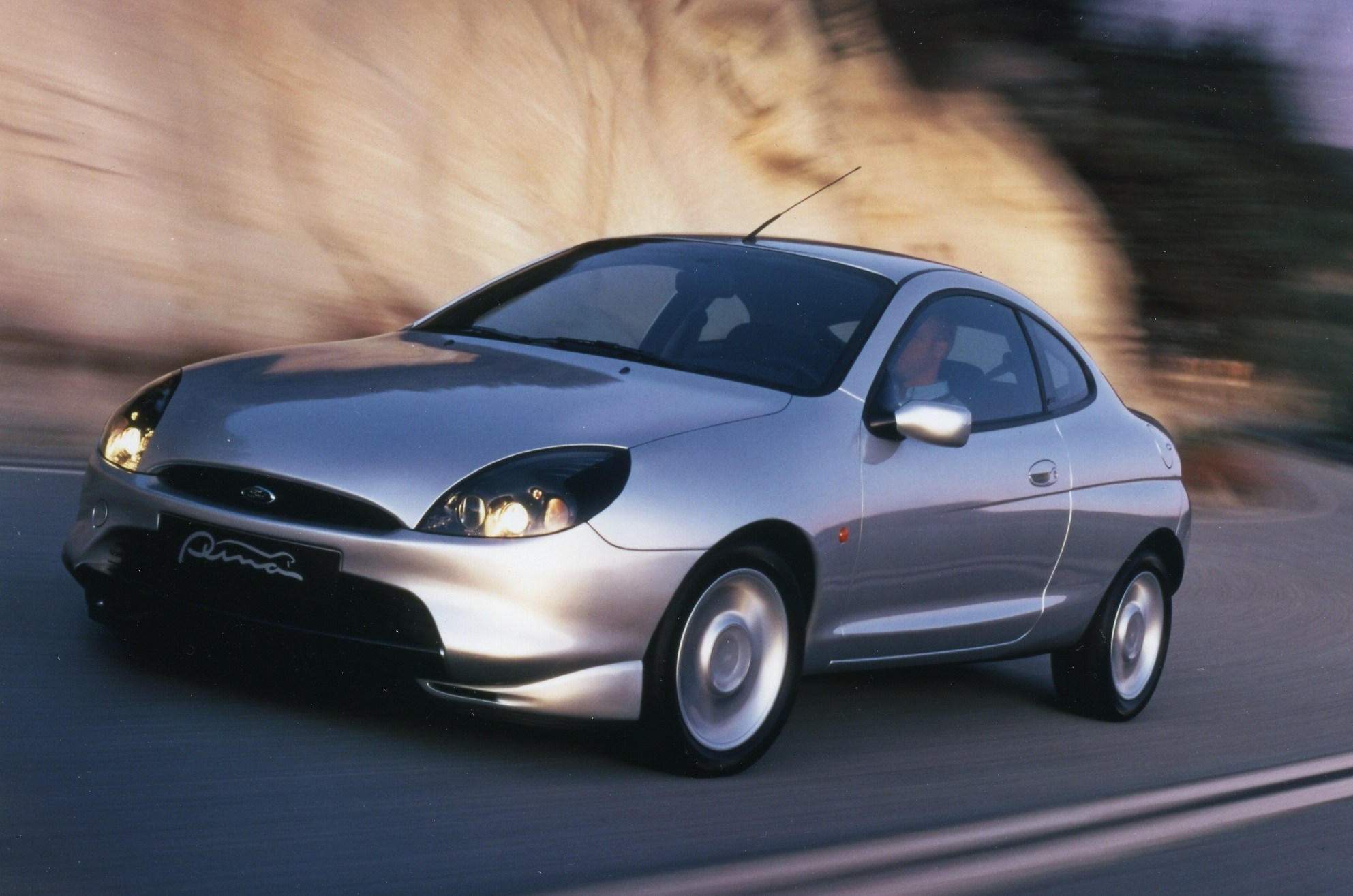
    Ford has revealed the first image of the Puma – an SUV-inspired compact crossover and the company says that it comes with hybrid technology. The Puma will go on sale in the global markets by the end of 2019 and will be manufactured at the company’s Craiova Assembly Plant, Romania, following nearly 1.5 billion Euros investment since 2008.

    The first image of the Ford Puma reveals its styling cues and we can see the distinctive wing-top mounted headlamps and the curves on the side of the car which brings out the athletic side of the car and also showcases the aerodynamic ability too. The company has not said much about the ride height but does mention that the luggage capacity is 456 litres.

    The company says that discussions with customers have led to it providing for flexible luggage space. The Puma’s innovative rear stowage can swallow small furniture and the company says that the versatile storage compartment is capable of comfortably accommodating two golf bags in an upright position.

    Under the hood is Ford’s 1-litre, 3 cylinder EcoBoost Hybrid technology which delivers 153 bhp and a belt-driven integrated starter/generator (BISG) enables recovery and storage of energy usually lost during braking and coasting to charge a 48 volt lithium-ion air-cooled battery pack.

    The BISG also integrates with the engine and uses the stored energy to provide torque substitution – which reduces the amount of work required from the petrol engine to maximise fuel savings, and torque supplementation – which increases the total torque available from the powertrain for optimised performance.

    The Puma joins Ford’s expanding line-up of SUV and SUV-inspired crossover models in Europe, including the Fiesta Active, Focus Active, EcoSport, Kuga, Edge, and the all-new Explorer Plug-In Hybrid among others. The SUVs now account for more than one in five Ford vehicles sold in Europe, and sales rose more than 19 per cent in 2018.

  • TomTom IQ Maps Makes Global Premiere In India With MG Hector

    TomTom IQ Maps Makes Global Premiere In India With MG Hector

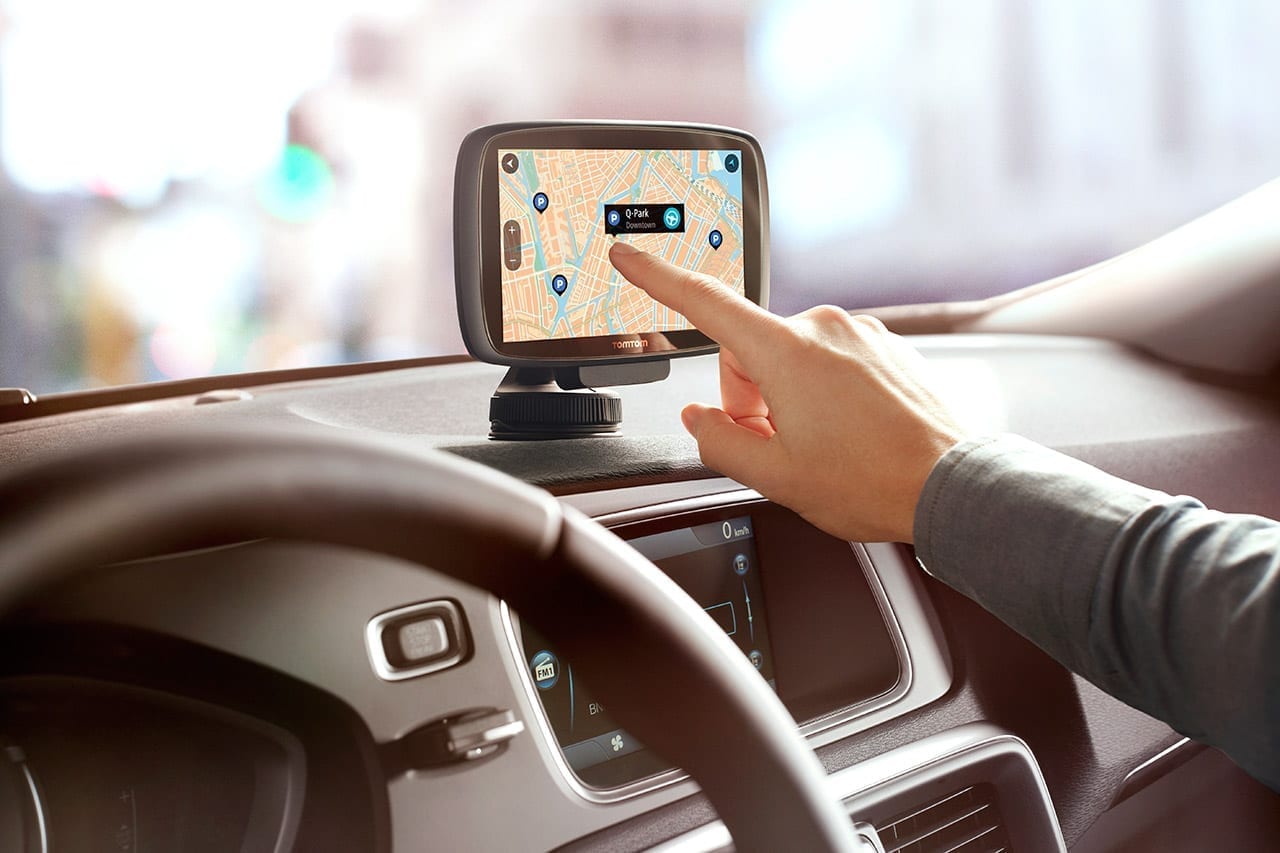
    The MG Hector is still a few weeks away from hitting the market but the SAIC-owned brand has taken the wraps off the car’s connectivity and IT services. In a bid to offer a first-in-segment connected car, the MGHector sees the company bring several big names in IT and services together to create its i-smart platform. Besides Microsoft, Cisco, Nuance et al, there is also the world’s leading name in navigation systems – TomTom. And a unique offering from the Netherlands based player is an immediate area-only self-updating new navigation system called IQ Maps. Speaking carandbike Tsjerk-Friso Roelfzema, VP Automotive – Europe & Asia, TomTom said, “You don’t have to do anything, plug in a new CD or DVD, a USB, or go to a dealer. It’s automatically updated in the background, and not just only automatically updated, but only what is relevant to the driver. So we are here in Delhi today, you don’t want to have the updates of your map let’s say in Pune, it’s not relevant. So we update what is relevant to you.”

    TomTom’s self-updating new navigation system called IQ Maps will be introduced with the MG Hector

    The IQ Maps idea is simple. The car will have embedded maps for the whole country as is. But these maps get outdated quickly; especially in a country like India here our road systems are constantly undergoing detours or changes due to fresh construction or improvements in infrastructure. IQ Maps helps the car to provide you with updated and current maps, without worrying about those kinds of changes. And yes the system is in-dash – and will work through the big 10.4″ screen on MG’s i-smart unit.

    It also gives you real-time traffic updates, and will reroute your guidance if there is a traffic jam for instance. It also takes into account any last minute road closures or other changes like say, construction activity. The map is updated accordingly, and is fed with a combination of live and historical data inputs to achieve its levels of accuracy. This has been made possible not just because of the innovation at TomTom’s research centres in Europe and also in Pune, India.

    Of course the enabler here is also the vehicle itself, which would have to provide connectivity, since this is an in-car navigation system and not an external device or phone app. And that connectivity on the MG Hector will come courtesy the embedded eSim card the car will have from the start. This in turn will provide data services to not just update maps and conduct live searches for destinations or points of interest, but also stream music, browse the net or access your email. The eSim will also be the way to contact MG’s call centre where a concierge service can hep you find destinations, or more importantly provide first response in the case of an emergency. And the good news is MG has said the data plan for the buyer if the car will be free.

    TomTom plans to develop the product further both in terms of offering even more layers of sophistication, and also see if it can be offered in standalone navigation devices or as a phone app. But there is another potential area where it could be even more relevant. Roelfzema says, “It is very important today in normal navigation, but especially when you talk about autonomous driving, you really want to know if the road has changed if your car is driving itself. And that’s really important. We need to see when the rest is following, but it is a very exciting moment also for us.”

  • Jaguar Land Rover India To Introduce Hybrid Electric Vehicles

    Jaguar Land Rover India To Introduce Hybrid Electric Vehicles

    Luxury car makers in India are all set to bring in hybrid electric and pure electric cars to India. Audi has already announced that the e-tron will make its debut in the country in 2020, while Porsche too is bringing in the Taycan next year. Volvo has already announced its roadmap for the country and Mercedes-Benz India is still doing feasibility studies to introduce electric cars in India and now Jaguar Land Rover is jumping into this scene. Jaguar Land Rover is proposing to launch its electrified products in India.

    In line with Jaguar Land Rover’s global commitment to introduce electrified options on its entire product portfolio by 2020, Jaguar Land Rover India proposes to offer multiple products, ranging from Hybrid Vehicles to Battery Electric Vehicles (BEV) over the next few years, starting from 2019. Towards the end of 2019 Jaguar Land Rover will introduce its first hybrid vehicles from Land Rover and in the second half of 2020 Jaguar Land Rover India plans to launch its first Battery Electric Vehicle, the Jaguar I-PACE.

    Rohit Suri, President & Managing Director, Jaguar Land Rover India Ltd. (JLRIL) said, “Jaguar Land Rover’s focus is to commit itself to a more sustainable future and our engineers have developed just the right products to lead us on this path. The introduction of electrified vehicles in Jaguar Land Rover India’s portfolio is in line with the government’s thrust towards electric vehicles. The company is encouraged by the introduction of FAME-II by the Government of India and it focus on expansion of the charging infrastructure in the country. This is bound to help with faster adoption of all kinds of Electric Vehicles in due course.”

  • Jaguar I-Pace India Launch Details Out

    Jaguar I-Pace India Launch Details Out

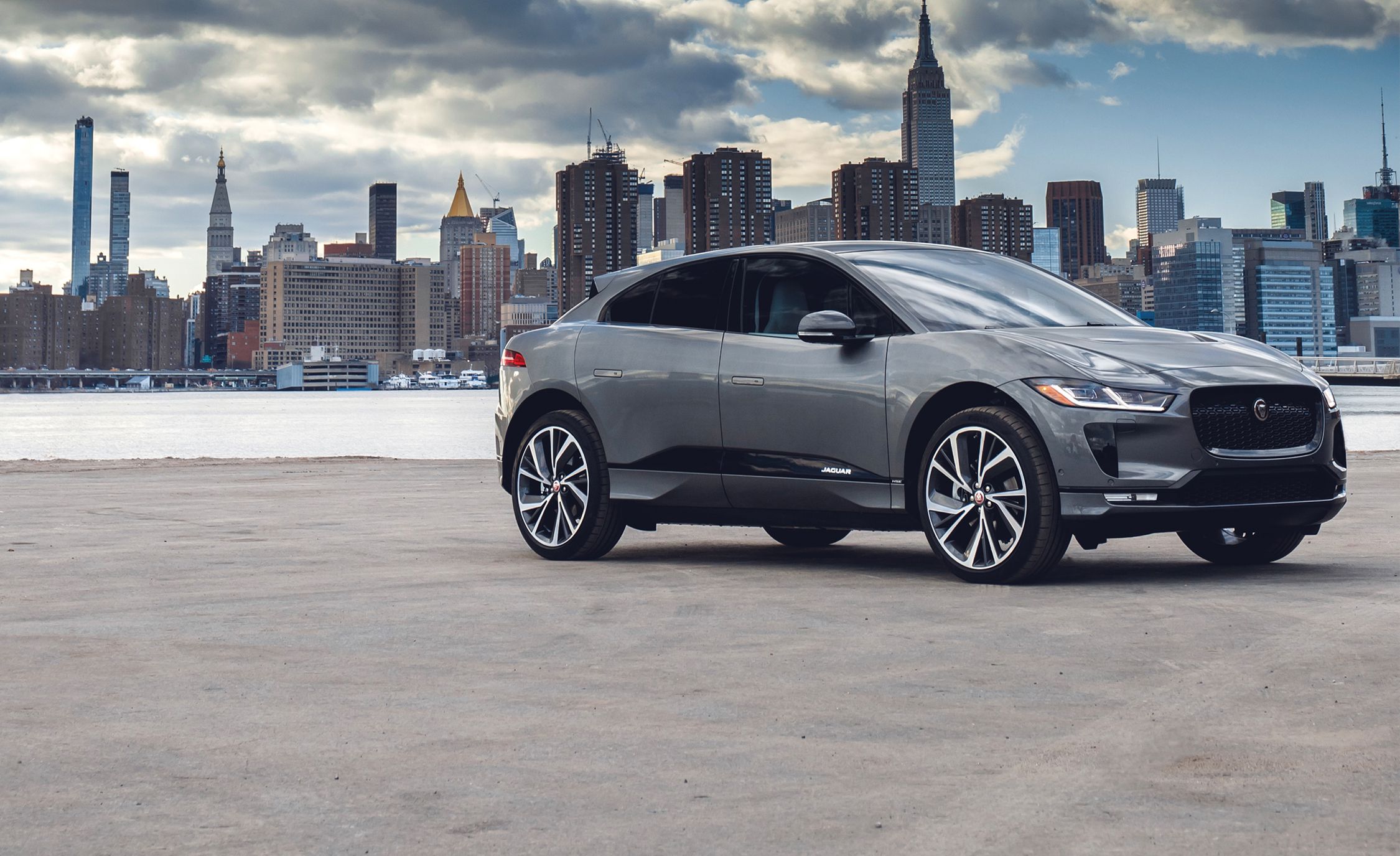
    Jaguar is all set to launch its all electric vehicle the I-Pace in India and it will come here by the end of 2020. While Jaguar Land Rover had earlier stated that the I-Pace will not come to India, the company has now chalked out a plan for its hybrid electric and all electric cars for the country. It was in March last year, that the company revealed the I-Pace and according to the company, it has been developed using physics. The company has taken 4 years to build the car from the concept stage to the production version. Unlike other Jaguar cars, this one does not get a long bonnet and that’s because there is no internal combustion engine. In fact, the shorter bonnet helps in improving aerodynamics.

    The all-electric car comes with a sloping bonnet, sleek LED headlamps, honeycomb pattern grille and a wide central airdam. The car also comes with a lovely set of alloys and turn light integrated ORVMs. It has been rigorously tested across extremes of terrain and temperatures from -40 degrees to 40 degrees celcius. With over 1.5 million test miles and a further 11,000 hours of rig simulations completed by more than 200 production prototypes. The I-Pace isn’t pitched as an off-roader, but it’s capable of a wading depth of 500mm.

    The I-Pace comes with a whole bunch of storage space as also features. It comes with mobile device charging options aboard, with three 12v sockets, six USB ports and one HDMI/HML port. The electric SUV uses the same radical dual-screen InControl Touch Pro Duo infotainment system that Jaguar launched on the Range Rover Velar. Additionally, the InControl Remote app gets an Alexa skill that will let drivers ask Alexa-enabled devices for information on the I-Pace’s charge level. It also comes with a 4G Wi-Fi hotspot and slots for tablets and laptops under the rear seats.

    The electric motors have been designed in-house at Jaguar and are relatively light, weighing about 38kg each. The motors are mounted as low as possible in the sandwich platform and this has been done to ensure optimum weight distribution which helps in making the I-Pace agile.

    The I-Pace comes with two synchronous permanent magnet electric motors at the front and the rear axle which have a combined power output of 395 bhp and makes maximum of 696 Nm of torque. It also features an AWD system. A 0-100 kmph sprint takes 4.5 seconds and the performance SUV will have a range of over 480 km. The 90kWh lithium-ion battery pack takes 45 minutes to charge from 0-80 per cent using a 100kW rapid charger, or 10 hours using a 7kW AC wallbox.

  • MG Motor To Offer Free Data For First Few Years On The Hector SUV

    MG Motor To Offer Free Data For First Few Years On The Hector SUV

    MG Motor India announced first in segment connectivity features on the new Hector. Touted as the company’s first internet car, the upcoming MG Hector will come with a new advanced connectivity system called i-Smart next-generation system, a complete integrated solution that combines software, hardware, connectivity, services and application. The command centre is a 10.4-inch ultra large full-HD infotainment system that comes with pre-loaded entertainment content. The company says that the Hector SUV will help the owner stay connected on the go. The Hector has an embedded Machine to Machine (M2M) eSIM. The platform is Internet Protocol Version 6 (IPV6) and 5G ready. This is the first car in the segment to be launched with such a sim.

    Of course, all this will require data and the company today announced that it will offer data for free for the first few years. The company has tied up with Airtel to offer these services to the owners of the Hector SUV and this will make sure that you stay connected with the car as also the world on the move. The system has been developed in collaboration with several technological partners like Cisco, and Microsoft among others.

    MG Motor India has also introduced over the air updates for the first time in India which will make sure MG cars get updated as when new updates are available a function which we are familiar with on smartphones or tablets. Thus, the system would periodically receive new look and themes for the screen, new infotainment content and updates to maps to keep them latest always. The updates would also include updates for OS and Firmware. The vehicle will have the ability to receive new features and upgrades from time to time.

  • Toyota To Give Royalty-Free Access To Hybrid Vehicle Patents

    Toyota To Give Royalty-Free Access To Hybrid Vehicle Patents

    Toyota Motor plans to offer royalty-free access to its hybrid-vehicle technology patents as early as this year. Toyota, which holds roughly 20,000 active patents in the field, is expected to make accessible most of the latest ones covering motors, power converters and batteries, according to the report.

    The change of heart was driven by a fear of hybrids losing relevance as the broader industry moves toward pure electric vehicles.

  • Hyundai Venue Subcompact SUV Launch Date Revealed

    Hyundai Venue Subcompact SUV Launch Date Revealed

    Hyundai has been teasing its new subcompact SUV – the Venue for quite some time now and we’ve even got details about the company testing the car around the country. While we already know, that the car will be revealed in India on April 17, 2019, coinciding with its public reveal at the 2019 New York Motor Show, we now have details on when the car will be launched in the country. Hyundai will launch the Venue subcompact SUV in India on May 21, 2019. The Venue will be the company’s first subcompact SUV in India and will rival the likes of the Maruti Suzuki Vitara Brezza, Tata Nexon, Ford EcoSport and even the Mahindra XUV300. While Hyundai’s entry into the subcompact SUV segment is delayed, the company is going to pack the Venue with a ton of features making it India’s first connected car.

    The Hyundai Venue will get the company’s ‘BlueLink’ connected technology and it will have 10 India-only features with a total of 33 connectivity features. Some of the features that BlueLink will offer in India are geo-fencing, speed alerts, SOS, panic notifications, destination sharing, and road-side assistance and so on. Hyundai said that it has tested its BlueLink technology rigorously in India, keeping the conditions in mind along with the needs of the customers. This also includes voice guidance and recognition in Indian-accented English which means that the software will be able to recognise spoken English from different regions in India. The Hyundai Venue will also have remote-control operated functions such as climate control, horn and headlamps on, vehicle status, engine start/stop and so on. The best thing is that Hyundai BlueLink can use your smartphone interface as a remote control.

    Hyundai BlueLink will also have a tamper-proof eSIM which will be provided by Vodafone Idea and a cloud based voice recognition platform from Global AI Company, which will offer real time traffic navigation and live local search as well. Features such as panic and medical assistance, geo-fencing and stolen vehicle notification will sit well with customers in India.

    The company has not yet revealed the engines that it will offer, but we have gotten a glimpse of what the front end of the car would look like. The leaked images revealed the upright stance of the Hyundai Venue, while the rear gets a massive ‘H’ badge in the centre with the ‘Venue’ moniker, and the very Polo-esque squared-off taillights along the lines of the Carlino concept. The tailgate also carries the ‘Turbo’ badge and ‘SX’, the latter denoting the range-topping variant.

    Under the hood, the new Hyundai Venue will be available with a 1.4-litre petrol and 1.4-litre diesel engine options. The turbo badge that was on the tailgate holds special importance, which nearly confirms the a 1.0-litre turbocharged petrol engine for the SUV, and will come paired with a 7-speed dual-clutch automatic transmission.

  • Infiniti Qs Inspiration Teased Ahead Of 2019 Shanghai Auto Show

    Infiniti Qs Inspiration Teased Ahead Of 2019 Shanghai Auto Show

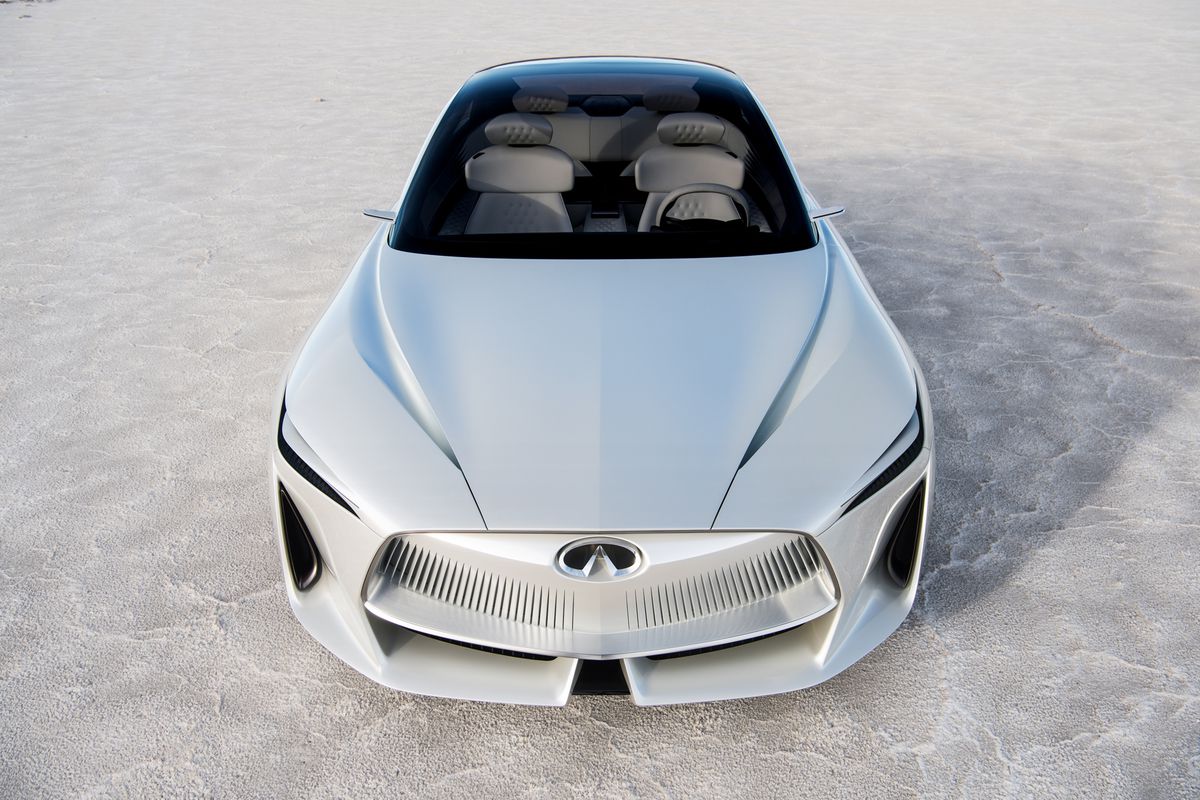
    Infiniti will reveal a new sports sedan concept, based on an all-new flexible architecture developed specifically to accommodate electrified powertrains, at Auto Shanghai 2019. The concept offers a new perspective on the sports sedan and also previews a forthcoming electrified Infiniti production model. It’s called the Qs Inspiration concept and it draws inspiration from the company’s DNA.

    With the Qs Inspiration, Infiniti confirms a new form of design language from Infiniti which we will see on its future electric cars. The Qs is inspired by the art and modern architecture of Japan. Inside, the minimalist cabin combines striking artistry and craftsmanship, and it features two distinct zones – a clutter-free cockpit designed to engage the driver, and a relaxed passenger zone that make the most of the generous interior space.

    Christian Meunier, Chairman of Infiniti, comments, “Electrification creates a range of new possibilities for sedans, with new powertrains and vehicle architectures letting us imagine how this type of car could be reinvigorated and adapted to fit the changing needs and tastes of drivers.”

  • Renault Captur 2019 Launched With More Safety Features

    Renault Captur 2019 Launched With More Safety Features

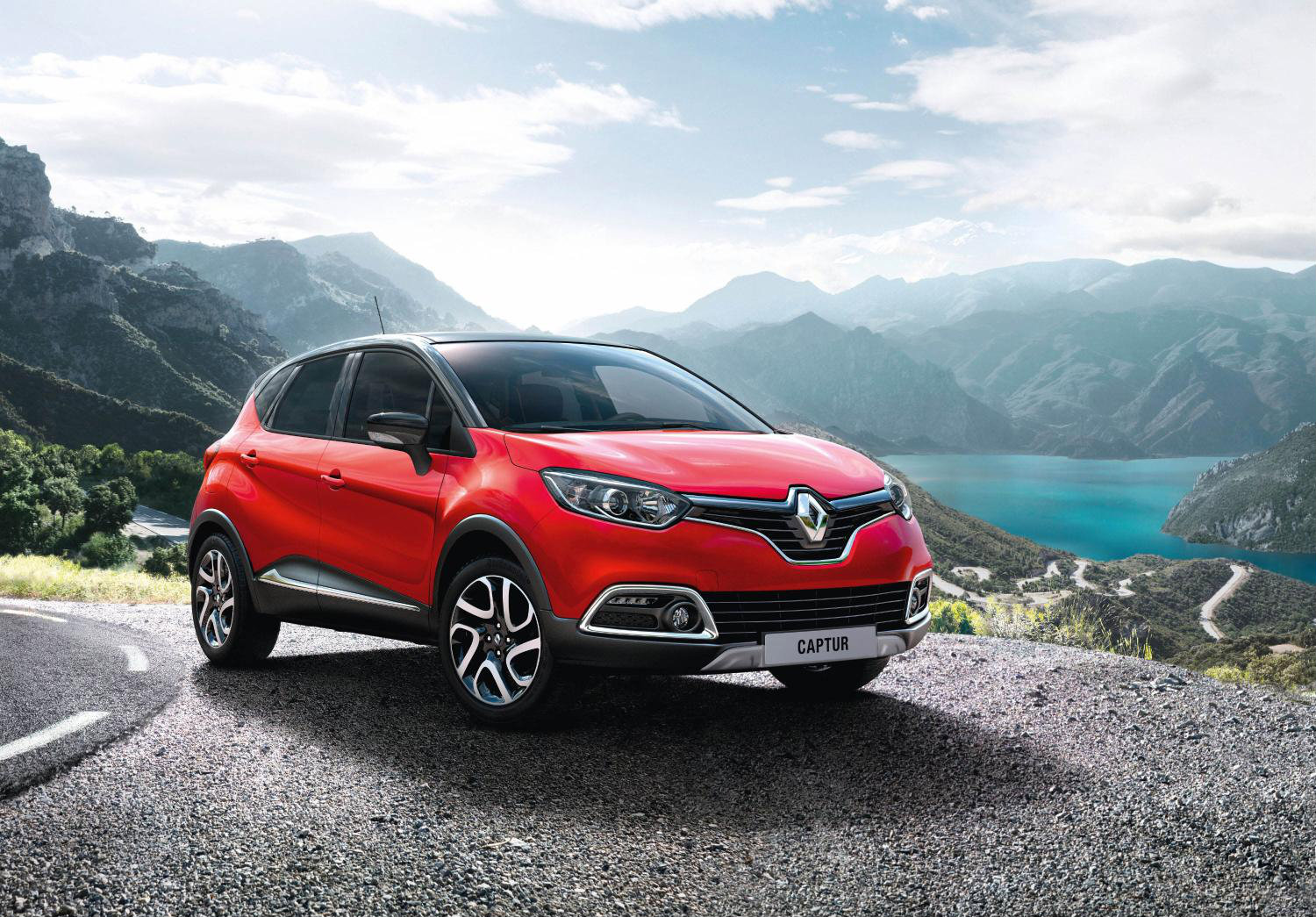
    Renault India has introduced the updated Captur in India with more safety features with prices starting at ₹ 9.50 lakh (ex-showroom, Delhi). The compact SUV now meets the upcoming safety regulations, and as a result, gets a number of new active and passive tech on board as standard. In addition, the RXL and the RXT trims have been discontinued on the 2019 Renault Captur. The SUV is now offered in two variants – RXE and the range-topping Platine – available with both petrol and diesel engine options.

    All variants now come with a rear parking sensor, driver and passenger seatbelt and a speed alert system to meet the new safety norms. Renault India says the model is certified to “exceed frontal, lateral and pedestrian safety and is compliant with safety features stipulated by the Indian authorities.” The new norms will be implemented across all vehicles from October 2019. The car uses a reinforced body shell that increases torsional rigidity to ensure occupant safety. Othe safety systems on include ABS with EBD, Brake Assist, height adjustable seatbelts, ISOFIX child seat anchor, and more.

    In terms of features, the Renault Captur continues to come diamond-cut alloy wheels, LED headlamps, 7-inch touchscreen infotainment system that supports Apple CarPlay and Android Auto, as well as voice recognition. The cabin also comes with newly upholstered seats, cruise control, multi-function steering wheel, and more.

    In terms of power, the Renault Captur uses the 1.5-litre petrol engine that churns out 104 bhp and 142 Nm of peak torque, while paired with a 5-speed manual gearbox. The petrol motor returns an ARAI certified fuel efficiency of 13.87 kmpl. The diesel version uses a 1.5-litre CRDi engine as well that develops 108 bhp and 240 Nm of peak torque, while paired with a 6-speed manual transmission. The diesel returns a fuel economy of 20.37 kmpl.
  • Toyota And Mahindra Register Growth, Maruti Suzuki Car Sales Drop

    Toyota And Mahindra Register Growth, Maruti Suzuki Car Sales Drop

    Carmakers in India have officially started to come out with their sales numbers for the month of March 2019. The Financial Year 2018-19 has been quite an eventful year for the Indian auto industry with the year ending in a positive note. As for the sales performances in March 2019, the results were quite mixed. In fact, the country’s largest carmaker, Maruti Suzuki India, continued to see a decline in sales in March 2019, while other manufacturers like Toyota Kirloskar Motors and Mahindra and Mahindra registered marginal growth.

    Toyota India

    In March 2019, Toyota Kirloskar Motor sold 13,662 units in India, registering a growth of 0.9 per cent, compared to the 13,537 units during the same month last year. As for the company’s domestic sales, Toyota’s wholesales numbers went up to 12,818 units last month, compared to the 12539 vehicles sold in March 2018, registering a growth of 2 per cent. Exports, on the other hand, saw a decline of 15.4 per cent during the month of March 2019 with 844 units, against the 998 vehicles that were exported during the same month last year. However, as for the company total sales during FY 2018-19, Toyota Kirloskar Motor recorded a sales growth of 7 per cent in the domestic market with 150,525 units, compared to the 140,645 units being sold during FY 2017-18.

    Commenting on the sales performance, N. Raja, Deputy Managing Director, Toyota Kirloskar Motor said, “We are happy to have clocked a growth of 7 per cent in domestic sales in FY 18-19 as compared to FY 17-18. Innova Crysta and Fortuner have been maintaining the growth trajectory and continue to be leaders in the segment.” He also added that “All New Camry Hybrid Electric Vehicle or self-charging electric vehicle has already crossed 500 bookings since its launch in Jan 2019. Additionally, Etios Liva has also contributed to the positive sales momentum in FY 18-19 with a growth of 13% as compared to FY 17-18.”

    Maruti Suzuki India

    Maruti Suzuki India has registered a decline of 1.6 per cent in the last month of the Financial Year 2019. Last month the company sold 158,076 vehicles, including domestic sales and export, compared to the 160,598 units that were sold in March 2018. The company’s total sales in India alone reached 147,613 units in March 2019, registering a marginal de-growth of 0.7 per cent, against the 148,582 vehicles sold during the same month last year. Exports, on the other hand, took a massive hit with a decline of almost 13 per cent with 10,463 units, compared to the 12,016 units exported in March 2018.

    Maruti Suzuki has registered the highest ever total sales in FY 2018-19 at 1,862,449 units, a growth of 4.7 per cent, compared to the 1,779,574 units sold in 2017-18. The company’s domestic sales for FY 2018-19 reached 1,753,700 units, also the highest ever, compared to the 1,653,500 units sold in 2017-18. In fact, this is the 7th straight year of growth in domestic sales for Maruti Suzuki India.

    Mahindra and Mahindra

    Mahindra and Mahindra has registered a marginal growth of 1 per cent in total sales for the month of March 2019 with 62952 units. In comparison, the company sold 62076 units in March 2018. Mahindra’s domestic sales touched 59,012 vehicles during March 2019, as against 58,652 vehicles in March 2018, registering a similar growth of 1 per cent. The Passenger Vehicles segment (which includes UVs, Cars and Vans) sold 27,646 vehicles in March 2019, registering a growth of 4 per cent. The company’s exports, on the other hand, saw substantial growth of 15 per cent with 3940 units, against the 3424 exported in March 2018.

    On the other hand, the company’s sales performance for the financial year that ended on March 31, 2019, stood at 6,08,596 vehicles, compared to 5,49,153 vehicles during FY-18, registering a growth of 11 per cent.

    Commenting on the performance, Rajan Wadhera, President, Automotive Sector, Mahindra and Mahindra said, “We have closed FY-19 with robust double-digit growth of 11 per cent at an overall level, despite strong headwinds faced by the Indian automotive industry this year. This growth has been supported by our three new product launches, which have been well received in the market. The commercial vehicles segment and exports have also posted strong growth rates of 15% and 37% respectively.”
  • Ambassador To Return As PSA’s EV Brand For India

    Ambassador To Return As PSA’s EV Brand For India

    While the PSA Peugeot-Citroen group has officially announced that it will bring its Citroen brand to India, we finally have some news on its plans for Ambassador too. Two days before holding its first-ever official press conference in India to show us Citroen’s debut model for the country, we have learnt of a parallel plan afoot within the company. Speaking on specific conditions of anonymity, senior PSA board member and reclusive heiress Evié de Courant has shared with this reporter that the Ambassador brand will be used exclusively for electric vehicles to be sold in India only. The sub-brand will be the first new addition to the PSA family, after its last acquisition of erstwhile GM brands Opel and Vauxhall in August 2017.

    The Ambassador range of cars will likely only debut post 2022, and it is not as yet decided whether it would entail a standalone retail network. While Citroen will have a full-fledged dealer network, Ambassador branded cars are likely to be sold using an exclusive online sales strategy. Workshops for the two will be common though. The plan is to initially launch a compact SUV or crossover style car, and then a premium hatchback. Both are expected to share their platform and some components with similar sized ICE (internal combustion engine) models from the Citroen brand, to maximise economies of scale. The intent is to make Ambassador a profit-making entity from within the first quarter of the start of sales.

    PSA has also been in Formula E since 2015-16 and will bring a lot of its learnings to the EV plan. Citroen’s premium brand DS has also announced its range of EVs for Europe, which will use the E-Tense badge. The DS3 Crossback E-Tense is expected to be the first model and is expected to have a 330-kilometre range. Expect the Ambassador crossover to sport a similar electric powertrain.

    While the initial focus will be on India, the company believes the Ambassador brand will have a strong resonance with Indian diaspora across the world – especially in the Commonwealth states, which are also largely right-hand-drive. And so there is already a feasibility study on to examine the export potential of Ambassador badged products from 2023 onwards, according to Ms de Courant.

    It may be recalled that whilst entering into its two joint ventures (JVs) with Hindustan Motors (HM) in January 2017, PSA had also acquired rights to the Ambassador brand for ₹ 80 Crore a month later. At the time, HM had released a statement that read, “Ambassador has been an iconic brand and a surplus asset with us. We were looking for a suitable opportunity and found the right buyer in the PSA group. We intend to use the proceeds from the sale in clearing dues of employees, lenders and others.”

    It was at the start of 2017 that the two companies had also entered into two partnerships with an initial investment of ₹ 700 Crore for vehicle and engine manufacturing in Tamil Nadu. The first of the two JVs is between PSA and HMFC or Hindustan Motors Finance Corp for the assembly and distribution of new cars. HFMC currently also assembles Mitsubishi and Isuzu branded cars. The second is a JV for engine making with AVTEC – hived off years ago from HM that is a components and engines supplier to the auto industry. We trust the two will have a lot more success and will build on a strong foundation, unlike the veracity of this report. And on any other day we would have loved for this news to be true

  • Maruti Suzuki Sales Grow in 2019,  But March Sales Hit Weak

    Maruti Suzuki Sales Grow in 2019, But March Sales Hit Weak

    Maruti Suzuki has registered the highest ever total sales in FY 2018-19 at 1,862,449 units, a growth of 4.7 per cent, compared to the 1,779,574 units sold in 2017-18. The company’s domestic sales for FY 2018-19 reached 1,753,700 units, also the highest ever, compared to the 1,653,500 units sold in 2017-18. In fact, this is the 7th straight year of growth in domestic sales for Maruti Suzuki India. But, in the month of March 2019, the company’s total sales went down by 1.6 per cent in the last month of the Financial Year 2019.

    Last month the company sold 158,076 vehicles, including domestic sales and export, compared to the 160,598 units that were sold in March 2018. The company’s total sales in India alone reached 147,613 units in March 2019, registering a marginal de-growth of 0.7 per cent, against the 148,582 vehicles sold during the same month last year. Exports, on the other hand, took a massive hit with a decline of almost 13 per cent with 10,463 units, compared to the 12,016 units exported in March 2018.

    In March, the domestic market, it was the company’s Mini cars segment, which includes the Alto range and the pre-facelift WagonR that took the biggest hit, a drop of 55.1 per cent by selling 16,826 units, against the 37,511 units sold in March 2018. Same was the case for the company’s mid-size sedan, Ciaz, which saw a decline of 15 per cent by selling just 3,672 units in March 2019, compared to the 4,321 units sold during the same month last year.

    In contrast, the compact segment, which includes the new WagonR, Swift, Dzire, Baleno, and Ignis, saw a considerable growth of almost 20 per cent with cumulative sales of 82,532 units. The utility vehicles and Vans segment also saw substantial growth of 12.3 per cent (25,563 units) and 20.1 per cent (22,764) respectively. Similarly, in the commercial vehicle space, the sale of the Super Carry LCV also went up by 82.9 per cent selling 2,582 units last month, compared to the 1,412 units sold in March 2018.

  • Volkswagen Polo, Ameo And Vento Get Black And White Edition

    Volkswagen Polo, Ameo And Vento Get Black And White Edition

    Volkswagen India has introduced Black and White special editions for its Polo, Ameo and Vento in India. The engine options and the specifications remain the same, although the Black and White edition cars get a bunch of cosmetic upgrades. The Black and White editions get body graphics, leatherette seat covers, roof edge spoiler, 16-inch Portago alloy wheels, black roof and ORVMs and a Black and White Badge on the front fenders. Volkswagen also re-introduced the ‘Deep Black’ colour on the Polo and the Vento but not on the Ameo. The good news is that the Black and White edition for the Polo, Ameo and Vento is available at no extra cost and will be available at all Volkswagen dealerships.

    Steffen Knapp, Director, Volkswagen Passenger Cars said, “It is our constant endeavor to enhance our product offerings that are in-line with evolving consumer aspirations. The Polo & Vento have been strong contenders within their segments. Adding a dash of style, these enhanced

    Also, camouflaged test mules of the new Vento and Polo have been spied testing in India which suggests that the new models could be just around the corner. Since an all-new Vento which will be developed on an Indianised version of the MQB A0 platform has been scheduled for 2021 in India, the 2019 model will receive minor tweaking, most of which is likely to be done to the front end.

  • Ford confirms end of C-Max

    Ford confirms end of C-Max

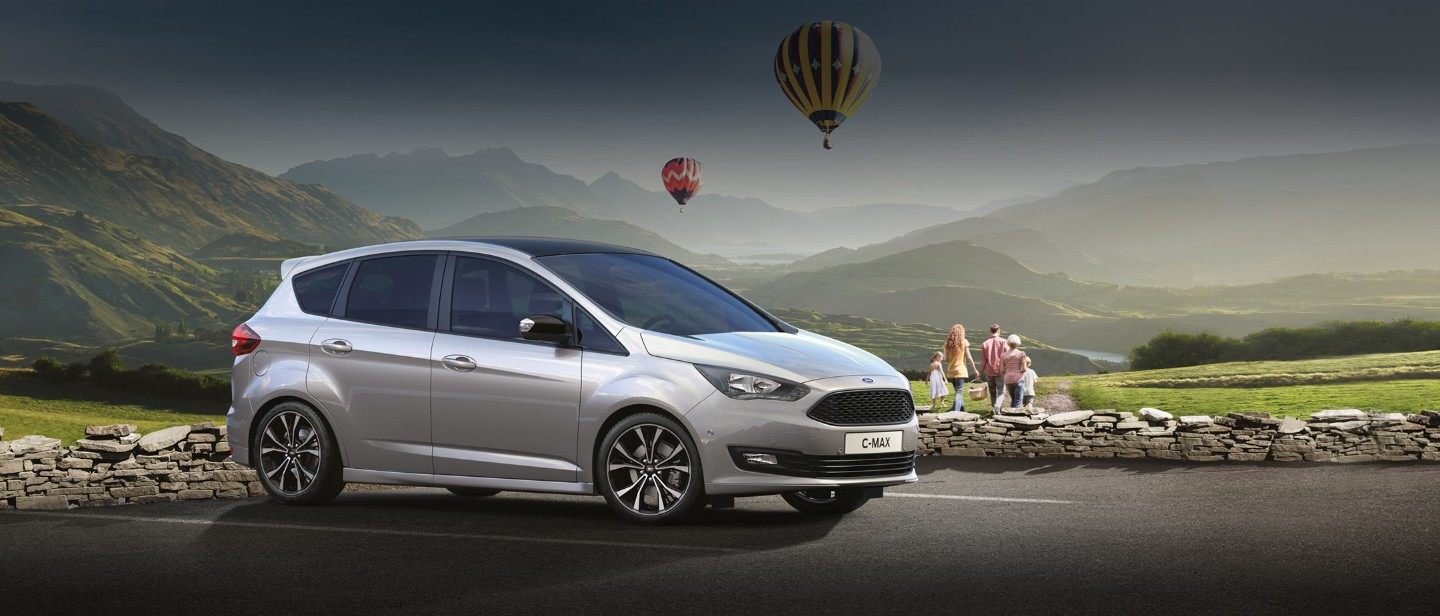
    Ford confirmed it will end production of its C-Max minivan at its factory in Saarlouis, Germany, but said the plant will stay open with further investment in the Focus car that is also built there. Production of the C-Max and Grand C-Max will stop by the end of June, the automaker said on Friday in a news release.

    Ford will also end night-shift production at the factory. The moves will reduce costs as Ford seeks to turn around its money-losing European operations.

    Ford said it will continue to invest in production of the Focus compact car in Saarlouis. There is strong demand for higher margin wagon, Active and ST variants of the Focus, the company said.

    Ford said on March 15 that it plans to cut more than 5,000 jobs in Germany to help return its operations in the region to profit in the near-term. The turnaround plan will involve job cuts, looking at plant closures and discontinuing money-losing vehicle lines, Ford has said.

    The automaker employs about 53,000 people in Europe, with more than 24,000 of them in Germany. It has 18,000 employees in Cologne, the location of its European headquarters and a factory that builds the Fiesta subcompact hatchback. Another 6,000 are employed in Saarlouis and a further 200 staff are based at an engineering center in Aachen.

    Ford is dropping the C-Max and Grand C-Max because of a sharp drop in demand as customers switch to SUVs and crossovers.

    Sales of the C-Max and Grand C-Max fell 21 percent to 53,080 in Europe last year, according to JATO Dynamics. Focus sales dropped 8 percent to 194,097.