Tag: card

  • Samsung Set to Shake Up Personal Finance: Barclays Partnership Brings Samsung Credit Card to Compete with Apple

    Samsung Set to Shake Up Personal Finance: Barclays Partnership Brings Samsung Credit Card to Compete with Apple

    Samsung is reportedly preparing to launch a Samsung-branded credit card in the United States, in a strategic collaboration with Barclays that will capitalize on Visa’s extensive global payment network.

    Samsung Eyes U.S. Financial Sphere

    Samsung is reportedly planning to broaden its financial services portfolio in the U.S. market. A partnership with the British banking giant, Barclays, would provide a solid foundation for both companies to further penetrate the U.S. market. For Samsung, this means fostering increased loyalty within its client base; for Barclays, it opens up opportunities for greater lending scope.

    The formal announcement of the partnership is expected by the end of the year, with Visa being selected to manage the payment network.

    If successful, the Samsung credit card is unlikely to be a singular venture. It has been suggested that the credit card could be the cornerstone of a more expansive financial product offering, potentially involving a high-yield savings account, a digital prepaid account, and even a buy-now, pay-later option.

    Samsung’s Bid to Emulate Apple’s Success

    With this move, Samsung is evidently looking to replicate Apple’s successful foray into the U.S. financial sector. Apple has already established a strong foothold in the country with the Apple Card and Apple Pay, while Samsung’s financial tools have yet to achieve similar success.

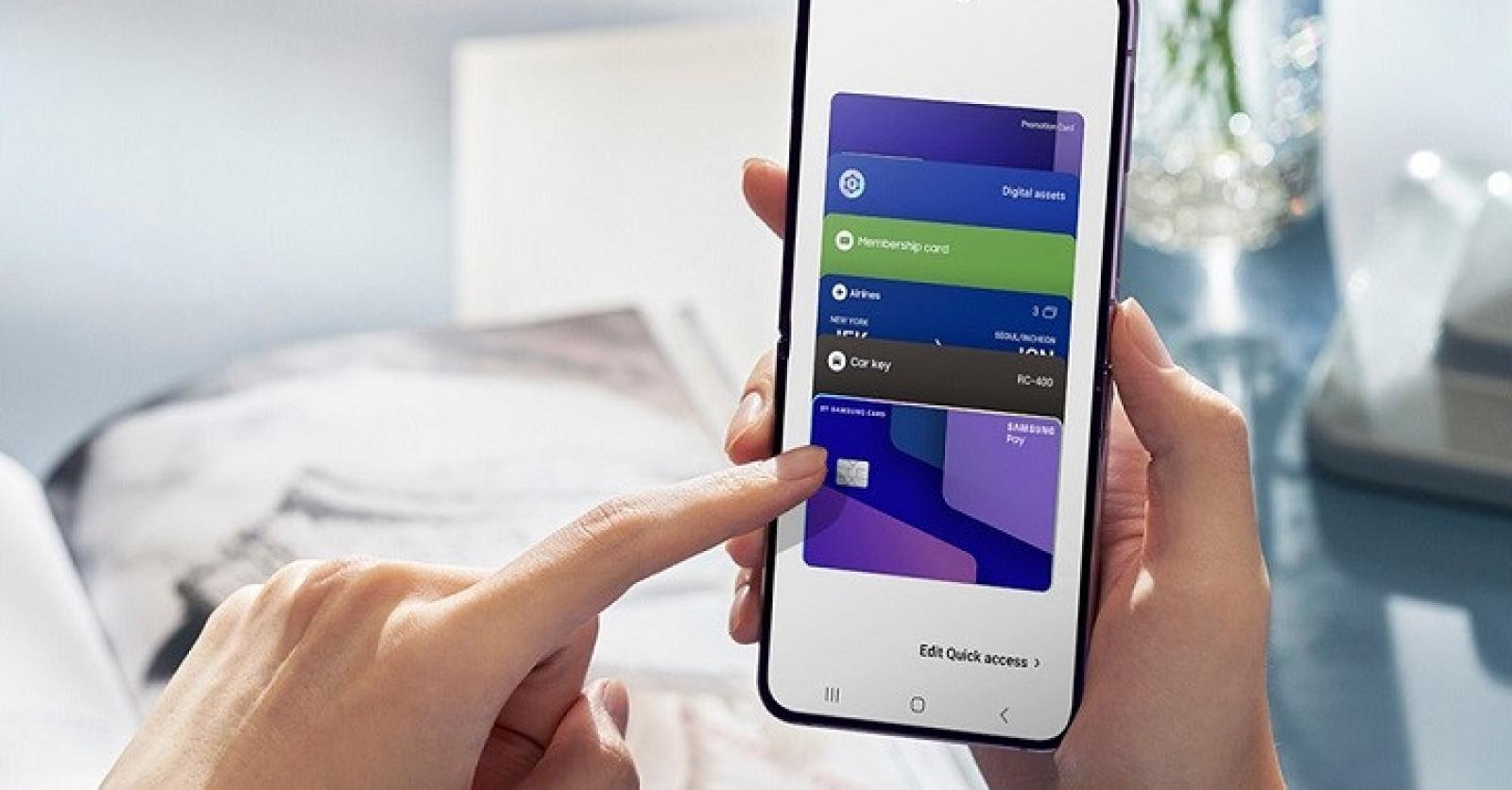
    Samsung anticipates that by launching its own credit card, it can further solidify its ecosystem through Samsung Wallet. The card could provide cashback rewards that are directly deposited into users’ Samsung accounts, offering them an easy way to finance future purchases. This setup is expected to encourage users to remain within Samsung’s ecosystem, regardless of whether they’re purchasing a new Galaxy phone, a TV, or even a smart refrigerator.

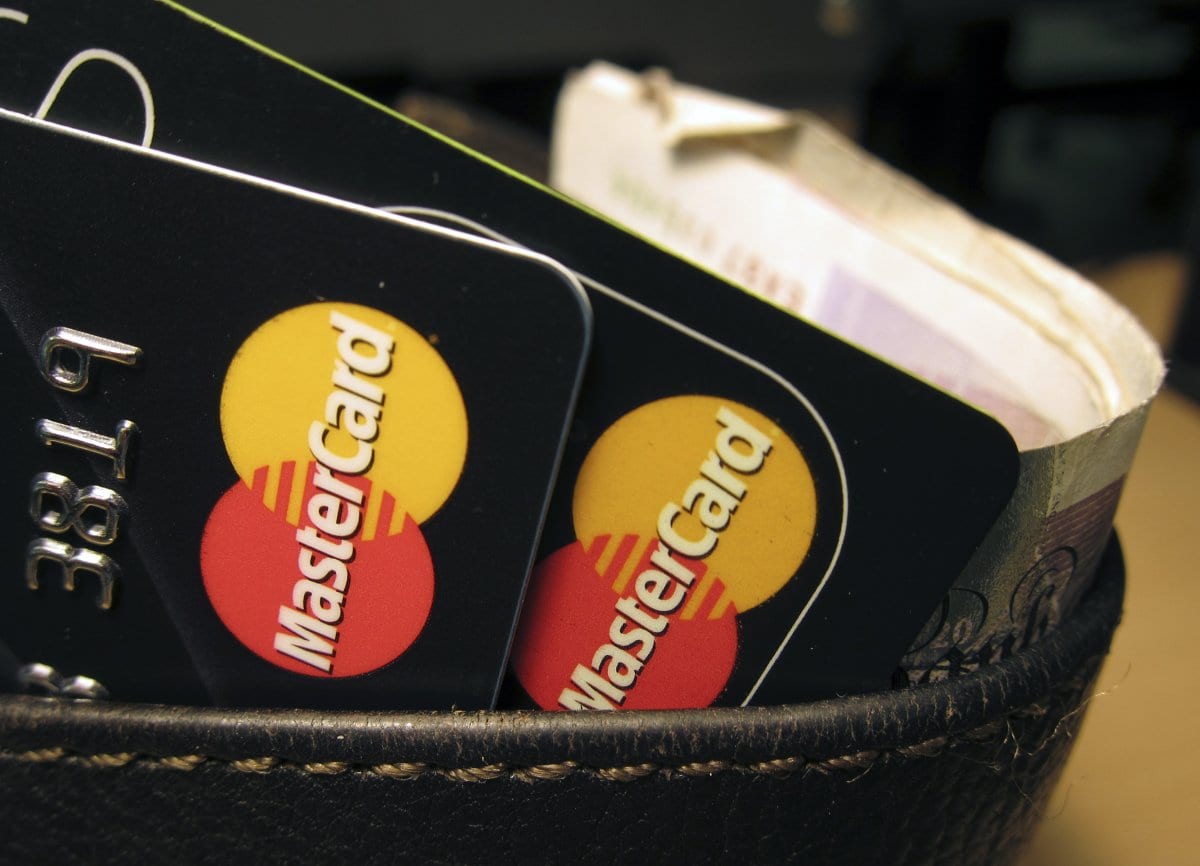
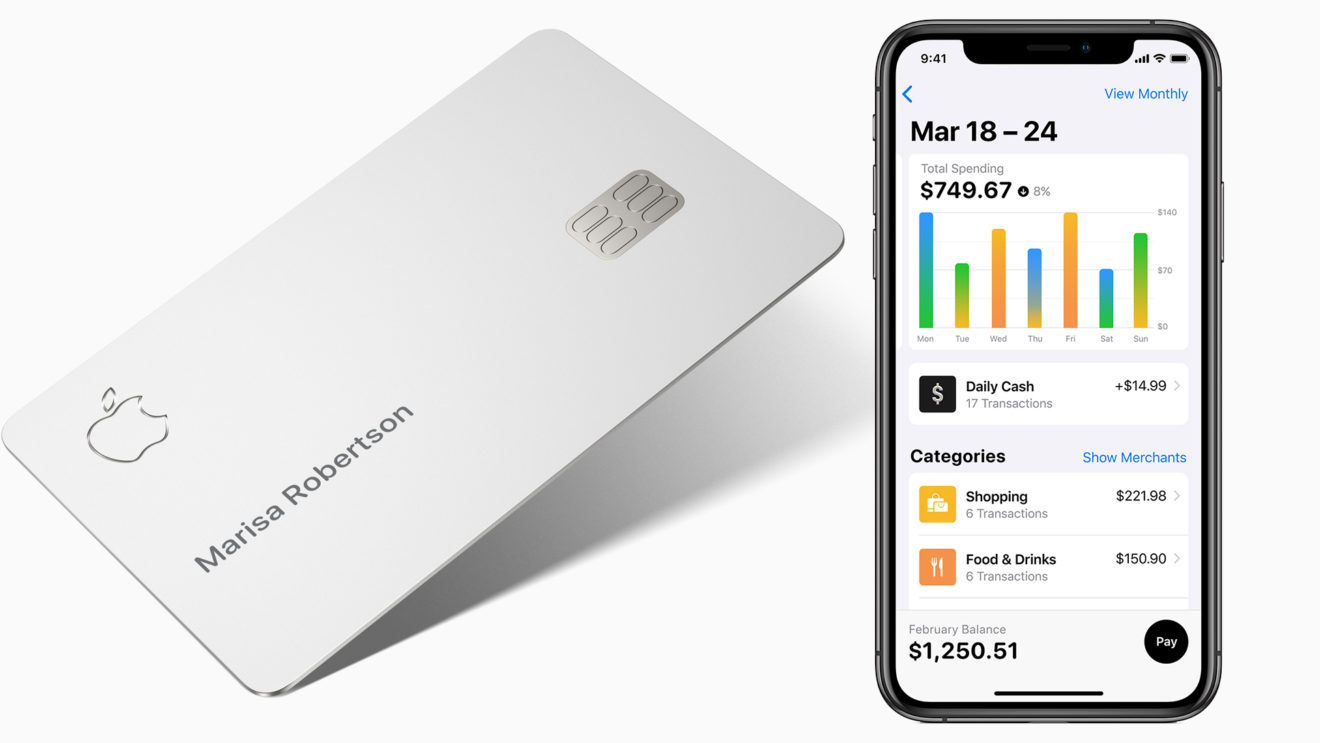
    This strategy reflects the approach taken by Apple back in 2019 when it launched the Apple Card, in cooperation with Goldman Sachs and Mastercard. The card, which offers cashback benefits and interest-free financing for Apple products, has been successful in substantial growth of Apple’s financial presence.

    Broadening Samsung’s Ecosystem

    Samsung and Apple have been longstanding competitors in the smartphone market, but as hardware advancements slow down, the focus of competition is shifting towards ecosystem services. Financial products such as the prospective credit card could enable Samsung to fortify its relationship with U.S. consumers, thereby enhancing the relevance of Samsung Wallet.

    If Samsung’s plans come to fruition, it could be a significant step into the realm of personal finance. It’s clear that the ongoing rivalry with Apple is evolving, moving from a battle over pocket space to a contest for wallet share.

    Questions & Answers

    What is Samsung’s projected strategy for the U.S. financial market?
    Samsung reportedly plans to launch a Samsung-branded credit card, in partnership with Barclays and utilizing Visa’s global payment network, with potential future offerings including a high-yield savings account and a digital prepaid account.

    What is the aim of Samsung’s credit card venture?
    Samsung hopes to enhance customer loyalty and keep users within its ecosystem by offering incentives such as cashback rewards which can be easily used for future purchases.

    How does this move reflect the changing competition between Samsung and Apple?
    As hardware development slows, competition is shifting to ecosystem services. Both companies are expanding into the financial sector, with Samsung’s credit card venture marking a new stage in its rivalry with Apple.
  • South Korea’s Payment Card Market Set to Hit $1 Trillion by 2025: A Game Changer for Retail!

    South Korea’s Payment Card Market Set to Hit $1 Trillion by 2025: A Game Changer for Retail!

    In a remarkable shift towards digital finance, South Korea’s payment card market—encompassing both point-of-sale (POS) payments and ATM withdrawals—is projected to grow by 3.8%, reaching an impressive $1 trillion (KRW1.4 quadrillion) by 2025, as revealed in a recent report by GlobalData. This growth is largely fueled by a burgeoning preference for digital payment solutions among consumers.

    Between 2020 and 2024, card payments in South Korea are anticipated to experience a robust compound annual growth rate (CAGR) of 7.8%, spiking to about $972.4 billion (KRW1.3 quadrillion) by 2024. In stark contrast, cash withdrawals from ATMs are expected to grow only marginally at 0.9%, as more consumers opt for card-based transactions over traditional cash withdrawals.

    “South Korea’s cards and payments industry is well-developed, with each individual estimated to hold more than six cards as of July 2025,” noted Shivani Gupta, a banking and payments analyst at GlobalData. Gupta also highlighted that the frequency of card usage is on the rise, increasing from an average of 86.2 transactions per card in 2021 to a projected 97.8 transactions per card by 2025.

    By 2025, POS transactions are expected to dominate the landscape, accounting for a striking 96.1% of all card payments, leaving a minuscule share for cash withdrawals. The total number of card payment transactions is forecasted to increase from 24.2 billion in 2021 to 30.7 billion by 2025, achieving a CAGR of 6.2%, and advancing further to 35.9 billion by 2029.

    Efforts to enhance card usage are evident in recent industry initiatives. In January 2025, payment company NHN KCP partnered with Verifone to launch the all-in-one POS terminal “KCP Terminal The Black,” specifically designed to assist small and medium-sized businesses. Additionally, a collaborative agreement signed in July on Jeju Island between six organizations, including the Korea Payment Service Promotion Agency, aims to broaden the use of contactless cards on local bus services. Who knew public transport could be this tech-savvy?

    Looking ahead, the payment cards market is expected to continue its upward trajectory, forecasted to grow at a CAGR of 3.6% from 2025 to 2029, ultimately reaching KRW1.6 quadrillion ($1.2 trillion) by 2029, according to Gupta.

    Questions & Answers

    What is driving the growth of the South Korean payment card market?
    The growth is largely attributed to a rising preference for digital payments among consumers, significantly influencing both POS payments and ATM withdrawals.

    How many cards does the average South Korean hold?
    As of July 2025, it is estimated that each individual in South Korea will hold more than six payment cards, reflecting the market’s robust development.

    What innovations are being introduced to enhance card usage?
    Recent innovations include the launch of the all-in-one POS terminal “KCP Terminal The Black” by NHN KCP and Verifone, aimed at supporting small and medium-sized businesses, as well as initiatives to expand contactless card use in public transport on Jeju Island.

  • Hyundai Card Leverages Data Insights to Propel Global Expansion Plans

    Hyundai Card Leverages Data Insights to Propel Global Expansion Plans

    Hyundai Card Co. Ltd., a pioneer in the South Korean fintech space, is steering its global ambitions with a sharp focus on data science, dedicating over 30% of its annual operating income to enhance its capabilities in this arena. The company is not just crunching numbers; it’s transforming them into actionable insights that predict and analyze customer spending patterns through advanced data structuring and artificial intelligence (AI).

    UNIVERSE: The Engine Behind Global Expansion

    At the heart of Hyundai Card’s international strategy is its innovative AI platform, UNIVERSE, which the company considers pivotal for its future growth. This powerful tool recently made waves in Japan by partnering with Sumitomo Mitsui Card Co. Ltd., a leading credit card issuer, following a six-month proof-of-concept trial that proved UNIVERSE’s mettle in a demanding market.

    UNIVERSE excels at tagging data into structured formats and employing AI to forecast consumer behavior — a function Sumitomo Mitsui Card plans to utilize across various operations, from credit assessments to fraud detection and merchant promotions. “Navigating the rigorous Japanese market has not only validated UNIVERSE but also paved the way for its expansion into additional territories,” commented Hyundai Card, emphasizing the platform’s potential to significantly bolster its global enterprise.

    Strategic Investments and Global Aspirations

    In a bid to fuel its global expansion, Hyundai Card is also pursuing credit ratings from major agencies including Fitch Ratings, S&P Global, and Moody’s Investors Service. Over the past decade, the company has poured more than $724 million (KRW1 trillion) into AI and data science initiatives, leading to a substantial increase in its workforce dedicated to these areas — from just 20 employees in 2015 to around 500 today, constituting a notable 25% of the overall staff.

    In 2023, Hyundai Card became the first in South Korea to launch Apple Pay, reaffirming its strong position in the mobile payments landscape alongside established giants like Europay, Mastercard, and Visa. It has also recently expanded its mobile payment services to Taiwan through a partnership with Line Pay.

    Dominance in South Korea’s Private Label Credit Market

    The company holds a commanding 78% share in South Korea’s private label credit card (PLCC) market, thanks to strategic alliances that enable it to offer co-branded services with major retailers such as Costco, Korean Air, Emart, and Olive Young. These partnerships have not just enhanced customer benefits but have also cemented Hyundai Card’s position as a leader in data utilization and collaborative marketing.

    With over 12 million cardholders, Hyundai Card is making significant strides in international markets. Its annual credit sales are projected to hit $120 billion in 2024, and overseas payment transactions have witnessed an impressive 32.6% year-on-year increase, reaching $2.4 billion.

    Questions & Answers

    What is Hyundai Card’s main strategy for global expansion?
    Hyundai Card is focusing on data science, allocating over 30% of its annual operating income to enhance its capabilities, particularly through its AI platform, UNIVERSE.

    How has Hyundai Card’s UNIVERSE platform been received in Japan?
    The UNIVERSE platform has been successfully adopted by Sumitomo Mitsui Card, one of Japan’s largest credit card companies, after passing a rigorous six-month proof-of-concept trial.

    What is Hyundai Card’s market position in South Korea’s private label credit card sector?
    Hyundai Card commands an impressive 78% share of the private label credit card market in South Korea, supported by strategic partnerships with major retailers.

  • DCS Launches Innovative Web3 Payment Platform, Revolutionizing the Retail Experience

    DCS Launches Innovative Web3 Payment Platform, Revolutionizing the Retail Experience

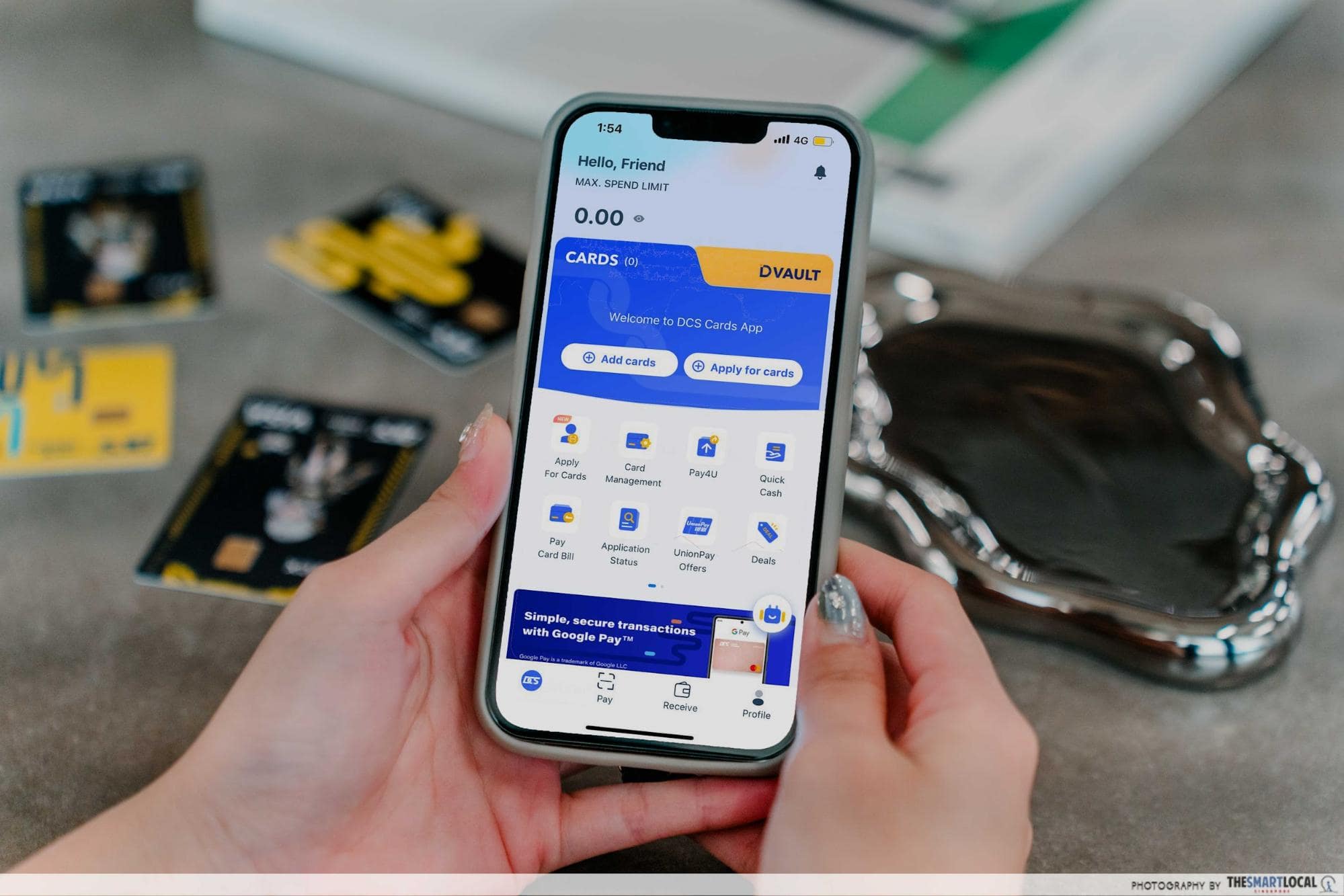
    DCS Card Centre is on the fast track to redefine its role in the financial landscape, transitioning from a traditional card issuer to a comprehensive global payments enabler. This transformation underscores a larger ambition to seamlessly connect the realms of Web2 and Web3 finance.

    Milestone Moments in Embedded Finance

    The company will showcase this evolution as the official payment provider for GastroBeats 2025. Dayna Leng, Chief Marketing Officer at DCS, stated, “This year, DCS has evolved into a global payments enabler, leading innovations that breach traditional finance and Web3 economies to facilitate everyday spending.”

    Once primarily identified with the Diners Club brand, this Singapore-based institution has significantly broadened its partnerships to include major players like Visa, MasterCard, and UPI. DCS’s evolution mirrors a broader regional trend, with embedded finance across the Asia Pacific projected to soar to US$255 billion by 2029.

    Redefining Payments for a New Era

    For DCS, the strategy now transcends simply issuing cards; it includes merchant acquisition and advanced payment services. “Card payments have undergone significant evolution,” Leng noted. “We’ve transitioned from debit to credit, to mobile and digital, moving from the confines of traditional finance to enabling real-time transactions across both physical and Web3 ecosystems.”

    Today’s consumers demand instant gratification, expecting payment solutions to be agnostic, borderless, and unhindered by limitations. This heightened expectation is prompting businesses to adopt innovative tools like virtual cards. These tools streamline accounting processes by consolidating expenses across teams, vendors, and merchants while also enabling multi-currency transactions, ultimately reducing foreign exchange costs.

    The Future is Regulated Yet Flexible

    “At the core of everything is the need for regulatory compliance,” Leng emphasized. She foresees a rapidly evolving digital payments landscape shaped by significant institutional involvement aimed at fostering a responsible digital lifestyle. One might say that while the future of finance is fast-paced and flexible, it must also tread carefully in regulatory waters — a balancing act reminiscent of walking a tightrope culinary experts skillfully navigate at a fine dining restaurant.

    Questions & Answers

    What is DCS Card Centre’s new role in the payments landscape?
    DCS Card Centre is shifting from a traditional card issuer to a global payments enabler, bridging traditional finance and Web3 ecosystems.

    How crucial is regulatory compliance in DCS’s strategy?
    Regulatory compliance is foundational for DCS, as the evolving digital payments landscape will require responsible frameworks to support new technologies.

    What is the significance of DCS’s partnership with GastroBeats 2025?
    DCS’s role as the official payment provider for GastroBeats 2025 marks a significant milestone in its ambition to integrate innovative payment solutions into everyday spending.

  • Chart of the Week: Hong Kong’s Credit and Charge Card Market Set to Hit $132.4 Billion!

    Chart of the Week: Hong Kong’s Credit and Charge Card Market Set to Hit $132.4 Billion!

    Banks in Hong Kong are stepping up their game with exciting new offerings like mobile virtual cards and dual-currency payment options. As a reflection of this growing competitiveness, the credit and charge card payments market is projected to expand by 6% to reach an impressive $132.4 billion (HK$1 trillion) by 2025, according to insights from data and analytics firm GlobalData.

    Currently, credit and charge cards account for a staggering 77% of all card payments in Hong Kong. This remarkable uptick in consumer spending is driven by a rapidly evolving payment infrastructure, an increasing number of merchant acceptances, and enticing benefits tailored for customers.

    With 27,252 point-of-sale (POS) terminals per million inhabitants, Hong Kong proudly outpaces Japan, Thailand, and Indonesia in this regard. As banks roll out innovative schemes, the appetite for adopting digital payment solutions is only expected to grow.

    Revolutionary Offerings Fuel Market Growth

    In June 2025, HSBC partnered with Mastercard to introduce the city’s pioneering mobile virtual corporate card, specifically designed for commercial clients. This avant-garde solution allows businesses to instantaneously issue virtual cards through a user-friendly portal. For added convenience, these cards can be linked to compatible digital wallets for immediate use through the Mastercard In Control Pay mobile app. Users enjoy the flexibility to activate or deactivate their virtual cards at any time and from any location — because why not take control of your finances while sipping a coffee at your favorite café?

    First Dual-Currency Card Takes Center Stage

    In a related development, the Bank of China Hong Kong (BOCHK) collaborated with UnionPay International to launch a dual-currency BOC Go credit card. This innovative card enables holders to make purchases in both Chinese yuan and Hong Kong dollars, blurring the lines of currency accessibility.

    Transaction Growth Points to Consumer Confidence

    Recent data from the Hong Kong Monetary Authority (HKMA) reveals that in the first quarter of 2025, the total value of credit card transactions surged by 8.4% year-on-year to reach $34.9 billion (HK$274.1 billion). Delving deeper, of this sum, $23.7 billion (HK$186.1 billion) stemmed from retail spending within Hong Kong. Overseas retail spending accounted for $10.06 billion (HK$79 billion), with cash advances making up $1.15 billion (HK$9 billion).

    Flexible Repayment Options to Enhance User Experience

    Recognizing the importance of managing risk, banks are enhancing credit card user experience by introducing flexible repayment options. For instance, Citibank’s Merchant Instalment Plan allows consumers to convert purchases of HKD2,000 ($256) or more at over 600 participating merchants into manageable monthly installments. Similarly, Standard Chartered offers customers the ability to convert purchases of HKD500 ($64) and above into payments spread over three to 60 months, fostering greater financial ease.

    Questions & Answers

    What is the projected growth rate of Hong Kong’s credit and charge card payments market by 2025?
    The market is expected to grow by 6%, reaching $132.4 billion (HK$1 trillion) by 2025.

    How are banks encouraging the adoption of new payment solutions?
    Banks are introducing innovative products like mobile virtual corporate cards and dual-currency credit cards, alongside flexible repayment options to enhance user convenience.

    What percentage of all card payments in Hong Kong currently comprises credit and charge cards?
    Credit and charge cards account for a significant 77% of all card payments in Hong Kong.

  • Card Payments Lead the Way as South Koreans Embrace Convenient Transactions

    Card Payments Lead the Way as South Koreans Embrace Convenient Transactions

    As the retail landscape in Asia continues to evolve at a rapid pace, the spotlight shines on innovative marketing strategies and the power of community engagement. Major players in the retail sector are embracing the digital age, maximizing their reach through targeted advertising, both online and offline. The potential for collaboration is endless, and businesses are beginning to understand the importance of crafting campaigns that resonate with their audience on multiple platforms.

    Reimagining Advertising in Retail

    In today’s vibrant market, retailers are not just sellers; they are storytellers, weaving narratives that captivate customers and build loyalty. An effective advertising campaign can make all the difference, and the right partnership can amplify these efforts. By combining print and digital strategies, brands can engage with their customers like never before, creating a seamless experience that bridges the gap between traditional and modern marketing.

    Creating Memorable Events

    Organizing engaging events—whether in-person or virtual—has never been more crucial. Retailers are discovering that the right event can spark creativity and collaboration. By bringing together industry leaders and innovators, brands can forge valuable connections and explore potential partnerships. These gatherings are more than just networking opportunities; they are platforms for inspiration and breakthroughs that could spark the next big trend in retail.

    Awards That Shine a Spotlight

    Recognition plays a vital role in motivating businesses to reach new heights. Retail awards not only celebrate achievements but serve as a benchmark of excellence within the industry. Participating in or sponsoring these awards can elevate a brand’s profile and foster a sense of community among peers. It’s a chance to showcase what sets a company apart—think of it as the retail equivalent of the Academy Awards!

    With the retail environment constantly shifting, staying ahead of the curve is essential. As businesses strive to innovate and connect authentically with their customers, there has never been a better time to invest in meaningful partnerships and campaigns that elevate the retail experience. After all, in the world of retail, it’s not just about selling products; it’s about creating memories and building relationships.

    Questions & Answers

    What are the key benefits of combining print and digital advertising?
    Combining print and digital advertising allows brands to reach a wider audience, engage customers in diverse ways, and create a cohesive brand narrative across multiple platforms.

    Why are events important for retailers?
    Events foster networking opportunities, stimulate creativity, and enable brands to connect directly with customers and industry leaders, paving the way for future collaborations.

    How do awards influence retail companies?
    Awards provide recognition, boosting morale and motivation within a company, while also enhancing its reputation in the industry and attracting potential partnerships.

    Isn’t it exciting to think about how retailers will continue to revolutionize their approach in an ever-changing marketplace?

  • The time for a new Apple Card issuer might finally be near

    The time for a new Apple Card issuer might finally be near

    It’s 2025 and the Apple Card saga is still unfolding. Last year, reports surfaced that talks between Apple and JPMorgan Chase had picked up, possibly signaling a move away from the current issuer, Goldman Sachs. A new player is joining the mix, while Goldman Sachs seems eager to bow out, particularly after the Apple Card missteps led to over $89 million in fines for both Apple and Goldman last year.

    A new report reveals that Apple is discussing with Barclays to take over from Goldman Sachs as its credit card partner, according to two sources familiar with the matter. This comes as the Wall Street giant pulls back from its consumer finance plans. Additionally, according to one of the sources, Synchrony Financial, a credit card issuer, is reportedly in talks with Apple about the potential partnership.

    Multiple financial firms are competing to replace Goldman Sachs, which partnered with Apple to launch the credit card back in 2019, according to the sources. While the appeal of working with Apple, one of the most recognizable names globally, is strong, some lenders have reportedly seen the initial terms of the deal as risky and not profitable. Talks between Apple and Barclays have been underway for months, but it could still take a while before an agreement is finalized.

    As mentioned earlier, JPMorgan Chase has also been in discussions with Apple about the partnership since last year. Although Goldman Sachs’ deal with Apple runs until 2030, Goldman CEO David Solomon recently suggested the collaboration could wrap up earlier. So, it’s no surprise that talks with other potential partners are in full swing.

    A switch in the Apple Card’s issuer could bring a host of new features and perks for cardholders, along with the possibility of a different or more consistent interest rate for Apple Card Savings accounts. Recently, Apple and Goldman Sachs reduced the savings rate again. Ultimately, as a consumer, I’m hoping that whoever Apple partners with next will result in a stronger and more competitive product for us.

  • Apple, Goldman Sachs partnership reportedly coming to an end

    Apple, Goldman Sachs partnership reportedly coming to an end

    This past summer we told you that global investment banking firm Goldman Sachs, Apple’s partner in the Apple Card, was looking to exit the partnership. At the time, American Express was considered a possible replacement for Goldman Sachs. The Apple Card launched in August 2019 with no fees charged for late payments, going over the credit limit, or for an annual membership.

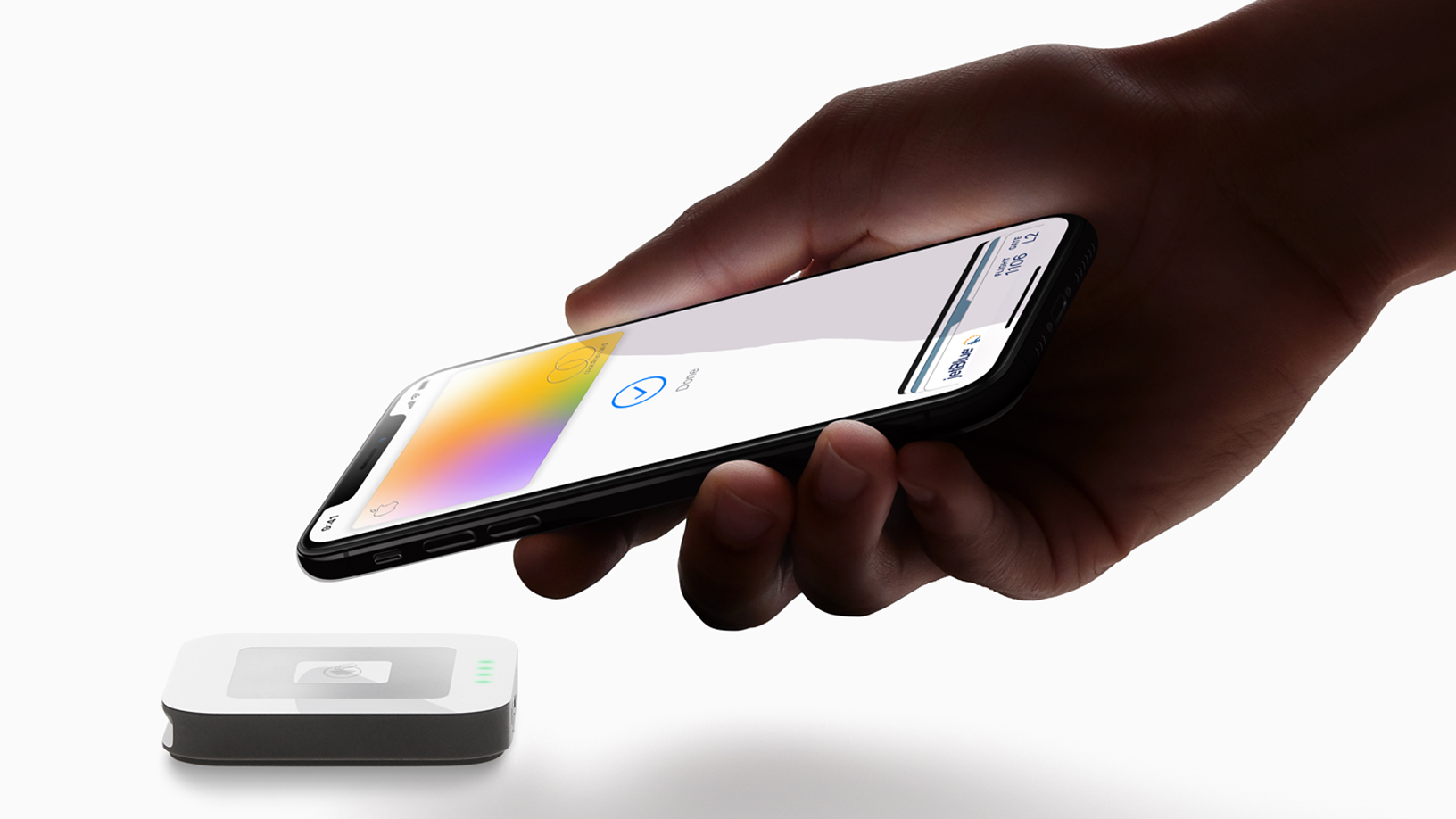
    Account holders get 3% back on Apple Pay purchases made using the Apple Card at the Apple Store (both physical and online), the App Store, Uber and Uber Eats, Walgreens, Nike, Panera Bread, T-Mobile, ExxonMobil, and Ace Hardware. On purchases made from other retailers that accept the Apple Card via Apple Pay, customers get 2% cash back. The cashback amount belonging to each cardholder is tallied daily and can even be swept daily into an interest-bearing savings account.

    Today, a person familiar with the situation told CNBC’s Leslie Picker that Apple has presented Goldman Sachs with a proposal that will dissolve the Apple-Goldman Sachs partnership within the next 12 to 15 months. This would force Apple to find a new financial partner to keep the popular Apple Card alive along with Apple’s high-yielding savings account. While Apple offers the card via its Wallet app, Goldman Sachs runs the operations’ back-end.

    An Apple representative told CNBC today, “Apple and Goldman Sachs are focused on providing an incredible experience for our customers to help them lead healthier financial lives. The award-winning Apple Card has seen a great reception from consumers, and we will continue to innovate and deliver the best tools and services for them.” It isn’t clear whether Apple has a deal with a new partner although, as we mentioned at the beginning of this article, American Express was rumored in July to be interested in the business.

    At the start of this year, a report said that Goldman Sachs had put aside $1.2 billion in loan-loss provisions for its consumer credit division covering the first nine months of 2022. These funds are put aside by a bank to cover debt that the bank believes will not be repaid. At the time, analysts said that the large increase in load-loss provisions was due to the Apple Card.

    Goldman originally hoped to have its consumer credit division, which includes the Apple Card, hit the breakeven mark in 2022. But that has been pushed back until 2025. Last year, Wolfe Research analyst Bill Carcache said, “The Apple Card portfolio may generate lower revenues and face higher loss content relative to the industry average.”

    If Goldman does want out, we’d expect Apple to announce a partnership with another firm fairly quickly. Stay tuned.

  • Apple Card Savings Account is here: Impressive 4.15% Interest Rate

    Apple Card Savings Account is here: Impressive 4.15% Interest Rate

    Starting today, you can open an Apple Card Savings account with an annual percentage yield (APY) of 4.15%.

    We have been hearing rumors about this Apple Card Savings account recently, but now it’s finally official in a blog post on the Apple Newsroom.

    The main benefit of this account is the high APY. At 4.15%, Apple says this rate is 10 times the national average. The account operates in partnership with Golden Sachs.

    It’s also good to know that the Apple Card Savings account comes with no fess, minimum deposits, or minimum balance requirements.

    Apple Card holders can get between 2% and 3% cash back on purchases made via Apple Pay, and 1% cash back on transactions made with the physical card. So these Daily Cash balances will immediately go into the Savings account, so you can start earning interest.
    Users also gets a neat dashboard right in the Wallet app, where they can track account balance and interest earned over time.
    Here is how you open a savings account in the Apple Wallet app:
    • Tap on the Apple Card
    • Tap on the circle with three dots at the top of the screen
    • Tap Daily Cash
    • Select Set Up Savings.
  • Providers of pre-activated SIM cards face suspension

    Providers of pre-activated SIM cards face suspension

    The Ministry of Information and Communications has announced that it will suspend network providers found distributing pre-activated SIM cards or cards registered under incorrect personal info.

    The providers need to publish a list of authorized salespoints on their websites and ensure that their employees only register subscribers who submit personal details in line with the national database, the ministry’s Telecommunications Authority announced Tuesday.

    The moves comes as part of a government effort to make sure that phone subscriber data matches the national database. Millions of subscribers have used pre-activated SIM cards registered under false information for years.

    Some salespeople even sell thousands of SIM cards registered with the same data, and buyers continue using them without updating the info.

    Pre-registered SIM cards are taken advantage of by many businesses for cold calling purpose. Last year, the Hanoi Department of Information and Communications had to request network providers suspend 882 subscribers from making spam calls and sending mass text messages to advertise their products or services.

    Network providers have been ordered to send text messages to falsely registered subscribers asking them to make corrections. After 15 days, if no changes are made, the user will be locked from making calls, while still being able to receive calls.

    There are 127 million phone subscribers in Vietnam, 96% of them belonging to VinaPhone, Viettel and MobiFone.

    Each of these three providers has 1.1 million to 1.4 million phone subscriptions with data that needs to be corrected.

  • Vietnamese NFT game big in Japan

    Vietnamese NFT game big in Japan

    Titan Hunters, a non-fungible token game developed in Vietnam, is currently the 21st most downloaded adventure game on iOS in Japan. It has been downloaded over 100,000 times on Android devices.

    It has also gained social media attention and was among the top mentioned topics on Twitter at the end of last month and early this month. Popular Japanese gamer Lucian said it attracts players because of its ease of access. Titan Hunters was launched at the end of March.

    Unlike other NFT games, it is free, and those who want to play to earn need to link the game with their e-wallet. Japan has among the largest number of players and developers of electronic games globally. At 70 million players, the game has a quarter of the numbers Sony, Nintendo and Sega do.

    Titan Hunters CEO Vu Duy Tiep said Japan is a market with high competition and players there are “pretty picky.” The game has been downloaded 150,000 times across all platforms with around 50,000 active players daily, 75 percent of them in Japan, he said.

    “We aim to reach the European and U.S. markets next.”

    In Vietnam, some players have been complaining that the game has bugs and their gameplay experience is not “smooth.”

    Axie Infinity was the first NFT game developed in Vietnam to become internationally popular.

  • Starbucks Korea faces probe over US$153 million in prepaid card takings

    Starbucks Korea faces probe over US$153 million in prepaid card takings

    Starbucks has been the subject of growing speculation as a number of Korean banks express their concerns over the US coffeehouse chain’s potential move into the competitive financial services industry.

    The global chain itself has not announced its plans to edge into financial services, but the booming success of the company’s prepaid gift card and mobile app – which Starbucks announced collectively had $1.56 billion in stored value by the end of 2019 – suggests there is a path emerging for the company to become a bank if it wanted to.

    Despite the enticing $1.56 billion figure, 3,900 US banks have less than $1 billion in total assets according to the Federal Deposit Insurance Corporation (FDIC).

    Starbucks revealed on a recent earnings call that its rewards program in the US had grown to 18.9 million active members at the end of 2019, up 16% year-over-year. “This is important because we know from experience that when customers join our rewards program, their total spend with Starbucks increases meaningfully,” he said on the call.

    South Korea’s Hana Financial Group is acutely aware of Starbucks’ competitive potential. Its chairman Kim Jung-tai said in his New Year address: “Technologies have allowed coffee companies like Starbucks to be our rivals. It will be fine to call Starbucks an unregulated bank, not a mere coffee company.”

    One year prior, South Korea’s KB Financial Group, KB Kookmin Bank and NongHyup Financial Group all mentioned Starbucks in their New Year’s addresses too. “The most-used mobile payment app in the US was the Starbucks app, not Google or Apple Pay,” KB Financial Group’s chairman Yoon Jong-kyoo said last year.

    “About 40% of its payments were made with the app, and the amount of cash loaded onto its prepaid cards and apps surpassed the amount of cash that some provincial banks had,” Jong-kyoo added. Industry experts believe Starbucks might move into asset management through its prepaid cards, as well as into the loan, insurance and currency exchange sectors.

    “Starbucks has been regarded as a fintech firm, not a coffee company, over the past few years,” an unnamed bank official said. “The removal of the word coffee from its signboard also proves this.”

    The coffeehouse partnered with cryptocurrency trading platform Bakkt at the end of last year. In the first half of 2020, Starbucks and Bakkt will test a consumer app “to make it easy for consumers to discover and unlock the value of digital assets”, Bakkt’s chief product officer Mike Blandina said in October.

    These recent movements by Starbucks against the backdrop of its prepaid card success have spurred the Korean financial industry to call for regulators to put controls on the coffeehouse. “Regulations are needed for prepaid service providers to maintain a certain level of capital adequacy ratio,” Hansung University’s economics professor Kim Sang-bong said.

    The global chain has plenty of capital to start up its own bank. According to Statista, its revenue in 2019 was roughly $26.51 billion. With Big Techs such as Amazon, Facbook, Uber and Grab all planting their flag in the space, it seems imaginable that a similarly well-known brand such as Starbucks might be able to do the same.

    But if regulators decide to clamp down on the company in certain regions, then its currently speculative appetites for a financial play could easily be curbed or at least put on hold.

  • Apple working on exclusive Apple services promotions for Apple Card users in the US

    Apple working on exclusive Apple services promotions for Apple Card users in the US

    Apple has now set up a new way of promoting its services to Apple Card owners in the US. The company has now started giving users promotions of services in the Wallet app, in a special section of the app with special offers.

    The new feature was spotted by Mark Gurman on iOS 15 and the Wallet app. Currently, the promotion available was regarding a News+ offer; however, the link does not lead anywhere so it is possible it is still in development.

    It seems the new feature is not only available to iOS 15 but it is also shown to Apple Card users in the US with iOS 14.

    Until now, Apple Card users could benefit from exclusive benefits, but usually, these were related to other stores or services. Now, Cupertino is more aggressively promoting Apple News+ or possibly other Apple subscriptions in the future.

    Apple News+ is a subscription for the News app, that allows you to read newspapers and magazine articles ad-free. The price of the subscription is $9.99 a month, giving you access to more than 300 titles, online and offline browsing, and even News+ audio stories for the week’s best articles.

  • Samsung will develop payment cards with fingerprint scanners with Mastercard

    Samsung will develop payment cards with fingerprint scanners with Mastercard

    Samsung and Mastercard have partnered up to develop a fingerprint-authenticated payment card. Yes, we’re talking about an actual, physical card with a built-in fingerprint scanner. This innovation will increase the security of contactless payments and give users another layer of safety – while looking pretty darn cool.

    The card will work with every in-store (POS) terminal that supports Mastercard. When buying, the user will use their fingerprint rather than their PIN to secure the payment that they make. Especially in a pandemic this new type of card introduces a safer and more convenient way for users to authenticate their way of payment, because it excludes the need to touch the POS device.

    The new security chipset will be delivered by Samsung’s System LSI Business and will not use existing Mastercard hardware.

    “As consumers embrace the safety and convenience of contactless payments, Mastercard will leverage its cybersecurity and intelligence expertise and global payments network in this three-way partnership to enhance cardholder security with a biometric solution supporting fast, frictionless payment experiences that are protected at every point,” said Karthik Ramanathan, Senior Vice President, Cyber & Intelligence Solutions, Asia Pacific, Mastercard.

    In 2017 Mastercard unveiled their plans for a similar card that doesn’t require users to put their PIN in. This new endeavor uses the same concept but the sensors are now going to be produced by Samsung.

    Samsung Card is owned by Samsung Life Insurance, which is one of the biggest credit card companies in South Korea. The company will be the one releasing the product in South Korea later this year.

  • Apple limits online sales of iPhone as stocks go down

    Apple limits online sales of iPhone as stocks go down

    Apple has placed restrictions on bulk purchases of its iPhones in some Asian territories after the coronavirus outbreak caused interruptions to supply.

    Customers in Mainland China, Hong Kong, Taiwan, and Singapore are limited to buying two devices of the same model per order. While similar limitations are in place in many other regions, customers in those territories are not being notified of the limitations until check-out.

    The firm issued a warning to investors last month that the coronavirus outbreak had significantly affected its supply chain, stating that it may not meet its quarterly revenue expectations. Apple shut down all of its retail stores outside China 10 days ago, including 52 outlets in Mainland China, Hong Kong and Taiwan.

    Apple suffered a 61-per-cent year-on-year drop in iPhone sales last month, at a time when Chinese factories were largely closed. Many have since reopened as demand for iPhones drops globally with the spread of social distancing and closed retail outlets.