Retail News CRM

Tag: card

  • Card Payments To Exceed One Billion In Hong Kong

    Card Payments To Exceed One Billion In Hong Kong

    Despite the dominance of cash, card payments volume in Hong Kong is expected to surpass one billion in 2020, says GlobalData.

    The convenience of electronic payments, robust payment infrastructure and the emergence of contactless payments are expected to drive the total number of card payments from 642.0 million in 2015 to 1 billion in 2020, according to GlobalData, a data and analytics company.

    Hong Kong’s high banked population, growing preference for contactless technology and, the growing e-commerce market will further support the use of payment cards over the next five years,” said Nikhil Reddy, Banking and Payments Analyst at GlobalData in a media statement on Monday.

    Hong Kong has a highly penetrated payment card market, with each individual holding more than three cards in 2019. The steady progress in the adoption and use of payment cards, plus the high penetration, are supported by the government and banks’ efforts to provide banking services even in remote areas.

    The expansion of banking infrastructure through the introduction of mobile banking branches, new physical bank branches and the establishment of virtual banks, were also factors.

    Hong Kong’s payment card market is mainly driven by credit and charge cards, which accounted for 67.9 percent of total card payment value in 2019, GlobalData’s Payment Cards Analytics reveals. The total card payment value in the country is forecast to increase from HK$43.3bn in 2019 to HK$59.6bn in 2023.

    The pricing benefits such as referral programs, installment facilities, cashback and discounts associated with credit and charge cards are some of the key reasons for their preference. In addition, these cards are increasingly preferred for online shopping and for transactions overseas.

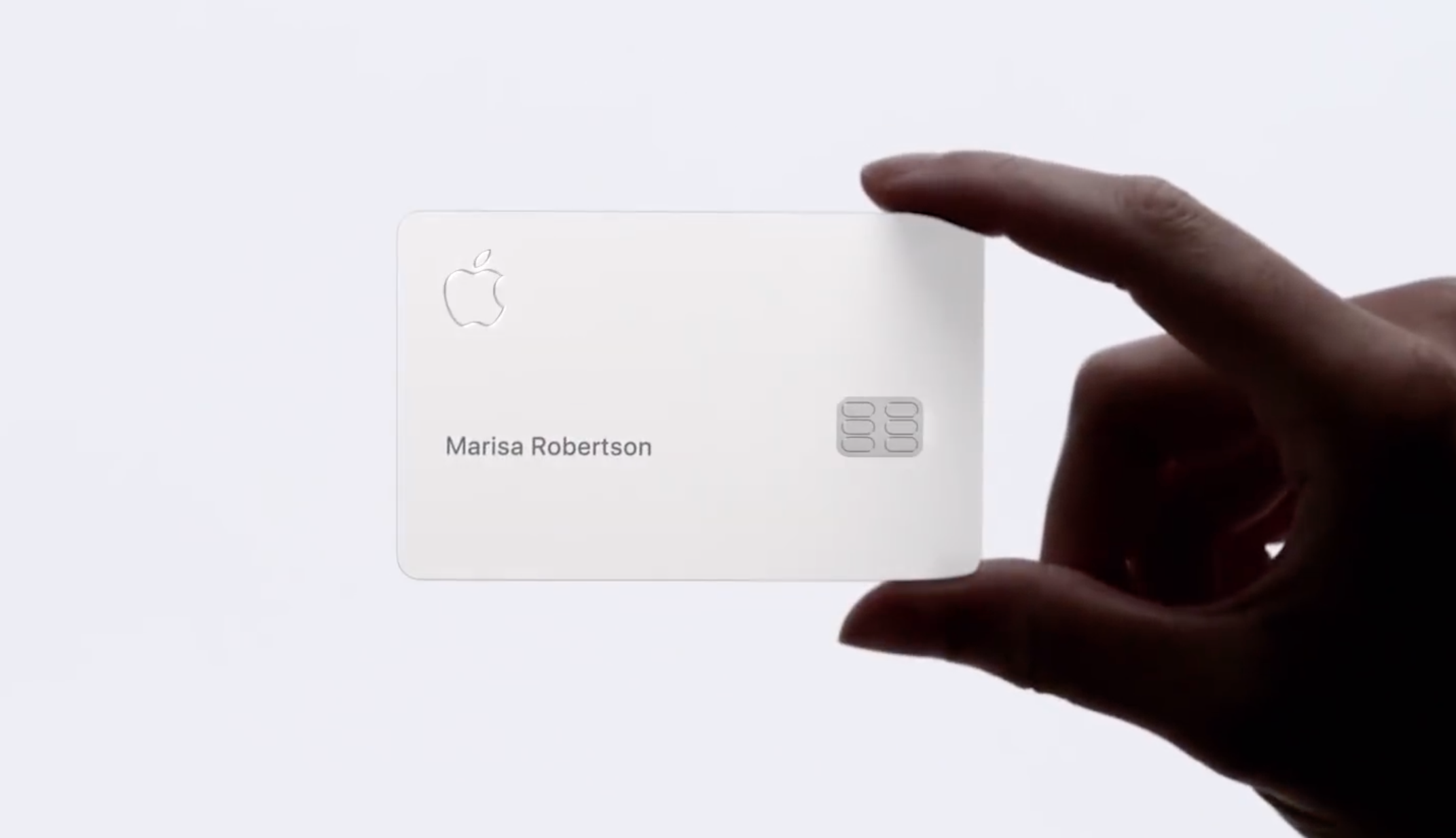
  • Apple Card holders can buy an iPhone and make 24 monthly interest-free payments

    Apple Card holders can buy an iPhone and make 24 monthly interest-free payments

    Sure, Apple iPhone buyers can purchase an iPhone from their carrier and pay it off interest-free by making 24-monthly payments. Starting tomorrow, that option will be available to Apple Cardholders purchasing a new iPhone from the Apple Store. The monthly amount owed for the phone will be added to each month’s minimum amount due for 24 months. Cardholders using the Apple Card to make purchases at the Apple Store will receive a 6% cashback bonus until the end of this year. That is twice the usual 3% that they get back on Apple Store purchases made with the card.

    Apple CEO Tim Cook, after Apple reported its fiscal fourth-quarter results in October, announced that the company was going to allow Apple Cardholders to pay for iPhone purchases monthly. At the time, Cook said, “One of the things we are doing is trying to make it simpler and simpler for people to get on these sort of monthly financing kind of things. That’s a part of what we announced with the Apple Card earlier in the call and so we are cognizant that there are lots of users out there that want sort of a recurring payment like that.”

    The company does offer the iPhone Upgrade Program, which includes 24 interest-free monthly payments for an iPhone bundled with the AppleCare+ extended warranty. After 12 monthly payments, the iPhone being paid off can be exchanged for the latest model and the payments continue. For example, those signed up for the upgrade program are paying $54.08 monthly for the 64GB iPhone 11 Pro Max.
    Apple posted a message about installment payments inside the Wallet app on Monday that read “Installments are not subject to interest like other purchases made with Apple Card. If you pay more toward your installment balance, you may reduce the overall number of payments, but are still scheduled to pay your installment payment the following month.” The tech firm introduced the Apple Card in March and launched it in August. The card is the result of a partnership between Apple and securities firm Goldman Sachs. In addition to receiving 3% back on purchases of Apple products using the card (as we pointed out earlier, until the end of the year this is doubled to 6% for Apple Store purchases), users get a 1% cash back bonus on purchases while Apple Pay transactions give users back 2% of the amount charged. These cashback payments are computed and added to the user’s account daily. And there are no fees for Apple Cardholders; Apple does not collect late fees, annual fees, or over-the-limit fees.
    Apple iPhone users can apply for the card through the Wallet app or from the Apple Card site. And once they are approved, the card can be used immediately using Apple Pay and the Wallet app. While those approved can use the card immediately, a physical titanium card is subsequently mailed to the account holder. And while most credit card companies clap their hands together in glee and drool when customers pay the minimum amount due each month, Apple will show users how much interest they can expect to pay overtime based on the amount they are paying each month. This might give cardholders the incentive to pay down more of their balance each billing cycle.
    With the Wallet app, users can see their account as it stands right at that moment. And if a subscriber spots a charge that he or she doesn’t remember, tapping on it will show the location where the transaction took place on a map.
    So if you have an Apple Card, starting tomorrow, you can purchase a new iPhone from the Apple Store and make 24 monthly installment payments interest-free; there’s no additional application required to finance the purchase of an iPhone using the card.
  • HSBC Launches Digital Credit Card in Mainland China

    HSBC Launches Digital Credit Card in Mainland China

    HSBC continues to expand its capabilities in mainland China with the latest launch of a digital credit card – the first foreign bank to do so.

    The card will allow HSBC customers to access credit card information via the HSBC Mobile App or WeChat Banking service in addition to the same privileges and benefits as the plastic card.

    The bank also leveraged facial recognition technology to allow easy activation of credit cards or unlocking of details. Mainstream online payment tools, such as Alipay, WeChat Pay and UnionPay, can also be added through the credit card.

    We have invested in data analytics capabilities and AI-powered risk control systems to provide a digital credit card solution that caters to the spending needs of customers looking for ease, convenience, value and security, said Richard Li, EVP and head of retail banking and wealth management for HSBC in China.

    HSBC continues to build momentum in mainland China, having also crossed the one million credit card issuance mark since it first began in late 2016. It had also recently launched its first onshore high net worth client center focusing on clients with a minimum account size of $1 million.

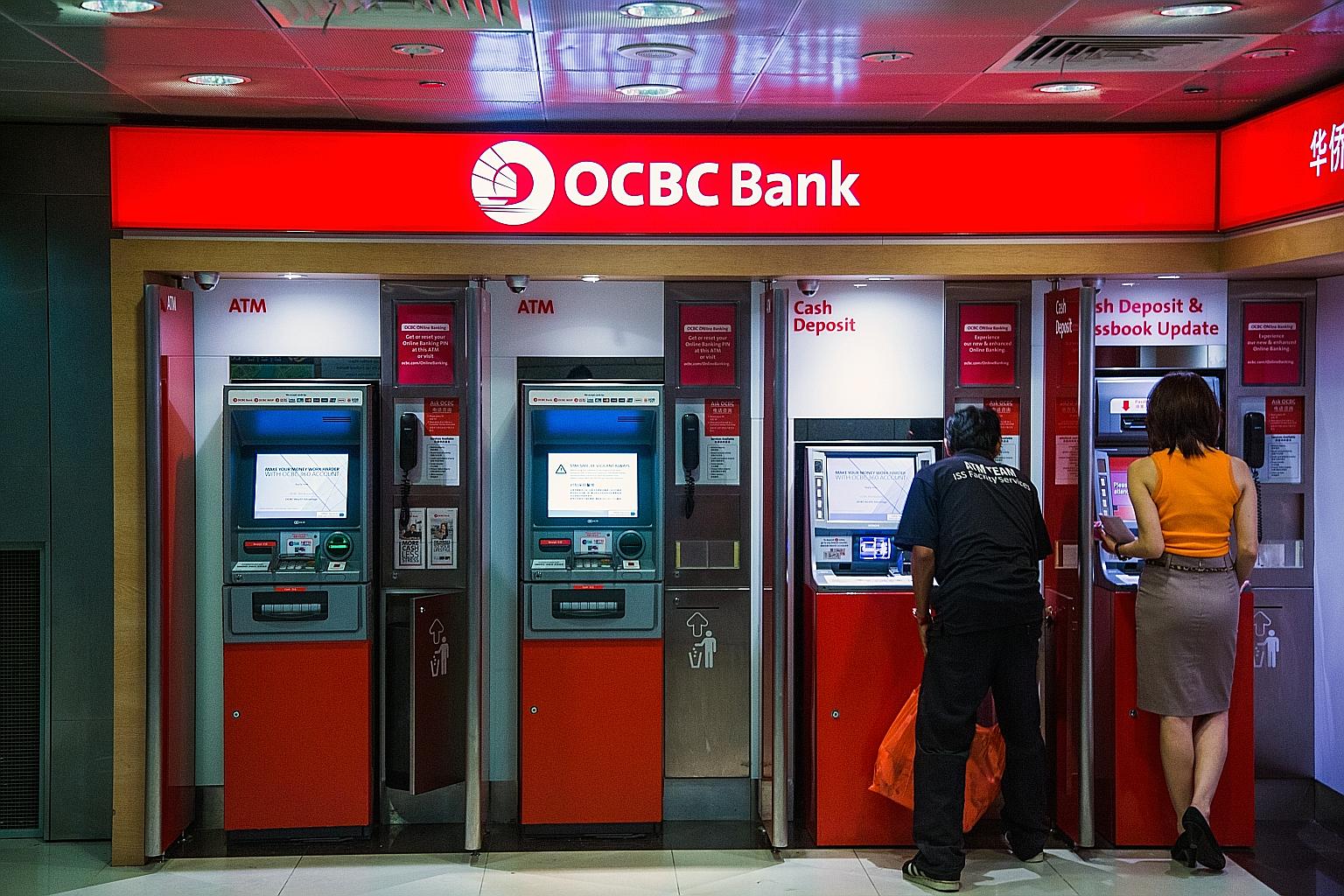
  • OCBC Launches Mass-Market Travel Credit Card

    OCBC Launches Mass-Market Travel Credit Card

    The bank is hoping to capitalize on the rising trend of frequent traveling among the younger generation and the high share of rebates and reward card users who are also keen travelers.

    OCBC Bank has launched its first mass-market miles card, the OCBC 90°N Card, with which it hopes to achieve $1 billion in annual billings within three years, the bank said in a statement.

    The credit card, which is targeted at fresh graduates, young professionals, management, executives and technicians (PMETs), as well as emerging affluent individuals, has a low annual income requirement (S$30,000), a brand new rewards currency that does not expire, and smaller redemption blocks with no fees, the statement said. The card also allows instant cashback ranging from an average of 1.5–5 percent and reward points that can be used for dining and shopping privileges.

    The bank said it hopes to attract 150,000 sign-ups, and is offering a launch bonus of up to 8 miles per dollar with no cap and minimum spend, as well as 7,000 miles to draw new customers.

    In the past five years, overseas credit card expenditure among OCBC cardmembers has «more than doubled,» Desmond Tan, OCBC’s head of group lifestyle financing, said.

    In addition, the bank has a total card base of 2.5 million customers, and its total card billings have registered a compound annual growth rate of 10 percent over the past three years.


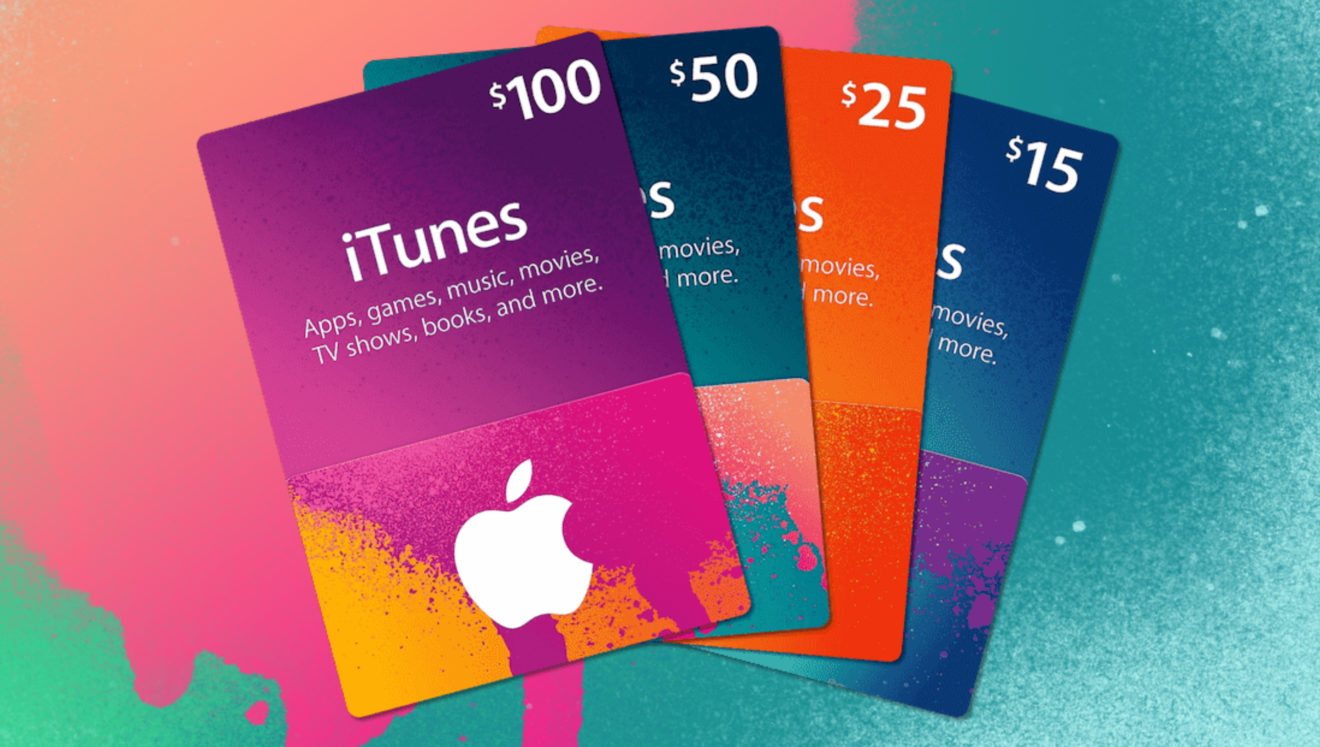
  • Apple is warning consumers not to fall for a popular iTunes gift card scam

    Apple is warning consumers not to fall for a popular iTunes gift card scam

    There are so many illegitimate ways to separate people from their hard-earned money. One such scam has random people receiving calls from someone claiming to be with the IRS and demanding immediate payment for back taxes owed. The victims are told that they can satisfy their debt by buying the appropriate dollar amount of iTunes gift cards and reading the card numbers to the scammers over the phone with a return call. It might surprise you how many people fall for such a ruse.

    Apple is doing its part to prevent this scam from continuing by having Apple Store employees make a specific statement to customers buying iTunes gift card. When the cards are being purchased, the employee ringing up the sale tells the consumer that iTunes gift cards cannot be used outside of the App Store or iTunes, and can not be used to pay taxes. And to make sure that this is actually getting through to the consumer, Apple asks them to “accept” the warning on the mobile point-of-sale equipment carried by the Apple Store rep.

    To go one step further, Apple has added a warning to the packaging that houses the gift card. Printed in red to catch the eyes of a consumer, the text reads, “Card cannot be used for payments outside of U.S. App Store or iTunes Store, including taxes.

    All of Apple’s warnings will probably lower the success rate of this scam, but there will always be those who will fall for it. It is similar to the phishing technique used by scammers to get unsuspecting consumers to turn over important information like a social security number, passwords, PIN numbers and more. One person we know was caught in the early days of phishing and turned over information pertaining to his eBay account. Within minutes the account was hijacked by the scammer who started selling expensive cameras and other high-end tech gear. The account was stolen because it had a high positive feedback rating which lured prospective buyers and gave them the confidence to buy products that the seller didn’t really have.

    Also, if you get a call from your carrier saying that your service has been suspended for one reason or another, be skeptical. Call back the company using a phone number found on Google. If you do speak with someone, do not give out any important account information. It seems like common sense, but those who did give away passwords, PINs and other verification information soon discovered that someone had changed their account address and ordered some expensive new phones.

    On Android, Google has added a feature that will tell you if an incoming call appears to be from a spammer. The Call Screen feature allows Google Assistant to answer a suspect call and find out who is calling while you read a real-time transcription of the conversation on your phone. You can connect to the call at any time. The upcoming iOS 13 update will allow users to toggle on a feature that will send calls from people you don’t know, straight to voice mail. The feature, called “Silence unknown callers,” will allow calls from those in your contacts list to ring through. Google could add something similar in the Android Q update. Earlier this year, some Android users spotted some new options under the Blocked numbers page in the Phone app. These allowed Android users to block calls from people not in the user’s contacts list, block calls from people who do not disclose their phone number, block calls from unidentified callers, and block calls from pay phones. If you are too young to know what a pay phone is, ask your parents.

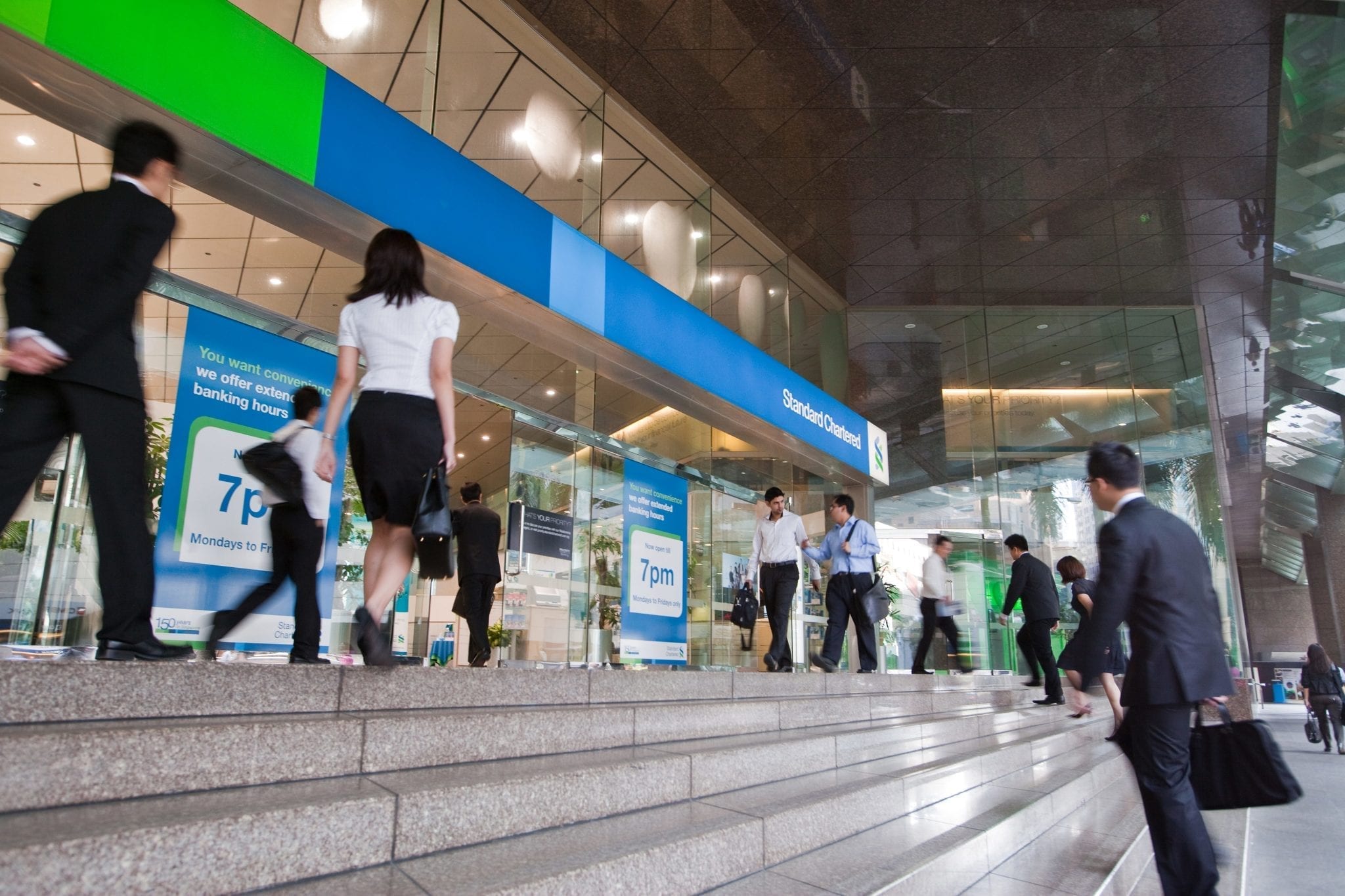
  • Standard Chartered Provides Instant Loans

    Standard Chartered Provides Instant Loans

    Our clients are highly engaged digitally. We have seen a 33 percent quarter-on-quarter growth in new mobile active clients, as our clients look to do most of their banking activities digitally, from application to activation to service requests and payments,» said Natalia Goh, Head of Credit Cards and Personal Loans, Standard Chartered Bank Singapore, in a press release on Tuesday.

    Since last year, the bank has seen twice the number of digital service requests from clients, such as card activation, replacement, and renewal requests, as well as reporting of lost cards.

    In addition, we see that our clients are increasingly comfortable with digital payments, with the number of mobile wallet transactions growing more than 80 percent in the past year. With this shift towards an increasingly digital lifestyle, we believe that our instant digital credit card and loan disbursement capabilities will greatly enhance the overall client experience,» Goh added.

    The new capability is powered by the bank’s real-time onboarding platform, which leverages on MyInfo, Singapore’s national database, to help new clients save a significant amount of time usually needed on lengthy form-filling. For clients who do not currently have a credit card or bank account with the Bank, MyInfo will help to pre-populate most of the information in the application form. Clients who hold existing credit card(s) with the bank will have a simpler and shorter form to complete.

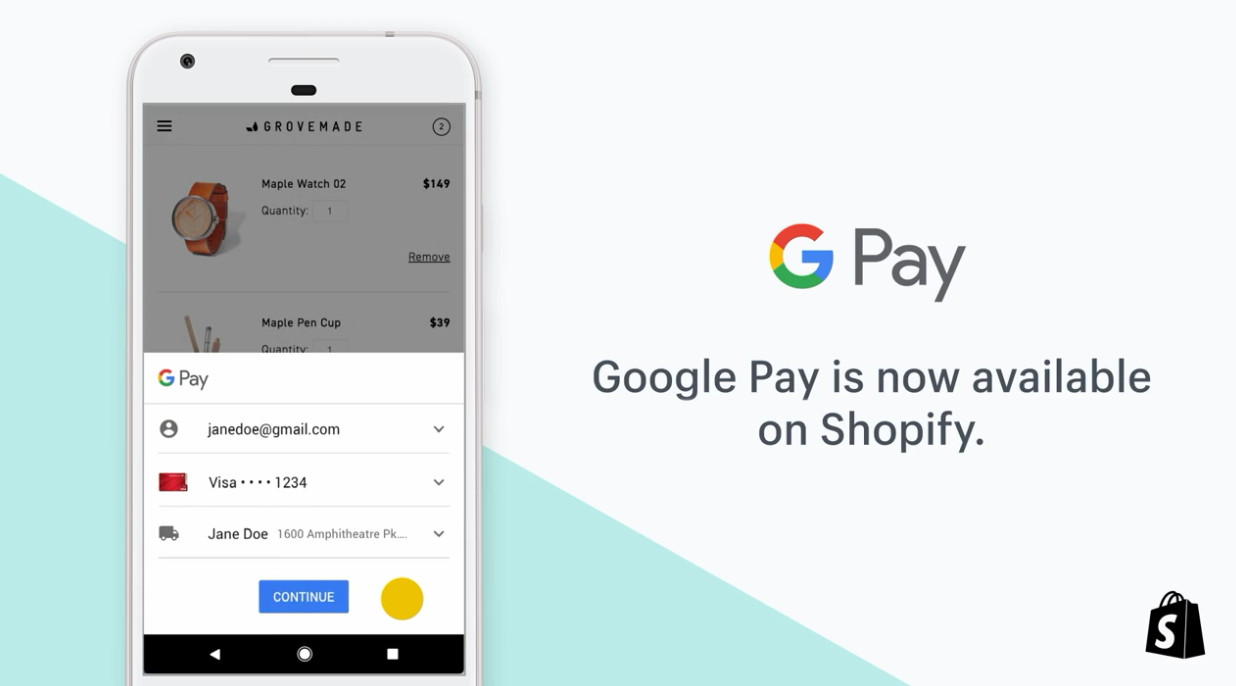
  • Google Pay update brings Gmail integration

    Google Pay update brings Gmail integration

    Google is trying to build an entire ecosystem that will allow users to access any important information from just about every Google app. Gmail has been integrated with many other Google apps, but other developers noticed the benefits and added integration with the email app.

    The newest app that benefits from Gmail integration is Google Pay, which doesn’t come as a surprise since the changes were spotted a few months ago. Now, Google Pay has been updated with Gmail importing, which means that the mobile payment app will browse through your emails and add the relevant information to its system.

    For example, whenever you receive loyalty cards, movie tickets, and boarding passes in the Gmail inbox, they will be automatically added in Google Pay. Keep in mind though that if you delete the email containing the information, it will disappear from Google Pay as well.

    The improvement makes it easier to access loyalty cards, tickets, and more without having to go through your emails every time you want to know something about them. It’s also easier to find coupons and boarding passes that are being sent to your Gmail inbox and make use of them.

    It’s worth mentioning that the new Gmail import feature is disabled by default, so you’ll have to enable it in Google Pay by heading to Settings / General / Gmail Imports and using the toggle available after the latest update.

  • Singtel targets Millennials with all-digital mobile plan

    Singtel targets Millennials with all-digital mobile plan

    Singtel has announced the launch of an all-digital mobile service plan targeted at technology-savvy Millennial customers.

    The new product, GOMO Mobile, offers functionality including immediate online sign up and same-day SIM card delivery, 24/7 live chat for customer service inquiries and a dedicated customer care app.

    The S$20 GOMO Mobile plan includes 20GB of data, 200 minutes of talktime and 200 SMS. The no-contract plan is based on a 30-day payment cycle, and additional allocations can be instantly purchased using a debit or credit card.

    As part of its strategy of targeting Millennials, Singtel is also offering lifestyle rewards such as discounts at selected hipster restaurants and cafes, and plans to expand these rewards to include ride hailing, entertainment events and activities and travel promotions.

    Singtel is also offering a GOMO Travel SIM that provides 3GB of data for 10 days across eight overseas destinations – Australia, Hong Kong, Macau, Taiwan, Indonesia, Malaysia, Thailand and Philippines.

  • Abysmal start Zero Pay pilot in South Korean

    Abysmal start Zero Pay pilot in South Korean

    The Seoul city government’s smartphone-based payment-program pilot posted an abysmal track record in its first full month of service, data showed Wednesday.

    In a bid to help relieve small merchants of burdensome credit card fees, the municipality began the trial run of the “Zero Pay” service in late December, enabling users to pay for purchases card-free and receive tax benefits.

    About 8600 purchases totalling 199 million won (US$177,000) were settled via the Zero Pay system in January, according to the data provided to Rep. Kim Jong-seok of the main opposition Liberty Korea Party by the Financial Supervisory Service.

    The number of settlements came to a mere 0.0006 per cent of the 1.56 billion purchases made using credit, debit and prepaid cards, with the value reaching only 0.0003 per cent of the total 58.1 trillion won.

    As of the end of January, slightly over 46,600 small shops and businesses were taking part in the pilot payment service.

    Watchers attributed Zero Pay’s poor record to the small number of participating merchants and customers’ unwillingness to change their payment habits.

    Eleven commercial banks, including all major lenders, joined the test service, which the Seoul city government plans to formally launch after this month.

    Nine more banks are slated to take part in the Zero Pay system, and the municipality will recruit convenience stores and other franchise stores to join.

    Under the system, money is transferred from a consumer account to that of a merchant when the consumer scans the merchant’s QR code with a smartphone using the existing apps of commercial banks or online payment platforms.

    Following its formal launch, the central government plans to gradually expand the service to other parts of the country by offering tax breaks and eliminating related regulations.

  • Card-not-present fraud will cost retailers US$130 billion

    Card-not-present fraud will cost retailers US$130 billion

    Increasingly complex card-not-present fraud will cost retailers US$130 billion globally in digital sales over the next five years. A Juniper Research study predicts that retailers’ slow pace in keeping up with new fraud prevention requirements will allow cybercriminal practices to become more widespread as more and more consumers shop online. It observes that established point-of-sale vendors will need to move towards mobile POS technology in order to expand their reach into fresh markets and reduce their exposure to card-not-present fraud.

    “A layered fraud detection and prevention (FDP) solution naturally helps directly preventing fraud, but it also offers major gains in terms of recovering potentially lost revenue through false positives,” said the report’s author Steffen Sorrell. “This is something about which retailers remain undereducated, and has allowed fraudsters to capitalise on relatively low FDP spend”.

    An implication of the Juniper research is that a low understanding of FDP investment return is causing the low uptake of the technology. the report anticipates digital payment players will be spending $9.6 billion annually on FDP solutions by 2023.

  • Vietnam wants urban residents to pay bills without cash

    Vietnam wants urban residents to pay bills without cash

    The Vietnamese government wants cashless transactions made viable for all household bill payments by the end of this year. A recent government resolution on changing the business environment to improve competitiveness and labor productivity contains a push to accelerate use of cashless transactions. Provincial and municipal leaders have accordingly been tasked with instructing all schools and hospitals, as well as electricity, water, sanitation, telecommunications and postal companies in urban areas to coordinate with banks and intermediary payment service providers in collecting bills and fees via cashless transactions.

    The government has recommended that establishments prioritize mobile payments and payment via card readers, and requested that the task be completed before December this year.

    Vietnam Electricity, the national utility, has been asked to ensure power companies work with banks and intermediary payment service providers to collect electricity bills via cashless methods and promote the use of electronic and mobile payments. The target for the year is to double the number of customers using e-payments to pay their electricity bills.

    The State Bank of Vietnam has been asked to come up with solutions that would promote the use of electronic wallets, wherein users can deposit cash into their e-wallets without the need for a bank account. The central bank has also been asked to find ways to remove imitations on e-transactions before the third quarter of this year.

    The State Bank must also require commercial banks and intermediary payment service providers to implement the QR code standard, and work with the Ministry of Finance to come up with a list of types of transactions that have to be done through banks, as well as make amendments to existing regulations to promote cashless payments for real estate transactions.

    According to the World Bank’s statistics released last July, Vietnam was the country with the lowest percentage of cashless transactions in the region with only 4.9 percent, while this value for China and Thailand were 26.1 percent and 59.7 percent respectively.

    While Vietnam rolled out an e-payment system for taxes in 2014 with 95 percent of companies registered, currently only 70 percent of tax money is collected via this method and many businesses still prefer paying their tax directly with cash.

    Similarly, while Vietnam has had policies to encourage consumers to pay electricity bills through banks and intermediary payment service providers, currently only 4.5 million people, or 20 percent of electricity consumers, pay their bills through these channels.

    The government’s resolution does not include rural and remote areas as the majority of Vietnamese living in such areas still lack access to modern payment methods.

  • Starbucks Plans To Step Up Digital Marketing Efforts

    Starbucks Plans To Step Up Digital Marketing Efforts

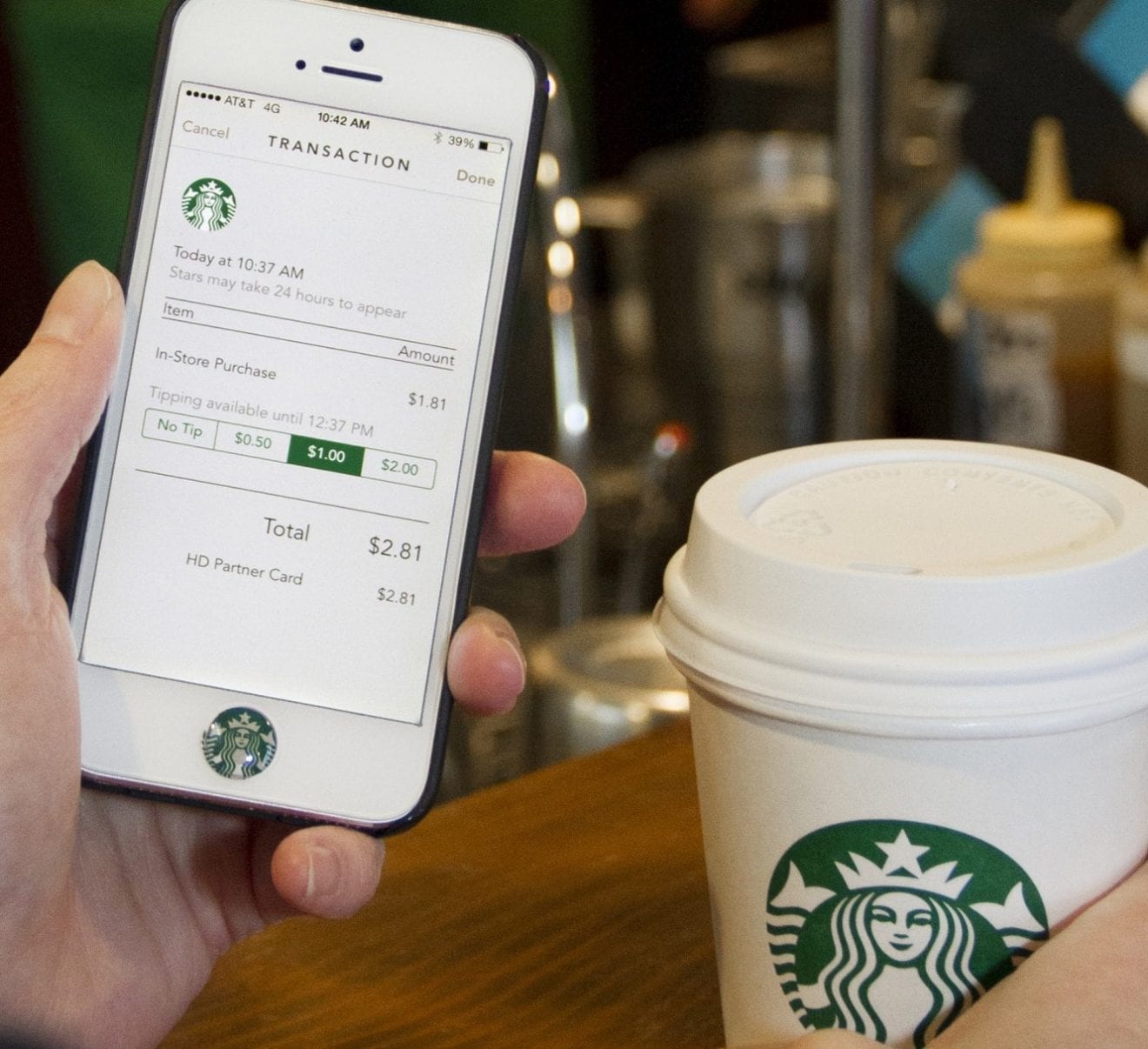
    The coffee chain added 1.6 million new U.S. members to its Starbucks rewards program. In addition, Starbucks discovered that members of Starbucks rewards were buying more: Over the quarter, their spend increased to 39 percent of U.S. company-operated sales.

    Beyond its loyalty program, Starbucks noted that customers were taking advantage of opportunities to skip the counter: Mobile Order & Pay represented 12 percent of U.S. company-operated transactions during the quarter.

    Overall, Starbucks also saw growth in comparable store sales in both the U.S. and abroad. Global comparable store sales rose by 2 percent, essentially in line with analysts’ estimates of 1.9 percent. Americas and U.S. comp store sales also increased 2 percent, while China comp store sales rose at the slightly higher rate of 4 percent.

    In terms of financials, Starbucks reported better-than-expected sales: The coffee chain beat revenue estimates by $100 million, with revenues of $6 billion, and met analysts’ earnings estimates at $0.53 per share. Starbucks President and CEO Kevin Johnson said the company reported solid results for the quarter.

    “Starbucks Q2 of fiscal 2018 represented another quarter of record financial results, highlighted by accelerating momentum across our Americas business — particularly in the U.S. — continued strong performance in China and our strongest comp growth in Japan in five quarters,” Johnson said in a press release.

    Digital Expansion

    One of Starbucks’ key priorities is to expand its digital interactions with customers.

    “Establishing digital relationships with many more customers represents a significant growth opportunity, as we have proven that a direct communications channel combined with personalization enhances the customer experience and drives customer engagement,” Johnson said during the call.

    To expand its digital relationships, Starbucks is implementing new ways to attract digitally registered customers beyond the rewards program. For example, the coffee chain is offering its Mobile Order & Pay to all customers and leveraging Wi-Fi sign-ins at its brick-and-mortar stores. In addition, Starbucks is reinventing Frappuccino Happy Hour through the use of single-use digital coupons. Johnson said these efforts are already yielding results and will generate a few million more registered users by the year’s end.

    This difference is driving a shift in Starbucks’ marketing strategy. In the past, Starbucks has offered a drumbeat of promotional offers that have not necessarily led to sustained sales. For example, the company offered a Frappuccino Happy Hour to all of its customers over a short period of time. But that strategy didn’t work: The deal didn’t improve sales of other drinks in 2017. The promotion saw “a lower-than-expected lift in non-discounted Frappuccino beverages following Happy Hour,” Chief Financial Officer Scott Maw explained on a July 2017 conference call.

    As a result, the company is taking a new approach. Starbucks’ updated program will sign customers up for direct digital relationships and promote a variety of beverages throughout the year. In essence, the goal behind the shift is to transition from a short-term, one-and-done approach for promotions to more sustained marketing efforts. Through this strategy, the company is expanding its digital reach beyond its loyal rewards members to connect with as many non-rewards customers as possible. Starbucks can now personalize its communications to customers while also gaining direct access to them.

    China Expansion

    Starbucks already has 3,200 company-operated stores in 141 cities across Mainland China, but the coffee chain anticipates a larger potential market there.

    “The opportunities for Starbucks in China, which are significant, are growing along with the size and scale of our business,” Johnson said on the call.

    To that end, the company is holding a China Investor Tour. Of course, the company is no stranger to China: It’s been in the Chinese market for 20 years. According to Johnson, the middle-class population in China stands around 600 million people, which could provide an expanded market for the company.

    “No Western company or brand is better positioned to benefit from the rapidly expanding Chinese middle class than Starbucks,” Johnson said.

  • Hong Kong’s Octopus Cards launches Octopus App

    Hong Kong’s Octopus Cards launches Octopus App

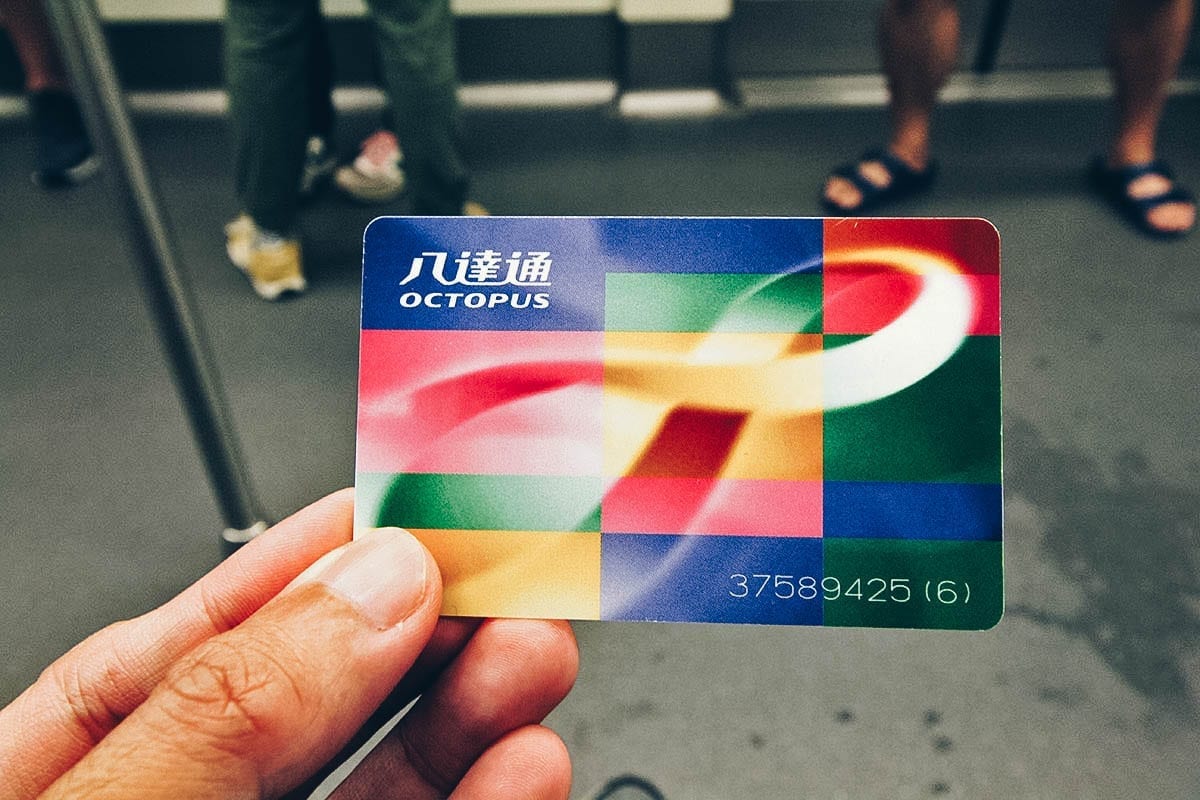
    Hong Kong’s Octopus Cards has launched a new mobile app designed to let customers manage their Octopus cards and Octopus O! ePay accounts via a single location.

    The new Octopus App can display card balances and transaction histories viewable through NFC-enabled Android smartphones, or iOS devices paired up with an Octopus Mobile Reader.

    The app’s O! EPay function supports peer-to-peer payment and fund transfer between O! ePay, designated bank accounts, registered Octopus cards and Octopus Mobile SIMs.

    In addition, Octopus App supports online payments, including shopping, e-ticketing bill payments and donations with charity, as well as offers and eCoupons from merchant partners.

    Customers using the previous Octopus branded app will be able to upgrade to the new app and retain all their current information, eliminating the need to re-register. New users can download the app from the Apple App Store or Google Play and sign up with their email addresses and mobile numbers.

    “The all-new Octopus App further demonstrates our commitment to making everyday life easier,” Octopus Cards CEO Sunny Cheung said.

    “We are also very pleased to bring in major business partners like TurboJET and China Mobile to serve customers’ payment needs through our new Octopus App – thus maximising the ‘one card, one app’ customer benefit.”

    He said the company plans to continue introducing innovations in its mobile payment services, such as QR code payment, to improve the customer experience.

  • First J/Speedy Card in the ASEAN Region to be issued by BDO

    First J/Speedy Card in the ASEAN Region to be issued by BDO

    JCB International, the international operations subsidiary of JCB, announced the launch of the J/Speedy JCB card in the Philippines with BDO Unibank (BDO), the largest bank in the Philippines in terms of consolidated resources, customer loans, deposits, assets under management and capital, as well as branch and ATM network nationwide. Card issuance has started this month, for the first J/Speedy JCB card to be launched in the ASEAN region. J/Speedy, JCB’s EMVCo compliant contactless scheme, provides a convenient and easy payment solution to valued customers of BDO.

    JCB brand cards are currently issued in 23 countries and territories with over 100 million cardmembers around the globe. BDO has cooperated with JCB for JCB card acceptance at BDO merchants from 1998 and started issuing JCB card in the Philippines in the same year. The launch of this new product, entering the contactless payment market, is the next step for the partnership between BDO and JCBI. BDO will also start acceptance of J/Speedy JCB card from July 2017 at BDO merchants.

    Mikihisa Asano, Country Manager of JCBI Philippines, said, “We are very excited and appreciative of BDO’s launching the new contactless card. Together, we will aggressively expand and grow our business in this country. In fact, BDO and JCB will soon launch another card product in the market, which is a response to the increased competition of credit cards in the Philippines”.

  • AEON Launches “365 Days… Enjoy Shopping with AEON Credit Card”

    AEON Launches “365 Days… Enjoy Shopping with AEON Credit Card”

    Mr. Kiyoyasu Asanuma (left), Managing Director of AEON Thana Sinsap (Thailand) Public Company Limited, together with Mr. Nuntawat Chotvijit (right), Director of Marketing, AEON Thana Sinsap (Thailand) Public Company Limited, presided over the recent launch of “365 Days… Enjoy Shopping with AEON Credit Card” campaign. The campaign offers a range of special privileges to AEON Royal Orchid Plus Platinum cardholders, AEON Gold cardholders and AEON Classic cardholders throughout 2017. Cardholders will also be entitled to special promotions from AEON’s partners, including its newest partner, Pizza Hut.

    The first exclusive promotion available to all cardholders is a set of Extra Value Meals worth 79 baht from McDonald’s and a Buy One, Get One Free promotion from Pizza Hut when placing an order at the restaurant or using the delivery service. The second promotion entitles cardholders to a Buy One, Get One Free cinema ticket, or at a special price of 99 baht, when buying a cinema ticket at any Major Cineplex theatre.

    Moreover, for the third benefit, Get up to 500 baht cash back when spending an accumulated amount of 3,000 baht or over with AEON credit cards The fourth promotion entitles AEON credit cardholders to receive a 5% discount on items at MaxValu and MaxValu Tanjai every 1stand 15th of the month. The campaign runs from today until 28th February 2018.