Tag: cargo

  • Etihad Cargo and SF Airlines Boost Global Trade: Amplifying Seamless Connectivity in Major Chinese Logistics Hubs

    Etihad Cargo and SF Airlines Boost Global Trade: Amplifying Seamless Connectivity in Major Chinese Logistics Hubs

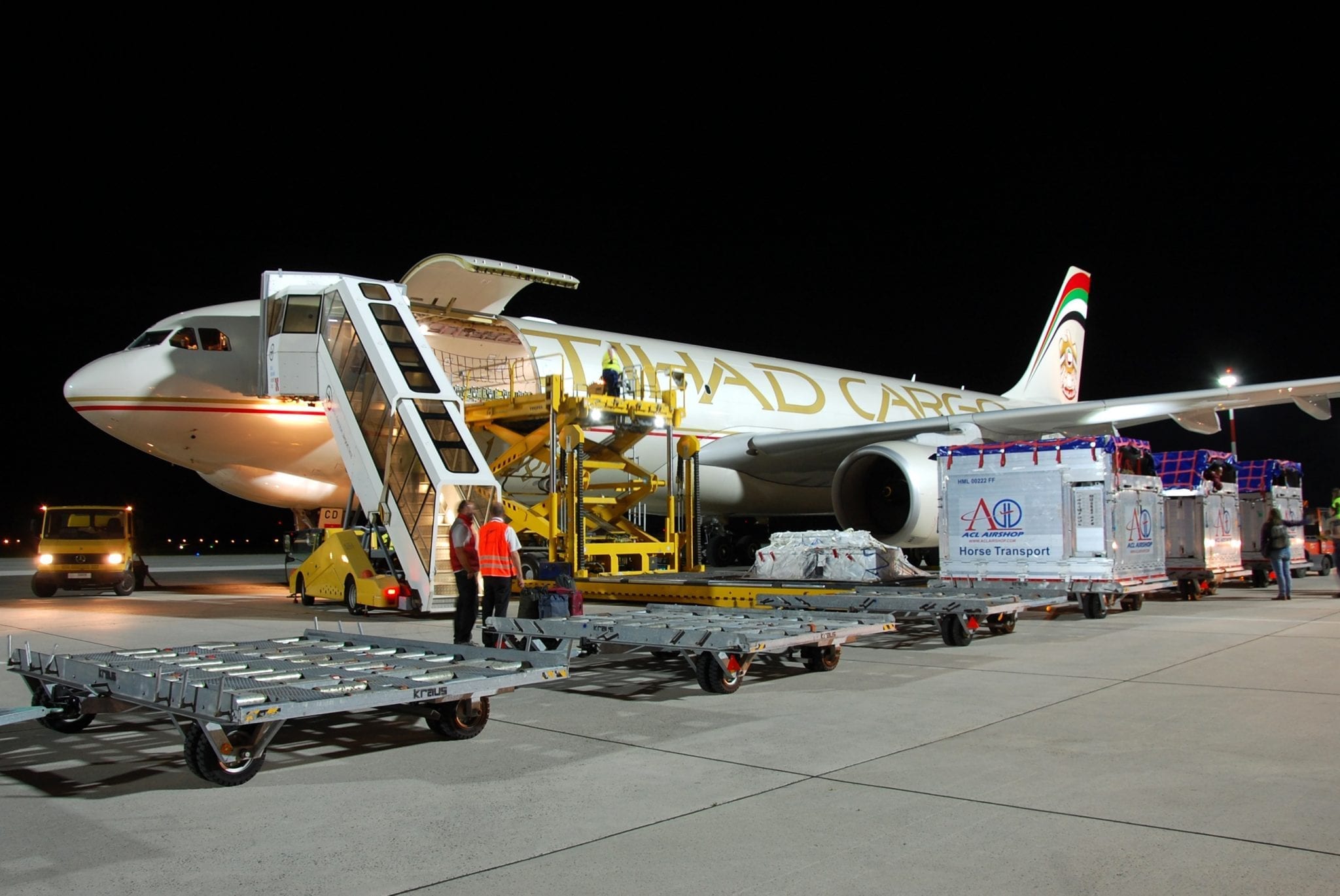
    Etihad Cargo, the freight and logistics division of Etihad Airways, and SF Airlines, China’s premier air cargo provider, have recently unveiled a significant capacity expansion as part of their Joint Business Agreement (JBA). This collaboration will establish a streamlined, mutual network, bolstering connections between Abu Dhabi and Chinese logistics powerhouses Shenzhen and Ezhou.

    Enhanced Connectivity Between Logistics Hubs

    Through the integration of freighter services from both Etihad Cargo and SF Airlines, the JBA delivers a combined total of nine weekly flights to Shenzhen, China’s first international cargo station operating round-the-clock. This setup at Shenzhen Bao’an International Airport allows for swift turnaround times, enhancing the overall customer experience.

    Furthermore, the collective number of flights to Ezhou, recognized as Asia’s first dedicated cargo airport, has increased to seven per week. Located in the Hubei Province, Ezhou Huahu Airport provides unmatched domestic reach and ever-increasing international connectivity.

    Collaborative Business Agreement

    The agreement was formalized in June by Antonoaldo Neves, CEO of Etihad Airways, and Li Sheng, Chairman of SF Airlines. Operating on a metal-neutral basis, both airlines will jointly market and combine their airfreight services, align service standards, and establish coordinated pricing.

    The collaboration is aimed at supporting burgeoning markets like cross-border e-commerce and pharmaceuticals. The alignment of Etihad Cargo’s SecureTech and PharmaLife solutions with SF Airlines’ robust domestic distribution network facilitates the smooth transport of electronics, time-critical goods, and precision equipment across Asia, the Middle East, and further afield.

    The consolidated Shenzhen and Ezhou figures include additional weekly flights recently introduced by Etihad Cargo as part of their winter 2025 schedule.

    Driving Global Trade Opportunities

    Stanislas Brun, Chief Cargo Officer of Etihad Airways, expressed, “Shenzhen and Ezhou are among China’s most dynamic and effective logistics hubs. Our joint business agreement connects our customers with China’s main distribution hub and an expanded global network. In strengthening our partnership with SF Airlines, we anticipate facilitating new trade opportunities and connecting more businesses and communities beyond borders.”

    Echoing these sentiments, Li Sheng, Chairman of SF Airlines, stated, “This strategic collaboration is projected to yield substantial business efficiencies, support revenue growth, and enhance customer satisfaction. By synergizing their strengths, Etihad Airways and SF Airlines are poised to deliver top-tier air cargo solutions that meet the dynamic needs of the global logistics industry.”

    This partnership aims at establishing stronger global connections to facilitate the movement of goods and ideas more effortlessly, thereby empowering the people and businesses behind each shipment. Both Etihad Cargo and SF Airlines are setting a new benchmark for international trade by promoting growth through collaboration and innovative ways to transport cargo globally.

    Questions & Answers

    What does the Joint Business Agreement between Etihad Cargo and SF Airlines entail?
    The agreement facilitates the integration of freighter services from both airlines, aligns service standards, and establishes coordinated pricing. It also involves a significant increase in the weekly flights to Chinese logistics hubs, Shenzhen and Ezhou.

    How does the partnership impact burgeoning markets?
    The collaboration supports growing markets like cross-border e-commerce and pharmaceuticals. The alignment of Etihad Cargo’s SecureTech and PharmaLife solutions with SF Airlines’ robust domestic distribution network enables seamless transport of goods across Asia, the Middle East, and beyond.

    What are the long-term goals of this collaboration?
    The long-term objectives of this strategic collaboration are to yield significant business efficiencies, support revenue growth, enhance customer satisfaction, and establish stronger global connections. It aims to facilitate new trade opportunities and connect more businesses and communities globally.
  • Korean Air Takes Flight with A350F: New Era of Eco-Friendly and Efficient Cargo Transport Unveiled

    Korean Air Takes Flight with A350F: New Era of Eco-Friendly and Efficient Cargo Transport Unveiled

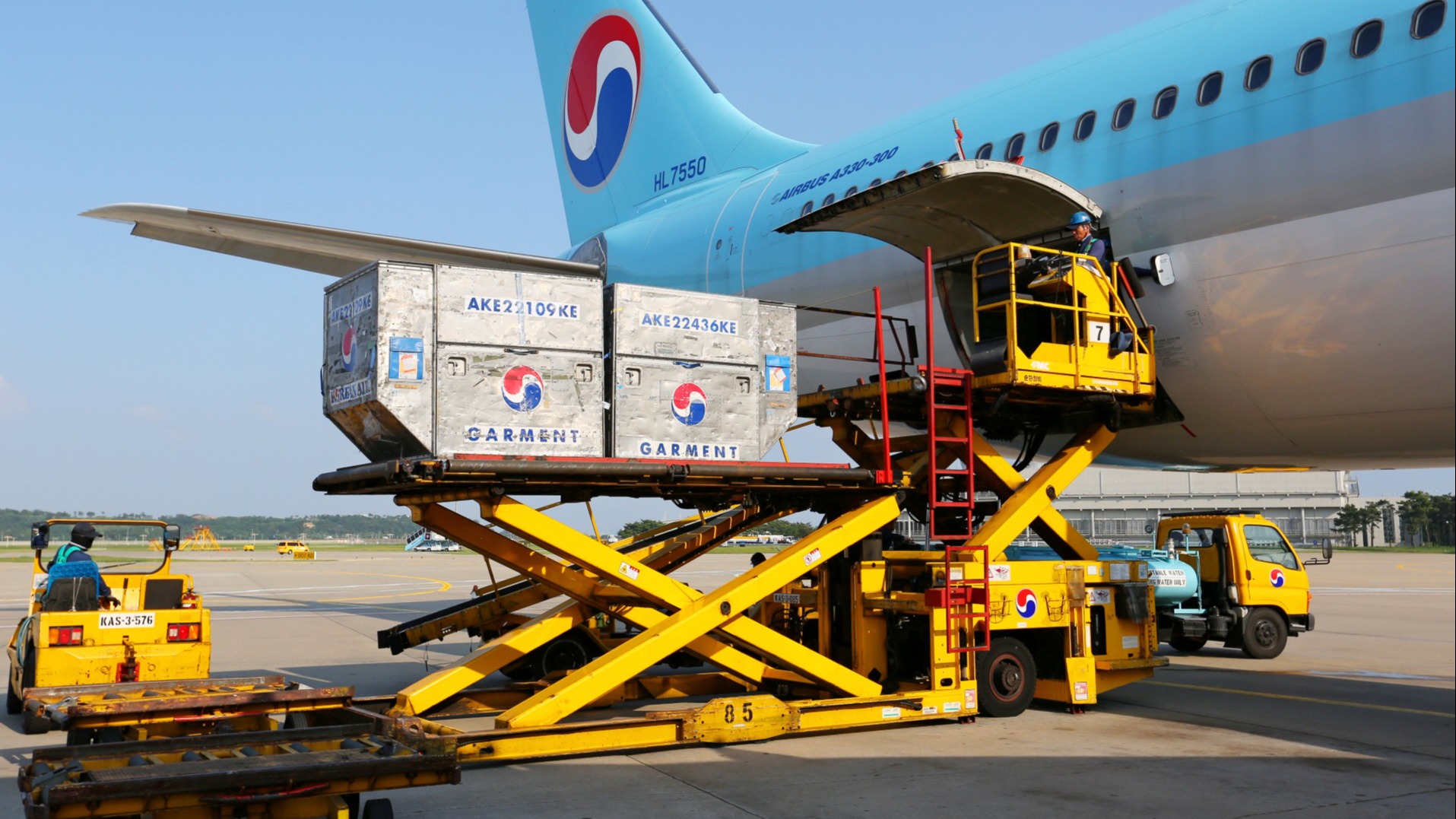
    Korean Air has joined the ranks of customers for the world’s only newly designed large freighter, the A350F, by modifying seven of its current A350-1000 passenger aircraft orders to the freighter model.

    Endorsement from a Major Cargo Operator

    Korean Air is a leading global cargo operator, making its choice to incorporate the A350F into its fleet a significant endorsement of the freighter’s unique capabilities. The A350F is set to provide Korean Air with the most efficient solution in the large freighter segment.

    The A350F’s Unique Features

    The A350F stands out with the industry’s largest main deck cargo door, its fuselage length and capacity optimally designed for standard pallets and containers. More than 70% of its airframe boasts advanced materials, resulting in a take-off weight that is 46 tonnes lighter than its nearest competitor. Indeed, the A350F is the only freighter aircraft that completely complies with the International Civil Aviation Organization’s (ICAO) forthcoming CO₂ emissions standards, set to take effect in 2027.

    Technological Advancements and Payload Capacity

    The A350F, which is currently under development, can carry an impressive payload of up to 111 tonnes and can fly up to 4,700 nautical miles or 8,700 kilometers. It’s equipped with the latest Rolls-Royce Trent XWB-97 engines, which will enable the aircraft to reduce its fuel consumption and carbon emissions by up to 40% compared to previous generation aircraft with similar payload-range capabilities.

    A350 Family’s Growing Popularity

    As of the end of September 2025, the newest generation A350 family had secured 1,445 orders from 63 global customers. This includes 65 orders for the brand-new A350F from 10 cargo carriers and one leasing company.

    Korean Air’s total order of A350 aircraft now stands at 33, which includes 20 A350-1000s, seven A350Fs, and six A350-900s. The first two of these have already been delivered.

    Questions & Answers

    What is significant about Korean Air’s decision to incorporate the A350F into its fleet?
    Korean Air is a major global cargo operator. Its decision to include the A350F in its fleet is seen as a significant endorsement of the aircraft’s unique capabilities.

    What sets the A350F apart from other freighter aircraft?
    The A350F has the industry’s largest main deck cargo door and has a fuselage length and capacity designed to optimize standard pallets and containers. The airframe uses advanced materials in more than 70% of its construction, making the aircraft lighter and more efficient.

    What can be expected from the A350F in terms of its payload and emissions?
    The A350F can carry a payload of up to 111 tonnes and fly up to 4,700 nautical miles or 8,700 kilometers. Powered by the latest Rolls-Royce Trent XWB-97 engines, the aircraft is expected to reduce fuel consumption and carbon emissions by up to 40%, meeting the ICAO’s enhanced CO₂ emissions standards due in 2027.

  • Cargojet Bolsters Global Presence: New Direct Air Cargo Service Bridges Canada and Europe

    Cargojet Bolsters Global Presence: New Direct Air Cargo Service Bridges Canada and Europe

    Cargojet Inc. has expressed delight in the launching of a direct air cargo service bridging Canada and Europe, set to commence on November 1, 2025. The service will establish a connection between Liege Airport (LGG), an outstanding cargo gateway in Europe, and the principal cargo hubs in Canada.

    Strengthening Transatlantic Ties

    Co-CEOs of Cargojet, Pauline Dhillon and Jamie Porteous, jointly remarked on the new service. They asserted that this move would further solidify the ties between Canada and Europe, in addition to offering broader opportunities for their clientele. They further noted that by leveraging Cargojet’s unmatched reputation for punctuality and dependability, the service is set to position Cargojet at the heart of transatlantic trade. This will effectively cater to the forwarder community’s changing demands by providing quicker transits, reliable service, and superior flexibility for shippers across both continents.

    Welcome to Liege Airport

    VP Marketing & Sales at Liege Airport, Torsten Wefers, voiced his excitement about welcoming Cargojet to Liege Airport, which is acknowledged as one of the top cargo hubs in Europe. He emphasized that this collaboration signifies a significant advancement for the LGG community and Europe-Canada logistics, providing new prospects and connectivity for their clients and partners.

    Expansion of Global Network

    This weekly service denotes a considerable broadening of Cargojet’s global network, guaranteeing customers reliable, time-sensitive capacity and improved intercontinental connectivity. Incorporated within Cargojet’s domestic overnight network, the route promises to offer streamlined connections throughout Canada, enhancing overall transit times and providing increased flexibility for freight forwarders, logistics providers, and shippers.

    The route, initially operating once a week, improves access to one of Europe’s most strategic cargo hubs, with intentions to amplify frequency as demand and opportunities persistently grow. This integration bolsters Cargojet’s long-term expansion design and reaffirms its status as a dependable associate in the global logistics market.

    Questions & Answers

    What is the significance of Cargojet’s new direct air cargo service?
    The service strengthens the ties between Canada and Europe, expands opportunities for Cargojet’s customers, and positions the company at the center of transatlantic trade.

    What benefits does the weekly service provide?
    The service extends Cargojet’s global network, offers reliable, time-sensitive capacity, and enhances connectivity across continents. It also provides streamlined connections throughout Canada and increased flexibility for freight forwarders, logistics providers, and shippers.

    What are the future plans for this route?
    Initially, the route will operate once a week, with plans to increase frequency as demand and opportunities continue to grow. This move supports Cargojet’s long-term expansion strategy in the global logistics market.

  • J&T Express Rides Southeast Asia Wave, Achieves 23% YoY Surge In Q3 Parcel Volume

    J&T Express Rides Southeast Asia Wave, Achieves 23% YoY Surge In Q3 Parcel Volume

    Global logistics service provider, J&T Global Express Limited, has released its operational data for Q3 of 2025. The company witnessed a year-on-year growth of 23.1% as of September 30, 2025, accumulating a total parcel volume of approximately 7.68 billion. The average daily parcel volume stood at 83.4 million, with all primary markets seeing double-digit growth. The most significant expansion was witnessed in Southeast Asia and new markets.

    Impressive Growth in Southeast Asia

    As the top express delivery company in Southeast Asia by market share, J&T sustained significant growth momentum throughout the third quarter in the region. The parcel volume in Southeast Asia escalated to 2.00 billion, marking a staggering 78.7% increase year-on-year. The average daily parcel volume in the region was recorded as 21.7 million. The company saw an increase in the number of outlets in the region, reaching 10,700 at the end of September 2025 — a rise of 900 compared to the end of the year 2024. The increase in parcel volume also stimulated higher demand for line-haul capacity, resulting in the number of line-haul vehicles in Southeast Asia rising to 5,500 in the third quarter, a jump of 900 from the end of 2024.

    Positive Performance in China and New Markets

    Despite fierce competition in China, J&T managed to maintain a healthy double-digit year-on-year growth rate of 10.4% in Q3. The parcel volume reached 5.58 billion, with an average daily parcel volume of 60.6 million. In the case of new markets, including Saudi Arabia, the UAE, Mexico, Brazil, and Egypt, J&T’s parcel volume for the third quarter clocked in at 104 million, a robust year-on-year surge of 47.9%. The average daily parcel volume in these markets was 1.13 million.

    Questions & Answers

    What was J&T Global Express Limited’s total parcel volume for Q3 of 2025?
    The company experienced a total parcel volume of approximately 7.68 billion.

    How much did the parcel volume grow in Southeast Asia?
    The parcel volume in Southeast Asia reached 2.00 billion, marking an impressive year-on-year growth of 78.7%.

    What was the year-on-year growth in new markets?
    In new markets, J&T’s parcel volume for the third quarter saw a robust year-on-year surge of 47.9%, reaching 104 million.

  • FedEx Bolsters APAC-Europe Trade Lane with Five New Weekly Flights, Fueling E-commerce and Retail Growth

    FedEx Bolsters APAC-Europe Trade Lane with Five New Weekly Flights, Fueling E-commerce and Retail Growth

    Federal Express Corporation (FedEx), a prominent international express transportation corporation, recently disclosed its plans to add five additional weekly flights connecting the Asia Pacific region (APAC) with its European base at Paris Charles de Gaulle Airport. This move will not only reinforce the reliability of services on the Asia-Europe trade route but also paves the way for businesses to access European markets swiftly and reliably. Moreover, this move comes just in time for the year-end holiday shopping season, offering businesses increased flexibility.

    Details of the Expansion

    The additional flights will emanate from two main hubs: three flights from the FedEx APAC hub at Guangzhou Baiyun International Airport and two from the FedEx Shanghai International Express and Cargo Hub. Employing Boeing B777 freighters, all flights will connect directly to the FedEx European hub at Paris Charles de Gaulle Airport.

    This expansion will augment the average daily capacity between APAC and Europe, enabling businesses in the area to leverage growth prospects in sectors experiencing high demand, such as e-commerce, manufacturing, hi-tech, and retail industries. The Europe-Asia trade lane has been thriving, with a consistent increase in air freight volume over the previous two and a half years and an impressive 13% year-on-year surge in August 2025.

    The European Union serves as the largest import market for more than 100 countries, with APAC economies being among the fastest-growing suppliers. This upward trend is expected to accelerate as businesses are seeking out new trade and growth prospects in Europe.

    Supporting Asia-Europe Trade

    Salil Chari, Senior Vice President of Marketing and Customer Experience, Asia Pacific, FedEx, noted that the Asia-Europe corridor is one of the fastest-growing trade routes. According to a survey conducted by FedEx of nearly 4,000 customers in Asia this year, over 20% stated plans to shift their trading focus to Europe within the coming year.

    FedEx’s increased service frequency between APAC and Europe means that the company now operates 26 weekly flights connecting APAC deliveries to Europe. This enhanced service allows express shipments to reach major European destinations in as little as 48 hours. FedEx has also improved its connectivity from Northern Vietnam to Europe, further strengthening trade links for Asia’s importers and exporters.

    Long-term Commitment

    This expansion of flight services underlines FedEx’s long-term commitment to facilitating global commerce and boosting the success of businesses across the Asia Pacific and beyond.

    Questions & Answers

    How is FedEx enhancing its services?
    FedEx is adding five additional weekly flights connecting the Asia Pacific region to its European base at Paris Charles de Gaulle Airport.

    Which sectors will benefit from this expansion?
    High-demand sectors such as e-commerce, manufacturing, hi-tech, and retail industries will benefit from this expansion.

    What is the frequency of FedEx’s service between APAC and Europe?
    With the increased service frequency, FedEx now operates 26 weekly flights connecting Asia Pacific deliveries to Europe.

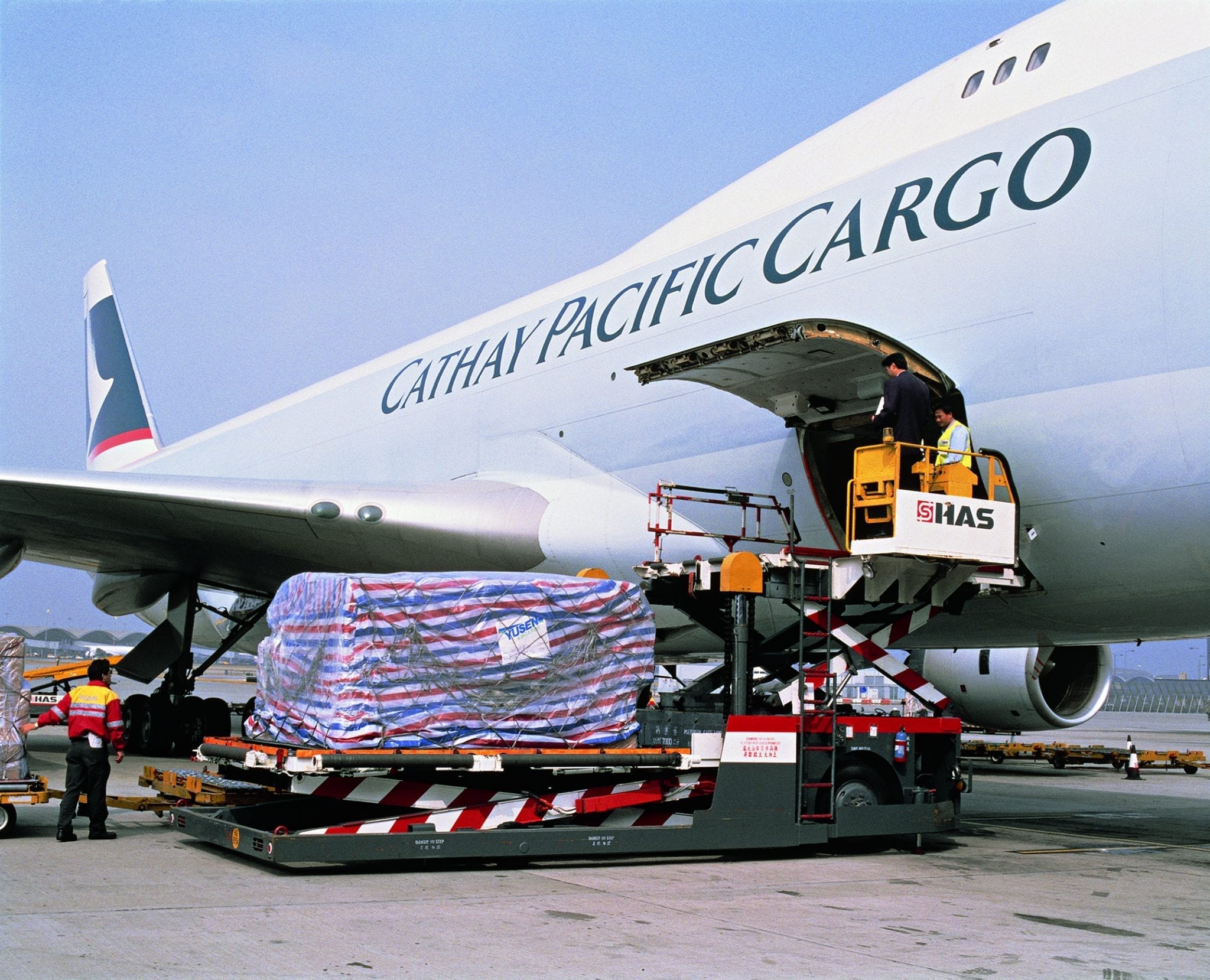
  • Cathay Cargo Revolutionizes Air Freight With Real-time Customs Clearance Updates

    Cathay Cargo Revolutionizes Air Freight With Real-time Customs Clearance Updates

    Cathay Cargo has become a trailblazer in the industry by being the first airline to provide real-time updates on customs clearance to its customers. They have achieved this by integrating these updates into their EzyCargo platform, and to customers who have already set up ONE Record API links with the airline’s system. This innovation brings a new level of transparency and effectiveness to the air-cargo shipping journey.

    Enhancing Communication with Air Cargo Stakeholders

    This significant development is built upon the IATA ONE Record data protocol. It incorporates customs authorities as a new stakeholder in Cathay Cargo’s real-time customer communication. The integration of customs authority requirements promotes efficiency in the process of cargo shipping.

    Understanding and fulfilling the prerequisites of customs authorities is crucial in the shipping industry. Many require PLACI (pre-load advanced cargo information), and will not allow a shipment to be loaded until they have given clearance. Most also require another level of approval before releasing a shipment upon its arrival. With the new system, customers will have access to live updates as their shipments progress through these stages.

    The initial phase of this project will provide users with clearance status updates from customs authorities in Europe (ICS2 Import Control System), the United States, Canada, and the United Arab Emirates. These updates will be recorded as ONE Record “Logistic Events”. Customers will be able to track the status of their shipment, whether it is still pending, under assessment, permitted for load or not, and if it has been held for inspection or cleared for collection at the destination.

    Improving Efficiency and Transparency

    Before this development, obtaining this information required manual updates from ground handling agents. Now, customers can independently access these updates in real-time, allowing them to take necessary corrective steps or adapt to delays due to customs inspections.

    EzyCustoms and EzyCargo are components of the EzyCargo suite of air cargo tools. These were created by Cathay Cargo’s innovation partner, Global Logistics System (HK) Company Limited (GLS). GLS has also spearheaded other digitalization projects for the airline’s commercial and operational settings, including Click & Ship, Cathay Cargo’s online booking platform.

    James Evans, Cathay General Manager Cargo Commercial, emphasized that this integration demonstrates Cathay Cargo’s dedication to the ongoing digitalization of the air-cargo shipment process. “We recognize the value of involving all stakeholders in the air cargo industry in IATA ONE Record, to enhance the transparency and data connectivity of air cargo,” he said.

    Questions & Answers

    How does this new integration by Cathay Cargo benefit customers?
    This new system provides real-time updates on customs clearance status to customers, enhancing transparency and efficiency in the air-cargo shipping journey.

    What is the ONE Record data protocol?
    The ONE Record data protocol is a standard developed by the International Air Transport Association (IATA) to increase data interoperability in the air cargo industry.

    What is the future plan for this integration?
    This extended ONE Record integration is currently only available to Cathay Cargo customers who are subscribed to the EzyCargo platform. However, the company has plans to integrate this additional visibility into the Cathay Cargo website for registered account holders in 2026.

  • Tragic Runway Mishap At Hong Kong Airport Claims Two Lives, Investigation Underway

    Tragic Runway Mishap At Hong Kong Airport Claims Two Lives, Investigation Underway

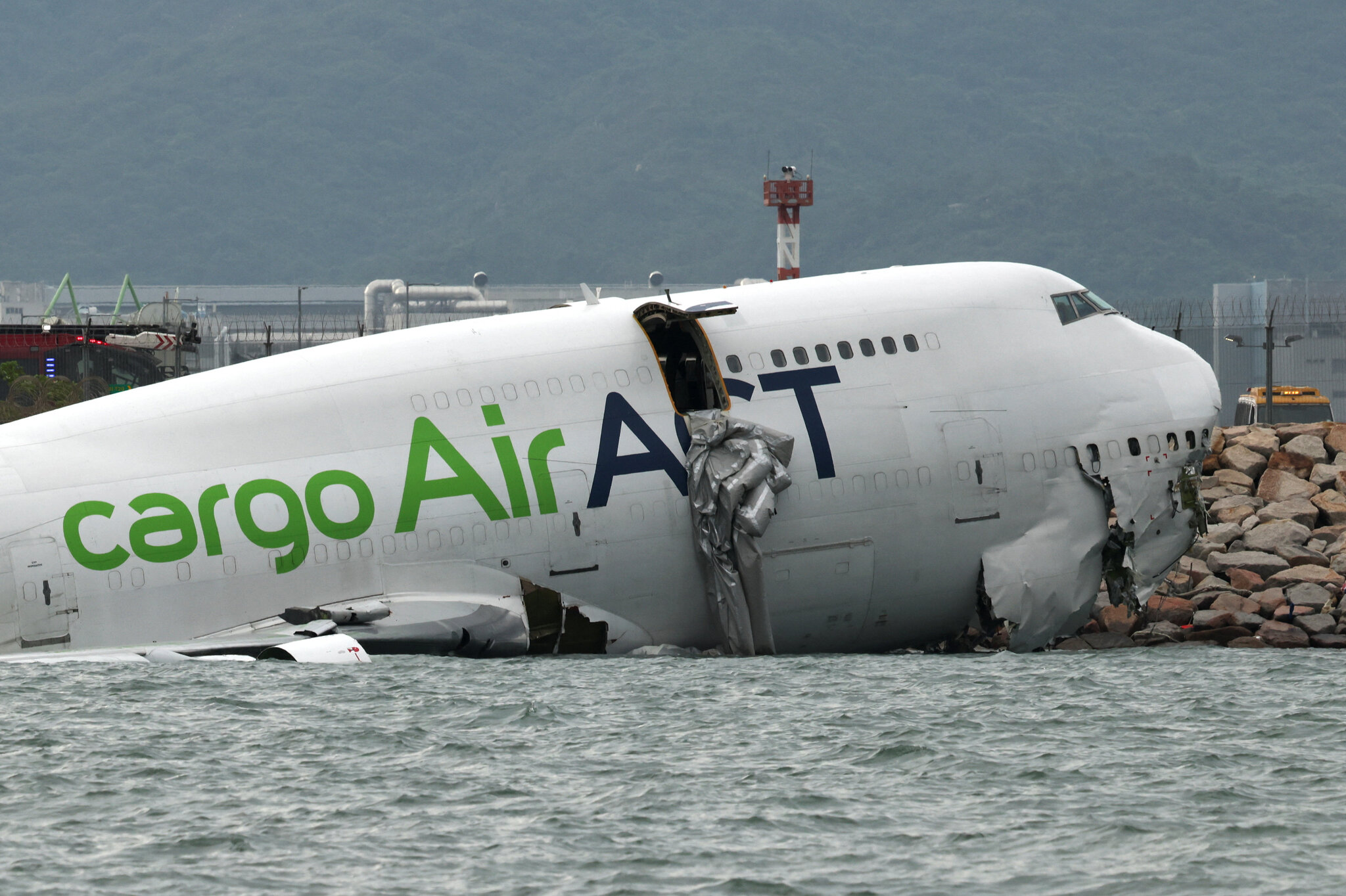
    On Monday, a shocking incident occurred at Hong Kong International Airport, one of the world’s busiest air cargo hubs, when a cargo plane veered off the runway during landing and splashed into the sea. This unfortunate event resulted in the death of two ground crew members.

    Details of the Accident

    The freight Boeing 747 had flown in from the United Arab Emirates. According to the Civil Aviation Department of Hong Kong, the plane failed to remain on the North Runway after touching down and ended up in the sea. A preliminary report reveals that the aircraft’s four crew members were rescued and taken to the hospital. Sadly, two ground personnel were impacted by the incident and drowned.

    The occurrence, which happened around 3:50 a.m. local time, left the aircraft’s front section floating above the water with its tail end detached. The plane had also hit a ground vehicle during the accident, which too plunged into the sea.

    Loss of Lives

    According to the authorities, a 30-year-old man inside the ground vehicle was pronounced dead at the site of the accident. Another worker, aged 41, tragically died after being rushed to the hospital.

    Impact on Airport Operations

    In response to the incident, the airport’s north runway was temporarily shut down on Monday, while the other two runways remained in use. A dozen cargo flights were canceled throughout Monday, but passenger flights were not affected.

    Investigation Underway

    The Transport and Logistics Bureau’s spokesperson expressed grave concerns about the incident and confirmed that the Air Accident Investigation Authority would actively probe into the cause of the mishap. Helicopters from the Government Flying Service and vessels from the Fire Services Department were dispatched to the scene.

    Hong Kong’s airport, already one of the busiest globally, commenced operations on its third runway last November after an expansion project costing HK$142 billion ($18 billion) and spanning eight years of construction. This development was aimed at boosting the city’s competitiveness as an aviation hub.

    Questions & Answers

    What happened at Hong Kong International Airport on Monday?
    A cargo plane veered off the north runway during landing and ended up in the sea, resulting in the death of two ground crew members.

    What was the impact of the incident on the airport’s operations?
    The north runway at the airport was temporarily closed following the incident. Although a dozen cargo flights were canceled throughout Monday, passenger flights operated as usual.

    What measures have been taken following the accident?
    The Transport and Logistics Bureau has initiated an active investigation into the accident’s cause. Additionally, helicopters from the Government Flying Service and vessels from the Fire Services Department were deployed to the accident site.

  • Thai Airways Partners With Unilode For Advanced Uld Management: A Leap Towards Operational Excellence And Sustainability

    Thai Airways Partners With Unilode For Advanced Uld Management: A Leap Towards Operational Excellence And Sustainability

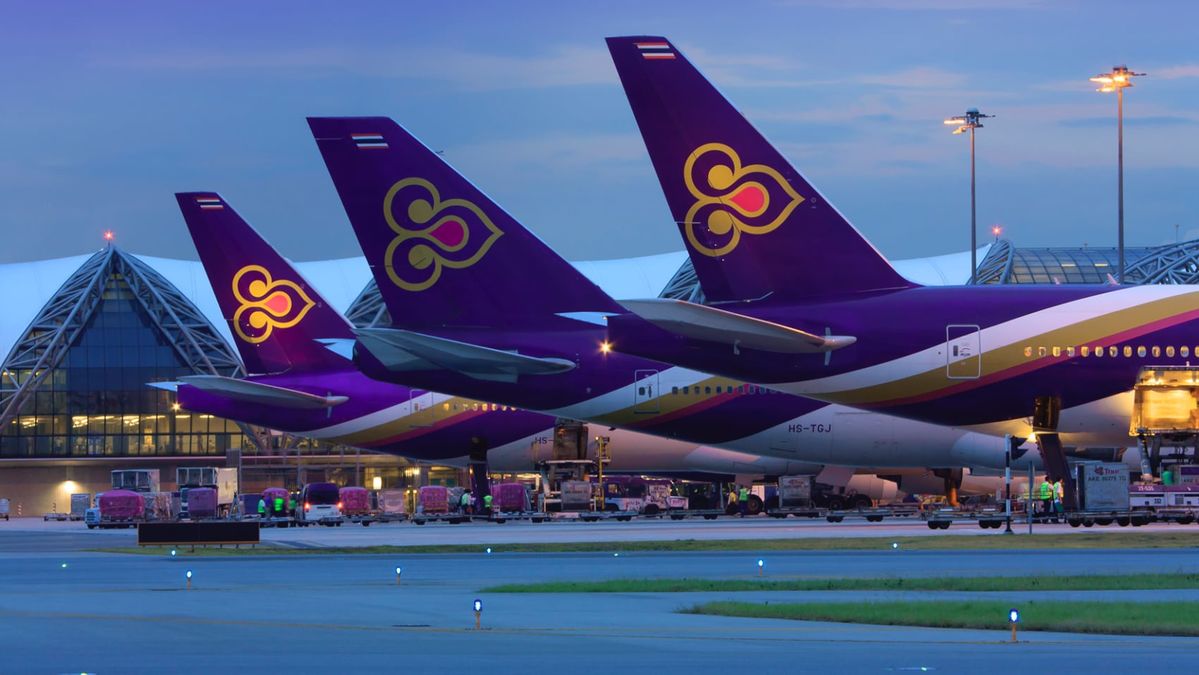
    THAI Airways, Thailand’s national airline, has named Unilode Aviation Solutions, a leader in the Unit Load Device (ULD) management, repair, and digital solutions realm, as its provider for comprehensive ULD management services.

    Advancing THAI Airways’ Transformation

    The partnership with Unilode Aviation Solutions signifies a significant stride in THAI Airways’ ongoing evolution, underlining the airline’s commitment to operational excellence, digital innovation, and long-term sustainability throughout its international network.

    After a successful business rehabilitation, THAI Airways is embarking on a new chapter of growth and modernization. The airline’s five-year strategic plan includes a focus on operational excellence, fleet renewal, and digital transformation. It also aims to nearly double its fleet to approximately 150 aircraft by 2033 and expand its market share across essential international markets.

    In collaboration, Unilode will deliver extensive ULD management, maintenance, repair, and digital tracking services across THAI Airways’ international network. This partnership will enhance fleet utilization, decrease operational complexity, and boost reliability for THAI Airways’ passenger and cargo operations.

    Sustainability Goals Alignment

    The alliance with Unilode Aviation Solutions aligns closely with THAI Airways’ sustainability objectives. The pooling of assets across Unilode’s international network results in fewer ULDs required to support operations, thereby diminishing raw material consumption, minimizing waste, and reducing carbon emissions. Unilode’s centralized repair and refurbishment service further prolongs asset lifecycles, promoting circular economy principles and more responsible resource use.

    Unilode’s digital platforms and data-driven insights, leading the market, will offer THAI Airways real-time visibility, improved asset utilization, and enhanced sustainability reporting throughout its operations. Unilode’s Operations Control Centre in Bangkok and a global team of over 800 ULD experts further support the partnership, ensuring local responsiveness and customer success at every interaction.

    Investment and Expansion

    Unilode has made significant investments over recent years, strengthening its infrastructure, expanding its Maintenance, Repair and Overhaul (MRO) footprint, and enhancing its workforce through advanced training, development, and external education programs. These initiatives, coupled with ongoing innovation in digital technology and product development, enable a broader international network and a larger, more flexible pool of assets, yielding higher efficiency, resilience, and service reliability for all airline partners.

    Unilode’s expanding asset base across an increasing number of airports and regions continues to provide tangible benefits to its entire customer network. These benefits include improved operational agility, quicker turnaround times, and greater access to resources and repair capabilities. These investments underscore Unilode’s commitment to long-term growth and customer value creation, reinforcing its position as a global leader in sustainable ULD management.

    As airlines worldwide prioritize sustainability and efficiency, ULD pooling and complete service management are rapidly becoming the industry norm. THAI Airways’ collaboration with Unilode emphasizes its leadership in adopting innovative, environmentally responsible solutions that combine operational excellence with long-term sustainability.

    Expert Opinions

    Ross Marino, Chief Executive Officer at Unilode Aviation Solutions, expressed his delight and pride in becoming THAI Airways’ comprehensive ULD management service provider. He believes that their partnership will yield measurable results, improve efficiency, foster digital transformation, and support THAI Airways’ sustainability goals.

    The Head of Cargo & Mail Commercial at THAI Airways acknowledged the partnership with Unilode as a critical step in their transformation strategy. They believe Unilode’s expertise, global network, and digital solutions will help streamline operations, fortify reliability, and make substantial progress towards sustainability goals.

    Questions & Answers

    What does the partnership between THAI Airways and Unilode Aviation Solutions signify?
    The partnership signifies a significant stride in THAI Airways’ ongoing evolution, reinforcing the airline’s commitment to operational excellence, digital innovation, and long-term sustainability throughout its international network.

    How will Unilode Aviation Solutions assist THAI Airways?
    Unilode will deliver extensive ULD management, maintenance, repair, and digital tracking services across THAI Airways’ international network. This collaboration will enhance fleet utilization, decrease operational complexity, and boost reliability for THAI Airways’ passenger and cargo operations.

    How does this collaboration align with THAI Airways’ sustainability goals?
    By sharing assets across Unilode’s international network, fewer ULDs are required to support operations, thereby diminishing raw material consumption, minimizing waste, and reducing carbon emissions. Unilode’s centralized repair and refurbishment service further prolongs asset lifecycles, promoting circular economy principles and more responsible resource use.

  • Pharma Leaders At Flypharma Highlight Air Cargo’s Role In Global Health

    Pharma Leaders At Flypharma Highlight Air Cargo’s Role In Global Health

    At the FlyPharma Amsterdam 2025 conference, leaders from the worldwide pharmaceutical industry gathered to highlight the importance of collaboration for the steady global transportation of essential healthcare items and life-saving medicines. The conference took place amidst the backdrop of rapidly changing regulations, shifting trade flows, and an uncertain geopolitical landscape.

    Growth in Pharma Sector Increases Demand for Specialised Air Cargo

    The global healthcare and pharmaceutical industry is projected to achieve a total worth of USD 1.77 trillion by 2025. This growth is primarily attributed to advances in biologics, digital health, and personalized medicine, along with increased patient access on a global scale.

    The industry’s momentum is directly reflected in increased demand for airfreight capacity, especially for temperature-sensitive, high-value shipments. The pharma airfreight segment alone is predicted to witness over 6 percent annual growth, as manufacturers and logistics providers prioritize speed, dependability, and adherence to Good Distribution Practice (GDP) standards.

    Air cargo carriers and airports are making significant investments in IoT tracking, cold-chain infrastructure, and digital visibility tools to cater to this growing vertical. The fastest growth is anticipated in corridors linking Asia, Europe, and North America. The pharma and healthcare logistics sector is emerging as a strong and premium segment within the global air cargo market.

    Schiphol: A Global Centre for Pharma Logistics

    Amsterdam Airport Schiphol is a crucial global hub for pharmaceutical logistics. With its central European location, advanced infrastructure, and robust network of logistics partners, the airport is essential for global pharmaceutical supply chains. Schiphol contributes significantly to the worldwide distribution of vaccines and medicines and enhances the Dutch economy, further establishing the Netherlands as a hub for international trade and innovation in life sciences.

    The pharmaceutical logistics ecosystem at Schiphol has considerable implications not only for global public health but also for the Dutch economy. In 2024, the Netherlands exported pharmaceutical products worth USD 38.49 billion, highlighting the sector’s role in driving trade, innovation, and high-value employment. Schiphol’s success as a pharma logistics hub encourages companies to invest, expand, and drive innovation in the Netherlands, making the country more competitive and appealing to life sciences entities.

    Schiphol’s importance as a global logistics hub was further underscored during the COVID-19 pandemic, during which it served as one of Europe’s primary gateways for vaccine transportation and temperature-sensitive pharmaceuticals.

    The Role of Air France KLM Martinair Cargo in Pharma Logistics

    Air France-KLM Martinair Cargo (AFKLMP Cargo) has positioned itself as a leading player and innovator in pharmaceutical logistics, being among the first airlines to receive IATA CEIV Pharma certification. The airline’s dual-hub structure in Amsterdam Schiphol and Paris Charles de Gaulle, situated in Europe’s “pharma belt,” provides unique resilience and adaptability in a fluctuating market.

    According to GertJan Roelands, SVP Commercial, AFKLMP Cargo, the company’s growth in the pharmaceutical and healthcare segment has been a strategic priority over the past five years. The airline has made considerable investments in infrastructure and introduced new digital solutions while optimizing processes to enhance resilience and transport quality. The airline’s commitment to this strategy is reflected in its record-breaking performance in the pharmaceutical and healthcare segment and its increasing market share.

    Innovation, Sustainability, and Excellence in Cool Chain

    AFKLMP Cargo continues to expand cool-room capacity, develop digital monitoring dashboards for operational visibility, and pioneer sustainable temperature-control solutions such as CO₂-based refrigerant technology at Paris CDG. As personalized medicine and advanced therapies gain traction, the airline collaborates closely with shippers, forwarders, and life science clusters, providing time-critical solutions that are fully compliant with GDP and CEIV.

    Despite market volatility and geopolitical pressures, AFKLMP Cargo remains steadfast in its focus on on-time delivery and maintaining the integrity of the cool chain supply. The resilience demonstrated during the pandemic continues to shape the airline’s long-term strategy.

    In the words of GertJan Roelands, “Pharmaceutical logistics is not just about transportation — it’s about trust, responsibility, and resilience. Our mission is to deliver healthcare products safely and reliably, adapting to new challenges while ensuring patients around the world receive the medicines they need.”

    Questions & Answers

    What are the main factors driving the growth of the global pharmaceutical industry?
    The main factors driving this growth include advances in biologics, digital health, and personalized medicine, along with increased patient access globally.

    What is the projected growth for the pharma airfreight segment?
    The pharma airfreight segment is predicted to grow more than 6 percent annually.

    What role has Schiphol played in global pharmaceutical logistics?
    Schiphol serves as a crucial global hub for pharmaceutical logistics, contributing significantly to the worldwide distribution of vaccines and medicines, and enhancing the Dutch economy.

  • Exploring the Stability of Kuala Lumpur’s Logistics Sector: Insights for 2023

    Exploring the Stability of Kuala Lumpur’s Logistics Sector: Insights for 2023

    The logistics landscape in Kuala Lumpur is poised for remarkable stability through 2025, as detailed in a recent report by JLL. This trend is largely fueled by the booming e-commerce sector and the global technology upcycle, spurred on by a surge in artificial intelligence (AI) innovations that are reshaping the demand for modern logistical spaces.

    Tax Changes and Market Adjustments

    A significant shift is on the horizon with Malaysia’s expansion of the Sales and Service Tax (SST), effective July 2025. This adjustment brings real estate leasing transactions into the tax fold, introducing an 8% taxation rate. As landlords and tenants grapple with these changes, negotiations will likely become central to finding a balance in operational costs.

    Rapid Growth in Logistics Properties

    The logistics property sector is experiencing exceptional growth, propelled by new developments that are witnessing impressive net absorption rates. High-quality facilities are attracting eye-catching tenancies from leading sports brands and consumer goods companies.

    This surge can be predominantly traced back to sectors such as Automotive, Electrical and Electronics (E&E), and third-party logistics (3PL) providers, alongside various manufacturers. Current projects are enjoying robust pre-commitment rates, signaling strong market confidence.

    Major Developments on the Horizon

    In the second quarter of 2025, notable expansions in Shah Alam and Pulau Indah added approximately 2 million square feet of Grade A warehouse space to the market, answering specialized demand from the Automotive and E&E industries. Surprisingly, vacancies remain astoundingly low, at just 2%, even amid these new deliveries. Companies are increasingly migrating towards premium quality spaces, indicating a clear preference for top-tier facilities.

    Stability Amid Potential Challenges

    Despite some anticipated challenges, such as increases in SST and electricity costs slated for July, rental rates have held steady within the market. Pulau Indah, in particular, has seen notable growth as emerging prime facilities close the gap with more established submarkets.

    Real Estate Investment Trusts (REITs) are actively expanding their portfolios through strategic acquisitions. A prime example is AmanahRaya REIT’s acquisition of a warehouse in Kuala Langat through a sale-and-leaseback arrangement, which not only secures stable income but also assures operational continuity for the tenant—a win-win in today’s fast-paced market.

    Questions & Answers

    What key factors are driving growth in the logistics sector in Kuala Lumpur?
    The logistics sector’s growth is primarily driven by the expansion of e-commerce, the Automotive and Electrical and Electronics industries, along with 3PL providers, each increasing demand for modern storage solutions.

    How will the new Sales and Service Tax affect landlords and tenants?
    The introduction of the 8% SST on real estate leasing transactions will likely prompt landlords and tenants to engage in negotiations to adapt to the new tax landscape, helping to manage the impact on operational costs.

    What does the current vacancy rate suggest about the market?
    With the vacancy rate at an impressive 2%, the logistics market shows strong demand dynamics, as companies prefer to incorporate higher-quality spaces, indicating a healthy appetite for premium logistical solutions.

  • Jakarta’s Prime Logistics Supply Set to Expand to 3.2 Million Square Feet by 2025

    Jakarta’s Prime Logistics Supply Set to Expand to 3.2 Million Square Feet by 2025

    Record growth is on the horizon for Jakarta’s logistics sector as the city prepares for a significant surge in demand for industrial spaces by FY2025. A recent report from JLL forecasts that nearly 250,000 square meters of new logistics facilities will become available in 2025, leading to a cumulative supply of around 3.2 million square meters. This is expected to keep vacancy rates impressively low, around 9%.

    Barriers to Competitiveness in the Market

    However, various challenges must be overcome to bolster global competitiveness and attract foreign direct investment (FDI). The report highlights the need for improvements in permitting processes and the enhancement of supporting infrastructure within industrial estates.

    Chinese Companies Drive Demand

    Interestingly, over half of the inquiries for these spaces originated from Chinese enterprises pursuing multi-functional industrial complexes that integrate warehousing, workshop, and assembly capabilities. Key sectors fueling this demand include electric vehicles, electronics, and automotive industries.

    Healthy Absorption Rates

    Net absorption rates have remained robust, surpassing 100,000 square meters, in alignment with the previous quarter’s performance. The lion’s share of this demand is concentrated in Cikarang, known for its accessibility to toll gates, with additional activity noted in Depok-Bogor and Karawang.

    Tightening Vacancy Rates

    The market experienced a drop in vacancy rates from 9.5% to an impressive 5.9% due to a lack of new completions in Q2, underscoring the sector’s resilience amid soaring demand. Analysts project several new developments will come to fruition in the latter half of 2025, primarily located in Jakarta, Cikarang, and Karawang, totaling around 242,600 square meters.

    The Eastern Corridor: A Preferred Hub for Manufacturing

    The eastern corridor, particularly Cikarang and Karawang, is anticipated to contribute an additional 102,400 square meters of new supply in H2 2025, continuing its appeal as a vital testing ground for foreign manufacturers eyeing the Indonesian market.

    Rental Rates Hold Steady with Competitive Strategies

    Despite the fluctuations in demand, rental rates have remained stable. Landlords in the eastern corridor are employing flexible pricing strategies to attract tenants. While net rents have stayed consistent since Q1, certain properties—particularly those near toll gates or with limited availability—have seen modest price increases. Cikarang has notably offered competitive rates to lure businesses.

    Rising Land Prices Impact Yield

    As land prices escalate, modest rental growth has led to compression in yield, settling between 7.0% and 7.5%. Limited availability of industrial land, particularly in eastern Jakarta, continues to drive prices up, creating a dual-edged sword for developers and investors alike.

    Questions & Answers

    What is driving the increased demand for logistics spaces in Jakarta?
    Demand is largely fueled by Chinese companies seeking multi-functional industrial areas, with significant contributions from the EV, electronics, and automotive sectors.

    How have vacancy rates changed recently?
    Recent analysis indicates that vacancy rates have tightened from 9.5% to 5.9% due to strong demand and a lack of new completions in the second quarter.

    What strategies are landlords using to attract tenants in the eastern corridor?
    Landlords are implementing flexible pricing strategies to entice tenants, maintaining competitive rates while adapting to market fluctuations.

  • China’s Delivery Giants Face Off: What the Market Share Battle Means for the Future

    China’s Delivery Giants Face Off: What the Market Share Battle Means for the Future

    The on-demand delivery landscape in China is heating up, with three leading platforms bracing for increased costs and tighter margins as competition intensifies. A fresh analysis from S&P Global Ratings reveals that aggressive promotional strategies, including enticing offers like free fresh-made beverages, are prompting platforms to invest heavily—projected at a staggering RMB 160 billion over the next 12 to 18 months—in their fight for market share in the food delivery and instant retail sectors.

    “With such a fierce competitive atmosphere, monitoring for unfair pricing practices has become essential,” remarked Jay Lau, an analyst at S&P Global Ratings. The Chinese government is actively reevaluating its policies regarding pricing fairness, signaling a commitment to protect merchants from potential exploitation amid these fierce market battles.

    Despite the high stakes, S&P Global Ratings anticipates that spending will remain substantial, although they foresee only a modest moderation in expenditures. The on-demand delivery market is poised for strong growth, boasting double-digit growth rates projected for the coming years. Lau pointed out that “cross-selling is a main goal.” The ability to drive frequent on-demand purchases—often happening several times a week—holds the potential to significantly boost traffic and increase sales opportunities.

    Among the key players, JD.com and Alibaba stand to gain the most, given their expansive existing retail platforms that facilitate cross-selling. In contrast, Meituan faces a steeper challenge, as food delivery remains the cornerstone of its revenue model. As the battle for market dominance rages on, analysts are cautious, predicting that margins are unlikely to recover in the next 12 to 24 months as this war for market share continues to unfold.

    Questions & Answers

    What is the expected financial impact on major Chinese delivery platforms?
    The competition is likely to drive these platforms to spend around RMB 160 billion in the next 12 to 18 months as they battle for market share, leading to increased costs and squeezed margins.

    What role does cross-selling play in on-demand delivery growth?
    Cross-selling is crucial, as high-frequency purchases each week can significantly drive traffic and boost overall sales for platforms, particularly for those like JD.com and Alibaba that are well-positioned to leverage their existing retail networks.

    How are regulators responding to the competitive atmosphere?
    The Chinese government is actively revising its standards on unfair pricing practices and will be closely monitoring leading platforms to prevent any potential exploitation of merchants as competition grows fiercer.

  • DHL Express Appoints Karen Tan as New Asia Pacific CIO, Driving Innovation in Logistics

    DHL Express Appoints Karen Tan as New Asia Pacific CIO, Driving Innovation in Logistics

    DHL Express has announced the appointment of Karen Tan as chief information officer (CIO) for Asia Pacific (excluding China), a move that takes effect on September 1, 2025. Positioned in Singapore, Tan steps into her new role following the retirement of Jimmy Yeoh at the end of this year.

    Leading Through Digital Transformation

    In her capacity as CIO, Tan will oversee the comprehensive IT infrastructure, drive digital acceleration, and formulate cybersecurity strategies across more than 40 countries and territories in the region. Her responsibilities also extend to enhancing cross-functional collaboration, ensuring a smooth flow of cross-border trade, and elevating customer service standards.

    Cybersecurity and Customer Experience: A Central Focus

    Addressing the growing complexities of digital ecosystems, Tan emphasized the increasing importance of cybersecurity and data protection. “It is essential to uphold the standards and quality of employee and customer experience,” she stated, capturing the balancing act between innovation and security in today’s landscape.

    A Seasoned Leader with a Vision

    Tan’s affiliation with DHL Express dates back to 1990, where her impressive journey has culminated in her recent role as the CIO for DHL Express Singapore. There, she established a national digitalization framework and bolstered data protection and information security practices. Her influence extends further as the Data Protection Officer (DPO) Champion, as well as a leader in Diversity, Equity, Inclusion & Belonging (DEIB) initiatives, including celebrations for International Women’s Day and Generations Day. Talk about multitasking!

    Strategic Alignment with DHL’s Future Goals

    Ken Lee, CEO of DHL Express for Asia Pacific, lauded Tan’s extensive experience and successful track record in digital acceleration and data protection, asserting that she is the ideal leader to elevate the region’s IT function. Her appointment aligns seamlessly with DHL Express’ Strategy 2030, which emphasizes digital innovation and resilience in an ever-evolving global trade environment.

    Questions & Answers

    What key responsibilities will Karen Tan have as CIO of DHL Express for Asia Pacific?
    Tan will lead IT infrastructure, digital acceleration, and cybersecurity strategies across an expansive network in over 40 countries, while also enhancing customer service and cross-border trade operations.

    How long has Karen Tan been with DHL Express?
    Karen Tan has been part of DHL Express since 1990, bringing over three decades of experience to her new role.

    What initiatives has Tan led in her previous positions?
    She has developed a nationwide digitalization framework in Singapore, championed data protection efforts, and led Diversity, Equity, Inclusion & Belonging initiatives within the company.

  • Alibaba Unveils Bold One-hour Delivery Strategy Amidst Intense E-commerce Competition

    Alibaba Unveils Bold One-hour Delivery Strategy Amidst Intense E-commerce Competition

    In a significant shift within the Asian retail landscape, e-commerce giant Alibaba has unveiled an ambitious plan to reshape its supply chain infrastructure. As the competitive landscape intensifies, Alibaba aims to enhance its logistics capabilities and streamline operations, responding to the increasing demand for faster delivery times and improved customer satisfaction.

    Alibaba’s Strategic Goals for Enhanced Logistics

    At the core of this initiative is Alibaba’s commitment to achieving a “one-hour delivery” promise in major urban centers. This bold goal reflects a broader industry trend towards rapid fulfillment and personalized service. The retail behemoth is pouring substantial resources into its logistics arm, Cainiao, which is expected to lead the charge in implementing innovative technologies such as artificial intelligence and data analytics to optimize delivery routes and inventory management.

    “Hurry up and wait” could soon be a phrase of the past for Alibaba shoppers, as the company plans to leverage its extensive network of fulfillment centers and last-mile delivery partners to reduce shipping times to unprecedented levels. With consumers increasingly expecting instant gratification from their online purchases, Alibaba is determined to stay ahead of the curve, and this strategic pivot could make all the difference.

    A Competitive Edge Among Retail Rivals

    Alibaba’s strategy comes at a time when its competitors are also racing to improve their logistics operations. Companies like JD.com and Pinduoduo are enhancing their own supply chains to capture a larger share of this rapidly expanding market. However, with its robust resources and technological prowess, Alibaba is well positioned to maintain its dominance in the e-commerce sector.

    The company also aims to address the growing challenge of sustainability within the logistics space. By implementing greener practices in its supply chain, Alibaba hopes not only to reduce its carbon footprint but also to appeal to a customer base that is increasingly eco-conscious. Amidst frequent reports about the environmental impact of e-commerce, this move could give Alibaba a dual edge — improving both its operational efficiency and public image.

    Collaborations and Innovations on the Horizon

    Key to Alibaba’s logistical overhaul will be strategic partnerships with third-party delivery services and technology firms. This collaborative approach is expected to help the company integrate cutting-edge solutions, thus paving the way for more seamless and efficient retail experiences. With the help of emerging technologies like drone deliveries and automated warehouses, Alibaba is venturing into uncharted territory, raising the stakes in the race for e-commerce supremacy.

    Not to be outdone, Alibaba has also doubled down on social commerce, creating an ecosystem where shopping and social interaction are intertwined. This not only enriches consumer engagement but also allows the company to harness valuable data insights to tailor its offerings more effectively.

    As this logistics game plan unfolds, Alibaba’s commitment to a more responsive and responsible supply chain model could set a new standard in the Asian retail arena.

    Questions & Answers

    What is Alibaba’s primary goal with its new logistics initiative?
    Alibaba aims to achieve “one-hour delivery” in major urban centers, significantly improving delivery times to enhance customer satisfaction.

    How is Alibaba addressing sustainability in its logistics operations?
    The company plans to implement greener practices in its supply chain to reduce its carbon footprint and appeal to environmentally conscious consumers.

    What role do partnerships play in Alibaba’s logistics strategy?
    Strategic partnerships with third-party delivery services and technology firms will help Alibaba integrate innovative solutions, enhancing the efficiency and effectiveness of its retail operations.

  • Kardex Launches Affordable AutoStore StarterGrid to Revolutionize Warehouse Automation in Singapore

    Kardex Launches Affordable AutoStore StarterGrid to Revolutionize Warehouse Automation in Singapore

    Global intralogistics specialist Kardex has unveiled its new AutoStore™ StarterGrid, which is an affordable, plug-and-play automated storage and retrieval system (ASRS) now available to customers in Southeast Asia. It immediately streamlines storage and fulfilment operations and is targeted at startups, small and medium-sized businesses, and companies wanting to test the impact of automation on their warehouse operations.

    Kardex, the world’s fastest-growing AutoStore integrator, has exclusively designed and configured the 4,000-bin system to provide customers with the chance to embrace warehouse automation without complexity, high costs or long lead times. It provides the ideal starting point for automation, as it is easy to install, built for simplicity, and could cost companies in Singapore as little as S$8,300 a month.

    AutoStore StarterGrid: Scalable, precise, and maximizing warehouse space

    AutoStore is the world’s fastest goods-to-person (GTP) system per square-meter and maximizes space efficiency, reducing warehouse footprint by over 50% and increasing storage capacity. The AutoStore StarterGrid from Kardex can be installed into existing facilities without costly adaptations or power upgrades.

    Precise AutoStore robots can boost picking accuracy up to 99% and throughput can double or even triple compared with manual operations. In addition, the AutoStore ASRS solution enhances warehouse safety and carries out mundane, physically demanding and repetitive tasks, freeing workers up to carry out more rewarding work.

    Designed with scalability in mind, the Kardex AutoStore StarterGrid can be easily expanded without disrupting business operations or requiring any rework, with new ports and robots added swiftly to meet surges in demand. As company needs grow, the grid can even be customized by Kardex to meet evolving requirements.

    A 4,000-bin ASRS solution within 6 months

    The AutoStore StarterGrid from Kardex offers a standardized, pre-configured setup featuring all the essential components to start automating quickly and efficiently. It is simple and hassle-free to implement, comprising a compact, high-density Grid Frame of up to 6 meters, 4 R5 Robots for fast, accurate item retrieval, 4,000 storage bins, and 2 efficient Conveyor-Ports for precise order picking – handling 180 to 240 bins per hour with 99% accuracy.

    Return on investment (ROI) for new solution is 2-3 years on average and businesses can reach out to Kardex to find out more, with a dedicated project team providing expert end-to-end guidance to unlock the benefits of automation within 6 months. In Singapore, the Kardex AutoStore StarterGrid could cost as little as S$8,300 per month, delivering dramatic improvements in storage density, fulfilment accuracy and throughput.

    Kardex: An expert AutoStore integrator and innovator

    Businesses that want to find out more about the impact AutoStore could have on their operations can visit Kardex’s new office and Experience Center in Singapore. The new facility, recently opened in the Nordic European Centre at the International Business Park, positions Kardex for further growth in Southeast Asia and provides a dedicated space for customers to meet with the expert team and see firsthand how AutoStore systems powered by Kardex can revolutionize their operations.

    Kardex also has the most extensive portfolio of exclusive products designed to enhance the AutoStore system. These include: the purpose-built FulfillX warehouse execution system (WES), designed to streamline operations and enhance performance; the Intuitive Picking Assistant (IPA), which guides operators through the picking process by projecting all relevant information to optimize picking efficiency and accuracy; and the SnapVac cleaning robot to keep the AutoStore grid free from dust, debris, and operational slowdowns.

    Freddy Zhong, APAC Director of Business Development for AutoStore, says, “Smarter automation starts with smart prices. The AutoStore StarterGrid from Kardex provides companies of all sizes with automation that’s practical for today AND prepares them for tomorrow. We want to get through to the people who think that warehouse automation is not for them or is too expensive. The StarterGrid has been specially designed for companies that want to improve their storage and fulfillment operations with a solution that is fast to implement, scalable and efficient.”