Tag: cargo

  • SeaCube Cold Solutions Partners with The Wonderful Company to Establish Primary California Depot in Shafter

    SeaCube Cold Solutions Partners with The Wonderful Company to Establish Primary California Depot in Shafter

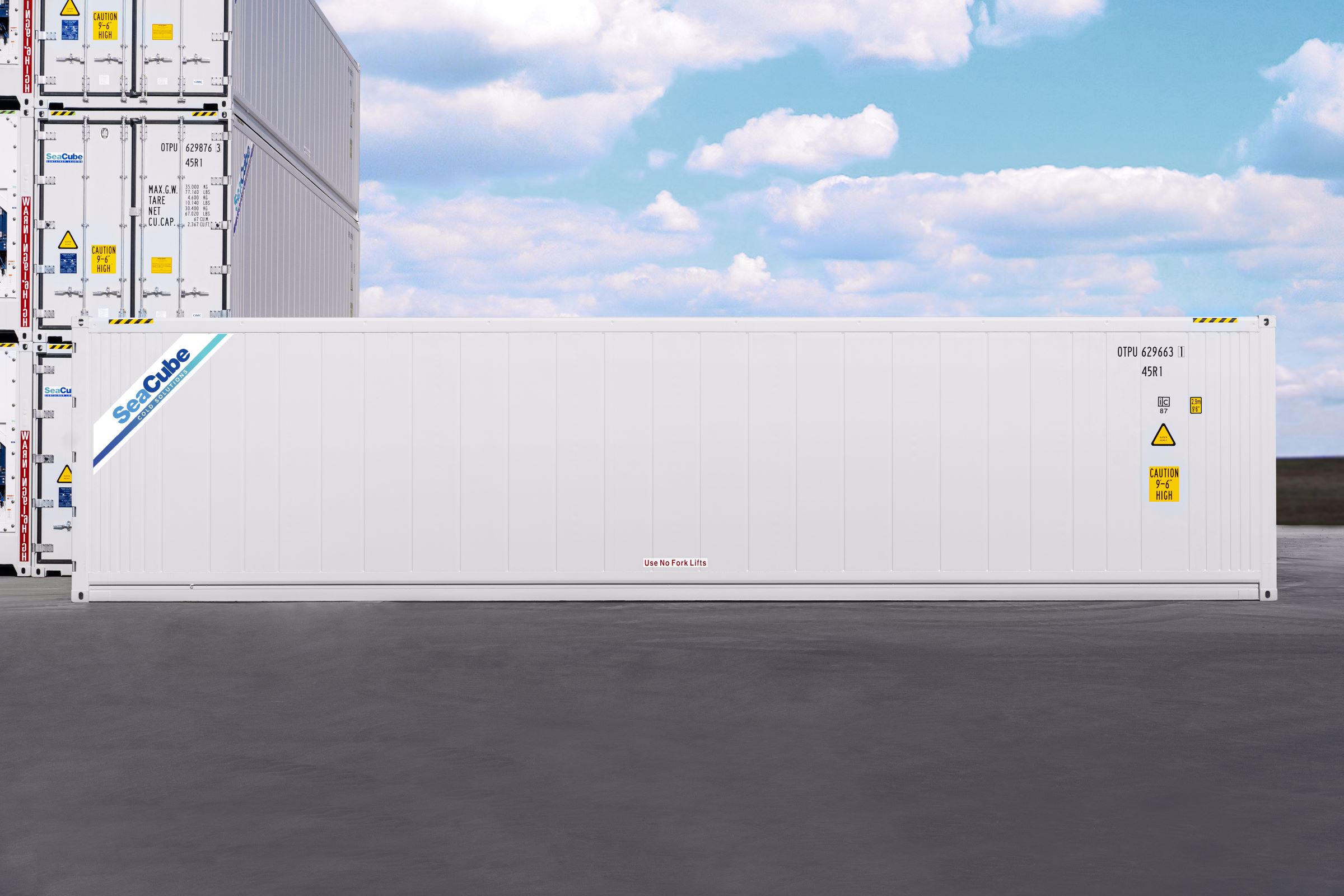
    SeaCube Cold Solutions (SCS), an affiliate of SeaCube Container Leasing and a leading provider of portable cold storage, announces a new partnership with The Wonderful Company. Under this agreement, The Wonderful Company’s Shafter facility will serve as the primary California depot for SCS, providing reefer storage and maintenance and repair services in the region.

    As part of SeaCube Container Leasing, SCS is backed by over 30 years of experience in refrigerated equipment, providing unmatched reliability and innovation in cold chain logistics. This new facility in Shafter represents a significant step forward in SeaCube’s investment in strategically located infrastructure to support its growing SCS customer base.

    “Partnering with The Wonderful Company at the Shafter depot marks a significant step in strengthening our presence in a key logistics corridor,” said James Armstrong, Senior Vice President of SeaCube Cold Solutions. “We’re excited to launch operations at the Shafter, California depot, where we are establishing a significant refrigerated container presence to support not only California’s Central Valley but also a 250-mile radius.

    This location strategically extends our reach across the West Coast, including Arizona and Nevada. With the addition of Shafter, SeaCube Cold Solutions now has full coverage over the entire Southwest Region.”

    The Shafter depot will serve as a hub for both storage and maintenance of SeaCube refrigerated containers. Its strategic location offers direct access to key customers in California’s Central Valley, while its position within a less congested logistics park provides efficient transportation routes to the Los Angeles basin, Arizona, and Nevada. SeaCube is the first—and currently the only—reefer operation at the facility.

    “SeaCube’s portable cold storage solution offers tremendous flexibility during seasonal market fluctuations. We are pleased to have their support and involvement in the Wonderful Logistics Center,” said Sepehr Matinifar, Vice President of Logistic Services at the Wonderful Company.

  • Autonomous Agents Set to Revolutionise Retail Transportation Management

    Autonomous Agents Set to Revolutionise Retail Transportation Management


    Manhattan Associates Inc., the global leader in supply chain commerce, today announced the findings of its latest collaboration with international research firm Vanson Bourne. The global research surveyed 1,450 senior decision-makers* from organisations in retail, wholesale, consumer goods, grocery and food & beverage sectors.

    “Transportation is the backbone of supply chains, essential to ensuring goods are delivered on time to meet customer expectations,” commented Bryant Smith, director, Transportation Management Systems (TMS) at Manhattan Associates. “Yet, managing transportation is becoming increasingly complex, pressured by demands on shorter fulfilment times, capacity and cost efficiencies, tighter sustainability regulations, and the growing necessity for access to end-to-end visibility across all operations,” Smith added.

    Fragmented systems: operational visibility and efficiency still challenging

    The true value of visibility extends beyond simply accessing operational data: it lies in the ability to address issues highlighted by this information and action operational improvements more quickly and efficiently. Beyond disruptions however, 60% of organisations say that enhancing visibility leads to greater customer satisfaction, through more accurate and timely updates, while 50% cite reductions in transportation costs as a key benefit of increased operational visibility.

    The AI revolution: excitement but readiness challenges

    61% of organisations anticipate fully autonomous Agentic AI, capable of acting independently to achieve specific goals within the next five years, however, only 37% have deeply integrated AI and machine learning in their TMS today.

    While many might view five years in the AI space like an eon, the gap between future expectations and current usage is noteworthy given adoption is rarely straightforward: although almost half (48%) said that they already feel very prepared for autonomous agents by 2030, practically every organisation (99%) reported facing, or expecting to face, hurdles, with concerns including skill shortages (49%), integration difficulties (44%) and data quality and availability issues (44%).

    With many organisations seemingly well-placed to take advantage of the cost, efficiency and scalability gains afforded by autonomous agents, those organisations on the other side need to rethink their AI strategies otherwise they risk losing significant (and possibly irretrievable) market share to rivals.

    Sustainability compliance: a priority and significant pain point

    The push for more sustainable transportation is widespread. 69% of organisations say sustainability is either a global mandate or an area of significant pressure, with 62% already implementing Corporate Sustainability Reporting Directive reporting. Navigating complex and shifting compliance requirements remains a global challenge, with sustainability compliance most frequently cited as a constraint expected to impact organisational performance over the next five years. A modern TMS can help to deliver the data visibility and functionality needed to measure progress and demonstrate compliance, vital to ensuring sustainability remains at the forefront of organisational thinking.

    Smith summarised: “Modern transportation management demands organisations balance a range of competing priorities, and the research clearly illustrates many organisations are still unprepared to meet the challenges of evolving sustainability mandates, expectations around AI and the need for more visible, actionable data insights. Looking ahead to 2030, these demands will intensify, increasing the pressure on organisations to operate transportation operations in smarter more intuitive ways.

    “87% of respondents anticipate that challenges in areas such as operational visibility, AI adoption and sustainability compliance will intensify, leaving their current Transportation Management Systems struggling to keep pace. Failure to act now will expose organisations to rising costs, questions over long-term efficacy, and the risk of falling short of customer promises,” Smith concluded.

  • JD Super Boosts Blueberry Offerings Through Exciting New Partnership with Camposol

    JD Super Boosts Blueberry Offerings Through Exciting New Partnership with Camposol

    JD Super has partnered with Camposol, a leading fruit exporter from Peru, to kick off the 2025 Peruvian blueberry season, marked by the arrival of the first shipment in Shanghai on July 4. This direct collaboration means JD Super can now source premium blueberries directly from northern Peru’s lush orchards, resulting in lower costs and a fresher product for consumers in China.

    This season, JD Super aims to import over 1,000 tons of blueberries, targeting a robust 10% share of the total 72,000 tons expected to arrive in the country—a notable leap from last year’s figures. The initial shipment features the prized Madeira variety, meticulously graded to ensure it meets the highest standards of size and quality, promising a delectable taste experience for buyers.

    Strict quality control measures are in place, with Camposol experts monitoring the fruit from its origin and JD Super committing to rigorous ongoing checks. The blueberries travel via a carefully sanitized cold chain—a logistical effort that features refrigerated transport courtesy of JD Logistics, ensuring the fruit maintains its freshness during its journey to over 300 cities across China.

    Since venturing into the imported blueberry market in 2018, JD Super’s direct sourcing model has driven a surge in the popularity and affordability of Peruvian blueberries in China. This rapidly-growing market reflects a remarkable transformation in Peru’s agriculture, where blueberry production has skyrocketed from just 80 hectares in 2012 to an impressive 20,500 hectares today. Who knew blueberries could tell such a remarkable tale of agricultural evolution?

    Questions & Answers

    What new partnership is JD Super launching this season?
    JD Super has partnered with Camposol, a fruit exporter from Peru, to kick off the 2025 Peruvian blueberry season with the arrival of fresh shipments in China.

    How much blueberries does JD Super plan to import this season?
    JD Super aims to import over 1,000 tons of blueberries this season, targeting 10% of the total 72,000 tons expected from Peru.

    What has driven the increase in blueberry production in Peru?
    The rapid growth in Peru’s blueberry production, which expanded from 80 hectares in 2012 to over 20,500 hectares today, can be attributed to increased demand and the efficiency of direct sourcing partnerships like the one with JD Super.

  • Körber buys majority stake in DMLogic

    Körber buys majority stake in DMLogic

    The international technology Group Körber concluded the acquisition of the US American company DMLogic on June 30, 2017. With its takeover of the software specialists´ majority shares, the Group is pushing ahead with the internationalization of its Business Area Logistics Systems.

    DMLogic is a specialized supplier of logistics software products, with its headquarters in Pittsburgh, Pennsylvania, USA. The company is also active at other sites in Eindhoven, the Netherlands, and Sydney, Australia. Most of its customers are from the pharmaceutical and automotive industries as well as the trading sector. With its software solutions the company supports customers in designing their warehouse management more efficiently and productively. From the design to the implementation and ongoing support, DMLogic operates as a complete supplier. With STEPLogic, the logistics software specialist has a software development platform that allows customers to develop new processes and apps for the warehouse management systems.

  • Kerry Logistics among awardees named by Bloomberg Businessweek

    Kerry Logistics among awardees named by Bloomberg Businessweek

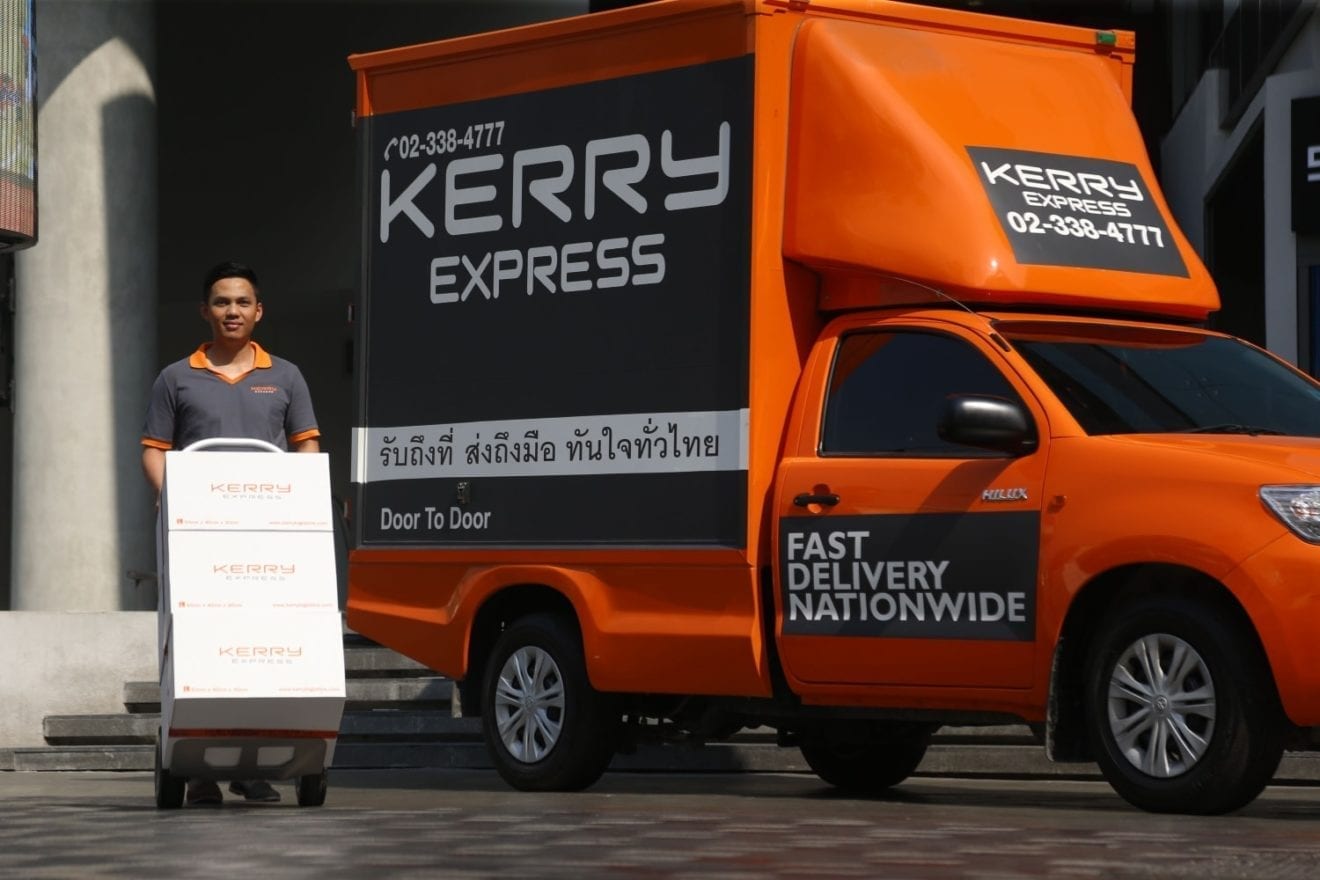
    Kerry Logistics Network Limited was for the fourth year in a row among the awardees named as the Listed Enterprises of the Year 2019 (the ‘Award’) presented by Bloomberg Businessweek/Chinese Edition, which recognised its excellent performance and contribution to Hong Kong’s economy.

    William Ma, Group Managing Director of Kerry Logistics, said: “We are grateful to the organiser for once again including us among the cream of the crop in the Hong Kong business world. As a Hong Kong-listed company, we always do our best to abide by the highest standards of corporate governance, as well as to contribute to the prosperity of the city in which we are rooted.

    “This encouragement and recognition will continue empowering us to maintain a socially responsible and sustainable business operation, and pursue innovation and development that is beneficial to all our stakeholders.”

    Organised annually by Bloomberg Businessweek/Chinese Edition, part of the internationally renowned brand of business journalism, the Award is the only event applying Bloomberg Terminal data to analyse listed enterprises in Hong Kong.

    Awardees are judged by a panel made up of senior government officials, professionals and academics according to business/financial performance, corporate governance, investor relationship, development strategy, corporate social responsibility, sustainability, innovation and risk management.

    With an expanding global network and a diverse range of businesses, Kerry Logistics has continued its efforts in strengthening its service capabilities, extending its network coverage and building its business scale in order to give itself a competitive advantage in adapting to the changing global logistics landscape.

  • DHL to build electric vans in Japan

    DHL to build electric vans in Japan

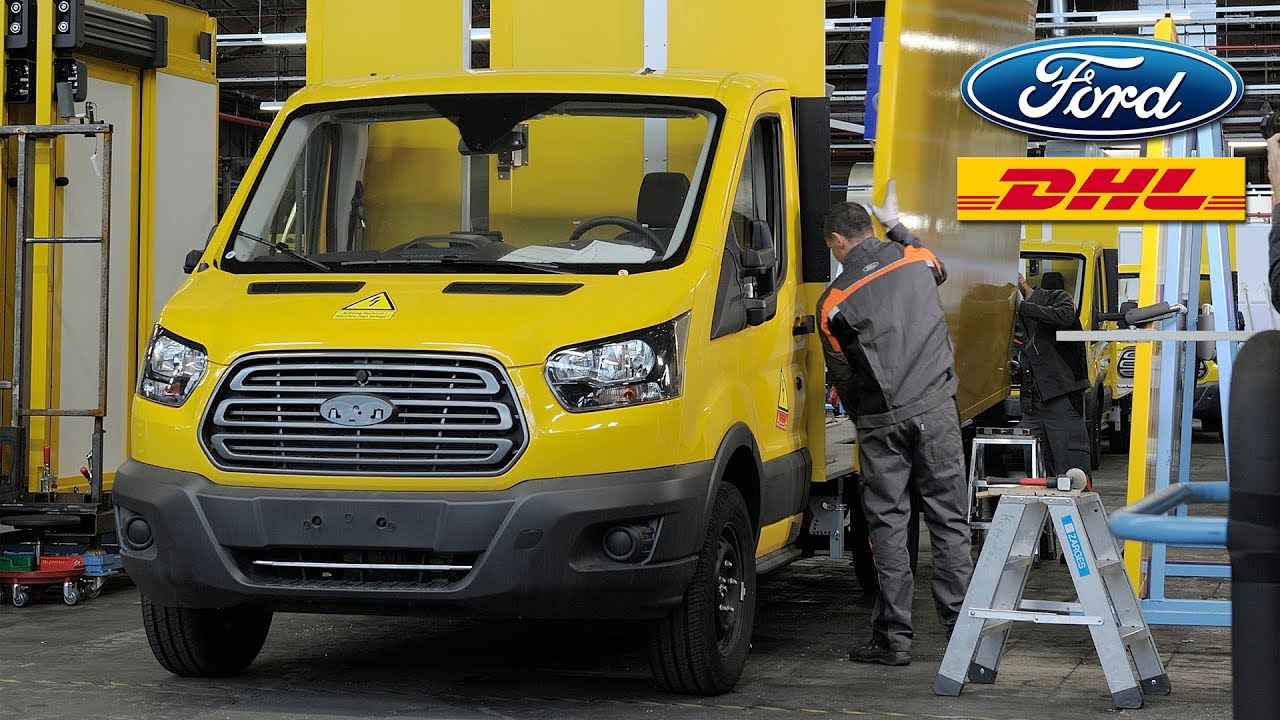
    Deutsche Post/ DHL’s EV building outlet StreetScooter is to sign a contract with Yamato, a major Japanese logistics company worth around 32 million euros. The two companies will develop a small electric van together and will bring the first 500 units into the greater Tokyo area by autumn.

    Progressed negotiations that have now been concluded. StreetScooter is responsible for the production of the electric van while Yamato will be responsible for the refrigerated transport box. However, the truck bed will be waist high so that workers can load and unload cargo without having to enter the refrigerator-freezer compartment. 100 charge points are planned as well, as is further expansion.

    So the 500 vehicles are by no means the end of the story. The cooperation could be further expanded in the future as Yamato plans to aggressively convert its fleet of around 40,000 vehicles to electric drives. According to the Japanese business paper, Yamato would be the first large logistics company in Japan to rely on electric drives on a large scale.

  • JD Logistics Unveils Groundbreaking Express Delivery Service In Saudi Arabia: A Leap In Global Expansion Strategy

    JD Logistics Unveils Groundbreaking Express Delivery Service In Saudi Arabia: A Leap In Global Expansion Strategy

    JD Logistics, the logistics subsidiary of Chinese e-commerce behemoth JD.com, recently unveiled its consumer-centric express delivery service, JoyExpress, in Saudi Arabia – the first of its kind outside of China.

    JD Logistics’ Market Expansion

    JD Logistics is widely reputed for its self-built warehousing and delivery infrastructure in China, where it manages over 3,600 warehouses. The introduction of JoyExpress takes this efficient, self-operated model to international frontiers, promising speedy delivery services within the same day in Saudi Arabia.

    The move signifies a pioneering stride in JD.com’s revitalized global expansion strategy, as disclosed by the company’s founder and chairman, Richard Liu. The growth opportunities in domestic markets are increasingly elusive for e-commerce giants due to deflationary pressures amplified by stagnating consumer confidence, a drawn-out property crisis, and wage growth concerns in China.

    In a recent discussion in Beijing, Liu underscored the significance of international markets for JD.com’s future growth. He also hinted at a likely hastening of the company’s overseas ventures in the imminent future.

    Strengthening the European Footprint and Beyond

    “We’ve been operational in Europe for three years, and we’ve essentially established our logistics infrastructure there. Nevertheless, it’s inadequate,” Liu said. Over the last half-decade, which Liu refers to as “lost years,” JD.com has broadened its competitive scope to include companies like Chinese food delivery titan Meituan, across diverse sectors from food delivery to travel booking.

    Earlier this year, JD.com launched JD Takeaway, a direct rival to Meituan. In addition, Meituan has also broadened its footprint in Saudi Arabia in recent years.

    Summing up the company’s performance over the last five years, Liu expressed regret over the lack of innovation at JD.com, referring to this period as one of decline for the company.

    Cryptocurrency Ambitions

    Liu also disclosed JD.com’s intentions to procure stablecoin licenses in countries with major currencies. The objective of this venture is to streamline foreign exchange transactions between international corporations, thereby lessening the cost of cross-border payments by up to 90% and boosting efficiency to within 10 seconds.

    In 2021, the Hong Kong Monetary Authority (HKMA) disclosed that Jingdong Coinlink Technology Hong Kong, a fully-owned subsidiary of JD Technology, had joined its stablecoin issuer sandbox. The sandbox initiative is an HKMA framework that communicates regulatory expectations to institutions keen on issuing stablecoins in Hong Kong.

    Questions & Answers

    What is the significance of JD Logistics launching JoyExpress in Saudi Arabia?
    Launching JoyExpress in Saudi Arabia marks JD Logistics’ first consumer-focused express delivery service outside of China, indicating a significant step in its global expansion strategy.

    What are JD.com’s future plans concerning global expansion?
    According to the company’s founder, Richard Liu, JD.com plans to accelerate its overseas ventures, with emphasis on strengthening its footprint in Europe and exploring new sectors, such as food delivery and travel booking.

    What are JD.com’s intentions regarding stablecoin licenses?
    JD.com plans to acquire stablecoin licenses in countries with major currencies. The initiative aims to streamline foreign exchange transactions between international corporations, reducing the cost of cross-border payments by up to 90% and boosting efficiency to within 10 seconds.

  • DHL Supply Chain Expands Support for SMBs with Acquisition of IDS Fulfillment

    DHL Supply Chain Expands Support for SMBs with Acquisition of IDS Fulfillment

    Strategic Acquisition Boosts E-Commerce Capabilities

    In a move to strengthen its e-commerce infrastructure and better serve small and midsized businesses, DHL Supply Chain has acquired U.S.-based logistics provider IDS Fulfillment. The acquisition adds over 1.3 million square feet of warehouse and distribution space to DHL’s network, enhancing its ability to meet growing demand across North America.

    Expanding Reach with Key U.S. Facilities

    IDS Fulfillment’s facilities are strategically located in Indianapolis, Salt Lake City, Atlanta, and Plainfield (Indiana headquarters). DHL has confirmed that all facilities will continue operations under the leadership of existing local teams to ensure a smooth transition for customers and employees.

    Targeted Support for Smaller Businesses

    Patrick Kelleher, CEO of DHL Supply Chain North America, emphasized the importance of the acquisition:

    “The acquisition of IDS Fulfillment not only expands our operational footprint but also ensures small and midsized companies have access to our state-of-the-art logistics solutions designed for their specific requirements.”

    Enhancing DHL’s Fulfillment Network

    This marks DHL’s second e-commerce acquisition in 2025. In January, the company acquired Inmar’s reverse logistics business, making it the largest returns processing provider in North America. IDS Fulfillment’s integration strengthens DHL’s Fulfillment Network, offering scalable, flexible logistics solutions to businesses of all sizes.

    CEO of IDS Welcomes Growth Opportunity

    IDS Fulfillment CEO Mark DeFabis expressed confidence in the partnership:

    “DHL’s commitment to innovation and service excellence makes them the ideal partner to enhance our operations and deliver industry-leading capabilities to our customers and team members.”

    Positioning for Future Growth

    With global e-commerce expected to grow at an 8% compound annual growth rate (CAGR) through 2029, DHL is investing to stay ahead of the curve. Oscar de Bok, Global CEO of DHL Supply Chain, noted:

    “IDS Fulfillment complements our existing DHL Fulfillment Network, enhancing our ability to offer seamless global eCommerce solutions with local expertise and reach—especially as multinational organizations seek North American fulfillment capabilities.”

    Strengthening DHL’s Leadership in Logistics

    The IDS acquisition not only brings additional infrastructure but also a diverse client portfolio and advanced fulfillment know-how. According to Kelleher, these strategic moves reinforce DHL’s position as the preferred logistics provider for companies of all sizes.

    Questions & Answers

    1. Why did DHL Supply Chain acquire IDS Fulfillment? To expand its e-commerce fulfillment capabilities and better serve small and midsized businesses with strategically located U.S. facilities.

    2. What does IDS Fulfillment add to DHL’s network? Over 1.3 million square feet of distribution space across key U.S. locations, a diverse customer base, and specialized e-commerce logistics expertise.

    3. How does this acquisition align with DHL’s long-term goals? It supports DHL’s Strategy 2030 by growing its e-commerce footprint and enhancing its ability to offer scalable logistics solutions amid rising global e-commerce demand.

  • Mail&More – the world’s first GSA dedicated to mail and e-commerce

    Mail&More – the world’s first GSA dedicated to mail and e-commerce

    Mail&More offers a fully scalable solution to all airlines seeking to participate in the rapidly growing e-commerce and small parcel logistics niche. It removes the challenges and complexity that non-traditional cargo such as mail or e-commerce bring to an airline’s operational processes. Mail&More assumes responsibility on the airline’s behalf for all related commercial operations through to capacity sourcing and allocation, and is supported by innovative Mail EDI software.

    E-commerce features in every air cargo conference as the disruptor and fastest-growing commodity in air cargo. And it is one that requires specialized expertise given the sheer volumes of AWBs it generates as well as the last-mile network complexity of small parcels with very diverse end destinations. Mail&More has developed a tailored service that has continuously seen annual growth rates of 50% since it was officially introduced in 2022 and today caters to a growing network of 20 postal operators and 30 airlines across the globe, with a strong footprint in Europe and Asia.

    Mail & More is unique. It bridges the gap between postal operators on one hand, who are always looking for the best possible network solutions for the e-commerce platforms, consolidators and vendors that they serve, and airlines, on the other, seeking to optimize their capacity utilisation and load factors – and their process efficiency. Mail&More matches the two and develops market shares, constructs routings, oversees and coordinates transport operations, while advising its customers on cross-border alternatives or other measures they can take to increase their base loads on certain routes. Because of its experience and understanding of regulatory bodies, customer expectations and airline processes in this product niche, Mail&More is a strong partner for airlines of any size seeking to improve or even launch their e-commerce strategy. What’s more, it is the only company in the world currently offering this service.

    Mail&More offers audits, strategic guidance, solution recommendations, and operational support tailored to each airline’s size and structural focus—whether large carriers aiming to further optimize and digitalize their e-commerce strategy, mid-sized airlines developing their parcel business with the right tools, or smaller and leisure airlines still defining their strategic direction. Leveraging innovative cloud-based MAIL EDI software, the Mail&More team assists airlines in efficiently developing their e-commerce service both in terms of costs and return on investment. Once established, it assists in digitalizing the airline’s respective processes to ensure complete product positioning, visibility and control over its operations.

    2025 will be a year of consolidation for Mail&More, following growing interest from airlines over the past two years. Many carriers have recognized the need to position their e-commerce and parcel services with the same strategic importance as established special products such as pharmaceuticals, dangerous goods, or perishables. However, due to its rapid development, this segment presents challenges—particularly in terms of return on investment. This is where Mail&More adds value, offering extensive network coverage, strong partner connections, market visibility, digital tools, operational efficiencies, and ongoing performance monitoring. By providing a comprehensive and centralized commodity strategy, Mail&More acts as a long-term, plug-and-play business solution.

  • Etihad Cargo increases main deck capacity by 18% to support increased demand in Greater China

    Etihad Cargo increases main deck capacity by 18% to support increased demand in Greater China

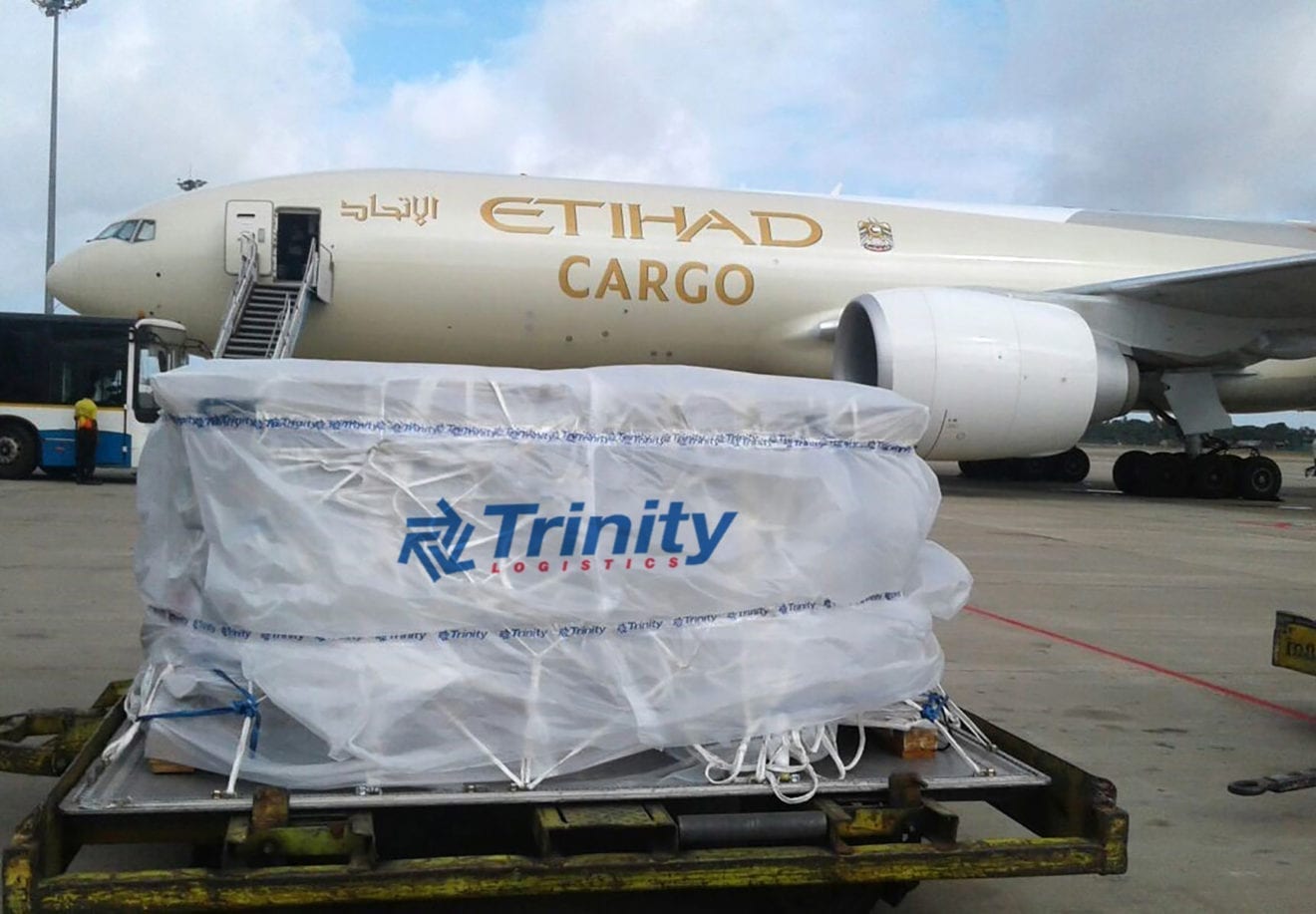
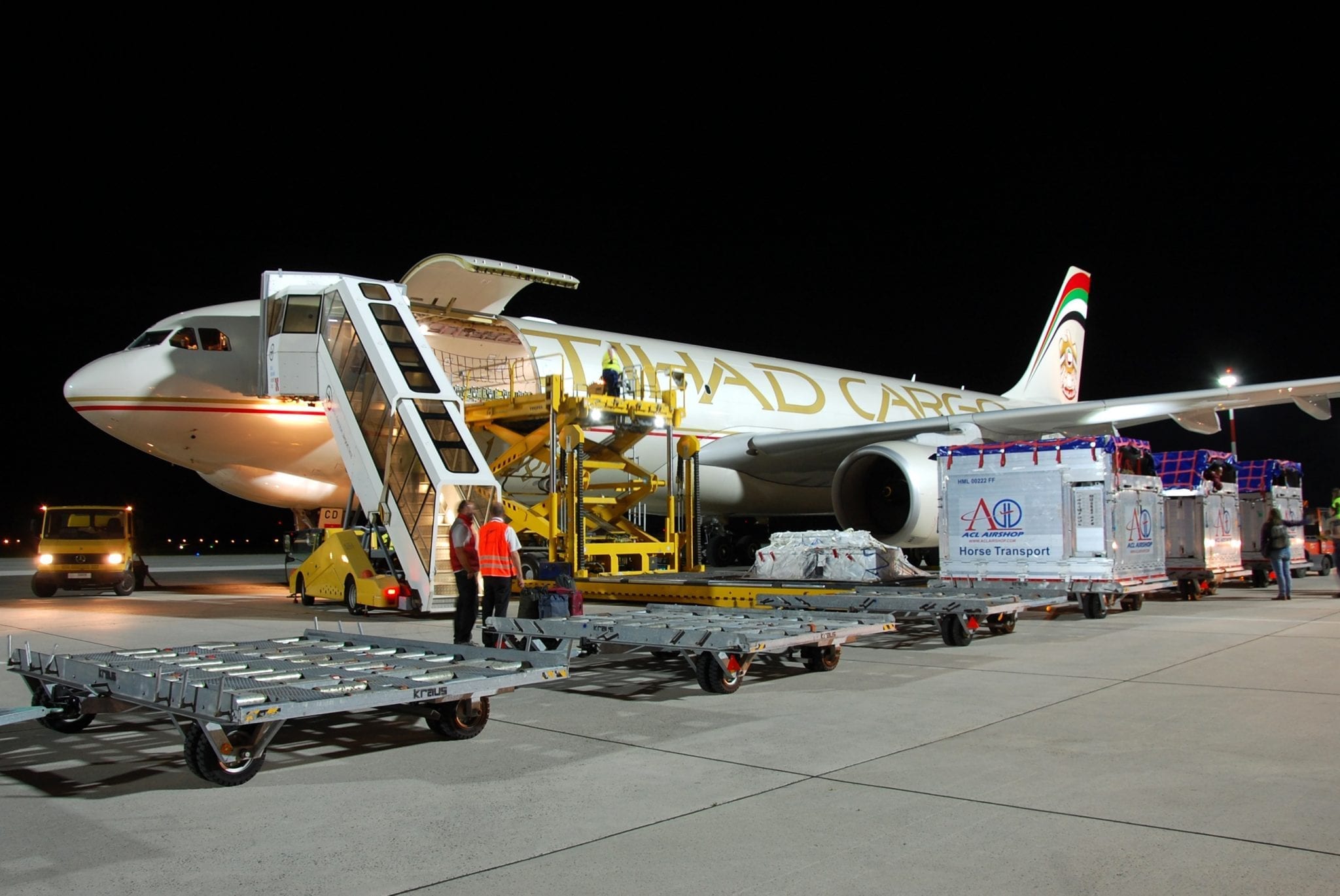
    Etihad Cargo, the cargo and logistics arm of Etihad Airways, has expanded its capacity to meet increasing customer demand in Greater China. The carrier has increased its total flights to and from China from 11 in 2024 to a planned total of 18 in 2025, strengthening trade links between key global markets.

    Etihad Cargo’s capacity will be supplemented by a wet-lease 747-F and will support increased freight movements on high-demand routes and provide customers with greater flexibility in shipping cargo to and from key markets.

    To accommodate growing market demand, Etihad Cargo has added three additional weekly freighter flights to Shenzhen and two additional weekly flights to London. The expanded operations will improve/strengthen connectivity between China, Europe, and the Middle East, offering increased capacity for the transportation of e-commerce, pharmaceuticals, perishables, and other critical shipments.

    The increase in capacity aligns with Etihad Cargo’s strategy of expanding its global network to provide reliable, customer-centric solutions. The carrier remains committed to delivering efficient and flexible freight services while strengthening Abu Dhabi’s position as a leading global logistics hub.

    Stanislas Brun, Chief Cargo Officer at Etihad Cargo, commented: “Etihad Cargo continues to invest in expanding its network and capacity to support the evolving needs of global trade. The introduction of the additional capacity and flights to Shenzhen and London Stansted demonstrate our commitment to meeting customer demand with increased availability and connectivity across key trade routes.”

    By strengthening its presence in China and increasing links to Europe, Etihad Cargo is providing additional capacity to facilitate the movement of goods across international markets.

  • Cathay continues its sustainability efforts as it builds momentum for future development

    Cathay continues its sustainability efforts as it builds momentum for future development

    Cathay released its 2024 Sustainability Report, reflecting steady progress in its sustainability journey and reaffirming its commitment to long-term sustainable development. As the Cathay Group moves into its next phase of growth, sustainability remains a key priority.

    Chief Executive Officer Ronald Lam said: Having successfully completed our two-year rebuilding journey, we have now set our sights on growth and development, where sustainability remains an area where we aspire to lead and is at the forefront of our path forward.

    Our environmental focus continues to be on climate change and a circular economy. As a pioneer and early adopter of sustainable aviation fuel (SAF), we continue to work towards fostering a local SAF ecosystem and expanding SAF usage globally, while acknowledging the challenges and opportunities ahead. We are also embracing the shift towards responsible use of resources by continuously reducing our reliance on single-use plastics (SUP) and exploring packaging alternatives. Beyond our environmental efforts, we remain committed to our deep roots in Hong Kong, enriching our communities through youth, sports, and arts initiatives while setting our sights on future growth by attracting, developing and retaining a strong pipeline of global talent.

    Key highlights from the 2024 report include:

    • Fostering a local SAF ecosystem with the Groups record global SAF usage: Cathay launched a landmark tripartite SAF partnership with HSBC Hong Kong and EcoCeres, enabling SAF usage from Hong Kong International Airport while demonstrating the potential of fostering an SAF system in Hong Kong. It also co-initiated the Hong Kong Sustainable Aviation Fuel Coalition (HKSAFC), a multi-stakeholder group, to drive SAF policy development and adoption in Hong Kong. Globally, Cathays Corporate SAF Programme recorded a 22-fold increase in SAF usage compared to its launch in 2022.
    • Advancing a circular economy: Cathay Pacific reduced its passenger-facing SUP items to an average of 2.6 pieces and set two new secondary SUP targets for 2025: increasing inflight recycling of water bottles to 33% and ensuring at least 50% of the remaining passenger-facing SUP items are made with recycled plastics. Working towards its goals, Cathay Pacific introduced a first-of-its-kind workflow for recycling plastic bottles and cans at Hong Kong International Airport.
    • Nurturing the Hong Kong community: 2024 marked the 20th anniversary of Cathays flagship youth development programme, I Can Fly, with its return after a five-year hiatus, expanding the initiative to include an exchange tour in the wider Greater Bay Area.

    The full 2024 Sustainability Report detailing Cathays sustainability performance and commitments is available here.

  • Etihad Cargo, DoH and RAFED highlight Abu Dhabi’s commitment to become a global pharma and life science distribution hub at LogiPharma 2025

    Etihad Cargo, DoH and RAFED highlight Abu Dhabi’s commitment to become a global pharma and life science distribution hub at LogiPharma 2025

    Etihad Cargo, the cargo and logistics arm of Etihad Airways, will attend LogiPharma 2025, taking place from 8–10 April, Centre de Congrès de Lyon, France. As a leading voice in pharmaceutical airfreight, the carrier will be joined at booths 84 and 85 by strategic partners Abu Dhabi’s Department of Health and RAFED, underscoring Abu Dhabi’s goal to become a global pharmaceutical and life science distribution hub.

    “Leveraging Abu Dhabi’s strategic location at the gateway to the MENA region, we are offering advanced infrastructure with easy access to regional and global markets. We’re not just offering airfreight, Etihad Cargo has deepened its focus on creating a smarter, more responsive cold chain for pharma customers worldwide, enabling an end-to-end, temperature-controlled ecosystem in collaboration with regulators, manufacturers and supply chain partners.” Said Stanislas Brun, Chief Cargo Officer.

    The collaboration with Abu Dhabi’s Department of Health and RAFED, the region’s leading healthcare procurement and logistics platform, is in line with the Abu Dhabi Economic Vision 2030. The partnership is a pivotal step in Abu Dhabi’s ongoing efforts to become a leading healthcare destination in the global healthcare landscape.

    Faisal Haji, Division Director Health Sector Innovation Department at the Department of Health – Abu Dhabi, commented: “Through our collaboration with Etihad Cargo and RAFED at LogiPharma 2025, we are reinforcing DoH’s commitment to reshaping the region’s healthcare landscape. Our ambition is to cultivate a healthcare ecosystem where patients can benefit from the most advanced treatments and innovations in medical technology. By developing a dynamic hub for healthcare and life sciences distribution, we aim to improve patient outcomes and elevate the standard of care across the region.”

    Samer Al Zamil, Chief Commercial Officer at RAFED, added: “Together with Etihad Cargo and the Department of Health, we are building a trusted supply chain that supports not just the UAE, but the broader region and global healthcare community. LogiPharma is a platform for showcasing what true collaboration across public and private sectors can achieve.”

    Etihad Cargo’s award-winning PharmaLife product, certified under IATA CEIV Pharma, ensures the safe and reliable transport of temperature-sensitive pharmaceuticals, vaccines and biologics through advanced tracking, thermal mapping and real-time monitoring technologies.

  • DHL Group and Temu sign Memorandum of Understanding to support local businesses

    DHL Group and Temu sign Memorandum of Understanding to support local businesses

    DHL Group, the world’s leading logistics company, has signed a Memorandum of Understanding (MoU) with the e-commerce marketplace Temu to deepen their cooperation and to further expand their successful partnership. The agreement aims to enhance collaboration to better support local small and medium-sized enterprises (SMEs) in established markets as well as in growth markets, such as Eastern Europe and the Middle East. Both parties are committed to fostering compliant trade and sustainable practices.

    DHL Group will support Temu through its logistics expertise, including multimodal transportation solutions, to provide more efficient and sustainable supply chain services. With its dense network and global presence, DHL Group is the ideal partner to support Temu’s growth in both established and new markets.

    “Through our various DHL divisions, we are already providing a wide range of logistics services and solutions, including air freight and last-mile delivery. We are excited to elevate our partnership with Temu to the next level. By combining our logistics capabilities with Temu’s innovative platform, we can create more efficient, compliant and convenient solutions that benefit both consumers and local businesses in the markets we serve,” states Katja Busch, CCO and Head of DHL Customer Solutions & Innovation.

    As part of the Memorandum of Understanding, DHL Group will utilize its logistics expertise to support Temu’s operations in Europe, including its local-to-local model, which enables local merchandise partners to sell on its platform and supports local fulfillment. Temu expects up to 80% of its total sales in Europe to come from this local-to-local model. Additionally, the e-commerce platform will enable European-based sellers to reach global markets in the future. This allows, in particular, SMEs to scale and expand their businesses. DHL will also assist Temu in growing its presence in e-commerce markets, including the Europe, Middle East, and Africa (EMEA) regions.

    “This letter of intent marks a significant step in our partnership with DHL Group. Its extensive network and logistics capabilities will help support our mission to increase consumer access to affordable products and help increase growth opportunities for sellers,” states Qin Sun, co-founder of Temu.

  • DHL Group acquires CRYOPDP from Cryoport to strengthen “DHL Health Logistics”

    DHL Group acquires CRYOPDP from Cryoport to strengthen “DHL Health Logistics”

    DHL Group (“DHL”), the world’s leading logistics provider, and Cryoport, Inc. (“Cryoport”), a global provider of supply chain solutions for the life sciences sector, are pleased to announce that DHL has acquired 100% of CRYOPDP, a leading specialty courier focused on clinical trials, biopharma, and cell and gene therapies. In this context, the companies also announced a strategic partnership to strengthen their supply chain service offerings for the global life sciences and healthcare sector.

    DHL Group already has an established Life Sciences and Healthcare business, contributing over EUR 5 billion in global revenue in 2024. Building on this foundation, the acquisition of CRYOPDP marks a significant step in DHL’s commitment to enhancing its capabilities in specialized pharma logistics and expanding the breadth of its offering in the rapidly growing life science and healthcare sector.CRYOPDP specializes in providing white-glove courier services essential to the sectors it serves. With operations in 15 countries, CRYOPDP handles over 600,000 shipments per year, servicing customers and patients in over 135 countries worldwide.

    Going forward, DHL Supply Chain will further build the potential of its Pharma Specialized Network solution by leveraging the specialty courier expertise of newly acquired CRYOPDP and the global air capabilities of DHL Express and DHL Global Forwarding.

    The strategic partnership with Cryoport will bring together DHL’s global health logistics capabilities with Cryoport’s industry-leading expertise in providing specialized solutions in a fast-growing life science and healthcare market segment. It also deepens DHL’s relationship with all the Cryoport business units with respect to specialized pharma.

    Oscar de Bok, CEO of DHL Supply Chain, stated, “The acquisition of CRYOPDP is a pivotal move for our supply chain business as we aim to expand our Pharma Specialized Network to meet the evolving needs of clinical trials, biopharma and cell & gene therapies, in addition to further increasing our footprint in the conventional pharma and life science healthcare segment. The acquisition of CRYOPDP and the extended partnership with Cryoport Inc. will enable us to deliver integrated end-to-end solutions, enhancing our service capabilities.”

    Jerrell Shelton, CEO of Cryoport, commented, “We are indeed pleased to build on our trusted relationship with the DHL Group. Working together we will bring an enhanced set of supply chain solutions to meet companies’ and patients’ critical supply chain needs. This strategic partnership taps into the strong expertise of DHL’s Supply Chain and CRYOPDP, presenting a substantial opportunity for Cryoport to further expand its reach to global growth markets such as Asia Pacific (APAC) and Europe, Middle East and Africa (EMEA).”

    The acquisition aligns with DHL Group’s Strategy 2030, which emphasizes the importance of temperature-controlled networks, first and last mile specialty courier coverage and integrated solutions. CRYOPDP’s capabilities will be instrumental in achieving these objectives and help position DHL as a leader in providing comprehensive solutions for the pharma industry. This strategic move is also expected to yield cost savings and improve overall service levels, especially leveraging DHL Express and DHL Global Forwarding air capabilities, ultimately enhancing DHL’s footprint in the high-value advanced pharma sector.

    For Cryoport, the partnership with DHL will enable it to better execute its business in EMEA and APAC with a stronger focus on its core business in these regions, creating even greater opportunities to offer highly targeted, top-tier services in answering market demand for its services and products.

    The deal and the outlined partnership are subject to regulatory approvals.

  • Finnair and DB Schenker join forces in reducing GHG emissions for cargo transport

    Finnair and DB Schenker join forces in reducing GHG emissions for cargo transport

    Finnair and DB Schenker have initiated their sustainability collaboration by signing an agreement for DB Schenker to purchase nearly 400 tons of scope 3 CO2e reductions, equaling approximately 120 tons of sustainable aviation fuel (SAF) from Finnair. Both companies are committed to increasing the use of sustainable aviation fuel to reduce the greenhouse gas (GHG) emissions related to air cargo transport. Sustainable aviation fuel (SAF) is a safe, certified, and renewable alternative to fossil jet fuel that we can use today to reduce the climate impact of air cargo transport.  SAF can reduce greenhouse gas emissions by up to 80% over the fuel’s life cycle compared to using fossil jet fuel.

    Finnair has set a science-based target to reduce its carbon emissions intensity (CO2e/RTK) by 34.5% by 2033 from a 2023 baseline. The target has been validated by the Science Based Targets initiative (SBTi). Like others in the industry, Finnair is aiming towards net-zero emissions by 2050.

    “Our toolkit for reaching the target comprises investing in sustainable aviation fuels beyond regulatory requirements, further improving operational efficiency, optimizing our network, and investing in new aircraft technology. This agreement with DB Schenker marks an important milestone in our decarbonization efforts and we are thrilled to partner with such a pioneering company, placing key focus on this important matter. Air freight industry needs to address the climate challenge together, and partnering with like-minded stakeholders within the value chain is essential”, says Gabriela Hiitola, Senior Vice President, Finnair Cargo.

    By co-funding SAF with Finnair, DB Schenker receives a verified scope 3 emissions reduction certificate, proving its contribution to decreasing air cargo-related emissions.

    DB Schenker, one of the world’s leading logistics service providers, has been an early adopter of SAF since 2020 and seeks to steadily expand its portfolio of low-carbon air freight solutions to cargo shippers.

    “At DB Schenker, we recognize the urgency of decarbonizing air freight and are committed to driving meaningful change within the industry. Our collaboration with Finnair marks another step in scaling sustainable aviation fuel use to significantly reduce the industry’s carbon footprint. By investing in SAF, we are not only reducing our own carbon footprint but also empowering our customers with low-carbon air freight solutions”, says Björn Eckbauer, Senior Vice President of Global Operations & Procurement Air, DB Schenker.