Tag: cargo

  • FedEx strengthens healthcare capabilities in Asia Pacific with expansion of its Life Sciences center in Korea

    FedEx strengthens healthcare capabilities in Asia Pacific with expansion of its Life Sciences center in Korea

    Federal Express Corporation (FedEx), one of the world’s largest express transportation companies, has expanded its state-of-the-art Life Science Center in Gimpo, Gyeonggi-do, Korea. This strategic enhancement, along with FedEx Life Science Centers in Singapore and Japan, is addressing the rising demand for a robust logistics network with advanced capabilities to support the rapidly growing healthcare industry across the Asia Pacific region.

    The advanced FedEx Korea Life Science Center spans 2,288 square meters – almost triple the size of the previous facility. The new operation includes five temperature-controlled areas for temperatures ranging from -150°C to +25°C, which are monitored 24/7 to ensure continuous compliance with pharmaceutical cold chain requirements. The facility is also Korea Good Supply Practice (KGSP)-certified, in accordance with market-specific quality and regulatory requirements for the healthcare industry. Along with temperature-controlled Inventory management capabilities, the Korea Life Science Center is equipped to support both domestic and international transportation needs.

    By expanding its capacity, FedEx is strengthening its life sciences logistics expertise, ensuring seamless and reliable transportation of critical healthcare shipments including investigational medicinal products (IMP), biological samples, and biopharmaceutical product lines while enabling pharmaceutical and clinical trials customers to prioritize patient care.

    The pharmaceutical market in Asia Pacific is projected to reach USD 290 billion by 2028. Additionally, the region accounts for approximately 50% of global clinical trials, highlighting its increasing role in global pharmaceutical research and development. Customers in the healthcare and pharmaceutical sector need precise, temperature-controlled services to preserve product efficacy. With decades of experience, FedEx provides expertise in specialized healthcare and clinical trial solutions, enabled by its international Express network, customized Time Critical Special Services (SpS), and a global network of Life Science Centers with locations in Korea, Singapore, Tokyo (Japan), Mumbai (India), Memphis (United States), and Veldhoven (the Netherlands). The company’s extensive healthcare infrastructure also includes 130+ cold-chain facilities worldwide, ensuring continuous temperature integrity for shipments moving through our domestic and international networks.

    “Asia Pacific’s healthcare sector is evolving at an unprecedented pace, driven by demographic shifts, infrastructure investments, and rapid tech advancements,” said Kawal Preet, president, Asia Pacific at FedEx. “At FedEx, we are leveraging our decades of healthcare expertise, extensive global network and differentiated solutions to propel this growth. Through strategic investments in cutting-edge facilities and AI-driven smart logistics, we are reshaping healthcare supply chains and enabling the future of life sciences research and business innovation across the region.”

    FedEx Clinical Care, part of the company’s portfolio of dedicated healthcare transportation solutions, provides end-to-end delivery capabilities for time and temperature-sensitive healthcare shipments. This service ensures expedited delivery within 24 to 48 hours, leveraging specialized features including temperature-controlled packaging, priority handling and clearance, and 24/7 monitoring and intervention using sensor-based real-time tracking.

    Recently, FedEx was recognized for ‘Innovation in Clinical Supply Chain Logistics’ at the Korea Biopharma Excellence Awards 2024 for exceptional contribution to clinical supply chains in Korea. In August, the company introduced FedEx Surround®, an innovative monitoring and intervention solution for enhanced control and visibility for healthcare and other critical shipments.
  • Lufthansa Cargo starts transpacific flight from Vietnam to the USA

    Lufthansa Cargo starts transpacific flight from Vietnam to the USA

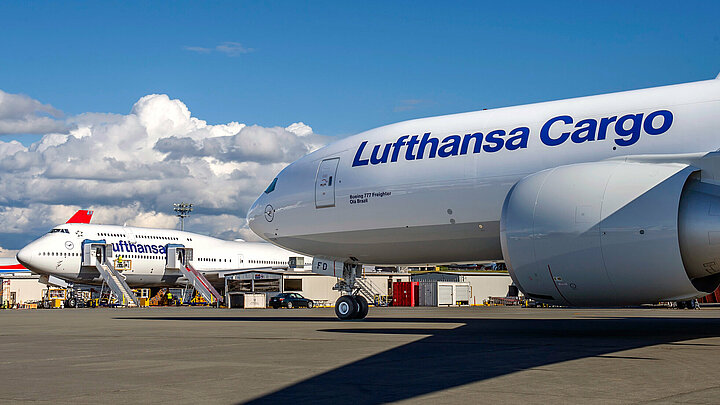
    With the start of the winter flight schedule last weekend, Lufthansa Cargo has inaugurated its first direct transpacific freighter service from Asia to North America. On Sunday, 27 October 2024, flightLH8019 took off from Ho Chi Minh City (SGN) in Vietnam to Los Angeles (LAX) in the United States, operated by its JV subsidiary AeroLogic. The aircraft with the identification D-AALO had previously taken off from Frankfurt (FRA) for Vietnam on Saturday, 26 October 2024. It had then flown back from Los Angeles on Sunday, 27 October 2024, and had arrived at the carrier’s home hub on Monday, 28 October 2024.

    “This new freighter connection highlights our commitment to connecting economies by responding to the demand of the rapidly growing economy in Vietnam, which can now be seamlessly connected to the U.S. even faster. This service reinforces our purpose of enabling global business, which is why we are continuously examining the possibilities of establishing new routes and growing in dynamic market environments,” explains Ashwin Bhat, CEO of Lufthansa Cargo.

    With the new flight schedule, Lufthansa Cargo is now offering its customers 89 weekly B777F freighter connections worldwide. This includes 50 frequencies to 17 destinations in Asia, reflecting the strong demand in the region. The growing e-commerce industry, in particular, is driving this development, to which Lufthansa Cargo is able to respond quickly and flexibly thanks to its early preparations. With its own A321 freighter fleet for short and medium-haul routes, as well as additional cargo capacities marketed on the extensive network of Lufthansa Airlines, Austrian Airlines, Brussels Airlines, Discover Airlines and SunExpress, Lufthansa Cargo is able to offer its customers capacities to over 350 destinations in 100 countries in its winter flight schedule

  • DHL Global Forwarding China introduces cross-border e-commerce solution ahead of peak season

    DHL Global Forwarding China introduces cross-border e-commerce solution ahead of peak season

    DHL Global Forwarding, the freight specialist of DHL Group, is introducing a variety of cross-border e-commerce solutions ahead of the year-end holiday shopping season globally. The solutions will offer cross-border shipping from China to the world with different service levels and features, as well as an integrated tracking platform for end-to-end visibility.

    China’s e-commerce sector has continued to grow despite a mixed global economic sentiment. In the first half of 2024, China’s cross-border e-commerce trade totaled 1.22 trillion yuan (EUR155 billion), a 10.5% growth year-on-year.

    “Chinese companies like Shein, Temu, AliExpress and Tik Tok Shop are gaining popularity globally. While the U.S. remains the primary export market, Europe is fast catching up as a critical region for these e-commerce platforms.  In DHL’s recent Global Shopper Trends Report, 53% of European online shoppers purchase goods from China,” said Aditi Rasquinha, CEO of Greater China, DHL Global Forwarding.

    “Cross-border e-commerce business can face many hidden obstacles, especially for small- and middle-sized customers who are not yet familiar with customs and logistics regulations at destination markets. DGF can be a strong and reliable partner for them. Our solution provides Chinese e-commerce companies with a simple and affordable cross-border shipment solution with returns, with full and semi-tracking options,” said Robin Li, Vice President, Global E-commerce Development, DHL Global Forwarding.

    The e-commerce solutions from DHL Global Forwarding China will offer:

    • End-2-End ONE DHL solution in all key markets
    • Fast and Reliable transit time with full track and trace functionality
    • Access to over ten thousand certified e-commerce specialists across the globe with local market expertise
    • Simple IT integration options including APIs, web portals, major marketplaces and e-commerce platforms
    • Different options to cater to the needs of large e-commerce platforms right down to local sellers/Direct-To-Consumer (DTC)

    One of the major advantages of the solution is the direct market access into Europe through the DHL network. The solution will feature:

    • End-to-end fast delivery within 4-5 days from China to Germany
    • Fully managed customs clearance
    • Fast & reliable transit time and doorstep delivery with delivery confirmation
    • End-to-end shipment visibility for senders and recipients via a 24/7 DHL customer portal

    The e-commerce solution will also offer expedited service to other markets such as the rest of Europe, the United Kingdom and the U.S.

    “We are making it easier for our customers to focus on what they do best: bringing their products to a global audience. This solution is designed to help them maximize their reach while minimizing their effort.

    It is particularly timely with the year-end holiday season fast approaching and we are ready to serve the peak season demand,” added Aditi.

  • DHL Express to triple its shipping capacity at Porto Airport with EUR 25M investment

    DHL Express to triple its shipping capacity at Porto Airport with EUR 25M investment

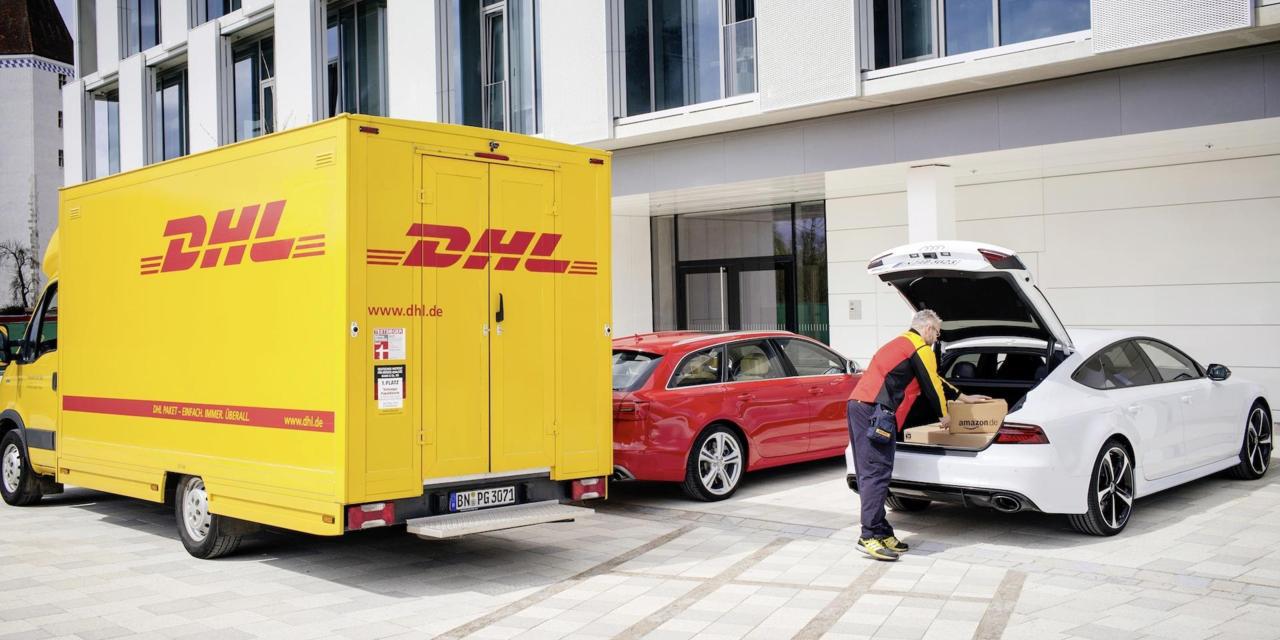
    DHL Express Portugal has inaugurated a new facility at Francisco Sá Carneiro Airport in Porto, Portugal. With an investment of more than €25 million, this significant expansion underlines DHL’s commitment to the Portuguese market and strengthens its support for the growing export industry in the North and Central regions of the country.

    With a total footprint of over 18,000 square meters, the new facility triples DHL’s operational capacity at the international airport, allowing it to process up to 6,500 pieces per hour for imports, an increase of 150%, and 5,000 pieces per hour for exports, a rise of 300%. The terminal is equipped with advanced automation systems, such as X-rays and automatic weighing and measuring equipment, enabling fast, efficient, and secure handling of shipments. The capacity expansion will allow DHL to support annual volume growth in the double-digit range, which will further consolidate its leading position in the logistics sector in Portugal.

    In parallel with the capacity expansions, DHL is also reaffirming its commitment to sustainability. The new facility will feature 130 loading bays for DHL vans, 119 of which are prepared for electric vehicles. The building is equipped with solar panels, advanced lighting and ventilation systems, further reinforcing the company’s efforts to increase the carbon efficiency of its transportation and warehousing operations.

    “Portugal has been one of the strongest performers in Europe in terms of economic growth in recent years, supported by healthy demand for Portuguese exports, and DHL Express is fully committed to enabling the country’s further trade development over the long-term,” said Mike Parra, CEO of DHL Express Europe. “As usual, we are combining our investments in capacity with the addition of new technology that improves efficiency and reliability and supports increased sustainability, which we expect to significantly enhance the competitiveness of our customers in Portugal in their export and import activities.”

    “The inauguration of this new terminal at Francisco Sá Carneiro Airport in Porto marks an important milestone for DHL in Portugal. It is a renewed commitment to innovation, sustainability and economic growth in the North of Portugal,” said José Reis, CEO of DHL Express Portugal. “We are proud to contribute to the development of this region, supporting the small and medium-sized enterprises that are the foundation of our economy. With this investment, we are prepared to continue connecting people and improving lives, while raising the standards of efficiency and sustainability in the logistics industry.”

    The DHL Express executives were joined at an inauguration ceremony for the facility by António Tiago, Mayor of Maia, and Julia Monar, German Ambassador to Portugal.

  • Lufthansa Cargo publishes winter flight schedule 2024/2025

    Lufthansa Cargo publishes winter flight schedule 2024/2025

    With the newly published timetable, Lufthansa Cargo offers its customers 89 weekly B777F freighter connections worldwide, seven more than in the summer timetable. A significant development in the winter timetable is a transpacific flight: a weekly rotation of a B777F freighter connects Frankfurt via Ho Chi Minh City (SGN) with Los Angeles (LAX) and then returns to the home hub in Frankfurt. This is the cargo carrier’s first direct connection from the Asian market to the U.S. network, offering cargo customers an even faster, high-quality connection between the two continents. With the expansion of new routes and direct connections, Lufthansa Cargo is underlining its long-term growth plans in a dynamic market environment and underlining its purpose of “Enabling Global Business”.

    “Lufthansa Cargo is constantly reviewing all possibilities to offer its customers seamless, high-quality connections and to enable global business even more efficiently and sustainably. With a comprehensive review of our existing schedule and network, we have been able to optimize our rotations. In the future, some of our freighters will have fewer stopovers, allowing our customers to benefit from direct connection and transportation of their freight within our global network,” said Ashwin Bhat, CEO of Lufthansa Cargo.

    For the winter schedule, the cargo carrier is increasing its frequencies to destinations in India and China to accommodate the continued growth in e-commerce shipments and other goods requiring Lufthansa Cargo’s renowned quality services and solutions. The increase in frequencies is primarily due to the entry into service of the 18th B777F freighter in the fleet, which was transferred from the Boeing plant in Seattle to Frankfurt in mid-August. In addition, the A321F fleet will operate up to 34 weekly medium-haul and short-haul flights connecting our two Hubs Frankfurt and Munich.

    In the Asia-Pacific region, Lufthansa Cargo is increasing its weekly freighter capacity to Mumbai (BOM) and Taipei (TPE) by one flight per week. Chennai (MAA) will be served twice weekly in combination with Hyderabad (HYD) or Mumbai (BOM). With the recent addition of Shenzhen (SZX) and Zhengzhou (CGO) to its route network, the cargo carrier can now offer its customers a total of 50 weekly frequencies to Asia.

    In addition, the freighter rotation from Frankfurt via Tel Aviv (TLV) to Cairo (CAI) will be increased by one weekly flight with a B777F. The continental network will remain largely unchanged with the A321F fleet, which since July has also been offering cargo customers, particularly in southern Germany, a direct connection from Munich to Istanbul (IST) and back.

    The Winter schedule 2024/2025 can be booked from October 6 and takes effect on October 27. In addition to the freighter service, Lufthansa Cargo also markets the additional cargo capacity of up to 7,500 flights a week to over 350 destinations served by Lufthansa, Austrian Airlines, Brussels Airlines, Discover Airlines and SunExpress – and since this summer also on numerous new connections to North America, such as from Frankfurt to Raleigh-Durham (RDU) or Minneapolis (MSP).

  • Etihad Cargo’s cutting-edge solutions bridge the gap between East and West for high-value shipments

    Etihad Cargo’s cutting-edge solutions bridge the gap between East and West for high-value shipments

    In the ever-evolving landscape of global logistics, ensuring the safety and security of high-value is paramount. Etihad Cargo, a leader in the air freight industry, continuously enhances its security measures to meet the demands of transporting valuable goods. By leveraging specialised products, technological advancements, and strategic partnerships, Etihad Cargo remains at the forefront of secure cargo handling.

    Added security when transporting high-value goods
    In the context of evolving security threats, Etihad Cargo ensures continuous enhancement and robustness of security measures for handling high-value cargo through its specialised SafeGuard product. For goods classified as “valuables,” which exceed a certain value per kilogram, Etihad Cargo also leverages the expertise of its sister company, Etihad Secure Logistics.

    Leonard Rodrigues, Director Revenue Management & Network Planning at Etihad Cargo explains, “The partnership, in combination with our SafeGuard product, provides state-of-the-art security measures, including secure transit via dedicated, armoured vehicles and security personnel.” For vulnerable goods, such as electronic products, Etihad Cargo offers SecureTech, a process-based product that controls more aspects of the transportation process. SafeGuard and SecureTech serve the transportation needs of both valuable and vulnerable goods, ensuring high standards of safety and security.

    Enhanced security and transparency
    Technological advancements enable more intermediate milestones for tracking, reducing physical touchpoints and human intervention. Leonard says, “This approach increases digital updates, enhancing functional tracking while minimising the risk of errors and security breaches.”

    Etihad Cargo’s digital transformation initiatives have significantly enhanced the safety and security of high-value cargo during transit. A dedicated Cargo Control Centre team monitors shipments and alerts stakeholders if there are any deviations from the SLA. Recognising the crucial role of technology, Etihad Cargo plans to introduce live monitoring, allowing customers to view the real-time status of their shipments. By engaging with multiple service providers, Etihad Cargo aims to implement the best solutions.

    Enhancing efficiency and security in high-value cargo handling
    In June 2024, Etihad Cargo expanded its partnership with SF Airlines, increasing the frequency of flights between mega hubs Abu Dhabi and Ezhou to boost cargo connectivity and capacity between China, the UAE and other global destinations.

    Strategic partnerships, such as this, enhance Etihad Cargo’s ability to handle and transport goods, especially in the e-commerce sector, by leveraging state-of-the-art facilities and digital controls.

    Leonard highlights that SF Airlines’ Ezhou hub employs dedicated staff and advanced digital systems to increase handling security. The partnership, which provides full control over the process unlike traditional reliance on third-party providers, ensures more efficient and secure management of high-value cargo. This is especially true for goods from China, where much of today’s mobile phones and consumer technology are manufactured. The entire platform is digitally monitored, and all staff are under the direct control of the operator. The collaboration allows Etihad Cargo to benefit from dedicated teams and enhanced oversight, improving overall efficiency and security in transporting valuable and vulnerable goods.

    Elevating security and customer trust with SecureTech
    Etihad Cargo’s state-of-the-art facilities and security protocols ensure the security of high-value electronic devices transported under its SecureTech program. Security supervision is provided at every stage, from acceptance to transit, buildup, and delivery. This comprehensive approach ensures continuous monitoring and protection throughout the transportation process, safeguarding high-value electronic devices from potential risks.

    Leonard adds that the introduction of SecureTech has significantly enhanced customer trust and satisfaction for high-value or vulnerable cargo shipments. “We saw a 40% growth in Q1 compared to last year following the launch of SecureTech. The main USP is the handling and security we offer, ensuring electronic shipments are protected throughout transit, with the added option to clear cargo immediately upon arrival at the destination.” Through this, Etihad Cargo has created more alignment and clarity throughout the supply chain, ensuring consistency in service delivery and allowing customers to understand exactly what they are receiving.

    Strategic location, efficient cargo transit
    The location of Etihad Airlines and Etihad Cargo’s hub, Zayed International Airport in Abu Dhabi, significantly enhances the efficiency of high-value cargo transit. The airport features security vaults, special storage areas, security escorts, and CCTV surveillance, making it a secure hub. Serving as a central hub, the airport receives shipments from multiple destinations.

    Leonard notes that for Etihad Cargo’s SecureTech product, top markets include Vietnam, China, Hong Kong, and India; while for SafeGuard products, top markets include Singapore, Hong Kong, Pakistan, and India. Additionally, Abu Dhabi’s central location is ideal for handling high-value cargo efficiently between these key markets and connecting destinations across the carrier’s global network, essentially bridging the gap between East and West.

    Looking forward, Etihad Cargo is exploring new technologies to further secure and optimise shipment handling. “The goal is to provide more information with less human intervention, ensuring every shipment follows a pre-approved path and progresses as expected, with alerts being sent if shipments deviate from this path. This approach focuses on utilising advanced technology rather than increasing human involvement,” Leonard concludes.

    As global trade and security challenges are evolving, Etihad Cargo remains steadfast in its commitment to innovation and excellence. By continuously refining its security protocols, embracing technological advancements, and fostering strategic partnerships, Etihad Cargo ensures that high-value goods are transported with the utmost care and precision. With ambitious plans to further enhance their digital monitoring capabilities and streamline operations, Etihad Cargo is well-positioned to lead the industry in secure cargo handling. In bridging the gap between East and West, Etihad Cargo not only meets the demands of today but also sets new standards for the future of high-value shipments.

  • eleport and Etihad Cargo partners in line with growing trade flow between Southeast Asia and Middle East

    eleport and Etihad Cargo partners in line with growing trade flow between Southeast Asia and Middle East

    Teleport, an integrated logistics provider, and Etihad Cargo have partnered to inject cargo capacity and frequency into their respective cargo network between Southeast Asia and the Middle East, with plans to increase frequency shortly. This move is against a backdrop of growing airfreight demand and trade between the two regions.

    Trade between the Gulf nations and emerging Asian nations continues to show high growth momentum, surging 35% from US$383bil in 2021 to US$516bil in 2022, and is expected to reach US$757bil by 2030, outstripping growth rate with Western nations such as the US, UK and the Euro Area. At the same time, air freight demand continues to pose double-digit growth across all regions, having risen 14.1% as of June 2024.

    Since signing the partnership in May this year, Teleport has deployed its freighters for Etihad to ship machines, raw materials, phones and chip sets among others, from Ho Chi Minh to Kuala Lumpur twice a week, with onward connection via Etihad’s capacity to Abu Dhabi and beyond. This partnership also enables both parties to maximise the available passenger belly capacity especially out of leisure hubs such as Bali and Phuket, by leveraging on each other’s network strength. Etihad will deepen its connectivity in Southeast Asia on the back of Teleport’s extensive network in the region, while Teleport leverages Etihad’s strong global network to expand its network reach into the Middle East, Europe, Americas and the African regions. By the end of this year, the partnership is expected to see 1600 tonnes of cargo moved between the two destinations with the potential for an increase in flight frequency and new routes.

    Stanislas Brun, Vice President of Cargo at Etihad Cargo said, “We continue to anchor our strategy on key partnerships that will enable us to better serve our customer needs while supporting global trade. This recent partnership with Teleport is important to enhance our connectivity to Southeast Asia, and we are confident that through the integration of their freighter operations and our capacity, we are able to continue to grow and build a more efficient and robust network that better serves both regions, and quickly. The market environment is highly favourable to grow our presence here today, and with a strong air partner like Teleport.”

    Jagedeswaran Nadrajah, Head of Air Partners at Teleport, commented “The integration of Etihad’s global network with our largest Southeast Asia network has opened up a more dynamic way to connect cargo between these two regions – leveraging on the strengths of both our networks. This is valuable to both our existing and new customers trading between two important regions. This sort of synergy is testament to what Teleport has been building through its Air Partners programme as a win-win solution for all Teleport Air Partners, where we can continue to build and grow, and never fly empty.”

  • Vietnam’s exports to US accelerate

    Vietnam’s exports to US accelerate

    Vietnam’s exports to the U.S. surged 24.4% year-on-year to $66.09 billion in the first seven months, the highest growth rate among its export markets.

    In the seven-month period, American buyers spent a monthly average of close to $9.6 billion on purchasing goods from Vietnamese suppliers.

    With the U.S. accelerating goods purchases for the year-end festive season and the volume of their goods in stock plunging, the number of orders from U.S. buyers is expected to grow significantly.

    Vu Vinh Phu, an economic expert, predicted Vietnamese exports to the market such as electronics, leather and footwear, garment textiles, farm produce, machinery and equipment will continue to recover in months to come.

    These product categories have seen improvement in quality and competitive pricing thanks to substantial foreign direct investment in production and export activities as well as their deep integration into supply chains, making them more favoured and trusted by U.S. importers.

    If the current growth momentum is maintained, bilateral trade could reach $135 billion this year.

  • FedEx expands International Connect Plus service to the U.S. and Europe, boosting growth opportunities for Asian SMEs

    FedEx expands International Connect Plus service to the U.S. and Europe, boosting growth opportunities for Asian SMEs

    Federal Express Corporation, one of the world’s largest express transportation companies, is expanding FedEx® International Connect Plus (FICP), its international, day-definite, e-commerce shipping service. Already available for e-tailers to send shipments within Asia Pacific markets, the expanded service will now connect to destinations in the U.S. and Europe. Initially, this service expansion will be available to e-tailers operating in China, Hong Kong SAR, and Japan, with other Asia Pacific markets being added later this year.

    The expanded coverage of FICP is the company’s latest effort to support the growth of cross-border e-commerce from Asia to the U.S. and Europe. E-commerce sales in Asia are projected to reach $13,209 billion by 2030, growing at a CAGR of 17.6% from 2023 to 2030. China and Japan remain the largest Asian Pacific markets with robust cross-border e-commerce activity, providing extensive business opportunities for SMEs. With this expansion, e-commerce merchants in these markets can now offer their customers an international shipping solution with prices that offer greater value, while ensuring most shipments will be delivered between two to three business days to the U.S. and Europe.

    Greater value – The FICP allows businesses to enjoy greater savings at competitive day-definite transits and provide their customers greater value by matching attractive prices with their specific delivery needs.

    Flexibility and control – Besides home delivery, the FICP service enables e-tailers to give their end customers the flexibility to pick up their package from hundreds of available pick-up locations, and the option to change delivery date and location.

    Seamless Integration – Both online and offline shipping automation solutions are available for e-tailers to enjoy a paperless experience.

    Peace of mind – FedEx extensive parcel tracking capabilities gives e-tailers and customers visibility throughout the entire delivery journey.

    “FICP has been received enthusiastically by our e-commerce customers who value it as the optimal balance of expedited delivery and cost-effectiveness,” stated Salil Chari, senior vice president, Marketing & Customer Experience, Asia Pacific, FedEx. “At FedEx, we are focused on providing businesses with a comprehensive range of shipping solutions tailored to their specific requirements. The expansion of FICP, in conjunction with our other digital offerings, enhances our ability to support our customers and facilitate the continued growth of cross-border e-commerce from this dynamic region.”

    FedEx provides end-to-end e-commerce solutions that make order fulfillment easy and efficient for merchants while providing convenience and reliability for customers receiving deliveries. It recently launched cross-border e-commerce handbooks for merchants looking to expand in China and Japan. FedEx Picture Proof of Delivery was introduced to bolster e-commerce residential deliveries, in the company’s continued efforts to digitize its services and improve the customer experience while supporting e-commerce growth in the region.

    FICP also comes with the reliability of FedEx international, day-definite delivery service, coupled with its customs clearance expertise. It is further supported with capabilities including tracking, sending notifications to recipients, and flexible delivery options and visibility features via FedEx Delivery Manager® International.

  • Korean Air to order up to 50 widebody Boeing aircraft

    Korean Air to order up to 50 widebody Boeing aircraft

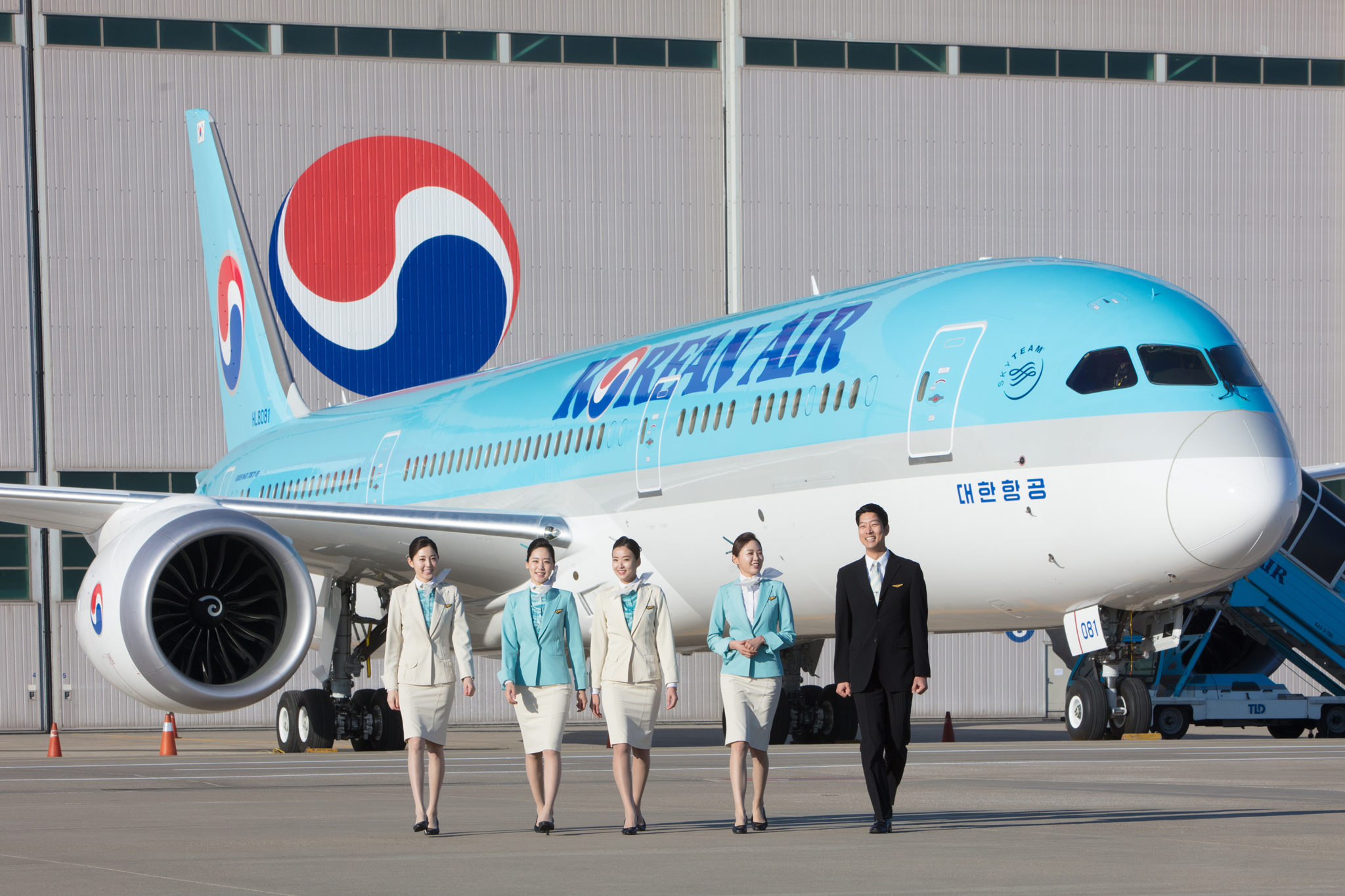
    Korean Air signed a Memorandum of Understanding with Boeing on July 22 at the Farnborough International Airshow to upgrade and expand its widebody fleet. The airline has announced its intent to procure 20 Boeing 777-9s and 20 Boeing 787-10s with options for 10 more of the largest 787 Dreamliner variant.

    The signing ceremony was attended by Walter Cho, Chairman and CEO of Korean Air, and Stephanie Pope, President and CEO of Boeing Commercial Airplanes.

    The 777-9s and 787-10s, with their capability of long-haul flights to regions such as North America and Europe, are expected to play an important role after Korean Air’s merger with Asiana Airlines.

    The 777-9 is known as the most reliable and efficient airplane in the 777 series. The new carbon-fiber composite wings are longer than the previous 777 family airplanes, enabling the airline to achieve an improved fuel efficiency of more than 10%. With a range of over 13,000 kilometers, the 777-9 can provide direct services to all U.S. destinations from Incheon International Airport. The 777-9 has the longest fuselage in the 777 series, with a typical seating capacity of 400 to 420 seats.

    The 787-10 is the largest variant in the 787 family, capable of carrying 15 percent more passengers and cargo than the 787-9 currently in service. It is also more fuel efficient compared to similar-sized aircraft with reduced carbon emissions of over 20%.

    “The addition of the Boeing 777-9 and 787-10 aircraft marks a significant milestone in our strategic objective to expand and upgrade our fleet,” said Walter Cho, Chairman and CEO of Korean Air. “This investment underscores our commitment to providing a best-in-class flying experience. These new airplanes will elevate passenger comfort and enhance operational efficiency, while significantly reducing carbon emissions, supporting our long-term commitment to sustainable aviation.”

    “We are honored Korean Air has selected two of our largest, most efficient widebody airplanes to add capacity to their global network,” said Stephanie Pope, president and CEO of Boeing Commercial Airplanes. “Boeing airplanes have played an integral role in the growth of Korean Air over the past 50 years, and we are confident the 777X and 787 Dreamliner will support the airline’s long-term sustainability goals and continued growth.”

    With the addition of the Boeing 777-9s and 787-10s, Korean Air plans to have a total of 203 next-generation, eco-friendly aircraft in its fleet by 2034, including 33 A350s, 50 A321neos and 20 Boeing 787-9s.

  • DHL Express and CIMB join forces to reduce CO₂e through sustainable aviation fuel

    DHL Express and CIMB join forces to reduce CO₂e through sustainable aviation fuel

    DHL Express has signed an agreement with CIMB Group Holdings Berhad (“CIMB” or “the Group”) to welcome the banking group onboard its GoGreen Plus programme.

    The partnership enables CIMB to leverage the use of sustainable aviation fuel (SAF) to mitigate the CO2e emissions associated with its international shipments. Through the partnership, CIMB will deploy the programme across Malaysia and Singapore.

    CIMB recognises the importance of aligning business interests with climate practice. In September 2022, the Group announced a net-zero by 2050 goal for Scope 3 emissions, emphasising the indirect greenhouse gases generated through transportation and distribution activities. DHL’s GoGreen Plus service helps to facilitate a pathway towards cleaner operations and contributes to scaling the wider SAF ecosystem.

    SAF is considered the aviation industry’s most promising means of decarbonisation. Made from alternative raw materials such as used cooking oil, waste, and hydrogen, SAF cuts approximately 80 percent of carbon emissions for air transport shipments over its lifecycle compared to conventional jet fuel. In collaboration with DHL Express, CIMB expects to lower the carbon emissions of its time-definite international air shipments from Malaysia and Singapore by 20 percent via DHL. An independent auditor, Société Générale de Surveillance, verifies the greenhouse gas emission reductions to be counted against CIMB’s Scope 3 carbon emission footprint.

    “Many of our customers look at sustainability as a business imperative today. In Asia Pacific alone, more than 12,000 customers have signed up for our GoGreen Plus service and this number continues to grow consistently,” said Ken Lee, CEO DHL Express Asia Pacific. “As a leading express logistics company, we always connect people and businesses across borders. GoGreen Plus serves as a vital avenue for businesses to cut carbon emissions, and we are convinced more will come on board.”

    “SAF is widely acknowledged as a truly viable route to decarbonising the aviation sector. There is still significant progress to be made, as SAF makes up only 0.1 percent of aviation fuel consumed today. We are impressed with the leadership CIMB has demonstrated in the sustainability space and we are delighted to have CIMB partner us for this important initiative. This motivates us to accelerate efforts to promote SAF availability, accessibility, and affordability so that our customers realise their environmental ambitions,” said Julian Neo, Managing Director of DHL Express Malaysia and Brunei.

    “Sustainability is a key focus at CIMB and central to that are our 2050 net-zero commitments. In our roadmap to achieve these targets, we have long advocated the need to strategically partner and drive innovative solutions. CIMB is pleased to be partnering DHL in their sustainable fuel proposition that will help us mitigate our Scope 3 carbon emissions and in that regard, help us get closer to our 2050 net-zero commitments. DHL’s innovative solution in bringing such an option to its key clients is commendable and will accelerate the commercialisation of such technology,” said Gurdip Singh Sidhu, Chief Executive Officer of CIMB Malaysia and CIMB Bank Berhad.

    Launched in February 2023, GoGreen Plus is among the DHL Group’s initiatives to achieve net-zero missions by 2050, which is made possible by three of the most significant SAF agreements with bp, Neste, and World Energy. The air freight network accounts for around 70 percent of the company’s carbon footprint, so sustainable air transportation solutions are crucial for greener logistics.

  • Etihad Cargo expands European freighter network with launch of Madrid

    Etihad Cargo expands European freighter network with launch of Madrid

    Etihad Cargo, the cargo and logistics arm of Etihad Airways, is expanding its freighter network with a new route to Madrid. Starting 15 July 2024, Etihad Cargo will operate two weekly Boeing 777 freighter flights between Abu Dhabi and Madrid, adding over 200 tonnes of cargo capacity for Europe.

    The launch of a twice-weekly freighter service between Abu Dhabi and Madrid will increase the total number of flights to Spain to 25 per week. Etihad Cargo provides belly capacity via 10 passenger flights to Madrid, 10 to Barcelona and three seasonal flights to Malaga launched as part of the airline’s summer schedule. This expansion highlights the strategic importance of these destinations, particularly Madrid as a key European fashion hub, and aims to boost e-commerce connectivity from Asia to Europe via Etihad Cargo’s Abu Dhabi hub.

    This new route complements Etihad Cargo’s existing European freighter network, which includes six weekly flights to Amsterdam and three weekly flights to Frankfurt. With the addition of Madrid to the network, the total number of Etihad Cargo’s freighter flights to Europe will increase to 11 per week. Customers will also benefit from additional belly hold capacity offered as part of the carrier’s summer schedule, which includes the launch of two weekly seasonal flights to Nice. Flights to Athens will increase to 14 per week, with two operating via seasonal destination Mykonos and two via Santorini. A new route to Antalya will operate with three weekly flights, and flights to Istanbul will increase from ten to 14 per week starting 22 July 2024. Additionally, Dublin will see three more flights from 23 July 2024, totalling ten per week.

    Stanislas Brun, Vice President Cargo at Etihad Cargo, stated, “Launching Madrid as Etihad Cargo’s latest European freighter destination supports the growing demand for e-commerce flows between Asia and Europe. Madrid’s role as a key fashion hub makes it an essential destination for the carrier’s freighter network.”

    Etihad Cargo’s hub in Abu Dhabi serves as a crucial link between East and West, providing efficient and reliable cargo services to meet the specific needs of the fashion industry and other sectors dependent on timely e-commerce deliveries.

  • DHL Express leads the way in electrification of ground fleet at Brussels Airport

    DHL Express leads the way in electrification of ground fleet at Brussels Airport

    As part of the Stargate project of Brussels Airport, DHL Express leads the way in the field of electric ground-handling equipment. Following a successful test phase, one in three tractors and loaders of DHL Express that sorts and transports time-critical shipments from Brussels Airport, will be fully electric this summer. The cargo transporter’s crew buses and tarmac cars are already one hundred percent electric. This investment is a first step for DHL Express towards reducing its CO2 footprint on the ground by more than half. The necessary charging infrastructure will be provided, both on the tarmac, by Brussels Airport, and at its own buildings.

    Over the past days and weeks, express carrier DHL has put eleven electric tractors (which can tow up to four cargo containers) and thirteen electric container lifts, belly loaders and pushbacks into operation at Brussels Airport.  And that is just the beginning, for in the coming months and years, DHL Express aims to develop a fully electric ground fleet in phases at the airport, with machines that are both more sustainable and quieter than their diesel counterparts. And of course, the electric charging stations will follow.

    ‘Electrifying a third of the ground equipment in just a few weeks – that’s quite a feat by our technical department. A heavy electric tractor or a high loader for an aeroplane are not exactly the kind of vehicles you take along to the garage. All the maintenance and training is carried out by DHL employees, now including that of the new electric tractors and chargers. From now on, we will continue to expand our electric ground fleet in phases; the fossil fuel machines will be systematically phased out and will soon be a minority.’ – Kirsten Carlier, CEO of DHL Aviation.

    DHL Express is being supported in the investments by the Stargate project, a Brussels Airport project with a consortium of 21 partners, including DHL Express, which has been awarded subsidies under the European Green Deal to develop projects for greener aviation.  In a first phase, DHL Express committed itself under the Stargate project to invest in a test project for electrical ground-handling equipment. The company has now significantly stepped up this effort, by electrifying a third of its ground-handling equipment in one go, intending to remain a leader in the electrification of its ground fleet at Zaventem in the coming years.

    ‘We are pleased that we are taking the next important step in the electrification of ground-handling equipment within our Stargate project, and that DHL Express is taking the lead. This can drastically reduce both CO2 emissions and the noise impact of ground operations, which is important for both staff and local residents. We will, of course, help to provide the necessary charging points on the tarmac. We will also be testing hydrogen-powered ground handling equipment within Stargate, in order to see which infrastructure is needed for this too, so that we can support all our partners in their evolution towards more sustainable ground handling equipment,’ says Arnaud Feist, CEO of Brussels Airport.

    With the commissioning of eleven tractors and thirteen loaders and lifts, DHL Express already has by far the largest electric ground fleet at Brussels Airport. Emissions from ground-handling equipment account for 55 percent of the total CO2 footprint of DHL Express ground operations. Full electrification therefore means halving their CO2 emissions.

    Electric ground handling equipment may be available fully electrically powered, but what about the aircraft themselves? That’s a very logical and important question, according to DHL, which has an ambitious sustainability programme underway to make both time-critical shipments and last-mile deliveries greener.

    ‘Our focus is very clear – to reduce CO2 emission. Can it be done tomorrow? No, it needs to evolve, while we are making every effort worldwide to make aviation greener. We believe in a pragmatic approach, with honest and clear communication. An electric cargo plane, such as a Boeing 777 or Airbus A350, is still a long way off. Probably not even for the next decade, unfortunately. The problem is that the batteries would be too heavy for a cargo plane. The development of alternatives will require research and time. What is possible in the short term are smaller types of aircraft, for shorter distances. According to the current planning, DHL will put twelve e-cargo air freight planes into service in 2027. Who knows, maybe these electric planes may soon be flying at Brussels Airport too.’ – Kirsten Carlier, CEO of DHL Aviation.

  • Lufthansa Cargo launches freighter operations from Munich

    Lufthansa Cargo launches freighter operations from Munich

    Lufthansa Cargo is expanding its operations at the southern German hub and will be operating freighters from the hub for the first time from 6 July 2024. An A321 freighter will connect Munich with Istanbul Airport twice a week, complementing the existing belly network from Munich. The new freighter connection is planned every Saturday and Sunday with flight numbers LH8350 / LH8351 and LH8346 / LH8347. Lufthansa Cargo customers can book their shipments on the new route with immediate effect.

    “We are looking forward to offering our customers this new freighter connection, which makes our global network even more attractive. For our southern German customers in particular, Munich Airport offers ideal conditions for the fast and reliable transportation of air freight, which ultimately also enables global business from another important European airport. With the launch of our cargo operations out of Munich, we are laying the foundation for aligning our network even more closely with the needs of our customers in the future and continuing to manage it flexibly,” explains Ashwin Bhat, CEO of Lufthansa Cargo.

    Jost Lammers, CEO of Flughafen München GmbH: “The launch of regular cargo flights to Istanbul by Lufthansa Cargo is very good news for the Bavarian export industry and for Munich Airport. Above-average growth rates in the current year have already shown that Munich Airport is also becoming increasingly important as a hub airport for cargo. The attractiveness of Munich Airport as a cargo location will now receive a further boost through Lufthansa Cargo’s commitment.”

    Lufthansa Cargo operates its hub in Munich on a total area of 38,000 m². Among other things, the state-of-the-art CEIV-certified Pharma Hub MUC, in which temperature-sensitive pharmaceutical products can be stored and handled under optimal conditions, is integrated into the premises. This means that the carrier can also transport almost all product and goods groups via Munich. Until now, these have mainly been transported from the Bavarian capital to destinations all over the world via the belly capacities of Lufthansa, Brussels Airlines, Discover Airlines, Austrian Airlines and SunExp

  • DHL identifies four ways for companies to bolster supply chain resilience in latest Trend Report “Supply Chain Diversification”

    DHL identifies four ways for companies to bolster supply chain resilience in latest Trend Report “Supply Chain Diversification”

    Amidst the recent developments such as geopolitical crises, attention is increasingly turning to supply chain diversification. Yet, until now, there has been no clear definition and comprehensive framework for this approach. Rising to the challenge, DHL and leading academics have presented a new definition and a versatile model to explain this important and holistic concept in the latest DHL Trend Report, “Supply Chain Diversification”. Supply chain diversification is defined here as a proactive approach where companies incorporate one or several dimensions into their supply chains to minimize risk. This includes multi-shored supply networks, multi-sourcing, parallel modes of transportation, and concurrent or redundant logistics operations. The report also provides tangible customer case examples, enabling companies to assess their diversification level and devise a suitable strategy.

    “The events of the last years have shown us the importance of resilient supply chains and companies adapting their global supply networks accordingly,” says Katja Busch, Chief Commercial Officer and Head of DHL Customer Solutions & Innovation. “At DHL we are committed to supporting our customers in staying resilient in a sustainable way by providing tailored solutions, sharing best practices, and facilitating collaborative initiatives.”

    “This latest DHL Trend Report underscores our aim to be at the forefront of supply chain trends to empower our customers but also businesses across industries,” adds Klaus Dohrmann, Vice President and Head of Innovation and Trend Research at DHL Customer Solutions & Innovation. “We equip companies with the latest research, our industry expertise, tools and logistics solutions needed to bolster resilience, drive agility, improve sustainability, and thus grow their competitive advantage.”

    Illustrative model of the dimensions of supply chain diversification.

    In the novel model developed by DHL in collaboration with Emeritus Professor Richard Wilding OBE, one of the world’s leading experts in Logistics and Supply Chain Management, four dimensions of supply chain diversification are illustrated:

    Dimension 1 – Multi ShoringThis involves spreading manufacturing and supplier locations across different regions or countries to mitigate risks. It includes duplicating manufacturing capabilities and using the same supplier in different locations.

    Dimension 2 – Manufacturing & Supplier NetworkExpanding the network to include redundant suppliers and manufacturing capacities to address financial and operational risks.

    Dimension 3 – Mode of transportation: Utilizing multiple transportation modes simultaneously, covering all stages of transport, including first mile, long haul, and last mile, to diversify routes and reduce risk.

    Dimension 4 – Logistics OperationsExpanding logistics infrastructure to include additional functions like hubs, warehouses, and distribution centers. This may involve adding redundant capacity nearby and outsourcing certain logistics activities for diversification.