Retail News CRM

Tag: cargo

  • DB Schenker officially opens state-of-the-art facility in Manchester

    DB Schenker officially opens state-of-the-art facility in Manchester

    DB Schenker has officially opened its new, recently purchased purpose-built facility at Trafford Park. The £11 million freehold building provides a significant boost to the local economy and is a testament to the company’s commitment to the Greater Manchester area. Located on a 2.3 acre site, this project underscores DB Schenker’s strategic expansion across the UK & Ireland cluster alongside a dedication to sustainable development.

    Spanning some 47,500 square feet of warehousing and 7,500 square feet of office space, this modern hub has been designed with efficiency and sustainability in mind, and is a TAPA A, AEO and customs approved warehouse facility. It aims to support the diverse needs of DB Schenker’s operations and client base across the region.

    Aaron Scott, CEO UK & Ireland cluster says: “This investment reflects our long-term commitment to the region and will support a broad range of industry verticals, highlighting our dedication to providing comprehensive solutions for our customers.  Our team in the north have worked tirelessly to bring this multi-modal hub of innovation and efficiency to fruition.”

    The new building was opened by Councillor Tom Ross, leader of Trafford Council who said: “I would like to welcome DB Schenker to Trafford. It was an honour to be invited to open this new multi-million-pound transportation and contract logistics hub here in Trafford. This is a momentous occasion that will attract millions of pounds of investment into the borough – and it is also testament to the company’s commitment to the Greater Manchester area.

    “I’m delighted that DB Schenker has chosen Trafford Park for its strategic UK expansion given it is already home to numerous world-famous names across the business sector. We have a strong and thriving business community in Trafford, with great transport links and a skilled workforce making it one of the most successful and economically competitive areas within Greater Manchester. I will look forward to working alongside DB Schenker in the near future.”

    Touching on the advantages for the local community, Scott states, “We are pleased to contribute to the economic development of the region, creating job opportunities and fostering growth. Our new facility will not only enhance our operational capabilities but also reinforce our position as a key player in the market. We look forward to the continued success and growth this investment will bring, benefitting both DB Schenker and the wider community”.

    Scott adds, “As part of our commitment to the future, we continue to invest in young talent, providing opportunities and training for the next generation. Moreover, many of our employees have been with us for over 30 years, demonstrating our dedication to nurturing long-term careers and the wealth of experience within our team.”

    The new building features solar panels on the roof, significantly reducing its carbon footprint and reliance on non-renewable energy sources. Additionally, the site is equipped with electric vehicle charging stations for use by DB Schenker vehicles, colleagues and visitors. It is also equipped with an x-ray machine for local airfreight screening, to allow cargo to depart from Manchester Airport.

    The Manchester facility serves as a key facility for various diverse industry verticals including industrial, aerospace, retail, healthcare and renewables.

  • Etihad Cargo ramps up belly hold cargo capacity with summer schedule

    Etihad Cargo ramps up belly hold cargo capacity with summer schedule

    Etihad Cargo, the cargo and logistics arm of Etihad Airways, will provide its customers and partners with increased belly hold cargo capacity across its global network starting from June 2024. The carrier’s summer schedule will introduce 23 passenger flights to new destinations and increase passenger flights to existing routes by 77 per week, totalling 100 new weekly passenger flights.

    Popular seasonal destinations in Europe return to the carrier’s schedule, and Etihad Cargo will offer additional belly hold cargo capacity to Spain, Greece, and France and launch a new route to Turkey. From 2 June, customers will be able to book cargo capacity on three weekly passenger flights to Malaga and two flights per week to Nice. In addition to increasing the flights to Athens to 14 per week, two flights to Greece’s capital will operate via Myknos, and two flights will operate via Santorini. The airline will also launch a new route to Antalya via three weekly flights in addition to increasing weekly flights to Istanbul from ten to 14 from 22 July. Etihad Cargo’s customers will also benefit from increased cargo capacity for Dublin, with three more flights being offered from 23 July, bringing the total number of flights to the Republic of Ireland’s capital to ten per week.

    Etihad Cargo’s partners and customers will have access to increased belly hold cargo capacity in the Middle East. In addition to three passenger flights to Al-Qassim in Saudi Arabia, a new destination for the carrier, the airline will also increase frequencies to Middle Eastern destinations by 32 flights per week. This includes seven additional flights to Amman, bringing the total to 14 per week, seven more flights to Kuwait, bringing the total to 28 per week, two more flights to Bahrain, Beirut and Muscat, five more flights to Doha, and, by mid-July, flights to Cairo will have increased to 28 per week.

    The carrier’s India network will grow to include four weekly flights to the new destination, Jaipur. Following the launch of Thiruvananthapuram to the carrier’s 2023 winter schedule, weekly flights will increase from seven to ten per week in response to increased demand. Two new flights to Ahmedabad will bring the weekly total to 17, three new flights to Bengaluru will bring the weekly total to 17, and flights to Kolkata will increase by one to eight per week.

    Strengthening its commitment to the Asian market, the airline will also launch a new route via four weekly flights to Bali. Additional belly hold capacity will also be offered via an extra weekly flight to Bangkok, bringing the total to 18; eleven more flights to Colombo, bringing the total to 27; three more flights to Karachi, bringing the total to 17; and four more flights to Seoul, bringing the total to 11.

    Stanislas Brun, Vice President Cargo at Etihad Cargo, said: “With the launch of its summer schedule, Etihad Cargo will deliver significant benefits to its partners and customers, thanks to the added belly hold cargo capacity and enhanced connectivity to key markets. The expansion of the airline’s passenger network, in combination with Etihad Cargo’s regular and charter freighter services, will substantially increase cargo capacity across Europe, the Middle East and Asia. Introducing new routes and increased frequencies will reinforce the connections between Abu Dhabi and major global markets, effectively meeting the growing demand for cargo capacity.”

    In March 2024, Etihad Cargo launched a fourth US gateway destination, offering belly hold cargo capacity to Boston via four weekly flights. Celebrating its 20th anniversary in 2024, the carrier is committed to continuously evaluating its network, increasing frequencies, launching new destinations and expanding cargo capacity to better serve its customers and remain the air cargo partner of choice.

  • Australia Post Metro next day delivery service launches in Adelaide

    Australia Post Metro next day delivery service launches in Adelaide

    Australia Post has just expanded its next-day delivery service, Australia Post Metro, to Adelaide. This delivery service provides eligible retailers and their customers with speed and more certainty when they shop online.

    The launch of the new service is a direct response to the Adelaide community continuing to embrace the online shopping trend with consistent year-on-year eCommerce growth with online purchases 15.2% higher than in 2019 and nearly 500,000 households shopping online in the past year.

    Recent data found that 68% of online shoppers are likely to abandon their shopping cart if they feel the delivery method is too slow.

    Australia Post Metro addresses these changing consumer needs and helps retailers entice customers to finalise their online purchase.

    Gary Starr, Australia Post Executive General Manager Parcel, Post and eCommerce Services said the flexibility and reliability that next-day delivery provides customers was becoming increasingly important, as the desire for fast fulfilment continues to be a key factor in online sales.

    “We’ve been listening to our customers, and know they expect more certainty, simplicity and speed when ordering online. The Australia Post Metro service raises the bar for customers – prioritising next day delivery in metropolitan areas enabling us to respond to that demand and deliver parcels to customers’ doors sooner.

    “We already have some of the country’s largest retailers using the Australia Post Metro service covering the lifestyle, fashion, beauty and FMCG space, with more retailers coming online every month. This new service provides a more agile, flexible delivery option as we head into our busiest time of year.” Mr. Starr said.

    Jo-Ann Hicks, Director of BIG W’s Ecom and Digital business says, “BIG W is excited to offer Australia Post’s next day delivery service to our Adelaide customers, giving them the opportunity to receive their BIG W shopping quickly by ordering online. Next day delivery joins many convenient ways to shop at BIG W including Pick up and Direct to Boot services.”

    In less than a year since the launch of Australia Post Metro across Australia, more than 2.6 million parcels have been delivered and this is expected to continue growing strongly as demand for this product increases, and new retail partners come on board.

  • DHL Express adds innovative feature on AI-powered platform to help businesses access new markets

    DHL Express adds innovative feature on AI-powered platform to help businesses access new markets

    DHL Express, the world’s leading international express service provider, has further enhanced its AI-powered platform, “My Global Trade Services” (MyGTS), with a new “trade lane comparison” feature. This feature enables businesses of all sizes to find references to existing trade lane regulations and requirements between the exporting and importing country or territory. With this, companies planning a market expansion strategy can leverage the solution to make well-informed decisions to maximize efficiency and gain competitive advantage.

    MyGTS is an online self-serve portal that helps users easily retrieve customs information to pre-plan shipments as they access new markets or launch new products. The new feature uses artificial intelligence and machine learning to provide an overview of the trade agreements in place and estimated duties/taxes which are included in the landed cost of the different trade routes. Landed costs can be defined as the total cost of getting a product from the factory to a customer’s door. Besides shipping fees and insurance, it includes estimated customs duties and taxes for cross-border shipments.

    On the platform, users will simply need to indicate the product they are shipping and the desired exporting and importing country or territory. This is especially useful to small and medium enterprises (SMEs), often challenged by a lack of internal resources, knowledge, and expertise to navigate a complex landscape of customs regulations and procedures.

    “Companies including SMEs are doing what they can to boost business resilience and global presence. However, SMEs tend to be impeded by the intricacies of trade regulations and processes, slowing down their expansion plans,” said Yung C. Ooi, Asia Pacific Senior Vice President for Commercial, DHL Express. “The new trade lane comparison capability helps SMEs enhance the understanding about customs requirements and landed cost. It aligns with our commitment to providing innovative solutions to help SMEs lower major trade barriers and become more confident in cross-border trade activities.”

    With this information, businesses can analyze and identify routes that offer the most favorable import and export conditions, leading to potential cost savings and increased profitability. When sourcing or procuring materials from different factories or vendors, importers can identify references of where import license or permits are required for entry. On the other hand, exporters will be informed about the import customs requirements for the products that they want to ship to the destination country or territory. This valuable insight helps businesses to define their go-to market strategy, strategically positioning themselves in new markets.

    With a heightened focus on risk mitigation and resilience, companies can leverage this feature to reduce reliance on single-sourcing locations. Moreover, businesses can tap into the burgeoning Asia market, which presents immense market opportunities fueled by many manufacturing powerhouses and emerging consumer markets. The latest DHL Global Connectedness Report shows that corporate globalization is rising, as companies invest in overseas markets, and expand their international presence.

    MyGTS is part of DHL’s Global Trade Services, which contains a suite of capabilities that help shippers easily navigate the increasingly complex customs regulations and requirements. Besides the new trade lane comparison feature, MyGTS also includes a pre-shipment planner tool that helps businesses know the import/export requirements regulations and calculate landed costs.

  • WestJet Cargo launches three new routes

    WestJet Cargo launches three new routes

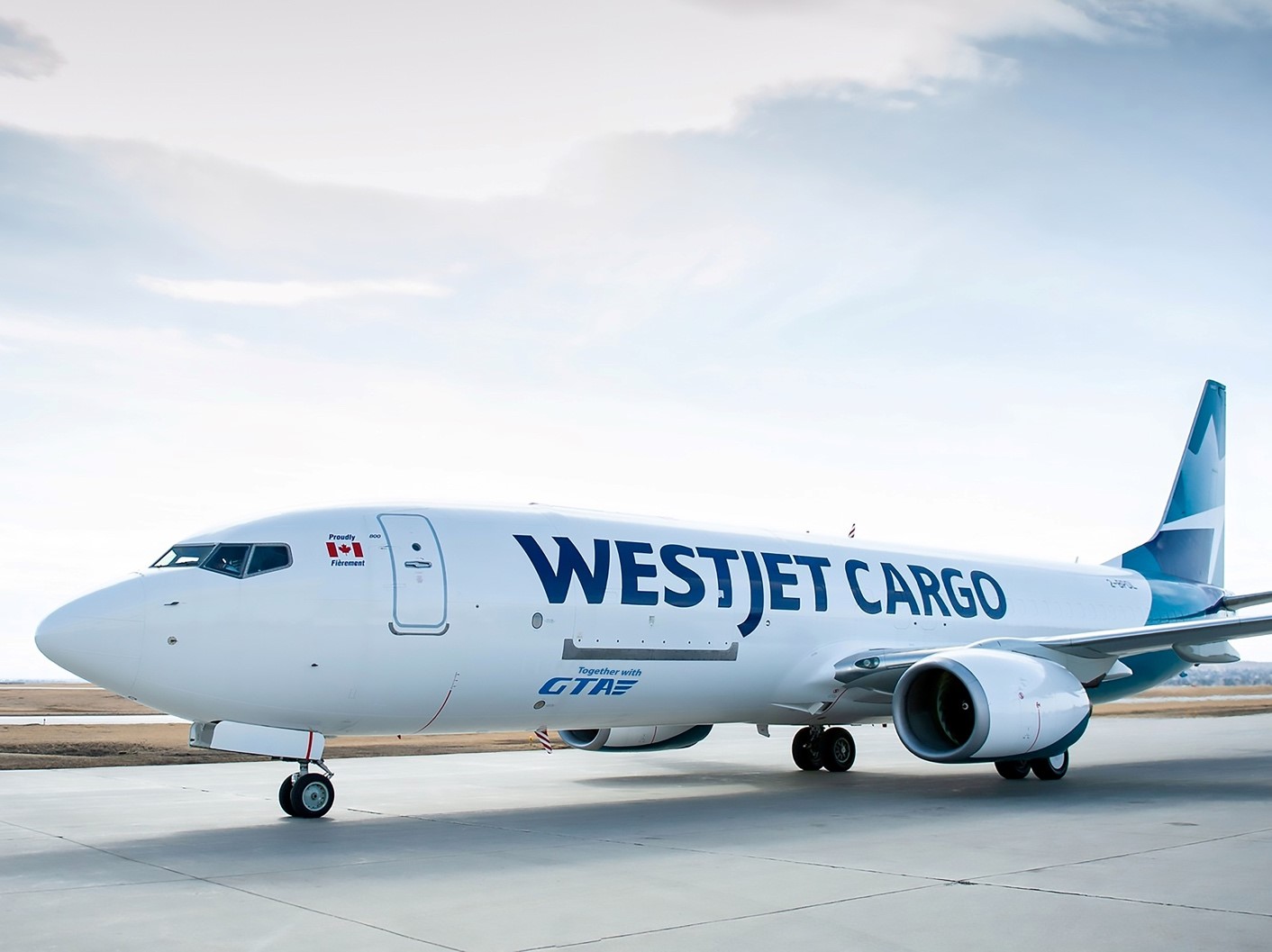
    The Chicago route was opened for cargo sales on May 16th, connects Calgary to the US city three times a week, increasing to daily flights by June 17th and will continue to operate year-round. Operating with 737 aircraft, this route offers cargo capacities of 2,700 kg per flight, focusing on the transportation of perishables. This route addresses increasing demand and marks the opening of WestJet Cargo’s passenger belly network in addition to the weekly freighter that already operates into Chicago.

    Moncton, Canada, was opened for cargo sales on May 17th to meet the growing needs of the Canadian market and will continue to operate year-round. Also utilizing a 737 aircraft, this route links Moncton to Calgary, Edmonton, and Toronto with varying frequencies: up to daily flights to Calgary, 3 to 4 weekly flights to Edmonton, and 3 to 5 weekly flights to Toronto. The primary cargo for this route is live animals and can also accept 2,700 kg per flight of cargo.

    The Calgary to Incheon route, launched on May 18th, operates three days weekly with a 787 Dreamliner, offering a 60 tonnes capacity for all cargo commodities. This route is already highly popular with the WestJet cargo customers!

    “These new routes will significantly enhance our ability to serve the Canadian market by offering greater capacity and more options for our customers,” said Kirsten De Bruijn, Executive Vice President of WestJet Cargo. “We’re delighted to expand our network and provide reliable and efficient cargo services to meet the growing demand.”

  • Kuehne+Nagel launches specialised road logistics services for the MedTech industry in Europe

    Kuehne+Nagel launches specialised road logistics services for the MedTech industry in Europe

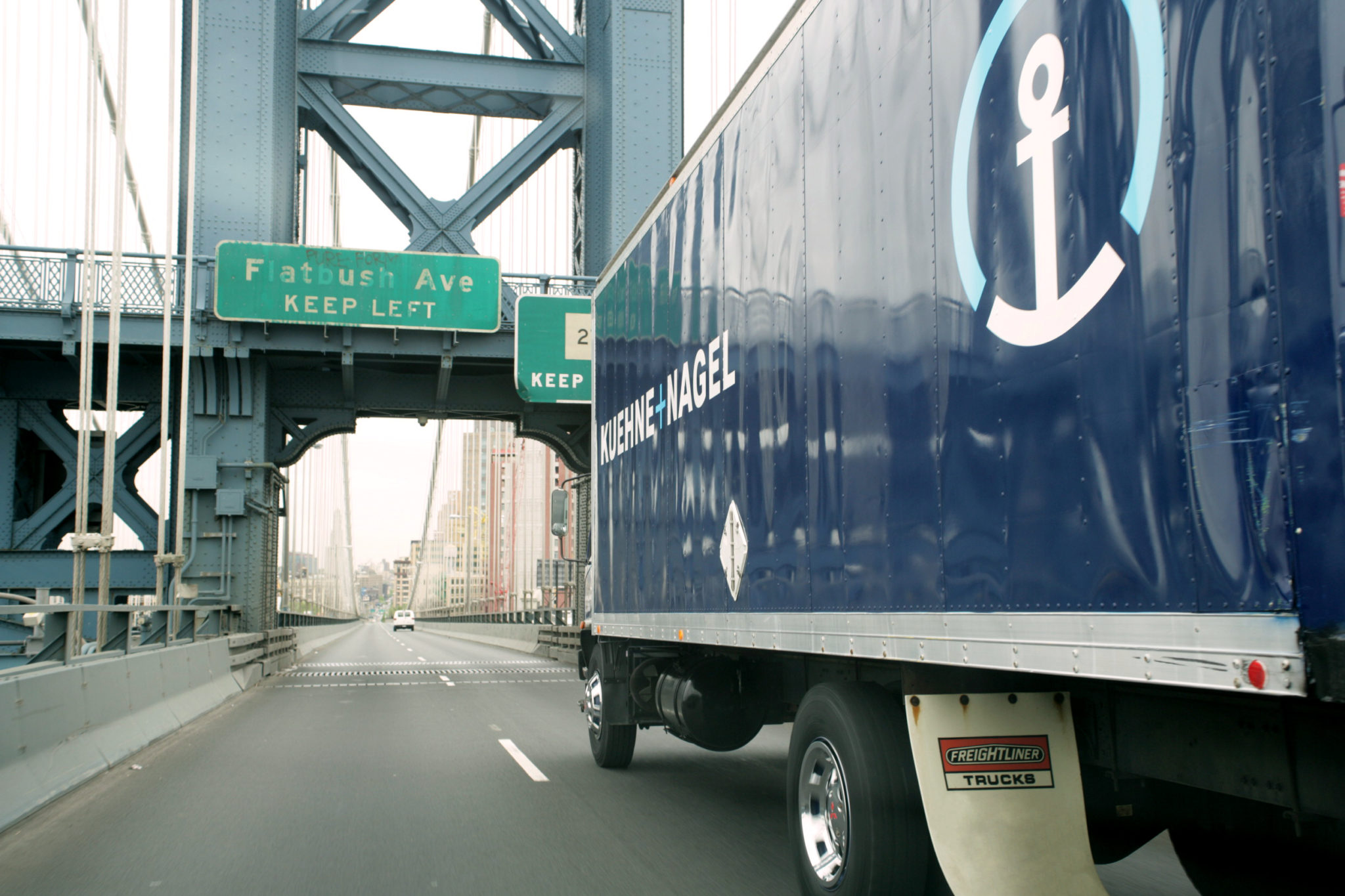
    Kuehne+Nagel accommodates the MedTech industry by launching new service options for the transportation of medical technology devices as part of its road freight offering in Europe. The MedTech industry continues to grow due to the introduction of innovative technologies that address the needs of aging populations and patients with increasingly prevalent diseases like diabetes, hypertension, asthma, and heart failure.

    The extended offering answers a demand for logistics services that do not have to fulfil GxP requirements but still meet the elevated safety and quality requirements of high-value medical and diagnostics devices. It is available in Germany, France, the UK, the Netherlands, Spain and Italy.

    As part of the service, products are transported with special handling within Kuehne+Nagel’s reliable network. Trained experts in MedTech competence centres provide a centralised customer service and proactively handle unexpected deviations.  Depending on the service option—MedTech or MedTech+—customers can also count on regular consignment inspections, end-to-end visibility, and white glove deliveries, including device installation and removal of packing material.

    “What is exceptional is that customers can also choose this service option for groupage shipments, in addition to LTL and FTL. We can guarantee the quality through focused investments in safety procedures, skilled staff and specially equipped cross-docks and stations,” said Joerg Woyke, Global Head of Road Logistics Healthcare. “Even when GxP compliancy is not required for medical devices, sensitive handling is highly important.”

    Developing new solutions for healthcare customers is in line with Kuehne+Nagel’s Roadmap 2026, with Healthcare being a growth area.

  • DHL Group gets off to a solid start in 2024

    DHL Group gets off to a solid start in 2024

    The logistics company DHL Group got off to a solid start to the new fiscal year in 2024. As expected, there was no significant upturn in the global economy in the first quarter of 2024. Despite these conditions, the Group generated revenue of EUR 20.3 billion (Q1 2023: EUR 20.9 billion). As anticipated, the operating profit (EBIT) of EUR 1.3 billion was below the previous year’s level (Q1 2023: EUR 1.6 billion) but exceeded the same period of the pre-pandemic year 2019 (Q1 2019: EUR 1.2 billion).

    “We are in an unusually long phase of low momentum in global trade. In this environment, we continue to focus on consistent capacity and cost management. However, we also see further growth potential. The demand for omnishoring and e-commerce solutions remains high and our customers are becoming increasingly aware of sustainable logistics – we can clearly see this in the demand for GoGreen Plus. With our portfolio, we are ideally positioned to benefit from an upturn in global trade. Despite all the challenges, 2024 is a year of opportunities.”

    Measures to safeguard earnings and cash flow show an impact

    DHL Group had already anticipated the slowdown in global economic momentum in 2022 and successfully introduced appropriate measures to safeguard earnings and cash flow. These measures include consistent capacity and cost management as well as price adjustments. In the first quarter of 2024, gross investments (capex) amounted to EUR 483 million (Q1 2023: EUR 569 million).

    The Group continued to make targeted investments in the quality of its services and in structural growth trends such as omnishoring, e-commerce, sustainability, and digitalization. Free cash flow was EUR 608 million (Q1 2023: EUR 983 million; Q1 2019: EUR -256 million).

    In total, DHL Group generated consolidated net profit after non-controlling interests of EUR 743 million in the first three months of 2024 (Q1 2023: EUR 911 million). In the same period, basic earnings per share amounted to EUR 0.63 after EUR 0.76 in the first quarter of 2023.

    Group confirms forecast for 2024

    As expected, a broad and dynamic economic upturn failed to materialize in the first three months of the year. DHL Group continues to expect more positive global economic momentum in the second half of 2024. Overall, the Group confirms its forecast for the 2024 fiscal year and expects EBIT of between EUR 6.0 billion and EUR 6.6 billion and free cash flow, excluding acquisitions and divestments of around EUR 3.0 billion.

    In its medium-term forecast for 2026, DHL Group continues to expect an operating profit of between EUR 7.5 billion and EUR 8.5 billion.

    Express: Continued focus on revenue and cost management 

    At Express, the expected continued weak demand led to a slight decline in shipment volumes. The division is countering the sluggish market environment with productivity improvements, network optimizations, effective yield, and cost management.

    Global Forwarding, Freight: Decline in revenue due to lower freight rates

    The decline in revenue at Global Forwarding, Freight is primarily due to lower freight rates. The division once again recorded volume growth in air and ocean freight compared to the weak prior-year period. Air freight volumes rose by 5.1 percent, with the improvement primarily attributable to trade routes between Asia and Europe. Ocean freight volumes increased 6.6 percent compared to the same quarter of the previous year, with the volume of trade routes from Asia increasing in particular.

    Supply Chain: Stable revenue and earnings growth 

    The Supply Chain division recorded revenue growth in all regions and across various sectors, supported by new business wins, contract renewals and growing e-commerce business. Additional contracts with a volume of EUR 3.5 billion were concluded in the first quarter of 2024. In addition to the energy, retail, life sciences, and healthcare sectors, e-fulfillment solutions accounted for an important part of this. The annualized contract renewal rate remained at a consistently high level.

    eCommerce: Revenue surpasses prior-year level 

    The eCommerce division maintained its revenue growth trend. The EBIT development in the first quarter primarily reflects higher costs due in part to the ongoing investments in the expansion of the networks.

    Post & Parcel Germany: Strong parcel business ensures revenue and earnings growth 

    Although the reporting period contains 1.6 fewer working days, Post & Parcel Germany registered an increase in revenue. The positive development was solely attributable to Parcel, while the postal business continued to decline as expected. Due to the parcel business, the division’s operating profit was significantly higher than in the same quarter of the previous year, which was burdened by additional staff costs due to the wage dispute. The regulated mail business continues to suffer from the regulatory framework.

  • Lufthansa Cargo presents commitment to transforming the aviation industry

    Lufthansa Cargo presents commitment to transforming the aviation industry

    Air freight remains essential for the German economy. No other mode of transportation offers the necessary speed to transport time-critical, temperature-sensitive, and valuable goods. Whether it’s urgent spare parts, vaccines, relief supplies, or animals on their way to a new home – when speed, safety, and care are paramount, shipping by air freight is the best choice for freight forwarders, industrial and private customers.

    On Supply Chain Day, 18 April, Lufthansa Cargo highlights the importance of air freight and how the company facilitates global trade. Lufthansa Cargo invites interested parties for a behind-the-scenes look at the Lufthansa Cargo Center in Frankfurt, the airline’s primary hub for cargo.

    Frankfurt Airport plays a crucial role as a major hub in Europe: With a handling capacity of 20,000 tons per week, Lufthansa Cargo operates its largest logistics center worldwide at Frankfurt Airport. To continue supporting companies in participating in global trade amid growing industry demands, Lufthansa Cargo primarily relies on digitalization and innovative measures.

    “Air freight remains a growth market, and the stable supply chains we can provide are indispensable,” explains Thomas Rohrmeier, Head of Handling Frankfurt at Lufthansa Cargo. “This is especially essential in times of global tensions and changing customer needs. For this, we need innovative solutions that meet our requirements, those of our customers, and society.”

    However, these can only work with a modern infrastructure. For this purpose, the cargo airline is investing around 500 million Euros in construction and modernization measures in the Cargo City North.

    “With a handling share of approximately 80 percent of Lufthansa Cargo’s global cargo volume, the Frankfurt hub significantly determines the operational stability of Lufthansa Cargo,” says Rohrmeier. The modernization will enable increased handling speed, smooth transportation processes, and supply chains, and an improvement in service quality. Thus, the company reaffirms its commitment to the Frankfurt location and contributes to its attractiveness as a business hub.

    Furthermore, Lufthansa Cargo is further advancing the reduction of its carbon footprint and aims for a neutral CO2 balance by 2050. By 2030, the company aims to halve net CO2 emissions through reduction and compensation measures compared to 2019. “A large portion of our emissions occur during flying,” says Brian Kowalke, Environmental Manager at Lufthansa Cargo. “Therefore, Sustainable Aviation Fuels (SAF) are an important lever for reduction, which we already use and which already enable more sustainable flying today, reducing CO2 emissions by up to 80 percent compared to fossil fuels.” In addition, the airline’s freighter fleet is gradually being equipped with AeroSHARK technology. This involves applying a surface film specially developed by Lufthansa Technik and BASF to the aircraft, which reduces friction resistance and thus reduces the fuel consumption of the machines.

  • Cathay Cargo volume up 20 percent in December

    Cathay Cargo volume up 20 percent in December

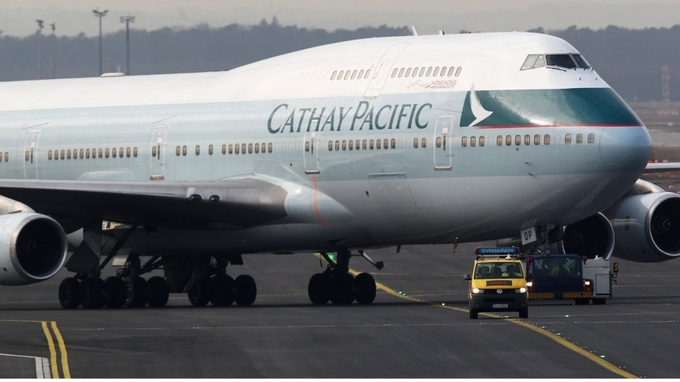
    Cathay Pacific’s cargo business ended 2023 on a high note, finishing with around 1.4 million tonnes, compared with about 1.2 million tonnes in 2022, in what it described as ‘an encouraging result.’

    Cargo volume in December jumped 20.7 percent year on year, as the airline carried 128,546 tonnes with cargo revenue increasing 14.1 percent year on year for the month. The cargo load factor slid 6.5 percentage points to 60.8 percent, as capacity measured in available cargo tonne kilometres (AFTKs) increased by 26.3 percent year on year.

    In the full year of 2023, the tonnage increased by 19.6 percent against a 59.7 percent increase in AFTKs and a 40.3 percent increase in RFTKs, as compared with 2022, the airline noted.

    “Our cargo business performed well in December, and finished on a high, primarily driven by the strong year-end demand for e-commerce products. Additionally, there was increased demand for perishable goods for the holiday season. December also saw a pickup in our Live Animal solutions with significant numbers of racehorses being moved across our network in support of the Hong Kong international race events.

  • JD.com partners with parcel company Evri in the UK

    JD.com partners with parcel company Evri in the UK

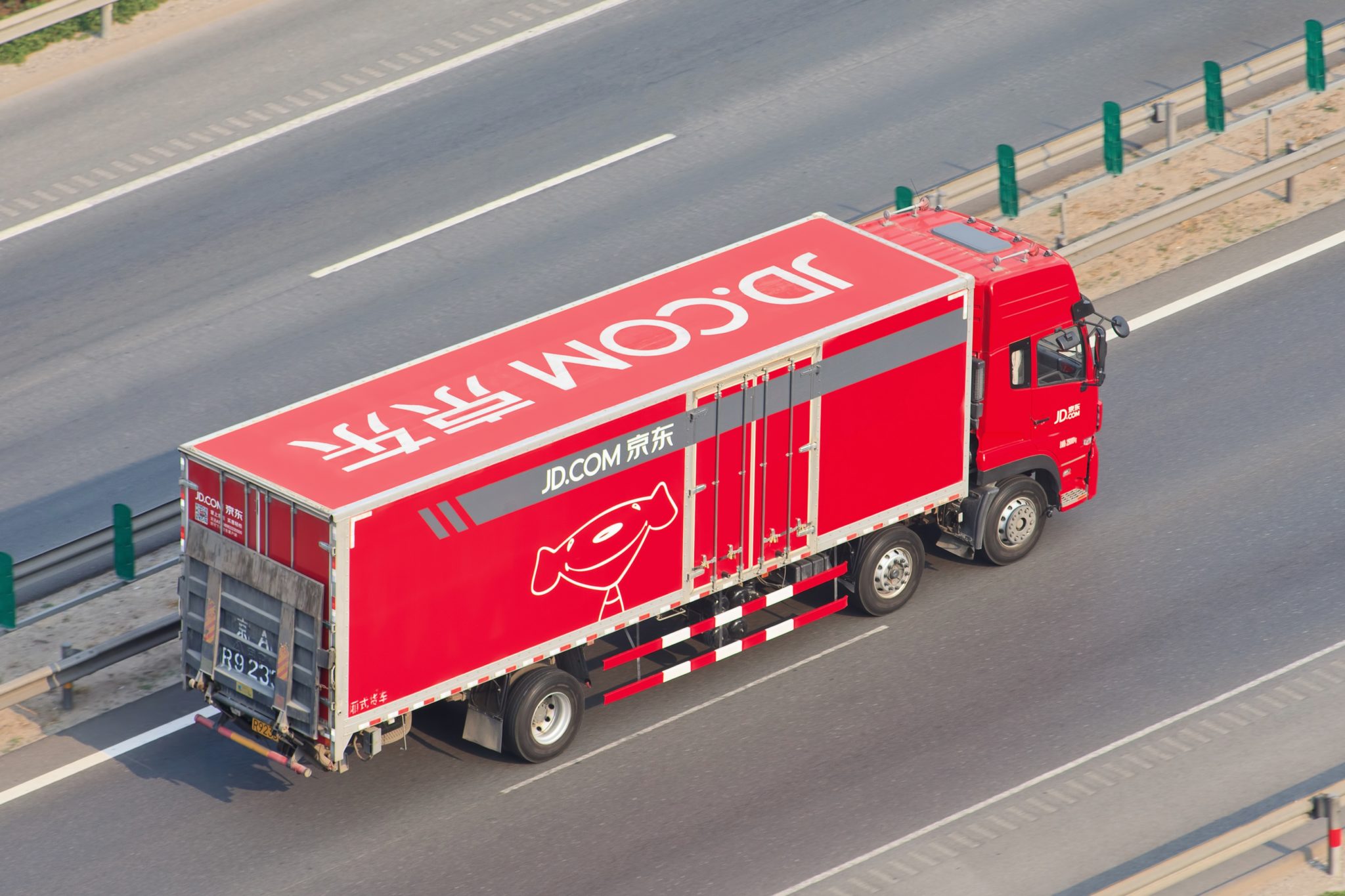
    JD.com is supporting the growth of British businesses in the Chinese market as it partnered with parcel delivery company Evri to combine their expertise and resources in e-commerce and logistics.

    The partnership will combine JD.com’s advanced e-commerce capabilities with Evri’s extensive delivery network across Europe. The services will include local pickup, warehousing, international transportation, access to Chinese bonded warehouses, customs clearance, and comprehensive delivery across China.

    The team-up will initially focus on the beauty and apparel sectors, where JD.com has substantial insights, including consumer behaviour, marketing and pricing strategies, product selection advice, and online operational strategies specific to the Chinese market.

    The collaboration will also enable JD Logistics to offer integrated warehousing and comprehensive delivery solutions to European clients by leveraging its self-operated overseas warehouses and Evri’s local distribution network.

    Qun Xue, Vice President of JD.com and Head of JD Logistics International said: “This partnership underscores our dedication to building a robust global logistics network and our commitment to the success of international brands.”

  • DHL Express adds more capacity on Singapore-US route

    DHL Express adds more capacity on Singapore-US route

    DHL Express and Singapore Airlines welcomed the final Boeing 777 freighter as part of a 5-aircraft deal signed in 2022 that will add further add capacity between Asia Pacific and the Americas via the DHL South Asia Hub in Singapore. 

    The aircraft, sporting a dual DHL-SIA livery, joins four other B777F, providing 1,224 tonnes of payload capacity to accomodate international express shipments on the US-Asia route.

    As early as December 2023, three of the five freighters were operated on the Singapore-Bangkok/Taipei-Incheon/Nagoya-Cincinnatti-Honolulu-Sydney-Singapore route seven times a week. The other two cover the Singapore-Nagoya-Los Angeles-Honolulu-Singapore route five times a week.

    DHL is capitalising on Singapore’s main hub status and location to cut the delivery times between Asia Pacific and the US West Coast to one day for time-sensitive shipments.

    In March 2022, DHL Express and SIA signed the crew and maintenance agreement, where the airline would operate and oversee the maintenance of the five Boeing 777 freighters deployed at the South Asia Hub. These five freighters are part of the express operators’ 28-unit order of the type since the first purchase was made in 2018. The first freighter as part of the deal saw its debut in August 2022.

  • DHL Express makes management changes in Asia Pacific

    DHL Express makes management changes in Asia Pacific

    DHL Express has announced several retirements and strategic appointments for Asia Pacific, including Hong Kong and Macau, South Korea and Taiwan.

    Yung C. Ooi, most recently country manager for Taiwan, has been elected as Asia Pacific’s senior vice president for commercial. He will take over the responsibilities of Yasmin Khan, who retires after 23 years at the DHL Group. Appointed in Yung’s place is Chee Choong, who was managing director for  Hong Kong & Macau.

    30-year veteran Andy Chiang, former head of global strategic finance for DHL Express, has moved to a new position as managing director for Hong Kong & Macau.

    In North Asia, Ji Hun (Michael) Han will be the new managing director for DHL Express Korea, succeeding Byung Koo Han, who has retired after 16 years at DHL Group.

    DHL Express is present in more than 40 countries and territories in Asia Pacific with a market share of 57 percent in time-definite international (TDI) revenue. In December 2023, the express operator signed a long-term contract with Japan Airlines to utilize the latter’s first freighter, a Boeing 767-300, to add more connectivity to and from Japan.

  • JD Logistics launches express service to North America, Europe

    JD Logistics launches express service to North America, Europe

    JD Logistics has launched an international express delivery service on 15 December for one-way deliveries from China bound for North America and Europe.

    The new service will initially cover 23 countries across North America and Europe and will be available in Shenzhen and Guangzhou with plans to expand its availability throughout China.

    Leveraging the company’s robust express delivery network, customers in China can book doorstep pick-ups through the JD Express mini program on WeChat and expect one-hour pickup by in-house couriers, complete with real-rime parcel tracking.

    The new service marks a significant milestone for JD Logistics, representing both an expansion of its renowned logistics services to the global stage and a key phase in the company’s broader international market expansion.

    The company’s overseas warehousing operations already offer same-day fulfillment services in key European markets, including Germany, The Netherlands, France, the UK, Spain, and Poland, with two- to three-day delivery services across 90 percent of the regions in the United States.

  • Singapore Airlines’ cargo volume up 7 percent in October

    Singapore Airlines’ cargo volume up 7 percent in October

    Singapore Airlines saw cargo loads jump 7 percent year on year in October, on the back of e-commerce flows and freighter charters, according to the company’s latest operating results.

    The carrier’s cargo operations posted a load factor of 56.1 percent, or 3.5 percentage points higher year-on-year, with load factors on routes to The Americas (12.5 percentage points), South West Pacific (9.5 percentage points) and West Asia and Africa (7.8 percentage points), seeing notable gains. Meanwhile, cargo load factors on East Asia routes fell-10.1 percentage points.

    Capacity for the month expanded 23 percent YoY, which was outpaced by 23.5 percent passenger traffic growth, with SIA and Scoot registering 3.1 million passengers in total, up 36.1 percent from the same month a year before.

    As of end-October, the group’s cargo network comprised 121 destinations in 37 countries and territories.

  • Etihad Cargo launches ‘instant offer rate’ solution

    Etihad Cargo launches ‘instant offer rate’ solution

    Imagine getting competitive air freight rates for your requirements and completing transactions faster. This is exactly what Etihad Cargo’s instant offer rate solution aims to do.

    The solution, developed with IBS Software, reduces the processing time and can generate prices in seconds based on five key details for bookings and flights across the carrier’s network, including density, departure day, direct or indirect flights, flight demand and requested service.

    The new system cuts the transaction time by up to 70 percent. It uses the required flight/booking data and can provide the best available price seamlessly within a few seconds via Etihad Cargo’s online portal.

    The Abu Dhabi-based carrier has been adding features to its revamped booking portal, ‘making it easier and more intuitive for partners and customers to make bookings,” said Leonard Rodrigues, head of revenue management and network planning at Etihad Cargo.

    The launch of the new solution follows the recent addition of features enabling the booking of cats, dogs, and dangerous goods on Etihad’s air cargo booking portal as part of its ongoing digitalization strategy.