Retail News CRM

Tag: cargo

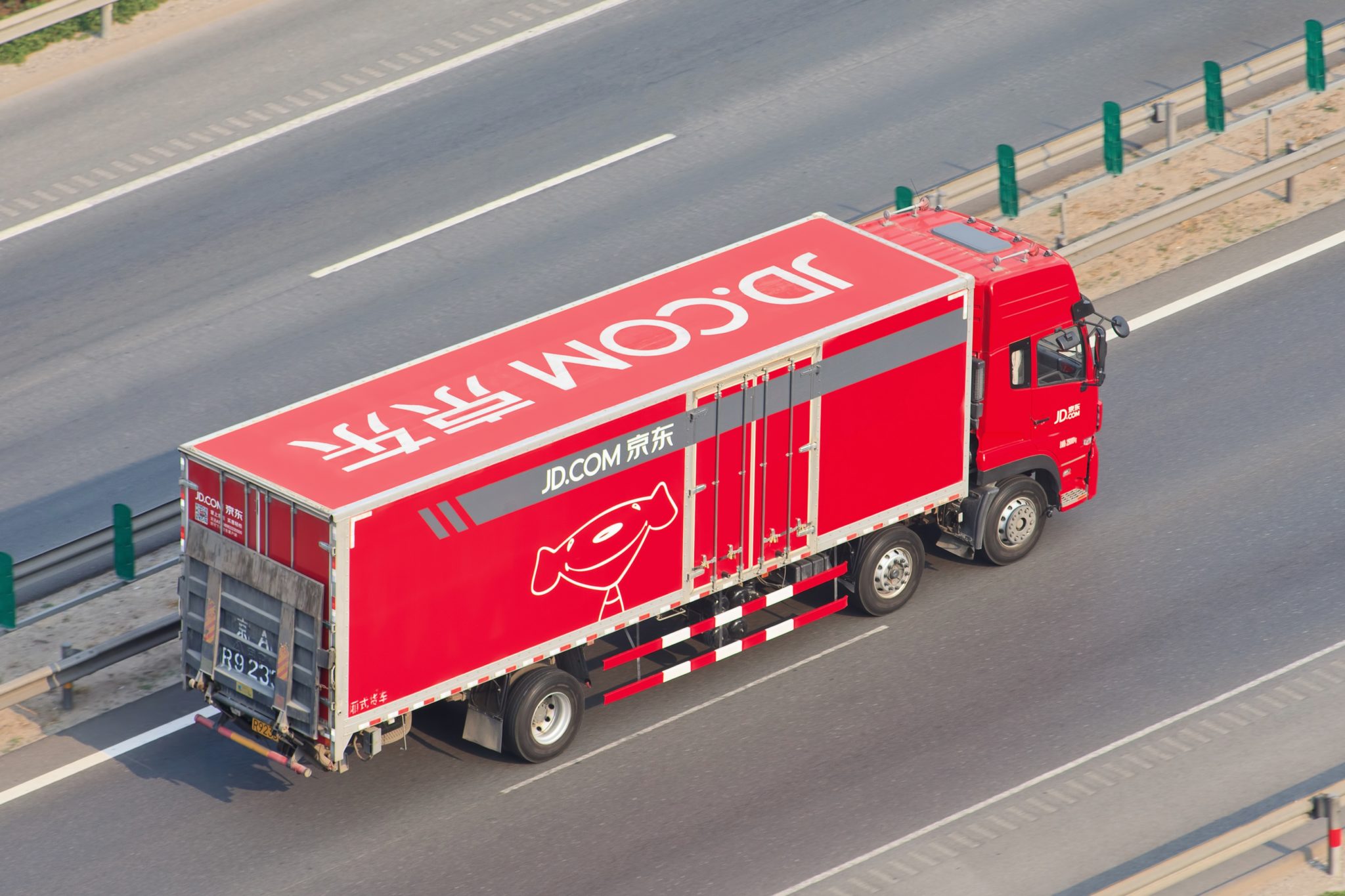
  • JD Logistics joins forces with Geopost

    JD Logistics joins forces with Geopost

    JD Logistics and French delivery service Geopost have formed a strategic partnership aimed at strengthening their capabilities by leveraging their warehousing network and delivery capabilities.

    The partnership is expected to enhance international express services between China and Europe, which will see the two companies establish direct-to-consumer (C2C) and business-to-consumer (B2C) shipping solutions, whilst ensuring end-to-end shipment tracking and delivery through a convenient “one-stop” express delivery service.

    Services will include doorstep delivery, dedicated customer support, and digital tracking capabilities throughout the entire logistics process, with global reverse logistics services integrated into the service.

    These services are expected to benefit shippers of individual parcels as well as businesses, small and medium-sized merchants, and direct-to-consumer (DTC) operations, which can offer competitive pricing and faster deliveries by 1-2 days.

    This collaboration allows JD Logistics to enhance its integrated warehousing and delivery services in Europe. This means parcels originating from JDL’s overseas warehouses in Europe can now offer same-day delivery service, surpassing industry standards, in key countries including Germany, The Netherlands, France, the UK, Spain, and Poland.

    The two organisations also plan to develop competitive FBA (fulfillment by Amazon) service capabilities in the European to help merchants increase efficiency and lower costs.
  • John Dietrich to join FedEx as finance chief

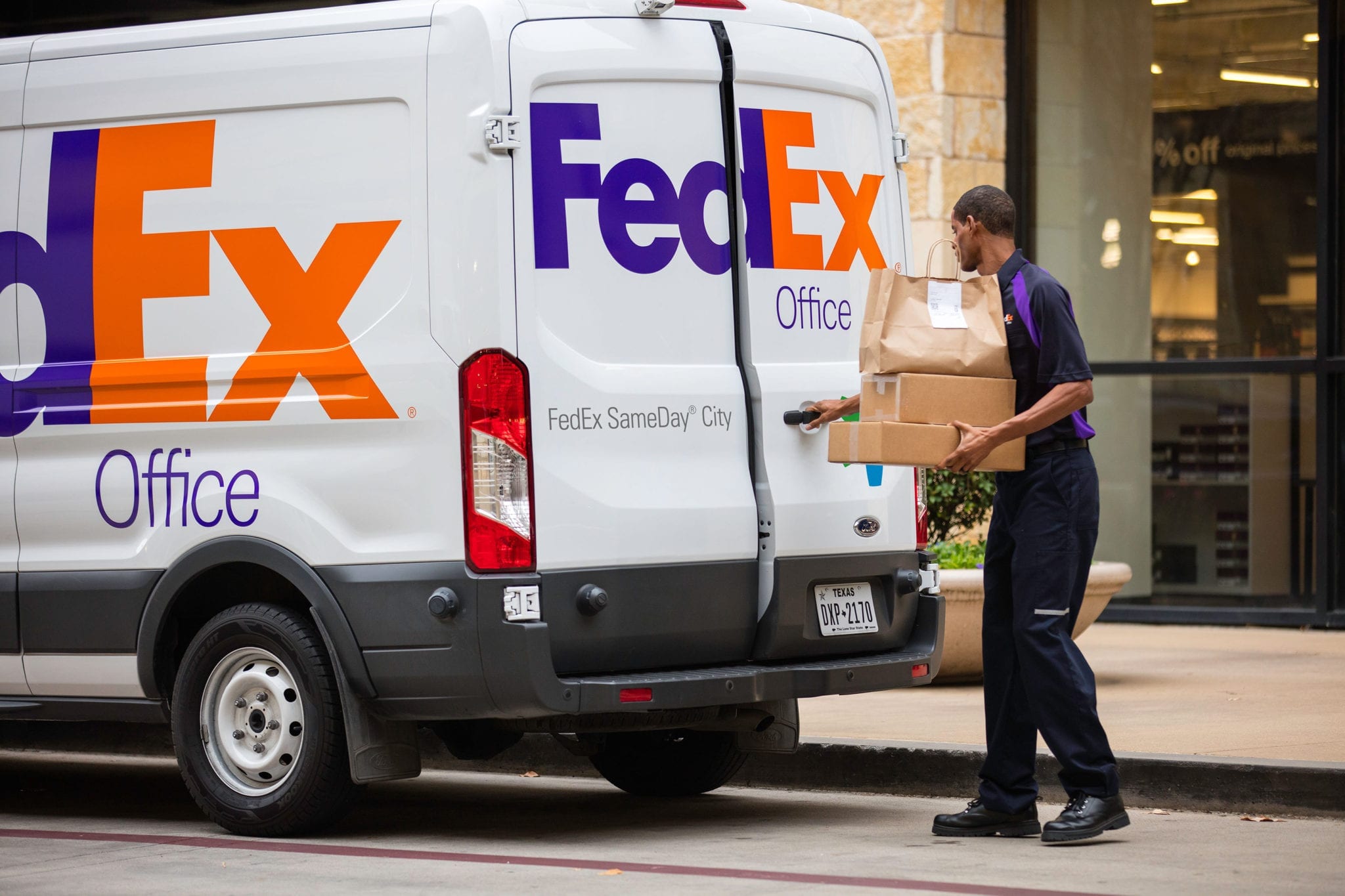
    John Dietrich to join FedEx as finance chief

    Ex-Atlas CEO, John W. Dietrich, is set to join FedEx as executive vice president and chief financial officer, effective 1 August.

    With more than more than 30 years of experience in the aviation and air cargo industries, Dietrich held several leadership roles at Atlas Air Worldwide since 1999, including serving as president and chief executive officer, and member of the board of directors from 2020.

    Prior to Atlas Air, Dietrich was with United Airlines for 13 years. He currently serves as chairman of the National Defense Transportation Association, as a director on the board of AAR Corporation, as a board member of the International Air Transport Association, and a member and former chairman of the National Air Carrier Association.

    Together with Dietrich’s appointment, FedEx also announced strategic shifts within the finance organization to further bolster its ongoing transformation.

    “The evolution of our Finance leadership team is critical to our transformation as we continue to build a more intelligent, flexible and efficient network,” said Raj Subramaniam, president and chief executive officer. “I am pleased to welcome John to FedEx. He is an accomplished and seasoned leader in the transportation industry whose unique combination of financial and operational expertise is a strong complement to the existing executive leadership team at this important time for the company. His appointment, along with the other strategic changes within the Finance leadership team, will further strengthen our ability to generate efficiencies, improve margins, and enhance returns.”

  • DHL Supply Chain to spend €500m in Latin America

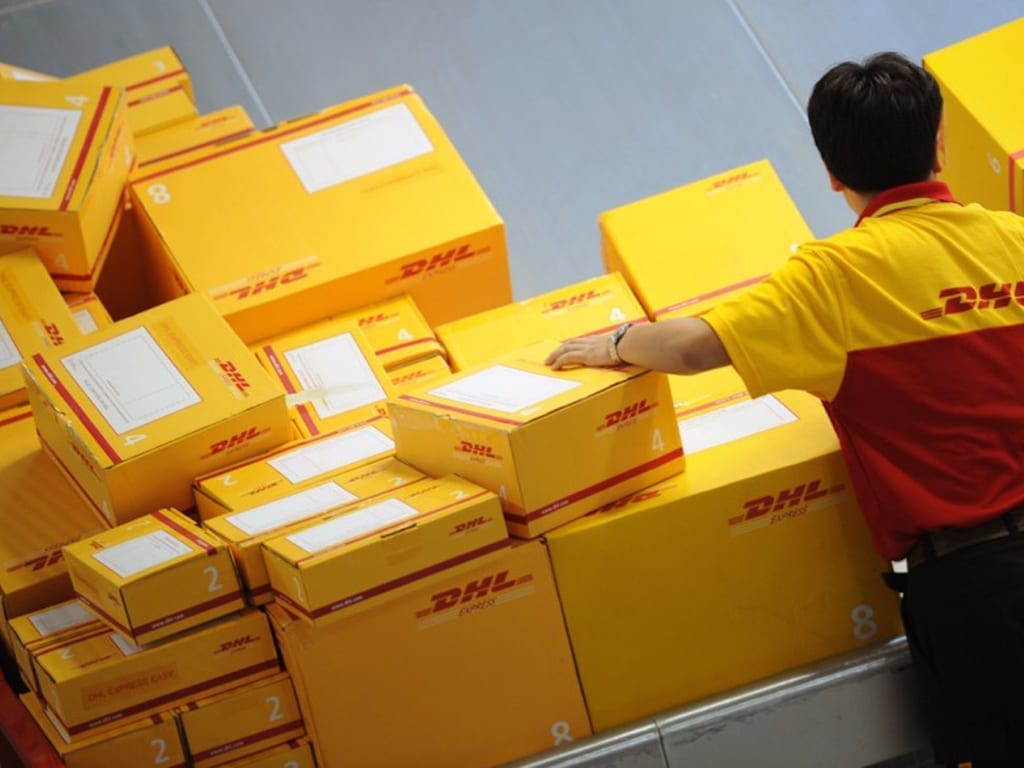
    DHL Supply Chain to spend €500m in Latin America

    DHL Supply Chain has announced a landmark investment of €500 million into Latin America over the next years (until 2028) as part of a strategy to strengthen its capabilities in high-demand sectors like healthcare, automotive, technology, retail and e-commerce.

    Projects in the pipeline include decarbonizing the domestic fleet through greener alternatives; building, developing and retrofitting real estate assets and warehouses in the market; as well as significant investments into new technologies, robotics and automation solutions.

    DHL Supply Chain is confident in its plans for the region, citing its proximity to large consumer markets in North America as well as booming sales markets which make it attractive for industries to invest and therewith request additional logistics support.

    The company has been growing its operations in Latin America with more than 240 locations. In Mexico last year, it acquired NTA, a company focused on logistics services for the pharmaceutical industry.

    In Brazil, it recently announced the expansion and modernization of its distribution centre located in Goiás, while expanding its operations and presence in Extrema Minas Gerais for various clients in pharmaceuticals and retail fashion. It also opened a new distribution centre in Pudahuel, Chile, and expanded its presence in Mexico with new warehouses in Tijuana and Monterrey, including a new campus in the State of Mexico, which will serve the e-commerce, retail, fashion, consumer, medical devices, aerospace, electronics, and automotive sectors.

    Following the announcement of the investment, DHL Supply Chain Mexico inaugurated a new center of excellence for electric vehicles to provide synergy to the automotive industry in the region.

  • DHL tops up with Turkish Cargo in Istanbul

    DHL tops up with Turkish Cargo in Istanbul

    DHL Global Forwarding is strengthening its air cargo partnerships in Istanbul and has signed a memorandum of understanding that will extend its operations at Turkish Airline’s modern SMARTIST cargo facility.

    Turkish Cargo supports DHL forwarding unit’s global hub concept with its vast knowledge and advanced operational capabilities at Istanbul Airport.

    Based on the MoU, DHL Global Forwarding will leverage SMARTIST, the mega cargo facility of Turkish Cargo at Istanbul Airport, as one of its global hubs. DHL said the cooperation will not only further improve each other’s operational efficiency, but also enhance Istanbul’s potential to become a leading logistics hub for the world. The two inked the deal at the IATA World Cargo Symposium held in Istanbul in April.

    “Spanning the European and Asian continents, Türkiye is geographically well-positioned to act as a logistics hub for Europe, Asia as well as the MEA region and the US,” said Thomas Mack, Global Head of Air Freight, DHL Global Forwarding

    “We are happy to intensify our long-lasting partnership with Turkish Cargo, that not only provides us with reliable air cargo capacity, but also state-of-the-art logistics infrastructure to handle air freight,” he added.

  • FedEx expands its capabilities in Guangzhou

    FedEx expands its capabilities in Guangzhou

    FedEx Express recently signed a memorandum of understanding (MOU) with the Guangzhou Municipal Government to form an in-depth strategic collaboration.

    Under the MOU, FedEx and the Guangzhou Municipal Government will fully cooperate on customs clearance, cross-border e-commerce, and the establishment of the South China Operations Center.

    The two sides will jointly promote FedEx strategy and business development in Guangzhou, expand e-commerce logistic services, and support Guangzhou’s development as an international cargo hub.

    The FedEx APAC Hub is located at the Guangzhou Baiyun International Airport. Since its initiation in 2009 as a major hub in APAC, the facility currently operates more than 210 international flights weekly.

    In 2022, FedEx launched an AI-powered sorting robot at the company’s South China E-Commerce Shipment Sorting Center in Guangzhou to handle the ever-growing volumes of e-commerce-related shipments in the region. This was followed by the announcement that it would expand its Guangzhou Gateway by establishing a new South China Operations Center at Guangzhou Baiyun International Airport.

  • Bolloré Logistics appoints new Asia Pacific chief

    Bolloré Logistics appoints new Asia Pacific chief

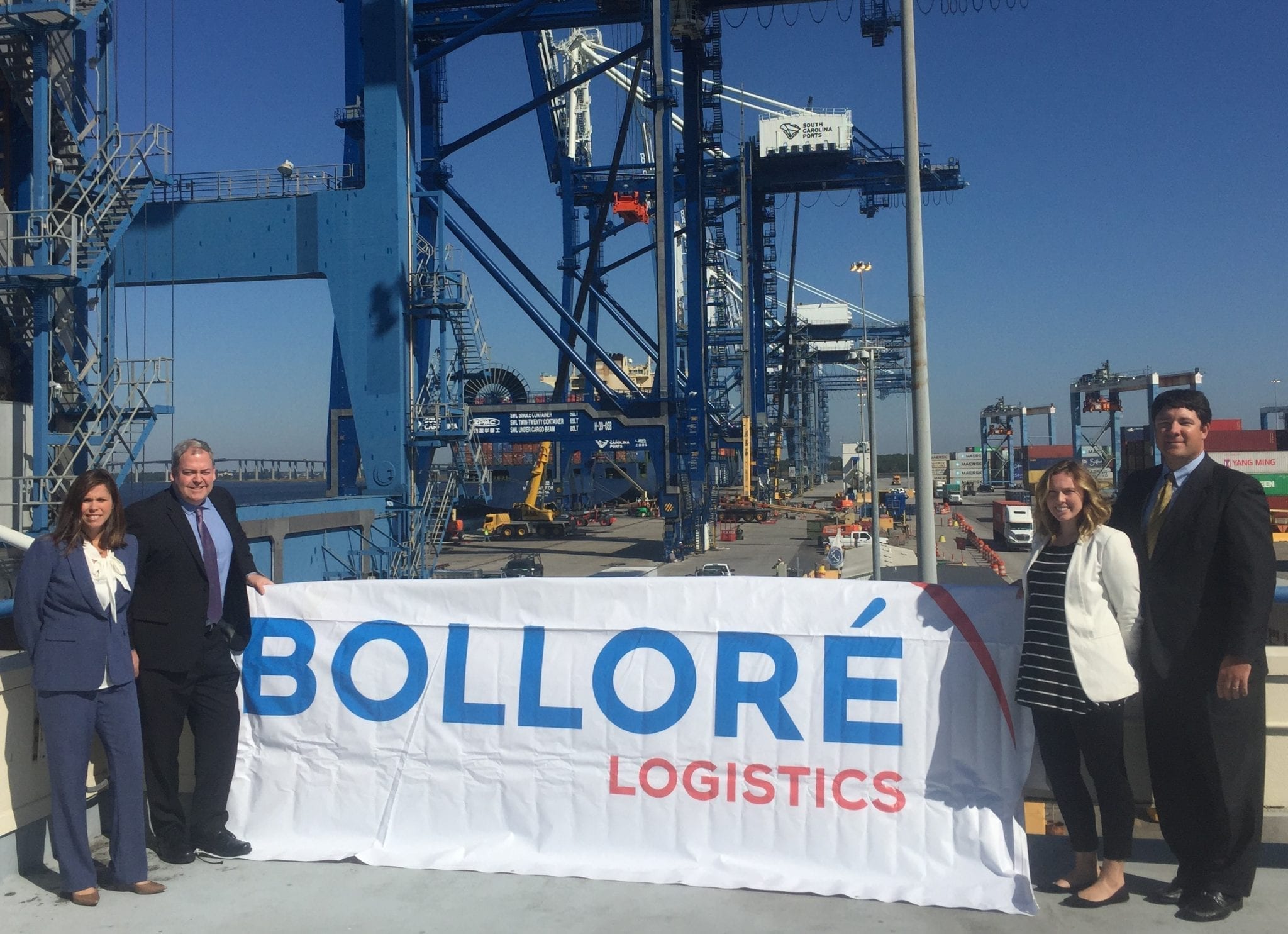
    Bolloré Logistics has named Olivier Boccara as its next chief executive officer for Asia Pacific, taking over the duties of Cyril Dumon.

    Prior to taking on the new role, Boccara, who joined the Bolloré Group in 1994, was the company’s chief commercial officer. He held various positions at SAGA and became its CEO in 2007.He was promoted to managing director of Bolloré Logistics France in 2016.

    He was notably involved in a number of major structuring projects, including the merger of the SAGA and SDV subsidiaries in 2015 and the acquisition in 2021 of a majority stake in Ovrsea, a startup specialising in digital freight forwarding.

    Olivier will be based in Singapore, where he will pursue the development strategy implemented by Dumon. He also aims to launch new projects in several key sectors, including aeronautics, healthcare, luxury goods and cosmetics.

  • Air cargo transport plunges

    Air cargo transport plunges

    Aviation cargo transport passing through Vietnam’s airports dropped 28.2% year-on-year in the first two months of 2023 to 168,000 tons, according to the Civil Aviation Authority of Vietnam (CAAV).

    Industry insiders say that the spreading global economic recession has led to a decline in consumption. Although China has reopened its economy, the delivery of Chinese materials and goods to other countries has not fully resumed yet.

    Do Xuan Quang, deputy CEO of Vietjet Air, said that the ongoing Russia-Ukraine war is also limiting global deliveries even though shipping costs have dropped.

    Vietjet Air has seen its cargo transport fall from nearly 100,000 tons in previous years to around 65,000 tons last year, Quang told VnExpress.

    Vietnam Airlines Group transport in the first two months also declined from the same period in recent years. The company did not reveal by how much.

    A representative of an air cargo transportation company, who asked not be identified, said that in the first two months of the year delivery from Vietnam to Japan plunged 20% year-on-year.

    Other routes that the company operates still have not recovered from Covid-19.

    Data from the CAAV shows that domestic cargo in the first two months rose slightly year-on-year to 51,000 tons, while international cargo fell 37.3% to 117,000 tons.

    Domestic airlines delivered only 42,500 tons in the period, down 14.2 % year-on-year.

    The Vietnam Logistics Association (VLA) expects air cargo transport in Vietnam to recover later this year, but slowly as there are many uncertainties in the global market.

    This is shown by transportation data from local logistics companies. The industry is capable of delivering 1.5-2 million tons a year but currently they are shipping only nearly 1 million tons.

    The busiest route in the country, HCMC to Hanoi, is operating at only one-third of cargo capacity.

    Dang Anh Tuan, a media representative of Vietnam Airlines, said that there is still a niche market for aviation transport, such as delivering high-end tech equipment.

    Vietnam’s cargo transport market is dominated by foreign airlines. There are 29 international carriers which are specialized in delivering cargo and they account for over 80% of market share.

    Vietnamese companies, however, are seeking to change that.

    Vietravel Airlines last year launched its own cargo carrier Vietravel Airlines Cargo in partnership with HCMC-based Asean Cargo Gateway.

    Earlier this year Bamboo Airways established Bamboo Airways Cargo.

  • Vietnam posts trade surplus of $3.6B in January

    Vietnam posts trade surplus of $3.6B in January

    Despite decreases in both imports and exports, the country still enjoyed a trade surplus of $3.6 billion in the first month of 2023, according to the General Statistics Office (GSO).

    The office reported that in the month, total import-export turnover reached $46.56 billion, with exports dropping 21.3% to $25.08 billion, and imports falling 28.9% to $21.48 billion.

    While the domestic sector saw a trade deficit of $1.04 billion, the foreign-invested sector (including crude oil) posted a surplus of $4.64 billion.

    Experts attributed the result to the long New Year and Lunar New Year (Tet) holidays, which were all in January, reducing the number of working days. Last year, the Tet holiday fell in February.

    The GSO reported that the manufacturing-processing sector earned the highest export revenue with 22.32 billion USD, accounting for 89% of the country’s total.

    Meanwhile, there were three goods groups with imports of over $1 billion.

    In January, the U.S. remained the biggest importer of Vietnamese goods with a revenue of about $7.6 billion, while China was the biggest exporter to Vietnam with $8.1 billion.

    The GSO held that many countries are facing the threat of inflation and economic recession, leading to reduction in global consumption, thus affecting Vietnam’s import-export activities.

    Export activities showed signs of slowing down from the fourth quarter of 2022 with fewer orders, it said, adding that 2023 is likely to be a tough year for Vietnam’s import-export.

    In 2023, the MoIT sets a target of a 6% rise in goods export revenue, with trade surplus maintained.

  • Bamboo Airways establishes cargo carrier

    Bamboo Airways establishes cargo carrier

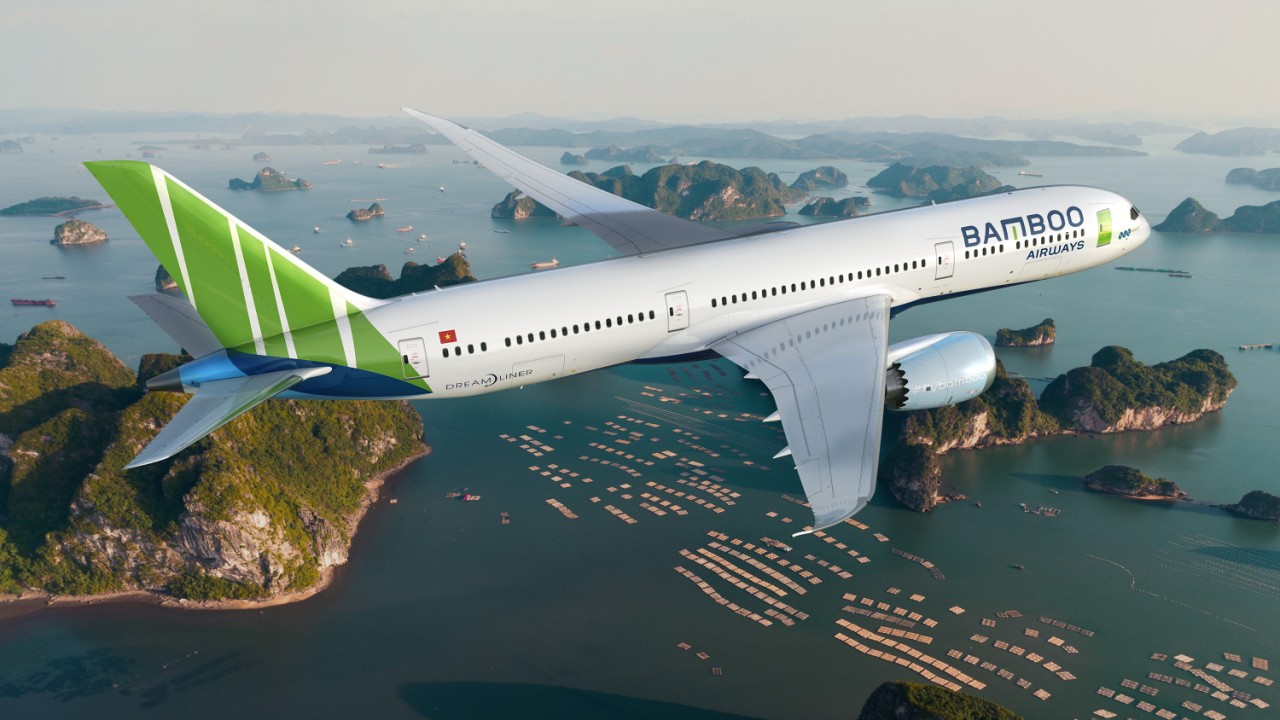
    Bamboo Airways has announced the founding of Bamboo Airways Cargo in an effort to develop a larger network of affiliates in Vietnam’s sparse aviation ecosystem.

    Hanoi-based Bamboo Airways Joint Stock Company (BAC) is launching with a charter capital of VND20 billion ($833,000), 75% of which has been contributed by Bamboo Airways, the carrier said Wednesday.

    The remainder belongs to three other individual shareholders.

    Bamboo Airways named its vice chairman Doan Huu Doan as chairman of the new BAC, while Bamboo Airways deputy general director Nguyen Khac Hai will be BAC’s new CEO.

    Bamboo Airways is present at 21 out of 22 airports in Vietnam, and at other major airports in the Asia-Pacific region and Europe.

    In September 2022, Vietravel Airlines said it would cooperate with HCMC-based Asean Cargo Gateway Joint Stock Company to launch an air cargo service, contributing 51% and 49% of the capital, respectively.

    Vietravel Airlines CEO Vu Duc Bien has noted that the region’s air cargo market lacks carriers and therefore carries immense untapped potential.

  • Trade to surpass $730B for first time

    Trade to surpass $730B for first time

    Vietnam’s trade is expected to reach US$732 billion this year, the highest ever, increasing 10% against last year, the Ministry of Industry and Trade said.

    Exports are estimated at $371.5 billion, up 10.5% against 2021, and imports at $360.5 billion, up 8.5%, resulting in a trade surplus of $11 billion, the ministry announced at a foreign trade review meeting Monday.

    The country has gained a trade surplus for seven straight years.

    Among exports, there 39 items accounted for a turnover of over $1 billion, compared to 35 items against last year. Nine items recorded a turnover of over $10 billion.

    Processed and industrial products accounted for more than 86% of total export turnovers.

    Vietnam exported less raw products, while shipping more processed and industrial goods, creating favorable conditions for local products to penetrate more deeply into global production and supply chains, said Deputy Minister of Industry and Trade Tran Quoc Khanh.

    Some 74% of the total export turnovers in Vietnam came from foreign-invested enterprises. Exports from domestic enterprises, especially small- and medium-sized ones, remained modest.

    Vietnam has targeted a rise of some 6% in foreign trade as well as a trade surplus in 2023, he said.

    Deputy Minister of Foreign Affairs Nguyen Minh Vu said that in 2023 many economies around the world experience high inflation, and the world economy would likel have a technical recession, leading to a decrease in global purchasing power. Meanwhile, trading partners will be more demanding, and may adjust regulations related to carbon emissions reductions, and tighten import requirements.

    In 2021, the World Trade Organization had ranked Vietnam 23rd in terms of exports and 20th in imports. In the 10-member ASEAN, Vietnam ranked second behind only Singapore.

  • Vietnam firm reluctant to launch cargo flights, foreign carrier eager

    Vietnam firm reluctant to launch cargo flights, foreign carrier eager

    Local IPP Air Cargo has axed plans to become Vietnam’s first cargo airline, but Germany’s Lufthansa Cargo has expanded operations.

    In late October, IPP Air Cargo canceled its application to launch what would have been the nation’s first cargo airline. However, the company had already completed the procedures to lease four Boeing Converted Freighters 737 800BCF.

    Jonathan Hanh Nguyen, chairman of the airline’s parent company Imex Pan Pacific Group (IPPG), said that global air cargo demand was declining due to current turmoil.

    “We have decided to end our plan to avoid causing more damage to carriers that are already incurring losses,” he said, adding that the company aimed to reinstate the plan when the market stabilizes.

    Last month, Lufthansa launched its first direct flight from Frankfurt to Hanoi.

    The carrier had previously run two weekly flights from Germany to HCMC before diverting operations to Thailand.

    CCO Ashwin Bhat said his airline could not ignore the Vietnamese market, where 30% of exported items are electronics and high-tech goods.

    Vietnam’s plentiful bilateral trade agreements with major markets, especially Europe, were attractive to Luftnasa, said Bhat.

    He added that the country’s rapid economic recovery from the Covid-19 pandemic had also interested the dominant European airline.

    According to government statistics, the total volume of goods transported by air in Vietnam has increased 2.5 times over the last ten years. The number is forecasted to surge to 4.1 million tons by 2030.

    According to the Vietnam Logistics Business Association (VLA), Vietnamese airlines hold an international freight forwarding market share of only 12%, while nearly 30 foreign carriers hold the rest.

    VLA president Le Duy Hiep said the withdrawal of IPP Air Cargo from the market was a pity because domestic logistics enterprises are in dire need of Vietnamese cargo airlines.

    According to Hiep, Vietnam’s massive amount of total imports and exports were worth over $700 billion in 2022, with over half being exports. Over two million tons of goods are exported by air from Vietnam each year.

    Analysts have said that these factors have made the potential of the Vietnamese cargo market plain to see for Lufthansa Cargo.

    Hiep said Vietnam should be home to cargo airlines with larger market shares, but noted that this would require much more investment and a wider network of agents and customers.

  • Malaysia to test air cargo community system at KUL

    Malaysia to test air cargo community system at KUL

    Efforts are coming in all forms to support Malaysia’s competitiveness in its transport and logistics sectors as plans to introduce a platform that will connect stakeholders of Kuala Lumpur International Airport are underway.

    Air cargo software provider Kale Logistics Solutions and tech company Dagang NeXchange (DNeX), through its subsidiary Dagang Net, have signed a partnership agreement to introduce the Airport Cargo Community System (ACS) platform in Malaysia.

    The ACS is a neutral and open platform, enabling intelligent and secure information exchange between public and private stakeholders and is planned to be integrated with other community systems such as the National Single Window (NSW) and Port Community Systems (PCS) for trade facilitation.

    Vineet Malhotra, co-founder and director at Kale Logistics Solutions, said the latest development presents a powerful case that cargo community platforms need to integrate to bring greater value. And the plan is to create a global network of smart logistics hubs, starting in Malaysia.

    “Our role is to support businesses, especially SMEs, by providing an efficient and comprehensive global logistics network that can serve a larger international customer base and reduce trade barriers.”

    DNeX says the partnership with Kale complements Dagang Net’s capability to grow trade facilitation e-services for air mode through the ACS platform.

    “The ACS enables seamless electronic transactions, equipped with intelligent and secure information exchange among stakeholders to enhance the airport community competitiveness,” commented Tan Sri Syed Zainal Abidin Syed Mohamed Tahir, Group Managing Director.

    “This, in turn, can contribute to efforts in improving Malaysia’s competitiveness in its transport and logistics sectors as well as overall operational efficiency, connectivity, and productivity across the country’s supply chain,” he noted.

    Dagang Net has been using electronic Customs-related services to ease trade facilitation and streamline international trading processes for imports and exports, trade and logistics industries, and this initiative is aligned with the company’s direction, he added.

    Both Kale and Dagang Net are part of the Pan Asia e-Commerce Alliance (PAA), a 16-member regional e-commerce alliance in Asia that aims to promote and provide secure, trusted, reliable and value-adding IT infrastructure and facilities for efficient global trade and logistics.

  • DB Schenker to deploy robots for Prague facility

    DB Schenker to deploy robots for Prague facility

    DB Schenker is set to open a new automated fulfillment warehouse in the Prague region next year.

    Along with retail operations, the new 55,000-sqm distribution center will manage B2C e-commerce activities, including an extensive value-added services area addressing the demand for personalized products requested by consumers.

    The fulfilment center, which will be located near Prague Airport and a major highway that runs to Germany, is schedule to begin operating in the summer of 2023 to serve Central and Eastern Europe.

    DB Schenker said the current distribution center, also located in the Prague region, cannot accommodate the future demands of the customer. The current site will not be closed but used for reverse logistics services.

    The new distribution center will feature a highly scalable, modular G-T-P (goods-to-person) system combined with an extensive conveyor system and a high-performance cross-belt sorter provided by partner Körber.

    The facility will also feature one of the largest deployments of autonomous mobile robots in Eastern Europe. Körber’s software solution will control more than 100 AMRs that will be part of the highly automated logistics ecosystem.

    Despite the high automation level, the distribution center will require more than 1,000 operators at peak times, DB Schenker noted.

  • Vietnam’s first cargo airline inks deals with global manufacturers

    Vietnam’s first cargo airline inks deals with global manufacturers

    IPP Air Cargo, Vietnam’s first cargo airline, could start flying from November, with several partnerships already established, says its chairman Jonathan Hanh Nguyen.

    Nguyen said that the Government Office has ordered six related ministries for their feedback on licensing IPP Air Cargo. There could be clear actions regarding the licensing next week, he added.

    Although the cargo carrier is yet to receive its license, it has reached transport agreements with two world’s leading chip manufacturers with factories in northern Vietnam. Each company has registered to use two aircraft of IPP Air Cargo, he said, without identifying the companies.

    If it gets its license by the end of November, the airline will launch its first flight from Cat Bi Airport in the northern port city of Hai Phong, Nguyen said.

    IPP Air Cargo is also expected to operate a weekly flight transporting agricultural produce from Queensland, Australia to Vietnam’s Da Nang City starting next year, as discussed during this week’s visit by Mark Furner, Minister for Agricultural Industry Development and Fisheries of Queensland.

    The airline has completed procedures to rent four Boeing 737 800BCF aircraft, one of which has been delivered, with the rest due in December and next April. It also signed deals worth $3.5 billion to buy 10 Boeing 777 Freighters.

    IPP Air Cargo has a charter capital of VND300 billion ($12.81 million), with Imex Pan Pacific Group holding a 70-percent stake and the family of Johnathan Hanh Nguyen, the company chairman, the rest.

    Nguyen had mooted the establishment of the airline in 2021, but the Civil Aviation Authority of Vietnam said it was not considering applications amid the Covid-19 outbreak.

    After obtaining an air transport license, the company has to get other permits to fly, including the aircraft operator certificate.

    It targets revenues of $71 million in the first year of operation.

  • Shipping firms report double-digit growth

    Shipping firms report double-digit growth

    Shipping companies have had one of their best quarters in years with most reporting double-digit growth thanks to high rates.

    Vinalines, the country’s biggest shipper, saw a near doubling of its profits year-on-year to VND1.43 trillion (US$61.19 million) in the second quarter.

    Private player Gemadept reported an 87 percent increase in profits to VND334 billion, the highest since the second quarter of 2018.

    Hai An Transport and Stevedoring made it to the top three after profits rose 3.3 times to VND324 billion.

    It was its most profitable quarter in nearly six years.

    Vietnam Ocean Shipping JSC (Vosco)’s profits were only up 7.5 percent to VND260 billion, but it was its most profitable quarter in 14 years.

    The Petrovietnam Transportation Corp (PVTrans)’s gross profit rose to a 15-year high of VND440 billion, but net profit fell 16 percent to VND265.5 billion as financial income decreased.

    The industry attributed growth to high freight rates, which have quadrupled since 2020 to $8,000 for a 40-feet container, according to data brokerage Bao Viet Securities compiled from Bloomberg.

    But market research firm FiinGroup warned that in the second half of this year the rates would fall and costs, especially of fuel, would rise.

    It also expected China to continue with its zero-Covid strategy, which could drag demand down.

    China accounted for a fourth of global goods throughput last year, according to data from its Ministry of Transport and German data portal Statista.