Retail News CRM

Tag: cargo

  • Amazon, Ikea commit to using zero-carbon shipping fuels by 2040

    Amazon, Ikea commit to using zero-carbon shipping fuels by 2040

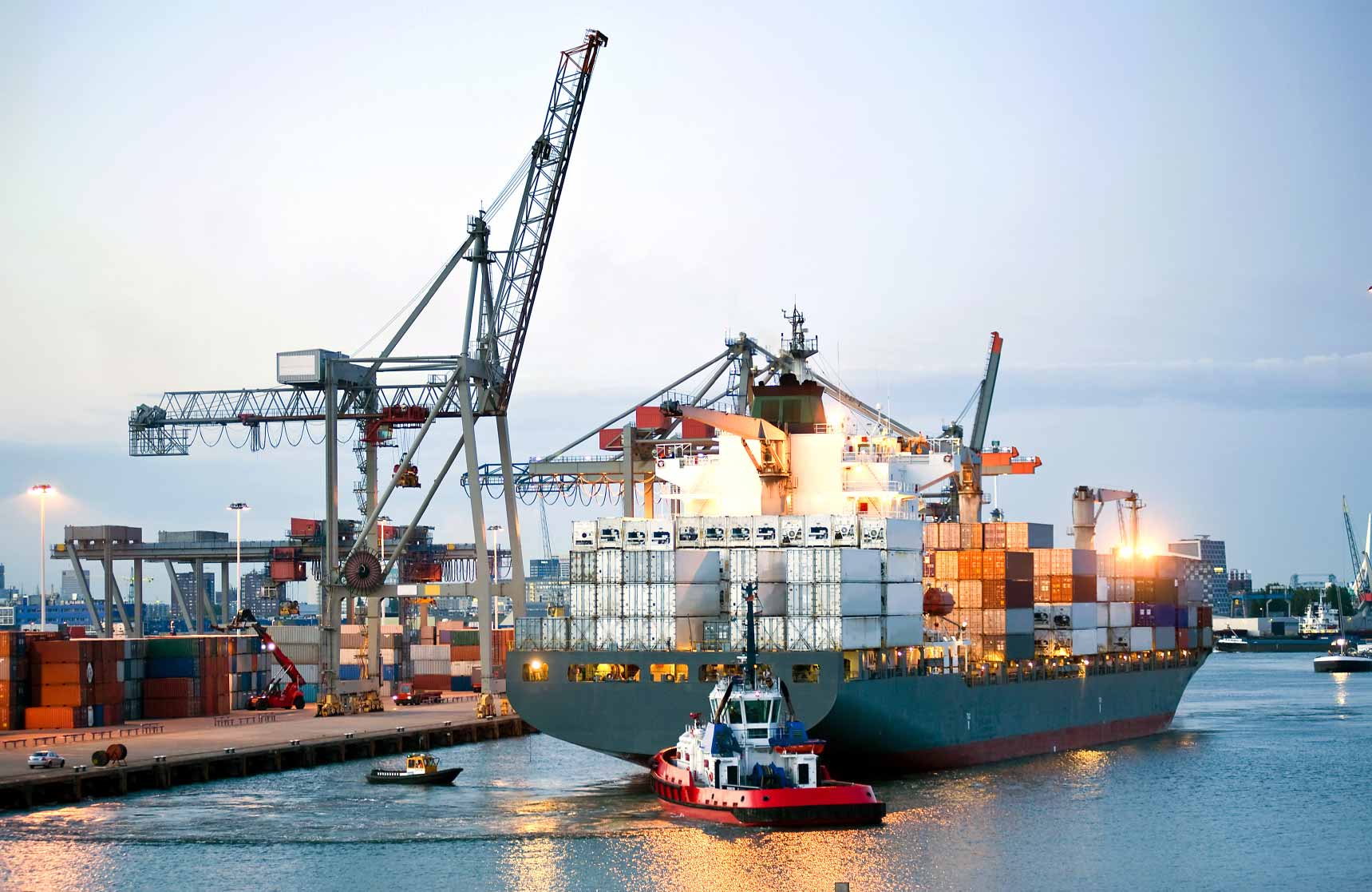
    Nine big companies including Amazon, Ikea and Unilever have signed up to a pledge to only move cargo on ships using zero-carbon fuel by 2040.

    They hope the “aggressive” target will push the heavily polluting shipping industry to decarbonize faster.

    Cargo shipping produces one billion tonnes of climate pollution each year – as much as the country of Germany.

    But critics say shipping firms are not doing enough to meet Paris Agreement goals on emissions.

    The Aspen Institute – the non-governmental Organization coordinating the campaign – expects other retailers and manufacturers that rely on maritime shipping to sign up.

    “Maritime shipping, like all sectors of the global economy, needs to decarbonize rapidly if we are to solve the climate crisis, and multinational companies will be key actors in catalyzing a clean energy transition,” said president Dan Porterfield.

    “We urge other cargo owners, value chain actors, and governments to join forces with us.”

    The companies pledging zero-carbon shipping by 2040 are:

    • Amazon
    • Brooks Running
    • Frog Bikes
    • Ikea
    • Inditex (owner of Zara)
    • Michelin
    • Patagonia
    • Tchibo
    • Unilever

    With about 90% of world trade moving by sea, maritime shipping accounts for 3% of all global emissions. That could rise to 10% by 2050 if the industry continues to rely on carbon-intensive fuels, experts say.

    The shipping industry also produces 10-to-15% of the world’s manufactured sulfur oxide and nitrous oxide emissions, which can cause respiratory illness.

  • German companies in Vietnam look to diversify supply chain due to Covid

    German companies in Vietnam look to diversify supply chain due to Covid

    Ninety percent of German companies in Vietnam are seeking new or additional suppliers in Asia Pacific due to mobility restrictions in the country.

    The majority of respondents, 83 percent, reported supply bottlenecks and price increases caused by transport problems, according to a survey by the Association of German Chambers of Industry and Commerce (DIHK).

    What has led to the current transport problems is a lack of freight capacity and containers.

    Other issues that caused supply bottlenecks are increased demand or insufficient production capacity (67 percent) and halted supplier production (58 percent).

    The impacts of supply bottlenecks on German companies are longer waiting times, higher purchase prices, and production halts or downsizing, according to 58 percent of respondents.

    Half of the respondents have no choice but to either increase or plan to increase the manufacturing prices of their products.

    Two-thirds of German companies are also considering relocating their production to the E.U.

    The Vietnam survey is part of the global inquiry by DIHK, which polled 3,000 business leaders from Jul. 22 to Aug. 9.

  • Alphabet Owned Wing Has Over 100,000 Drone Deliveries In Two Years

    Alphabet Owned Wing Has Over 100,000 Drone Deliveries In Two Years

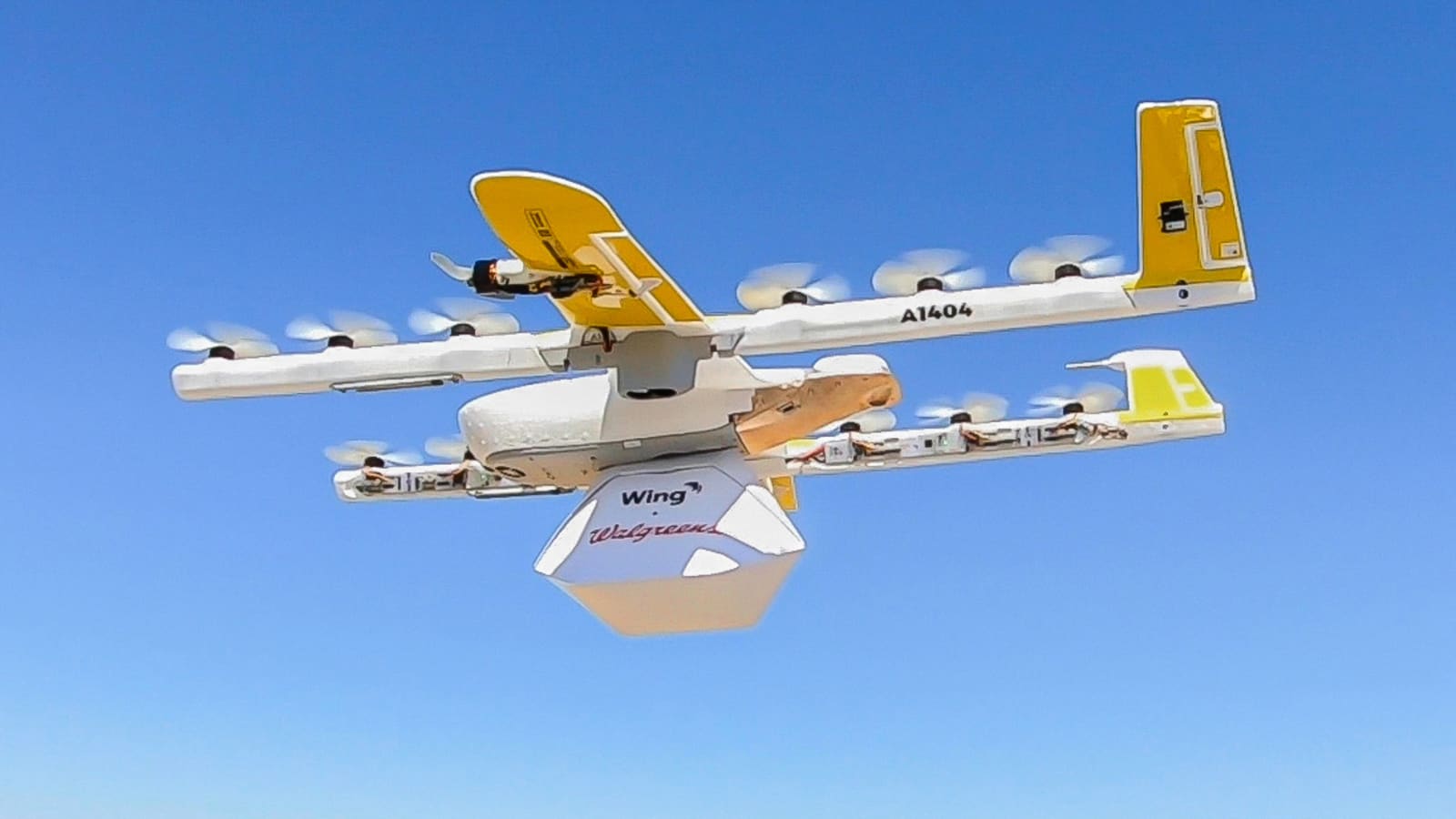
    Alphabet-owned Wing has said that it will hit a landmark of 100,000 drone deliveries over the weekend. This news comes after two years of the launch of service in the Australian city of Logan which only has 300,000 people. This is happening at a time where there are reports stating that Amazon’s plans of drone deliveries are collapsing. Wing has said that it will be entering new markets in the coming months.

    “I think we’ll expand quite a bit. I think we’ll launch new services in Australia, Finland and the United States in the next six months. The capabilities of the technology are probably ahead of the regulatory permissions right now,” said Jonathan Bass, the comms head at Wing.

    Of all the deliveries more than half were completed in Logan itself in the last eight months. In the first week of August customers have placed orders for over 4,500 deliveries that works out to be one order every 30 seconds during its delivery window. Over 10,000 cups of coffee have been ordered, alongside 1,700 children’s snack packs, 1,200 hot chooks, 2,700 sushi rolls, and 1,000 loaves of bread.

    These drones have a range of 9.6 kms as they are limited by the capacity of their batteries and larger batteries are not possible because that will inhibit their ability to fly. This means the short trips are ideal for food delivery which happens in a package that resembles a McDonalds happy meal. Batteries add weight but apart from that, even parcels add weight, so these drones cannot carry anything more than 1.36 kg. But the system works well with fragile objects like eggs which don’t break.

    The drones cruise at a height of 100 to 150 feet in the air and lower down to about 23 feet when they reach the destination. There is a tether that lowers the package to the ground which is unhooked. No person is required to receive the package, something that Amazon’s solution needed.

  • Seaport, maritime transport firms more profitable

    Seaport, maritime transport firms more profitable

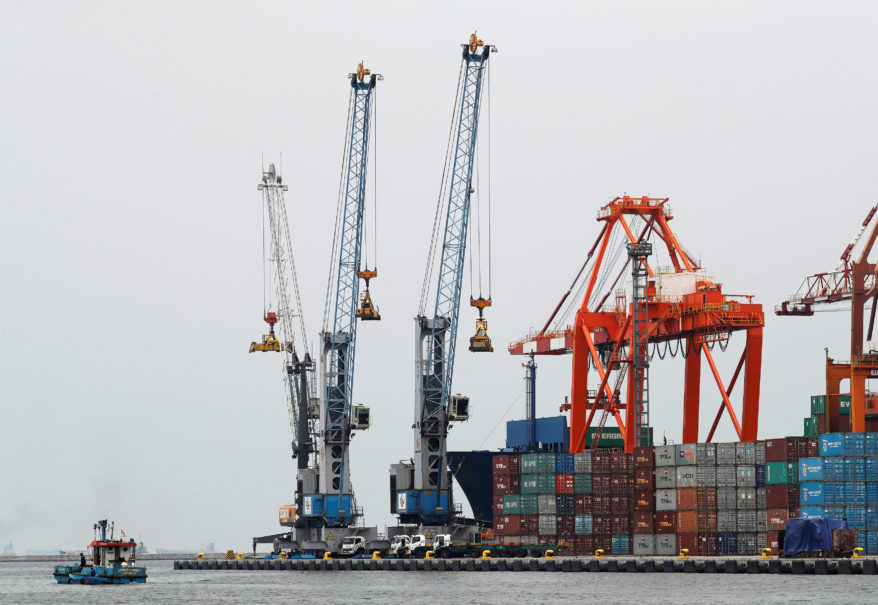
    Market recovery and larger freights helped Vietnamese seaport and maritime transport enterprises, both state-owned and private, gain bigger profits in the first half of this year.

    Vietnam National Shipping Lines (VIMC) made consolidated revenues of more than VND6.2 trillion (nearly $269.6 million), a 20 percent increase, and consolidated profits of over VND1.1 trillion, doubling against the same period last year.

    Meanwhile, net profits of HCMC-based Saigon Port JSC surged 155 percent year-on-year. The company currently runs many ports in the city, including Tan Thuan, Tan Thuan 2, Nha Rong, Khanh Hoi and Sai Gon-Hiep Phuoc.

    Dong Nai Port JSC in the southern province of Dong Nai saw revenues and profits increase 38 percent and 35 percent, respectively between January and June.

    Profits of Cam Ranh Port JSC in the central province of Khanh Hoa, and of Quy Nhon Port JSC in the central province of Binh Dinh surged 118 percent and 93 percent, respectively.

    Gemadept Corporation’s management board estimated its first-half revenues at over VND1.4 trillion, up 19 percent, and pre-tax profits of some VND390 billion, up 38 percent. The firm owns four ports in the northern region, one port in the central area and three ports in the south. It plans to increase its share in the Vietnamese port market from 11 percent in 2020 to 19 percent in 2021, and 23 percent in 2025.

    Like seaport operators, maritime transport service providers turned profits in the first half of this year, mainly thanks to market recovery and larger freights.

    Maritime transport units of VIMC started making profits after a long period of losses. Vietnam Ocean Shipping JSC (Vosco), which suffered losses of nearly VND120 billion in the first half of last year, recorded after-tax profits of more than VND220 billion in the first half of this year, the highest since 2009.

    Meanwhile, Hai An Transport and Stevedoring JSC, has been estimated to see pre-tax profits in the first half of this year more than double.

    According to VIMC, the quick recovery of Chinese, U.S. and European economies amid Covid-19 outbreaks led to bigger demand for goods and materials, positively affecting the international sea transport market.

    Data from the General Statistics Office showed Vietnam’s import-export turnover stood at nearly $320 billion in the first half of this year, increasing over 32 percent against the same period last year. The volume of goods through seaports surged, with container outputs rising 24 percent.

    In early July, Drewry World Container Index (for container freight) stood at $8,399, surging 346 percent against the same period last year.

    According to the Vietnam Association of Seafood Exporters and Processors, at some ports, freight in mid-2021 doubled that of late 2020 and rose nearly six times against early 2020.

  • Cargo could be as powerful as our passenger services says Airasia chief

    Cargo could be as powerful as our passenger services says Airasia chief

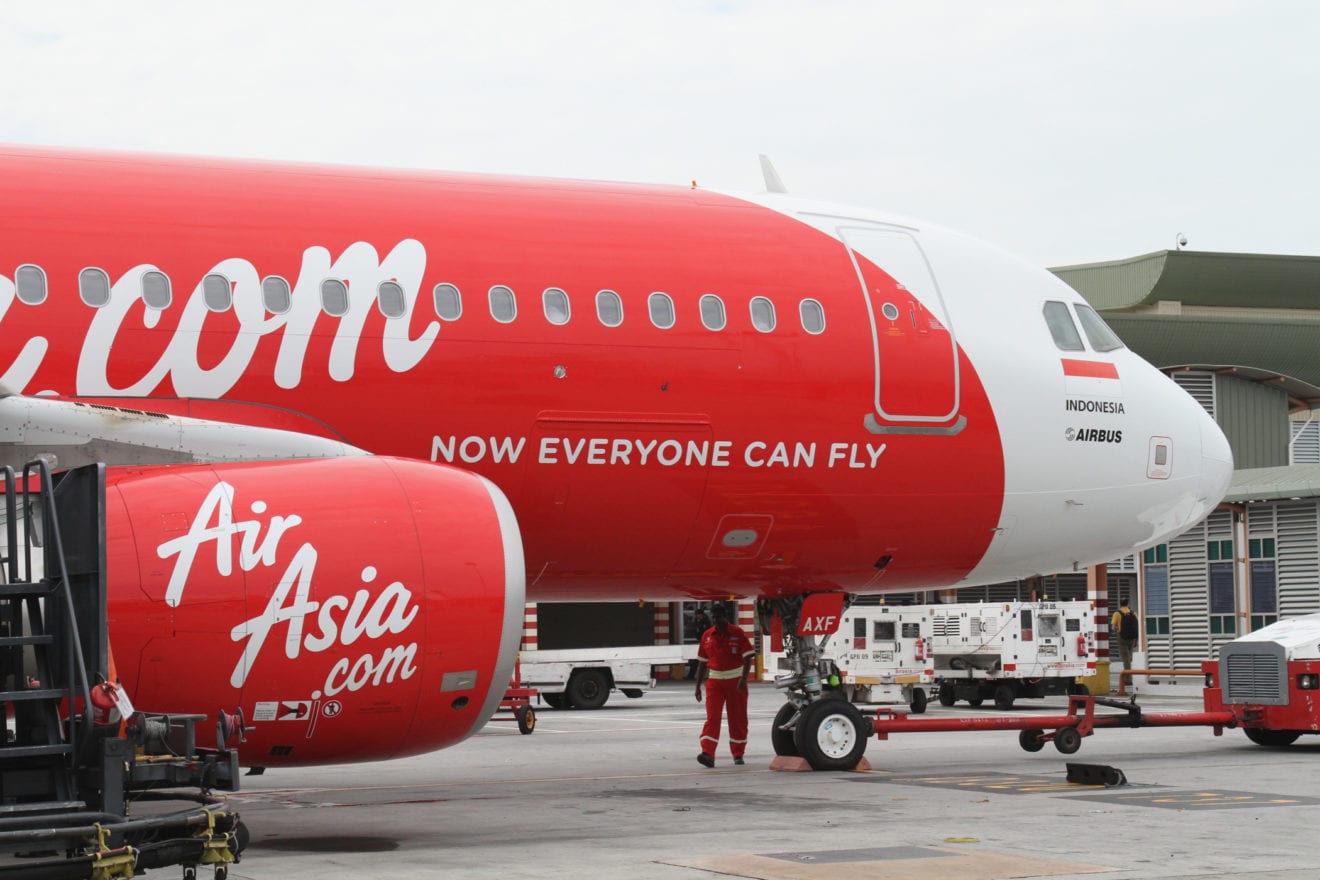
    Air cargo has been a “diamond in the rough” for AirAsia during the Covid-19 pandemic and is likely to retain a high importance to the business in the longer term, according to group chief executive Tony Fernandes.

    “What was a ‘nice to have’ has become something that could be as powerful as our passenger services,” Fernandes said during a CAPA Live event on 14 July. “Covid has driven e-commerce to another level, and hence air cargo has become much more valuable.”

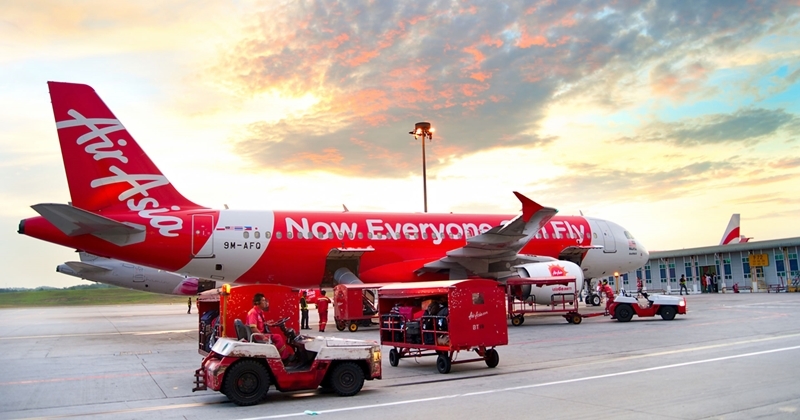
    Amid that change, AirAsia is expecting to receive its first dedicated freighter in the third quarter of this year and is currently removing the seats from two of its Airbus A320s before deploying them as temporary freight-only aircraft.

    Air cargo is “no more a stepchild” in AirAsia’s business, Fernandes says. “I never thought we’d have freighters, I never thought we’d be taking seats off the planes to do cargo.

    The move towards cargo has been made easier by AirAsia already having air freight expansion plans in place as the pandemic hit, he explains.

    “Prior to Covid, I began to see the eCommerce revolution and I started building a separate company called Teleport,” Fernandes says of AirAsia’s logistics arm.

    His aim is to do to cargo operations “what we did to passengers… and eliminate the middlemen”. As part of that process, AirAsia began to deal more with freight forwarders, then direct customers. At the same time, Fernandes says AirAsia “consolidated all our space across all the airlines”.

    “We built a blockchain to deal with that, so there was one airline, as opposed to five different airlines,” he says in reference to the freight capacity across AirAsia Group’s carriers.

    “Five our six other airlines have joined us now in selling space together,” he adds.

    Amid that growth, Fernandes is also cautious about the longevity of current market dynamics.

    “There is a false market out there, so we shouldn’t all get carried away, because [the return of] belly space is going to change the economics again,” he states.

    Regardless, air freight is now front and centre of the carrier’s planning.

    ”When a budget plan is put in front of me, it’s now ‘where are the cargo routes, where are the cargo-only routes?’,” Fernandes says. “Models have to be redone, [but] it’s easier at AirAsia because we are a very nimble even though we are big. I’ve always been a change agent so the staff are used to that.”

    And his ambitions stretch to the “whole logistics chain”, he says: “I also want to be in the warehouse game. We are going to cover everything.”

    AirAsia Group has focused on diversifying away from its core passenger-airline business during the pandemic, and in September last year launched AirAsia Digital, of which Teleport is one of three key focus areas.

    The others are an ecommerce-focused ”AirAsia Super App” and a Fintech company that provides payment, remittance and lending solutions.

  • Kerry Logistics recognised as “Most Honoured Company” for sixth year in a row

    Kerry Logistics recognised as “Most Honoured Company” for sixth year in a row

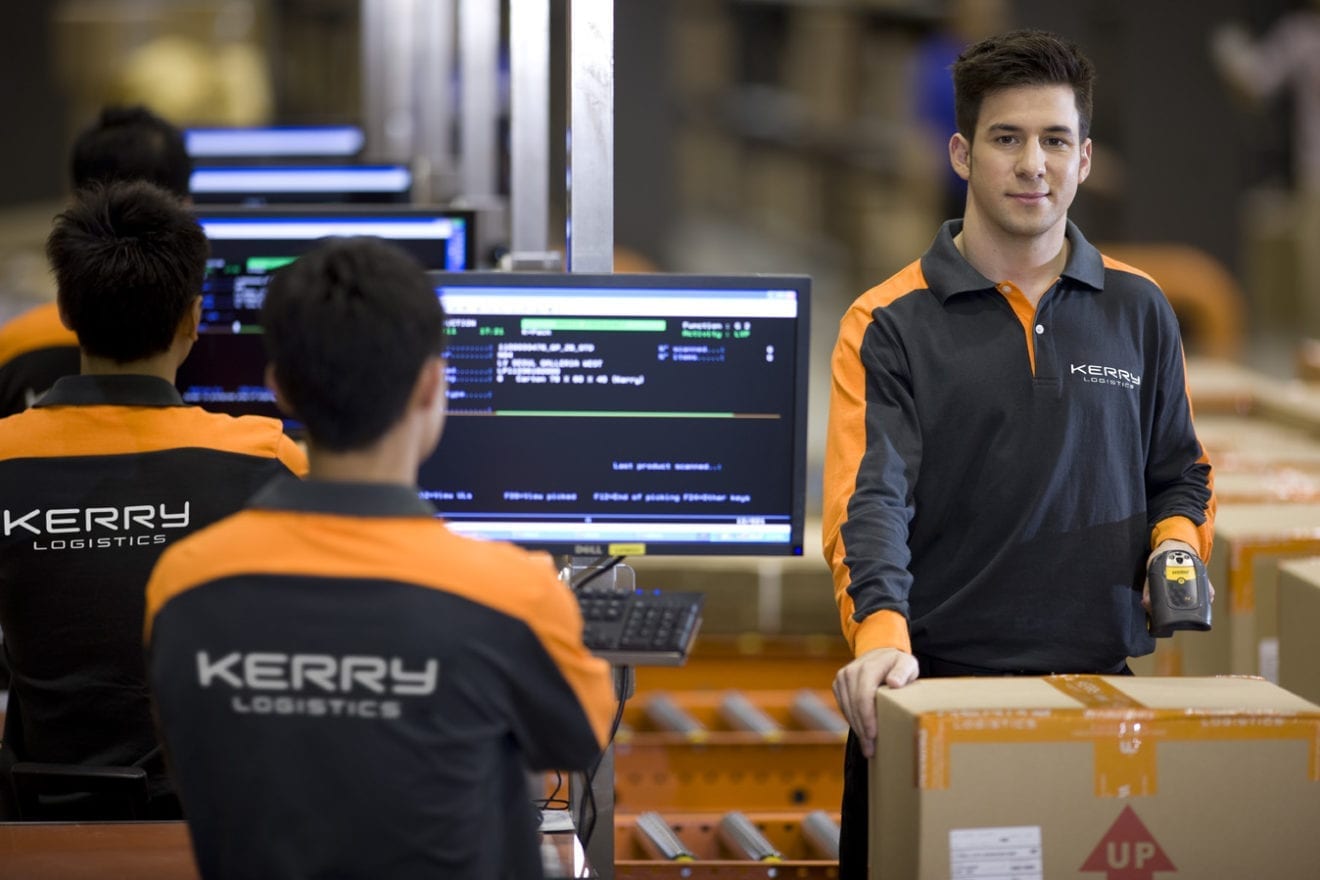
    Kerry Logistics Network Limited (‘Kerry Logistics Network’; Stock Code 0636.HK) is honoured to be recognised as one of the “Most Honored Companies” in Institutional Investor’s annual All-Asia (ex-Japan) Executive Team rankings for the sixth consecutive year. It was also ranked in the top three in five categories under the Transportation sector.

    Kerry Logistics Network and its key executives secured top three in the following categories, based on votes from buy-side analysts, money managers, and sell-side researchers at securities firms and financial institutions that cover the Asian region:

    • Best CEO – William Ma
    • Best CFO – Ellis Cheng
    • Best Investor Relations Professional – Iris Tsang
    • Best Investor Relations Program
    • Best ESG

    William Ma, Group Managing Director of Kerry Logistics Network, said, “We are honoured to be recognised once again for our commitment to a proactive investor relations strategy. While it has been imperative to respond to the challenges brought by the pandemic, in terms of investor relations, we have remained steadfast in maintaining our transparency, stepping up communication with the investment community and addressing investors’ concerns. Despite all the difficulties, we believe it is of paramount importance for us to keep our shareholders and investors up to date, particularly on Kerry Logistics Network’s latest corporate developments, while providing comprehensive disclosure to our stakeholders to ensure we create value for all. We are grateful to Institutional Investor and the investment community for the long-term support, and we will continue doing our best in applying global best practices in our investor relations programme.”

    Kerry Logistics has received the “Most Honored Companies” accolade since 2016. The 2021 All-Asia (ex-Japan) Executive Team rankings were determined by the votes from over 4,000 investment professionals across 1,285 financial services firms. The survey covered several core areas, including “Financial Disclosure”, “IR Services & Communications”, “COVID-19 responses”, “ESG”, “CEO”, “CFO” and “IR Professional”.

  • Logistics Company Cogos To Add 2500 EVs To Its Fleet Over Next 24 Months

    Logistics Company Cogos To Add 2500 EVs To Its Fleet Over Next 24 Months

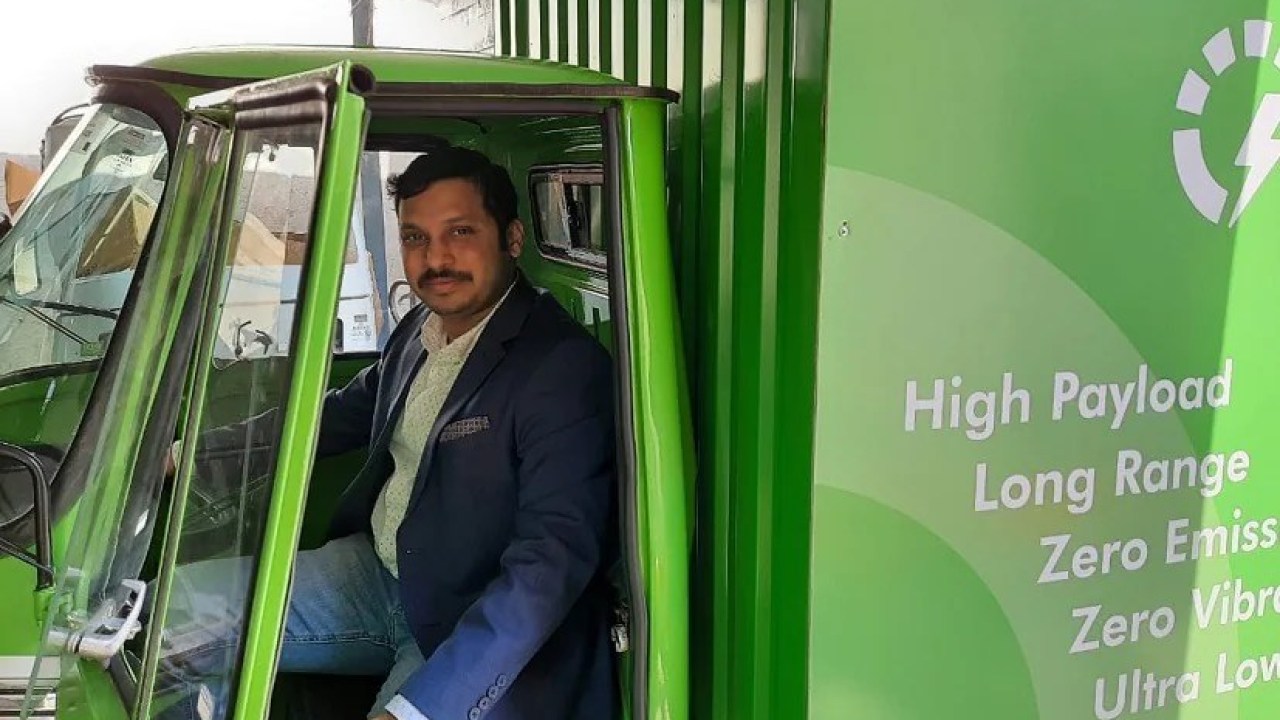
    Bengaluru-based logistics platform, Cogos, has announced that it will be adding 2500 electric vehicles (EV) to its delivery fleet across Bangalore, Hyderabad, Delhi, and Gujarat, and later in Maharashtra and Tamil Nadu. The company claims that it wants to reduce the carbon footprint of its fleet, and this move will help it achieve a reduction of 15000 tonnes of CO2 when running at full capacity, per year. The EVs will be added to the company’s fleet in a phased manner, over the next 24 months. Cogos has partnered with electric vehicle manufacturers like Altigreen, Mahindra, and Piaggio among others procure these EVs.

    Talking about the development, Prasad Sreeram, Co-founder and CEO, Cogos said, “It is important for us, as a logistics company, to focus not just on efficiency and cost, but also on sustainability. With this fleet augmentation of 2500 EVs, we are on track to achieve as much as 30 percent of our revenues from green technologies by 2023. We want to give customers a significant edge in efficient and responsible distribution and last-mile delivery solutions. EV is the future of mobility and city logistics have higher operating costs and lower traveling distances, hence are best suited for EV adoption for the logistics sector.”

    While currently, the company operates with three-wheeler commercial vehicles that have a payload capacity of 500 kgs, it is already working with the OEMs for four-wheeler EVs with a capacity of 1 tonne. The EVs will be used for the e-commerce, grocery, distribution, and mobility sector. Cognos has already entered into deployment agreements of 500+ vehicles for leading E-Com Enterprise and another 300+ with Food, FMCG, and Mobility enterprises.

    Cogos aims to strengthen the ecosystem by promoting EV ownership and creating a pool of fleet-owning entrepreneurs focused on sustainable growth. The company says that it will have a special focus on women empowerment through entrepreneurship and upskilling, along with evangelizing the benefits of EV to finance providers. To realize that, the company has entered into a tripartite agreement with the owner-operator and the financing entity, to support better financing for driver-partners. Cogos is also educating potential fleet owners on the benefits of EVs, like the fact that the cost of operating a commercial EV is only 50 paise per kilometer, which is multiple times lesser than fossil-fuel-based vehicles.

  • AirAsia to add first dedicated freighter in 3Q21

    AirAsia to add first dedicated freighter in 3Q21

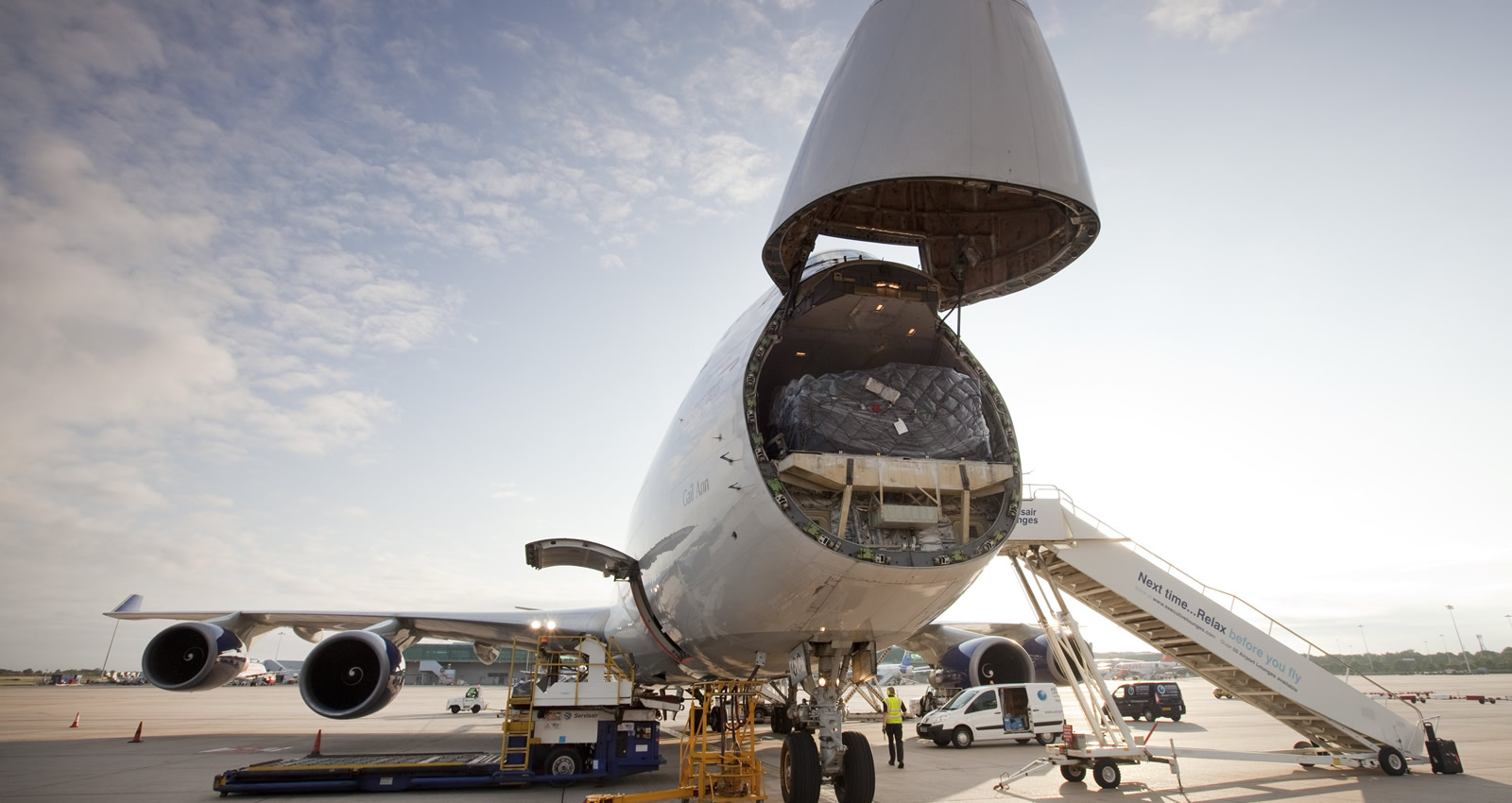
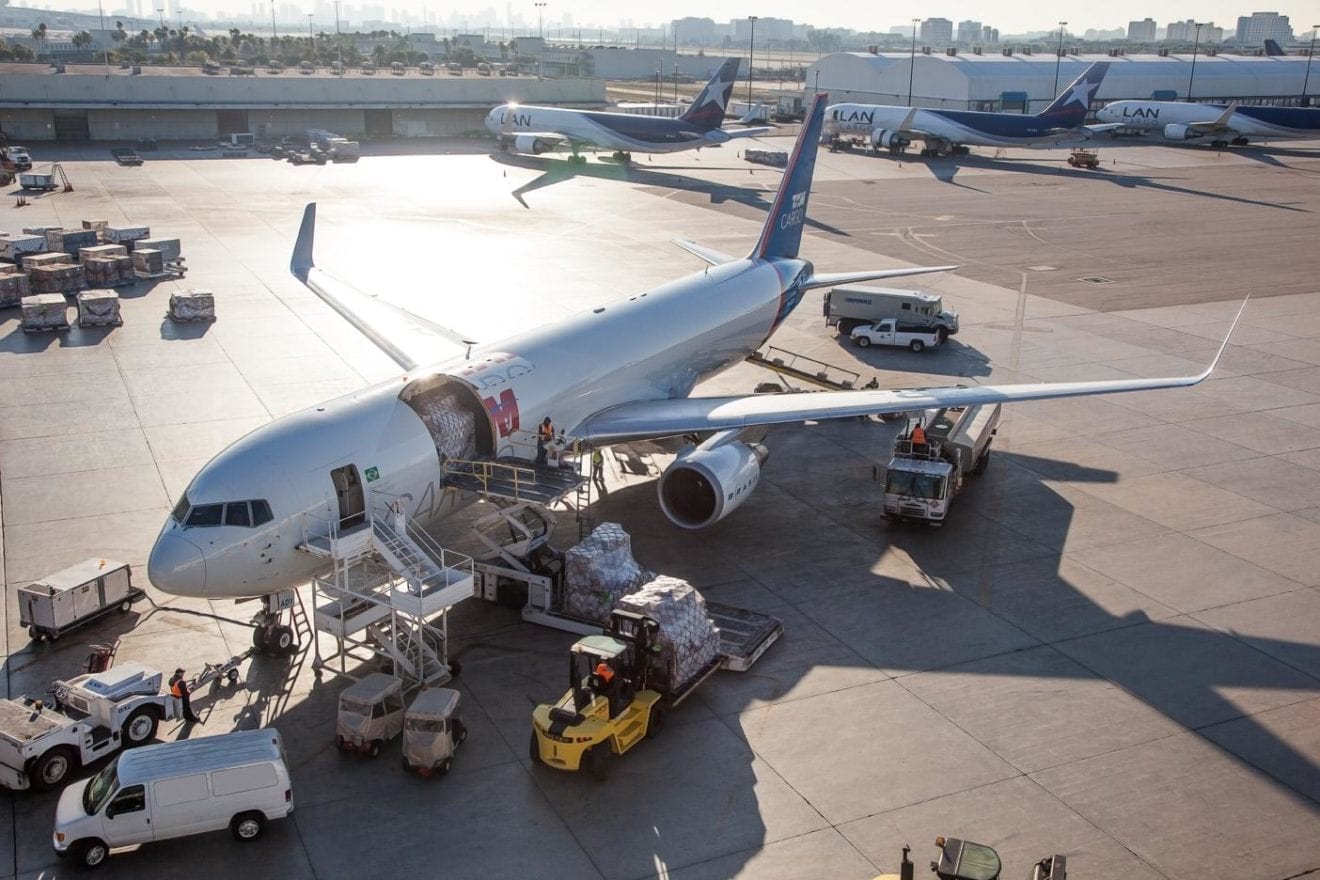
    AirAsia Group has announced it would significantly expand its presence on the cargo market with the planned addition of its first dedicated freighter, a B737-800(F), in the third quarter of 2021.

    The Boeing dedicated freighter will be based out of Bangkok Suvarnabhumi from where it will operate on behalf of Air Asia’s logistics arm, Teleport, to regional destinations in South-East Asia, India, Korea, Japan, Taiwan, China, and Hong Kong Int’l. The group did not disclose the identity or the exact variant of the aircraft. It also did not specify the Air Operator’s Certificate (AOC) on which the aircraft would be placed. ch-aviation has reached out to the group for comment.

    “It was evident at the end of last year that the demand for cargo capacity was not going to be served with passenger belly capacity alone in the long run. So, we evaluated the option to utilize dedicated freighters to transport cargo. This is also part of our strategy to build the capacity and connectivity to offer 24 hours door-to-door delivery across all of Southeast Asia,” Teleport’s Chief Operating Officer Adrian Loretz said.

    Teleport’s spokesperson Jessica Tan told ch-aviation that the aircraft will be operated by a third-party cargo airline on behalf of the logistics arm of AirAsia Group and not by any of AirAsia-branded airlines. She did not, however, disclose the identity of the operator just yet.

    The group will also remove seats from two A320-200s to use them as makeshift freighters on behalf of Teleport. One of the pair of Airbus narrowbodies will be based out of Bangkok Don Mueang and the other out of Kuala Lumpur Int’l.

    The first dedicated freighter and the two makeshift converted aircraft will complement the existing fleet of non-converted passenger aircraft used by AirAsia Group for Teleport’s operations. The holding said that last month, it had operated two A320-200s and six A330-300s for cargo-only flights on behalf of its in-house logistics arm.

  • DB Schenker, Volocopter develop heavy lift cargo drone

    DB Schenker, Volocopter develop heavy lift cargo drone

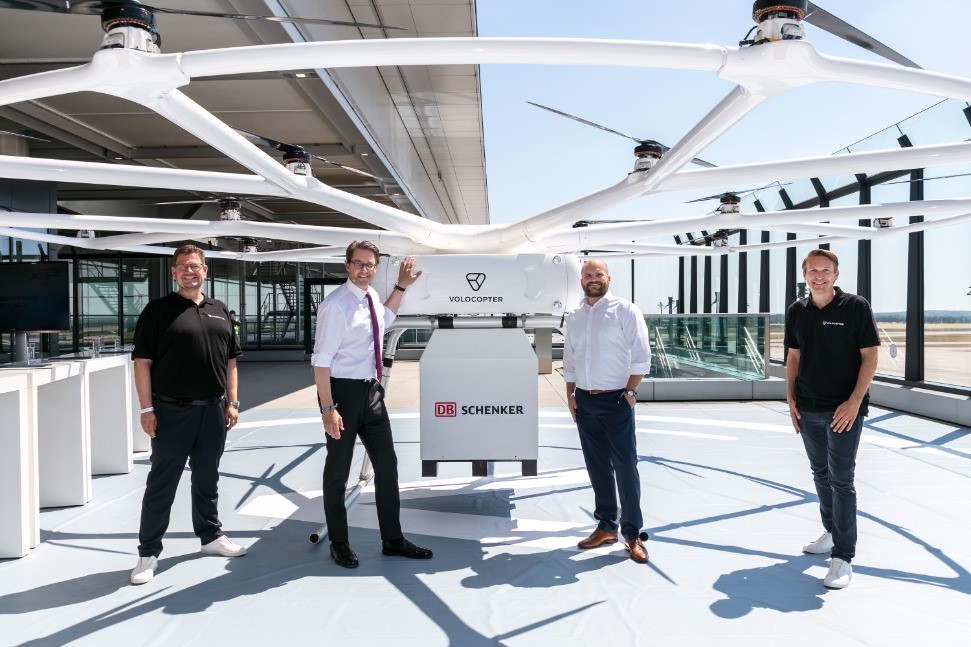
    DB Schenker and urban mobility air firm, Volocopter, have teamed up to develop solutions for the fast and emission-free transport of goods using heavylift drones.

    Volocopter exhibited its test VoloDrone aircraft, along with a sample transport container from DB Schenker, at Germany’s National Aviation Conference last week.

    In a statement, DB Schenker said the heavylift drone, which can take off and land vertically, is autonomously and electrically operated and can transport up to 200 kilograms (kg) of cargo with a range of up to 40 kilometers.

    The VoloDrone weighs 600 kg, it is 9.15 meters in diameter, 2.15 meters tall.

    Jochen Thewes, CEO of DB Schenker said the possibilities of utilizing the drone in logistics is “limitless.”

    “When the infrastructure for conventional means of transport is overburdened or non-existent, cargo drones offer an opportunity to rethink logistics routes. The possible applications in logistics are limitless. Through our partnership with Volocopter, this vision is gradually becoming reality. Drone transport is becoming increasingly tangible,” he said.

    DB Schenker noted that the first flight took place in 2019. Since then, regular flight tests have been conducted in southern Germany.

    Florian Reuter, chief executive of Volocopter, said: “Our VoloDrone will be put to use, where classical ground transportation meets its limits in logistics, construction, or agriculture.”

    The logistics company said the future logistical applications for the heavy-lift drone include places that are difficult or slower to reach by other means, such as islands, land-to-ship deliveries, transport to mountainous regions, or places isolated from road networks following natural disasters.

    Intra-city deliveries are also possible targets for such drone operations.

  • Airlines carry freight, charter flights to survive Covid hit

    Airlines carry freight, charter flights to survive Covid hit

    Airlines have strengthened freight services and offer charter services and discounts on passenger fares as they seek to recover from the slump caused by Covid-19.

    Vietnam Airlines recently converted one of its Boeing 787-9 aircraft to transport 40 tonnes of lychee from Hanoi to Ho Chi Minh City.

    Before the pandemic its Dreamliners had a busy schedule, flying to Europe, Australia and the ultra-busy Hanoi-HCMC sector, and few thought lychees will replace passengers on the modern airplane with a capacity up to 270.

    The carrier has also deployed other planes to transport lychee.

    Budget airline Vietjet has also been offering freight services to compete with leading logistic providers as demand balloons by the day. It has set up an online freight service, Swift247, in which it owns a 67 percent stake.

    In the first three months of 2021, Vietjet transported over 18,000 tonnes of cargo, with its cargo subsidiary contributing nearly 50 percent of total revenues.

    Since May, Bamboo Airways has been offer charter flights.

    To compete in the summer, the high season for air travel, carriers have offered big discounts on fares and promotions like free check-in baggage to attract customers back.

    Bamboo Airways reduced fares by 35 percent when booking five seats or more.

    Vietjet offered free insurance to all domestic passengers, including VND1 million compensation per day for loss of income in case of forced quarantine or Covid-19 infection as a result of traveling with it.

    Newcomer Vietravel Airlines, which has a fleet of three airplanes, is pricing tickets at below breakeven level, according to Nguyen Quoc Ky, its chairman.

    Vietnam Airlines and Vietjet have joined the effort to trial a vaccine passport.

    Next month, Vietnam Airlines will implement the International Air Transport Association’s Travel Pass initiative that allows people to store verified Covid-19 test and vaccination certificates on a smartphone app.

    This is seen as one of the keys to convincing countries to reopen borders to international travelers.

    According to Planespotters, an online database on commercial aviation based in Berlin, Germany, over half of all aircraft in Vietnam are idling in near-empty airports.

    Vietnam Airlines is currently operating only 47 of its over 100 planes, including 15 of its 29 wide-body airplanes (A350 and B787).

    In the case of Vietjet Air, over 50 out of its 74 airplanes are not flying.

    In the first quarter, Vietnam Airlines suffered losses of nearly VND5 trillion ($218,4 million). To generate sufficient cash flows, it is now selling 11 of its A321 CEO planes.

    Bamboo Airways has the least number of idle aircraft, nine out of 27.

  • New cargo airline to advance Vietnam logistics

    New cargo airline to advance Vietnam logistics

    A fully-fledged cargo airline in Vietnam would boost logistics development and stir up competition in the aviation sector amid an e-commerce boom, experts say.

    “Vietnam needs a cargo airline to boost the transport of goods domestically and internationally. It will bring about many economic benefits,” said aviation expert Nguyen Thien Thong.

    He was commenting on a proposal by retail company Imex Pan Pacific Group (IPPG) to establish a cargo airline by next year, the first fully-fledged such company in Vietnam.

    With an initial investment of VND2.4 trillion ($103.6 million), IPP Air Cargo will start with five freighters. It estimates revenues of $71 million in the first year of operation.

    It would be the only cargo-dedicated airline in Vietnam, where all six carriers prioritize passenger transport.

    Vietnam ranks eighth among the top 10 emerging logistics markets globally, but 80 percent of the market is in the hands of foreign companies, according to the Vietnam Logistics Association.

    Logistics costs in Vietnam account for over 20 percent of its GDP, while the global average is 11 percent.

    This shows that there is a need for domestic companies to step up and take over the industry from foreign companies and reduce costs, experts say.

    Former Prime Minister Nguyen Xuan Phuc had in September last year ordered the Ministry of Transport to research the possibility of establishing a cargo airline to help distribute agriculture and electronic goods.

    In 2008, Trai Thien Air Cargo had received a permit for domestic and international transport, but it was not active for three years and the permit was canceled in 2011.

    IPP Air Cargo seeks to be the cargo airline the country needs. IPPG chairman Johnathan Hanh Nguyen said that the company will focus exclusively on cargo and not branch into passenger transport, avoiding competition with other airlines.

    Nguyen, a professional with experience in logistics and aviation, said he targets claiming 38 percent of Vietnam’s logistics market.

    The company will negotiate with foreign airlines to establish linked routes to 16 airports in Vietnam which will help transport goods directly from localities of origin instead of through big airports, he said.

    He also told the Thanh Nien newspaper that he had been developing a logistics network over the past year to prepare for the airline.

    However, his airline will not be the only cargo carrier in the sky. Vietnam Airlines has long been eyeing the establishment of its own cargo fleet, and during the pandemic, it removed seats from 12 wide-bodied aircraft and converted them into cargo carriers.

    Both Bamboo Airways and Vietjet have also mentioned plans to develop their own cargo fleet, but neither has made any concrete move towards this.

    Tong said that there could be competition in the industry, but eventually, it will benefit the development of e-commerce when a network of air cargo transport is established.

    “Coffee from the central highlands, lychee from the northern province of Bac Giang and seafood from the Mekong Delta region can be transported within a day to any locality if cargo air routes existed,” he said.

    Having a cargo airline is a necessity as most countries have at least one, and the recent boom in e-commerce means there is high demand for such transportation. This is the right time, therefore, for Vietnam to establish its own cargo airline, he added.
  • High costs a drag on domestic logistics industry

    High costs a drag on domestic logistics industry

    High costs and delivery failure rates continue to plague local logistics companies, which are unable to compete with foreign-owned rivals.

    Dao Trong Khoa, vice president of the Vietnam Logistics Business Association (VLBA), said the cost of logistics in Vietnam is equivalent to 20 percent of GDP while the global average is around 11 percent.

    The delivery failure rate is around 10 percent, adding to the cost of logistics as businesses have to bear additional expenses for storage and inventory management.

    The vast majority of domestic logistic companies are small ones that primarily provide low-value-added services and intensely compete among themselves.

    The lack of coordination among them means they are unable to compete with multinational companies, who have grabbed an 80 percent market share.

    Deputy Minister of Industry and Trade Tran Quoc Khanh said local logistics companies have to find new spaces to grow.

    Tran Trung Hung, general director of Viettel Post, warned they would continue to languish if there is no technical innovation, especially in digital transformation.

    Do Huy Binh, director of the digital solutions provider Smartlock, said digital transformation is key to reducing costs, and logistics companies could cut up to 30 percent of their costs. “Investment in technology is a no-brainer for logistics companies; it is a step into the future.”

    According to the VLBA, there are around 30,000 logistics companies in the country, 4,000 of them foreign-owned.

    The industry is growing at 12-14 percent annually and is now worth $40-42 billion.

  • Rhenus Logistics opens free zone warehouse in Bangkok

    Rhenus Logistics opens free zone warehouse in Bangkok

    Global logistics service provider Rhenus Logistics has opened a new free zone warehouse in Bangkok, Thailand, as it aims to serve a wider range of industries.

    The warehouse is strategically located within a 10-kilometre radius of three existing warehouses that house general cargo and dangerous goods.

    Rhenus says the facility, located within Bangkok’s free trade zone, will offer a wider range of services to key industries like manufacturing, medical devices and healthcare, whilst offering better value for customers, including duty exemptions.

    “The warehouse provides added convenience to customers who conduct business in the nearby Bangkok metropolitan city, with its close proximity to key freight hubs at Suvarnabhumi Airport and Thailand’s major sea ports,” the company said.

    Rhenus noted that the facility features its latest in-house technology and an ecofriendly design. Customers in electronics and medical devices with specific storage requirements can safely and securely tap on its 450-sqm temperature and dust-free controlled room, ambient storage facilities and the anti-static testing room.

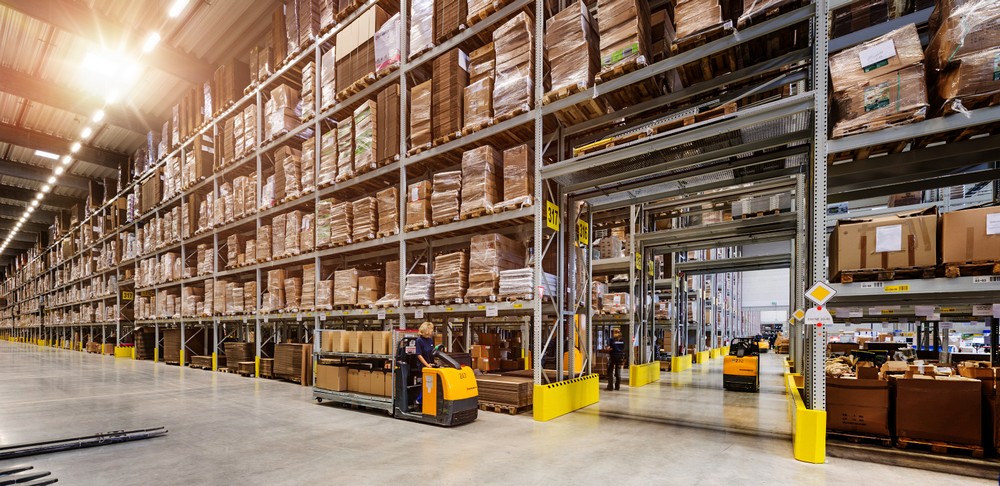
    The warehouse supports pallet storage for standard cargo and block space for oversized cargo up to 3 tonnes, offers flexible in-transit capacity for large shipments, with comprehensive 24-hour security measures within and around the facility.

    “With its strategic proximity to the Bangkok Free Trade Zone, we hope to better support evolving warehousing needs by providing more space options, improving quality and all while reducing operational costs for our customers,” said Tim Burger, director warehousing and transport, Rhenus Logistics Thailand.

  • Suez blockage threatens Vietnam trade with Europe, US

    Suez blockage threatens Vietnam trade with Europe, US

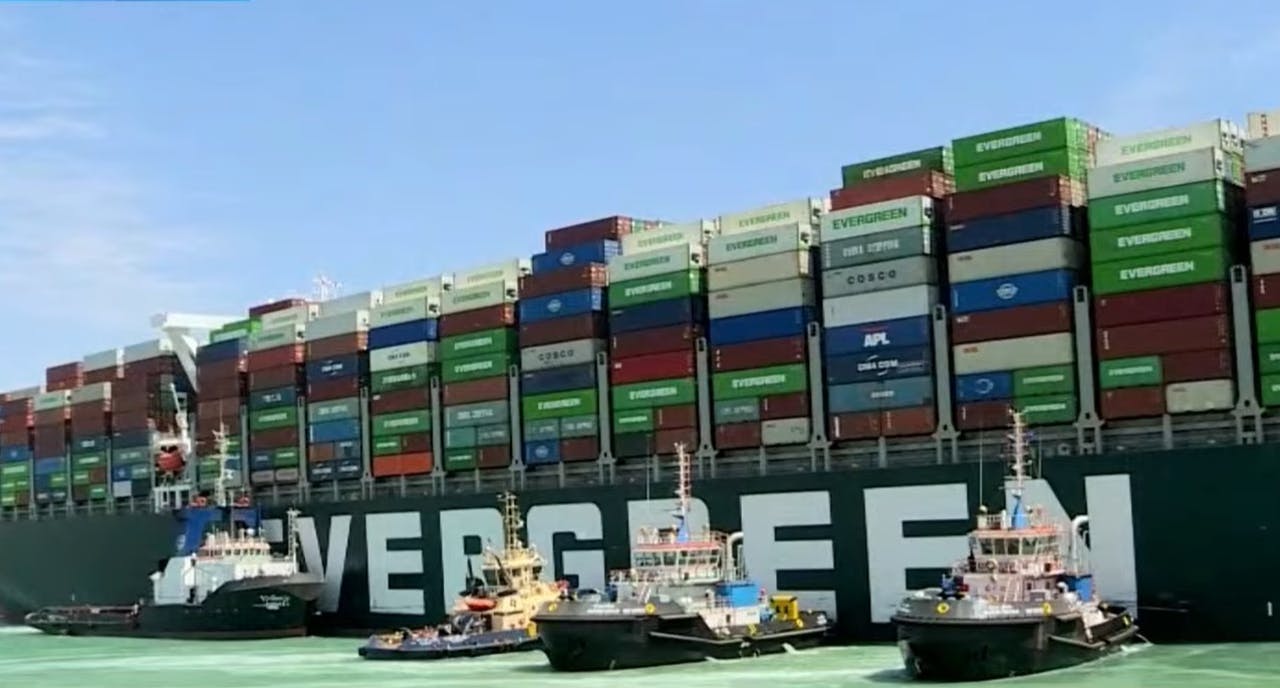
    The Suez Canal blockage caused by the Taiwanese container vessel Ever Given is threatening to delay some of Vietnamese exports and imports.

    The longer it lasts the more losses Vietnamese seafood exporters would suffer since they are the one in charge of shipping seafood to their partners, according to Truong Dinh Hoe, general secretary of the Vietnam Association of Seafood Exporters and Producers (VASEP).

    “Vietnam and many other countries are short of containers for exports and face surging freight rates. The Suez blockage could make freights rise even higher, putting Vietnam’s seafood export firms in difficulty,” he told local media.

    The blockage would temporarily increase Vietnamese exports’ transportation time to the U.S. and Europe by at least one to two weeks since ships have to go around the southern tip of Africa.

    Maersk, a Danish shipping company, said it has three vessels stuck in the canal and 27 others waiting to enter, with two more expected to reach the site on March 28.

    The company has decided not to wait for Ever Given to be extracted and instead redirected its vessels around the Cape of Good Hope, adding 10-14 days to their itinerary to U.S. ports.

    “In Vietnam, shipping route TP17 from the Cai Mep-Thi Vai Port in the southern province of Ba Ria-Vung Tau to the U.S’s east coast, which goes through the Suez Canal, is affected,” a spokesperson for a Vietnamese logistics firm said.

    Multinational electronics companies in Vietnam will be affected if the blockage prolongs since it will delay imports of components.

    Tran Thanh Hai, deputy director of the Agency of Foreign Trade, said the impact of the blockage on Vietnam-Europe trade would depend on the time it takes to dislodge the ship.

    The Ministry of Industry and Trade has instructed Vietnam’s trade office in Egypt to keep it updated on the extrication of the ship.

    On March 23 Ever Given ran aground in one of the world’s busiest waterways. According to the Suez Canal Authority, the ship was unable to keep a straight trajectory due to high winds and a sandstorm that reduced visibility.

    In the morning of March 29, Ever Given was wrenched from the shoreline and set partially afloat again after six days in the ground, according to Inchcape, a British provider of marine services.

  • Vietnam posts $665 million trade surplus with the UAE

    Vietnam posts $665 million trade surplus with the UAE

    Vietnam posted a $665 million trade surplus with the United Arab Emirates (UAE) in the first two months of 2021, alongside an increase in both exports and imports.

    Vietnam’s exports to the UAE rose 60 percent year-on-year $737 million, while imports increased 44 percent to $72 million, according to the General Department of Vietnam Customs.

    Total Vietnam-UAE trade value surged 58 percent year-on-year during this period.

    Phones and components were Vietnam’s foremost exports to the UAE with a value of $551 million, up 108 percent year-on-year. Exports of agriculture and aquaculture products also experienced robust growth. Cashew exports hit $10.3 million, a year-on-year rise of 600 percent.

    Vietnam’s main import from the UAE is the plastic raw material, reaching $41.8 million, a year-on-year increase of 66 percent. Among the products imported from the UAE, only petroleum products saw a 42 percent year-on-year decline to $2.5 million.