Retail News CRM

Tag: cargo

  • Innovative logistics models in great demand

    Innovative logistics models in great demand

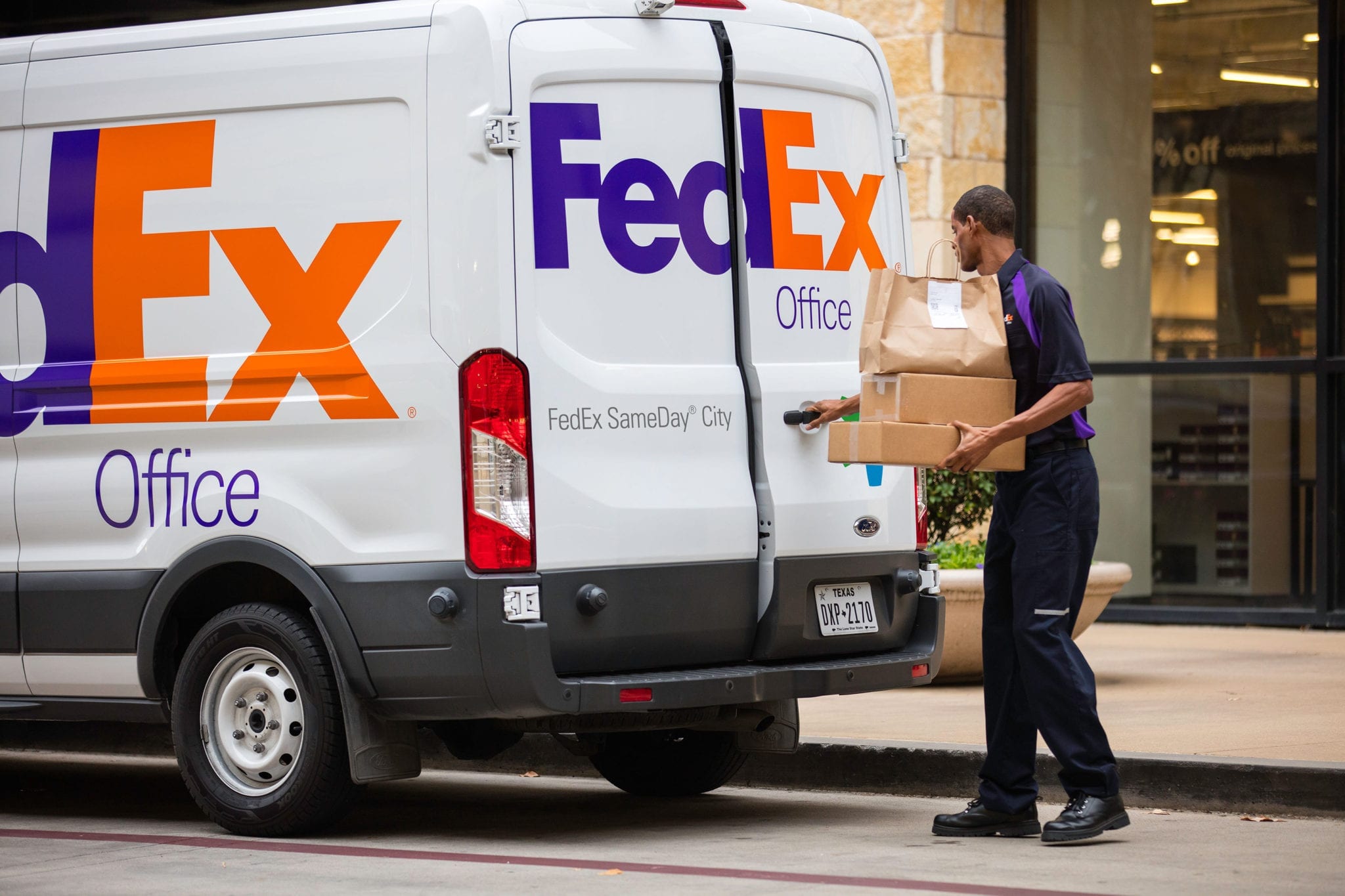
    Hardy Diec, Managing Director of FedEx Express Indochina, predicts greater demand for innovative logistics models to enhance online to offline customer experience and support swift pivot businesses.

    What’s the status quo with the logistics industry?

    Supply chains have never been more important. More than that, reliability and accuracy in these supply chains have now become even more paramount. During this pandemic, the logistics industry has proven to be vital, whether in delivering critical healthcare shipments including vaccines and medicine, or delivering huge volumes of e-commerce shipments to end consumers.

    The pandemic has shifted consumer behavior greatly. The boom in e-commerce will continue to be a powerful engine of the global economy. We’re witnessing how essential supply chains are to business survival, success and growth – they are not just an opportunity to reduce cost.

    Businesses are rethinking their supply chains, moving to a “just in case” approach for inventory management to counter unplanned scenarios. Being able to receive products and critical components either by 10:30 a.m. or noon from overseas suppliers means businesses can now improve their competitiveness in the marketplace. In turn, it is driving demand for early-in-the-day delivery of time-sensitive shipments services like FedEx International Priority Express (IPE).

    Demand for cross-border e-commerce is expected to grow even post-pandemic in Vietnam and the region. Vietnam’s e-commerce market is forecast to grow by a staggering 300 percent, from $13 billion in 2021 to $39 billion in 2025, with more consumers shopping online. There will be greater demand for innovative logistics models for a seamless online to offline customer experience and to support the swift pivots businesses are taking to sell online, in step with customer demand.

    What solutions does FedEx provide, given the above insights?

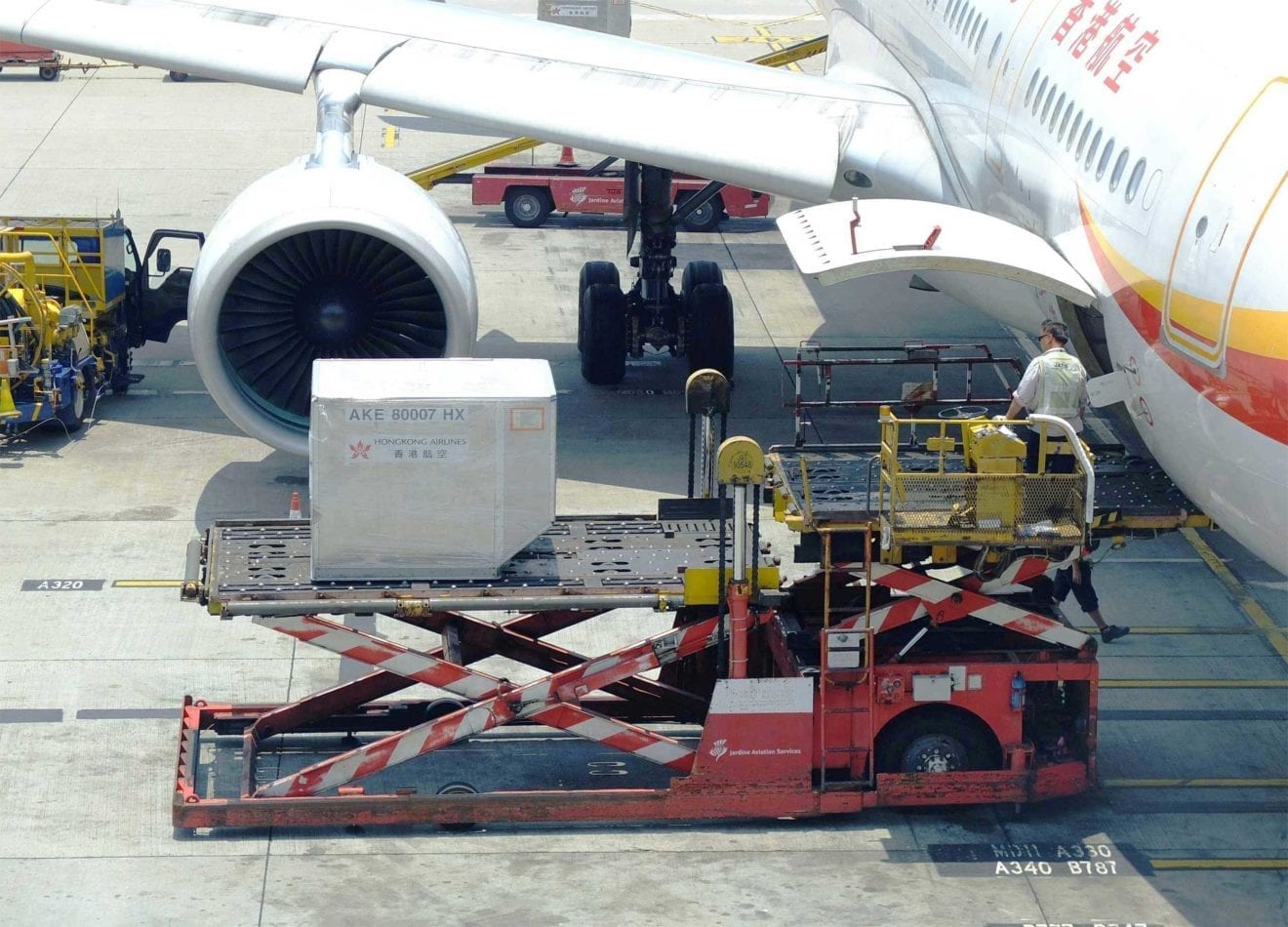
    Firstly, investing in our air network enables us to move quickly to changes in supply chains. When we saw high demand for express air cargo, we were able to add six new flights, starting in August 2021, to enhance connectivity to Europe and the U.S. for customers in Asia Pacific -including Vietnam businesses – adding nearly 2,700 tons in capacity every week.

    To cater to different e-commerce shipping needs, we’re offering businesses in Vietnam more options using different modes of transport through our air, sea and road networks. This includes connecting regional and domestic cities through our FedEx Asia Road Network (ARN) – spanning more than 7,000 km – delivering to eight major locations: Hanoi, Guangzhou, Bangkok, Da Nang, Ho Chi Minh City, Penang, Kuala Lumpur and Singapore.

    We continue to enhance our regional and global network to enhance connectivity with other competitive markets for our customers to access and we are building solutions that will empower Vietnamese businesses to participate in cross-border trade particularly in the dynamic e-commerce marketplace.

    What advice do you have for business owners in Vietnam? What are the opportunities at the moment?

    Firstly, take advantage of free-trade agreements such as the Comprehensive and Progressive Agreement for Trans-Pacific Partnership (CPTPP), the Vietnam – EU (EVFTA), and the Regional Comprehensive Economic Partnership (RCEP), the world’s largest free trade agreement, which can boost investment access and freer trade with these trading partners. These FTAs enable Vietnam businesses to take advantage of reduced tariffs and at the same time attract companies to relocate or expand manufacturing in Vietnam and export to partners. Improved trading access will offer greater opportunities to grow cross-border trade for Vietnam.

    E-commerce and digitalization are key opportunities for Vietnam businesses particularly for small and medium-sized enterprises (SMEs) to spur growth. Vietnam has more than 870,000 enterprises, with SMEs accounting for more than 98 percent. While SMEs have been some of the hardest hit during the pandemic, by shifting to online business models and digitalization they have also been the community who stand to benefit the most and stay ahead and boost competitiveness.

    A key factor to winning in e-commerce, identified in our FedEx whitepaper “E-commerce Megatrends to watch” is making online shopping a more “connected” experience across platforms. This requires a smooth end-to-end shopping experience from the moment they enter the website or social channels all the way to fulfillment and finally delivery.

    To help Vietnam’s businesses, including SMEs, deliver a seamless e-commerce experience from online to offline, we’ve teamed up with more than 20 e-commerce platforms and marketplaces. Enabling customers and e-tailers to select our range of shipping capabilities and easily generate FedEx shipping labels or use additional specialized FedEx features without leaving those e-commerce platforms has become our priority.

    Moreover, we’re using digital solutions to make shipping smarter and easier. Our goal in digitization is to give greater control and visibility for businesses to manage e-commerce shipments. For instance, FedEx Delivery Manager International allows e-tailers to offer their customers the freedom to customize their delivery preferences. In addition, we improving easy-to-use online tools like FedEx ship manager, manager, online billing (FedEx Billing Online); FedEx electronic trade documents, helping both e-tailers and consumers save time when preparing shipments and stay competitive.

    What is the FedEx vision for the future?

    Trade, while being an important driver of Vietnam’s remarkable economic growth over the past two decades, is carbon-intensive – accounting for one-third of the country’s total greenhouse gas emissions. Addressing climate challenge is a very real need today, and an important and collective effort which will impact the future of the country and the health of our communities.

    That’s why we’re using our expertise in logistics to build more sustainable transportation solutions. In fact, we’re working our way toward delivering a more sustainable future including our goal of carbon neutral operations by 2040, which will outpace the targets set by the Paris Climate Agreement by a decade. To achieve this ambitious goal, we’re investing US$2 billion into three key areas that matter the most – vehicle electrification, sustainable energy, and carbon sequestration.

    At the same time, we’re looking to innovative technologies and Artificial Intelligence, including robotics and unmanned vehicles – to reduce road transportation costs and help tackle traffic congestion in cities. For instance, we’re testing zero-emissions autonomous delivery vehicle in China through collaboration with Neolix and battery powered robotics Roxo™, the SameDay Bot® to explore new ways of delivering to our customers’ door-step more sustainably. We will continue to look at ways to connect the world responsibly and resourcefully.

    As one of the world’s largest transportation providers, what role does FedEx play in terms of social responsibility?

    Using our network to deliver for good is what we do and who we are. Not only are we connecting trade and moving the world forward every day, but one of our most important roles is delivering critical aid. Since the start of the pandemic, we have transported more than 14,000 Covid-19 humanitarian aid shipments throughout the world including moving vaccines and test kits to support Vietnam’s fight against Covid-19. Most recently, we delivered 76 tons of critical medical aid for Ukrainian refugees to Poland via a FedEx humanitarian relief flight in March.

    Fostering future entrepreneurs in Vietnam is important to us because we see small business as a driver to creating new jobs, support their families and contribute to thriving communities. For more than a decade, we’ve been inspiring the next generation of leaders in Vietnam through the FedEx/Junior Achievement International Trade Challenge (FedEx/JA ITC) program. FedEx was founded by an entrepreneur with an innovative business idea, which is why we believe in giving resources to people with great ideas that have the potential to change the world for the better.

    Moreover, we support improving healthcare access for remote areas in Vietnam. Through the FedEx delivery heartbeats outreach clinic program, in collaboration with VinaCapital Foundation (VCF), we are bringing free specialty healthcare and medical treatment for congenital heart disease to children in rural areas of the country. We’re proud that our efforts are improving the lives of more than 200,000 children. To add, in May, we’re teaming up with Orbis to train eye care professionals across Vietnam on ways to prevent the worsening of vision loss due to glaucoma in our new virtual Flying Eye Hospital project. By combining online and practical training, we will enable more skilled eye care professionals to offer access to quality eye care for patients particularly in rural areas.

    Through collective efforts we will continue to deliver positive changes to help local communities, businesses and economies prosper.
  • China’s JD Logistics seals US$1.1bn capital increase, stock drops

    China’s JD Logistics seals US$1.1bn capital increase, stock drops

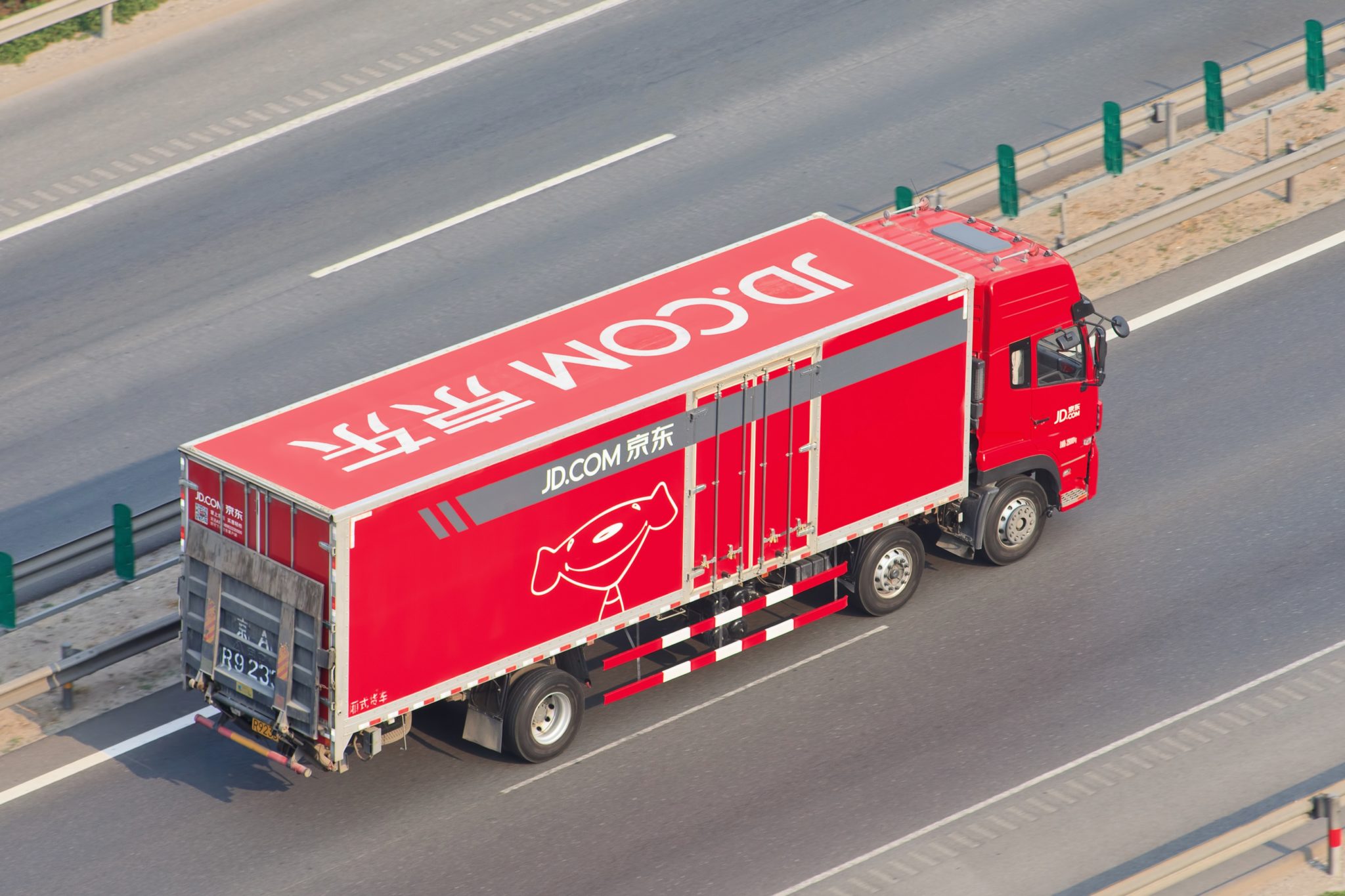
    China’s JD Logistics priced new shares issued on Friday (Mar 25) in a US$1.1 billion capital increase at a steep discount to their previous close, triggering a slump in its stock early in the Kong Kong trading session.

    According to a Hong Kong Stock Exchange filing, JD Logistics priced the shares at HK$20.71 each, a discount of about 10 percent to Thursday’s closing price, to raise HK$8.53 billion (US$1.09 billion) on Friday. The stock fell by up to 11 percent on Friday in early trade to HK$20.35.

    The deal consisted of a placement of about US$700 million worth of shares to its parent company JD.com, and about US$400 million in a primary share sale, according to filings on Thursday.

    It was the first follow-on share sale in Hong Kong since Feb. 21, and the biggest since Sunac China carried out a US$580 milllion top-up placement in early January.

    It was also the third-largest follow-on deal in Asia and fifth globally this year, according to Refinitiv data.

    The share sale came despite ongoing volatility in regional equities markets, with Hong Kong’s Hang Seng Index down 6.5 percent this year.

    The top 15 investors who bid during the bookbuild were allocated 80 per cent of the stock that was on offer, according to a source with direct knowledge of the matter, who declined to be identified because he was not authorised to discuss the deal.

    JD.com did not immediately respond to a request for comment on the deal’s composition.

    JD Logistics said it would use the money raised to help fund potential acquisitions and build up its cash reserves.

  • Importance of On-Demand Spare Parts Logistics (SPL)

    Importance of On-Demand Spare Parts Logistics (SPL)

    Armstrong & Associates estimates that the global spare parts logistics (SPL) market rakes in over $52 billion every year, representing about 7% of total 3rd party logistics (3PL) revenue. Since its last case study on this logistic sector, the global spare parts logistics market between 2008 and 2016 saw a compound annual growth rate (CAGR) of over 5%.

    The report outlines the global spare parts logistics estimates, which are further magnified to the region/country level and for many crucial market segments. The SPL market is driven by high-value manufactured goods and their servicing, specifically in the technological, industrial, and automotive verticals.

    The automotive segment accounts for more than $18 billion, or around 34% of total spare parts logistics revenue. This is followed by the tech sector at $17.7 billion, or around 33.5%. The industrial segment accounts for about $11 billion, or around 21% of total spare parts logistics revenue. Healthcare and elements constitute smaller portions of the total revenue: $2.1 billion—4.0 percent and $3.9 billion, or 7.4 percent.

    Shippers depend on 3rd party logistics company to fulfill short turn-around inventory supply order while reducing costs. To aid shippers’ spare parts management needs, 3PL companies provide services like warehouse management, transportation, parts and network planning, reverse logistics, inventory management, order fulfillment, and parts distribution. On top of this, some companies provide value-added services like field technician training, call center staffing as well as refurbishment and repair services. 3PLs meet shippers’ needs with their standardized processes, scalability, flexibility, analytics and reporting, value-added services, integrated IT solutions, and strategically positioned global networks.

    For each of the 8 leading companies mentioned in the report – CEVA, SEKO, Ryder, Dachser, DB Schenker, DHL, FedEx, and UPS – the report describes cases studies, customers, technology supporting SPL activities, as well as industries and markets serviced. Network scope is also highlighted, with forward stocking locations and control towers.

    UPS, for instance, has more than over 23,000 global UPS Access Points (with over 7,500 of these locations in the US), 5 global control towers, and over 1,000 forward stocking locations. Forward stocking locations are usually located within 2 hours from around 80% of the population. In Europe, about 99% of businesses are located within 4 hours of a UPS forward stocking location. Courier services can be used for next-flight out and same-day deliveries as needed.

  • China’s JD Logistics agrees to buy courier company Deppon

    China’s JD Logistics agrees to buy courier company Deppon

    Chinese e-commerce giant JD.com on Sunday said that its subsidiary JD Logistics has agreed to buy domestic courier Deppon Logistics.

    Under the deal, JD Logistics will acquire 99.99% equity stake in Deppon Holdco for a total consideration of about 9 billion yuan ($1.42 billion). Deppon Holdco owns a total of about 66.50% of Deppon Logistics.

    JD Logistics will then make an offer for all the issued shares of Deppon Logistics not held by Deppon Holdco, for 13.15 yuan per share.

  • First cargo airline gets aviation authority green light

    First cargo airline gets aviation authority green light

    The Civil Aviation Authority of Vietnam has recommended that the Ministry of Transport should issue an air transport license to Vietnam’s first proposed cargo carrier, IPP Air Cargo.

    It said the airline meets all requirements, including 100 percent funded ownership by Vietnamese entities.

    IPP Air Cargo has a charter capital of VND300 billion ($13.13 million), with Imex Pan Pacific Group holding a 70-percent stake and the family of Johnathan Hanh Nguyen, the company chairman, the rest.

    Nguyen had mooted the establishment of the airline last year, but the CAAV said it was not considering applications amid the Covid-19 outbreak.

    With Vietnam now resuming international flights, IPP Air Cargo is set to become its first full-fledged cargo airline.

    After the air transport license, the company has to get other permits to fly, including the aircraft operator certificate.

    IPP Air Cargo plans to start with five freighters (Boeing 737 or 777 or equivalent) and double the number in the fifth year.

    It targets revenues of $71 million in the first year of operation.

  • J&T Express Expands Global Network Coverage to Include Mexico

    J&T Express Expands Global Network Coverage to Include Mexico

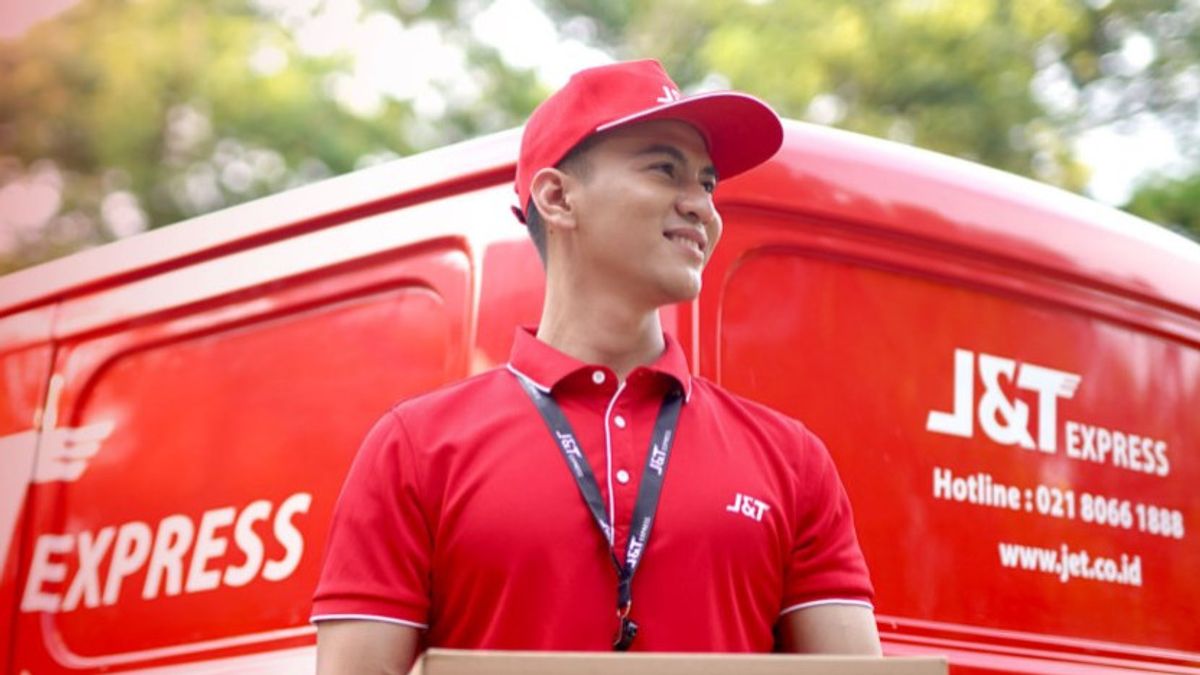
    J&T Express, an international express logistics company, announced last week that it has officially entered the Latin American market and successfully launched its network in Mexico.

    This latest expansion brings J&T Express’ global network coverage to a total of eleven countries, enabling the logistics leader to support its customers to further tap into the e-commerce boom by reaching global markets beyond Asia.

    With 12 sorting centers and 26 distribution centers in Mexico, the network covers key regions in all 32 Mexican states. As an important aspect of its courier service, the Mexican version of the J&T Express mobile application will also be launched soon.

    “As part of a new generation of express logistics companies with increased focus on internationalization, J&T Express attaches significant importance to the Latin American market,” said Charles Hou, Group Vice President of J&T Express. “The launch in Mexico is an integral step in the expansion of our global network, which further demonstrates the benefits of the regional sponsorship model in our global expansion. In the future, we hope to continue building our competitive advantage through refined local operations, our unique management model and technological improvements, to provide customers with quality logistics experience.”

    Ryan Zhang, Head of J&T Express Mexico, said, “Mexico is a logistics hub in Latin America, and home to the headquarters of many Latin American companies. It serves as an important strategic channel for J&T Express to continue its expansion in the market. This network launch is another milestone in J&T Express’ international strategy, and we hope to create a pleasant courier and shipping experience for our Mexican customers through efficient and high-quality services.”

    Previously, J&T Express’ delivery network covered ten countries and regions including China, Indonesia, Malaysia, Thailand, the Philippines, Cambodia, Singapore, the UAE and Saudi Arabia. Following the successful launch of the network in Mexico, J&T Express’ first stop in Latin America, the company aims to further cultivate emerging markets and expand its global footprint in the future to connect the world with greater efficiency and bring the benefits of logistic services to all.

    Andrew Sim, CEO of J&T Express Singapore, said, “With e-commerce becoming more cross-border, the expansion of J&T Express’ global network coverage to include Mexico will bring greater opportunities for J&T Express customers in Singapore. Alongside strengthening our international delivery capabilities here, our expanding network will enable our customers to ride a growing wave of e-commerce internationally by opening new doors to reach wider markets beyond Asia.”

    This milestone is one of several strategic initiatives undertaken by J&T Express recently as it aggressively expands its global coverage to offer customers extensive e-commerce reach. In Singapore, as the one-stop e-commerce solutions expert, J&T Express has built its current suite of offerings including last-mile delivery, fulfilment, sales channel management, and international shipping which has been enhanced to cover over 220 countries and regions worldwide. The newly launched warehouse at Changi Airfreight Center will ensure greater efficiency and security of quality international delivery services offered to both local and regional customers.

  • Malaysia’s AirAsia eyes air cargo carrier

    Malaysia’s AirAsia eyes air cargo carrier

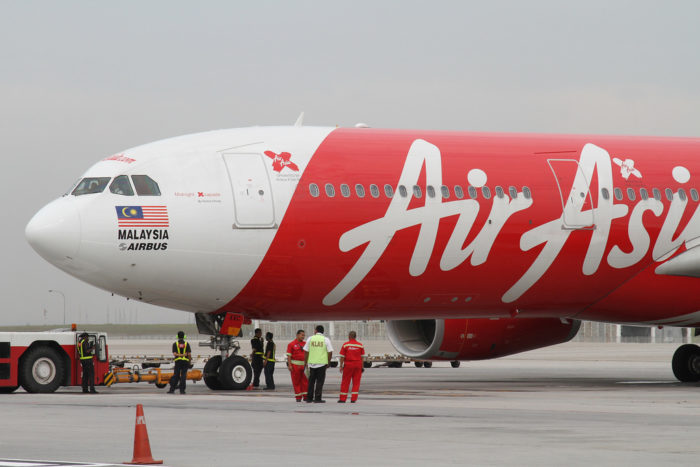
    Malaysia’s flagship budget airline AirAsia Group is in early acquisition discussions for air cargo carrier Raya Airways to beef up its logistics business, The Edge Weekly reported on Saturday (Jan 22) citing sources.

    The business weekly said the airline has approached businessman Ishak Ismail whose family owns Raya Airways, to acquire the carrier, and are in early conversations, according to people familiar with the matter.

    AirAsia and Raya Airways did not immediately respond to requests for comment.

    AirAsia’s logistics unit Teleport said in November it was aiming to expand its fleet of cargo planes and scale up its freight business.

    Top executives at Raya Airways were not keen to sell the carrier, however, as they have plans for an initial public offering, the report said.

    AirAsia was last week classified as a PN17 firm by Malaysia’s stock exchange, a tag given to financially distressed firms. It said it was working on a plan to “regularise its financial condition”.

  • J&T Express celebrates two years of strategic growth and expansion in Singapore

    J&T Express celebrates two years of strategic growth and expansion in Singapore

    International express logistics company J&T Express celebrated its second anniversary in Singapore on 9th January 2022, recording two years of exponential growth and progress, including a year-on-year double digit growth for parcel volumes, and an approximately three-fold increase in the total size of all its warehouses.

    Tapping into Singapore’s potential as a regional logistics hub, J&T Express established its operations in the country in January 2020, and has since accelerated its growth plans and invested significantly into its infrastructure. Starting off with just one sorting hub, the company now operates two sorting hubs across Singapore, a fulfilment centre at Penjuru and a warehouse at the Changi Airfreight Centre, and has also expanded its fleet four-fold.

    In addition to its infrastructure development, J&T Express has been actively growing its talent pool across the various departments in Singapore to continue driving success, including building new roles and upskilling employees through regular training programmes. Since 2020, J&T Express’ Singapore team has grown six-fold across a diverse range of roles such as software development, data analytics and automation.

    Andrew Sim, CEO of J&T Express Singapore, said, “J&T Express is in a unique position of not only playing the role of a logistics provider, but also serving as a one-stop e-commerce specialist across each and every touchpoint in the supply chain. Our tremendous growth and fast-paced expansion in Singapore reflects the shift we have seen in the market with an increasing number of Singaporeans embracing e-commerce.”

    With technology and innovation as its strategic priorities, J&T Express continues to strengthen its capabilities to improve operational efficiency and service quality. This includes upgrading its system of operations management, enhancing the technology support for seamless e-commerce experiences, and further optimising its fulfilment and warehousing solutions. In May 2021, the J&T Express mobile app was also launched to enable consumers and small business owners to arrange for door-to-door delivery in just a few clicks.

    J&T Express is also committed to supporting the growth of its e-commerce partners and Singapore’s e-commerce industry as a whole. As part of its efforts, the company launched its inaugural virtual J&T Fashion Week in August 2021 to provide a public platform for local e-commerce businesses to reach a wider audience, successfully helping them reach 3 million Singaporean consumers through online platforms.

    Looking ahead, as e-commerce becomes more cross-border, J&T Express aims to invest further in growing its network to help its customers reach wider markets, building on its current suite of offerings which includes international shipping to over 220 countries and regions worldwide.

    Mr Sim noted that as customers increasingly expect businesses to adapt to their needs and challenges, it is crucial that J&T Express continues to introduce new services and solutions that can meet the latest market demands.

    He added, “We are proud to be one of the key partners of Pick Network and the Locker Alliance, which will help us further enhance our last mile delivery services. We are also excited to have launched J&T Points, an island-wide network of service points that provides sellers greater flexibility by enabling them to drop off parcels at their own convenience and receive real-time tracking. Moving ahead, we look forward to expanding this network to provide even greater access to all Singaporeans.”

    Reflecting on J&T’s achievements over the last two years in Singapore, Mr Sim said, “J&T Express prides itself in being at the forefront of the industry, enabled by our focus on leveraging technology to advance our offerings, as well as our customer-first approach to be the partner of choice. We look forward to further driving our efforts in the market, strengthening our position as a one-stop e-commerce solutions specialist and constantly evolving and improving our services with a focus on agility and innovation.”

  • DB Schenker and Lufthansa Cargo welcome Lenovo on their CO2-neutral flights

    DB Schenker and Lufthansa Cargo welcome Lenovo on their CO2-neutral flights

    Another major global player joins DB Schenker and Lufthansa Cargo on their way towards greener supply chains: Global hardware technology provider Lenovo decided to let fly 20 tons of chargeable weight per week from Shanghai (PVG) to Frankfurt (FRA). The carbon-neutral freighter flight is the only regular full charter connection worldwide which is 100 percent covered by sustainable aviation fuel (SAF). SAF is produced out of renewable waste and residue raw materials such as used cooking oils. The transported Lenovo products include laptops, notebooks, and PCs for both private and corporate clients. 

    Thorsten Meincke, Global Board Member for Air & Ocean Freight at DB Schenker: “Our unique SAF full charter flights help corporates to make their shipments more sustainable. Lenovo is a major customer for this game-changing initiative and an example how shippers are keen for real change towards greener transports. We look forward to seeing further companies who would like to prioritize decarbonizing their supply chains together with us.”

    Gareth Davies, Head of Global Logistics at Lenovo: “Sustainability is critical to our business and mission of delivering smarter technology for all. We are proud that we are further enhancing our solutions through this collaboration with DB Schenker and Lufthansa Cargo. For all businesses and individuals, adopting programs that improve sustainability is incredibly important and we are delighted about this new partnership.”

     Ashwin Bhat, Chief Commercial Officer at Lufthansa Cargo: “Our joint effort with DB Schenker to avoid CO2 emissions is continuously growing stronger. An increasing number of customers realizes that we need to work together across industries to achieve our shared goal. Only together, we can make a real difference. With our SAF-covered flights, we are doing pioneer’s work.”

    DB Schenker and Lufthansa Cargo started the world’s first regular SAF-covered full charter air cargo connection between Frankfurt and Shanghai in April 2021 and extended the joint mission throughout the entire winter flight schedule. The CO2 released during combustion in the engine is only the CO2 removed from the atmosphere during the photosynthesis phase of the plants that were utilized to produce the oils SAF is refined from.

    By opting for the SAF based way of transportation offered by DB Schenker in cooperation with Lufthansa Cargo, Lenovo saves around 20 tons of conventional kerosene per flight and, thus, 62 tons of greenhouse gases (CO2e Well-to-Wheel) weekly. In addition, the around 16 tons CO2e resulting from the production and transport of the SAF (upstream emissions) are offset by compensatory measures. Overall, full carbon neutrality is achieved.


  • Supply chain issues to worsen as virus impacts transport sector

    Supply chain issues to worsen as virus impacts transport sector

    Thanks to the rollout of coronavirus vaccines, the global economy is slowly starting to emerge from the pandemic.

    But Covid-19 has left one very destructive economic issue in its wake: disruption to global supply chains.

    The rapid spread of the virus in 2020 prompted shutdowns of industries around the world and, while most of us were in lockdown, there was lower consumer demand and reduced industrial activity.

    As lockdowns have lifted, demand has rocketed. And supply chains that were disrupted during the global health crisis are still facing huge challenges and are struggling to bounce back.

    This has led to chaos for the manufacturers and distributors of goods who cannot produce or supply as much as they did pre-pandemic for a variety of reasons, including worker shortages and a lack of key components and raw materials.

    Different parts of the world have experienced supply chain issues that have been exacerbated for different reasons, too. For instance, power shortages in China have affected production in recent months, while in the U.K., Brexit has been a big factor around a shortage of truck drivers. The U.S. is also battling a shortage of truckers, as is Germany, with the former also experiencing large backlogs at its ports.

    Unfortunately, experts like Tim Uy of Moody’s Analytics say that supply chain problems “will get worse before they get better.”

    “As the global economic recovery continues to gather steam, what is increasingly apparent is how it will be stymied by supply-chain disruptions that are now showing up at every corner,” Uy said in a report last Monday.

    “Border controls and mobility restrictions, unavailability of a global vaccine pass, and pent-up demand from being stuck at home have combined for a perfect storm where global production will be hampered because deliveries are not made in time, costs and prices will rise, and GDP growth worldwide will not be as robust as a result,” he said.

    “Supply will likely play catch up for some time, particularly as there are bottlenecks in every link of the supply chain—labor certainly, as mentioned above, but also containers, shipping, ports, trucks, railroads, air and warehouses.”

    Supply chain bottlenecks — congestion and blockages in the production system — have affected a variety of sectors, services and goods ranging from shortages of electronics and autos (with problems exacerbated by the well-known semiconductor chip shortage) to difficulties in the supplies of meat, medicines and household products.

    Amid higher consumer demand for goods that have been in short supply, freight rates for merchandise coming from China to the U.S. and Europe have soared, while a shortage of truck drivers across both the latter regions has exacerbated the problem of getting goods to their final destinations, and has led to high prices once those products hit store shelves.

    The pandemic has only served to highlight how interconnected, and how easily destabilized, global supply chains can be.

    At their best, global supply chains lower costs for businesses, often due to reduced labor and operating costs linked to the manufacturer of the products they want, and can spur innovation and competition.

    But the pandemic has highlighted deep fragilities in these networks, with disruption in one part of the chain having a ripple-down effect on all parts of the chain, from manufacturers to suppliers and distributors with disruptions ultimately affecting consumers and economic growth.

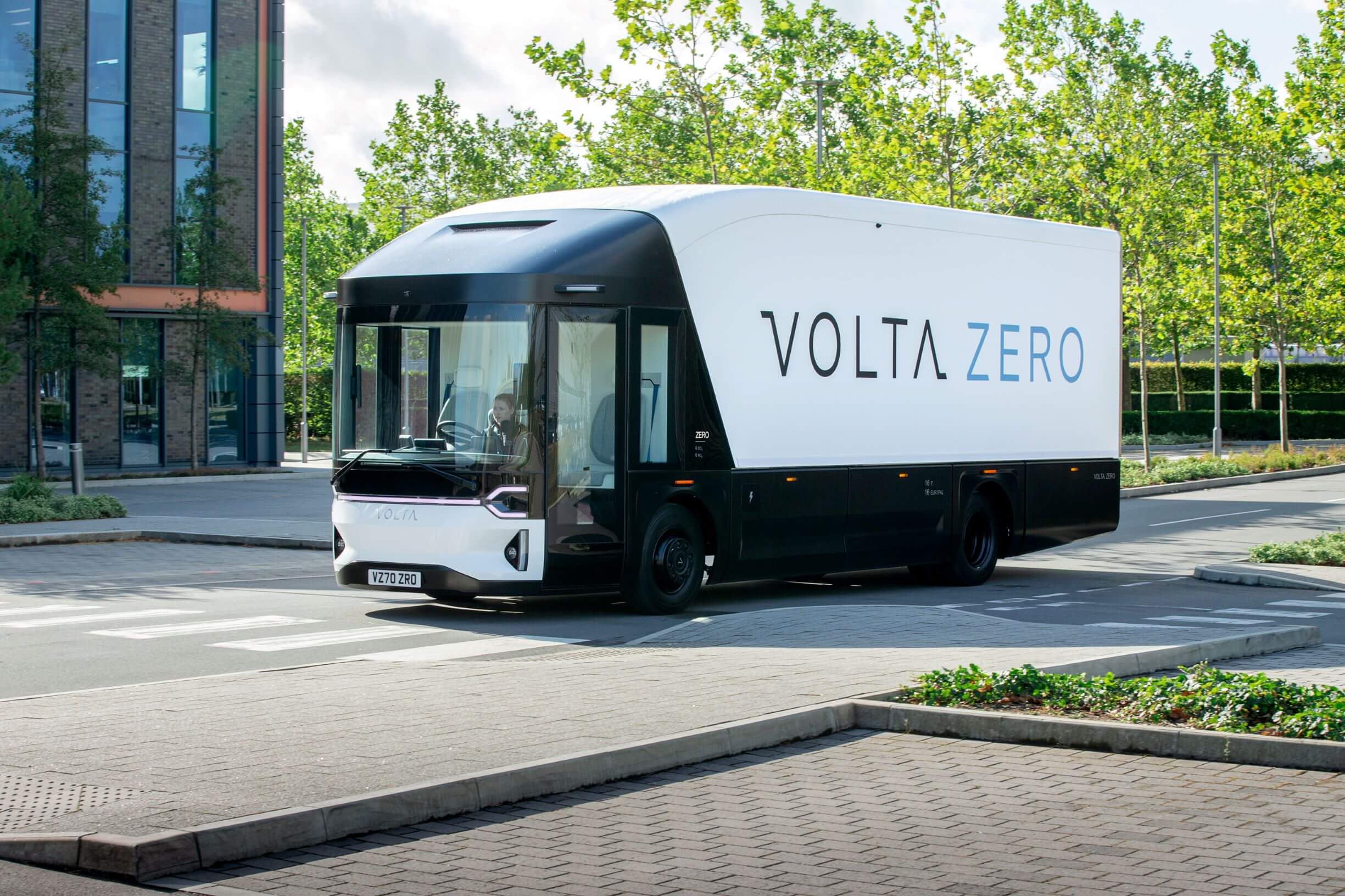
  • Germany’s DB Schenker To Order 1,500 Electric Trucks From Sweden’s Volta

    Germany’s DB Schenker To Order 1,500 Electric Trucks From Sweden’s Volta

    Deutsche Bahn’s logistics unit Schenker will order almost 1,500 electric trucks from startup Volta Trucks to transport goods from European terminals into city centres and urban areas, the companies said on Tuesday. DB Schenker will use prototype electric trucks in the spring and summer of 2022 in distribution operations, findings from which will be used in the production of 1,470 electric trucks. Those trucks will be made at a former MAN truck plant in Austria that was taken over by Steyr Automotive. The electric trucks will operate at 10 DB Schenker locations in five countries.

    The companies didn’t immediately provide details on the transaction’s value.

    Stockholm-based Volta Trucks, which also operates in the UK, plans to start production of the Volta Zero, a 16-tonne electric truck, in 2022. Bans on fossil-fuel commercial vehicles will take effect in some European cities over the next few years, putting pressure on logistics providers to find zero-emission alternatives.

    “The large-scale partnership with Volta Trucks allows us to significantly increase the pace of electrification of our fleet and invest in greener transport solutions,” Cyrille Bonjean, DB Schenker’s executive vice president for land transport in Europe, said in a statement. DB Schenker has around 74,200 employees in over 130 countries. The latest order brings Volta Trucks’ order book to around 4,500 electric trucks. It previous biggest public order was for 1,000 trucks, from French refrigerated truck firm Petit Forestier.

  • Cold storage rent soars as supply dwindles

    Cold storage rent soars as supply dwindles

    Rent for cold storage in the south stands at $87 per ton in Q4, up 1.67 times against Q1 last year due to limited availability.

    Vietnam’s e-commerce boom amid the Covid-19 outbreak has fueled demand for cold storage facilities, according to the latest report on the cold supply chain released by real estate consultancy Savills Vietnam.

    According to the cold storage warehouse report by real estate services provider JLL, more consumers have opted for online shopping during Covid-19, leading to bigger demand for cold storage warehouses mainly located in the south and managed by medium- and small-sized suppliers. Foreign investors currently hold a share of some 60 percent in the local cold storage market.

    Trang Bui, JLL senior director in charge of the Vietnamese market, predicted demand for cold storage warehouses would increase sharply in the next five years, opening opportunities for investors.

    The country currently has a meager 48 cold storage warehouses with some 600,000 shelves, and over 700 refrigerated trucks.

    The local cold storage warehouse market is projected to annually grow 12 percent to reach $295 million in 2025, stated Savills Vietnam.

  • European business sentiment inches up

    European business sentiment inches up

    The Business Climate Index of European companies rose 3 percentage points to 18.3 in Q3, showing improving perceptions on Vietnam’s economic outlook.

    The rise from the historic low of 15 points in September came as business leaders were more optimistic about Vietnam’s business environment as the country relaxed social distancing measures and aimed toward a new normal, according to a survey of European businesses by EuroCham.

    Forty-nine percent of business leaders and investors predicted a stabilizing and improving economic outlook next quarter, compared to less than 19 percent in the second quarter.

    “With the pandemic now back under control in Vietnam, the confidence and optimism of European business leaders should continue to climb as companies get back to normal and consumer confidence rises,” said EuroCham chairman Alain Cany.

    However, despite this positive progress, business leaders are still encountering challenges in their commercial operations, he added.

    Sixty-six percent of businesses were affected by staff leaving work after the fourth wave lockdown.

    Thirty-nine percent of respondents said they saw a reduction in operations after reopening.

    Prolonged international travel restrictions affected almost two-thirds of European businesses in Vietnam.

    The online survey polled 154 executives of European companies in Vietnam.

  • ZIM buys 7 ships in move from charters to owning vessels

    ZIM buys 7 ships in move from charters to owning vessels

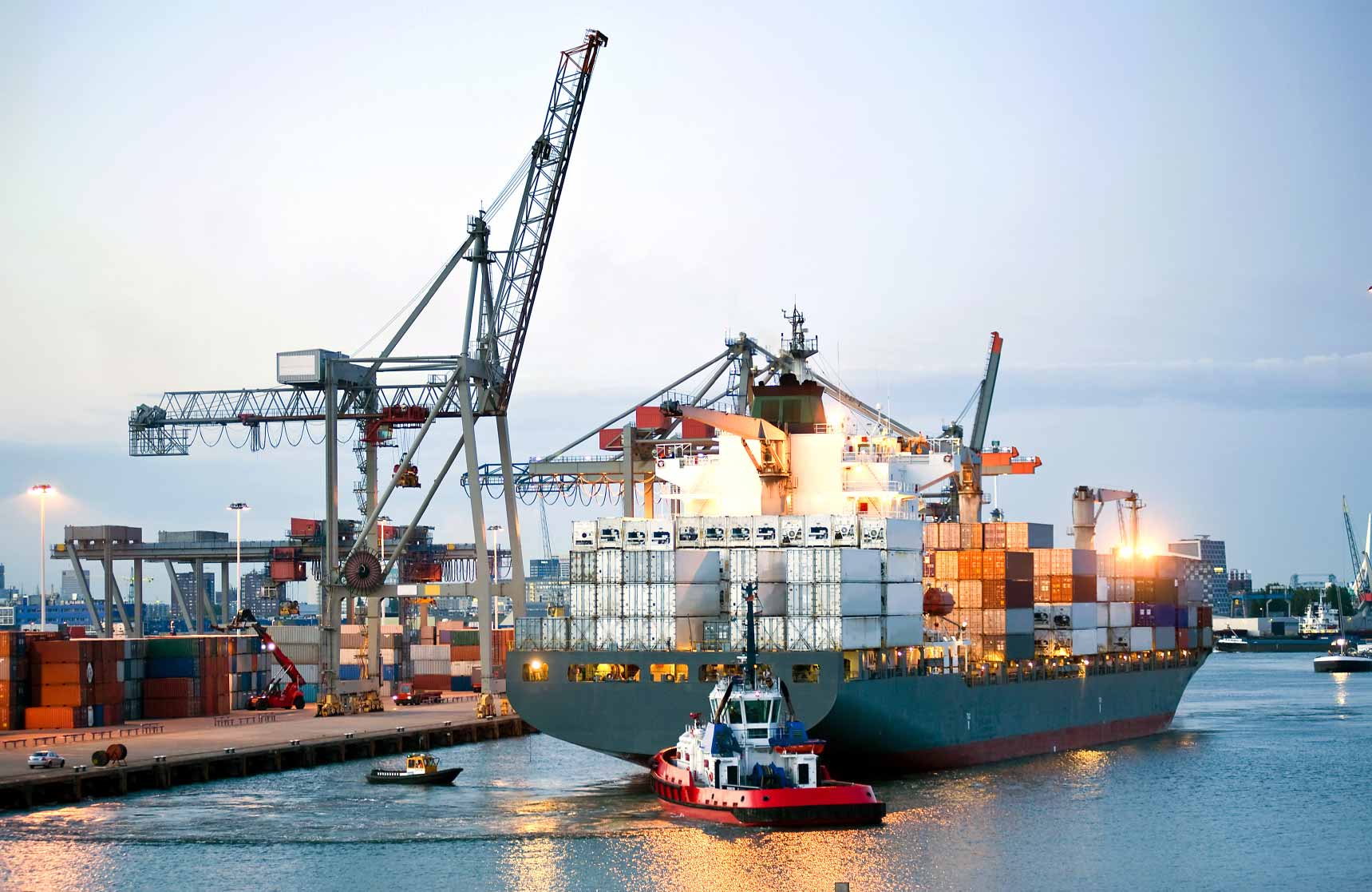
    In a clear move away from chartering to owning ships, Israeli carrier ZIM Integrated Shipping Services announced the acquisition of seven secondhand vessels – five 4,250 TEU vessels and two 1,100 TEU vessels – for a consideration of approximately $320 million.

    “Since going public our focus has been to allocate capital to strengthen our commercial prospects and create long-term shareholder value,” Eli Glickman, ZIM President & CEO, said. “With the opportunistic acquisition of these much-needed vessels, we have drawn on our strong cash position and our agile approach to maintain and expand our operating fleet to meet growing customer demand, while remaining committed to delivering industry superior profitability.”

    Glickman said ZIM will continue to complement the primary strategy of chartering in the vast majority of vessels by selectively acquiring second-hand tonnage.

    ZIM had earlier this month announced the launch of Ship4wd, a digital freight forwarding platform to offer end-to-end shipping solutions.

    NYSE-listed ZIM had reported a revenue of $4.1 billion for the first half of 2021, an increase of over 150 percent from $1.6 billion in the corresponding period of 2020. Net income had zoomed to $1.5 billion from $13 million.

    For the second quarter, ZIM had reported a revenue of $2.4 billion and net income of $888 million. ZIM carried 921,000 TEUs in the second quarter of 2021, a year-over-year increase of 44 percent. Average freight rate ($/TEU) more than doubled in Q2 to $2,341 from $1,071. For the first half of the year, the average freight rate ($/TEU) nearly doubled to $2,145 from 1,081.

    “Our outlook for the remainder of 2021 and into 2022 is very positive and we are excited about our strategy to further enhance our position as an innovative digital leader of seaborne transportation and logistics services,” Glickman had said while announcing the results.

    ZIM is expecting second-half 2021 results to exceed first-half results.

  • Vietnamese carrier announces first Vietnam-UK direct flights

    Vietnamese carrier announces first Vietnam-UK direct flights

    Bamboo Airways announced the launch of the first Vietnam-U.K. direct flight routes Sunday in the presence of PM Pham Minh Chinh, in the U.K. for the COP26 meet.

    The airline also confirmed that local firm APG UK will be its representative in the U.K.

    Bamboo Airways chairman Trinh Van Quyet said that the direct flights could commence as early as this year when the resumption of commercial flights between the two countries is allowed.

    The airline said it expects to operate six round trips a week between Hanoi, Ho Chi Minh City, and London; and increase frequency based on demand.

    Bamboo Airways’s direct flights would help cut travel time between Vietnam and the U.K. to around 12 hours, seven hours quicker than flights that require transit.

    The flights are expected to drop off and take passengers at Heathrow Airport’s Terminal 2, connecting Vietnam’s Noi Bai and Tan Son Nhat airports with the U.K.’s largest airport. The Boeing 787-9 Dreamliner will be used for flights on the Vietnam-U.K. routes, the airline said.

    Nguyen Hoang Long, Vietnamese ambassador to the U.K., said opening direct flights between the two countries would boost commerce and people-to-people exchanges and would be particularly beneficial for the Vietnamese community in the U.K.

    APG UK, a passenger and cargo representation company, will support the airline with sales, marketing, and customer support as also issues related to aviation policies and procedures.

    There are currently over 100,000 Vietnamese studying and living in the U.K., and around 60 percent of them are in London. In 2019 alone, the number of tourists from the U.K. traveling to Vietnam reached 315,000, a 105 percent increase from the same period in 2018, according to the General Statistics Office. Among European countries, the U.K. has the second-highest number of visitors to Vietnam, the office added.