Tag: carrefour

  • Another Alibaba major step in China retail

    Another Alibaba major step in China retail

    This week’s Alibaba-Sun Art deal is a major step in the development of a new retail landscape in China, write Wai-chan Chan and Jacques Penhirin of Oliver Wyman.

    This is not a “real estate play” with Alibaba buying 446 grocery stores, but shows how serious Alibaba are in developing the “new retail” model combining the strengths of online and offline retail.

    The first winners from this alliance are likely to be consumers.  Alibaba will use its investment in Sun Art to improve its price, service levels and the range of products available. In addition, expect to see Alibaba add the ability to deliver a wide range of goods from these stores to consumers’ homes in super quick times. Today delivery time is the new battlefield but performance is still highly dependent on physical networks.

    In the context of retail this alliance is more important than Amazon’s acquisition of Whole Foods in the US.  Sun Art is the largest, and one of the most respected grocery players in China, while Alibaba already has a large grocery business, making it an alliance between two leading players in retail.

    Unlocking fresh

    Despite the huge advances in e-commerce in China, fresh food has been one of the areas that has been most difficult to convert to e-commerce.  Freshness is the key driver for consumers in grocery shopping. According to a survey of 1500 consumers Oliver Wyman conducted in August, consumers purchase fresh products 4.9 times per week on average, and ‘fresh’ is the number one criterion in grocery retailer selection regarding range, product quality, and value for money. However, 81 per cent of respondents do not think e-commerce provides good quality fresh products compared with offline hypermarkets.

    As one of the top two hypermarkets receiving the highest rating from consumers on their fresh offering, Sun Art has strong expertise in operating fresh categories, which will greatly unlock Alibaba’s capabilities.

    Ally or die

    It is becoming clearer that the endgame of two eco-systems being established by Alibaba and JD.com is inevitable in the retail landscape of China, which poses pressure on those ‘unallied’ retailers such as China Resources, Carrefour, WuMart, etc. For retailers, capturing traffic through their own e-commerce platform will become even more challenging. Traditional retailers must understand that they are competing with giants with unlimited abilities to invest and the ambition of integrating online and offline retail. O2O orders already contribute 30 per cent of sales of Alibaba’s Hema Fresh Supermarket – it is indeed transforming the economics of the offline shopping cart, which is challenged by the declining like-for-like growth over the past 12 successive quarters.

    Traditional retailers need to choose their battlefield very quickly, but expect compromise on bargaining power and decision-making in the long term.

    Bad news for second-tier brands

    The two ecosystems are not pure retailers anymore but integrated media and branding platforms. It does not leave Consumer Packaged Goods brands much of a choice but to closely coordinate with Alibaba and JD.com and learn their rules. Niche brands which understand both the ecosystem and consumers will take this opportunity to grow, and top-tier brands will continue to flourish if they learn how to effectively partner with Alibaba or JD, to have both parties learn from each other. By comparison, weak brands will suffer because the traditional retail stores they rely on are losing ground. Furthermore, as O2O develops, the terms and conditions will become more transparent within the two ecosystems. Promotional pressure will likely increase, requiring more diligence on the return on investment.

    Despite the prospects for this alliance, Alibaba and Sun Art need to start thinking how to effectively realise its potential. Operationally, there is huge complexity in integrating the two businesses and overcome barriers of management and culture. After all, it is more difficult to manage shoppers than to manage mobile devices.
  • Carrefour China opens its 27th store

    Carrefour China opens its 27th store

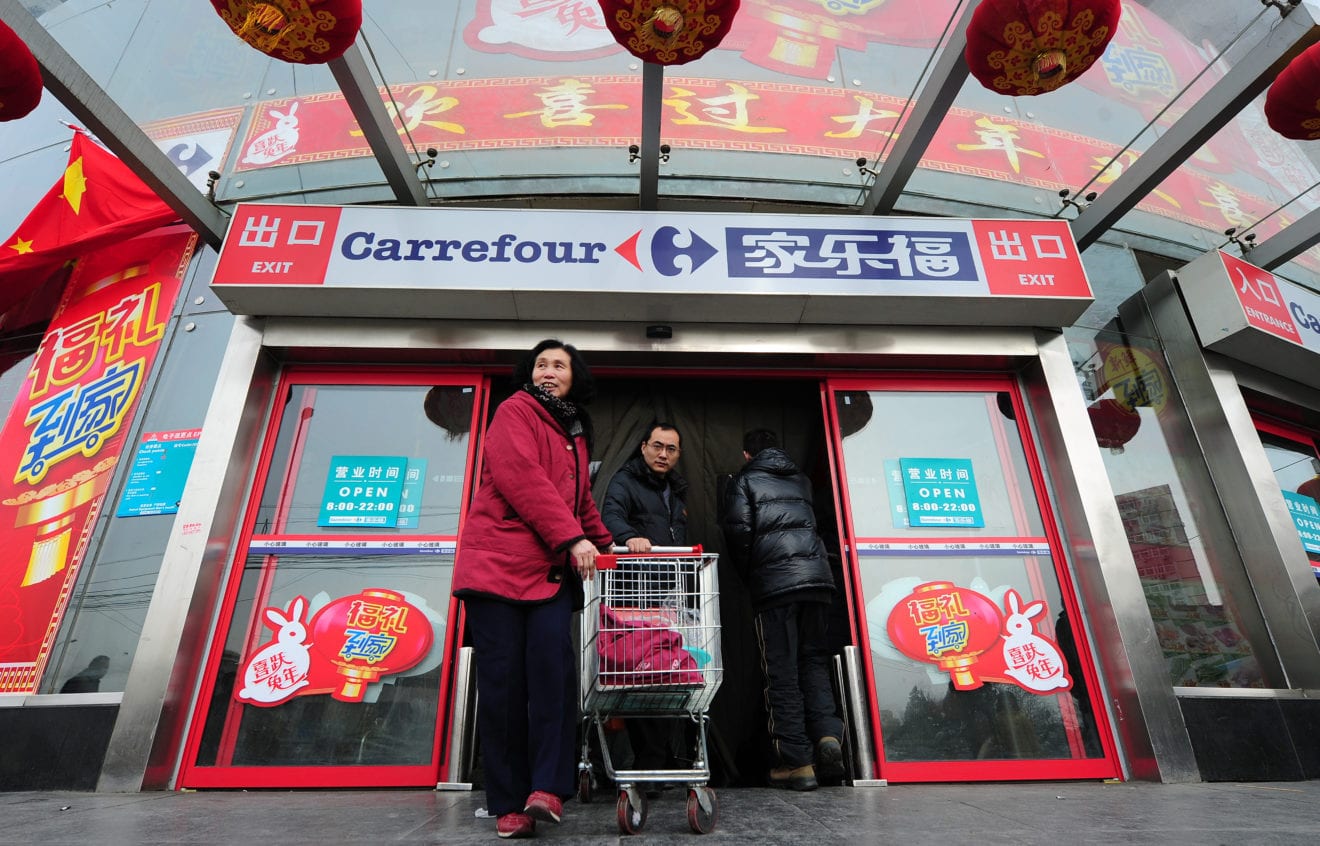
    On March 23rd 2017, Carrefour successfully opened its 27th Easy Carrefour Store in Shanghai, China.

    Sitting on Long Dong Avenue, the newly-opened Easy store covers an area of approximately 332 square meters with over 4,000 items.

    The first convenience store under Easy banner opened its door in 2004, and Carrefour China has now a total of 27 stores in Shanghai.

    At Carrefour, we are committed to facilitate our consumers with a more convenient lifestyle to the surrounding consumers by offering an abundance of goods and quality services to meet the daily necessities of community residents.

  • Carrefour China opens 27th store

    Carrefour China opens 27th store

    Carrefour China has opened its 27th Easy Carrefour Store in Shanghai.

    On Long Dong Avenue, the 332 sqm store offers more than 4000 items.

    The French multinational retailer opened its first convenience store under the Easy banner in 2004.

    Meanwhile, Carrefour China has launched an app that allows customers to shop online, receive discount coupons, check their loyalty accounts, win gifts and find store information such as opening hours and how to get to them. The app is available for Android and iOS.

  • Carrefour China joins One Store One School One Farm Project across China

    Carrefour China joins One Store One School One Farm Project across China

    By end March, 2017, 300+ students from 13 primary schools and 250+ employees from 12 Carrefour China stores have joined One Store One School One Farm Project across China (Shanghaï, Schenzhen, Chendu, Beijing, Shenyang and Wuhan).

    13 activities including bakery class, little experts (lab test) and farm experience were organized, and the education and knowledge of food safety, nutrition and anti food waste have been promoted to all of those students and their families.

    This operation has been rewarded by China Youth Development Foundation with the Contribution Award 2016  for One Store One School One Farm Project launching in China.

  • Retailer Transmart Carrefour to open 30 new stores in 2017

    Retailer Transmart Carrefour to open 30 new stores in 2017

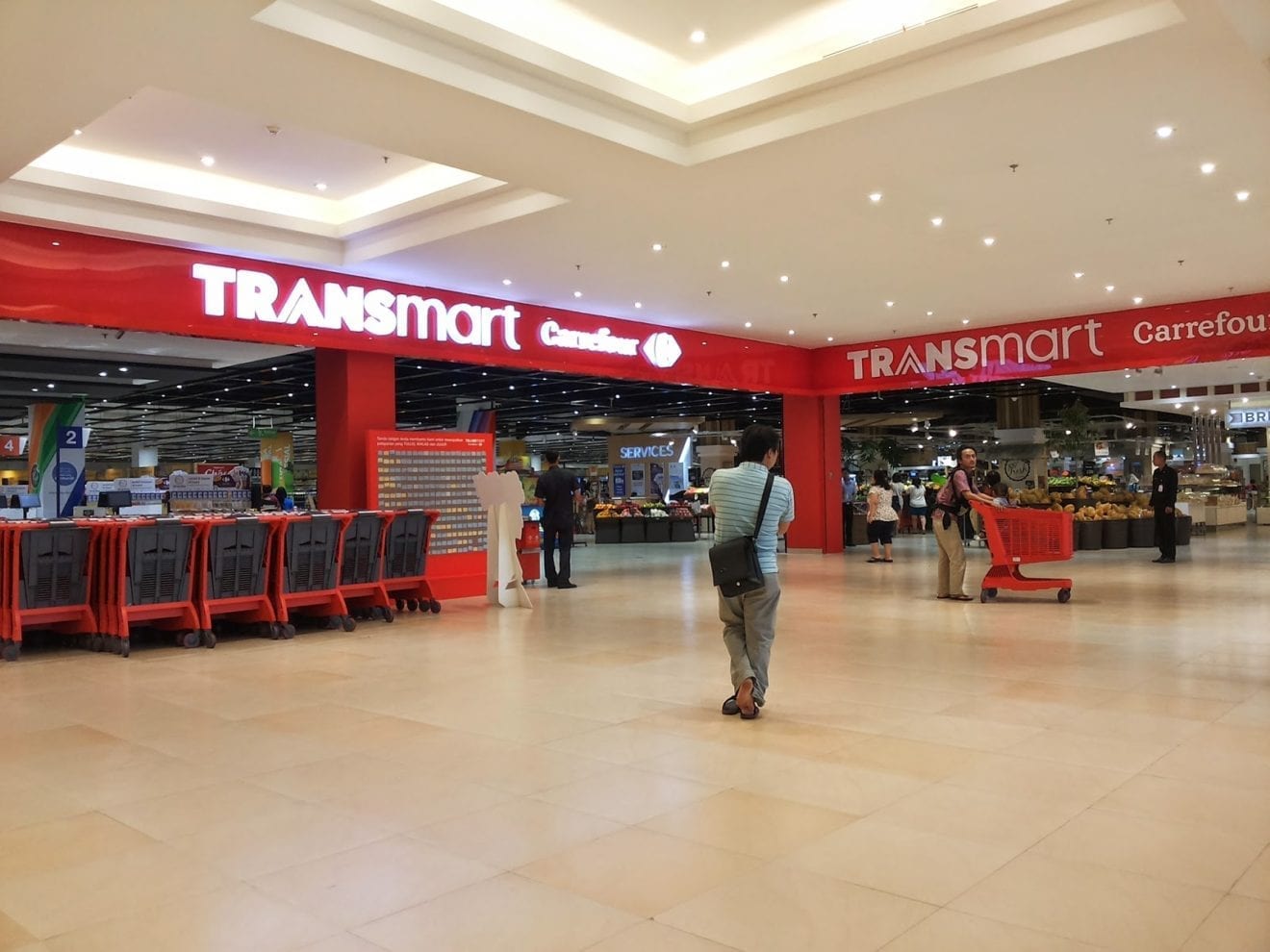
    Major retailer Trans Retail Indonesia will open dozens of new stores this year in a bid to attract more visits to its physical stores despite the booming online retail industry.

    “We will open 30 new stores under the Transmart Carrefour brand in 2017,” Transmart Carrefour corporate communications general manager Satria Hamid told on Friday. However, he declined to mention the amount of capital expenditure (capex) that the firm had earmarked to support the expansion.

    Despite Indonesia’s surging domestic retail business, Trans Retail Indonesia, part of business tycoon Chairul Tanjung’s CT Corp business group, has decided to step up to the challenge posed by the burgeoning online retail business.

    The retailer says it is determined to be more creative by way of promotional activities, intensive marketing and sales of fresh products to lure customers to its stores.

    “We will refresh several stores with a new concept,” Satria said, in reference to a combination of retail and culinary experience, department stores and child play areas.

    Currently, the company operates 94 Carrefour stores nationwide, of which 15 stock the Transmart Carrefour brand and the remainder will gradually follow suit.

  • Carrefour China expands to Suzhou, Wuxi

    Carrefour China expands to Suzhou, Wuxi

    French retailer Carrefour has expanded its eCommerce access in China by launching online shops and apps for Suzhou and Wuxi.

    It already covers Beijing, Chengdu, Kunming and Shanghai with plans for further expansion. Wuhan is next on the list, expected to come on line before the end of this month.

    Carrefour has rolled out its eCommerce offerings internationally, going up against such rivals as Amazon in Spain.

  • Carrefour Taiwan Ping Jian store’s ‘unique’ experience

    Carrefour Taiwan Ping Jian store’s ‘unique’ experience

    Customers of Carrefour Taiwan’s new Ping Jian store have been promised “a new shopping experience in different universe”.

    The store, the French retailer’s 88th in the country, features what the company describes as an “integration of three dimensions: eco-friendly, digital application and customer experience”.

    “Many new concepts have been implemented to create a unique shopping experience,” Carrefour Taiwan said in a statement.

    Digital technology was applied to upgrade customer’s shopping experience. A 3D virtual fitting room delivers customers a brand new experience. Through searching products by different categories, users can try on different looks within seconds. The outfits fit customers’ bodies on the screen and users can view them at different angles and easily find an ideal match.

    carrefour-taiwan

    The two-level Ping Jian store has a sales area of 6855 sqm, a restaurant precinct and shopping mall. Built as a ‘green building’ it uses LED lights and various materials to reduce energy use by 25 per cent. A water recycling system collects rainwater for cleaning and gardening.

    Food options include a professional pizza oven. Customers can customise their own pizza with any ingredient.

    In the salads and soups bar, customer can make their own salad or lunch box.

    In front of the cashier area, hamburger, shawarma, fried chicken and drinks in “Oh Bar” are made for takeaway. Ping Jian also launched Australia’s premium Wagyu Kobe Beef which attract hundreds of customers during opening day tastings.

    Outside the cashier line, Customer can enjoy their food in a spacious rest area with nature and green outlook and an aquarium.

  • Silver consumers driving convenience push

    Silver consumers driving convenience push

    Look for more, but smaller, neighborhood stores, an increase in local delivery trucks and changing store layouts as retailers accommodate aging populations, says The Silver Series IV: Retail Reconfiguration for Seniors.

    The report is the latest in a series of analyses from Fung Global Retail & Technology on the impact of the growing 65-and-over population  – silver consumers – on global economies, industries and retail.

    With smaller households and appetites, seniors shop more frequently, but make smaller purchases, favoring the convenience store sector, the report says. The trend is already being seen in Europe, where large-format retailers such as Tesco and Carrefour are opening smaller stores. While this has yet to take place in the US, ignoring this population segment is unwise, as silvers are growing in number and driving a disproportionate amount of consumer spending.

    “The era of the silver generation has arrived,” writes Deborah Weinswig, MD of Fung Global Retail & Technology.

    The global population silver consumers – aged 65 and older – will account for over one-third of population growth through 2035, according to the United Nations, and will comprise more than 20 per cent of the population overall in Japan, South Korea, Western Europe, North America and China. These households tend to be wealthier, and in the US, senior households spend well above the national average on household supplies and books, though less on apparel and footwear, which could be due to limited choice.

    Long thought to be the province of the young and tech savvy, eCommerce also is a growth market for seniors, who will enjoy or require the convenience of home delivery.

    Not all stores and product manufacturers are accommodating silvers’ changing needs. Seniors can find large-format stores and regional malls overwhelming, and product packaging may need to be redesigned in order to make it easier for seniors to read and open, Weinswig notes.

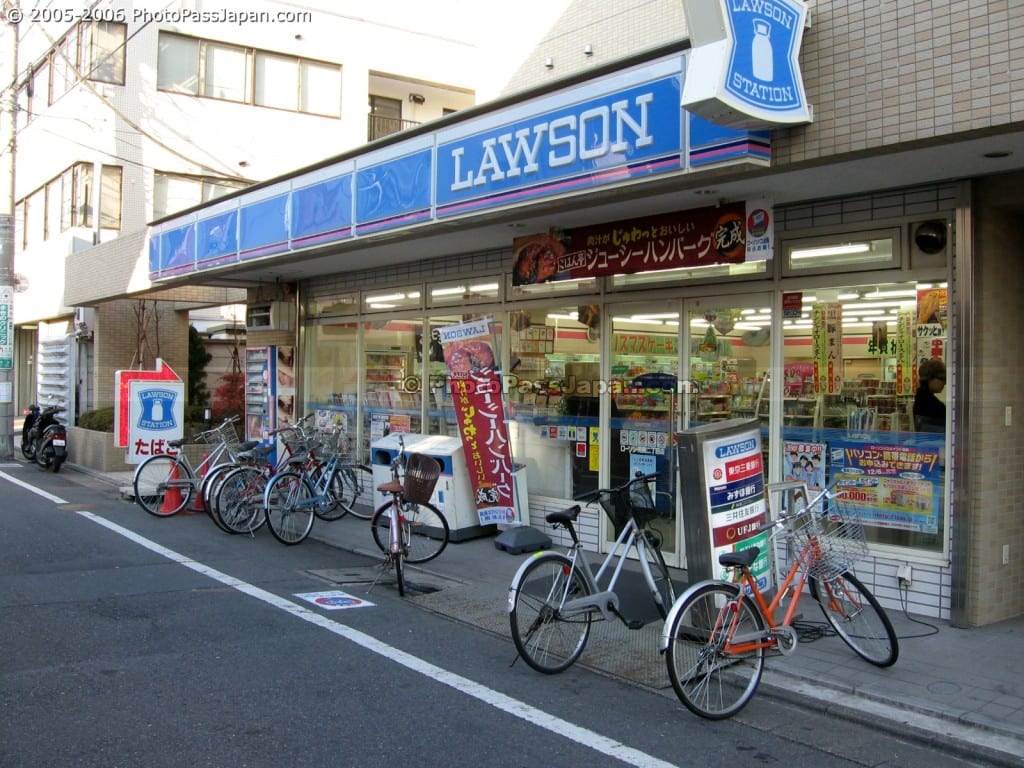
    But some retailers around the globe are adapting. Japan’s Lawson convenience store chain has renovated units in areas with a high concentration of silvers, widening aisles, lowering shelves and stocking more products that appeal to older shoppers. The 7-Eleven chain in Japan offers a meal delivery service to seniors, while the Aeon Mall offers medical facilities, leisure activities, a concierge and other services for its senior shoppers. Supermarket chains in Germany and Austria have widened aisles, provided customised shopping carts and added nonskid flooring, while in the US, drugstores CVS and Walgreens are adapting store layouts to minimise high- and low-shelving, and have carpeted floors in some stores and even added magnifying lenses to shelves so shoppers can read labels with small print more easily.

    “It is no coincidence that Japan, which is well ahead of most countries in terms of the aging of its population, has a major convenience store sector,” Weinswig writes. “We are now seeing other markets follow Japan in a convenience boom: in France and the UK, for instance, major retailers are pushing into the format as the segment outpaces the wider grocery market.”

    The full report can be found here.

  • Private-label deal for E-mart Korea

    Private-label deal for E-mart Korea

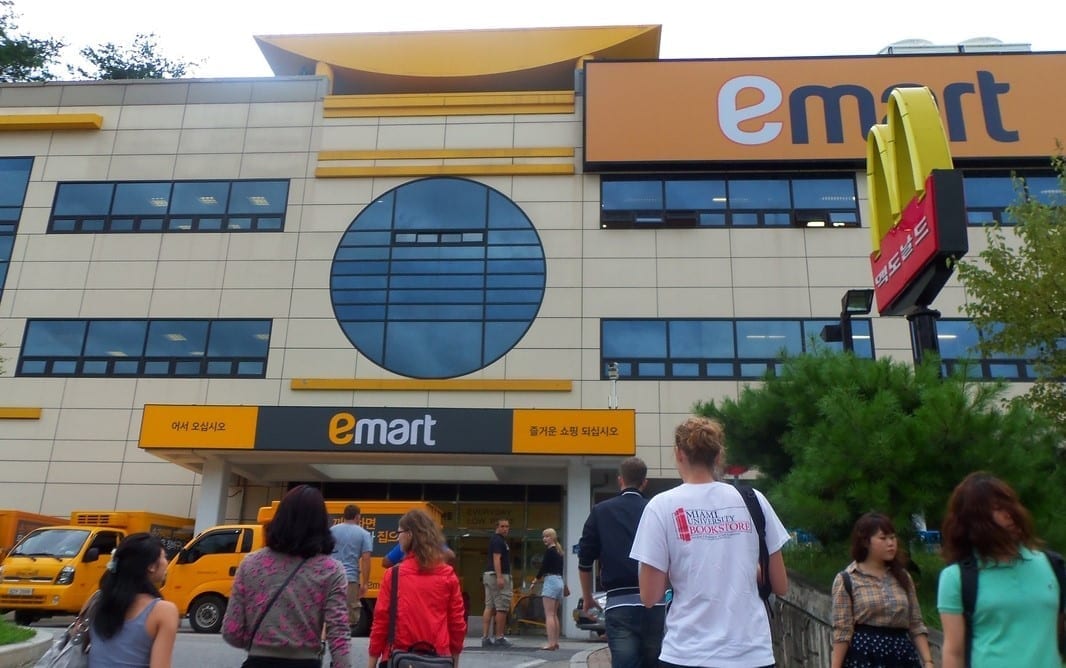
    Discount seller E-mart Korea has signed an agreement to supply its private-label items to Metro China.

    It is introducing four items from its No Brand range, to be sold from next month. It is the first time for E-mart to export to an overseas offline store.

    E-mart’s private-label products already sell in Mongolia and Vietnam. Sales of its No Brand range at its Ulaanbaatar branch, which opened last month, have already reached 600 million won (US$533,000), accounting for about 7 per cent of total sales. No Brand contributed 3 per cent of sales at its Vietnamese outlet, which opened in December.

    Introduced in April last year with nine items, No Brand now has more than 300 products, from butter cookies to car window wipers, and posted 63.8 billion won turnover in the first half of this year.

    Metro is a German retailer that is the third-largest franchise globally following Walmart and Carrefour. It has more than 2200 outlets in 33 countries, with 88 in China.

  • Carrefour China concentrating on convenience

    Carrefour China concentrating on convenience

    Carrefour China says it will concentrate on convenience store development for the rest of this year.

    The French-headquartered retailer has been losing market share in the hypermarket segment and has closed about 30 stores during the past three years. It is trying to find a new growth model for the competitive Chinese model according to IGD analyst Catherine Ellwood and IGD Singapore program director Shirley Zhu.

    Hypermarkets will still play a role for Carrefour, particularly in western and central China, they say. The retailer is changing focus because of the increasing challenges for hypermarkets.

    Carrefour reportedly plans to open 40 to 50 convenience stores in Shanghai as well as about 15 Carrefour Easy stores by the end of the year.

    Rapid urbanisation, smaller families and rising affluence levels mean Chinese shoppers are demanding more convenient solutions, says the IDG team.

    “Convenience stores present a huge growth opportunity, but winning in this sector under rising costs and fierce competition is not an easy task.”

    However, Carrefour does have the advantage of existing sourcing and supply-chain capability for fresh products. Daily delivery from its own fresh distribution centre ensures availability and quality.

    A typical Carrefour Easy store has a floor size of 250 to 300 sqm with plenty of room for fresh produce displays. The stores act as pick-up locations for online shopping, and have kiosks to provide various services. There is also free Wi-Fi and charging devices in-store.

    For mobile payment alone, the stores accept Alipay, Apple Pay, Samsung Pay and WechatPay.

    Carrefour opened an extra distribution centre in June. The 21,000 sqm centre, in Dongguan, Guangdong province, will help with expansion in south China. Carrefour aims to have six distribution centres by the end the year.

  • Carrefour China beefs up distribution

    Carrefour China beefs up distribution

    Carrefour China has opened a new distribution center is in Hongmei Town, Dongguan, Guangdong province.

    It says the centre will play an important role in the supply chain of Carrefour China in South China area, by forming a logistics network covering the Pearl River Delta as well as Fujian and Hainan province, which can increase the logistics efficiency and support stores.

    Carrefour is focused on long-term development in China. Since a new development strategy was implemented in March 2015, Carrefour has  gradually introduced new formats and initiatives, such as an O2O business, convenience stores and opening hypermarkets in new cities. It says strengthening the supply chain network is the key to implementing the new strategy.

    The Carrefour China Logistics Center will provide full support to the 30 stores in Guangdong, Hainan and Fujian province.

    During the last two years, Carrefour China has established four distribution centers in eastern, western, northern and central China.

  • CapitaLand China growth outpaces economy

    CapitaLand China growth outpaces economy

    Singapore-based shopping mall investment company CapitaLand Retail China Trust (CRCT) grew its income last year by 10.3 per cent to S$89.2 million ($63 million) from S$80.9 million.

    With China’s economy growing 6.9 per cent last year, the company’s retail sales drew 10.7 per cent of RMB30.1 trillion ($4.58 trillion), reports CRCTML chairman Victor Liew (CRCTML manages CRCT).

    “China’s slower growth is reflective of an economy undergoing transition, but it is expanding from a much larger base now and its growth is still considerably faster than those of most other economies,” says Liew. “CRCT’s family-oriented shopping malls are well-placed to benefit from China’s growing urban population and rising retail sales as domestic consumption becomes the country’s new growth engine.”

    It was the first time CapitaLand China’s gross revenue had crossed the RMB1-billion mark, says CRCTML CEO Tony Tan. “Portfolio occupancy remained high at 95.1 per cent  as at December 31, while rental reversion for the full year was 8.1 per cent.

    “Annual tenants’ sales increased 11.6 per cent and shopper traffic rose 1.8 per cent year-on-year.

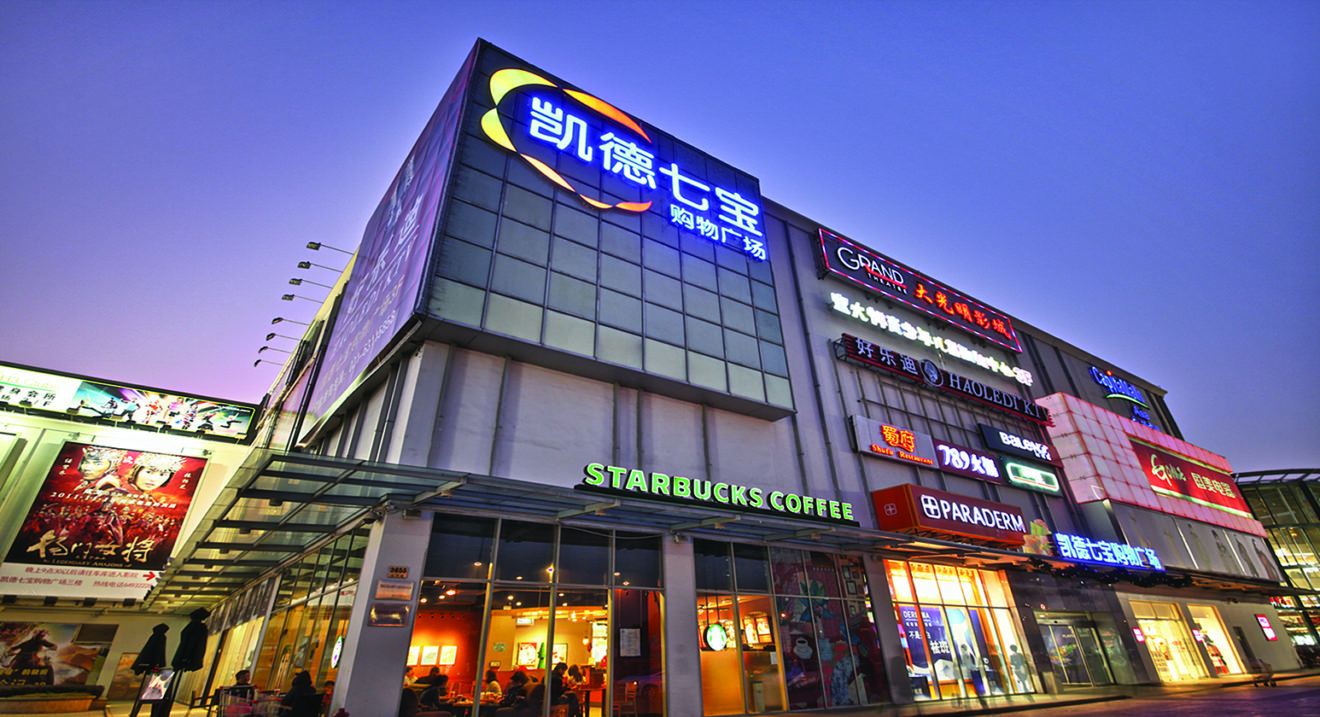
    “We continually refresh our mall offerings to stay relevant to our shoppers’ evolving preferences and needs. For example, CapitaMall Xizhimen (pictured) brought in the popular Jing Ge Steamboat to increase the variety of its F&B offerings, while CapitaMall Qibao introduced a water park.

    “To improve sustainability and the shopping experience, CapitaMall Grand Canyon installed energy-saving LED lights in common areas and upgraded its car park with new flooring.

    “CapitaMall Wangjing is carrying out renovation work to rejuvenate its façade, and is on track to unveil its new look by June.

    “We will continue to strengthen our malls’ tenant mix and uplift the shopping experience through continual asset enhancement initiatives.”

    Gross revenue for the year increased RMB17.5 million, or 1.8 per cent, over the previous year. This was attributed mainly to rental growth from the multi-tenanted malls, partially offset by lower revenue fromCapitaMall Minzhongleyuan, which was impacted by road closure for the building of a subway line, and from CapitaMall Wuhu, where tenancy adjustments are being introduced to achieve stronger positioning and better trade mix.

    CRCT is the first China shopping mall real estate investment trust (REIT) in Singapore, with a portfolio of 10 malls. Listed in Singapore in 2006, its objective is to establish long-term investments in a diversified portfolio of real estate used primarily for retail in China, Hong Kong and Macau.

    A significant portion of CapitaLand China’s properties’ tenancies comprises major international and domestic retailers such as the Beijing Hualian Group, Carrefour and Wal-Mart. The anchor tenants are complemented by specialty brands such as BreadTalk, Innisfree, KFC, Nanjing Impressions, Nike,Sephora, Starbucks, Uniqlo, Watsons and Zara.

  • Formoso new chairman of Asia Pacific Retail organization first for Philippines

    Formoso new chairman of Asia Pacific Retail organization first for Philippines

    Formoso becomes the first Filipino to chair this Asia Pacific Federation. The FAPRA consists of the recognized national retail trade organizations in 18 member-economies – Australia, China, Chinese Taipei, Fiji, Hong Kong, India, Indonesia, Japan, Korea, Malaysia, Mongolia, Myanmar, New Zealand, the Philippines, Singapore, Thailand, Turkey, and Vietnam.Formoso, COO of Duty Free Philippines, has assumed the FAPRA chairmanship from Mehmet T. Nane, chairman of the Turkish Council of Shopping Centers and Retailers and CEO of CarrefourSa, who formally turned over the Federation’s leadership to him during elaborate ceremonies at the recently concluded Asia Pacific Retailers Convention and Exhibition (APRCE) 2015 that Manila hosted last October. The APRCE is the biggest and longest running retail industry event in the region.

    “As a veteran in the retail industry and being the concurrent president of PRA, we are confident Formoso’s chairmanship of FAPRA would be very productive.  We are sure he will guide the FAPRA in the same way he ably shepherded the PRA,” the PRA Board said.

    Formoso also sits in the board of the Asia Pacific Travel Retail Association.

    Turkey held the FAPRA chairmanship for two years – from 2013, the year it hosted the APRCE, to 2015, the year the Philippines hosted it.  The Chairmanship of FAPRA devolves  to the immediate past host of the APRCE.

    The Philippines chairs the FAPRA until 2017.

    The FAPRA was founded in 1989. It has implemented various initiatives and programs designed to develop itself and promote information exchanges and sharing experiences and concerns towards the development of the retail industry and improving the retailers’ status and the welfare of their clients in the region.

    As new FAPRA Chairman, Formoso now presides over the Federation’s policies and programs aimed at helping promote the growth and development of retailing in the Asia Pacific region.

  • Hypermarket sales could hit new high of more than NT$180 bil. in 2015

    Hypermarket sales could hit new high of more than NT$180 bil. in 2015

    Sales of hypermarkets in Taiwan are expected to hit a new high of more than NT$180 billion (US$33 billion) this year as chain operators have made great efforts to develop e-commerce platforms to boost sales, according to the Ministry of Economic Affairs (MOEA).

    In addition, the MOEA said that these hypermarket chain operators have worked with renowned brands in a wide range of industries, such as fashion items, restaurants and telecom service providers, to broaden their production lines, a move which is expected to attract more consumers.

    The ministry added that since the government launched short-term economic stimulus measures in November to encourage consumers to buy energy-efficient home appliances, hypermarket operators have been among the beneficiaries.

    In 2014, revenue of Taiwan’s hypermarket business stood at NT$175.8 billion, up 2.5 percent from a year earlier, the ministry added.

    On the back of their plans to add outlets countrywide, hypermarket operators in Taiwan witnessed their operations improve further in the first 10 months of this year, posting NT$153.9 billion in sales during the period, up 4.5 percent from a year earlier, statistics compiled by the MOEA showed

    Carrefour, the largest hypermarket operator in Taiwan, added 12 stores to its chain in the first 10 months of this year to boost its total outlets to 82 since the French retailer has intensified efforts to open smaller-sized stores in urban neighborhoods to take advantage of proximity to consumers, the MOEA said.

    RT-Mart (大潤發) ranked as the second largest hypermarket operator in Taiwan, running 26 outlets as of the end of October, unchanged from the end of 2014, ahead of A. Mart (愛買), which operated 20 outlets islandwide as of the end of October, up one from the end of 2014.

    Costco came in fourth, operating 11 outlets in Taiwan as of the end of October, up one from the end of 2014, followed by Taisuco (台糖量販), a retail business division of state-owned Taiwan Sugar Corp. (台糖), which operated five stores as of the end of October, unchanged from the end of last year.

    A total of 145 hypermarket outlets operated in Taiwan as of the end of October, up 14 from the end of 2014.

    The ministry said that the local hypermarket business accounted for 16.2 percent of sales posted by Taiwan’s retail industry in the first 10 months of this year, compared with 15.9 percent recorded in 2014.

  • Carrefour opens 4th distribution center in China in Wuqing

    Carrefour opens 4th distribution center in China in Wuqing

    The grand opening ceremony of Carrefour supply chain in China-North-West China distribution center is held in Wuqing Economic Development Area, Tianjin municipality. The foundation of the center is expected to become the overpass of Carrefour China’s supply chain in northern China, which can form the radiation of Beijing-Tianjin-Hebei integration economic cycle and Shandong, Shanxi and other provinces’ logistics and distribution network, increase the distribution efficiency, support the business of stores, and boost the regional economics.

    The northern distribution center of Carrefour launched this time has superior geographical location, which is located in ProLogis modern international distribution park, Wuqing economic development area, Tianjin municipality, covers an area of 39,000 square meters. Carrefour northern distribution center will utilize the Voice Picking System, achieving 99.997% in its picking accuracy rate. The tray utilize 100cm*120 standard operating procedure to reduce packaging and labor costs and improve efficiency; moreover, the center is equipped with professional temperature controlled room which sustain temperatures of 18-22 degrees for the storage of alcohol, chocolate and milk powder.

    To reply to the supply chain strategy development needs of Carrefour in China, the establishment of northern China distribution center will cover more than 30 stores in northern China, greatly improve the company’s northern China supply chain system to provide more high-quality, convenient products and services for numbers of consumers.

    After the establishment of the distribution center in Eastern, western and northern region, Carrefour is planning to set up 2 new distribution centers in North-East Territory and South Territory of China. It is estimated that by the end of 2016, Carrefour will complete the establishment of 6 modern distribution centers in China, and cover more than 200 hypermarkets in China to fully support the emerging industry such as E-commerce of Carrefour, “easy Carrefour” convenience stores.