Tag: cbre

  • Phnom Penh Megamall launch delayed

    Phnom Penh Megamall launch delayed

    The Phnom Penh Megamall developer has delayed the mall’s launch until the fourth quarter of this year owing to lagging interior design work, according to its marketing representative CBRE Cambodia.

    The 47,000sqm, 11-storey shopping hub is being constructed as a mixed-commercial centre.

    “The delay has nothing to do with market issues,” said CBRE Cambodia MD Ann Sothida. “Companies have expressed their interest and have leased about 70–80 percent of the building’s retail space, with the ninth floor entirely leased out.”

    According to local news media reports, the Phnom Penh Megamall, which is being constructed in the building which used to house a Parkson department store, requires additional foundation works unexpectedly when the project commenced.

    CBRE Cambodia reports 19 buildings in Phnom Penh currently offering 314,000sqm of retail space in total, with an additional 261,746sqm in retail space supply expected to launch this year.

  • Competition increases in Bangkok market

    Competition increases in Bangkok market

    Competition is increasing in the Bangkok retail-property market, according to international property consultant CBRE.

    The competition is focused on the bricks vs clicks sector as e-commerce grows, and the bricks vs bricks market, as developers build new malls.

    “All over the world, e-commerce is challenging traditional retail stores, and Thailand is no exception,” said CBRE in a report.

    Currently e-commerce only forms a small percentage of total retail sales in Thailand, but CBRE expects that to change rapidly.

    In the UK, 18 per cent of retail sales are now online rather than through traditional stores.

    Globally, retail tenants are having to pursue an omnichannel approach with both online e-commerce sales and offline traditional sales in stores. In many cases, this has led to a rationalisation of their retail portfolio and a reduction in the number of stores.

    In the Bangkok retail-property market, the threat to landlords is not just from the rise of e-commerce, but also from the increase in supply.

    2019-03-18 - Retail Supply in Bangkok

    Based on the latest survey by CBRE Research, there is more than 600,000sqm of space under construction due for completion by 2023, mainly in large-scale shopping malls like EmSphere, Bangkok Mall and One Bangkok. There are also new malls being planned where construction will start soon, such as the redevelopment of the Dusit Thani Hotel.

    Competition in the Bangkok retail-property market is going to be fierce and landlords are going to have to adapt to the new environment to survive. That, according to CBRE Research, will mean big changes to their business model.

    Historically, landlords have leased out space on three-year leases at monthly rents. Landlords have set rents based on the tenant’s ability to pay driven by business type, size of shop, which floor in the building and which location on the floor. Landlords have tried to extract as much rent as the tenant can afford to pay with the tenant bearing the obligation of a fixed amount of rent and assuming much of the business risk.

    Now the business model is changing with tenants wanting the landlord to share more of the risk by basing the rent on a percentage of the tenant’s revenue, known in Thailand as a Gross Profit (GP) rent.

    The landlord, along with the tenant, will benefit if business is good, but suffer if business is bad, with the landlord not only taking a risk on the ability of the mall to attract customers but also on the success of tenant’s business.

    Landlords are also now expected not just rent space but to be data providers and analysts.

    Tenants now want landlords to collect, analyse and share data on how many people come to the mall, how often and what they are spending their money on along with many other details, said CBRE.

    Tenants are going to be increasingly demanding about the quantity and quality of information that they get from the landlord so they can best match their products and services to the mall’s customers.

    In the current era, online retailers have to give people a reason to visit their store and not just to buy online.
    Increasing the volume of food outlets providing “retailtainment” is one way to get more foot traffic into malls, but restaurants cannot pay the same rents as luxury brand retailers.

    “Creating limited time opportunities through pop-up stores or events is another emerging trend giving people a reason to get up and go to a mall because they will not be able to get the product or have the experience elsewhere or at another time,” said CBRE Thailand’s head of advisory and transaction Jariya Thumtrongkitkul.

    “The revolution in retailing with the coming of e-commerce and competition from new supply means that landlords will have to be a lot more sophisticated in what they provide both in terms of mall format and data”.

  • Number of Chinese buying high-end Saigon apartments skyrockets

    Number of Chinese buying high-end Saigon apartments skyrockets

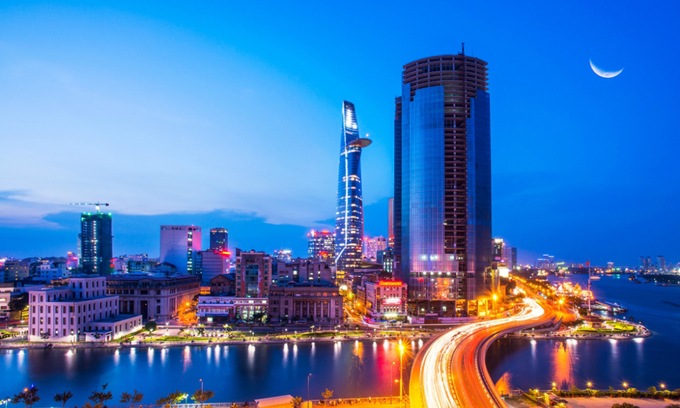
    Attractive prices and returns have seen the number of Chinese customers buying high-end apartments in HCMC soar this year. Duong Thuy Dung, senior director of real estate market research firm CBRE Vietnam, said at a recent forum that 31 percent of high-end apartment buyers in HCMC in the first nine months were Chinese. This figure increased from only 2 percent in 2016 and 4 percent last year.

    In the last two years, Chinese were sixth among all buyers, but this year, they have surpassed Vietnamese to rank first.

    Only 24 percent of high-end home buyers are Vietnamese, CBRE data shows.

    Stephen Wyatt, country head of property service firm JLL Vietnam, said the number of Chinese buyers has been increasing because Vietnam has an attractive price compared to other markets like Hong Kong, Japan, Singapore, South Korea and Taiwan.

    Chinese people often compare prices in Vietnam with Shanghai when they buy properties, he said, adding that they hope to gain profit from higher property prices in Vietnam in the future.

    A high-end apartment in the city costs around $5,000 per square meter, but the same one in Hong Kong could cost four times, said Nguyen Khanh Duy, director of residential sales at real estate service provider Savills HCMC.

    Nguyen Hoang, director of research and development at real estate firm DKRA, said that the number of Chinese and South Korean buyers in HCMC started to increase last year.

    Chinese from Shanghai and Hong Kong are buying properties as investments (not to stay in). “Most projects that foreigners bought in the last two years are under construction,” he said.

    Other industry insiders said that the high returns that HCMC high-end apartments offer is attracting many foreign buyers.

    The rate of return is 5-6.5 percent in Thao Dien ward and Thu Thiem Peninsula in District 2, while in other Asian countries, this rate is only 3.7-5.2 percent, Duy said.

    CBRE senior director Dung added that it was not just Chinese, but foreign buyers in general who are showing an increasing interest in HCMC real estate.

    Dung said that each foreigner group has a different preference for high-end apartments. Customers from mainland China, Hong Kong and Taiwan prefer large-scale projects near the downtown HCMC.

    South Koreans like to buy apartments in the southern District 7 that hosts a large community of South Koreans, while Western buyers often look for a quieter lifestyle in eastern District 2.

    Dung said HCMC is estimated to receive 40,000 new apartments in the 2018-2020 period, 60-70 percent of these in the high-end segment.

    In the last three years 35,000 luxury apartments have come into the market, CBRE said.

    This is a major increase from 2012-2014 when fewer than 10,000 units were on offer, CBRE said.

  • Alan Liis the new president of CBRE China

    Alan Liis the new president of CBRE China

    CBRE, the worldwide commercial real estate services and investment firm, recently announced the appointment of Alan Li as President, CBRE China, effective immediately. Alan will be responsible for CBRE’s advisory services across business lines in China, including Advisory and Transaction Services, Capital Markets, Asset Services, and Valuation and Advisory Services.

    Based in Shanghai, Alan will report to Ben Duncan, President of North Asia.

    To the newly created role, Alan brings approximately 18 years of professional experience in the China commercial real estate industry.

    He joined CBRE in 2015 and since this time has served as Managing Director of Capital Markets for Greater China.

    “The future of our brand in China will increasingly rely on our ability to further localize our business and solution offering to clients.” said Duncan.

    Alan is a member of Royal Institution of Chartered Surveyors (RICS) and a registered real estate broker. He is also a member of All-China Youth Federation and the standing committee of Shanghai Youth Federation, and Vice President of Shanghai Foreign-Invested Enterprises Youth Talent Association. He holds an MBA from Fudan University.

  • UK fashion retailer New Look to exit China

    UK fashion retailer New Look to exit China

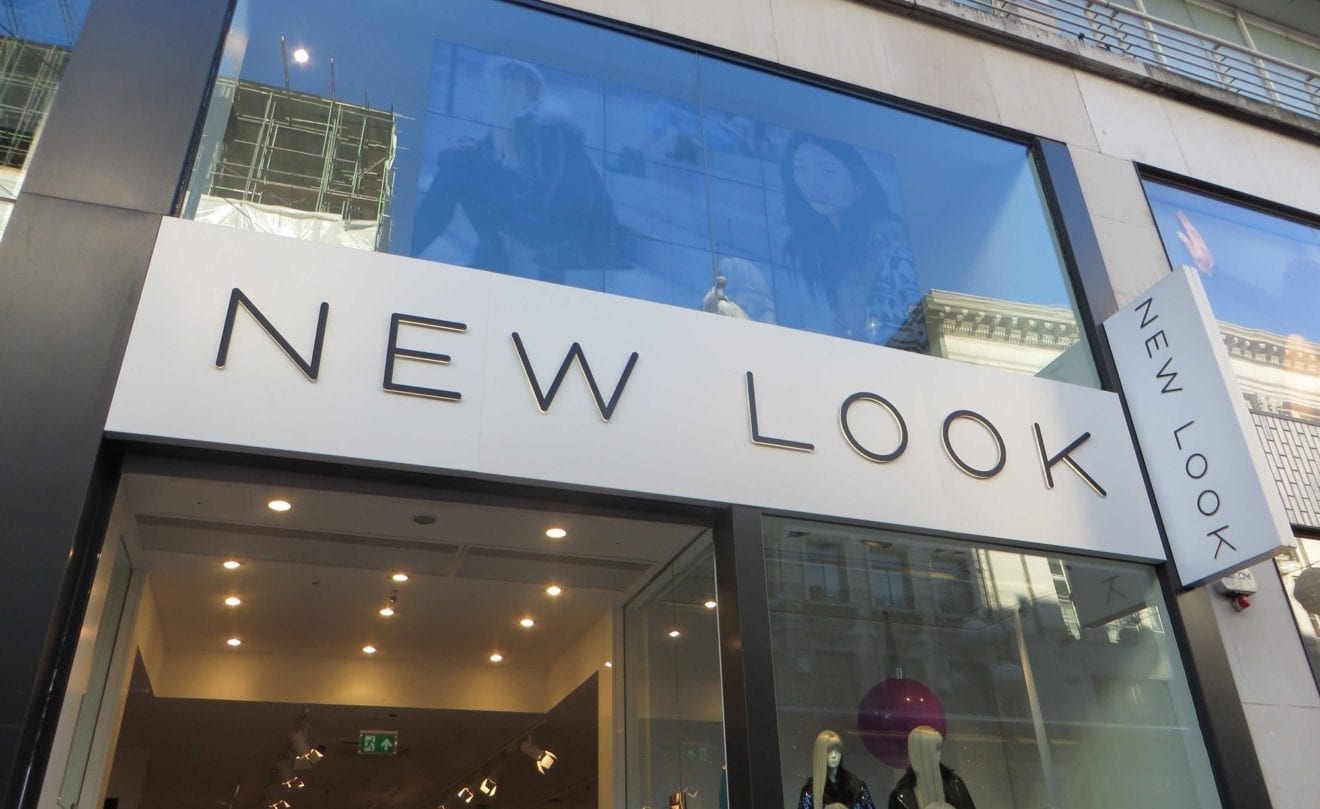
    Embattled UK fashion retailer New Look is to quite China, closing some 130 remaining stores. The move follows a strategic review of the China business announced back in June, when the company put the brakes on an ambitious 450-store rollout plan after opening just 148.

    New Look has appointed property specialist CBRE to find new tenants for the 130 remaining stores in the country.

    In March, South African-owned New Look signed a Company Voluntary Arrangement with its creditors and landlords in the UK allowing 60 stores there to be closed. Chairman Alistair McGeorge at the time cast doubt on the future of the China plans announced by former CEO Anders Kristiansen.

    New Look’s China exit comes two months after rival chain Topshop terminated a franchise agreement with local partner Shangpin “by mutual agreement”.

  • Orchard Road retail vacancy rate free jump

    Orchard Road retail vacancy rate free jump

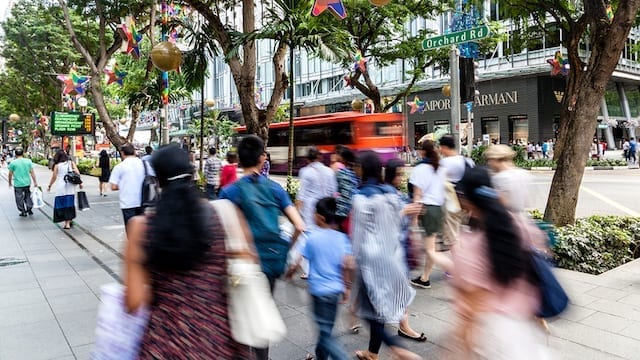
    The Orchard Road retail vacancy rate has dropped to 5.6 per cent in the second quarter.

    According to a report by CBRE, the rate is the lowest in 14 quarters and well below 2016 figures.

    CBRE’s head of research for Southeast Asia Desmond Sim said, “On the back of an improved tourism market, coupled with limited new supply along our famous shopping belt, Orchard Road is still able to attract new tenants.”

    Noting that new-to-market brands still require and demand visible frontages with high footfall, Sim cautioned that there may be vacancies on secondary corridors and secondary floors.

    Meanwhile, senior director of research at Cushman & Wakefield, Christine Li, said, “A two-tier market is forming in the retail segment, as accessible and well-managed malls attract the bulk of pedestrian footfall.

    Retailers and landlords have to continue to reinvent themselves, invest in technology and focus on lifestyle and activity-based experiences to keep pace with the fast-changing retail landscape.”

    This year’s new openings were largely in the food and beverage and fashion categories.

  • CBRE appoints appointed Tom Gaffney for The Greater Bay Area and Hong Kong

    CBRE appoints appointed Tom Gaffney for The Greater Bay Area and Hong Kong

    CBRE has appointed Tom Gaffney as Regional Managing Director for The Greater Bay Area and Hong Kong with immediate effect. In this newly created role, Gaffney oversees all CBRE’s business activities in the newly-formed economic hub.

    Gaffney joined CBRE in 2016 as the Managing Director for CBRE Hong Kong, Macau and Taiwan.

    The establishment of CBRE’s new business geography reflects the firm’s goals to enhance its market leadership in the fast-growing area.

    The Greater Bay Area, comprised of Hong Kong, Macau, Guangzhou, Shenzhen, Zhuhai, Foshan, Zhongshan, Dongguan, Huizhou, Jiangmen and Zhaoqing, represents the growth of a connected economic powerhouse and offers vast business opportunities.

    CBRE currently runs three corporate offices in the region: Hong Kong, Guangzhou and Shenzhen with numerous site offices across the other cities in the region.

    Ben Duncan, CEO, Greater China, CBRE, said, “Tom has been a tremendous leader who has grown our businesses across all metrics. The new role speaks to his capabilities and our firm’s commitment to deepen our roots in the Greater Bay Area. It is already the world’s the largest bay area in terms of land area and population and presents unprecedented potential for our clients and for CBRE.”

    Gaffney has more than a decade of experience in the real estate industry. Prior to joining CBRE, Gaffney was at JLL as Head of Retail, Hong Kong and China. Before JLL, he worked for Hongkong Land in Commercial and Retail Asset Management in Hong Kong, Singapore and Thailand.

    Tom Gaffney, Regional Managing Director, The Greater Bay Area & Hong Kong, CBRE, said, “I am honoured to have been given this responsibility to drive the firm’s growth in the Greater Bay Area. These are exciting times for the region and the firm, and we are confident that our team will effectively leverage on the opportunities opened to us from the Southern China economic powerhouse.”

  • Hanoi retail development spreading beyond CBD, says CBRE

    Hanoi retail development spreading beyond CBD, says CBRE

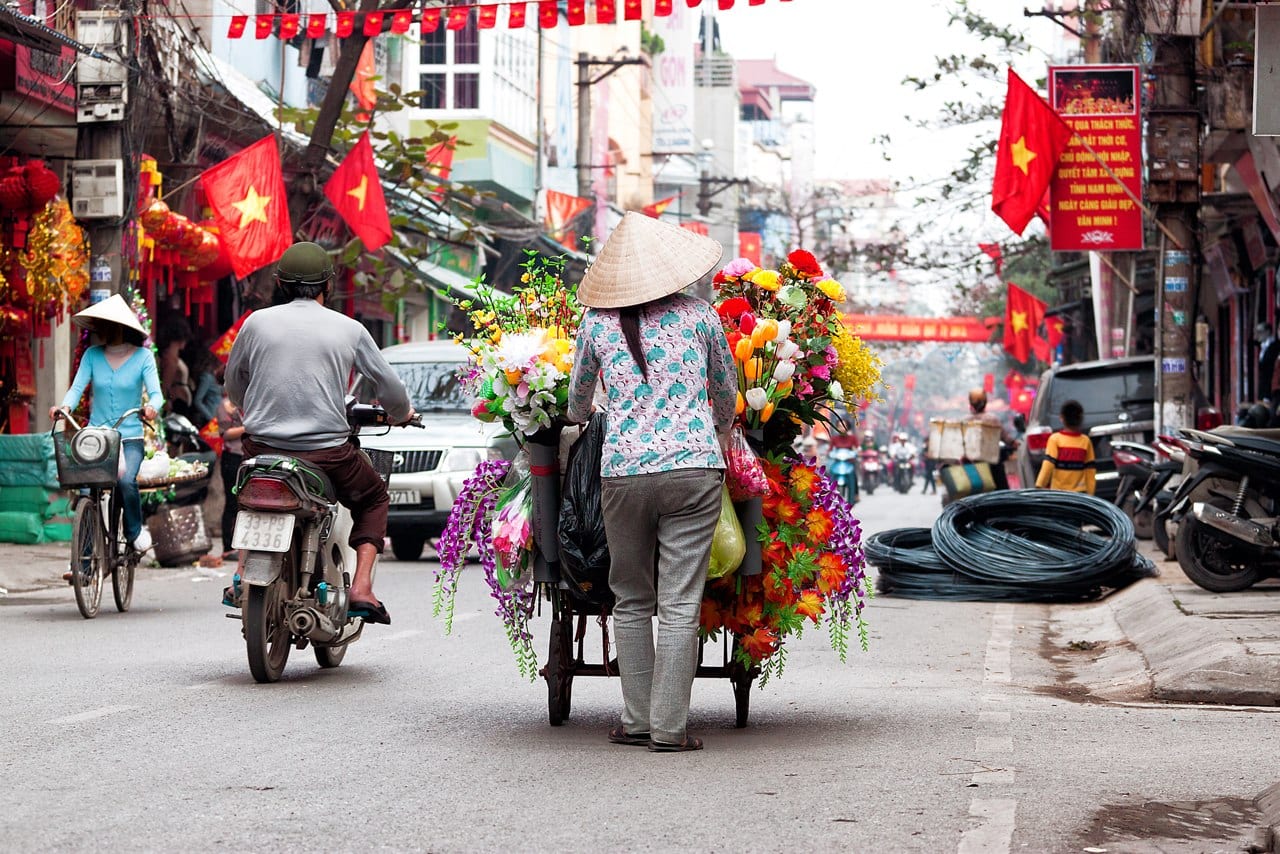
    Hanoi’s retail supply is growing outside the CBD area, reports real-estate company CBRE.

    With a total of 157,000sqm of retail coming from eight projects under development in fast-growing residential areas with good connecting infrastructure, CBRE says the suburban growth is expected to be attractive to both retailers and consumers.

    Malls inside residential complexes will continue to thrive, thanks to a high level of supply in the condominium market. Eight out of 12 future projects up to 2020 are retail podiums. “This format has certain advantages such as potential customers on site and increased traffic because of the residential component, providing extra services and amenities, and improving the image for the whole project,” says the CBRE report.

    The company predicts an emerging CBD will soon form in the western area of Hanoi. As the largest retail cluster outside the CBD with 41 per cent of total supply, the Cau Giay, Tu Liem and Thanh Xuan district will maintain its position in the next few years with 83,300sqm of supply in the pipeline.

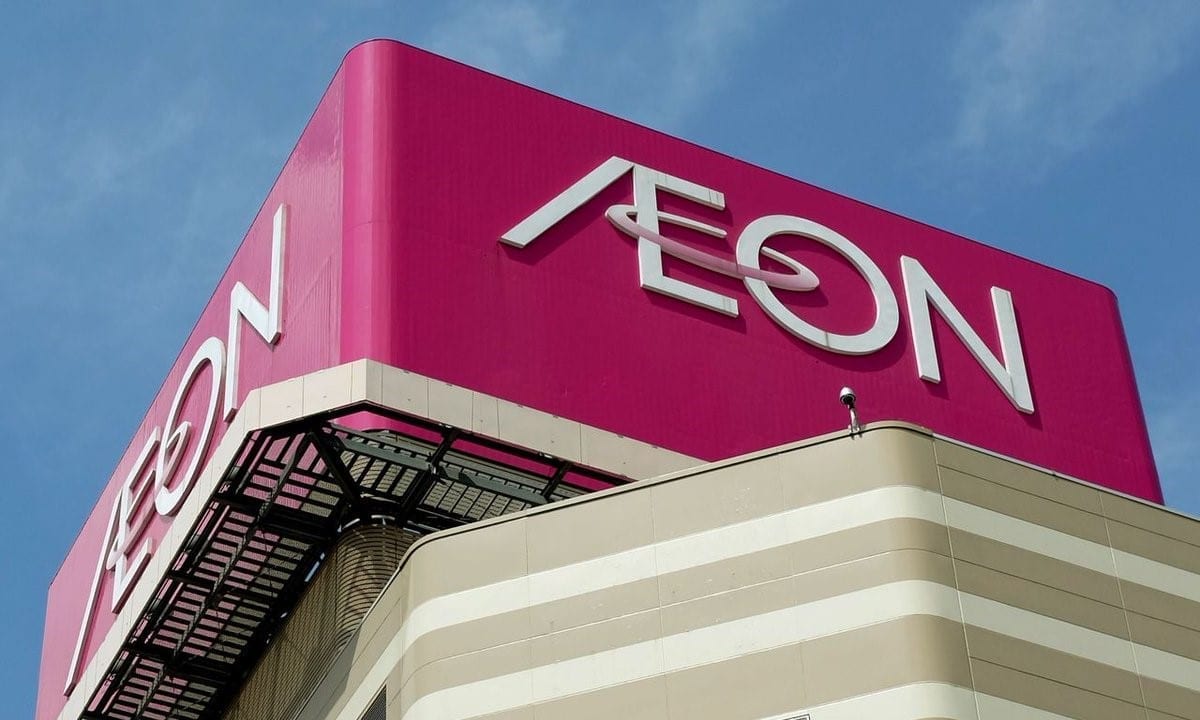
    In the next three years, Aeon Mall Ha Dong, FLC and Vincom shopping centres will supply space to the east, while the north will have a new project from Lotte.

    The CBRE report also shows that only 7 per cent of total retail supply in Hanoi is in the CBD, and there has been nothing new since 2013. As a result, retailers have been finding alternatives in shop houses and old buildings around Hoan Kiem Lake (such as the first McDonald’s Hanoi), creating demand for more space.

    The CBD’s retail rent is predicted to rise in the coming years.

  • Thailand’s Central Group set to build mall in Cambodia

    Thailand’s Central Group set to build mall in Cambodia

    Thai ambassador to Cambodia Nuttavudh Photisaro says Central representatives have already studied the proposed site, not yet revealed publicly.

    “By investing in a shopping mall, they hope the trade volume between the two countries will increase,” says Nuttavudh.

    CBRE Cambodia associate director Ann Sothida says shopping malls still have a chance to grow in Cambodia because the market has increased purchasing power and has only a limited number of shopping malls of international standard.

    Trade between Thailand and Cambodia eased by 6 per cent last year to US$5.6 billion. Cambodian exports to Thailand amounted to $936 million, while the country’s imports from Thailand amounted to $4.7 billion.

    Phnom Penh’s shopping centres comprise Aeon Mall, which is building a second outlet in the city, City Mall, Parkson and Soriya Mall.

  • Retail woes a boost for Hong Kong indie fashion

    Retail woes a boost for Hong Kong indie fashion

    High-end international brands have long held court alongside local Hong Kong indie fashion designers – who are now enjoying greater visibility in the city’s vibrant retail market.

    The city’s deep-rooted love of luxury has seen names like Gucci and Hermes open multiple stores in the city – stores that have co-existed with a stable of local apparel brands, such as Giordano, Baleno, Bossini and Esprit.

    By 2014, consumers’ tastes had diversified and fast-fashion overseas brands began descending on Hong Kong. The arrival of names like Topshop, American Eagle, H&M, Zara and Mango added yet more to the mix in Asia’s favourite shopping destination. Now that shop rents are finally becoming more affordable, independent fashion retailers are increasingly making their presence felt.

    Structural change

    In a report by commercial real estate firm CBRE, Joe Lin, executive director, retail services at CBRE Hong Kong, said that the city is undergoing a period of structural change.

    “Over the previous decade, high-street shop landlords have reaped the benefits of strong demand from luxury retailers and massive rental growth.”

    Lin noted that in the past 12 months, luxury retailers have adjusted their leasing strategies to save costs. “Landlords have become more realistic on rental negotiations, enabling more mid-range brands to tap into prime locations at relatively affordable rental levels.”

    The trend has opened the door for mid-market brands to expand, and for the rise of independent labels.

    “More independent stores are coming back to the market, streets, malls, and even some up-and-coming revitalised buildings in the traditional industrial districts, such as Lai Chi Kok and Kwun Tong,” said Lin. “They modernise the decoration and with the decent F&B outlets that draw good foot-traffic to these areas, independent retailers also benefit from this new trend.”

    Refined taste

    British fashion designer Elizabeth Lau established The Refinery in 2014 after moving to Hong Kong with her husband. Lau said she saw an opportunity to “curate for individuals” in Hong Kong by introducing unique fashion, accessories and lifestyle brands from around the world.

    Her first store, at the creative and design hub PMQ in Central, found a steady following, and in January 2016, The Refinery opened a second retail outlet in Tai Koo.

    Fashion edit

    Partners in fashion Genevieve Chew and Jacqueline Chak, an accountant and architect respectively, launched Edit in Central in 2012 as a concept store stocking emerging brands. They later created their own in-house label, which is described as “one part eclectic femininity and the other relaxed ease.” Their collections are worn by fashion personalities such as Yasmin Sewell, Margaret Zhang and Amanda Strang. The partners have also designed uniforms for Hong Kong’s new boutique Tribute Hotel in Kowloon.

    Fé Valvekens is another career-change entrepreneur who found her fashion foothold in Hong Kong. German-born Valvekens is a qualified engineer who founded fashion label A Day with Fé, blending daywear with yoga wear. Her PMQ store in Central also holds yoga and fashion styling workshops

    Quality indie labels

    Building on her established career in fashion, US expat Jamie Dredge co-founded Polkadot Boutique on Hollywood Road, Central, in 2011. After moving to Hong Kong two years earlier, Dredge spotted a gap between high-end luxury designers and mass-market clothing in Hong Kong.

    Her idea was to offer quality, well-designed womenswear and accessories from indie labels in the US, as well as supporting upcoming local designers.

    “We still have our local-based designers, but are also working with hot new labels out of Los Angeles and New York,” she said. Examples include Yumi Kim and Blank NYC Denim from New York, Veronica M from Los Angeles, and Hong Kong’s What the Frock?!.

    Being an independent retailer in Hong Kong has its challenges, said Dredge. Rents remain high, especially for smaller operators who don’t have the negotiating leverage of a famous brand. The demise of free print lifestyle magazine HK Magazine, which folded last year after 25 years, closed one door for independents to build a profile – and paid advertising is expensive.

    “We now have to work harder on our social media channels – and be more creative in our promotions,” Dredge said.

    On the other hand, word-of-mouth networking is an advantage in a city as close knit as Hong Kong.

    Pop-ups and collaborations

    One of Polkadot’s strategies is to host events where customers can meet the designers for a social night out, which might involve hair and makeup as well as fashion. One of the “biggest perks of Hong Kong” is the willingness of businesses to collaborate with each other, Dredge said.

    “Hong Kong is great for doing pop-up events and collaborations, which get the customers involved,” she said.

    It also illustrates how a physical boutique can still be successful, despite the challenges of online shopping.

    “People still like to feel the clothes, to try them on, to talk to the designer,” she said.

    “A lot of our garments are unique, and many of them exclusive. Our customers aren’t walking around seeing other people dressed the same, and that’s why they come to us.”

    -HKTDC

  • Hong Kong high street retail rents decline should ease

    Hong Kong high street retail rents decline should ease

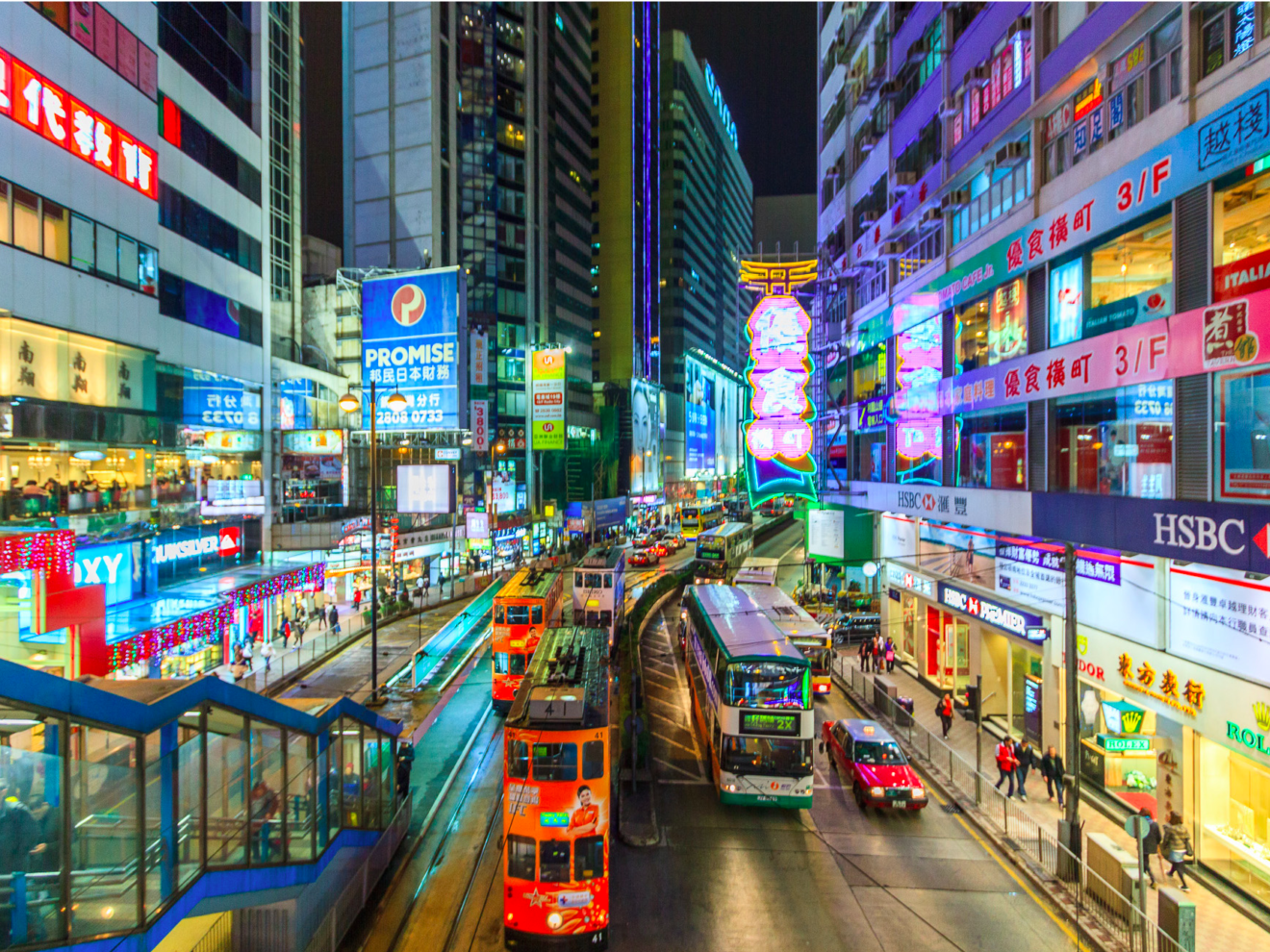
    After falling 12 per cent in 2016, the pace of decline in Hong Kong high street retail rents should ease in the year ahead, predicts CBRE.

    Last year’s decline followed a 17 per cent fall in 2015. That represents a full 27 per cent fall since rents were at their peak in 2014.

    But this year, says CBRE Hong Kong in a research note, expect a fall of a more modest 5 per cent.

    In contrast, shopping centre rents were broadly flat in 2016.

    “In 2017, slower economic growth in China and depreciation of the Renminbi are set to undermine mainland tourist spending in Hong Kong,” said Joe Lin, executive director, advisory & transaction services – retail, with CBRE Hong Kong. “However, the fall in high street shop rents is not expected to exceed 5 per cent in 2017, and by the middle of the year, most leases that were signed during the market peak of 2014 will have expired, meaning that rents are expected to stabilise from then on. Leasing momentum is expected to gradually improve from 2016,” Lin concluded.

    In investment terms, CBRE predicts a 5 to 10 per cent decline in prices for street shops in core locations in 2017, coming off a 10.6 per cent decline last year.

  • Muji next expansion plan

    Muji next expansion plan

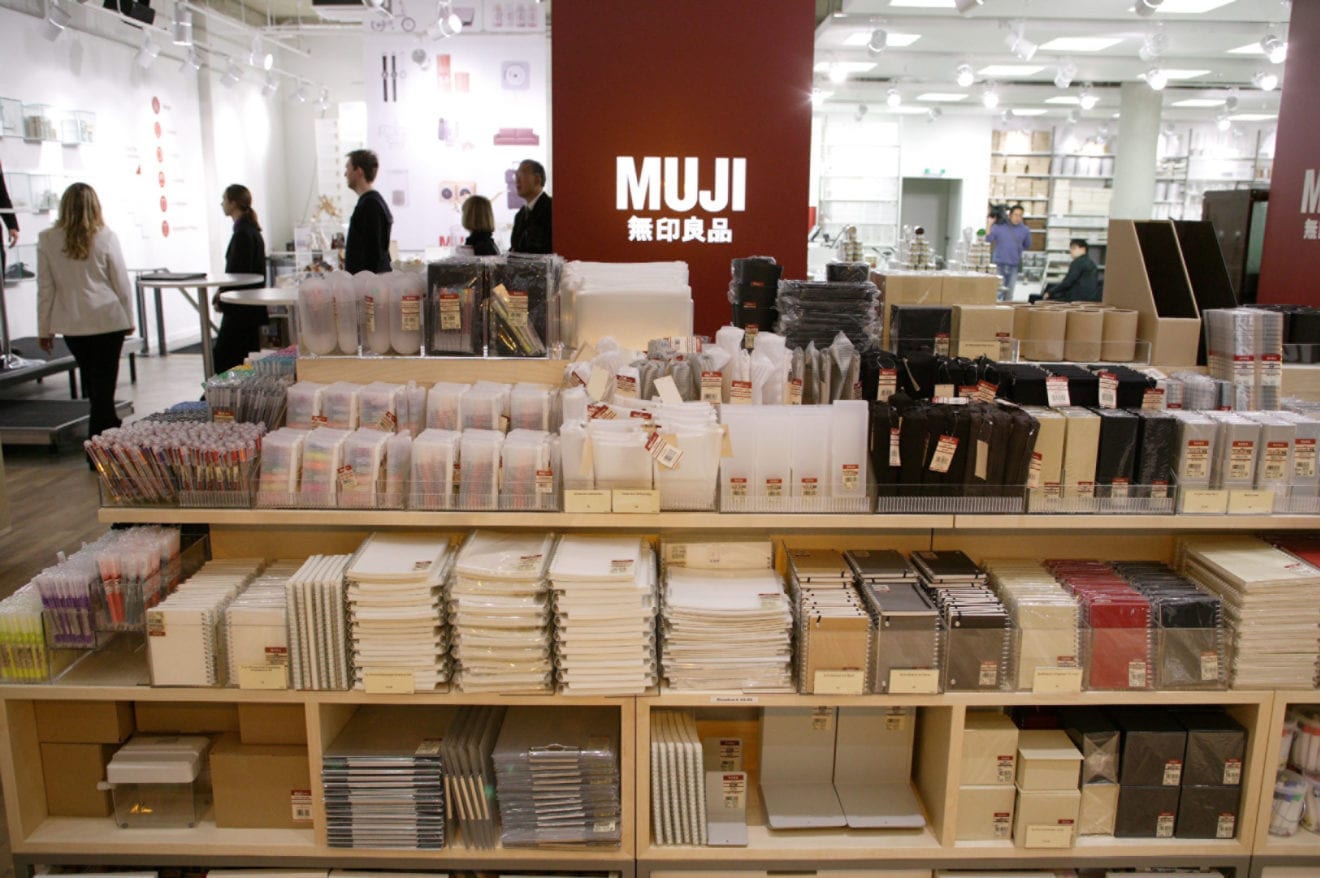
    Japanese lifestyle clothing and accessories brand Muji Canada is expected to expand to Vancouver next year.

    Known for its minimalist approach, Muji already has three stores in Toronto. It has about 300 stores outside Japan.

    Vancouver’s retail sector continues to outperform other Canadian markets with annual sales-per-square-foot at more than C$1000 (US$762). Toronto is second at about C$860.

    “Vancouver is a very young retail market and many brands have not yet opened street stores,” says real-estate group CBRE executive VP for retail in Vancouver Mario Negris. “We anticipate a vast number of new entrants into the downtown retail landscape.”

    Most brands entering Canada have their first outlets at Toronto’s Yorkdale Shopping Centre and Eaton Centre, says the Vancouver Sun. This is because of Vancouver’s relative lack of space.

    Brands such as Forever 21 and Victoria’s Secret actually made their Canadian debut in Alberta, while Vancouver is the preferred entry point for luxury brands such as Berluti, Jaeger-LeCoultre, Rolex and St Laurent.

    Other brands reportedly lining up to open in Vancouver next year include coffee boutique Nespresso and H&M’s Cos brand.

  • The rise and rise of property management firms in China

    The rise and rise of property management firms in China

    Virginia Huang has amassed nearly 20 years of top-level commercial real estate industry knowledge, and is the longest serving member of the CBRE team in Beijing.

    After joining the firm in 1997, she is now the firm’s managing director, and head of advisory and transaction services for Greater China

    A specialist, particularly, in the office leasing market, Huang has been involved in some of the Chinese capital’s highest profile transactions, dealing with top-tier Chinese and international developers.

    She shares her thoughts on the sea changes that have happened in China’s commercial real estate landscape, the recent rise in the amount of retail space being converted into offices, and the emergence of Beijing’s decentralised markets.

    What major changes have you seen during your 20 years in the commercial real estate sector?

    When I first entered the industry in the late 1990s, Chinese companies basically wouldn’t use our services. Our customers were primarily foreign corporations whose own corporate real estate teams were small and much more used to outsourcing.

    The traditional perception about CBRE as a company was that we were classy but aloof, dealing only with foreign clients. But we set out to convince people that was not the case, that we were straight forward, humble and down to earth, and that we had and in-depth understanding of Chinese companies and the Chinese market.

    Our domestic client base, as a result, has grown rapidly in the past few years, very much in line with the rise in size and number of many Chinese companies. There has also been a change in mindset, that they increasingly recognise the value of a professional international firm, as many are looking overseas for business.

    How can companies ensure their real estate requirements match their overall growth strategy?

    Many Chinese companies, especially technology firms, have grown so fast that often their property planning procedures has failed to keep pace, even if they do have procedures in place. But the same is often true in many mature multinationals, who might not have clear procedures in place to make these types of decision. It’s a universal problem.

    Chinese firms in this aspect do face a gap, especially when it comes to decision making: who, at what stage should they be involved? Often that is unclear. That fits their early-stage nature. But when start-ups grow larger and larger, as some now do, they will naturally shift to see leasing more as a means to attract and retain talent and improve working efficiency. In that way they would be less likely to compromise quality simply for cost.

    Workplace management should be aligned more with other departments from the start, especially with the top management and the overall strategy of the company. In terms of leasehold or freehold, there is no fixed solution. Each company has to make its workplace strategy in line with its overall strategy.
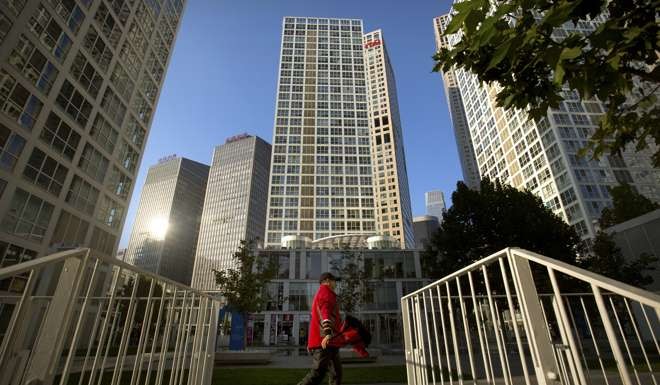
    A lot of companies have reported that finding good office space in Beijing’s central business district(CBD) is becoming increasingly difficult, and expensive – but many are unwilling to locate to less popular and cheaper sites away from the city centre. How can the problem be solved?

    Contrary to popular perception, there is plenty of supply in Beijing CBD, a lot more in fact than in the city’s Financial Street or Zhongguancun, where an office can be really hard to find.

    Also contrary to perception is that emerging markets, such as Wangjing area, have a high vacancy ratio. The vacancy ratio in Wangjing is low, and rents are not low any more.

    The problem some of these areas have in filling their space is to do with infrastructure

    Office workers in Wangjing, particularly, complain it’s hard to get to by public transport. Services and amenities, such as convenience stores, restaurants and hotels are rare.

    These types of out-of-town areas used to attract tenants with cheap rents and favourable policies. But office owners are becoming increasingly aware they cannot attract firms just by offering generous discounts. They have to do more complete the surrounding amenities, the soft environment of their markets, and more will be willing to move into them.

    With an oversupply of retail space in China, many underperforming malls are being converted into offices. Is there a danger of that too becoming oversupplied if the trend continues?

    There are two types of retail space being converted into offices: complementary retail space in bigger complexes, and whole retail buildings that are underperforming due to their poor location or poor management.

    On the first type, often their small size and flaws in design make them difficult to attract tenants. Ideally owners should be converting the second, third and fourth floors into offices, especially if higher floors are already offices.

    Whole underperforming retail buildings can be more be difficult to convert, because of their design, the position of their escalators, windows and so on. It can also be hard for there types of building to attract traditional tenants such as financial and law firms.

    I don’t think there’s an oversupply issue for now, because the trend is exclusively robust in Beijing. There is an acute supply issue in the capital, because it is nearly impossible to find new office projects in the downtown area because of policy regulations. Demand for offices here continues, unabated.

    If retail property owners invest in converting the lower levels of their buildings into office space, they will be able to earn much higher rents, than if for instance the site was leased as a restaurant. So there is a strong incentives to do so.

  • High street rents go, well, sky-high

    High street rents go, well, sky-high

    Current retail thinking that the high and the low ends are driving the industry has gotten a boost from CBRE Group.

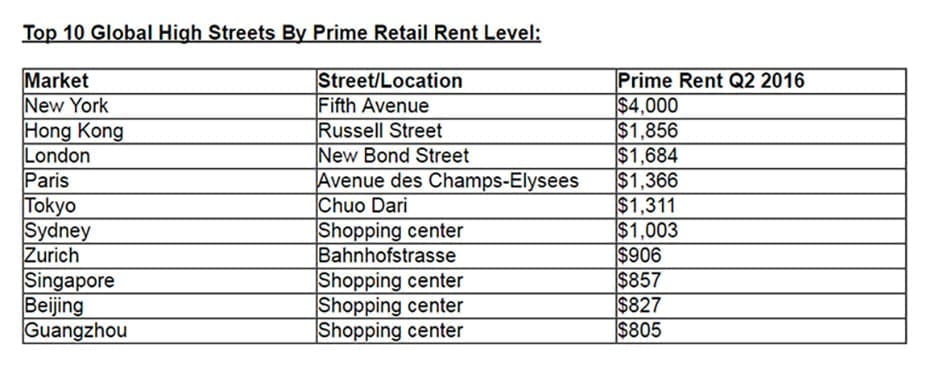
    High street rents are off the charts worldwide, according to company’s just-released Global Retail Rents report. Rents in prime shopping locations during the second quarter were up 30% in Rome, 24%, 20% in Milan, and 14% in Sydney and New York.

    New York’s Fifth Avenue remained the prime of “The Prime,” with an average per-sq.-ft. rent of $4,000. Next in CBRE’s tally came Hong Kong’s Russell Street at $1,856, London’s New Bond Street at $1,684, and Paris’s Avenue des Champs-Elysees at $1,366.

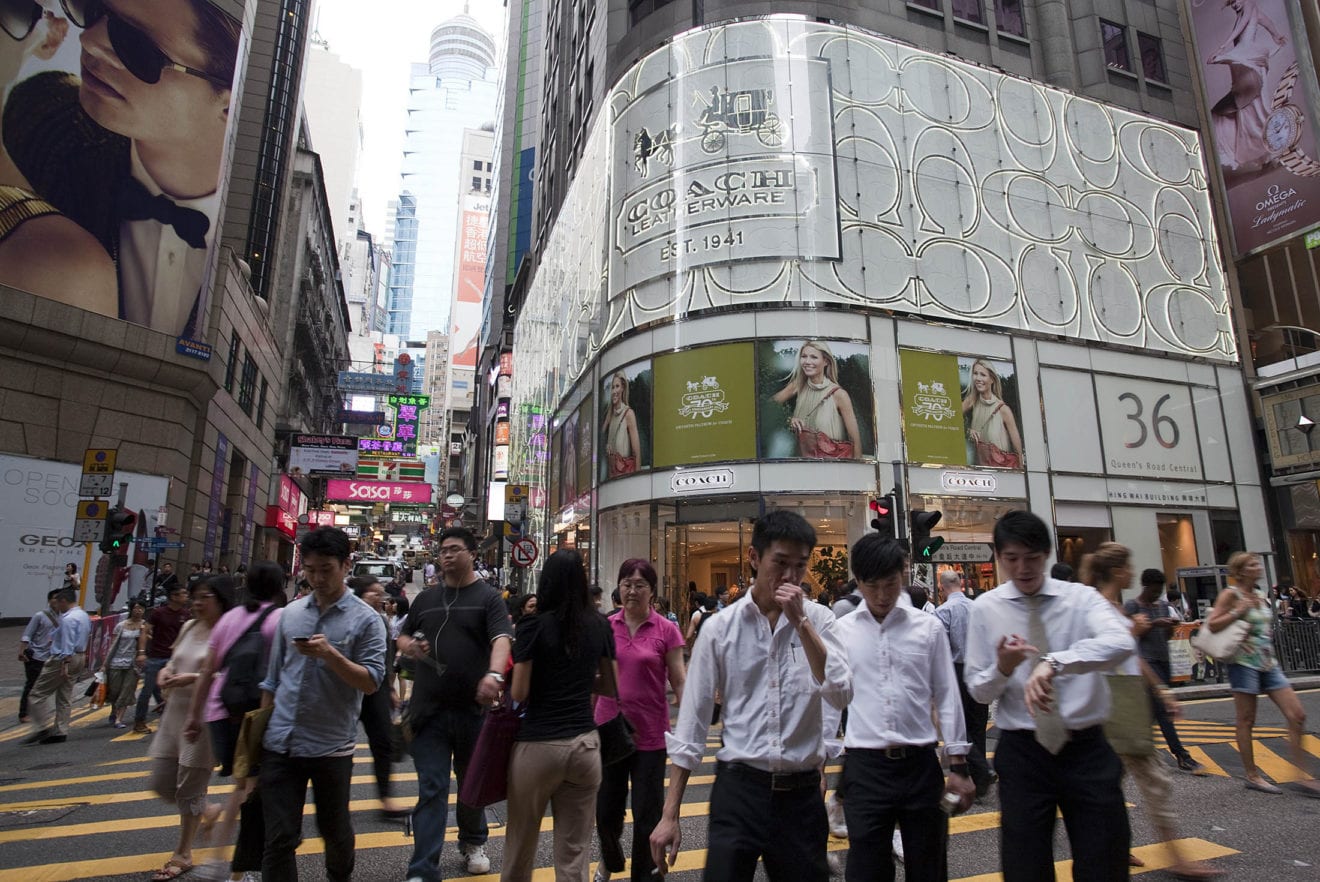
    Interestingly, rents on Russell Street posted the biggest decline from second quarter 2015, plummeting 33%. The reason, according to CBRE: Fewer tourists from Mainland China and economizing locals.

    “The cooling-off of China’s economy has manifested itself in sharply lower rents in Hong Kong, which has allowed a new crop of retailers to enter the coveted city,” said Anthony Buono, chairman of CBRE’s Global Retail Executive Committee. “At the same time, prime retail rents in New York can remain stable, but in the near term we will see more landlord concessions to accomplish rate stability.”

    Rents on New Bond Street are like to keep rising, Buono added, due to a scant supply of prime retail space in London.

  • Henderson unveils prices for mini flats

    Henderson unveils prices for mini flats

    Discounted prices for Henderson Land’s “mini flats” at its One Prestige project in North Point are as low as HK$3.67 million or HK$22,130 per salable square foot, according to the first price list that the developer issued yesterday.

    The price list is for 50 flats of sizes between 163 to 170 ssf. The discounted prices range between HK$3.67 million and HK$4.54 million or in per ssf terms between HK$22,130 and HK$26,892.

    The lowest discounted price at Henderson Land’s project is 20 percent higher than a 163-sq-ft second-hand flat sold in July at The Harbourside, a housing project also in North Point but built 13 years ago.

    Henderson Land general manager Thomas Lam Tat-man said units at the One Prestige project will be on sale from next week at the soonest.

    Meanwhile, Sino Land this week launched an additional 30 flats in its Park Mediterranean project in Sai Kung. Associate sales director Victor Tin Sio-un said listed prices range from HK$5.64 million to HK$10.14 million.

    He said prices had gone up by about 2-3 percent from the launch of the first batch of flats, adding more flats will be offered for sale on Sunday.

    China Overseas (0688) launched the fourth price list for One Kai Tak, dubbed as “Hong Kong Property for Hong Kong People.” The latest price list covers 121 flats with sizes between 376 and 850 ssf. Listed prices for the units range between HK$7.22 million and HK$19.49 million. The company will offer for sale 221 flats on Sunday.

    park-mediterranean

    In related action, CBRE, a global real estate services and investment firm, said owners of commercial premises in Hong Kong have shown more willingness to rent out spaces to food and beverage operators amid changes in the local retail landscape.

    “The transformation of Hong Kong’s retail market is structural and is likely to continue in the foreseeable future,” said Joe Lin, executive director at CBRE Hong Kong’s retail advisory and transactions services unit.

    “This represents an ideal time for food and beverage operators to negotiate better leasing terms with retail landlords to expand their footprint,” Lin said.