Retail News CRM

Tag: cbre

  • Hong Kong retail rents weaken further

    Hong Kong retail rents weaken further

    Hong Kong retail rents weakened further in the third quarter – and worse is to come, according to CBRE’s quarterly review.

    Against a backdrop of a seven per cent fall in watch and jewellery sales in July and August combined, there was an increase in lease surrenders by luxury brands and high-value retailers on tier one streets, the review said.

    “Overall rents in core locations slumped 9.1 per cent quarter on quarter, the largest quarterly decline recorded since 1998.”

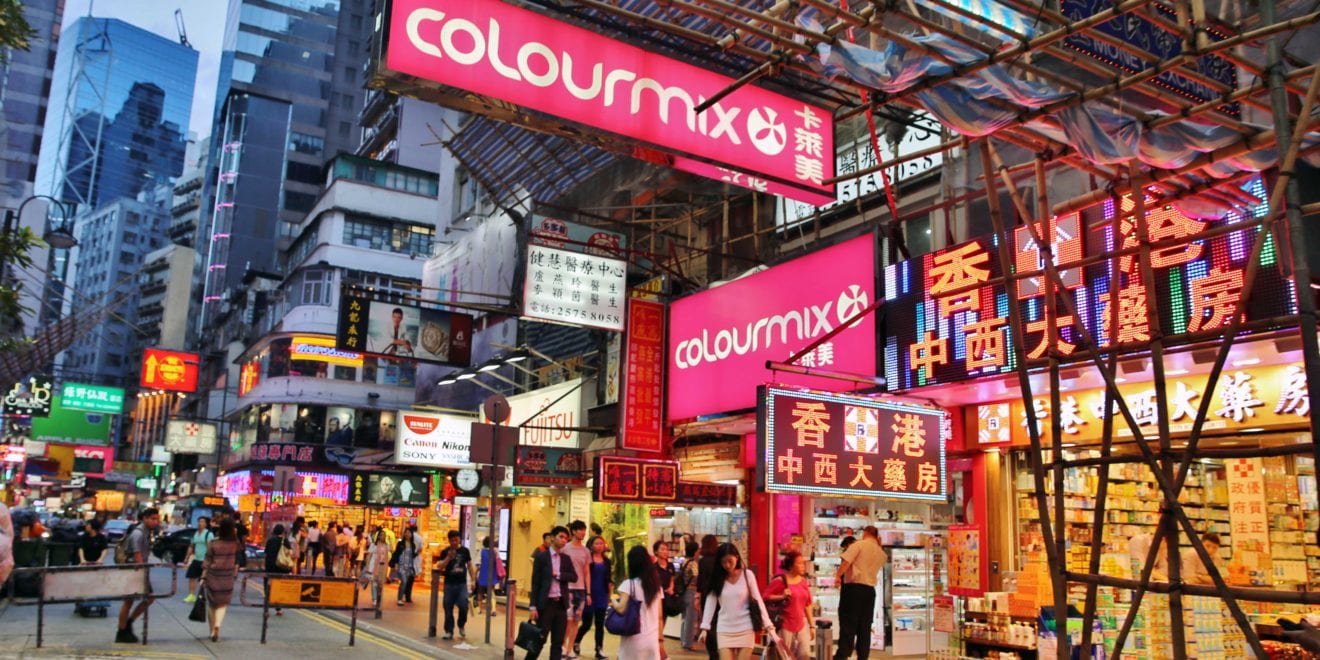
    Among the four core submarkets, rents in Causeway Bay fell the most severely – by 11 per cent quarter on quarter – taking the total year to date decline to 22 per cent.

    “Rents in Central, Tsim Sha Tsui and Mong Kok declined by 9.2 per cent, 7.0 per cent and 7.6 per cent quarter on quarter, respectively.

    “Mid-range retailers are attempting to regain their foothold in prime locations. Cosmetics retailers, sportswear brands and fitness centers were the most active sectors in Q3.”

    Joe Lin, executive director, retail services, CBRE Hong Kong​ said the top tier retail market led the deterioration.

    “The shift in mainland Chinese tourist spending patterns coupled with slower tourist arrivals continued to erode confidence among luxury retailers. This resulted in more cases of lease surrender and rental cuts for tier one street shops by jewellery and luxury retailers. We expect the rental downcycle to continue in Q4.”

    Lin predicts average rents for space in core retail locations will continue to decline in Q4, with the full year rental downward adjustment for 2015 projected at between 20 and 25 per cent.

    “Non-luxury retailers are set to be the main driver of retail leasing demand in Hong Kong.

    “Leasing transactions signed over the past two quarters at lower rents in tier one streets will set new benchmarks for lease negotiations in the coming months.”

  • Hong Kong retail ‘moves to the middle’

    Hong Kong retail ‘moves to the middle’

    Hong Kong retail is moving from its traditional luxury focus to the mid market and the demographics of shoppers change, according to a report from CBRE.

    Mid-market retail brands are set to overtake luxury brands  as the main driver of retail demand in the territory, according to the report, The Changing Retail Landscape: How to Survive the  Slowdown in Hong Kong?.

    The Hong Kong retail sector outperformed over the last decade with strong sales growth for high-end products. This generated an increase of 213 per cent in average rents from 2003 to 2014 for core street shops in Causeway Bay, Tsim Sha Tsui, Mong Kok and Central.

    “But the tailwind for luxury retailers has slowed since 2014 hindered by a range of factors including Chinese government’s anti-corruption measures, milder GDP growth in China, weakening Asian currencies and the loosening of policies on travel for mainland Chinese,.” says CBRE in a summary of the report.

    These are all unfavorable factors for Hong Kong’s tourism and retail sales. The total retail sales in Hong Kong from January to July 2015 edged down by 1.8 per cent year on year, while sales of watches and jewellery plunged 15 per cent in the first seven months of this year.

    “Despite the gloomy outlook  for the retail sector, opportunities are emerging for mid-market retailers.”

    “The retail sector is experiencing a structural change,” said Joe Lin, executive director, retail services, CBRE Hong Kong.

    “Over the past decade, high-street shop landlords have reaped the benefits of strong demand from luxury retailers and massive rental growth. Landlords must now be more realistic on rental negotiations, as luxury retailers are adjusting their leasing strategies to save costs, and more mid-range brands are looking to tap into prime locations at relatively affordable rental levels. This opens the door for mid-market brands to expand. In the last quarter, we saw prime street shops leased to mid-market brands following the lease expiry of the previous luxury goods retailers.”

    To cope with the slowdown, luxury retailers are consolidating their second-tier shops, which will increase space availability in the market. Some high-end fashion, cosmetics and watch and  jewellery retailers have either stopped renewing leases or surrendered spaces well ahead of  expiry. However, they will still strive to secure flagship premises in strategic locations with  prominent addresses and good visibility, which means a higher marketing value. They may also introduce secondary lines at accessible prices, targeting young consumers with a growing  demand for mid-market products.

    Consolidation by luxury retailers in Hong Kong implies that the tenant composition in some prominent retail locations will gradually change. Meanwhile, mid-range retailers previously not able to afford to lease a space in prime locations are now looking to take up vacant space  surrendered by luxury brands. Landlords are more willing to negotiate with tenants for more  affordable terms. While rents are generally falling, shops in the most strategic locations with  good footfall and visibility are not expected to run into high vacancy risks as long as landlords are prepared to be flexible in leasing terms.

    “The sales performance of luxury products is heavily reliant on the external factors mentioned,” said Marcos Chan, head of research, CBRE Hong Kong, Macau and Taiwan.

    “In contrast, the demand for mid-market goods from both tourists and local consumers is relatively steady.”

    CBRE foresees three trends in the next five years:

    • The main driver of demand for retail space are shifting from high-end consumer goods to mid-market brands;
    • Local demand will gradually regain a bigger share in total retail sales compared with tourist spending; and
    • Decentralised areas will provide a significant proportion of new retail space, offering more leasing options.

    “These trends suggest that retail market stakeholders, including  luxury and mid-market brands, and street shop and shopping mall landlords, will have to reconsider their business strategies,” said Chan.

    “Structural changes in the retail landscape will ultimately result in a more balanced and sustainable retail market in Hong Kong,” added Lin.

    “The tenant mix of both core areas and sub-markets will become more diverse, enabling both high-end and mid-market brands to offer a broader range of products to consumers. Domestic spending will get retailers’ attention and the mid-market sector will see healthy growth potential.

    “We would recommend mid-market retailers to continue to explore opportunities in emerging districts. This will ensure they obtain first-mover advantage. Meanwhile, street shop landlords should lower their rental expectations and consider leasing to mass-market brands to avoid long-term vacancy.”

    The lack of supply in the market is another reason for pushing retail rents to a high in past years. CBRE believes that supply in the next five years will ease some pressure on retailers on rental expense but new options in the core shopping districts will continue to remain limited.  The development of several new towns in more remote districts will result in substantial growth  in residential and working populations that will need to be served with by shopping facilities.

    CBRE estimates that in the next five years, 70 per cent of the new supply will be in non-core districts and 5.6 million sqft of retail space will be shopping arcades for residential estates.

    “This will provide opportunities for mid-range retailers to expand their store networks targeting the mid-to-high income households. Government statistics suggest that the catchment areas of these regional malls usually have an above-median household income.”
  • Generation Z to make big retail impact

    Generation Z to make big retail impact

    New challenges lie ahead for retailers in Asia as Generation Zers embrace technology and earn more.

    In its newly released report How We Like to Shop Online, CBRE says Generation Z is expected to have significant influence over the retail market in the coming years as their income levels are set to increase rapidly upon joining the job market.

    Generation Z refers to people born after the Millennial Generation, loosely defined as from around 2000.

    “Having spent most of their lives using the internet and other related technology, Generation Z’s demographic of consumers has distinct shopping behaviors in comparison to other demographic segments,” says Jonathan Hsu, head of occupier markets research, CBRE Asia Pacific.

    “Key aspects of their online shopping habits include stronger trust in online information; more activity on social media; and needing a sense of differentiation. These factors demonstrate the increasingly important role of technology in shaping the decision-making process of consumers,” said Hsu.

    In order to remain competitive in the digital age, retailers and landlords need to be proactive in reaching out and engaging with their consumers. Mobile shopping is most prevalent in emerging markets, and in many places, smartphones are the first – and sometimes only – point of internet access for many consumers, therefore, are playing a key role in driving the growth of online retail.

    Smartphone apps and social media can provide valuable information and insights into consumer behavior, for example, push notifications for smartphone apps or social media platforms based on consumers’ shopping history, location and preferences can help personalise their shopping experience.

    “Landlords and retailers need to be more digital-savvy, keeping pace with the latest trends in smartphone applications and social media so they can build a stronger relationship with consumers especially those from Generation Z,” said Joel Stephen, senior director, head of retailer representation, CBRE Asia.

    “These digital platforms are two essential mediums of online retailing, which should be integrated into retailers’ omni-channel strategies in order to capture Online-to-Offline (O2O) business opportunities.”

    With around 70 per cent of consumers in Asia Pacific collecting their online orders in-store – and 90 per cent of them purchasing additional items when picking up their online order – click-and- collect services are also an effective way to drive in-store sales, creating a synergy between both online and offline platforms.

    CBRE says landlords should thus collaborate with tenants to help merge their online and offline offering by providing the necessary facilities and regular renovations.

  • Foreign brands drive Manila malls boom

    Foreign brands drive Manila malls boom

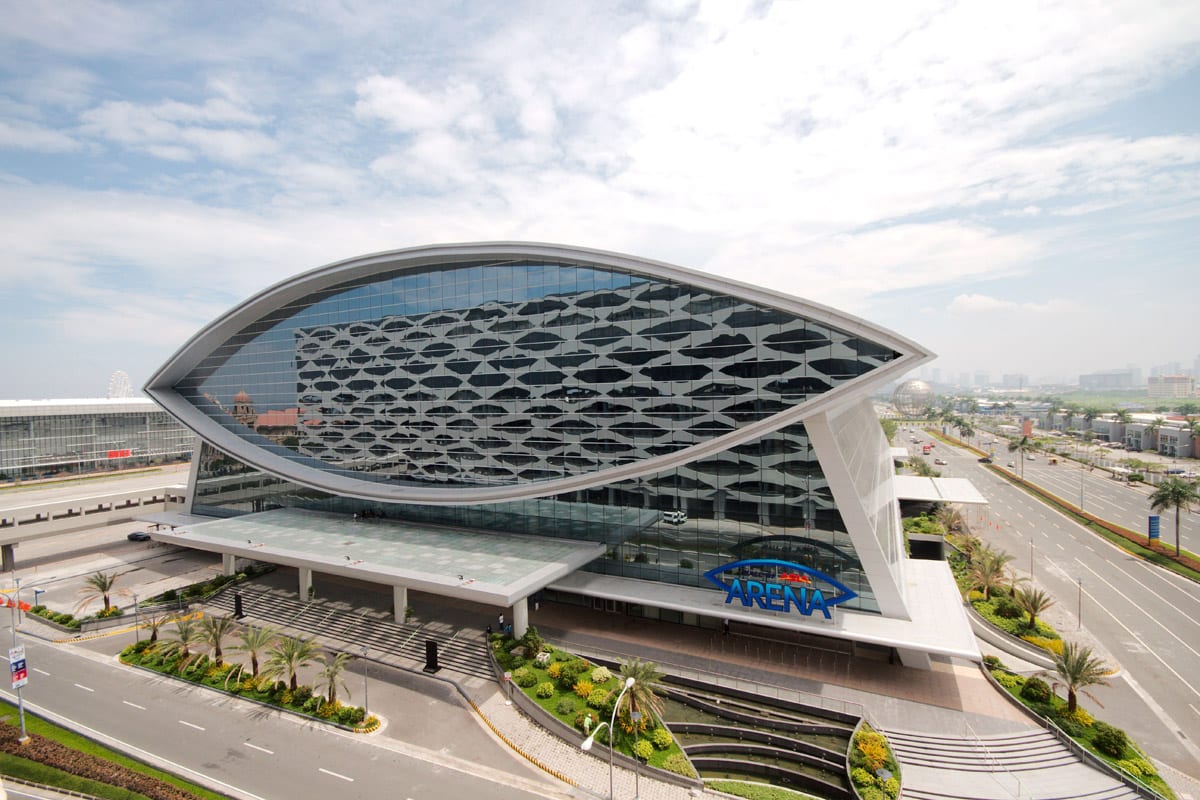
    Manila’s thriving retail sector will lead boost returns for shopping centre developers, says new research from real estate specialist CBRE.

    “With several new malls operational this quarter, supply of retail space has boosted,” concludes CBRE’s The Philippine Real Estate Industry Update and 2015 Outlook.

    “Retail sales remained solid, demonstrating upticks in consumer spending as evidenced by the low inflation rate and an encouraging outlook for real estate and tourism sectors.”

    Nationwide, the Philippines’ retail industry growth is being fuelled by both local and international brands expanding their footprints.

    “The quarter saw the entry and expansion of new and existing global brands in different retail core sites. These international brands have recognised the potential of the Philippine retail market, signified by the country’s strong economic growth.”

    Sweden’s H&M is a prime example: after a successful debut in Manila, the company has aggressively expanded its operations throughout Metro Manila with local major shopping mall operators. The first H&M outlet in Megamall occupies 3000 sqm over three floors and is now considered one of the largest retail stores in the Philippines.

    Estancia Mall in Capitol Commons, which houses several retail outlets and restaurants, opened in the fourth quarter in time for the holiday rush. The building, which has a gross floor area of over 30,000 sqm meters, also incorporates office space.

    Other Manila malls opening during the quarter were Robinson’s Place Las Piñas and City of Dreams Manila.

    “With the holiday season at hand, the retail sector remained active with more international retailers showing interest in entering the domestic market. Consumer sentiment was sustained as major drivers such as the BPO sector and overseas remittances show no signs of slowing down,” said CBRE.

    Diversifying into the retail segment, major developers are taking advantage of the ‘Retail- tainment’ concept wherein office and residential projects are including retail use.

    “The purpose of this is to provide the overall retail experience to Filipino shoppers, giving them the power of choice at their own convenience. This factor is also seen to attract foreign retail players to dive into the Philippine market scene.”

    These factors, says CBRE, will drive “upbeat” demand for, and supply of, retail space in Manila malls in the near future.

    “Overall, the Metro Manila retail market is seen to remain strong and stable for the remainder of the year empowered by the expanding Business Process Outsourcing industry, Overseas Foreign Worker remittances, growing tourism and a growing middle-income market.”