Retail News CRM

Tag: Chain

  • Happy Potato Sizzles Across Asia: Malaysian Fries Chain Captures Four New Markets

    Happy Potato Sizzles Across Asia: Malaysian Fries Chain Captures Four New Markets

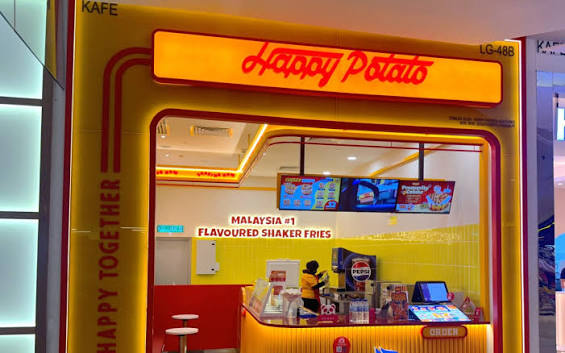
    Happy Potato, a fries chain originally from Malaysia, has successfully extended its operations to four international markets within half a year. The company’s rapid growth has seen it establishing new outlets in Bangladesh, Indonesia, China, and Cambodia as a core component of its aggressive regional expansion strategy.

    This ambitious expansion has boosted Happy Potato’s network to a total of 126 outlets spread across five countries. The majority of the outlets, 117, are located in Malaysia, while Bangladesh hosts three, and Indonesia, China, and Cambodia each accommodate two.

    The origins of Happy Potato trace back to Kota Kinabalu in 2019 where it began with just one outlet. The company opened its initial directly operated store in Peninsular Malaysia in 2023, and has since then been on a fast-paced journey of expansion through its franchising network.

    Between 2024 and 2025, Happy Potato saw a surge in its growth, adding 98 outlets across the nation. This domestic surge set the stage for its current international growth, which began this year.

    Edmund Lim, the CEO and co-founder of Happy Potato, shared that the firm dedicated years to solidifying its franchise model and operational systems before breaking into international markets.

    “Establishing a new outlet is merely one aspect of expansion. The real challenge is ensuring that customers receive the same experience, product quality, and service standards irrespective of the outlet’s location. Achieving this consistency necessitates having robust operational systems, franchise support, and local partners,” he said.

    The international journey for Happy Potato started in February with the first outlets opening their doors in Bangladesh and Indonesia. This was followed by China in May, and Cambodia in July.

    Lim expressed that this recent expansion has bolstered the company’s confidence in scaling its business, while maintaining its commitment to consistent quality across all markets.

    “Happy Potato started as a humble Malaysian fries brand, and now we are catering to customers in five different markets. But this is only the beginning,” he said.

    As part of its 2028 growth plan, Happy Potato has set its sights on expanding its Malaysian network to 200 outlets, while also making its mark in another three to five countries across Asia.

    Questions & Answers

    What are Happy Potato’s plans for future expansion?
    Happy Potato plans to expand its Malaysian network to 200 outlets and enter another three to five countries across Asia by 2028.

    What is noteworthy about Happy Potato’s expansion strategy?
    The company spent years strengthening its franchise model and operating systems before expanding internationally, ensuring that customers receive the same high-quality experience and service at all locations.

    What was the sequence of Happy Potato’s entry into international markets?
    Happy Potato first entered Bangladesh and Indonesia in February, followed by China in May, and Cambodia in July.

  • Sederhana Breaks Boundaries: Popular Indonesian Chain to Launch First Outlet in Singapore

    Sederhana Breaks Boundaries: Popular Indonesian Chain to Launch First Outlet in Singapore

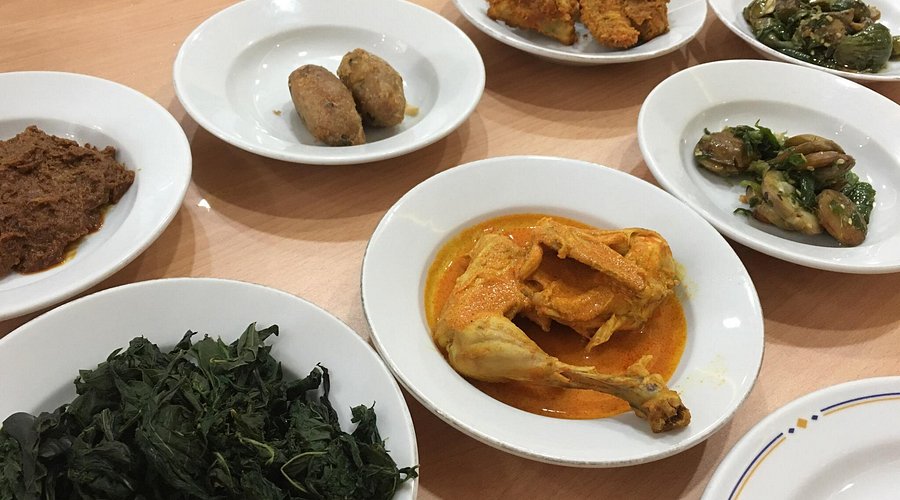
    Sederhana, a well-known Indonesian food chain, is preparing to open its first Singaporean branch, taking the place of a recently closed restaurant that had been serving customers for almost eight decades. Sederhana announced its arrival in Singapore via an Instagram post on May 17th, holding back from revealing the exact date of the grand opening.

    Sederhana is popular for its nasi padang, a traditional Indonesian dish made up of steamed rice alongside a variety of pre-prepared dishes, including meats, vegetables, and fish. The chain is reported to be aiming for a May 29 opening date for the outlet located at 738 North Bridge Road, hoping to officially launch by mid-June.

    The Legacy of Sederhana

    Sederhana, which started its journey in 1972, currently operates more than 200 outlets across Indonesia, serving the unique Minangkabau cuisine. The Minangkabau are the largest ethnic group on the island of Sumatra, located in the western part of Indonesia. In addition to its Indonesian establishments, the chain also has three branches in Malaysia and plans are underway for a new branch in Melbourne, Australia.

    The location in Singapore that Sederhana has chosen for its new home was previously occupied by Warong Nasi Pariaman, one of Singapore’s oldest Indonesian eateries. Warong Nasi Pariaman shut its doors at the end of January after providing 78 years of service.

    Questions & Answers

    What is the specialty of Sederhana?
    Sederhana specializes in nasi padang, a traditional Indonesian dish that consists of steamed rice served with a variety of pre-prepared dishes such as meats, vegetables, and fish.

    Can you tell us about the history of Sederhana?
    Sederhana was founded in 1972 and has since grown to operate more than 200 outlets across Indonesia, serving Minangkabau cuisine. It also has three branches in Malaysia and is planning to open a new one in Melbourne, Australia.

    What was the previous establishment at the Singapore location?
    The location for Sederhana’s new outlet in Singapore was previously home to Warong Nasi Pariaman, one of the oldest Indonesian food eateries in Singapore, which recently shut down after 78 years of operation.

  • Domestic Airfares Skyrocket Amid Fuel Price Hike and Supply Chain Disruptions

    Domestic Airfares Skyrocket Amid Fuel Price Hike and Supply Chain Disruptions

    The escalating tensions in the Middle East have disrupted fuel supply chains, leading to a rise in average domestic airfares by 15-20%. This has resulted in airlines discontinuing their low-cost options.

    Demand and Supply Imbalance

    The disruption has severely affected the airlines as domestically, Jet A1 fuel only caters to around 20% of the demand. This has forced them to depend on imports from countries that are currently imposing export restrictions such as China, South Korea, and Thailand, as stated in a fresh report by the Airports Corporation of Vietnam.

    To combat this situation, airlines have started consolidating flights and suspending overnight operations. This strategic move is aimed at increasing the number of passengers per flight and optimizing load factors.

    Impact on Aviation Operations

    As a consequence of these adjustments, there has been a significant reduction in the number of takeoffs and landings at airports managed by the Airports Corporation of Vietnam (ACV). The unavailability of affordable tickets has led to a decline in passenger demand, especially in the leisure travel segment, as per the report.

    The International Air Transport Association has reported that jet fuel prices in the Asia-Pacific region surpassed $207 per barrel in mid-April, which is 2.4 times the average price in 2025. The airlines are confronted with further challenges due to fluctuating exchange and interest rates that are negatively impacting their operational efficiency.

    Passenger Statistics

    Despite these challenges, in the previous year, ACV airports welcomed 120.3 million passengers, marking a 9.4% increase. Among these, international passengers accounted for a 14% rise, reaching 47.1 million.

    Questions & Answers

    What has caused the rise in average domestic airfares?
    The escalating tensions in the Middle East have disrupted fuel supply chains, leading to a hike in average domestic airfares.

    How are airlines dealing with the disruption in fuel supply chains?
    Airlines are consolidating flights and suspending overnight operations to increase the number of passengers per flight and optimize load factors.

    What is the impact on passenger demand due to the rise in airfares?
    The unavailability of affordable tickets has led to a decline in passenger demand, especially in the leisure travel segment.

  • Big Caring Group’s Bold Move: Malaysia’s Biggest Pharmacy Retail Chain Gears Up for High-Stakes IPO

    Big Caring Group’s Bold Move: Malaysia’s Biggest Pharmacy Retail Chain Gears Up for High-Stakes IPO

    Big Caring Group, Malaysia’s premier pharmacy retail chain, is gearing up for an initial public offering (IPO) as part of its strategic plan to strengthen its standing in the country’s burgeoning retail health sector.

    A Promising IPO

    Based in Kuala Lumpur and backed by private equity firm Creador, Big Caring Group aims to sell up to 25.5 per cent of its shares, amounting to approximately 1.88 billion ordinary shares. This information was found in a preliminary prospectus lodged with the Securities Commission Malaysia. Currently, the company has about 1.29 billion shares in existence; the remainder of the IPO will comprise new shares intended to fund future expansion and decrease existing debt.

    Expanding Retail Presence

    With a strong network of 626 stores across the nation, Big Caring Group continues to display its ambitious growth strategy. The company has plans to open an additional 50 stores within the next three to five years.

    Institutional and Retail Investors

    The structure of the IPO is designed to cater to institutional and selected investors; around 1.61 billion shares will be made available for them. Meanwhile, retail investors, which include company employees, contributors, and the general public, will have the opportunity to subscribe to approximately 268 million shares.

    Leading the Offering

    Maybank Investment Bank and RHB Investment Bank will spearhead the IPO as joint principal advisors, global coordinators, bookrunners, managing underwriters, and underwriters. Additionally, AmInvestment Bank and UBS will play essential roles in coordinating and underwriting the tranche for institutional investors.

    The IPO price and timeline have not yet been disclosed. The listing is pending approval from Bursa Malaysia and the Securities Commission.

    Questions & Answers

    What is Big Caring Group planning?
    Big Caring Group, the largest pharmacy retail chain in Malaysia, is preparing for an initial public offering (IPO) to strengthen its position in the country’s growing retail health sector.

    How many shares is Big Caring Group considering selling in its IPO?
    The company plans to sell up to 25.5 per cent of its shares, or around 1.88 billion ordinary shares, according to their preliminary prospectus.

    What is the company’s expansion plan?
    Big Caring Group intends to open 50 more stores across the nation within the next three to five years. Currently, they operate 626 stores nationwide.

  • Revolutionizing Logistics: FedEx Unveils Expanded Taiwan Hub, Boosting APAC Supply Chain Capabilities

    Revolutionizing Logistics: FedEx Unveils Expanded Taiwan Hub, Boosting APAC Supply Chain Capabilities

    FedEx, a leading express transportation company worldwide, is bolstering its Asia Pacific network by unveiling its recently expanded Transhipment Centre at Taoyuan International Airport. This development symbolizes FedEx’s most substantial investment in Taiwan throughout its 35 years of presence. The expansion greatly optimizes the centre’s sorting capacity, catering to the escalating logistics demands originating from high-tech, semiconductor, and e-commerce industries within Taiwan and the broader APAC region.

    Overview of the New Facility

    The freshly expanded facility is twice the size of the previous location, covering approximately 19,000 square meters. It integrates an advanced automated sorting system capable of handling up to 9,000 packages every hour. The efficiency of the new facility outmatches the previous one, with imports being 2.5 times more efficient and exports 1.2 times more efficient. Enhanced abilities to manage express parcels, freight, and specialized shipments, including hazardous materials and cold-chain goods, bolster operational safety and supply-chain resilience. This development contributes significantly to businesses engaging in cross-border shipping by promising greater speed and reliability.

    Supporting Technological Advancements

    The new facility mirrors the rising significance of the APAC region as a global technology force. The region is responsible for over 80% of the global semiconductor production. The rapid progression in AI and other burgeoning technologies is spurring the need for a logistics infrastructure that can seamlessly connect technology hubs, manufacturing centers, and high-growth markets.

    Shipping high-value, time-sensitive products such as semiconductors and precision instruments compels exceptional reliability, real-time visibility, and strict security throughout the shipping process. FedEx addresses these prerequisites by incorporating FedEx Surround® Monitoring and Intervention, and SenseAware ID sensor technology into its cross-border shipping.

    Investment in Trade Support

    Salil Chari, the regional president of Asia Pacific for FedEx, commented on the need for a robust logistics network in a world where economies are becoming more interconnected through trade and investment. The expansion of the Taiwan Transhipment Centre showcases FedEx’s dedication to develop a logistics infrastructure that delivers agility, speed, and reliability that customers need to strengthen their supply chains and expand their reach across emerging markets.

    With 40 weekly flights linking Taiwan to the United States, Europe, and other Asia Pacific markets, the new facility upgrades FedEx’s network capabilities. Businesses can tap into intra-Asia’s trade growth and access new opportunities in Europe and the US.

    In line with FedEx’s 2025 network enhancements, this investment strengthens intra-Asia trade corridors. New flight routes connecting South Korea with Vietnam and Taiwan have improved transit times for high-tech and e-commerce shipments. Also, extended connectivity between the FedEx Asia Pacific Hub in Guangzhou with key Southeast Asian markets has further boosted FedEx’s value proposition.

    To meet the growing demand along the Asia-Europe trade lane, FedEx has added five weekly flights connecting the Asia-Pacific to its European hub in Paris, making the total weekly frequencies 26. These network investments enable more flexible and efficient cross-border movement of goods, helping reduce trade barriers and accelerate access to international opportunities for small and medium-sized enterprises (SMEs) across APAC.

    Supporting Asia-Pacific’s growth as a global trade engine, FedEx continues to invest in air networks, logistics infrastructure, and smart digital solutions that aid businesses to flourish along the world’s most dynamic trade corridors.

    Questions & Answers

    Q: What capacity does the new automated sorting system at FedEx’s expanded Transhipment Centre have?
    A: The advanced automated sorting system at the center can process up to 9,000 packages per hour.

    Q: How does the new Transhipment Centre support high-tech supply chains?
    A: The facility can handle the movement of high-value, time-sensitive products like semiconductors and precision instruments with exceptional reliability, real-time visibility, and strict security.

    Q: What are FedEx’s plans to support intra-Asia trade growth?
    A: FedEx is planning more direct flights within Asia, connecting South Korea with Vietnam and Taiwan. It has also expanded connectivity between the FedEx Asia Pacific Hub in Guangzhou and key Southeast Asian markets.

  • Beloved Cafe Chain The Providore Closes All Singapore Locations Amidst Liquidation

    Beloved Cafe Chain The Providore Closes All Singapore Locations Amidst Liquidation

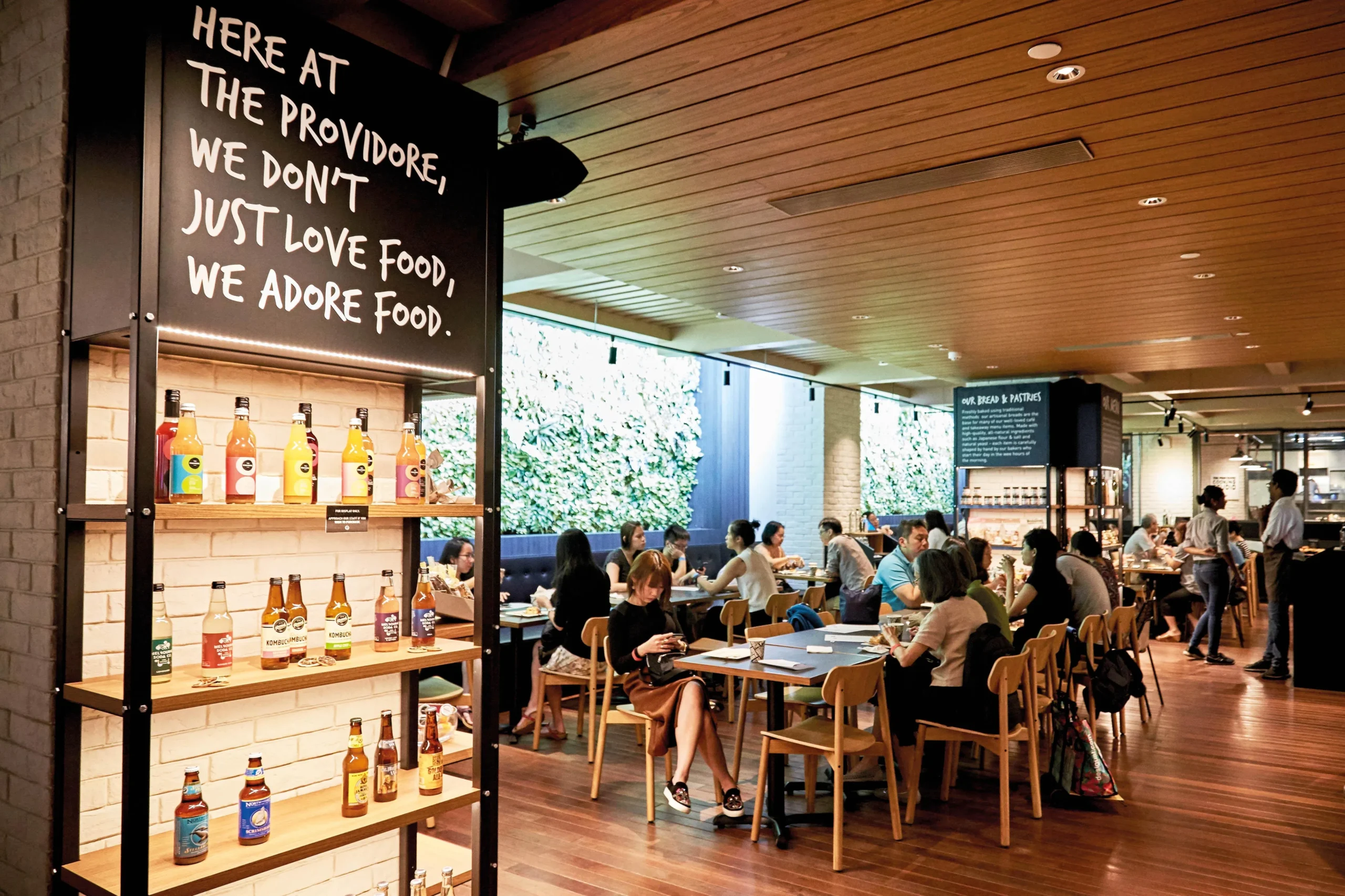
    Renowned for its café, deli, and grocery services, The Providore has officially discontinued all its operations in Singapore amidst ongoing liquidation.

    The Providore commenced its business journey in Singapore in the year 2013. Over the years, it has progressively expanded its reach to cover six different locations across the city-state. However, as of yesterday, all these locations have ceased their services, marking an end to the company’s operations.

    The company expressed their gratitude to their customers via a statement on social media, which reads, “We sincerely thank our valued customers for their unwavering support and generosity throughout our journey. All The Providore outlets in Singapore will cease operations from March 9.”

    In a reflective tone, the company also added, “While it’s time for us to part ways, the flavors and memories we created together will endure. We remain hopeful of crossing paths with you again in a different avatar in the future.”

    Next Steps and Past Ownership

    In an attempt to guide its customers during this transition, notices have been placed in some stores directing all inquiries to ClearView Associates, a Singapore-based liquidation firm.

    The Providore had been previously acquired by SingFire Capital and Vino Vibe in April 2025. However, subsequent to the acquisition, Vino Vibe became the sole controller of the company. It was also during this transaction that Robert Collick, the founder of The Providore, relinquished his control of the business.

    Questions & Answers

    Why has The Providore ceased all operations in Singapore?
    The Providore has discontinued its services in Singapore due to ongoing liquidation.

    When did The Providore start its business operations in Singapore?
    The Providore began its journey in Singapore in the year 2013.

    Who were the investors in The Providore?
    The Providore was sold to SingFire Capital and Vino Vibe in April 2025, after which Vino Vibe assumed sole control of the enterprise.

  • Cotti Coffee Takes on the UK: China’s Rapidly Growing Chain Brews Up European Expansion

    Cotti Coffee Takes on the UK: China’s Rapidly Growing Chain Brews Up European Expansion

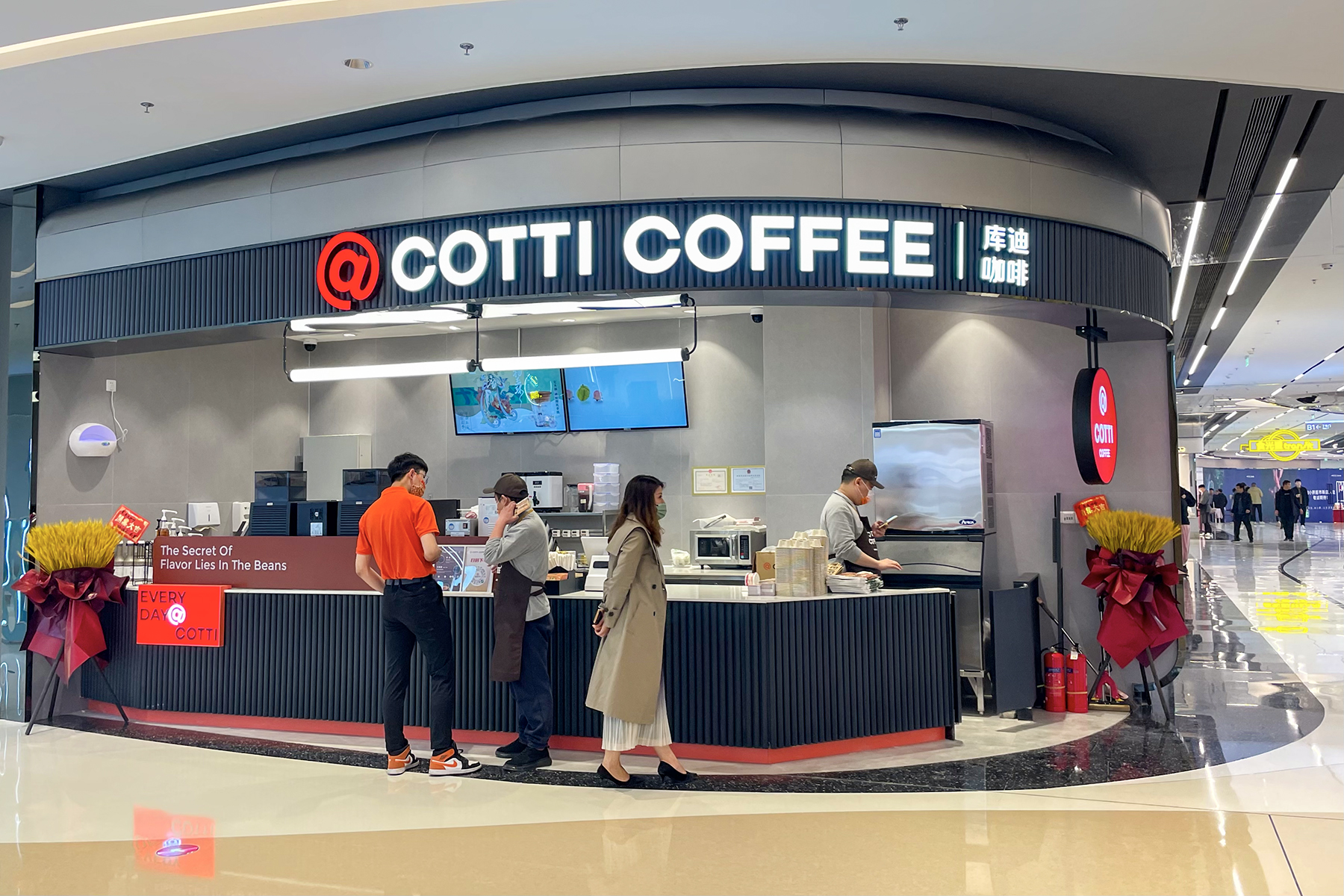
    Cotti Coffee, a rapidly expanding Chinese coffee chain, has announced plans to venture into the UK market. This move is part of a wider strategy to accelerate the brand’s growth across Europe.

    Unveiling in London

    The budget-friendly coffee chain will make its UK debut with two stores in London, set to open on Middlesex Street and Camden High Street. This comes after Cotti Coffee’s recent successful launches in European cities such as Paris, Cologne, Düsseldorf, Hamburg, Barcelona, and Madrid. These continental outlets mark the brand’s first steps into the European market.

    Digital-First Strategy

    Cotti Coffee operates with a digital-first, small-format store model and is noted for offering aggressive discounts. This approach has earned the brand recognition in its home country of China, where it is seen as a key competitor to Luckin Coffee.

    Future Expansion Plans

    Beyond the UK, Cotti Coffee has plans for further expansion into several other European countries, including Italy, Belgium, Portugal, and the Netherlands.

    Cotti Coffee was established in 2022 by a pair of former Luckin Coffee executives. Today, the brand is operational in 28 countries worldwide, including locations in Vietnam, South Korea, Australia, and Malaysia.

    Questions & Answers

    Question 1: What is Cotti Coffee’s store model?
    Answer: Cotti Coffee operates a digital-first, small-format store model, which means they prioritize their online presence and compact store locations.

    Question 2: Where is Cotti Coffee planning to expand in Europe?
    Answer: The company has plans to expand into Italy, Belgium, Portugal, and the Netherlands as part of its broader European growth strategy.

    Question 3: Who founded Cotti Coffee and when was it established?
    Answer: Cotti Coffee was founded in 2022 by two former executives from Luckin Coffee, another major coffee chain in China.

  • More Yogurt: Popular Chinese Beverage Chain Set to Debut in Singapore with Fresh-Made Treats

    More Yogurt: Popular Chinese Beverage Chain Set to Debut in Singapore with Fresh-Made Treats

    China-based yogurt chain, More Yogurt, is set to make its entrance into the Singaporean market. The addition of a new outlet, opening on January 30, marks the latest in a series of expansion efforts. The company, which boasts annual sales of over 21 million cups, has chosen Suntec City as the strategic location for its first Singaporean store.

    More Yogurt is known for its innovative take on yogurt, offering a range of beverages prepared fresh daily in-store. Each drink comprises naturally fermented yogurt cultures, paired with an assortment of fresh fruits and nuts.

    As part of its introductory activities in Singapore, More Yogurt will be presenting the first 100 cups of yogurt free of charge on the day of its grand opening. This generous gesture aims to attract and engage new customers, providing them with a taste of More Yogurt’s unique offerings.

    Questions & Answers

    What is the unique selling point of More Yogurt?
    More Yogurt differentiates itself by providing fresh-made yogurt drinks, which are prepared in-store daily using naturally fermented yogurt cultures and a variety of fresh fruits and nuts.

    When and where is More Yogurt’s new Singaporean outlet opening?
    The new outlet in Singapore is set to open on January 30 at Suntec City.

    What is the introductory offer from More Yogurt in Singapore?
    As part of their launch in Singapore, More Yogurt will be giving away the first 100 cups of yogurt for free on the opening day.

  • Salady, the Korean Salad Chain, Makes Fresh and Flavorful Debut in the Philippines

    Salady, the Korean Salad Chain, Makes Fresh and Flavorful Debut in the Philippines

    Salady, a popular salad chain from Korea, has recently inaugurated its first outlet in the Philippines. This strategic move was made possible through a master franchise agreement with a local partner, Palette Passion Inc.

    Salady has opted for a franchise-led model, which permits a more streamlined and efficient expansion of their brand. Instead of directly entering new markets, this model enables Salady to license out its brand, facilitating faster growth and brand recognition.

    Signature Offerings

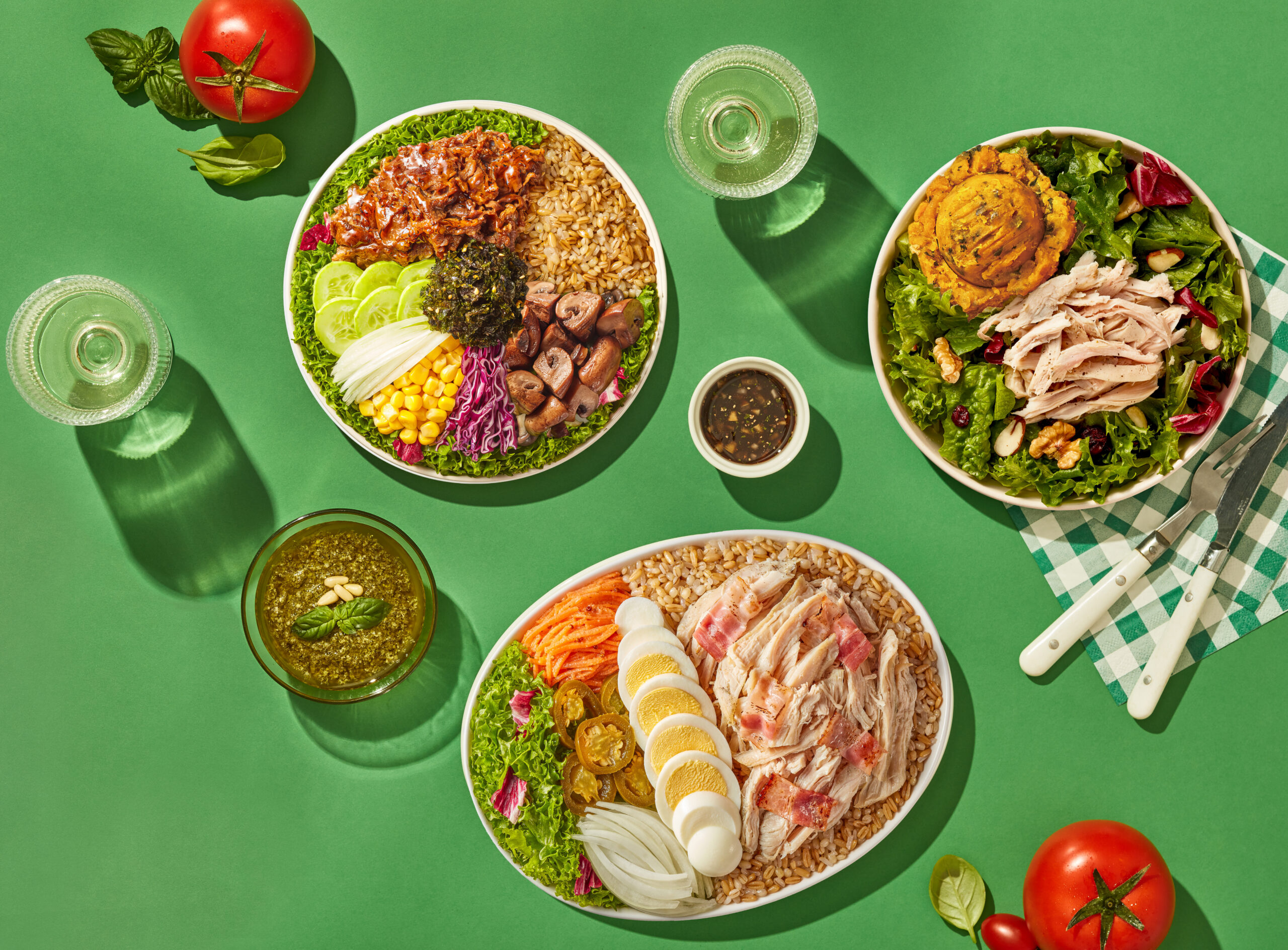
    Salady’s menu merges the comfort of Korean-inspired food with the health benefits of salads and wraps. Their signature dishes include the Bulgogi Bibim Grain Bowl, Bulgogi Soba Bowl, and a range of Mexican-style wraps.

    In addition to their pre-set menu, Salady also offers customers the opportunity to customize their own bowls and wraps. A wide assortment of meats, sauces, and vegetables are available for patrons to select and create their unique culinary masterpiece.

    Expansion into the Southeast Asian Market

    Oh Se-deok, the head of Salady’s international business division, expressed that venturing into the Philippine market was a logical progression for the brand’s expansion in Southeast Asia.

    He noted, “The wellness dining market in the Philippines is witnessing exponential growth, primarily driven by a young and dynamic consumer base.”

    Se-deok further added that through collaboration with their local partner, the company aims to introduce premium ingredients and distinctive Korean-style healthy dining options. This initiative is expected to organically infuse Korean’s healthy food culture into everyday life around the globe.

    Questions & Answers

    What is Salady’s strategy for global expansion?
    Salady employs a franchise-led model for global expansion, allowing local partners to license its brand for new outlets rather than directly opening new stores in foreign markets.

    What does Salady’s menu offer?
    Salady offers Korean-inspired comfort food in the form of salads and wraps. Their menu includes signature dishes like the Bulgogi Bibim Grain Bowl and Bulgogi Soba Bowl. They also provide an option for customers to custom-make their own bowls and wraps.

    What is the driving force behind Salady’s expansion into the Philippines?
    The rapidly growing wellness dining market, propelled by a young and dynamic consumer base, makes the Philippines an attractive destination for Salady’s expansion in Southeast Asia.

  • PepsiCo Revolutionizes Supply Chain Management with AI, Launches Groundbreaking Partnership with Siemens and Nvidia

    PepsiCo Revolutionizes Supply Chain Management with AI, Launches Groundbreaking Partnership with Siemens and Nvidia

    PepsiCo, a multinational food, snack, and beverage corporation, is set to revolutionize its plant and supply chain operations through an unprecedented partnership with Siemens and Nvidia. This strategic move employs artificial intelligence (AI) to meet the growing demands for production and distribution capacity.

    Digital Transformation for Enhanced Operations

    PepsiCo aims to upgrade its existing operations by integrating AI into every aspect of its large-scale and multifaceted business. This integration will allow the company to have an improved understanding of its consumer base and business partners’ needs. Ramon Laguarta, PepsiCo’s CEO and Chairman, emphasized that this collaboration with Siemens and Nvidia would help facilitate the company’s transition into a future-ready organization marked by agility and foresight.

    The company has also adopted a digital-first planning strategy, utilizing Siemens’ digital twin composer, which is powered by Nvidia’s tools.

    The Dawn of AI in Physical Industries

    Jensen Huang, Nvidia’s founder and CEO, highlighted that the era of AI is entering physical industries. He pointed out that digital twins serve as the foundation for companies owning real-world assets to embark on their AI journey. By collaborating with Siemens and Nvidia, PepsiCo is reconfiguring its operations, using digital twins and AI to revolutionize how it designs, optimizes, and operates its global operations.

    Siemens’ innovative software enables the creation of ‘industrial metaverse’ environments that assist companies in making decisions virtually and on a large scale. PepsiCo now has the capability to reproduce every machine, conveyor, pallet route, and operator path with physics-level accuracy. This allows AI agents to simulate, test, and refine system changes, identifying up to 90% of potential problems before any physical changes are made.

    Roland Busch, Siemens AG’s CEO, expressed his pride in partnering with PepsiCo and Nvidia to digitally transform their manufacturing facilities. He highlighted the digital twin composer as a vital tool in enabling PepsiCo’s transformation in manufacturing and warehousing.

    Questions & Answers

    What is the purpose of PepsiCo’s collaboration with Siemens and Nvidia?
    The collaboration aims to integrate AI into PepsiCo’s operations, enhancing its production and distribution capacity to meet growing demands.

    What role do digital twins play in this new operational strategy?
    Digital twins, powered by Nvidia’s tools and built using Siemens’ digital twin composer, allow for the physical reproduction of every aspect of PepsiCo’s operations. This enables AI agents to simulate, test, and refine system changes, identifying potential issues before they occur.

    How will this change impact PepsiCo’s operations?
    The integration of AI and the use of digital twins will revolutionize how PepsiCo designs, optimizes, and runs its global operations. This could lead to increased efficiency, reduced potential issues, and improved capacity to meet consumer and partner demands.

  • Wingstop Takes Flight: Iconic Fast Food Chain Breaks into Thailand Market in Global Expansion Blitz

    Wingstop Takes Flight: Iconic Fast Food Chain Breaks into Thailand Market in Global Expansion Blitz

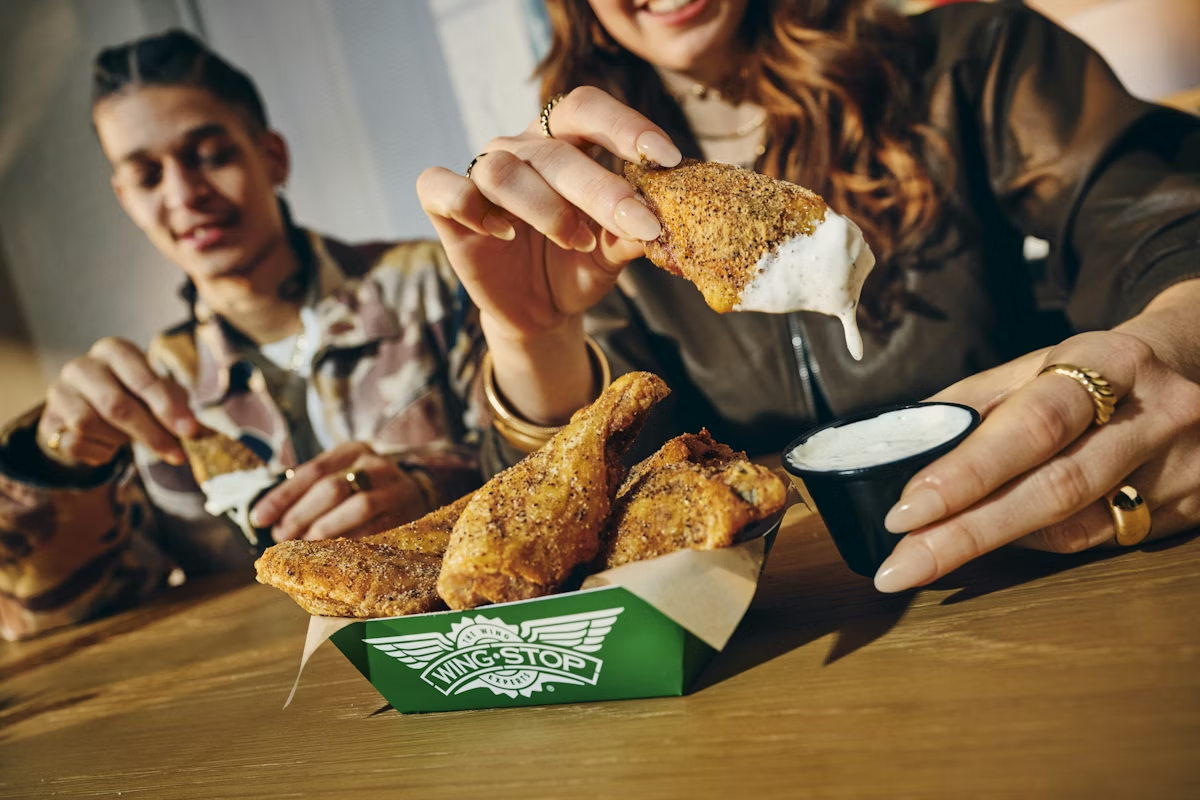
    Fast-food chain Wingstop is rapidly broadening its international reach by expanding into three new markets: Thailand, Italy, and Ireland. This move comes as part of the company’s ambitious plan for global expansion.

    Wingstop has recently celebrated a significant milestone in its growth trajectory by inaugurating its 3000th restaurant. Over the past two years, the company has shown robust expansion, adding close to 800 locations across the globe.

    This recent growth phase has seen Wingstop making its debut in six new markets, including Australia, Bahrain, Kuwait, Puerto Rico, Saudi Arabia, and the Netherlands.

    Michael Skipworth, the current President and CEO of Wingstop, expressed his confidence in the company’s continued growth. He highlighted that with a record pipeline of restaurant commitments sold, there seemed to be no slowing down for the Wingstop brand.

    Wingstop was founded in 1994 and has since become popular for its buffalo wings and sandwiches. The company has its operational footprint in 47 US states and 15 countries worldwide. Through franchising or direct operations, Wingstop has more than 10,000 restaurants in total.

    Questions & Answers

    What is Wingstop?
    Wingstop is a popular fast-food chain, established in 1994. It is known for its buffalo wings and sandwiches.

    Where does Wingstop operate?
    Wingstop operates in 47 US states and 15 countries globally. It has more than 10,000 restaurants which operate either through franchising or direct operations.

    What are the new markets Wingstop is expanding into?
    Wingstop is expanding its operations into three new markets: Thailand, Italy, and Ireland.

  • Chagee Holdings Stands Firm On Premium Pricing Amid Falling Sales And Rising Competition

    Chagee Holdings Stands Firm On Premium Pricing Amid Falling Sales And Rising Competition

    Chinese beverage company Chagee Holdings is maintaining its focus on premium products, even in the face of falling sales and profits as customers turn to more affordable competitors. The company’s co-founder, Shang Xiangmin, stated in a recent interview, “We haven’t been fully engaged in the price wars. Price wars may be a way to compete but we want to stick to our long-term strategy to build a premium brand.”

    Unchanged Pricing Strategy Amidst Competition

    Despite the growing competition from domestic companies like Luckin Coffee and Mixue Group, who are offering subsidized, deeply discounted beverages, Chagee Holdings remains firm on its pricing strategy. These competitors have teamed up with China’s tech giants to sell drinks at a fraction of Chagee’s price.

    Chagee’s flagship store in Hong Kong is experimenting with a new selection of drinks made from premium Chinese tea leaves. These drinks are brewed in-store by specialists and are sold at prices that are on par with single-origin coffee sold at Starbucks Reserve outlets in the city, ranging from HKD40 to HKD50 (US$5.2-6.4).

    Second Quarter Sales and Future Outlook

    The company’s adherence to its pricing strategy has seen second-quarter sales growth slow to 10%, down from 35% in the previous period. Adjusted operating income has also dropped by 10%, compared to the double-digit increases seen in the first quarter. This weak performance has wiped out nearly a quarter of its market value. Despite this, the company remains optimistic and is not deterred by the decrease in competitiveness. Chagee has decided to follow a development path similar to that of American coffee giant, Starbucks.

    “We’ve always wanted to go down the same path to take tea further,” said Shang, comparing Chagee’s ambitions to those of Starbucks.

    Expansion Plans

    Chagee opened its first U.S. store in Los Angeles in May, following its debut on the Nasdaq. The company operates more than 200 international outlets as part of its network of over 7,000 stores. It reported a 70% jump in overseas sales in the second quarter, with Southeast Asia being a key target for expansion.

    Questions & Answers

    What is Chagee Holdings’ strategy in the face of competition?
    Despite falling sales and profits, Chagee Holdings is maintaining its focus on premium products and has not engaged in price wars with its competitors.

    What are some of the offerings at Chagee’s flagship store in Hong Kong?
    The flagship store in Hong Kong offers drinks made from premium Chinese tea leaves, brewed in-store by specialists, and priced similarly to single-origin coffee at Starbucks Reserve outlets.

    What are Chagee’s future plans for expansion?
    Chagee plans to follow a development path similar to that of Starbucks. The company recently opened its first U.S. store in Los Angeles and is targeting Southeast Asia for further expansion.

  • Japanese Dessert Giant Beard Papa’s Debuts In San Diego, Introducing Unique Cream Puffs To Local Residents

    Japanese Dessert Giant Beard Papa’s Debuts In San Diego, Introducing Unique Cream Puffs To Local Residents

    Beard Papa’s, the Japanese cream puff chain, has inaugurated its first outlet in Kearny Mesa, San Diego. This move introduces the local residents to its unique pastries, made to order as per customer preference.

    Beard Papa’s was established in Osaka in 1999 and has since been renowned for its airy cream puffs filled with custard freshly prepared each day.

    Mark Nathan, the Managing Director for Beard Papa’s, highlights, “Our cream puffs are baked fresh on-site every day and are some of the largest ones you’ll encounter.” He added that with real vanilla bean, premium custard, and high-quality ingredients, Beard Papa’s isn’t merely a dessert provider but a hub for memorable, irresistible experiences that ensures customers keep returning.

    The bakery provides cream puff shells in Original, Chocolate, Oreo, and Matcha flavors, coupled with the brand’s signature Vanilla Bean custard. Additional filling flavors, including Green Tea and Chocolate, are set to be introduced in the future.

    Andrew, the franchise owner of Beard Papa’s in San Diego, said, “Our mission is to serve the community with a dedicated Japanese bakery that has garnered such a significant cult following.”

    Currently, Beard Papa’s operates over 400 stores globally, with a footprint across Asia, North America, and Australia.

    Questions & Answers

    What is Beard Papa’s known for?
    Beard Papa’s is best known for its light cream puffs filled with freshly prepared custard.

    What range of flavors does Beard Papa’s offer?
    Beard Papa’s offers cream puff shells in Original, Chocolate, Oreo, and Matcha flavors, along with its Vanilla Bean custard. Additional fillings, such as Green Tea and Chocolate, will be available in the future.

    How many Beard Papa’s stores are there worldwide?
    Beard Papa’s currently operates more than 400 stores worldwide across Asia, North America, and Australia.

  • South Korean Yogurt Giant, Yoajung, Makes Debut In Singapore Amidst Competitive Market

    South Korean Yogurt Giant, Yoajung, Makes Debut In Singapore Amidst Competitive Market

    South Korean yogurt chain, Yoajung, has officially launched its first store in Singapore, located on the bustling Orchard Road’s Scape.

    Yoajung, established in 2021, has seen rapid expansion in its short existence. The brand currently boasts over 650 branches in its home country of South Korea and has extended its international footprint to countries including Japan, China, Hong Kong, and Australia.

    This bold move into the Singaporean market was made possible through a partnership with Hong Kong’s Modu Consulting. Modu Consulting owns the master franchise rights for Yoajung in various regions, including Hong Kong, Macau, and now Singapore.

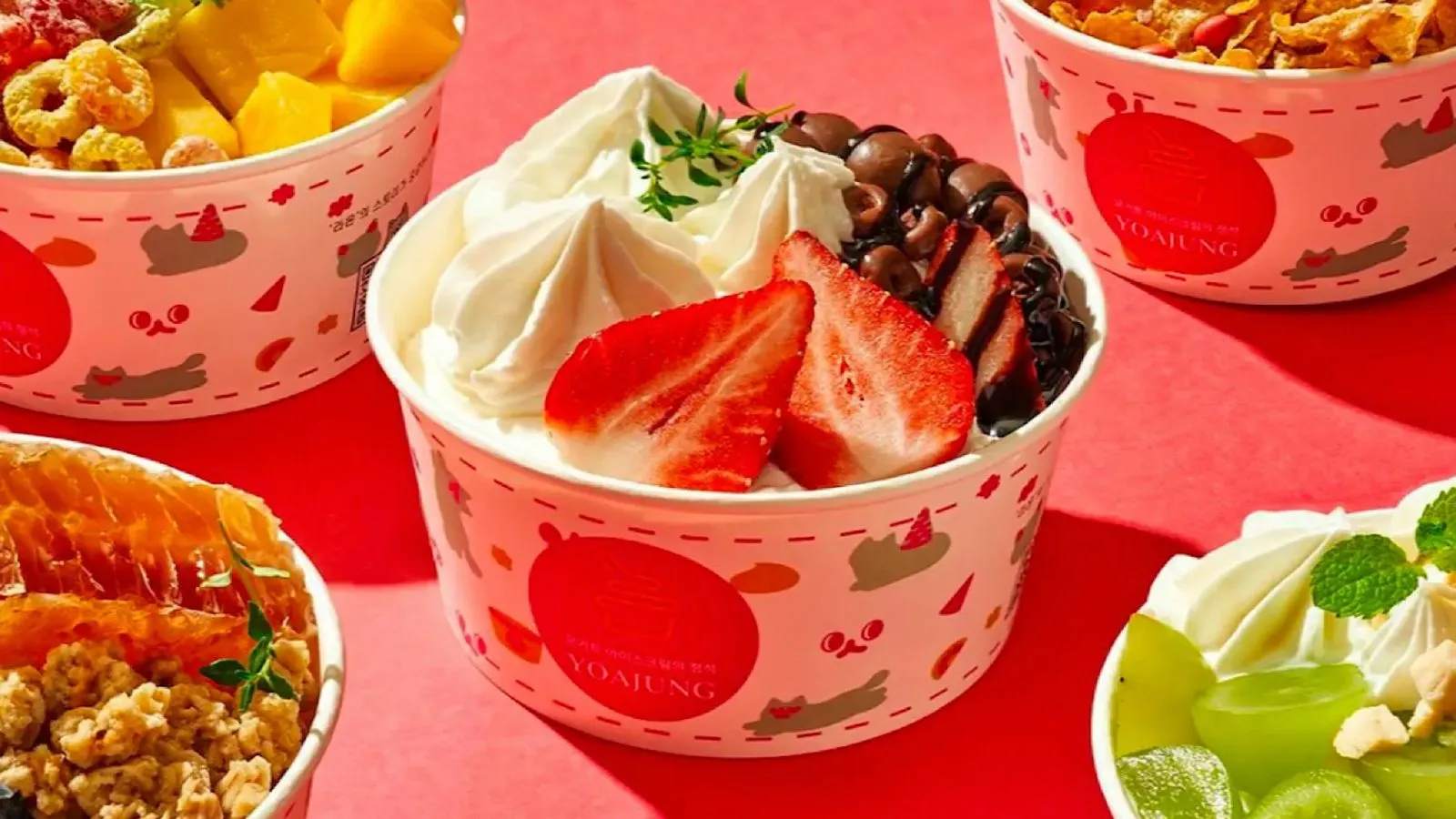
    The newly opened outlet on Orchard Road offers a customizable menu, with a focus on frozen yogurt and acai bowls. Customers have the opportunity to personalize their bowls with an extensive range of toppings and premium upgrades.

    Yoajung’s entry into Singapore is hot on the heels of another international yogurt brand, Yo-Chi. The Australian-based chain made its own foray into the Singapore market last month, opening a 60-seat outlet at Orchard Central.

    Questions & Answers

    When was Yoajung established, and how many outlets does it currently have?
    Yoajung was established in 2021 and currently operates over 650 outlets in South Korea, in addition to its branches in Japan, China, Hong Kong, and Australia.

    Who holds the master franchise rights for Yoajung in Singapore?
    Modu Consulting, a Hong Kong-based company, holds the master franchise rights for Yoajung in Singapore.

    What is unique about the menu at Yoajung’s Orchard Road outlet in Singapore?
    The Orchard Road outlet offers a customizable menu focusing on frozen yogurt and acai bowls with a broad variety of toppings and premium add-ons.

  • Chapanda Prepares To Launch First U.s. Store In NYC, Aiming To Reach Larger Demographic

    Chapanda Prepares To Launch First U.s. Store In NYC, Aiming To Reach Larger Demographic

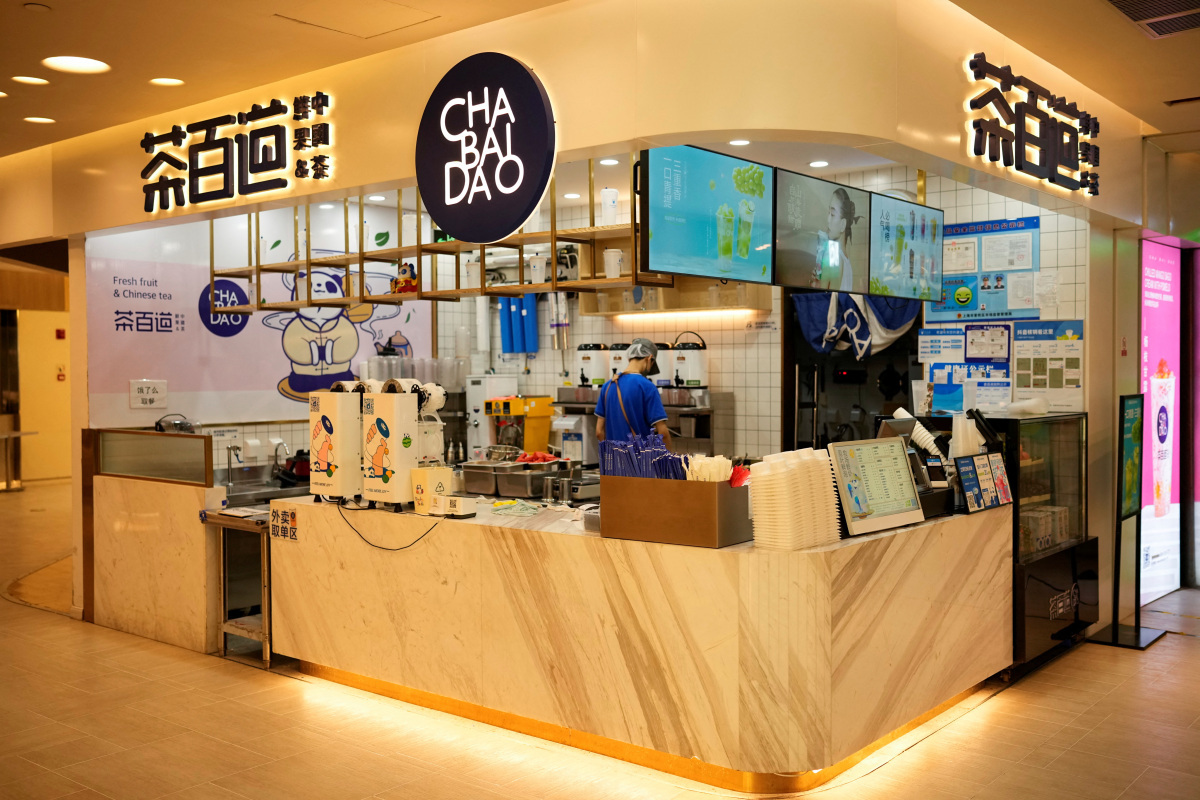
    Chinese tea retail chain Cha Bai Dao, widely known as ChaPanda, is preparing to launch its inaugural US-based store in Flushing, a neighborhood in Queens, New York City.

    Main Street Debut

    The new store is slated to open on Main Street, an area identified by the company as the bustling commercial heart of Flushing and a locale with one of America’s largest Chinese populations.

    Wang Huan, the Overseas CEO of ChaPanda, explained that the expansion intends to introduce the brand to a much larger demographic. “ChaPanda is committed to providing an unrivaled selection of products and a superior service experience for American consumers. Through our standardized operating systems and extensive global supply chain network, we ensure that our products and services remain consistent across all our international stores,” Huan elaborated.

    Spreading its Wings

    This development comes in the wake of numerous global inaugurations throughout the current year. In May, ChaPanda opened its premier European store in Paris, and just last month, it made its debut in Singapore with two new outlets.

    Notable market analysts from Galaxy Securities and Huaxin Securities have pointed out the effectiveness of ChaPanda’s unique “one location, one strategy” model in yielding positive outcomes in foreign markets. They anticipate that, with the acceleration of its international expansion, the firm is well-positioned to capitalize on a dual growth strategy encompassing both domestic and international markets.

    Questions & Answers

    What is ChaPanda’s expansion strategy?
    ChaPanda’s expansion strategy involves a unique “one location, one strategy” model, which allows the company to customize its approach for each specific market it enters.

    Where is ChaPanda’s first US store going to be located?
    ChaPanda’s inaugural US store will be located on Main Street in Flushing, Queens, New York City, an area known for being a bustling commercial hub and having one of the largest Chinese populations in America.

    What does Wang Huan, Overseas CEO of ChaPanda, say about the company’s approach to maintaining quality and consistency?
    Wang Huan stated that through standardized operating systems and a comprehensive global supply chain network, ChaPanda ensures the consistency of its products and services across all its global stores.