Retail News CRM

Tag: Chain

  • Hanwha Group Mulls Sale Of Fg Korea, Operator Of Five Guys Franchise In South Korea

    Hanwha Group Mulls Sale Of Fg Korea, Operator Of Five Guys Franchise In South Korea

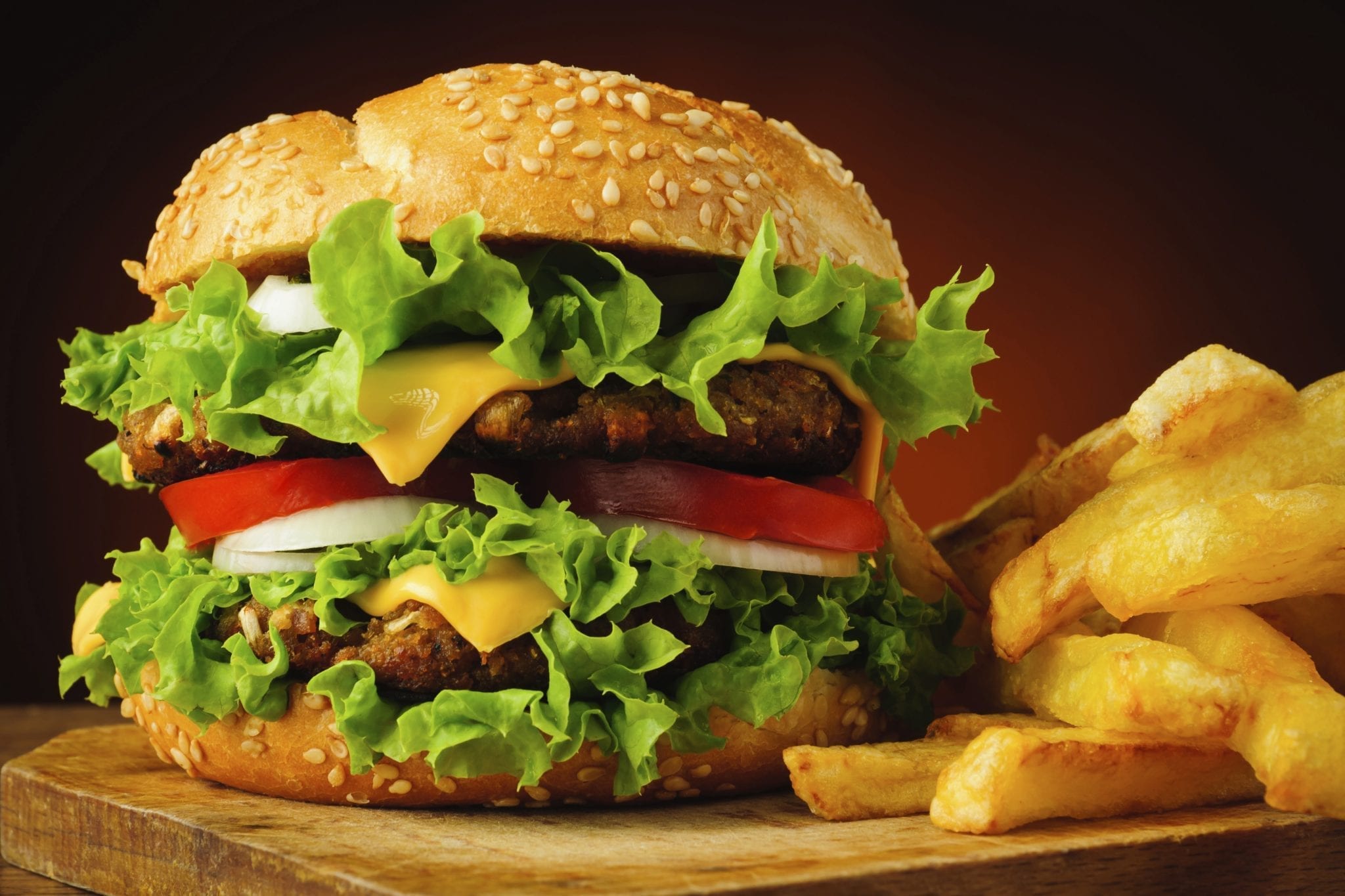
    The South Korea-based conglomerate, Hanwha Group, is reported to be contemplating the sale of FG Korea, the operator of the American burger franchise Five Guys in South Korea.

    FG Korea and Hanwha Group

    FG Korea functions as a fully-owned subsidiary of Hanwha Galleria, which is the retail division of Hanwha Group. The company recently disseminated documents to private equity firms via a local accounting firm, Samil PwC. This action is seen as an indicator of a possible sale. It is anticipated that if a sale does occur, it would likely result in the complete transfer of ownership of the company.

    FG Korea’s Expansion

    FG Korea was instrumental in introducing Five Guys to the South Korean market in 2023, with the inaugural restaurant opening in the Gangnam district of Seoul. Since then, the chain has grown to include seven branches, with plans for an eighth location to open later this month in Yongsan, central Seoul.

    In the previous year, FG Korea had entered into an agreement with Five Guys International to spearhead the brand’s expansion into Japan, with an ambitious goal of establishing more than 20 outlets within the span of seven years.

    FG Korea’s Financial Performance

    In the past fiscal year, FG Korea reported significant sales of 46.5 billion won (approximately US$33.4 million) and a net income of 2 billion won.

    This potential sale is understood to be part of Hanwha Galleria’s attempts to optimize its portfolio and reduce expenses.

    Questions & Answers

    What is the relationship between FG Korea and Hanwha Group?
    FG Korea is a wholly-owned subsidiary of Hanwha Galleria, which is the retail branch of Hanwha Group.

    What has been FG Korea’s role in the expansion of Five Guys?
    FG Korea brought Five Guys to South Korea in 2023 and has since helped the brand grow to seven locations. Furthermore, they have also signed a memorandum of understanding with Five Guys International to lead the brand’s expansion into Japan.

    What is the financial performance of FG Korea in the past fiscal year?
    FG Korea reported 46.5 billion won (approximately US$33.4 million) in sales and a net income of 2 billion won in the last fiscal year.
  • Singapore coffee chain Alchemist enters Japan with two Tokyo stores

    Singapore coffee chain Alchemist enters Japan with two Tokyo stores

    Singapore’s well-known coffee brand, Alchemist, has successfully launched in Japan, marking its first venture outside its home country. The company inaugurated its two international outlets in Tokyo, thereby cementing its global footprint.

    New Store Locations

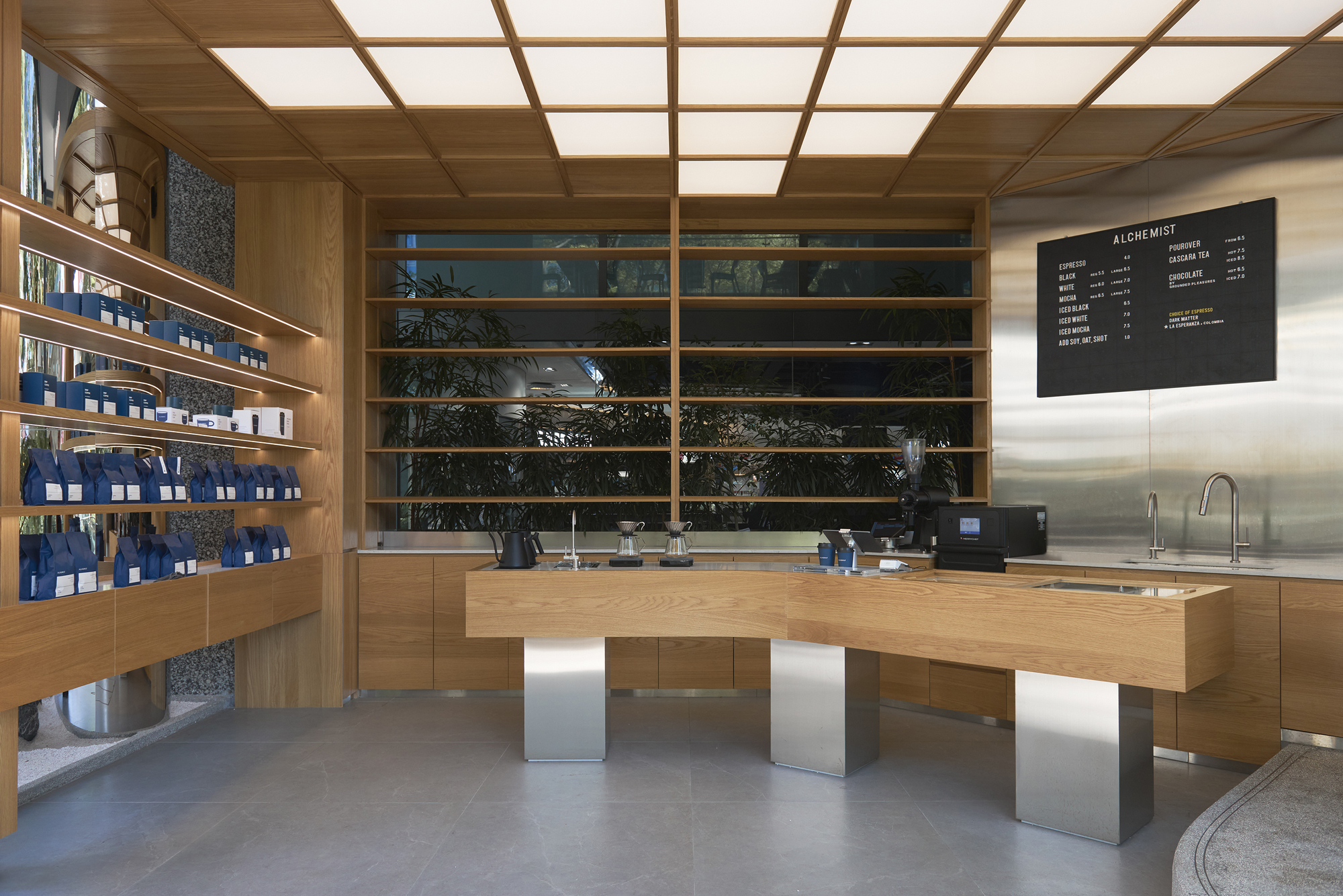
    The new store locations chosen are in the neighborhoods of Aoyama and Asakusa. The Aoyama outlet boasts a sprawling 140 square meters area and has a seating capacity for 30 people. On the other hand, the Asakusa branch covers a larger area of 200 square meters and can comfortably seat 70 patrons. The stores continue the brand’s tradition of minimalist design, allowing customers to appreciate the coffee brewed using beans roasted in Singapore.

    Alchemist’s founder, Will Leow, expressed his admiration for Japan’s entrenched coffee culture and meticulous attention to detail. “Our primary objective has always been forging connections through coffee. Establishing a presence in Tokyo was a logical progression for us, and we’re gratified by the warm welcome we’ve received from the local community,” he said.

    Alchemist’s Journey

    Alchemist was founded in 2016 by Will Leow, a barista and entrepreneur. The brand started as a modest coffee stand in Singapore’s Central Business District. Since then, it has expanded to 11 locations across the city-state.

    Future Expansion Plans

    As part of its long-term growth strategy, Alchemist aims to open 10 more outlets throughout Tokyo by the end of 2028. The company is excited about sharing its unique vision with the coffee aficionados of Japan, a country already revered for its exquisite quality and craftsmanship in the brewing sector.

    Questions & Answers

    What is the seating capacity of the new Alchemist stores in Tokyo?
    The Aoyama store can accommodate 30 customers, whereas the Asakusa store has a seating capacity for 70 patrons.

    When and where was Alchemist established?
    Alchemist was founded in 2016 by Will Leow. It started as a small coffee stand in Singapore’s Central Business District.

    What are Alchemist’s expansion plans in Tokyo?
    Alchemist plans to open 10 more stores across Tokyo by the end of 2028 as part of its long-term expansion strategy.

  • Lidl Expands Supply Chain Strategy by Tapping into Vietnam and Malaysia Markets

    Lidl Expands Supply Chain Strategy by Tapping into Vietnam and Malaysia Markets

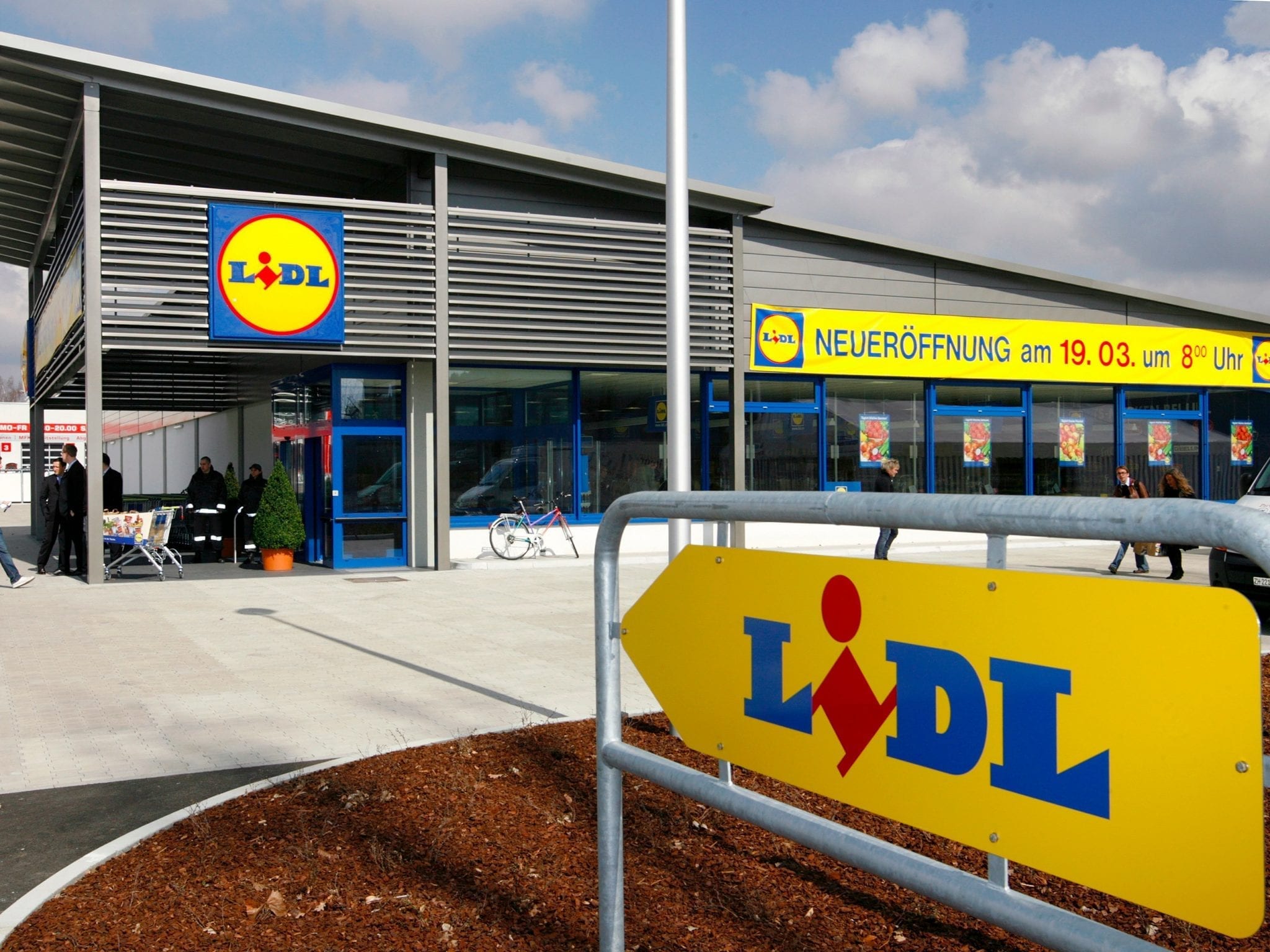
    In a strategic move to bolster its supply chains amidst global uncertainties, Lidl, one of Europe’s largest supermarket chains, is setting its sights on sourcing more products from Vietnam and Malaysia. This shift marks a significant step in the company’s ongoing efforts to diversify its supply chain and mitigate risks associated with reliance on traditional markets.

    Part of Germany’s influential Schwarz Group, Lidl’s expansion strategy includes an impressive milestone: the establishment of its Tailwind Shipping Lines in 2022. This venture was launched in the wake of the COVID-19 pandemic, designed to streamline logistics and enhance control over its supply chain operations, specifically from regions such as China, Bangladesh, and Sri Lanka to its European stores. In a surprising twist, Tailwind has quickly risen to become Germany’s second-largest shipping company, boasting a fleet of nine container ships.

    As Lidl navigates these turbulent waters of the global marketplace, its focus on Vietnam and Malaysia not only reflects a pragmatic response to supply chain vulnerabilities but also highlights the increasing importance of Southeast Asia in global retail sourcing. The company’s proactive strategy serves as a case study for others in the industry, showcasing how adaptability is crucial for thriving in an ever-evolving economic landscape.

    Questions & Answers

    What motivated Lidl to increase sourcing from Vietnam and Malaysia?
    Lidl aims to diversify its supply chains amid global uncertainties, minimizing reliance on traditional markets, especially after disruptions caused by the COVID-19 pandemic.

    What is Tailwind Shipping Lines, and why is it significant for Lidl?
    Tailwind Shipping Lines, launched by Lidl’s parent company Schwarz Group, allows for tighter control over logistics and has quickly become Germany’s second-largest shipping firm, enhancing the efficiency of getting goods to Lidl stores.

    How does Lidl’s strategy reflect broader trends in global retail?
    Lidl’s move underscores the growing importance of Southeast Asia for retail sourcing, highlighting the need for companies to adapt quickly to supply chain challenges in a rapidly changing economic environment.

  • MBK plans to sell its troubled Korean supermarket chain Homeplus

    MBK plans to sell its troubled Korean supermarket chain Homeplus

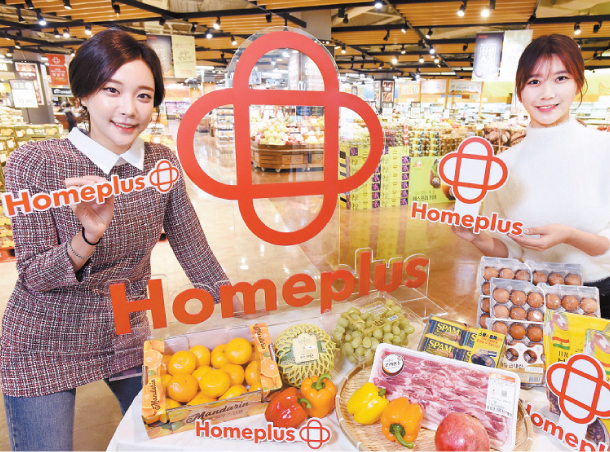
    MBK Partners, a private equity firm primarily operating in Northeast Asia, recently announced plans to sell its struggling South Korean supermarket chain, Homeplus. This move aims to prevent the retailer from going under.

    In an attempt to keep the firm afloat amidst the ongoing pandemic and intensified competition from e-commerce platforms, MBK Partners initiated court-led restructuring of Homeplus, South Korea’s second-largest grocery retailer, back in March.

    MBK Partners revealed that a court-commissioned assessment showed that the firm’s liquidation value surpasses its going concern value. Therefore, the decision to sell seems to be a strategic move to salvage as much value as possible.

    The retail company is planning to issue new shares and find a buyer for them. In contrast, MBK Partners is considering cancelling the shares it currently holds, which are valued at 2.5 trillion Korean won (equivalent to US$1.83 billion).

    MBK Partners originally purchased Homeplus in 2015, buying it from British multinational company Tesco for a hefty sum of 4 billion pounds.

    Legal challenges have surfaced as South Korean prosecutors are investigating whether MBK Partners authorized Homeplus’s debt issue in 2025, despite having prior knowledge of the retailer’s potential credit downgrade. MBK has refuted these accusations.

    The investigation led to a foreign travel ban in May for MBK Partners Chairman, Kim Byung-ju.

    Questions & Answers

    Why is MBK Partners selling Homeplus?
    MBK Partners is planning to sell Homeplus to avoid its liquidation. The decision came after a court-commissioned review showed the company’s liquidation value to be higher than its going concern value.

    What legal challenges is MBK Partners currently facing?
    South Korean prosecutors are investigating if MBK Partners approved Homeplus’s debt issue in 2025, despite being aware of a possible credit downgrade. MBK has denied these allegations.

    What actions are being taken against the chairman of MBK Partners?
    As part of the ongoing investigation, a foreign travel ban was imposed on the chairman of MBK Partners, Kim Byung-ju, in May.

  • Coconut Prices Surge in Asia Amid Climate Impact on Supply

    Coconut Prices Surge in Asia Amid Climate Impact on Supply

    on
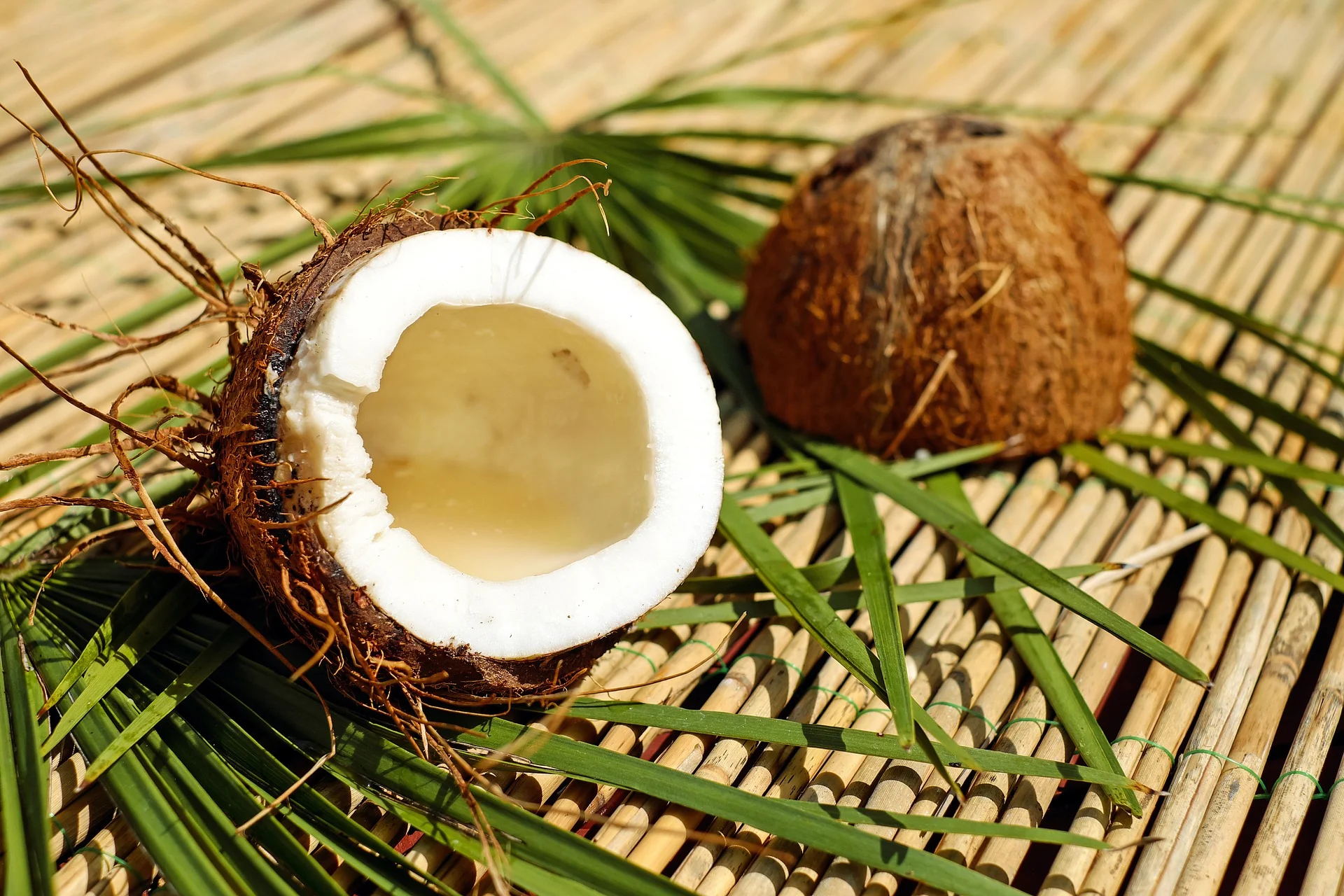
    Vina T&T, a major player in the fruit export sector, is making headlines as it offers a staggering VND 220,000 (approximately US$8.47) for a dozen coconuts—the highest recorded price to date. With prices more than doubling year-on-year, this surge reflects broader trends impacting the coconut market worldwide, influenced by supply disruptions and rising consumer demand.

    Coconut Prices on the Rise

    Industry experts indicate that coconut prices are increasing at an alarming rate, paralleling the volatility seen in gold prices. Nguyen Dinh Tung, CEO of Vina T&T, highlighted the challenges in supply, revealing that the company currently exports seven containers of coconuts weekly, which only meets two-thirds of its international buyers’ needs.

    Global Trends Impacting Supply

    The surge in coconut prices is not confined to Vietnam. Countries like Sri Lanka, the Philippines, and Thailand—significant exporters of the nut—are experiencing a similar escalation in prices, with increases ranging from 50% to 100% year-on-year. For instance, coconuts now retail for $2.90 per kilogram in Thailand and up to $4.28 in the Philippines.

    Supply chain disruptions due to extreme weather events are primarily responsible for this instability. El Niño is causing heatwaves and droughts, while La Niña brings excessive rainfall and storms, adversely affecting coconut yields. Additionally, pest outbreaks have further complicated production, as demand from key markets—particularly China and the United States—continues to push prices upward.

    Vietnam’s Growing Coconut Export Market

    Despite the challenges, Vietnamese coconuts are carving out a strong niche in global markets thanks to their competitive pricing and exceptional quality. The Ministry of Agriculture and Environment reports robust growth in fresh coconut exports from Vietnam in the first four months of this year, particularly to the U.S. and China.

    As the world’s fifth-largest coconut exporter, Vietnam boasts 200,000 hectares of orchards, producing approximately two million tons annually. Last year alone, the value of coconut exports and related products reached nearly $1.1 billion, with coconuts accounting for $390 million. Following the U.S. opening its market to Vietnamese coconuts in August 2023, exports skyrocketed eleven-fold within less than a year.

    The formal export protocol signed with China in August 2024 has also dramatically increased shipments, positioning Vietnam as a key supplier in a market that consumes an estimated four billion coconuts annually.

    Future Outlook

    According to Dang Phuc Nguyen, General Secretary of the Vietnam Fruit and Vegetable Association, Vietnamese coconuts are gaining popularity, especially in summer among consumers in the U.S. and China. He predicts that fresh coconut exports could reach an unprecedented $500 million by the end of this year, highlighting the brand’s potential for expansion and establishing itself as a significant player in the international market.

    The recent trends in the coconut market, marked by soaring prices and growing demand, signal a shifting landscape for both producers and consumers. As demand continues to rise, the potential for Vietnam’s coconut industry to grow and expand is substantial, making this a crucial moment in retail news.

    Questions & Answers:

    1. Why are coconut prices rising so dramatically? Coconut prices are climbing due to supply chain disruptions caused by extreme weather conditions such as droughts and excessive rainfall, alongside increased global consumer demand.

    2. How is Vina T&T responding to the rising prices? Vina T&T has increased its farm gate price to a record VND 220,000 for a dozen coconuts, but it still struggles to meet the high demand from international buyers.

    3. What does the future hold for Vietnam’s coconut exports? With strong growth anticipated, Vietnamese coconut exports are projected to reach $500 million this year, bolstered by access to key markets like the U.S. and China.

  • Chinese tea chain Mixue expands into South Korea and Japan

    Chinese tea chain Mixue expands into South Korea and Japan

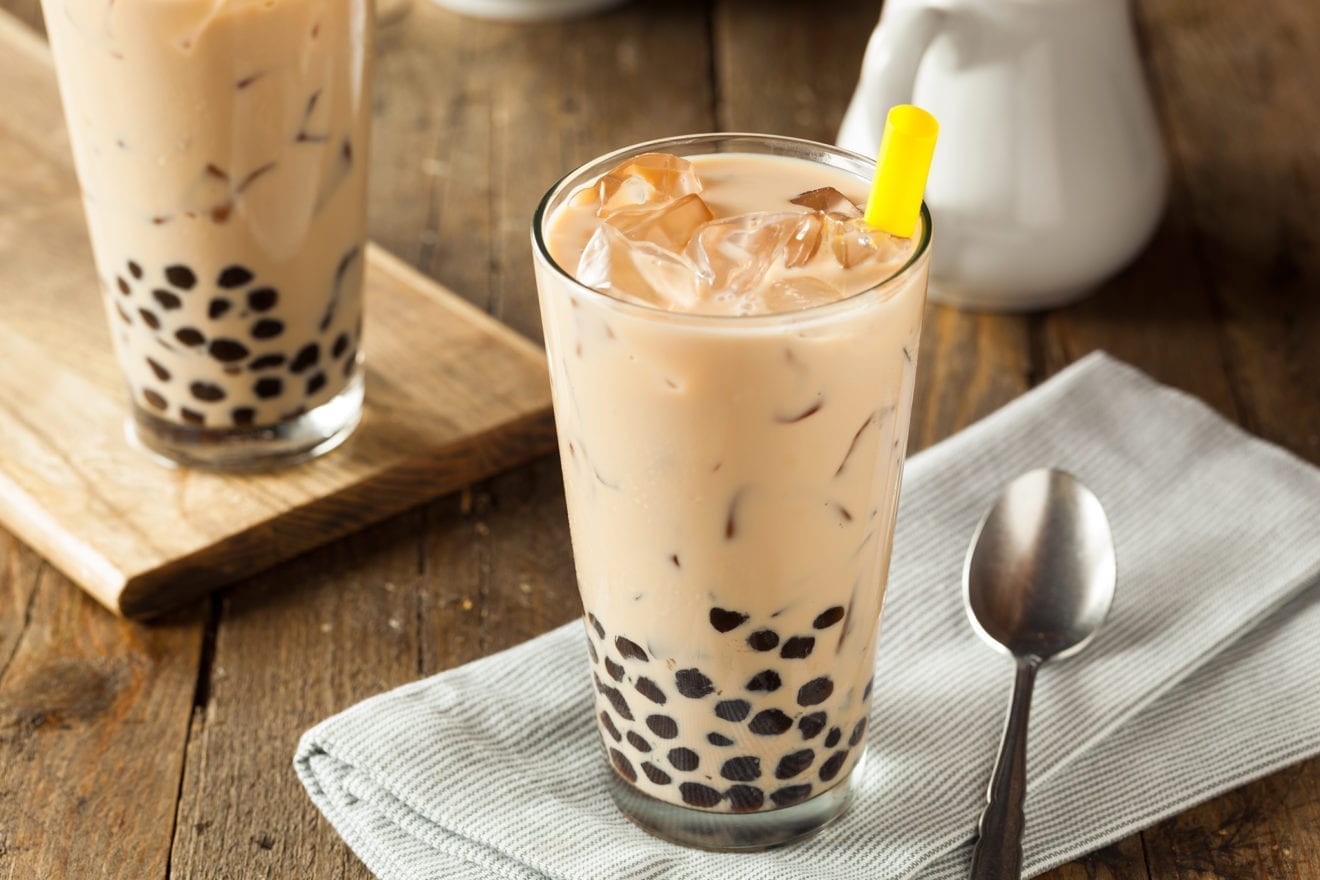
    Mixue, a Chinese tea-based beverages brand that is set to list on the main board of the Shenzhen Stock Exchange, has recently entered the South Korean and Japanese markets.

    In the beginning of November, an account named “MIXUE.Japa” became active on Xiaohongshu, a lifestyle-sharing Chinese social media platform, where it released a brief opening notice and site selection of its first store in Japan. The location is Omotesandō, Tokyo, a business district as popular as Harajuku and Shibuya, focusing on high-end fashion and creative clothing.

    According to Chinese web users living in Omotesandō, this high-end location isn’t concentrated with Chinese people, and it seems to be inconsistent with the low-cost style of Mixue. However, MIXUE.Japan quickly said in the comment area that besides Tokyo, it will expand to Kyoto and other places in the future.

    The first store in South Korea of Mixue officially opened at the end of October. It is located near Chung-Ang University, where local students and Chinese students often gather. In the first three days of opening, attracted by free ice cream, the store was crowded with customers.

    Many Chinese students posted pictures of products from the store on social media. The types of drinks are basically the same as those in China, but the prices are slightly higher. Lemonade is around 8 yuan ($1.14), which is similar to the price of a bottle of water in Korea, and the most expensive drink costs less than 16 yuan. The store was opened by Chinese people, and most of the employees in the store are also Chinese, so ordering in Mandarin is possible.

    Another Chinese milk tea brand called Gongcha has opened over 700 stores in South Korea, with a price range between 23 yuan and 42 yuan. Other milk tea brands, such as COCO, Tiger Sugar and Guming, have also expanded their stores to South Korea, and their product prices are much higher than those in China.

    Entering the Japanese and South Korean markets for the first time, Mixue has experienced imperfections in its operations. Due to the long journey to purchase raw materials from China and inconvenient logistics, Mixue was often out of stock after opening, and a large number of packages in the stores are still in Chinese. MIXUE.Japan’s short promotional video was also criticized by social media users because the translation was not in place.

    Established in 1997, Mixue opened its first overseas store in Hanoi, Vietnam in 2018. By the end of March, 2022, Mixue had opened 249 stores in the country, with a total revenue of 9,290,400 yuan and a net profit of -322,000 yuan. The brand runs 317 stores in Indonesia, with an operating income of 25.4108 million yuan and a net profit of 2,235,500 yuan.

  • The enormous cost of McDonald’s Russian exit

    The enormous cost of McDonald’s Russian exit

    McDonald’s became the symbol of glasnost in action 30 years ago when it opened its first restaurant in Moscow. But after temporarily shutting down more than 800 restaurants following the invasion of Ukraine, McDonald’s has decided to leave Russia altogether.

    The burger chain will sell its Russia business, saying the “humanitarian crisis caused by the war in Ukraine, and the precipitating unpredictable operating environment, have led McDonald’s to conclude that continued ownership of the business in Russia is no longer tenable, nor is it consistent with McDonald’s values.”
    In March, shortly after the war began, McDonald’s followed other Western companies and temporarily shut down its restaurants in Russia.
    Once the sale is finalized, the Russian restaurants will be “de-Arched,” meaning the locations will no longer be allowed to use the McDonald’s name, logo or menu. McDonald’s said its employees will still be paid until the transaction closes and that “employees have future employment with any potential buyer.”
    CEO Chris Kempczinski said he’s proud of the more than 60,000 workers employed in Russia and said the decision was “extremely difficult.”
    “However, we have a commitment to our global community and must remain steadfast in our values. And our commitment to our values means that we can no longer keep the Arches shining there,” he said.
    The decision brings to a remarkable end McDonald’s three-decade relationship with Russia. McDonald’s opened the doors of its first restaurant in Moscow on January 31, 1990. More than 30,000 were served and the Pushkin Square location had to stay open hours later than planned because of the crowds.
    Its arrival in Moscow was about more than just Big Macs and fries, noted Darra Goldstein, a Russia expert at Williams College. It was the most prominent example of Soviet Union President Mikhail Gorbechev’s attempt to open up his crumbling country to the outside world.
    “There was a really visible crack in the Iron Curtain,” she previously said. “It was very symbolic about the changes that were taking place.” About two years later, the Soviet Union would collapse.
    McDonald’s exit “represents a new isolationism in Russia, which must now look inward for investment and consumer brand development,” said Neil Saunders, managing director of GlobalData said in a note Monday. He added that other Western brands take “principled stance on the concepts of freedom and democracy” and revisit their businesses in Russia.
    McDonald’s will take a significant write-off from exiting Russia — between $1.2 billion to $1.4 billion. Shares were barely changed in early trading.
    “The fact that McDonald’s owns most of its restaurants in Russia means there is an asset rich business to sell,” said Saunders. “However, given the circumstances of the sale, the financial challenges faced by potential Russian buyers, and the fact that McDonald’s will not license its brand name or identity, it is unlikely the sale price will be anywhere near the pre-invasion book value of the business.”
    In its most recent earnings report, McDonald’s said closing its restaurants in Russia had cost it $127 million last quarter. Nearly $27 million came from staff costs, payments for leases and supplies. The other $100 million was from food and other items it will have to dump.
    McDonald’s had 847 restaurants in Russia at the close of last year, according to an investor document. Together with another 108 in Ukraine, they accounted for 9% of the company’s revenue in 2021.
  • Lotte Vietnam denies reports it will close Lotteria fast-food chain

    Lotte Vietnam denies reports it will close Lotteria fast-food chain

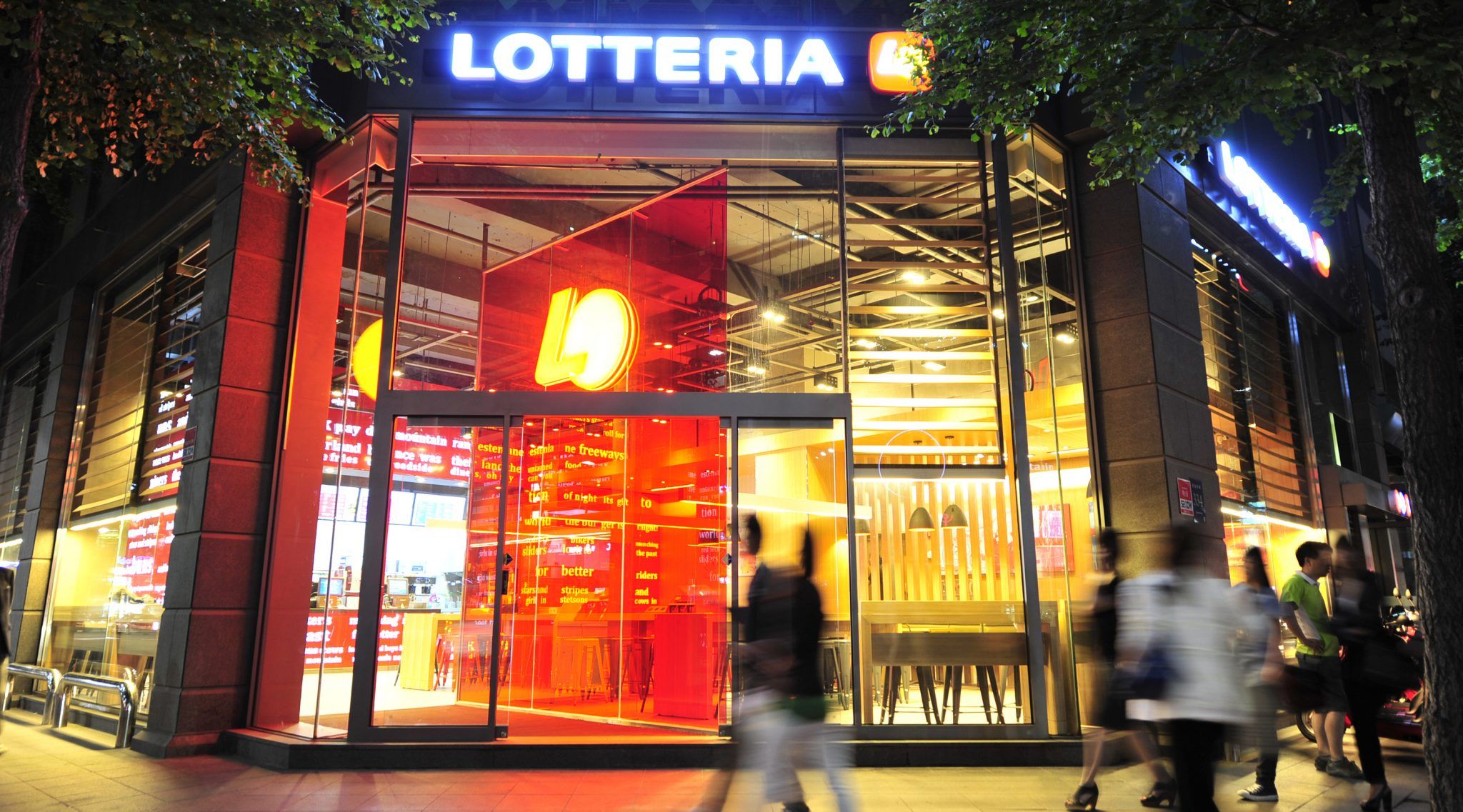
    Lotteria Vietnam has said that it will continue its business expansion in Vietnam amid Korean media reports of its closedown over a net loss of nearly US$9 million.

    The company, which is operated by Lotte GRS under South Korea’s Lotte Group, dismissed a media report that it would cease operations in Vietnam, a spokesperson told Tuoi Tre (Youth) newspaper on Saturday.

    There is an inaccurate understanding of the Korean media report, the Lotteria Vietnam spokesperson added.

    Lotteria Vietnam is proceeding with its normal business while an expansion is underway.

    The firm is expected to invest in a new plant at Long Hau Industrial Park in Long An Province, just outside Ho Chi Minh City, and open ten Lotteria stores in 2021.

    “We are working with our parent company in South Korea to clarify its new strategy,” the spokesperson told Tuoi Tre.

    The spokesperson further explained that Lotteria Vietnam is still operating its franchise business and has reached almost 100 franchised restaurants.

    Entering the Vietnamese market in 1998, Lotteria Vietnam is running over 260 outlets and is among the top fast-food chains in the Southeast Asian country.

    The Korea Times reported on Sunday that Lotteria Vietnam is not closing down.

    “It is true that Lotte GRS is leaving the Indonesian market but we are continuing with our franchise and food retail businesses in Vietnam,” the newspaper quoted a Lotte GRS official as saying.

    The paper seemed to correct its report on Friday that had cited “a Lotte GRS official” as saying “Lotteria Vietnam and others have met the requirements for closure starting this year.”

    Friday’s article said that Lotte GRS was in the process of closing down “Lotte Group’s food material supplier in Vietnam, which was established in early 2020 to expand Lotte GRS’ business in neighboring Southeast Asian countries.”

    “Lotteria franchises in Vietnam have all stopped operations and its headquarters in Seoul is reviewing the possibility of closing down the business within this year,” The Korea Times reported.

    The report went on to elaborate that Lotteria Vietnam did not make any profit for Lotte GRS in 2020.

    “Lotteria Vietnam’s book value stood at 26.8 billion won [$24 million] as of early last year, but declined to 15.6 billion won [$14 million] after recognizing 11.2 billion [$10 million] won in valuation losses,” the article said.

    “Its net loss surpassed 10 billion won [$8.9 million] in one year.”

  • Tea chain Nayuki expanding to USA and Japan

    Tea chain Nayuki expanding to USA and Japan

    Chinese tea chain Nayuki will launch its first stores in Japan and the US this year.

    The firm, which operates nearly 400 stores in China and three in Singapore, serves tea blended with fruit, cream cheese and toppings.

    “With our commitment to becoming an innovator and purveyor of Chinese tea culture, we hope to deliver our unique and exceptional tea experience to the world,” said Nayuki founder Peng Xin. “To achieve this goal, we have established tea fields where tea is cultivated under strict conditions from cultivation to processing.”

    In recent years, China’s traditional tea culture has been revamped by new-style tea franchises backed by large investments. The tea chain Nayuki, valued at RMB6 billion (US$865 million), received a multi-hundred-million RMB injection in Series A plus funding from TianTu Capital in 2018.

    In November last year, the company opened its largest shop – Nayuki’s Dream Factory – in Shenzhen, an 11,000sqft retail space offering an immersive in-store experience. Visitors are invited to see, hear and learn about the innovations of Nayuki’s teas while enjoying a menu of handcrafted teas, coffees, cocktails, baked goods, desserts and more exclusive to the store.

  • Starbucks closes seven Hanoi stores over contaminated water

    Starbucks closes seven Hanoi stores over contaminated water

    Coffee shop giant Starbucks has temporarily closed seven stores in Hanoi’s southwestern districts over the ongoing oil contamination crisis.

    A customer service agent said Friday that the closed stores are located in Cau Giay, Ha Dong and Nam Tu Liem districts, all of which use water that comes from the Da River in Hoa Binh Province. No reopening date has been set.

    Other major coffee chains in the southwestern districts of Hanoi have remained open, with their managers saying, without elaborating, that they are getting clean water from a supplier.

    Like Starbucks, many restaurants and eateries in Hanoi are struggling to get clean water.

    Nghia, owner of a pho noodle stall in Hoang Mai District, said that he has spent hundreds of thousands of dong (VND100,000 = $4.3) on bottled water this week because the tap water smelled bad and could not be used for cooking.

    A buffalo-meat restaurant chain with outlets in affected areas mobilizes staff to work till midnight Wednesday to stock bottled water.

    In some areas, bottled water prices have increased 2-3 times due to high demand. The Vietnam Directorate of Market Surveillance has asked Hanoi authorities to stop merchants from overpricing bottled water.

    On Tuesday last week, a 2.5-ton truck was seen dumping used oil into a mountain creek in Phu Minh Commune, Hoa Binh Province. The oil spread and contaminated the tap water for about one million Hanoi residents.

    Tests of the smelly water by authorities later found that the level of styrene, an organic compound that is classified as “probably” carcinogenic, was 1.3-3.6 times higher than normal.

    On Thursday, Hanoi officials said the tap water samples collected Monday this year passed safety tests, but continued to advise against drinking or cooking with it.

  • Chinese discount merchandise chain Miniso plans 100 stores in Australia

    Chinese discount merchandise chain Miniso plans 100 stores in Australia

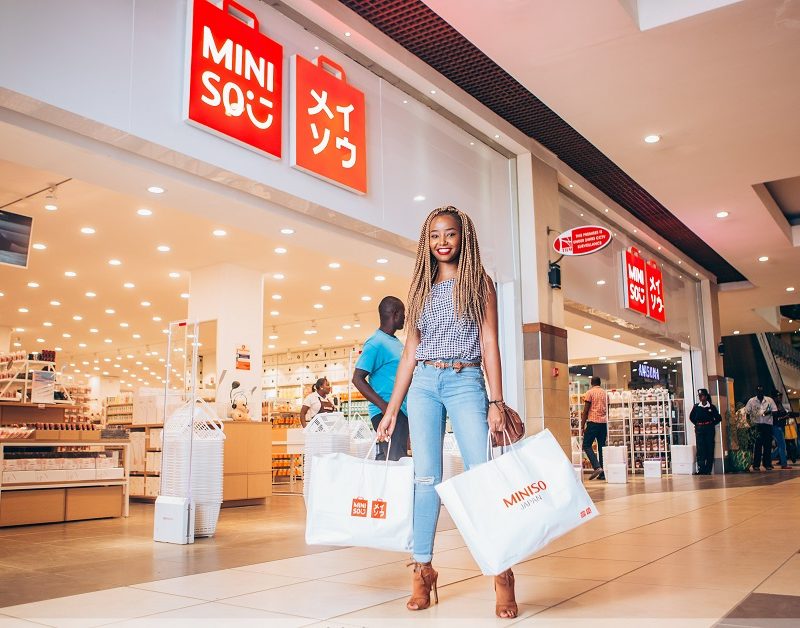
    Chinese discount merchandise chain Miniso says it expects to have 100 stores trading in Australia by the end of next year.

    “Australia is a key country in the world for the rapid expansion of Miniso,” said Miniso Australia VP Richard Li.

    “Our chain of stores opened in Australia include outlets in some of the country’s top shopping centers, including Chadstone in Melbourne and Westfield Parramatta, with a further 68 openings planned over the next 15 months.”

    So far the company has 32 stores trading Down Under. It recently reached the 100-market milestone in its global rollout program. It has 3869 stores open worldwide, and last year posted turnover of US$2.5 billion.

    Miniso has just launched a range of up to 600 lines of Marvel merchandise.

  • Tea chain Heytea opening outlets in Singapore

    Tea chain Heytea opening outlets in Singapore

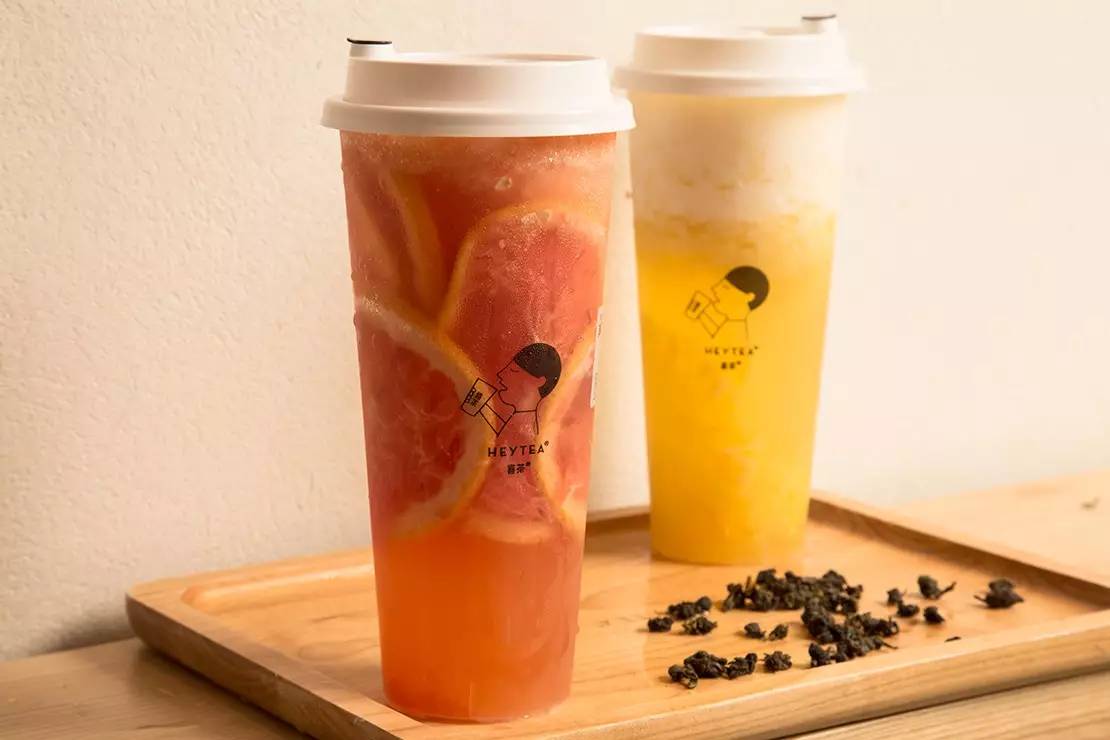
    Chinese tea chain Heytea will open a new store at Westgate, Singapore on Saturday.

    The minimalist store design is inspired by the traditional Chinese handscroll and attempts a “Zen” vibe intended to provide customers with an immersive store experience to enhance inspiration and creativity.

    The Westgate store introduces two newly launched items in its Oreo Series, including the Orea Boboshake and the Oreo Sundae.

    The tea chain Heytea operates 268 stores in more than 35 cities in China and abroad. Its first overseas store launched in Singapore last year, since which time it has opened three more locations.

  • Arabica Singapore Opens

    Arabica Singapore Opens

    Coffee chain % Arabica Singapore is to open three stores initially, the first at 56 Arab Street on June 28.

    After many delays due to construction and interior works, the Arab Street outlet of the Japanese coffee house will opened with seating for 20 and featuring a minimalist white design.

    Two other stores will follow at Chip Bee Gardens at Holland Village, and 313@Somerset on Orchard Road.

    There are plans to serve food at the Chip Bee Gardens outlet.

    Established in 2011, % Arabica has 16 stores in Hong Kong, Japan, Kuwait, the UAE, Oman, the Philippines and China.

  • HMV stock to be Sold

    HMV stock to be Sold

    The liquidator of collapsed music chain HMV has backed away from a retail sale of the company’s inventory. Liquidator Wong Sun-keung, a partner at accounting firm Vision AS, said the administrative costs of launching such a sale – especially the rent – would take too large a chunk out of the takings.

    While the inventory of the collapsed chain has a ticket value of HK$9 million, a ‘fire sale’ of stock would realise as little as $1 million – before rent and staff costs were taken into account.

    A creditors committee decided at a meeting last week to call tenders for the complete sale of the stock – an estimated 100,000 CDs, DVDs and vinyl records retrieved from stores shut last December and currently stored in shipping containers.

    “We will sell all the remaining stocks in one go,” Wong said.

    “Only if the tender offers were too low would we consider a liquidation sale. But now we prefer to use a tender to sell the remaining stock, because it’s simpler and we believe we can get a better price,” Wong said.

    A liquidation sale of stock became inevitable after two white knight investors walked away last month due to legal issues relating to the continued use of the HMV brand in any new entity.

  • Metro China For Sale

    Metro China For Sale

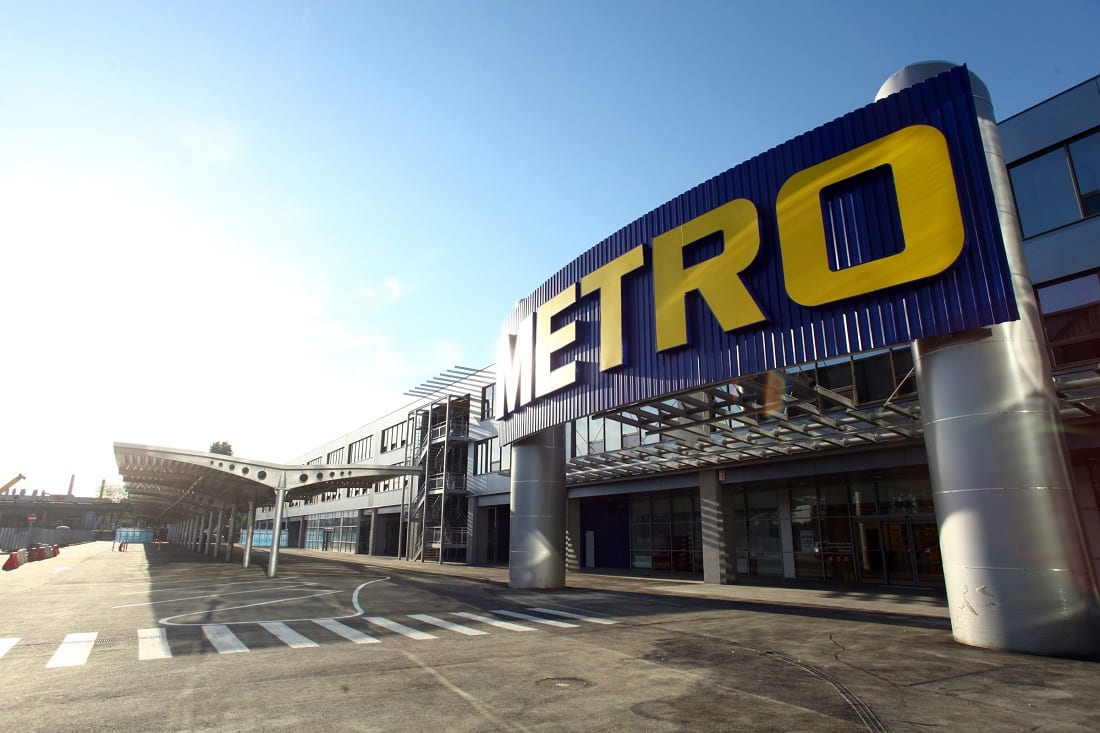
    German wholesaler Metro has called for bids for its China operations.

    The firm was reported last September to be considering exiting its Metro China retail business as part of a plan to focus on wholesaling activities worldwide. The sale is partially in response to the emerging strength of e-commerce in China.

    According to industry insiders, Metro is seeking a deal in a deal that would value the business from US$1.5–2 billion, covering 95 stores in the territory as well as real estate assets in several major cities. Some observers have estimated the Metro China business to be worth up to $3 billion.

    Several local retail chains and private equity firms are expected to be among potential bidders, although none of the named firms responded to requests for comment for a report. E-commerce giant Alibaba has previously held talks with Metro over a possible stakeholding in the business and tencent has been linked to a bid.

    First-round bids should emerge next month.

    In related news, the firm announced the opening of a new warehouse in Yangon last week, aiming to serve local professional customers in the fast-growing hospitality and tourism sectors in the region. Metro Myanmar will not run wholesale stores but provide a virtual shopping experience for customers through its e-commerce and delivery systems.