Tag: chanel

  • Revamping Chanel: How Matthieu Blazys Unique Twist on Classics Fuels Brands Return to Growth

    Revamping Chanel: How Matthieu Blazys Unique Twist on Classics Fuels Brands Return to Growth

    The iconic Parisian fashion brand, Chanel, has seen an influx of new customers drawn to the reimagined versions of classic items by creative director Matthieu Blazy. The reinvented versions of the brand’s staple bags, shoes, and jackets have sparked a demand that exceeds supply, propelling the brand towards renewed growth.

    Revenue Growth and Increased Demand

    Chanel, a privately-held company, announced a 2% increase in revenue to $19.3 billion in 2025, marking a bounce back from a 4.3% decline in 2024. This period saw even premium fashion brands grappling with the bounds of demand following significant price hikes during a post-pandemic luxury resurgence.

    Blazy, who replaced Virginie Viard last year, has breathed new life into the brand with innovative designs like the relaxed leather “maxi flapbag” retailing at $8500, and bright, fringed renditions of the classic Chanel tweed jacket.

    Chanel’s CEO, Leena Nair, noted a creative momentum across all their business activities in 2025 and attributed the sales rebound to the investments made the previous year. The company also reported an increase in operating profit by 5% to reach $4.7 billion, although this fell short of its figures between 2021 and 2023.

    When Blazy’s debut collection hit stores in March, it sparked a buying frenzy for new handbags, two-tone pumps in mint green and black sold at $1450, and multicoloured tweed jackets. Simon Longland, Director of Fashion Buying at the prestigious Harrods in London, described the recruitment of new clients – those who had never previously bought Chanel – as phenomenal.

    Regional Growth and Future Plans

    Despite slower growth than Hermès and a slight decline compared to LVMH’s fashion and leather goods division, Chanel still saw a significant surge in sales in the US market, with a 7.2% increase in the Americas region. However, sales in Asia-Pacific, Chanel’s largest region by sales, declined slightly by 0.8%, while Europe saw a growth of 2.5%.

    In 2025, Chanel increased prices by 3% overall and 2% for fashion products, with similar hikes planned for this year. CFO Philippe Blondiaux reported that Chanel’s business in the Middle East, accounting for about 4% of revenue, remained resilient despite the war in Iran.

    After opening 41 stores in 2025, the brand intends to open an additional 30 stores this year, including nine fashion boutiques, with new locations in Boca Raton, Florida, as well as Palo Alto and San Diego in California.

    Questions & Answers

    What contributed to Chanel’s revenue growth in 2025?
    Chanel’s increased revenue in 2025 can largely be attributed to the innovative designs of new creative director Matthieu Blazy, which led to a surge in demand for the brand’s products.

    How did Chanel fare compared to other luxury brands in 2025?
    Though Chanel experienced slower growth than Hermès, it outperformed LVMH’s fashion and leather goods division and saw strong sales growth in the Americas region.

    What are Chanel’s plans for 2026?
    Chanel plans to continue expanding by opening 30 more stores, including nine fashion boutiques, in locations such as Boca Raton, Florida, Palo Alto, and San Diego, California. The brand also intends to increase prices by a similar rate as in the previous year.

  • Matthieu Blazys Fresh Spin Sparks Chanels Comeback in Luxury Market

    Matthieu Blazys Fresh Spin Sparks Chanels Comeback in Luxury Market

    The Paris-based luxury fashion brand Chanel has experienced a significant surge in demand, piquing the interest of first-time buyers. This increase has been attributed to the reimagined versions of classic items such as bags, shoes, and jackets by the brand’s creative director, Matthieu Blazy. As a result, Chanel’s demand has exceeded supply, signaling a rebound in growth.

    Revamping Classics Fuels Growth

    Chanel recently reported a 2% increase in currency-adjusted revenues for 2025, amounting to US$19.3 billion. The brand experienced a 4.3% reduction in revenue the previous year, a period when high-end fashion labels struggled with demand following significant price increases in the wake of a post-pandemic luxury boom.

    Last year, Matthieu Blazy assumed the role of creative director, succeeding Virginie Viard. His maiden collection, launched in October, infused fresh life into the brand with innovative designs. Notable among these are the slouchy leather maxi flap bag retailing for $8,500, and brightly colored, frayed interpretations of the traditional Chanel tweed jacket.

    Chanel’s CEO, Leena Nair, attributes the brand’s recent success to “a creative momentum across all our business activities,” further noting that investments made in the previous year laid the groundwork for this sales rebound. The brand’s operating profit also experienced growth, recording a 5% increase to hit $4.7 billion.

    New Trends Attracting New Customers

    The brand’s revamped collection has been well-received by consumers, resulting in a substantial increase in new clientele for Chanel. High-demand pieces such as new handbags, mint green and black two-tone pumps (priced at $1,450), and multicolored tweed jackets are flying off the shelves.

    As for the brand’s performance relative to its competitors, Chanel’s growth rate fell short of Hermès at 9.8%, but outperformed LVMH’s fashion and leather goods division, which recorded a 5% decline.

    America, despite enduring tariffs, contributed the most to Chanel’s growth, with a sales increase of 7.2% in currency-adjusted terms in the Americas region. Meanwhile, sales in the Asia-Pacific region — Chanel’s largest market — fell by 0.8%, and Europe recorded a growth of 2.5%.

    Chanel has plans to increase prices by 3% overall and 2% for fashion products this year, according to CFO Philippe Blondiaux. He also noted the Middle East’s market resilience, which accounts for approximately 4% of the brand’s revenue, despite the ongoing conflict in Iran.

    The company plans to continue expanding its retail presence, intending to launch 30 new stores this year, including nine fashion boutiques in locations such as Boca Raton, Florida, and Palo Alto and San Diego in California.

    Questions & Answers

    What has been the impact of Matthieu Blazy’s designs on Chanel’s performance?

    Blazy’s redesigns of classic Chanel pieces have resulted in increased demand, attracting many first-time buyers and contributing to significant growth for the brand.

    How does Chanel’s recent growth compare with that of other luxury fashion brands?

    Chanel’s growth rate in 2025 was slower than that of Hermès but exceeded the growth rate of LVMH’s fashion and leather goods division.

    What are Chanel’s future plans for expansion?

    Chanel plans to open thirty new stores this year, including nine fashion boutiques in locations such as Boca Raton, Florida, and Palo Alto and San Diego in California.

  • Chanel Unveils World’s First Complete ‘Chanel Ecosystem’ in Newly Expanded Shanghai Flagship Store at Plaza 66

    Chanel Unveils World’s First Complete ‘Chanel Ecosystem’ in Newly Expanded Shanghai Flagship Store at Plaza 66

    After an extensive 18-month refurbishment, Chanel has officially unveiled its renovated flagship boutique in Shanghai’s Plaza 66. The three-story space, which is now twice its original size at 2973 square meters, is the first of its kind to encompass the brand’s entire ‘ecosystem.’

    Embracing the World of Chanel

    The newly expanded location presents an array of Chanel’s luxury offerings, ranging from fashion and accessories to watches, fine jewelry, beauty products, and fragrances. It also includes Les Ateliers, the house’s dedicated repair and alteration service, along with the exclusive Les Salons Prive.

    Peter Marino, who has a long-standing collaborative relationship with the brand, was the mastermind behind the boutique’s redesign. The refreshed layout incorporates sophisticated white facades, black-framed vertical panels resembling pleated fabric, and an abundance of natural light pouring in from the mall’s glass ceiling.

    Distinctive Spaces for Distinct Collections

    Chanel’s latest handbags and accessories take center stage on the ground floor. In a separate black-and-gold section, customers can peruse an exquisite selection of watches and fine jewelry, including the Coco Crush and No 5 collections, and J12 and Premiere watches.

    The boutique reserves a VIP room for showcasing three patrimoine high jewelry pieces, set against a backdrop of camellia coromandel screens and Regency-era mirrors. This decor pays homage to Chanel’s historical ties with the cinema industry.

    The second floor introduces visitors to three salons, each distinguished by a unique color theme. The first salon features Chanel’s Cruise 2026 collection, while a more private second salon showcases the house’s signature black-and-white palette. A large fitting room for hosting guests connects to this space. The third salon, which houses an Arnold Armand ‘Mali’ table, leads to an elevator tunnel adorned with gold tweed-like walls.

    Additional Amenities and Services

    On the lower ground floor, customers can find the Shoe Salon, offering a variety of Coco Neige and carryover styles. This area, designed with floor-to-ceiling shelving and plush wool carpets, includes two adjoining rooms.

    The mall’s third floor plays host to the Les Salons Prive, a dedicated area for serving VIP customers. Adjacent to this area are the brand’s beauty and fragrance boutique and Les Ateliers, Chanel’s repair and alteration service.

    In a statement, Bruno Pavlovsky, President of Fashion at Chanel, said, “This new space represents the Chanel universe. We are not merely striving to build the biggest boutique, but to create the optimal environment for the ultimate experience.”

    Questions & Answers

    What does the redesigned Chanel boutique offer?
    The newly expanded boutique features the complete Chanel ‘ecosystem,’ ranging from fashion and accessories to watches, fine jewelry, beauty and fragrances. It also includes Les Ateliers and Les Salons Prive.

    Who designed the renovated Chanel boutique at Plaza 66?
    Peter Marino, a longtime collaborator with Chanel, redesigned the boutique.

    What is Chanel’s objective with the redesigned boutique?
    Chanel is not focused on building the largest boutique, but rather aims to create the perfect environment for an unparalleled customer experience.

  • Ho Chi Minh City Ceo Arrested: Accused Of $570,200 Counterfeit Perfume Operation

    Ho Chi Minh City Ceo Arrested: Accused Of $570,200 Counterfeit Perfume Operation

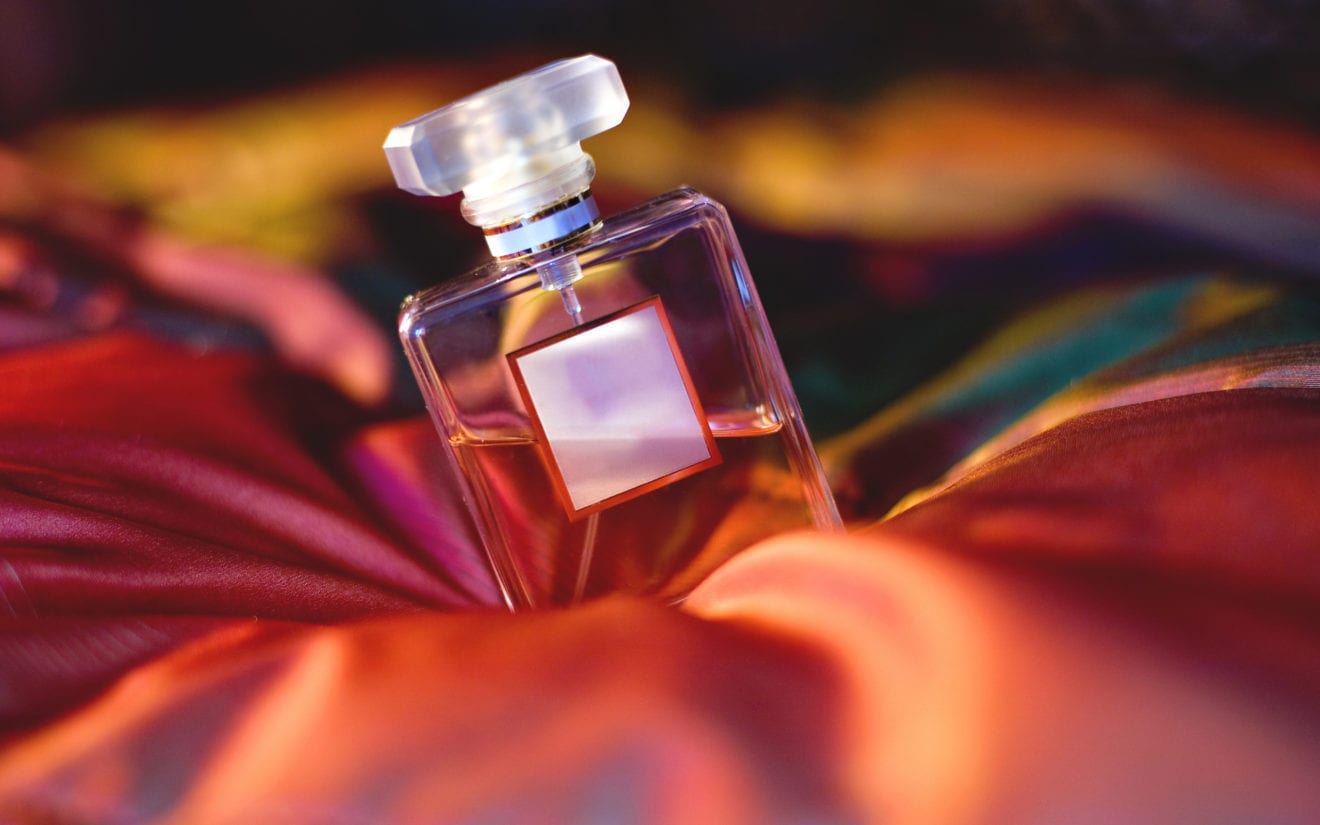
    In a recent turn of events, a CEO and his spouse based in Ho Chi Minh City (HCMC) have been apprehended by the police on the grounds of allegedly manufacturing and marketing tens of thousands of fraudulent perfume bottles. These counterfeit products bore the labels of well-known luxury brands such as Chanel, Gucci, and Dior, among others. The illicit profits gathered from this illegal enterprise are estimated to be around VND15 billion (US$570,200).

    The Masterminds and Their Accomplices

    The individuals caught in this scandal are Nguyen Ngoc Tho, the CEO of Nguyen Huong, and his wife, Truong Thi Mai Hien. Along with them, nine other people were also taken into custody by the HCMC police on charges related to the production and sale of fraudulent goods.

    The couple has been identified by the authorities as the key instigators behind this significant counterfeit perfume production ring.

    The Raid and Confiscation

    During a recent operation at the company’s production site within the city, the law enforcement officers seized 20,000 imitation perfume bottles carrying the tags of elite luxury brands. The authorities also confiscated various perfume-making equipment and tools used in the fraudulent operations.

    The Counterfeit Scheme

    The authorities have accused the couple of initiating this scheme since the beginning of last year. Apparently, Tho observed a surge in perfume demand and started researching and creating formulas for counterfeit perfumes online.

    Together with his wife, Tho procured machinery, raw materials, and perfume bottles. They rented a production facility and mainly hired family members to blend, fill, label, and package the fake perfumes.

    They promoted these spurious products on social media platforms and distributed them in vast quantities across numerous provinces.

    Questions & Answers

    What are the legal implications of the case?
    Given the scope of the fraudulent operation and the brand value of the companies affected, significant legal implications can be anticipated. This includes potential jail time, hefty fines, and possible lawsuits from the affected brands.

    What was the primary market for these counterfeit products?
    The couple leveraged the internet and social media platforms to market these counterfeit products, targeting customers in several provinces.

    Who were involved in the production process of these counterfeit perfumes?
    The CEO and his wife led the operation, hiring mainly family members in their production facility to create the counterfeit perfumes.

  • Vietnamese Jewelry Store Fined For Selling Counterfeit Chanel Items Amidst Gold Price Surge

    Vietnamese Jewelry Store Fined For Selling Counterfeit Chanel Items Amidst Gold Price Surge

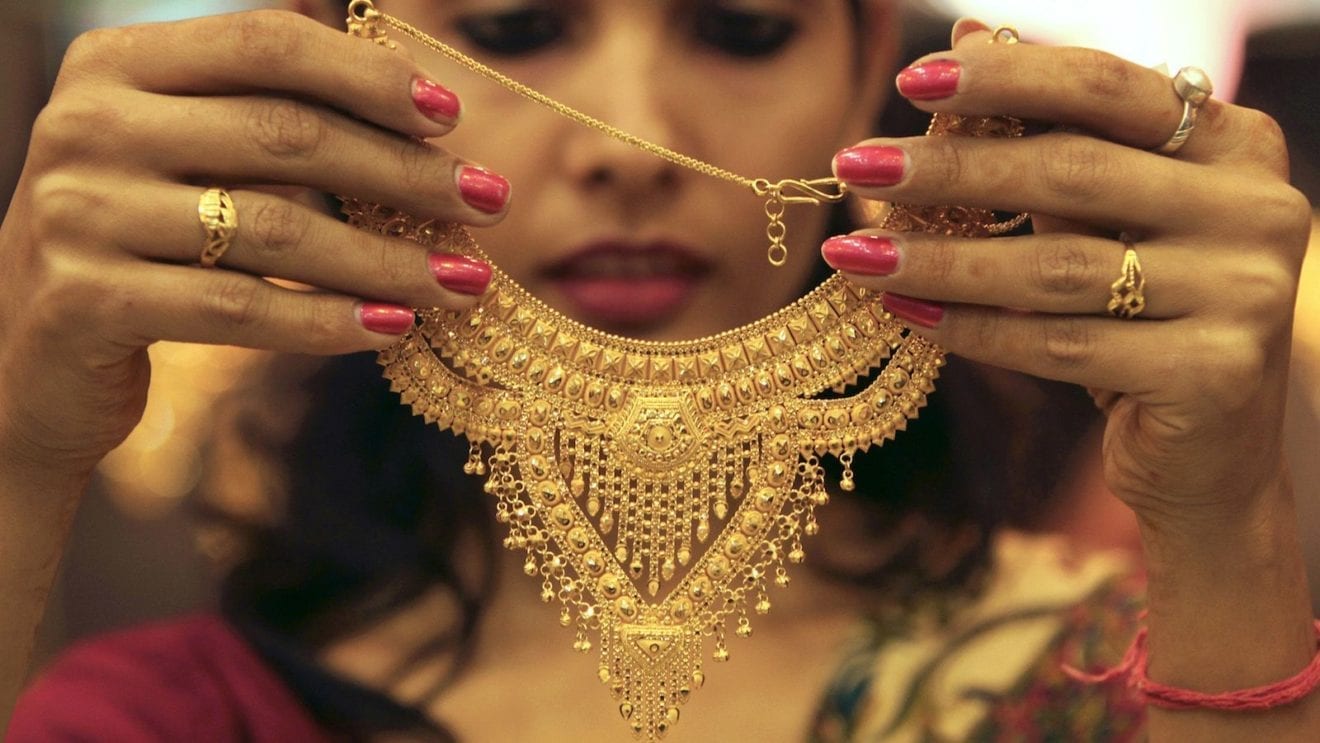
    In central Vietnam, a gold and jewelry store has been hit with a substantial fine of VND55 million (US$2,088.08) and has been instructed to obliterate its existing stock for engaging in the sale of falsified Chanel brand jewelry.

    Counterfeit Jewelry Seized

    The Market Management Department of Gia Lai Province reported that they recently discovered bracelets with the logo of Chanel, a renowned French fashion brand that has registered for protection in Vietnam, in the store. The provincial authority refrained from revealing the name of the establishment.

    The estimated total value of the seized goods is around VND35.7 million. The authority highlighted that all the seized jewelry items were counterfeit and lacked the requisite documentation to verify the origin.

    Surprise Raid and Future Plans

    These surprising findings resulted from an unexpected raid. In the aftermath of this event, the department has announced plans to maintain strict vigilance and continue inspecting other gold enterprises to prevent any further violations of intellectual property rights.

    Gold Prices Reach Record High

    In a related development, the prices of Vietnamese gold have witnessed a significant surge of 76% this year, reaching an all-time high of VND148 million per tael (equivalent to 37.5 grams or 1.2 ounces).

    Questions & Answers

    What was the penalty imposed on the jewelry store for selling counterfeit Chanel brand jewelry?
    The jewelry store in central Vietnam was fined VND55 million (US$2,088.08) and was ordered to destroy its existing stock.

    What did the Market Management Department of Gia Lai Province discover during their raid?
    During their surprise raid, the Market Management Department of Gia Lai Province discovered counterfeit Chanel brand bracelets being sold in the store.

    What are the future plans of the Market Management Department of Gia Lai Province?
    Following the discovery of counterfeit jewelry, the department plans to continue monitoring gold businesses to prevent any violations of intellectual property rights.

  • Chanel Unveils Signature Duplex Boutique At Seoul’s Incheon Airport, Partners With Shilla Duty Free

    Chanel Unveils Signature Duplex Boutique At Seoul’s Incheon Airport, Partners With Shilla Duty Free

    Chanel, the renowned French luxury brand, has recently launched a duplex store in partnership with Shilla Duty Free at Seoul’s Incheon International Airport. This store, situated in Terminal 2, is a reflection of the brand’s signature style, featuring a colour scheme of black and white, adorned with touches of modern art.

    At this duplex store, customers can look forward to browsing through Chanel’s vast collection. The offerings include ready-to-wear clothing, footwear, and accessories. The ground floor is dedicated to showcasing iconic Chanel bags as well as the brand’s newest products, like the Chanel 25 handbag.

    A representative from Shilla Duty Free expressed their optimism regarding the new store. They anticipate the Chanel duplex boutique will become a significant attraction at Incheon International Airport due to its size, unique interior design, comprehensive product range, and superior customer service.

    Chanel is not the only luxury brand under Shilla Duty Free’s umbrella. Other high-end names, such as Tiffany & Co, Omega, and Dior, are also managed by Shilla Duty Free, with plans for these brands to open stores next year.

    In related news, Chanel has also taken a significant step towards sustainability. The company has set up Nevold, a separate division that focuses exclusively on waste management and recycling.

    Despite challenges faced by the luxury sector, resulting in a 4.3% decrease in revenues to $18.7 billion for the year ending on December 31, Chanel remains committed to providing high-quality luxury products and outstanding customer experiences.

    Questions & Answers

    What is unique about Chanel’s new duplex store at Incheon International Airport?
    The store stands out for its size, stylish interior design inspired by Chanel’s brand colours of black and white, its extensive range of products, and its outstanding customer service.

    What can customers expect to find in this new Chanel store?
    Customers can explore a wide selection of Chanel’s collection including ready-to-wear clothing, footwear, accessories, and iconic bags like the Chanel 25 handbag.

    What other luxury brands are operated by Shilla Duty Free?
    Shilla Duty Free also operates other high-end brands such as Tiffany & Co, Omega, and Dior, which are all planning to open stores next year.

  • Chanel profit tumbles as global sales slow down

    Chanel profit tumbles as global sales slow down

    Despite witnessing a 4.3% slide in sales last year, French luxury conglomerate Chanel has committed to maintaining its heightened capital expenditure this year. The persistence of market instability, especially in Asia and the U.S., has not deterred the company from supporting its worldwide expansion plans.

    Investments and Expansions

    Chanel announced that it would continue its capital investment at the $1.8 billion mark, representing a 43% increase from the previous year, to facilitate global growth. The expansion includes 48 new store launches scheduled for this year. About half of these planned openings will occur in China and the U.S., while additional locations are set for India, Mexico, and Canada. Out of these new stores, only six will be dedicated to fashion. The remaining stores will focus on beauty, jewelry, and other categories.

    Financial Performance

    The fiscal year ending in December saw Chanel reporting revenues of $18.7 billion. However, there was a 30% decrease in operating profit. The Asia-Pacific region was notably impacted, registering a 9.3% drop in sales. North and South America also experienced a decline of 4.3%, while Europe had a modest increase of 1.2%.

    The group’s net profit decreased by 28.2% to $3.4 billion last year. This decline was attributed to difficult market conditions in certain regions.

    Market Uncertainties

    Philippe Blondiaux, the group’s Chief Financial Officer, recognized uncertainties in the market outlook, particularly concerning China and U.S. tariff policies. He noted that while there were “positive signs of stabilization” in China and Hong Kong, it was premature to determine whether these regions were on the road to recovery. He further described the ongoing tariff discussions in the U.S. as “extremely volatile”.

    Chanel increased its prices by approximately 3% last year to counter inflation. Blondiaux stated that further adjustments might be required, especially in the jewelry sector where gold prices continue to escalate.

    Looking Forward

    Despite the challenging macroeconomic and geopolitical climate, Chanel’s global CEO Leena Nair remains optimistic. She stated that while these conditions have impacted sales in some markets, the company continues to focus on long-term investments.

    Last year, Chanel appointed Matthieu Blazy as its creative director. Although there have been rumors regarding an expansion into menswear, the company clarified that there are presently no plans to venture into that category.

    Questions & Answers

    What is Chanel’s strategy in terms of capital investment?
    Chanel plans to maintain its $1.8 billion capital investment to support its global expansion.

    How did Chanel’s financial performance fare in the previous fiscal year?
    For the fiscal year ending in December, Chanel reported a revenue of $18.7 billion. However, both operating profit and net profit saw significant declines, by 30% and 28.2% respectively.

    What are Chanel’s expansion plans for the current year?
    Chanel intends to open 48 new stores across various countries, including China, the U.S., India, Mexico, and Canada. The majority of these stores will be dedicated to beauty, jewelry, and other categories.

  • Chanel Korea fined for excessive collection of personal information

    Chanel Korea fined for excessive collection of personal information

    Chanel Korea has been fined for requesting names and contact numbers from waiting customers and their companions.

    The Personal Information Protection Commission announced on Thursday that it had decided to impose a fine of $2.761 on Chanel Korea for violating the Personal Information Protection Act during its 19th plenary meeting.

    Chanel Korea faced criticism for excessive collection of personal information when its boutique in a Seoul department store asked waiting customers and their companions for their names, contact numbers, birthdates, and addresses.

    Chanel Korea argued that it collected these details to prevent proxy purchasing since customers were only allowed to purchase a limited number of items. However, the company received widespread criticism, with people stating that it treated customers as potential criminals.

    The commission concluded that Chanel Korea’s actions violated the Personal Information Protection Act, and the measures taken went beyond the scope of their original purpose of managing waiting customers.

    Additionally, the commission noted that denying services to customers who refused to comply with personal information collection was also considered a violation of related laws.

    An official from the commission stated, “Businesses should collect the minimum personal information needed for their services. This case serves as a reminder that businesses must not refuse services to customers on the grounds that they refused to agree to the collection of personal information.”

  • Fake Chanel perfume seller fined

    Fake Chanel perfume seller fined

    A shop in the Central Highlands has been fined VND50.5 million (US$2,100) for selling counterfeit Chanel and Lancome perfumes and sunscreen through Facebook livestream.

    The shop in Pleiku, Gia Lai Province, was busted during a livestream session, the local police said.

    They had been monitoring the shop for some time, and during the raid found 300 bottles of perfumes labeled Chanel and 118 purporting to be Lancome besides 204 sunscreen tubes with the latter’s label.

    The police checked all the documents the shop provided and established that the products were fake.

    They also found 440 breath refresher bottles without invoices.

    The shop was fined VND50.5 million for selling fake goods, violating intellectual property rights and trading cosmetics of unknown origin.

    All the fakes were confiscated and will be destroyed.

  • Chanel takes over Capitol Centre’s massive retail space, Singapore

    Chanel takes over Capitol Centre’s massive retail space, Singapore

    Capitol Centre, located on 5-19 Jardine’s Bazaar in Causeway Bay, Hong Kong, is one of the most coveted locations for luxury retail brands. Victoria’s Secret once leased the prime location, but the lingerie brand pulled out early, leaving the 50,000 square-foot space unoccupied. However, after the opening of the Mainland and Hong Kong border, the market has seen a surge in demand for retail space, and CHANEL has now taken over the lease of Capitol Centre’s massive retail space.

    The lease signed last month by CHANEL covers the ground floor, basement, and the advertisement space on the exterior of the building, totalling approximately 19,000 square feet. The monthly rent for the space is estimated to be over HK$3 million, or roughly HK$158 per square foot, making it the largest lease transaction since the border reopening and the largest retail lease in Hong Kong in the past three years since the outbreak of COVID-19.

    The lease period is three years, from mid-May 2023 to May 2026, with an option for renewal. The annual rental cost for the space is over HK$36 million, adding up to a total of over HK$1.08 billion for the three-year lease period.

    Capitol Centre has seen many tenants over the past 20 years, including major brands such as WatsonsFairwood, and Giordano. In 2010, the U.S. clothing chain Forever 21 secured the space with a rental amount of HK$10.8 million per month, or HKD 211 per square foot, making it the most expensive retail space in Hong Kong at the time. The rental amount was later increased to HK$13.78 million per month, or HK$269 per square foot.

    In November 2016, Forever 21 announced that it would vacate the Causeway Bay store in August 2017, and Victoria’s Secret took over the space for a rental amount of around HK$7 million per month, a significant decrease from Forever 21’s rental amount. However, Victoria’s Secret was hit by the COVID-19 pandemic and vacated the space in May 2020, with more than seven years left on its lease. After Victoria’s Secret’s departure, the space remained vacant until last year when Market Place, a supermarket chain, rented the basement for around HK$600,000 per month, or HK$86 per square foot.

  • Chanel faces fair-trade hurdles in South Korea

    Chanel faces fair-trade hurdles in South Korea

    French luxury label Chanel is under investigation for alleged breaches of South Korea’s Free Trade Act.

    The Korean Free Trade Commission (KFTC) is looking into allegations that the firm is placing unfair restrictions on duty-free operators distributing its products to local retailers. Korean law has recently relaxed restrictions on how duty-free companies can sell and distribute stock following the heavy impact of the coronavirus pandemic on the industry. The previous regulations restricted duty-free companies from passing stock and inventory to local retailers.

    The French group however is refusing to allow its products to be sold at potentially reduced prices.

    “If a firm does not allow a business partner to sell its products at a certain price and threatens to cut supplies or impose a penalty in any future business relations, this is a contravention of the Fair Trade Act,” a KFTC official said.

    “If Chanel violates the act, then we can bring a case for possible judicial review and apply administrative actions, accordingly, from imposing fines through to issuing a correction order or even prosecuting the brand, in the worst-case scenario.”

    Customer levels have reduced 85.7 percent since the outbreak, with sales halving from KRW2.17 trillion (US$1.76 billion) down to KRW1.08 trillion ($885 million).

  • Chanel Not For Sale

    Chanel Not For Sale

    Luxury fashion house Chanel has dispelled rumours it was planning a stock market listing after posting higher annual sales and profits on Monday.

    The company also announced it is not for sale.

    The French fashion label, owned by the Wertheimer family, said sales rose to nearly $11.1 billion (A$21.29 billion) in the year under the late designer Karl Lagerfeld who passed away last February.

    This is only the second time the luxury brand has publicly announced its results in its 109-year history.

    According to a CNBC report, Chanel’s chief financial officer Philippe Blondiaux had said the company was not for sale and has denied IPO claims.

    “We’ve got to live with the fact that we are one of the most desirable brands in the market,” Blondiaux said. “These rumours will unfortunately keep coming back on a regular basis.”

    “Chanel needs to remain independent, in order to have the freedom to make choices that go against the grain, such as no longer using exotic animal skins, or by harmonising prices.”

    The fashion house, which was founded by Coco Chanel in 1910, announced it saw a 12.5 per cent increase in its 2018 revenues to $11.12 billion, while net profits rose 16.4 per cent to $2.17 billion.

    The company has seen growth across all of its markets last year, led by Asia Pacific where sales increased 19.9 per cent. Sales in Europe rose 7.8 per cent and in the Americas 7.4 per cent.

    The report indicated strong demand from wealthy Chinese consumers both in Europe and overseas has fuelled higher sales and profits in the luxury industry, in spite of a trade dispute between the United States and China.

    Virginie Viard took over as Chanel’s new creative chief and delivered her first solo collection last month for the brand.

  • Chanel Opens Flagship Store in Seoul

    Chanel Opens Flagship Store in Seoul

    A new Chanel South Korea flagship has opened in Seoul.

    The Cheongdam-dong boutique opening provided the opportunity for the brand to unveil its latest ready-to-wear collection alongside its capsule accessories collaboration with musician Pharrell Williams, who performed at the event.

    The capsule collection is a bright combination of pop music and street-art motifs, and is currently selling at the new Seoul store, pending global release on April 4.

  • Karl Lagerfeld dies at 85

    Karl Lagerfeld dies at 85

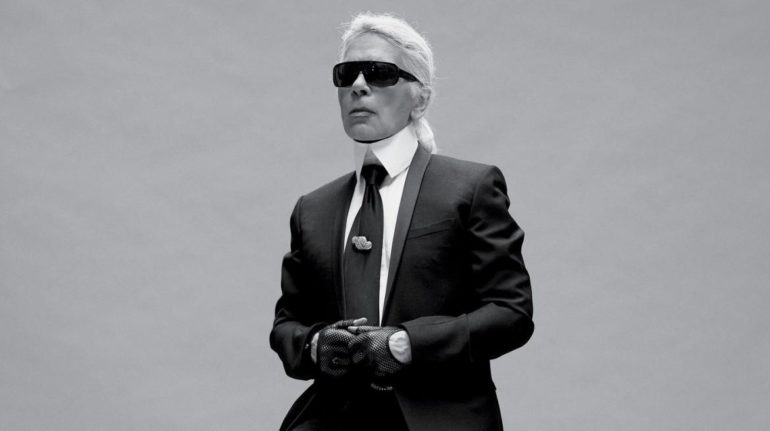
    Karl Lagerfeld, arguably the world’s most iconic designer and undoubtedly the most prolific, has died in Paris. He was 85. In a seven-decade career as fashion’s ultimate free agent, Lagerfeld created collections simultaneously for the celebrated houses of Chanel and Fendi, in addition to his signature label, at a pace without rival in the luxury industry.

    Virginie Viard, director of Chanel’s design studio and Lagerfeld’s closest collaborator for more than 30 years, will take the creative reins at the storied brand’s fashion business. A succession plan has yet to be announced at Fendi.

    For Lagerfeld, to design was to breathe, “so if I can’t breathe, I’m in trouble,” he often quipped to journalists who were astonished by his inexhaustible work ethic and his insistence that he would never retire.

    In fact, his creative output seemed only to become more bountiful in his golden years, a period during which his extravagant runway productions at the Grand Palais in Paris achieved a staggering level of theatrical opulence. At a cost of millions of dollars per season, the events surpassed the mundane boundaries of a fashion show to become something more like large-scale performance art — media spectacles where Lagerfeld, as both gifted designer and visual provocateur, could best demonstrate his ability to interweave the superficialities of fashion with matters of great depth, while also parading seemingly endless ways to keep Chanel’s classic tweeds looking modern and fresh.

    His Autumn/Winter 2017 collection featured a 115-foot-tall mechanical rocket ship that simulated blast off. For Fall 2014, he built a Chanel shopping centre, its superstore-like aisles bursting with more than 500 different products that included a Chanel-logo chainsaw, doormats, candy, and ketchup. For Fall 2010, he imported enough snow and ice from Sweden to create a 265-ton indoor iceberg. Backdrops of a man-made beach with rippling waves (Spring 2019), a scale rendering of the Eiffel Tower (Fall 2017 Couture), a French brasserie with uniformed bartenders (Fall 2015) and an enormous model of a passenger ship (Cruise 2019) suggested no idea was too fantastical, nor expense too decadent.

    His incredible longevity and success as a designer, and, following his logic, the fortunes of the companies for which he worked, owed at least partly to Lagerfeld’s intentional detachment from the business side of fashion. He claimed never to discuss sales figures or budgets with management. “I am a hired gun, even in my own business,” he said in a BBC interview, noting that his contracts with Chanel and Fendi allowed him to do whatever he wanted on the side. “I work my own marionette in a way, my own puppet,” he told The New York Times. “It’s something I control.” That extraordinarily rare freedom from the restraints of financial responsibility enabled him to continually make clothes that inspired consumers to dream.

    “We created a product nobody needs, but people want,” he said. “If you need an ugly old car, it can wait, but if you want a new fashion item, it cannot wait.”

    As designers half his age complained of burnout from fashion’s maddening pace, Lagerfeld made himself even busier by dabbling in a constant stream of publishing, photography, film and design projects, including a rule-breaking “fast fashion” collaboration with the mass retailer H&M in 2004 that predated the industry obsession with disruption by more than a decade. Ignoring the traditional expectations of a luxury player, he also designed hotel rooms, video games, motorcycle helmets, a BMW, and a cosmetics range inspired by his also-famous cat, Choupette, and directed an ad campaign for Magnum ice cream bars that featured a life size sculpture of model Baptiste Giabiconi rendered in chocolate. More than most of his sober-minded peers at fashion’s pinnacle, he relished his iconic status both within the industry and in popular culture. Despite all this extra-curricular output, though, he was driven by one thing in fashion, he said, which was to make his designs better than they were the season before.

    As most profiles of Lagerfeld have noted, another thing that drove him was a desire to know everything. He filled his numerous homes, in Paris, Biarritz, and Saint-Tropez among others, with stacks of history books and biographies, iPods loaded with various types of music, and museum-worthy collections of artwork and furniture that he would, unceremoniously, dispose of every few years, once a new period or style captured his attention. With his vast memory and a rapid-fire way of working and speaking, he could summon details and themes on command, exploit them ruthlessly in a collection, and then immediately move on to the next thing. He once said he had a “Google mind.”

    “Whatever it is, good or bad, it influences fashion,” Lagerfeld said. “You can see that in fashion quicker than in any other thing going on. Fashion is something that reflects our lives and times with the shortest release, because, cars, design and architecture take years to realise.”

    Lagerfeld was, in many ways, a self-drawn caricature of what a powerful designer should look and sound like, a stylistic god who was worldly and intellectual, commanding and capricious. His bitchy quips (“sweatpants are a sign of defeat,” “trendy is the last stage before tacky,” “I think tattoos are horrible — it’s like living in a Pucci dress full-time,” and many, many nasty digs at celebrities he considered fat or unattractive) became as much a part of the Lagerfeld mystique as were his signature white powdered ponytail and dark sunglasses, or his habit of drinking only Coca-Cola (later, Diet Coke or Coke Zero). But his penchant for flamboyance, combined with occasionally reckless comments in recent years, also resulted in backlash for Chanel. His critiques of Angela Merkel drew particular outrage, as when he evoked the Holocaust on a French talk show in 2017 while protesting Germany’s open-door policy toward Muslim refugees fleeing the Syrian civil war. In any event, there had never been any serious repercussions for the designer nor attempts to unseat him, likely as a result of his outsize stature in the industry and his long history of accomplishments.

    He was best known for his work, since 1983, as artistic director at Chanel, which became one of the most profitable and admired luxury brands in the world under his tenure. While the company remains privately held by brothers Alain and Gérard Wertheimer, Chanel took the unusual step of releasing its annual results for the first time last year, stating its sales of $9.6 billion were larger than those of Gucci and approaching those of Louis Vuitton. Chanel’s sales for 2017 were up 11 percent, driving operating profit of $2.69 billion. Chanel said it had decided to reveal its financial strength in response to speculation that the company could be a takeover target, and to demonstrate it was determined to remain independent.

    When Lagerfeld was first approached by the Wertheimer family, which had created the Chanel fragrance business and its blockbuster No. 5 scent in the 1920s, and took control the fashion house after World War II, it had been more than a decade since the death of its founder, Gabrielle “Coco” Chanel. Chanel’s hallmark tweed bouclé jackets and dresses, once viewed as liberating, by then seemed old-fashioned and bourgeois, and the company was in need of new direction. Lagerfeld was already well-known for the soft and poetic party dresses he had been making at Chloé in the 1970s, which was during the dynamic growth of European ready-to-wear movement for easy-to-wear and less precious clothes. At the same time, Lagerfeld, since he first arrived in Paris, had harboured a burning desire to work in high fashion as a couturier, and Chanel’s established atelier offered that chance.

    “People tend to forget that once upon a time, Chanel was old hat,” Lagerfeld said. “It was only Parisian doctors’ wives who still wore it.” But it was Lagerfeld’s belief that the image could be changed with a sense of humour and a lack of nostalgia, in order to make customers forget everything that had come before.

    “Because fashion is about today,” Lagerfeld said in a 2007 New Yorker profile. “You can take an idea from the past, but, if you do it the way it was, no one wants it.”

    Lagerfeld described his first collections for Chanel as reflecting a modern and “chic-sexy” approach, with longer and thinner proportions, unlike Coco’s boxy-proportioned precedent. For his spring 1984 ready-to-wear show, he re-imagined classic suits and dresses with matching hats — all in denim, and for fall that year he added a hockey uniform worn with pearls and a skiing outfit in gaudy, glittering silver and red. His transformation of the brand would combine elements of the alluring (softly tailored pantsuits and charming white camellias affixed to tweed suits) with the shocking (oversize logos, micro-miniskirts, sequinned running shoes, heels moulded to look like pistols). The phenomenal transformation of Chanel became an industry model for how to turn an aging fashion house into a status symbol as its sales continued to soar. Lagerfeld’s role was so secure there he was contractually considered its “designer for life.”

    “Why should I stop working?” he mused to anyone who dared broach the subject of retirement. “If I do, I’ll die and it’ll be all finished.”

    Karl Lagerfeld was born Karl-Otto Lagerfeldt in Germany, and raised in the countryside near Hamburg, on Sept. 10, 1933, according to most recent biographies and some of his relatives, although Lagerfeld had for many years claimed he had been born in 1938 or 1935. In her 2006 book, “The Beautiful Fall,” which chronicled the heady decadence of fashion in the 1970s, the writer Alicia Drake argued that Lagerfeld had inflated many details of his childhood as part of a self-invention as a German aristocrat upon his arrival in the Paris demimonde. Lagerfeld sued the writer for invasion of privacy, but his case was thrown out of court.

    Lagerfeld, who changed the spelling of his name for commercial reasons, himself frequently joked about the discrepancy of his age, saying his mother, Elisabeth, a trim, stylish violinist who was highly critical of her son in his childhood, had chosen the date because it was easier to write. (As recently as 2013, Lagerfeld told Paris Match that he was born in 1935.) Further confusing matters, his father, Christian Ludwig Otto Lagerfeldt, was the wealthy managing director of a company that distributed condensed milk from the United States, and had moved the family to the countryside to shelter them from the hardships of the war years under Hitler, leaving little reliable evidence from the early years of Karl, an older sister, Martha Christiane, and a half-sister, Thea, from Lagerfeldt’s previous marriage.

    In the end, Lagerfeld described his childhood as a misery. He was a gifted scholar and loved to sketch, thinking he would pursue a career in illustration, but he had few friends and his mother often complained about his looks, telling him he should not smoke because his hands were unattractive, and that his nose was so large he should order curtains for his nostrils. Nevertheless, his parents supported his artistic ambition and sent him to Paris, where Lagerfeld found immediate success in fashion. In 1954, he won a design contest, called the International Woolmark Prize, based on the sketch of a coat he submitted that was produced for the competition by the designer Pierre Balmain. Of particular note, a young Yves Saint Laurent also won that year in the dress category, foreshadowing what would become a lifelong rivalry between the two designers.

    In their younger years, Lagerfeld and Saint Laurent were close friends. Whereas Saint Laurent was the tortured, fragile artiste who ascended to the coveted role of couturier at Christian Dior following Dior’s sudden death in 1957, Lagerfeld was a pragmatic mercenary. After working for three years for Balmain, who had hired him as an assistant, Lagerfeld designed collections for Patou, Chloé, Krizia, Charles Jourdan, Mario Valentino, and, beginning in 1965, Fendi, the Italian fur company where he contributed designs for an astounding 50 years. Fendi’s sales were estimated by analysts at $1.3 billion in 2017, while the company, acquired by LVMH in 2001, has experienced a major street style moment over the last year with its logo-driven FF Reloaded collection. (In January, Silvia Venturini Fendi, creative director of accessories and menswear, paid tribute to Lagerfeld’s contributions to the house with a fall men’s collection inspired by him, including styles he designed.)

    By the 1980s, Lagerfeld was widely known to the public, even as he was just beginning to design under his own name (Saint Laurent had started a signature company that popularised the French concept of ready-to-wear in the 1960s). Lagerfeld’s own label, called at different times Lagerfeld Gallery or Karl Lagerfeld Paris, has existed on and off as a licensing venture through various partnerships, including a high-profile venture with Tommy Hilfiger in 2004 and most recently with G-III Apparel Group in the United States since 2016, though it has always been perceived as a side project for the designer.

    Still, Lagerfeld was the more disciplined of the two when it came to image and self-control; he was cast as an aristocratic German designer in one of Andy Warhol’s more obscure films, the 1973 “L’Amour,” playing up his persona as the ringleader in the absurdist circus of fashion. His personal iconography included tightly fitted blazers over starched white shirts with startlingly tall collars, and skinny jeans – a complete look he perfected in the 1990s, only after undertaking a dramatic diet. He said he lost 92 pounds in order to fit into the prevailing silhouette of the day, a modern rock-and-roll style orchestrated by Hedi Slimane, who was then at Dior Homme. Lagerfeld became so recognisable for this look that he started using his own likeness as a logo on T-shirts, handbags and furry key chains for Fendi.

    While his competition with Saint Laurent intensified throughout their lives, until Saint Laurent’s death in 2008, Lagerfeld’s ultimate success with Chanel gave him immense confidence and enabled him to pursue opportunities that no other designer would dare touch. His 2004 collection for the Swedish retailer H&M was especially risky, given the fate of other luxury brands like Halston that had lost their credibility after making a mass play. Lagerfeld described the one-off collaboration, which included slim blazers and T-shirts emblazoned with a cartoon logo of his face, as “mass elitism, which has long been my dream… It’s the future of modernity.”

    The collection was an enormous hit, selling out in many markets, unleashing all manner of unorthodox designer crossovers to follow, and further fuelling Lagerfeld’s fame. He was also the subject of at least three documentaries, “Lagerfeld Confidential” (2007), “Un Roi seul” (2007), and “Karl Lagerfeld se dessine” (2013), and several books, including a compilation of his quotations, “The World According to Karl,” from Flammarion (2013), and “The Karl Lagerfeld Diet,” a weight-loss book he published with his physician, Jean-Claude Houdret (2002). For many years, Lagerfeld ran his own publishing imprint, 7L, photographed his own advertising campaigns, and directed short films that imagined the life of Coco Chanel and highlighted connections from Chanel’s history to his own work.

    At Chanel, Lagerfeld was given the artistic license and financial resources to acquire the best talent, including his longtime collaborators Virginie Viard, the creative studio director and tipped as a likely internal candidate to succeed him as Chanel’s designer, and Eric Pfrunder, Chanel’s director of image. At Lagerfeld’s urging, the company also embarked on a campaign to acquire many specialised French craft ateliers, like Lesage for embroidery, Lemarié for feathers and artificial flowers, Maison Michel for millinery, and Causse for glove making. Those resources were celebrated with lavish Métiers d’Art fashion shows held in far-flung destinations, including in Edinburgh, Shanghai, Hamburg, and most recently at the Metropolitan Museum of Art in New York City in December, while Chanel’s cruise collections have been staged from Dubai to Havana, Cuba, reflecting Lagerfeld’s approach to making Chanel’s interlocking “CC” mark recognisable around the world.

    “Logos are the Esperanto of marketing, luxury, and business today,” he said.

    Lagerfeld often said that his only love in life was his work. But he showed his softer side near the end of his life by casting his godson, Hudson Kroenig, the older son of the model Brad Kroenig, in his runway shows. He also gleefully promoted his lavishly spoiled cat, a gift from Kroenig, in interviews and on social media. He once said he wished he could marry Choupette, in what was presumably a humorous jab at his own cartoon-like image.

    “There is no secret to life,” Lagerfeld said. “The only secret is work. Get your act together, and also, perhaps, have a decent life. Don’t drink. Don’t smoke. Don’t take drugs. All that helps.”
  • The rise of men’s cosmetics

    The rise of men’s cosmetics

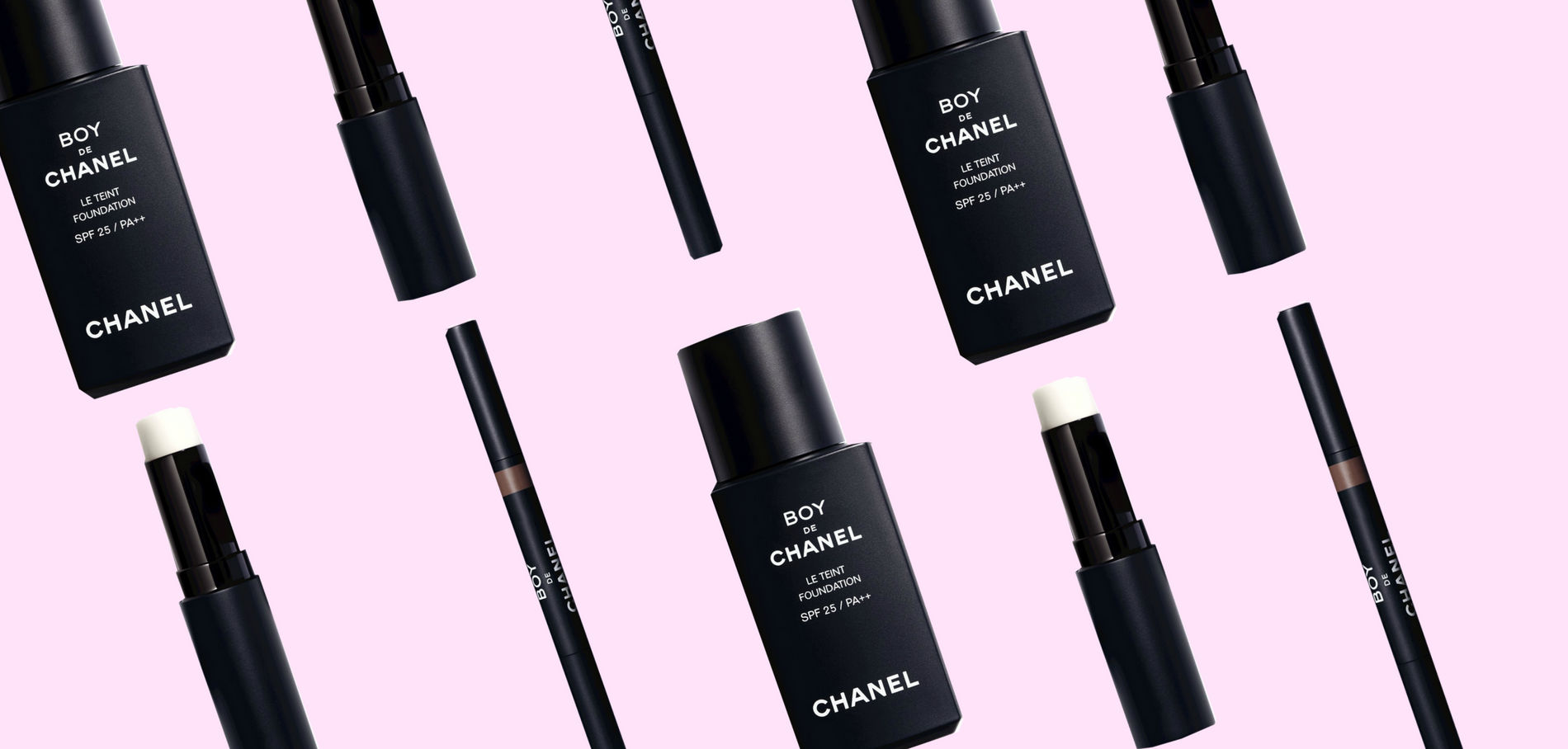
    Chanel is launching a make-up line entirely for men Boy de Chanel collection in 2019, and other brands might follow. Just as Gabrielle ‘Coco’ Chanel rocked the boat by flouting gender dressing rules in order to marry style and comfort in the early 20th century, the iconic fashion house is stirring the waters once again with a male make-up line.

    Striving to rewrite the rules and break free of gender codes, Boy de Chanel will boast three products to add to the luxurious French cosmetics collection in 2019.

    Almost a century after the European empire launched a make-up line for women, Chanel’s first cosmetic collection for men will see the products encapsulate the brand’s classical elegance through its midnight blue and white packaging, highlighting only the essential products.

    Touted as being a name that captures the essence of masculinity, the foundation, lip balm and eyebrow pencil are aimed at boosting confidence and erasing imperfections through a long-lasting formula that creates natural results.

    Chanel says its first make-up line for men “reaffirms the ever-changing codes of an unchanging vision” because beauty is not a matter of gender, it is a matter of style.

    You can expect the SPF 25 foundation Le Teint to have an “undetectable result” as it is described as being invisible to the eye and touch while offering a second skin with natural correction and high protection. It will protect skin from aging while allowing it to breathe through an airy micro-mesh leaving it shine-free.

    Promising to keep lips supple for eight hours, the moisturising lip balm is packed with jojoba oil and shea butter that leave a “featherweight effect”.

    Offering to boost self-confidence in one stroke, the Boy de Chanel eyebrow pencil defines and fills out the brow line with the spiral brush and tapered twist tip.

    Drawing inspiration from the female world of style to craft the timeless products, Chanel strives for inclusivity with “no absolutely feminine or masculine prerequisites” to empower cosmetic fans to be whomever they desire.