Retail News CRM

Tag: chanel

  • Chanel to stop using exotic skin in its collection

    Chanel to stop using exotic skin in its collection

    Ahead of its pre-fall 2019 Métiers d’Art show in New York’s Metropolitan Museum of Art, Chanel has said it will “no longer use exotic skins in [its] future creations”. The exotic skins in question include crocodile, lizard, snake, stingray and fur, of which Chanel uses very little.

    The decision is down to the fact it is becoming increasingly difficult to source skins that meet the house’s quality and ethical standards. “There is a problem of supply and that was not Chanel’s business anyway,” Bruno Pavlovsky, president of Chanel fashion and president of Chanel SAS, commented. “We did it because it’s in the air, but it’s not an air people imposed to us. It’s a free choice.”

    The brand’s attention will shift to the research and development of materials and leathers generated by “agri-food” industries.

    “The future of high-end products will come from the know-how of what our atelier is able to do,” Pavlovsky continued. It will, however, take time for existing goods containing exotic skins to leave Chanel’s distribution network entirely.

    Chanel is the first luxury brand to join labels, including Asos, Nike, H&M, Puma, Arcadia Group and L Brands, which have already banned exotic skins from their product offering.

    The likes of Armani, Coach, Versace, Michael Kors, Gucci, Burberry and John Galliano have pledged to halt the use of fur, however, they have not made the leap to include skins in their entirety.

  • Chanel’s recipe for success revealed

    Chanel’s recipe for success revealed

    Last month, Chanel reported its financials for the first time in its 108-year history, lifting the company’s traditional veil of secrecy, in part, to quash speculation that it could be acquired. The disclosure revealed that the French luxury giant generated $9.6 billion in sales last year – just a shade behind LVMH cash cow Louis Vuitton.

    What’s no secret, though, is that Chanel holds immense allure to shoppers.

    In fact, it is one of the most desirable luxury fashion brand in the world fueled by the perception that it is amongst the most exclusive brands of all.

    This is paradoxical when one considers that Chanel is also one of the most accessible luxury brands, as measured by pricing.

    In fact, it has some of the lowest entry-level price points in the business, courtesy of its beauty products. Cosmetics and fragrances allow the middle class to get a whiff of the lifestyles embodied by Chanel’s couture and prêt-à-porter offerings.

    Indeed, Chanel is a master of category segregation.

    This strategy involves confining iconic, core category products to high-end price ranges, while deftly positioning other product categories (lipsticks, for example) at lower price points to address aspirational customers.

    Such segregation has allowed the house to maintain its air of exclusivity.

    It may sound like a simple strategy, but it has helped make Chanel by far the biggest luxury goods mega-brand in retail equivalent terms, and only marginally smaller than Louis Vuittonin reported sales.

    Critical to this success has been Chanel’s leading position in beauty, a category that is heavily dependent on multi-brand wholesale distribution.

    While there are some disadvantages to wholesale distribution, from smaller margins to less control over brand experience, leveraging wholesale also means the company can have a relatively compact retail network.

    Chanel had 338 stores in 2017, or nearly 30 percent fewer than Louis Vuitton.

    As for profitability, Chanel reported an earnings before interest and taxes, or EBIT, margin of 28 percent, compared to 40 percent at Louis Vuitton.

    This suggests Chanel has much room to push its profit margins higher, especially considering its sheer scale and the economics of beauty.

    Chanel seems to be vastly outspending its peers on marketing support and communication, boosting its profile on both traditional and social media.

    All this, and a traditional focus on organic growth rather than acquisitions, means the group boasts returns on invested capital that approach those of Hermès.

    This is despite selling, general and administrative expenses equivalent to nearly half of Chanel’s sales as opposed to roughly a third at Hermès.

    Again, this suggests there is room to rise further.

    When Chanel announced its financials last month, the company said it did so to dispel the notion that it would ever be up for sale.

    While the size of the company means only very large — and ambitious — players might be able to pull off such a deal, that still leaves potential contenders should it ever decide to open its doors.

  • Chanel Acquires Orlebar Brown

    Chanel Acquires Orlebar Brown

    Luxury brand Chanel has bought high-end menswear label Orlebar Brown, with plans to expand the label in Asia and North America.

    The British brand, which specialises in men’s swimwear and board shorts, was bought from founder Adam Brown, the Piper investment fund and minority shareholders for an undisclosed price.

    Orlebar Brown was launched as an online business in 2007 before evolving into a multichannel business. The acquisition is seen as delivering Chanel two primary advantages: expertise in a successful digital platform and a comfortable fit with the women’s swimwear and lingerie brand Eres, which Chanel bought in 1996.

    “Besides the fact that we share the same values and the same approach towards quality and know-how, this acquisition offers an ideal opportunity for synergies between Orlebar Brown and Eres,” Chanel’s global CFO Philippe Blondiaux said in a statement.

    Brown will remain creative director of Orlebar Brown and Paul Donoghue as CEO.

    Orlebar Brown currently has 24 directly owned stores in 11 countries, and is stocked by more than 250 multibrand retailers.

  • The changing face of today’s beauty industry

    The changing face of today’s beauty industry

    Younger consumers, those between ages 18 and 24, are one of the driving forces behind the beauty market’s growth, according to Fashionbi’s new “Beauty Market Trend” report. Celebrity brands, natural beauty, personalization and gender-bending products are also becoming more popular among beauty buyers.

    “There are many experiments in the field of the ‘smart and tech beauty’ products,” said Yana Bushmeleva, chief operating officer at Fashionbi, Milan. “Another interesting trend is the customized beauty when the customer can literally create a perfect product for his or her skin type.”

    Personality-driven products

    For decades, luxury beauty brands have enlisted actresses, singers and models to star in their advertising campaigns. Today, however, celebrities have the agency and the following to launch their own beauty lines, sometimes with the help of more traditional industry players.

    Created by frequent luxury collaborator Rihanna, Fenty Beauty launched following months of anticipation and two years of research and development in September 2017. The line of color cosmetics, including a staggering 40 shades of foundation, was developed in partnership with LVMH-owned Kendo, the company behind Bite Beauty and Marc Jacobs Beauty.

    Available exclusively at retailers Sephora and Harvey Nichols, as well as Fenty Beauty’s ecommerce site, stock flew off the shelves as women gravitated toward the brands’s inclusive message and merchandising.

    Other successful celebrity brands include Kylie Jenner’s Kylie Cosmetics, which made $420 million in 18 months, and sister Kim Kardashian West’s KKW Beauty, which earned an estimated $14 million on its launch day

    Model Miranda Kerr’s Kora Organics has a focus on eco-friendly beauty, and actress and singer Lady Gaga is expected to introduce her own makeup line next year.

    “Not all the beauty brands rely on celebrity endorsement,” Ms. Bushmeleva said. “There are also those which diversify the risks, [like in] Dior’s case, some makeup and skincare products are promoted by Bella Hadid, some by Natalie Portman and some have no celebrity endorsement.

    “Those brands which believe that the celebrity endorsement is crucial for the marketing campaigns should choose the person who is ‘new’ to the market, which means is not involved in the promotion of the competitive brand or doesn’t have its own line,” she said.

    Other makeup brands are collaborating with fashion houses for limited collections.

    A Balmain x L’Oreal capsule collection was released in late 2017, and included a dozen shades developed by Balmain’s creative director Olivier Rousteing with the cosmetics maker’s team.

    Men are also buying more makeup products than before, and luxury brands are looking to capitalize on the trend.

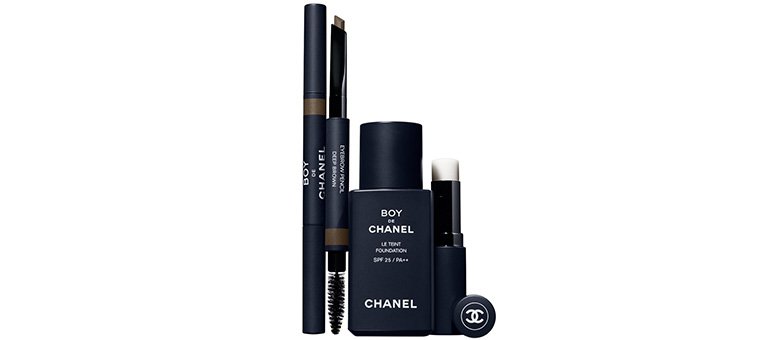
    This trend is becoming more popular in Asia especially, and French fashion label Chanel is getting in on the ground floor with its first men’s makeup line. The collection will be comprised of three products, including an eyebrow pencil, lip balm and tinted moisturizer.

    It launched in South Korea on Sept. 1, but will branch to ecommerce starting in November, where everyone can purchase.

    Keeping it clean

    The majority of cosmetics executives believe that health-inspired beauty along with personalization and digital engagement will be driving themes in the industry this year.

    According to a survey by Euromonitor, skin health is a major factor within the beauty-manufacturing world today with an increase in brands creating topical probiotics. More than half of beauty execs believe that health in beauty, digital and personalization are the most important aspects of successful launches.

    Beauty brand Lancôme expanded its bespoke skin tone matching service within the United States in 2016. The brand’s Le Teint Particulier Custom Made Makeup uses digital readings of a client’s face to create a specially blended foundation at the counter.

    Eco-friendly personal care products comprise cosmetics that are organic, farm-to-face or cruelty-free.

    A report from Perfect 365 found that a significant portion of Western consumers condemn the testing of beauty products on animals and will reject brands that do so. Nearly 50 percent said they would be happy if their state in the U.S. banned animal testing and nearly a quarter said they regularly use PETA’s Web site to see if a brand tests on animals before they buy it.

    While Western consumers tend to reject beauty products tested on animals, China still requires such trials, putting luxury beauty brands in an awkward position (see story).

    Clean beauty is becoming another key word within the personal care industry as sustainability and wellness take over in all aspects of retail, and luxury retailers are some of the first to take it on.

    Consumers are more concerned than ever in regards to harmful chemicals in any product, but the beauty consumers as well as the luxury consumer are some of the most keen to these issues.

    “There are a few possible ways for luxury brands to embrace clean beauty,” Ms. Bushmeleva said. “Either to launch a new ‘green’ beauty brand, launch a special line under the current brand or through the acquisition of the existing company.”
  • Louis Vuitton dominates fake products seized in Korea

    Louis Vuitton dominates fake products seized in Korea

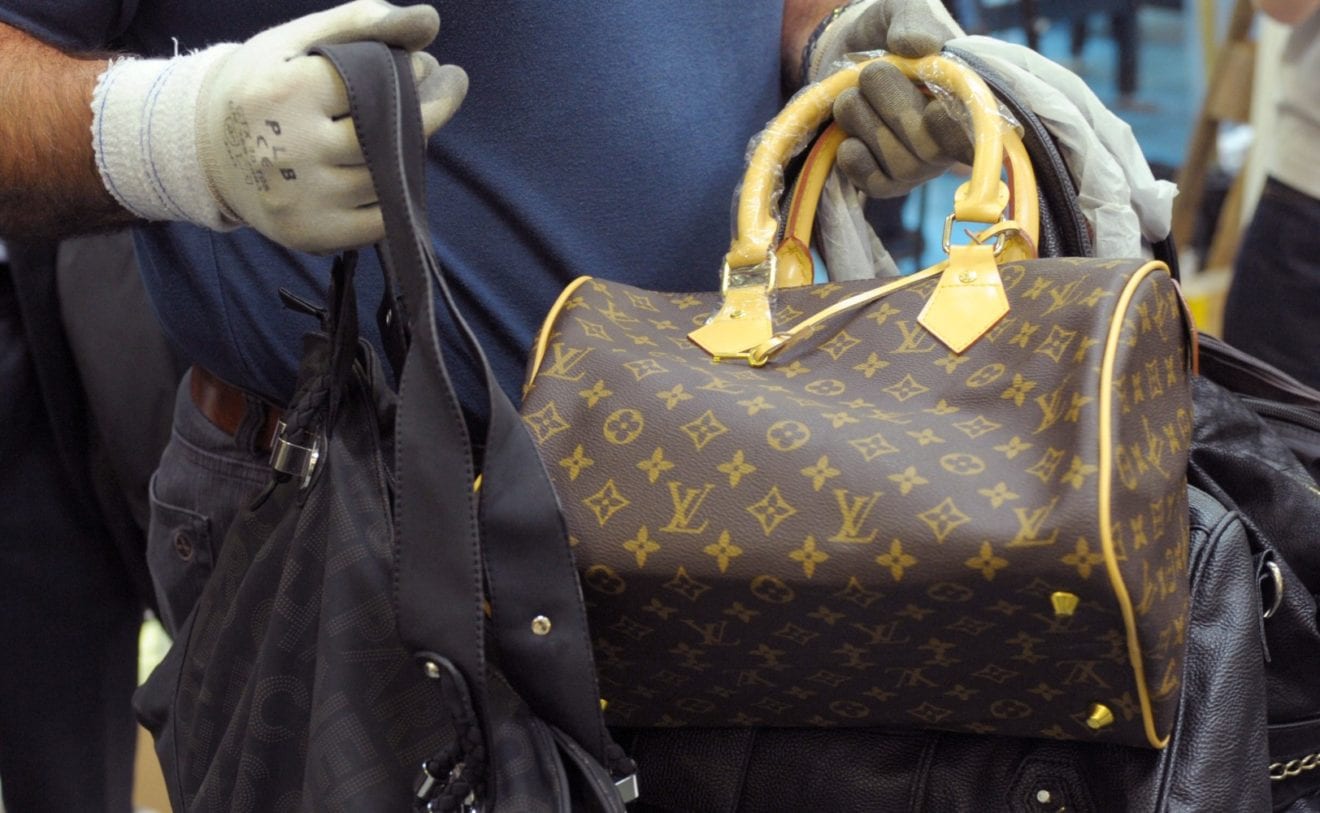
    South Korea’s Customs service has released an intellectual property infringement report detailing the most-seized counterfeit goods over the past four years.

    According to the report, South Korean officials seized more fake Louis Vuitton products than any other between June 2014 and June this year, a trend that accelerated over the period.

    Agents seized KRW183.1 billion (US$224 million) worth of LV-trademarked counterfeit goods, mostly originating from China. Almost a quarter of those goods were seized within the last six months alone.

    Democratic Party lawmaker Kang Byung-won, who commissioned and released the report, said: “Making and distributing fake goods is a criminal act that violates intellectual property rights, and it is required to toughen crackdown on such illegalities.”

    Other frequently counterfeited brands include Rolex watches, Cartier jewelry, Chanel garments and accessories, and Gucci products.

  • Chanel buys stake in F.P. Journe parent company

    Chanel buys stake in F.P. Journe parent company

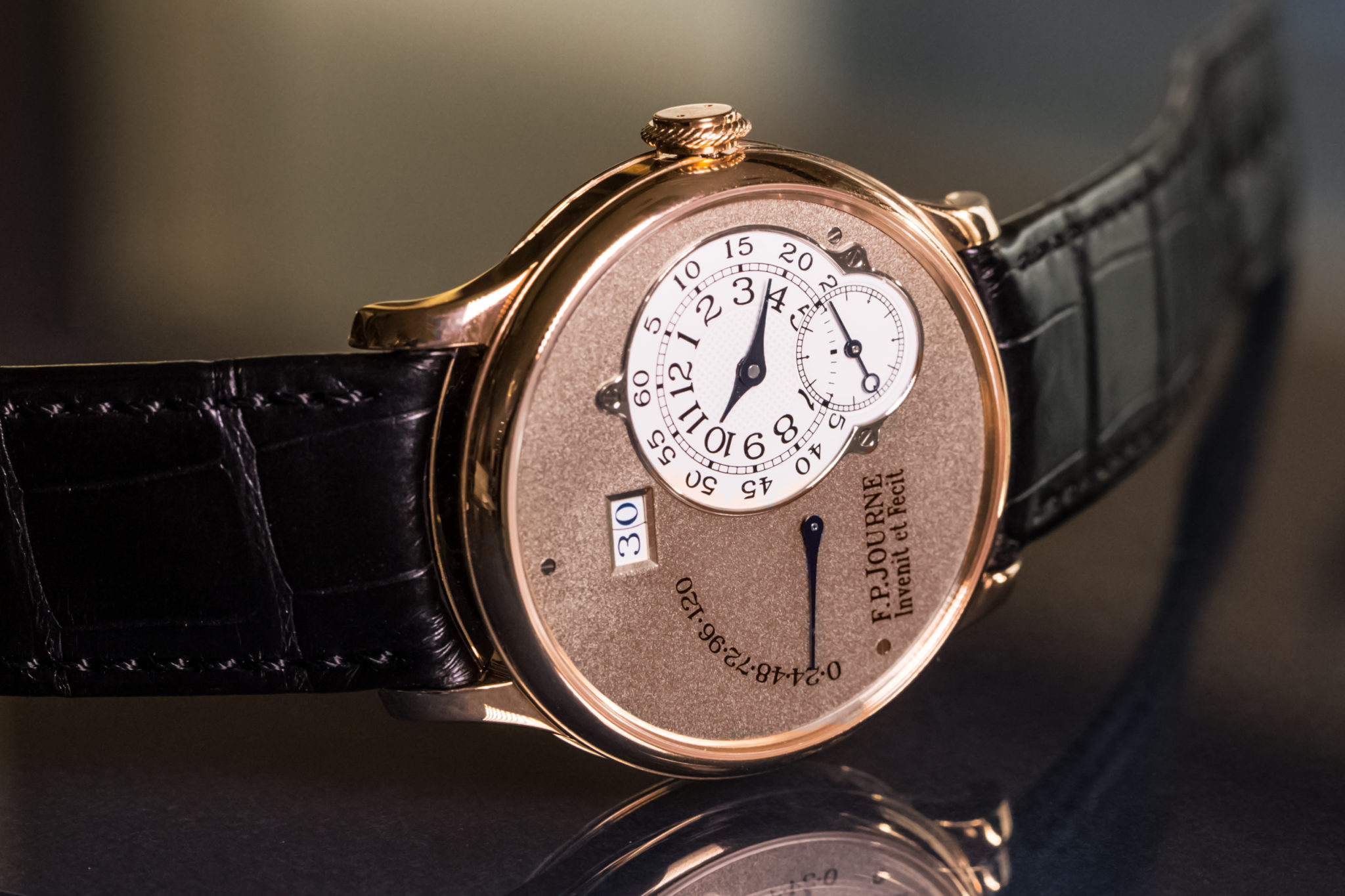
    International fashion brand Chanel has acquired a 20 per cent stake in the parent company of luxury Swiss watch brand F P Journe.

    The investment, the value of which has not been disclosed, follows the purchase of holdings in Romain Gauthier several years ago and Bell & Ross back in 1998.

    A statement by Chanel read that the purchase “is part of the desire to preserve and develop expertise and to support independent watchmakers who share the same values of creation and excellence as Chanel”.

    The sale, according to parent, watchmaker Francois-Paul Journe, was made to preserve the brand given that the watch manufacturing business would not be continued by his descendants.

  • Chanel Korea comes under fire for sale of used bag

    Chanel Korea comes under fire for sale of used bag

    Chanel Korea has come under fire for allegedly selling a used handbag to a customer.

    South Korean media outlet News One has reported a customer paid 7 million won (US$6280) for a Chanel 2.55 flap bag at a department store in April. She claims she later found a bankbook and credit card belonging to someone else inside the bag, both items issued a month earlier.

    “I asked Chanel if anyone had purchased and refunded the bag, but the company said the product’s serial number showed that it had no purchase history,” the bag’s owner said.

    Chanel Korea released a statement saying it had no idea how the items came to be inside the bag, but it ruled out the possibility an employee had borrowed and used it before its sale. It said it had offered to replace the bag with a new one in July.

    Several South Koreans went online to express their dismay about the incident, one commenting on a news story saying: “Korean customers should take collective action such as a boycott to make sure that foreign companies such as Chanel and BMW do not look down on Korean customers and to teach them a lesson”.

    An unidentified “industry insider” said such an event was “very rare” and “close to impossible”.

    “If that product had been refunded, it is possible to find someone’s belongings from the bag.” But the source said if the bag had really never been sold before, it was hard to explain how the items got insid

  • Chanel to debut brand’s first makeup line for men

    Chanel to debut brand’s first makeup line for men

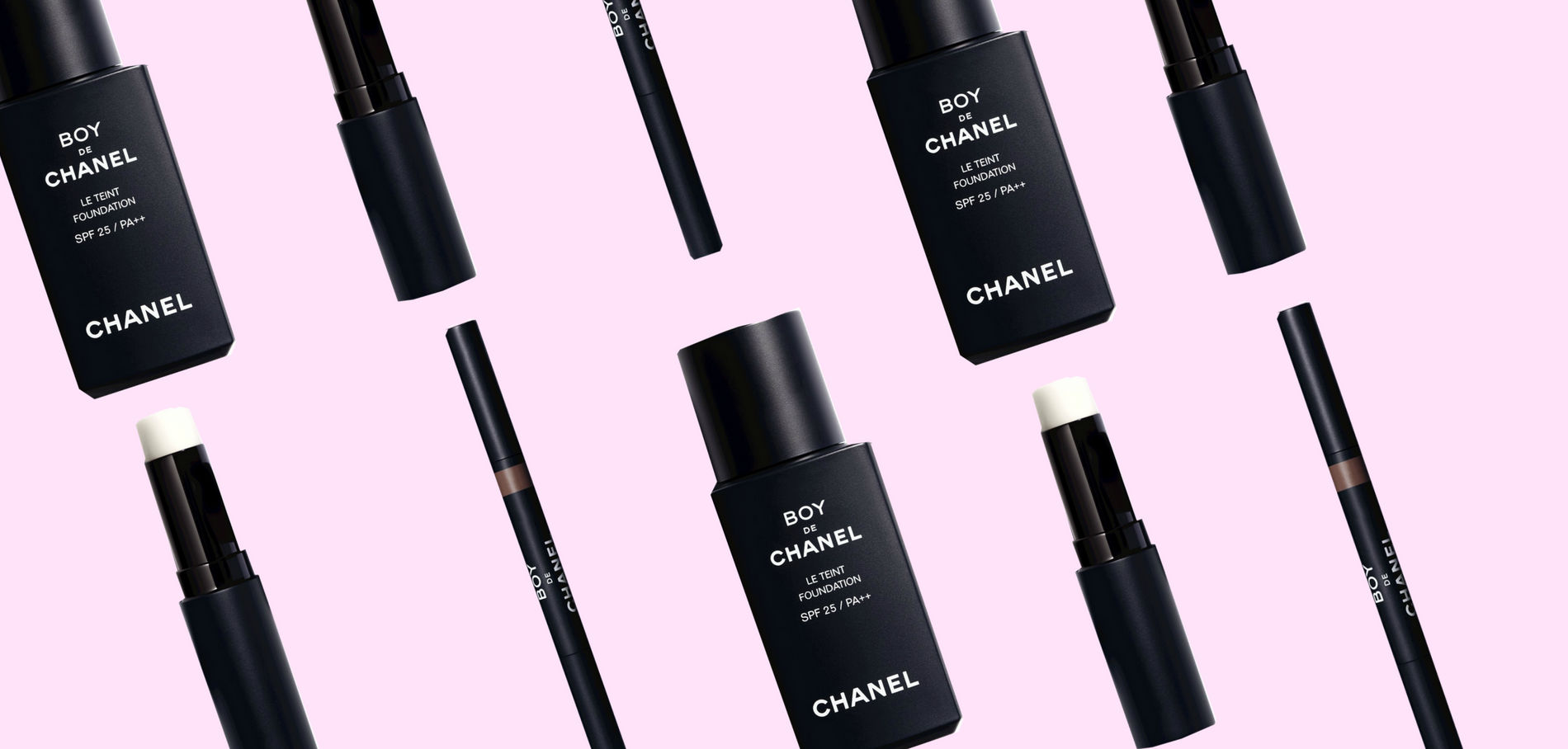
    Diving into the swelling men’s grooming trend, Chanel is launching its first makeup line for guys, a three-product range, starting in South Korea on September 1.

    The collection includes a tinted fluid, coming in four colors, a matte moisturizing lip balm, and four shades of eyebrow pencil.

    The fashion house already has a signature handbag and unisex fragrance named Boy. Though you might assume the name is a gender reference, it is actually the name of Gabrielle Chanel’s first—and tragic—love Boy Capel.

    “By creating Boy de Chanel, its first makeup line for men, Chanel reaffirms the ever-changing codes of an unchanging vision: Beauty is not a matter of gender, it is a matter of style,” the company said.

    “Just as Gabrielle Chanel borrowed elements from the men’s wardrobe to dress women, Chanel draws inspiration from the women’s world to write the vocabulary of a new personal aesthetic for men,” the company said in a statement. “Lines, colors, attitudes, gestures… There is no absolutely feminine or masculine prerequisite: Style alone defines the person we wish to be.”

    The tinted foundation is called Boy de Chanel, and it’s SPF 25 and comes in eight sheer and hyaluronic acid-infused shades. Though Chanel offers hundreds of foundation options in its main beauty line, we imagine both men and women will be running to their nearest Chanel boutique to get their hands on the sleek black bottle. The lack of shades likely means it’s an extremely sheer and adaptable formula.

    The line also includes Boy de Chanel brow pencils in four shades. The final product is a clear, moisturizing lip balm with a matte finish.

    “By creating Boy de Chanel, its first makeup line for men, Chanel reaffirms the ever-changing codes of an unchanging vision: Beauty is not a matter of gender, it is a matter of style.”

    The collection will be rolled out to the rest of the world in November on the house’s e-commerce platforms and in January 2019 in Chanel’s boutiques.

  • Prince’s building welcomes Chanel’s COCO Neige Pop-Up Store

    Prince’s building welcomes Chanel’s COCO Neige Pop-Up Store

    It’s freezing at Prince’s Building with Chanel’s COCO Neige Pop-up store.

    Chanel has just launched its very first collection of sportswear dedicated to winter sports featured in its new pop-up store at Prince’s building.

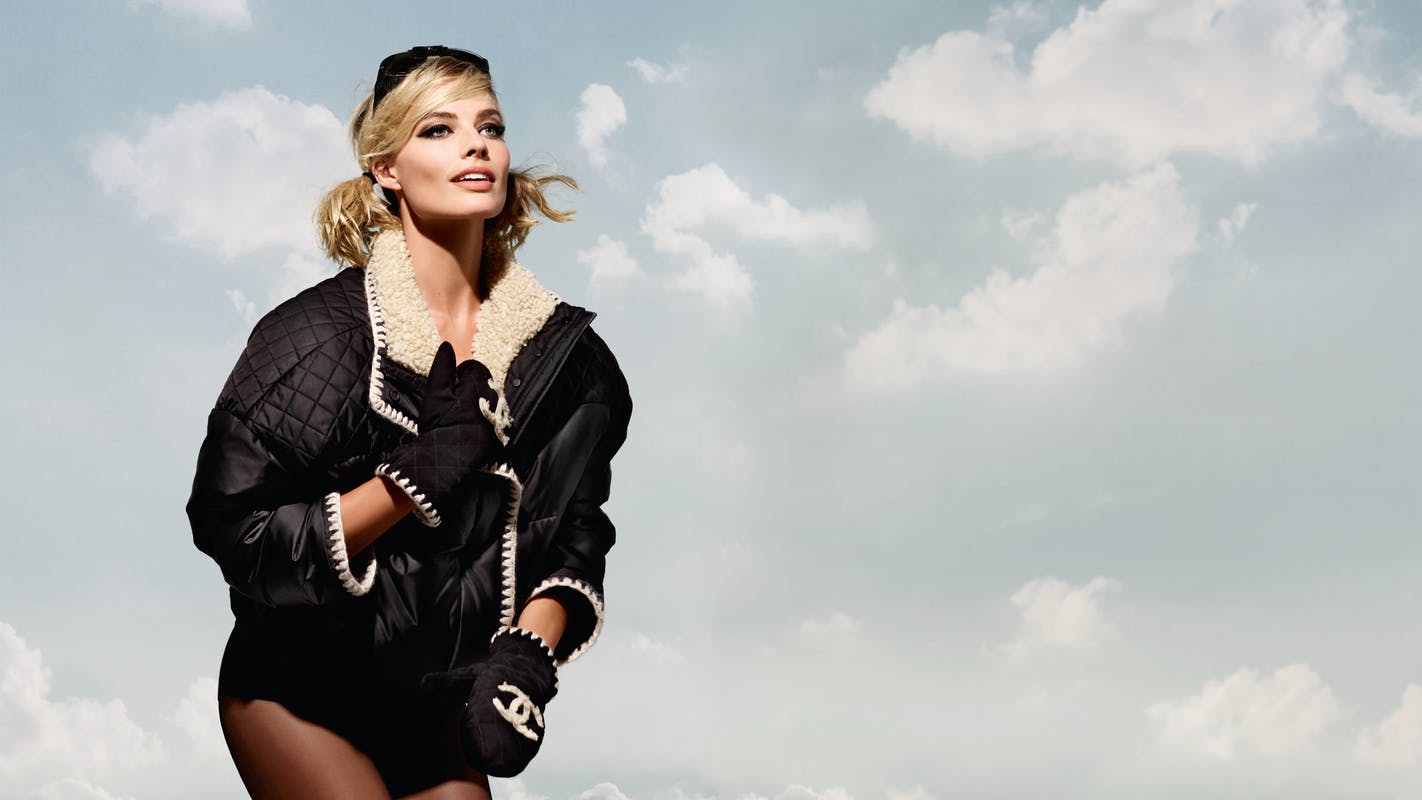
    Australian actress Margot Robbie, new ambassador of the French fashion house, embodies Chanel’s first ever ski and après-ski collection, COCO Neige.

    Designed and shot by Karl Lagerfeld, the line combines high-tech clothing and winter-ready-to-wear for the sporty fashion conscious.

    COCO Neige incarnates both the worlds of skiing and the codes of the House.

    From multicolor tweeds and classic handbag quilting to Norwegian-inspired sweaters and mountain accessories sporting the double C, Chanel’s most iconic symbols and elements have been brightly incorporated into the sportswear wardrobe.

    This collection comes a few year after the launch of Chanel’s own line of skis and snowboards a few years ago.

  • LVMH reports double-digit growth for second quarter

    LVMH reports double-digit growth for second quarter

    Luxury conglomerate LVMH said it plans numerous product launches before the end of the year as it races to stay ahead of fast-growing competitors like Kering SA’s Gucci and closely held Chanel.

    Second-quarter sales rose 11 percent, the Paris-based owner of Louis Vuitton handbags and Sephora cosmetics said in a statement late Tuesday, beating analysts’ expectations.

    The world’s largest luxury company reported double-digit percentage growth in sectors from fashion to jewelry and cosmetics. The shares rose as much as 2.6 percent in Paris.

    LVMH has so far thrived despite the opening rounds of a global trade war, as the Chinese consumer’s appetite for French luxury goods surged during the quarter. But because of the threat of higher tariffs and other economic uncertainties, “the current trends cannot realistically be extrapolated to the second half of the year,” Chief Financial Officer Jean-Jacques Guiony said on a call.

    “Management sounded quite confident, despite ongoing concerns about Chinese demand and tougher comps,” Raymond James analyst Hermine de Bentzmann wrote, adding that the result augured well for Kering.

    Chinese consumers account for roughly a third of luxury purchases, according to consulting firm BCG — and as much as 70 percent of the sector’s growth. LVMH sales in Asia surged 17 percent last year, and traveling Chinese shoppers lifted other markets. Now, investors are watching carefully to see how long the boom can last for luxury’s leader, especially as U.S. President Donald Trump’s trade moves risk shaking confidence in the industry’s biggest client base.

    “The threats are there but I don’t think they have materialized yet in any way,” Guiony said.

    Shanghai’s CSI 300 stock index has fallen 11 percent this year, fueling fears that high-end shoppers could tighten their belts. China moved to bolster consumption by lowering import duties on many products earlier this month, and luxury brands including Louis Vuitton and Hermes have cut prices to pass the benefit on to consumers.

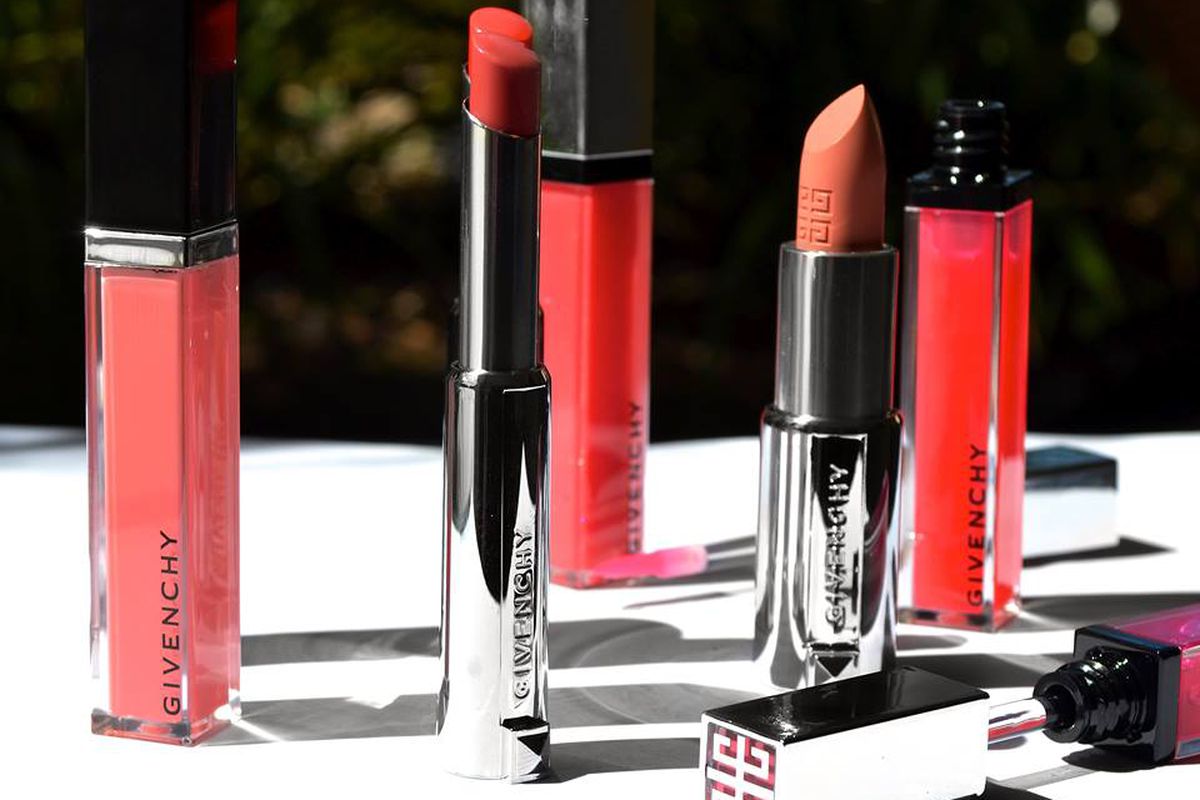
    The company said its coming product launches include new perfumes from Christian Dior, endorsed by Jennifer Lawrence, and Givenchy, promoted by Rooney Mara. A Guerlain skin serum and a Chinese launch of the Kenzo World line are among the other debuts.

    The plans come as LVMH’s competitors have thrown down the gauntlet in recent months. Gucci set a midterm sales target that would rival estimates for Louis Vuitton, long the world’s largest luxury brand with more than 9 billion euros in annual sales. Chanel released its yearly financials for the first time in 108 years — at the same time as Vuitton’s most recent fashion show — to reveal that its sales of quilted leather handbags and No. 5 perfume had already bested Vuitton by some measures.

    In a bid to keep its edge, LVMH has reshuffled the creative leadership at its biggest fashion brands in recent months. Designer Hedi Slimane, who set the menswear agenda for more than a decade with skinny jeans and suits at Dior Homme and Kering’s Saint Laurent, has been tapped to add menswear and haute couture at LVMH’s womenswear brand Celine, with his first shows this fall. New menswear chiefs at Vuitton and Christian Dior both made their debuts in June.

    LVMH’s first-half profit was boosted by rapid growth at Vuitton and the exit of a duty-free concession at the Hong Kong airport. Sales in the second quarter totaled 10.9 billion euros ($12.7 billion), above analysts’ prediction of 10.79 billion euros.

  • Givenchy Beauty debuts in Korea with Hyundai

    Givenchy Beauty debuts in Korea with Hyundai

    Givenchy Beauty will open its first South Korean store this month.

    The cosmetics and skin-care line of the French luxury fashion house Givenchy has taken space in the Hyundai Department Store in the trendy southern Seoul district of Apgujeong.

    The first store will open on July 31 and a second, at another Hyundai Department store in Sinchon, northern Seoul, will open next month.

    With the huge growth of the Korean beauty industry over recent years, Givenchy Beauty believes its broad range of makeup, skincare and perfume products will appeal to local women comfortable spending on premium solutions.

    Once the Givenchy Beauty stores are open, Hyundai Department Store will become the first Korean retailer to host stores from five global premium beauty brands, the others being Dior, YSL, Chanel and Tom Ford.

  • Chanel opens Kuala Lumpur pop-up

    Chanel opens Kuala Lumpur pop-up

    French luxury label Chanel has opened a pop-up store in Kuala Lumpur this month, as its KL flagship location undergoes renovations for relaunch in late 2018.

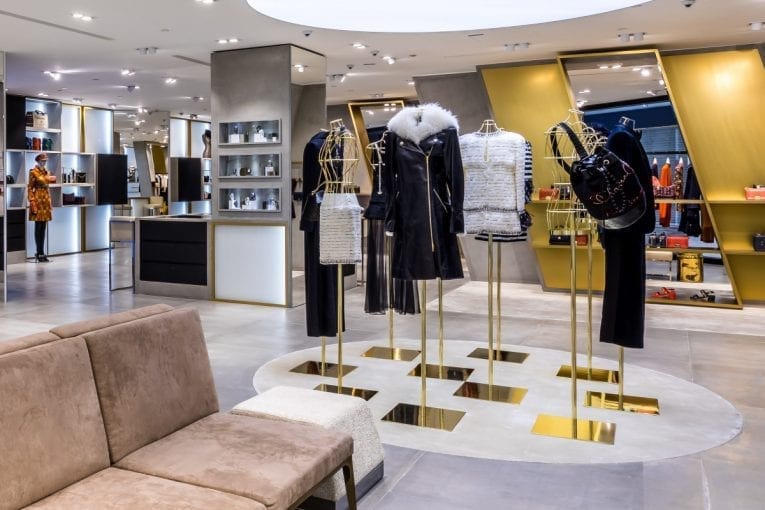
    Located in Suria KLCC, the 400 square-metre temporary store stocks Chanel’s range of product, including its spring/summer 2018 collection featuring opulent fashion, accessories and shoes.

    The pop-up is also home to the recently launched Métiers d’art Paris-Hamburg 2017/18 collection that showcases the exquisite craftsmanship of the fashion house’s Maisons d’art.

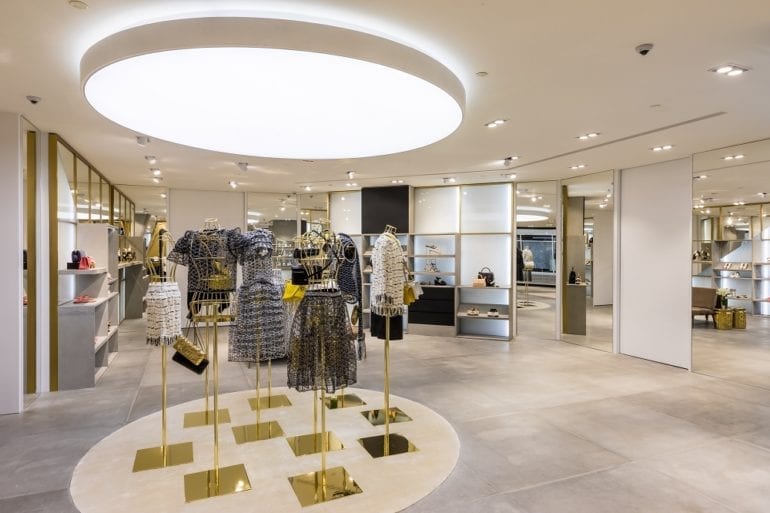
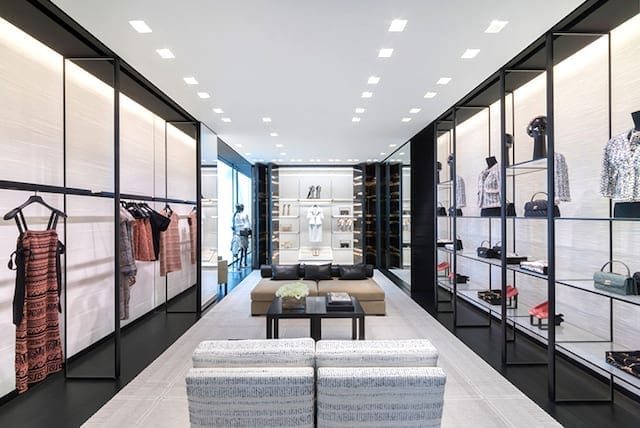
    The store has been designed in the je ne sais quoi elegance known to the Parisian house, found in the minimalist colour palette of beige, cream and tan, spotted with more graphic décor like dark gold fixtures and concrete modules.

    Key retail fixtures include a vast handbag wall, with the grid-ish shelves girded by neon tubes of light, and licked by champagne gold trim. A modular outlay showcases the latest shoes and then, in a separate area, there’s a place for customers to find the costume jewellery.

    Finally, concrete displays hoist Chanel’s ready-to-wear, including textural tailoring and more flowing pieces.

    A VIP dressing room and bespoke furniture are designed to make the customers shop in comfort and at their leisure.

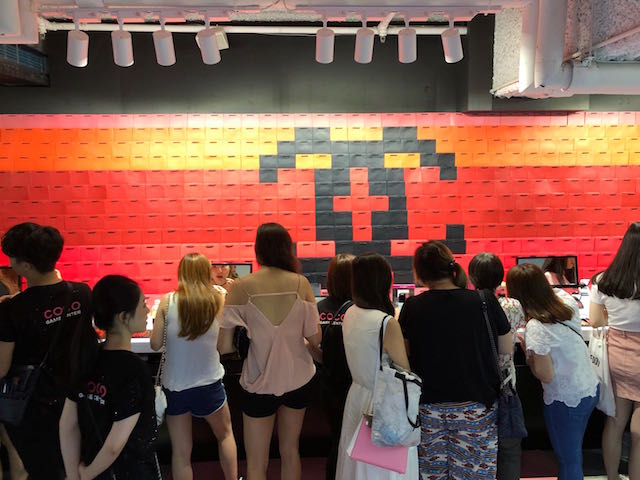
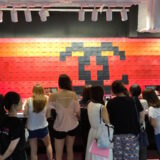
    In April this year, Chanel successfully bowed an arcade-inspired beauty pop-up store in Kuala Lumpur. Dubbed “Coco Game Center”, the event encouraged shoppers to experiment with endless makeup and beauty products. Now closed, it ran from 8 April  to 13 May.

    More recently, Chanel released full year earnings for the first time. The label posted revenues of $9.62 billion for 2017, an 11 percent rise from a year earlier at constant currencies, helped like its peers by a strong performance in Asia Pacific especially, where sales grew 16.5 percent.

    Profit rose 18.5 percent from a year earlier to $1.79 billion.

  • Iconic fashion house Chanel declares earnings first time in 108 years

    Iconic fashion house Chanel declares earnings first time in 108 years

    Luxury fashion house Chanel has released trading figures for the first time in its 108-year history.

    Total sales for last year were US$9.62 billion, up 11 per cent from the previous year on a constant-currency basis. Asia-Pacific and Chanel’s home market, Europe, were the primary drivers of the growth. Operating profit reached $2.69 billion.

    The New York Times said the results prove Chanel is among the largest luxury brands in the world based on sales, ahead of Gucci ($7.1 billion in sales last year) and on a par with Louis Vuitton (analysts estimate between $9.3 billion and $11.6 billion). Chanel’s sales growth is strong, the company is boosting investment and has a net debt level of just $18 million.

    “The announcements are, however, more important for their symbolism,” observed the NYT.

    “At a time of heightened competition in high-end retail and of persistent rumors that Chanel could be a takeover target, the storied French fashion house said it had opened up its books to show that it had the size, and the willingness, to fend off any approaches.”

    Chanel’s CFO Philippe Blondiaux said that even though the company is privately owned and had no need to release financial figures, it wanted to demonstrate to the market how strong it was when there was speculation about a takeover bid.

    “We realised it was time to put the facts on the table as to exactly who we are: a $10 billion company with very strong financials, plus all the means and ammunition at our disposal to remain independent,” Blondiaux said.

    Chanel also plans to restructure its operations, bringing all division under the one umbrella and adopting the new name Chanel Limited.

  • Play for your makeup at Chanel’s Coco Game Center

    Play for your makeup at Chanel’s Coco Game Center

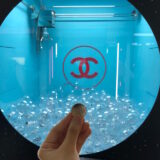
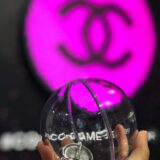
    Retro games such as Pacman and Pong take on a new twist at the Coco Game Center in Pacific House until June 18.

    After last year’s hit Coco Cafe, Chanel Beauty has followed up with another fun beauty concept.

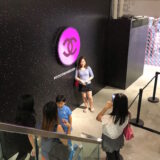
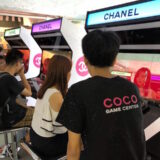
    With previous stops in Seoul, Tokyo, Shanghai and Singapore, the Coco Game Center has arrived in Hong Kong. Inspired by Japanese arcades, the pop-up features games that highlight Chanel Beauty collections.

    The Bubble Game features the Hydra skincare line, while Beauty Ride features the latest range from Rouge Coco. The Beauty Lounge offers six new shades of Rouge Allure Ink.

    Visitors can also find out what happens when they put moisturiser on Mario or lip rouge on Pac-Man.

    Check the gallery of the event below (6 images) :

  • Chanel invests in Farfetch for digital retail push

    Chanel invests in Farfetch for digital retail push

    In an effort to become more digitalized, Chanel has tapped e-commerce firm Farfetch, consolidating the partnership with a minority stake purchase in the UK retailer.

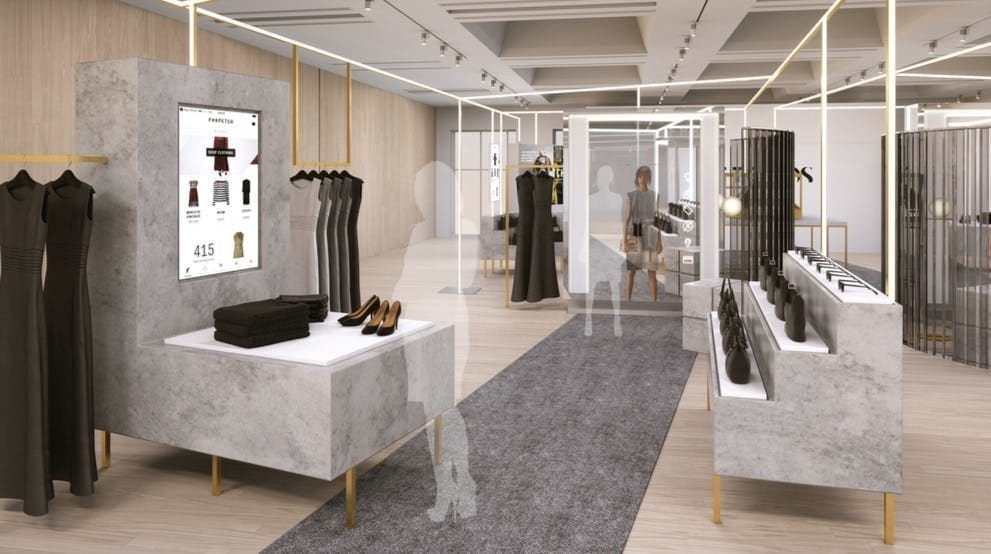
    The French couture house looks to develop digital communication such as chats to connect Chanel clients with store assistants.

    Privately owned, Chanel is known for its reluctance to digitize or stock itself in multi-brand retailers, adding to the allure and rarity of the brand.

    With the Farfetch deal, the label will still not sell its luxury fashion and apparel online, but will solely work with the platform on digital innovations linked to customer services in the coming years, said Bruno Pavlovsky, Chanel’s fashion president.

    Smartphone applications — allowing people to select their preferences and sizes on their phones before visiting a store, are in works and will let shop assistants better cater to individual needs, Pavlovsky said.

    Meanwhile, in store, shoppers will be able to preselect items as they browse, rather than wait for a sales associate to help them.

    The deal is the first of its kind for Farfetch. In 2015, Farfetch launched the Store of the Future division, and acquired London boutique Browns, serving as a playground for innovations in omni-channel retail technology and ‘augmented retail’.

    It’s the latest move from a luxury brand to tap Farfetch and other digital savants like it, in a bid to lure younger or more teched-out shoppers.

    Burberry announced a new deal with Farfetch that will see its full range being made available to shoppers in 150 countries on the Farfetch platform. It also means that its entire global inventory will be available to e-buyers for the first time.