Retail News CRM

Tag: changi

  • On Unveils Flagship Store In Singapore: More Than Retail, It’s A Community Hub For Running Enthusiasts

    On Unveils Flagship Store In Singapore: More Than Retail, It’s A Community Hub For Running Enthusiasts

    Swiss-based shoe company, On, has marked its entry into Southeast Asia with the launch of its premier store at Jewel Changi Airport in Singapore. Covering an impressive 9300 square feet over two levels, the retail space is designed to reflect the brand’s ‘Dream On’ ethos, presenting an environment that is simultaneously practical and inviting.

    The Vision Behind the Store

    On’s CEO, Martin Hoffman, expressed that the store is not simply a retail outlet, but rather a fusion of innovation and community. The exterior of the store draws its inspiration from Singapore’s picturesque coastal running tracks, while the interior introduces customers to the brand’s unique technologies through interactive displays.

    Highlights of the store include a modular ‘Magic Wall’ designed for quick shoe try-ons, and an introduction to On’s patented innovations such as their CloudTec cushioning and Speedboard technologies. The ground floor of the store is dedicated to the Performance Zone, which showcases technical footwear and clothing items. This includes popular models like the Cloudmonster and Cloudrunner shoes, as well as the upcoming ‘Zendaya x On’ ‘Zone Dreamers’ collection and the LightSpray material innovation.

    More Than Just Retail

    The upper level of the store houses the Lifestyle and Expansion Zones, offering a diverse range of products. Customers can explore a tennis section co-created with tennis legend Roger Federer, a lifestyle wall featuring popular styles like the Cloudtilt and Cloud 6, and an outdoor section presenting travel-ready designs, including the Cloudultra and Cloudrock models. Customers can also get a sneak peek at On’s upcoming kids’ range.

    In addition to the retail offering, the store aims to become a community hub, hosting weekly group runs, training sessions, and workshops. The store will also serve as the headquarters for the On Run Club in Singapore.

    Hoffman stated that the ambition is to create an environment that not only showcases their cutting-edge products but also fosters a community of running enthusiasts. He believes that this commitment to community connection resonates with Singapore’s dynamic fitness culture and strengthens their presence in the region.

    Questions & Answers

    What is the concept behind On’s new store in Singapore?
    The new store is based on On’s ‘Dream On’ concept. It aims to be more than just a retail space, serving as a place where innovation meets community. The goal is to showcase their innovative products while also nurturing a community of passionate runners.

    What unique features does the store offer?
    The store offers a modular ‘Magic Wall’ for quick shoe try-ons and interactive displays introducing On’s proprietary technologies. It also houses a Performance Zone, Lifestyle and Expansion Zones, and will host weekly group runs, training sessions, and workshops.

    How does the new store align with Singapore’s culture?
    The store’s focus on community connection aligns with Singapore’s vibrant fitness culture. It aims to foster a community of running enthusiasts, thereby strengthening On’s regional presence.

  • Zara to open at Changi Airport

    Zara to open at Changi Airport

    Spanish clothing brand Zara will open a shop in Singapore’s Changi Airport in May.

    The new store, in Terminal 3, is part of a broader plan by Singapore Zara franchisee, Dubai-based Al-Futtaim Group, to ramp up the Zara brand’s retail offer in the city state.

    In the same month, Al-Futtaim Group will reopen the brand’s store in Ion Orchard, in the heart of the Orchard Rd shopping strip, after an extensive renovation and expansion.

    The Zara expansion plan was outlined in concert with revelation of plans to refocus the Robinsons and Marks & Spencer operations in Singapore. Al-Futtaim Group also has Royal Sporting House in its retail brand portfolio.

    The company plans to open the first stand-alone Royal Sporting House Junior store at Suntec City in May, ranging footwear for those aged between six and 12.

    Kesri Kapur, head of the Al-Futtaim Group’s Asian business said the changes were about reacting to “the ever-evolving retail landscape” in Singapore.

    He said the relevancy of the mall space had to be balanced with the brand profile, shoppers’ consumption patterns and increasing competition as well as Singapore’s labour shortage, so the business “stayed relevant in the retail market”.

  • Changi Airport’s operating indicators for Q1 2025

    Changi Airport’s operating indicators for Q1 2025

    Singapore Changi Airport handled 17.2 million passenger movements from January to March 2025 (Q1), exceeding 2024 levels for the same period by 4.3%. This is 4.8% more than what was recorded in the first quarter of 2019, before the Covid-19 pandemic in Q1 2020.

    On a rolling twelve-month basis, Changi Airport’s passenger traffic surpassed pre-Covid levels, reaching an all-time one-year high of 68.4 million passenger movements, an increase of 9.5% compared to the previous 12 months. For the quarter, aircraft movements, which include landings and takeoffs, totalled 94,000, representing an increase of 5.2% compared to last year.

    Among the regions, North America registered the highest growth with a year-on-year (yoy) increase of 15.8% for Q1. Changi Airport’s top five markets for the quarter were China, Indonesia, Malaysia, Australia, and Thailand. Continuing the growth momentum from last year, traffic between Singapore and China posted a 10% yoy increase. Among Changi’s top markets, Japan also saw a strong performance in Q1, recording a 16% increase yoy.

    From January to March 2025, Changi Airport registered 480,000 tonnes of airfreight throughput, a 1.0% increase compared to the same period last year. Despite macroeconomic uncertainties, Changi registered growth in imports, with a slight decline in exports. For this quarter, Changi’s top five air cargo markets were China, Australia, the United States, Hong Kong and India.

    Mr Lim Ching Kiat, Changi Airport Group’s Executive Vice President for Air Hub and Cargo Development said, “Changi Airport’s 12-month passenger traffic surpassed pre-Covid levels for the first time, reflecting positive trends in air travel and continued appeal of Changi as a key air hub. We are seeing encouraging growth across all regions and key markets, supported by the collective effort of our airline partners.

    “In recent months, we have expanded Changi Airport’s connectivity with more flights to cities in China and Indonesia, and we are excited to welcome direct services to Vienna in June, operated by Scoot. We will work closely with our current and potential airline partners to expand Changi’s network, both regionally and on long-haul routes.”

    New and reinstated services

    During the quarter, Changi Airport welcomed several new city links, offering travellers even more destination choices. Three new China cities were added to Changi’s network – Harbin, operated by Shenzhen Airlines with 3x weekly services, Lanzhou, operated by Hainan Airlines with 4x weekly services, and Yichang, operated by Hainan Airlines with 3x weekly services. Services to Ningbo and Shantou also resumed during the quarter.

    Changi’s connectivity to Indonesia was further strengthened with the launch of new services to Padang and Labuan Bajo. Scoot has introduced 4x weekly services to Padang operated by its Embraer E190-E2 fleet, while Jetstar commenced 2x weekly flights to Labuan Bajo, with the latter representing a first-time link for Changi.

    Firefly began operating flights to Sultan Abdul Aziz Shah Airport (Subang Airport) from Changi Airport on 24 March, enhancing travel options between Singapore and Kuala Lumpur. Qantas also expanded its Australia-Singapore network with the launch of 4x weekly flights to Darwin on 30 March, making it the fifth Australian city directly connected to Changi by the carrier.

     As at 1 April, some 100 airlines operate over 7,200 weekly scheduled flights at Changi Airport, connecting Singapore to about 170 cities in 49 countries and territories worldwide.

  • Changi Airport reports handling 67.7 million passengers in 2024

    Changi Airport reports handling 67.7 million passengers in 2024

    Singapore Changi Airport handled 67.7 million passenger movements in 2024, registering a 14.8% year-on-year increase. This was 99.1% of the passenger movements recorded in 2019, prior to the Covid-19 pandemic. Aircraft movements, totalled 366,000 in 2024, up 11.5% compared to 2023. A total of 1.99 million tonnes airfreight throughput was recorded in the year, surpassing 2023’s level by 14.6%.

    For the fourth quarter (Q4) of 2024, Changi Airport handled 17.8 million passenger movements. This was a 10.7% increase compared to the same period in 2023, and marked a full traffic recovery compared to Q4 of 2019. Aircraft movements, which include landings and take-offs, totalled 95,300, up 9.3% year-on-year. For the quarter, 521,000 tonnes in airfreight throughput was recorded, an increase of 15.0%.

    December 2024, with 6.4 million passenger movements, was the busiest month in the year, the first time monthly traffic has exceeded six million since December 2019. The busiest day of the year was 21 December 2024 – the Saturday before Christmas – when 226,000 passengers passed through Changi’s terminals.

    While all regions witnessed growth, North Asia was the fastest growing in 2024, registering an increase of 40% compared to 2023. Changi Airport’s top five passenger markets for the year were China, Indonesia, Malaysia, Australia and Thailand.

    China was Changi’s largest source market of the year, with passenger traffic almost doubling 2023’s level and surpassing the pre-Covid level by 6%. Hong Kong and Japan also recorded significant growth of more than 20% year-on-year.

    Kuala Lumpur, Bangkok, Jakarta, Denpasar (Bali) and Hong Kong were Changi Airport’s busiest routes during the year. Shanghai entered Changi’s top 10 cities list for the first time since 2011, registering a 94% growth compared to the previous year.

    On the cargo front, growth was seen across all cargo flows – exports, imports and transshipments, contributed by major improvements in cargo flows between Singapore and China, as well as the United States. Growth was also driven by the recovery of Singapore’s electronics exports and re-exports, strong global demand for cross-border e-commerce shipments and the modal shift from ocean to air freight arising from disruptions in maritime transport. For the year, Changi’s top five air cargo markets were China, Australia, the United States, Hong Kong and India.

    Mr Yam Kum Weng, Chief Executive Officer of Changi Airport Group, said, “We witnessed a year of strong growth in passenger and cargo traffic as well as connectivity in 2024. Changi added a bumper crop of 11 new city links, strengthening the air hub’s network and opening up a world of new destinations to support business ties and for travellers to explore. We are deeply grateful for the close partnership with our airline partners and are pleased to welcome the new airlines to Changi. Their collaboration has been instrumental in driving this growth.

    “Looking ahead, we are optimistic of another year of growth in passenger traffic.Operating a major air hub in Asia-Pacific, Changi Airport Group will continue to invest in our airport’s infrastructure, systems and processes to augment our handling capacity, so as to be well-placed to support the rising demand for air travel in the coming years.”

    Enhancing connectivity
    In 2024, Changi Airport welcomed eight new passenger airlines – Aero Dili, AirAsia Cambodia, Air Canada, Air Japan, Loong Air, Peach Aviation, Tianjin Airlines and West Air. As Changi expanded its connectivity to the world, it added 11 new passenger city links to its network, connecting Singapore to Broome, Brussels, Guiyang, Kertajati, Lhasa, Linyi, Malacca, Phu Quoc, Quanzhou, Vancouver, and Wenzhou.

    During the year, Changi also established flights to London Gatwick Airport and Subang Airport, providing more options for travels to London and Kuala Lumpur. More exciting new routes are already on the horizon, and travellers can look forward to new destinations including Labuan Bajo from March, and Vienna from June this year.

    Changi Airport also welcomed two new freighter airlines in 2024 – Shandong Airlines, which also resumed passenger services during the year, and Air Incheon. Two new freighter city links were added, connecting Singapore to Haikou and Nagoya.

    As of January 2025, 100 airlines operate over 7,400 weekly scheduled flights at Changi Airport, connecting Singapore to 163 cities in 49 countries and territories worldwide.

  • Changi Airport Group opens refurbished air logistics facility Changi Nexus One in Changi Airfreight Centre

    Changi Airport Group opens refurbished air logistics facility Changi Nexus One in Changi Airfreight Centre

    Changi Airport Group (CAG) announced the opening of Changi Nexus One, a refurbished air logistics facility within Changi Airfreight Centre (CAC) spanning close to 8,000 sqm of warehousing space. Strategically located with direct apron connectivity, Changi Nexus One is designed as a facility for two tenants, capable of expeditious cargo handling and will serve the special needs of air logistics players looking to expand their global airfreight operations through Singapore.

    This new facility will increase Changi Airport’s logistics warehouse capacity, ensuring that Singapore’s Changi air cargo hub can meet the growing demand for air cargo services, prior to the completion of the Changi East Industrial Zone (CEIZ) in the mid-2030s. CAG’s investment in Changi Nexus One demonstrates its commitment to providing world-class facilities for air logistics players, augmenting Changi’s role as a leading regional air cargo transshipment hub. The new tenants at Changi Nexus One are expected to bring new air logistics handling capabilities, as well as adopt automation and smart technology in their operations, further enhancing Changi Airport’s air cargo management capabilities.

    A key partner taking up space in this facility is Expeditors, the world’s seventh largest air freight forwarding company, which is looking to expand its air logistics activities in Singapore.

    Mr Barthul Hoefnagels, Regional Vice President – Malaysia, Singapore & Indonesia said, “The new facility in Changi Airfreight Centre will enhance our end-to-end efficiency and reliability through fewer touch points, allowing Expeditors to further enhance our specialised cargo handling capabilities for pharmaceutical, aviation, semiconductor and other industries, and better serve the in-transit needs of our global customers. We are excited to expand our collaboration with Changi Airport Group to drive further value to our customers.”

    New benchmark for green building practices

    In line with Changi Airport’s commitment to sustainability, Changi Nexus One is a pioneer in several areas. It is the first building within CAC, and the first-of-its-kind in Changi, to achieve both Green Mark Platinum and the Green Mark Platinum Positive Energy Building (PEB) certifications by the Building and Construction Authority (BCA).

    The Green Mark Platinum PEB certification is issued to buildings with the highest environmental performance. To achieve this, Changi Nexus One has demonstrated that it is a BCA super-low energy building that achieves more than 60% energy savings and generates more renewable energy than it consumes. Besides the ongoing installation of solar photovoltaic (PV) system airport wide including at the Cargo Agent Buildings, solar PV panels will also be installed at Changi Nexus One by the first quarter of 2025 to provide on-site renewable energy. By 2028, Changi Nexus One will generate enough on-site solar power to offset the total building energy consumption by over 140%. This surplus of renewable energy will be channelled to other airport facilities to sustain Changi Airport’s other operations.

    Additionally, this project is the first in Singapore’s private sector to adopt the collaborative contracting method. This new contracting method recommended by BCA is an innovative approach which fosters greater collaboration between project stakeholders, leading to improved efficiency. It focuses on risk management, which involves all parties assessing and evaluating potential project threats in advance, resulting in completion of works ahead of schedule, risk sharing and cost savings.

    Mr. Lim Ching Kiat, CAG’s Executive Vice President for Air Hub and Cargo Development said, “The opening of Changi Nexus One marks a significant milestone in our efforts to strengthen Changi Airport’s position as a global air cargo hub. Through enhancing our cargo handling capacity and capabilities, we aim to stay at the forefront of the air cargo industry, putting Changi in a good position to capture growth from key cargo players, as well as growth in the region. Working closely with our tenants, we aim to bring in new cargo opportunities and expand into new markets.

    “As we strive to maintain Changi’s continued success as a thriving air cargo hub, we also constantly challenge ourselves to carry out our development works and operations according to our sustainability goals.”

  • Changi Airport reports robust growth in Q2 2024 operating indicators

    Changi Airport reports robust growth in Q2 2024 operating indicators

    Singapore Changi Airport handled 16.5 million passenger movements from April to June 2024, an increase of 13.4% compared to a year ago. This was 98.2% of passenger movements for the same period in 2019. Aircraft movements, including landings and take-offs, totalled 89,300 for the quarter, up 9.7% year-on-year, and was 94.5% compared to the second quarter of 2019.

    Changi Airport’s top five markets for the second quarter of 2024 were Indonesia, China, Malaysia, Australia and India. China saw the highest growth among Changi’s top markets, with traffic doubling compared to the same period last year, and surpassing pre-Covid numbers. For the period, North Asia was the fastest growing region, registering a 40.8% increase year-on-year, and also exceeding pre-Covid levels.

    From April to June 2024, Changi Airport registered 486,000 tonnes of airfreight throughput, surpassing the same period last year by 16%. Growth was registered across all cargo flows – exports, imports and transhipments, led by strong cargo flows between Singapore and China, as well as the United States of America. For this period, Changi’s top five air cargo markets were Australia, China, Hong Kong, India and United States of America.

    Mr. Lim Ching Kiat, Changi Airport Group’s Executive Vice President for Air Hub and Cargo Development said, “Changi Airport continues to expand its global network, having added more flights in the second quarter. Travellers can now explore more destinations with Changi’s connectivity to cities such as Broome, Brussels, Quanzhou and Vancouver, and enjoy more options to evergreen favourites like Tokyo and London. Together with our airline partners, we are striving towards full travel recovery by the end of this year.”

    As of 1 July, 94 airlines operate over 6,900 weekly scheduled flights at Changi Airport, connecting Singapore to 158 cities in 50 countries and territories worldwide.

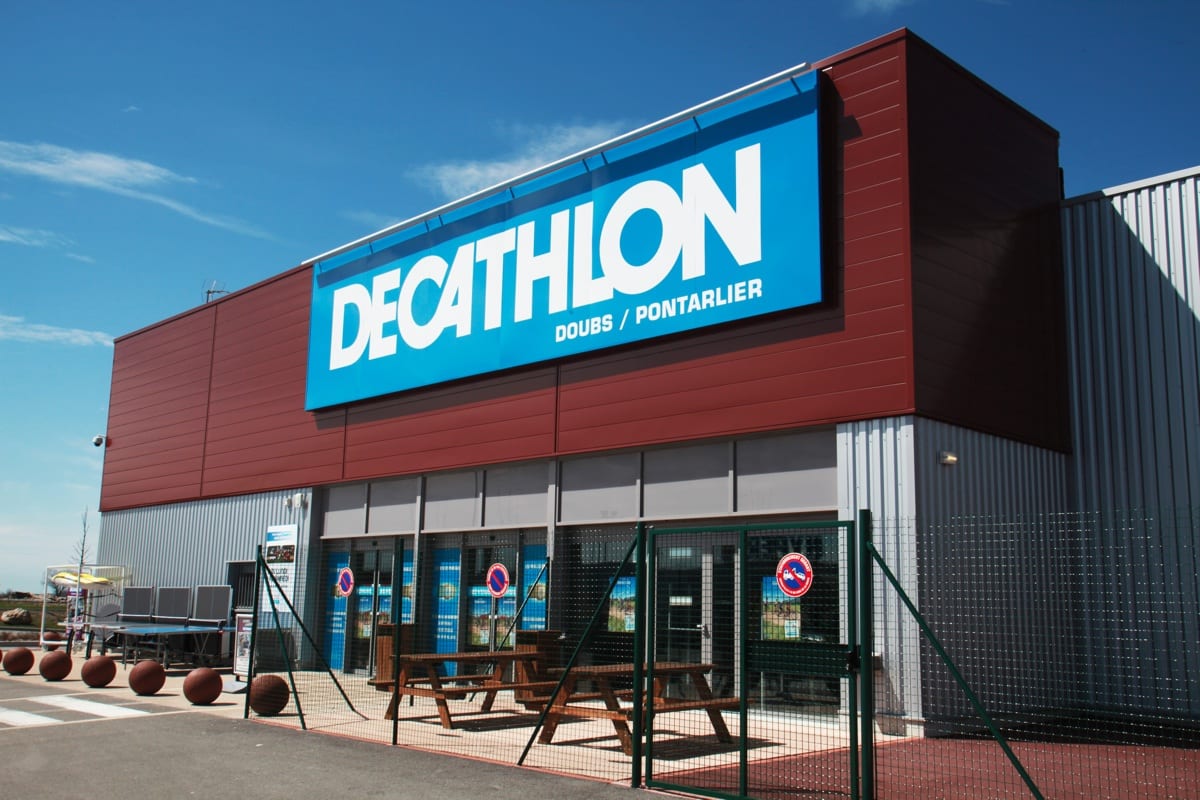
  • Decathlon opens first-ever airport retail pop-up at Changi

    Decathlon opens first-ever airport retail pop-up at Changi

    Decathlon has launched its first global duty-free pop-up at Singapore’s Changi Airport, featuring a curated range of sports and travel goods.

    The pop-up will be open for customers to visit until September 1, located at the Terminal 3 Departure or transit hall.

    The brand says the launch also presents its new logo, “The Orbit,” symbolising its dedication to circularity and progress toward new heights.

    Exclusive Decathlon x Changi branded products, such as sleek travel bum bags, comfortable hiking backpacks, and lightweight microfiber towels, will be available at the pop-up. Trekking pouches and an Easybreath Surface Mask are also featured.

    The brand has also arranged a series of sports challenges from the June 19 to 26, including a Bike Trainer Challenge, Resistance Band Squat Challenge, and Push-Up Challenge.

    Stephan Veyret, CEO of Decathlon Singapore, said: “Decathlon Singapore will be the first in the world to launch a Decathlon pop-up within an airport transit area at the renowned Changi Airport.

    “This hands-on pop-up reflects our commitment to innovation, providing travellers with a unique opportunity to explore and engage with our range of sporting goods.

    “We aim that our collaboration with the Changi Airport Group will encourage and prepare more people to embrace the joys of sports, even while on the move,” Veyret concluded.

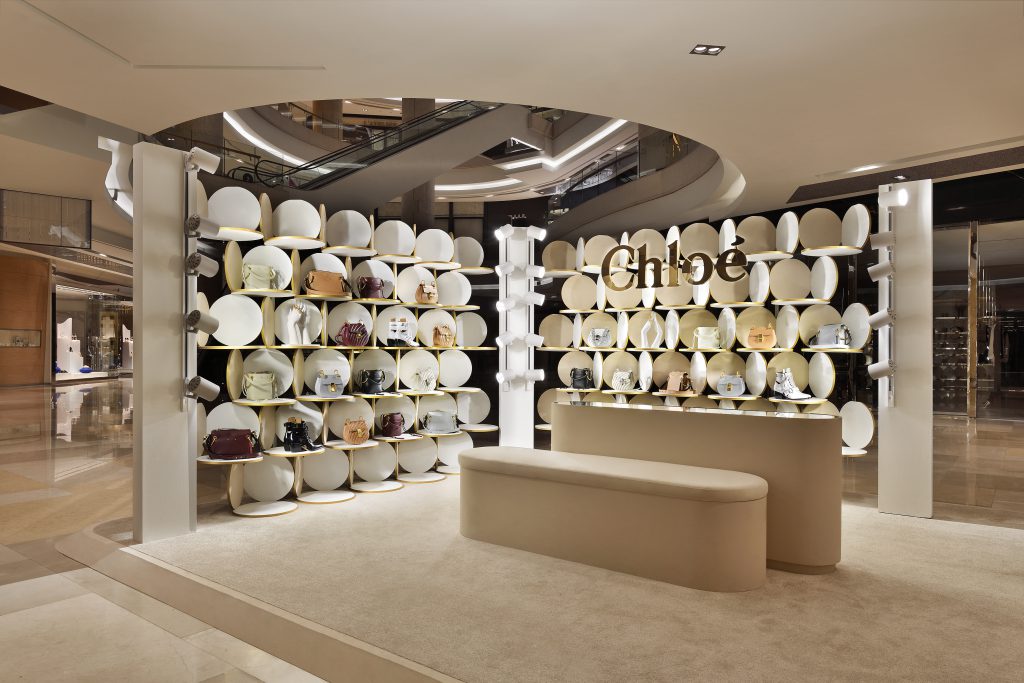
  • Chloe opens new boutique at Changi Airport

    Chloe opens new boutique at Changi Airport

    Chloe has partnered with Heinemann Asia Pacific to launch a new boutique in Changi Airport’s Terminal 2 transit area.

    The launch, which marks Chloe’s first entry into Changi Airport and Heinemann’s return to Changi after an eight-year absence, includes a wide selection of products ranging from leather goods to shoes and accessories, as well as the Fall – Winter 23 collection.

    According to the brand, the space is devoted to both Maison’s founder, Gaby Aghion, whose home of Egypt is mirrored in the warm desert palette, and to former creative director Gabriela Hearst – through earthy textured tones that remember her early years in Uruguay, South America.

    “We are delighted to be back at Changi Airport, as the retail partner of a brand as desired and as committed to their values as Chloé,” said Heinemann Asia Pacific CEO Marvin von Plato.

    Chloe collaborated with pre-loved clothes marketplace Vestiaire Collective and digital ID provider EON earlier this year to develop the Chloe Vertical, an innovative circular economy project with sustainability at its core.

  • Changi inks agreement to help develop Cairo Cargo City

    Changi inks agreement to help develop Cairo Cargo City

    Changi Airports International (CAI) has signed an agreement with Cairo Airport Company, which is expected to help position Cairo International Airport as a cargo and logistics hub. 

    The Singapore-based airport consultancy firm will work with the airport operator in Egypt for a feasibility study for the development of Cairo Cargo City, a new area at Cairo International Airport that has been earmarked for cargo and logistics development. Another consultancy agreement was signed for the passenger business. 

    Cairo International Airport is one of the busiest airports in Africa and the largest airport in Egypt in terms of passenger and cargo traffic. 

  • Changi Airport outlines top priorities for cargo

    Changi Airport outlines top priorities for cargo

    Singapore Changi Airport saw muted cargo volumes in March compared to the same period last year, as the Asia Pacific hub recorded 152,000 tonnes. For the first quarter, air freight movements at Changi totalled 417,000 tonnes, sliding 9 percent year-on-year. The group said demand remained soft, especially in the first two months of the year, no thanks to global economic uncertainty and inflationary pressures. Collegues talk to Lim Ching Kiat, executive vice president for air hub and cargo development, to find out more about the group’s top priorities for cargo.

    What are Changi’s top priorities for cargo? What’s the group’s overall direction?
    While global air cargo demand has weakened, Changi Airport remains optimistic on long-term growth, especially in Southeast Asia. Despite the recent economic headwinds, Southeast Asia’s air trades with the rest of the world continued to expand over the past four years. Given the expectation of strong long-term progress with urbanisation and industrialisation, Southeast Asia is primed for growth in manufacturing, trade and logistics. Singapore, being in the heart of Southeast Asia, will have a critical role to play in global supply chains, contributing to the flow of international goods.

    Towards this end, while cargo connectivity remains critical for Changi Airport to anchor its position as a leading air cargo hub, our other priorities are to raise service quality in cargo handling and unlock capacity for long-term sustainable cargo growth by leveraging automation and digitalisation. At the same time, we are also putting in place steps to reduce the carbon impact of cargo activities in order to strengthen our resilience and secure our competitiveness as an air cargo hub.

    To raise service quality in cargo handling, we firmly believe in taking a collaborative approach by working closely with our partners in the air cargo community. One key development is Changi Airport Group’s introduction of a cloud-based community data-sharing platform—the Changi Air Cargo Community System (ACCS). This is an open ecosystem of collaborative and community-based applications that aggregates data from all parties involved in the cargo handling process. Within that system, we developed a truck dock slot booking (TDSB) application, which aims to even out cargo lodgement and collection at our cargo handler’s air freight terminals, thereby reducing waiting time, optimising resources, and providing greater insights to airport landside activities. This move to digitalise provides greater predictability for forwarders, trucking companies, and cargo handlers. It also supports Changi Airport’s sustainability efforts to reduce carbon and tailpipe emissions. We have since completed the pilot and plans are underway for community-wide implementation later this year.

    In the area of automation, CAG, together with our partners, has been investing in resources to trial autonomous solutions like autonomous tractors to reduce the manpower resources required for point-to-point transportation of baggage and cargo. Ongoing trials are promising and we expect to trial fully driverless operations for baggage delivery by 2024. On the digital front, solutions such as the tracking of all motorised ground support equipment will help optimise equipment deployment, boosting productivity and improving the quality of cargo handling capabilities. Additionally, we are working closely with our cargo handlers on warehouse automation and digitalisation projects to improve productivity and efficiency, as well as increase capacity.

    Can you share more about the recent partnership on cargo with Brussels Airport? What are the opportunities in the Asia-Europe market?
    In 2022, Europe remained Changi’s second largest region by air trades. Belgium-Singapore is a key air trade lane for high-value cargo such as biopharmaceuticals. Both countries place strong importance on international trades and advanced manufacturing, and have been established as key trusted pharmaceutical hubs in Asia and Europe respectively. Changi Airport and Brussels Airport share similar ambitions in shaping our air cargo hub and place strong priorities in areas such as cargo operations excellence and digitalisation.

    Under the MOU signed on 2 March 2023, Changi Airport and Brussels Airport will jointly drive initiatives to enhance capabilities in pharmaceutical logistics, undertake studies and trials in the fields of digitalisation and sustainability, as well as exchange best practices in the handling of special cargo segments and community-wide cargo initiatives to transform the air cargo supply chain.

    On the environmental sustainability front, under the ambit of Pharma.Aero, both airports will be actively participating in the Green Air Pharma Logistics project. Together with other Pharma.Aero members, we aim to define the parameters and framework for a green air pharma lane and develop a set of standards and measurements to quantify and qualify the lane.

    How important is the refinery expansion by Neste for Changi and Singapore?
    To enable the adoption of sustainable aviation fuel (SAF), CAG had been working closely with industry and regulatory partners on stakeholder engagement, as well as facilitating trials. Neste’s refinery expansion will provide for up to one million tonnes of annual SAF production capacity in Singapore. Having domestic SAF production will enable Changi Airport’s airline partners to achieve their sustainability objectives with lower carbon footprint compared to importing SAF from other production locations. In addition to building this production capability, Neste has established an SAF supply chain to Changi Airport to offer blended SAF directly to airlines operating at Singapore Changi Airport.

    Since July 2022, Singapore Airlines and Scoot flights out of Changi Airport have been using a blend of regular jet fuel and SAF as part of a year-long trial. With Neste’s refinery expansion, we look forward to working with more airline partners to promote the acceleration of SAF uplift in Changi Airport.

    How has the concept of sustainability evolved from an airport perspective? Can ‘sustainable’ be ‘profitable’ in the long run?Over the past years, sustainability has evolved into a license to grow for many businesses and industries. Although airports account for only about 2 percent of global aviation emissions, we form the common platform upon which a multitude of aviation partners operate. As such, it is a priority for us to work hand in hand with the airport community to achieve responsible and sustainable growth.

    Over 99 percent of CAG’s Scope 1 and Scope 2 emissions come from the use of electricity in operating our passenger terminals. As such, we concentrate our efforts in raising building energy efficiencies through constant upgrading of our systems to the best-in-class energy efficient models. For example, past upgrading of our chiller plants has seen up to 30 percent savings in energy consumption, which achieves not only cost savings but also carbon emissions reduction. We are also expanding on-site generation of solar energy, which offers energy resilience against the backdrop of fluctuating energy prices and volatile macro-economic conditions.

    Most of our efforts in reducing Scope 3 emissions centre around working with airline partners and ground handling agents at Changi Airport. Our recent development on SAF (detailed above) is one example. As an industry, more work has to be done to address the SAF price premium through balancing supply and demand. Different types of policy levers are being employed around the world, ranging from mandates to incentives. We are in close engagement with the Civil Aviation Authority of Singapore in its development of a Singapore Sustainable Air Hub Blueprint, which will set out tangible pathways to achieve sustainability goals for the Singapore aviation industry.

    To decarbonise ground operations including those pertaining to air cargo, we started working with our ground handling agents in 2017 to transition towards electric baggage tractors. Today, we have installed a network of more than 100 EV charging points to support a 100 percent electric baggage tractor fleet at Changi Airport. Moving forward, all new airside light vehicles, tractors and forklifts will have to be electric from 2025. This target was developed with cost parity and availability of viable electric variants in mind. In the longer term, we aim to have all airside vehicles running on cleaner energy by 2040. In tandem, we are working towards a community roll-out of the TDSB initiative, which aims to reduce truck waiting time, hence reducing carbon and tailpipe emissions.

    CAG is committed to zero carbon growth up to 2030, with absolute emissions to be capped at 2018 levels even as we continue to grow our business and strive for cost parity while stepping up our sustainability efforts. At the same time, we will aspire for net zero carbon emissions by 2050 as Singapore transitions towards renewable energy and through technological advancement.

    What can you say about Singapore’s status as a major logistics hub? Do you see any opportunities with intermodal operations?
    In today’s highly dynamic environment, intermodal transport has emerged as an alternative and risk mitigation transportation strategy. The utilisation of intermodal operations can provide companies with more transportation options. It provides a middle ground between cost, transit time and efficiency. It could also help overcome geographical challenges, enable cost efficiencies in transporting products to new markets, while also securing supply chain resilience.

    Singapore is home to the world’s 2nd busiest container port and 10th busiest international air cargo airport. Changi Airport has been working closely with PSA Singapore to drive intermodal transportation cargo flows through Singapore. Singapore’s modern port infrastructure, state-of-the-art air cargo facilities and close proximity between the air and sea ports allow seamless intermodal transshipments. During the Covid-19 pandemic which saw different transportation disruptions, Singapore’s uninterrupted operations and ability to handle intermodal transportation was a source of helpline for global shippers and logistics players.

  • Changi Airport’s retail sales start steady post-Covid recovery

    Changi Airport’s retail sales start steady post-Covid recovery

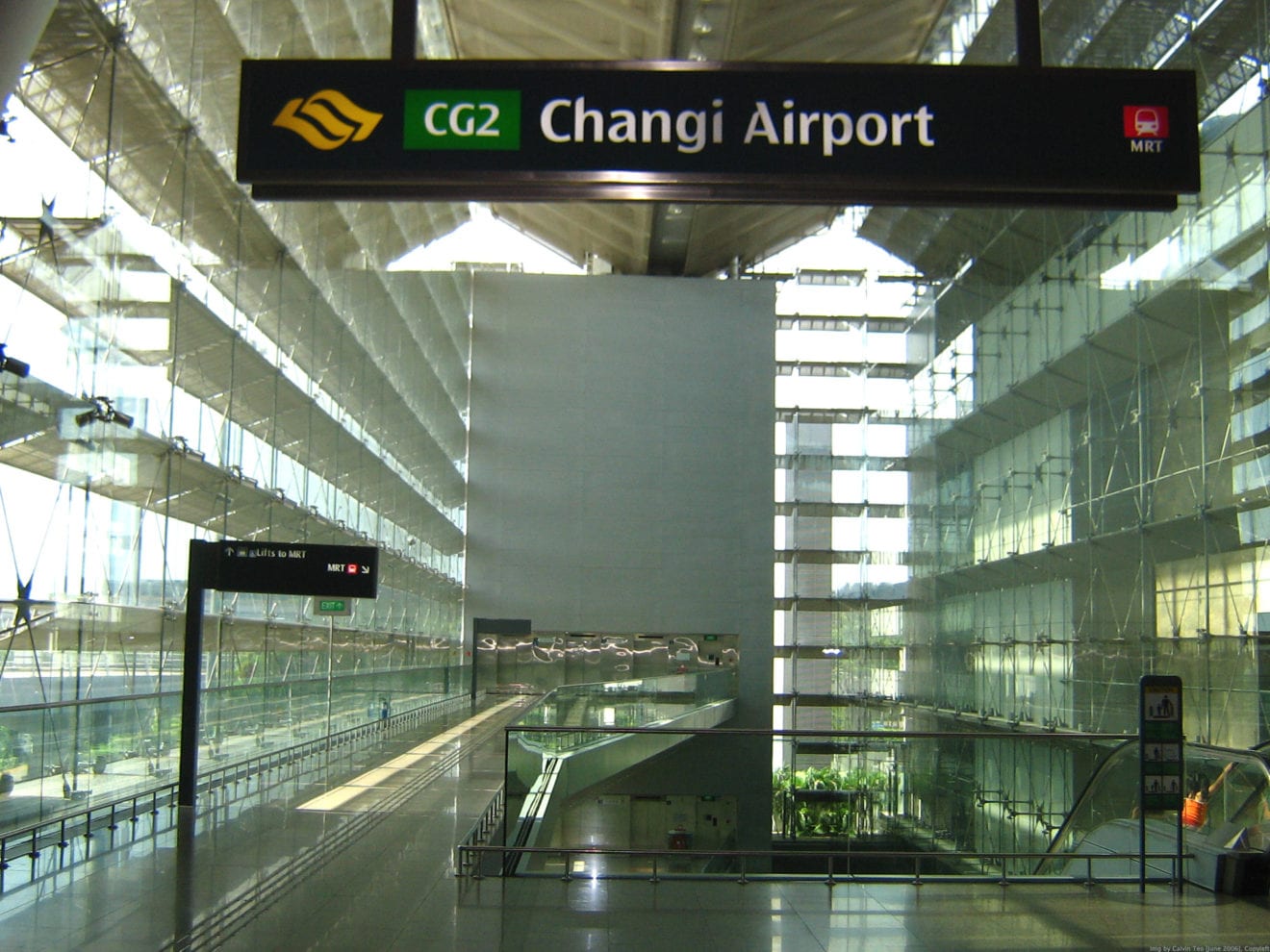
    However, concession sales last year represented just 37 percent of sales in 2019, the last full year without border closures. Retail revenue in December was at 58 percent of the pre-Covid levels on the back of a passenger traffic recovery to 72 percent.

    The biggest spenders at Changi Airport are from Indonesia, India and Thailand, as the prolonged Covid-19 situation in China – its major market – caused the near absence of travelers from this market. Liquor & tobacco, perfumes & cosmetics and luxury were among the most popular product categories.

    Changi Airport recorded more than 13 million transactions during the year with an average of 35,000 transactions daily.

    As Changi Airport has seen more traffic since the Covid-19 restrictions were lifted, the airport has increased its promotional activities to lure customers and enhance their shopping experience, including the ‘Be A Changi Millionaire’ campaign.

    Last year, Changi Airport teamed up with Lotte Duty-Free to host the the ‘World of Wines and Spirits’ event, which brought together products from 75 brands, including Bowmore, The Macallan, Midleton, The Singleton and Penfolds. The company plans to launch the second installation of ‘World of Wines and Spirits’ this year.

  • 7-Eleven unveils 7Cafe concept store at Jewel Changi

    7-Eleven unveils 7Cafe concept store at Jewel Changi

    7-Eleven is usually a place where people pop in and out in a jiffy. However, this isn’t the case at the convenience stores’s first 7Café concept store at Jewel Changi Airport. The 7Café concept store at Jewel Changi Airport is located in Basement 2.

    It has an extended range of 7Café items, including Salted Caramel Coffee, Mocha, and Matcha Frappés priced at $5.50 each. There are also offerings featuring the local flavors of Singapore – Banana Caramel Smoothie inspired by Goreng Pisang and Pandan Lemonade cooler.

    Those who love cheesecakes can try several flavors, including Yuzu, Lychee, or Cookies & Cream all priced at $5.50 each.

    Warm pastries and finger food will be available at the hot food counter. Savoury hot food items include a range of fried chicken favorites including Hot and Spicy Drumlets, Chicken bites with a choice of Red Pepper or Garlic Herb seasoning, Chicken Drumsticks, Nuggets, and Wings.

    Other light options include sandwiches, burgers, and onigiri. There will also be Ready-To-Eat meals too.

    The grand opening of the Jewel 7-Eleven outlet will take place from 25 to 27 November 2022, 11 am to 9 pm daily. Over the weekend, customers can enjoy a sampling of drinks and snacks, free cotton candy floss and 7-Eleven balloons. There will also be chances to walk away with Spin and Win rewards, with a minimum spend of $10, and freebies for completing Jewel Challenge card activities.

    “At 7-Eleven, we always broaden our horizons and create innovative offerings for our customers. The 7-Eleven Jewel Changi store seeks to provide a first-of-its-kind mini café experience with food being served at the counter for the convenience of our customers. We have also expanded our well-loved product range by adding a slew of new options. From items highlighting the iconic local flavors of Singapore to delectable ready-to-eat food options, there’s something for everyone! We hope that everyone will be able to enjoy our new concept store with its unique design and exclusive menu,” said Mr. Steven Lye, Managing Director of 7-Eleven Singapore.

  • Changi Airport implements higher airport fees on travellers starting Nov 1

    Changi Airport implements higher airport fees on travellers starting Nov 1

    While international travel has officially picked up this year, it’s important to note that passengers departing from Singapore’s Changi Airport will now have to pay extra airport fees and levies starting November 1, 2022 to Mar 31, 2023.

    Changi Airport departure fees will be increased from $52.30 to $59.20 to make way for the aviation industry’s recovery phase. This comprises $40.40 passenger service and security fee, an $8 aviation levy and a $10.80 airport development levy. The passenger service and security fee will subsequently go up again in phases, to $43.40 on Apr 1, 2023 and $43.40 on Apr 1, 2024.

    The announcement was made on September 15 by the Civil Aviation Authority of Singapore (CAAS) and Changi Airport Group (CAG), who informed that the increase in fees was announced in 2018, but suspended due to the pandemic. The aviation levy amounts will be utilised for maintenance of the airport and making Singapore the prime hub of international aviation in the post-pandemic era, per CAAS.

    Those who have booked tickets from Singapore before November 1 are not required to pay the additional charges. There will also be no change to the departure fee for in-transit passengers. They will continue to pay $9 in airport charges.

  • Changi knows it takes a community to be sustainable

    Changi knows it takes a community to be sustainable

    Lim Ching Kiat, managing director for air hub development at Changi Airport Group, shares his insights on sustainability as the airport looks to renew its commitment to making a sustainable Changi a reality.

    Can you share how the Changi Airport Group is contributing in making sustainable air transport a reality?
    Although airports account for only about 2 percent of global aviation emissions, we form the common platform upon which a multitude of aviation partners operate—from airlines and ground handlers to airport tenants and concessionaires. Apart from reducing Changi Airport Group’s own emissions by optimising the energy consumption of our terminal buildings, we actively engage the airport community in efforts towards a more sustainable Changi.

    To realise our common goals of making air transport (passenger and freight) sustainable, we need cleaner fuels to power aircraft, equipment on the ground, as well as to cool and light our terminal buildings. In this journey which will require innovation and effort, we focus on two broad thrusts.

    One is reinventing how our partners power their businesses, by supporting airlines’ and ground handlers’ transition away from fossil-based jet fuel and diesel respectively. We work closely with industry and regulatory partners on stakeholder engagement, as well as facilitate trials and studies on infrastructural needs to enable the adoption of sustainable aviation fuel (SAF), renewable diesel and electric ground service equipment. These include the conversion of internal combustion ground service equipment such as baggage tractors and forklifts to electric variants and provision of common-use charging ports.

    Then there’s reinventing how we power ourselves. Over 99 percent of CAG’s Scope 1 and Scope 2 emissions come from the use of electricity in operating our terminals. As such, we concentrate our efforts on raising building energy efficiencies through constant upgrading of our systems to the best-in-class energy efficient models. We also seek to expand on-site generation of solar energy, as well as tap potential renewable sources beyond the airport.

    There are also similar efforts by our air cargo partners. For example, dnata recently launched a 3.5 megawatt-peak rooftop solar power system across dnata’s cargo and catering facilities at Changi Airport. Some of our partners have started trialing solar-powered equipment at their premises. Specific to the cargo business, we are also facilitating closer industry collaboration through higher end-to-end supply chain visibility. We have put in place processes and protocols that could help improve the overall quality of the supply chain, which prevent degradation of products and reduce wastage. We have also launched initiatives to that attempt to reduce carbon emissions. One such example is the truck dock slot booking (TDSB) application introduced under the Changi Air Cargo Community System (ACCS). By evening out cargo lodgment and collection at the air freight terminals, the application provides greater insights to landside freight movement activities and lead to lesser truck waiting time, hence reducing carbon emissions.

    How important is the buy-in of cargo shippers and passengers to push forth with initiatives that will help reach a sustainable future for aviation?
    Global organisations are increasingly looking at sustainability factors when making business and supply chain decisions, and they are integrating these considerations into their business operations. Many have also pledged net zero carbon-emission commitments. To this end, they require the support of their suppliers and key stakeholders in the supply chain.

    The aviation industry will need a suite of solutions to address different aspects of our business and supply chain. Technology is a crucial enabler. The good news is that there are many solutions being developed, including carbon capture, which is the process of converting carbon dioxide in the atmosphere into feedstock for renewable energy, hydrogen produced in a sustainable manner, SAF etc. The challenge is ensuring scalability and commercial viability. To unlock the full potential of such emerging technologies, partnerships and collaboration across the supply chain stakeholders and among public and private stakeholders are critical. We will also need effective policies to balance the supply and demand of such emerging technologies.

    What are the recent developments that would lead to air cargo growth?
    Notwithstanding the current disruptive global events such as the Russia-Ukraine war and Covid-19 resurgences, we see some traditional and new business sectors driving positive long-term air cargo growth, especially in the Asia Pacific region. The drivers include pharmaceuticals, high-tech shipments and cross-border e-commerce. With the Regional Comprehensive Economic Partnership (RCEP) coming into effect, we can also expect a boost in regional trade, as well as logistics and distribution activities.

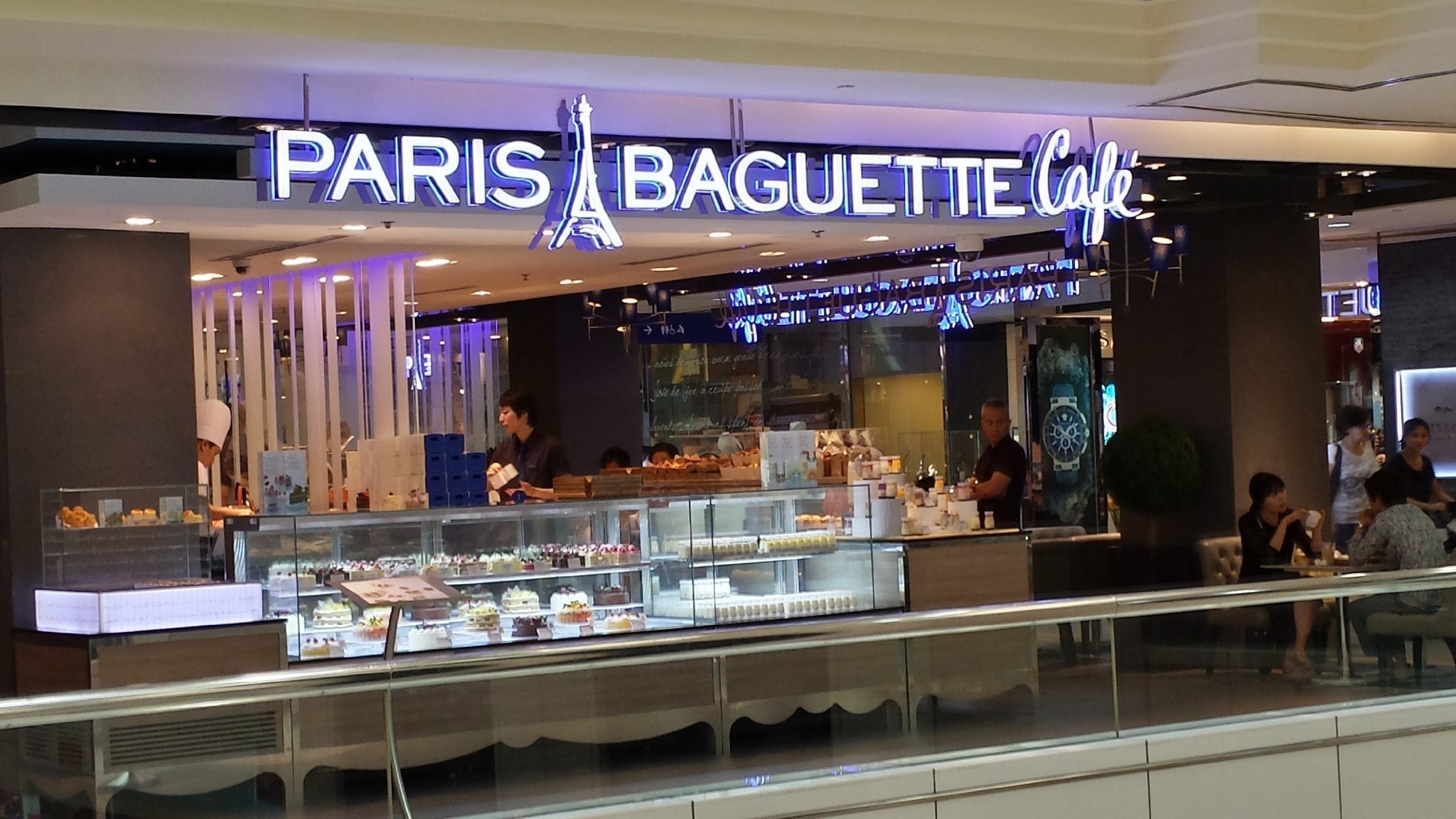
  • Paris Baguette opens its largest Singapore store

    Paris Baguette opens its largest Singapore store

    Best known for its Paris Baguette bakery franchise, SPC Group has opened four food brand stores in Singapore. The group is planning to make Singapore as its third axis of global growth after China and the United States.

    The group opened the new stores at Jewel Changi, a commercial complex connected to Changi Airport in Singapore, on April 17. The four food brands include Maison de PB, the first high-end brand of Paris Baguette; Coffee@Works, a special tea and coffee brand; and Shake Shack, a burger brand.

    Jewel Changi is a seven-story lifestyle complex built as part of the Singaporean government’s Chingi Airport development projects.

    Maison de PB serves not only bakery products but also various meals that go well with bread such as “Beef On The Stone” and “Signature Seafood Pasta.”

    Coffee@Works has opened its first overseas store at Jewel Changi. Currently, it operates a total of 12 stores in South Korea. Shake Shack has also opened the first store at the complex after it obtained a license for business operation in Singapore in October last year. Singapore is the third-largest market in SPC Group’s global operations.

    Paris Baguette has 12 stores in Singapore, including the one at Jewel Changi. Although the number of stores in Singapore is less than the 14 in Vietnam, sales in Singapore, which came to 14.90 billion won (US$13.13 million) last year, are nearly three times higher than those in Vietnam.SPC Group is seeking to establish a holding firm in Singapore. It is planning to build a base in Singapore, which is considered a hub of logistics, finance, and business in Asia, and expand its business to neighboring Southeast Asian countries.

    The group is also seeking to build a Halal certified production facility to target Muslims and the global Halal food market. It will establish the facility in the Southeast Asian region in order to target Muslim countries, including Indonesia and Malaysia, and will set the exact time and place in the future.