Tag: chinese

  • Chinese Hotpot Giant, Banu, Ignites Global Expansion with First Hong Kong Outlet

    Chinese Hotpot Giant, Banu, Ignites Global Expansion with First Hong Kong Outlet

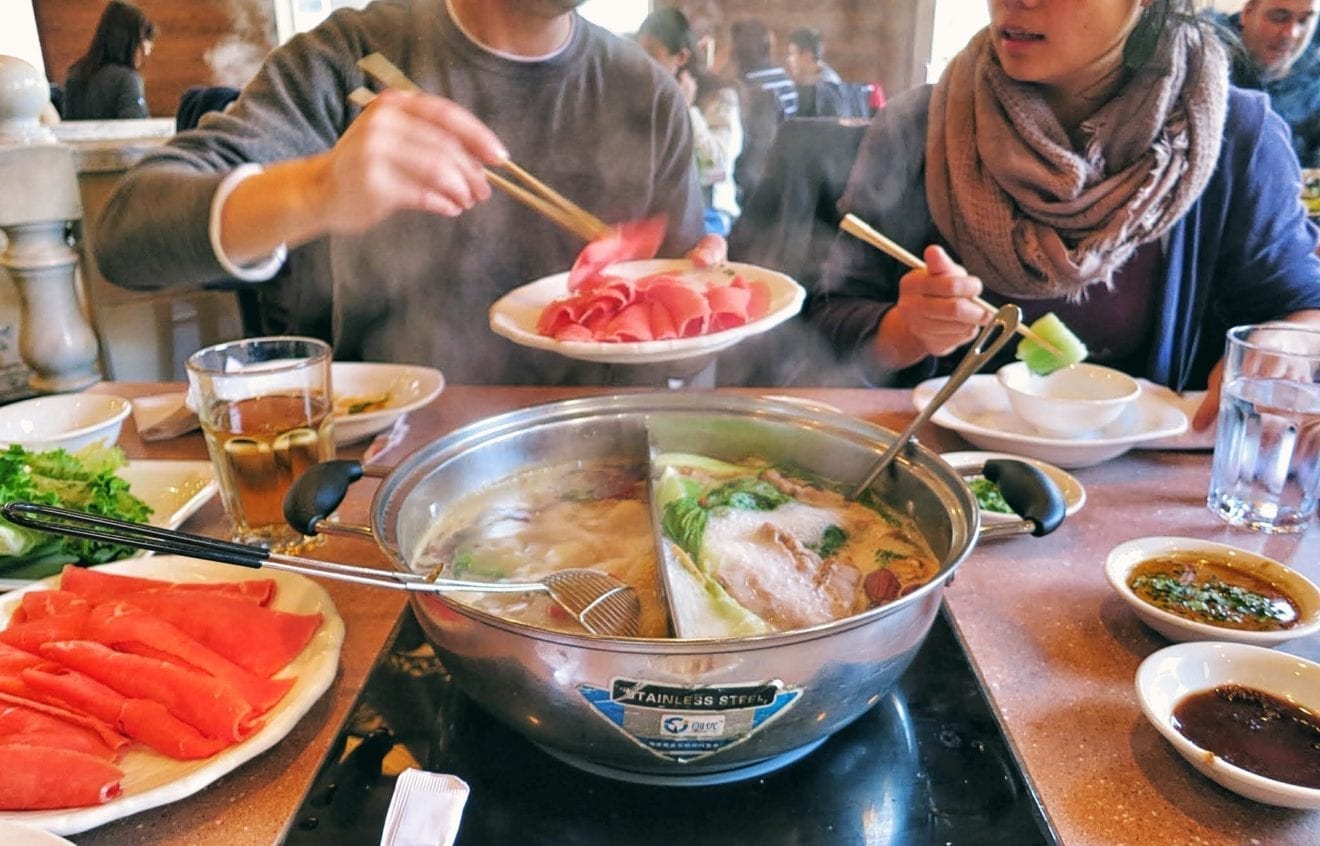
    Banu, a premier hotpot brand originating from Mainland China, has broadened its horizons by launching its very first establishment in Hong Kong.

    Established in 2001, Banu has seen rapid expansion, operating over 200 outlets across Mainland China. The brand’s debut in Hong Kong, with its maiden store located in Hysan Place, Causeway Bay, signifies the commencement of its ambitious global expansion plan.

    A Market Leader

    Banu is recognized as the largest revenue-generating brand in China’s premium hotpot market, recently ascending to occupy the second spot in the country’s overall hotpot market standings. The previous year witnessed an impressive 88.7% year-on-year surge in profits, alongside the opening of 44 new locations.

    In anticipation of its Hong Kong debut, Banu acknowledged the region’s reputation as a global culinary hub, boasting a mature catering industry with stringent standards for ingredient quality and culinary processes. They noted that Hong Kong’s hotpot market is distinctly divided: budget brands compete for footfall with their value-for-money offerings, while high-end establishments focus on deluxe seafood offerings. However, they believe there is a yet unexplored niche for boutique hotpot that harmoniously blends authentic Sichuan flavors with meticulous ingredient selection, all packaged within a sophisticated premium dining experience.

    Future Plans

    Towards aiding its global expansion, Banu is considering an initial public offering (IPO) in Hong Kong. Current market data indicates that themed restaurants, such as Banu, account for one-third of Hong Kong’s hotpot market.

    The brand’s unique positioning, centered around their signature beef tripe, is anticipated to unlock new growth opportunities in the market.

    Questions & Answers

    What is Banu’s market position in China’s hotpot market?
    Banu is recognized as the largest revenue-generating brand in China’s premium hotpot market and holds the second position in the country’s overall hotpot market standings.

    What is Banu’s expansion strategy?
    Banu is considering an initial public offering (IPO) in Hong Kong to aid its global expansion. It aims to explore the untapped niche for boutique hotpot that blends authentic Sichuan flavors with meticulous ingredient selection in a premium dining experience.

    What is Banu’s unique selling proposition?
    Banu’s unique selling proposition is its signature beef tripe, which it hopes will unlock new growth opportunities in the market.

  • Chinese Airlines Secure $17.8 Billion Airbus Deal to Boost Capacity and Modernize Fleets

    Chinese Airlines Secure $17.8 Billion Airbus Deal to Boost Capacity and Modernize Fleets

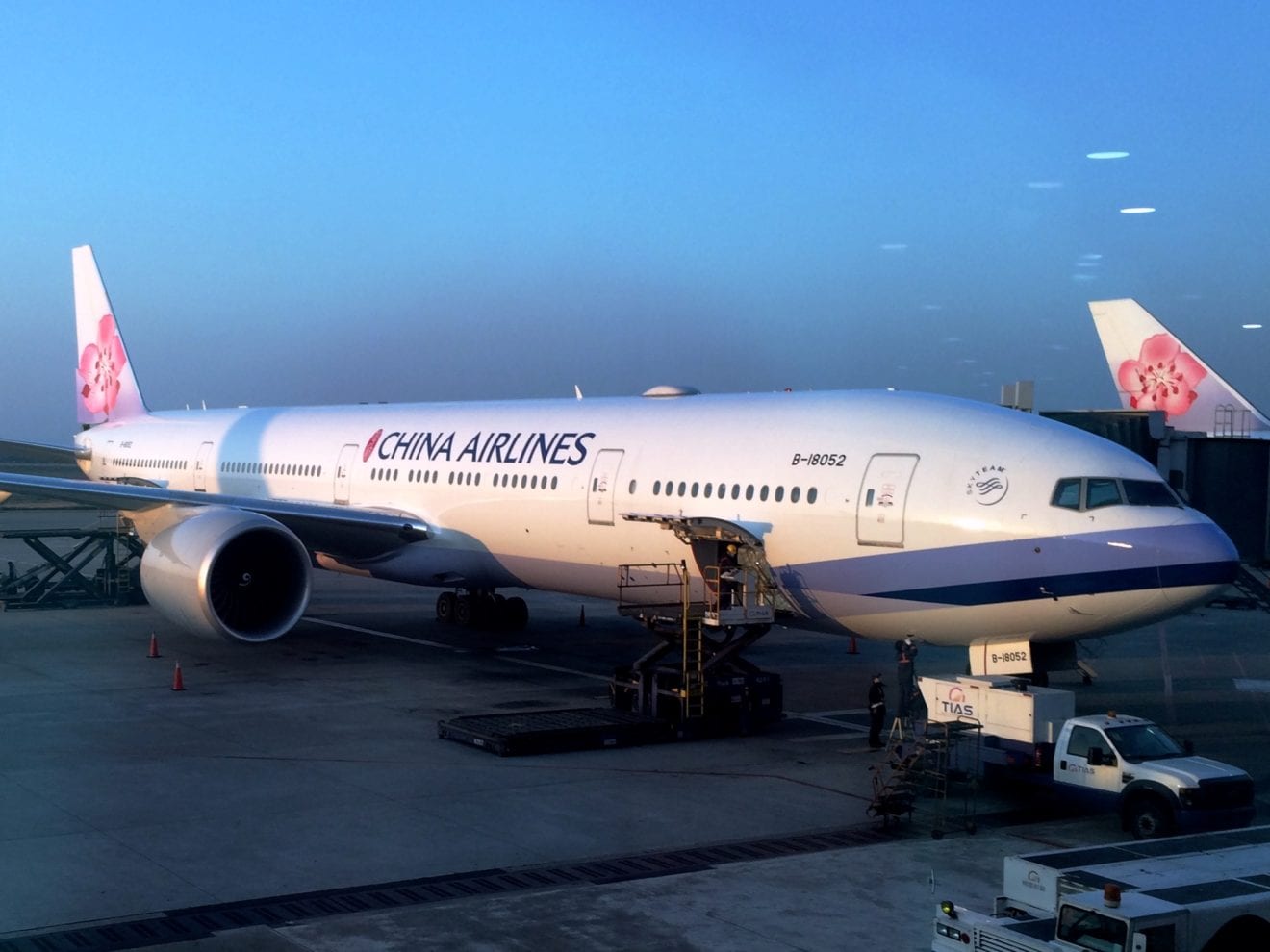
    Three major Chinese airline companies are set to acquire 95 aircraft from Airbus, in deals collectively valued at approximately $17.8 billion. This comes as part of a concerted effort by these airlines to expand their capacities and modernise their fleets with more fuel-efficient aircraft amidst the bourgeoning growth of China’s aviation market – the second-largest globally.

    Air China and its subsidiary Shenzhen Airlines have agreed to purchase 55 Airbus aircraft for a total value of $12.4 billion. Conversely, Hainan Airlines has independently agreed to buy 40 A320neo-family jets, with a list price of up to $5.4 billion.

    Air China will acquire 15 A350-900 wide-body jets, while Shenzhen Airlines will separately buy 40 narrow-body A320neo-family aircraft. The A350-900 jets, valued at roughly $6.09 billion, are set for delivery between 2030 and 2032. The 40 A320neo-family aircraft, worth approximately $6.35 billion, are slated for delivery between 2029 and 2032. Meanwhile, Hainan Airlines has scheduled the delivery of its 40 A320neo jets between 2028 to 2032.

    However, Air China has clarified that the actual transaction prices will be lower than the listed values, stating that Airbus has granted significant discounts in line with standard practice for large-scale aircraft orders.

    This surge of orders is indicative of the ongoing recovery and expansion of Chinese carriers post-pandemic, despite notable challenges. Recently, Air China reported a potential net loss of up to 2.6 billion yuan for the first half of this year, attributing the financial squeeze to rising fuel prices.

    Other Chinese carriers have also been investing in large orders with Airbus. Previous notable investments include those by China Eastern Airlines and China Southern Airlines, which have made substantial aircraft purchases in recent months.

    These new jets are predicted to increase the total capacity of the Air China group and Shenzhen Airlines by 7.1% and 4.3% respectively, based on their combined passenger and cargo capacity as of December 31, 2025. In addition, some of the new aircraft will replace older models set to be retired.

    Competition-wise, the A320neo family rivals the Boeing 737 MAX on medium-haul routes, while the A350-900 is favored for long-haul international services.

    According to the IATA World Air Transport Statistics, the U.S. remained the world’s largest aviation market last year with 890.1 million passengers, with China following closely at 776.1 million passengers.

    Questions & Answers

    What is the total value of the Airbus aircraft orders by the three Chinese airlines?
    The total list price of the 95 Airbus aircraft ordered by Air China, Shenzhen Airlines, and Hainan Airlines is approximately $17.8 billion.

    Which aircraft models are being purchased by the Chinese airlines from Airbus?
    The three airlines have agreed to purchase various models, with Air China acquiring 15 A350-900 wide-body jets and Shenzhen Airlines buying 40 narrow-body A320neo-family aircraft. Hainan Airlines will be purchasing 40 A320neo-family jets.

    How will these purchases affect the total capacity of the Air China group and Shenzhen Airlines?
    The acquisition of these new jets is expected to boost the total capacity of the Air China group by about 7.1% and Shenzhen Airlines by 4.3%, based on their combined passenger and cargo capacity as of December 31, 2025.

  • EU Imposes New €3 Duty on Chinese E-commerce Imports, Shaking up Online Retail Giants

    EU Imposes New €3 Duty on Chinese E-commerce Imports, Shaking up Online Retail Giants

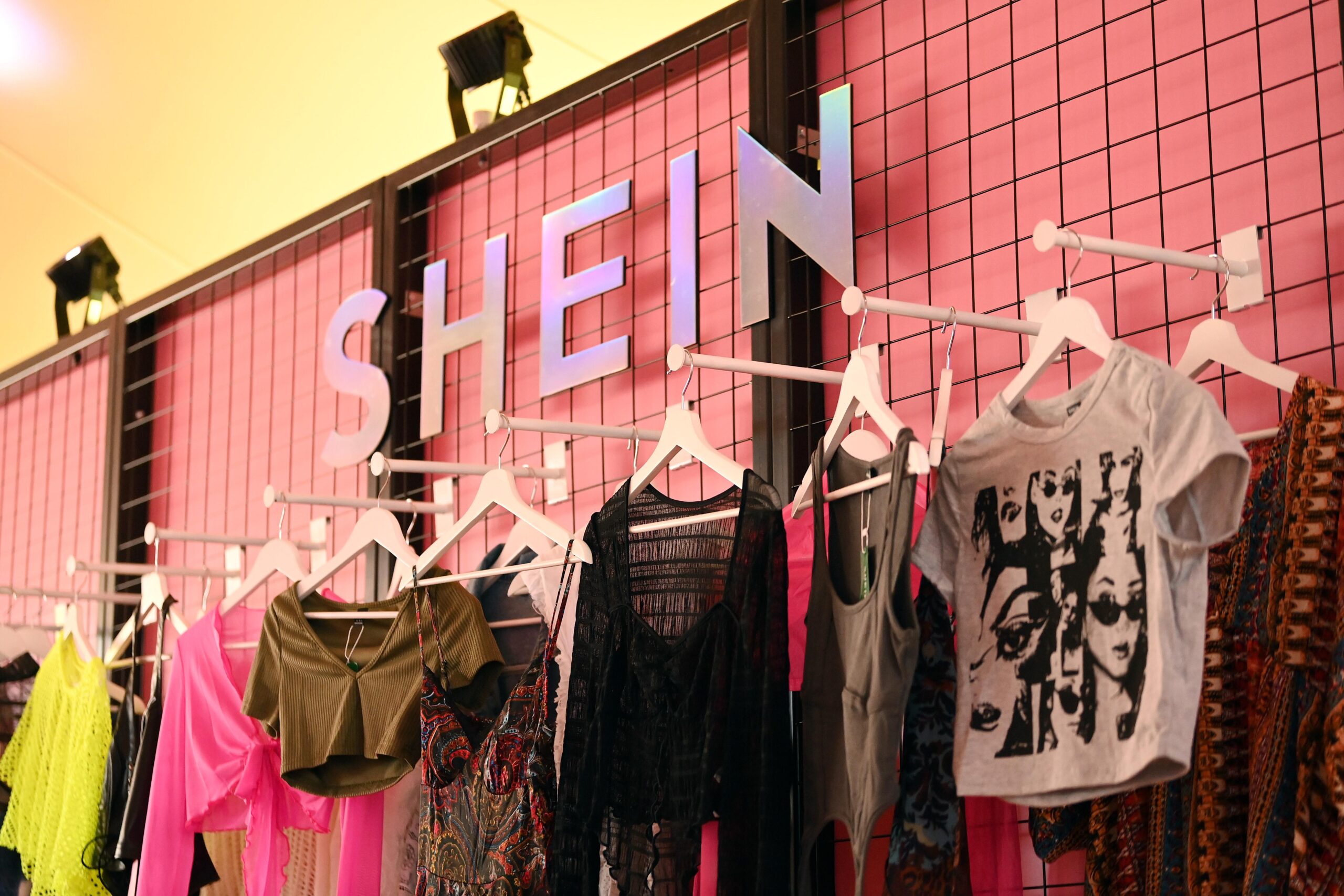
    As part of its agenda to curb perceived unfair competition from online retailers like Shein, Temu, and AliExpress, Europe has initiated a €3 charge on low-value e-commerce imports from China that were previously duty-free. This move constitutes a significant challenge for platforms which leveraged customs exemptions in order to offer goods at extremely competitive rates, driving fast-paced growth. The new charges, effective since Wednesday, apply to each customs classification within a shipment. For instance, the total fee for a shipment with three different item categories would be €9, while a single-category shipment, such as multiple dresses or toys, will cost €3.

    Duty Exemptions and e-Commerce

    Duty exemptions for low-value imports have been a norm for many years, with the current threshold of €150 introduced in 2008. However, the surge in the number of e-commerce parcels entering the European Union under exemption rules has led to a rethink. The number of such parcels increased from 1.4 billion in 2022 to 5.8 billion by 2025. Dirk Gotink, an EU lawmaker spearheading customs reform in the European Parliament, argued that these exemptions were manipulated on an industrial scale to secure a competitive edge at the expense of EU businesses. He stated that the old trading world, which justified these exemptions, has been upended by the rise of e-commerce, particularly from China.

    Impact on Air Cargo and Consumer Prices

    In the aftermath of this decision, experts predict that e-commerce air cargo volumes to the EU could decrease by 10% to 35%. This could have wider repercussions on global air cargo volumes. Online platforms may also pressurize suppliers to offset some of the additional costs to avoid significant price hikes for consumers and maintain profitability.

    The €3 charge is a temporary measure, slated to be replaced by category-specific duties from July 1, 2028, in accordance with the new EU Customs Authority’s operational timeline. Consumer prices are likely to increase as platforms pass on some of the additional costs to buyers. Amazon, after its rival platforms Temu and Shein’s rapid growth, has argued that 97% of its EU shipments last year were delivered from warehouses within the bloc.

    Questions & Answers

    What is the new charge imposed by Europe on low-value e-commerce imports from China?
    A €3 fee has been imposed on each customs classification within a shipment of low-value e-commerce imports from China.

    What was the reason behind the implementation of this new charge?
    The charge is designed to curb what Europe perceives as unfair competition from online retailers who leveraged customs exemptions to offer goods at extremely low prices.

    How might this charge impact consumers?
    With the imposition of this charge, consumer prices are likely to increase as platforms pass on some or all of the additional costs to buyers.

  • Golden Goose Leaps Forward: Chinese and Singaporean Investments Fuel Luxury Brands Global Expansion

    Golden Goose Leaps Forward: Chinese and Singaporean Investments Fuel Luxury Brands Global Expansion

    Italian luxury brand, Golden Goose, has recently gone through a significant change in ownership. A majority stake in the company is now held by Chinese private equity firm HSG, while Singapore’s investment firm, Temasek, has also joined as a minority shareholder. This move followed the necessary regulatory approvals, and while the financial specifics remain undisclosed, existing investor Permira has retained a minority stake.

    A New Chapter for Golden Goose

    The revamped ownership structure is poised to support the next phase of Golden Goose’s worldwide expansion, faithfully retaining the company’s focus on Italian craftsmanship and its direct-to-consumer retail model. Silvio Campara will maintain his position as CEO, managing the company in association with the existing management team. Effective immediately, former Gucci CEO, Marco Bizzarri has been appointed as the non-executive chairman of the company.

    Campara expressed his confidence in the new investors, stating that their vast experience in scaling international luxury brands and driving innovation will propel Golden Goose in achieving its global aspirations. He is anticipating benefiting from their expertise as they advance towards realizing their international ambitions and introducing Golden Goose to more “Dreamers” around the world.

    Campara added, “This investment is a testament to our unique model and the global appeal of our brand. It will aid us in unlocking Golden Goose’s full potential, establishing it as a leading Next Gen luxury brand.”

    Golden Goose’s Expansion over the Years

    Golden Goose has witnessed remarkable growth under the ownership of Permira, with its global retail presence now spanning 232 stores across Asia-Pacific, Europe, and the Americas. The brand has also boosted its direct-to-consumer business and invested in experiential retail concepts, including its signature in-store co-creation services, as it continues to expand its international presence.

    Questions & Answers

    What is the new ownership structure of Golden Goose?
    The luxury brand Golden Goose is now primarily owned by the Chinese private equity firm HSG, with Temasek, a Singaporean investment firm, and Permira as minority shareholders.

    Who will lead Golden Goose under the new ownership?
    Silvio Campara will continue to serve as CEO of Golden Goose, working alongside the existing management team. Marco Bizzarri, former Gucci CEO, has been appointed as the non-executive chairman.

    What are the future expansion plans of Golden Goose?
    Under the new ownership, Golden Goose plans to further expand its worldwide presence while maintaining its focus on Italian craftsmanship and its direct-to-consumer retail model. The company also plans to leverage the experience of its new investors to scale the brand and drive innovation.

  • Chinese Beauty Brand Judydoll Conquers Europe via Joybuy E-commerce Platform

    Chinese Beauty Brand Judydoll Conquers Europe via Joybuy E-commerce Platform

    Judydoll, a renowned beauty brand from China, has made its grand entrance into the European market. This move was achieved through a successful launch on the e-commerce platform, Joybuy, spanning multiple countries including the UK, Germany, the Netherlands, France, Belgium, and Luxembourg.

    Established Origins and Expanding Presence

    Having its roots in Shanghai, Judydoll was established under the Joy Group in 2017. Recognized for its economically priced color cosmetics, Judydoll has been able to solidify its presence through various online marketplaces such as Tmall and Taobao. Subsequent to this online success, the brand ventured into physical retail, growing its network of stores.

    Presently, Judydoll operates over 100 stores throughout China. Furthermore, it has managed to broaden its international footprint by opening flagship stores in Singapore, along with retail collaborations throughout the Gulf Cooperation Council region.

    European Expansion Supported by Efficient Logistics

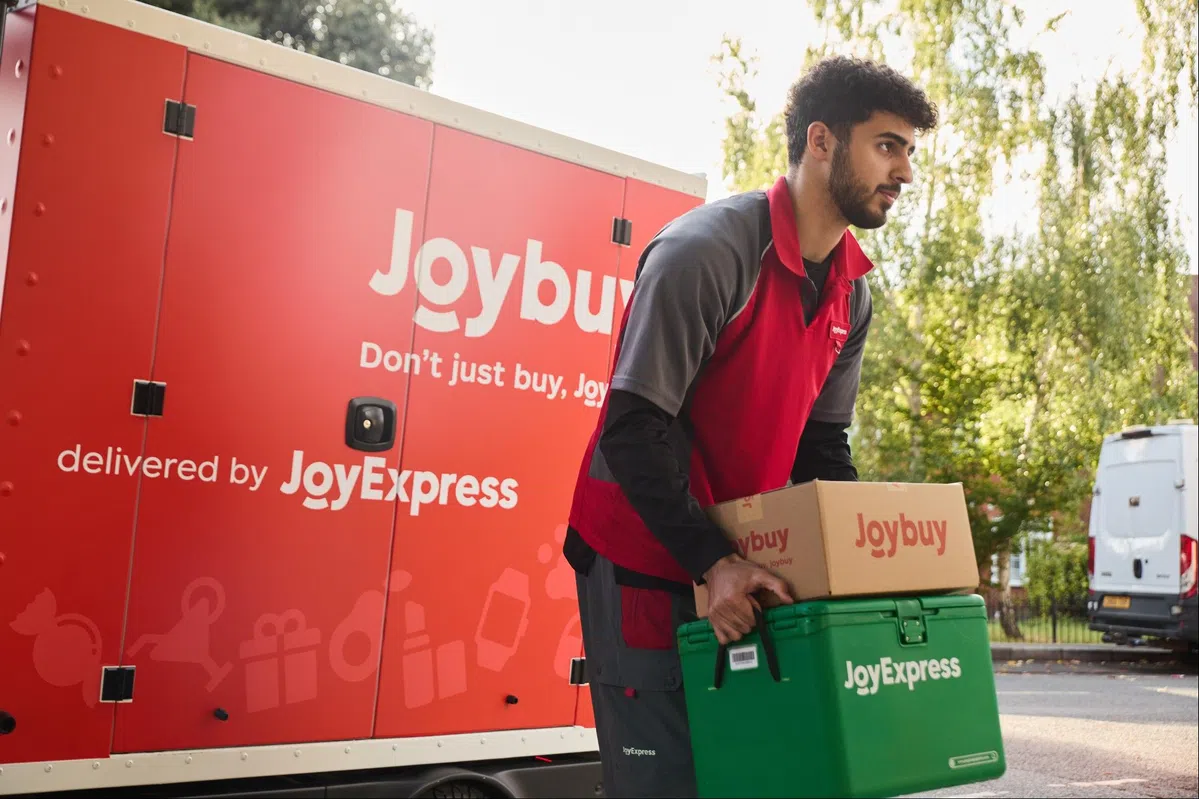
    Judydoll’s launch in Europe is backed by Joybuy’s effective logistics network. This collaboration ensures local fulfillment along with the promise of next-day delivery, making it easier for customers to access their products.

    In the company’s words, “Judydoll and Joybuy’s collective effort is aimed at bringing superior beauty products closer to European consumers.”

    Questions & Answers

    When was Judydoll established and by whom?
    Judydoll was established in 2017 by the Joy Group.

    How did Judydoll establish its initial presence?
    Judydoll initially established its presence through online marketplaces such as Tmall and Taobao, and later expanded into physical retail.

    What facilitates Judydoll’s launch in Europe?
    Judydoll’s European launch is facilitated by Joybuy’s logistics network, ensuring local fulfillment and next-day delivery.

  • Guoquans Global Debut: Chinese Home-Dining Giant Ventures into Hong Kong Market

    Guoquans Global Debut: Chinese Home-Dining Giant Ventures into Hong Kong Market

    The Chinese home-dining retailer, Guoquan, is planning to extend its business to Hong Kong. This move signifies the company’s first initiative outside Mainland China, aligning with their international expansion plans.

    The retailer anticipates the launch of its inaugural store in Wan Chai, Hong Kong, later this year. During this launch, local consumers will be introduced to the Guoquan’s “community central kitchen” concept.

    Expansion and Innovation

    This planned expansion to Hong Kong is concurrent with Guoquan’s continued growth within Mainland China. As of the first quarter of 2026, Guoquan boasts a network of 11,758 stores across the nation, including more than 3100 outlets in township level markets.

    From the latter half of 2025, Guoquan has been enhancing its store network by transforming smaller outlets into larger “community central kitchen” formats. The floor area of these renovated stores typically ranges from 80 to 100 square meters. These larger stores offer a wider array of products, a departure from the company’s traditional hotpot and barbecue ingredients.

    Guoquan’s product range has evolved to include breakfast items, ready-to-eat meals, light fare, alcoholic beverages, and other options tailored for various consumption times of the day. With 24-hour unmanned stores, customers can access these products and services at any time.

    Guoquan’s Journey

    Established in 2017, Guoquan has flourished into one of the leading home-dining brands in China. The company was publicly listed on the Hong Kong Stock Exchange in November 2023.

    Guoquan is renowned for specializing in household meal ingredients. Its product offerings range from hotpot and barbecue items to self-heating meals and prepared Chinese dishes.

    Questions & Answers

    What is Guoquan’s “community central kitchen” concept?
    The “community central kitchen” model is an innovative retail concept where stores are expanded from their traditional format to offer a wider range of products. This not only includes Guoquan’s traditional hotpot and barbecue ingredients, but has evolved to include breakfast items, ready-to-eat meals, light fare, alcoholic beverages, and more.

    When was Guoquan founded and when did it list on the stock exchange?
    Guoquan was founded in 2017 and listed on the Hong Kong Stock Exchange in November 2023.

    What is Guoquan’s current store count in Mainland China?
    As of the first quarter of 2026, Guoquan operates 11,758 stores nationwide in Mainland China, including over 3,100 outlets in township-level markets.

  • Chinese Beauty Giant JudyDoll Debuts First Physical Store in Trendy Hong Kong

    Chinese Beauty Giant JudyDoll Debuts First Physical Store in Trendy Hong Kong

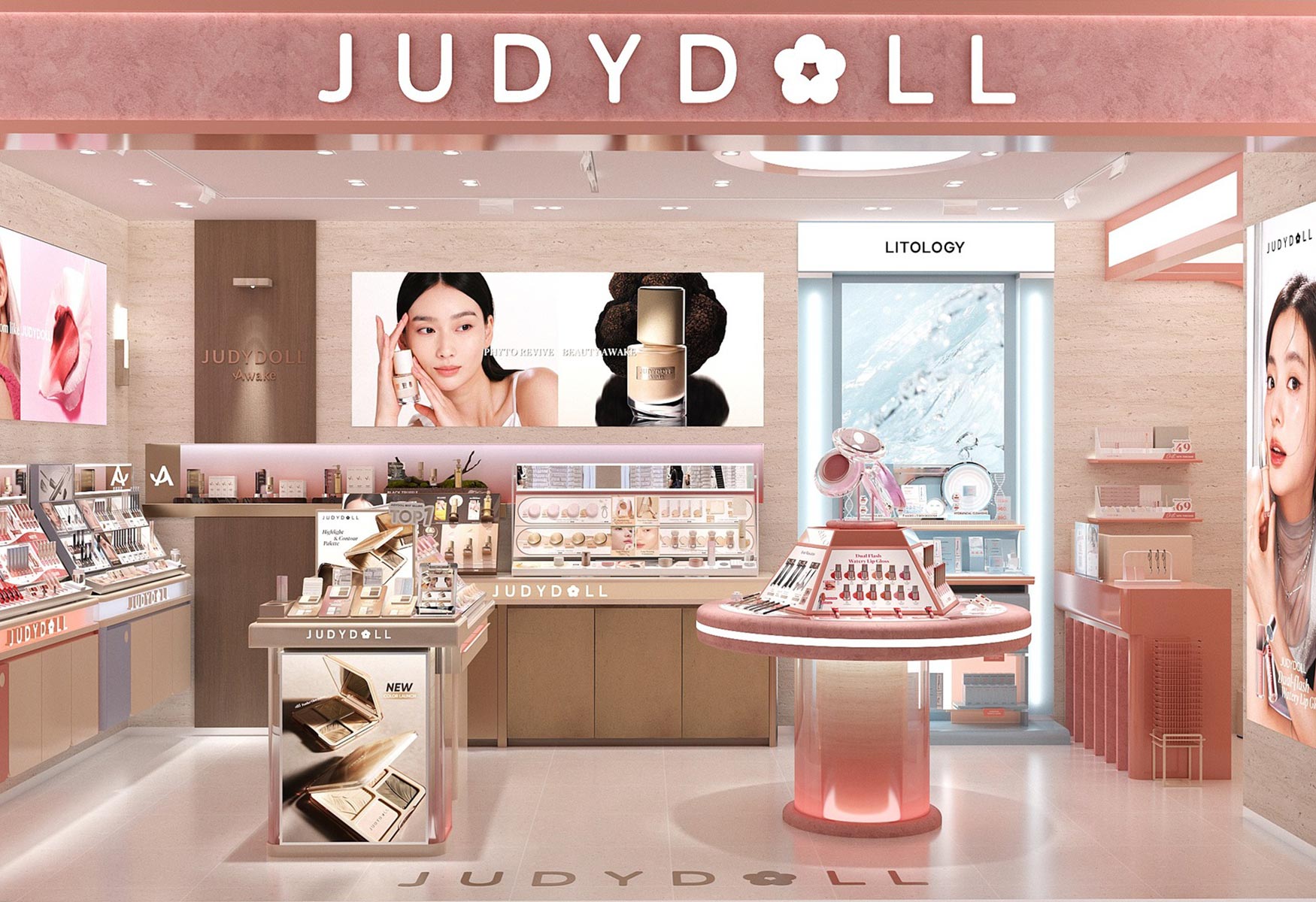
    JudyDoll, a popular beauty brand from mainland China, has recently ventured into the physical retail space, having inaugurated its first store in Hong Kong. This move signifies the brand’s ongoing efforts to expand its horizons beyond e-commerce, marking a significant stride in its international growth strategy.

    JudyDoll’s Expansion Strategy

    JudyDoll was established in 2017 by Juyi Cosmetics in Shanghai. It became a part of the Joy Group and quickly made a name for itself due to its youthful aesthetics and budget-friendly product selection. The brand boasts more than 800 stock-keeping units (SKUs) in its product portfolio, spanning across categories such as eye, lip, and face cosmetics. Some of the brand’s top-selling products include the 3D Curling Iron Mascara, Iced Watery Lip Gloss, and the Highlight & Contour Palette.

    JudyDoll’s senior sales and marketing manager in Hong Kong, Clair Chau, highlighted that Hong Kong, with its deep-rooted makeup culture and trendy spirit, is a fitting location for JudyDoll’s first physical venture. Chau expressed confidence in the brand’s potential to appeal to a broader consumer base in Hong Kong’s thriving and reliable retail market, which is highly regarded for its energetic and youthful brand personality.

    InvestHK’s Deputy Head of Consumer and Hospitality, Angelica Leung, expressed hope that JudyDoll will utilize Hong Kong as a springboard for its broader expansion initiatives. Leung anticipates that JudyDoll’s physical store will bring a fresh makeup experience to consumers in the city, complimenting the brand’s already creative online presence, and further solidifying Hong Kong’s position as an international trendsetter.

    Since its inception, JudyDoll has made a significant impact in numerous international markets including Japan, Southeast Asia, Australia, Canada, the Middle East, and North America.

    Questions & Answers

    What is JudyDoll known for in the cosmetics industry?
    JudyDoll is renowned for its youthful aesthetic and affordable range of beauty products, which includes over 800 SKUs spanning eye, lip, and face cosmetics.

    Why did JudyDoll choose Hong Kong for its first physical store?
    Hong Kong was chosen for its vibrant makeup culture and fashionable spirit. The city’s thriving retail market offers JudyDoll the potential to showcase its brand to a broader range of consumers.

    What are JudyDoll’s future expansion plans?
    While specific plans have not been disclosed, it is anticipated that JudyDoll will use Hong Kong as a stepping stone for future international expansion.

  • Stephen Curry Scores Slam Dunk Deal with Chinese Sportswear Giant Li-Ning

    Stephen Curry Scores Slam Dunk Deal with Chinese Sportswear Giant Li-Ning

    Li-Ning, a prominent sportswear company in China, has recently announced a multi-faceted partnership with NBA Star, Stephen Curry. This exciting collaboration will initially emphasize on the sport of basketball and golf, with future plans to expand into lifestyle and other sportswear areas.

    A Crucial Partnership

    In this newly forged union, Li-Ning and Curry will work closely to devise new products, foster exclusive content, and devise consumer experiences that appeal to the interests of young athletes and sports consumers. Stephen Curry expressed enthusiasm about the partnership, attributing his decision to the company’s innovative product line and capabilities. Curry was particularly impressed by the quality, comfort, and performance of Li-Ning’s footwear, which he believes will align perfectly with the image he wants to establish for his own brand.

    The sportswear company, Li-Ning, which was founded in 1990 by the former Olympic Gymnast Li Ning, has flourished into one of the largest brands in China’s sportswear industry. Li Ning views this partnership as a reflection of their mutual emphasis on performance and the future of sports.

    Shared Vision

    The company’s founder expressed a shared focus on performance and the potential of sport, believing in the power of sport to ignite passion and inspire each generation to push beyond its limits. Both Li-Ning and Curry are eager about this partnership and look forward to building upon it to continually push boundaries and open new horizons for global sport.

    Questions & Answers

    What is the nature of the partnership between Li-Ning and Stephen Curry?
    The partnership involves multi-category development focusing initially on basketball and golf, with plans to expand into other sportswear and lifestyle sectors.

    What was the critical factor that influenced Stephen Curry’s decision to collaborate with Li-Ning?
    Stephen Curry was primarily impressed by the quality, comfort, and performance of Li-Ning’s shoes, which gave him confidence in the company’s capability to align with his brand’s vision.

    What does this partnership signify for Li-Ning and Curry?
    Both parties view this collaboration as a reflection of their shared focus on performance and the future of sports. They look forward to pushing boundaries and creating new possibilities for global sport.

  • Chagees Expansion Spree Boosts Revenue but Dents Profits: Inside the Chinese Tea Giants Strategy

    Chagees Expansion Spree Boosts Revenue but Dents Profits: Inside the Chinese Tea Giants Strategy

    Chagee, the acclaimed Chinese tea chain, has experienced yet another boost in revenues, despite the ongoing expansion of its stores seeming to take a toll on its profit margins.

    Currently, Chagee owns a staggering 7531 teahouses, located primarily in Greater China, but also expanding internationally. Ending its first fiscal quarter of the year on a high note, Chagee reported revenues of RMB3.54 billion (US$514.1 million), indicating a rise from RMB3.39 billion during the same quarter in the previous year. Nonetheless, despite the hike in revenues, the company faced a 33.9 per cent dip in profits during the same period.

    Teahouse Business Dynamics

    Franchise-owned teahouses form the core of Chagee’s business model, contributing to a significant 77.4 per cent of the total revenue, while the remaining revenue comes from teahouses directly owned by the company.

    Although the Greater China region constitutes a whopping 95 per cent of Chagee’s business operations, by the end of the quarter, Chagee had marked its presence in seven additional countries. The most recent expansions saw Chagee breaking into markets in the United States, Vietnam, and the Philippines.

    Chagee’s Vision for the Future

    Founder and CEO of Chagee, Zhang Junjie, shared his view for the company’s future with investors. He expressed his commitment to focus on operational details, emphasizing that these granular aspects hold significant value to their consumers. He noted that the company’s ability to weather various business cycles is directly tied to genuine consumer recognition, and this forms the cornerstone of their objective for the current year – to perfect every single consumer touchpoint.

    Zhang Junjie expressed his confidence that Chagee is entering a phase of mature, steady, and sustainable growth. He ended his remarks by stating his assurance in every step the company is undertaking towards the future.

    Questions & Answers

    What is the revenue of Chagee for the first fiscal quarter of the year?
    Chagee reported revenues of RMB3.54 billion (US$514.1 million) for the first fiscal quarter of the year.

    What percentage of Chagee’s total revenue comes from franchised teahouses?
    Franchise-owned teahouses contribute to 77.4 per cent of Chagee’s total revenue.

    What is the major goal of Chagee for the current year?
    Chagee’s major goal for the current year is to perfect every single consumer touchpoint, according to founder and CEO Zhang Junjie.

  • Chinese E-commerce Titan JD Eyes £2 Billion Acquisition of UKs The Very Group

    Chinese E-commerce Titan JD Eyes £2 Billion Acquisition of UKs The Very Group

    JD, the Chinese e-commerce titan, is reportedly considering a significant expansion within the UK market, with a potential £2 billion ($2.69 billion) acquisition bid for the British online retail platform, The Very Group.

    JD’s Expansive Strategy in the UK

    This move is the latest in a series of attempts by JD to strengthen its foothold in the UK market. Previously, the company had made a failed attempt to acquire the electricals group Currys and, in 2020, had withdrawn from negotiations aimed at acquiring Argos from Sainsbury’s. These activities indicate JD’s strong interest in expanding its operations in the UK, despite previous setbacks.

    Representatives from JD and The Very Group have refrained from commenting on these market speculations.

    The Very Group’s Recent Ownership Changes

    The owner of The Very Group, Carlyle, was reported earlier this year to be planning a £2 billion sale of the enterprise. This news came just a few months after Carlyle assumed ownership from the Barclay family, who had been long-time stakeholders in the business.

    Questions & Answers

    What is the estimated value of the deal between JD and The Very Group?
    The value of the potential deal is speculated to be around £2 billion ($2.69 billion).

    What other UK ventures has JD been involved in?
    In the past, JD has attempted to buy the electricals group Currys and also entered negotiations to acquire Argos from Sainsbury’s.

    Who is the current owner of The Very Group?
    The Very Group is currently owned by Carlyle, which took over from the Barclay family last year.

  • Chinese Regulator Slaps Billion-Dollar Fines on Food Delivery Giants over Safety Violations

    Chinese Regulator Slaps Billion-Dollar Fines on Food Delivery Giants over Safety Violations

    China’s market regulator recently imposed fines and seizures on seven e-commerce platforms, totaling 3.6 billion yuan (US$527.32 million), for failing to adhere to food delivery safety guidelines. The offenders include prominent companies such as Pinduoduo, Meituan, JD, ByteDance’s Douyin, and Alibaba’s Taobao Shangou.

    Violation of Safety Protocols

    Investigations revealed that these companies did not implement necessary measures to protect consumers. They were also found to be negligent in verifying the licenses and qualifications of online food vendors. The regulator has expressed concern over this lax approach towards consumer safety and vendor credibility.

    Pinduoduo responded to the penalties by stating that the company “sincerely accepts and will resolutely comply” with the regulator’s decision. It also pledged to learn from this episode, standardize its business procedures, and make necessary improvements. However, Meituan, ByteDance, and Alibaba did not respond immediately to requests for comments.

    Intense Competition in China’s Food Delivery Market

    In the past year, food delivery in China has witnessed escalating competition, with e-commerce giants like Alibaba and JD actively trying to gain market share. These companies have been offering attractive discounts and coupons on a wide range of products, including ice cream and takeaway coffees.

    This battle to establish dominance in the ‘instant retail’ domain, where goods are delivered within an hour, has affected profits and attracted regulatory attention. Chinese regulators have repeatedly cautioned against the unhealthy “race-to-the-bottom competition” prevalent among food delivery firms.

    Questions & Answers

    What prompted the fines on the e-commerce platforms?
    The companies violated food delivery safety protocols and failed to verify the qualifications and licenses of online food vendors.

    How have the companies reacted to the fines?
    While Pinduoduo has openly accepted and pledged to comply with the regulator’s decision, Meituan, ByteDance, and Alibaba have not responded immediately to the penalties.

    Has the increased competition in food delivery affected the companies?
    Yes, the escalated competition, epitomized by discounts and coupons, has not only squeezed profits but also attracted regulatory scrutiny due to a “race-to-the-bottom competition” mentality.

  • Gucci’s Rebranding Challenge: Kering CEO Maps Out Strategy for Sophisticated Chinese Luxury Market

    Gucci’s Rebranding Challenge: Kering CEO Maps Out Strategy for Sophisticated Chinese Luxury Market

    Kering’s flagship brand, Gucci, is focusing on rebuilding its market position in China following years of stagnation. The luxury company’s complacency resulted in an underwhelming retail experience and poorly situated stores, according to Kering CEO Luca de Meo.

    China: A Changed Landscape

    China has been a significant growth driver for the global luxury sector, worth approximately US$400 billion, for over a decade. Gucci, like many of its competitors, capitalized on this expanding market. However, the brand failed to take advantage of a brief shopping surge following the pandemic and couldn’t recover when Chinese consumer spending slowed.

    De Meo, speaking at Kering’s first investor day since he assumed his role in September, expressed that Gucci needs to reevaluate its strategy in China. He emphasized the necessity to cater to the discerning clientele with high-quality retail experiences and to move away from relying on off-price outlets offering goods at discounted rates.

    “Gucci needs a comeback,” de Meo asserted, criticizing the brand’s previous approach to China as an easy revenue source.

    The Evolving Chinese Consumer

    The retail landscape in China has transformed significantly over the years. De Meo noted that Chinese consumers are now motivated by quality, design, and experience rather than logo-driven purchases, a trend seen in markets like Japan, South Korea, and Europe.

    The CEO stressed the importance of a consistent brand message and an enhanced in-store experience to revive growth in China. Kering also revealed plans to acquire a minority stake in the Shanghai-based Icicle Fashion Group.

    Learning from the Auto Industry

    De Meo, who previously served as CEO of Renault, drew parallels between the luxury sector and the auto industry. He warned luxury brands not to underestimate domestic competition and acknowledged China’s innovative capabilities.

    Other brands in Kering’s luxury portfolio, such as Bottega Veneta and Saint Laurent, have already begun reaping the benefits of a more finely-tuned China strategy. However, he indicated that Gucci’s recovery would be a more prolonged process.

    “For Gucci, the verdict is still out. This transformation won’t be instantaneous, but we anticipate seeing measurable progress within the next few months to a year,” he stated.

    Questions & Answers

    What is Kering’s plan for Gucci in China?
    Kering plans to reinvent Gucci in China by focusing on higher quality retail experiences and catering to discerning clientele. The company is moving away from off-price outlets and is focusing on a consistent brand message and enhanced in-store experience.

    How has consumer behavior changed in China’s luxury market?
    Chinese consumers are now motivated by quality, design, and experience rather than logo-driven purchases. This shift mirrors trends seen in other markets such as Japan, South Korea, and Europe.

    How long will Gucci’s recovery take according to Kering’s CEO?
    Kering’s CEO, Luca de Meo, anticipates that Gucci’s recovery in China will be a prolonged process, with measurable progress expected within the next few months to a year.

  • TikTok’s $125M Digital Expansion: Chinese Giant to Bolster HCMC’s Tech Sector

    TikTok’s $125M Digital Expansion: Chinese Giant to Bolster HCMC’s Tech Sector

    TikTok, the renowned Chinese social media platform, has pledged an investment of $125 million in Ho Chi Minh City. The funds are intended to boost logistics services, digital commerce, and digital payment systems in the bustling Vietnamese metropolis.

    Pledged Investment

    According to an announcement published by the Ho Chi Minh City Department of Finance last Thursday, the commitment was made by TikTok’s investment arm based in Singapore. The department, however, did not provide any details regarding the expected timeline of the project.

    The decision followed several meetings between city officials and TikTok’s executive team, which took place at the end of last year. TikTok’s intention is to set up three business entities within the Ho Chi Minh City International Financial Center.

    Q1 Foreign Direct Investment Round-Up

    The Department of Finance stated that the city has attracted almost $2.9 billion in foreign direct investment (FDI) during the first quarter of this year, a significant increase of 220% compared to the same period last year.

    Among the prominent projects contributing to this FDI surge include a new manufacturing facility by Techtronic Industries Company based in Singapore, which will require an investment of $81 million. Other contributors include the Dutch firm MSD Animal Health ($80 million), Singapore’s SP Vietnam ($67 million), and Indonesia’s Momogi Group ($55 million).

    The Department credited this substantial uptick in investment to the confidence of foreign investors in the city’s business environment, despite the currently volatile global economy.

    Ho Chi Minh City’s strategic goal for this year is to attract $11 billion in FDI. The city’s primary focuses are high-tech, innovation-driven projects, data centers, logistics, and green growth initiatives.

    Questions & Answers

    What is the purpose of TikTok’s $125 million investment in Ho Chi Minh City?
    The social media giant aims to enhance logistics services, digital commerce, and digital payment systems in the city.

    What are some of the key projects contributing to Ho Chi Minh City’s Q1 foreign direct investment?
    Noteworthy projects include a new manufacturing facility by Techtronic Industries Company, expansions by MSD Animal Health, SP Vietnam, and Momogi Group.

    What are Ho Chi Minh City’s investment priorities for this year?
    The city plans to attract $11 billion in FDI, focusing on high-tech, innovation-driven projects, data centers, logistics, and green growth initiatives.

  • Haidilao Heats Up: Chinese Hotpot Giant Crowned World’s Strongest Restaurant Brand Two Years Running

    Haidilao Heats Up: Chinese Hotpot Giant Crowned World’s Strongest Restaurant Brand Two Years Running

    For the second consecutive year, Chinese hotpot chain Haidilao has earned the title of “the world’s strongest restaurant brand” after experiencing a robust double-digit increase in value. The brand’s worth rose by 16% to reach $3.6 billion, propelling its strength index score to an impressive 94.1 out of 100.

    Factors Behind the Success

    Haidilao’s resounding success can be attributed to a variety of elements, including an expanded restaurant network, elevated brand influence and customer experience, as well as a more diverse product range. Despite the market’s competitive nature, the company was able to maintain its premium AAA+ brand strength rating.

    Other Emerging Brands

    Luckin Coffee, another brand originating from China, has also seen substantial growth. Its value has surged by 17% to reach $1.7 billion, which has allowed it to climb two places and achieve 19th place in the global rankings. Its score increased to 89.7 out of 100, making evident the growing allure of competing brands within China’s coffee market. Despite the escalating competition, Luckin Coffee achieved an AAA+ brand strength rating for the first time.

    Scott Chen, Managing Director of Brand Finance China, commented on the performance of these brands. He suggested that Haidilao’s sustained dominance as the world’s strongest restaurant brand, along with Luckin Coffee’s resilience amidst stiff competition, underline the dynamic character of the Chinese market. Chen also pointed to the innovation driving these brands to new heights.

    Brand Strength

    Brand strength refers to the effectiveness of a brand’s performance when compared to its competitors. Brand Finance, for instance, assesses the strength of a brand on the basis of several factors. These include marketing investment, stakeholder equity, and the effects of these on overall business performance.

    American Brands Domination

    Despite the success of Chinese brands, American brands remain dominant in terms of value. The five most valuable brands globally all hail from the United States. McDonald’s, in particular, has emerged as the world’s most valuable restaurant brand, with its value growing 7% to $40.5 billion. However, Starbucks, which used to hold the second spot, saw its brand value plummet by 36% to $38.8 billion.

    Chick-fil-A recorded the fastest growth in value within the sector, with its brand value soaring by 43% to $5.7 billion. This surge has resulted in the company now holding the eighth spot among the world’s leading restaurant brands.

    Questions & Answers

    What factors contributed to Haidilao’s success as the world’s strongest restaurant brand?
    Haidilao’s success was largely due to its expanded restaurant network, increased brand influence and customer experience, and a more diversified product range.

    How is brand strength measured?
    Brand strength is assessed based on the effectiveness of a brand’s performance in comparison to its competitors. Factors such as marketing investment, stakeholder equity, and their impact on business performance are taken into consideration.

    Which is the world’s most valuable restaurant brand?
    As of the latest rankings, McDonald’s is the world’s most valuable restaurant brand, with its value increasing 7% to $40.5 billion.

  • Chinese Retailer KKV Makes Splash in Hong Kong, Launches First Store Flaunting ‘100 Lifestyles’ Concept

    Chinese Retailer KKV Makes Splash in Hong Kong, Launches First Store Flaunting ‘100 Lifestyles’ Concept

    KKV, a leading Chinese lifestyle retailer, has paved its way into Hong Kong, initiating its first store at the bustling Lee Tung Avenue.

    Phase of Expansion

    This unveiling signifies yet another step in the brand’s strategy to strengthen its presence in the region. KKV, a brainchild of KK Group, was established in 2019, and since then, it has swiftly gained wide acceptance across mainland China and other Asian markets. This popularity can be attributed to its large-format stores that offer an array of beauty products, snacks, toys, stationery, and lifestyle items, all under a discovery-driven shopping atmosphere.

    ‘100 Lifestyles’ Concept

    The newly launched store in Hong Kong offers local consumers a unique shopping experience, underpinned by KKV’s ‘100 Lifestyles’ concept. This approach is characterized by visually immersive merchandising, quick product turnover, and a vast range of economically priced goods. The main target group for these offerings is Generation Z and young urban consumers.

    Recent Developments

    In the recent past, KKV marked its presence in Vietnam, where the KK Group opened its first standalone flagship store. This was situated in the heart of Ho Chi Minh City, further extending its regional footprint.

    Today, KK Group operates a robust network of over 1000 stores in more than 200 cities across China. In addition, it has over 150 outlets spread across Southeast Asia. The brand portfolio under the group includes KKV, The Colorist, and X11.

    Questions & Answers

    What is the ‘100 Lifestyles’ concept introduced by KKV?
    The ‘100 Lifestyles’ concept by KKV focuses on visually immersive merchandising, quick product turnover, and a large variety of affordable goods, primarily targeting Generation Z and young urban consumers.

    Where was the first standalone flagship store of KKV outside China opened?
    The first standalone flagship store of KKV outside China was opened in Ho Chi Minh City, Vietnam.

    What is the total number of stores operated by KK Group?
    KK Group operates over 1000 stores in more than 200 cities in China, along with more than 150 outlets across Southeast Asia.