Retail News CRM

Tag: chinese

  • More Yogurt: Popular Chinese Beverage Chain Set to Debut in Singapore with Fresh-Made Treats

    More Yogurt: Popular Chinese Beverage Chain Set to Debut in Singapore with Fresh-Made Treats

    China-based yogurt chain, More Yogurt, is set to make its entrance into the Singaporean market. The addition of a new outlet, opening on January 30, marks the latest in a series of expansion efforts. The company, which boasts annual sales of over 21 million cups, has chosen Suntec City as the strategic location for its first Singaporean store.

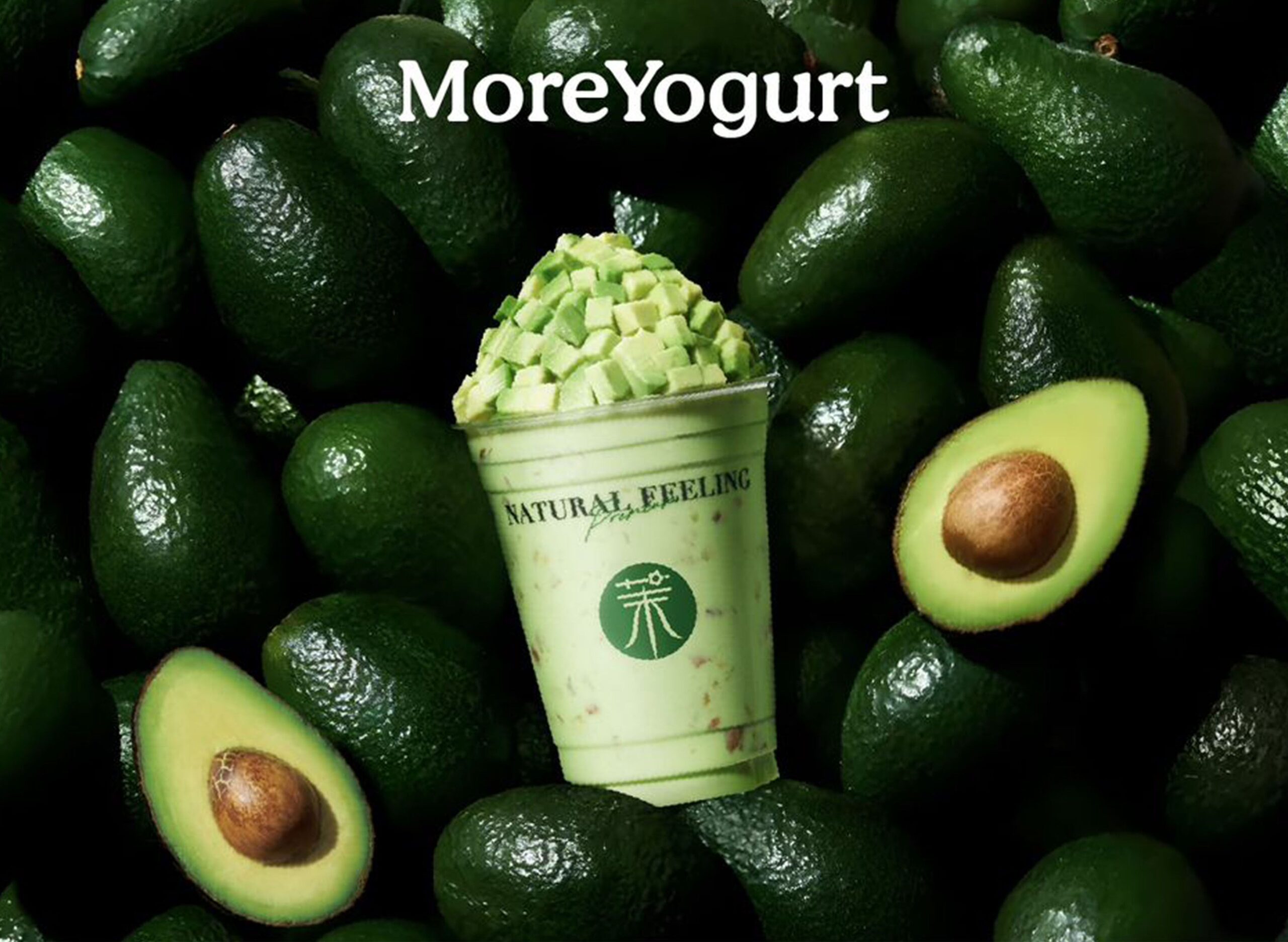
    More Yogurt is known for its innovative take on yogurt, offering a range of beverages prepared fresh daily in-store. Each drink comprises naturally fermented yogurt cultures, paired with an assortment of fresh fruits and nuts.

    As part of its introductory activities in Singapore, More Yogurt will be presenting the first 100 cups of yogurt free of charge on the day of its grand opening. This generous gesture aims to attract and engage new customers, providing them with a taste of More Yogurt’s unique offerings.

    Questions & Answers

    What is the unique selling point of More Yogurt?
    More Yogurt differentiates itself by providing fresh-made yogurt drinks, which are prepared in-store daily using naturally fermented yogurt cultures and a variety of fresh fruits and nuts.

    When and where is More Yogurt’s new Singaporean outlet opening?
    The new outlet in Singapore is set to open on January 30 at Suntec City.

    What is the introductory offer from More Yogurt in Singapore?
    As part of their launch in Singapore, More Yogurt will be giving away the first 100 cups of yogurt for free on the opening day.

  • Chinese Giant Anta Sports Eyes Takeover Bid for Struggling German Brand Puma

    Chinese Giant Anta Sports Eyes Takeover Bid for Struggling German Brand Puma

    Anta Sports Products, a prominent Chinese sportswear manufacturer, is reportedly considering the acquisition of German sportswear brand, Puma. It’s understood that Anta, listed on the Hong Kong stock exchange, is currently working with an adviser to examine the feasibility of a bid for Puma. If the proposition proves profitable, Anta may collaborate with a private equity firm to proceed with an offer.

    Potential Competitors in the Bid

    Alongside Anta, other possible contenders for the acquisition include the Chinese sportswear group Li Ning and the Japanese sportswear company Asics. Li Ning has reportedly been engaging with banks to discuss financing for a potential bid, giving an early indication of the company’s interest in Puma. As for Asics, there’s speculation that it could also show interest in the German sportswear brand.

    When approached for comments on the acquisition, Anta Sports, Puma, and Asics didn’t offer immediate responses. On the other hand, Li-Ning provided a statement indicating that the company had not yet participated in any significant discussions or assessments relating to the transaction mentioned. The company further stated that its main focus remains on the expansion and evolution of its brand.

    Shareholder’s Stand

    Artemis, the private holding firm that has the biggest share in Puma and also controls Kering, the owner of Gucci, has stated that it’s exploring all options for its 29% stake. Information from a source previously revealed that Artemis had no intentions of selling their shares at the market value as of September.

    Puma’s current market valuation stands at 2.52 billion euros, equivalent to $2.92 billion. The Pinault family that manages Artemis obtained its stake in Puma in 2018 from Kering when the luxury conglomerate transitioned into a pure luxury player focusing on brands like Gucci and Saint Laurent.

    Strategy Shift

    In October, Puma’s new CEO, Arthur Hoeld, announced that the brand would decrease discounts, enhance marketing, and trim its product range. This strategy change was part of Puma’s turnaround plan following a dip in demand for its products and the impact of US tariffs on imports. The plan also included cutting 900 corporate jobs.

    The competitive sportswear market has seen Puma’s share price fall by half since the beginning of this year, losing ground to its competitors.

    Questions & Answers

    Who are the potential bidders for the acquisition of Puma?
    Anta Sports Products, Li Ning, and Asics are the potential contenders for the acquisition of Puma.

    What is Puma’s current market valuation?
    Puma’s current market valuation is approximately 2.52 billion euros or $2.92 billion.

    What is Puma’s new strategy under CEO Arthur Hoeld?
    Puma’s new strategy involves decreasing discounts, enhancing marketing, reducing its product range, and eliminating 900 corporate jobs as part of its turnaround plan.

  • L’Oréal Boosts Chinese Presence with Second Investment in Domestic Beauty Brands

    L’Oréal Boosts Chinese Presence with Second Investment in Domestic Beauty Brands

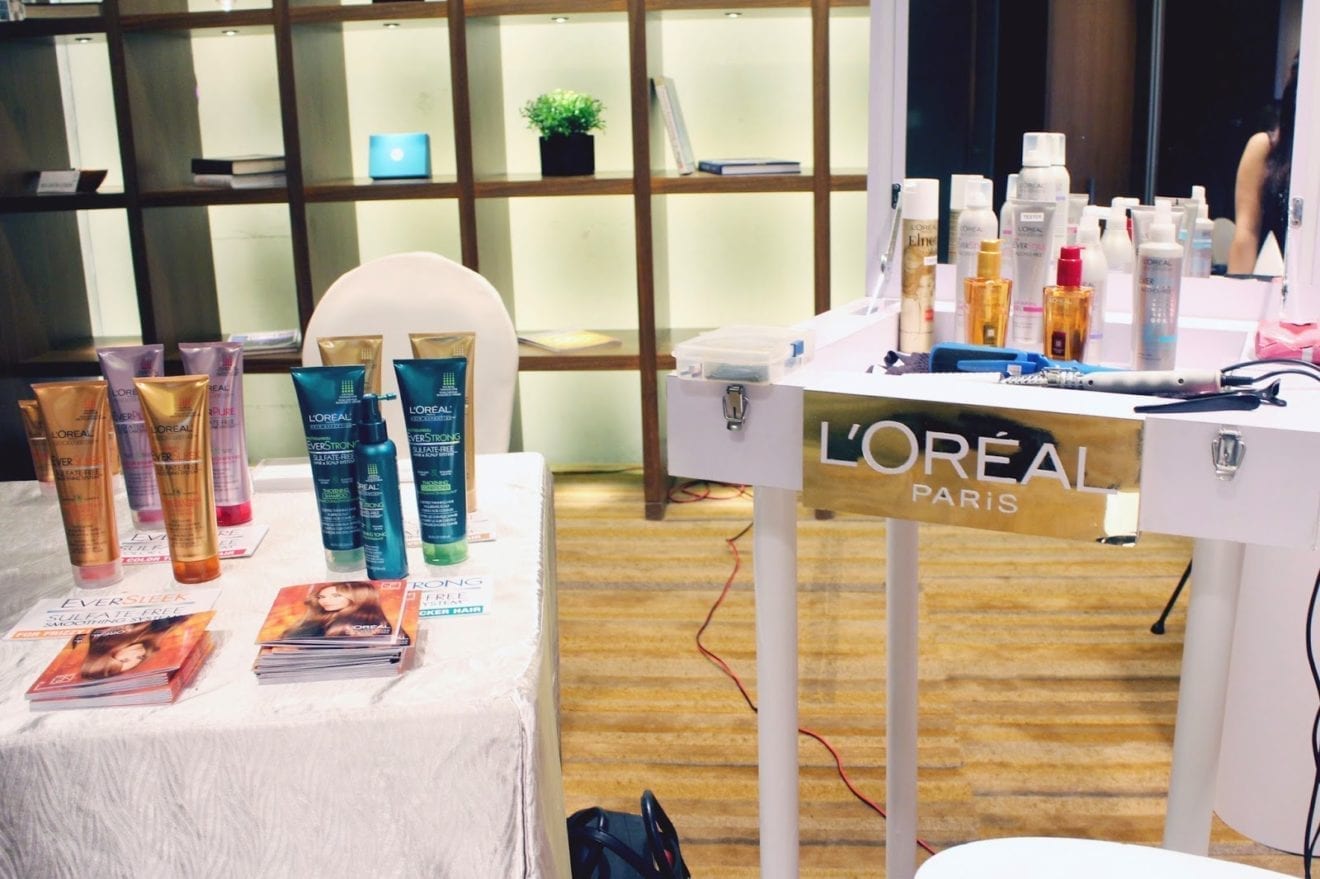
    French cosmetics giant, L’Oréal, has announced its minority stake acquisition in Chinese skincare brand, Lan, signifying its second investment in China within recent months. This investment comes at a time when local brands in China are experiencing significant growth.

    L’Oréal has chosen not to disclose the size or cost of the stake. However, Vincent Boinay, L’Oréal North Asia president and China CEO, emphasizes the importance of China in the company’s global strategy. Boinay affirms the company’s faith in China as a key player in the future of the industry.

    “This investment demonstrates our belief that investing in China equates to investing in the future. We intend to continue to nurture the Chinese market and collaborate with additional Chinese brands to create a prosperous future. Our aim is to meet the expectations of discerning Chinese consumers,” stated Boinay.

    This investment in Lan follows L’Oréal’s recent acquisition of a 6.67 per cent stake in Chando – a transaction that cost the company 442 million yuan (US$62 million), according to last month’s prospectus for the Shanghai-based company’s Hong Kong IPO.

    China’s Growing Domestic Market

    International brands have encountered challenges in China’s beauty and personal care market. This $75 billion industry has seen a growing proportion of domestic market share, known as C-Beauty, shift to local brands in recent years. This has taken place amid a backdrop of slowing overall growth, attributed to a long-standing property crisis and broad concerns over job stability.

    Investing in popular domestic brands could serve as a shortcut for L’Oréal to capitalize on the momentum of C-beauty, according to Ben Cavender, MD at Shanghai-based China Market Research Group.

    “L’Oréal, along with other international brands, are facing considerable pressure from domestic brands, which are launching new products at a faster rate and often exhibit more aggressiveness in marketing new skincare ingredients, concepts, and routines,” Cavender said.

    Last month, L’Oréal CEO, Nicolas Hieronimus revealed that the group’s China business experienced a quarterly growth of around 3 per cent, marking its first increase in two years.

    Competing with Local Brands

    Consultancy data obtained from Frost & Sullivan indicates that Chando Group ranks as China’s third-largest home-grown beauty player in retail sales, following Proya and Chicmas. Both Chando and Lan emphasize natural, clean ingredients as their unique selling points.

    Yang Hu, Apac insight manager at Euromonitor International, suggests that Chando’s stronghold in the mass-market price range (mainly retailing between 49-390 yuan) and its accessibility in China’s smaller cities could offer resources to aid L’Oréal’s recovery in the country, without directly competing with the group’s central brands.

    Questions & Answers

    Why is L’Oréal investing in Chinese brands?
    L’Oréal is investing in Chinese brands to capitalize on the rapidly growing domestic market, which could provide a platform for their expansion and recovery in China.

    What challenges are international brands facing in China’s beauty market?
    International brands are facing pressure from domestic brands, which are launching new products more rapidly and executing more aggressive marketing strategies for new skincare ingredients, concepts, and routines.

    How is L’Oréal’s investment in Chando aiding their position in the Chinese market?
    Chando’s stronghold in the mass-market price range and its accessibility in China’s smaller cities could offer resources to aid L’Oréal’s recovery in the country, without directly competing with the group’s central brands.

  • Le Saunda in Red: Unsteady Chinese Market Influences Major Losses for Hong Kong Footwear Retailer

    Le Saunda in Red: Unsteady Chinese Market Influences Major Losses for Hong Kong Footwear Retailer

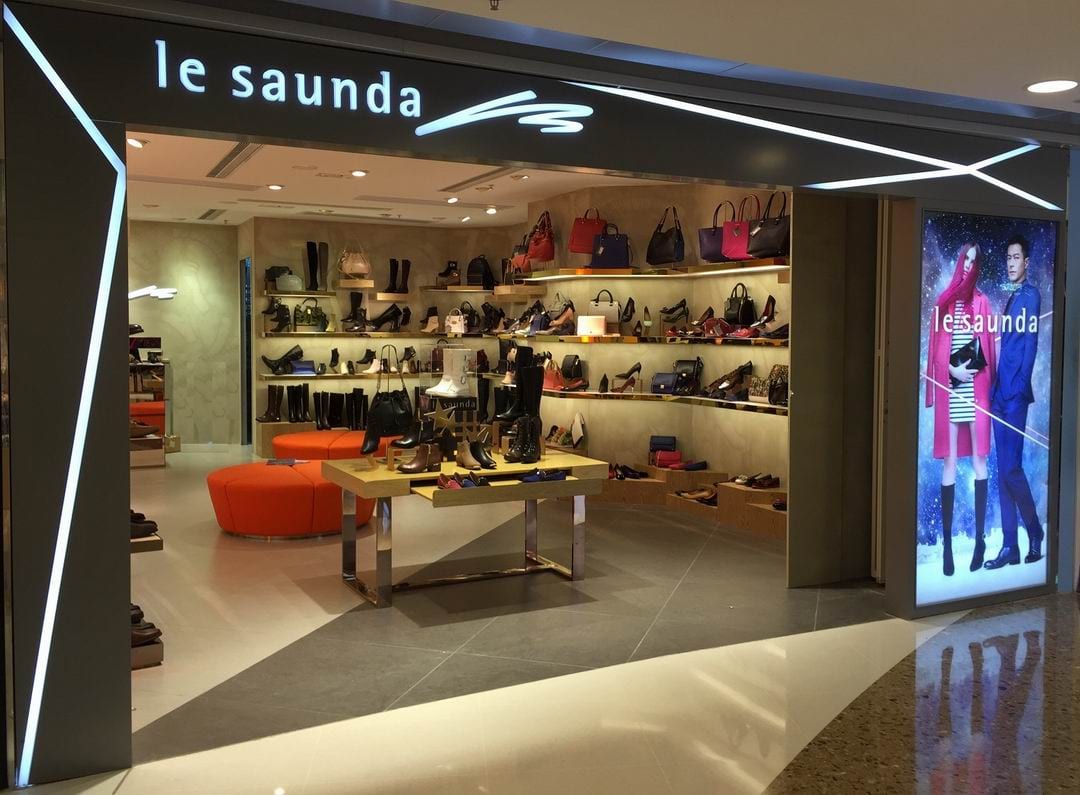
    Le Saunda, a prominent footwear retailer in Hong Kong, recently revealed disappointing financial results for the first half of the fiscal year. The company’s performance reflects a troubling trend, marked by widespread losses across its operations.

    Significant Revenue Drop

    During the six months ending on August 31, Le Saunda’s revenue slumped by 36 per cent. The figures dwindled from RMB146.9 million ($20.66 million USD) to RMB95.8 million ($13.47 million USD).

    Gross Profit and Shareholder Returns Decrease

    The retailer’s gross profit also bore the brunt of financial instability, experiencing a 30 per cent reduction. It plunged from RMB79.4 million ($11.2 million USD) to RMB55.6 million ($7.8 million USD). Meanwhile, shareholder returns nose-dived to a significant loss of RMB31.4 million ($4.4 million USD).

    Reduction in Physical Stores

    The adversity further reflected in the company’s physical presence, with Le Saunda reporting a net reduction of 133 stores in Mainland China, its primary retail market, by the end of the period. This leaves the retailer with only 91 operational stores as against a markedly higher number in the same period from the previous year.

    Global Economic Uncertainties

    Le Saunda attributed its underperformance to a number of factors. The first half of 2025 witnessed frequent fluctuations in international trade relations. Coupled with a sluggish retail environment and low consumer confidence, these developments fostered global economic uncertainties. The company indicated that these conditions have undermined its future growth prospects.

    Questions & Answers

    What was Le Saunda’s revenue for the six months ending August 31?
    Le Saunda’s revenue for this period was RMB95.8 million ($13.47 million USD), marking a 36% drop from the previous year.

    What is the extent of Le Saunda’s gross profit reduction?
    Le Saunda experienced a significant 30% reduction in gross profit, going from RMB79.4 million ($11.2 million USD) to RMB55.6 million ($7.8 million USD).

    How has Le Saunda’s physical store presence been affected?
    Le Saunda reported a net reduction of 133 stores in its key market, Mainland China, leaving it with 91 operational outlets.

  • Chagee Holdings Stands Firm On Premium Pricing Amid Falling Sales And Rising Competition

    Chagee Holdings Stands Firm On Premium Pricing Amid Falling Sales And Rising Competition

    Chinese beverage company Chagee Holdings is maintaining its focus on premium products, even in the face of falling sales and profits as customers turn to more affordable competitors. The company’s co-founder, Shang Xiangmin, stated in a recent interview, “We haven’t been fully engaged in the price wars. Price wars may be a way to compete but we want to stick to our long-term strategy to build a premium brand.”

    Unchanged Pricing Strategy Amidst Competition

    Despite the growing competition from domestic companies like Luckin Coffee and Mixue Group, who are offering subsidized, deeply discounted beverages, Chagee Holdings remains firm on its pricing strategy. These competitors have teamed up with China’s tech giants to sell drinks at a fraction of Chagee’s price.

    Chagee’s flagship store in Hong Kong is experimenting with a new selection of drinks made from premium Chinese tea leaves. These drinks are brewed in-store by specialists and are sold at prices that are on par with single-origin coffee sold at Starbucks Reserve outlets in the city, ranging from HKD40 to HKD50 (US$5.2-6.4).

    Second Quarter Sales and Future Outlook

    The company’s adherence to its pricing strategy has seen second-quarter sales growth slow to 10%, down from 35% in the previous period. Adjusted operating income has also dropped by 10%, compared to the double-digit increases seen in the first quarter. This weak performance has wiped out nearly a quarter of its market value. Despite this, the company remains optimistic and is not deterred by the decrease in competitiveness. Chagee has decided to follow a development path similar to that of American coffee giant, Starbucks.

    “We’ve always wanted to go down the same path to take tea further,” said Shang, comparing Chagee’s ambitions to those of Starbucks.

    Expansion Plans

    Chagee opened its first U.S. store in Los Angeles in May, following its debut on the Nasdaq. The company operates more than 200 international outlets as part of its network of over 7,000 stores. It reported a 70% jump in overseas sales in the second quarter, with Southeast Asia being a key target for expansion.

    Questions & Answers

    What is Chagee Holdings’ strategy in the face of competition?
    Despite falling sales and profits, Chagee Holdings is maintaining its focus on premium products and has not engaged in price wars with its competitors.

    What are some of the offerings at Chagee’s flagship store in Hong Kong?
    The flagship store in Hong Kong offers drinks made from premium Chinese tea leaves, brewed in-store by specialists, and priced similarly to single-origin coffee at Starbucks Reserve outlets.

    What are Chagee’s future plans for expansion?
    Chagee plans to follow a development path similar to that of Starbucks. The company recently opened its first U.S. store in Los Angeles and is targeting Southeast Asia for further expansion.

  • Chinese Giants Alibaba, Jd Extend Singles’ Day Sales Amid Economic Challenges

    Chinese Giants Alibaba, Jd Extend Singles’ Day Sales Amid Economic Challenges

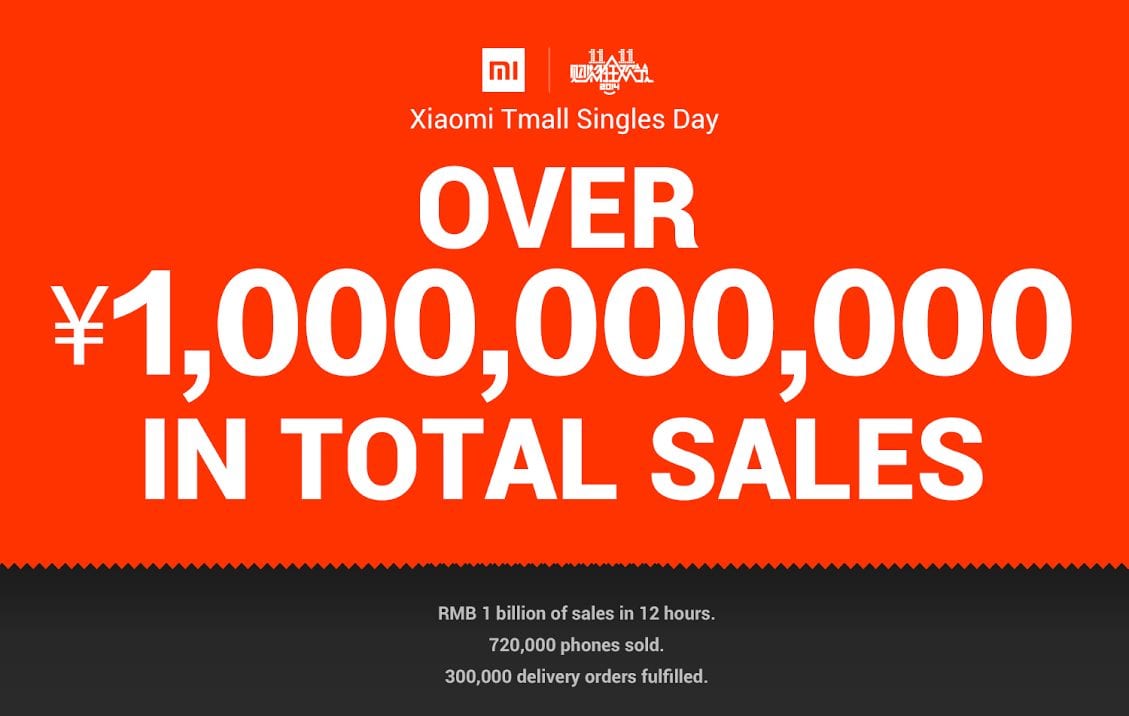
    Chinese retailers are capitalizing on the annual ‘Singles’ Day’ phenomenon by extending the sales event for up to five weeks. The sustained retail strategy is being deployed by industry giants Alibaba and JD as they strive to stimulate consumer interest amidst economic challenges.

    The Chinese economy, which is the second largest in the world, has suffered from weak consumer spending this year. Various factors, including negotiations over trade policies with the US, fierce domestic rivalry, inclement weather, and an ongoing property crisis have worked against the economic growth.

    Alibaba recently unveiled an exceptional investment into the biggest annual sales event during a launch event in Shanghai. The e-commerce behemoth has committed 50 billion yuan (US$7 billion) in subsidies for its highest spending 88VIP members. The extensive sales period began recently and will continue until November 11, which is the traditional Singles’ Day, named after the numerical representation of the date.

    Leveraging AI and Instant Retail

    Alibaba reported that 35 brands, which include globally renowned names like Nike and L’Oreal, as well as local companies Anta and Proya, sold over 100 million yuan worth of products in the first hour of the sale.

    To further stimulate sales, Alibaba has integrated artificial intelligence (AI) into its search and recommendation functions. This AI-enhanced system is predicted to boost click-through rates by approximately 10%.

    Instant retail, defined by the delivery of online orders within an hour, is another focal point for this year’s sales strategy. Both Alibaba and JD have invested billions into subsidies to entice customers towards their rapid delivery channels, which have been growing at a faster rate than e-commerce as a whole.

    Changing Shopping Patterns as Consumers Grow Choosier

    JD initiated its campaign on October 9, aligning with China’s return to work post the eight-day Golden Week holiday. However, consumer spending during Golden Week hit a three-year low, even with growth in holiday travel, which raised some concerns regarding the forthcoming Singles’ Day promotions. Additionally, extended promotions this year may not necessarily encourage consumers to splurge more.

    JD announced during a recent press briefing that it would offer over 100,000 popular products at the lowest prices of the year. Included in the sale are 50,000 pairs of thermal long johns, priced at 2 yuan ($0.30) each which includes the cost of shipping.

    Jacob Cooke, co-founder and CEO of WPIC Marketing + Technologies, posits that products that enhance consumers’ perception of themselves, such as beauty brands, outerwear, and packaged food and drink, are likely to perform well this year. However, home appliances, which enjoyed a sales boom in 2024 due to government subsidies, are projected to see a decline. Analysts from Nomura predict a 20% drop in home appliance sales in the last quarter of the year.

    Questions & Answers

    What is Singles’ Day in China and when is it?
    Singles’ Day is an annual sales event in China that takes place on November 11. It was named after the numerical representation of the date, and it is considered the biggest sales event of the year.

    What strategies are Chinese retailers employing this year to boost sales during Singles’ Day?
    Chinese retailers such as Alibaba and JD are extending the sales period up to five weeks, investing in subsidies, leveraging artificial intelligence for search and recommendation functions, and focusing on instant retail or one-hour delivery of online orders.

    What types of products are expected to be popular during this year’s Singles’ Day sales event?
    Products that help consumers feel good or enhance their perception of themselves like beauty brands, outerwear, and packaged food and drinks are expected to be popular. However, home appliances, which saw high sales in the past due to government subsidies, are expected to decline this year.

  • LVMH Experiences First Growth Of 2020 Amidst Rising Demand In China

    LVMH Experiences First Growth Of 2020 Amidst Rising Demand In China

    LVMH, the world’s largest luxury goods group, has reported a 1% increase in sales in the third quarter. This uptick, the first instance of growth this year, was largely driven by an enhanced demand in China. With a diverse portfolio spanning fashion, alcohol, and retail, LVMH is considered a reliable indicator of the overall health of the luxury goods sector.

    Encouraging Signs From Asia

    According to a statement from LVMH, the Asian market, excluding Japan, saw a “noticeable” improvement during the first nine months of the business year. The company’s CFO, Cecile Cabanis, further highlighted that “Mainland China turned positive in Q3.”

    However, Cabanis also pointed out potential challenges for the fourth quarter. These include unfavourable currency rates and ongoing economic uncertainties. Yet, she expressed confidence in the new creative direction the group’s brands are adopting.

    In terms of financial improvement, Cabanis explained that it would be a gradual process that will “take time” and will involve “gradual sequential improvement.”

    Stock Market Response

    In response to the improved sales figures, LVMH’s US shares leapt by 7.5% on Tuesday. Analysts observed a combination of self-help measures and increased demand from China, suggesting a U-shaped recovery trajectory for the luxury goods giant.

    However, it was not all good news. LVMH’s fashion and leather goods division, which includes flagship brands Louis Vuitton and Dior and accounts for over two-thirds of the company’s profits, saw a 2% drop in sales compared to the previous year.

    Overall Performance of the Luxury Sector

    The luxury sector, worth $400 billion, has been struggling following the end of the post-pandemic boom. Rising prices, tariffs, and the ongoing real estate crisis in China have all contributed to the sector’s problems. However, the third-quarter sales update from LVMH, the first significant player in the industry to report, has led to increased optimism among investors.

    Industry analysts have expressed positive sentiments, suggesting that the sector’s focus on more affordable products and a “burst of creativity” from new designers may signal an end to the downturn.

    A Time of Change for LVMH

    Facing challenging business conditions, LVMH has recently made several personnel changes. Bernard Arnault, the French billionaire who controls the conglomerate, has repositioned some of his key personnel and designers, including those at Dior, Celine, Loewe, and Fendi.

    Since the company’s last trading update on July 24, its share prices have increased by 13%. This rally has elevated LVMH to the top spot, surpassing rival Hermes as France’s most valuable company, as analysts began to see positive signs for luxury sales beyond the very high end.

    Questions & Answers

    What contributed to LVMH’s sales growth in Q3?
    The main factor was an improved demand in China, which turned positive in the third quarter.

    What challenges does LVMH face in the fourth quarter?
    The company is grappling with unfavourable currency rates and ongoing economic uncertainties.

    What changes has LVMH made in response to the challenging business climate?
    LVMH has made significant personnel changes, repositioning key staff and designers across its various brands, including Dior, Celine, Loewe, and Fendi.

  • Singapore: The Springboard For Chinese F&b Brands Eyeing Global Expansion Amid Domestic Challenges

    Singapore: The Springboard For Chinese F&b Brands Eyeing Global Expansion Amid Domestic Challenges

    In the last year, an unprecedented influx of Chinese restaurants and cafes has made their mark in Singapore. These establishments view the island as an ideal launchpad for their global expansion plans, largely spurred by lackluster consumer demand, fierce price competition, and extremely tight profit margins in their domestic market.

    Popular Chinese companies like Luckin Coffee and Mixue, a major bubble tea player, have joined a wave of hotpot and mala restaurants setting up shop overseas following the pandemic. They aim to leverage the international allure of the city-state, a trend that industry experts and executives predict will only gain momentum.

    Challenges in the Domestic Market

    According to Josie Zhou, the overseas general manager of Hunan cuisine restaurant Nong Geng Ji, the challenging business environment in China has prompted many brands to consider international expansion. Nong Geng Ji chose Singapore as the first stop in its global growth strategy.

    Persistent price wars have compelled Chinese food and beverage companies to seek new growth models abroad, says Joanna Jia, Singapore manager of bubble tea chain ChaPanda. The chain opened two franchisee tearooms in the city in July and is planning for more.

    Stagnant demand, exacerbated by a prolonged property market slump and US tariffs on Chinese goods, has hampered growth in China since the end of the Covid-19 lockdown nearly three years ago. This has intensified price wars across various sectors, leading to increasing deflationary pressure.

    Singapore: A Stepping Stone for Global Expansion

    Culturally similar Singapore has often served as a gateway for Chinese companies aiming to expand globally. As of August, about 85 Chinese food and beverage brands were operating approximately 405 outlets in Singapore, a considerable increase from the 32 brands that had 184 outlets in June of the previous year, according to data from consultancy firm Momentum Works.

    This rapid growth unfolds as local operators, including low-cost hawker stalls and Michelin-star restaurants, grapple with rising costs and lower consumer spending. However, Chinese brands remain optimistic about their prospects in Singapore, confident in their lean business models and supply chain management practices that allowed them to weather the storm in their home market.

    For example, tearoom chain Chagee can prepare a customized iced milk tea in just eight seconds using machines developed in-house, according to Jonathan Ng, Chagee’s director of government and public affairs for the Asia-Pacific region. This kind of agility has helped companies like Luckin and Mixue withstand the growth of Western competitors such as Starbucks in China.

    Backlash from Local Businesses

    These ready-made models have not been well received by all, however. Singapore Tenants United for Fairness, which represents 700 local business owners, stated in June that domestic companies struggle to compete with these larger Chinese entrants.

    “They are not even in the same stadium,” said the cooperative, implying the vast disparity between the resources of local SMEs and those of their Chinese counterparts.

    Gateway Singapore

    Singapore is often seen as a bridge between Eastern and Western cultures and is viewed as an attractive platform for expansion, especially given its 6.1 million predominantly Chinese population. Furthermore, Singapore’s reputation as a wealthy, fashionable location can significantly enhance a brand’s image.

    “If we can build up our brand in Singapore, the brand awareness can go to Malaysia and Vietnam, even Indonesia,” said ChaPanda’s Jia.

    Some smaller Chinese firms are often backed by deep-pocketed investors, giving them a competitive edge when it comes to securing prime locations. However, an influx of investment from large Chinese conglomerates has resulted in increased rents, especially in high-traffic areas, according to Ethan Hsu, head of retail for real estate firm Knight Frank.

    Questions & Answers

    Why are Chinese restaurants and cafes expanding to Singapore?
    A challenging business environment in China, characterized by fierce price competition and weak consumer demand, has prompted these businesses to explore new growth opportunities abroad. Singapore, with its cultural similarities to China and globally-oriented market, presents an attractive option for expansion.

    How are Chinese companies faring in the competitive Singaporean market?
    Despite the challenges faced by local operators, Chinese brands are optimistic about their prospects in Singapore. Their lean business models and robust supply chain management practices, which have been tested in their home market, provide them with a competitive edge.

    Is there any backlash against the influx of Chinese companies in Singapore?
    Yes, there has been some backlash, particularly from local businesses. Singapore Tenants United for Fairness, representing 700 business owners, has voiced concerns about the ability of local companies to compete effectively against their larger Chinese counterparts.
  • South Korean Retailers Innovate To Welcome Returning Chinese Tour Groups Amid Changing Consumer Trends

    South Korean Retailers Innovate To Welcome Returning Chinese Tour Groups Amid Changing Consumer Trends

    As South Korea prepares for the much-anticipated return of Chinese tour groups from September 29, retailers are taking proactive measures to welcome them. To cater to these visitors, who will be allowed visa-free entry, a wave of new promotions is on the horizon, and retailers are expanding their product ranges. Instead of focusing solely on luxury cosmetics, retailers are branching out to incorporate fashion, lifestyle, and even convenience store exclusive items.

    Change in Chinese Tourists’ Preferences

    In the mid-2010s, Chinese travelers, often referred to as “Youke,” were known for their bulk purchases of high-end skincare products. However, recent industry data indicates a significant shift in their preferences. Currently, eyewear brands such as Gentle Monster, K-fashion labels, health foods, and lifestyle goods are gaining popularity among these travelers.

    Retailers’ Innovative Strategies

    In response to these changing demands, Lotte Department Store has launched curated boutiques as part of the “Kinetic Ground” platform. These boutiques will feature trendy domestic brands. In addition, the department store’s duty-free branch has plans to inaugurate a new “K-Beauty Hall” in Myeongdong, accompanied by an expansion of local specialty food offerings.

    Shinsegae Department Store is orchestrating a “Global Shopping Festa” around the Chuseok holiday, with a focus on categories popular with foreign shoppers. Convenience chains are also making preparations. GS25 is advertising Greek yogurt, highballs, and K-pop albums as emerging favorites. They have even released a “K-Convenience Store Guidebook,” presenting product rankings and celebrity snack choices. Additionally, 7-Eleven is promoting souvenir items that represent Korean symbols like the national flag and old currency.

    Duty-Free Shops Gear Up

    Duty-free shops, known to benefit most from group tourism, are also gearing up. Lotte Duty Free is bolstering relationships with agents in second- and third-tier Chinese cities such as Chongqing and Qingdao, while Shilla is setting its sights on corporate travel groups. Shinsegae Duty Free is honing in on smaller groups that tend to spend more. Retailers are further enhancing the shopping experience by introducing experiential attractions like revamped “Star Avenues” and Artificial Intelligence (AI)-aided translation services to facilitate shopping for international visitors.

    Challenges Ahead

    Despite these proactive measures, retailers face several challenges. One critical issue is the shift in travel patterns towards individual tourism, making it uncertain whether duty-free operators will regain their past dominance. Another concern is the increase in hotel costs since the pandemic, which could potentially impact package competitiveness.

    A duty-free executive expressed optimism, stating that visa-free entry for Chinese group tourists might signal a turning point for Korea’s tourism recovery. However, the real litmus test lies in whether spending bounces back. The industry is eagerly waiting for the APEC summit in late October, hosted by Seoul, as it could provide more clarity on the situation. The event is also likely to attract China’s President Xi Jinping.

    Questions & Answers

    What changes are South Korean retailers making to accommodate the return of Chinese tour groups?
    Retailers in South Korea are launching new promotions and expanding their product offerings. They are diversifying their product lineups to include not just luxury cosmetics, but also fashion items, lifestyle goods, and exclusive convenience store products.

    How are duty-free shops preparing for the return of Chinese tour groups?
    Duty-free shops are looking to strengthen ties with agents in Chinese cities, targeting corporate travel groups, and focusing on smaller, high-spending groups. They also aim to improve the shopping experience by introducing experiential attractions and AI-powered translation services.

    What challenges do retailers face with the return of Chinese tour groups?
    Retailers are facing challenges such as the shift in travel patterns towards individual tourism, which raises questions about the future dominance of duty-free operators. Additionally, rising hotel costs since the pandemic could impact package competitiveness.

  • Chapanda Prepares To Launch First U.s. Store In NYC, Aiming To Reach Larger Demographic

    Chapanda Prepares To Launch First U.s. Store In NYC, Aiming To Reach Larger Demographic

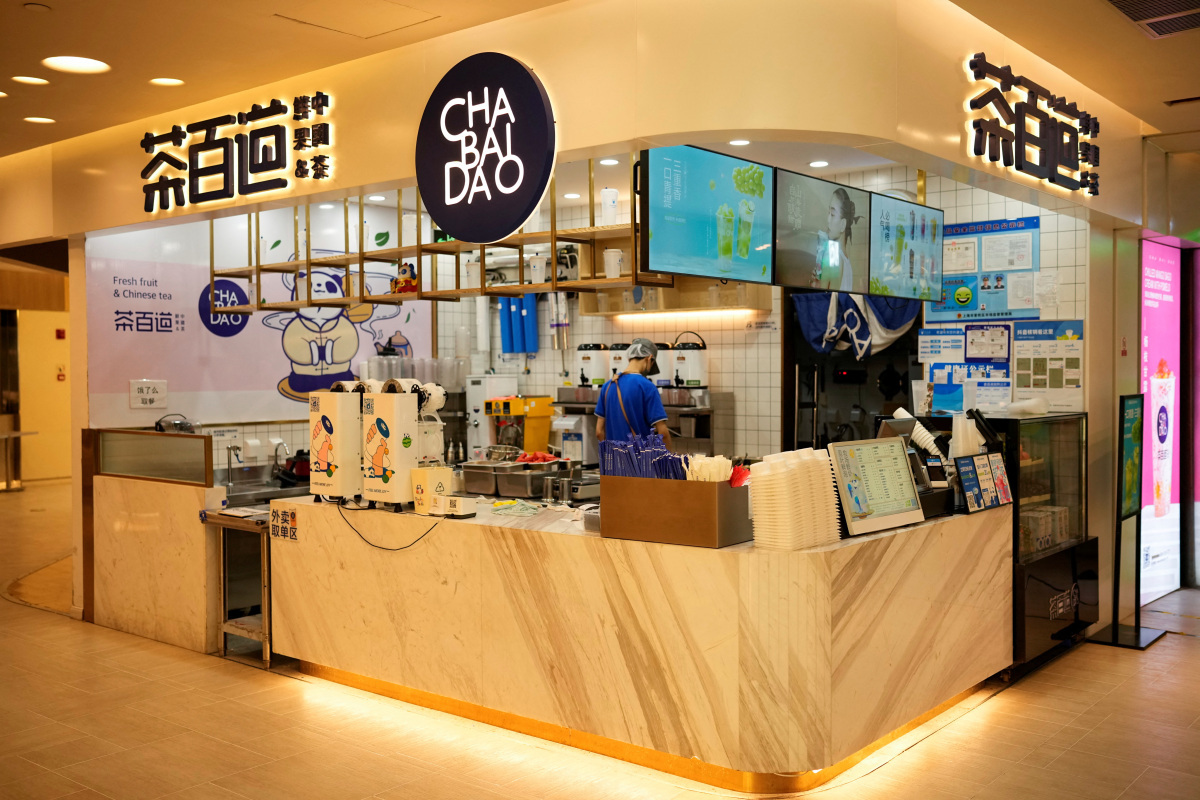
    Chinese tea retail chain Cha Bai Dao, widely known as ChaPanda, is preparing to launch its inaugural US-based store in Flushing, a neighborhood in Queens, New York City.

    Main Street Debut

    The new store is slated to open on Main Street, an area identified by the company as the bustling commercial heart of Flushing and a locale with one of America’s largest Chinese populations.

    Wang Huan, the Overseas CEO of ChaPanda, explained that the expansion intends to introduce the brand to a much larger demographic. “ChaPanda is committed to providing an unrivaled selection of products and a superior service experience for American consumers. Through our standardized operating systems and extensive global supply chain network, we ensure that our products and services remain consistent across all our international stores,” Huan elaborated.

    Spreading its Wings

    This development comes in the wake of numerous global inaugurations throughout the current year. In May, ChaPanda opened its premier European store in Paris, and just last month, it made its debut in Singapore with two new outlets.

    Notable market analysts from Galaxy Securities and Huaxin Securities have pointed out the effectiveness of ChaPanda’s unique “one location, one strategy” model in yielding positive outcomes in foreign markets. They anticipate that, with the acceleration of its international expansion, the firm is well-positioned to capitalize on a dual growth strategy encompassing both domestic and international markets.

    Questions & Answers

    What is ChaPanda’s expansion strategy?
    ChaPanda’s expansion strategy involves a unique “one location, one strategy” model, which allows the company to customize its approach for each specific market it enters.

    Where is ChaPanda’s first US store going to be located?
    ChaPanda’s inaugural US store will be located on Main Street in Flushing, Queens, New York City, an area known for being a bustling commercial hub and having one of the largest Chinese populations in America.

    What does Wang Huan, Overseas CEO of ChaPanda, say about the company’s approach to maintaining quality and consistency?
    Wang Huan stated that through standardized operating systems and a comprehensive global supply chain network, ChaPanda ensures the consistency of its products and services across all its global stores.

  • The A2 Milk Company Reports Robust Financial Growth Amid Challenges; Declares First Dividends

    The A2 Milk Company Reports Robust Financial Growth Amid Challenges; Declares First Dividends

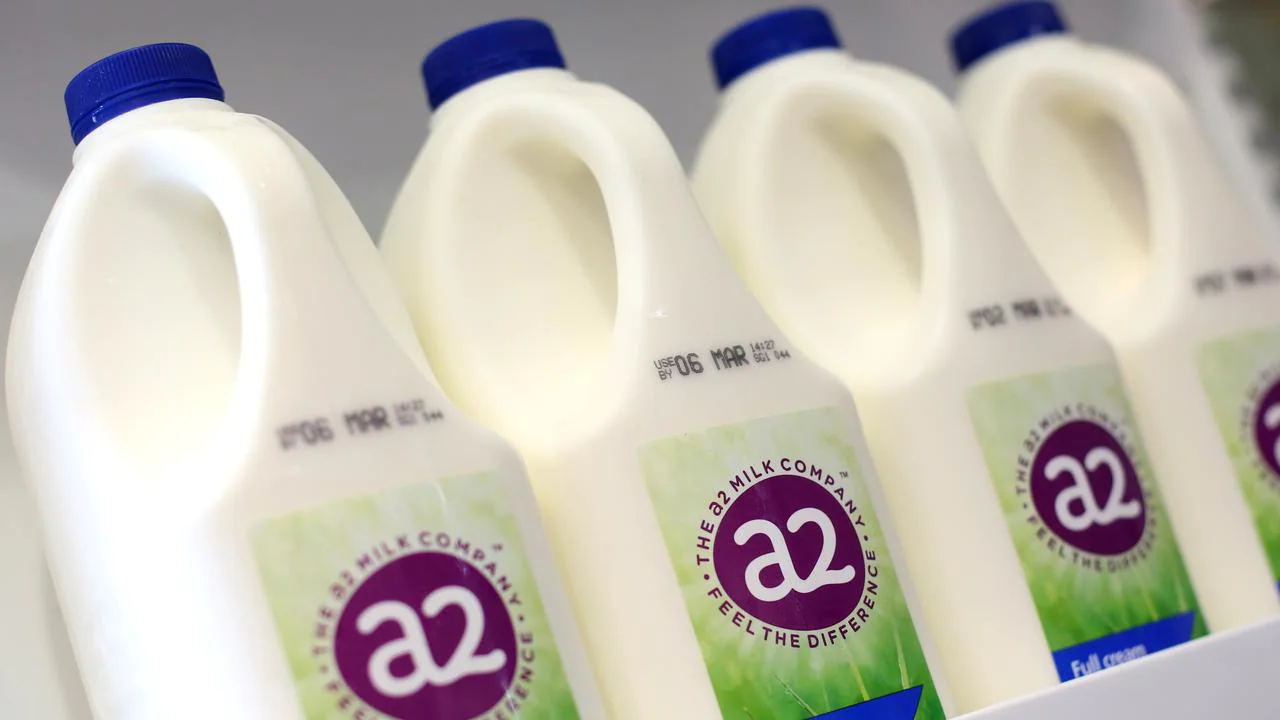
    The A2 Milk Company has reported a significant increase in its revenue for the current financial year. The group’s revenue rose by 13.5 per cent, reaching $1.9 billion, a notable increase from last year’s $1.67 billion.

    Financial Growth and Profit

    This upward trend can also be seen in the company’s EBITDA, which increased by 17.1 per cent to $274.3 million. Furthermore, the company’s net profit after tax saw an impressive boost of 21.1 per cent, reaching $202.9 million.

    In China, a key market for the company, revenue grew by 18.9 per cent, totalling $1.3 billion. The company’s EBITDA also saw substantial growth, increasing by 14.6 per cent to $332.4 million. This growth has solidified the company’s position as a top-four brand in China’s infant formula market.

    Segment Performance

    The A2 Milk Company’s infant formula business reported a 10 per cent growth overall, largely propelled by its English label business that saw an increase of 17 per cent.

    However, the company’s Australia and New Zealand (ANZ) segment experienced a slight dip, with revenue declining by 0.4 per cent to $316 million. The ANZ segment’s EBITDA also fell, decreasing by 8.7 per cent to $57.5 million.

    In contrast to the ANZ segment, the company saw significant growth in the US, with revenue increasing by 22.5 per cent to $139.3 million. Despite this, the company did report losses in its EBITDA, though these were reduced to $9.3 million, down from the previous financial year’s $15.5 million.

    Company Milestones and Acquisitions

    “I’m proud of what our team has achieved this year, reporting record sales of $1.9 billion and double-digit earnings growth in our 25th year since The A2 Milk Company was formed,” said CEO David Bortolussi.

    The company has achieved a significant milestone this year, declaring its first-ever dividends with a 71 per cent payout ratio. This marks a significant moment for the company’s shareholders.

    In addition, the company has acquired Yashili New Zealand’s fully integrated nutritional manufacturing facility located in Pokeno, New Zealand. The facility comes with two existing China Label product registrations. Bortolussi described the acquisition as a pivotal moment for the company and a crucial part of their supply chain transformation strategy.

    Future Outlook

    Looking ahead, the company expects single-digit revenue growth in the next financial year. The company also anticipates an EBIDTA margin between 15 and 16 per cent and a similar net profit after tax as the current financial year.

    Questions & Answers

    What was the percentage increase in the company’s group revenue?
    The A2 Milk Company’s group revenue increased by 13.5 per cent.

    What was the growth rate of the company’s infant formula business?
    The company’s infant formula business saw a growth rate of 10 per cent.

    What does the company expect for the next financial year?
    In the next financial year, the company anticipates single-digit revenue growth, an EBITDA margin between 15 and 16 per cent, and a similar net profit after tax as the current financial year.

  • Ikea’s Ingka Group Invests In Re-mall, Aiming To Amplify Global Plastic Recycling Efforts

    Ikea’s Ingka Group Invests In Re-mall, Aiming To Amplify Global Plastic Recycling Efforts

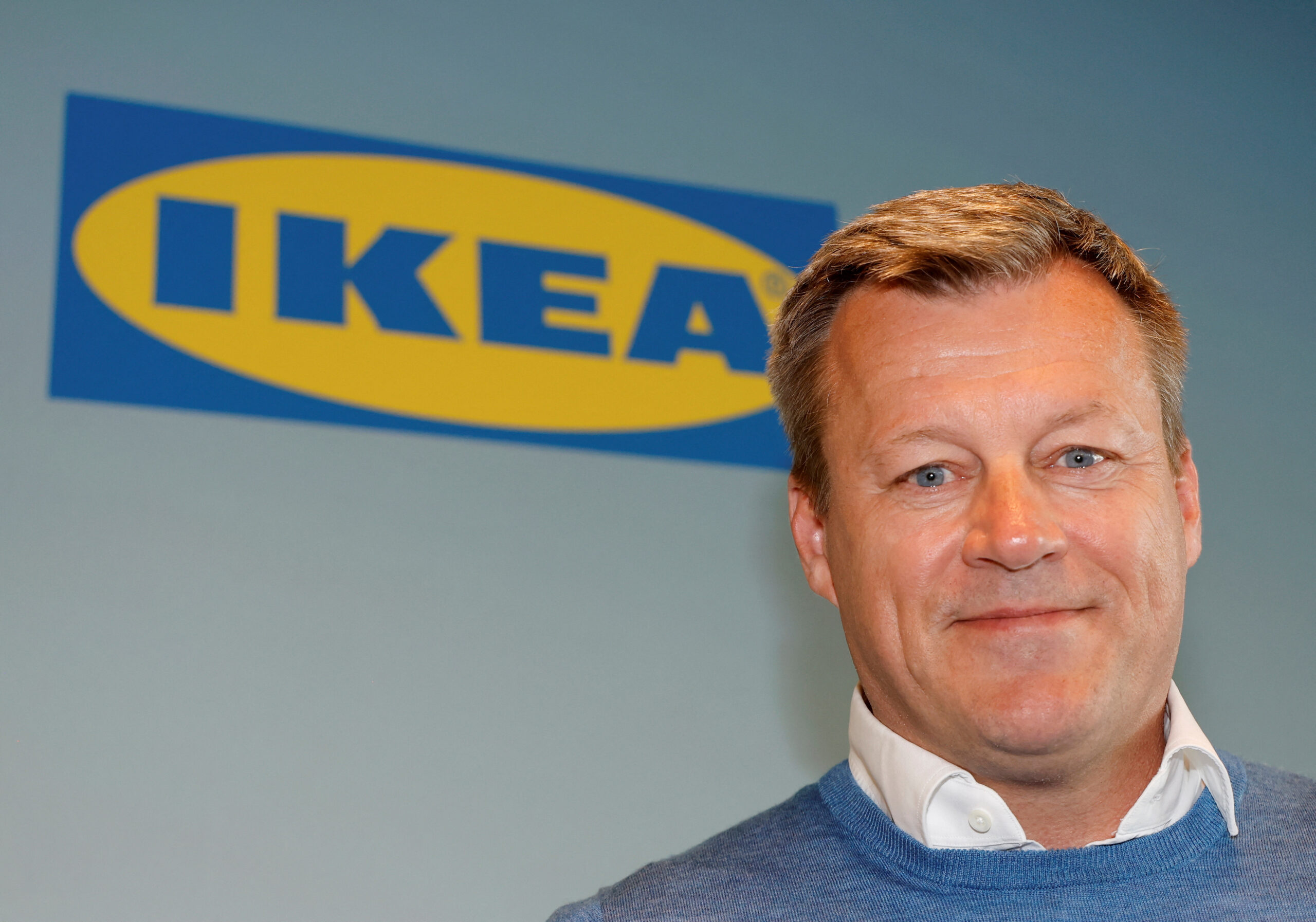
    Ingka Group, the largest retail operator for Ikea, has invested in recycling expert Re-mall, reinforcing its commitment to reducing waste and enhancing the supply of recycled materials. The specifics of this investment have not been publicized.

    A New Alliance for Sustainable Solutions

    Re-mall, a recycling specialist with headquarters in Shanghai, specializes in the production of high-quality post-consumer recycled polypropylene. The company stands out as one of the few global providers that can produce transparent pellets from post-consumer food packaging waste on a large scale.

    These recycled materials are utilized in a wide variety of products, such as storage containers, tableware, toys, cosmetic packaging, and woven fabrics. Re-mall supplies these materials to a multitude of renowned corporations.

    Lukas Visser, the head of circular investments at Ingka Group, spoke on the collaboration with Re-mall: “Re-mall’s well-established supplier network and their partnerships with top Chinese food delivery service providers are already creating significant impact on the local recycling market on a large scale. By investing in Re-mall, our aim is to magnify this effect to help tackle the worldwide issue of plastic waste and aid in the transition to a circular economy.”

    Impact of the Investment

    Re-mall runs a production facility in the Jiangxi province. The strategic location of this facility allows access to plastic waste sources from major cities like Guangzhou and Shanghai, located in the Yangtze River Delta and Pearl River Delta economic zones.

    The company has stated that Ingka Group’s investment will bolster its recycling capabilities and aid in the development of new products.

    Zhu Kuan, the CEO of Re-mall, expressed his enthusiasm about the new collaboration: “We are delighted to have Ingka Investments as a strategic partner in our mission to expedite the circular economy in the plastics sector. This partnership is a significant step forward in our journey to scale sustainable solutions on a global level. Together, our goal is to transform plastic waste into valuable resources, contributing to a cleaner planet and a more responsible future.”

    Ingka Group runs Ikea retail stores in 31 markets, which equates to approximately 90% of Ikea’s worldwide retail sales.

    Questions & Answers

    What does Re-mall specialize in?
    Re-mall specializes in the production of high-quality post-consumer recycled polypropylene. They are also one of the few global providers that can produce transparent pellets from post-consumer food packaging waste on a large scale.

    What impact will Ingka Group’s investment have on Re-mall?
    The investment by Ingka Group will enhance Re-mall’s recycling capabilities and assist in the development of new products.

    What is the mission of Re-mall and Ingka Group’s partnership?
    The partnership between Re-mall and Ingka Group aims to accelerate the circular economy in the plastics sector, transforming plastic waste into valuable resources, and contributing to a cleaner and more responsible future.

  • Chinese Apparel Brand Benlai Debuts Serene, Design-led Outlet In Hong Kong, Marking Continued Asian Expansion

    Chinese Apparel Brand Benlai Debuts Serene, Design-led Outlet In Hong Kong, Marking Continued Asian Expansion

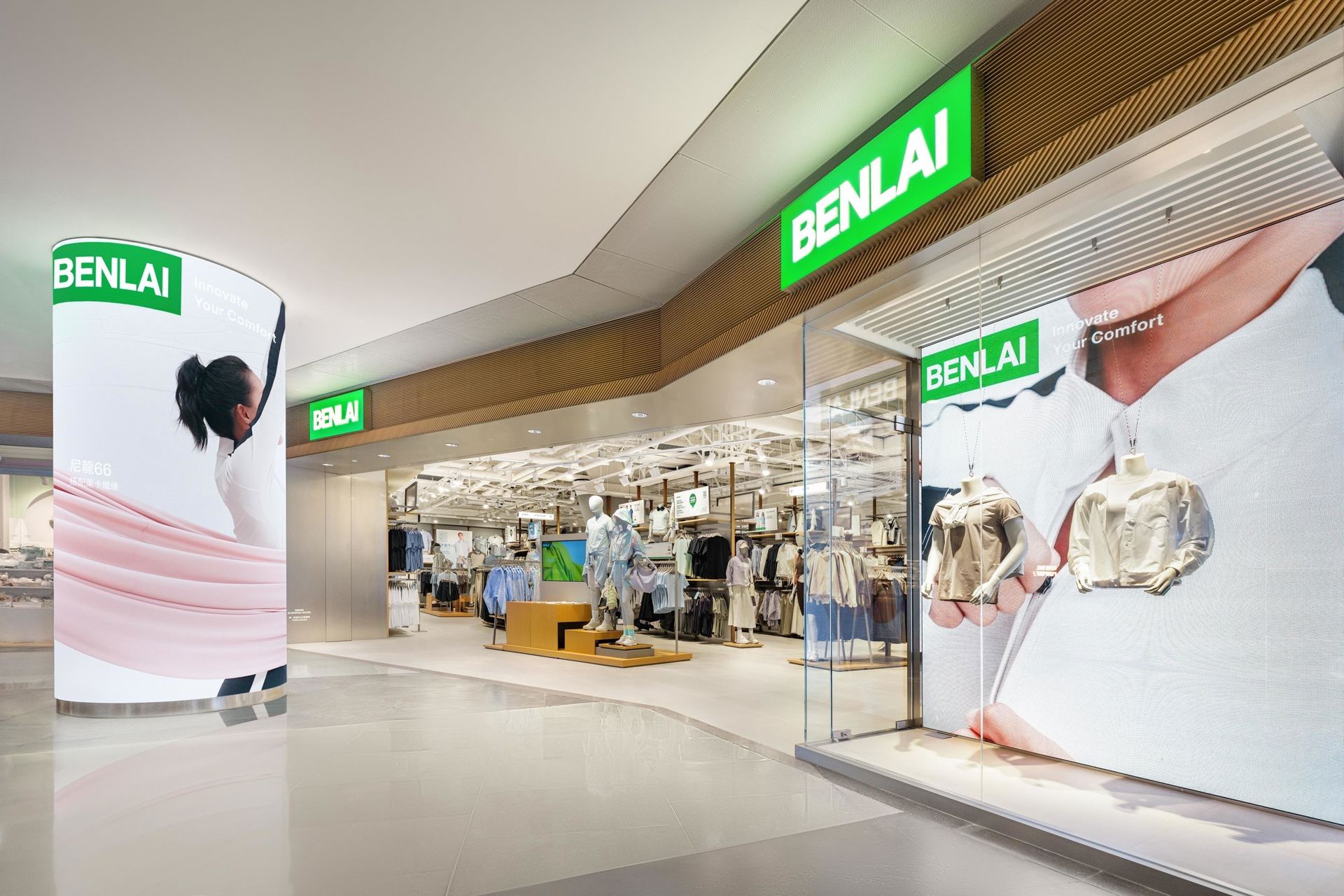
    Benlai, a Chinese brand specializing in technical apparel, has recently inaugurated its first outlet in Langham Palace, Hong Kong. This move comes as the brand’s second venture outside China, following its successful establishment in Bangkok last year, demonstrating its ongoing expansion throughout Asia.

    A Tranquil, Design-Inspired Space

    The Hong Kong store stands as a design-led, tranquil oasis amid the bustling atmosphere of the region. The exterior of the Langham Palace outlet, situated in Mong Kok, one of the most frequented and easily accessible shopping hotspots, merges warm wooden textures with a cutting-edge LED screen.

    The store’s interior employs natural materials and the brand’s signature green color scheme to create a calming ambiance, encouraging customers to unwind and take their time.

    Positioning Hong Kong as a Key Market

    Vivian Chen, CEO of the International Business Unit at FMG Group, the parent company of Benlai, maintains that Hong Kong’s unique fusion of Eastern and Western influences make it a critical fashion and lifestyle hub in Asia. After a fruitful launch in Thailand, establishing their first store in Hong Kong was a logical progression in their mission to deliver technical, comfortable fashion to a worldwide audience.

    New Store Offerings

    The store will showcase a variety of men’s and women’s apparel, as well as accessories designed for seamless transitioning between office, social, and outdoor settings, catering to all age groups. The selection will feature the brand’s Cool Breeze °C collection, characterized by quick-drying, UV-resistant, ultra-light fabrics, its plush, fluffy line, and its range of wrinkle-resistant clothing.

    Benlai has set its sights on further growth in Asia’s critical lifestyle markets, leveraging its existing network of 35 stores worldwide.

    Questions & Answers

    What is the main focus of Benlai’s offerings?
    Benlai focuses on delivering technical, comfortable fashion suitable for a variety of settings, from office environments to social gatherings and outdoor activities.

    What is unique about the brand’s new Hong Kong store?
    The new store in Hong Kong features a tranquil, design-inspired space that provides a contrast to the city’s fast-paced atmosphere. It aims to create a calming shopping experience for customers.

    What is the future plan for Benlai’s expansion?
    The brand plans to continue its expansion in Asia’s significant lifestyle markets, leveraging its already established network of 35 stores across the globe.

  • Chinese Milk Tea Giant Chapanda Breaks Into Singaporean Market With Two Prime Location Outlets

    Chinese Milk Tea Giant Chapanda Breaks Into Singaporean Market With Two Prime Location Outlets

    ChaPanda, a renowned Chinese milk tea brand, is making its daring entry into the Singaporean market by launching two new stores in prime locations.

    The First Two Outlets

    The brand’s inaugural outlet in Singapore has already opened its doors at Scape, a shopping complex located on Orchard Link. The second store is also set to make a grand entrance soon at Northpoint City South Wing, a popular shopping mall in northern Singapore.

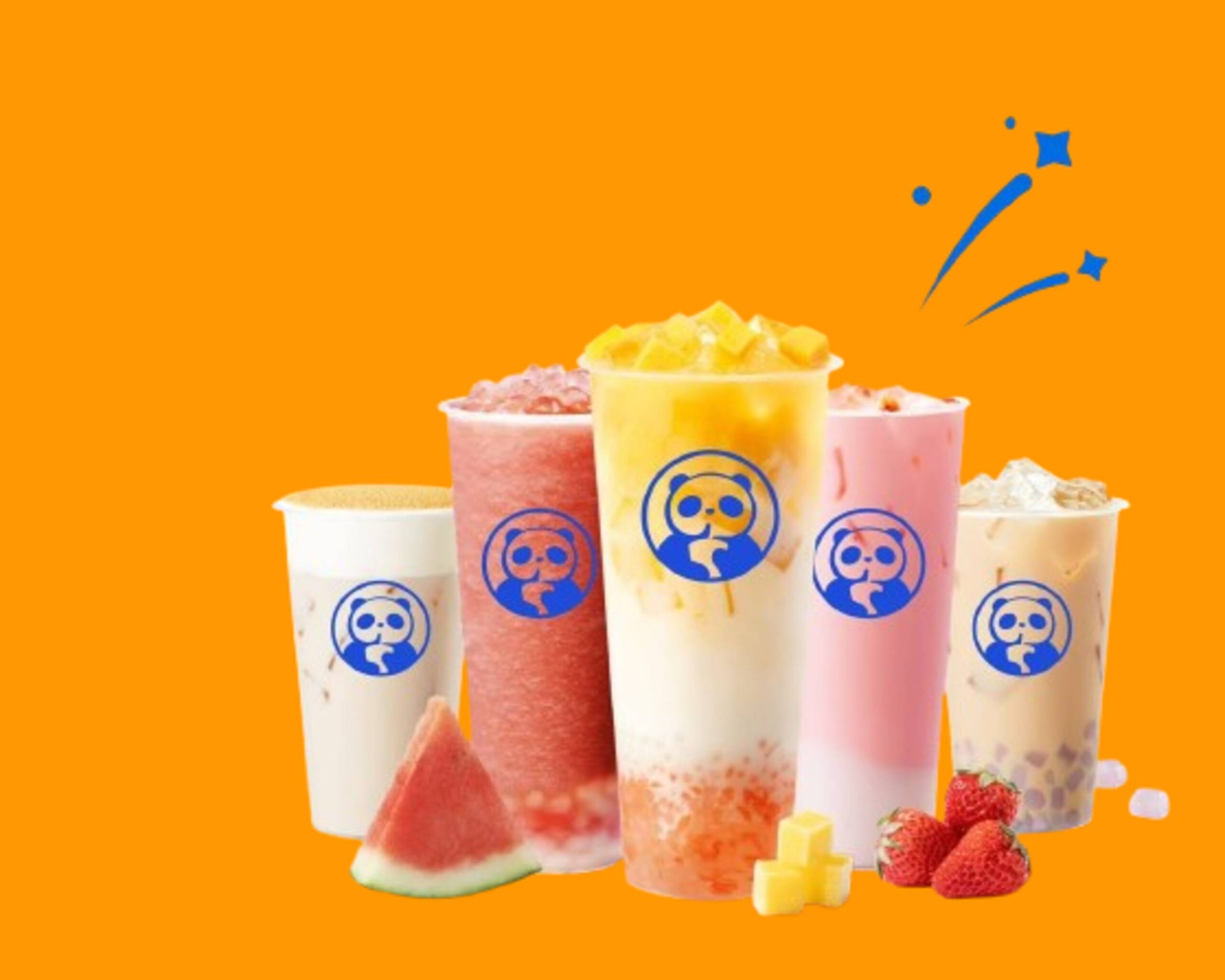
    These new outlets continue the brand’s tradition of featuring adorable panda mascots and offering an impressive range of drink options. Customers can look forward to indulging in popular favourites such as Taro Ball Milk Tea and Mango Pomelo Sago.

    ChaPanda’s Rapid Growth

    ChaPanda, also known as ChaBaiDao, was established in 2008 in Chengdu, China. Following its inception, the brand has experienced tremendous domestic and global growth.

    Today, ChaPanda is recognized as the third-largest freshly made milk tea chain in China. The company operates an expansive network of over 8000 stores across the globe, enjoying a significant presence in several key markets including Hong Kong, South Korea, Australia, Malaysia, and Thailand.

    Major Milestone for ChaPanda

    In a significant achievement in 2020, ChaPanda’s founder, Wang Xiaokun, ascended to the prestigious ranks of the world’s billionaires. This significant milestone followed a successful funding round that catapulted the company’s valuation to an impressive US$2.1 billion.

    Questions & Answers

    What is ChaPanda?
    ChaPanda, or ChaBaiDao, is a Chinese milk tea brand established in 2008. It is the third-largest freshly made milk tea chain in China with over 8000 stores globally.

    Where will the ChaPanda stores be located in Singapore?
    The first ChaPanda store in Singapore is located at Scape on Orchard Link, and the second outlet is set to open at Northpoint City South Wing soon.

    Who is the founder of ChaPanda?
    ChaPanda was founded by Wang Xiaokun, who became a billionaire following a funding round that valued the company at US$2.1 billion.

  • Chinese consumer trends are changing

    Chinese consumer trends are changing

    Covid-19-induced changes in consumer behavior could prove a new tidal change in the direction of China’s influence, according to new research by market intelligence agency Mintel.

    The report suggests that mass self-quarantine, caused by the outbreak, will leave an indelible shift in how Chinese consumers – and through the country’s influence, Asia-Pacific – behave going forward.

    The research shows that most consumers across Asia-Pacific are active online while they have extra time on their hands, suggesting that brands can use live stream, online, and interactive ways to engage with their customers at home.

    According to the data, three-quarters of consumers across Asia-Pacific agree that they find themselves wanting to learn more about things than they used to, including information on brands as well as social issues – creating an opportunity for brands to offer authoritative expertise. Elderly people, previously reticent to shop online, are now coming to terms with the technology.

    Mintel has pointed out distinct benefits to both consumers and brands in having consumers’ time, technology, and attention. In China, the group has seen live-stream presentations by chefs, gym instructors, club DJs, real-estate agents, new movie releases, performers, farmers, auto dealers and retailers.

    “Even while online shopping has been boosted, and food delivery carries on (despite delivery restrictions), will the slow-it-all-down zeitgeist lead to a furthering of the shift towards consumers seeking more meaningful experiences, rather than just accumulating things?” Mintel asked in a statement. “Based on Mintel’s 2030 Global Consumer Trends, we think so.”

    The group advises that just as in wartime, brands need to keep marketing their products and services while innovating their strategy through changes in the consumer market, including the effect of the epidemic.

    As China now begins its economic reboot and supply chains regain traction, Mintel contends that we will witness a reconfiguration of industries into new consumer behaviours.