Tag: chinese

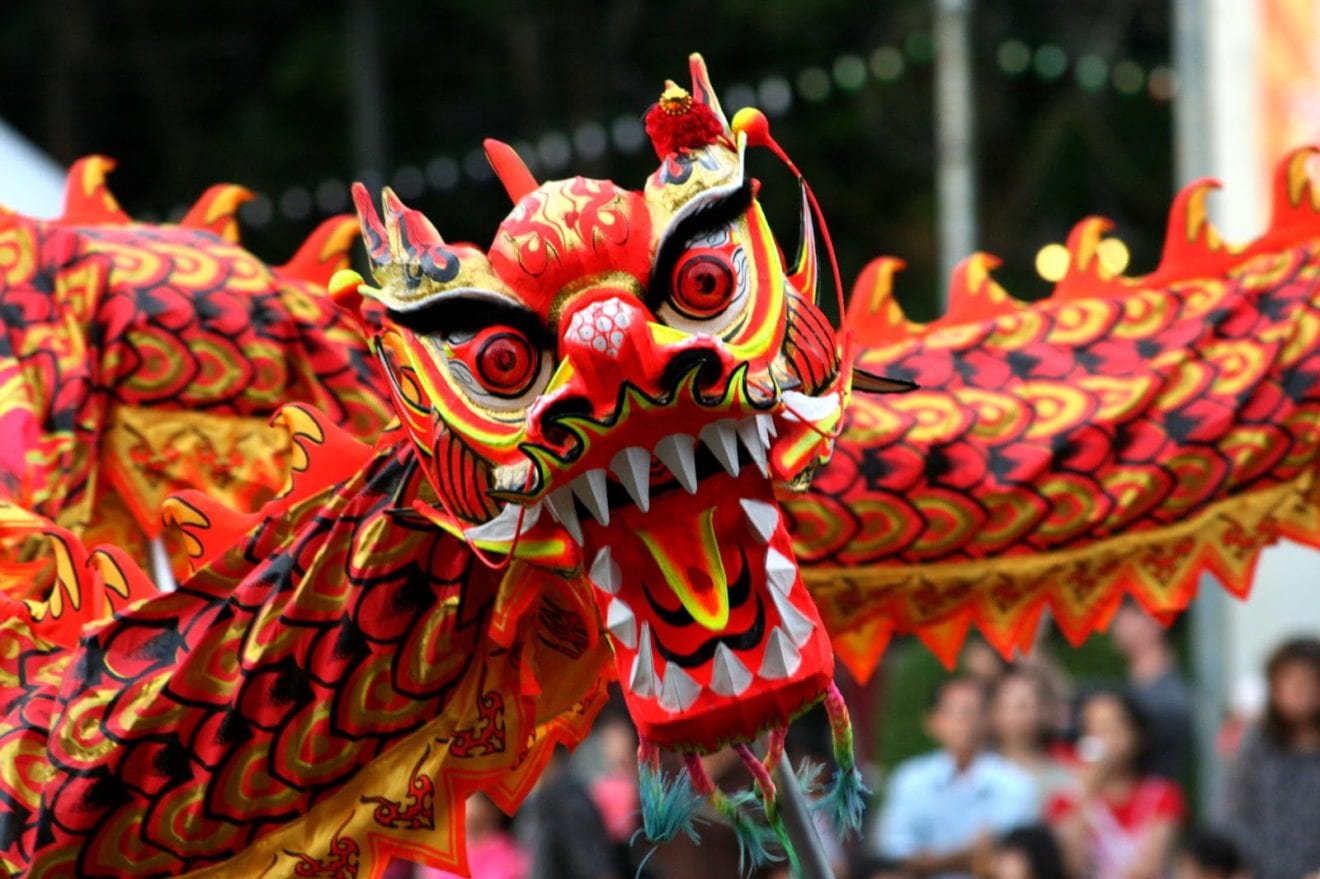
  • Chinese flock to Bali celebrating new year

    Chinese flock to Bali celebrating new year

    Thousands of Chinese have flocked to Bali to cerebrate Chinese new year using chartered flights of a number of airlines including Garuda Indonesia

    Tourism Minister Arief Yahya said here on Monday at least 65 chartered flights carrying 23,000 Chinese from 11 cities in China had landed on Bali.

    “It seems Bali has become the favorite destination of Chinese tourists . More than 114 million Chinese travel abroad every year,” Arief said.

    Other airlines carrying Chinese to Bali on chartered flights include HongKong Airlines, Shenzen airlines, Air Asia, China Southern, China Eastern, Dragon Air, Cathay Paciific, Eva Air, Singapore Airlines, Brunai Air, etc.

    Arief said the airlines could serve to promote Bali in China.

    “They speak good things about Bali, its beauty and generosity of its people, ” he said.

    He attributed the success in luring Chinese to Bali to intensive advertising, and sales by a marketing team of the tourism ministry.

    He said he had instructed the provision of 6,000 souvenirs for the tourists and facilities to entertain the visitors.

    The tourism ministry has launched promotion campaigns to attract Chinese to cerebrate Chinese new year in Bali since early January.

    “Winter in northern China including Beijing and the province of Heilongjiang is extreme 15 degree Celsius below zero prompting people from that region to leave for warm place and choose Bali to celebrate the new year,” he said.

    In 2016, the tourism ministry sets the target for foreign visitors to Bali at 1.7 million . In February alone the target is set at 200,000 visitors.

    “China is a potential market , a big market. Therefore it needs special handling,” Arief said.

    Arief said currently only 1.14 million Chinese tourists visit Indonesia a year far smaller than 8 million to Thailand.

    “We have been lagging too far behind . If they are so interested in visiting Thailand , they should be more so in Indonesia,” he said, adding Indonesia needs only to intensify promotion.

    Generally Chinese tourist like beach resorts and shopping, he said.

  • Slower sales for Chinese New Year goodies, Chinatown retailers say

    Slower sales for Chinese New Year goodies, Chinatown retailers say

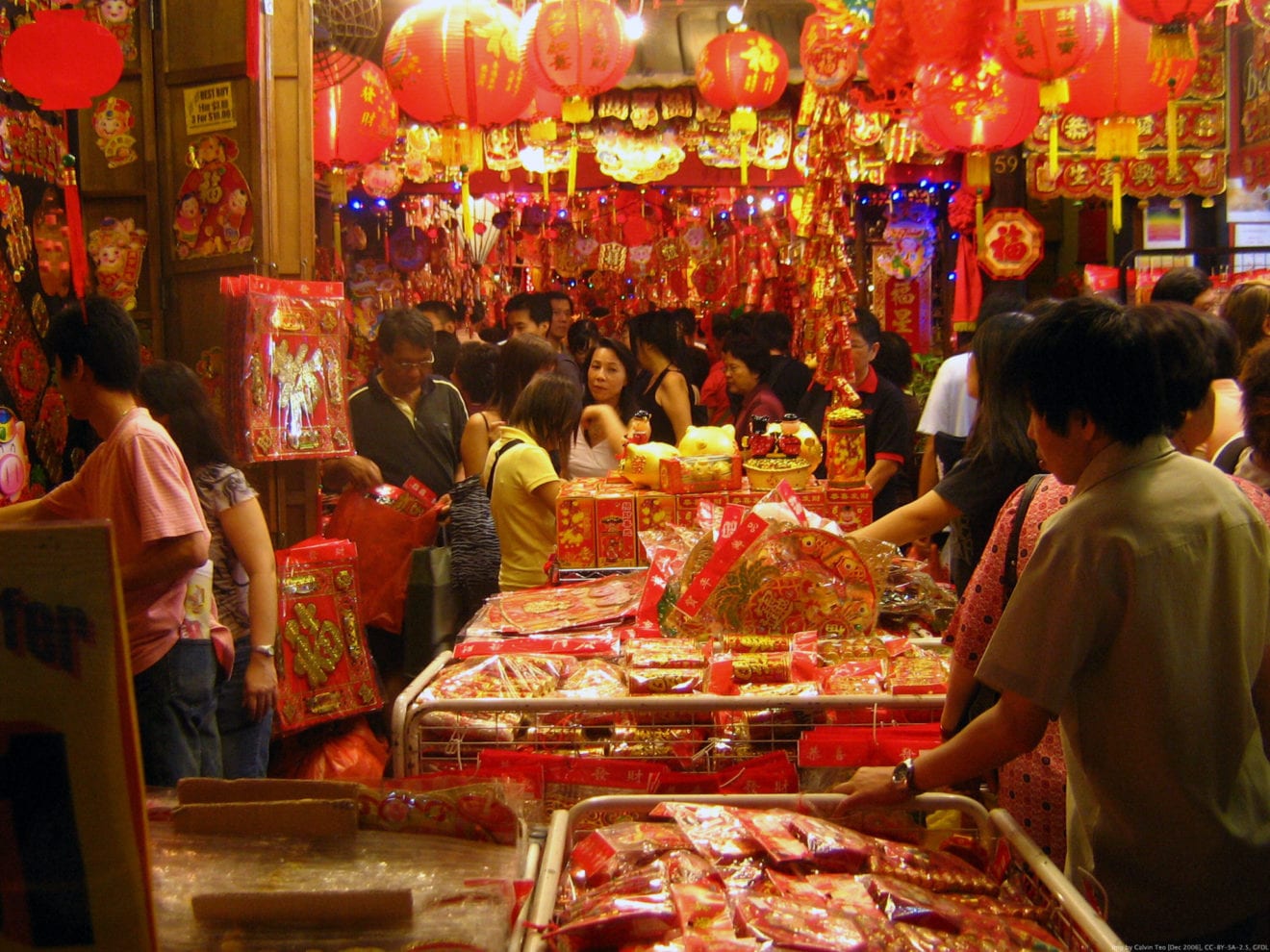
    Food takes centrestage during Chinese New Year, like most festive celebrations. But in the lead up to the occasion this year, retailers selling festive goodies say business is more lacklustre compared to 2015.

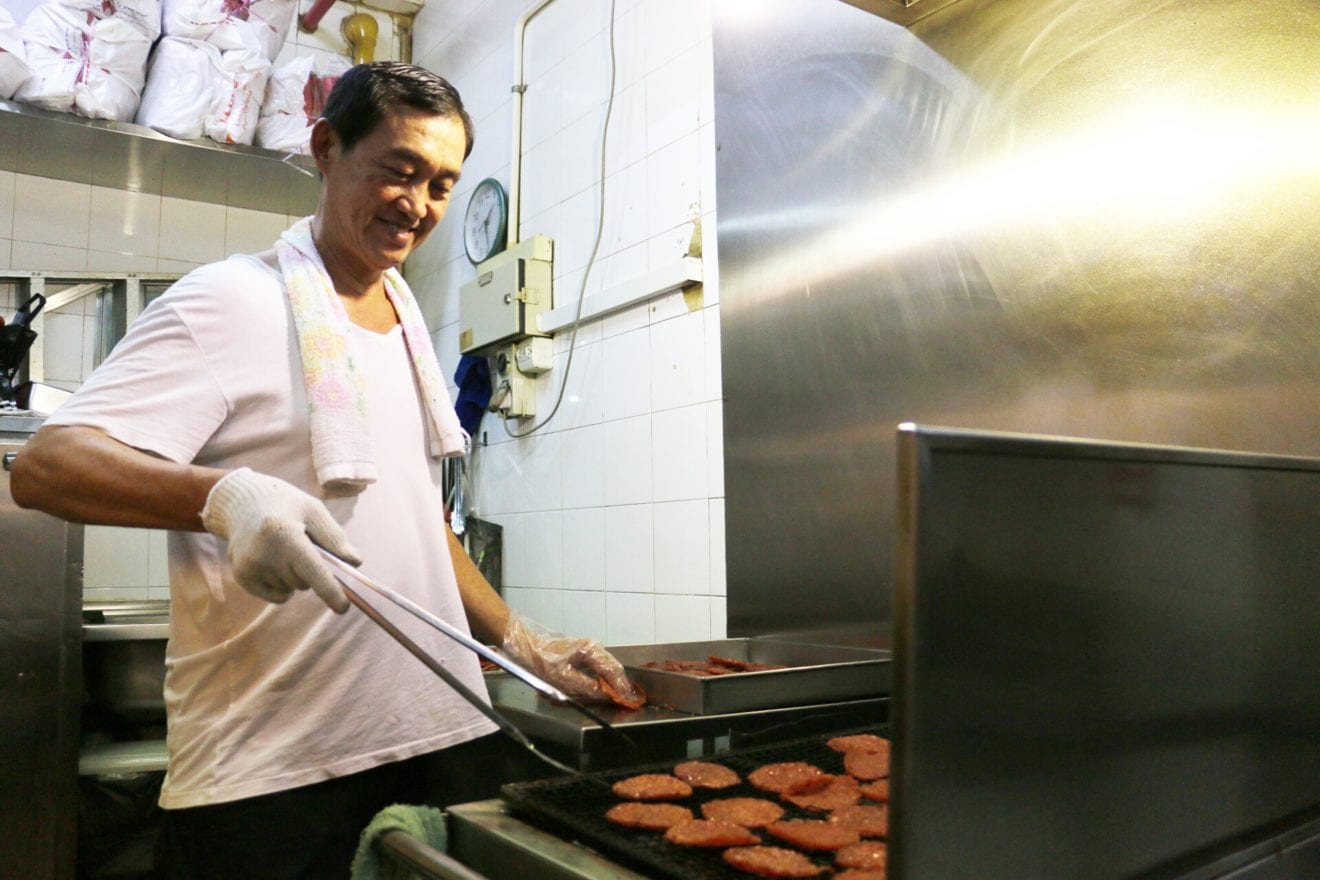
    Family-run bak kwa (sliced barbecued pork) stall Bee Kim Heng has seen festive retail sales drop by 10 to 20 per cent compared to last year. Based at People’s Park Food Centre, Bee Kim Heng – which is run by Mr Teo Ah Thin, 81 – has been in operation for almost 50 years.

    “We suspect it’s the economy, it’s because of the retrenchments that are going around in the market,” said Mr Damien Teo, who helps his father out during busy periods like Chinese New Year.

    Mr Teo, who is in his 30s, added: “A lot of our business is very dependent on regular customers. Some of the regular customers, for example – in the year before, they’d buy 3kg, maybe 5kg. This year, some of them have cut down in terms of the quantity they buy. They just want to save up a bit, I guess.”

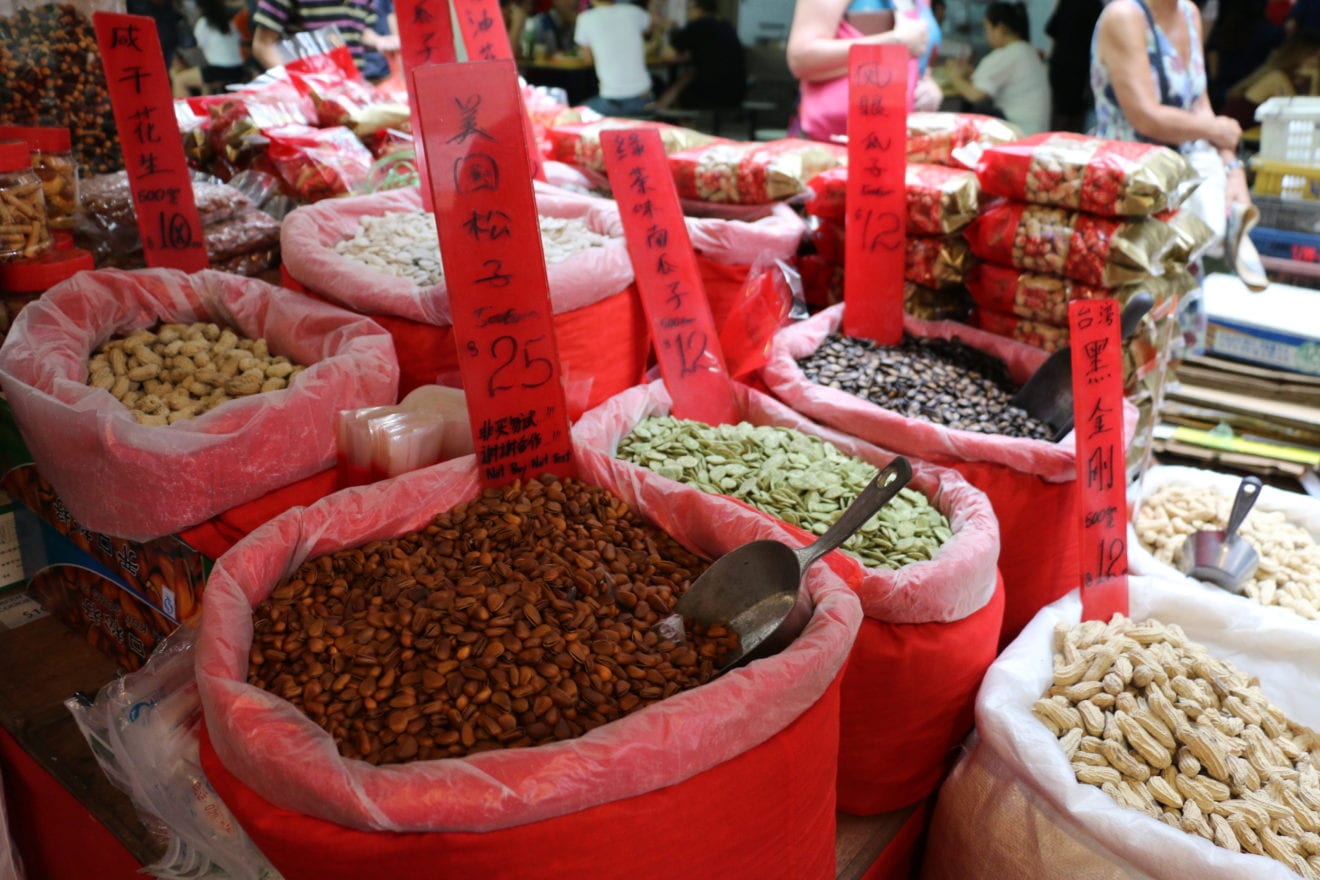
    Similarly, fruit and nut supplier Tian Ran has experienced a 30 per cent drop in sales for the festive period. “A lot of people of browsing and tasting, but fewer are buying. I think it’s due to the bad economic situation,” said a Tian Ran employee, who only wanted to be known as Mr Fang.

    Mr Fang has been selling peanuts and melon seeds – traditional Chinese New Year snacks – for the past eight years. While this year’s takings are poorer than last year, the 40 year-old said he feels things are not as bad as in the aftermath of the 2008 global financial crisis.

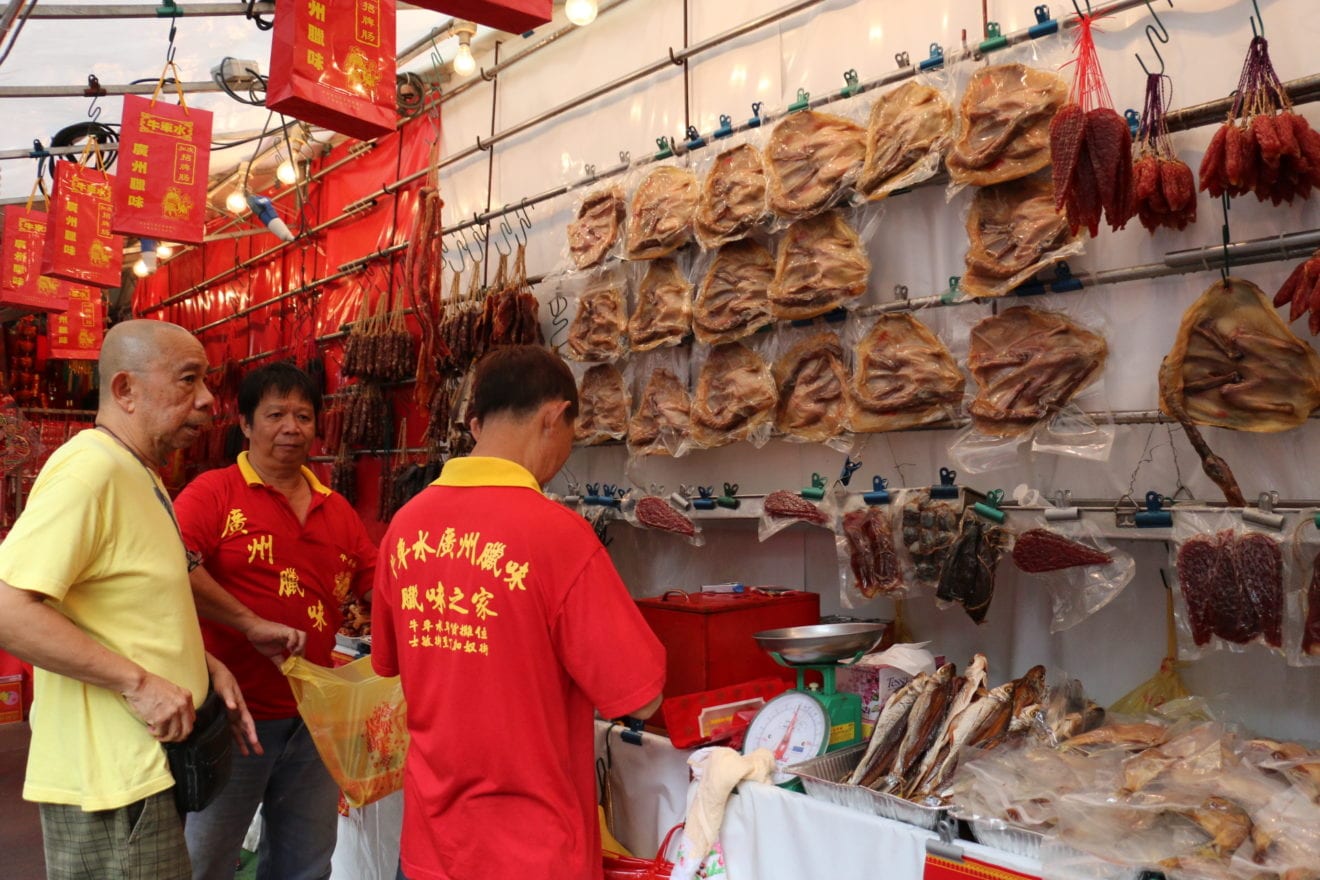
    Less than a few hundred metres away, in the annual Chinatown Festive Street Bazaar, employees running a temporary waxed meat stall also opined that buying sentiment is poor.

    “We’re mainly in distribution, but we have set up a stall at this bazaar for many years. This year, sales are down about 30 per cent,” said a stall employee, who only gave his name as Mr Liang.

    The 56-year-old who been in the business for 30 years, believes that caused shoppers have held back due to the rainy weather, and a poorer economic climate.

    A MIXED PICTURE, OVERALL?

    Outside of the Chinatown area – the epicentre of Chinese New Year shopping – other consumer businesses appear to be faring a little better.

    For example, Paradise Group, which will have over 20 restaurants in operation on the first and second day of the Chinese New Year period, told Channel NewsAsia these restaurants are already 80 to 90 per cent booked for the first day.

    Hotel Fort Canning also expects to “sell-out for the season”, as it caters to both foreign visitors and local staycationers. In an email reply, a hotel spokesperson said: “Demand for our rooms are typically higher during this extended period of festivities and the hotel usually runs at full capacity.”

    Meanwhile, online travel agency ZUJI has recorded a 17 per cent year-on-year increase in staycation hotel bookings during the Chinese New Year period, with an average spend of S$190 to S$220 per night.

    “We’re also seeing more 4-star hotels being booked on ZUJI this year, as compared to last year which had an almost even split of both 4 and 5-stars bookings. This could possibly be due to Singapore travellers being more budget conscious,” said Ms Chua Hui Wan, CEO of ZUJI Singapore.

  • Chinese shoppers in South Korea shun luxury for local brands

    Chinese shoppers in South Korea shun luxury for local brands

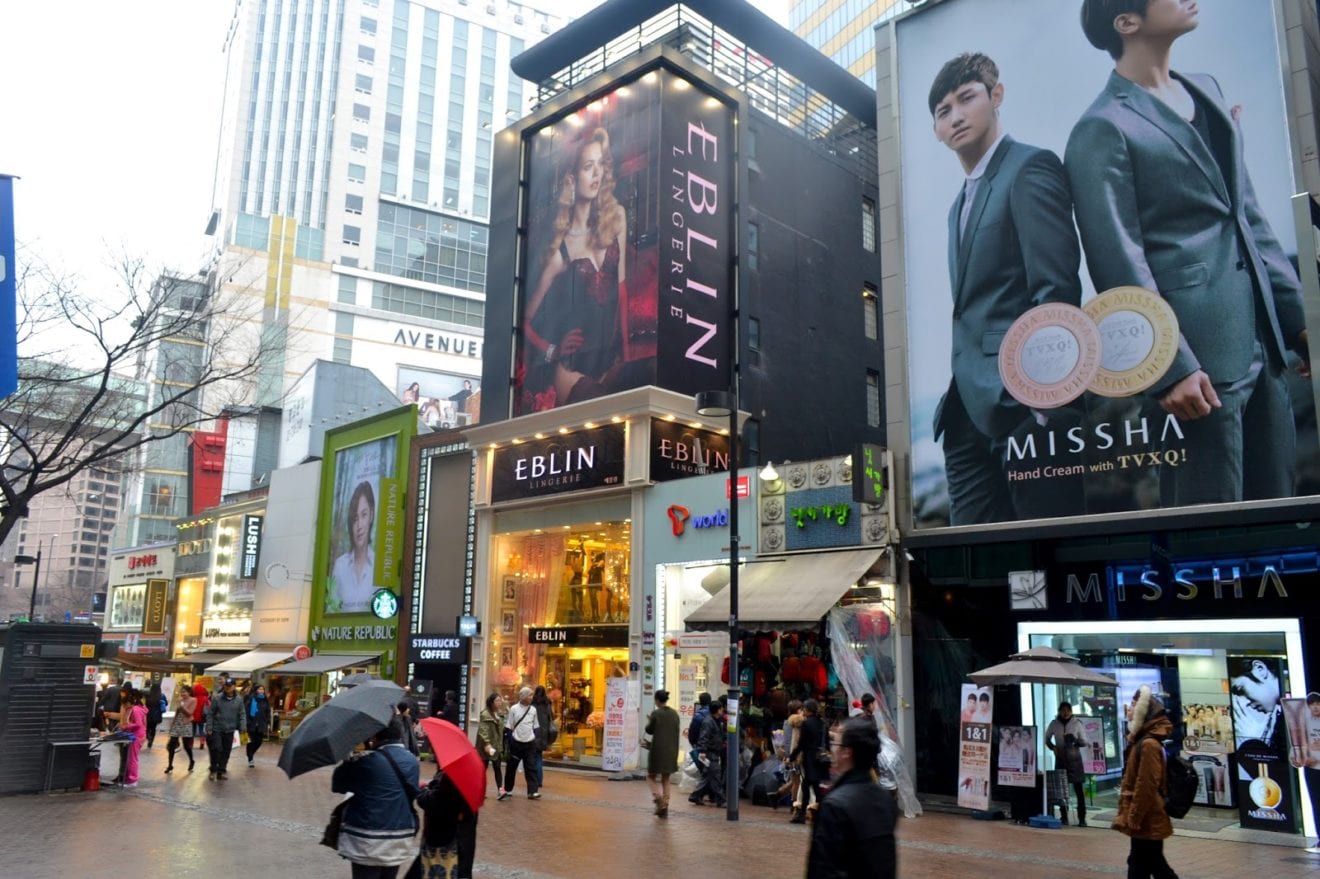
    Chinese visitors to South Korea are buying less from global luxury mainstays like Louis Vuitton and Chanel in favor of cheaper homegrown brands, as young, independent travelers make up a bigger share of tourists.

    Lured by the “Korean Wave” of culture exports, from soap operas and K-pop music to food and fashion, price-conscious younger Chinese visitors are seeking a more authentic and less expensive shopping experience.

    South Korea trails only Thailand as an overseas destination for Chinese travelers, whose heavy retail spending has helped make South Korea the world’s largest duty free shopping market.

    The emphasis on value will put further pressure on global luxury retailers already grappling with slowing sales in China after years of skyrocketing growth, as a government crackdown on graft and lavish spending bites.

    “You can buy those big brands everywhere, and it is actually cheaper to buy those brands in other countries compared to the prices in South Korea,” said 21-year-old Zhu Xin, who was shopping at the Stylenanda store in Hongdae, a Seoul neighborhood popular with young adults.

    “Now that we are here, we should buy local brands,” she said.

    Average prices on best-selling items from global luxury brands in South Korea are cheaper than they are in mainland China, but still cost more than in Europe, Singapore and Dubai, according to HSBC data.

    At downtown Seoul duty free shops run by Hotel Lotte’s, Lotte Duty Free and the Samsung Group’s Hotel Shilla, LG Household & Healthcare’s Whoo and Amorepacific’s Sulwhasoo cosmetics were the top-selling brands in 2015, overtaking Louis Vuitton, Chanel and Richemont’s Cartier, store data shows.

    “This doesn’t necessarily imply that luxury retailers have to launch cheaper stuff but it does necessarily imply that they have to be more relevant at every price point,” said Erwan Rambourg, an analyst at HSBC in Hong Kong.

    The number of Chinese tourists to South Korea dipped 2.3 percent in 2015 to about 6 million due to the deadly Middle East Respiratory Syndrome (MERS) outbreak. However, brokerage CLSA says Chinese inbound traffic growth rebounded from September and should jump by 28 percent in 2016. The South Korean government expects a record 8 million Chinese visitors this year.

    NEW GENERATION

    Chinese tourists to South Korea are getting younger: the share of those in their 20s and 30s rose to 46.1 percent last year, from 40.9 percent in 2013, according to the government-run Korea Culture and Tourism Institute.

    While older Chinese tourists typically travel in groups where they are ferried between shops catering to them, Chinese millennials tend to be better-informed about what they want, travel independently and spend less on shopping.

    “I use my mobile phone to research what products to buy in South Korea,” said 20-year-old Chinese tourist Liu Yuting. “Many Chinese girls like South Korean products, because most of them are cheap and cute.”

    At Lotte Department Stores, a chain owned by Lotte Shopping Co Ltd, average spending per Chinese visitor fell to 500,000 won ($412) in 2015 from 900,000 won in 2013, although the surge in overall visitors made up the difference, an official with the chain said.

    “Whereas past generations blindly purchased luxury goods, the younger generations have a more price-conscious consumption pattern,” KB Investment & Securities analyst Yang Ji-hye said.

  • Alibaba and Amazon China gear up for the Chinese New Year

    Alibaba and Amazon China gear up for the Chinese New Year

    Feb. 8 will be the most important holiday this year in China, as it marks the Chinese New Year. Family members will come together to celebrate with holiday feasts and most workers will enjoy a one-week vacation, many returning to their rural homes from big cities for the festivities. A lack of delivery personnel during this period is leading many sellers on China’s biggest e-commerce marketplaces to shut down, but Amazon China says it will keep delivering in big cities.

    Many merchants on Alibaba Group Holding Ltd.’s marketplaces Taobao and Tmall have announced that they will stop taking orders Feb. 4-Feb. 14 because shipping companies are unable to deliver orders.

    But Alibaba, whose online marketplaces account for more than three-quarter of online retail purchases in China, organized a major promotion in advance of the New Year’s vacation, the Ali Chinese New Year Shopping Festival, which lasted from Jan. 17-23.

    Alibaba reports consumers purchased 2.1 billion holiday items from its websites during the sale, mostly food and gifts. 15% of the orders came from rural residents, a focus of the promotion, and sales at the 12,000 Taobao service centers in rural areas were 331% higher than average, the company says.

    “By hosting this online shopping event, we enabled rural customers to access an extensive range of New Year goods from home and abroad, while making agriculture products from rural China more available among urban customers.” Alibaba Group CEO Daniel Zhang said at the event kickoff meeting.

    Meanwhile, Amazon China, No. 5 in the Internet Retailer 2015 China 500, says it will continue to fulfill orders during the holiday period in 20 big Chinese cities, including Beijing, Tianjin and Shanghai. In fact, the largest overseas e-retailer operating in China says it will extend delivery hours to midnight during the holiday in order to allow Chinese online shoppers to get their orders on time.

    Amazon China operates 13 fulfillment centers in China and employs its own fulfillment staff. The subsidiary of Amazon.com Inc. offers same-day delivery in 123 Chinese cities and second-day delivery in over 1,400 Chinese cities and towns.

    For a fuller report on the openings for foreign companies to sell online in China, see “Open Door Policy” in the November 2015 issue of Internet Retailer magazine.

  • Bali welcomes tourists with typical souvenirs for Chinese New Year

    Bali welcomes tourists with typical souvenirs for Chinese New Year

    Balis entrepreneurs and craftsmen are ready to offer some unique and affordable souvenirs to foreign tourists who plan on celebrating the upcoming Chinese New Year in the Island of God.

    “Various typical Chinese New Year souvenirs are especially being offered to the tourists from China and Hong Kong,” Ni Nyoman Sukiati, a Balinese craftswoman, stated here on Thursday.

    To welcome the upcoming Lunar Year 2016, various souvenirs, such as wall decorations, hanging lanterns bearing Chinese characters, and porcelain god statues are on sale at some supermarkets, shops, and tourism sites.

    Sukiati believes that the number of Chinese tourists visiting Bali will increase following the implementation of the visa-free policy for several countries, including China.

    “Chinese tourists, who spend their holidays here in Bali, will certainly want to buy some Balinese souvenirs,” she remarked.

    Beside the Chinese souvenirs, Balinese craftsmen have created some unique and creative merchandise, such as bracelets, necklaces, and brooches, which are also considered as the main export commodities to be shipped to some destination countries such as the United States, Australia, Singapore, Hong Kong, Japan, and Europe.

    Based on data from the Central Statistics Agency (BPS) of Bali, the realization of non-oil products and handicrafts during 2015 reached US$498.6 million, a decrease of 7.02 percent compared to US$536.3 million in 2014.

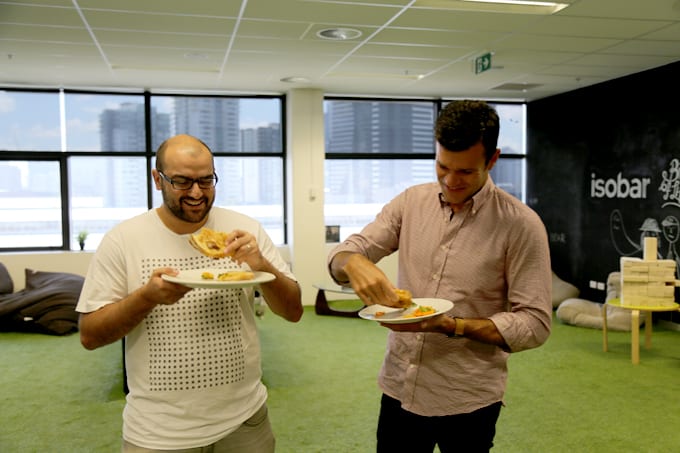
  • Isobar and Unilever Invite Chefs to Have a Taste of Home this Chinese New Year

    Isobar and Unilever Invite Chefs to Have a Taste of Home this Chinese New Year

    Unilever’s prestigious catering brand, Unilever Food Solutions (UFS) has been committed to delivering specialised food solutions to various restaurants in China since 1994. With more than five million catering businesses in China, it is a major challenge for UFS to penetrate the huge and saturated market and establish a leadership position in the industry.

    To overcome this, UFS has launched a campaign for the upcoming Chinese New Year (or Spring Festival) season that aims to create emotional bonds with their key target audience: chefs. The question is, how does UFS fully leverage social media not just to increase engagement and sales, but also boost brand preference and emotional connection with chefs?

    Together with Isobar, UFS conceptualised “The Taste of Reunion Is Not Complete Without You”, a social marketing campaign that leverages the true meaning of Chinese New Year, which is all about celebrating family reunions. The campaign enables chefs, who cannot go home, to still be able to share the happiness and warmth of family time.

    The Spring Festival is a time when family members would all come home and enjoy a well-prepared feast with their loved ones. However, on such occasions, chefs need to work hard in the restaurants, and it is nearly impossible for them to have home-cooked dishes with their families. After much in-depth conversations with many chefs, UFS and Isobar found that what they wanted the most during the Spring Festival is to get together with their loved ones.

    On the basis of this core emotional appeal, Isobar developed a three-phased communications plan to meet the needs of UFS’ target audience this Spring Festival season.  

    Phase One

    In late November 2015, a new packaging was launched in the marketplace with a prize code. Extensive exposure on social media planned to appeal to and inform chefs regarding prize redemption. With a few simple steps of mobile interaction, users could easily redeem their “Treasure of Reunion” using the pin code on the packaging as well as share the activity with their friends and families.

    Phase Two

    In the months leading up to the 2016 Spring Festival, the campaign planned to resonate with its target audience through heart-warming interactive webpages within WeChat, videos, and relevant topics so as to connect emotionally with more chefs and to boost prize redemption and sales volume.

    Nothing feels like home more than home-cooked dishes and cherished family voices. Therefore, Isobar also launched a WeChat webpage that featured the sounds of hometown dialects, in addition to spotlighting hometown specialties, covering more than 34 provinces and municipalities. After selecting their hometown and hitting the “Visit Home” button, users will receive a virtual home-cooked dish, accompanied by caring voices in their hometown dialect, giving them the authentic feel of being at a family reunion.

    A wide range of hometown specialties is displayed dynamically in the corresponding hometown dialects, not only generating emotional resonance among users but also driving them to share on social, extending the communications effort.

    Phase Three

    February 1 is the day when chefs usually have time to take a breather, which is when the “Time-Limited Red Pocket Rush” was launched to encourage consumer engagement and social sharing. From January to February 22, the day of Lantern Festival, which marks the end of the Spring Festival, interactive WeChat webpages featuring “Voices of Wishes” and a commercial named “Heart Together” was pushed out on social platforms.

    Focusing on the campaign theme, the “Heart Together” video communicated homesickness, a feeling that chefs can easily identify with. The video was promoted through innovative live feeds in WeChat and QQ Space, the two social channels that chefs visit the most.

    Isobar also pushed out communications with target groups via an interactive WeChat website. The site allows users to choose from one of three symbolic dishes for Spring Festival (dumpling, fish and New Year cake), select a greeting or record their own, and send it to families and friends to express their sincere wishes for the coming new year.

    The Spring Festival campaign initiated by UFS was the result of collaboration between Isobar and the Tencent Big Data platform. With more insight into the online digital behaviours of chef groups, Isobar was able to categorize the chefs under different tags so as to launch the ads more precisely. In this way, Isobar helped the brand reach their target audience more effectively and connect emotionally with them. That is how Isobar addressed the challenges of market penetration for the brand, making UFS the first B2B brand in China to release an organic commercial on the Moments live feed in WeChat.

    To date, the campaign has increased the brand’s followers on social, crossing over the one million mark. Meanwhile, communications efforts on WeChat have yielded outstanding results, evidenced by the record 300,000 views for one post.

    Amanda Jia, Senior Trade Marketing Manager, Unilever Food Solutions said: “On the basis of the genuine emotional insights we received from chefs, the campaign covers heart-warming initiatives, which not only touches tens of thousands of chefs, but also ourselves. The insights of our target audience are always the focus of our marketing, even for a B2B campaign. Only through this, can we fully engage with our target audience. No matter how evolved communication tools are, the true essence of marketing remains centred on content creation that’s based on the right insight.

    Joyce Zhou, Marketing Director of Unilever Food Solutions added: “As UFS is the first condiments brand to express the genuine feelings of chefs on a social platform (WeChat organic ads), we feel that our job goes beyond promoting superior products and food solutions, but also in helping chefs get more understanding and recognition. One highlight of the campaign is the cooperation with Tencent on data mining. The precise content distribution enables us to communicate with target audience more directly, so as to address the market penetration challenge of the traditional B2B industry effectively. This is a new move, way ahead of the curve even for B2C brands, and we are very proud of this campaign.”

    Rohan Lightfoot, Managing Director of Isobar Shanghai said: “We’re thrilled to be part of this campaign for Unilever Food Solutions. One of the amazing things about the scale of digital in China is that you can reach niche audiences, like professional chefs, at a mass level. For this campaign we worked with Tencent’s big data platform to reach our audience of chefs effectively and directly. In the age of Brand Commerce it’s important that we combine the art of storytelling with technology not just to reach our audience, but also to touch their emotions. We’re showing the audience that our client understands what they’re giving up to make everyone else’s Chinese New Year banquet special. Chefs across China already seem to be responding to that effort.”

  • Indonesia becomes favorite destination for Chinese new year 2016

    Indonesia becomes favorite destination for Chinese new year 2016

    Chinas largest online travel agency, Ctrip.com, has revealed that Indonesia is one of the ten favorite destinations for Chinese tourists who want to celebrate Chinese New Year 2016 abroad.

    The ten favorite destinations based on the bookings made by the customers since mid January 2016 are Thailand, Japan, South Korea, Taiwan, Singapore, Hong Kong, United States of America, Indonesia, Malaysia, and Australia.

    Easy access in obtaining visas is one of the strong reasons they chose such countries, one of local media quoted the Publicity Manager of Ctrip, Yan Xin as saying here on Sunday.

    Indonesia ranked eighth of the ten countries that became the favorite destinations of Chinese tourists.

    Deputy of Sales affairs Director for the Asia Pacific Mission of the Indonesian Ministry of Tourism, Jordi Paliama said it was a good news to consider Indonesia as one of the Chinese tourists favorite destinations.

    “We would continue to improve our a variety and innovative promotions to attract more and more Chinese tourists,” he said in the event of “Indonesia Direct Promotion”, Beijing.

    The Ministry of Tourism has set a target of 200 visits of Chinese tourists for January-February 2016. It increased around 50 percent from the amount of 137,181 Chinese tourists visiting Indonesia at the same period in 2015.

    To increase the number of Chinese visits, the Ministry of Tourism also conducted a promotion programs in Wuhan, Shanghai, and Beijing.

    Ctrip.com estimated around six million Chinese people would spend their Chinese New Year holiday in foreign countries, starting from 7 February, with some 100 countries to be visited including Antarctic.

    East Asian countries such as Japan and South Korea remained the most popular destinations, while Singapore and Thailand became two Southeast Asian countries which attracted a lot of Chinese tourists during the celebration of the Year of Monkey.

    Around ten thousand Chinese tourists have been making reservations for holidays in Thailand, while some other preferred to choose Universal Studio, Singapore, to enjoy the warmth of tropical breeze.

    For a cruise tourism, around 90 percent of Chinese people chose to go to Okinawa and Kagoshima in Japan, and Jeju Island in South Korea.

    The Office of China National Tourism Administration (CNTA) reported that in 2015 there were 5.2 million Chinese people spent their Chinese New Year holiday abroad. The number was increased around 10 percent compared to the same holidays in 2014.

  • How Chinese Companies Borrow Without Banks

    How Chinese Companies Borrow Without Banks

    China’s new credit surged the most since June as companies increased borrowing in the corporate bond market. Aggregate financing rose to 1.82 trillion yuan ($276 billion) in December, according to a report from the People’s Bank of China. That compares with the median forecast of 1.15 trillion yuan in a Bloomberg survey.

    The data shows companies are turning to alternative sources for credit given banks’ reluctance to lend. It also adds to signs the economy is stabilizing, not slumping as its falling currency and plunging stock market seem to suggest. The First Word Asia team spoke with Mikio Kumada, Executive Director/Global Strategist, LGT Capital Partners.

  • Chinese language shopper sentiment rebounds in Might

    Chinese language shopper sentiment rebounds in Might

    Chinese language shopper sentiment rebounded in Might with favorable inventory market performances boosted shopper sentiment.

    The Bankcard Consumption Confidence Index edged up zero.32 factors from a month in the past to 83.99, China UnionPay stated in a report at present.

    Expenditure at eating places and eateries have been up four.9 % from a month in the past whereas spending measurement at malls and purchasing facilities rose 13.75 %.

    Shoppers’ sentiment was in a secure situation with each the inventory market and property sector rebounding in current months and is predicted to select up additional with Buying Managers Index and different macroeconomic knowledge suggesting enchancment.

    The warming up of the property market in current months additionally pushed up house home equipment gross sales, which rose four.09 % in Might from a month in the past.

    Spending at main home vacationer locations and scenic spots surged 43.four % whereas spending worth at fuel stations additionally rose 9.6 % as commuting and touring picked up prior to now month.

    Current worth cuts by international trend homes resembling Burberry and Gucci of their home retailers pushed up luxurious luggage and leather-based gross sales by 32.9 %.

  • Nu Pores and skin Asia plans to triple gross sales

    Nu Pores and skin Asia plans to triple gross sales

    US celebration plan cosmetics enterprise Nu Pores and skin sees Asia as a key to attaining $5 billion in international gross sales by 2020.

    The Utah based mostly firm says its needs to triple gross sales in Asia to US$1 billion inside 5 years.

    Nu Pores and skin Enterprises says Nu Pores and skin Asia presently contributes 15 per cent of its complete gross sales and its sees biggest potential within the area within the markets of Thailand, Malaysia and Indonesia.

    Apart from growing its community of direct sellers, the corporate is increasing its product vary. A key new product class shall be Y-Span, a meals complement.

    Based in 1984, Nu Pores and skin made its Asian debut in 1991 in Hong Kong. Regardless of being listed on the NYSE giving it credibility, the corporate has courted controversy with its representations to would-be resellers of its merchandise, accused of overstating the revenue potential. It settled with 5 US states over such disputes.

    Final yr it was topic to investigation by Chinese language authorities over allegations of working an “unlawful pyramid scheme”.

    As we speak the corporate operates in 53 nations and boasts a community of 950,000 particular person resellers.

  • Chow Tai Fook takes on landlords

    Chow Tai Fook takes on landlords

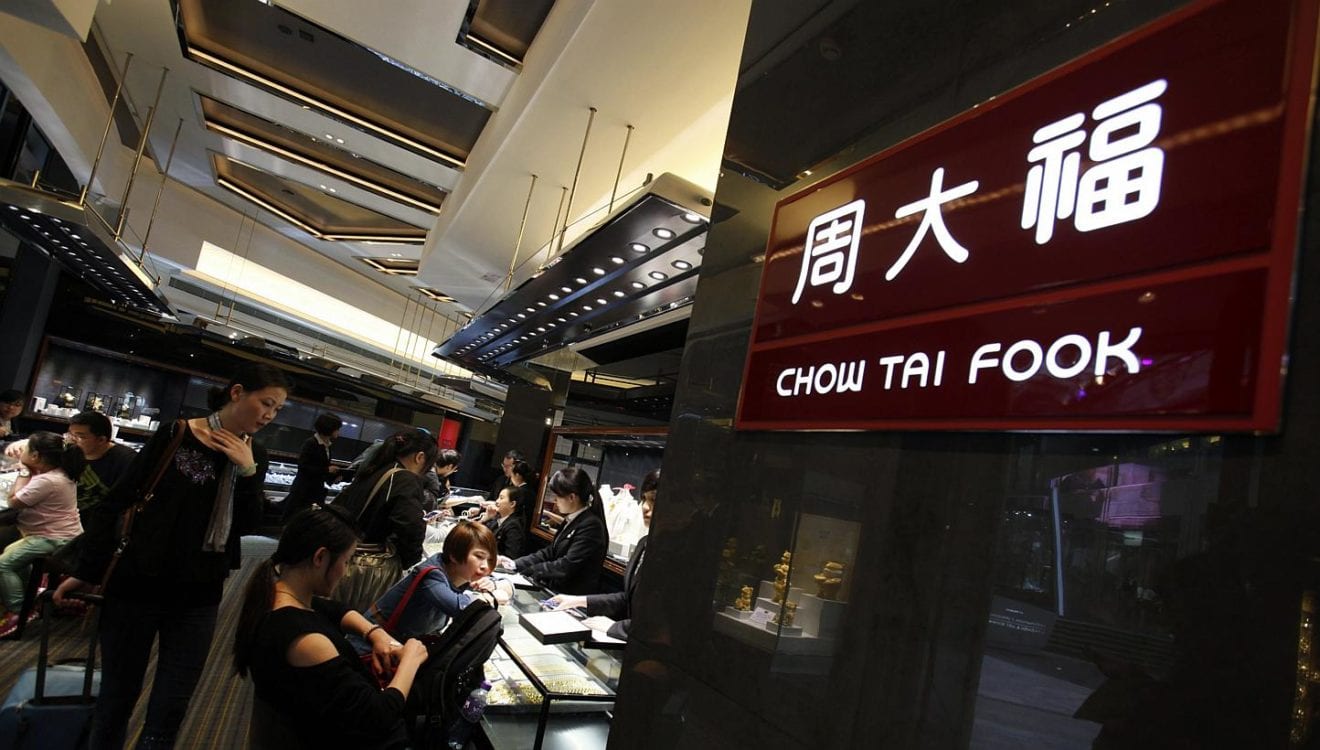
    Hong Kong jeweller Chow Tai Fook is flexing its muscle in a softening retail rental market, in search of lease cuts of as much as 20 per cent.

    The listed firm says some 30 leases throughout the territory will come up for renewal later this yr and the corporate will probably be in search of reductions within the wake of a difficult retail market which has seen gross sales plunge in some luxurious classes.

    In an interview revealed on Bloomberg on-line, MD Kent Wong stated the corporate has already been granted reductions of between 10 per cent and 20 per cent in renewal negotiations this yr, however he didn’t reveal the variety of leases concerned.

    He advised Bloomberg that circumstances in 2015 are “very particular”.

    “We’re demand pushed; we anticipate we will have a 20 per cent rental discount.”

    Chow Tai Fook has reported a fall in same-store gross sales in Hong Kong and Macau of 26 per cent within the first quarter of this yr – the fifth consecutive quarterly fall.

    Wong stated his firm might shut some shops this yr – singling out its Peak outlet for instance.

    The jeweller has 90 shops in Hong Kong, interesting largely to Mainland Chinese language vacationers. However customer numbers from China have been falling, and people nonetheless coming are much less prosperous than the standard guests of previous years. These with larger disposable incomes have began travelling additional afield, many spooked by the Occupy Central protests of the second half of final yr.

    The mainland authorities’s clampdown on present giving has additionally affected gross sales of upper priced luxurious items in Hong Kong.

    Regardless of a lower in complete retail gross sales of two.three per cent in Hong Kong in the course of the first three months of 2015, Wong expects a restoration later within the yr.

    “The market basically wants six months to at least one yr to restructure the product combine catering to the altering style of consumers,” he advised Bloomberg.

    “We stay optimistic about Hong Kong within the mid- to long-term.”

  • Luxottica groups with JD.com

    Luxottica groups with JD.com

    JD.com says it is going to associate with eyewear producer Luxottica to retail a variety of sun shades bearing a few of the best-known international luxurious manufacturers.

    Clients of the Chinese language web site will be capable of buy sun shades from manufacturers together with Ray-Ban, Oakley and Vogue. A lot of the merchandise might be out there by means of JD.com’s direct gross sales channel, enabling Luxottica to leverage JD.com’s nationwide logistics community that includes commonplace same- and next-day supply.

    “Chinese language shoppers more and more depend on JD.com for handy and dependable entry to high-quality luxurious items throughout a variety of merchandise, from clothes and niknaks, to cosmetics,” stated Lijun Xin, VP.

    “We’re delighted to be partnering with Luxottica, the clear international chief in luxurious eyewear, to broaden our providing on this market that’s quickly rising amongst Chinese language shoppers.

    “Partnerships with main luxurious producers resembling Luxottica underline the belief that our international companions have in JD.com, not solely to drive gross sales, but in addition to offer shoppers assured genuine merchandise and the absolute best model expertise.”

    JD.com operates seven achievement facilities and 143 warehouses in 43 cities throughout China, with 3539 supply stations and pickup stations in 1961 counties and districts.

  • China brands favoured by domestic consumers in marketing, experts say

    China brands favoured by domestic consumers in marketing, experts say

    CHINESE brands are generally outperforming their multinational counterparts in terms of consumer preference as they’re quicker to catch up with latest media trends and bold with new marketing campaign formats, industry experts noted.

    “Chinese entrepreneurs and marketers have a better understanding of local consumers and are quick to adapt to new marketing trends and Chinese brands will enjoy a golden age in the next 10 years,” Tian Tao, deputy general manager of market research firm CTR China, told the China Insight Summit in Shanghai today.

    “Domestic brands are quicker to spot popular entertainment shows and they have a shorter decision making process than most multinational players, which gives them more opportunities to impress picky consumers,” general manager of CTR’s Media Intelligence unit Zhao Mei told Shanghai Daily.

    In the first quarter, almost all of the popular TV program sponsorship was dominated by domestic brands, according to CTR’s media monitoring data.

    Among the top 50 most frequently purchased consumer products of Chinese urban households, more than 30 of them are made by home grown manufacturers, according to data tracked by Kantar Worldpanel, CTR’s consumer research service.

    In the first quarter this year, total advertising expenditure calculated by published rate cards in China shrank 1.9 percent, with TV ad spending declining 2.9 percent from a year ago.

    Internet ad expenditure was the fastest growing segment, rising 33 percent from a year ago, while office building digital screen advertising added 16 percent and movie theaters’ video ads were up 31 percent.

    TV will stay play a major role in helping build a brand name and popular TV programs as well as some better performing regional TV stations are expected to enjoy a higher premium in the coming year, according to Zhao.

  • Golden Eagle suspends Hefei stores trading

    Golden Eagle suspends Hefei stores trading

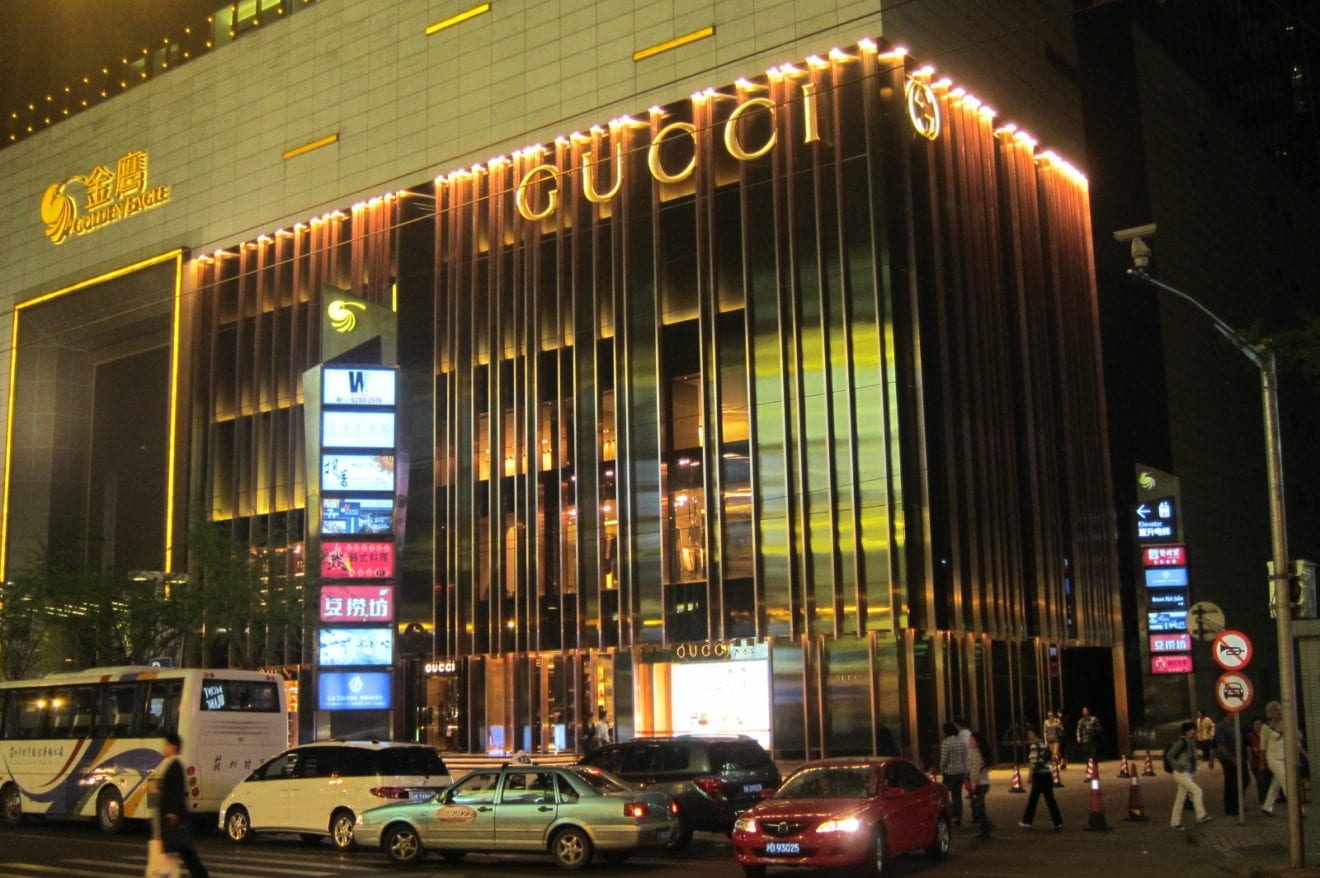
    Chinese retailer Golden Eagle says its Hefei Baihuajing Store and Dadongmen Store will  suspend operations from Sunday May 10, due to a lease dispute and subway renovation.

    Golden Eagle Retail Group said in a statement that the dispute relates to property rights and constraints in operational conditions.

    “Our Baihuajing Store is located at a leased property, which is owned by a third party. A property rights dispute has led to insurmountable difficulty in carrying out our normal operation in Baihuajing Store.

    “Meanwhile, the operation of our Dadongmen Store, which has long been affected by subway construction, is unable to meet Golden Eagle’s consistent standards for customer service. Upon serious consideration, the group has decided to suspend the operation of the two stores”

    Golden Eagle said the suspension of operations would have little material impact on the group’s overall operations and sales.

    “The total gross floor area of the group’s retail chain stores is 1,534,387 sqm, while that of Baihuajing Store and Dadongmen Store are 12,294 sqm and 10,356 square meters, respectively.”

    “Despite the suspension of operation of Baihuajing Store and Dadongmen Store, Golden Eagle will continue to provide customers in Hefei with outstanding and thoughtful services. VIP customers and holders of Golden Eagle’s other membership cards can enjoy the same services in our Hefei Suzhou Road Store (4 Suzhou Rd, Luyang District, Hefei City) or any other Golden Eagle stores all over the country.

    “In addition, our Hefei Suzhou Rd Store will continue to offer one-stop aftersales service to customers for products return or exchange to ensure satisfactory shopping experience,” Golden Eagle said.