Tag: chinese

  • Chinese consumers embraced voice ordering on Singles Day

    Chinese consumers embraced voice ordering on Singles Day

    More than 1 million orders were placed and processed through voice command via Alibaba’s Tmall Genie during its 11.11 Global Shopping Festival on Monday.

    The smart speaker was used to purchase items throughout the day – including 810,000 eggs, 1.4 million tons of rice and 76 tons of liquid detergent – showing that voice shopping has become an increasingly popular trend among Chinese consumers of all ages.

    According to Alibaba’s statistics, more than 40 percent of Tmall Genie users have tried voice shopping. The rise of voice shopping shows the growing popularity of smart speakers in China. Alibaba’s intelligent speech assistant, Tmall Genie, is ranked as the number one brand in terms of sales volume of smart speakers in the first three-quarters of China, according to Euromonitor International’s research conducted in October.

    “As the number one smart speaker in China, Tmall Genie has become an essential part of many families’ daily life,” said Alibaba A.I.Labs GM Miffy Chen. “As we continue to enhance the product features and increase the offering of infotainment services – from entertainment and news to children’s books, food delivery and elderly care – we hope the use of a virtual assistant will help people across age groups to embrace a digital life that is simple, fun, informed and connected.”

    Some 10.47 million Tmall Genie units were sold during the first nine months of this year, accounting for a 38-per-cent market share in China, where sales of smart speakers reached 27.56 million units in the same period, according to Euromonitor International.

    In particular, Tmall Genie recorded more than 3 million sales units in this year’s third financial quarter, making it the most popularly purchased smart speaker brand in China for three consecutive quarters.

    “Since the launch of the first smart speaker in China in July 2017, Alibaba has made Tmall Genie the top brand with the largest sales volume in China this year,” noted Euromonitor International in the research. “That is largely due to Tmall Genie’s product differentiation strategy and its expanding sales channels both online and offline,”.

    According to the research, Alibaba, Xiaomi and Baidu are the top three smart speaker brands in China, with a total market share of 93 percent in terms of sales volume in the first three quarters this year. 77 percent of smart speakers were purchased online during that period, dominated by Alibaba’s e-commerce platforms – Tmall and Taobao.

    The research also pointed out that as an important medium for human-machine interaction, smart speakers are expected to be equipped with a growing number of features tailored to consumers’ daily needs, including search and information queries. A smart speaker with a screen – which can offer both speech and visual interaction – is also believed to be a forthcoming trend among major brands, Euromonitor noted.

    Controlling smart home appliances through voice commands is still one of the most popular uses of smart speakers. Alibaba statistics show that currently, Tmall Genie has been connected to more than 235 million home appliances such as lights and air-conditioning from 900 brands in China.

    Alibaba believes that voice assistants are expected to play an increasingly important role in a wide spectrum of applications, including in-car infotainment experience, food delivery, beauty and makeup, childrens’ education and elderly nursing support.
  • Starbucks China opens First Signing Coffee Store in Guangdong

    Starbucks China opens First Signing Coffee Store in Guangdong

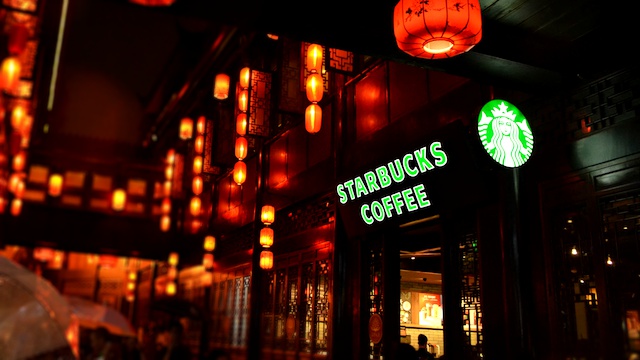
    Starbucks China has opened its first Signing Store, staffed entirely by deaf or hearing-impaired people.

    The store is in Guangzhou, in Guangdong Province which is home to about 4 percent of China’s deaf population. It is Starbucks’ third Signing Store, following outlets in Washington DC and Malaysia.

    Sign language symbols are printed on umbrellas in front of the store, and there are indicators throughout the store. Deaf baristas will wear aprons with the word “Starbucks” embroidered in sign language.

    The store is equipped with a customized ordering system. Customers and partners will be able to communicate using notepads and two-way digital displays. For customers new to sign language, there will be a dedicated area for customers to write down their orders on an electronic board and wireless vibrating pagers will notify customers when their orders are ready.

    The cafe also features exclusive artwork and unique merchandise designed by deaf artists.

    The initiative aims to offer employment and career-advancement opportunities for the deaf and hard-of-hearing community as well as “a welcoming hub for those passionate about improving accessibility and experiences for all”. It is located near the Guangdong Disabled Association and Guangdong Deaf People Association.

    “Starbucks is committed to creating equal opportunities for everyone, as well as a unique third-place experience that addresses a wide range of community needs,” said Belinda Wong, CEO of Starbucks China. “The new Signing Store is an example of how we are building inclusive environments and careers for our partners.”

    Store staff, who have been recruited from across China, are fluent in Chinese sign language.

    To create an inclusive environment and encourage customers to learn more about the deaf community, the store will also offer sign-language lessons and coffee workshops in sign language.

    “The Guangdong Deaf People Association is proud to partner with Starbucks to provide training and opportunities for the deaf and hard of hearing community,” said Yitao Fan, vice chairman, China’s Deaf People Association and president of Guangdong Deaf People Association. “Thanks to Starbucks, deaf partners are empowered to develop their careers in a vibrant and supportive environment, while the store provides a strong platform to drive societal awareness around deaf culture and the needs of the community.”

  • Barclaycard partners with Alipay to help UK merchants increase sales from booming Chinese tourism

    Barclaycard partners with Alipay to help UK merchants increase sales from booming Chinese tourism

    Barclaycard, which processes nearly half of the UK’s credit and debit card transactions, today announced a new agreement with Alipay, the world’s leading payment and lifestyle platform, which will allow retailers to accept Alipay transactions in stores across the UK.

    Building on a successful pilot over the past two years, the new agreement will enable UK retailers to take full advantage of the growing volume and buying power of Chinese visitors. In addition to the UK’s 393,000 Chinese residents and 95,000 Chinese students, tourists from China represent an increasingly important customer segment for retailers. VisitBritain is expecting 483,000 visits from China in 2019, up 43 per cent on 2017, with Chinese visitors expected to spend more than £1 billion this year, up 50 per cent, moving it well into the UK’s top 10 tourism market. The increase in market size is also demonstrated by the fact that the number of Alipay users in the UK has doubled in the last year.

    By accepting Alipay, the world’s most-used app in 2018 outside of social apps according to App Anni, retailers will be able to capitalise on the growing appetite of Chinese tourists to use mobile payments over cash while abroad. According to a 2018 survey conducted by Nielsen, the vast majority (93 per cent) of Chinese tourists said they would likely spend more in a store that accepted mobile payments. In addition, among the merchants surveyed that had adopted Alipay, nearly 60 per cent said that they had clearly seen growth in both foot traffic and revenue[5].

    The new agreement will enable UK retailers to accept in-store Alipay payments without replacing their existing point-of-sale system, allowing them to take advantage of the boom in Chinese tourism without disrupting their existing customer experience[6]. Retailers will also benefit from being at the fingertips of hundreds of millions of highly-engaged Alipay users, who will be able to search for outlets near their location to find out details such as opening hours, directions, and whether there are any discounts available.

    Alipay serves over one billion users worldwide together with local e-wallet partners, and this new agreement offers its Chinese users travelling in the UK the familiar mobile payment and lifestyle experience they enjoy at home, as well as Alipay’s competitive foreign exchange rate.

    Feedback from retailers has been incredibly positive; Barclaycard is already in discussions with around 70 clients interested in becoming early adopters.

    Rob Cameron, CEO, Global Head of Payment Acceptance at Barclaycard, said:

    “Thanks to the significant investments we’ve made in our platform, our clients have access to a growing range of payment types, each of which can help them increase market share by meeting the needs of new customers.

    “Our new agreement with Alipay gives retailers a vital tool to help them seize the revenue opportunity posed by the growth of Chinese visitors to the UK. At the same time, Alipay users will benefit from a more convenient and familiar in-store payments process – enhancing their overall shopping experience.”

    Roland Palmer, Head of Europe, Middle East and Africa at Alipay, said:

    “Alipay is excited to announce that it will be working with Barclaycard to provide visitors from China with the mobile payment experience that they are already familiar with. Through this strategic partnership, Alipay will now be able to offer many more UK merchants the opportunity to connect and engage with a growing number of Chinese visitors. This is another step forwards in our vision to offer Chinese tourists a seamless travel and payment experience when travelling overseas.”

  • Moon Lok Chinese restaurant opens at Xiqu Centre

    Moon Lok Chinese restaurant opens at Xiqu Centre

    The first dining establishment has opened in the brand new Xiqu Centre in West Kowloon, showcasing high-calibre Chinese regional cuisine. Seating 260 guests, the 8000sqft Moon Lok Chinese Restaurant evokes the atmosphere of a Chinese garden as a place where one spends time with family and friends for pleasure and relaxation, inspiring a closeness with nature.

    The venue is operated by Buick Management, a Hong Kong-based hospitality group that has over 25 years’ experience in the food and beverage industry. It is best known for managing Pak Lok Chiu Chow, a household name for Chiu Chow cuisine in Hong Kong, with branches in Times Square, K11 and Elements, as well as Starhill Gallery in Kuala Lumpur.

    Located at the junction of Canton Road and Austin Road, Moon Lok Chinese Restaurant is easily accessible by the Hong Kong West Kowloon Station and Austin MTR station, the China Ferry Terminal that connects to Macau, Zhuhai, and Shekou, as well as the Guangzhou-Shenzhen-Hong Kong Express Rail Link.

    Reflecting the Xiqu Centre’s modern design inspired by traditional Chinese lanterns, the restaurant also blends traditional and contemporary elements to reflect the evolving nature of the culinary art form.

  • Chinese tourists still missing in Korea, but improvement may be on the horizon

    Chinese tourists still missing in Korea, but improvement may be on the horizon

    According to reports, the long-stagnant economic relationship between South Korea and China, prompted by tensions over the controversial missile defense system that was deployed is showing early signs of a revival, especially in sectors such as investment, tourism, and retail.

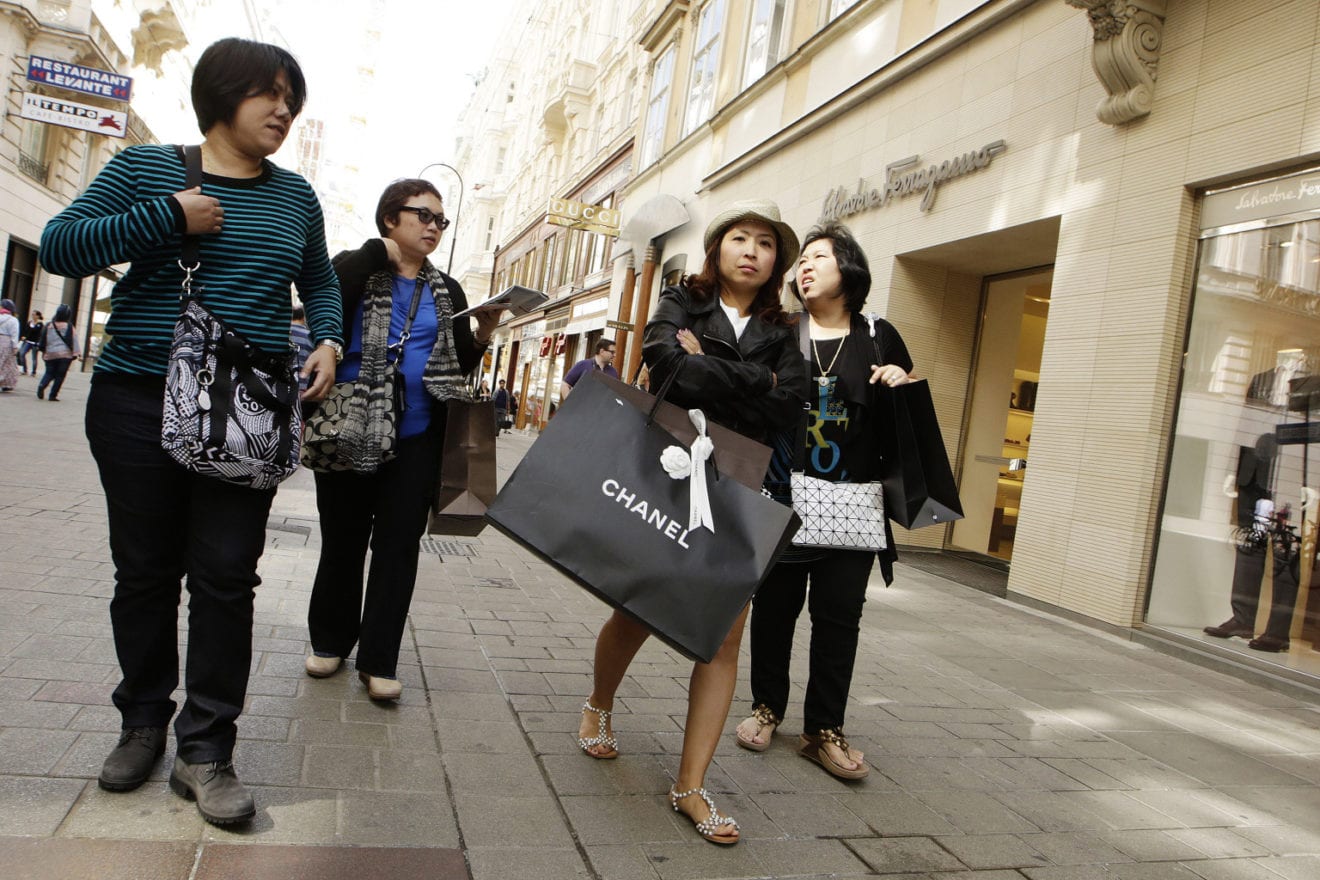
    Myeongdong, a well-renowned shopping street in Seoul, was often packed with Chinese tourists, but after the two countries’ relationship went sour, Myeongdong became more and more deserted. Recently a slight increase of Chinese tourists at Myeongdong are noticeable.

    A report by the Seoul-based Aju Business Daily published on Monday noted that a 25-people tour group from Shanghai will arrive at Jeju Island in South Korea around November 28, the first tour group from China to South Korea since political disputes cut off organized commercial tourism between the two countries. It did not give details about the organizers and participants of the tour.

    China’s trade with South Korea also rose by 11.4 percent year-on-year in the first ten months of this year, customs data showed on November 8.

    According to an Aju Business Daily report published on October 26, in the first nine months of this year, South Korea received about 3.19 million visitors from China, down almost 50 percent compared to a year ago.

    As revival signs emerged over recent days, South Korean retailers rolled up their sleeves to cater to Chinese consumers. For example, in mid-November, the Seoul-based Shinsegae duty-free store welcomed some Chinese Internet celebrities to help advertise some of their products, with the aim of attracting more Chinese customers to the country.

    Furthermore, the Seoul-based Shilla duty-free store has also designed a special app for Chinese tourists where they can exchange their tax bills for shopping coupons.

    A customer service staff member from Utourworld.com Inc, a Shanghai-based travel agency specializing in overseas tourism, said that the company canceled all its tours to South Korea around May and has not yet restarted them. She also said she is not sure whether those tours will be re-launched in the future.

    China CYTS Tours Holding Co, also a travel agency, made similar comments.

    Shanghai-based Spring Airlines, said that his company is running 32 flights to South Korea in the 2017 winter/spring season, compared with 46 flights in the same period in 2016.

    “Recently, we have not  added new routes to South Korea .

    A representative from Lotte China, whose business has slumped a lot due to the company’s deep involvement with the THAAD issue, said that so far, the company’s business in China has not seen any significant improvements. She also said that the company is formulating new plans concerning the Chinese market, but has not confirmed the plans yet.

    Time will heal the situation slowly.

  • Thai airports feel impact of reduced ‘illegal’ Chinese tours

    Thai airports feel impact of reduced ‘illegal’ Chinese tours

    According to the Airports of Thailand (AOT) the country’s aviation industry performance only improved ‘slightly’ between October-December 2016 (Q1 FY2017), due to a reduced number of Chinese tourists visiting through ‘illegal tours’.

    During the period, concession revenue grew by just +2.68% year-on-year to Baht 3,302.71m (US$94m).

    “After the repressive measures against illegal tours by the cooperation between the Thai government and the Chinese government, Chinese tourists reduced consequently,” said the airports operator.

    “Therefore, tourism industry didn’t grow as fast this quarter because the Chinese are the largest group of foreign tourists visiting Thailand.”

    GROWTH OF MIDDLE-INCOME PASSENGERS

    However, ‘a more stable domestic political situation’, the government’s domestic and international tourism stimulus policies, and the rapid expansion of low cost airlines, increased new demand for air travel for middle-income groups, says AOT.


    The effects of the aforementioned ‘repressive measures’ were also compensated by increases in other foreign travellers, especially Russian and European passengers.

    “The consequence of the repressive measures against illegal tours by the government is expected to affect the volume of Chinese tourists for a short period of time,” adds AOT.

    The total number of passengers served by Thai airports reached 30.69m in the October-December 2016 period; a 6.11% increase compared to the same period last year. International traffic made up the majority of total traffic at 16.52m international passengers.

    Net profit for the three-month period ended 31 December, 2016 reached Baht 5,084.22m (US$145m), up +9.91% compared to the same period last year.

    INCREASE SALES OR SERVICES REVENUES

    Revenues from sales or services increased by Baht 798.77m or 6.76% as a result of an increase in aeronautical revenue of Baht 254.32m or 3.72% and non-aeronautical revenue of Baht 544.45m or 10.93% because of an increased number of flights and passengers.

    Non-aeronautical revenue of Baht 5,526.73m increased by Baht 544.45m or 10.93% comparing to the same period last year due to an increase in service revenues of 31.02% attributed to advance check in costs to passengers.

    “This was because AOT installed Advance Passenger Processing System (APPS)on 1 December, 2015.

  • Festive feasts, online deals bring smile to China retailers

    Festive feasts, online deals bring smile to China retailers

    Retail sales hit their year high in December, buoyed by the festive mood in the food and beverage sector and continued surge in online shopping. Still, inflationary pressures are making themselves felt in consumers’ pocketbooks, climbing to their highest in 30 months.


    Higher prices on shop stickers nationwide played a major role in the 0.1 percentage uptick last month to 10.9%, with price-adjusted sales growth steady at 9.2%.

    Diners notched up 335.2 billion yuan (US$48.8 million) in bills, up 10.6% from a year earlier and an improvement on November’s 10.1% year-on-year gain — perhaps driven by Chinese homeowners celebrating their good fortunes in the property market.

    Consumer goods sales rose 10.9% in December from a year ago, the same as in November but well ahead of gross domestic product growth of 6.7% for the year.

    Vehicle sales jumped 14.4% from 13.1%, and clothing to 7.1% from 5.1%. Food products, another major component, rose 8.6% from 8.8% in November.

    E-commerce for the full year totalled 5.16 trillion yuan, 26.2% up on 2015, and accounting for 12.6% of overall retail sales in China. The percentage was just 9.7% during the first half of 2015.

    A key indicator of consumer spending, China’s retail sales grew 10.4% in 2016, the same as in the first three quarters. After deducting price changes, retail sales clocked in at 9.6%, according to National Bureau of Statistics. Total retail sales were 33.23 trillion yuan in 2016.

  • AirAsia increasing flights for Chinese New Year

    AirAsia increasing flights for Chinese New Year

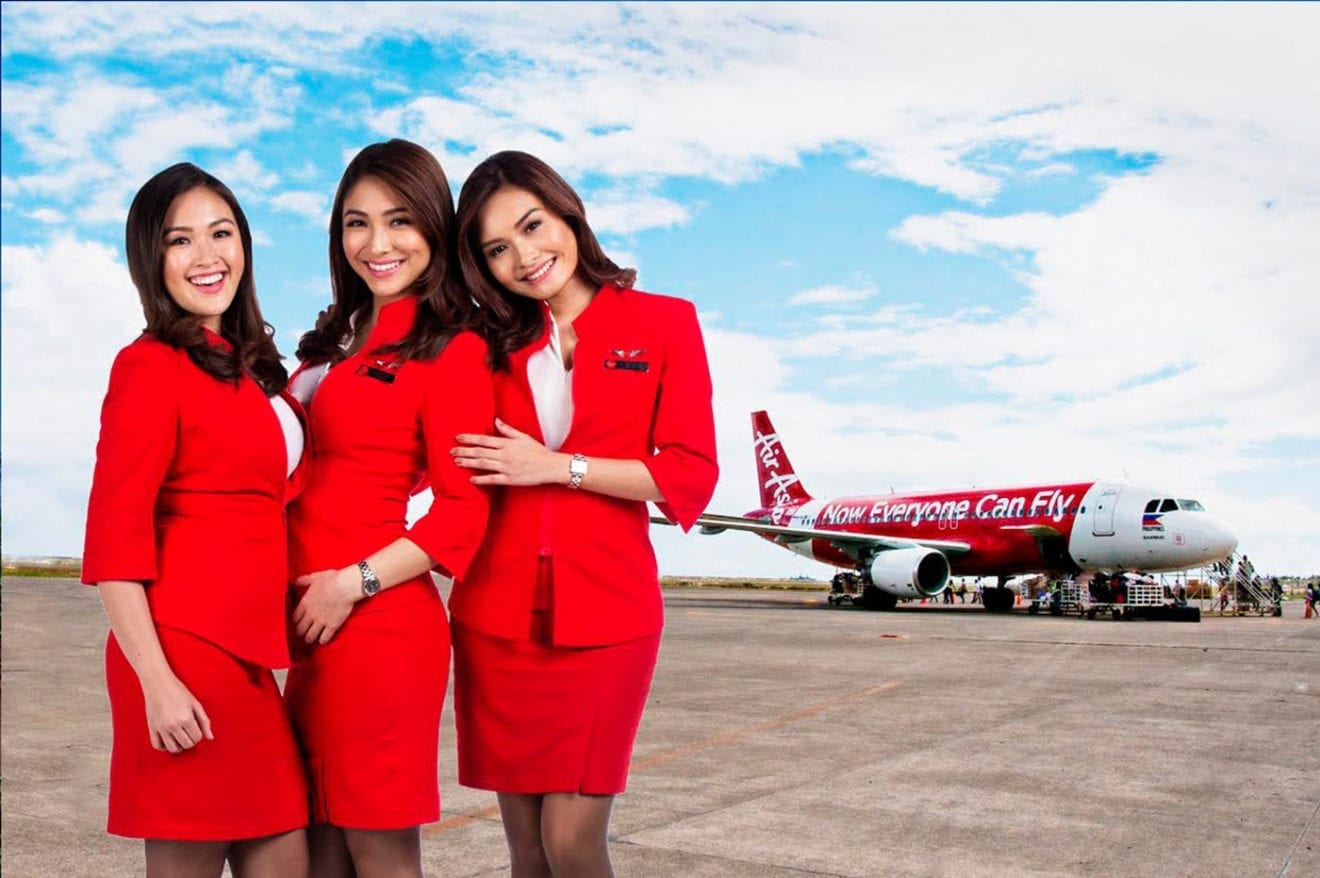
    AirAsia is increasing its flights for the Chinese New Year (CNY) period, offering 84 additional domestic and international trips. In a statement here yesterday, its Head of Commercial, Spencer Lee, said CNY has always been one of the busiest periods for the company as guests would travel back home or go for a short getaway during the long weekend.

    “As part of the airline’s festive promotions to welcome the Year of the Rooster, we have launched ‘#AyamComing’ campaign, offering all-in-fares from as low as RM29 (one-way), festive inflight meals and online pre-booking discounts at its duty-free shop,” he said.

    He said the special low fares would be available for booking starting from today until Jan 22, for travel up to July 31, 2017.

    “Aside from adding more flights to meet the demands, we want our guests to enjoy the exceptional connectivity of our flights,” he said.

    Lee said AirAsia X, the company’s long-haul affiliate, introduced 12 new routes last year, nine of which were exclusively operated by AirAsia and AirAsia X.

    As part of the promotion, Big Duty Free, AirAsia’s online duty-free shop, is offering 38 per cent discounts on all items from now until Feb 12, he said.

    “Guests can also spend and earn eight times AirAsia BIG points (loyalty programme) when they shop online,” he said.

  • Chinese tourists visiting Bali up 41.28 percent in number

    Chinese tourists visiting Bali up 41.28 percent in number

    The number of visits by Chinese tourists to Bali rose 41.28 percent to 907,028 in the first 11 months of 2016 from 642,000 in the same period in 2015.

    “Most of them flew directly to Bali via the Denpasar International Airport of Ngurah Rai with only 886 of the visits by sea as passengers of tourist boats, head of the Provincial Central Bureau of Statistics (BPS) Adi Nugroho said here on Thursday.

    He said Chinese made up 20.22 percent of the total number of 4.48 million visits by foreign tourists to Bali in the January-November period of 2016.

    China is now the second largest country of origin of foreign tourists to Bali after Australia.

    Adi Nugroho said the number of visits by Australian tourists to Bali in the same period totaled 1.04 million, up 19.46 percent from 876,748 visits in the same period in the previous year.

    Australia accounted for 23.35 percent of the total number of visits by foreign tourists to Bali topping other countries, he added.

    Meanwhile, tourism observer Tjokorda Gde Agung said Chinese, who had come in throngs for holidaying in Bali could soon overtake Australians in number.

    “It is very likely especially with the growing number of direct flights between Denpasar and Chinese cities,” Tjokorda said.

    The nations flag carrier Garuda Indonesia itself already served regular flights directly between Bali and China, he said.

    “The direct flights would certainly contribute greatly to growing number of Chinese tourists to Bali,” he said.

    The 41.28 percent increase was the second highest after a 60.59 percent increase recorded in the number of Indian visitors to Bali in the same period.

    The number of visits from 10 largest countries of origin all increased excepting from Malaysia and South Korea.

    With the trend , the target of 5.5 million visitors to Bali set for 2017 is expected to be easily reached.

    Indonesia hopes to draw more Chinese tourists to meet its target of 20 million visits by foreign tourists in 2019 from the target of 12 million in 2016.

    China has become a potential tourism market. A record high of 133 million Chinese tourists were estimated to make outbound trips by the end of 2016, according to the report released by the China Tourism Academy and the financial services company UnionPay International.

    The figure would mark an 11.5 per cent rise from 2015.

    Hong Kong, Macau and Taiwan remain the top choices for mainland tourists, according to a report.

    Chinese tourists are increasingly getting involved in leisure activities and learning about local lifestyles when traveling overseas rather than just shopping, according to the report.

    Chinese tourists spent US$104.5 billion overseas in 2015, up 16.6 per cent from 2014, and a growing number of foreign countries including Indonesia are relaxing their visa requirements for Chinese tourists to tap their purchasing power.

    Tourists from China along with many other countries are offered visa free travel by Indonesia.

  • India looks to cut tariff concessions on Chinese goods

    India looks to cut tariff concessions on Chinese goods

    India is expected to push for a new approach to tariff cuts at the 16-country trade bloc to prevent China from flooding its market with cheap goods. The commerce department is working on ways to give minimum tariff concessions to Chinese goods and delay the concessions by a long number of years even as it allows imports from other member countries at lower duties.

    As part of the Regional Comprehensive Economic Partnership (RCEP) trade negotiations, India is looking to treat Chinese products differently due to the burgeoning trade deficit it has with Beijing. In 2015-16, India’s exports to China were $9 billion while the imports were a staggering $61.7 billion leaving a trade deficit of $52.7 billion.
    India hopes this longer phasing out of tariff concessions and differential treatment, called “deviations”, will become the basis for RCEP negotiations. The new approach comes ahead of the next ministerial meeting on November 3-4 in the Philippines.

    Moreover, since India had to do away with a three-tier structure of differential duty cuts as part of the negotiations, deviations are the last ray of hope to contain the trade deficit with China under a formal trade agreement. In the earlier tiered structure, India had proposed to remove duties on 42.5% of the items traded with China, something that Beijing had termed as low.

    “We hope the tiers come back from the backdoor through deviations,” said a commerce department official, adding that the difference in tariff cuts may not be as much as in the earlier structure of three tiers.

    “We can look at longer staging periods for China by delaying the concessions by some years or not offer key products for tariff cuts to them at all,” the official said. Despite agreeing to a common concession, India is insisting on a single undertaking for the RCEP which means nothing is agreed until everything is agreed. “With single undertaking, we can be sure other members will not lose interest in India’s demands once we accept their demands for tariff concessions on goods,” the official said.

    Trade Openness

    Our problem with China seems to be a lack of trade access. And to better manage our trade deficit with China, we need to call for better trade access rather than opt to keep tariff barriers high. The latter option would only raise transactions costs and lead to thoroughly suboptimal policy going forward. are definite gains from trade and openness

  • Indonesia has role in tourism development in maritime silk route

    Indonesia has role in tourism development in maritime silk route

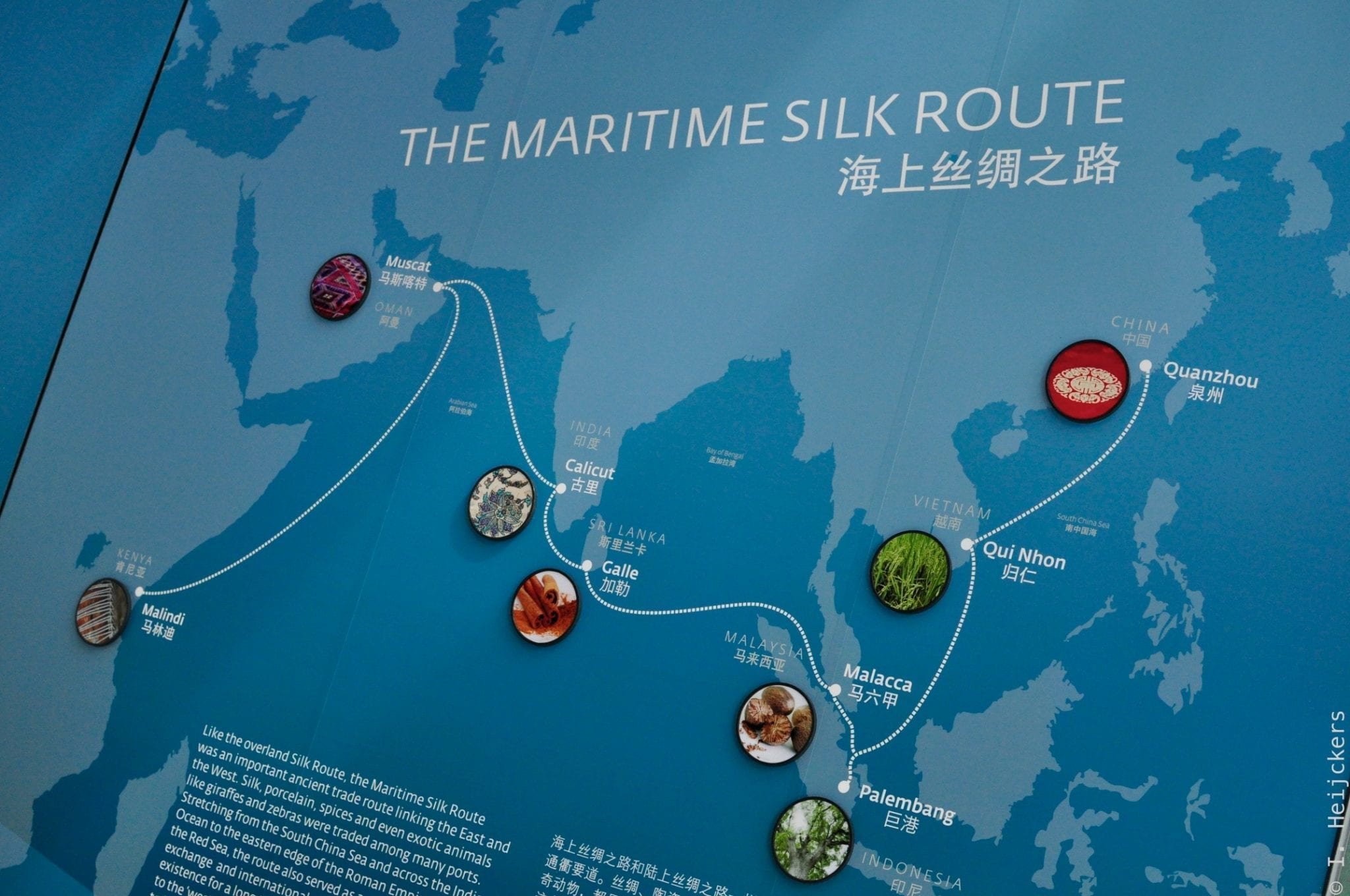
    Indonesia has an important role and can take advantage of tourism development in the maritime silk route of the 21st century in China, according to China National Tourism Administration (CNTA) Information Center Director Cai Jiacheng.

    “Indonesia has its own uniqueness as a global tourist destination, especially for the countries along the maritime silk road of the 21st century in China,” Jiacheng told.

    According to him, Indonesia has a lot of cultural diversity and unique and attractive natural sceneries that can make the country a world tourist destination.

    “However, Indonesia must fix the infrastructure and build good connectivity with a number of other countries, particularly with countries along the maritime silk road,” Jiacheng noted.

    “Indonesia should actually be able to provide maximum services, ranging from easing visas and providing adequate infrastructure, including connectivity, to attract tourists to come to the country,” he added.

    Jiacheng added that Chinese travelers can visit other countries through the ASEAN countries such as Indonesia, Thailand and Singapore.

    “Therefor e, Indonesia has opened the path for China to ASEAN, because of its strategic position to support tourism development in the maritime silk road of the 21st century that can also provide a great advantage for the country,” he said.

    Tourism is playing an increasingly important role in the economic growth of China. Tourism sector accounted for about 10.8 percent of the total growth in Gross Domestic Product (GDP) and 10.2 percent of the national job last year.

    CNTA is targeting 137 million foreign tourists to visit China in 2016, or up to 2.5 percent compared to that of the previous year, while the amount of targeted revenue from foreign tourist arrivals is US $ 121 billion, up by 6.5 percent over the previous year.

    “Therefore, China is serious to work on the tourism sector by using destination packages, connectivity, and the use of information technology for marketing and promotion,” he said, adding that Indonesia can take advantage of the tourism development in the maritime silk road of the 21st century.

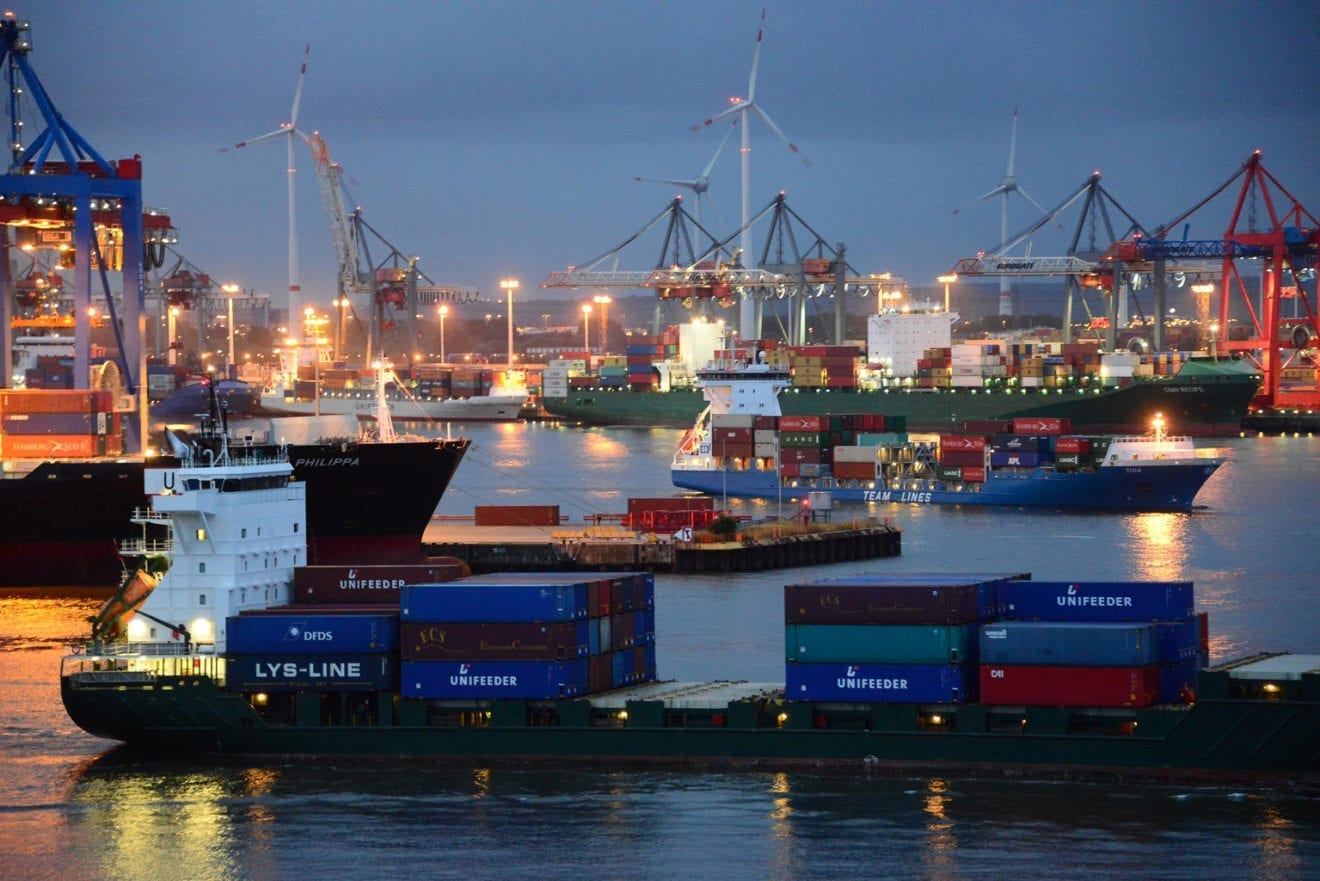
  • The Port of Hamburg has launched a Chinese-language version of its website

    The Port of Hamburg has launched a Chinese-language version of its website

    “China is by a wide margin the Port of Hamburg’s most important trading partner,” said Axel Mattern, joint CEO of Port of Hamburg Marketing. “We aim to do justice to this by now offering our internet presence, not just in German and English as the language of shipping, but also in Chinese. On our travels in China we have found that language still frequently forms a barrier to communication. We aim to reduce this and to facilitate immediate access to comprehensive data on the Port of Hamburg for our Chinese partners and customers through our Chinese internet presence. The new language version of the Port of Hamburg website is a logical extension of our already very comprehensive range of information.

    The website provides information such as liner services, agencies and handling facilities, as well as an integrated database on intermodal services, according to the port.

  • Chinese Online Shoppers to ‘Walk Into Australia and New Zealand’ with Azoya

    Chinese Online Shoppers to ‘Walk Into Australia and New Zealand’ with Azoya

    A select group of influential online celebrities from China will arrive in Australia next week for the ‘Walk Into Australia and New Zealand’ campaign, organised by leading turnkey e-commerce solutions provider Azoya and China’s leading online shopping guide SMZDM

    The ‘Walk Into Australia and New Zealand’ campaign is focused on building the bridge between Chinese online shoppers and Australian retailers by offering face-to-face interactions to help them understand the authenticity and reliability of ethical products from Australia. Deterred by safety and quality issues with domestic products, particularly for healthcare and food supplements, Chinese consumers are increasingly looking to Australia to buy directly through cross-border e-commerce. 

    “China’s ecommerce landscape is rapidly evolving, offering Australian brands and retailers a huge opportunity to take advantage of it,” said Sylvia Wei, deputy managing director – Australia for Azoya. “If they’re going to survive in such a competitive market, they’ll need to build relationships with key online influencers, who are invaluable sources of promotion in China. This campaign will help them develop more effective and rewarding channels, as well as better understand what Chinese consumers need and want.”

    As traditional marketing channels continue to lose their impact in acquiring new consumers in China, live streaming marketing and influential online celebrities, known in China as key opinion leaders (KOLs), are emerging as the channels employed by the local ecommerce industry. While the marketing influence of celebrities in the Western world is useful, KOLs in China have a very powerful influence over consumers. They mainly attract followers by being an authority on a particular subject and gain credibility through a long history of interacting with followers, who have a high-level of trust in them. Therefore, leveraging high-profile bloggers and microbloggers boasting millions of followers is a very effective strategy for brands and retailers to reach target audiences. Retailers can directly influence a large community and reach thousands or even millions of potential customers.

    The 12 person delegation participating in the ‘Walk Into Australia and New Zealand’ tour – including four high-profile Chinese KOLs (selected from over 1,000 applicants) and editors from SMZDM – will participate in a series of online and offline events in Sydney, Melbourne and Auckland between 21-30 August. They will experience production, supply, marketing, order fulfillment and customer service from the stores and warehouses of five of Azoya’s participating retail customers, which all have established ecommerce businesses in China. These include Pharmacy Online (Sydney), Pharmacy 4 Less (Sydney), Amcal (Melbourne), Kiwi Discovery (Auckland) and Pharmacy Direct (Auckland). The delegation will also have the opportunity to meet with leading healthcare brands Swisse and Blackmores. 

    In return, the KOLs will share their experiences online on SMZDM and other sources, potentially exposing participating retailers and brands to more than four million Chinese consumers. The tour will also be broadcast by professional editors on online live streaming channels, giving Chinese consumers a glimpse into how their favourite products are packaged and distributed, showcasing the quality of the products they plan to purchase. During the live streaming, purchase links will be pushed to users to place orders immediately. In addition, a local team in China will help promote the ‘Walk Into Australia and New Zealand’ tour to attract more users to participate. 

    “We’re really excited to be able to offer our healthcare retail customers in Australia such an amazing opportunity to strengthen their brands with Chinese consumers,” added Ms Wei. “China’s healthcare sector keeps developing at an astonishing rate, fueled by favourable demographic trends, continuing urbanisation, an increasing disease burden, the overall economy’s healthy expansion and income growth. The campaign will help drive awareness of their quality healthcare products in China and take their ecommerce businesses to the next level.”

  • 2016 Chinese business gets off to a roaring start in Korea

    2016 Chinese business gets off to a roaring start in Korea

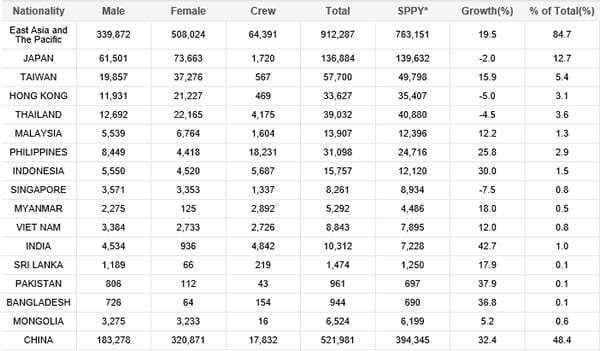
    The Chinese tourism and travel retail business began with a bang in January with arrivals up by +32.4% year-on-year to 521,981, according to Korea Tourism Organization.

    The growth is all the more impressive for coming off a strong base. January 2015 saw a similarly robust +32.9% rise to 394,345.

    Departures by Koreans also rose strongly, up +15.1% in January to 2,112,337, following an impressive +20.1% increase in 2015.

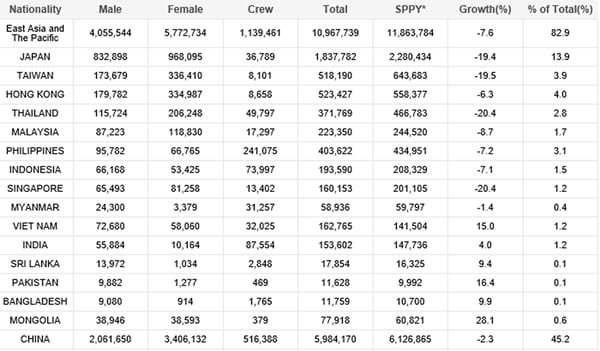
    The January figures will be much welcomed by Korean travel retailers after a difficult 2015 caused by the mid-year MERS crisis. Chinese arrivals dipped by -2.3% last year, a fall driven entirely by the catastrophic slump in tourism from June through August.

    Japanese visitor arrivals remained soft in January, falling -2.0% to 136,884, following a -19.4% fall in 2015.

    For 2015, Chinese visitors accounted for 45.2% of all arrivals, with the once dominant Japanese representing a mere 13.9% share.

    Visitor arrivals by gender for January; Source: Korea Tourism Organization
    Visitor arrivals by purpose and nationality for January; Source: Korea Tourism Organization
    Outbound departures of Korean nationals by gender for January; Source: Korea Tourism Organization
    Visitor arrivals by gender for 2015; Source: Korea Tourism Organization
  • Worst post-Lunar New Year sell-off in 22 years

    Worst post-Lunar New Year sell-off in 22 years

    The Hong Kong stock market saw the worst post-Lunar New Year session in 22 years on Thursday, a day after U.S. Federal Reserve chair Janet Yellen confirmed fears of a global slowdown in her testimony to Congress.

    Yellen raised the likelihood that U.S. interest rate hikes will be put on hold and possibly even cut over concerns about external risks to the U.S. economy and convulsions across stock markets worldwide.

    “Foreign economic developments, in particular, pose risks to U.S. economic growth,” said Yellen, referring to the debilitating effects of China’s economic slowdown, most remarkably, in dragging commodities prices down.

    On the back of those comments, the Hong Kong bourse reopened after a three-day break to a sharp sell-off, with the benchmark Hang Seng Index shedding 3.8% to close at its lowest level since June 2012 at 18,545.80. The Hang Seng China Enterprise Index of Hong Kong-listed mainland companies fell 4.9% to end at 7,657.92.

    The city’s blue chips fell almost across the board, with technology company Lenovo Group, which recently posted disappointing top-line growth, leading the decline with a 6.7% drop to 6.35 Hong Kong dollars.

    Financials and oil stocks bore the brunt of the selldown. China Life Insurance slumped 6.6% to HK$16.44. Other insurers such as Ping An Insurance Group and AIA Group lost 5.6% at HK$39.15 and 3.7% at HK$37.95, respectively.

    HSBC fell 5.44% to HK$49.50. Its Chinese counterparts Agricultural Bank of China, China Construction Bank, Bank of China, and Industrial and Commercial Bank of China all dropped about 4% over worries about a mounting credit crisis on the mainland.

    China’s largest oil refiner China Petroleum & Chemical (Sinopec) skidded 6.4% to HK$4.10, while other mainland energy giants, PetroChina, CNOOC and China Shenhua Energy slipped more than 5%.

    Of all the property stocks, China Vanke took the deepest plunge to close 8.92% lower at HK$1.58, while China Overseas Land & Investment was down 4.3% to HK$21.10.

    Consumer stocks such as Belle International, Hengan International and Tingyi Holding all lost around 6%. A fierce riot in Mongkok, one of the most popular shopping districts in Hong Kong, during the holidays has hurt sentiment toward the city’s already-battered retail sector.

    Mainland internet and telecom heavyweights such as Tencent Holdings and China Mobile were not able to escape the selling pressure, falling 5.4% to HK$136.10 and 3.1% to HK$82, respectively.

    Bad news from China also contributed to the sell-off. Before the holiday, the People’s Bank of China reported that the country’s foreign exchange reserve had fallen to $3.23 trillion in January, the lowest level since 2012, depleted by the central bank’s defense of both its currency and stock market.

    On Wednesday, Yellen’s comments were scrutinized for clues about future interest rate direction. She said that “monetary policy is not on a pre-set course,” suggesting that a rate cut could be considered if necessary. Overnight, the Dow Jones Industrial Average and the S&P 500 indexes ended slightly down, posting their fourth consecutive day of losses, while the Nasdaq ended three days of decline.

    Investors looking for safe havens in the risk-off environment pushed the spot gold price up to $1,207.6, the highest level since May 22.

    While mainland China and Taiwan markets remained shut for the Chinese New Year holiday until next week, most bourses across Asia faltered.

    South Korea, which also reopened after a long Lunar New Year break, saw its benchmark Kospi Index lose 2.9%. Singapore’s Straits Times Index and Thailand’s SET index dropped 1.7% and 1.84%, respectively. India’s Sensex Index closed 3.3% lower to its weakest level since May 2014.

    The Indonesian and Philippine markets were the only ones bucking the trend, rising 0.9% and 0.3%, respectively.